
Towing an RV is one of the toughest real-world tests for any vehicle. It’s not just about horsepower or torque it’s about how long those numbers can last when the engine is straining up a 6% grade in summer heat with 8,000 pounds behind you.
U.S. buyers often find that the glossy towing capacity figures don’t tell the full story; some vehicles manage their temperatures and power delivery far better than others.
The key difference lies in engineering decisions cooling system design, transmission tuning, and chassis rigidity all determine whether a tow rig thrives or overheats when things get steep.
Let’s break down five proven tow champions that keep their cool under pressure and five that tend to falter when faced with real climbing heat.
The Workhorses & Tow Champions
When it comes to hauling heavy loads or tackling tough jobs, not all vehicles are created equal. Some trucks and SUVs stand above the rest, engineered to handle massive towing capacities, rugged terrain, and demanding workloads without breaking a sweat.
These are the true workhorses and tow champions, built for those who rely on power, durability, and performance day in and day out. Whether you’re pulling a trailer, hauling equipment, or simply need a vehicle that won’t quit, these machines deliver the muscle to get it done.
1. Ford F-250 Super Duty (6.7L Power Stroke Diesel)
The F-250 Super Duty has long been a benchmark for serious towing. Its 6.7-liter Power Stroke turbo diesel doesn’t just produce monumental torque it manages that output efficiently over long hauls. What really sets it apart is Ford’s integrated cooling strategy.
A massive intercooler, dual transmission coolers, and a variable geometry turbo allow it to sustain full power without overheating, even while pulling a heavy fifth wheel across the Rockies.
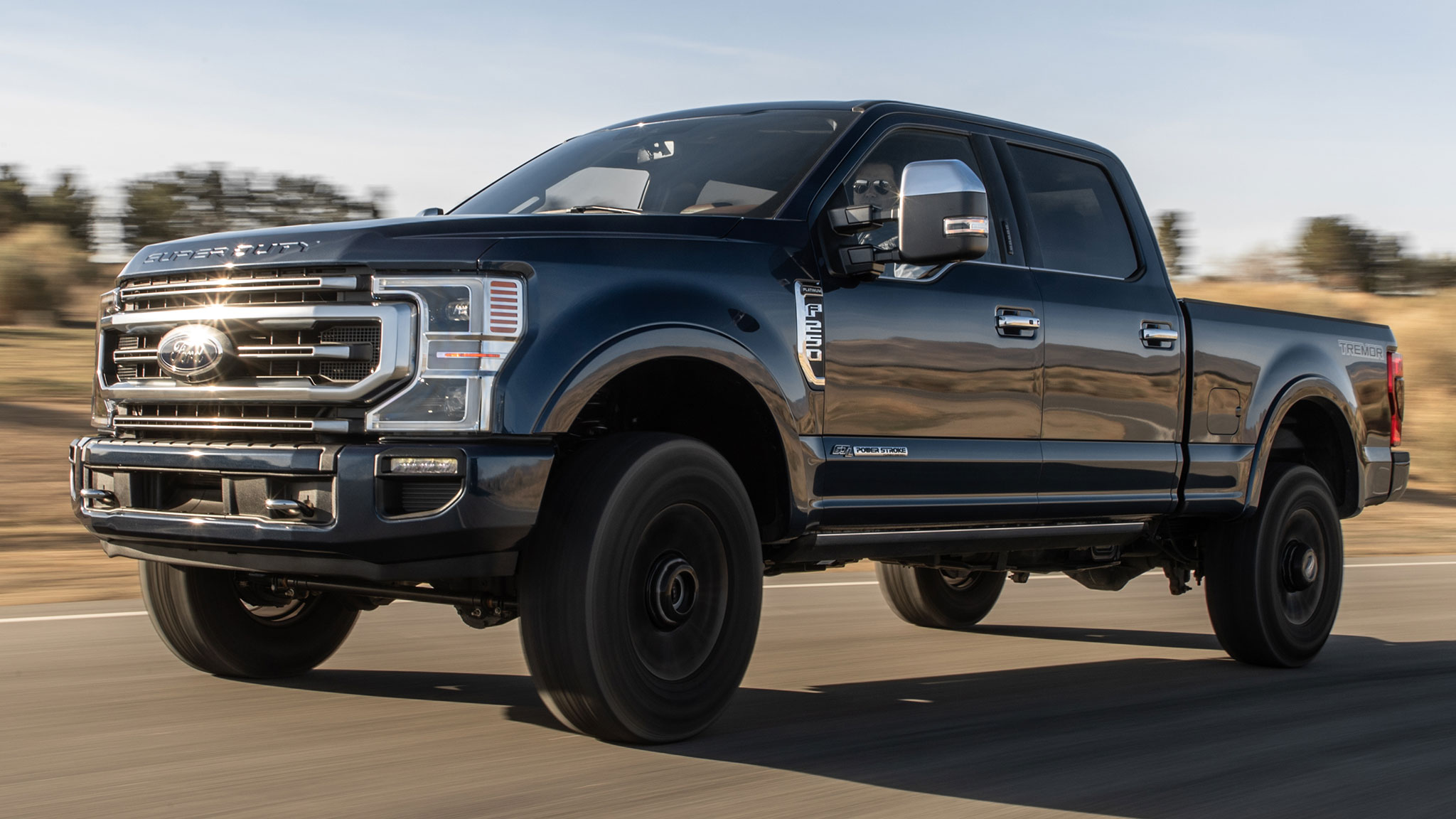
Owners report consistent transmission temps and no power drop-offs, which is rare in the segment. For frequent RV travelers crossing mountain passes, the Super Duty is as close as it gets to worry-free.
2. Ram 2500 Cummins Turbo Diesel
Ram’s 2500 with the 6.7-liter Cummins is another cooling powerhouse. While not quite as fast as the Ford, its straight-six layout inherently manages heat better thanks to even cylinder spacing and massive airflow through the front grille.
Ram also fits a high-capacity fan clutch and transmission cooling loop that’s practically overbuilt for RV use.
When pulling 10,000 pounds up long Western grades, the Cummins can maintain steady coolant and EGT (exhaust gas temperature) readings that many gasoline trucks can only dream of.
Add in the robust 68RFE or Aisin transmission and you’ve got a truck that treats heat as an afterthought.
The 6.7-liter inline-six engine delivers an impressive 430 horsepower and 1,075 lb-ft of torque, paired with an eight-speed automatic transmission for smooth power delivery.
For those who prefer gasoline power, there’s the 6.4-liter HEMI V8, which produces 405 horsepower and 429 lb-ft of torque. This version also comes mated to a different eight-speed automatic transmission.
When equipped with the Cummins diesel engine, the Ram 3500 HD boasts a maximum towing capacity of 37,090 pounds and can handle a payload of up to 6,560 pounds. Opting for the HEMI V8 still provides serious strength, with towing capabilities reaching up to 20,000 pounds.
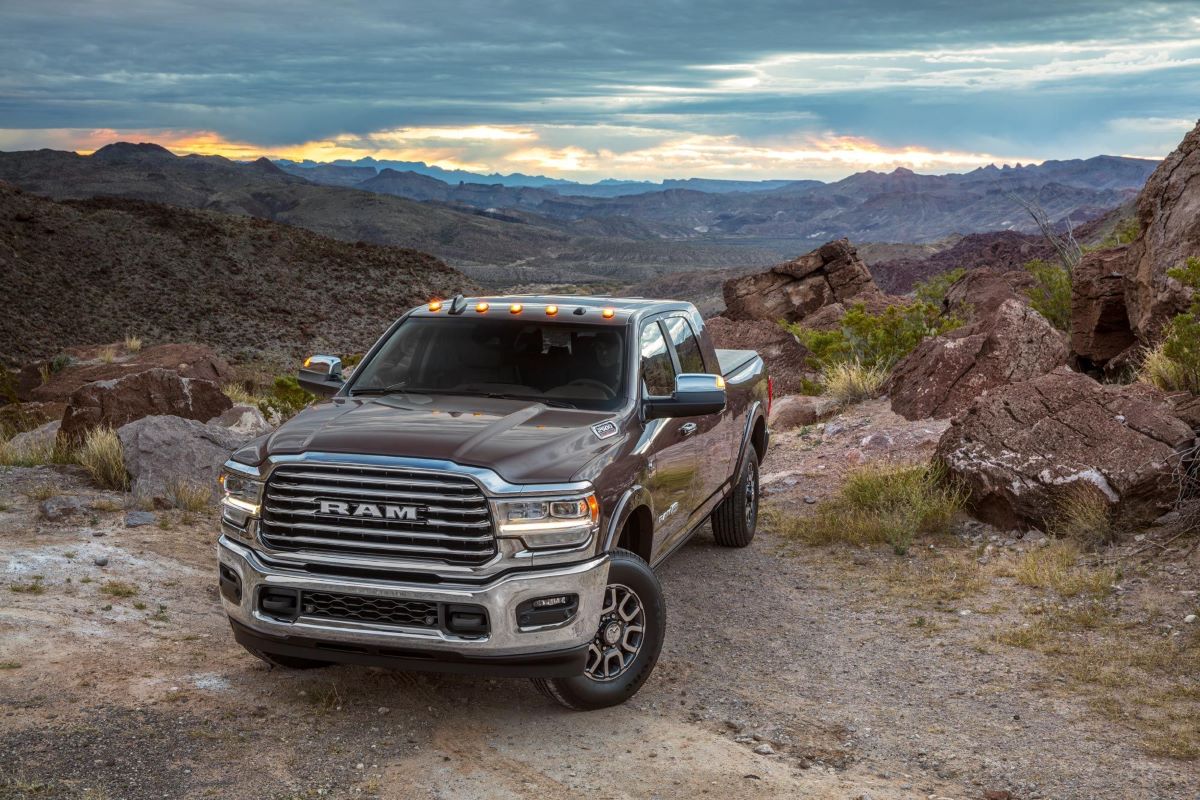
The Ram HD can sprint from 0 to 60 mph in under seven seconds and is expected to be smoother and quieter than previous models.
Among its new updates are fish-eye lower mirrors, blind-spot monitoring that covers the entire trailer length, a powerful exhaust brake, and digital rearview mirrors.
Off-road-oriented trims like the Rebel and Power Wagon come equipped with a winch and an electronic front anti-roll-bar disconnect for added versatility.
Engine refinements include a bolt-on aluminum manifold for a longer intake, larger exhaust valves, and a fuel pressure boost of 3,000 psi, raising the total to 32,000 psi. These upgrades enhance charge cooling, efficiency, and overall performance.
Also Read: 12 Cars That Shock Drivers With Unstoppable Reliability
3. Chevrolet Silverado 2500HD (6.6L Duramax Diesel)
Chevrolet’s Duramax-powered Silverado 2500HD may not always dominate headlines, but it’s one of the most thermally stable tow rigs you can buy.
The partnership with Allison Transmissions shows its worth when the road gets steep.
The 10-speed automatic manages torque without generating excessive heat, while GM’s cooling stack design an overlapping layout that maximizes radiator and intercooler efficiency keeps everything in check.
Even in Arizona or Nevada summer climbs, Duramax owners regularly see stable coolant temps below 220°F while hauling full-size RVs. This truck proves that durability can come quietly but effectively.
The Chevrolet Silverado 2500HD is designed for those who need more muscle than the standard Silverado can offer. First launched in 2020, this generation of Silverado HD gained Chevrolet’s handy Multi-Flex tailgate in 2022.
The 2023 model carries over without major changes and continues to go head-to-head with other heavy-duty contenders such as the Ram 2500, Ford F-250, and GMC Sierra 2500HD.
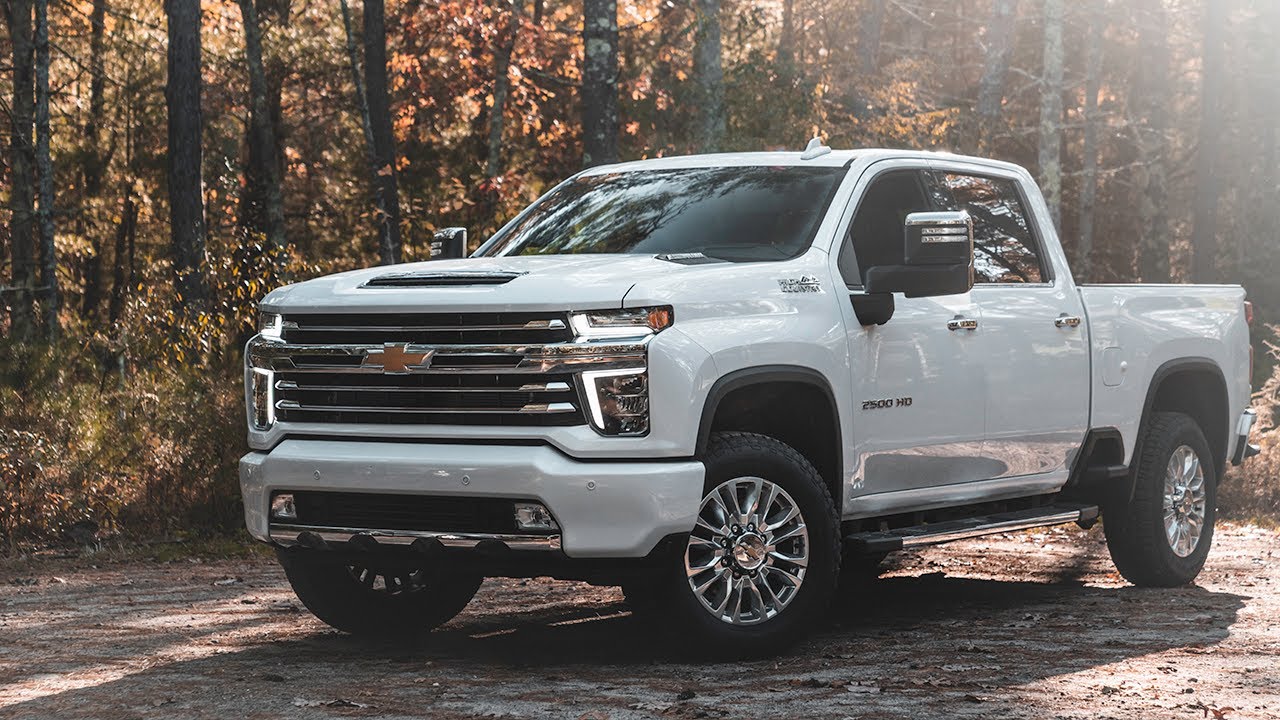
Our recommendation for the Chevrolet Silverado 2500HD depends heavily on the chosen engine and transmission setup. The gasoline V8 feels underwhelming due to its outdated six-speed automatic transmission.
In contrast, the turbodiesel V8 paired with the refined 10-speed Allison gearbox is the configuration we prefer. The gas version lacks the strength and smoothness expected in this class, while the diesel variant delivers immense torque and makes towing tasks far easier.
However, the Silverado 2500HD’s interior remains one of its weakest points. The seats lack comfort, and the overall cabin materials feel inexpensive. The infotainment setup is also underwhelming, with a standard 7.0-inch screen and an optional 8.0-inch upgrade.
Ford’s F-250, by comparison, includes an 8.0-inch display as standard and offers a 12.0-inch screen as an option. Ram goes a step further, fitting the 2500 with a 12.0-inch tablet-style touchscreen as standard equipment.
Buyers can choose between two powertrains for the Silverado 2500HD. The first is a 6.6-liter gasoline V8 generating 401 horsepower and 464 lb-ft of torque, paired with a six-speed automatic transmission.
Rear-wheel drive comes standard, while four-wheel drive is optional. In 4WD form and unloaded, the Silverado 2500HD accelerates from 0 to 60 mph in about 7.5 seconds.
For those who demand more power, the 6.6-liter turbodiesel V8 upgrade, costing nearly $12,000, is a worthwhile investment.
This engine produces 445 horsepower and 910 lb-ft of torque, sending power through the smooth 10-speed Allison automatic transmission to either the rear or all four wheels. The diesel not only transforms the Silverado into a superior towing machine but also makes it quicker overall, with a 0–60 mph time of just 6.5 seconds.
4. Toyota Tundra i-Force Max Hybrid
The latest Tundra, especially the i-Force Max hybrid version, has surprised many RV owners with its towing poise. The hybrid powertrain’s instant torque, combined with a twin-turbo V6, gives it diesel-like low-end power without excessive heat buildup.
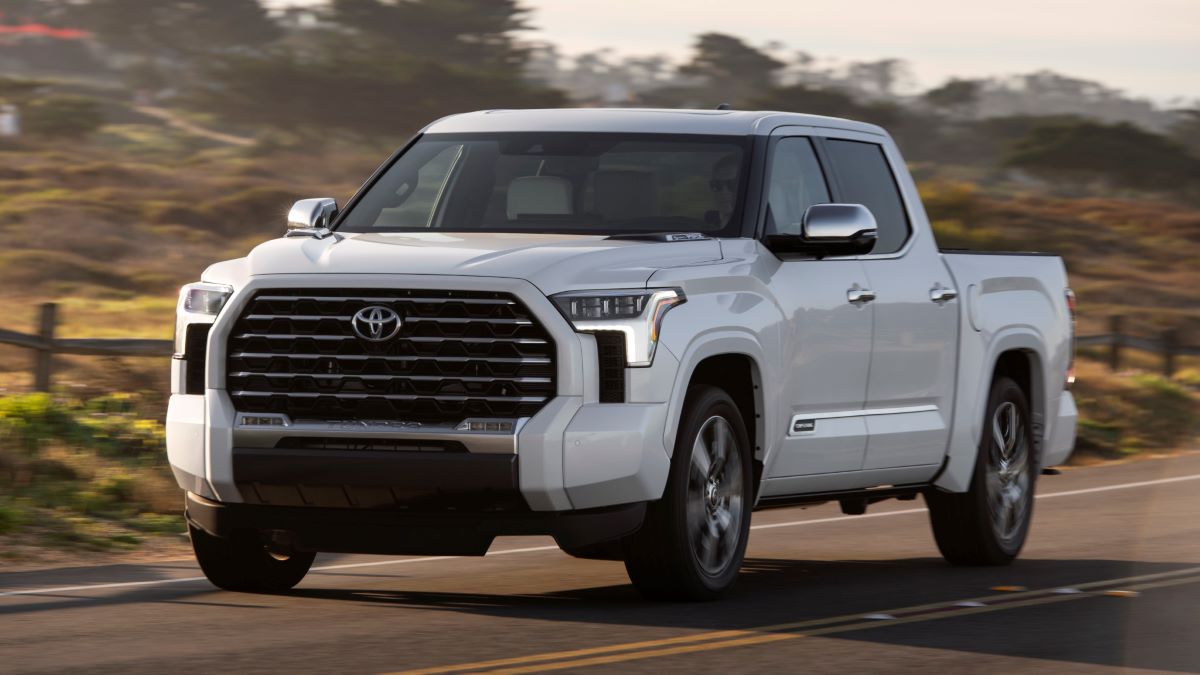
Toyota also completely redesigned its cooling architecture for the new model, separating battery, transmission, and engine cooling circuits to prevent thermal overload.
While it’s not a heavy-duty truck, the Tundra can comfortably manage mid-weight RVs think travel trailers up to 7,000 pounds without cooking its components in the process.
5. Ford Expedition (EcoBoost 3.5L)
For those towing smaller RVs or travel trailers, the Ford Expedition is a standout among SUVs.
The twin-turbo EcoBoost V6 might sound fragile on paper, but Ford equipped it with a heavy-duty radiator, twin turbo intercoolers, and a tow/haul transmission calibration that works wonders on grades.
Real-world testing in the Sierra Nevadas shows the Expedition maintaining consistent transmission fluid temperatures under load where many competitors downshift repeatedly or trigger over-temp warnings.
It’s a rare case of a turbocharged SUV behaving like a big V8 truck in terms of endurance.
Decades after its debut in 1996, the Ford Expedition continues to stand strong in the full-size three-row SUV market. Its most recent redesign in 2019 brought major updates, including a fully independent suspension and a V-6 engine, marking a shift from its original pickup-based foundation.
Even so, the Expedition remains a capable, comfortable, and practical option for families needing seating for up to eight passengers or generous cargo space. The extended Expedition Max version further boosts overall length and hauling capacity.
The Expedition provides a smooth, quiet ride with steering that feels composed and precise. Though there’s no V-8 option, the twin-turbocharged V-6 delivers brisk performance and solid towing strength.
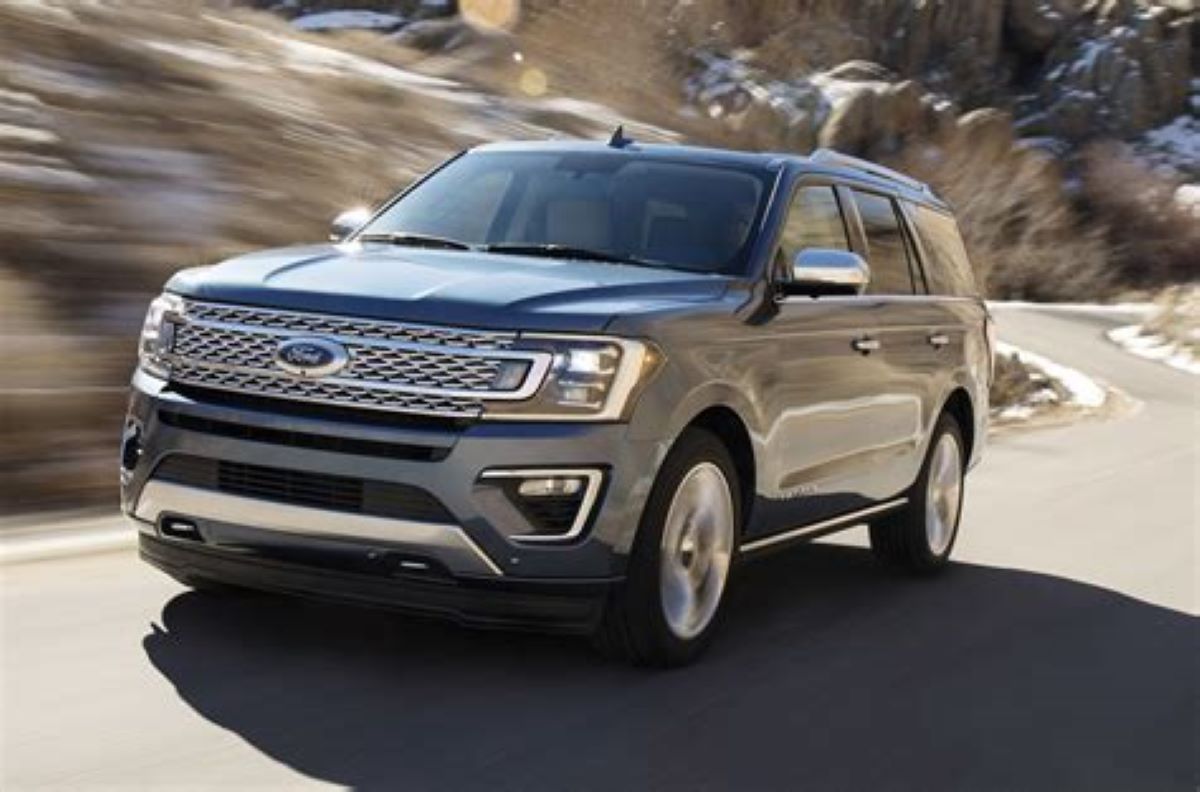
The 10-speed automatic transmission can feel a bit unpolished at times, but overall, the powertrain remains one of the most capable in its class.
Inside, the cabin takes design cues from the F-250’s dashboard, functional rather than flashy. The interior is roomy and accommodating, with plenty of comfort for passengers in all three rows. Even adults can sit comfortably in the third row, and getting there doesn’t require much effort.
Power comes from a twin-turbocharged 3.5-liter V-6 engine producing 375 horsepower and 470 lb-ft of torque, paired with a 10-speed automatic transmission. Rear-wheel drive is standard, while four-wheel drive remains an option.
EPA fuel economy ratings for the 2020 Expedition come in at 17/23 mpg city/highway for RWD models. Standard-length 4WD versions achieve 17/22 mpg, and extended-length variants return 17/21 mpg.
Also Read: 10 Trucks That Keep Cool While Towing in Summer Heat
Tow-Overheating Vehicles To Avoid
Towing puts a lot of stress on a vehicle’s engine, transmission, and cooling system, and not every vehicle is built to handle that kind of strain. While some trucks and SUVs are engineered for heavy-duty hauling, others tend to overheat when pushed to their limits.
In this article, we’ll take a look at tow-overheating vehicles you’ll want to avoid if you plan on pulling trailers, boats, or campers. Knowing which models struggle under load can save you from costly repairs and breakdowns on the road.
1. Nissan Titan XD (5.0L Cummins Diesel)
On paper, the Titan XD looked like the perfect bridge between half-ton and heavy-duty trucks. In practice, its 5.0-liter Cummins V8 diesel suffered from heat management issues that ruined its towing potential.
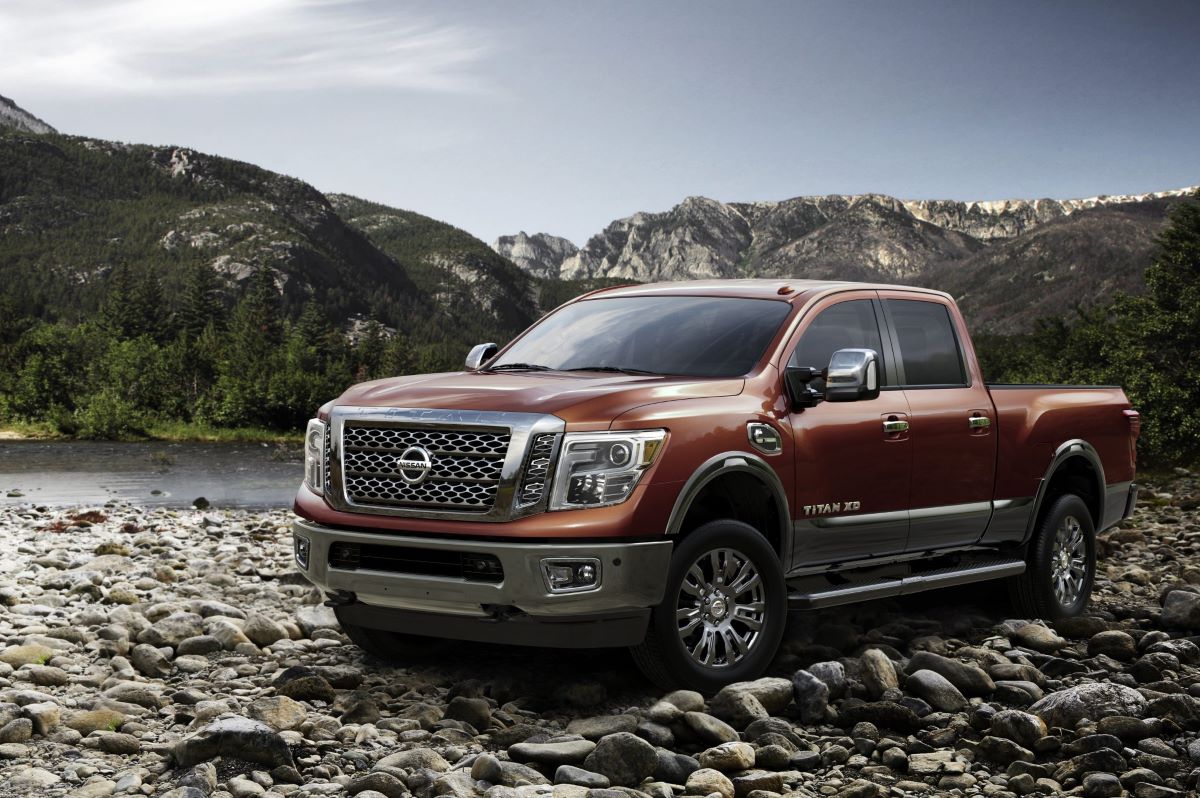
The cooling system simply couldn’t keep up on long grades, leading to limp mode in several independent tow tests. Owners frequently reported engine oil temps exceeding 250°F while towing in the Southwest.
Add in transmission overheating complaints, and it’s easy to see why the Titan XD never caught on with serious RV haulers. It was a good idea just not properly executed.
2. Chevrolet Colorado/GMC Canyon (V6 Gasoline)
The midsize Colorado and Canyon can technically tow small RVs, but doing so over long climbs exposes their limitations. The 3.6-liter V6 needs high RPM to make power, which in turn generates significant heat.
Transmission temperatures can spike above 230°F even with light loads, especially in older models before the 2023 redesign.
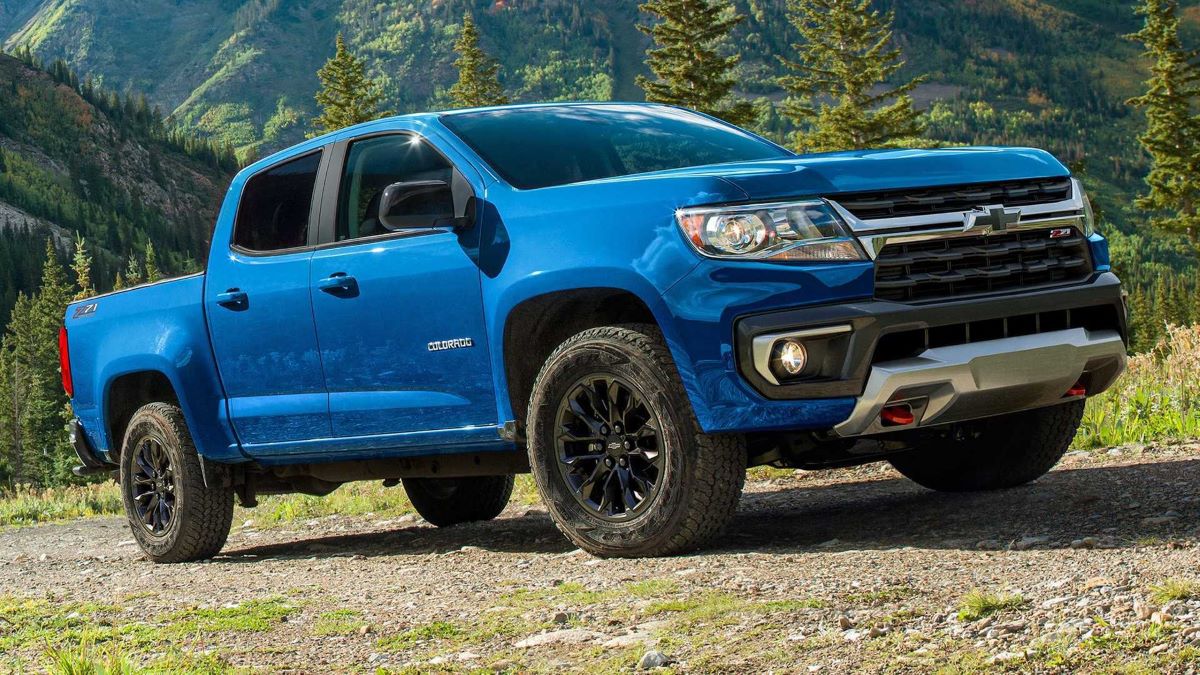
GM offered a towing package with extra cooling, but it only delays the inevitable temperature creep.
For weekend towing in the Midwest, they’re fine; for repeated mountain runs, the thermal stress can shorten engine and transmission life quickly.
Despite its rugged exterior, the Chevrolet Colorado delivers a surprisingly smooth and comfortable ride. It’s easy to maneuver and handles winding roads with confidence, while its off-road capabilities remain impressive.
Rear-wheel drive comes standard on the WT and LT trims, whereas all-wheel drive is standard across the higher models in the lineup.
Under the hood, the Colorado features a single engine option, a highly regarded turbocharged 2.7-liter four-cylinder producing 310 horsepower and 430 pound-feet of torque.
This engine provides strong acceleration and easily manages a variety of driving conditions. With a payload capacity of 1,710 pounds and a maximum towing capacity of 7,700 pounds, the Colorado performs exceptionally well within the compact pickup segment.
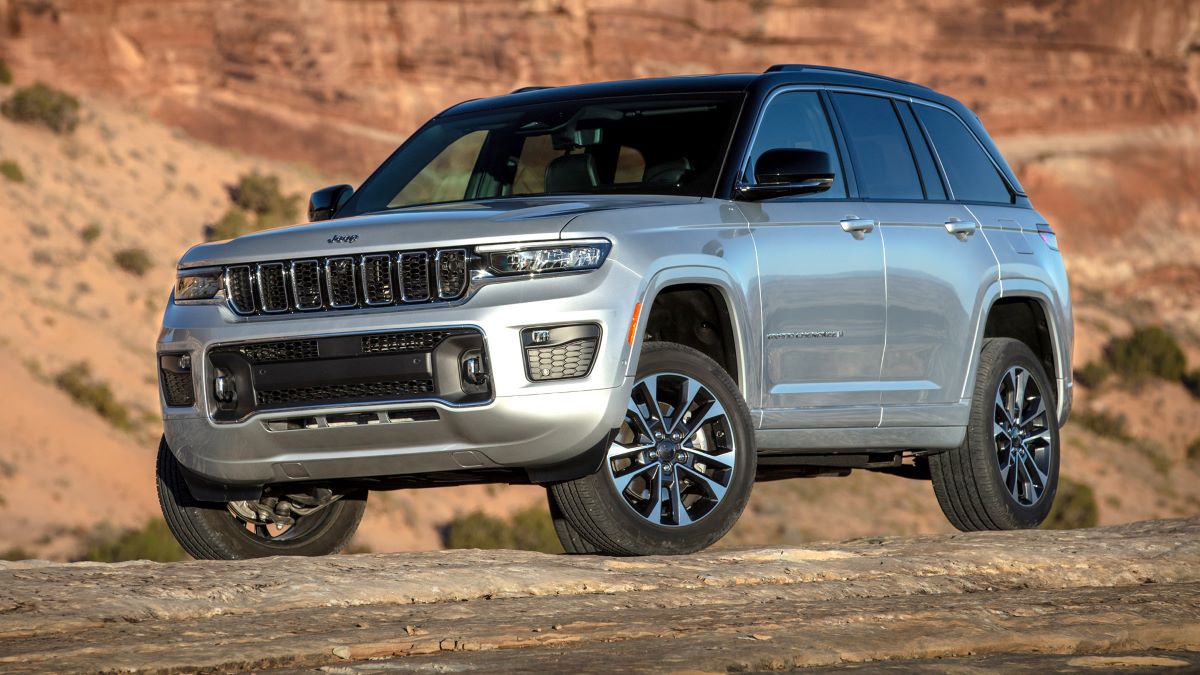
3. Jeep Grand Cherokee (3.6L Pentastar)
While the Grand Cherokee is often rated for 6,200 pounds of towing, that number doesn’t tell the whole story. The 3.6-liter Pentastar V6 simply lacks the thermal headroom to handle sustained uphill towing.
It relies heavily on high RPM and has a compact cooling system designed more for comfort than heavy loads.
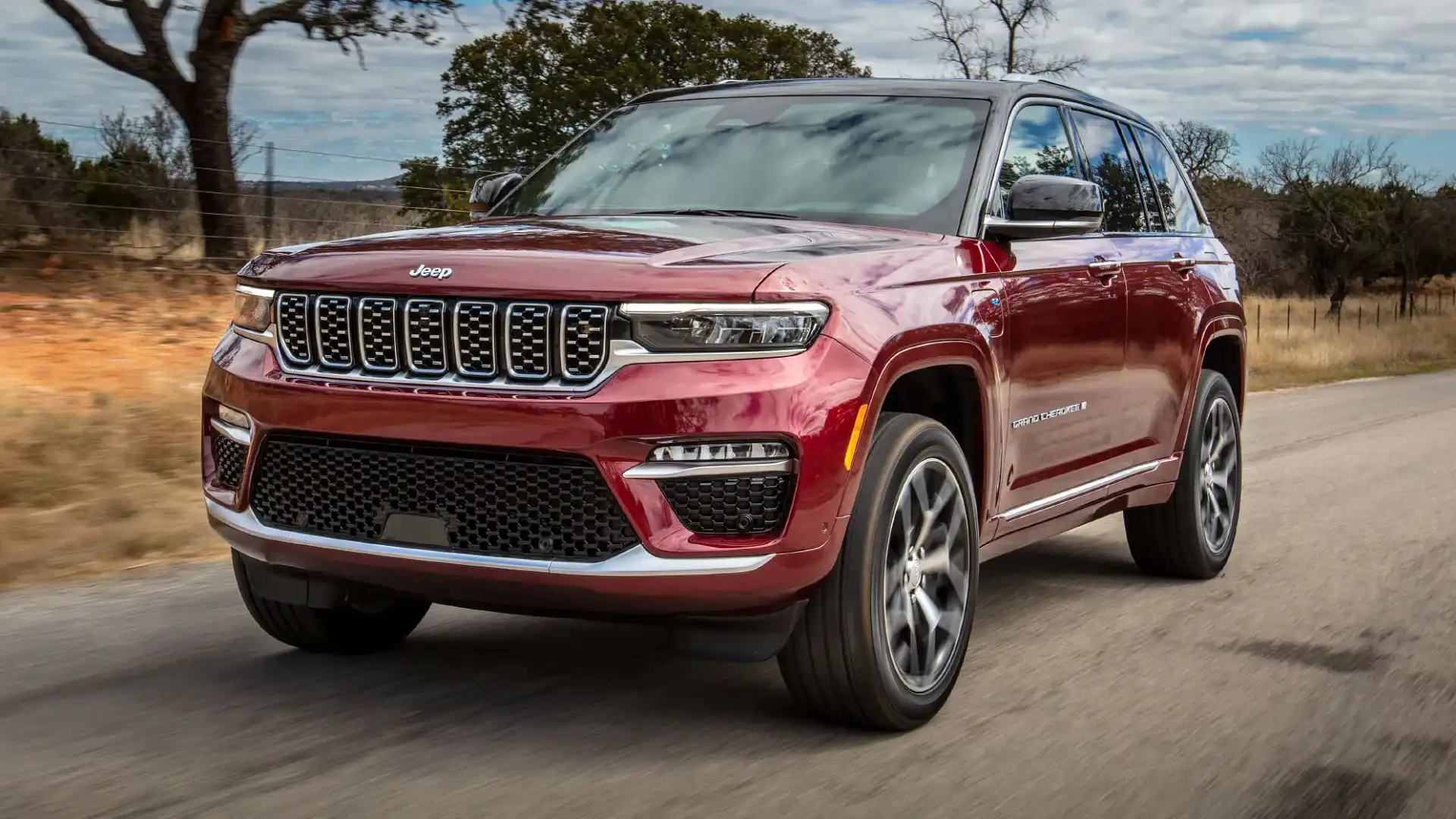
Numerous owners have reported “Transmission Over Temp” warnings while towing moderate campers through the Appalachians.
Unless you opt for the 5.7L Hemi (and even then, airflow is limited), the Grand Cherokee struggles to keep its cool when towing gets real.
4. Honda Pilot
Honda built the Pilot for family hauling, not RV towing. Despite offering up to 5,000 pounds of towing capacity, it’s a poor choice for heavy or sustained trailer loads.
The transverse-mounted V6 and tight engine bay limit cooling airflow, and the transmission cooler is undersized for long mountain grades.
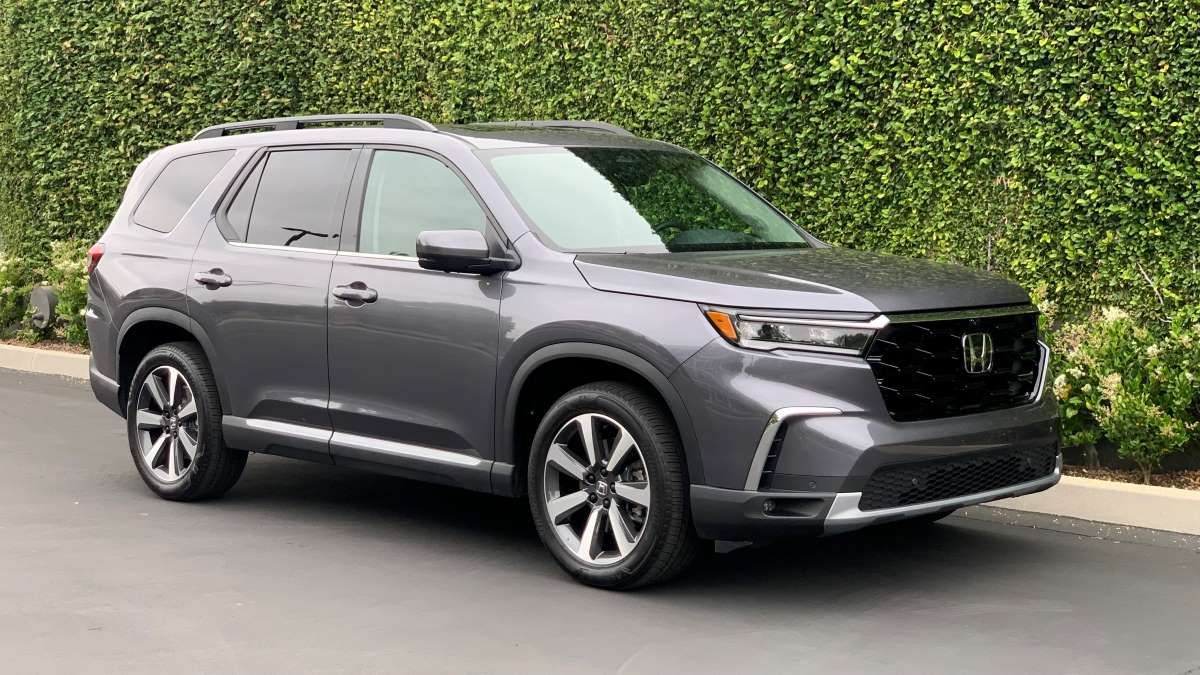
On steep climbs, temperatures soar quickly, leading to early transmission fluid breakdown.
While it can pull a small pop-up camper or boat, treating the Pilot as an RV tow vehicle is asking for overheating, gear hunting, and reduced long-term reliability.
If minivans like the Odyssey aren’t your style, Honda offers another roomy option for families — the three-row Pilot. As Honda’s largest SUV, the Pilot has been a mainstay since its debut in 2003 and is now in its fourth generation, introduced for the 2023 model year.
The 2025 Honda Pilot shares its platform with the Acura MDX and competes with a wide range of three-row SUVs, including the Hyundai Palisade and Ford Explorer.
The current-generation Pilot arrived in 2023 and remained unchanged for 2024. For 2025, Honda adds a new range-topping Black Edition trim, while the entry-level LX model has been discontinued.
Honda has moved past its reputation for conservative SUV styling, and the bold, boxy design of the 2025 Pilot proves it. The three-row SUV’s V-6 engine paired with a quick-shifting transmission delivers solid performance, though a bit more torque would be welcome.
Ride and handling lean toward comfort, and the steering feels precise. The TrailSport trim stands out for its off-road capabilities, featuring a model-specific torque-vectoring all-wheel-drive system designed for tackling rough terrain.
Inside, the Pilot offers abundant space for passengers and cargo, with excellent build quality throughout. The technology suite is solid, though the available touchscreen feels undersized, especially when compared to the 12.3-inch display in the Accord.
Some rivals, such as the turbocharged Ford Explorer, offer quicker acceleration, while others like the Kia Telluride and Hyundai Palisade deliver more upscale flair. Still, this latest Pilot represents an evolutionary step forward, remaining as practical as ever while becoming more capable overall.
The new Black Edition serves as the top trim in the Pilot lineup. “Blackout” packages are common in the industry, and Honda’s approach gives the AWD-only Black Edition a bold, dramatic appearance.
It features gloss-black 20-inch wheels, a black grille and side mirrors, and dark finishes on the front fascia ducts, window trim, door garnishes, and rear bumper. Black Edition badging adorns both the grille and tailgate.
Inside, the Black Edition stands apart with red accent lighting across the dash, doors, and center console. The red-trimmed perforated leather seats, along with red stitching on the steering wheel, seats, and door panels, add a distinctive touch. The “Black Edition” logo is embossed on the front seats and floor mats.
Powering the 2025 Pilot is a 3.5-liter naturally aspirated V-6 engine paired with a 10-speed automatic transmission. It produces 285 horsepower and 262 lb-ft of torque, slightly less than the 291-hp V-6 found in the 2023 Hyundai Palisade Calligraphy. Both SUVs, however, can reach 60 mph in 6.9 seconds.
Front-wheel drive comes standard on most trims, while all-wheel drive is available across the lineup. The TrailSport, Elite, and Black Edition trims are AWD-only.
The most fuel-efficient variants are the FWD models, rated at 19/27 mpg city/highway. AWD versions offer slightly lower highway efficiency, returning between 23 and 25 mpg.
Honda has ambitious plans to introduce 30 new electric vehicles by 2030, though it remains uncertain whether an all-electric Pilot is part of that lineup.
The company also hasn’t confirmed a hybrid version yet. What is clear is that any future electrified Pilot won’t use GM’s Ultium battery technology, as that partnership, which produced the Honda Prologue, has since ended.
While dropping the “Pilot” name seems unlikely, a transition to hybrid and eventually all-electric power makes sense. Honda has already committed to selling only zero-emission vehicles by 2040, meaning the electrified evolution of the Pilot needs to happen soon.
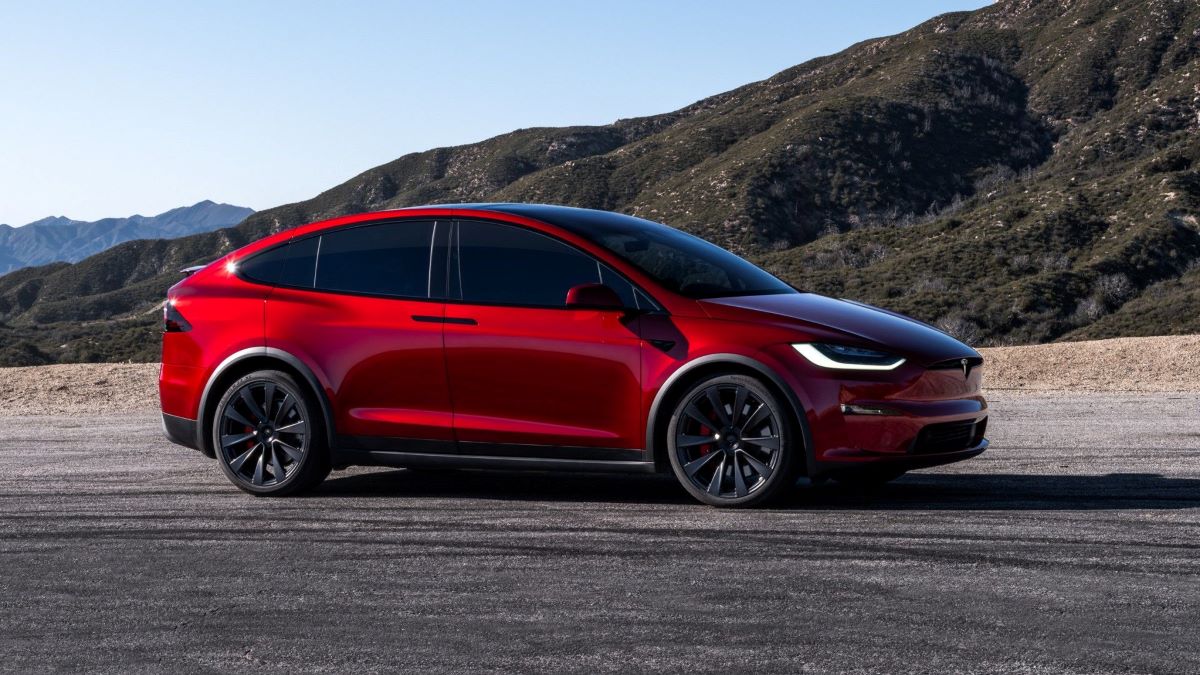
5. Tesla Model X
Electric SUVs are entering the towing conversation, and while the Tesla Model X can technically pull over 5,000 pounds, it faces a different kind of overheating: battery and motor thermal limits.
On paper, the Model X has immense torque, but sustained highway climbs trigger power reduction as the cooling system prioritizes battery safety.
Real-world towing tests show range plummeting and performance throttled after just 10–15 minutes of sustained incline driving. For flat terrain or short hauls, it’s fine but as of 2025, no EV yet matches diesel trucks for heat endurance under load.
If your road trips involve serious climbs think Colorado’s Eisenhower Tunnel or California’s Grapevine you need a tow vehicle engineered to handle both the load and the heat.
The best choices remain the heavy-duty diesel trucks and carefully engineered gas-hybrid systems that focus on thermal management from the start.
With all the attention focused on the Cybertruck, it’s easy to overlook the fact that the Tesla Model X has been around since the 2016 model year.
Although this electric SUV’s first generation has lasted far longer than what’s typical for traditional automakers, Tesla has consistently updated the Model X to keep it competitive.
For 2024, the brand introduces a handful of refinements designed to improve some of the SUV’s lingering weak points. Rivals to the 2024 Tesla Model X include other electric three-row SUVs such as the Rivian R1S, Mercedes-Benz EQS SUV, and the upcoming Lucid Gravity.
Even as it enters its ninth model year, the Tesla Model X continues to be a tough competitor in the electric SUV segment. It offers exceptional driving dynamics, striking a balance between a composed ride and agile handling.
Acceleration remains a standout feature, particularly in the Plaid variant, which is quick enough to rival some of the world’s fastest supercars. Its impressive driving range and quick-charging capabilities, further supported by Tesla’s extensive Supercharger network, solidify its appeal.
That said, the Model X isn’t without its flaws. The exterior design is beginning to show its age, and concerns about build quality persist. Its signature falcon-wing doors, while dramatic, tend to be less practical and not as reliable as traditional ones.
For maximum performance, the Model X Plaid features a tri-motor setup that generates 1,020 horsepower and 1,050 lb-ft of torque.
Tesla claims a 0–60 mph time of just 2.5 seconds, though considering the 2.1-second result recorded in the equally powerful Model S Plaid, that estimate may actually be conservative.
Both versions utilize a 100-kWh battery pack. Level 3 fast charging supports speeds up to 250 kW, while Level 2 charging adds up to 30 miles of range per hour. Standard Level 1 home charging replenishes about 3 miles of range per hour.
Panoramic glass roofs are visually striking and give the cabin a bright, airy feel. However, they often allow excessive sunlight and heat into the interior.
Light-duty SUVs and undersized engines might tow on paper, but the first real mountain grade will expose their limits. In towing, longevity isn’t just about torque it’s about keeping your cool when the road gets hot.
