
When it comes to maintaining a compact car, few things are more frustrating than a vehicle that can’t seem to hold its wheel alignment.
The constant trips to the mechanic, the uneven tire wear, and that nagging pull to one side can transform your daily commute into a source of endless aggravation.
Conversely, owning a compact car that maintains its alignment year after year feels like automotive bliss smooth driving, even tire wear, and minimal maintenance headaches. Wheel alignment isn’t just about comfort; it’s fundamentally about safety, tire longevity, and fuel efficiency.
When a car holds its alignment well, your tires wear evenly, your fuel economy remains optimal, and your vehicle responds predictably to steering inputs.
On the flip side, poor alignment retention leads to premature tire replacement, decreased fuel efficiency, and potentially dangerous handling characteristics, especially in emergency situations.
We’ll explore what makes each vehicle behave the way it does, examining suspension design, common issues, owner experiences, and the engineering decisions that lead to either alignment stability or chronic adjustment needs.
Whether you’re shopping for a new compact car or trying to understand your current vehicle’s behavior, this guide will provide the insights you need to make informed decisions.
8 Cars That Hold Alignment for Years
These exceptionally engineered vehicles feature suspension systems with robust subframe mounting points, precisely manufactured control arms utilizing quality bushings that resist deflection, and alignment adjustment mechanisms featuring secure locking fasteners that maintain settings despite constant road shock and vibration throughout extended service periods.
Their thoughtful engineering includes suspension geometry designs minimizing bump steer and deflection under load, steel control arms with reinforced mounting brackets that resist bending from pothole impacts, and camber adjustment bolts with positive locking systems preventing slippage that causes gradual setting drift over time.
1. Honda Civic (2016-2021 Generation)
The Honda Civic has long been regarded as one of the most reliable compact cars on the market, and its ability to maintain wheel alignment is a testament to Honda’s engineering excellence.
The tenth-generation Civic, produced from 2016 to 2021, represents a pinnacle of suspension design in the compact car segment, with a track record of maintaining factory alignment specifications for 50,000 miles or more under normal driving conditions.
Honda’s engineering approach with this Civic generation prioritizes durability through intelligent design rather than heavy components. The front suspension utilizes a MacPherson strut setup with a particularly robust lower control arm design.
These control arms feature large, high-quality rubber bushings that resist deterioration even in harsh climates. The bushings are designed with internal voids that allow for controlled flexing during normal operation while maintaining dimensional stability over time.
This means the suspension can absorb road impacts without permanently deforming the mounting points that determine alignment angles.
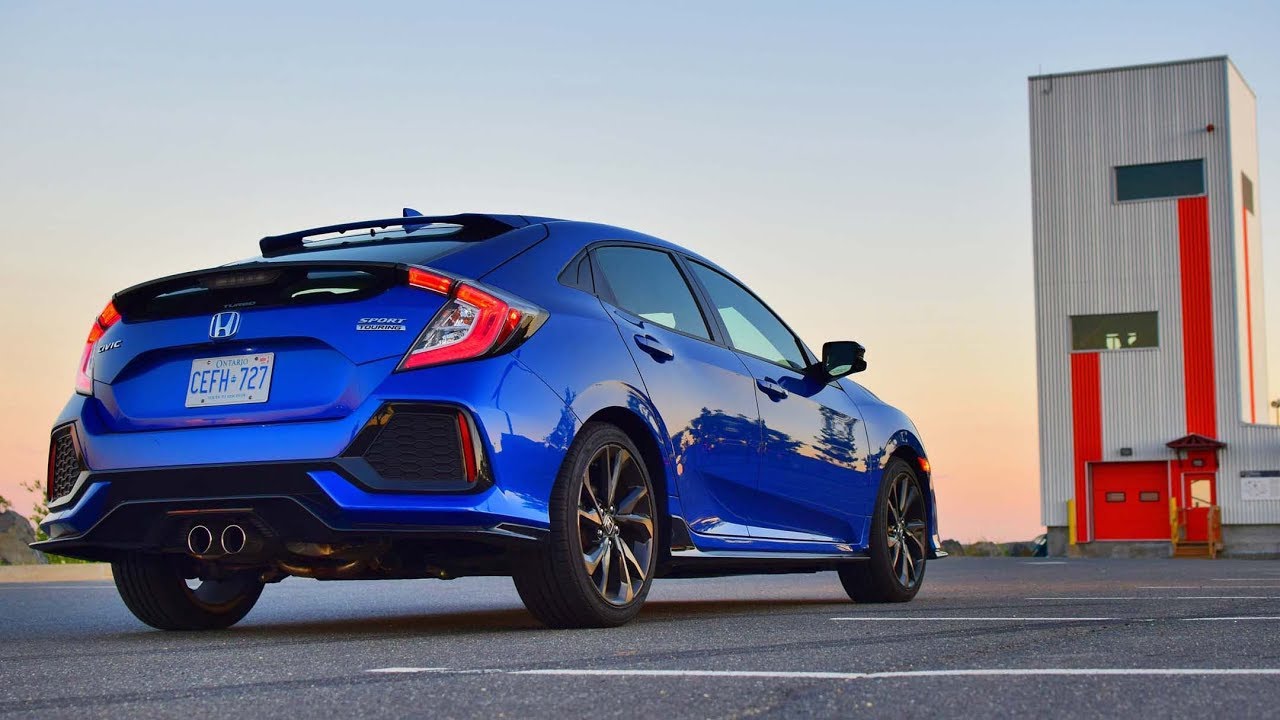
The rear suspension employs a multi-link independent setup that’s more sophisticated than the simple torsion beam designs found in many competitors.
This multi-link design distributes forces across multiple pivot points, reducing stress on any single component. The rear suspension’s toe and camber settings remain remarkably stable because the suspension geometry naturally resists deflection under cornering loads.
Tire wear patterns remain even across the tread, a clear indicator that alignment is being maintained.
Even in regions with harsh winters and pothole-riddled roads, the Civic demonstrates remarkable resilience, though Honda recommends annual alignment checks in such conditions as a precautionary measure.
2. Mazda3 (2019-Present)
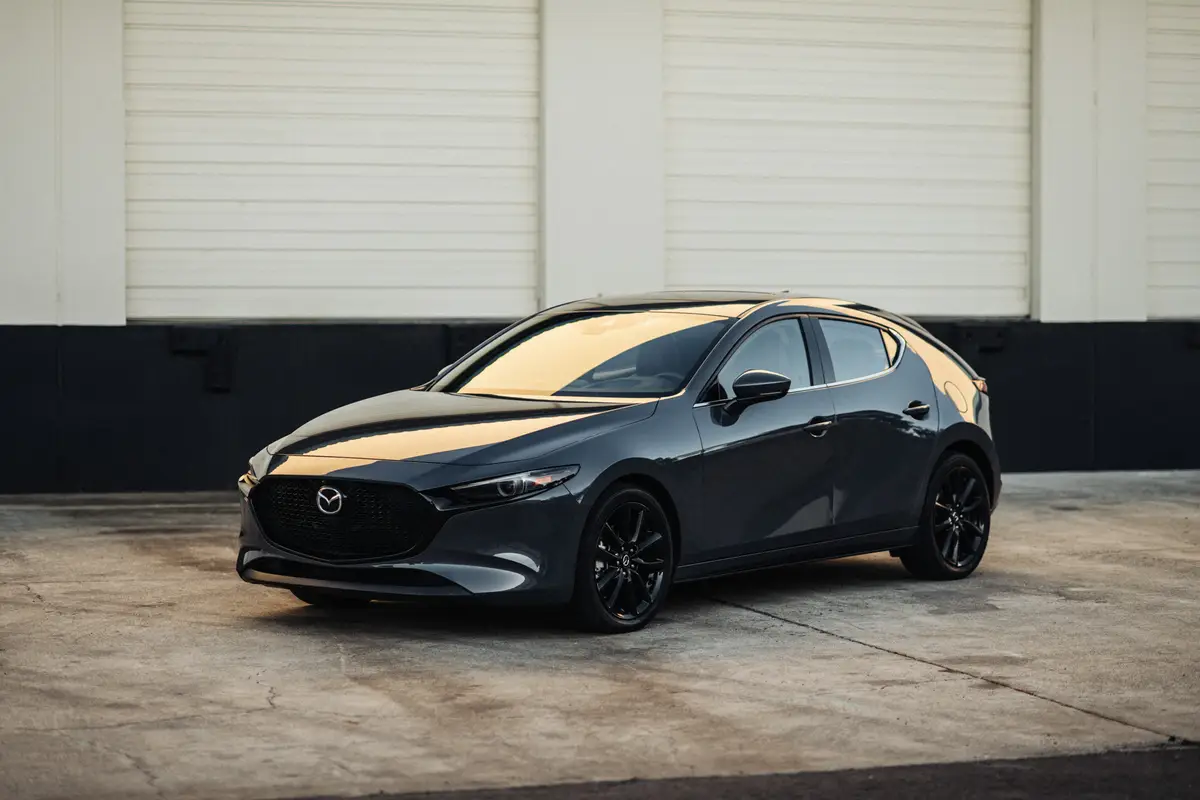
The fourth-generation Mazda3, introduced in 2019, represents Mazda’s commitment to driver engagement and engineering precision.
When it comes to maintaining wheel alignment, this vehicle stands out even among other well-engineered compact cars.
Mazda’s “Jinba Ittai” philosophy the idea that car and driver should move as one extends to every aspect of the vehicle’s design, including its ability to maintain alignment specifications over extended periods.
Mazda took a different approach with the fourth-generation Mazda3’s suspension, developing a system they call “SkyActiv-Vehicle Architecture.”
This holistic design philosophy considers how every component interacts with others to create a cohesive driving experience.
For alignment stability, this means that suspension pickup points are located on reinforced sections of the chassis, distributing loads over larger areas and preventing localized deformation that could alter alignment angles over time.
The front suspension uses a MacPherson strut configuration, but Mazda’s execution is far from ordinary. The lower control arms are forged from high-strength steel and feature a unique shape that provides exceptional lateral stiffness while allowing some vertical compliance for ride comfort.
The control arm bushings are a proprietary rubber compound that Mazda developed specifically to resist degradation from ozone, UV exposure, and petroleum products.
These bushings maintain their elastic properties for years longer than conventional rubber bushings, ensuring that the suspension geometry remains stable even as the vehicle ages.
At the rear, Mazda employs a sophisticated torsion beam design that belies the simplicity suggested by its classification. This isn’t a simple solid beam; rather, it’s a carefully profiled structure with varying cross-sections optimized through finite element analysis.
Many report that their first alignment check at 40,000 or 50,000 miles reveals that all angles remain within factory specifications, requiring no adjustment.
The even tire wear patterns that Mazda3 owners experience are perhaps the best real-world evidence of the vehicle’s alignment stability, with many drivers achieving 50,000 miles or more from a set of tires when rotated regularly.
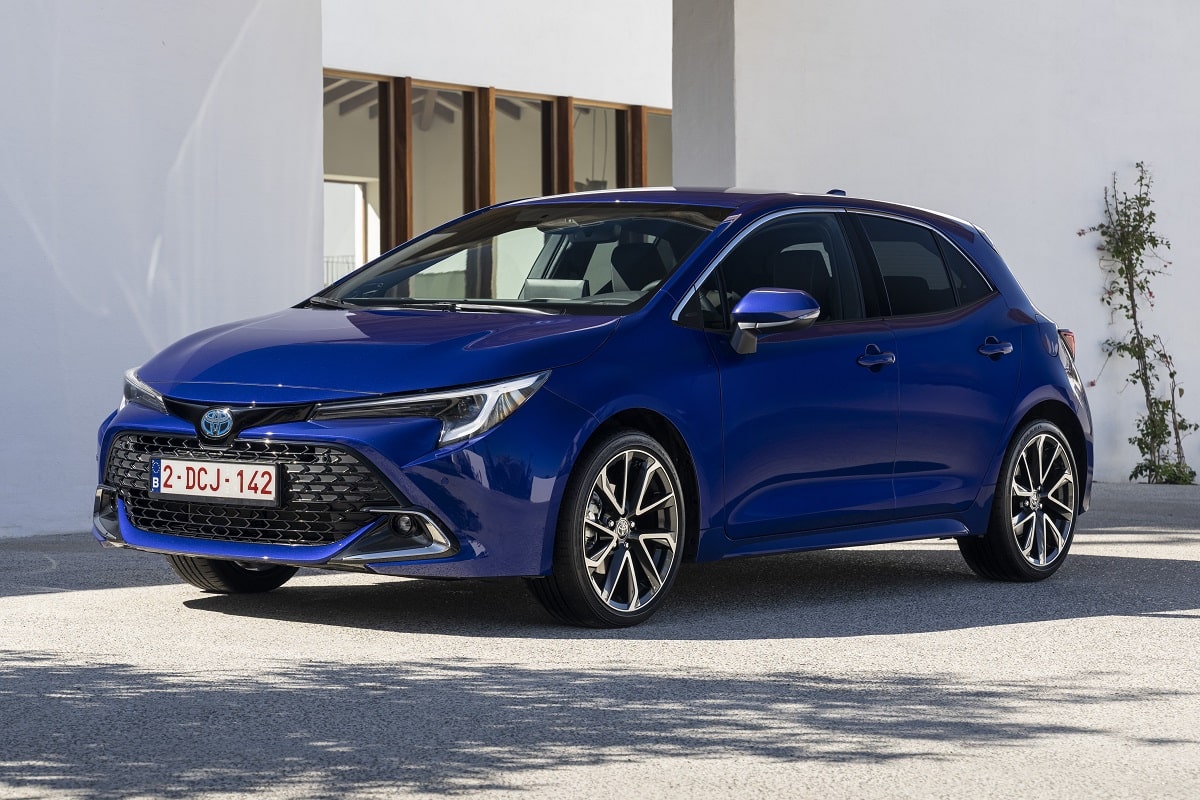
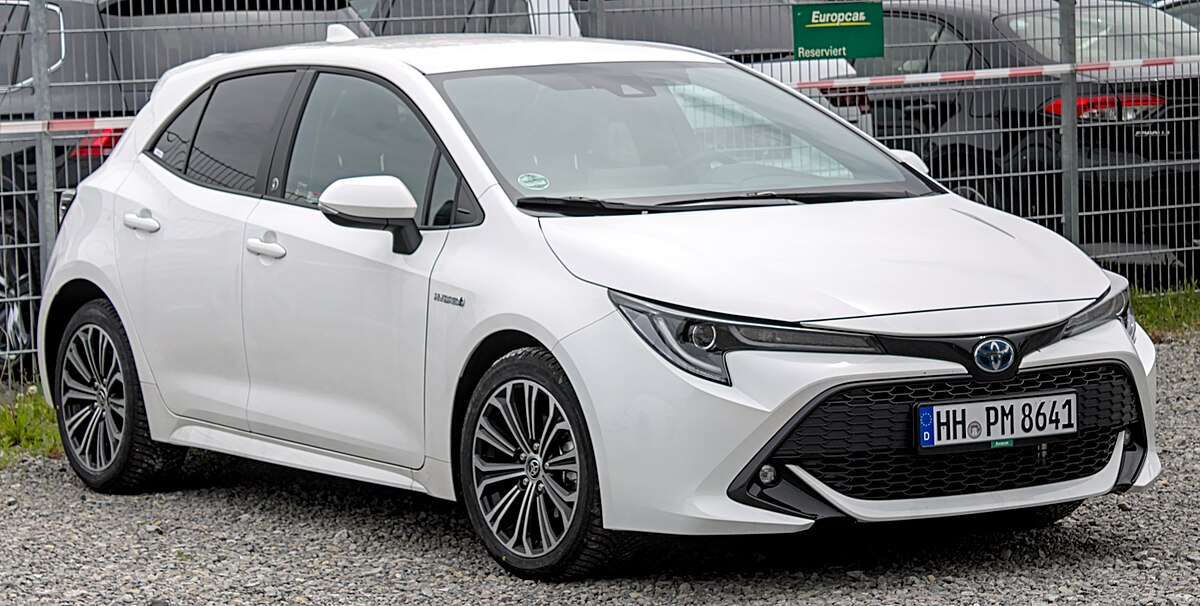
3. Toyota Corolla (2020-Present)
Toyota’s reputation for reliability extends far beyond powertrains and electronics; the company’s suspension systems are engineered with the same focus on longevity and minimal maintenance.
The fourteenth-generation Corolla, introduced for the 2020 model year, builds on decades of refinement to deliver a compact car that maintains its wheel alignment with remarkable consistency across diverse driving conditions and climates.
The current Corolla is built on Toyota’s TNGA (Toyota New Global Architecture) platform, which represents a fundamental rethinking of how Toyota designs and builds vehicles.
This added rigidity means that suspension components can be more precisely located, and they stay in their intended positions even after years of use and thousands of impacts from road irregularities.
Toyota employs a MacPherson strut front suspension on the Corolla, but with several design features that promote alignment longevity.
The strut mounting points on the shock towers are surrounded by reinforced steel panels that prevent the towers from gradually deforming under the constant loads transmitted through the suspension.
Many compact cars experience a slight inward migration of the shock towers over time, which increases negative camber and can cause uneven tire wear. Toyota’s reinforcement strategy virtually eliminates this concern in the Corolla.
In regions with severe weather and poor road conditions, the Corolla demonstrates particular resilience, maintaining its alignment despite repeated impacts from potholes and seasonal temperature extremes.
Fleet operators, who track maintenance costs carefully, consistently rate the Corolla as one of the most economical compact cars to maintain, with alignment-related expenses being notably low compared to competitors.
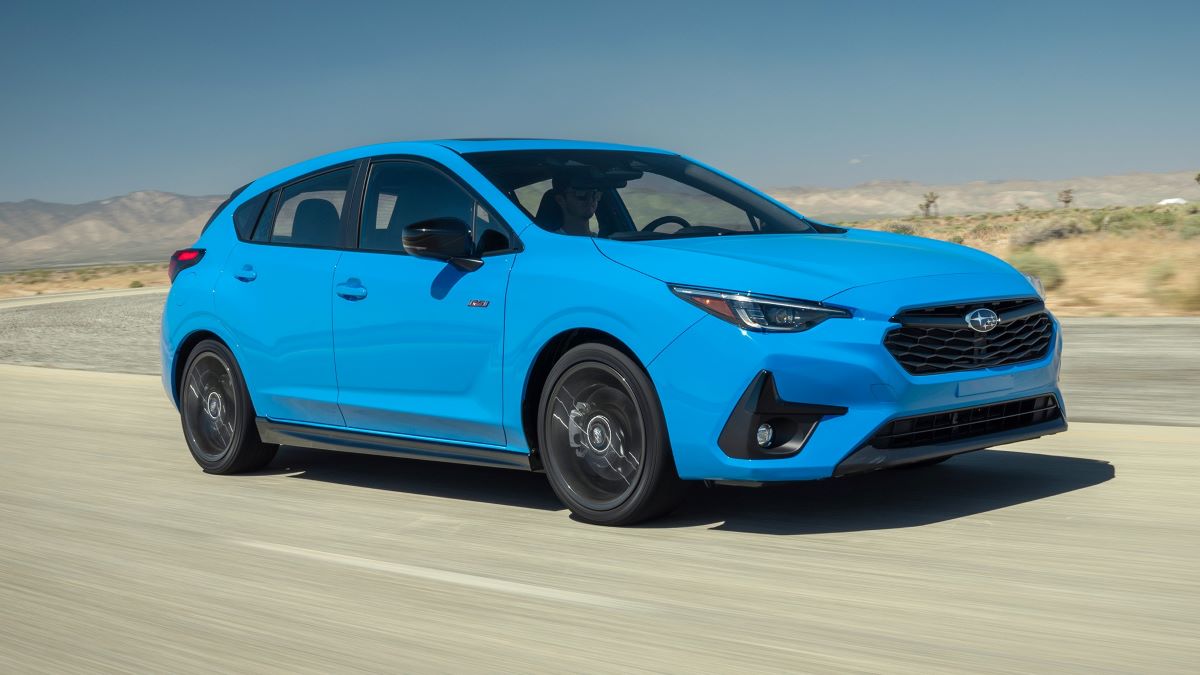
4. Subaru Impreza (2017-Present)
The fifth-generation Subaru Impreza, introduced in 2017, brought significant advances in chassis design and suspension engineering that translate directly into superior alignment stability.
Built on Subaru’s Subaru Global Platform (SGP), this generation of Impreza demonstrates how a manufacturer’s commitment to all-wheel-drive capability can actually enhance suspension durability and alignment retention across all drivetrains.
Subaru’s engineering philosophy centers on symmetry and balance, and this is evident in the Impreza’s suspension design. The front suspension uses a MacPherson strut configuration, but what sets it apart is the exceptionally robust subframe that carries both the engine and the front suspension components.
The SGP platform brings a 70% increase in chassis rigidity compared to the previous generation, with specific reinforcements around suspension pickup points. This rigidity is crucial for alignment stability because it prevents the chassis from flexing in ways that could alter suspension geometry.
The front shock towers, for example, are reinforced with internal bracing that prevents the towers from moving inward under the constant vertical loads from the suspension.
This bracing maintains the proper distance between shock towers, which is critical for maintaining the correct camber angles over the vehicle’s lifetime.
At the rear, the Impreza employs a double-wishbone independent suspension, a design that’s more commonly found in premium vehicles than in compact cars.
This sophisticated setup uses two control arms per side (upper and lower), providing exceptional control over wheel position throughout the suspension’s travel.
The combination of robust engineering, quality components, and a sophisticated suspension design makes the Impreza a standout choice for drivers who want minimal alignment maintenance over their vehicle’s lifetime.
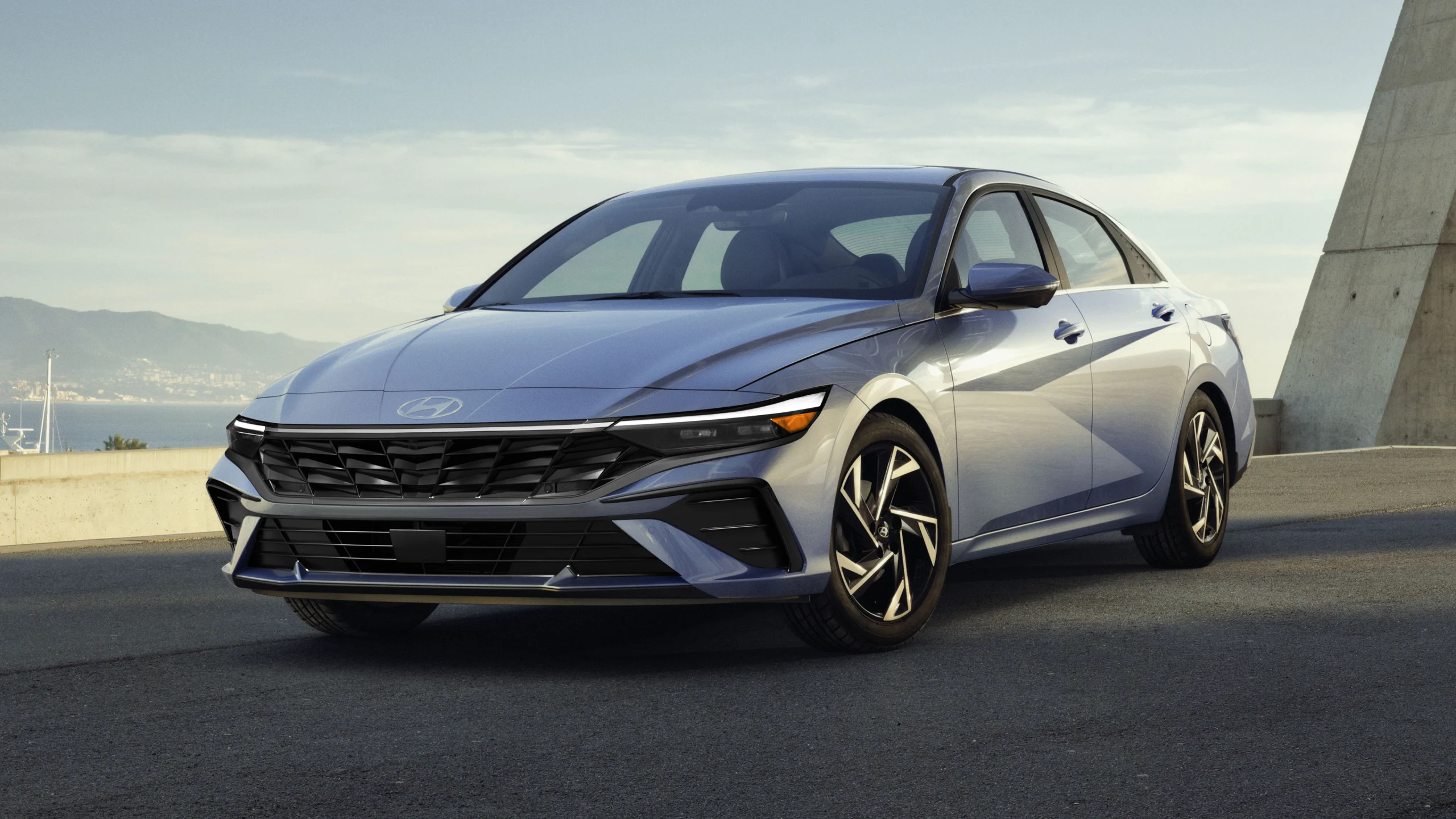
5. Hyundai Elantra (2021-Present)
Hyundai’s transformation from budget brand to serious competitor in the compact car segment is exemplified by the seventh-generation Elantra, introduced for the 2021 model year.
This generation represents a quantum leap in engineering sophistication, with particular attention paid to chassis rigidity and suspension durability. The result is a compact car that maintains its wheel alignment with a consistency that rivals or exceeds many established competitors.
Hyundai employs a MacPherson strut front suspension with a particularly well-designed lower control arm. This control arm features a hydroformed main body a manufacturing process where high-pressure fluid shapes the steel into a complex three-dimensional form.
Hydroforming allows for varying wall thicknesses within a single component, with thicker sections where loads are highest and thinner sections where weight can be saved without compromising strength.
The result is a control arm that’s both lightweight and exceptionally resistant to bending, maintaining its shape and the vehicle’s alignment even under aggressive driving conditions.
The control arm bushings deserve special mention for their contribution to alignment stability. Hyundai uses a dual-durometer design with a firm inner core surrounded by a softer outer layer.
The vehicle’s straight-line tracking remains precise even after years of service, and tire wear patterns remain even when tires are rotated regularly.
In competitive reviews, automotive journalists have consistently praised the Elantra’s handling precision and stability, attributes that directly result from the vehicle’s ability to maintain its suspension geometry over time.
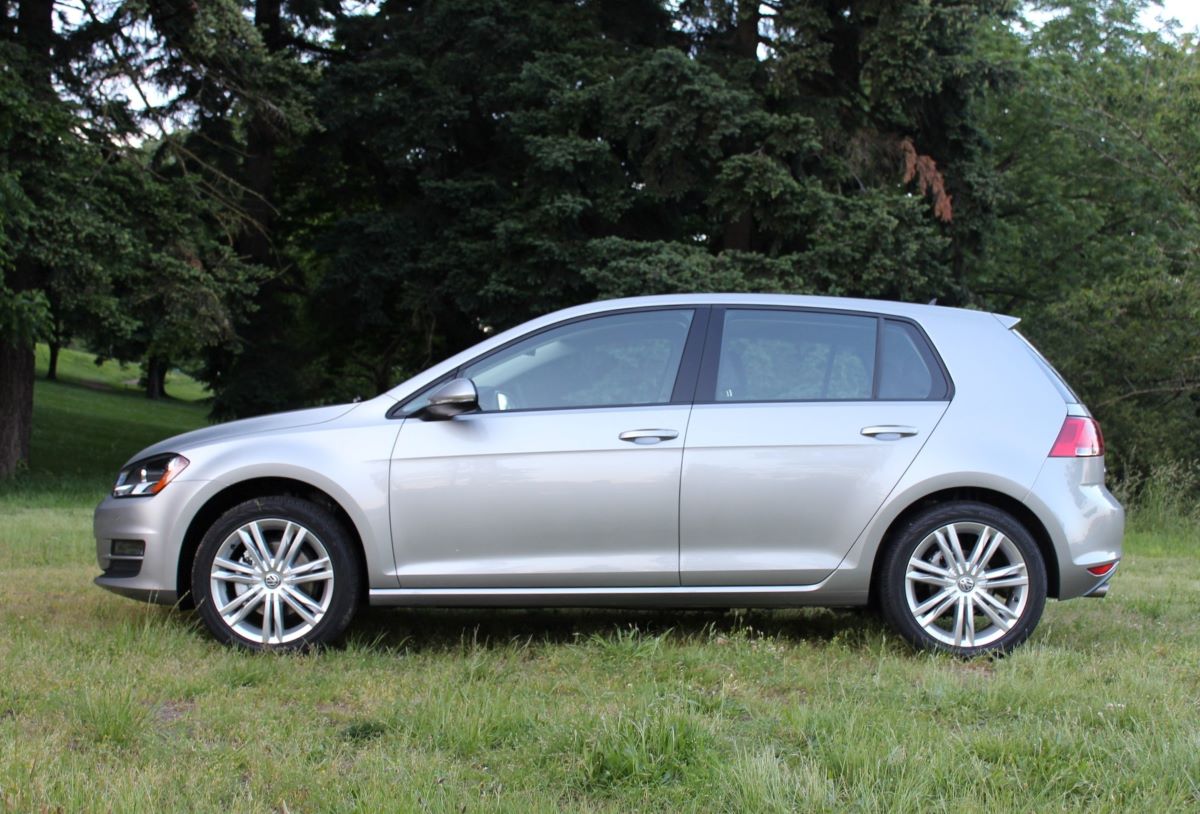
6. Volkswagen Golf (2015-2021, Mk7)
The seventh-generation Volkswagen Golf represents German engineering at its finest in the compact car segment. Known internally as the Mk7, this generation brought significant advances in platform technology and suspension design that translate into exceptional alignment stability.
Volkswagen’s philosophy of building cars to precise tolerances with high-quality components pays particular dividends when it comes to maintaining wheel alignment over extended periods.
The front shock towers are reinforced with internal bracing that forms a triangulated structure, distributing loads across a wide area and preventing the localized deformation that can alter camber angles over time.
The front suspension employs a MacPherson strut design, but Volkswagen’s execution includes several features that enhance alignment stability.
The lower control arms are forged from high-strength steel and feature a large cross-section that provides exceptional lateral stiffness.
These control arms maintain their shape even under the lateral loads experienced during aggressive cornering, ensuring that the front wheels remain properly positioned relative to the chassis.
The control arm bushings are a proprietary design that Volkswagen developed specifically for the MQB platform, featuring a unique internal structure with multiple chambers that provide different compliance characteristics in different directions.
At the rear, the Golf uses a multi-link independent suspension that’s one of the most sophisticated designs in the compact car segment.
This four-link setup provides independent control of toe and camber, with each parameter being influenced by specific suspension components and geometric relationships.
The Golf’s reputation for maintaining its “tight” feel even after years of use is directly attributable to its ability to maintain suspension geometry.
European owners, who often keep vehicles for longer periods and accumulate higher mileages, particularly appreciate the Golf’s long-term stability and low maintenance requirements.
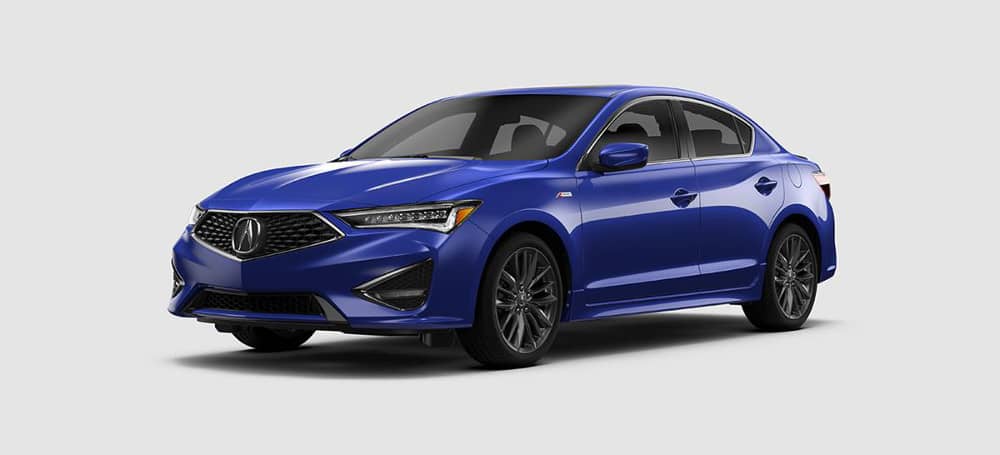
7. Acura ILX (2019-2022)
The Acura ILX, Honda’s entry into the premium compact car segment, represents the engineering excellence of its parent company raised with additional refinements and premium components.
While based on the previous-generation Honda Civic’s platform, the ILX receives unique suspension tuning and components that enhance its ability to maintain wheel alignment over extended periods.
This vehicle demonstrates how attention to detail and quality components can extract the maximum potential from a proven architecture.
The control arms themselves are manufactured from high-strength steel with a forged construction that provides excellent resistance to bending or deformation.
The control arm bushings in the ILX are a significant upgrade over standard Honda parts. Acura uses a dual-layer bushing design with a firmer inner core and a compliance outer layer, similar to premium European vehicles.
These bushings are manufactured from a synthetic rubber compound that Acura developed to provide excellent durability in all climates.
The company conducted extensive accelerated aging tests, exposing the bushings to extreme temperatures, ozone, and petroleum products to verify that they would maintain their properties for at least 150,000 miles. In practice, these bushings often last the lifetime of the vehicle without requiring replacement.
Tire wear patterns remain even when tires are rotated regularly, and many owners report getting 50,000 miles or more from a set of tires. The ILX’s reputation in the used car market as a vehicle that still drives well with higher mileage is directly attributable to its alignment stability and build quality.
8. Kia Forte (2019-Present)
The third-generation Kia Forte, introduced for the 2019 model year, represents Kia’s evolution from budget alternative to serious competitor in the compact car segment.
This generation brings sophisticated engineering and quality components that result in excellent alignment stability, often exceeding the performance of more expensive competitors.
The Forte demonstrates that smart engineering and attention to detail can overcome the traditional disadvantages associated with value-oriented brands.
The current Forte is built on Hyundai-Kia’s K3 platform, the same foundation used for the Hyundai Elantra. This platform was developed with significant input from the companies’ engineering centers in Europe and Korea, incorporating best practices from both regions.
The chassis features extensive use of high-strength steel with strategic reinforcements around suspension mounting points.
The front shock towers are surrounded by hot-stamped steel reinforcements that provide exceptional resistance to deformation, maintaining proper suspension geometry even after years of service and countless impacts from road irregularities.
Kia’s engineers designed the Forte’s front suspension with a focus on durability and stability. The MacPherson strut setup uses lower control arms manufactured through hydroforming, a process that allows for complex three-dimensional shapes with varying wall thicknesses.
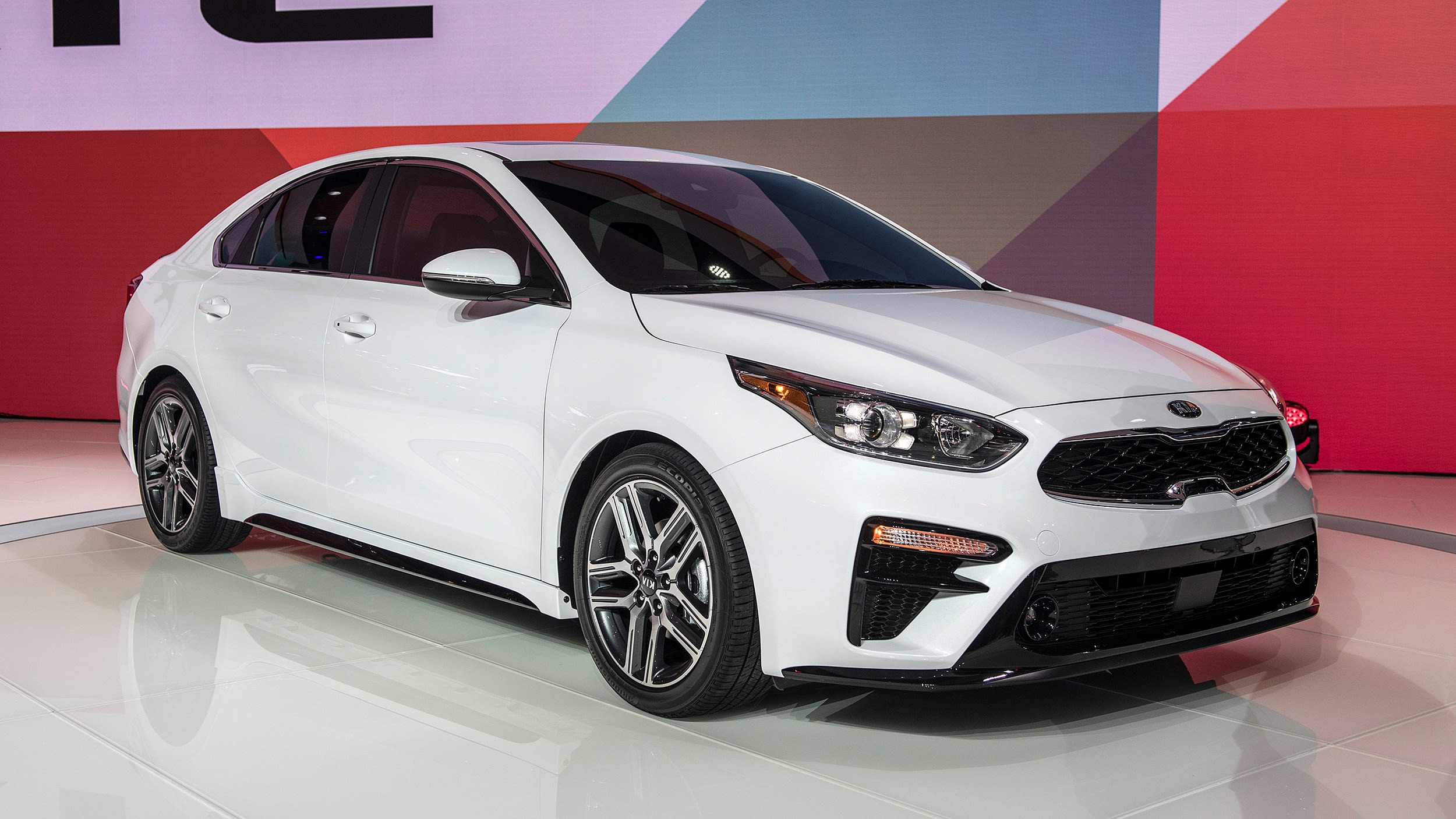
The control arms feature thick sections in high-load areas for strength and thinner sections where weight can be saved. This optimized design provides excellent lateral stiffness to resist deflection during cornering while keeping unsprung weight low for improved ride quality and tire contact.
The control arm bushings represent a significant advance over previous Kia designs. These components use a tri-layer construction with a firm inner core, a compliant middle layer, and a durable outer skin.
The inner core is manufactured from a hard synthetic rubber that resists compression, maintaining dimensional stability critical for alignment.
The middle layer is softer to absorb vibrations, and the outer skin provides protection against environmental factors like ozone, temperature extremes, and petroleum products.
This sophisticated bushing design maintains its properties far longer than simple single-material bushings used in some competitors.
Owner experiences with the current-generation Forte consistently praise the vehicle’s handling precision and long-term stability. Many owners report traveling 40,000 to 50,000 miles between alignment checks, often finding that no adjustment is needed even at these intervals.
The Forte’s straight-line tracking remains precise even after years of service, and tire wear patterns remain even with regular rotation.
In regions with harsh winter conditions and poor road quality, the Forte has proven particularly resilient, maintaining proper alignment despite conditions that challenge many competitors.
The vehicle’s 10-year/100,000-mile powertrain warranty reflects Kia’s confidence in the durability of their products, including suspension components that maintain alignment.
8 Cars That Constantly Need Alignment Tweaks
These problematic vehicles suffer from suspension systems featuring inadequate subframe rigidity allowing flex under load, control arms utilizing soft bushings that deflect excessively, and adjustment mechanisms with insufficient locking torque that allow settings to drift progressively as fasteners work loose from road vibration and thermal cycling.
Their flawed engineering includes stamped steel control arms that bend permanently from pothole impacts, adjustment cam bolts that slip in oversized holes failing to maintain toe settings, and strut mounting points in thin sheet metal that flex allowing camber drift as mounting hardware settles into deformed attachment surfaces.
From steering wheels that gradually move off-center between alignments to rapid inner tire edge wear indicating toe settings drifting out of specification, these troublesome compact cars lose alignment constantly.
1. Nissan Versa (2012-2019)
The Nissan Versa from this generation represents the challenges that can arise when cost considerations override engineering priorities in compact car design.
While marketed as an affordable entry point into new car ownership, the Versa’s suspension design and component quality choices resulted in a vehicle that struggles to maintain wheel alignment over time.
Owners frequently report needing alignment adjustments every 15,000 to 20,000 miles, along with premature suspension component wear that further compounds alignment issues.
The fundamental issue with the Versa’s alignment stability begins with its chassis design. The platform uses primarily mild steel construction with minimal reinforcement around critical suspension mounting points.
The front shock towers, which support the MacPherson strut suspension, lack the internal bracing found in better-engineered competitors.
Over time, the constant vertical loads from the suspension cause these towers to gradually deform, with the towers moving inward and increasing negative camber.
This deformation is particularly pronounced in vehicles that regularly carry heavy loads or operate on rough roads, where the cumulative impacts accelerate the structural fatigue.

The front suspension’s lower control arms represent another weak point in the Versa’s design. These components are stamped from relatively thin steel sheet metal rather than being forged or cast, a cost-saving measure that compromises long-term durability.
The stamped construction lacks the lateral stiffness needed to resist deflection during cornering, and the control arms can gradually bend over time, altering the caster and camber angles.
Owners who drive aggressively or frequently goes through curvy roads often experience accelerated control arm deformation, leading to alignment issues that recur even after professional adjustment.
Real-world owner experiences with the 2012-2019 Versa consistently report alignment frustrations. Online forums are filled with complaints about vehicles that require alignment every oil change, tires that wear unevenly despite regular rotation, and steering that never quite feels centered.
Many owners report spending hundreds or even thousands of dollars over their ownership period trying to maintain proper alignment, often replacing suspension components multiple times in an attempt to solve recurring issues.
The Versa’s poor alignment stability has become so well-known that it significantly impacts the vehicle’s resale value, with used car buyers avoiding the model specifically due to anticipated maintenance costs.
2. Chevrolet Cruze (2011-2015, First Generation)
The first-generation Chevrolet Cruze represented General Motors’ attempt to compete seriously in the compact car segment, but numerous engineering compromises and quality issues resulted in a vehicle plagued by alignment problems.
While the Cruze offered attractive styling and decent features for its price point, its inability to maintain wheel alignment became one of the most common owner complaints and a significant source of warranty claims for GM dealers.
The Cruze’s alignment issues begin with a front suspension design that prioritized packaging efficiency over long-term durability.
The MacPherson strut system uses a front subframe that mounts to the chassis through four bushings, but these bushings were designed with excessive compliance to improve ride comfort and reduce noise transmission.
While this design choice achieved its immediate goals, it allowed the entire subframe to shift position during driving, particularly during hard braking or acceleration.
This subframe movement alters the effective position of the suspension mounting points, causing the alignment to drift out of specification over time.
The front lower control arms on the Cruze present another significant problem area. These components are manufactured from stamped steel with a relatively thin cross-section, and they lack sufficient lateral stiffness to maintain their position under cornering loads.
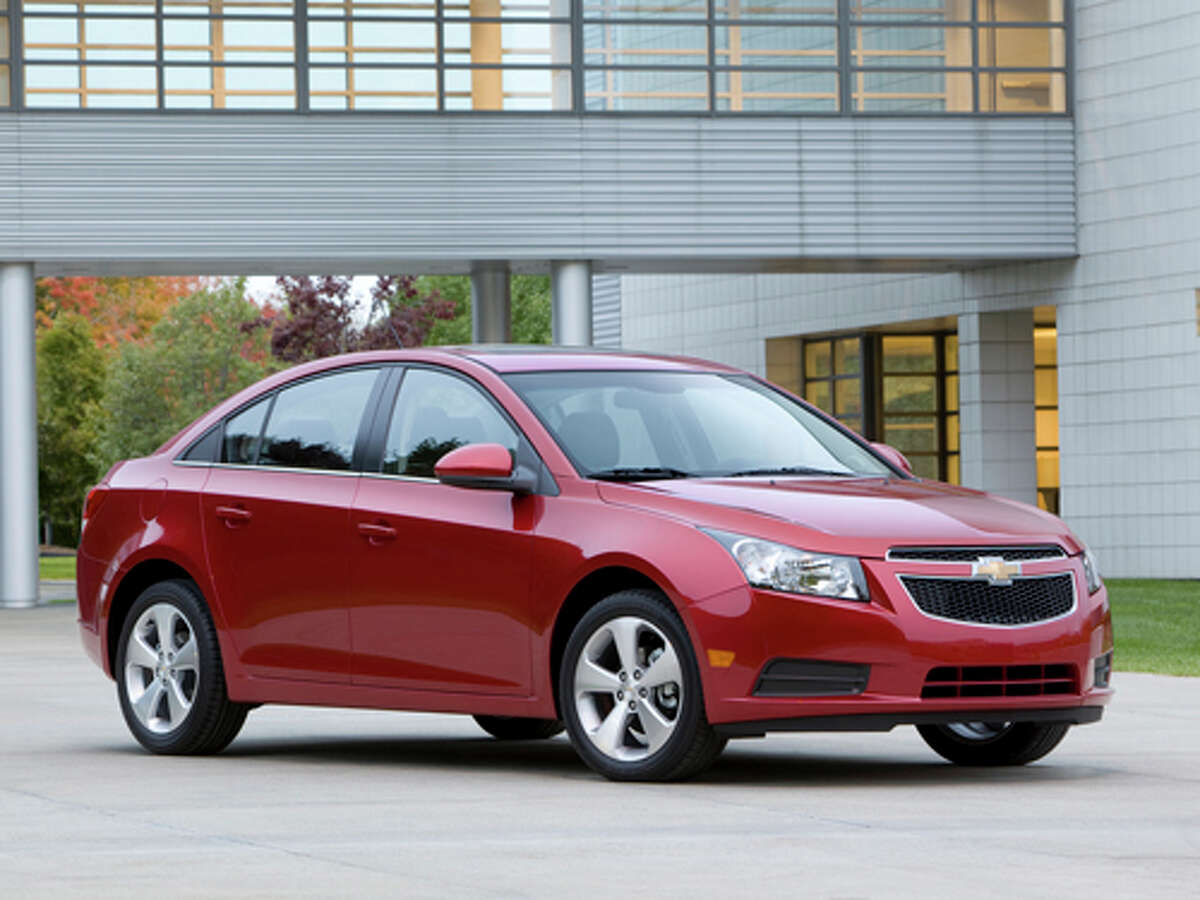
Many owners report that after spirited driving on winding roads or even after a single autocross event, their Cruze requires realignment because the control arms have deflected enough to alter the caster and camber angles.
The problem is exacerbated by the control arm bushings, which use a rubber compound that softens relatively quickly with heat cycling. In warm climates, these bushings can become so compliant within 20,000 miles that they provide minimal location control.
Owner forums dedicated to the Cruze are filled with detailed discussions of alignment problems, with many owners becoming amateur experts on suspension geometry out of necessity.
Common complaints include vehicles that consistently pull to one side despite multiple alignments, steering wheels that never seem to center properly, and tires that wear unevenly on the inner edges despite proper inflation and rotation.
Many owners report that their Cruze required its first alignment before 10,000 miles and needed subsequent alignments every 10,000 to 15,000 miles thereafter.
The frequency of required alignments, combined with the need to replace suspension components prematurely, makes the Cruze significantly more expensive to maintain than competitors with more robust suspension designs.
3. Dodge Dart (2013-2016)
The Dodge Dart represented Chrysler’s ambitious attempt to compete in the compact car segment following the company’s partnership with Fiat. Built on a modified version of Fiat’s Compact platform, the Dart suffered from numerous engineering compromises and quality issues that resulted in chronic alignment problems.
The vehicle’s inability to maintain proper wheel alignment became so notorious that it contributed to the model’s discontinuation after just four model years.
The Dart’s fundamental alignment issues stem from a chassis that lacks adequate rigidity around critical suspension mounting points.
The platform was adapted from Fiat’s Compact Wide architecture with modifications for the North American market, but these adaptations didn’t include sufficient strengthening of the shock tower areas and subframe mounting points.
The front shock towers, which support the MacPherson strut suspension, gradually deflect inward under the constant vertical loads from the suspension, particularly in vehicles regularly driven on rough roads or with heavy loads.
This deformation increases negative camber and causes the characteristic inner tire wear that Dart owners frequently report. The front suspension design incorporates lower control arms that are fundamentally undersized for the vehicle’s weight.
The Dart is relatively heavy for a compact car, weighing several hundred pounds more than competitors like the Honda Civic or Toyota Corolla, but the suspension components appear to have been designed for a lighter vehicle.
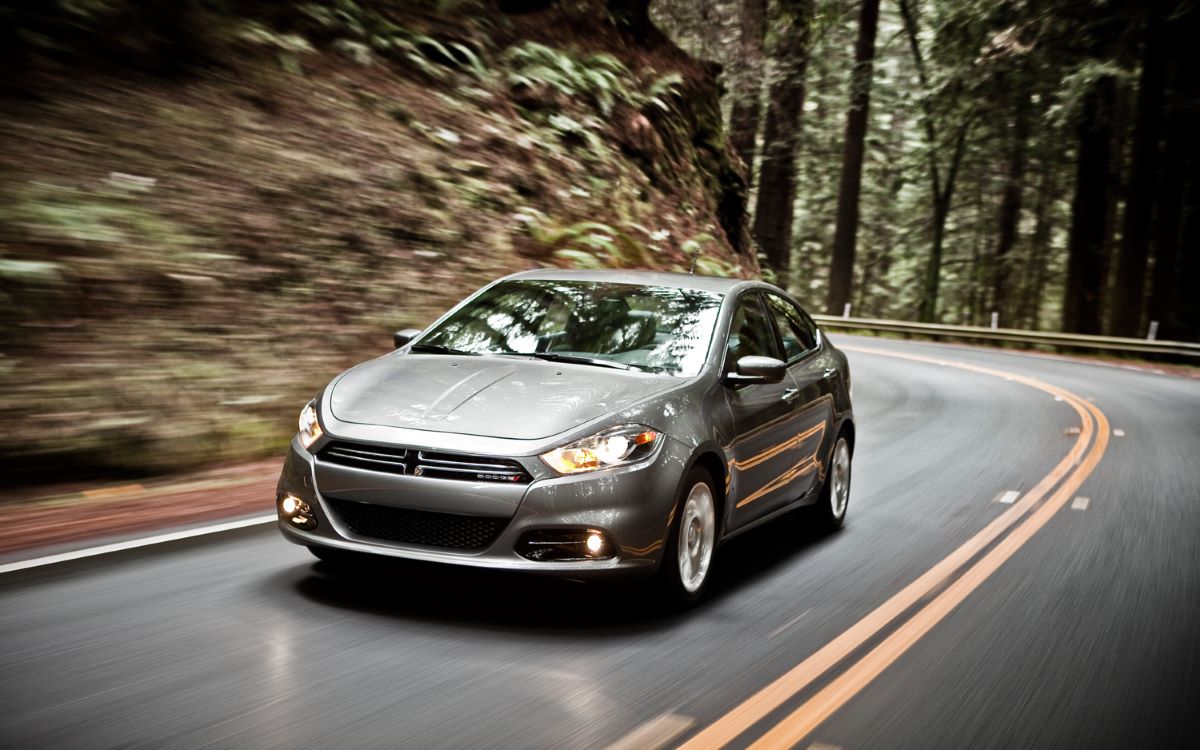
The control arms are stamped from steel sheet metal with insufficient thickness, and they lack the lateral stiffness necessary to maintain proper geometry under cornering loads.
The cost of maintaining proper alignment, combined with the Dart’s many other reliability issues, led to poor customer satisfaction and contributed to the model’s early discontinuation.
Today, the Dart serves as a cautionary example of what happens when cost-cutting and inadequate engineering compromise a vehicle’s fundamental dynamics.
4. Ford Focus (2012-2018, Third Generation)
The third-generation Ford Focus represents a particularly disappointing case of alignment instability, as the vehicle otherwise offered good driving dynamics and attractive design.
However, chronic suspension issues that prevent the Focus from maintaining proper alignment have frustrated countless owners and resulted in numerous class-action lawsuits and lemon law claims.
The problems are so widespread and well-documented that they significantly impact the vehicle’s resale value and reputation. The Focus’s primary alignment issue centers on the rear suspension design, which uses a control blade independent system that’s fundamentally flawed.
This suspension employs large, bent steel beams (called control blades) that serve as both control arms and springs, a design intended to save weight and packaging space. However, these control blades are manufactured from stamped steel that lacks sufficient thickness and rigidity.
Under normal driving loads, particularly during cornering or over bumps, these control blades flex more than intended. Over time, this repeated flexing causes the steel to gradually bend permanently, altering the rear suspension geometry and making proper alignment impossible to maintain.
The rear control blade problem is exacerbated by the mounting bushings, which are inadequate for the loads they must support. The control blades attach to the chassis through large bushings that are supposed to provide some compliance for ride comfort while maintaining precise wheel location.
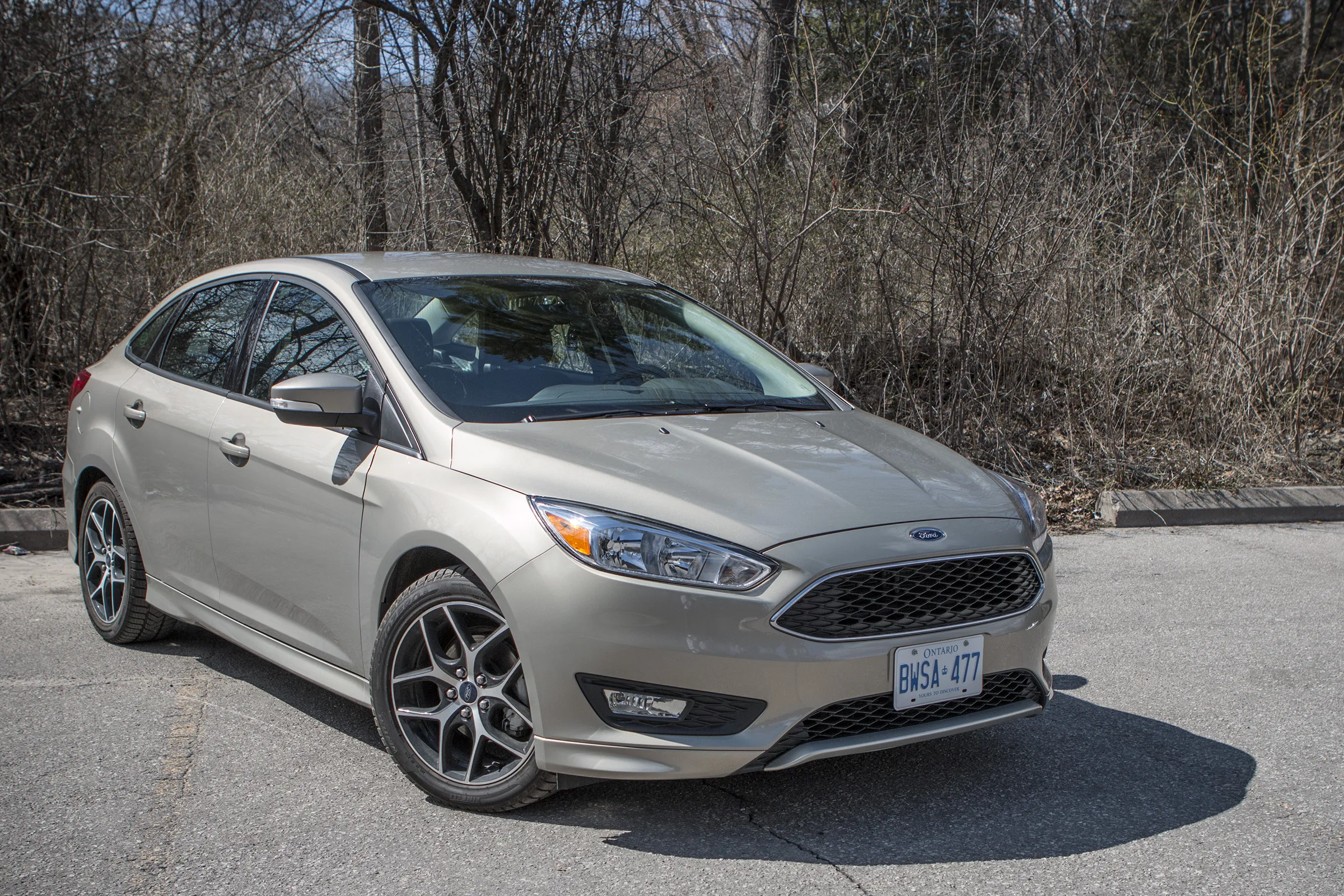
However, the bushings Ford used degrade rapidly, becoming soft and allowing excessive movement. As the bushings wear, the control blades shift position dynamically during driving, causing the rear wheels’ toe and camber angles to vary depending on load and driving conditions.
Many Focus owners report that their vehicles seem to have different alignment depending on whether they’re driving straight, cornering, or carrying cargo.
Multiple class-action lawsuits have been filed against Ford alleging that the company knowingly sold vehicles with defective suspensions. Many Focus owners have successfully pursued lemon law claims, arguing that the chronic alignment issues constitute a substantial defect that impairs the vehicle’s use and value.
The widespread nature of these problems has devastated the Focus’s resale value, with used examples selling for significantly less than comparable competitors due to buyers’ awareness of the potential suspension issues.
Also Read: 10 Hyundai/Kia Engines From The ‘Safe Years’ That Age Well
5. Mitsubishi Mirage (2014-Present)
The Mitsubishi Mirage represents extreme cost-cutting in compact car design, and nowhere is this more evident than in its suspension system’s inability to maintain proper wheel alignment.
Marketed as an ultra-affordable transportation option with excellent fuel economy, the Mirage achieves its low price point partly through the use of budget suspension components and minimal chassis reinforcement. The result is a vehicle that requires frequent alignment adjustments and suffers from chronic suspension wear issues.
The Mirage’s chassis is constructed primarily from thin-gauge steel with minimal reinforcement around suspension mounting points. This lightweight construction contributes to the vehicle’s impressive fuel economy but provides inadequate resistance to the constant loads imposed by the suspension.
The front shock towers, which support the MacPherson strut suspension, gradually deform under the vertical loads from the suspension, with the towers moving inward and increasing negative camber.
This deformation is particularly rapid in Mirages that regularly carry passengers or cargo, where the additional weight accelerates the structural fatigue.
The front suspension uses lower control arms that are stamped from thin steel sheet metal, a manufacturing method that keeps costs low but compromises durability.

These control arms lack the lateral stiffness needed to maintain proper geometry under cornering loads, and they can actually flex visibly during aggressive driving. The control arm bushings compound the problem they’re manufactured from a low-grade rubber compound that deteriorates rapidly when exposed to environmental factors.
The true cost of ownership for a Mirage must include frequent alignment services, premature tire replacement due to uneven wear, and recurring suspension component replacements.
When these costs are factored in, the Mirage’s initial purchase price advantage over better-engineered competitors largely disappears.
Many owners express regret over choosing the Mirage based solely on its low purchase price, finding that the ongoing maintenance costs and frustration of dealing with chronic alignment issues make it a poor value proposition compared to slightly more expensive but far more durable alternatives like the Honda Fit or Toyota Yaris.
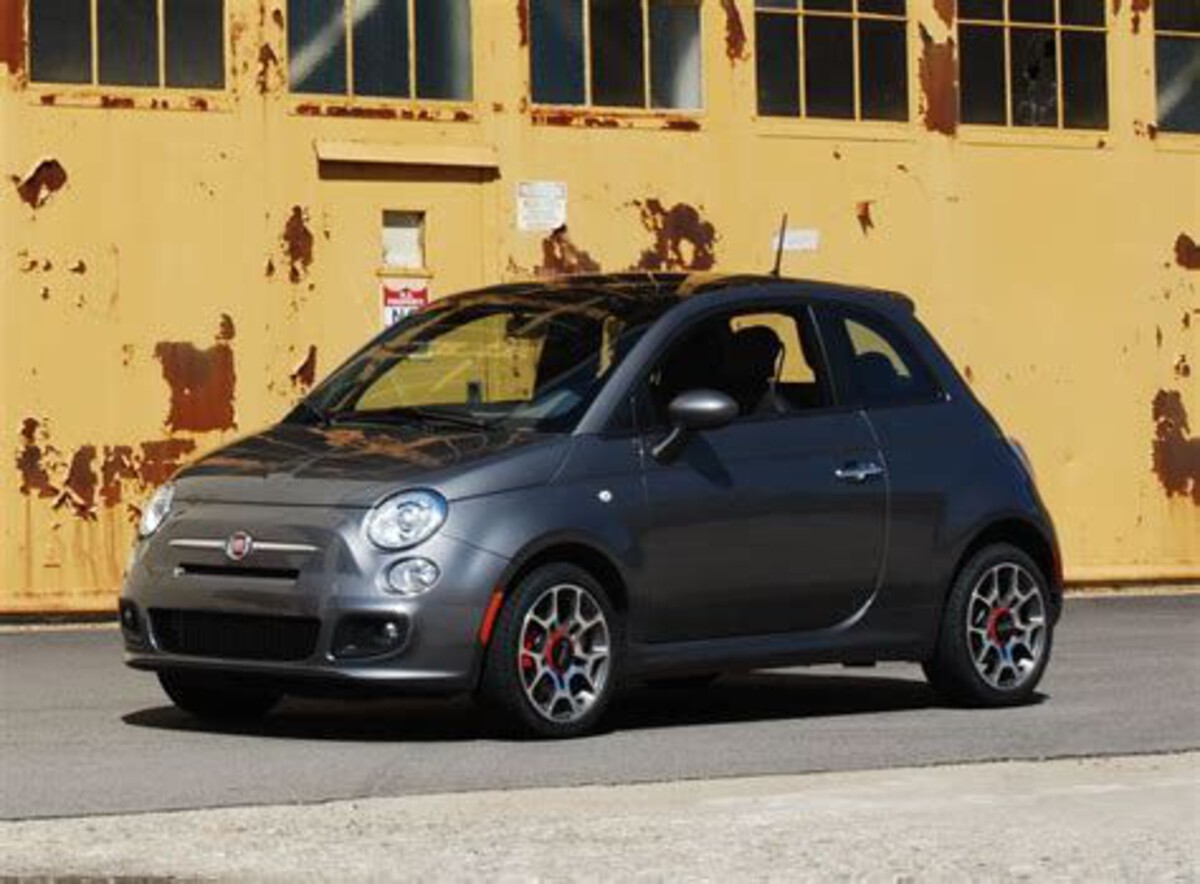
6. Fiat 500 (2012-2019)
The Fiat 500’s charming retro styling and urban maneuverability made it popular among city dwellers, but beneath its cute exterior lies a suspension system plagued by chronic alignment issues.
The vehicle’s Italian design prioritized aesthetics and packaging efficiency over long-term durability, resulting in a compact car that requires frequent alignment attention and suffers from rapid suspension component wear. Owners often find that the Fiat 500’s maintenance costs far exceed those of more conventional competitors.
The fundamental issue with the 500’s alignment stability begins with a chassis that was optimized for European road conditions and driving patterns, then adapted for the North American market without adequate reinforcement.
The platform is relatively flexible by modern standards, particularly around the front shock tower areas where the MacPherson struts mount. Under the repeated vertical loads from normal driving, these shock towers gradually deform, with the towers rotating slightly and altering the caster and camber angles.
This deformation is accelerated in vehicles regularly driven on rough roads or with passengers, as the additional weight and impact forces exceed what the structure was designed to handle.
The front suspension uses lower control arms that are stamped from steel with a complex curved profile intended to provide adequate strength with minimal weight.
However, this design lacks sufficient lateral stiffness, and the control arms can flex under cornering loads. The control arm bushings are particularly problematic they use a rubber compound that deteriorates rapidly when exposed to the temperature extremes common in North American climates.
In areas with hot summers, the bushings harden and crack, while in regions with cold winters, they become overly compliant.
Fiat issued a technical service bulletin acknowledging bushing problems and offering revised replacement parts, but many owners report that the updated bushings fail nearly as quickly as the originals.
Tire wear is a persistent complaint, particularly rapid wear of the inner edges of front tires due to excessive negative camber. Some owners report going through a set of tires in as few as 20,000 miles despite regular rotation, a clear indication of chronic alignment issues.
The combination of frequent alignments, premature tire replacement, and expensive suspension component replacements makes the 500’s actual cost of ownership far higher than its modest purchase price would suggest.
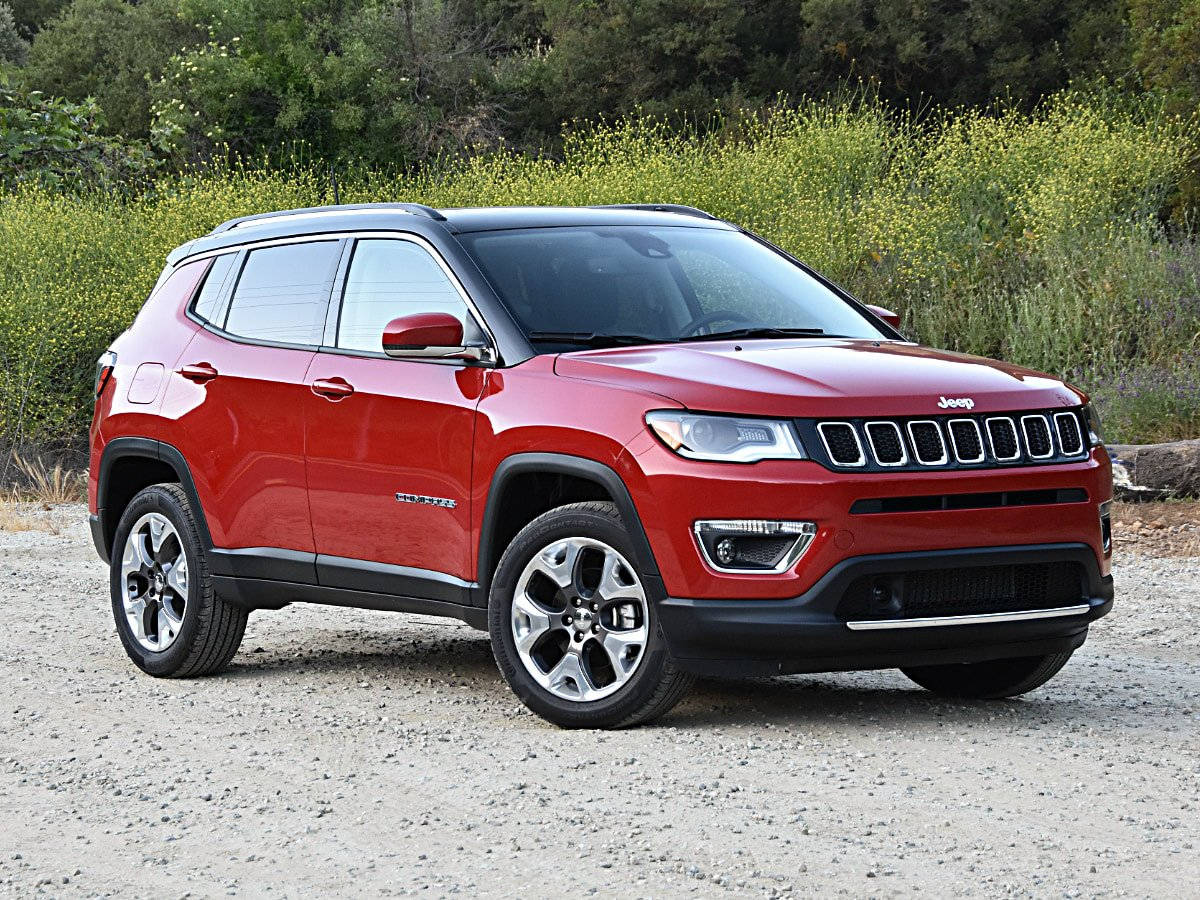
7. Jeep Compass (2017-Present, Second Generation)
The second-generation Jeep Compass, introduced for 2017, promised improved quality and refinement over its unloved predecessor.
However, the vehicle’s suspension system demonstrates many of the same alignment stability issues that plagued earlier Chrysler products.
Built on a modified version of the Fiat Small Wide platform, the Compass struggles to maintain proper wheel alignment, with owners reporting frequent need for adjustments and premature suspension component wear.
The Compass’s alignment problems begin with a front suspension design that prioritizes ground clearance and off-road capability over on-road stability.
The MacPherson strut setup uses longer-than-typical control arms to provide adequate wheel travel for rough terrain, but these extended arms create greater leverage that multiplies the effects of bushing deflection and component wear.
The control arms are stamped from steel with a relatively thin cross-section, and they lack the lateral rigidity needed to maintain precise geometry during on-road driving.
Under cornering loads, these control arms flex measurably, temporarily altering the suspension geometry and creating handling characteristics that feel imprecise.
The front control arm bushings represent a particularly weak point in the Compass’s suspension. These components use a rubber compound that degrades rapidly, especially in vehicles that see a mix of on-road and off-road use.
The dirt, mud, and debris encountered during off-road driving accelerate bushing wear, while the extended suspension travel creates larger deflections that stress the rubber.
Many Compass owners report that the bushings become noticeably softer within 20,000 miles, allowing excessive control arm movement that puts the alignment out of specification. The problem is exacerbated in regions where roads are salted during winter, as the salt accelerates rubber degradation.
Current owners who attempt to trade in their Compasses often receive disappointing values, particularly if the vehicle shows signs of uneven tire wear or if service records document frequent alignment services.
The combination of high ongoing costs and poor resale value makes the Compass a questionable value proposition despite its initial purchase price competitiveness.
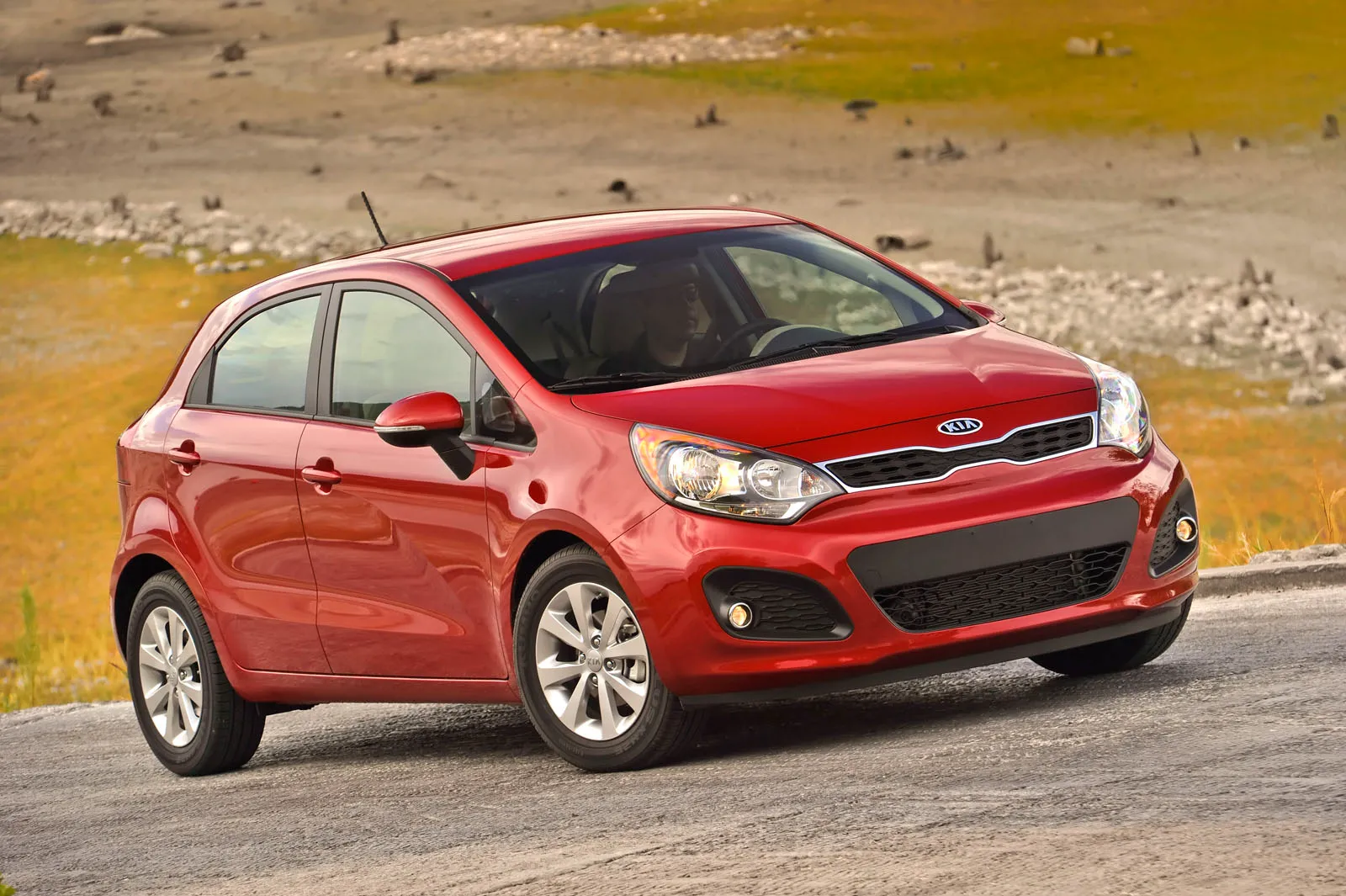
8. Kia Rio (2012-2017, Third Generation)
The third-generation Kia Rio represents an earlier era of Kia’s development before the company achieved its current reputation for quality and reliability.
This generation of Rio, while affordable and reasonably equipped, suffers from numerous suspension design compromises and component quality issues that result in chronic alignment problems.
The vehicle’s inability to maintain proper wheel alignment became one of the most common owner complaints and contributed to the model’s reputation as a budget car with budget durability.
The Rio’s chassis construction uses thin-gauge steel with minimal reinforcement around critical suspension mounting points, a cost-saving measure that compromises long-term structural integrity.
The front shock towers, which support the MacPherson strut suspension, gradually deform under the constant vertical loads from normal driving.
This deformation is particularly rapid in vehicles regularly driven on poor roads or with heavy loads, as the additional stress accelerates the gradual inward migration of the shock towers.
As the towers move, the front camber increases in the negative direction, causing the characteristic inner tire wear that Rio owners frequently report.
The front suspension’s lower control arms are stamped from steel with a relatively simple, flat profile that lacks the three-dimensional shaping used in more sophisticated designs.
This simple construction saves manufacturing costs but provides inadequate lateral stiffness, allowing the control arms to flex under cornering loads.
The control arm bushings compound the problem they’re manufactured from a basic rubber compound that lacks the advanced additives used in premium bushings to resist environmental degradation.
In hot climates, these bushings harden and crack within 25,000 miles, while in cold climates, they become overly compliant, allowing excessive movement. Either condition results in alignment drift as the bushings lose their ability to maintain precise control arm positioning.
Current owners attempting to sell or trade their Rios often receive disappointing values, particularly if the vehicle shows signs of uneven tire wear or if service records document frequent alignment services.
This poor resale value, combined with high ongoing maintenance costs, makes the third-generation Rio one of the least desirable choices in the used compact car market, serving as a cautionary tale about the true cost of choosing vehicles based solely on initial purchase price.
Also Read: 6 EVs That Keep Cabin Heat Strong At Low SOC vs 6 That Taper Uncomfortably
