
The heating, ventilation, and air conditioning (HVAC) system represents one of the most frequently used yet often overlooked components in modern vehicles.
At the heart of this system lies the blend door actuator a small motorized device responsible for controlling the mixture of hot and cold air that ultimately determines cabin temperature.
While seemingly simple in function, the reliability of blend door actuators varies dramatically across different automotive platforms, creating a stark divide between vehicles that deliver decades of trouble-free climate control and those that plague owners with repetitive, expensive failures.
The blend door actuator’s job is deceptively straightforward: it rotates a plastic or foam door within the HVAC plenum to blend heated air from the heater core with cooled air from the evaporator, achieving the desired temperature set by the driver.
However, this component operates in one of the harshest environments within a vehicle subjected to extreme temperature fluctuations, constant cycling, exposure to moisture, and in many cases, poor ventilation that traps heat within the dashboard.
The actuator must function reliably through hundreds of thousands of cycles over a vehicle’s lifetime, making durability engineering paramount.
Some manufacturers have mastered this challenge through superior materials, robust gear design, adequate sizing, and strategic placement that protects components from thermal stress.
These platforms often feature metal gears instead of plastic, larger motors with greater torque reserves, sealed housings that prevent debris infiltration, and mounting locations that allow for proper heat dissipation. Owners of these vehicles rarely think about their blend door actuators, as they simply work year after year without intervention.
This analysis examines fourteen distinct automotive platforms, split evenly between those that have demonstrated exceptional blend door actuator longevity and those plagued by chronic failures, exploring the engineering decisions, design philosophies, and real-world outcomes that separate reliability champions from perpetual problem children.
7 Platforms with Enduring HVAC Blend Door Systems
These exceptionally engineered vehicles feature climate control systems with robust blend door actuators utilizing metal gears, substantial electric motors with adequate torque reserves, and door assemblies manufactured from durable materials that resist warping despite constant temperature cycling and years of repetitive movement throughout demanding HVAC operation cycles.
Their thoughtful engineering includes actuator mechanisms with self-lubricating bushings preventing binding, blend doors with reinforced pivot points that resist stress cracking, and control linkages featuring secure connections that maintain positive engagement without developing slop or disconnection issues that cause temperature control problems.
From extreme temperature differentials stressing door sealing surfaces to constant position adjustments as automated climate systems maintain cabin comfort, these remarkable HVAC assemblies continue operating silently and precisely without developing clicking noises, stuck doors, or actuator failures that plague lesser designs.
1. Toyota Camry (XV40/XV50/XV70 Generations, 2007-Present)
The Toyota Camry stands as a benchmark for HVAC system reliability, with blend door actuators that routinely survive the entire lifespan of the vehicle without requiring replacement.
Across the XV40 (2007-2011), XV50 (2012-2017), and XV70 (2018-present) generations, Toyota has maintained a consistent design philosophy that prioritizes longevity over cost savings, resulting in actuators that are virtually maintenance-free.
Toyota’s success begins with material selection. Rather than using the cost-saving plastic gears found in many competitor vehicles, Camry actuators feature reinforced composite gears with metal inserts at critical stress points.
The gear teeth are designed with a conservative pressure angle and adequate face width, distributing loads evenly and preventing the premature wear that plagues cheaper designs.
The actuator motor itself is oversized for the application, meaning it operates well below its maximum capacity during normal use, significantly extending component life and preventing overheating.

The mounting location of Camry blend door actuators demonstrates Toyota’s systems-thinking approach to reliability. Rather than burying actuators deep within the HVAC plenum where heat accumulates, Toyota positions them in relatively accessible locations with adequate airflow for cooling.
This thermal management consideration proves critical, as actuator motors operating at lower temperatures experience dramatically reduced wear rates. The actuators are also mounted using vibration-damping rubber isolators, which prevent the transmission of road vibration that could otherwise accelerate wear on internal components.
Toyota’s quality control processes ensure consistent manufacturing tolerances across millions of units. Each actuator undergoes extensive bench testing before installation, including thousands of simulated cycles under temperature extremes.
This rigorous validation process identifies potential failures before they reach customers, maintaining Toyota’s reputation for reliability. The electrical connections use gold-plated terminals resistant to corrosion, and the wiring harnesses feature strain relief that prevents the wire fatigue common in poorly designed systems.
Real-world ownership experiences validate Toyota’s engineering excellence. Camry owners routinely report original actuators functioning flawlessly at 200,000+ miles, with many vehicles reaching end-of-life without ever requiring HVAC repairs beyond routine cabin air filter changes.
Online forums dedicated to the Camry contain remarkably few threads discussing blend door actuator failures, a stark contrast to forums for problematic vehicles where such discussions dominate.
Independent mechanics consistently rank the Camry among the lowest-maintenance vehicles for HVAC system work, noting that they rarely see these vehicles for climate control repairs.
The Camry’s HVAC reliability extends beyond just the actuators themselves. Toyota designs the entire system holistically, ensuring that the doors move freely throughout their range without binding, that door seals remain pliable across temperature extremes, and that the calibration between actuator position and system response remains accurate over time.
This systems-level approach means that even as vehicles age, the climate control continues to deliver precise temperature control without the hunting, overshooting, or dead zones that characterize failing systems.
2. Honda Accord (Ninth and Tenth Generations, 2013-Present)
Honda’s engineering philosophy mirrors Toyota’s commitment to longevity, with the ninth-generation (2013-2017) and tenth-generation (2018-present) Accord demonstrating exceptional blend door actuator reliability.
Honda approaches HVAC system design with the same precision engineering that has made their engines legendary, resulting in actuators that deliver consistent performance across hundreds of thousands of miles.
The Accord’s actuator design emphasizes mechanical simplicity combined with robust construction. Honda uses a stepper motor design that provides precise positional control without requiring complex feedback systems.
The motor’s rotor features neodymium magnets that maintain their magnetic properties across extreme temperature cycling, preventing the performance degradation that affects cheaper ferrite magnets.
The gear reduction assembly uses a planetary gear set rather than simple spur gears, distributing torque loads across multiple gear teeth simultaneously and dramatically reducing stress on individual components.
Honda’s thermal management approach protects actuators from the heat that destroys competitor designs. The Accord’s HVAC housing features dedicated ventilation channels that route cooler air from the blower motor past the actuator mounting locations, actively cooling these components during operation.
This forced-air cooling prevents the heat buildup that accelerates lubricant breakdown and plastic degradation. Additionally, Honda specifies high-temperature lubricants rated for continuous operation at temperatures exceeding what the actuators actually experience, providing a substantial safety margin.
The software controlling Accord actuators demonstrates Honda’s attention to detail. Rather than commanding aggressive movements that stress components, Honda’s climate control algorithms use gradual transitions that reduce mechanical shock loads.
The system also features adaptive learning that monitors actuator performance over time, subtly adjusting control parameters to compensate for the minimal wear that does occur, maintaining precise temperature control throughout the vehicle’s life.
Reliability data from fleet operators and rental companies who subject vehicles to exceptionally high duty cycles confirms the Accord’s durability.
Fleet managers report that Accord HVAC systems require virtually no maintenance beyond scheduled cabin air filter replacements, even in vehicles exceeding 150,000 miles with multiple drivers who constantly adjust climate controls. This real-world validation under harsh conditions proves the fundamental soundness of Honda’s design.
3. Lexus ES Series (2007-Present)
The Lexus ES represents the premium tier of HVAC reliability, building upon Toyota’s solid foundation with additional refinements that raise performance and longevity.
As Toyota’s luxury division, Lexus spares no expense in ensuring that climate control systems deliver whisper-quiet, maintenance-free operation befitting the brand’s reputation for refinement and reliability.
Lexus actuators feature even more robust construction than their Toyota counterparts, with sealed housings that carry IP67 ratings meaning they can withstand temporary water immersion without damage.
This sealing protects internal components from the moisture that causes corrosion and the dust that acts as an abrasive, accelerating wear.
The gear assemblies use materials typically reserved for industrial applications, including glass-filled nylon composites that offer exceptional strength-to-weight ratios and superior dimensional stability across temperature extremes.
The ES’s multi-zone climate control systems employ multiple actuators working in coordination, yet reliability remains exceptional across all zones.
Lexus achieves this through extensive validation testing that simulates twenty years of operation in just months, identifying any potential failure modes before production begins.
Each actuator design undergoes finite element analysis to identify stress concentrations, which are then engineered out through strategic reinforcement or geometry modifications.
Acoustic performance receives special attention in Lexus applications. While other manufacturers accept some actuator noise as inevitable, Lexus engineers the entire system to operate in near-silence.
This requires not only quiet actuator motors but also precision-fitted doors that move without rattling, high-quality bearings that eliminate squeaks, and sound-damping materials strategically placed throughout the HVAC housing.
This acoustic excellence directly contributes to longevity, as components engineered to move silently are also engineered to move without excessive friction or impact loads.
Lexus owners report actuator reliability that matches the brand’s legendary reputation, with many vehicles surpassing 300,000 miles without any HVAC component failures.
The resale value impact is significant potential buyers recognize that a used Lexus is unlikely to require expensive climate control repairs, supporting strong residual values even at high mileages.
4. Subaru Outback (Fourth and Fifth Generations, 2010-2019)
Subaru’s approach to HVAC reliability reflects the brand’s engineering focus on durability for harsh conditions. The Outback, designed to handle extreme climates from scorching deserts to frigid northern winters, features blend door actuators engineered to function reliably across temperature ranges that would challenge lesser designs.
Subaru specifies actuator components rated for operation from -40°F to +185°F, far exceeding the temperature range most vehicles experience.
This over-specification provides enormous safety margins that translate into extended component life. The motors use brushless designs that eliminate the brush wear that eventually dooms traditional brushed motors, and the electronic controllers feature conformal coating that protects circuitry from moisture and corrosion.
The Outback’s symmetrical all-wheel-drive system places unique packaging constraints on the HVAC system, yet Subaru turns this challenge into an advantage.
The compact HVAC housing design positions actuators in locations with excellent airflow and easy accessibility for the rare instances when service might be required.
The actuator mounting brackets are designed for tool-free removal a simple quarter-turn releases the actuator, making replacement a fifteen-minute job rather than a dashboard-removal ordeal.
Subaru’s horizontal “boxer” engine layout creates a lower hood line that some manufacturers struggle to accommodate with HVAC packaging.
However, Subaru’s engineers used this constraint to develop a more efficient HVAC layout with shorter air paths and reduced thermal loading on actuators. The result is a system that not only operates more efficiently but also subjects components to less thermal stress, contributing to exceptional longevity.
Field reliability data from regions with harsh winters where HVAC systems work hardest shows Outback actuators performing flawlessly even with constant use in extreme cold.
Owners in northern climates report running heat at maximum output throughout brutal winters spanning six months or more, yet actuators continue functioning without complaint season after season.
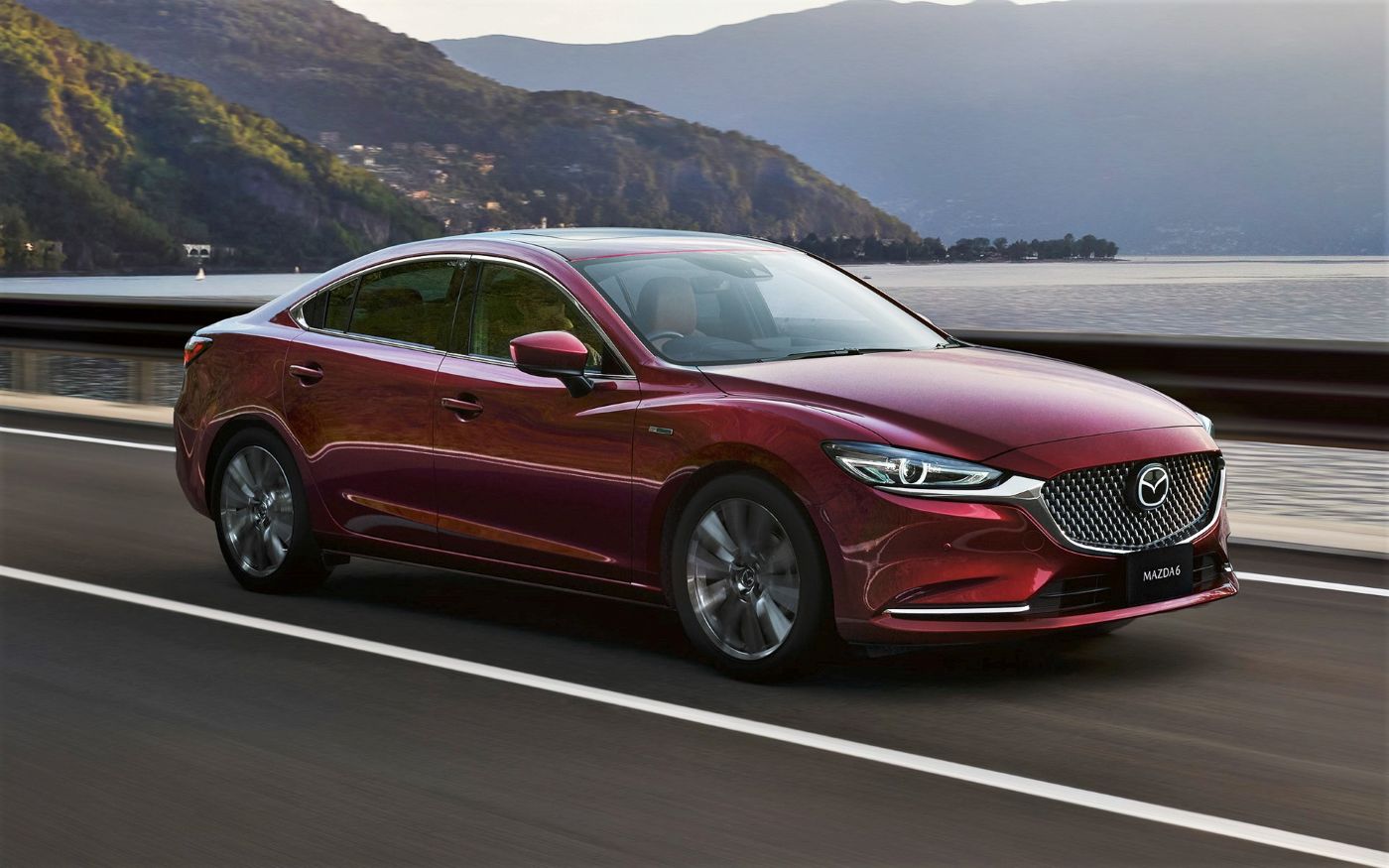
5. Mazda6 (Third Generation, 2014-Present)
Mazda’s engineering philosophy emphasizes driving dynamics, but the brand extends its precision-engineering approach to all vehicle systems, including HVAC.
The third-generation Mazda6 features blend door actuators that benefit from Mazda’s relentless focus on weight reduction and mechanical efficiency, resulting in components that are both lightweight and exceptionally durable.
Mazda’s SkyActiv technology philosophy extends beyond powertrains to encompass every vehicle system. For HVAC actuators, this means using advanced materials like carbon-fiber-reinforced polymers for structural components and rare-earth magnets in motors.
These materials deliver the strength and magnetic properties of heavier alternatives while reducing mass, which in turn reduces inertial loads during operation and extends component life.
The Mazda6’s actuator control algorithms demonstrate sophisticated engineering. Rather than simple on-off commands, the system uses pulse-width modulation to drive motors with variable speed, allowing gentle starts and stops that eliminate shock loads.
The software monitors motor current draw as a proxy for mechanical resistance, detecting binding or increased friction before it causes component damage.
If anomalies are detected, the system alerts the driver through the malfunction indicator, allowing preventive maintenance before catastrophic failure occurs.
Mazda’s Takumi master craftsman tradition extends to manufacturing quality. Each actuator assembly undergoes automated optical inspection that verifies gear mesh quality, checks for plastic flash or burrs that could cause binding, and ensures proper lubrication application.
This attention to manufacturing details eliminates the defects that cause premature failures in vehicles from manufacturers with less rigorous quality control.
Real-world reliability validates Mazda’s engineering approach. The Mazda6 ranks consistently among the most reliable mid-size sedans in long-term quality surveys, with HVAC system reliability specifically noted as a strong point.
Owners report that climate control systems maintain their new-car precision even after many years of service, with temperature control remaining accurate and responsive.
Also Read: 8 Platforms With Wheel Bearings That Last vs 8 That Hum Before 80k
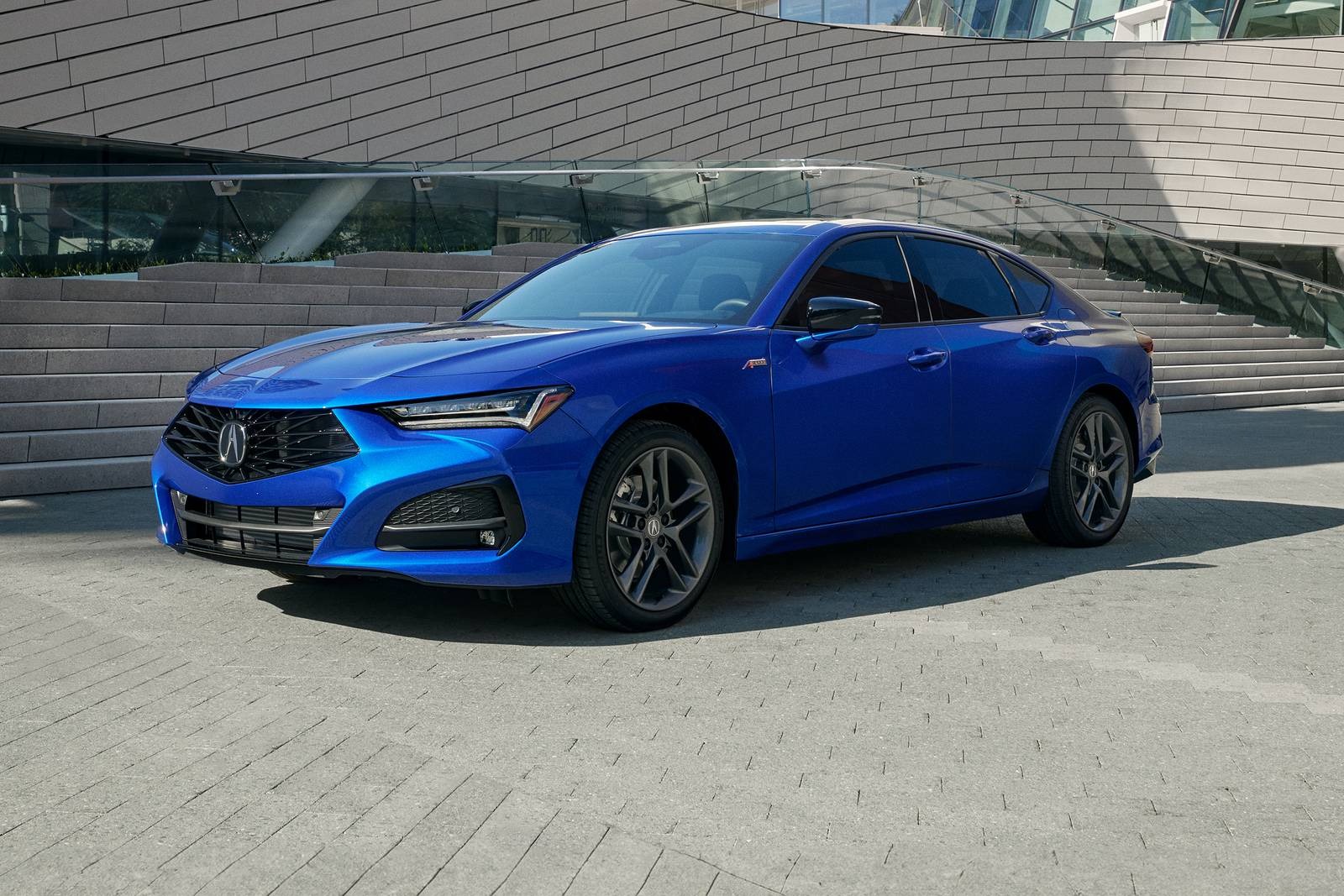
6. Acura TLX (2015-Present)
The Acura TLX builds on Honda’s excellent foundation with premium materials and additional refinement. As Honda’s luxury performance brand, Acura emphasizes both reliability and precision, resulting in HVAC systems that deliver accurate climate control throughout the vehicle’s life without requiring maintenance.
Acura’s precision temperature control system requires exceptional actuator accuracy the system can maintain cabin temperature within one degree of the set point.
Achieving this precision requires actuators with minimal backlash, precise position sensors, and control algorithms that account for thermal expansion of components.
The engineering required to achieve this precision automatically confers exceptional reliability, as components built to such tight tolerances are necessarily robust.
The TLX’s dual-zone and available tri-zone climate control systems employ multiple actuators, each independently controlled to maintain optimal comfort for all occupants.
Despite the system’s complexity, reliability remains exemplary. Acura achieves this through redundancy in critical systems and degraded-mode operation that maintains basic functionality even if sensors or actuators develop issues, though such problems are exceptionally rare.
Acura’s warranty data reveals remarkably low claim rates for HVAC actuator failures, with rates typically below 0.5% even after 100,000 miles.
This data, closely guarded by most manufacturers, indicates that Acura’s engineering approach successfully delivers the longevity that luxury buyers expect. The brand’s reputation for reliability contributes to strong resale values and customer loyalty.
7. Ford Mustang (S550 Platform, 2015-Present)
The sixth-generation Mustang (S550 platform) represents a departure from Ford’s historically problematic HVAC reliability, demonstrating that when Ford applies appropriate engineering resources, the company can deliver durable blend door actuators.
The S550 Mustang benefits from global platform development that incorporated best practices from Ford’s European divisions, resulting in HVAC components significantly more reliable than previous Mustang generations.
Ford’s approach with the S550 Mustang emphasizes actuator placement in cooler regions of the HVAC housing, away from the heater core where temperatures reach extreme levels.
This thermal management consideration alone dramatically improves reliability compared to earlier Mustang generations where actuators mounted near heat sources experienced accelerated failure.
The actuators themselves feature aluminum housings that dissipate heat more effectively than plastic, further improving thermal performance.

The Mustang’s performance-oriented design philosophy extends to HVAC system response. The actuators feature higher torque motors that can overcome the increased door resistance that develops as foam seals compress over time.
This torque margin prevents the motor stalling and current overload that destroys undersized actuators in competitor vehicles. The higher-capacity motors run cooler and experience less stress, contributing to extended lifespan.
Ford equipped the S550 Mustang with more robust wiring harnesses featuring larger gauge wire and improved connector designs. Earlier Ford vehicles suffered connector corrosion that caused intermittent actuator operation and eventual failure, but the S550’s improved connectors eliminate this failure mode.
The harnesses also feature proper routing that prevents wire chafing, a common cause of electrical failures in vehicles with insufficient development time.
Mustang enthusiast communities, typically vocal about any vehicle shortcomings, report surprisingly few HVAC actuator issues with the S550 generation.
This represents a significant improvement over the 2005-2014 Mustang generation, which experienced frequent actuator failures. Ford’s investment in redesigning the HVAC system paid dividends in improved customer satisfaction and reduced warranty costs.
7 Platforms with Recurring Actuator Failures
These problematic vehicles suffer from climate control systems featuring blend door actuators with fragile plastic gears that strip teeth under load, undersized motors that burn out from excessive current draw, and door assemblies that warp from heat exposure creating binding conditions that destroy actuator mechanisms with distressing predictability as mileage accumulates beyond warranty coverage periods.
Their flawed engineering includes actuator gears manufactured from brittle plastic that fractures when doors bind, electric motors without adequate torque margin that overheat when fighting stuck doors, and blend door pivot points that develop excessive friction from inadequate lubrication causing actuators to stall and fail.
From annoying clicking sounds indicating stripped gears attempting to move immobilized doors to complete temperature control failure when actuators burn out leaving doors stuck in single positions, these troublesome HVAC systems create expensive repairs frequently.
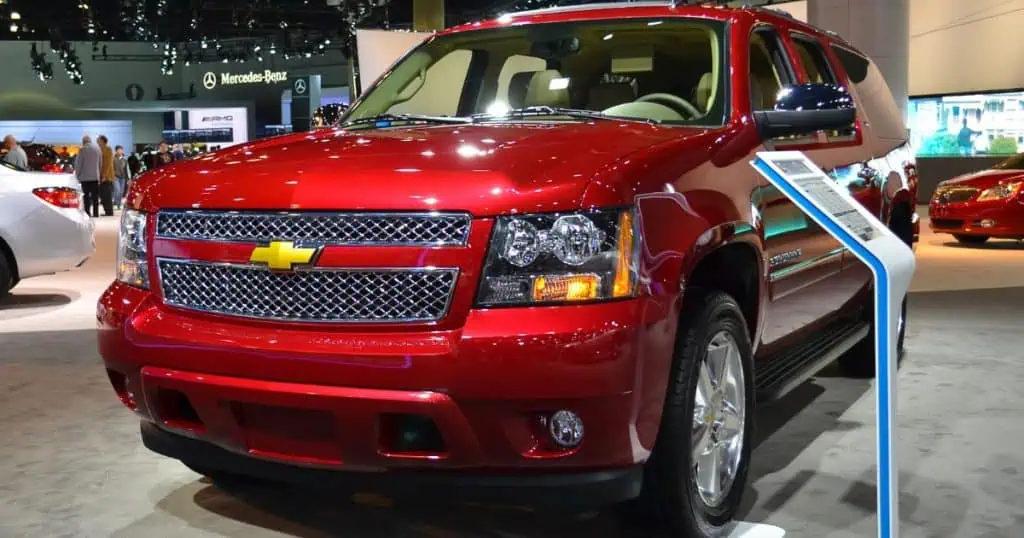
1. General Motors Full-Size SUVs (2007-2014 GMT900 Platform)
The GMT900 platform underpinning the Chevrolet Tahoe, Suburban, GMC Yukon, and Cadillac Escalade represents one of the most notorious blend door actuator failure stories in modern automotive history.
These vehicles, among GM’s most profitable and highest-volume products, have plagued owners with repetitive actuator failures that often occur multiple times during ownership, creating a reliability nightmare that has tarnished GM’s reputation and cost owners millions in repairs.
The fundamental design flaw lies in GM’s decision to use undersized plastic gears within the actuators, paired with motors lacking adequate torque reserves.
The GMT900’s HVAC system employs up to eight separate actuators controlling various temperature blend doors, mode doors, and air distribution doors throughout the massive HVAC housing required for these large SUVs.
Each actuator contains a small electric motor driving a reduction gear train that converts high-speed, low-torque motor output into the low-speed, high-torque output needed to move doors against seal resistance.
GM’s cost-reduction initiatives led to actuators with gear teeth that are simply too small and too thin to withstand the cyclic loads imposed during normal operation.
The plastic material while adequate for low-stress applications lacks the fatigue resistance needed for automotive HVAC service where actuators cycle tens of thousands of times over a vehicle’s life.
As gear teeth strip, the actuator loses its ability to move the door, resulting in loss of temperature control, mode switching, or air distribution.
The characteristic symptom of failing GMT900 actuators is a clicking, ticking, or knocking sound emanating from the dashboard or behind the glove box, often most noticeable during engine startup when the HVAC system performs its initialization routine.
This sound represents the actuator motor attempting to move the door but slipping on stripped gears, creating a rapid clicking as gear teeth repeatedly engage and disengage without transferring motion.
Some owners report sounds so loud they can be heard outside the vehicle, while others describe the ticking as sounding like a clock or metronome embedded within the dashboard.
Temperature control issues follow the mechanical failure. Drivers report being unable to achieve desired cabin temperatures, with the system blowing only hot air regardless of temperature setting, or conversely, only cold air.
In vehicles with dual-zone or tri-zone climate control, one zone may function properly while others fail, leading to uncomfortable temperature imbalances. Air distribution problems are equally common, with air stuck blowing from defrost vents regardless of mode selection, or inability to direct air to floor or panel vents.
Enthusiast forums dedicated to these vehicles contain extensive threads documenting actuator failures, repair procedures, and recommendations for upgraded parts.
The problem has become so synonymous with these vehicles that clicking dashboard noises are immediately recognized as actuator failure by anyone familiar with the platform.
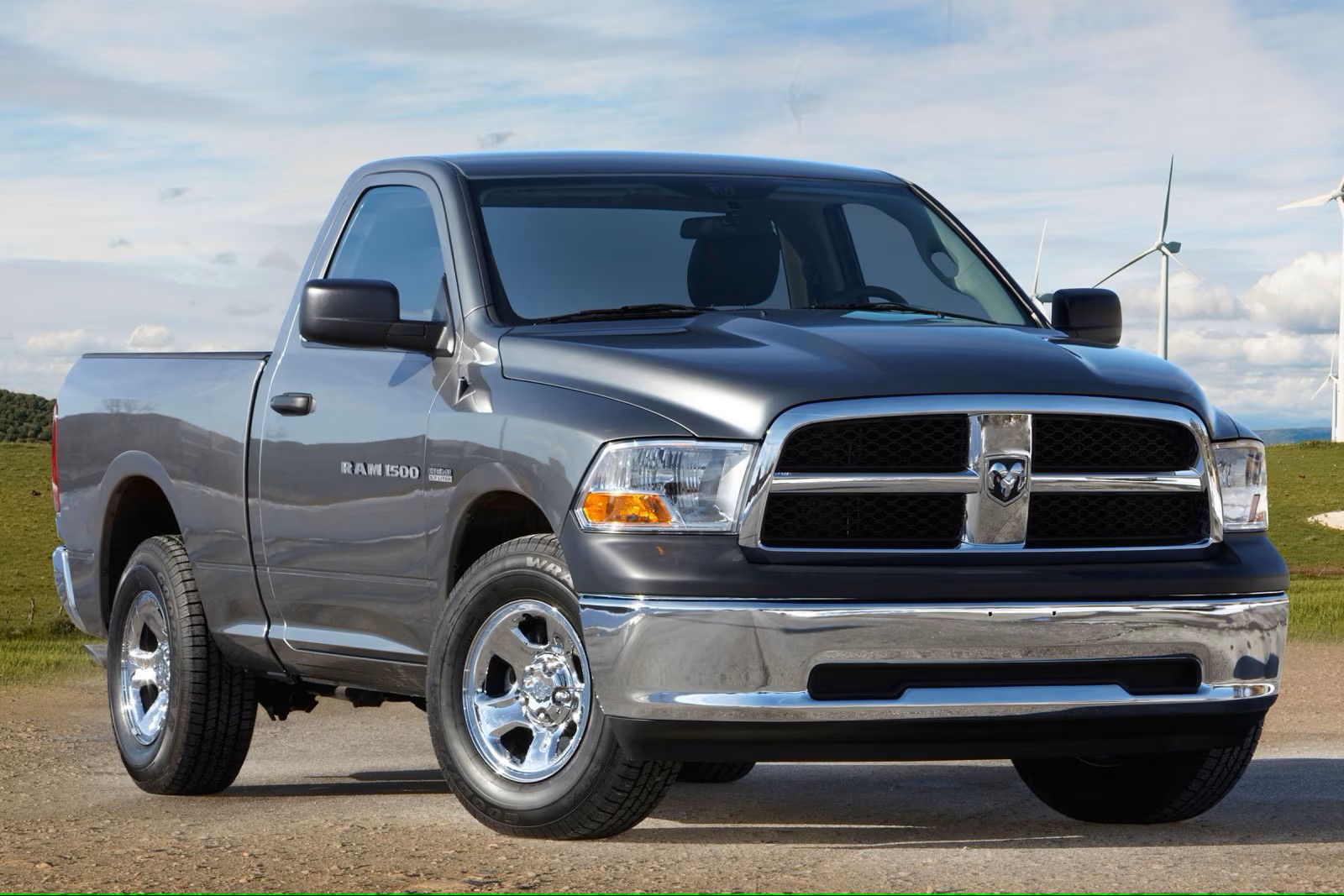
2. Dodge Ram 1500 (Fourth Generation, 2009-2018)
The fourth-generation Dodge Ram 1500, sold from 2009 through 2018, follows a troubling Chrysler tradition of problematic HVAC systems. These trucks suffer from blend door actuator failures with depressing regularity, affecting both temperature control and air distribution.
The failures stem from a combination of poor component quality, inadequate thermal management, and design decisions that prioritize initial cost savings over long-term reliability.
Chrysler’s actuator supplier history reveals part of the problem. The company sources actuators from multiple suppliers, with quality varying significantly between sources.
Some model years and production plants received actuators from manufacturers known for reliability issues, while others received better-quality components.
This inconsistency means that some Ram 1500 owners experience early failures while others enjoy longer service lives, creating an unpredictable reliability lottery.
The actuator design itself incorporates several concerning compromises. The motors use brushed designs that inherently wear out faster than brushless alternatives, with carbon brushes that gradually deteriorate until they can no longer maintain proper contact with the commutator.
The gear trains use plastic gears with inadequate tooth profiles that concentrate stress at tooth roots, leading to progressive wear and eventual tooth fracture.
Chrysler’s choice of plastic materials lacks UV stabilizers and heat resistance additives that would improve longevity in the hot, UV-exposed environment behind a dashboard.
Ram 1500 actuators fail through multiple mechanisms. Gear stripping remains the most common failure mode, with plastic teeth gradually wearing down until they can no longer mesh properly.
Electrical failures affect motors that overheat due to inadequate thermal management the actuators mount in locations with poor airflow, trapping heat that accelerates insulation breakdown and lubricant degradation.
Position sensors within actuators also fail, causing the HVAC control module to lose track of door position and command excessive actuator movement, which accelerates mechanical wear.
The symptoms of failing Ram 1500 actuators mirror other problematic vehicles: clicking or ticking from the dashboard, inability to control temperature, stuck air distribution modes, or random temperature fluctuations.
This constellation of issues creates compound reliability problems, as owners who invest in actuator repairs often face additional HVAC expenses shortly thereafter.
The cumulative repair costs contribute to higher total ownership costs that diminish the Ram’s value proposition despite competitive initial pricing.
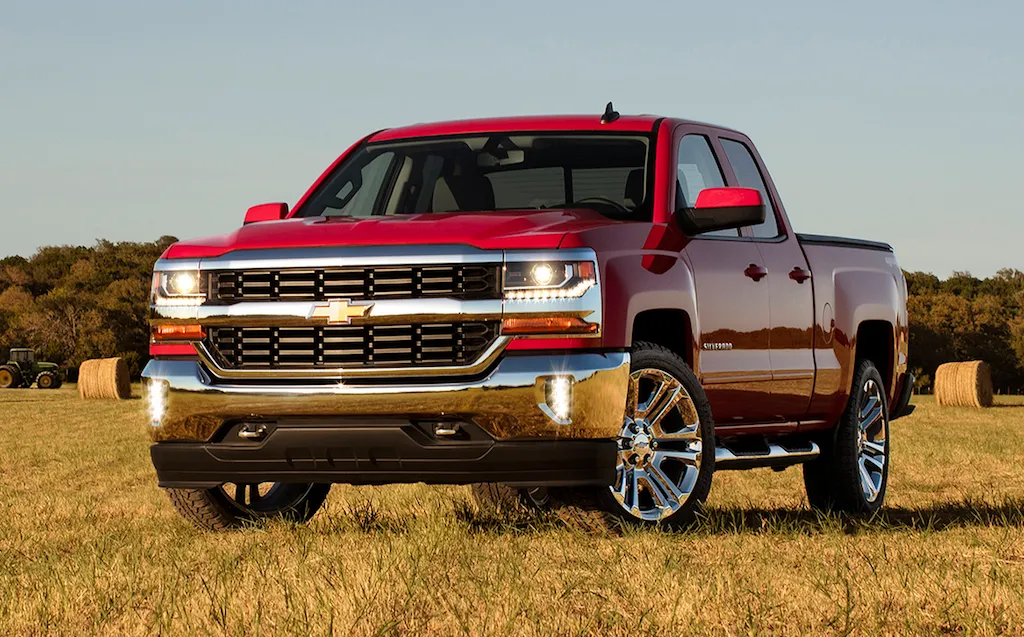
3. Chevrolet Silverado/GMC Sierra (K2XX Platform, 2014-2018)
GM’s K2XX platform light-duty trucks, despite being newer than the problematic GMT900 SUVs, unfortunately inherited many of the same HVAC system design flaws.
The 2014-2018 Chevrolet Silverado 1500 and GMC Sierra 1500 continue GM’s troubling pattern of blend door actuator failures, demonstrating that the company failed to apply lessons learned from previous platform problems.
The K2XX trucks employ a similar actuator design to the GMT900 SUVs, with the same fundamental weaknesses: undersized plastic gears, inadequate motor specifications, and poor thermal management.
GM’s engineering teams apparently prioritized maintaining parts commonality and supplier relationships over redesigning actuators to address known failure modes.
This decision condemned hundreds of thousands of new truck buyers to experience the same frustrating failures that plagued previous-generation vehicles.
K2XX actuator failures typically manifest between 40,000-80,000 miles, though some units fail significantly earlier while others last longer depending on usage patterns and environmental conditions.
Trucks operated in extreme climates whether hot desert environments or frigid northern winters experience accelerated failure rates as temperature extremes stress plastic components and increase the workload on actuator motors.
Vehicles with frequent temperature adjustments, such as those used for ride-sharing or fleet service, also show higher failure rates due to increased actuator cycling.
The clicking noise characterizing actuator failure in K2XX trucks often begins intermittently, occurring only during specific conditions such as cold weather startup or after the vehicle has sat in hot sun.
As gear wear progresses, the clicking becomes more frequent and louder, eventually occurring constantly whenever the HVAC system operates. Some owners report clicking so loud it can be heard while standing outside near the driver’s door, creating embarrassment in parking lots and drive-throughs.
GM’s response to K2XX actuator problems mirrors its handling of GMT900 issues: acknowledge the problem through internal TSBs, but avoid formal recalls or extended warranty coverage.
Dealers replace failed actuators with identical parts that inevitably fail again, creating recurring revenue streams from repeat repairs. GM’s parts division benefits from selling replacement actuators, while customers bear the financial burden and frustration of repetitive failures.
This approach has generated significant customer dissatisfaction, with many owners vowing to avoid GM vehicles in future purchases. The K2XX platform’s high sales volumes both Silverado and Sierra consistently rank among America’s best-selling vehicles mean that millions of trucks experience these actuator failures.
4. Ford F-150 (Twelfth and Thirteenth Generations, 2009-2020)
Ford’s best-selling F-150 pickup truck has struggled with blend door actuator reliability across multiple generations, with the twelfth generation (2009-2014) and thirteenth generation (2015-2020) both experiencing significant failure rates.
While not quite reaching GM’s levels of actuator problems, Ford’s issues demonstrate that even America’s best-selling vehicle is not immune to cost-cutting decisions that compromise long-term reliability.
The F-150’s actuator problems stem from multiple sources. Ford uses actuators with plastic gears prone to stripping, similar to GM’s designs, but also suffers from electrical connector corrosion issues that cause intermittent operation before complete failure.
The connectors use terminals that corrode when exposed to moisture that inevitably penetrates the dashboard over years of service. This corrosion increases electrical resistance, causing voltage drops that prevent actuators from receiving sufficient power for proper operation.
Ford’s actuator mounting locations exacerbate thermal stress issues. The main blend door actuator mounts near the heater core where temperatures regularly exceed 150°F during heating operation.

This raised operating temperature accelerates plastic degradation, lubricant breakdown, and motor insulation failure. The hot environment causes plastic gears to soften slightly, increasing wear rates and accelerating the progression toward failure.
Over years of operation, cumulative heat exposure weakens plastic components until they can no longer withstand normal operating loads.
F-150 actuator symptoms include the familiar clicking sounds, but Ford trucks also commonly experience “self-adjusting” temperature behavior where the system randomly changes temperature settings without driver input.
This occurs when position sensors fail or provide erratic feedback, causing the control module to make constant corrections attempting to achieve impossible target positions.
Drivers report temperature swinging wildly between hot and cold, making comfortable climate control impossible without manual override using the full hot or full cold positions that bypass normal control logic.
Repair procedures for F-150 actuators vary significantly depending on model year and configuration. Twelfth-generation trucks (2009-2014) feature somewhat accessible actuator locations, with the main blend door actuator reachable after removing the glove box assembly typically a 1.5-2 hour job.
Thirteenth-generation trucks (2015-2020) relocated some actuators deeper into the dashboard structure, increasing labor times to 3-4 hours for certain positions. This increased labor substantially raises repair costs, with total bills reaching $600-$900 including parts and labor.
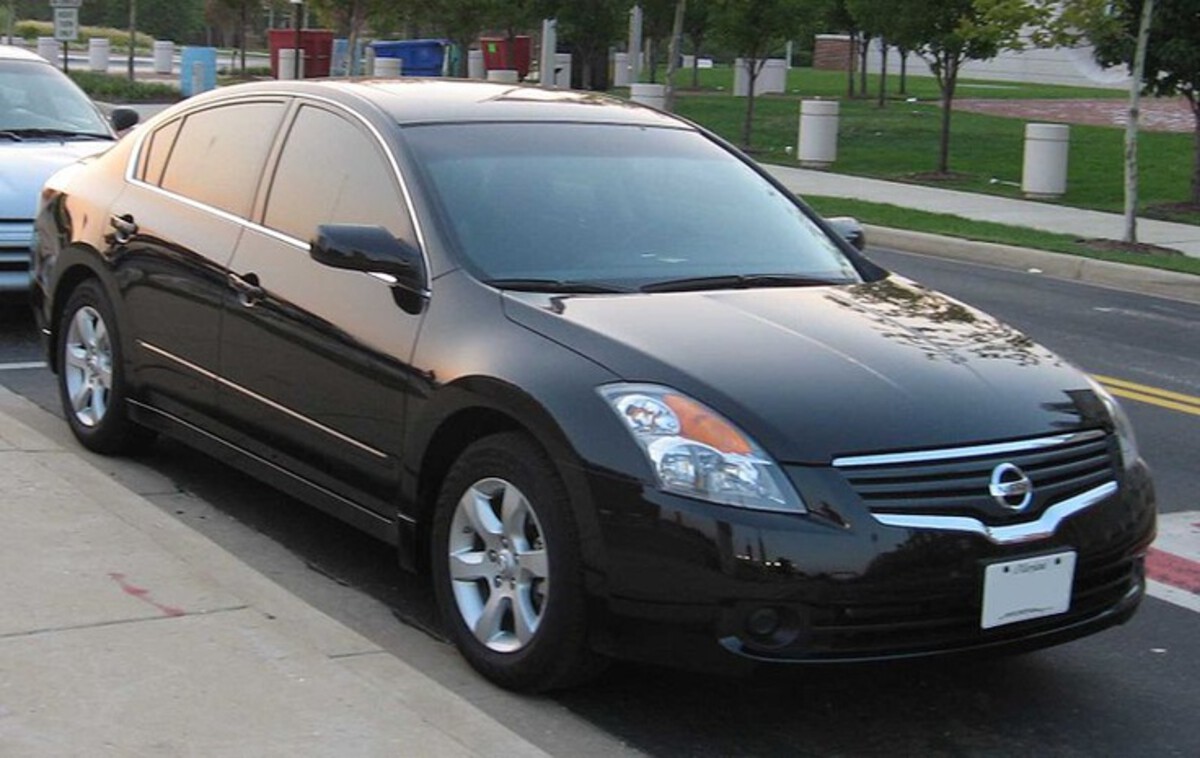
5. Nissan Altima (Fourth and Fifth Generations, 2007-2018)
Nissan’s Altima sedan, a high-volume competitor in the mid-size segment, suffers from persistent blend door actuator problems across the fourth generation (2007-2012) and fifth generation (2013-2018).
These failures represent part of a broader pattern of declining Nissan quality during this era, when cost-reduction initiatives and platform aging compromised reliability across multiple vehicle systems.
Nissan’s actuator design philosophy emphasizes minimizing cost and weight, resulting in components that barely meet performance requirements when new but lack the robustness margins needed for long-term durability.
The actuators feature the smallest practical motors, thinnest gear teeth, and most compact housings possible while still achieving basic functionality.
This extreme optimization eliminates any safety factors that could accommodate inevitable manufacturing variations, material property degradation, or accumulation of wear over time.
Altima actuators typically fail between 60,000-100,000 miles, with earlier failures common in hot climates where thermal stress accelerates degradation.
The primary failure mode involves gear teeth stripping, but Nissan actuators also suffer from motor bearing failures that cause grinding noises and eventual seizure.
The bearings use minimal lubrication applied during manufacturing, which gradually migrates out of the bearing surfaces or breaks down chemically when exposed to heat.
As lubrication fails, metal-on-metal contact between bearing surfaces generates heat and wear particles that further accelerate deterioration.
The symptoms of Altima actuator failure extend beyond simple clicking to include whistling or groaning sounds as worn motors struggle to overcome increased friction.
Temperature control becomes erratic, with the system unable to maintain steady temperatures and often oscillating between too hot and too cold.
Some owners report that certain temperature settings work properly while others don’t, indicating partial gear failure where some teeth remain functional while others have stripped away.
Consumer Reports and J.D. Power surveys show declining reliability scores for Altima, with HVAC system problems frequently cited in owner complaints. This reputational damage affects resale values and conquest sales, as potential buyers increasingly cross-shop more reliable competitors.
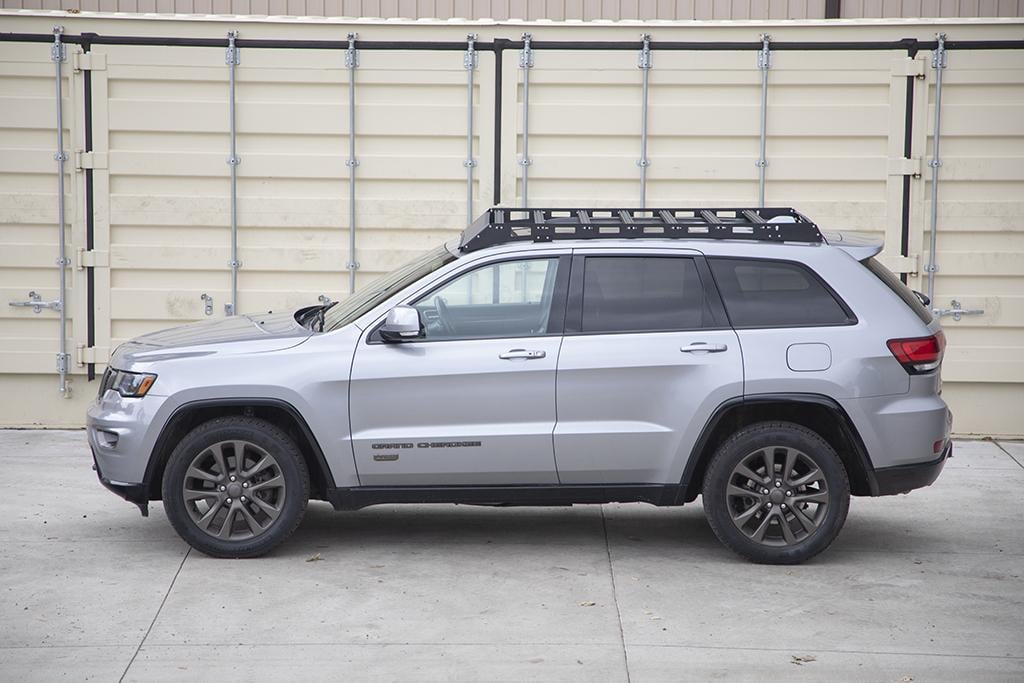
6. Jeep Grand Cherokee (WK2 Platform, 2011-2021)
The WK2 Jeep Grand Cherokee represents Chrysler’s premium SUV offering, yet it shares the corporate parent’s problematic approach to HVAC system design.
These vehicles experience blend door actuator failures at frustrating rates, with many owners reporting multiple failures during ownership.
The problems persist across the platform’s entire production run from 2011 through 2021, suggesting Chrysler never adequately addressed the underlying design deficiencies.
Grand Cherokee actuators suffer from the same Chrysler-family weaknesses: inadequate component sizing, poor thermal management, and inconsistent manufacturing quality depending on supplier and production plant.
The situation is particularly frustrating for Grand Cherokee buyers who paid premium prices, expecting Jeep’s most expensive model to deliver superior reliability. Instead, they receive the same problematic actuators used in cheaper Chrysler, Dodge, and RAM products.
The failure patterns in Grand Cherokees mirror other Chrysler products, with clicking noises developing first, followed by loss of temperature control or air distribution capability. However, Grand Cherokee owners report additional issues specific to the model’s more complex climate control system.
The available tri-zone climate control employs multiple actuators managing driver, passenger, and rear climate zones independently.
When one zone’s actuator fails, that zone becomes uncontrollable while other zones continue functioning, creating uncomfortable temperature disparities between front and rear passengers or between driver and front passenger.
The Grand Cherokee’s luxury positioning makes actuator failures particularly problematic from a customer satisfaction perspective. Buyers purchasing $50,000-$70,000 vehicles expect premium reliability, not repetitive failures of basic climate control systems.
The disconnect between price point and reliability has generated significant owner backlash, with Jeep forums containing thousands of posts documenting actuator failures and expressing frustration with Chrysler’s failure to engineer durable solutions.
Repair costs for Grand Cherokee actuators can be substantial, particularly for rear climate control actuators that require extensive interior disassembly.
The rear actuators hide beneath the center console, requiring removal of front seats, console assemblies, and multiple trim panels for access.
Dealer labor quotes for rear actuator replacement often exceed six hours, pushing total repair costs above $1,000 when including parts. Front actuators are more accessible but still require glove box removal and dashboard disassembly.
Chrysler’s parts pricing reflects the Grand Cherokee’s premium positioning, with OEM actuators costing $150-$250 each through dealers.
7. Chevrolet Traverse/GMC Acadia/Buick Enclave (First Generation Lambda Platform, 2009-2017)
GM’s Lambda platform crossover SUVs the Chevrolet Traverse, GMC Acadia, and Buick Enclave complete our examination of problematic platforms with blend door actuator failures that have frustrated hundreds of thousands of owners.
These vehicles share the same fundamental HVAC system design weaknesses that plague other GM products, demonstrating that the company’s cost-reduction approach to climate control systems extends across its entire portfolio regardless of brand positioning or price point.
The Lambda crossovers employ the now-familiar GM actuator design with undersized plastic gears, inadequate motors, and poor thermal management.
What makes the Lambda situation particularly egregious is that these vehicles launched in 2009, years after the GMT900 SUV actuator problems became widely known.
GM had ample opportunity to redesign actuators, incorporating lessons learned from previous failures, yet chose to perpetuate the same flawed designs rather than investing in meaningful improvements.
Lambda platform actuator failures typically emerge between 50,000-90,000 miles, though some vehicles experience problems much earlier, while others last longer.

The three-row seating configuration requires a complex HVAC system with multiple zones and extensive ductwork, employing up to ten separate actuators throughout the system.
This proliferation of actuators multiplies failure opportunities even if individual actuator reliability were acceptable, the sheer number of units virtually guarantees multiple failures during ownership.
The characteristic clicking sounds emanate from various dashboard and console locations depending on which actuator fails. Traverse owners report clicks from the center stack, behind the glove box, under the driver’s side dashboard, and from the rear cargo area where rear HVAC actuators reside.
Some vehicles develop multiple simultaneous clicks as several actuators fail concurrently, creating a cacophony of mechanical noise that owners describe as maddening during daily driving.
Temperature control problems manifest differently depending on which actuators fail. Driver and passenger zones may operate independently or become linked, preventing separate temperature settings.
Rear climate control often fails, leaving third-row passengers without temperature control particularly problematic for families with children who cannot adjust their own comfort.
Air distribution failures leave systems stuck in defrost mode, floor mode, or panel mode regardless of switch position, forcing drivers to choose between proper windshield defrosting and comfortable air distribution.
GM’s approach to Lambda actuator problems follows the established pattern: technical service bulletins acknowledging failures, but no recalls or extended warranty coverage.
Potential buyers discount offers to account for anticipated actuator repairs, reducing trade-in values and private sale prices. This depreciation impact can total thousands of dollars over a typical ownership cycle, representing a hidden cost of GM’s reliability shortcomings that supplements direct repair expenses.
Also Read: 5 Trucks with Corrosion-proof Bed Hardware vs 5 That Seize And Snap
