
The world of automotive maintenance is filled with decisions that can significantly impact both your wallet and your driving experience.
Among these choices, selecting brake pads stands out as one of the most critical yet often misunderstood aspects of vehicle upkeep.
While Original Equipment Manufacturer (OEM) brake pads have long been considered the gold standard, they come with premium price tags that can strain budgets, especially for older vehicles or those with high mileage.
This financial reality has led countless drivers to explore aftermarket alternatives, hoping to find reliable, budget-friendly options that don’t compromise safety or comfort.
The brake pad market has evolved dramatically over recent years, with numerous manufacturers producing aftermarket components that claim to match or even exceed OEM specifications.
However, the experiences of real-world drivers reveal a stark divide in how different vehicles respond to these budget alternatives. Some cars seem almost engineered to accept third-party brake pads gracefully, operating quietly and efficiently with components costing a fraction of their OEM counterparts.
Others, frustratingly, respond to aftermarket pads with persistent squealing, grinding, or other acoustic disturbances that can make even short drives unbearable.
This comprehensive guide aims to eliminate that guesswork by identifying ten vehicles that sit at opposite ends of the aftermarket brake pad compatibility spectrum.
We’ll explore five vehicles known for their exceptional tolerance of budget brake pads, where drivers consistently report quiet, reliable performance with aftermarket components.
Conversely, we’ll examine five vehicles notorious for their sensitivity to non-OEM pads, where budget alternatives frequently result in squealing, vibration, or other performance issues.
Through detailed analysis of each vehicle’s braking system characteristics, real-world owner experiences, and technical considerations, you’ll gain the knowledge needed to make informed decisions about brake pad replacement for your specific vehicle.
5 Cars That Accept Budget Brake Pads Quietly
These exceptionally engineered vehicles feature braking systems with forgiving rotor metallurgy, standard caliper designs without excessive piston pressure, and brake backing plate configurations that accommodate various pad friction materials without generating annoying noise or vibration during normal braking operations.
Their thoughtful engineering includes rotors with conventional vented designs that dissipate heat effectively regardless of pad compound selection, caliper brackets with adequate pad retention hardware preventing movement and rattle, and brake system geometry that distributes clamping forces evenly across friction surfaces minimizing the harmonic resonance that creates squealing noises with aftermarket components.
From entry-level ceramic pads to budget semi-metallic compounds, these remarkable brake systems continue operating silently without developing the high-frequency squeals, grinding noises, or pedal pulsation that plague vehicles requiring specific OEM pad formulations.
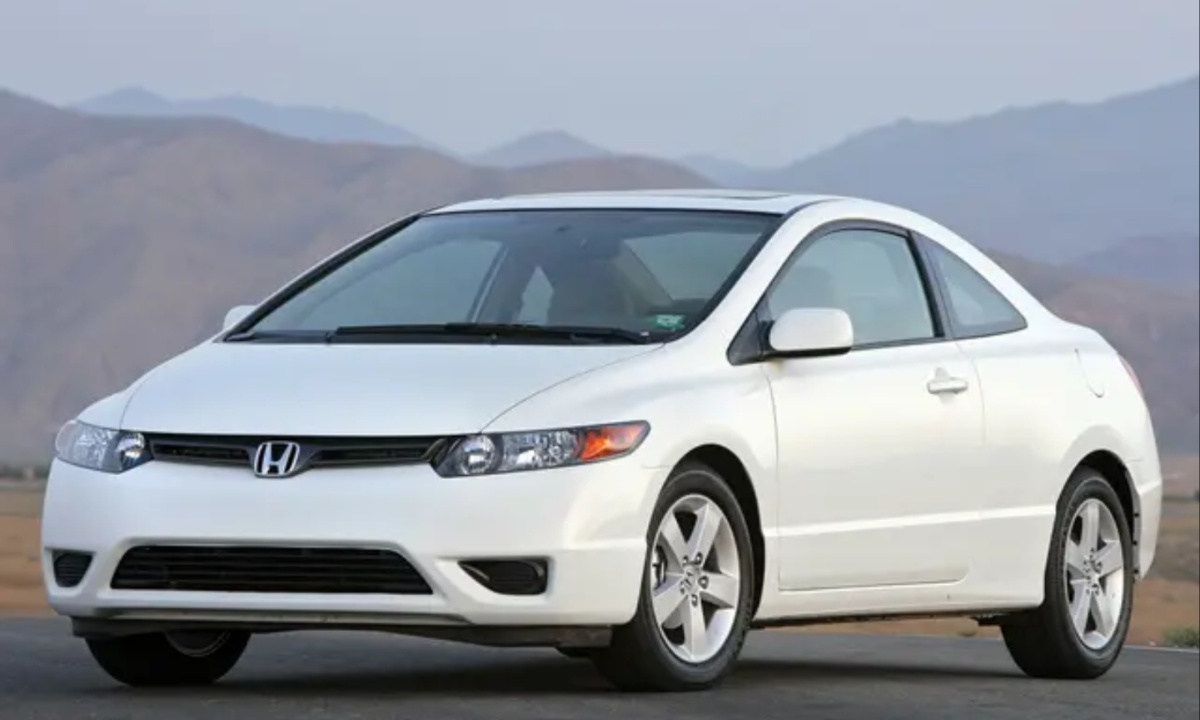
1. Honda Civic (2006-2015 Generations)
The Honda Civic has earned a legendary reputation among budget-conscious car owners and independent mechanics for its remarkable tolerance of aftermarket brake pads.
This acceptance isn’t accidental but rather the result of Honda’s engineering philosophy that prioritizes simplicity, reliability, and serviceability.
The Civic’s braking system, particularly in the eighth and ninth generation models spanning 2006 to 2015, features straightforward single-piston floating caliper designs that work harmoniously with a wide range of brake pad compositions.
The secret to the Civic’s aftermarket friendliness lies in several key design elements. First, Honda engineers specified generous tolerances in the brake caliper brackets and pad retention systems, allowing for slight variations in aftermarket pad dimensions without causing binding or uneven wear.
The brake rotors on these Civics utilize a conventional cast iron composition with moderate carbon content, creating an ideal friction surface that accommodates both ceramic and semi-metallic aftermarket pad materials without excessive noise generation.
Additionally, the caliper slide pins are designed with adequate clearance and utilize a less critical lubricant specification, meaning even if the aftermarket pads don’t include premium synthetic grease, the system still operates smoothly and quietly.
Owners of these Civic generations consistently report successful experiences with budget brake pad brands like Wagner ThermoQuiet, ACDelco, Bosch Blue, and even store-brand options from automotive retailers.
Many drivers have documented running aftermarket pads for 40,000 to 60,000 miles without developing the dreaded brake squeal that plagues other vehicles.
The ceramic pad formulations, in particular, seem exceptionally well-suited to the Civic’s braking system, providing quiet operation even during cold starts or in wet conditions when brake noise typically becomes most pronounced.
The Civic’s brake system also benefits from Honda’s conservative approach to brake pad chamfering and slot design. Unlike some manufacturers that specify complex pad geometries requiring precise aftermarket replication, Honda’s pads feature simple chamfers and straightforward backing plate designs.
This simplicity means aftermarket manufacturers can more easily produce compatible replacements without investing in specialized tooling or proprietary materials.
Furthermore, the shim systems used on these Civics typically consist of basic rubberized steel shims that are readily available from aftermarket suppliers and function effectively even when sourced from budget producers.
Temperature management plays another crucial role in the Civic’s aftermarket pad compatibility. These vehicles were designed primarily for everyday commuting rather than aggressive driving, meaning the brake system operates within moderate temperature ranges during normal use.
This thermal environment allows budget pad materials to perform within their optimal operating windows, avoiding the extreme heat conditions that can cause inferior pad compounds to glaze, chunk, or produce excessive noise.
The ventilated front rotors provide adequate cooling, while the solid rear rotors match the lighter duty requirements of rear brake service.
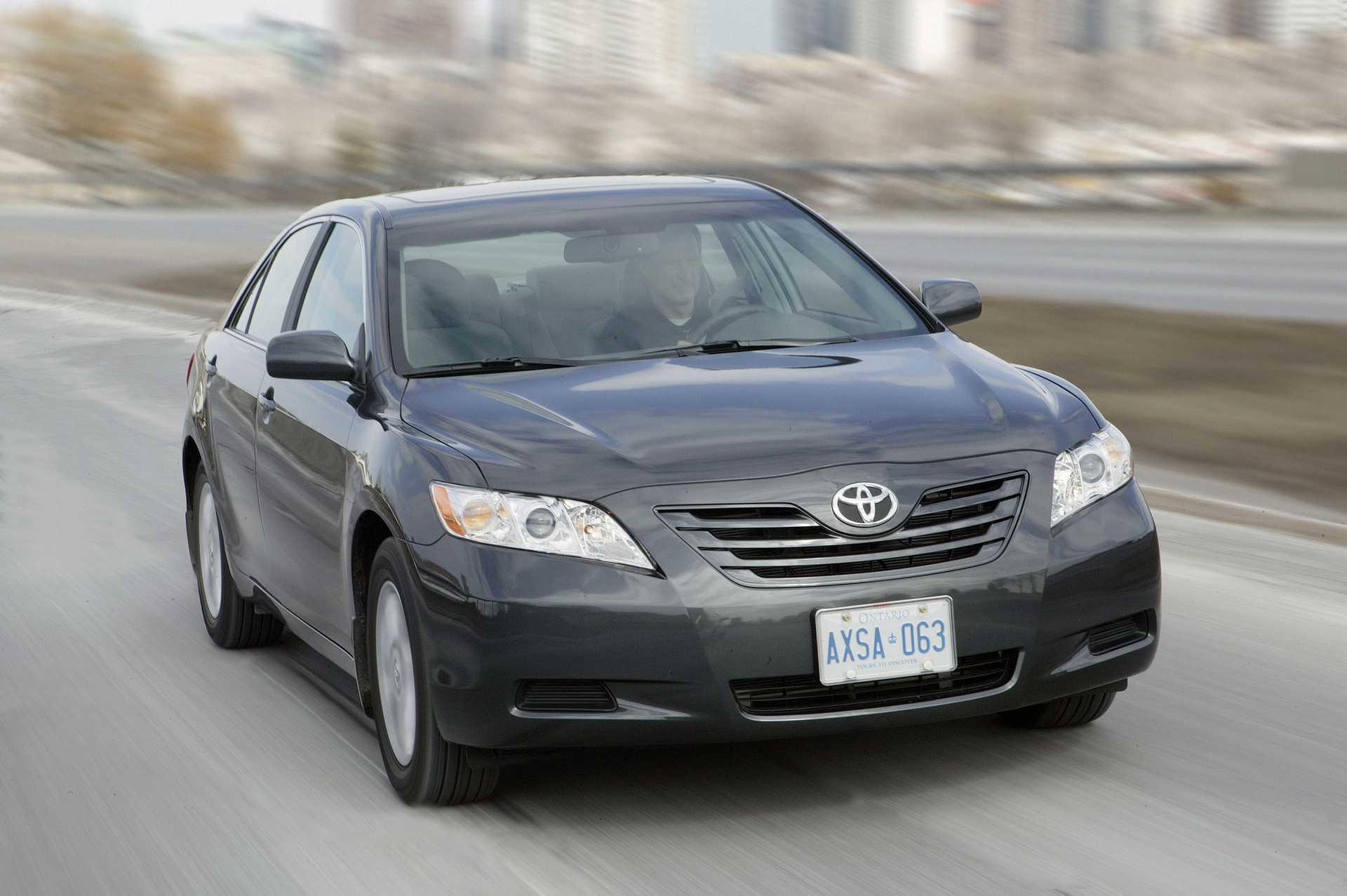
2. Toyota Camry (2007-2017 Generations)
The Toyota Camry represents another shining example of a vehicle platform engineered with real-world serviceability and aftermarket compatibility in mind.
Across the sixth and seventh generation models produced from 2007 through 2017, Toyota’s flagship sedan has demonstrated exceptional tolerance for budget brake pads, allowing owners to significantly reduce maintenance costs without sacrificing quiet, confident braking performance.
This compatibility stems from Toyota’s deliberate engineering choices that prioritize long-term reliability and ease of maintenance over cutting-edge performance specifications.
Toyota’s approach to brake system design on the Camry emphasizes conservative specifications that create wide compatibility margins.
The front brake calipers utilize proven single-piston sliding designs with robust mounting brackets that accommodate dimensional variations common in aftermarket pad production.
The caliper hardware including anti-rattle clips, pad support plates, and retention springs follows standardized designs that aftermarket manufacturers have extensively studied and successfully replicated.
This means even inexpensive brake pad kits that include hardware often provide components that function nearly identically to OEM Toyota parts.
The rotor specifications on these Camry models further contribute to their aftermarket friendliness. Toyota specifies rotors with moderate thickness variation tolerances and surface finish requirements that most budget aftermarket rotors can easily meet.
The rotor metallurgy a conventional gray cast iron with balanced carbon and silicon content creates a friction surface that works equally well with ceramic, semi-metallic, and organic pad materials.
This flexibility allows owners to choose budget pads based on price and availability rather than being locked into specific premium formulations required by more sensitive braking systems.
Real-world feedback from Camry owners overwhelmingly supports the vehicle’s reputation for aftermarket brake pad acceptance.
Online forums and owner communities are filled with success stories detailing trouble-free operation with brands like Raybestos Element3, Akebono ProACT, Power Stop, and numerous economy brands sold through discount auto parts chains.
Owners report that these budget alternatives typically provide 35,000 to 50,000 miles of service life comparable to or sometimes exceeding OEM pad longevity while maintaining whisper-quiet operation throughout their lifespan.
Even in challenging conditions like stop-and-go traffic, mountainous terrain, or humid climates where brake noise often manifests, these Camrys continue operating silently with properly installed aftermarket pads.
Another factor contributing to the Camry’s aftermarket success is Toyota’s decision to use relatively large brake pad surface areas compared to the vehicle’s weight and performance envelope.
This generous sizing means the pads operate at lower pressures and temperatures during normal driving, staying well within the capability range of budget pad materials.
The lower stress levels also reduce the likelihood of pad glazing, uneven wear, or other degradation modes that commonly cause noise in more aggressively-tuned brake systems.
Additionally, the Camry’s brake booster provides smooth, progressive assist characteristics that don’t subject pads to the abrupt pressure spikes that can excite resonances in lower-quality pad materials.
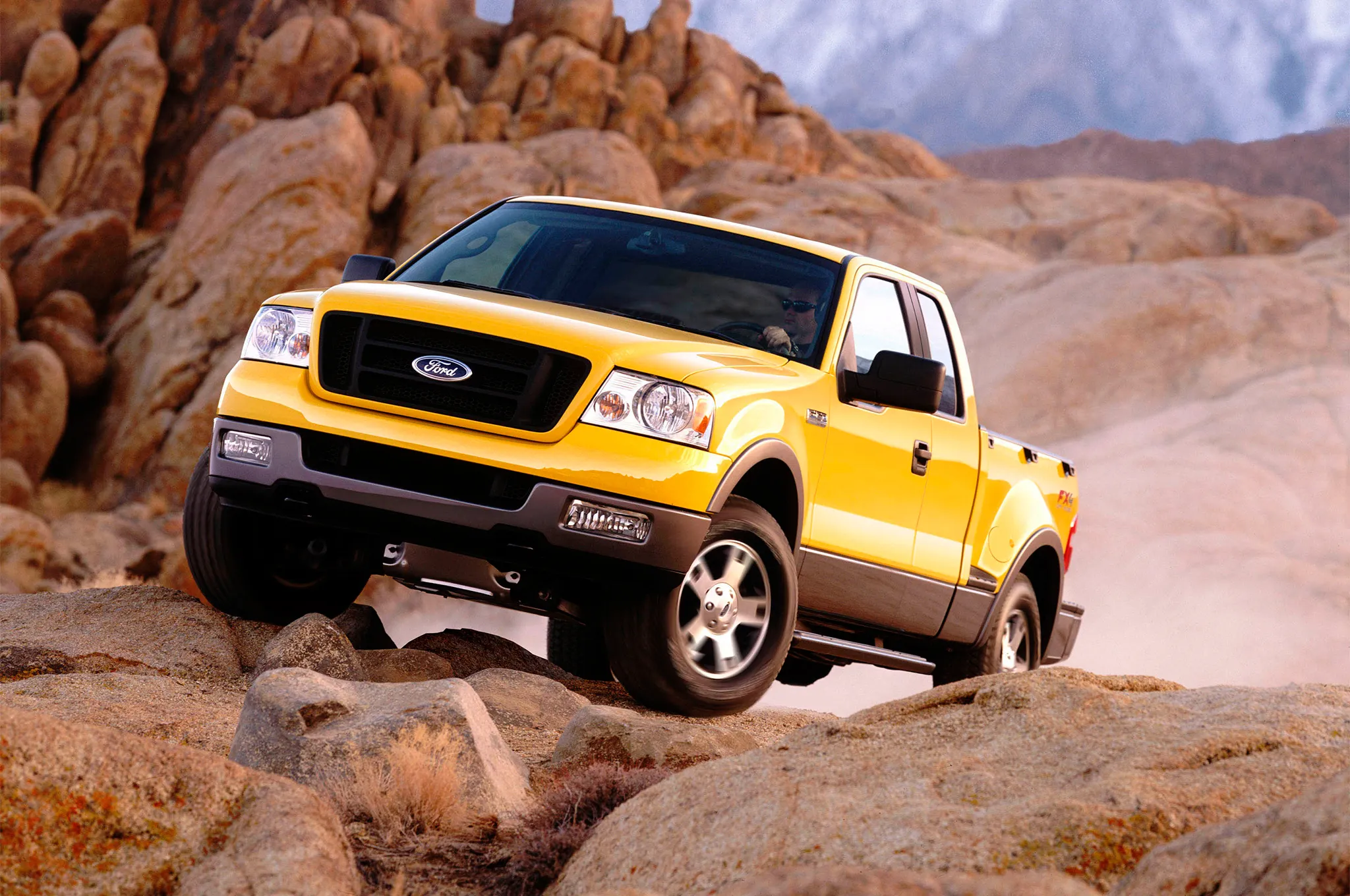
3. Ford F-150 (2004-2014 Generations)
The Ford F-150, America’s best-selling vehicle for decades, has developed a well-deserved reputation for accepting aftermarket brake components with minimal fuss, making it a favorite among fleet managers and cost-conscious truck owners.
The eleventh through thirteenth generation F-150 models spanning 2004 to 2014 exemplify this compatibility, featuring brake systems specifically engineered to withstand harsh working conditions while remaining serviceable with readily available, affordable replacement parts.
Ford’s commercial and fleet focus during this era directly influenced brake system design decisions that inadvertently created exceptional aftermarket compatibility.
The F-150’s brake architecture differs significantly from passenger car designs, incorporating features that enhance durability and serviceability in demanding applications.
The front brake calipers on these trucks use heavy-duty sliding designs with oversized mounting hardware that can accommodate the tolerance variations inherent in aftermarket manufacturing.
The caliper brackets are substantially engineered with thick mounting points and robust pad retention systems that maintain firm pad positioning even when aftermarket components don’t perfectly match OEM dimensional specifications.
This overbuilt approach prevents the rattling and vibration that often plague vehicles with more minimalist brake system designs when fitted with budget pads.
Ford’s choice of brake rotor specifications for these F-150 models also contributes to their aftermarket friendliness.
The rotors feature relatively thick cross-sections with substantial cooling vane structures, providing thermal capacity that keeps pad operating temperatures moderate even under the heavy loads truck owners frequently impose.
This thermal stability allows budget pad materials which often have narrower optimal temperature ranges than premium compounds to function effectively without experiencing the heat-induced glazing or fade that causes squealing in other vehicles.
The rotors’ conventional cast iron metallurgy, free from exotic additives or coatings, creates a versatile friction surface compatible with virtually any pad material composition.
Ford’s service-oriented approach to the F-150 platform extended to comprehensive parts availability and documentation that supports aftermarket brake pad selection.
The company published detailed brake specifications, including minimum rotor thickness, pad minimum thickness, and torque specifications for all fasteners, enabling aftermarket manufacturers to engineer compatible components with confidence.
Additionally, Ford’s widespread dealer and independent service networks created extensive institutional knowledge about these trucks’ brake systems, resulting in well-documented best practices for aftermarket brake pad installation that maximize quiet operation and longevity.
4. Mazda3 (2004-2013 Generations)
The Mazda3, launched in 2004 as Mazda’s compact car offering, quickly gained recognition not only for its engaging driving dynamics but also for its remarkably practical maintenance characteristics, including exceptional compatibility with aftermarket brake components.
The first and second generation models produced through 2013 feature brake systems that consistently deliver quiet, effective performance with budget-friendly pad options, making them favorites among enthusiast owners who want to minimize maintenance costs while maximizing driving enjoyment.
Mazda’s engineering philosophy of creating engaging yet affordable vehicles directly influenced brake system design choices that favor aftermarket compatibility.
Mazda engineered the Mazda3’s braking system with a focus on delivering responsive, confidence-inspiring pedal feel while maintaining straightforward serviceability.
The front brake calipers employ single-piston sliding designs similar to other vehicles in this class, but Mazda specified particularly well-designed caliper hardware kits that effectively prevent pad rattle and vibration.
The anti-rattle clips, pad wear indicators, and support shims included in quality aftermarket brake pad sets function virtually identically to OEM Mazda components, ensuring quiet operation even with budget alternatives.
The caliper slide pins feature adequate clearances and utilize standard high-temperature grease specifications readily available from any automotive supplier.
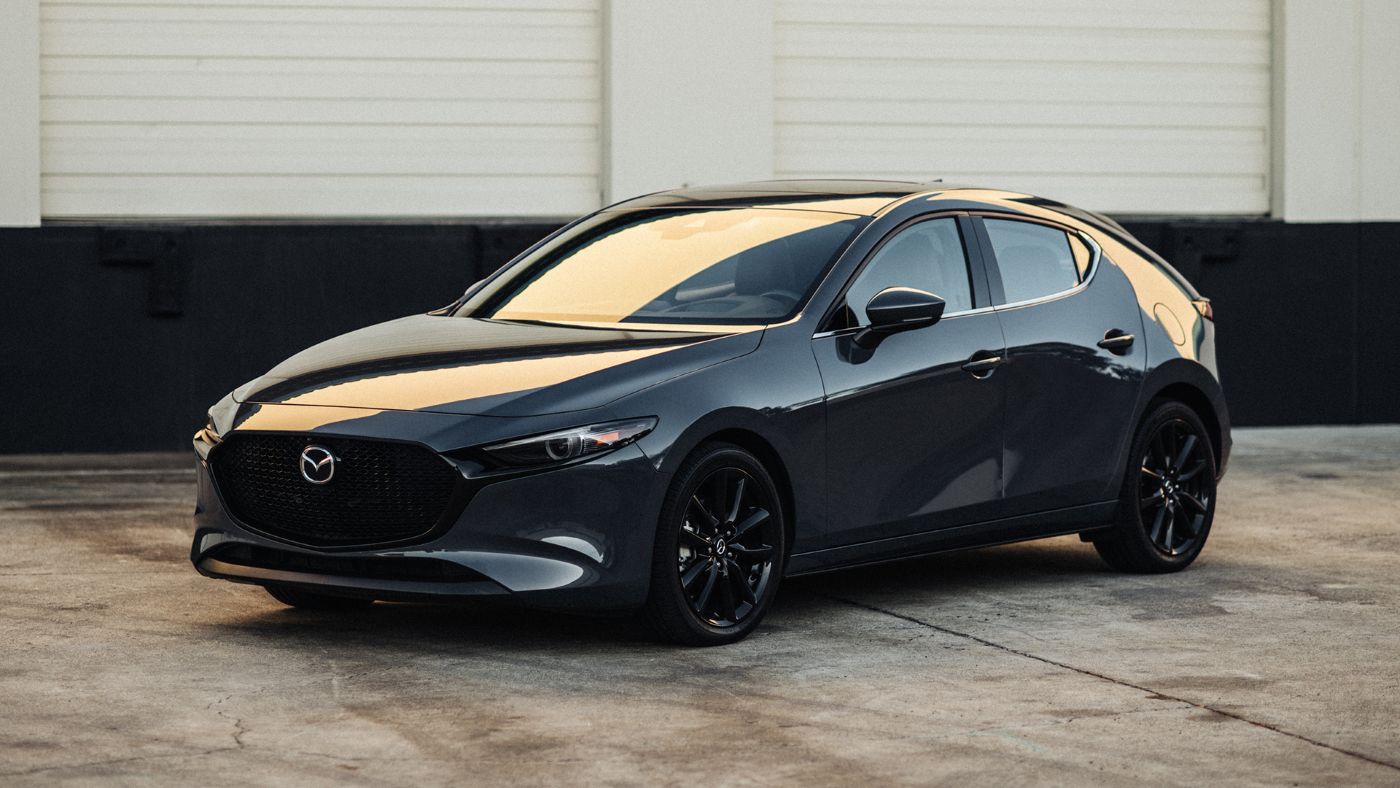
The brake rotors specified for these Mazda3 models incorporate design elements that enhance aftermarket pad compatibility. Mazda engineers selected rotor geometries with moderate thickness and well-proportioned cooling vane structures that provide balanced heat dissipation.
This thermal management prevents the extreme temperature excursions that can cause budget pad materials to squeal or fade.
The rotor friction surfaces feature moderate hardness specifications that allow proper break-in with both ceramic and semi-metallic pad materials, avoiding the glazing issues that occur when soft pads meet excessively hard rotors or vice versa.
Additionally, the hub mounting surfaces and pilot bores follow standard tolerances that ensure aftermarket rotors fit precisely without creating runout issues that could cause vibration or noise.
Mazda3 owners have documented extensive positive experiences with aftermarket brake pads across numerous online communities and owner forums.
Budget brands including Bosch Blue, Akebono ProACT Euro, Wagner ThermoQuiet, and Hawk Performance HPS (a slightly premium option that remains affordable) consistently receive praise for delivering quiet, fade-free braking performance comparable to OEM pads at significantly lower costs.
Owners report typical service life of 35,000 to 50,000 miles for front pads and 50,000 to 80,000 miles for rear pads when using quality aftermarket alternatives. Even during spirited driving which Mazda3 owners enjoy more frequently than typical economy car drivers these budget pads maintain quiet operation and consistent feel.
Also Read: 10 Hyundai/Kia Engines From The ‘Safe Years’ That Age Well
5. Subaru Outback (2010-2019 Generations)
The Subaru Outback, beloved for its all-weather capability and adventure-ready versatility, has earned a reputation among owners and mechanics for being surprisingly accommodating of aftermarket brake components despite its all-wheel-drive complexity and outdoor lifestyle orientation.
The fourth and fifth generation Outback models spanning 2010 through 2019 demonstrate particular tolerance for budget brake pads, consistently delivering quiet, reliable braking performance even when fitted with affordable alternatives to OEM Subaru components.
This compatibility proves especially valuable given the Outback’s popularity in rural areas and with owners who rack up high annual mileage, making frequent brake service a significant cost consideration.
Subaru engineered the Outback’s brake system with particular attention to reliability and consistency across varying conditions capabilities essential for a vehicle frequently driven in challenging weather and terrain.
The front brake calipers utilize robust single-piston sliding designs with substantial mounting brackets that maintain precise pad positioning even as components wear or when dimensional variations exist in aftermarket pads.
The caliper hardware, including anti-rattle springs and pad retention clips, follows conventional designs that aftermarket manufacturers have successfully replicated.
Even budget brake pad kits that include hardware typically provide components that function effectively on these Outbacks, preventing the rattles and vibrations that cause squealing in less forgiving brake systems.
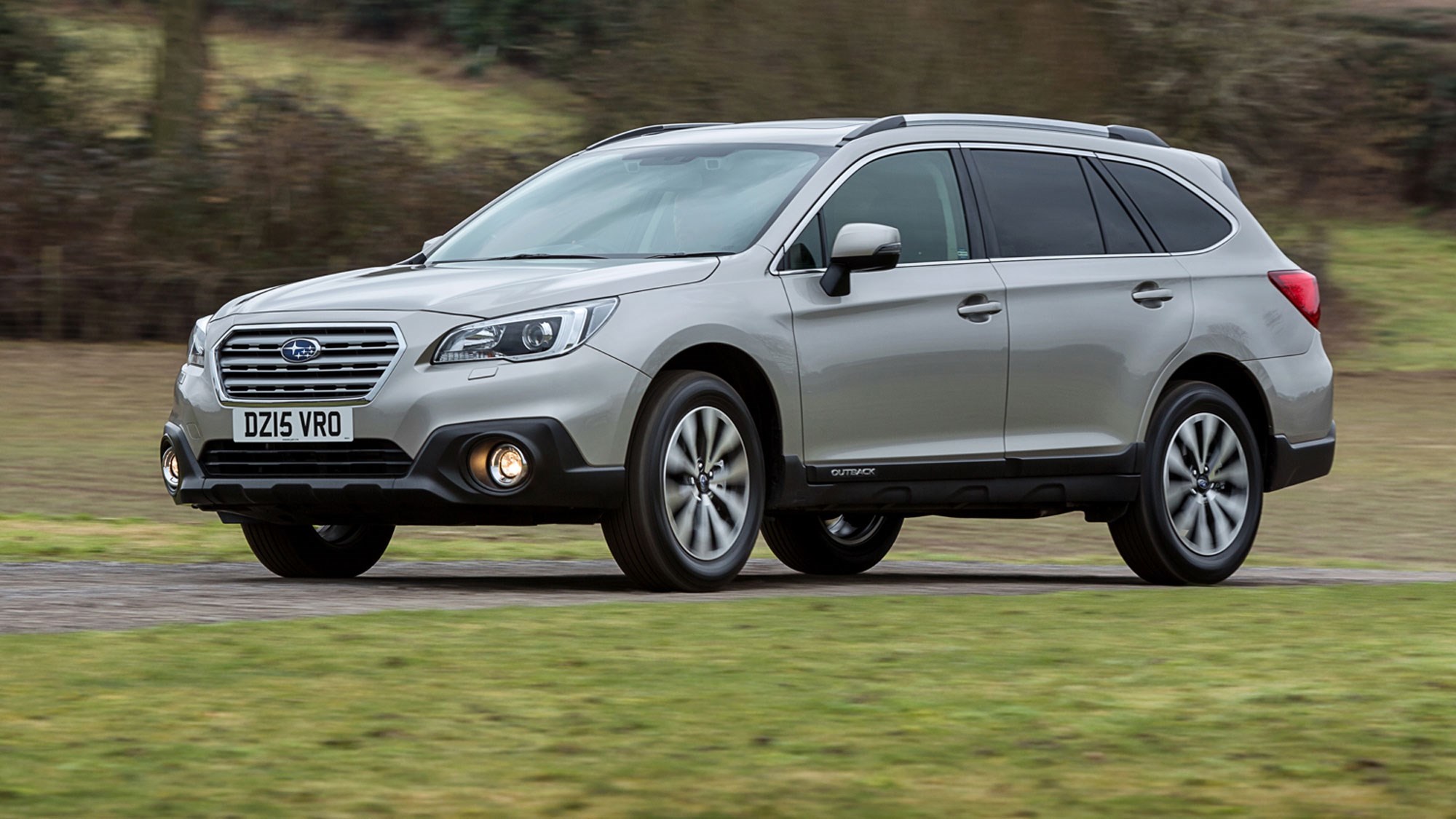
The Outback’s brake rotor specifications contribute significantly to its aftermarket pad compatibility. Subaru selected moderately thick rotors with well-designed internal cooling vane structures that provide consistent heat dissipation during the varied driving patterns common among Outback owners from highway cruising to mountain descents to stop-and-go urban commuting.
This thermal stability keeps pad operating temperatures within ranges where budget materials perform optimally, avoiding the extreme heat that causes inferior compounds to glaze or squeal.
The rotors’ conventional cast iron composition, free from special coatings or exotic alloys, creates a friction surface that accommodates virtually any pad material without compatibility issues.
Real-world feedback from Outback owners consistently confirms the vehicle’s excellent aftermarket brake pad tolerance. Popular budget-friendly options, including Akebono ProACT, Centric Posi Quiet, Power Stop Z17, and various economy brands have proven capable of delivering 35,000 to 55,000 miles of quiet, reliable service on these vehicles.
Owners particularly appreciate that aftermarket ceramic pads which provide the cleanest wheels and quietest operation work exceptionally well on Outbacks despite these pads sometimes causing insufficient bite or premature wear on other all-wheel-drive vehicles.
The consistent positive experiences have made aftermarket brake service a routine, worry-free maintenance item for Outback owners rather than the gamble it represents for some other vehicles.
The Outback’s all-wheel-drive system, rather than complicating brake service, actually contributes to its aftermarket compatibility through careful engineering of brake force distribution.
The widespread availability of Subaru-specific service information among independent mechanics and DIY enthusiasts has created a knowledge base that ensures aftermarket brake jobs on Outbacks consistently meet professional standards.
5 Cars That Squeal Without OEM Brake Pads
These problematic vehicles suffer from braking systems featuring ultra-hard rotor materials requiring specific pad compounds, aggressive caliper piston pressures that amplify friction material resonance, and brake system geometries that create harmonic frequencies generating intolerable squealing when anything except precisely formulated OEM pads contact rotor surfaces during braking events.
Their flawed engineering includes rotors with specialized metallurgy that causes budget pads to vibrate, creating high-frequency noise, floating caliper designs that amplify pad resonance into loud squeals, and inadequate anti-rattle hardware allowing pad movement that generates clicking and grinding sounds with aftermarket components.
From embarrassing squealing during gentle stops to persistent high-pitched noises that no amount of chamfering or lubricating eliminates, these troublesome brake systems reject non-OEM pads audibly.
1. BMW 3 Series (2006-2018 Generations)
The BMW 3 Series represents the epitome of German engineering excellence in the compact sport sedan category, delivering engaging dynamics and premium refinement that enthusiasts cherish.
However, this engineering sophistication comes with a significant drawback: the 3 Series has developed a notorious reputation for rejecting aftermarket brake pads with persistent, frustrating squealing that drives owners to distraction.
The E90/E91/E92/E93 generation (2006-2013) and F30/F31/F34 generation (2012-2018) models exemplify this sensitivity, with countless owners reporting that even premium aftermarket brake pads costing nearly as much as OEM components produce unacceptable noise within days or weeks of installation.
BMW’s brake system engineering prioritizes ultimate performance and precise pedal feel above serviceability and component tolerance.
The 3 Series brake calipers, whether the base single-piston sliding designs or the upgraded multi-piston fixed calipers on sport models, are manufactured to extremely tight tolerances with minimal clearances between moving components.
This precision engineering means that even slight dimensional variations in aftermarket brake pad thickness, backing plate parallelism, or friction material composition can cause binding, uneven pressure distribution, or vibration that manifests as squealing.
The caliper hardware including sophisticated multi-layer shims, precisely engineered anti-rattle clips, and proprietary pad retention springs proves nearly impossible for aftermarket manufacturers to replicate exactly, resulting in hardware kits that don’t control vibration as effectively as genuine BMW components.
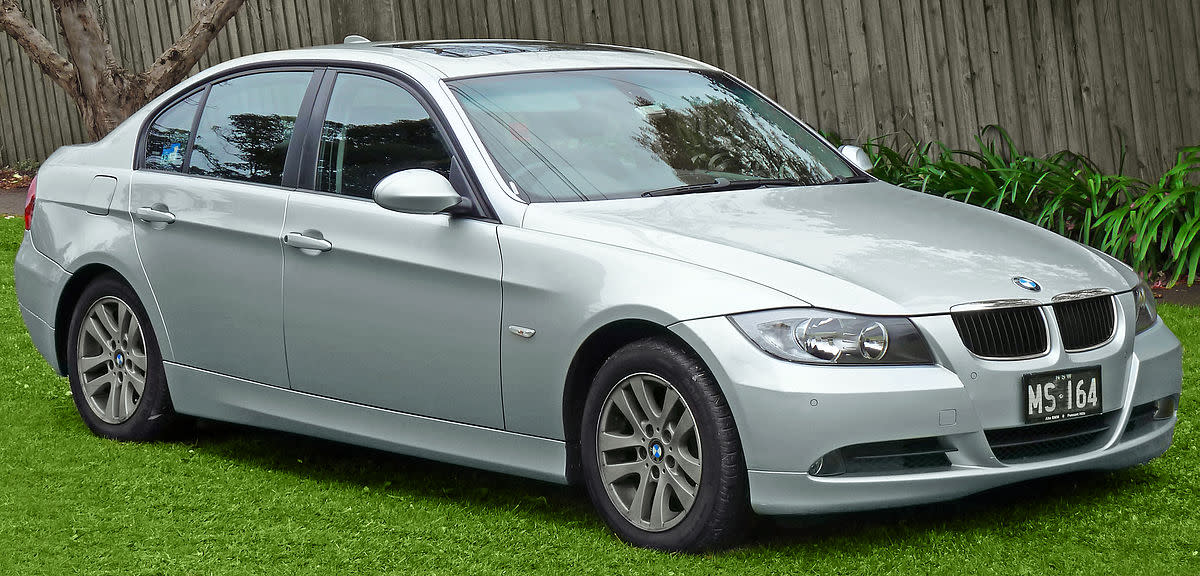
The brake rotor specifications on these 3 Series models further complicate aftermarket pad compatibility. BMW specifies rotors with precise surface finish requirements, tight thickness variation tolerances, and specialized metallurgy formulations that create friction surfaces optimized specifically for OEM pad compounds.
Many aftermarket rotors, even premium options, use conventional cast iron compositions that don’t perfectly match the friction characteristics of BMW’s original rotors.
When budget aftermarket pads encounter these friction surface mismatches, the result is often immediate squealing that persists regardless of bed-in procedures or caliper servicing.
The ventilated rotor designs on 3 Series models also feature complex internal vane geometries that interact acoustically with pad vibrations, amplifying noises that might remain inaudible on vehicles with simpler rotor designs.
Even respected aftermarket brands that work flawlessly on other vehicles including Akebono Euro, Bosch QuietCast, Hawk Performance, EBC, and Power Stop frequently produce unacceptable squealing on these BMWs.
Owners report trying multiple brands, meticulously cleaning and lubricating all components, replacing hardware multiple times, and even upgrading to aftermarket rotors, only to have squealing persist or return within hundreds of miles.
The frustration becomes so acute that many owners eventually capitulate and install genuine BMW brake pads despite their premium pricing, often paying $200-400 per axle compared to $50-150 for aftermarket alternatives.
The 3 Series brake system’s sensitivity extends beyond simple pad material compatibility to encompass installation procedures that must be executed with near-perfect precision to avoid noise issues.
BMW specifies particular types of brake lubricants for different components including specialized copper-free ceramic pastes for caliper slides, molybdenum disulfide compounds for pad backing plates, and synthetic high-temperature greases for hardware contact points.
Furthermore, the 3 Series’ sophisticated brake systems on models equipped with Dynamic Stability Control and other electronic aids apply very precise brake pressures that expose any irregularities in aftermarket pad friction characteristics, turning minor material inconsistencies into audible squealing that simpler brake systems might never reveal.
2. Mercedes-Benz C-Class (2008-2021 Generations)
The Mercedes-Benz C-Class represents German luxury engineering with sophisticated brake systems designed to deliver precise, powerful stopping performance befitting the three-pointed star’s premium brand positioning.
Unfortunately for cost-conscious owners, the C-Class across the W204 (2008-2014), W205 (2015-2021), and related generations has earned an infamous reputation for violently rejecting aftermarket brake pads with persistent squealing, grinding sensations, and juddering that undermine the refined driving experience Mercedes buyers expect.
This sensitivity has created significant ownership cost implications, effectively forcing owners to purchase expensive genuine Mercedes-Benz brake components or risk enduring noise that transforms every stop into an embarrassment.
Mercedes engineered the C-Class brake system with performance and refinement as paramount priorities, incorporating technologies and specifications that create exceptional braking feel and fade resistance but prove extremely difficult for aftermarket manufacturers to match.
The brake calipers, whether base single-piston sliding types or upgraded fixed multi-piston designs on AMG and sport models, feature sophisticated internal passages and piston designs that create very specific pressure distribution patterns across the pad surface.
These patterns work optimally only with brake pads manufactured to exact OEM specifications. When aftermarket pads with even slightly different backing plate thicknesses or friction material densities are installed, the pressure distribution changes, creating uneven contact that generates vibration and squealing.
The caliper hardware systems incorporate multiple specialized components, including complex multi-layer shims, precision-machined anti-rattle clips, and spring assemblies that aftermarket manufacturers struggle to replicate accurately.
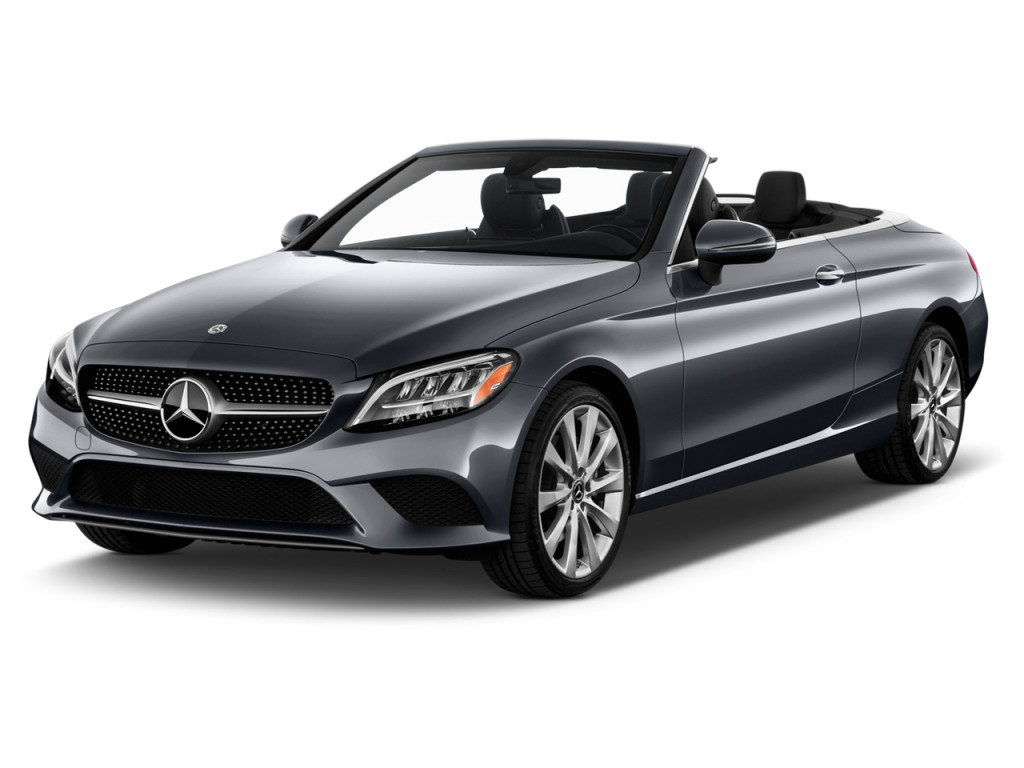
The C-Class brake rotors add another dimension to the aftermarket compatibility challenge. Mercedes specifies rotors manufactured from proprietary cast iron alloys with carefully controlled carbon, silicon, and trace element compositions that create friction surfaces optimized for genuine Mercedes brake pad materials.
The rotors undergo specialized heat treatment processes and precision machining operations that produce surface finishes and hardness characteristics difficult for aftermarket manufacturers to duplicate.
When aftermarket pads encounter these precisely-engineered rotor surfaces, material mismatches frequently result in immediate squealing or rapid glazing that degrades performance.
Additionally, many C-Class models use directional rotors with asymmetric internal vane structures designed for specific airflow characteristics, and these rotors interact acoustically with pad vibrations in ways that amplify noise when non-OEM pads are installed.
Real-world experiences from C-Class owners paint a consistent picture of aftermarket brake pad disappointment.
Online forums overflow with frustrated posts from owners who installed premium aftermarket brands, including respected names like Textar (which actually manufactures OEM pads for some European vehicles), Pagid, ATE, Jurid, and Brembo only to experience immediate squealing that persists despite repeated attempts to resolve the issue.
Owners report trying extensive troubleshooting, including replacing calipers, machining rotors, using various lubricants, following elaborate bed-in procedures, and consulting multiple mechanics, yet the squealing continues unabated with aftermarket pads.
The noise typically manifests during light brake applications at low speeds precisely the conditions most common during parking lot maneuvering and urban driving where embarrassment factor is highest.
The C-Class brake system’s complexity extends to electronic integration that further complicates aftermarket pad compatibility.
Models equipped with Mercedes’ advanced driver assistance systems including adaptive brake assist, brake assist plus, and pre-safe braking apply precisely-calibrated brake pressures that depend on specific pad friction characteristics.
Furthermore, Mercedes brake systems often require simultaneous replacement of hardware, sensors, and sometimes even caliper components when pads are changed requirements that significantly increase the true cost of “budget” aftermarket brake jobs.
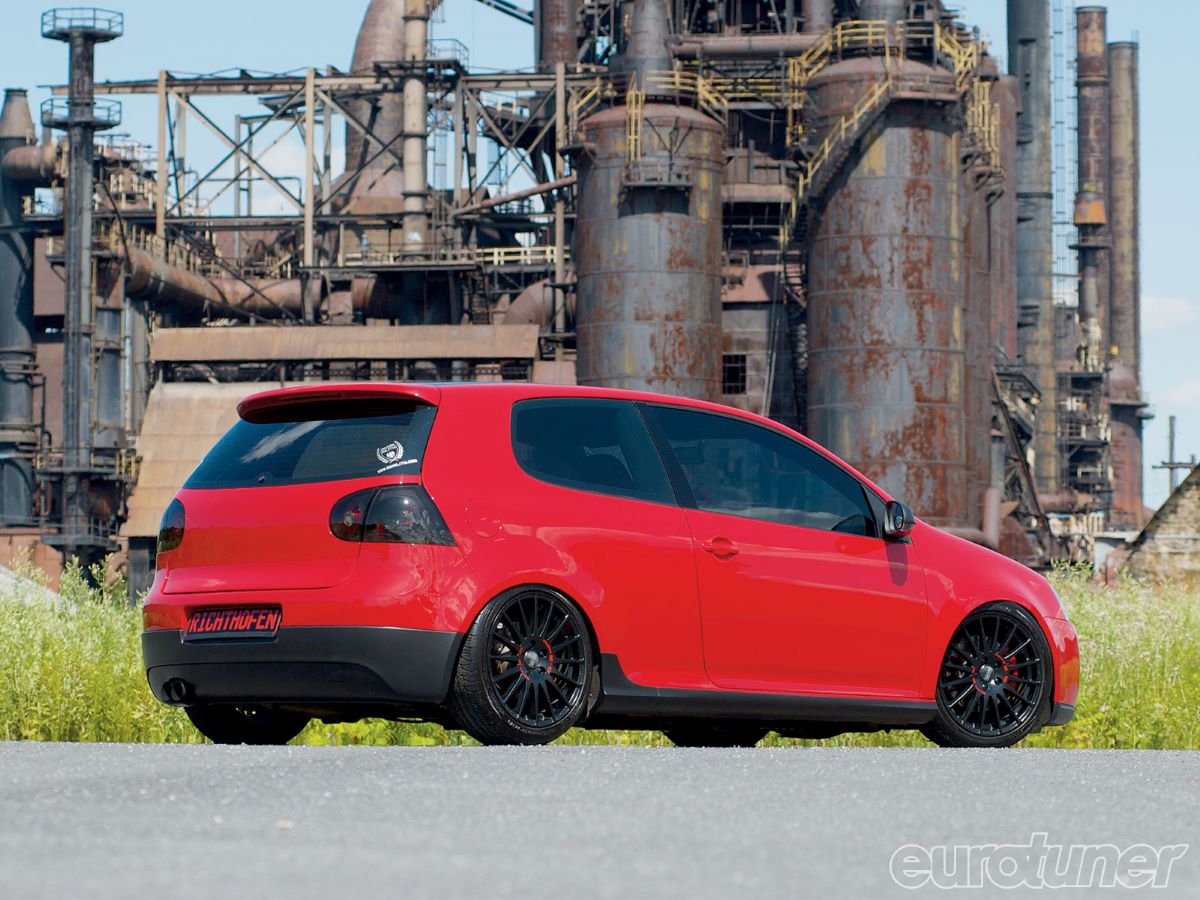
3. Volkswagen GTI (2006-2021 Generations)
The Volkswagen GTI, the original hot hatch and automotive icon beloved by enthusiasts worldwide, delivers exhilarating performance and German engineering quality wrapped in practical, everyday usability.
However, this performance orientation comes with brake systems specifically tuned for aggressive driving that prove remarkably intolerant of aftermarket brake pads, particularly across the Mk5 (2006-2009), Mk6 (2010-2014), and Mk7/Mk7.5 (2015-2021) generations.
GTI owners attempting to save money with budget brake pads consistently report immediate, persistent squealing that destroys the driving experience, creating a situation where the premium-priced OEM pads become effectively mandatory despite their cost.
Volkswagen engineered the GTI’s brake system to withstand the thermal and mechanical stresses of enthusiastic driving, prioritizing fade resistance and consistent pedal feel over component tolerance and aftermarket compatibility.
The front brake calipers, typically larger and more aggressive than those fitted to standard Golf models, employ designs with tight internal clearances and sophisticated piston geometries that create specific pressure distribution patterns.
These patterns work optimally only with brake pads manufactured to precise OEM specifications regarding friction material composition, backing plate thickness, and geometry.
Even premium aftermarket pads that meet general dimensional specifications often fail to match the exact friction characteristics of VW OEM pads, resulting in uneven contact pressure that generates persistent high-frequency squealing.
The caliper hardware, including specially-shaped anti-rattle springs and multi-piece shim assemblies, proves difficult for aftermarket manufacturers to replicate exactly.
The GTI’s brake rotors incorporate performance-oriented features that complicate aftermarket pad compatibility. Volkswagen specifies relatively large diameter rotors with substantial thickness and sophisticated internal cooling vane designs that provide excellent thermal capacity for spirited driving.
However, these rotors are manufactured from cast iron alloys with controlled metallurgy that creates friction surfaces optimized specifically for OEM pad compounds.
The rotors undergo precision machining and surface finishing operations that produce very specific surface roughness and micro-hardness characteristics.
When aftermarket pads even quality brands contact these precisely-engineered surfaces, material incompatibilities frequently cause immediate squealing or rapid glazing that persists throughout the pad’s lifespan.
Some GTI models also feature cross-drilled or slotted rotors that introduce additional acoustic complexity, amplifying vibrations that might remain inaudible with conventional solid or vented rotors. GTI owner communities online are filled with cautionary tales about aftermarket brake pad experiences that read like horror stories.
Enthusiast forums document repeated attempts to find affordable aftermarket options that work acceptably, with owners trying brands including EBC Yellow Stuff, Hawk HPS, Ferodo, ATE, Textar, Zimmermann, and numerous others, only to experience consistent squealing regardless of brand or price point.
The noise typically begins immediately after installation or within the first few hundred miles, persisting despite meticulous cleaning, liberal application of anti-squeal compounds, hardware replacement, and even complete brake system overhauls.
Many owners report that only genuine Volkswagen or Audi brake pads (which share platforms and often identical brake components) provide acceptable quiet operation, effectively forcing acceptance of pad costs frequently exceeding $200-300 per axle.
The GTI’s performance orientation means owners typically drive more aggressively than average, subjecting brake systems to higher temperatures and pressures that expose any weaknesses in aftermarket pad materials.
The GTI also incorporates brake pad wear sensors that must be precisely positioned, and some aftermarket pad sets include sensors that don’t exactly match OEM specifications, potentially causing noise or preventing proper pad seating.
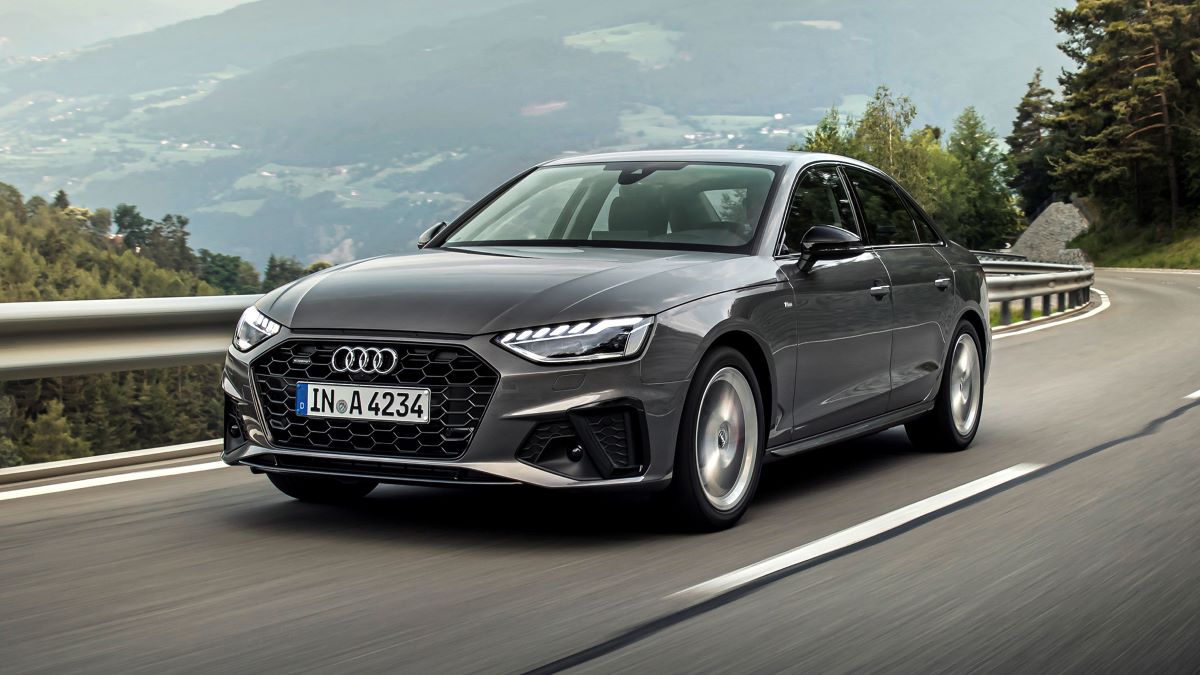
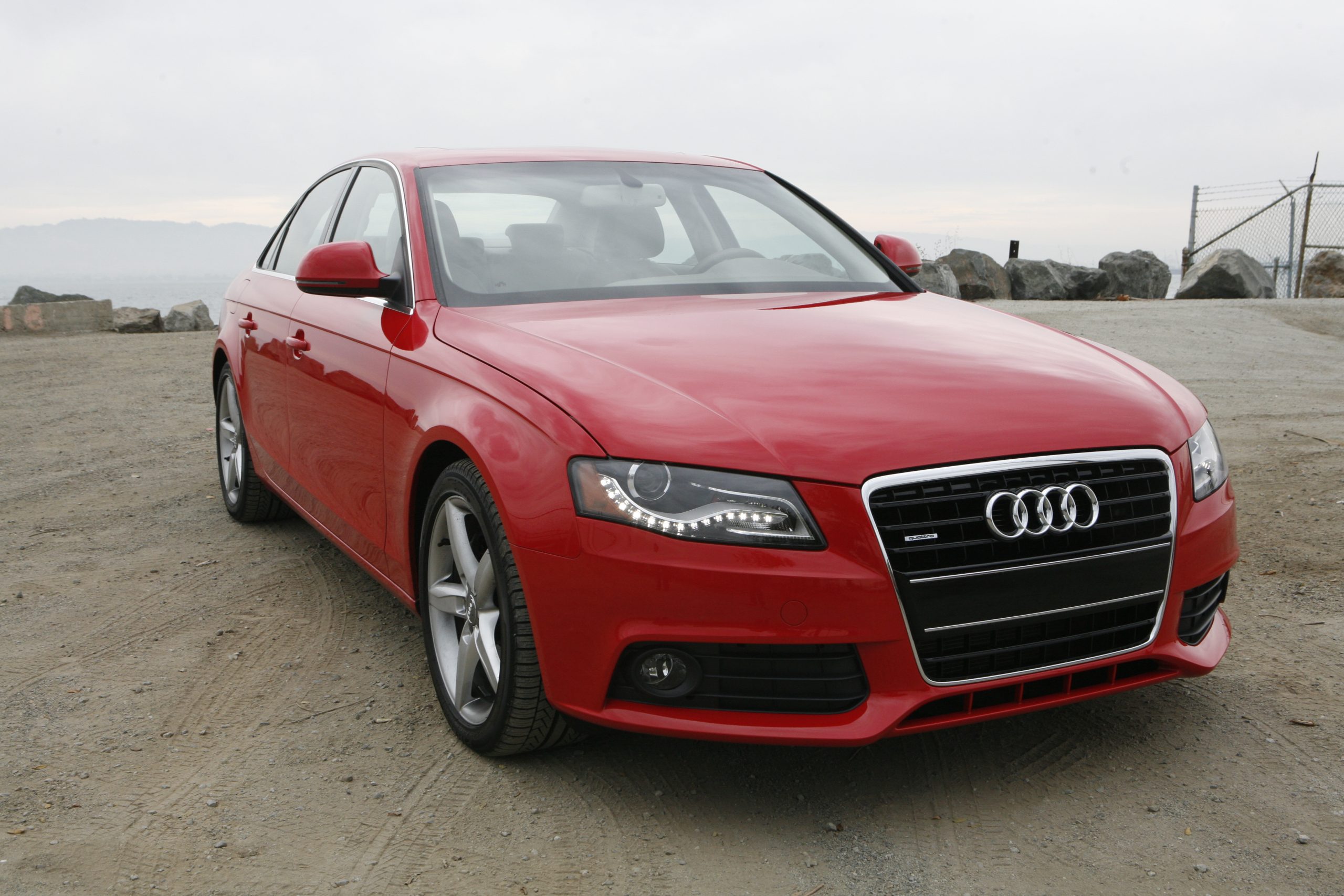
4. Audi A4 (2009-2023 Generations)
The Audi A4 represents Germanic luxury and engineering sophistication, delivering refined performance and premium comfort wrapped in elegant styling.
However, beneath this polished exterior lies a brake system that has frustrated countless owners attempting to reduce maintenance costs through aftermarket brake pad use.
The B8 (2009-2016) and B9 (2017-2023) generation A4 models demonstrate remarkable sensitivity to non-OEM brake components, consistently producing persistent squealing, juddering, and grinding noises that undermine the premium driving experience Audi buyers expect and effectively force owners into purchasing expensive genuine Audi brake pads to maintain acceptable quiet operation.
Audi engineered the A4 brake system with characteristic German precision, incorporating advanced materials and tight manufacturing tolerances that create excellent brake feel and performance but prove nearly impossible for aftermarket manufacturers to match exactly.
The brake calipers, whether base single-piston floating designs or upgraded fixed multi-piston units on Quattro and S-line models, feature sophisticated internal geometries with precision-machined surfaces and carefully controlled clearances.
These designs distribute brake pressure across pad surfaces in very specific patterns optimized for genuine Audi brake pad characteristics.
When aftermarket pads with even minor dimensional variations or different backing plate designs are installed, pressure distribution changes sufficiently to create uneven contact that generates vibration and subsequent squealing.
The caliper hardware systems incorporate multiple specialized components, including complex layered shims, precision-formed anti-rattle clips, and sophisticated spring assemblies that aftermarket producers struggle to replicate with sufficient accuracy.
The A4’s brake rotors add significant complexity to aftermarket pad compatibility. Audi specifies rotors manufactured from proprietary iron alloys with carefully controlled metallurgical properties that create friction surfaces specifically engineered for genuine Audi pad materials.
These rotors undergo specialized manufacturing processes including controlled cooling rates during casting, precision machining operations, and surface treatments that produce very specific hardness gradients and surface finishes.
When aftermarket pads contact these meticulously-engineered rotor surfaces, material mismatches frequently result in immediate squealing or rapid surface glazing that persists throughout the pad’s service life.
Many A4 models also feature relatively thin rotors designed to reduce unsprung weight, meaning these rotors have less thermal mass to dampen vibrations, making them more susceptible to the resonant frequencies that cause squealing when aftermarket pads are installed.
Owner experiences documented across Audi enthusiast forums and social media platforms reveal a consistent pattern of aftermarket brake pad disappointment that spans multiple A4 generations and trim levels.
Premium aftermarket brands that work successfully on other vehicles including Akebono Euro, Textar, ATE, Pagid, Jurid, and even high-performance options like EBC and Hawk frequently produce unacceptable squealing on A4 models within days or even hours of installation.
Owners report trying exhaustive troubleshooting procedures including replacing all hardware components, upgrading to premium aftermarket rotors, applying various anti-squeal compounds, performing elaborate bed-in procedures involving specific speed and pressure combinations, and consulting multiple specialized Audi technicians, yet the noise persists with stubborn consistency.
The squealing typically manifests most prominently during light brake applications at parking lot speeds, creating maximum embarrassment precisely when the vehicle is moving slowly enough for bystanders to clearly hear and locate the noise source.
Understanding this design philosophy helps explain why the A4 and other Audi models consistently rank among vehicles most sensitive to aftermarket brake components.
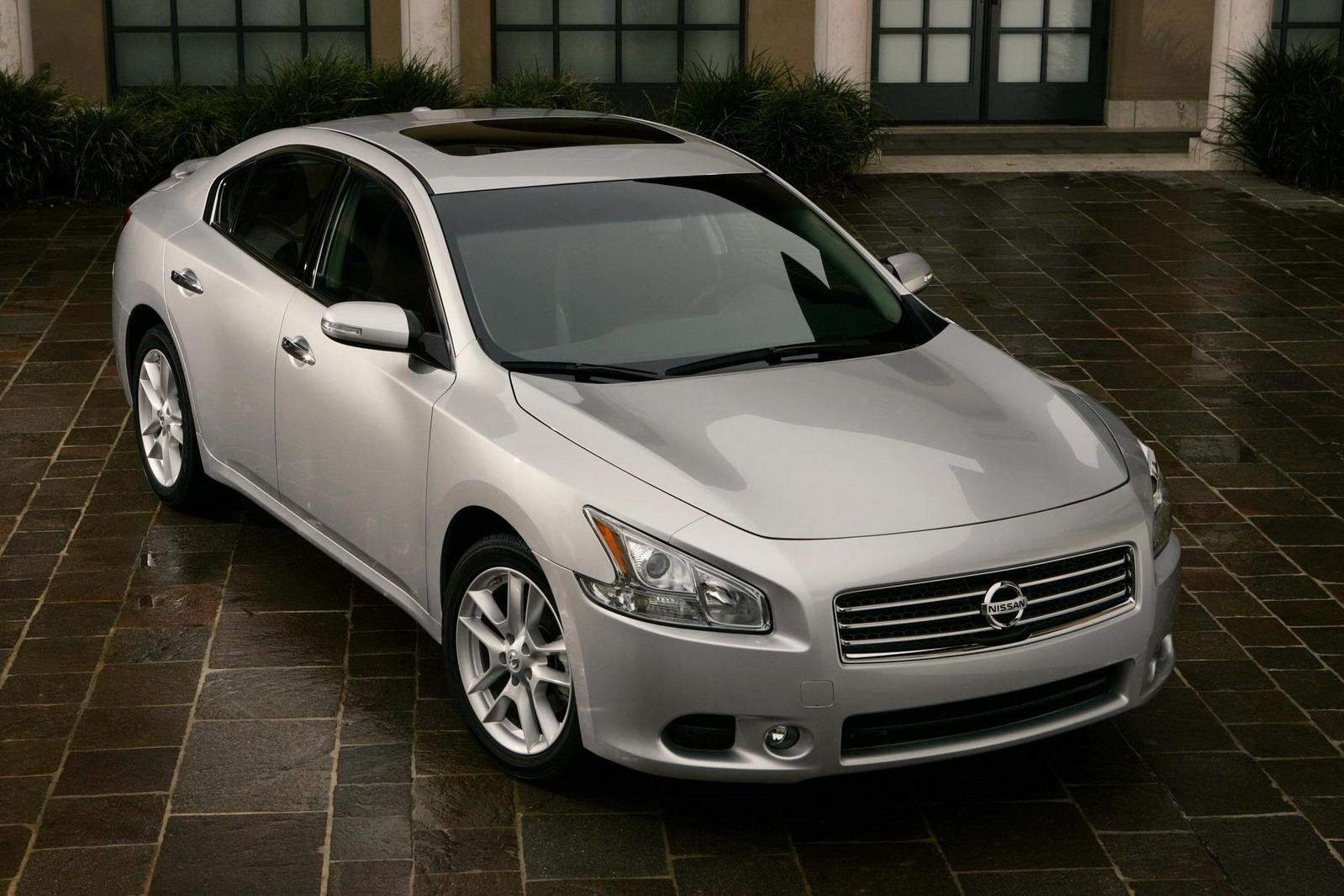
5. Nissan Maxima (2009-2023 Generations)
The Nissan Maxima occupies a unique position as Nissan’s flagship sedan, marketed as a “four-door sports car” that emphasizes performance and refinement within the mainstream automotive segment.
However, the seventh through ninth generation Maxima models spanning 2009 to 2023 have developed a surprisingly problematic reputation regarding aftermarket brake pad compatibility unexpected for a mainstream brand typically associated with straightforward serviceability.
Maxima owners consistently report that budget aftermarket brake pads produce persistent, frustrating squealing that seems disproportionate to the vehicle’s market positioning, creating ownership cost challenges more typical of European luxury brands than Japanese mainstream manufacturers.
Nissan’s engineering approach for the Maxima’s brake system reflects the vehicle’s performance-oriented marketing positioning, incorporating larger, more aggressive components than typically found on mainstream sedans.
The front brake calipers feature substantial single-piston sliding designs or upgraded multi-piston configurations on sport-trimmed models, with internal geometries optimized for strong initial bite and consistent pedal feel during spirited driving.
These calipers incorporate sophisticated pad retention systems and complex hardware assemblies designed to work specifically with Nissan’s OEM brake pad specifications.
The tight tolerances and precise pressure distribution patterns these systems create mean that even minor dimensional variations in aftermarket pads differences in backing plate thickness, friction material density, or geometry disrupt the intended function and frequently generate squealing vibrations.
The caliper hardware, including multi-layer shims and precisely-formed anti-rattle clips, proves difficult for aftermarket manufacturers to replicate exactly, with even small deviations causing noise issues.
The Maxima’s brake rotors incorporate design elements that compound aftermarket pad compatibility problems. Nissan specifies relatively large diameter rotors with substantial thickness to provide thermal capacity for the vehicle’s powerful V6 engine and sporting pretensions.
However, these rotors are manufactured using cost-optimized processes typical of mainstream production that create friction surfaces with specific characteristics.
When aftermarket brake pads with friction materials not precisely matched to these rotor properties are installed, the result often includes immediate squealing or rapid glazing that persists throughout the pad’s lifespan.
The rotors’ ventilation designs, while effective for cooling, create acoustic chambers that can amplify high-frequency vibrations generated by incompatible aftermarket pads, transforming minor friction oscillations into prominent, audible squealing.
Owner feedback documented across Nissan forums, social media groups, and automotive service review sites reveals consistent patterns of aftermarket brake pad disappointment specific to Maxima models.
Owners report installing respected aftermarket brands including Akebono (ironically, Akebono manufactures OEM brake pads for many Nissan vehicles), Wagner, Raybestos, Centric, and various premium options, only to experience immediate or rapidly-developing squealing that persists despite following proper installation procedures.
Some owners attempt to source OEM-equivalent parts from discount retailers or through alternative channels, but availability can be inconsistent and quality verification challenging.
This parts requirement has become a known issue within the Maxima owner community, with prospective buyers often counseled to factor premium brake service costs into their ownership calculations when considering these vehicles on the used market.
Also Read: 6 EVs That Keep Cabin Heat Strong At Low SOC vs 6 That Taper Uncomfortably
