
When shopping for a crossover SUV, most buyers focus on the obvious features: fuel economy, cargo space, infotainment systems, and safety ratings.
However, there’s an often-overlooked component lurking beneath your vehicle that can make the difference between years of trouble-free ownership and frustrating trips to the mechanic: the splash shield.
Also known as an engine undertray, skid plate, or belly pan, this protective barrier sits between your vehicle’s undercarriage and the road, shielding critical components from water, salt, debris, and impacts.
The quality and design of splash shields vary dramatically across the crossover segment. Some manufacturers equip their vehicles with robust, well-engineered protection systems that can withstand the punishment of winter driving, rough roads, and occasional curb encounters.
These shields are typically constructed from heavy-duty materials, feature secure mounting systems with multiple attachment points, and are designed to flex rather than shatter upon impact.
They protect expensive components like oil pans, transmission cases, and electrical wiring from damage that could cost thousands of dollars to repair.
On the other end of the spectrum, some crossovers come equipped with flimsy plastic shields that seem designed more for aerodynamics and aesthetics than actual protection.
These thin, brittle panels are notorious for cracking when encountering snow banks, tearing loose when scraping over parking curbs, or simply falling off after a few winters of exposure to road salt and temperature fluctuations.
The second group highlights eight crossovers that, despite their other merits, suffer from poorly designed or inadequately protected undercarriages that have earned the ire of owners and mechanics alike. Understanding these differences can save you from costly repairs and frustrating ownership experiences down the road.
8 Crossovers with Robust Splash Shields
These exceptionally engineered vehicles feature undercarriage protection panels manufactured from thick, flexible materials with substantial mounting hardware, reinforced edge designs that resist tearing, and strategic positioning that protects vital components while tolerating contact with road obstacles, curbs, and packed snow without sustaining damage or requiring frequent replacement throughout normal ownership periods.
From tight parking situations where curbs contact lower panels to winter conditions where packed snow and ice chunks strike undercarriage components repeatedly, these remarkable splash shields continue protecting sensitive mechanical and electrical components without developing cracks, missing sections, or dragging conditions that create embarrassing scraping noises.
1. Subaru Outback Wilderness
The Subaru Outback Wilderness stands at the pinnacle of crossover undercarriage protection, treating this often-overlooked aspect with the seriousness it deserves.
Subaru engineers designed the Wilderness trim specifically for owners who venture beyond paved roads, and the comprehensive skid plate system reflects this mission.
The centerpiece is a heavy-gauge aluminum front skid plate that extends protection well beyond the oil pan to shield the radiator, front suspension components, and steering rack.
Unlike cosmetic “skid plates” found on some competitors, this is a genuine protective element measuring nearly a quarter-inch thick in critical areas.
The Wilderness doesn’t stop with just the front skid plate. Additional protection extends rearward with reinforced plastic shields covering the fuel tank, transmission, and rear differential.
These shields utilize a sophisticated mounting system with steel brackets and Grade 8 hardware that resists loosening even under repeated impacts.
The design philosophy here is intelligent: rather than creating a solid undertray that could trap water and promote rust, Subaru engineered strategic coverage that protects vulnerable components while allowing drainage and airflow.
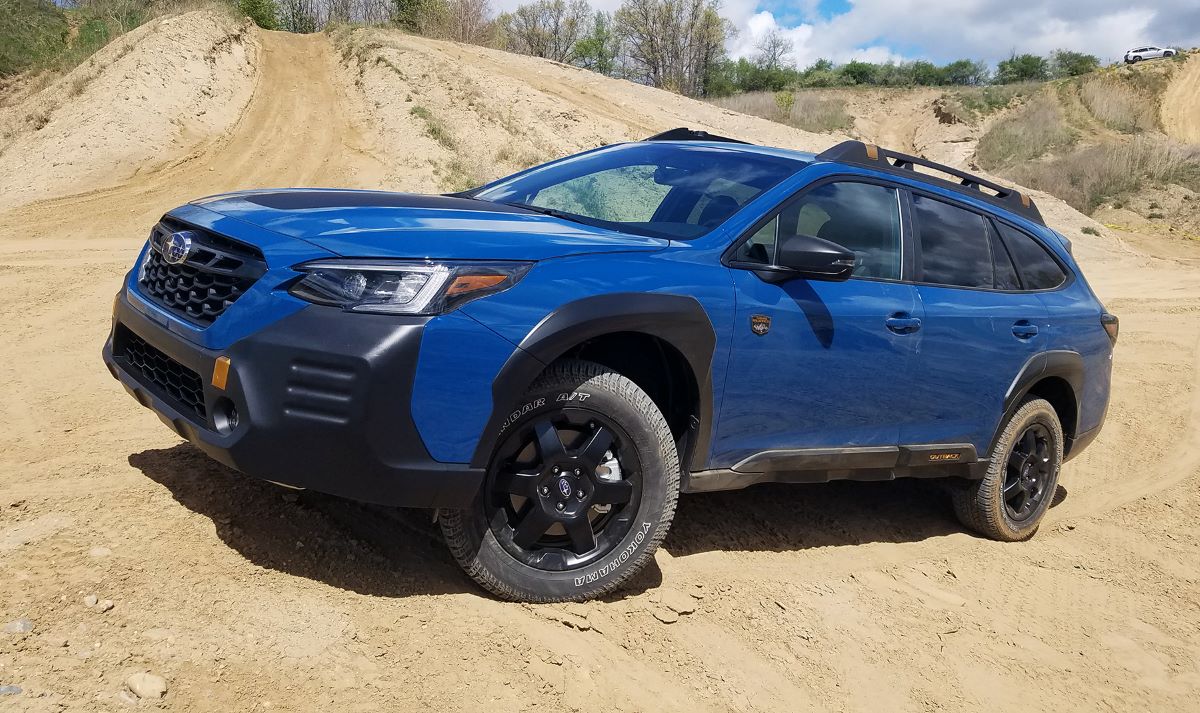
What truly distinguishes the Outback Wilderness is how the entire undercarriage protection system integrates with the vehicle’s increased ground clearance of 9.5 inches.
The combination means you can confidently go through snow drifts, rutted trails, and neglected driveways without the constant anxiety of damaging expensive components.
The aluminum front skid plate includes approach angle considerations, with a curved leading edge that deflects obstacles rather than catching them.
Real-world durability testing by owners has validated Subaru’s engineering. Wilderness owners regularly report scraping over rocks, logs, and ice chunks without damage, and the skid plates show only superficial scarring even after years of hard use.
The rust-resistant aluminum construction means the protection doesn’t deteriorate like steel alternatives, and the powder-coated finish maintains its appearance.
When damage does occur perhaps from an unusually severe impact the modular design allows replacement of individual sections rather than the entire system, keeping repair costs reasonable.
Mechanics and off-road enthusiasts consistently praise the Outback Wilderness for making routine maintenance accessible despite the extensive protection.
The front skid plate includes cutouts for oil changes and can be removed relatively quickly when access to other components is necessary.
This thoughtful design prevents the common scenario where protective equipment gets removed during service and never gets reinstalled. The Outback Wilderness proves that robust undercarriage protection doesn’t have to compromise practicality or create a maintenance nightmare.
2. Jeep Grand Cherokee
The Jeep Grand Cherokee brings legendary off-road pedigree to the midsize crossover segment, and its undercarriage protection reflects seven decades of trail-tested experience.
Even base models receive more comprehensive shielding than many competitors, but the real story lies in the available Quadra-Lift air suspension and Skid Plate Package options that transform the Grand Cherokee into a vehicle capable of tackling serious terrain without vulnerability.
Jeep’s approach to splash shield design emphasizes both coverage and material selection. The standard equipment includes a heavy-duty engine skid plate constructed from reinforced steel rather than the lightweight plastic many manufacturers favor.
This steel construction provides genuine impact resistance rather than merely deflecting water spray.
The shield extends from the front bumper support back to the transmission bell housing, creating a continuous protective barrier for the entire front drivetrain. Multiple mounting points with captured nuts ensure the skid plate remains secure even after repeated removals for service.
When equipped with the optional Skid Plate Package available on Trailhawk and Overland trims, the Grand Cherokee becomes nearly impervious to undercarriage damage.
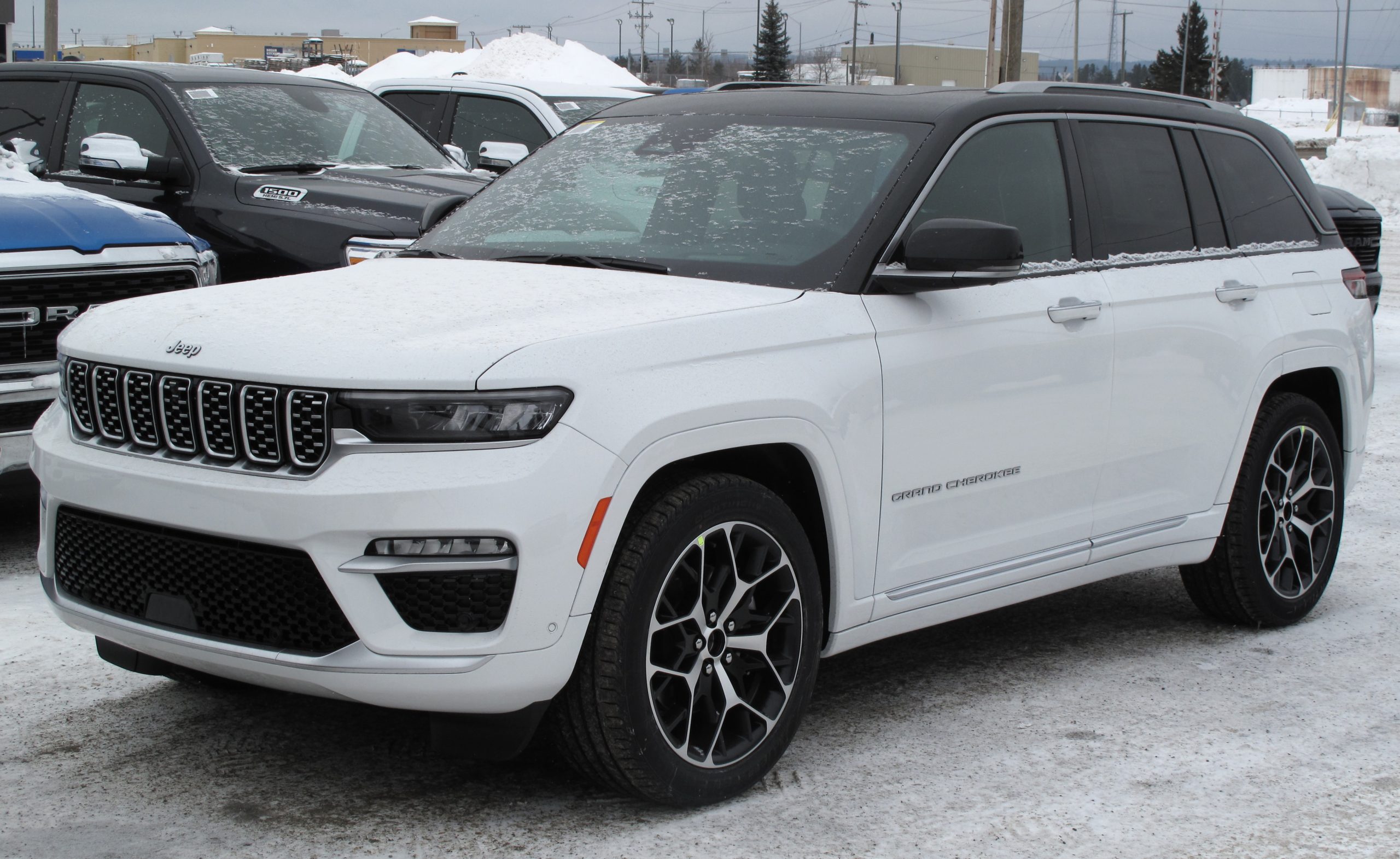
This comprehensive system adds fuel tank shielding, transfer case protection, and reinforced coverage for the rear differential. The plates are constructed from formed steel with strategic ribbing that increases strength without adding excessive weight.
The engineering includes provisions for heat dissipation from the exhaust system and adequate drainage paths to prevent water accumulation.
The Grand Cherokee’s air suspension capability enhances the protective value of these skid plates by providing adjustable ground clearance. Drivers can raise the vehicle an additional two inches for off-road situations, then lower it for highway efficiency and easier entry.
Long-term durability of the Grand Cherokee’s undercarriage protection has proven excellent across multiple generations. The steel construction resists cracking and shattering even in extreme cold, while the factory powder coating provides reasonable corrosion resistance.
Owner feedback consistently highlights how the Grand Cherokee’s underbody remains intact even after encounters that would devastate competitors. The comprehensive protection also preserves resale value by preventing the telltale scrapes and damage that buyers associate with hard use or neglect.
3. Toyota RAV4 TRD Off-Road
Toyota’s decision to create the RAV4 TRD Off-Road trim acknowledged what many owners were doing anyway: taking America’s best-selling crossover into environments that demanded better protection than the standard model provided.
The TRD Off-Road addresses this with purpose-built undercarriage shielding that transforms the RAV4 from a mall cruiser into a genuinely capable adventure vehicle without sacrificing the practicality that made it popular.
The centerpiece of the TRD Off-Road’s protection system is a substantial aluminum front skid plate that Toyota engineered in collaboration with their off-road racing division.
Unlike cosmetic additions, this quarter-inch aluminum shield covers the engine oil pan, front differential, and radiator with genuine impact resistance.
The TRD logo embossed into the plate might be marketing, but the construction behind it is serious business. The mounting system uses Grade 8 bolts threaded into steel captive nuts welded to the frame, creating a connection that won’t loosen from vibration or impact.
Beyond the prominent front skid plate, Toyota extended protection rearward with heavy-duty plastic composite shields covering the transmission, transfer case, and fuel tank.
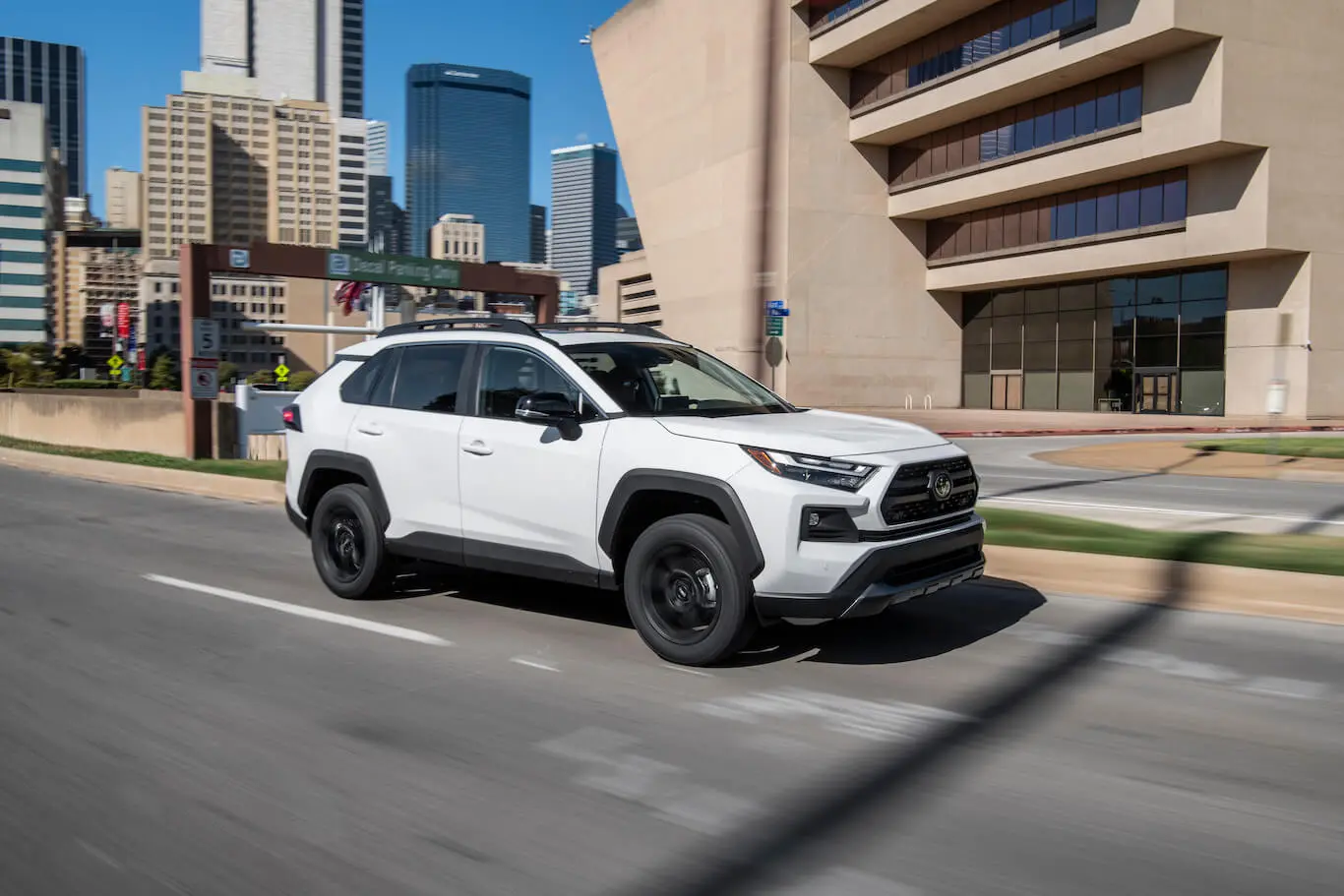
These shields utilize a advanced polymer formulation that remains flexible in extreme cold rather than becoming brittle like cheaper plastics.
The flexibility proves crucial during winter driving when snow and ice create impacts that would shatter rigid materials. The composite construction also won’t corrode like steel, maintaining full protective capability even after years of salt exposure.
The TRD Off-Road’s increased ground clearance of 8.6 inches works synergistically with the skid plate system. Toyota raised not just the suspension but also optimized the undertray angles to improve approach and departure angles.
The aluminum construction shows only superficial scratches even after significant abuse, and the factory red powder coating helps owners quickly spot any damage during inspections.
Importantly, the skid plate design includes provisions for quick oil changes without removal, encouraging regular maintenance rather than creating excuses for neglect.
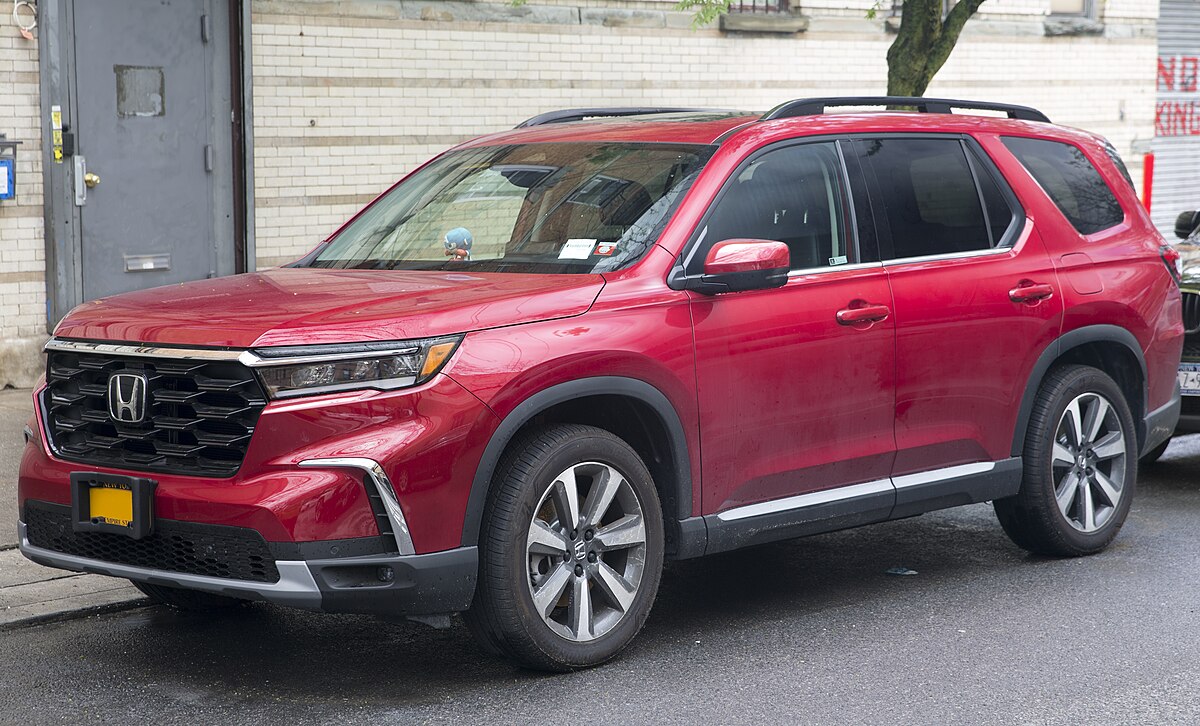
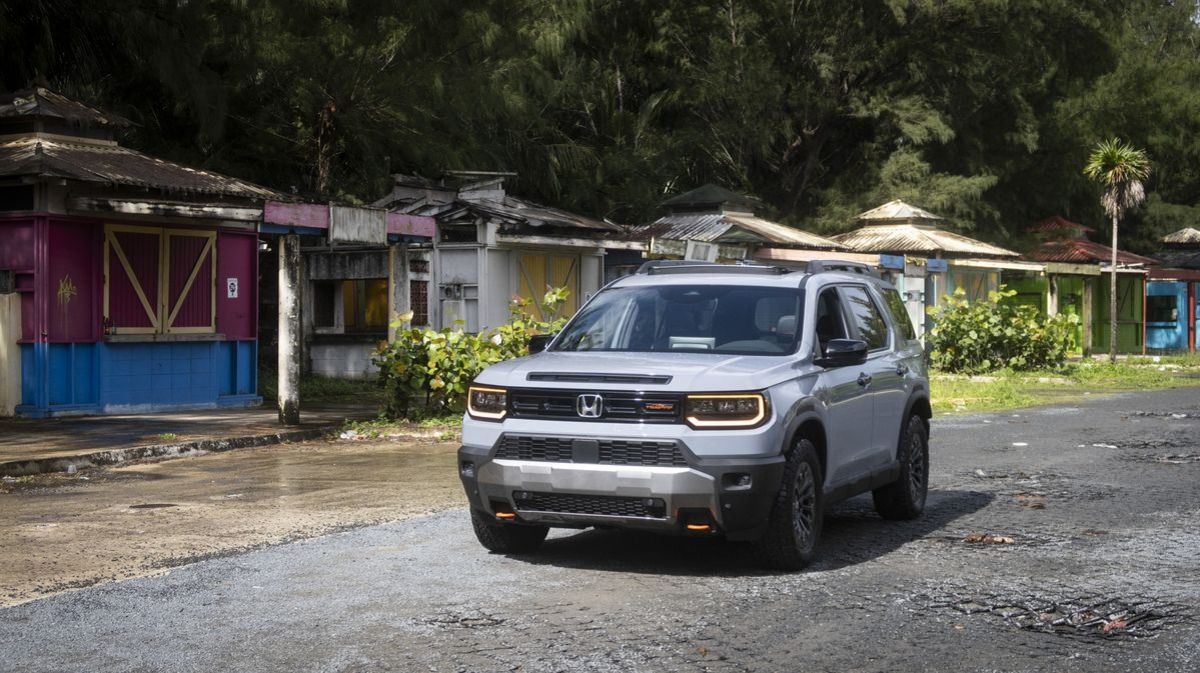
4. Honda Passport TrailSport
Honda’s entry into the rugged crossover segment with the Passport TrailSport demonstrates the brand’s commitment to building vehicles that can handle more than school pickup duty.
The TrailSport trim transforms the already capable Passport into a vehicle ready for serious outdoor adventures, and the comprehensive undercarriage protection system plays a crucial role in this transformation. Honda engineered this protection with their characteristic attention to detail and long-term durability.
The TrailSport’s undercarriage protection begins with a prominent skid plate protecting the engine, transmission, and front differential.
What distinguishes the Passport TrailSport from competitors is Honda’s systems engineering approach to undercarriage protection. Rather than simply bolting on individual skid plates, Honda designed an integrated undertray system that provides comprehensive coverage from the front bumper to the rear axle.
Heavy-duty plastic shields protect areas where full metal skid plates would be overkill, creating continuous protection without excessive weight. The plastic sections use a advanced high-molecular-weight polymer that resists impact damage and won’t become brittle in extreme cold.
The TrailSport’s ground clearance of 8.4 inches might seem modest compared to some competitors, but Honda optimized the entire underbody profile to maximize the effective clearance.
The steel construction resists the cracking and shattering common with aluminum under certain impact scenarios, while Honda’s multi-stage coating process provides excellent corrosion resistance.
The plastic shield sections have proven particularly impressive, maintaining their integrity even after years of exposure to road salt, UV radiation, and temperature cycling that destroys cheaper materials.
When repairs are necessary, Honda designed the system for relatively easy component replacement rather than requiring entire system replacement.
Also Read: 7 Platforms With HVAC Blend Doors That Endure vs 7 With Recurring Actuator Failure
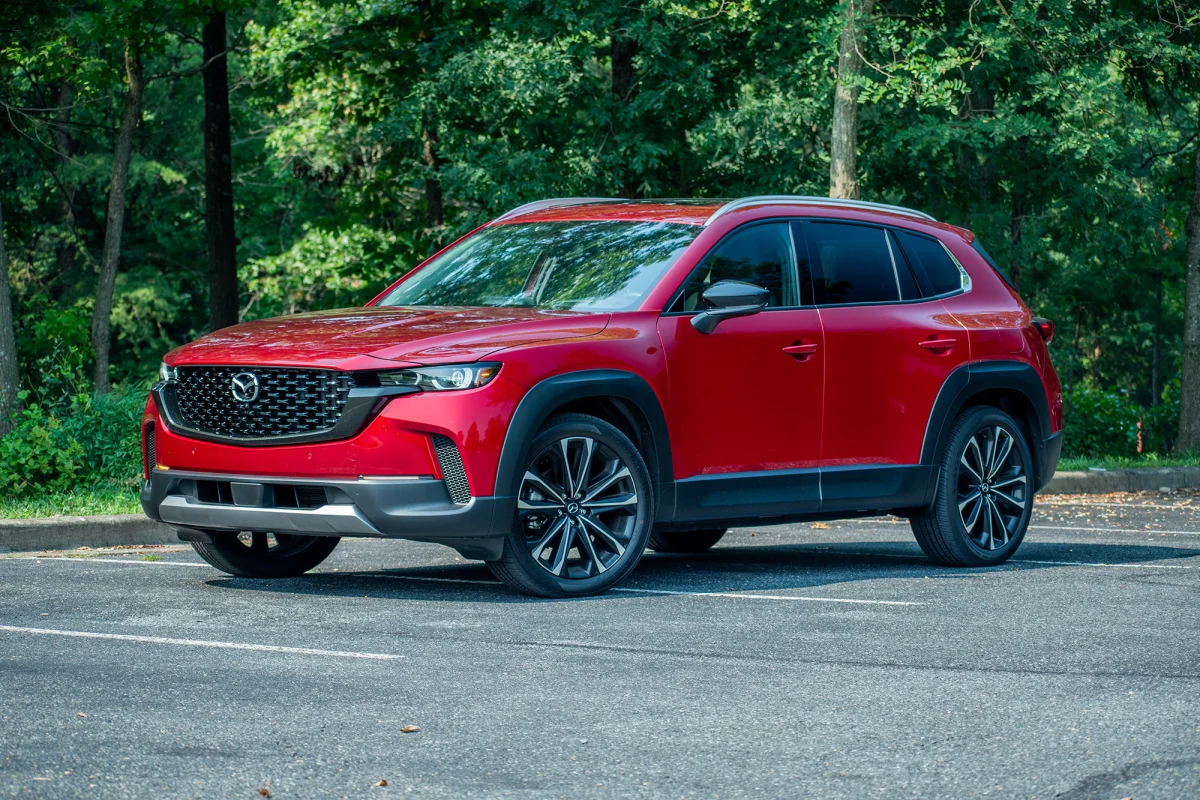
5. Mazda CX-50
The Mazda CX-50 represents a refreshing approach to crossover design: a vehicle built from the ground up for outdoor enthusiasts rather than a softroader with adventure styling tacked on.
Mazda engineers prioritized real-world durability and capability, and this philosophy extends prominently to the undercarriage protection system.
Unlike many manufacturers who treat splash shields as afterthoughts, Mazda integrated comprehensive underbody protection into the CX-50’s fundamental design.
Every CX-50 receives substantial undercarriage shielding as standard equipment, but the Meridian Edition and off-road-focused trims raise this to another level.
The front skid plate uses high-strength aluminum alloy construction with strategic reinforcement ribs that provide excellent impact resistance while keeping weight reasonable.
The coverage extends impressively far forward to protect the radiator and AC condenser, recognizing that a damaged cooling system can be just as debilitating as a cracked oil pan.
Mazda’s mounting system employs steel brackets integrated into the subframe structure, distributing impact forces across a wide area rather than concentrating stress at individual mounting points.
The CX-50’s approach to rear undercarriage protection demonstrates sophisticated engineering thinking. Rather than leaving the fuel tank vulnerable with just a thin plastic shield, Mazda designed a substantial protective tray that can deflect impacts and distribute forces.
The material selection here is particularly clever: a fiber-reinforced composite that combines the toughness of plastic with reinforcement that prevents cracking and tearing.
This material won’t corrode like steel, won’t dent like aluminum, and maintains its properties across a wide temperature range from desert heat to arctic cold.
Mazda’s attention to detail extends to the integration of undercarriage protection with the vehicle’s design. The splash shields and skid plates incorporate aerodynamic considerations, with careful attention to air management that improves highway fuel economy while maintaining protection.
The aluminum skid plates show only superficial wear even after repeated contact with obstacles, and the composite shields maintain their integrity despite harsh winter conditions.
Mechanics have praised how Mazda designed the protection to facilitate rather than hinder routine maintenance, with appropriate access panels and removable sections that make service straightforward.
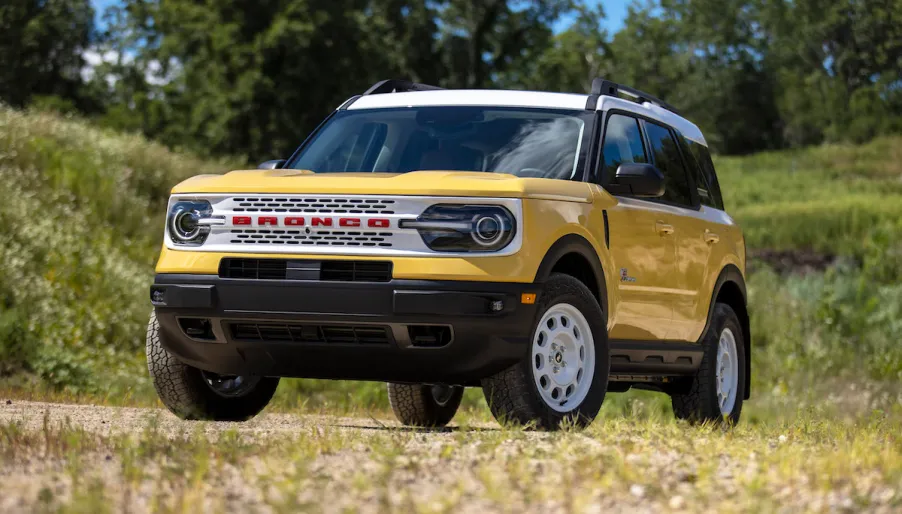
6. Ford Bronco Sport Badlands
The Ford Bronco Sport Badlands takes the undercarriage protection seriously, befitting a vehicle wearing the legendary Bronco name.
Ford engineered the Badlands trim specifically for customers who actually use their vehicles off-road rather than just appreciating the aesthetic, and the comprehensive skid plate system reflects this mission.
The protection goes far beyond what most compact crossovers offer, approaching the level typically reserved for body-on-frame SUVs.
The Badlands package includes steel skid plates protecting five critical areas: the engine, transmission, transfer case, fuel tank, and rear differential.
This comprehensive coverage represents significantly more protection than competing crossovers typically provide. Ford constructed these plates from formed steel with sophisticated ribbing patterns that maximize strength while managing weight.
The steel construction choice prioritizes impact resistance over weight savings, recognizing that genuine protection requires materials that won’t crack or shatter under impact. The factory powder coating provides good initial corrosion resistance, though owners in harsh climates often add additional protection.
Ford’s mounting system for the Bronco Sport skid plates demonstrates excellent engineering. Rather than using simple bolt-through attachments that can tear loose under impact, Ford designed steel mounting brackets that integrate with the vehicle’s unibody structure.
The front skid plate employs six primary mounting points plus additional stabilizing connections, creating a secure installation that distributes impact forces across a wide area.
The hardware uses lock washers and thread-locking compound from the factory, though many owners still report checking and re-torquing fasteners after the initial break-in period.
The Bronco Sport Badlands pairs its skid plate protection with an impressive 8.8 inches of ground clearance and sophisticated approach/departure angle optimization.
The steel construction proves particularly valuable in winter conditions where brittle aluminum might crack, and the comprehensive coverage means there are no vulnerable gaps where damage could occur.
The one common complaint involves the weight of the skid plates making DIY removal challenging for solo mechanics during oil changes, though many consider this a worthwhile tradeoff for the protection provided.
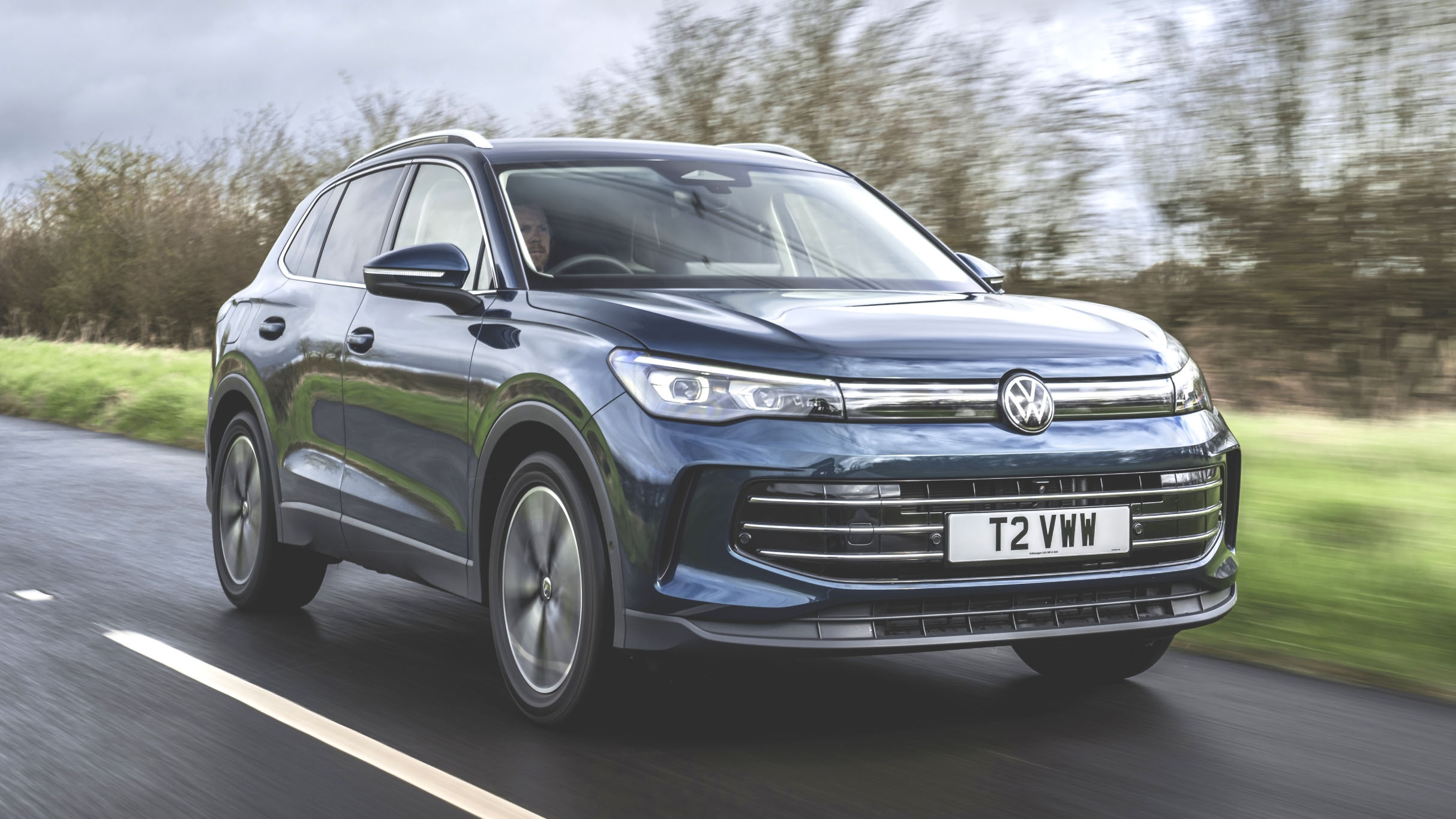
7. Volkswagen Tiguan Off-Road
The Volkswagen Tiguan Off-Road package represents VW’s European engineering expertise applied to American market demands for genuine capability.
While Volkswagen hasn’t historically emphasized off-road prowess in their crossover lineup, the Tiguan Off-Road addresses this with surprisingly comprehensive undercarriage protection that demonstrates German attention to detail and build quality.
The result is a crossover that can handle harsh conditions without the vulnerability common in vehicles designed primarily for paved roads.
VW’s approach to the Tiguan’s underbody protection emphasizes complete coverage and corrosion resistance. The system includes a substantial aluminum front skid plate protecting the engine and transmission, constructed from thick alloy that provides genuine impact resistance rather than cosmetic enhancement.
VW engineers designed the plate with a sophisticated mounting system that uses captured nuts welded into the subframe, preventing the fastener spinning and loosening problems common with simpler bolt-through designs.
The aluminum construction provides excellent strength-to-weight ratio while naturally resisting the corrosion that plagues steel alternatives in salt-belt states.
Beyond the prominent front skid plate, VW extended protection with heavy-duty composite shields covering the rear drivetrain and fuel tank area.
These shields demonstrate Volkswagen’s materials engineering expertise, using a proprietary polymer blend that remains flexible in extreme cold while providing excellent impact resistance.
The composite material includes embedded reinforcement that prevents the cracking and tearing common in cheaper plastic shields. VW’s design includes sophisticated mounting clips that allow thermal expansion and contraction without creating stress points that could lead to failure.
The Tiguan Off-Road’s underbody protection integrates intelligently with the vehicle’s other off-road enhancements, including the increased ground clearance and off-road driving mode.
VW optimized the underbody angles to improve approach and departure capability, with the skid plates contributing to rather than hindering these measurements.
The comprehensive coverage has protected owners from damage during winter driving encounters with snow banks and ice chunks, while the strong mounting system keeps everything properly positioned even after years of use.
Maintenance access receives mixed reviews, with some owners noting that while the protection is excellent, removing shields for service requires more time than some competing designs.
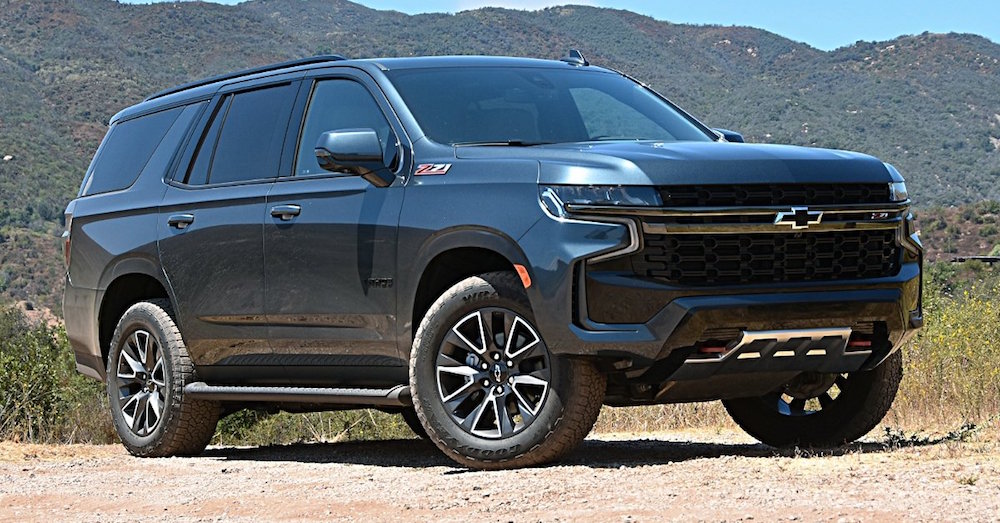
8. Chevrolet Blazer Z71
The Chevrolet Blazer Z71 brings American practicality to undercarriage protection, offering a well-engineered system that provides genuine capability without the premium pricing of some competitors.
Chevrolet designed the Z71 package for owners who need real protection rather than just off-road styling, and the comprehensive skid plate system delivers value-oriented durability.
While perhaps not as overbuilt as some alternatives, the Blazer Z71’s protection proves more than adequate for the demands most owners face.
The Z71 package includes a substantial front skid plate constructed from heavy-gauge steel with a durable powder coat finish. Chevrolet prioritized coverage area over exotic materials, providing protection that extends from the front subframe back through the transmission.
The steel construction resists the impact cracking that can affect aluminum alternatives in certain situations, particularly the kinds of blunt impacts common in parking lots and winter driving.
The mounting system uses grade-8 hardware with captive nuts, creating a secure installation that mechanics report staying properly torqued even after years of service removals and reinstallations.
Chevrolet extended protection rearward with reinforced plastic shields covering the fuel tank and rear drivetrain components. These shields use a robust plastic formulation that maintains flexibility across temperature extremes, crucial for preventing the brittleness that destroys cheaper plastics in cold climates.
The design includes sophisticated mounting that allows the shields to deflect impacts and return to position rather than cracking or tearing. Multiple drain provisions prevent water accumulation that could lead to rust on adjacent metal components.
The integration with the Blazer’s existing underbody structure demonstrates attention to detail, with clean fit and finish that suggests these components were designed into the vehicle from the beginning rather than added as afterthoughts.
The shields have successfully protected Blazer Z71s during encounters that owners report would have caused expensive damage to unprotected vehicles. Common praise focuses on how the protection system delivers genuine capability without requiring extensive modifications or expensive upgrades.
8 Crossovers That Shred on Curbs and Snow
These problematic vehicles suffer from undercarriage protection panels manufactured from brittle plastic that cracks easily, inadequate mounting systems using minimal fasteners that pull through material under stress, and excessively large panels extending too far forward that inevitably contact parking curbs, snow banks, and road debris causing progressive damage that leaves vital components exposed to corrosion and contamination.
Their flawed engineering includes splash shields made from thin plastic that becomes extremely brittle in cold weather and shatters on impact, mounting clips that break when panels flex from obstacle contact, and designs extending panels dangerously low without adequate clearance for real-world driving conditions including snow accumulation and uneven pavement.
From parking lot curbs that crack front air dam sections to winter driving where packed snow tears away entire lower panels leaving fasteners dangling, these troublesome splash shields fail constantly.
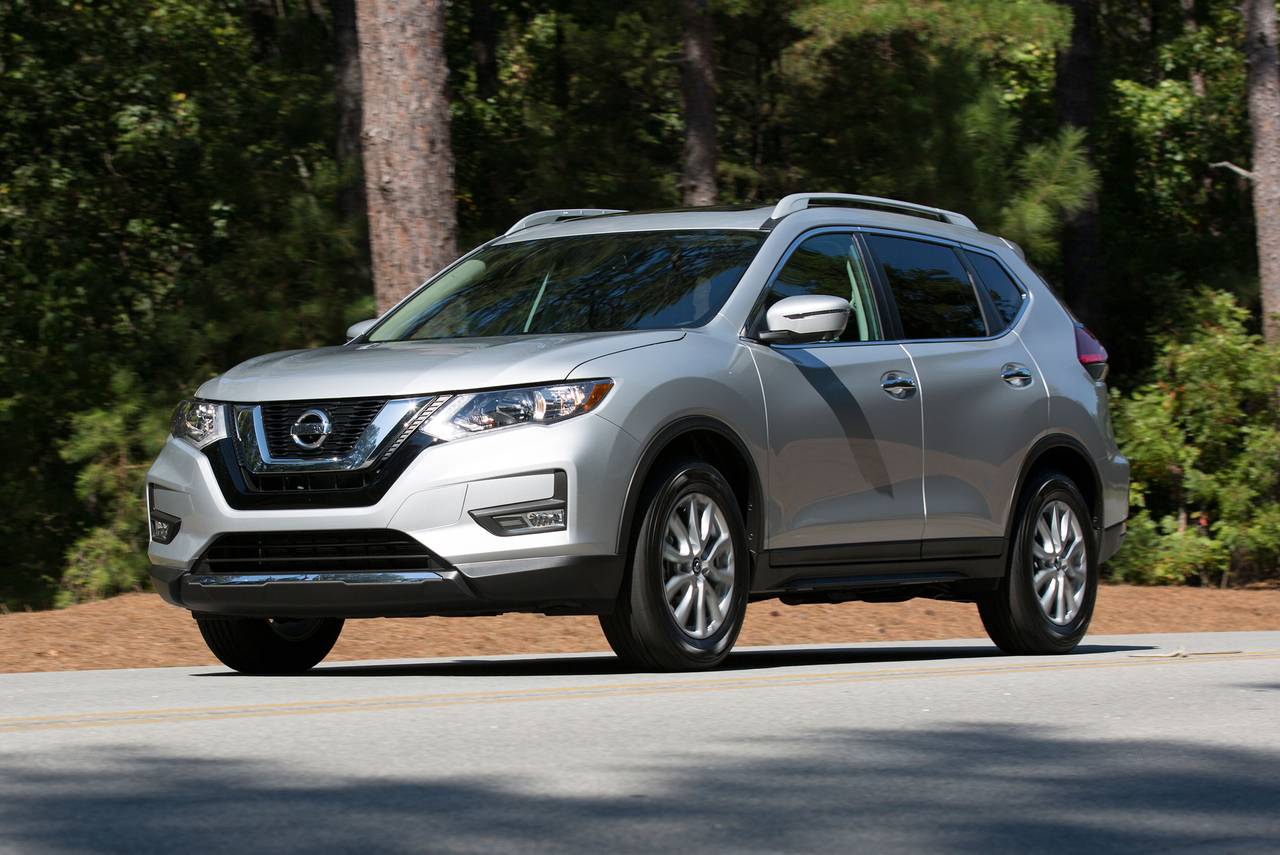
1. Nissan Rogue
The Nissan Rogue dominates sales charts but has earned an unfortunate reputation among mechanics and long-term owners for undercarriage components that simply can’t withstand normal driving conditions in many climates.
Despite being one of America’s best-selling crossovers, the Rogue’s splash shield system represents a frustrating example of cost-cutting that creates ongoing headaches for owners.
Within a few years, even careful owners find these shields cracking along stress points, particularly where mounting points create concentration points for flexing.
Winter driving reveals the Rogue’s underbody protection inadequacies most dramatically. Owners in snow-belt states report the shields tearing loose or shattering when encountering packed snow, ice buildup, or the hardened snow banks common in parking lots and driveways.
The plastic simply lacks the impact resistance necessary to survive these encounters, and once damaged, the shields often flap loose and create noise or drag along the ground until removed.
The mounting clip design proves particularly problematic: the plastic clips break easily when frozen or corroded, and the small screws strip their mounting holes if over-torqued or simply through years of temperature cycling that loosens the captive nuts.
Nissan dealers and independent mechanics consistently identify Rogue splash shield repairs as among their most common jobs, particularly in the vehicle’s third year and beyond.
The OEM replacement shields cost surprisingly little, but many owners balk at paying labor to install components they suspect will fail again.
This has created a cottage industry of aftermarket solutions, with many Rogue owners simply removing damaged shields entirely or replacing them with zip ties and self-tapping screws.
Several Rogue owners have reported expensive repairs to components damaged after splash shield failure allowed road debris to impact fuel lines, brake lines, and wiring.
The poor reputation has begun affecting resale values, with buyers specifically checking for underbody damage and offering lower prices on Rogues with missing or heavily damaged shields.
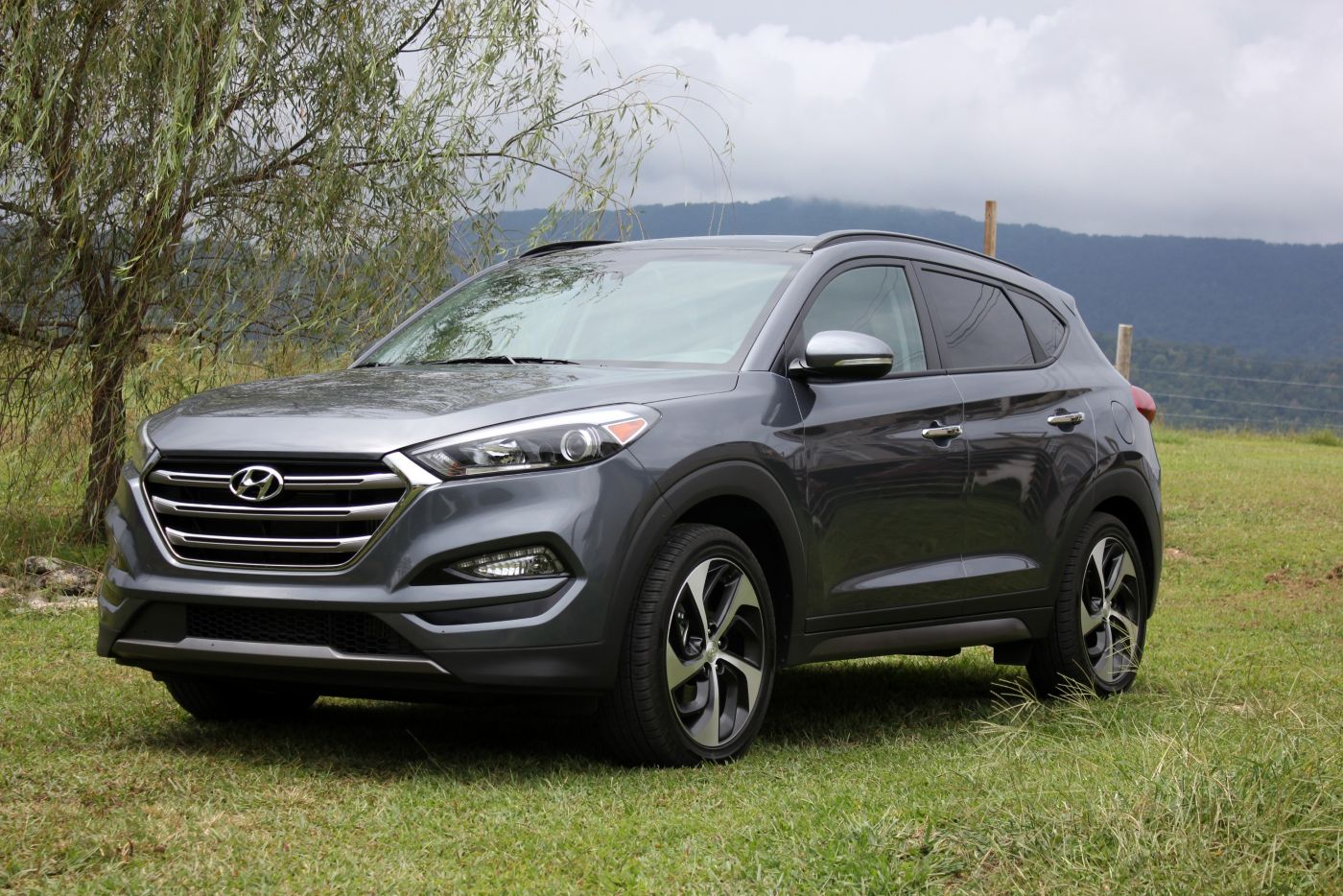
2. Hyundai Tucson
The Hyundai Tucson competes aggressively on price and warranty coverage, but these advantages come with compromises that include underwhelming underbody protection.
Despite Hyundai’s quality improvements in recent years, the Tucson’s splash shield system remains a weak point that creates frustration for owners in climates with real weather.
The shields demonstrate the challenges that arise when manufacturers prioritize initial cost reduction over long-term durability. Hyundai’s approach to Tucson underbody protection relies on thin plastic panels that cover the engine bay and forward underbody area.
The mounting system compounds the material weakness. Hyundai uses a combination of plastic expanding rivets and small bolt attachments to secure the shields.
The plastic rivets work adequately in ideal conditions but fail when subjected to impact, vibration, or simply the expansion and contraction of temperature cycling.
Once a few rivets fail, the shield begins flexing more than designed, which accelerates damage to remaining mounting points. Owners report a cascading failure pattern where initial minor damage progressively worsens as remaining attachment points bear increasing stress.
The small bolts used in key locations often thread into captured nuts in the vehicle body, but these nuts can spin or pull loose after repeated impact loading.
The Tucson’s underbody protection issues have spawned active discussion in owner forums, with experienced owners sharing techniques for reinforcement and repair.
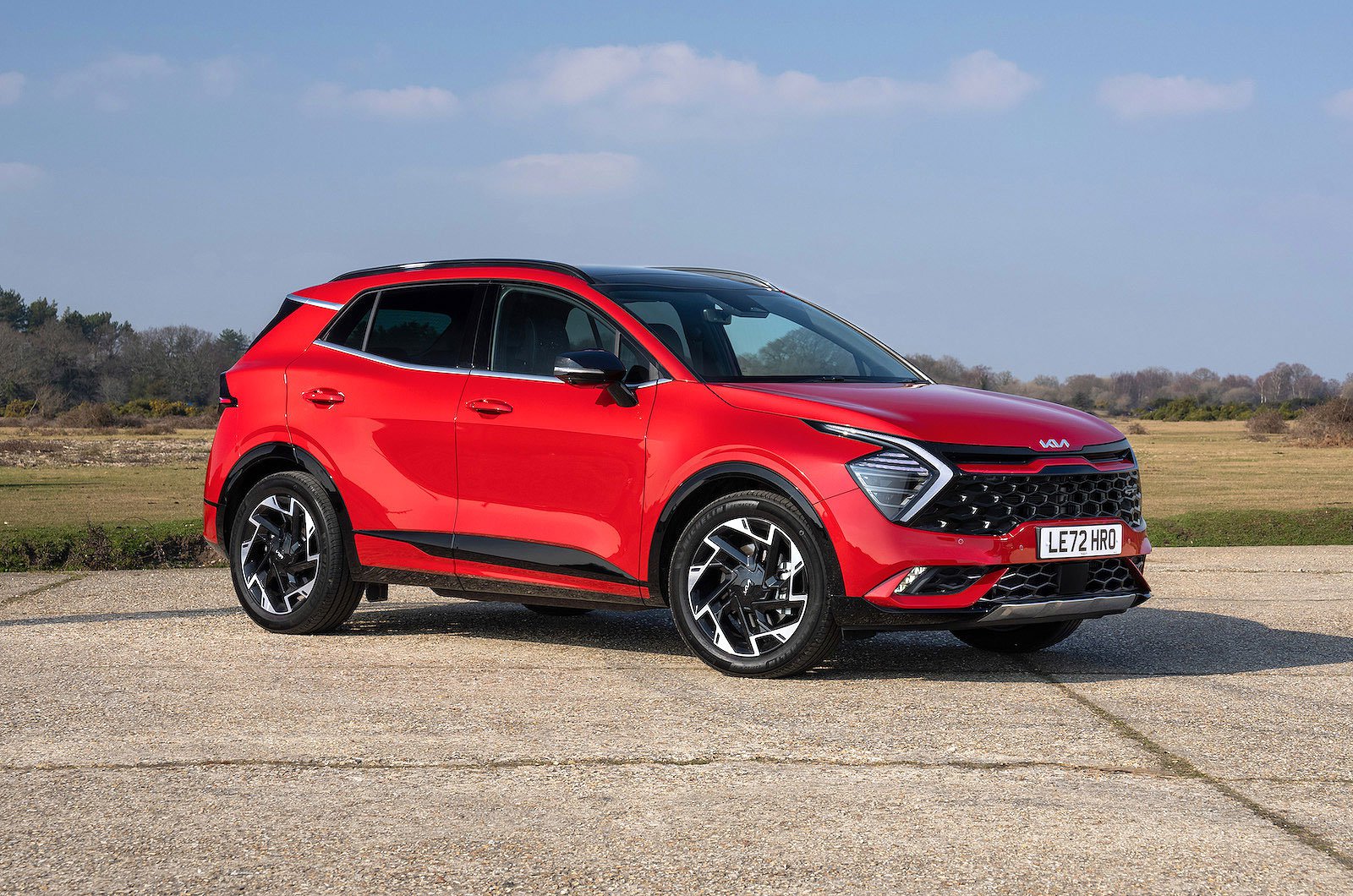
3. Kia Sportage
The Kia Sportage shares mechanical DNA with the Hyundai Tucson, and unfortunately, this includes similar underbody protection shortcomings.
Despite Kia’s impressive rise in quality and design, the Sportage demonstrates that some cost-saving measures remain, particularly in components customers don’t evaluate during test drives.
The splash shield system represents an area where Kia’s engineers apparently decided adequate was good enough, creating problems for owners who encounter real-world conditions.
The Sportage’s underbody protection consists primarily of lightweight plastic shields that provide reasonable coverage when intact but lack the durability necessary for long-term reliability in challenging climates.
The plastic material demonstrates poor resistance to impact damage, particularly in cold weather when the plastic becomes brittle. Owners report cracks developing at stress points around mounting holes and along edges where the shield flexes during normal driving.
The situation worsens progressively: small cracks propagate into larger breaks, especially when the vehicle encounters parking curbs, speed bumps, or winter ice buildup.
Kia’s mounting design for these shields creates additional problems. The system relies heavily on plastic clips that press into receivers molded into the vehicle’s underbody structure.
These clips work reasonably well when new and clean, but deteriorate rapidly when exposed to road salt, dirt, and temperature cycling.
The clips become brittle, break during shield removal for service, and lose their retention force as the plastic fatigues. This creates a situation where shields gradually loosen over time, allowing increased flexing that accelerates damage.
Owners in snow-belt regions report replacing or repairing shields multiple times over the vehicle’s life, with damage typically recurring each winter season.
The consequences extend beyond aesthetics and annoyance. Once shields fail and are removed, the Sportage’s underbody components face direct exposure to corrosive road salt and debris impacts.
4. Mitsubishi Outlander
The Mitsubishi Outlander offers compelling value pricing and one of the longest warranties in the industry, but these advantages can’t fully compensate for underbody protection that mechanics and long-term owners consistently identify as substandard.
Mitsubishi’s position as a smaller manufacturer with limited resources shows clearly in components like splash shields, where the company appears to have minimized costs in ways that create ownership headaches.
The Outlander’s underbody protection represents old-school thinking: thin plastic panels held by inadequate fasteners. The Outlander’s splash shield system uses particularly thin plastic that provides minimal impact resistance.
The material seems designed to meet the basic requirement of preventing water and debris from directly contacting components, but little consideration appears given to durability under stress.
The plastic becomes brittle relatively quickly as it ages, with owner reports suggesting deterioration accelerates significantly after the third year.
The thinness that keeps material costs low makes the shields vulnerable to tearing and puncturing from relatively minor impacts. Even catching the edge of a parking curb or scraping a frozen snow ridge can crack or tear these shields.
Mitsubishi’s mounting approach exacerbates the material weaknesses. The company uses a hodgepodge of small screws, plastic clips, and push-pins that seem barely adequate even for the lightweight shields they’re meant to secure.
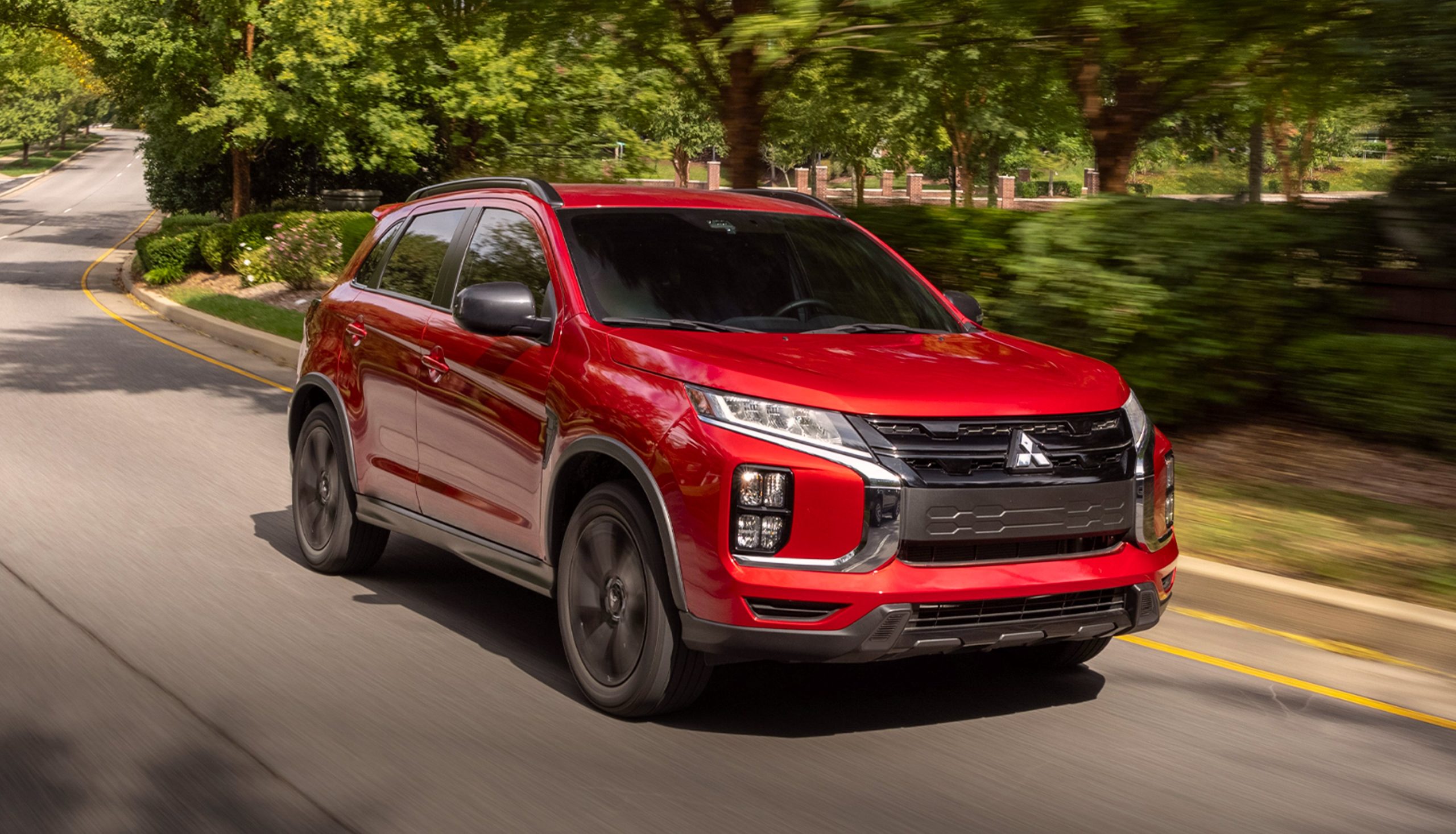
The screws often thread into plastic receivers rather than captured metal nuts, meaning they strip easily if over-torqued or simply through the stress of temperature cycling and impact loading.
The plastic clips break with frustrating regularity, especially in cold weather or after exposure to road salt. Many mechanics report that even routine service requires replacing multiple clips because they break during shield removal, adding cost and complexity to basic maintenance.
The Outlander’s relatively low ground clearance unfortunately combines with the poor shield durability. At just 8.5 inches of clearance in standard form, the Outlander frequently makes underbody contact in situations that higher-riding vehicles avoid.
The problem is severe enough that Mitsubishi dealers stock replacement shields in quantity, recognizing them as high-demand service parts.
Some Outlander owners have attempted aftermarket solutions, installing metal shields or reinforcement brackets, but these modifications require significant DIY capability and investment that many owners aren’t prepared to make.
5. Volkswagen Atlas
The Volkswagen Atlas presents a puzzling case in undercarriage protection: a premium-priced three-row crossover with splash shields that perform more like a budget vehicle.
VW’s North American operations apparently made different engineering decisions than their European counterparts, and the Atlas’s underbody protection reflects cost optimization that creates problems.
For a vehicle often priced above $45,000, the susceptibility of Atlas splash shields to damage represents a significant disappointment for owners who expected German engineering thoroughness.
The Atlas uses large plastic undertray panels that provide good coverage when intact but are constructed from materials that prove surprisingly fragile in real-world use.
The plastic formulation seems particularly problematic in temperature extremes, becoming brittle in winter cold and potentially warping in summer heat.
The leading edges of these panels sit relatively low, making contact with parking curbs, speed bumps, and winter snow banks common.
Unlike robust designs that deflect or absorb these impacts, the Atlas shields tend to crack and tear, often resulting in large sections breaking away completely rather than remaining repairable with minor fixes.
VW’s mounting system for the Atlas shields compounds the material issues. The panels attach primarily with plastic clips that press into receptacles in the vehicle’s underbody structure, supplemented by scattered screw attachments at key points.
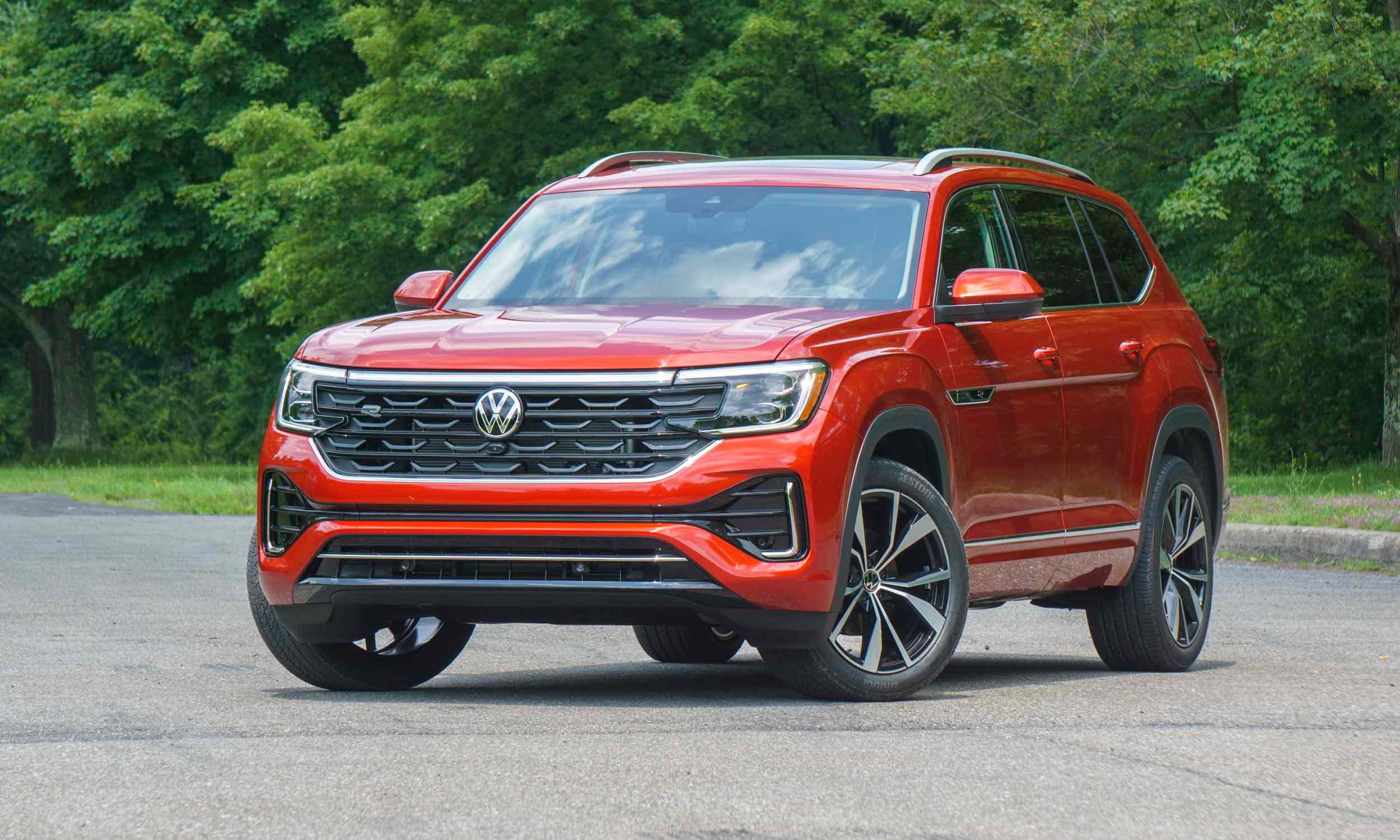
The clips demonstrate poor long-term durability, with owners reporting frequent failures even without significant impact damage. The design appears optimized for initial assembly efficiency rather than service durability the clips work well during factory installation but deteriorate rapidly once exposed to road salt, temperature cycling, and the stress of removal during maintenance.
Mechanics consistently report that servicing an Atlas requires replacing multiple clips because they break during removal, turning routine oil changes into more expensive affairs.
The decision to use cheaper materials and less robust mounting systems on the North American Atlas suggests cost optimization that prioritizes initial manufacturing expense over ownership experience.
6. Chrysler Pacifica
The Chrysler Pacifica minivan demonstrates that underbody protection problems aren’t limited to crossovers the low-slung family hauler suffers from splash shield issues that create headaches for families who need reliable transportation.
While technically a minivan rather than a crossover, the Pacifica’s problems illustrate broader industry challenges with undercarriage protection on lower-riding vehicles. Chrysler’s focus on interior space and sliding door mechanisms apparently left insufficient engineering attention for robust underbody shielding.
The Pacifica’s splash shield system consists of multiple plastic panels covering the engine bay and forward underbody. These panels demonstrate poor material selection, using plastic that becomes increasingly brittle with age and cold weather exposure.
The design prioritizes aerodynamic smoothness when new, but this comes at the cost of impact resistance. The Pacifica’s very low ground clearance just 4.8 inches minimum means the vehicle makes frequent underbody contact in situations that wouldn’t affect higher-riding vehicles.
Steep driveway approaches, parking curbs, and winter snow accumulation all create impacts that the thin plastic shields simply cannot withstand reliably.
Chrysler’s mounting system for Pacifica shields reflects the cost pressures that Stellantis faced during the vehicle’s development. The company uses inexpensive plastic clips and small screws that prove inadequate for long-term durability.
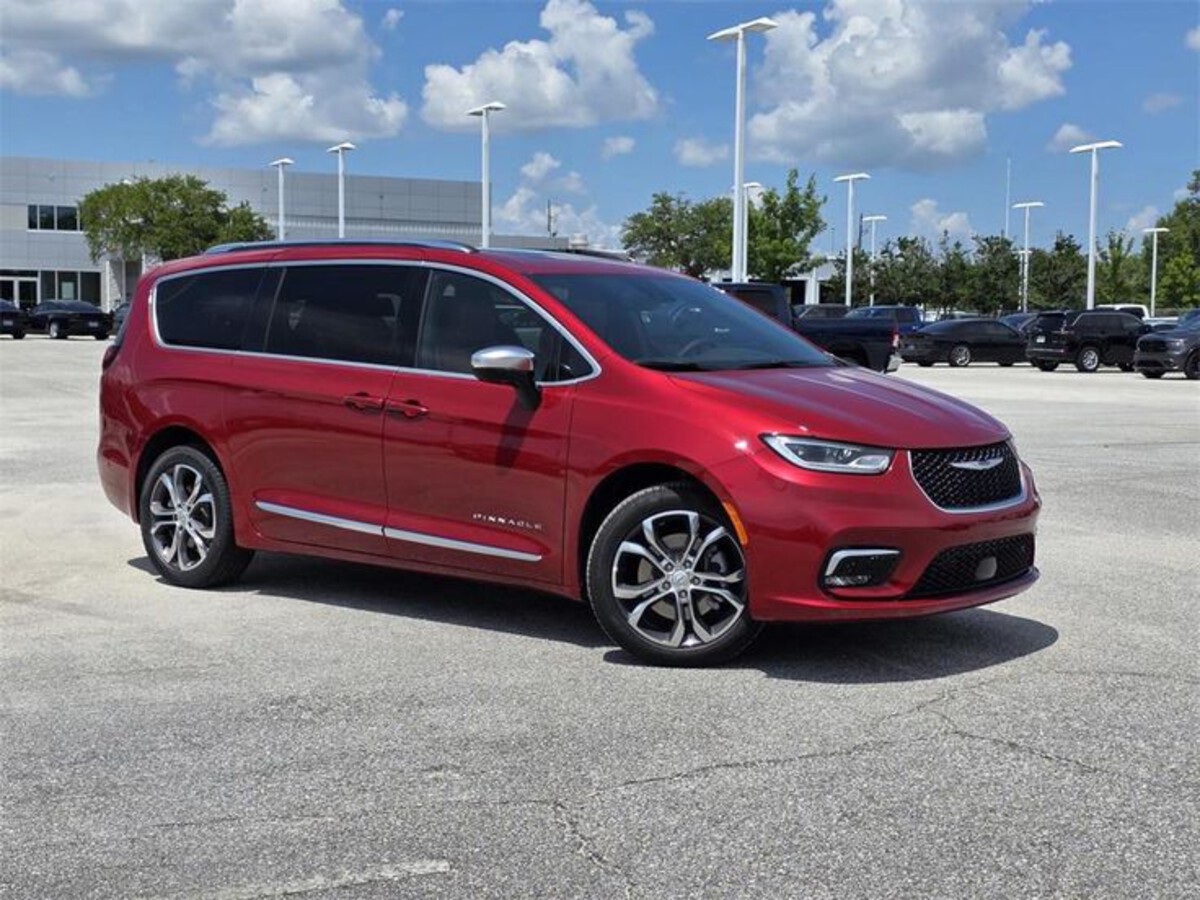
The clips break with frustrating regularity, particularly in cold weather when the plastic becomes brittle. Once clips begin failing, the shields start flexing and vibrating during driving, which accelerates damage to remaining mounting points.
The screws thread into plastic receivers or captured nuts in the vehicle body, but these connections loosen over time due to vibration and thermal cycling.
Mechanics report that servicing a Pacifica often reveals multiple missing or broken mounting fasteners, evidence of the system’s poor durability.
Chrysler dealers in snow-belt states stock replacement shields in quantity, recognizing the recurring demand. The ongoing costs of shield replacement or repair eat into the Pacifica’s value proposition, creating an ownership expense that buyers don’t anticipate when purchasing the vehicle.
7. Buick Envision
The Buick Envision positions itself as a premium compact crossover emphasizing refinement and comfort, but the underbody protection system undermines these aspirations with surprisingly poor durability.
Despite Buick’s marketing emphasis on quality and attention to detail, the Envision’s splash shields demonstrate cost-cutting that creates real ownership problems.
For buyers paying premium prices expecting premium execution, the fragile underbody components represent a significant disappointment.
The Envision uses lightweight plastic undertray panels that provide adequate coverage but lack the robustness necessary for long-term durability in harsh conditions.
The plastic material becomes brittle as it ages, particularly when subjected to the temperature cycling and UV exposure common in regions with significant seasonal variation.
The shields develop stress cracks around mounting points and along edges where flexing occurs during normal driving. These cracks propagate over time, especially when the vehicle encounters impacts from parking curbs, speed bumps, or winter ice chunks.
The problem manifests most visibly in the forward undertray section, which sits relatively low and encounters obstacles most frequently.
Buick’s mounting approach for the Envision shields relies on a combination of plastic clips and small bolt attachments that prove inadequate for sustained durability.
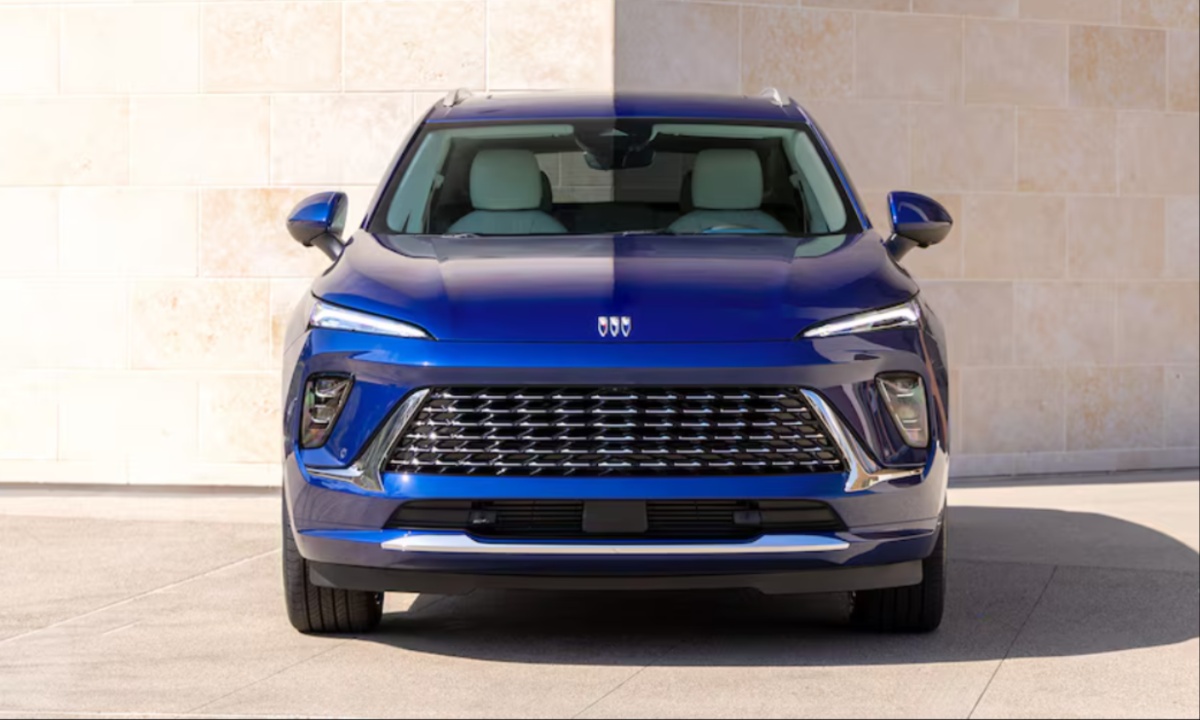
The plastic clips demonstrate particular weakness they break easily when frozen, corroded, or simply fatigued from temperature cycling.
The design uses clips that press into receivers in the vehicle’s underbody structure, but these receivers themselves can break or deform after repeated stress.
Once clips begin failing, shields start vibrating and flexing excessively during driving, which accelerates damage to remaining attachment points.
Many Envision owners resort to aftermarket solutions or simply leave damaged sections removed, neither option being satisfactory for a vehicle marketed as a premium product.
The recurring nature of shield problems has generated owner complaints in forums and surveys, representing a rare quality black mark for a brand attempting to position itself upmarket.
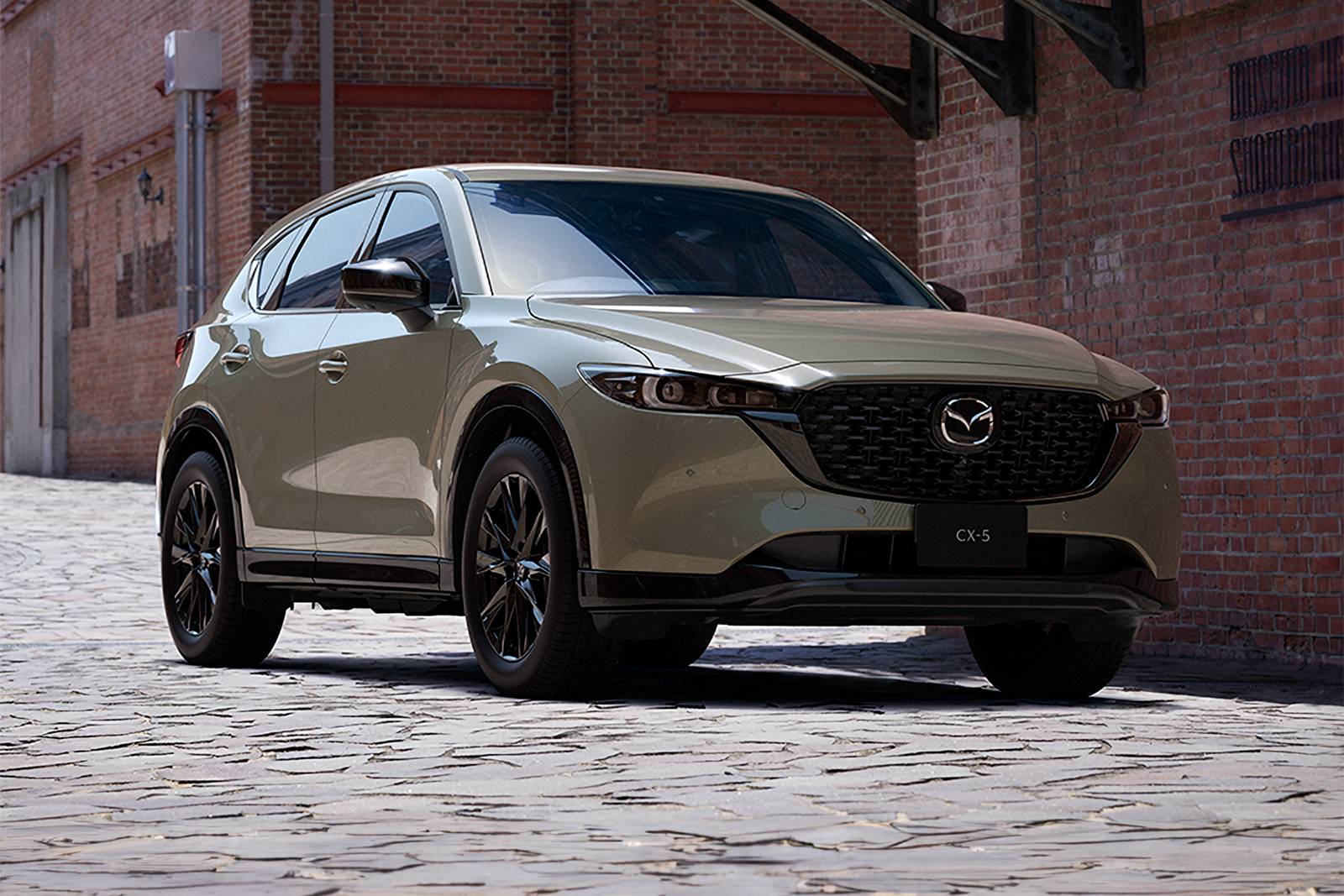
8. Mazda CX-5
The Mazda CX-5 presents a particularly disappointing case of underbody protection inadequacy because it appears in an otherwise well-engineered vehicle that Mazda positions as a premium alternative to mainstream competitors.
The CX-5 earns consistent praise for driving dynamics, interior quality, and reliability, but the splash shield system represents a puzzling weak point that creates problems for owners in harsh climates. This demonstrates how even manufacturers with strong engineering reputations can stumble on specific components.
The CX-5’s underbody protection consists of plastic panels that cover the engine bay and forward underbody area. While Mazda’s material selection is somewhat better than the worst offenders in this category, the shields still demonstrate problematic brittleness in cold weather and insufficient impact resistance for real-world conditions.
The panels develop cracks at stress points, particularly around mounting holes and along edges where flexing occurs. The problem manifests most commonly in the vehicle’s third year and beyond, as the plastic deteriorates from exposure to temperature cycling, UV radiation, and road salt.
Once cracking begins, the damage typically progresses rapidly, with small stress cracks propagating into larger breaks that eventually result in shield failure.
Mazda’s mounting system for CX-5 shields uses a combination of screws and plastic clips that demonstrate middling durability. The screws thread into captured nuts in the vehicle body, a design that works reasonably well if not over-torqued and if the nuts remain securely attached.
However, impact loading and corrosion can cause the captured nuts to spin or pull loose from their welded positions, making secure reattachment difficult without repair work.
The vehicle’s 8.6-inch ground clearance is adequate for light winter driving but insufficient to avoid underbody contact in areas with significant snow accumulation.
The shields lack the flexibility and impact resistance necessary to survive these encounters repeatedly without damage. The leading edge of the forward shield proves particularly vulnerable, often cracking or tearing when the vehicle’s nose contacts parking lot snow banks or steep driveway transitions covered in ice.
Also Read: 5 Cars That Accept Budget Pads Quietly vs 5 That Squeal Without OEM
