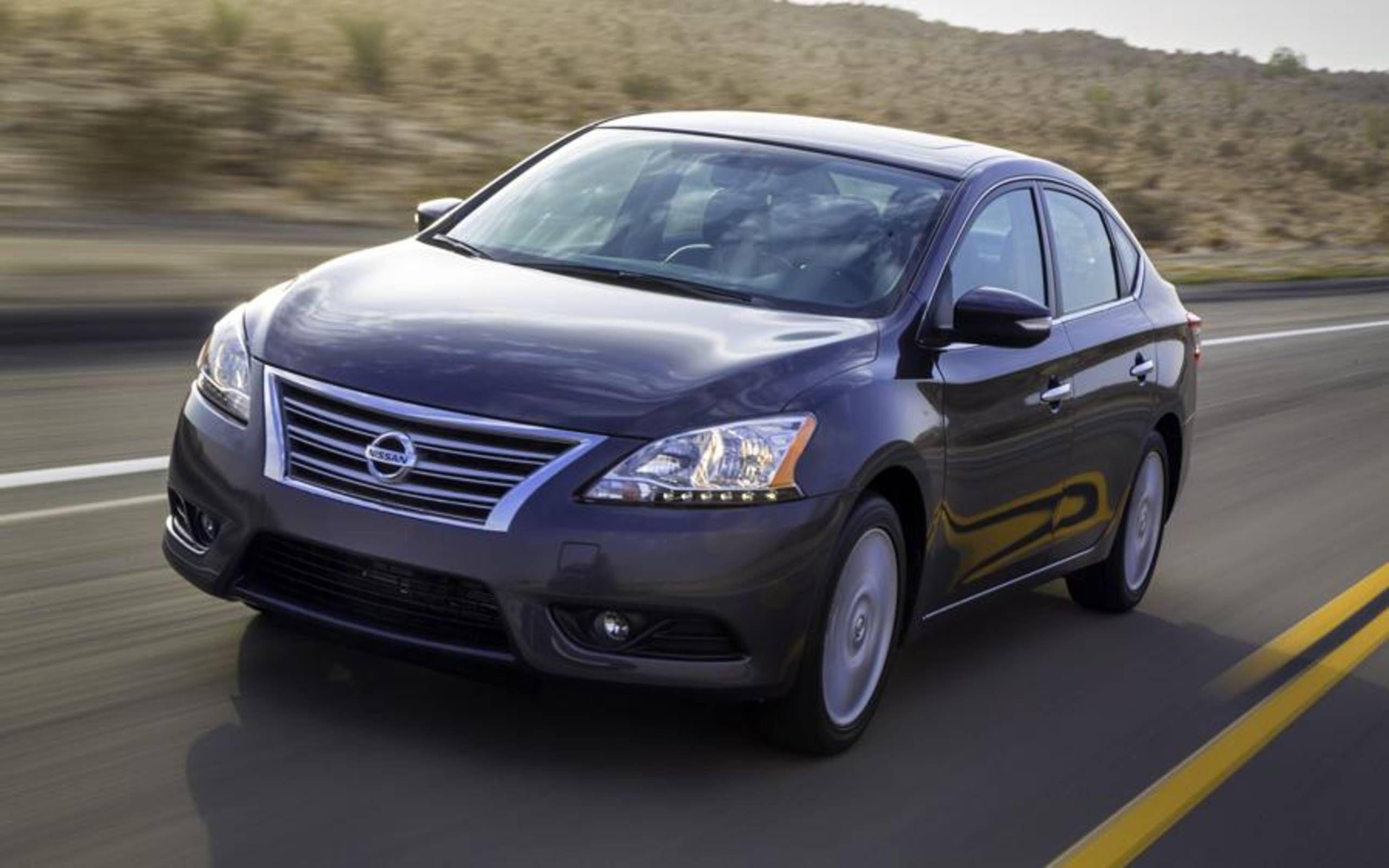
Luxury no longer has to come with a steep price tag. Many of today’s sedans deliver the design, comfort, and refinement of premium vehicles while remaining within reach of everyday buyers.
These models combine modern engineering with stylish looks, offering quality interiors, advanced technology, and smooth performance at prices far below what their appearance might suggest. From compact city cars to comfortable midsize family sedans, automakers are proving that affordable cars can still feel special.
The collection of “12 Sedans That Look More Expensive Than They Are” highlights vehicles that bring sophistication and substance without high costs. Whether it’s the sleek Mazda 3, the tech-focused Hyundai Sonata, or the efficient Honda Civic, each one delivers impressive design and comfort for its price. These sedans show that drivers can enjoy refinement, practicality, and confidence on the road without overspending.
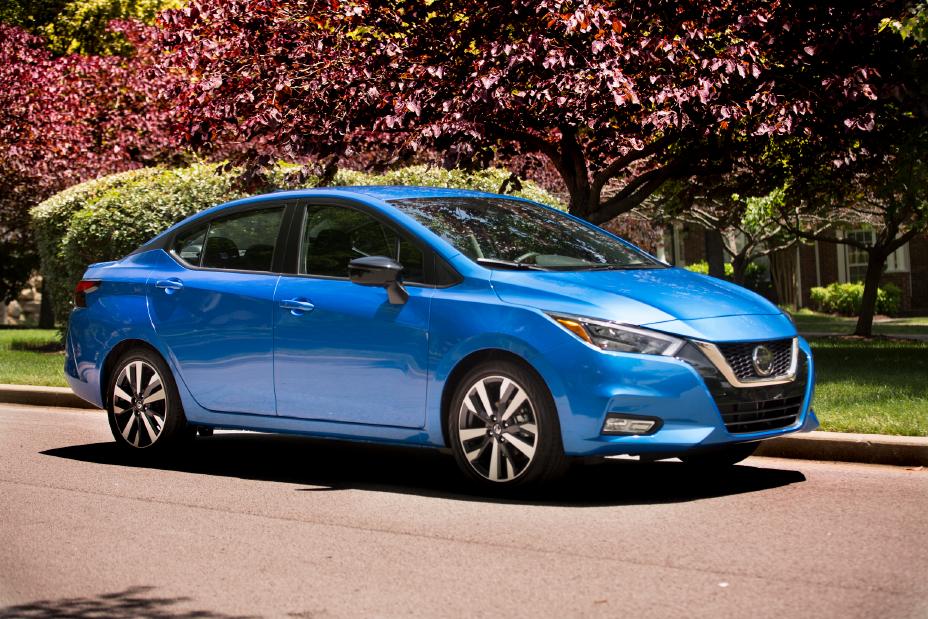
1. Nissan Versa: Affordable Simplicity and Everyday Practicality
The Nissan Versa stands as the most affordable new car available in the United States, priced at around $18,330, maintaining its position as the entry point for budget-conscious buyers. It’s the last remaining true subcompact sedan in a market dominated by SUVs and hatchbacks.
While the base manual version has been discontinued, the automatic-equipped Versa continues to offer strong value with a price still under $22,000. Despite its modest performance and simple design, the Versa’s appeal lies in its affordability, practicality, and surprising refinement for the price.
Under the hood, the Versa features a modest four-cylinder engine that prioritizes fuel efficiency over speed. It accelerates from 0–60 mph in about 10.4 seconds, which is slow by modern standards but adequate for daily driving.
Its handling is composed and predictable, offering stability around corners, and its braking system performs confidently. The steering can feel heavy and slightly numb, but the car follows inputs precisely enough to instill driver confidence.
Comfort levels are commendable for a car in this price bracket. The cloth seats are firm and supportive for shorter drives, though long trips may highlight the lack of lumbar support. The suspension provides a smooth ride on most surfaces, though it can get bouncy on rough roads. Interior noise is noticeable at highway speeds, yet the climate controls are intuitive and easy to operate.
Inside, the Versa impresses with a clean and user-friendly layout. The cabin is spacious, with excellent headroom and legroom for both front and rear passengers. Visibility is strong thanks to large windows and a short hood.
The 8-inch touchscreen in the SR trim is clear and responsive, and Apple CarPlay and Android Auto come standard, making smartphone integration seamless. The system’s simplicity complements the car’s minimalist approach to technology.
Storage capacity is another strong point. With 15 cubic feet of trunk space, the Versa surpasses many rivals, offering practicality for grocery runs or weekend trips. The rear seats fold down to increase cargo flexibility, although small-item storage inside the cabin remains limited. Fuel economy is a highlight, with an impressive EPA estimate of 35 mpg combined, and real-world testing often exceeding that mark at over 41 mpg.
The Nissan Versa provides genuine value in a shrinking segment. It’s well-built, efficient, and equipped with useful safety features without unnecessary complexity. While its performance and warranty may not match pricier competitors, the Versa remains a standout for those seeking simplicity, reliability, and low running costs in a clean, timeless package.
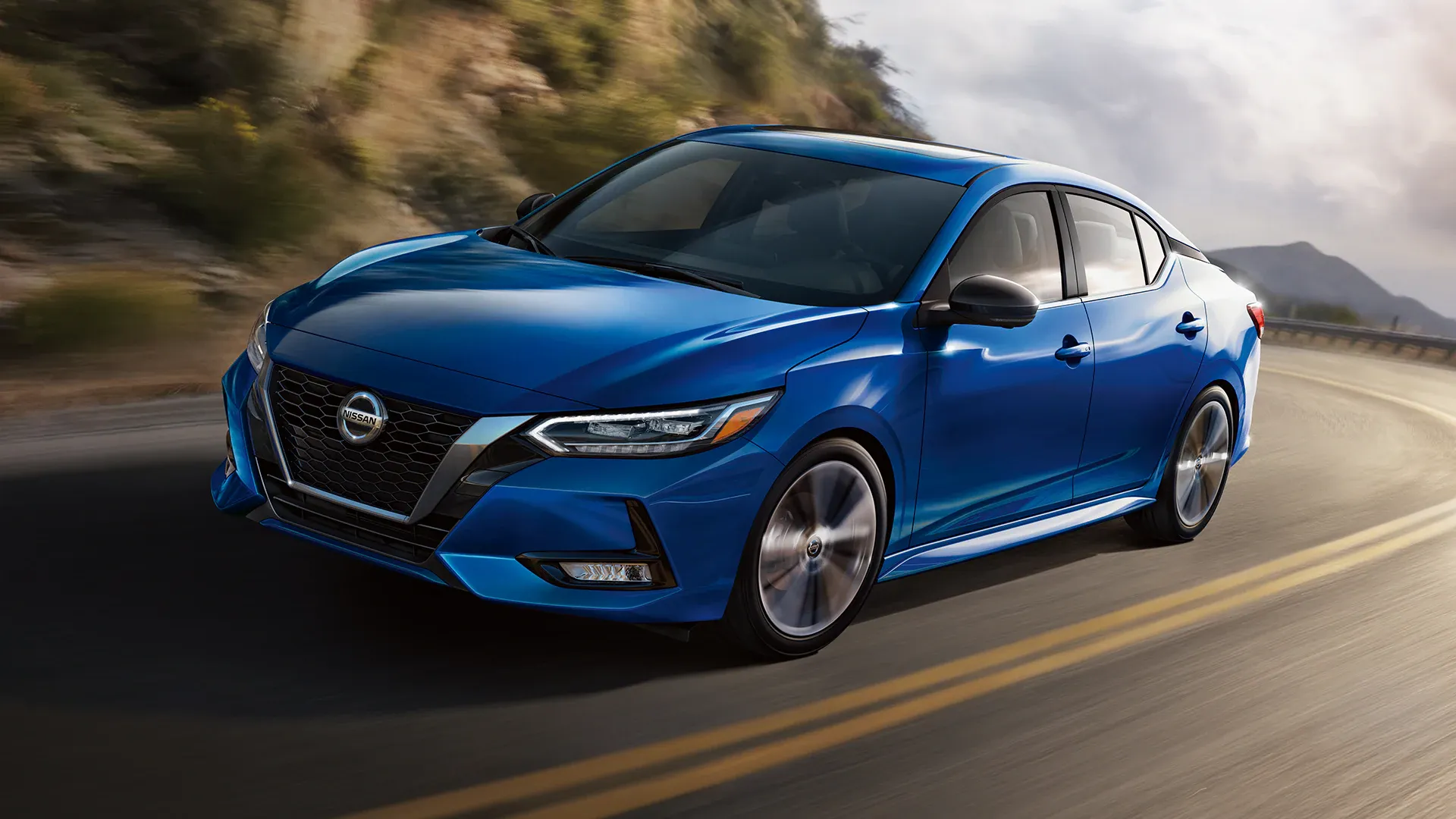
2. Nissan Sentra: Affordable Comfort with Modest Performance
Priced from $22,730, the Nissan Sentra is one of the most affordable compact sedans in the United States, offering a step up from the discontinued Versa. It delivers a refined driving experience, a roomy cabin, and reliable fuel efficiency for a budget-friendly vehicle.
The Sentra S serves as the entry-level trim, while SV, SR, and SR Midnight Edition variants add more equipment without exceeding $30,000. Every Sentra comes with the same 149-horsepower engine, providing consistent performance across trims but limited power. Standard features include Apple CarPlay and Android Auto through a 7.0-inch touchscreen, giving drivers modern connectivity even in the base model.
The Sentra’s driving dynamics are modest yet capable. It accelerates from 0 to 60 mph in 8.8 seconds, slightly slower than some competitors such as the Honda Civic and Hyundai Elantra.
The continuously variable transmission (CVT) shifts smoothly and quietly, although it provides minimal engine braking, requiring drivers to rely more on the brakes when decelerating. Steering and handling are predictable, which makes the Sentra suitable for daily commuting and city use.
Forward visibility is strong, but thick rear roof pillars reduce rearward visibility. The selection of driver-assistance features is limited, with the 360-degree parking camera being the most notable option. However, the forward collision warning system can be inconsistent, which may affect driver confidence.
The Sentra delivers comfort that exceeds expectations for its price point. The front seats are supportive with generous adjustments, making it easy for drivers to find a comfortable position. The rear seats are particularly impressive, offering generous legroom and plush cushioning for two adult passengers. Space for child seats is good, although the anchors can be slightly difficult to access.
Interior controls are clear and well laid out, making climate and audio adjustments simple. The climate system’s airflow is adequate but not powerful, and rear air vents are not included. Road noise is noticeable but not disruptive, maintaining a peaceful atmosphere for passengers.
Technology is one of the Sentra’s weaker areas. The infotainment system, last redesigned in 2020, feels outdated and operates slowly compared to newer models in the segment. It supports Apple CarPlay and Android Auto through wired connections only. There is no wireless charging, and most ports are older USB-A types.
Storage space is practical, with 14.3 cubic feet of trunk capacity, which is slightly better than average. The 60/40 split-folding rear seats increase versatility, although they do not fold flat, making it harder to load long objects.
The Sentra remains one of the most affordable sedans available, but its value appeal has lessened as rivals introduce more modern features. Competitors like the Kia K4 provide greater refinement and technology at a similar price.
The Sentra’s cabin design feels upscale for its class, though some interior trim gaps reduce the sense of quality. Fuel economy is 33 to 34 mpg combined, which is typical for compact sedans, while real-world driving may produce slightly lower results.
The Nissan Sentra is a sensible, comfortable, and budget-conscious choice for daily transportation. It stands out for its interior comfort and smooth ride but lags behind newer rivals in technology, power, and driving enjoyment. It remains a dependable option for drivers seeking affordability and practicality without unnecessary frills.
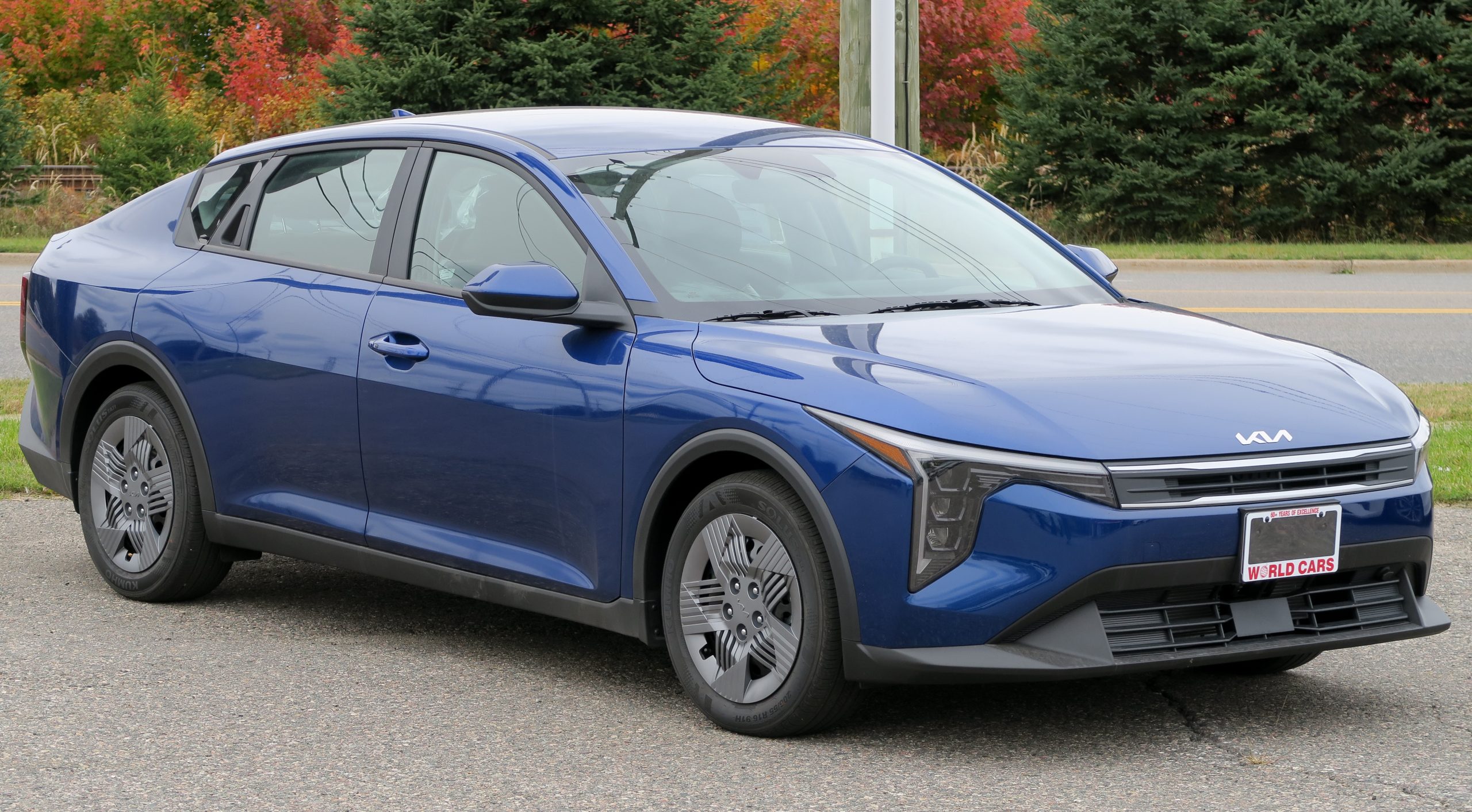
3. Kia K4: Stylish Design and Impressive Value in a Compact Sedan
Starting at $23,165, the Kia K4 replaces the outgoing Forte with a larger and more visually striking design. It introduces sharp styling, hidden rear door handles, and an upscale dashboard layout that makes it feel more premium than its price suggests.
The K4 is powered by a 147-horsepower 2.0-liter four-cylinder engine paired with a continuously variable transmission, while the top GT-Line Turbo model features a stronger 190-horsepower 1.6-liter turbo engine. Although the lineup lacks a hybrid option and cannot match the all-around excellence of the Honda Civic, the K4 stands out for its interior space, attractive styling, and high-value features.
The K4 delivers competent performance for daily driving. In tests, the GT-Line Turbo accelerated from 0 to 60 mph in 7.3 seconds, making it reasonably quick for its segment. However, throttle response is slightly delayed, especially from a stop, and the base engine struggles during highway merging or passing maneuvers.
The brakes perform smoothly and provide confidence in city traffic. Handling is stable but not sporty, and the suspension on the GT-Line trim does not absorb bumps as effectively as expected. Despite these minor drawbacks, the K4 excels in driver-assistance features. It offers ample visibility and a surround-view camera, while the system’s alerts remain clear and unobtrusive.
The K4’s cabin layout is one of its highlights, offering intuitive physical controls and a screen positioned within easy reach. The only minor flaw is the small climate control display, which can be blocked by the steering wheel. Rear-seat comfort is excellent, providing space more typical of a midsize sedan.
Even tall passengers enjoy sufficient headroom thanks to thoughtful roofline design. Child seat installation is easy, supported by wide rear doors and accessible LATCH anchor points, although the low roofline requires some care when leaning in.
The K4 sets a new standard for technology in the compact sedan class. It features a 12.3-inch touchscreen with wireless Android Auto and Apple CarPlay, along with four standard USB-C ports. Higher trims add a second 12.3-inch display for the instrument cluster and an AI-powered voice assistant that recognizes natural speech.
Cargo capacity measures 14.6 cubic feet, with a wide opening and rear seat releases accessible from the trunk. Interior storage is flexible, with cupholders large enough for oversized bottles that can be folded away to expand console space.
The Kia K4 delivers excellent value at every trim level. Even the base model includes a larger screen than many rivals’ optional systems, while the GT-Line Turbo feels premium with ventilated front seats and a refined interior. The brand’s 10-year/100,000-mile powertrain warranty further enhances its appeal. Fuel economy is respectable, with up to 34 mpg combined for the base engine and 29 mpg for the turbo version.
The Kia K4 combines striking design, advanced technology, and generous space to create a compelling compact sedan. While it is not the most thrilling to drive and lacks a hybrid variant, its upscale feel and strong feature list make it one of the best values in its class
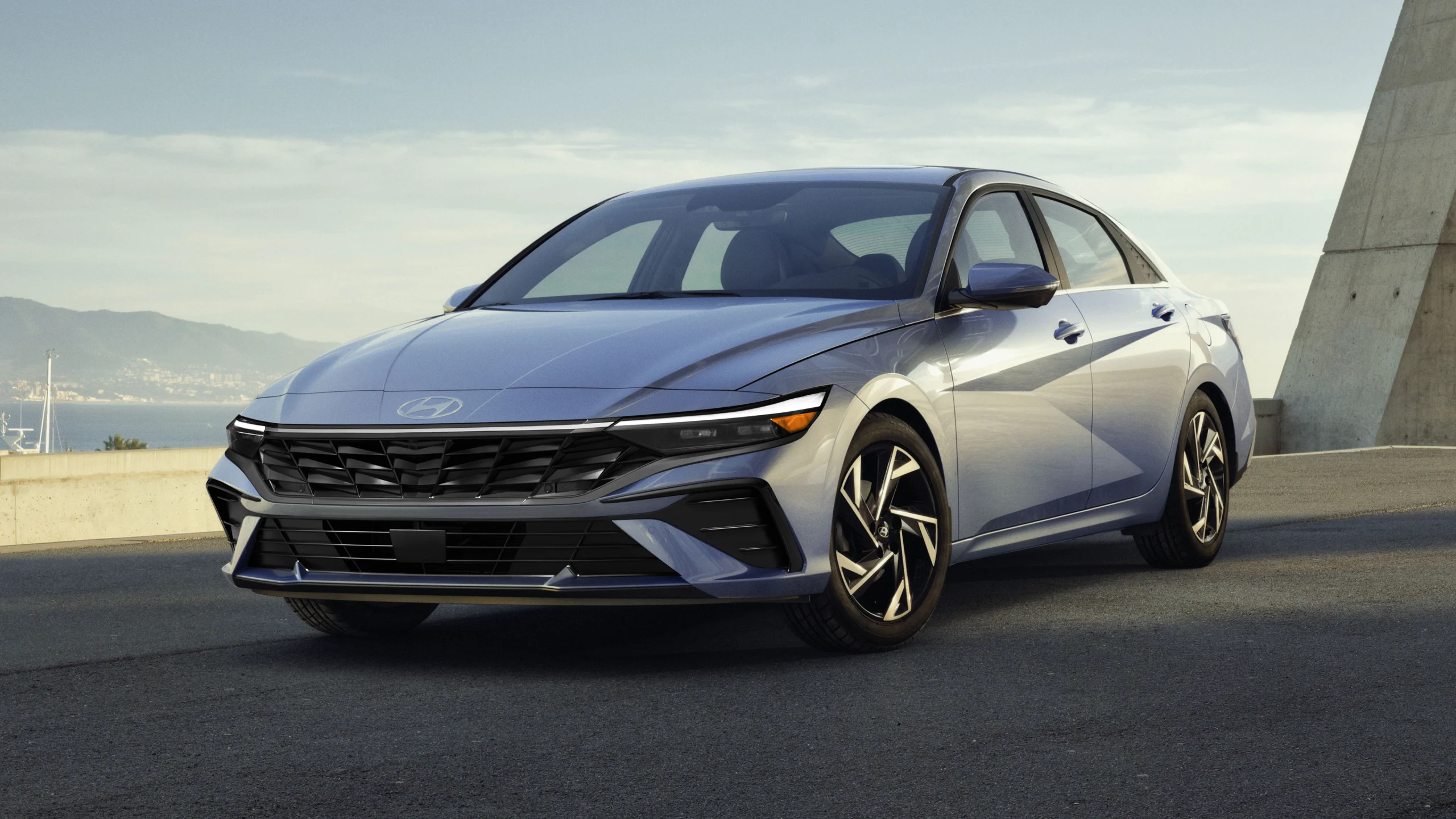
4. Hyundai Elantra: Spacious, Stylish, and Efficient Compact Sedan
Starting at $23,320, the Hyundai Elantra remains one of the best values in the compact sedan market, offering a strong mix of technology, comfort, and design. The seventh-generation Elantra, introduced in 2021 and refreshed for 2024, brings a sharper front fascia, new color options, and added safety features such as standard rear side airbags.
While it may not match the Honda Civic’s sharp handling or the Toyota Corolla’s long-standing reliability, the Elantra delivers exceptional interior space within a compact footprint. It offers an impressive balance of features and efficiency, making it a smart choice for drivers seeking practicality with a modern edge.
The base 2.0-liter four-cylinder engine produces modest power, taking 9.4 seconds to reach 60 mph, which is slower than most competitors. It is paired with a continuously variable transmission (CVT) tuned for fuel efficiency rather than performance.
The result is a smooth and predictable drive, though acceleration feels sluggish during highway merges and passing. Handling is balanced and stable, and the suspension effectively absorbs bumps, creating a comfortable daily commute. Drivers looking for more engagement can opt for the Elantra N Line, which adds a sport-tuned suspension and more responsive performance.
Advanced driver-assist systems are available, including adaptive cruise control and lane-centering assistance. These features perform reliably, providing a confident driving experience without false alerts or intrusive warnings.
The Elantra offers one of the roomiest interiors in the small sedan segment. The front seats provide solid comfort and adjustability, accommodating both short and tall drivers. However, the seat bottoms can feel slightly flat during long drives, and side bolstering is minimal.
Rear passengers enjoy generous legroom, making the Elantra an excellent choice for families or ridesharing. The cabin layout is intuitive, with simple climate controls featuring large dials and quick-acting heated seats.
Cabin noise, particularly from wind, is more noticeable than in some rivals, which slightly detracts from highway comfort. Child seat installation is simple thanks to accessible anchors and wide rear door openings.
Technology is a standout strength. The Elantra offers dual display screens for the gauges and infotainment system, with clear menus and responsive operation. Wireless Apple CarPlay and Android Auto come standard on the 8-inch screen, though oddly, the larger 10.25-inch display requires a wired connection.
Additional tech features include USB-C ports, wireless charging, and a digital key on higher trims. Cargo space is competitive at 14.2 cubic feet, and the fold-flat rear seats with trunk-mounted release levers add convenience for carrying larger items.
The Elantra remains one of the most affordable compact sedans available, often undercutting rivals by several thousand dollars. While higher trims lose some of that value advantage due to interior hard plastics, Hyundai compensates with an excellent warranty five years/60,000 miles basic and 10 years/100,000 miles powertrain coverage, plus three years of free maintenance.
Fuel economy is a strong point, achieving 34–36 mpg combined with the base engine, and up to 41.8 mpg in real-world testing. The Elantra Hybrid delivers even better mileage for those prioritizing efficiency.
The Hyundai Elantra stands out with its bold styling, generous interior space, and advanced technology at an accessible price. While its base engine is underpowered and the cabin could be quieter, its strong fuel economy, comfort, and value make it one of the most appealing compact sedans on the road today.
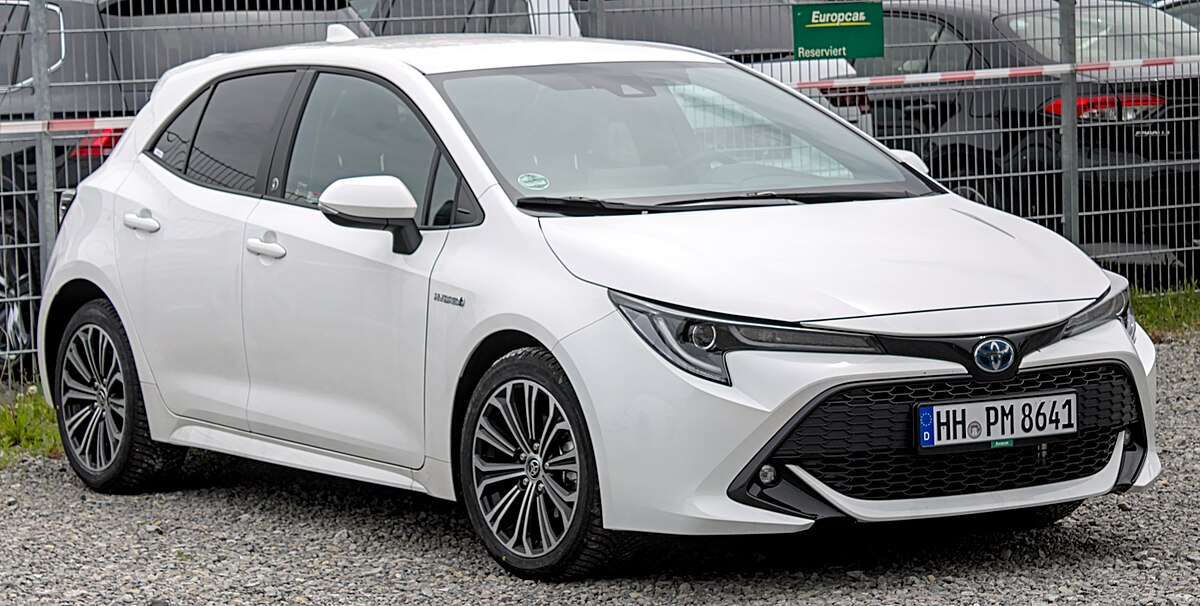
5. Toyota Corolla: Reliable, Efficient, and Comfortably Practical
Starting at $23,545, the Toyota Corolla continues to be one of the most dependable and well-rounded compact sedans available. While it lacks the sportier handling of the Honda Civic, it matches its rival in fuel economy, pricing, and even edges it slightly in horsepower.
All non-hybrid Corollas come with a 169-horsepower 2.0-liter four-cylinder engine paired with a continuously variable transmission (CVT). The Corolla Hybrid, available for about $1,500 more than the base LE model, delivers a substantial boost in fuel efficiency, making it a top choice for budget-conscious commuters.
With its comfortable ride, refined design, and Toyota’s well-earned reputation for reliability, the Corolla remains a smart, value-packed sedan.
The Corolla delivers predictable and easygoing performance suited to everyday driving. The XSE trim, which is designed to be sportier, accelerates from 0 to 60 mph in 8.8 seconds, a typical time for compact sedans but not particularly exciting.
While acceleration is modest, the Corolla’s smooth CVT helps reduce engine noise by simulating gear shifts, minimizing the droning sound often associated with this type of transmission. Handling is stable, though the car leans noticeably in turns, and its tires offer limited grip for spirited driving.
For daily commuting, however, the Corolla’s comfortable ride quality and smooth braking performance make it pleasant to drive. The lane-keeping assist system works impressively well, keeping the car centered without feeling intrusive, though blind-spot monitoring could benefit from an audible alert.
Inside, the Corolla provides a comfortable and straightforward cabin. The front seats offer good support and ample legroom, while the rear seats are reasonably spacious, though taller passengers may find headroom limited due to the sloping roofline. Child seat installation is simple thanks to well-marked LATCH anchors.
The control layout is one of the most user-friendly in the class, featuring logically placed buttons and clear labeling. Cabin noise is a drawback, as road and wind sounds become quite noticeable on the highway. The engine can sound strained during hard acceleration, but the car’s ride comfort remains solid over various surfaces.
The Corolla’s tech offerings include an 8-inch touchscreen or an optional 10.5-inch display, both of which are sharp and easy to read. However, the system can lag, particularly when using navigation. The virtual buttons are somewhat small, making them tricky to use on the move.
Toyota’s connected features such as remote start and car finder are helpful but require a monthly subscription. Storage space is modest, with 13.1 cubic feet of trunk capacity, slightly below average, and the rear seats do not fold flat, limiting cargo flexibility.
The Corolla holds strong value within its class, offering a well-built cabin and Toyota’s trademark reliability. While it lacks some of the feature richness of the Hyundai Elantra or Kia K4, it compensates with durable materials and excellent resale potential.
Toyota provides three years/36,000 miles of basic warranty, five years/60,000 miles of powertrain coverage, and two years of free maintenance, a rare benefit among compact sedans.
Fuel economy is a major strength, with 34–35 mpg combined in standard models and an impressive 40.2 mpg observed in real-world testing. The Corolla Hybrid pushes efficiency even further, making it one of the best options for fuel-conscious buyers.
The Toyota Corolla remains a capable, efficient, and confidence-inspiring compact sedan. It may not be thrilling to drive, but its comfort, reliability, and fuel economy continue to make it one of the most practical and enduring choices in its class.
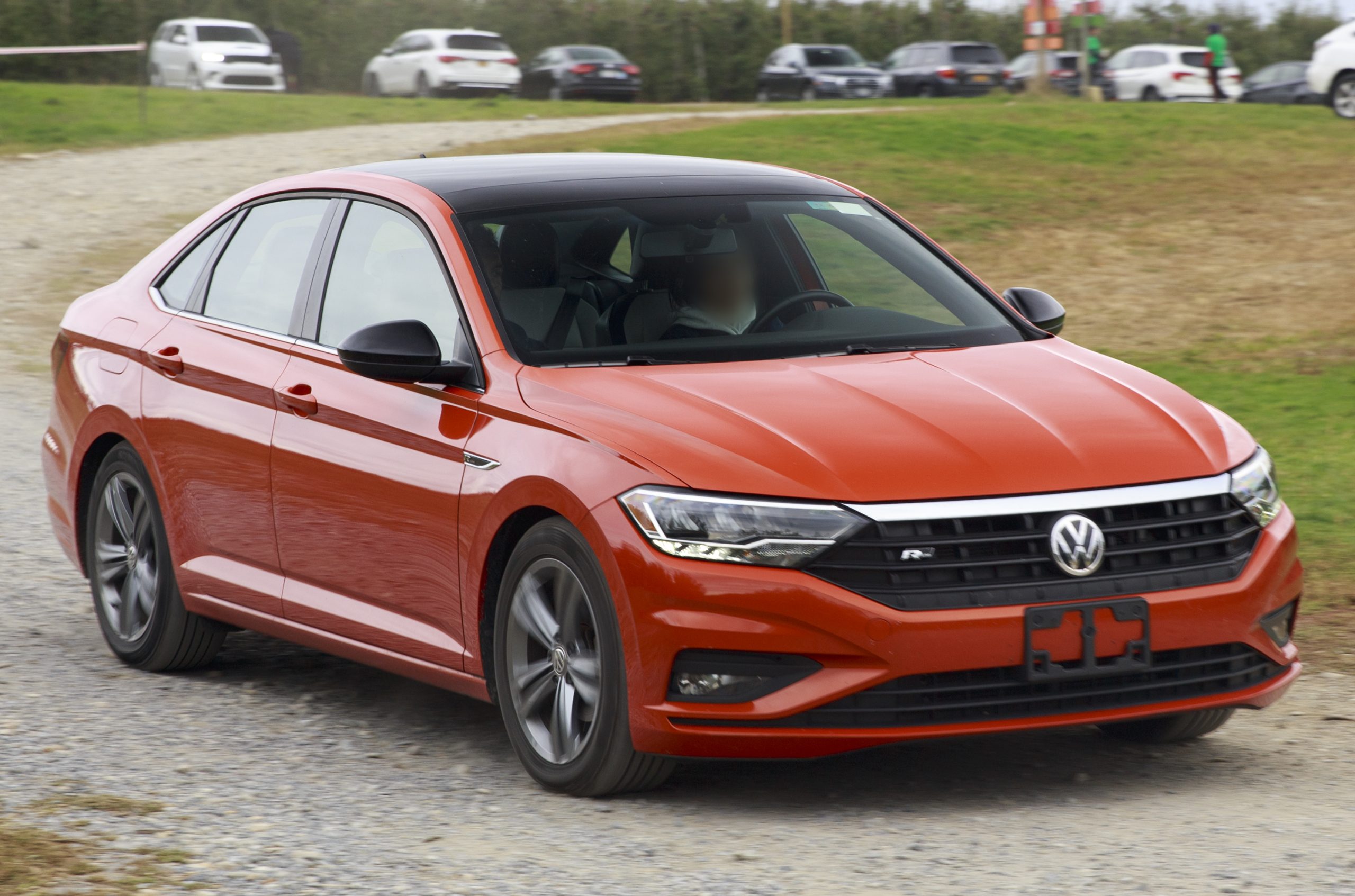
6. Volkswagen Jetta: Spacious, Efficient, and Subtly Sophisticated
Starting at $23,720, the 2025 Volkswagen Jetta continues to represent practicality and European-inspired refinement in the compact sedan market. The latest design update gives it a subdued appearance that blends easily into traffic, yet the Jetta maintains a strong sense of build quality that can be felt in every detail.
The interior is functional but lacks the upscale appeal of top rivals such as the Honda Civic or Hyundai Elantra. Power comes from a 1.5-liter turbocharged four-cylinder engine that provides adequate performance for daily driving but can feel slightly strained during hard acceleration. Despite its modest power, the engine delivers excellent fuel efficiency, making the Jetta an ideal choice for commuters.
At the test track, the Jetta SEL reached 60 mph in 8.4 seconds, which is slightly slower than average for this class. The automatic transmission is partly to blame, as it tends to hesitate during rapid acceleration. Engaging Sport mode sharpens its response and improves drivability.
The Jetta handles confidently on winding roads and feels stable through corners, making it enjoyable for everyday driving. The braking system is strong and easy to modulate, allowing for smooth, controlled stops. Ride quality is firm over uneven surfaces, especially on models with larger wheels.
Lower trims with smaller wheels offer a softer and more comfortable ride. The car’s driver-assistance systems perform well and remain unobtrusive, though the rearview camera lacks the clarity found in competitors.
Inside, the Jetta offers a comfortable and supportive environment. The front seats provide firm cushioning and ample support during long drives. The rear seat offers generous legroom that rivals midsize sedans, although taller passengers may find the roofline restrictive for headroom.
The cabin layout is generally practical, but the infotainment interface can be confusing, with some key functions buried in deep menus. Noise levels at highway speeds are higher than expected, with noticeable tire and wind noise. Installing child safety seats is straightforward thanks to clearly marked LATCH anchors and easy-to-access top tethers.
The SEL trim comes equipped with four USB-C ports, wireless smartphone charging, and wireless Apple CarPlay and Android Auto. These systems work seamlessly, but Volkswagen’s native infotainment setup feels outdated and less intuitive.
The 14.1-cubic-foot trunk is among the largest in the class, and its wide opening makes loading luggage simple. However, the rear seats do not fold flat with the trunk floor, which limits flexibility when carrying longer items. Interior storage is excellent, with deep bins, generous door pockets, and well-placed cupholders.
The Jetta provides a combination of roominess, comfort, and strong fuel economy at a competitive price. Although interior materials include some hard plastics, the cabin still looks clean and sophisticated.
Volkswagen’s four-year or 50,000-mile warranty is on par with most rivals. The Jetta achieves an EPA-estimated 33 mpg combined, and during testing it delivered 38 mpg, offering a potential driving range of about 500 miles per tank.
The Volkswagen Jetta is a refined, efficient, and comfortable compact sedan that emphasizes practicality and composure. While it lacks the sportiness of the GLI version and the flair of newer competitors, it remains a reliable, efficient, and well-balanced choice for drivers who value space, comfort, and long-distance fuel savings.
Also read: 10 Cars That Rarely Need Alignment After Pothole Seasons
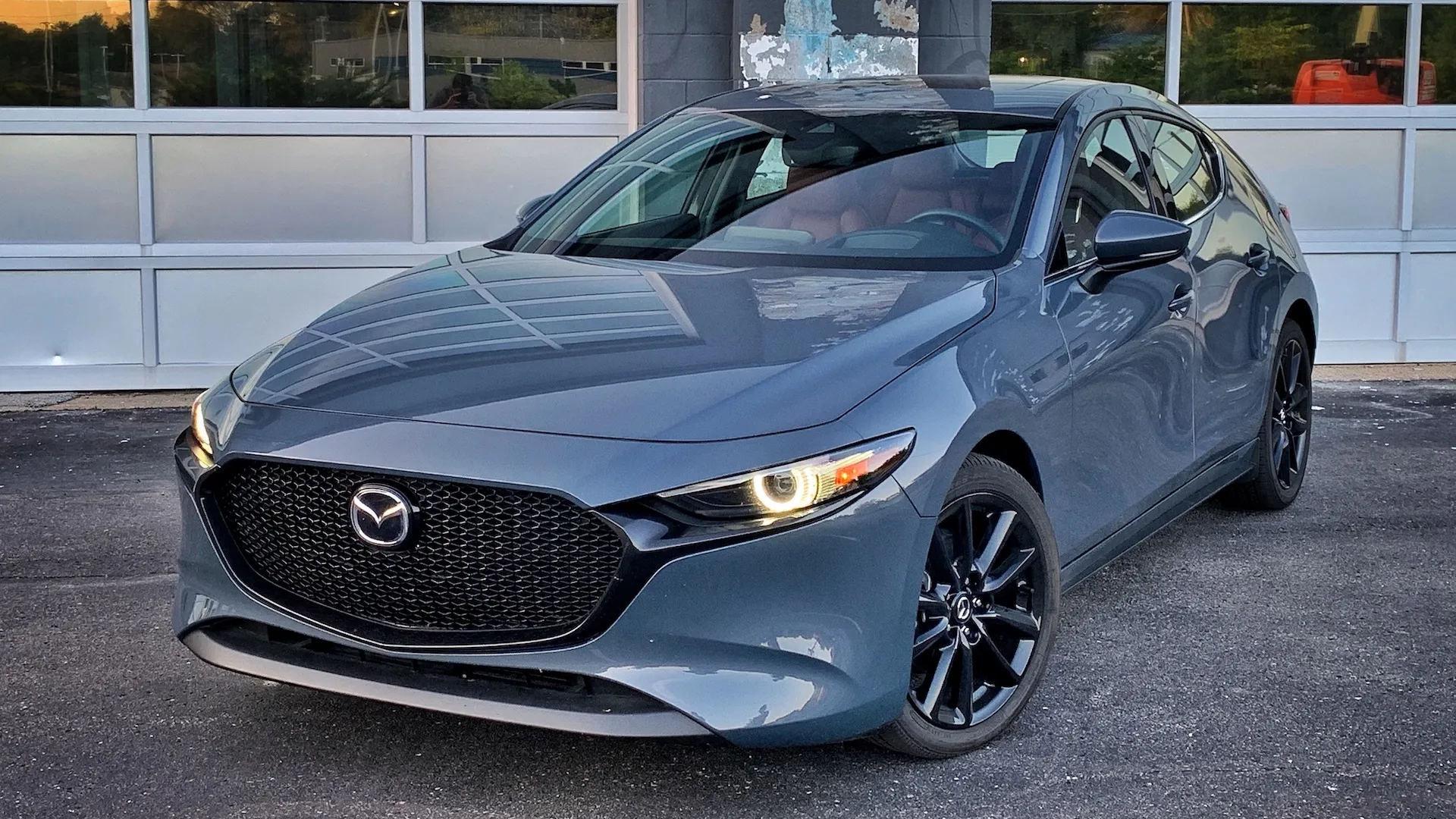
7. Mazda 3: Style, Power, and Premium Driving Feel
Starting at $25,335, the 2025 Mazda 3 distinguishes itself through refined styling, an upscale interior, and engaging driving dynamics. While many compact sedans focus on affordability and efficiency, the Mazda 3 takes a more premium approach.
Its elegant design, defined by smooth curves and minimalistic detailing, gives it a near-luxury appearance both inside and out. The cabin materials and craftsmanship rival those of higher-priced vehicles, offering a quiet and comfortable environment.
Though it costs more than some competitors, the Mazda 3 delivers exceptional build quality and a sense of sophistication that justifies its price. The compact sedan’s only notable limitation is its tight second-row seating, which may feel cramped for taller passengers.
The Mazda 3 comes standard with a 2.5-liter four-cylinder engine that provides lively acceleration and smooth power delivery. It produces enough strength to make the sedan feel quick and confident in city traffic or on the highway.
For drivers seeking more excitement, the available 250-horsepower turbocharged engine transforms the Mazda 3 into one of the most powerful cars in its class. This upgraded engine can be paired with all-wheel drive, enhancing traction and handling in all conditions.
Mazda’s emphasis on driver engagement is evident in the way the 3 handles. Its steering is sharp and responsive, and the suspension strikes an excellent balance between comfort and sportiness. The sedan feels composed on twisty roads and provides a level of engagement uncommon in this segment.
The ride remains firm yet comfortable, soaking up most imperfections without compromising control. Braking is smooth and consistent, adding to the sense of precision. Drivers will also appreciate the confidence provided by Mazda’s suite of advanced safety features, which operate effectively without unnecessary intrusion.
Inside, the Mazda 3 exudes a sense of refinement that exceeds expectations for its price point. The front seats are supportive and well-contoured, designed for both comfort and long-distance travel. The layout is simple and driver-focused, with controls placed intuitively for easy reach.
Mazda’s infotainment system uses a rotary controller rather than a touchscreen, prioritizing safety and reducing distraction. The display is crisp and easy to read, while features such as Apple CarPlay, Android Auto, and multiple USB ports are standard. The sound insulation is excellent, helping create a calm cabin even at highway speeds.
The Mazda 3 provides a moderate amount of cargo space, suitable for daily needs, though some rivals offer larger trunks. Build quality is exceptional, and every trim level feels solid and well-engineered. While it begins at a higher price than models like the Hyundai Elantra or Toyota Corolla, the Mazda 3 delivers a driving experience and interior ambiance that feel distinctly premium.
The 2025 Mazda 3 combines elegant design, premium comfort, and dynamic performance in a compact and efficient package.
With its choice of two strong engines, available all-wheel drive, and luxurious cabin materials, it stands out as one of the most refined and enjoyable sedans in its class. For drivers seeking sophistication without sacrificing driving excitement, the Mazda 3 remains one of the best choices on the market.
8. Honda Civic: The Benchmark for Compact Sedans
Starting at $25,400, the 2025 Honda Civic remains the class standard for compact sedans, blending efficiency, performance, and refinement. Although it carries a higher price than most competitors, its superior engineering and build quality justify the cost.
For 2025, Honda replaces the optional turbocharged engine with a new hybrid powertrain, offering improved fuel economy and stronger performance. Even base LX and Sport models benefit from a stiffer chassis and refined suspension that enhance comfort while preserving the Civic’s engaging handling.
The familiar 2.0-liter four-cylinder remains smooth and efficient, paired with one of the best CVTs available. Enthusiasts still have access to the Civic Si and Type R, the latter delivering more than 300 horsepower.
The new Civic Hybrid accelerates from 0–60 mph in 6.6 seconds, quicker than many rivals and even the Civic Si. Its precise steering and well-tuned suspension make it responsive and balanced on both city streets and twisty roads. Ride quality leans firm but stays composed, while visibility is excellent from the driver’s seat.
Slim roof pillars and door-mounted mirrors improve sightlines, though the sloping roof limits rearward visibility. Standard safety features include adaptive cruise control, lane keeping assist, and forward collision warning, all of which perform smoothly and unobtrusively.
Inside, the Civic’s cabin impresses with a clean, modern design and high-quality materials that feel more premium than its price suggests. The front seats are supportive and comfortable, while the rear seats provide generous legroom.
Taller passengers may find headroom limited by the roofline, but the cabin remains airy and ergonomic. Controls are clearly labeled and easy to use, keeping distractions minimal. Noise levels are low thanks to effective insulation and aerodynamic shaping, and the climate control system distributes air evenly, though it lacks rear vents.
Technology is intuitive, with a 7-inch touchscreen on lower trims and a 9-inch display with Google Built-In on higher ones. Apple CarPlay and Android Auto are standard, and the Bose audio system on the Sport Touring trim offers premium sound quality. The 14.8-cubic-foot trunk provides excellent capacity without sacrificing hybrid components, while the hatchback expands practicality with 24.5 cubic feet of space.
Delivering 49 mpg combined, the 2025 Honda Civic balances hybrid efficiency, comfort, and engaging dynamics, reaffirming its position as the benchmark compact sedan for modern drivers
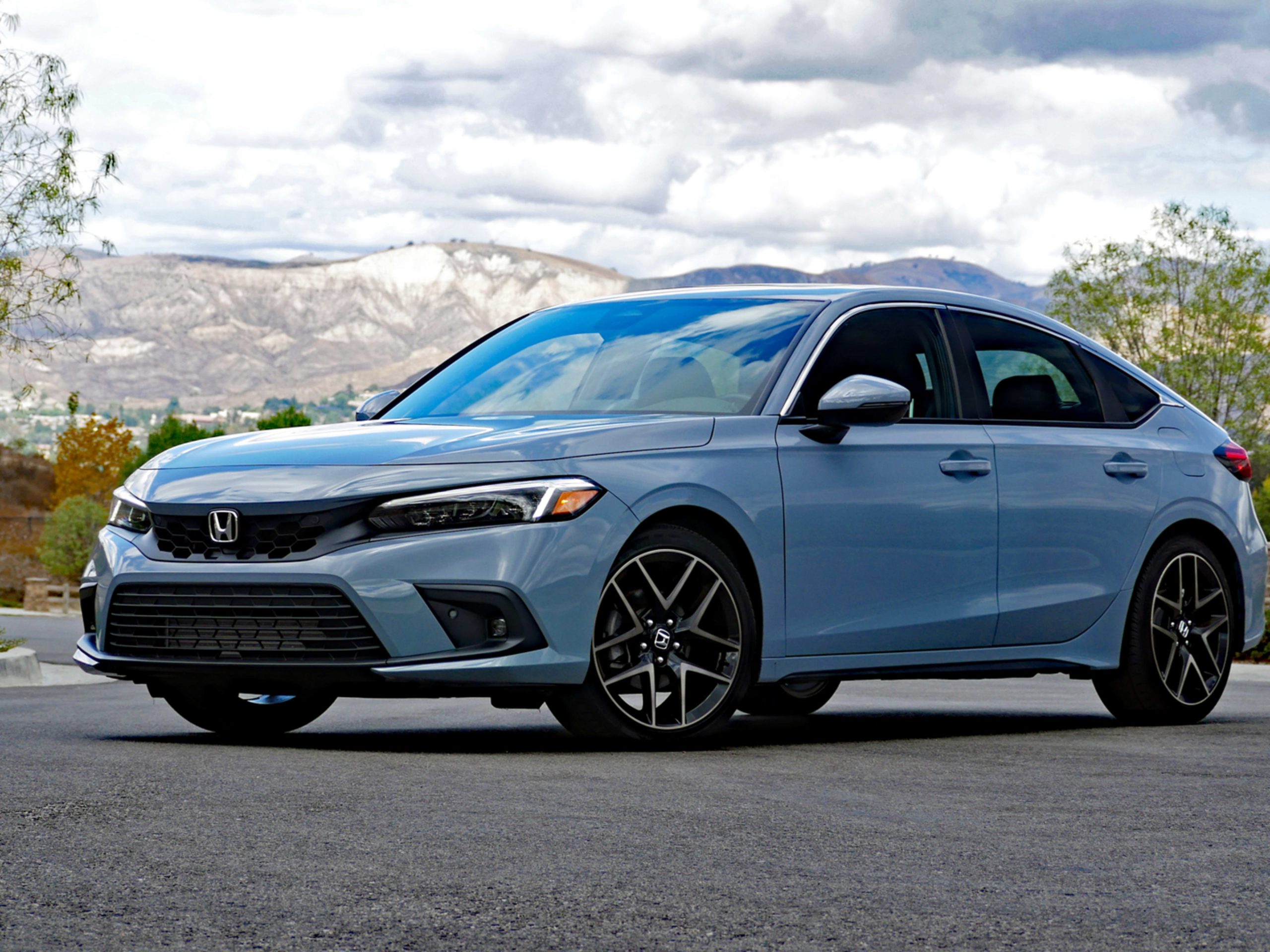
9. Chevrolet Malibu: A Familiar Name in an Evolving Market
Starting at $26,995, the 2025 Chevrolet Malibu LS remains one of the most affordable midsize sedans available, often priced below many compact alternatives. Once a staple in Chevrolet’s lineup, it now stands as the company’s last traditional car before the brand moves fully toward electric vehicles.
Although its design and technology are aging, the Malibu still appeals to buyers seeking comfort, practicality, and affordability in a familiar package.
The Malibu features a single powertrain option: a 163-horsepower turbocharged 1.5-liter four-cylinder engine paired with a continuously variable transmission (CVT) driving the front wheels. This combination emphasizes efficiency and smoothness rather than performance.
The ride quality is balanced, absorbing road imperfections without feeling overly soft or firm. Steering response is consistent, giving the Malibu a composed and stable feel during daily driving. In performance testing, it reached 0–60 mph in 7.8 seconds, which is slower than competitors like the Hyundai Sonata N Line or Kia K5 GT but adequate for routine use.
Fuel economy is competitive, if not exceptional. The Malibu achieves an EPA-estimated 30 mpg combined and recorded 34 mpg on a 75-mph highway test. While it trails the Honda Accord and Toyota Camry in efficiency, its results remain solid for a midsize sedan powered by a small turbocharged engine.
Inside, the Malibu’s cabin focuses on practicality and ease of use. The symmetrical dashboard and open center design make the interior feel spacious. The front seats provide good comfort and support, though the backrests may feel narrow for broader passengers.
The rear seats offer decent legroom, and the trunk provides generous cargo capacity with multiple storage compartments throughout the cabin. Materials are durable, and while the design is simple, it remains pleasant for everyday commuting.
All models include a touchscreen infotainment system with Apple CarPlay, Android Auto, and a Wi-Fi hotspot. The interface is user-friendly but slower and less advanced than newer systems. Driver-assistance features such as lane-keeping assist, automated emergency braking, and adaptive cruise control are available, though not standard.
With its combination of comfort, simplicity, and low entry price, the 2025 Chevrolet Malibu continues to serve drivers seeking a reliable, straightforward sedan in an era increasingly dominated by SUVs and EVs.
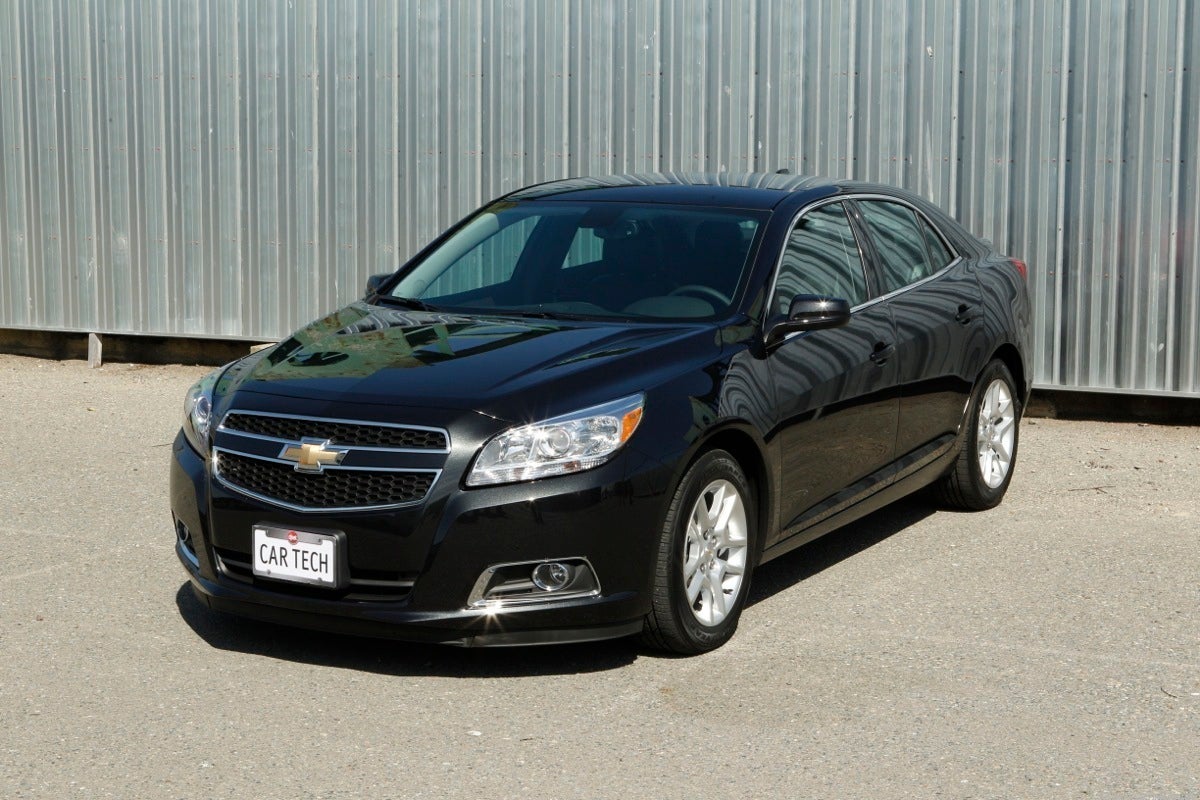
10. Subaru Legacy: A Refined Farewell for an All-Wheel-Drive Favorite
The 2025 Subaru Legacy, priced from $27,980, marks the end of an era as Subaru’s final model year for the long-running midsize sedan. With no replacement planned, the Legacy bows out with its signature strength: standard all-wheel drive at a competitive price.
While it lacks the flair of newer rivals, the Legacy continues to appeal to drivers who prioritize comfort, confidence in all weather conditions, and classic Subaru practicality.
The Legacy offers two engine options, but the base 2.5-liter four-cylinder delivers modest performance, taking 8.5 seconds to reach 60 mph. The available turbocharged engine is a much better choice, providing stronger acceleration and livelier character. Despite its unremarkable speed, the Legacy’s ride quality is commendable.
Its suspension absorbs bumps gracefully without feeling soft, and steering feels well-balanced and natural. The sedan also boasts excellent visibility thanks to large windows and slim pillars. However, wind and road noise are more noticeable than in competitors, and the engine stop-start system is rough in operation. Subaru’s EyeSight driver-assist suite is standard but can be overly sensitive, often braking abruptly in slow traffic.
Inside, the Legacy emphasizes space and comfort. Both front and rear passengers enjoy generous legroom and supportive seating, with the back seats offering superior sculpting and foot space compared to most midsize sedans. Entry and exit are easy, and drivers can quickly find an ideal position behind the wheel.
The cabin’s materials feel solid and upscale, though the reliance on the central touchscreen can be frustrating. The climate controls function well but are buried within digital menus, and the lack of a dedicated stop-start button is inconvenient. Seat heaters and dual-zone climate control work effectively once adjusted.
Tech features are mixed. The Legacy includes Apple CarPlay, Android Auto, and multiple USB ports, but the Starlink infotainment system can lag or crash, and voice commands are unreliable. Storage space is practical, with a 15.1-cubic-foot trunk that accommodates bulky luggage. Rear seats fold easily for added cargo flexibility, although the middle seat belt hampers loading long items.
While priced slightly higher than front-wheel-drive rivals, the Legacy justifies its cost with standard AWD and above-average interior refinement. Its EPA rating of 30 mpg combined matches expectations for its class.
The Subaru Legacy’s farewell highlights what it has always done best: delivering confident traction, comfort, and composure. It may not excite driving enthusiasts, but for those who value dependability and all-weather assurance, it exits the stage with quiet dignity.
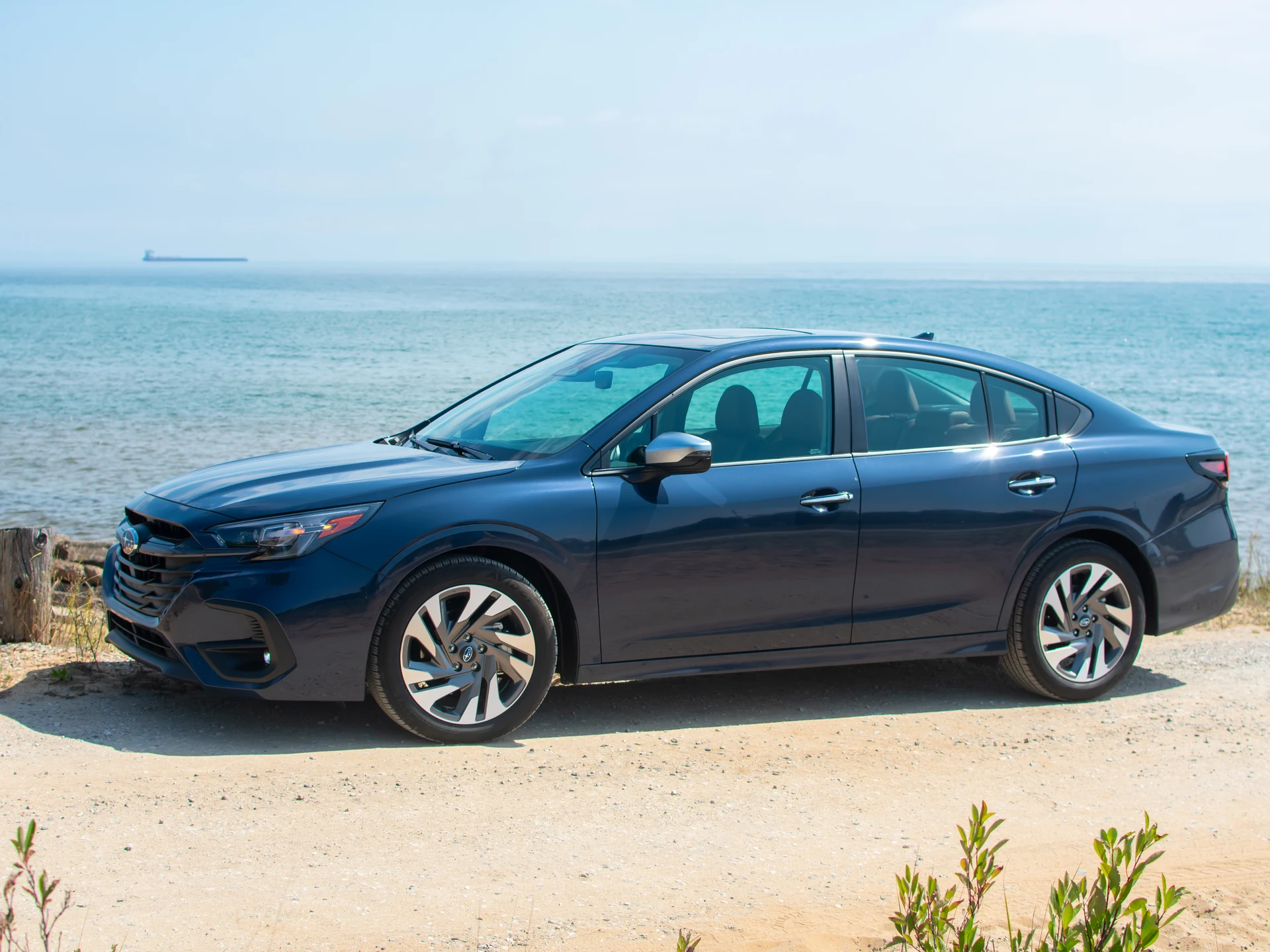
11. Hyundai Sonata: A Comfortable and Tech-Forward Midsize Sedan
Priced from $28,095, the 2025 Hyundai Sonata offers a combination of comfort, technology, and style that is rare at this price point. Its sleek exterior design, highlighted by full-width LED lighting at the front and rear, gives it a modern and upscale look.
Standard features such as a 191-horsepower 2.5-liter four-cylinder engine, blind-spot monitoring, keyless entry, and a 12.3-inch touchscreen with Apple CarPlay and Android Auto make it a strong contender in the midsize sedan category.
The Sonata feels quick in city driving, but acceleration slows once it reaches higher speeds. The Sonata Hybrid version reached 0–60 mph in 8.3 seconds during testing, which is slower than hybrid versions of the Honda Accord and Toyota Camry.
Ride comfort is one of the Sonata’s best qualities, balancing smoothness with composure over uneven roads. Handling is predictable and steady, though the steering lacks connection to the road. The Sonata is easy to drive and excels in daily commuting. Safety technology works well, with helpful features like sideview camera displays in the instrument panel. Rear visibility is limited due to the sloping roof and thick pillars.
Inside, the Sonata is roomy and pleasant. The front seats are supportive, although the padding could be softer for long trips. Rear passengers enjoy generous legroom, while the middle seat feels less comfortable.
Installing child safety seats is simple thanks to well-marked lower anchors, though the top anchors can be difficult to reach. The climate control system works efficiently and maintains a consistent cabin temperature. Road and wind noise are slightly higher than in some rivals but not distracting.
Technology is one of the Sonata’s highlights. The large touchscreen is quick to respond, and wireless smartphone connectivity is easy to use. There are three USB-C ports and a clear surround-view camera system that helps with parking. Storage space is plentiful inside, and the 16-cubic-foot trunk is easy to access, with a wide opening and convenient seat-release levers.
The Sonata represents strong value with its five-year/60,000-mile bumper-to-bumper and 10-year/100,000-mile powertrain warranties. The build quality is solid, though some interior plastics look less refined than those in competitors. The Sonata Hybrid delivers 47 mpg combined, and real-world tests have reached 51 mpg, confirming its strong efficiency.
The Hyundai Sonata stands out as a practical, comfortable, and technology-rich sedan that delivers value and reliability in an attractive package.
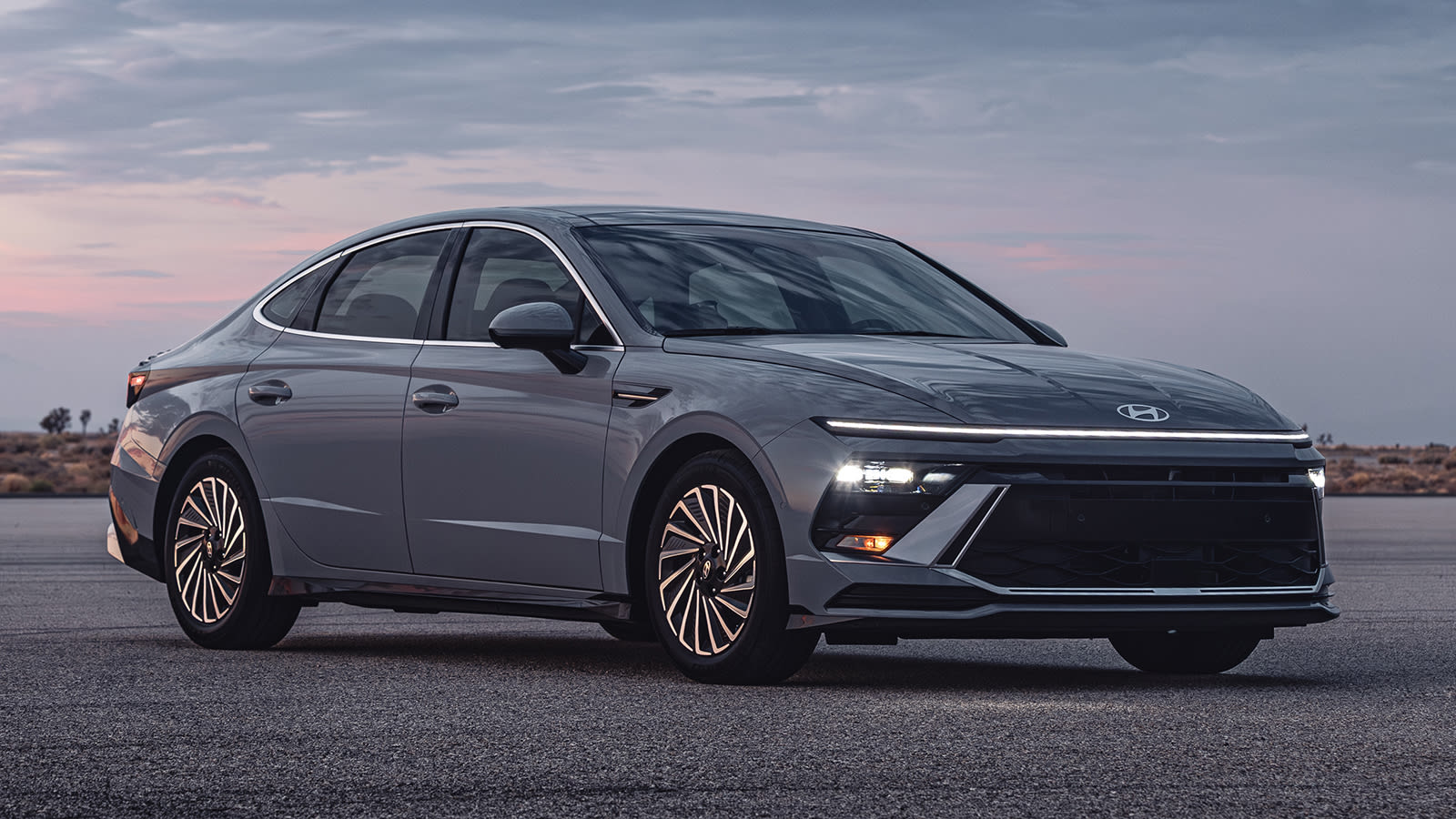
12. Nissan Altima: A Quiet and Practical Everyday Sedan
Starting at $28,140, the Nissan Altima is an affordable midsize sedan that focuses on comfort and ease of use rather than flash or performance.
While it is not the cheapest in its class, the Altima delivers key features such as Apple CarPlay, Android Auto, blind-spot monitoring, and a 2.5-liter engine with 188 horsepower. It may lack upscale equipment and comes with steel wheels and hubcaps, but it still provides solid value for daily driving.
The Altima’s driving character is composed and predictable. The 0–60 mph time of 8.4 seconds is average, and while acceleration is not thrilling, the CVT automatic transmission shifts smoothly and quietly. Ride quality is mixed, as the suspension tends to feel busy on rough roads, and large bumps can be harsh.
On the other hand, stability through long curves is commendable. The ProPilot Assist system enhances highway driving with adaptive cruise control and lane centering, both of which operate smoothly. Rear visibility is limited by the tall trunk and thick pillars, and the low-resolution camera system makes parking less convenient.
Inside, the Altima is comfortable and quiet. The front seats are supportive, and the spacious cabin accommodates both adults and child seats with ease. Controls for climate and infotainment are clear and easy to use. Engine and wind noise are well suppressed, making the cabin peaceful even at high speeds. Large doors simplify entry and exit, and interior storage is sufficient for everyday use.
The 12.3-inch touchscreen feels modern, but the system’s software and graphics seem dated. Navigation works reliably, though most drivers will prefer smartphone integration. The trunk is practical and easy to load, offering good shape and depth for luggage.
Fuel economy is a strong point, with 28 mpg combined for all-wheel drive and up to 32 mpg for front-wheel-drive versions. Despite average build quality and basic materials, the Altima remains an efficient, roomy, and easygoing sedan ideal for drivers seeking comfort and simplicity.
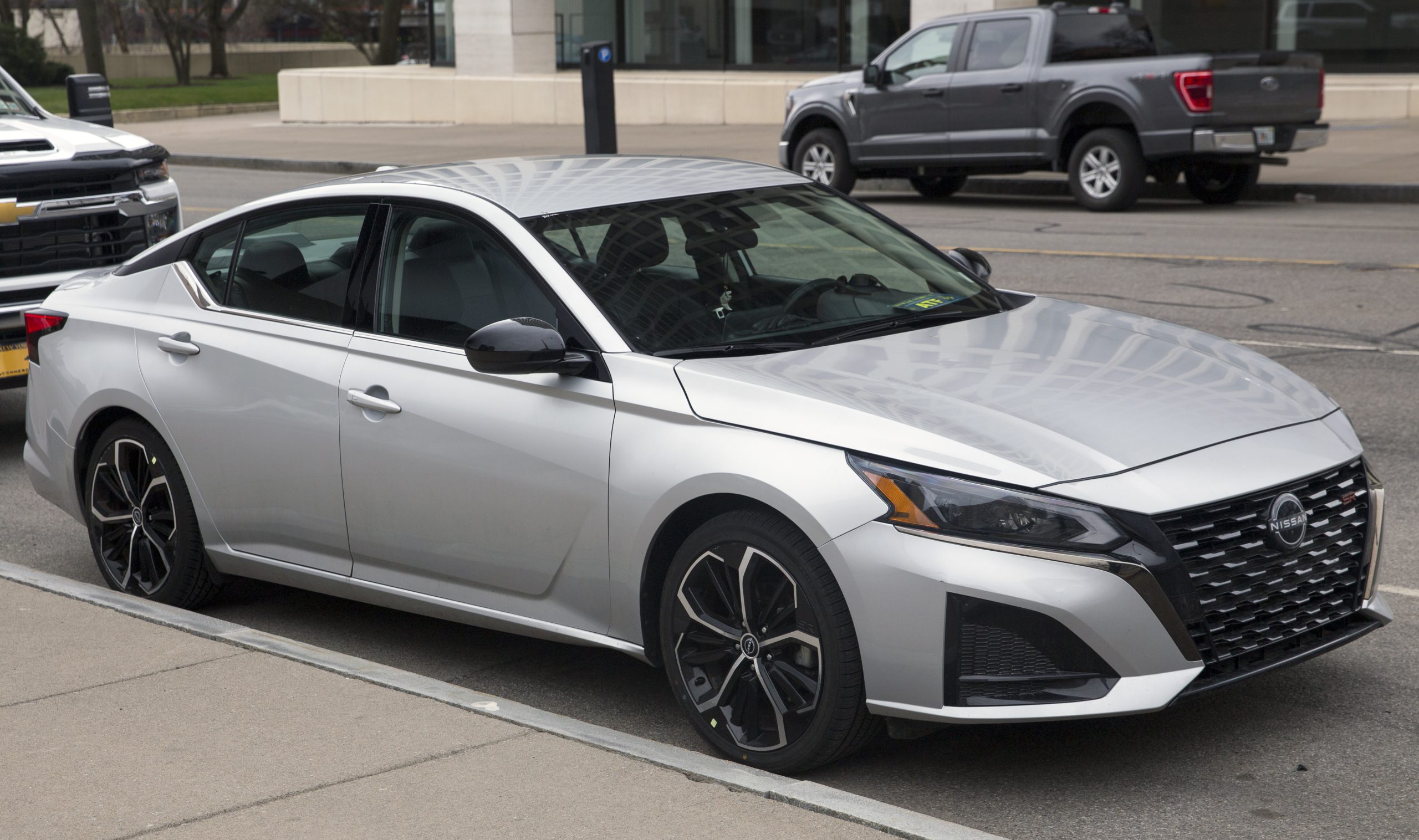
The sedans in this list show that style and affordability can exist side by side. Each one offers a sense of quality that goes beyond expectations, whether through strong design, advanced features, or surprising comfort.
Cars like the Toyota Corolla and Hyundai Elantra stand out for their reliability and efficiency, while the Mazda 3 and Kia K4 provide premium touches at accessible prices. Even budget-friendly models such as the Nissan Versa and Sentra prove that simplicity can still look sophisticated.
For drivers who appreciate design and comfort without wanting to overspend, these vehicles represent some of the best options available today. They prove that a car’s appearance and feel do not depend solely on its price. The 12 sedans that look more expensive than they are remind buyers that luxury and value can come together in one well-balanced package.
Also Read: 5 Cars That Stay Beautiful Over Time vs 5 That Age Ugly