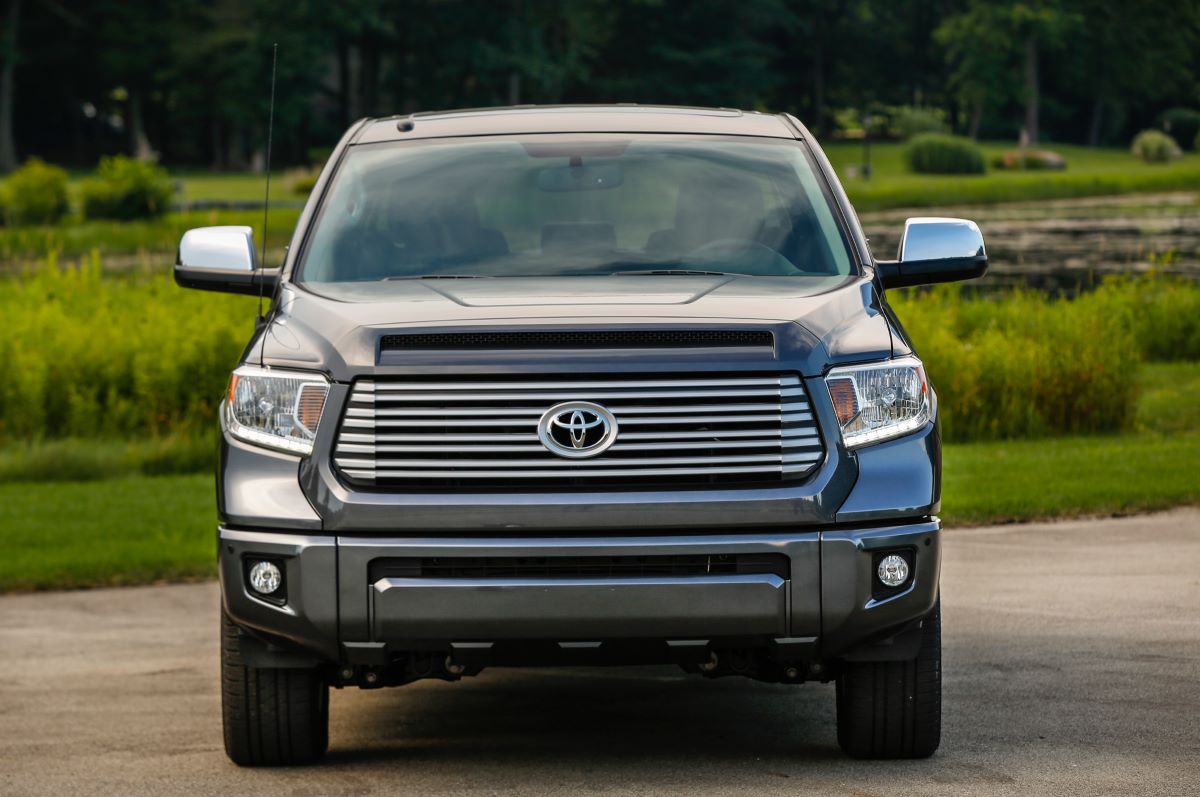
Buying a used truck in the United States is about more than horsepower and towing specs it’s about dependability. Whether you’re hauling lumber, towing a camper, or simply commuting in rough winter weather, reliability determines long-term value.
But the trick isn’t just choosing the right model it’s picking the right year. Every truck generation has its strong and weak periods, and some years become legends among owners for holding up long after others develop costly problems.
The right model year can mean hundreds of thousands of trouble-free miles, while the wrong one can lead to injector replacements, transmission rebuilds, and endless check-engine lights.
Below are ten trucks both mid-size and full-size that have earned reputations for strong reliability in specific years, based on owner reports, repair data, and long-term satisfaction surveys across the U.S.
1. Toyota Tacoma (2013–2015)
When it comes to small truck reliability, few models have the reputation of the Toyota Tacoma.
The 2013–2015 models represent the most bulletproof phase of the previous generation a period when Toyota’s long-refined 4.0-liter V6 and five-speed automatic combination had been perfected.
Owners report exceptional reliability, with many of these trucks surpassing 200,000 miles with only routine maintenance.
This was before the switch to newer transmissions and smaller engines, which introduced more complexity. For U.S. buyers who want an affordable midsize pickup that can handle both city life and trail use, a clean Tacoma from this era is a smart buy.
Just remember to inspect the frame for rust, especially if the truck has spent its life in the Midwest or Northeast.
The 2014 Tacoma carries over much of its previous design, maintaining the same powertrain options while receiving subtle updates inside the cabin and infotainment system.
The Tacoma is Toyota’s compact and midsize pickup truck, positioned below the full-size Tundra. It comes in rear- or four-wheel-drive configurations, with access or double cab options, and is available with either a short or long bed.
For 2014, the Tacoma continues to be one of only two competitors in the compact pickup segment, going head-to-head with the Nissan Frontier.
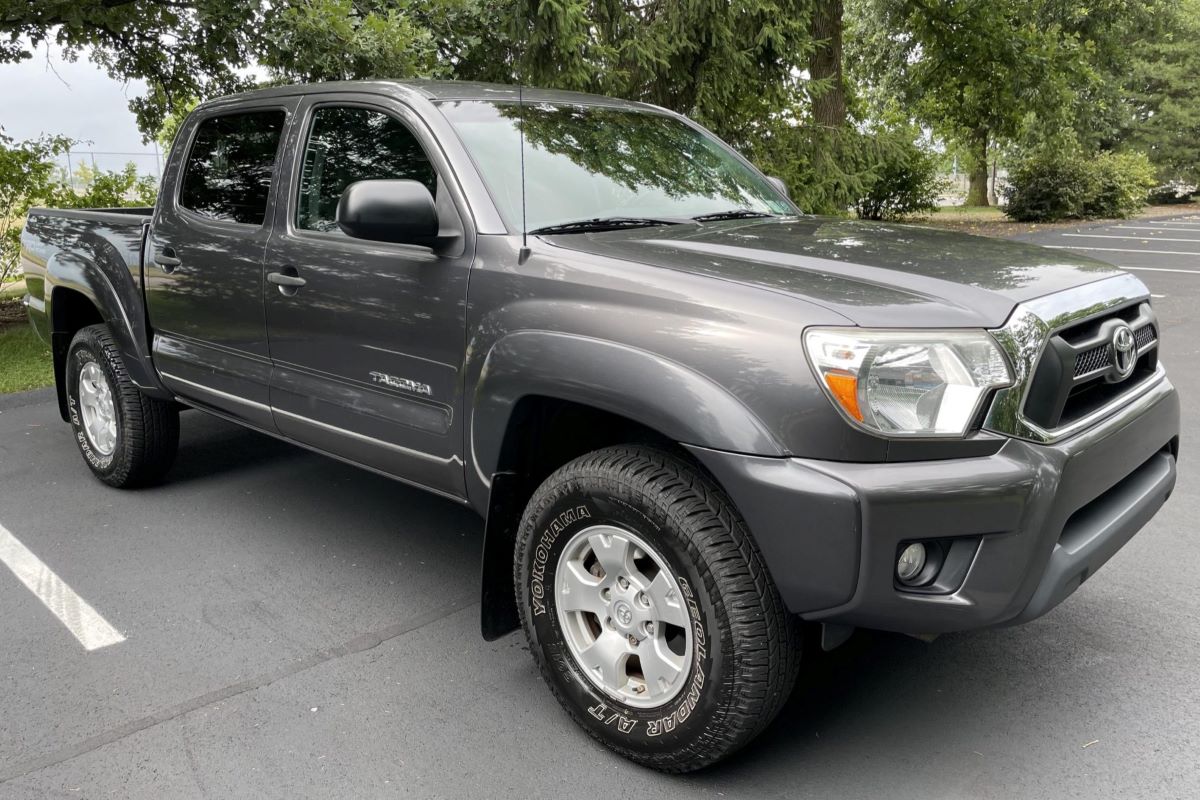
Powertrain options include a 2.7-liter inline-four engine that delivers 159 horsepower and 180 lb-ft of torque, or a 4.0-liter V6 producing 236 horsepower and 266 lb-ft of torque.
Depending on the engine, buyers can choose between four- and five-speed automatics or five- and six-speed manual transmissions. Similar to its SUV counterpart, the 4Runner, the Tacoma performs exceptionally well off-road yet still offers a smooth on-road ride.
With the addition of available TRD performance components, it appeals to a wide variety of drivers, from those seeking a dependable work truck to off-road enthusiasts looking for a capable platform to modify.
Toyota retained the Tacoma’s conservative styling inside and out, making only minor adjustments from the previous model year.
The Entune Premium Audio system is offered in four different configurations depending on trim level. Cloth upholstery comes standard on all models, with leather-like SofTex available as an upgrade.
Also Read: 5 Cheap Cars That Offer Top-Tier Build Quality vs 5 That Don’t Work
2. Toyota Tacoma (2018–2020)
For drivers who want something newer but still dependable, the 2018–2020 Tacoma hits a great balance.
These trucks combine the modern interior and infotainment of the third-generation model with years of refinement that solved many of the early transmission and sensor quirks.
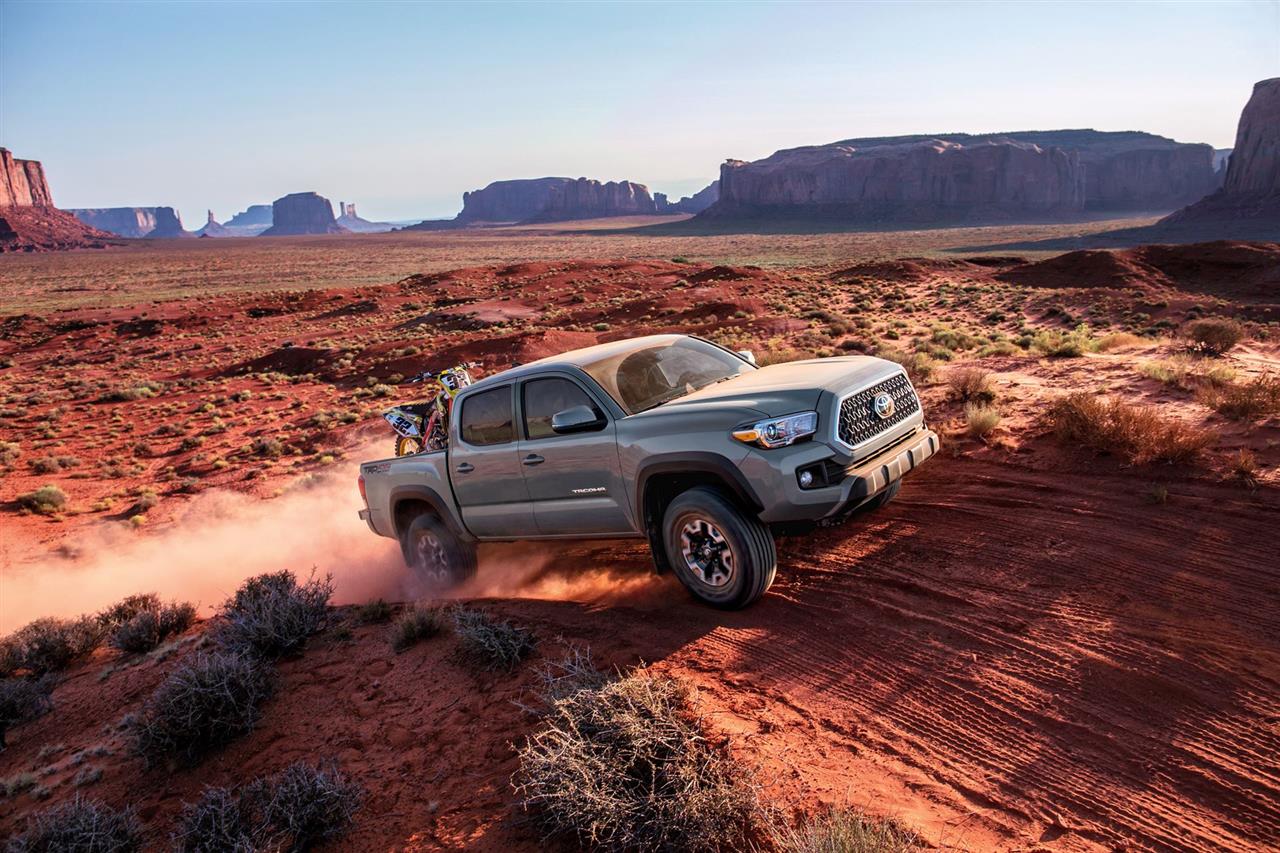
The 3.5-liter V6 may not feel as stout as the older 4.0, but its reliability has proven solid. Buyers benefit from newer safety features and better ride quality while still owning a truck with Toyota’s famous longevity.
These model years sit right before the major 2024 redesign, which makes them an ideal “last of the proven” generation choice.
The 2018 Toyota Tacoma receives several updates, most notably the inclusion of the Toyota Safety Sense-P suite as standard across all trims. The five-speed manual transmission option has been discontinued for the SR and SR5 trims.
New color choices have also been introduced, TRD Sport, TRD Off-Road, and Limited models can now be ordered in Cement, while TRD Pro models gain a new Cavalry Blue exterior shade, replacing Cement.
Additionally, Midnight Black replaces the former Black color on all trims, and all versions except the TRD Pro feature a revised front grille.
The 2018 Toyota Tacoma is a midsize pickup that sits below the full-size Tundra in Toyota’s lineup. It is offered in both rear- and four-wheel-drive configurations, with three cab styles and two bed length options available to suit different needs.
Standard power for the 2018 Tacoma comes from a 2.7-liter inline-four engine producing 159 horsepower and 180 lb-ft of torque, paired with a six-speed automatic transmission.
Buyers can also opt for a more powerful 3.5-liter V6 engine generating 278 horsepower and 268 lb-ft of torque, available with either a six-speed manual or a six-speed automatic transmission.
EPA fuel economy estimates for the four-cylinder Tacoma are 19/23 mpg city/highway for rear-wheel-drive models and 19/22 mpg for those with four-wheel drive.
The V6 engine delivers comparable efficiency, achieving 19/24 mpg in rear-drive form with the automatic transmission and 18/23 mpg when equipped with four-wheel drive. The TRD Pro variant is the least fuel-efficient, returning 18/21 mpg with the manual and 17/20 mpg with the automatic.
When properly equipped, the four-cylinder Tacoma can tow up to 3,500 pounds. Opting for the V6 engine and Tow Prep package significantly increases that capability, the rear-drive Access Cab with a standard bed can tow up to 6,800 pounds, while the four-wheel-drive version handles up to 6,500 pounds.
3. Toyota Tundra (2014)
Among full-size pickups, the 2014 Toyota Tundra stands out for being both tough and simple.
This was the year Toyota refined its second-generation Tundra platform with the strong 5.7-liter V8 and a six-speed automatic that had already proven itself.
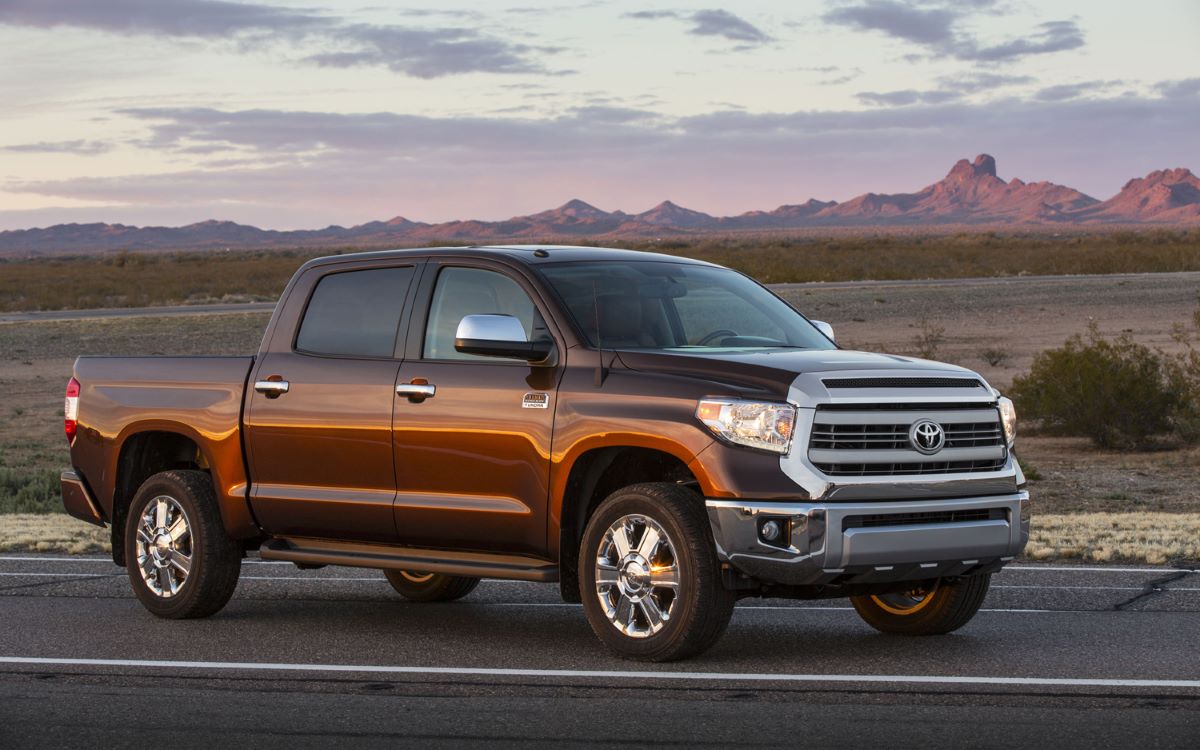
Many U.S. owners report these trucks staying solid well past 250,000 miles with proper maintenance. The 2014 model avoided many of the sensor, emission, and electronics problems that plagued later full-size trucks from domestic rivals.
While fuel economy isn’t a strong point, the Tundra’s reliability and low cost of ownership make it a top recommendation for anyone wanting a no-nonsense, long-lasting hauler.
4. Toyota Tundra (2019)
If your budget stretches to something newer, the 2019 Tundra delivers a modern cabin, updated tech, and a continuation of the tried-and-true 5.7-liter V8 powertrain.
Unlike rivals experimenting with turbocharging and cylinder deactivation, Toyota stuck to what worked. The result is a full-size pickup that still emphasizes durability over gimmicks.
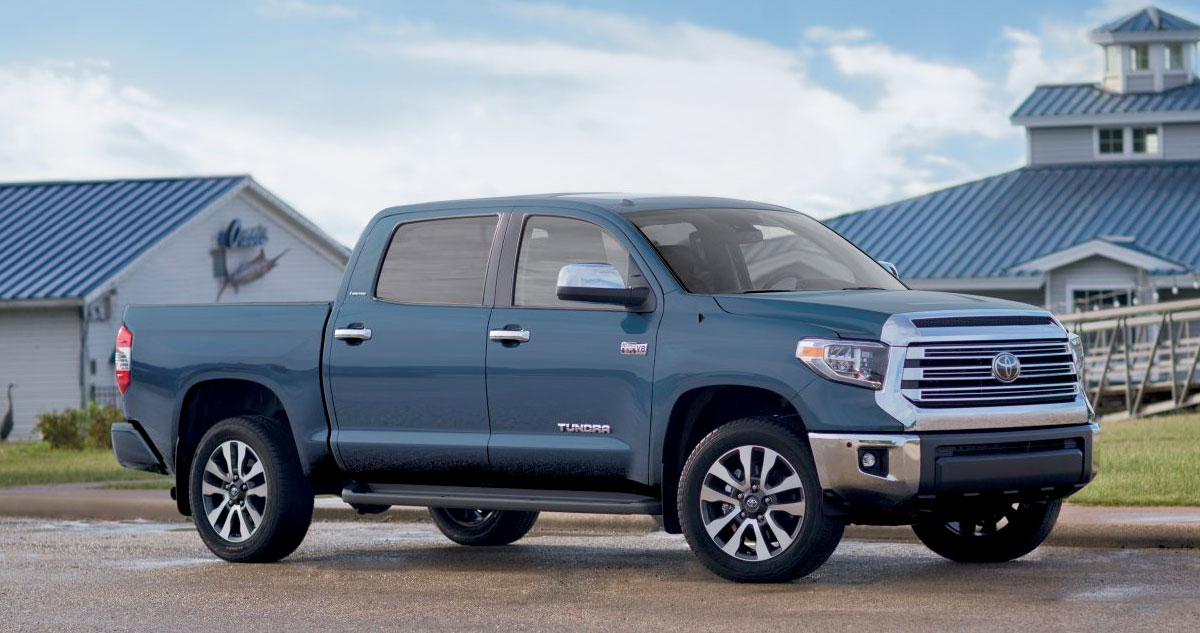
The 2019 model also benefits from improved infotainment and safety systems without adding excessive complexity.
While fuel consumption remains higher than competitors, the tradeoff is clear: this Tundra generation stays reliable even under heavy use, making it a smart investment for contractors, tow enthusiasts, and long-term owners.
When compared to newer and more sophisticated powertrains, the Tundra’s engines and lone transmission setup feel outdated. The base powerplant is a 4.6-liter V8 producing 310 horsepower and 327 lb-ft of torque, while the available 5.7-liter V8 delivers 381 horsepower and 401 lb-ft of torque.
Rear-wheel drive comes standard, with four-wheel drive offered as an option on both engines, though not available across every cab and bed combination. The larger V8 provides decent acceleration but lacks a satisfying exhaust note, and its six-speed automatic transmission operates at a leisurely pace.
The Tundra’s maximum towing capacity of 10,500 pounds is more than sufficient for most drivers, and even its least capable setup can still pull a solid 6,800 pounds.
Although the Tundra isn’t unpleasant to drive, it undeniably feels dated and somewhat behind the curve compared with lighter and more advanced rivals. The firm suspension transmits nearly every road imperfection into the cabin, resulting in a choppy ride over uneven terrain.
Models equipped with upgraded shocks, such as the TRD Pro and those with the TRD Off-Road package, offer a slight improvement, helping to better control body motion through corners and smooth out rough surfaces.
Steering feedback is minimal, with the Tundra’s light and numb steering requiring frequent adjustments at highway speeds. The braking system performs adequately, bringing the truck to a stop from 70 mph in a moderate 190 feet; however, the brake pedal offers limited feedback and has inconsistent travel.
Also Read: 15 Cars With the Best MPG Without Hybrids
5. Ford F-150 (2015–2017)
The Ford F-150 has long been America’s best-selling vehicle, but not every year has aged well. The 2015–2017 models, however, are known for being a safer used buy, especially when equipped with the 5.0-liter naturally aspirated V8.
This generation introduced the aluminum body, which initially raised concerns but ultimately proved resistant to corrosion.
More importantly, Ford had by then refined many of its drivetrain components, avoiding the transmission issues of earlier years.
The 5.0 V8 models are simpler and easier to maintain than EcoBoost versions, offering years of dependable performance. If you want an American truck that blends modern design with good repairability, these F-150 years strike the right balance.
The redesigned 2015 Ford F-150 introduces a new EcoBoost 2.7-liter turbocharged V6 engine that delivers 325 horsepower and 375 lb-ft of torque, expanding its range of powertrain options.
Among the new features are a 360-degree camera system, integrated loading ramps for ATVs, mowers, and motorcycles, LED headlights and taillights, and a rearview camera with trailer hitch assist for easier towing.
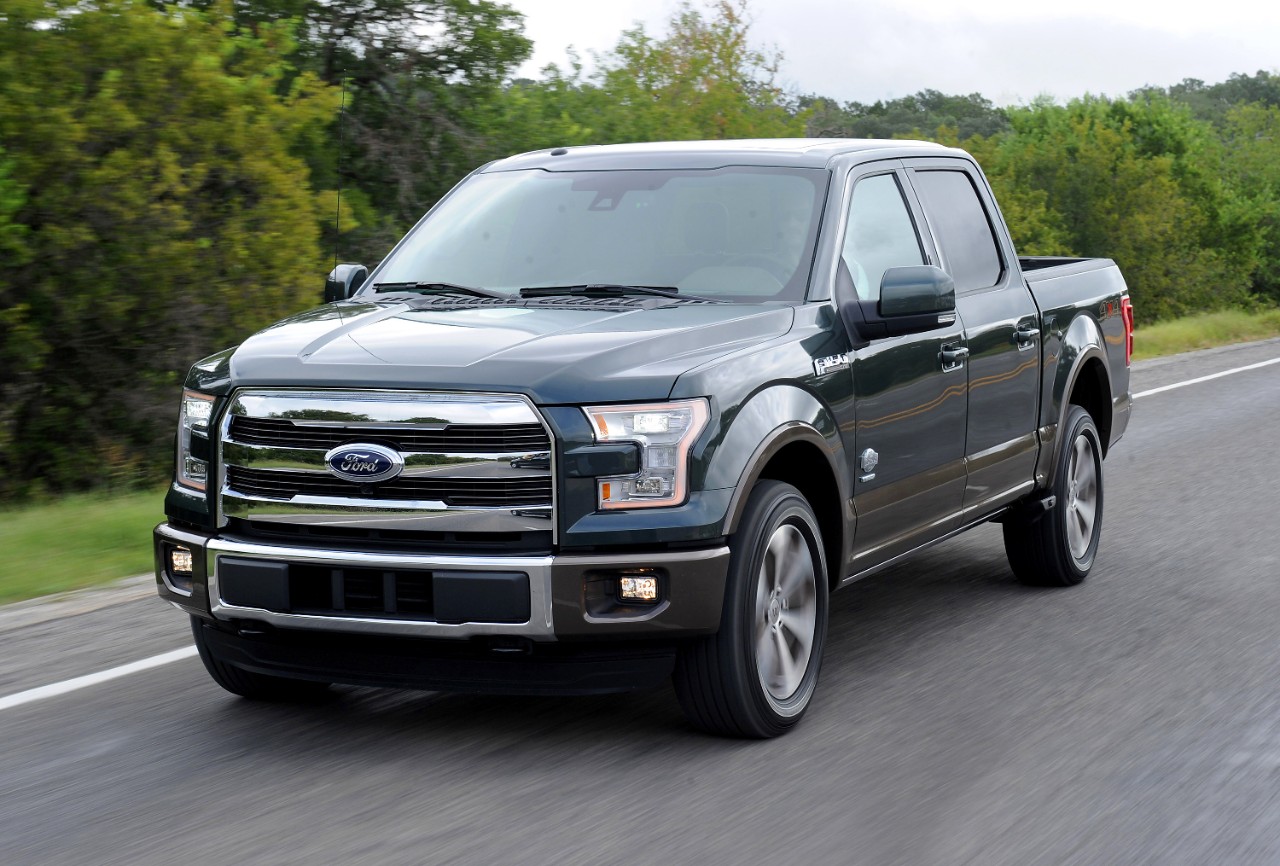
The 2015 F-150 is a full-size pickup truck available with four engine options, five trim levels, three cab configurations, and three bed lengths. Buyers can choose between rear-wheel or four-wheel drive, offering flexibility for both work and everyday driving needs.
Alongside the new twin-turbo 2.7-liter V6, the 2015 F-150 lineup includes several other powertrains: a twin-turbo 3.5-liter V6 producing 365 horsepower and 420 lb-ft of torque, a 5.0-liter V8 generating 385 horsepower and 387 lb-ft, and a naturally aspirated 3.5-liter V6 rated at 283 horsepower and 255 lb-ft of torque.
The lighter construction of the redesigned model enhances handling without compromising ride comfort. Off-road performance remains a key strength thanks to the truck’s rigid frame, which enables it to handle rough terrain with confidence.
Ford has also added an off-road monitor that tracks vehicle pitch, roll, and steering angles to assist when navigating challenging surfaces.
Inside, the 2015 F-150 offers a premium experience with high-quality materials and an array of advanced technology.
6. Chevrolet Colorado (2020)
The Chevrolet Colorado had a rocky start after its 2015 revival, but by 2020, it had matured into one of the most reliable midsize pickups available.
This year brought improved electronics, stronger materials, and fewer early production bugs. Both the 3.6-liter V6 and the 2.8-liter Duramax diesel are known to perform well with proper maintenance.
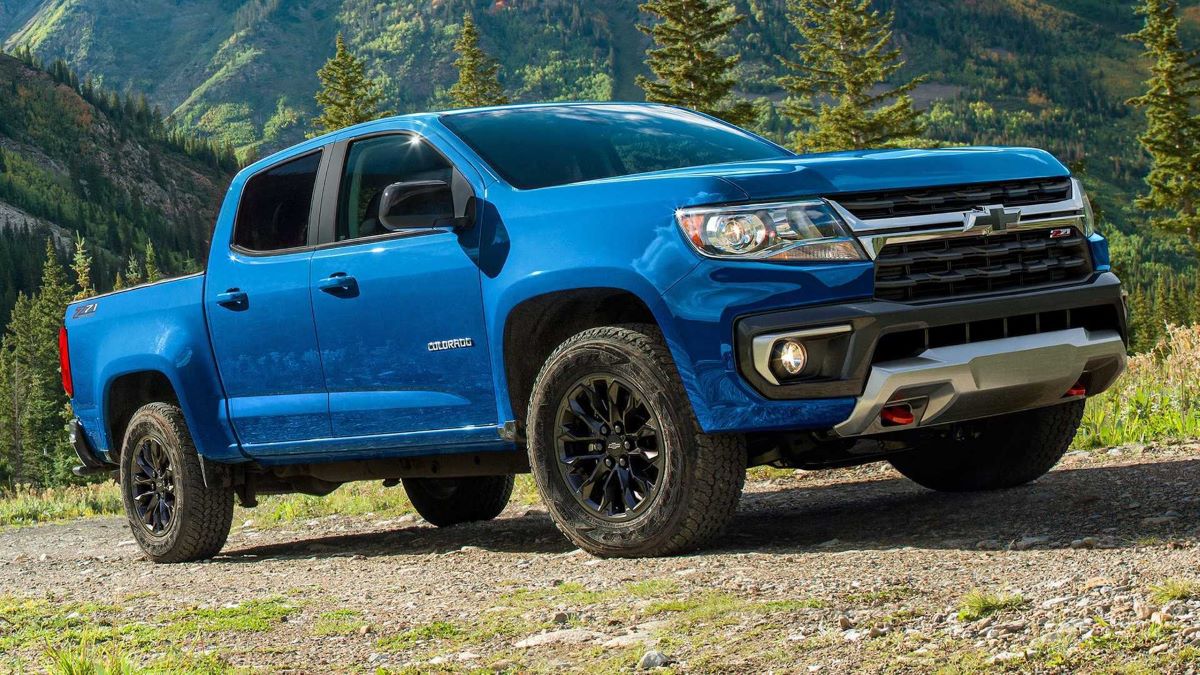
For U.S. buyers looking for something easier to park and more fuel-efficient than a full-size, the 2020 Colorado stands as a great used buy. It also offers solid towing numbers for its class and more comfortable road manners than many rivals.
7. Nissan Frontier (2019)
The 2019 Nissan Frontier is a rare case where old design becomes a reliability advantage. By this point, Nissan’s mid-size truck hadn’t changed much in over a decade and that’s a good thing.
Its 4.0-liter V6 and five-speed automatic were proven beyond question, and the mechanical simplicity translated to fewer failure points.
Many owners report these trucks as near “appliance-level” reliable they just keep running.
The 2019 Frontier lacks the modern tech and cabin refinement of newer trucks, but if you value dependability and low running costs, it’s one of the most worry-free midsize pickups you can buy.
Despite remaining largely unchanged for more than a decade, the 2019 Nissan Frontier continues to sell strongly. Meanwhile, most of its midsize pickup rivals have received major updates or complete redesigns during that same period.
The Frontier’s dated design and simple interior may not impress those seeking modern style, but its rugged, low-cost cabin and versatile cargo bed appeal to buyers prioritizing practicality and value.
It also delivers a comfortable ride and capable towing performance at an affordable price. Still, shoppers looking for advanced powertrains, contemporary technology, or refreshed styling will likely prefer newer competitors.
Rumors of a fully redesigned Frontier have circulated for years, with the latest reports suggesting that a new version is expected to debut in 2020.
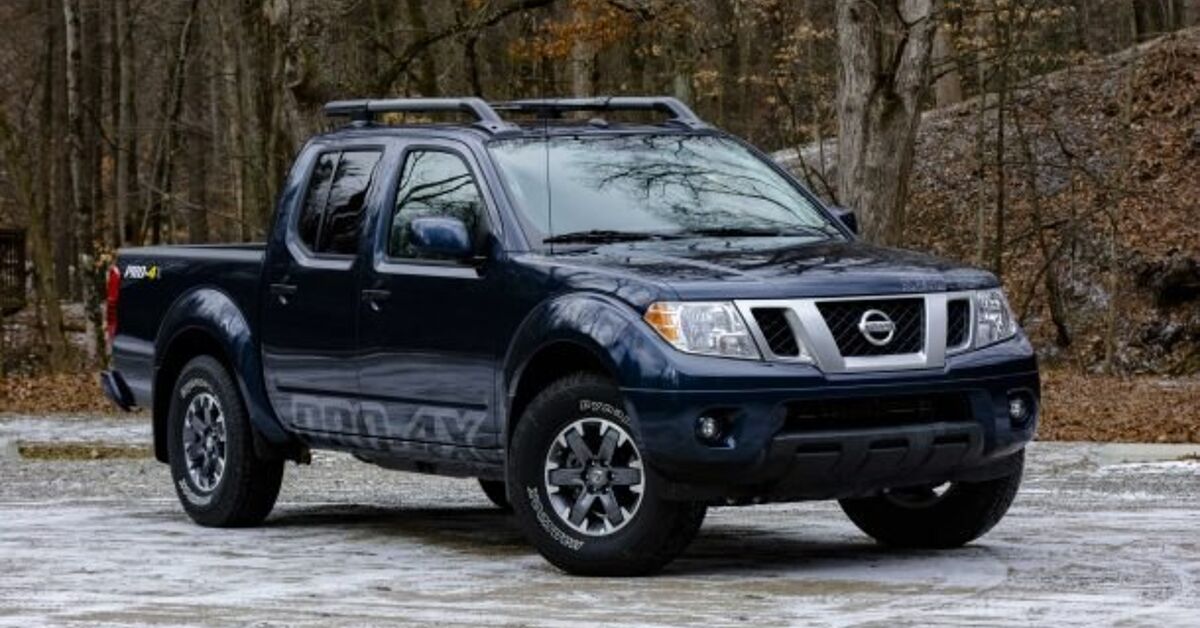
Until that happens, the current Frontier continues largely unchanged for 2019, receiving only a few minor updates. These include a newly standard 7.0-inch touchscreen display and expanded availability of Cayenne Red paint across more trim levels.
We recommend the mid-level SV trim equipped with the optional V6 engine, five-speed automatic transmission, and rear-wheel drive. For those in colder climates or who often encounter snowy conditions, the $2890 four-wheel-drive option is well worth it.
The King Cab configuration, featuring small rear seats and rear-hinged back doors, offers a good balance of practicality and space, whereas the Crew Cab provides limited rear legroom and may not suit all buyers.
Adding the SV Value Truck Package enhances comfort and utility with dual-zone automatic climate control, heated front seats, a trailer hitch, spray-in bedliner, sliding bed extender, cargo-box channel system with adjustable tie-downs, and rear parking sensors.
The 2019 Frontier features one of the least powerful V6 engines in its class and pairs it with an aging five-speed automatic transmission, while competitors now offer more advanced setups, including eight-speed automatics.
Nonetheless, its towing capability remains competitive. For enthusiasts who prefer shifting manually, the four-cylinder engine can be paired with a five-speed manual gearbox, while the V6 version offers a six-speed manual option.
Our testing involved a Frontier equipped with the V6 and the off-road-oriented Pro-4X trim. While it didn’t feel sluggish in everyday driving, the engine sounded coarse under load, and the five-speed automatic was slow to respond to upshifts or downshifts.
Ride comfort on smooth roads was adequate, but the Frontier’s handling lacked precision due to vague steering feedback and noticeable body roll.
The soft suspension and slow steering benefited off-road driving but compromised control during emergency maneuvers. Although this suspension setup did a good job absorbing most bumps, rougher surfaces revealed cabin squeaks and vibrations.
In braking tests, the Frontier took 189 feet to stop from 70 mph, longer than most of its rivals except for the Honda Ridgeline (195 feet). The brake pedal felt soft, with excessive travel, and hard braking caused a pronounced nose dive.
8. Honda Ridgeline (2021)
While some traditional truck fans dismiss the Ridgeline for its unibody construction, its reliability record is among the best in the business.
The 2021 Ridgeline, in particular, benefited from a refreshed design, updated styling, and Honda’s signature dependability.
It’s not designed for heavy towing or hardcore off-roading, but for everyday use commuting, weekend hauling, or light trailer duty it’s ideal. Many American owners choose the Ridgeline precisely because it feels more like a comfortable SUV that happens to have a bed.
The combination of refinement, strong resale value, and consistent reliability makes this one of the smartest practical truck buys on the market.
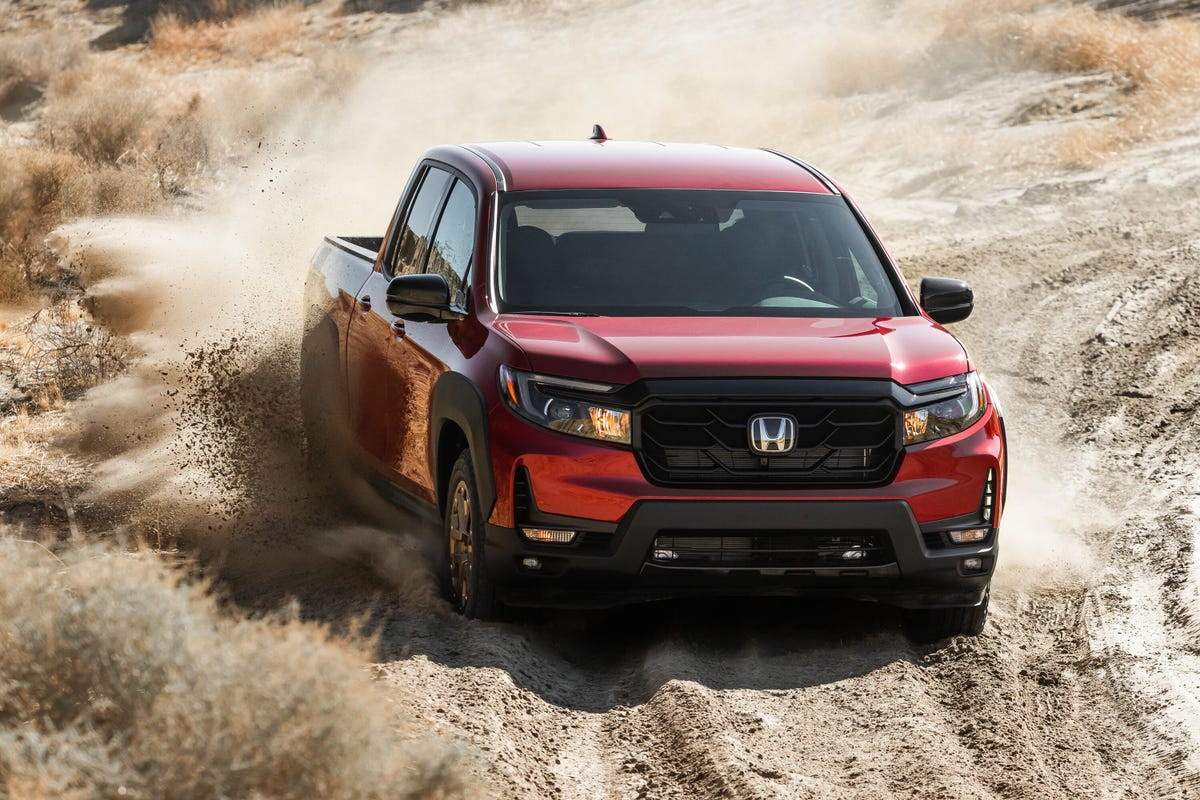
The Honda Ridgeline has held its position as our top-rated midsize pickup truck for quite some time. No other truck in the segment can match its refined ride quality, clever storage solutions, and quiet, comfortable cabin.
It also provides sufficient towing, hauling, and off-road capabilities to handle nearly all work or recreational needs. For 2021, Honda has made a few updates to give the Ridgeline a more rugged and distinctive appearance.
It might sound a bit ironic, but Honda’s goal for the 2021 Ridgeline was to make it look more like a traditional truck rather than a Honda Pilot SUV with a cargo bed attached. The new sheet metal from the windshield forward gives the front end a bolder, more squared-off design.
At the back, the Ridgeline gains a redesigned rear bumper and a sporty dual exhaust setup. To further enhance its rugged appeal, Honda introduced a new HPD (Honda Performance Development) appearance package featuring squared-off fender flares, distinctive graphics, and bronze-colored wheels.
Beyond these cosmetic tweaks, Honda made few mechanical or interior changes. The most notable updates include standard all-wheel drive across all trims and the addition of a much-appreciated volume knob for the infotainment system.
Other than these refinements, the 2021 Ridgeline remains the same well-rounded and capable pickup that drivers have come to appreciate.
9. GMC Sierra 1500 (2018–2020)
For those who want a full-size pickup with a touch of luxury, the 2018–2020 GMC Sierra 1500 offers the best blend of reliability and comfort. By this period, GM had addressed earlier generation issues with electronics and transmission tuning, leading to higher owner satisfaction.
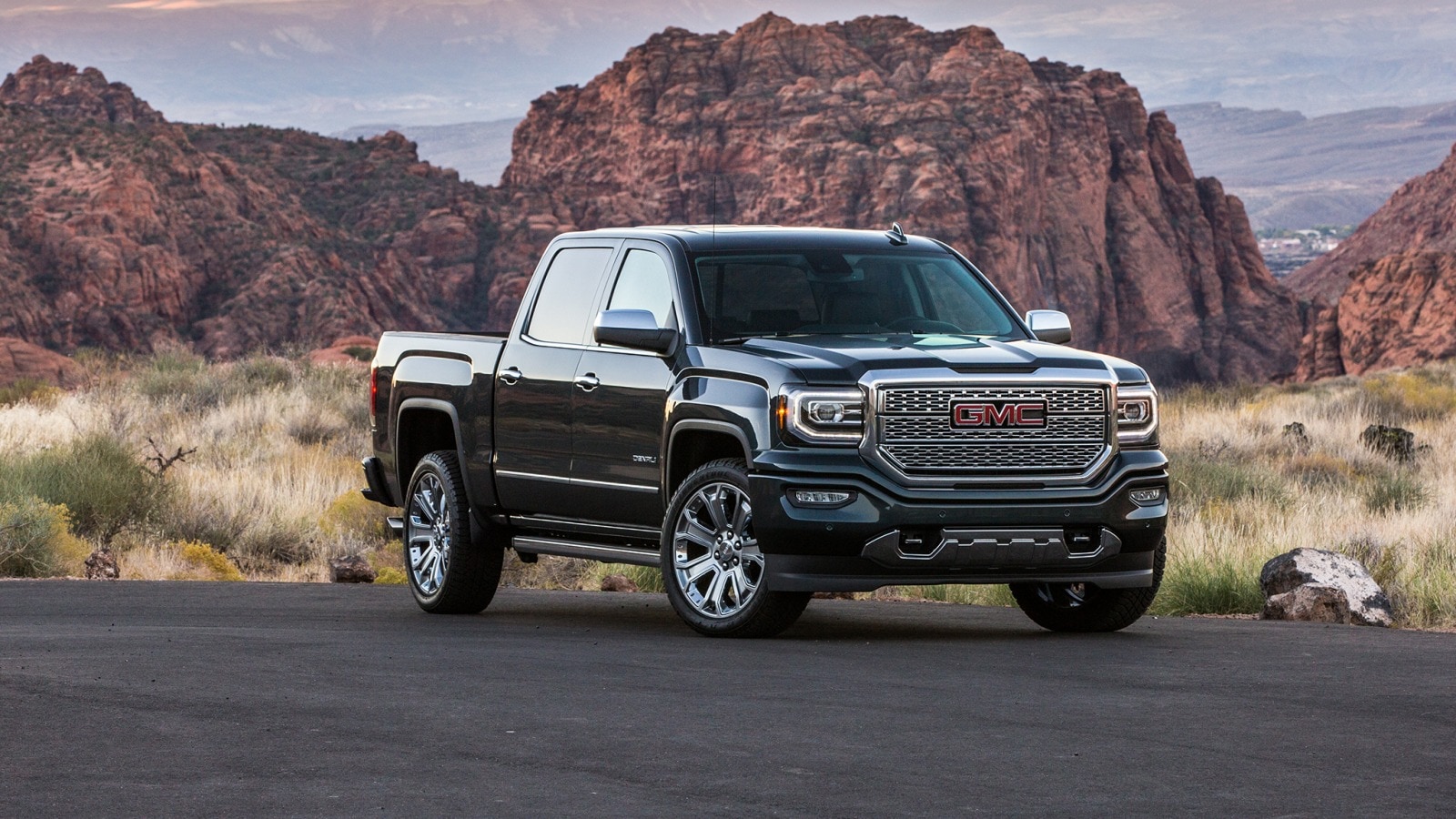
The 5.3-liter V8 is a particularly good option, offering a balance of power and proven reliability. The Sierra also delivers one of the smoother rides in the segment, with upscale interiors that make long-distance driving easy.
While maintenance costs are higher than smaller trucks, these years stand out as among the most dependable GM pickups in recent memory.
10. Ram 1500 (2022)
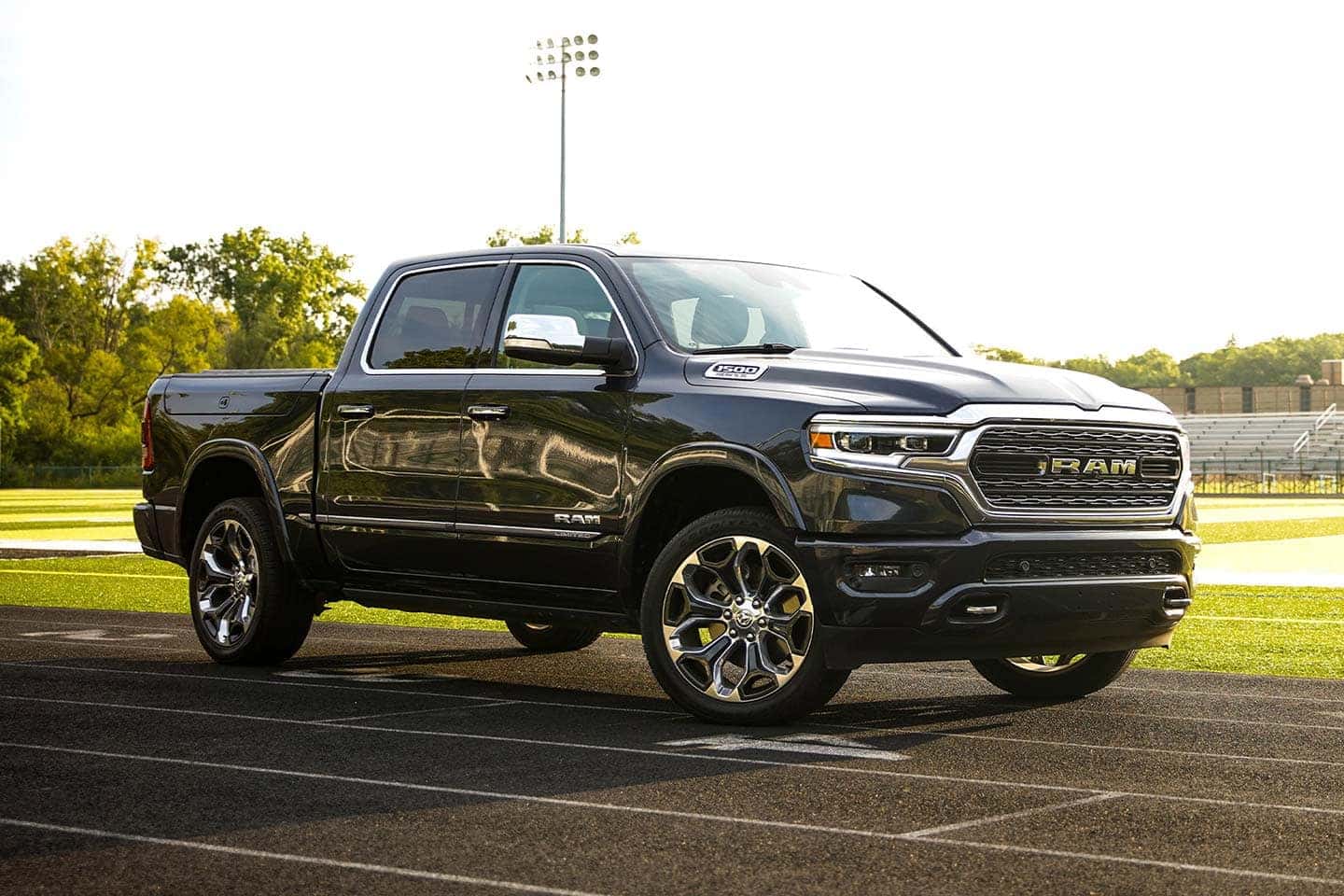
Newer trucks often carry risk due to unproven designs, but the 2022 Ram 1500 breaks that pattern. This model year built upon the already strong 2019 redesign, with most early issues resolved.
It received excellent scores for ride comfort, interior quality, and dependability. The 5.7-liter Hemi V8 continues to be a reliable workhorse, and even the eTorque mild-hybrid system has held up well.
For buyers wanting something that feels new but still dependable, the 2022 Ram 1500 offers one of the strongest reliability records among recent full-size trucks.
Reliability isn’t just about the badge it’s about timing. Every truck model goes through cycles of improvement and growing pains, and picking the right year means finding the sweet spot where the bugs are worked out but before cost-cutting or unnecessary tech starts creeping in.
Toyota continues to dominate in both the midsize and full-size categories thanks to its emphasis on proven mechanicals, but domestic brands like Ford, GMC, and Ram have made serious gains in recent years.
No matter which truck you choose, focus on maintenance history, regional rust exposure, and how it was used. A lightly used truck from a careful owner will always outlast a neglected one from the same year.
Ultimately, the trucks listed here from the Tacoma to the Ram 1500 represent model years where engineering maturity, owner satisfaction, and long-term dependability align.
Buy one of these in good condition, and you’ll have a vehicle ready to deliver reliable service for years to come, whether it’s hauling, towing, or just carrying you through every mile of the American road.