
Electric vehicles have come a long way from the niche, experimental machines they once were. What was once a futuristic dream for early adopters is now a mainstream reality, with EVs parked in suburban driveways and charging stations popping up at grocery stores, gas stations, and even highway rest stops.
Yet, as the market matures, one thing has become increasingly clear: not all EV charging systems are created equal.
For American drivers, who depend on reliable charging both at home and on the road, the quality and dependability of an EV’s charging hardware can make or break the ownership experience.
While factors like battery range and driving performance often dominate EV conversations, charging hardware remains the unsung hero, or villain, of electric mobility.
Plug design, connector quality, port positioning, and charging speed all play major roles in how convenient and durable your daily charging experience will be.
Some automakers have clearly nailed the formula, offering affordable EVs that charge smoothly, consistently, and without fuss.
Others, however, still struggle with finicky connectors, inconsistent charging speeds, or poor port placement that can leave drivers frustrated, especially during cold weather or long-distance travel.
To help you navigate this crucial but often overlooked part of EV ownership, we’ve compiled two lists: five affordable EVs that have earned a reputation for bulletproof, reliable charging systems, and five that, while appealing in other areas, still need improvement when it comes to charging hardware.
Whether you’re shopping for your first electric car or looking to upgrade from an early model, understanding how these systems differ can save you time, money, and headaches down the road.
5 Affordable EVs With Bulletproof Charging Hardware
Electric vehicles have come a long way from being niche experiments to becoming practical, everyday cars for millions of drivers across the United States.
Yet, one of the biggest questions that still lingers among EV shoppers isn’t just about range or battery life, it’s about reliability at the plug.
That’s where some automakers truly shine. A handful of affordable EVs, those that won’t break the $40,000 mark, have proven themselves with durable, user-friendly, and consistent charging hardware.
These models deliver dependable performance whether you’re plugging in at home or connecting to a public fast charger on a road trip.
From secure connectors that withstand repeated use to well-integrated charging management systems that communicate seamlessly with the grid, these vehicles set the standard for reliability in the growing EV market.
In this section, we’ll explore five affordable electric vehicles that stand out for their bulletproof charging setups. These are the models that make powering up feel effortless, safe, and consistent, no fiddling with finicky plugs or waiting for software glitches to resolve.
Whether you’re a first-time EV buyer or simply looking for a trustworthy daily driver, these cars prove that going electric doesn’t mean compromising on dependability.
1. Chevrolet Bolt EV / EUV
Despite its earlier battery recall woes, the Chevrolet Bolt lineup has matured into one of the most reliable and affordable EVs in the U.S. today, especially when it comes to charging hardware.
Equipped with a robust CCS (Combined Charging System) port, the Bolt supports consistent DC fast charging up to 55 kW, which isn’t industry-leading but is remarkably stable. The charging port itself is reinforced and well-sealed, showing minimal degradation even after repeated use.
Owners frequently praise its compatibility across numerous public chargers, especially Electrify America and EVgo stations. The Bolt’s onboard 11.5-kW AC charger also makes home charging quick and dependable, turning it into one of the most user-friendly EVs for budget-conscious Americans.
The 2023 Chevrolet Bolt has made an impressive comeback, from nearly being discontinued to becoming one of the most talked-about electric vehicles on the market.
Once on the brink of extinction, it now grabs headlines for all the right reasons: a major price cut that makes it the most affordable EV currently available in the United States.
While GM has confirmed that 2023 marks the final year for this version of the Bolt, the automaker has also reassured fans that a next-generation model is already in development.
The Chevrolet Bolt EV was once celebrated as a pioneer in green commuting, leading the way for accessible electric mobility. Today, it’s back in the spotlight, not for groundbreaking tech, but for unbeatable value.
The 2023 Bolt EV’s price has dropped by $5,900, following an earlier reduction the year before. Altogether, since 2021, its MSRP has plummeted by nearly $11,000, securing its spot as the most affordable EV in the American market, even undercutting the Nissan Leaf.
This price reduction couldn’t have come at a better time. The Bolt had started to fade into the background amid a flood of new, more advanced electric rivals.
Chevrolet has kept the Bolt’s powertrain unchanged for 2023, and that’s not a bad thing. The hatchback is powered by a 65-kWh battery pack that sends 200 horsepower and 266 lb-ft of torque to the front wheels.
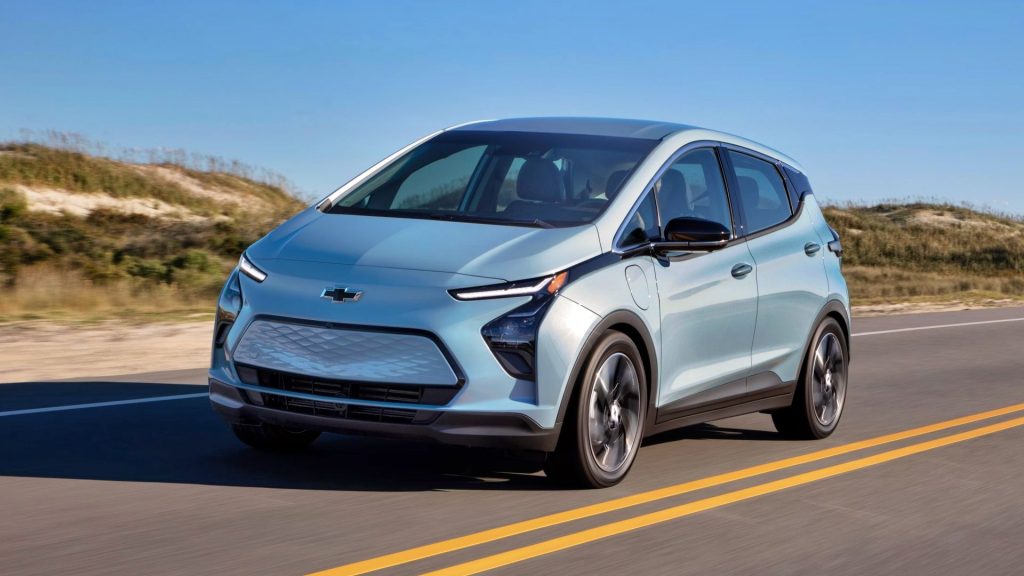
It sprints from 0 to 60 mph in a brisk 6.4 seconds and features a one-pedal driving mode, which can be activated via a button on the console for those who enjoy smoother, brake-free operation.
The previous model was rated by the EPA at 120 MPGe, and the 2023 version is expected to deliver similar figures. Chevy estimates a driving range of 259 miles per charge and a full recharge time of around seven hours using a 240-volt Level 2 charger.
These numbers compare favorably against competitors like the Nissan Leaf and even the base Tesla Model 3, making the Bolt a strong contender in the affordable EV segment.
Interestingly, one of the Bolt EV’s closest competitors is its own sibling, the slightly larger Bolt EUV. For 2023, the EUV receives an even steeper price reduction of $6,300, further narrowing the gap between the two models. Even with the discount, the EUV remains about $1,600 pricier than the standard Bolt EV.
That extra cost primarily translates to added passenger comfort, offering roughly three more inches of rear legroom. Beyond that, the differences are minimal.
In short, the 2023 Chevrolet Bolt lineup proves that affordability doesn’t have to mean compromise. Both versions offer solid range, spirited performance, and practical features, qualities that make them stand out in a crowded EV market.
Whether you choose the compact Bolt EV or the roomier Bolt EUV, you’re getting one of the most budget-friendly electric cars in America with charging hardware and driving dynamics that punch well above their price tag.
2. Hyundai Kona Electric
The Hyundai Kona Electric combines affordability with Hyundai’s reputation for reliability, and that extends to its charging system.
Its CCS port is weather-resistant, backed by solid build quality and durable materials. The Kona’s onboard charger supports up to 7.2 kW for home use, and while its 77-kW DC fast charging limit isn’t groundbreaking, it’s impressively consistent.
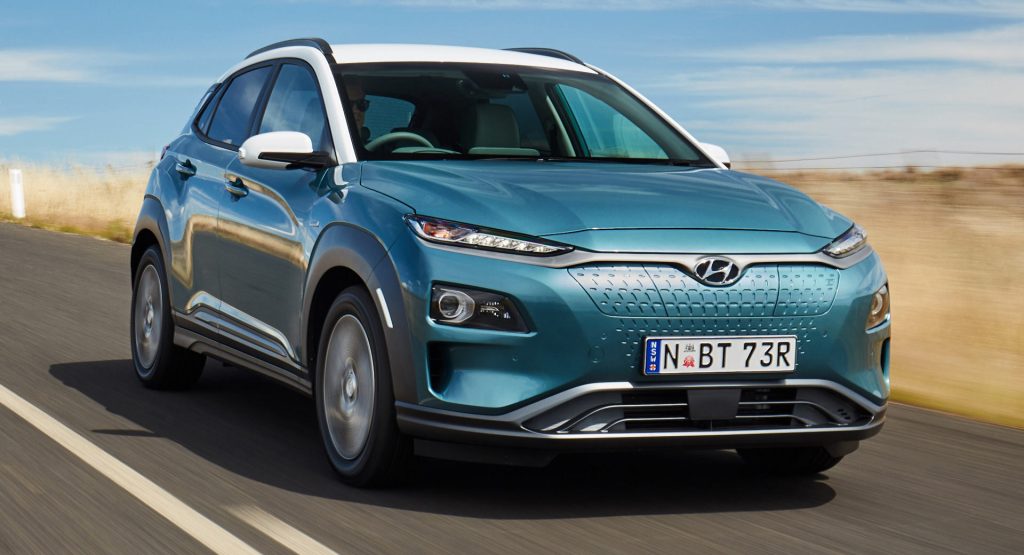
Even in sub-freezing temperatures, a challenge for many EVs, the Kona maintains a predictable charging curve. Hyundai’s use of high-grade materials and strong port placement (located on the front grille for easy access) make it a standout in the sub-$40,000 EV segment.
3. Tesla Model 3 (Rear-Wheel Drive)
Tesla’s proprietary charging connector is arguably the most refined and reliable on the market, and even the base Model 3 benefits from this engineering prowess.
The North American Charging Standard (NACS) plug is smaller, lighter, and more durable than the CCS connector used by most competitors. It locks securely and is capable of delivering ultra-fast charging speeds, up to 170 miles of range in just 15 minutes at a Supercharger station.
Moreover, the vast Supercharger network, which Tesla is opening to other brands, ensures that Model 3 owners rarely experience connectivity or reliability issues. Tesla’s hardware isn’t just fast, it’s bulletproof, both physically and technologically.
The Tesla Model 3 is available in three distinct trims, each catering to different performance preferences and budgets. These include the single-motor rear-wheel-drive (RWD) Standard Range Plus, as well as two dual-motor all-wheel-drive (AWD) versions: the Long Range and the Performance.
Naturally, prices rise with each trim level, and additional features or upgrades can further affect the cost. But before diving into customization options, it’s worth understanding what each version delivers in terms of performance and range.
Starting with the most affordable option, the Standard Range Plus is the entry-level Model 3. This trim features a single-motor RWD setup powered by a 50-kWh battery pack.
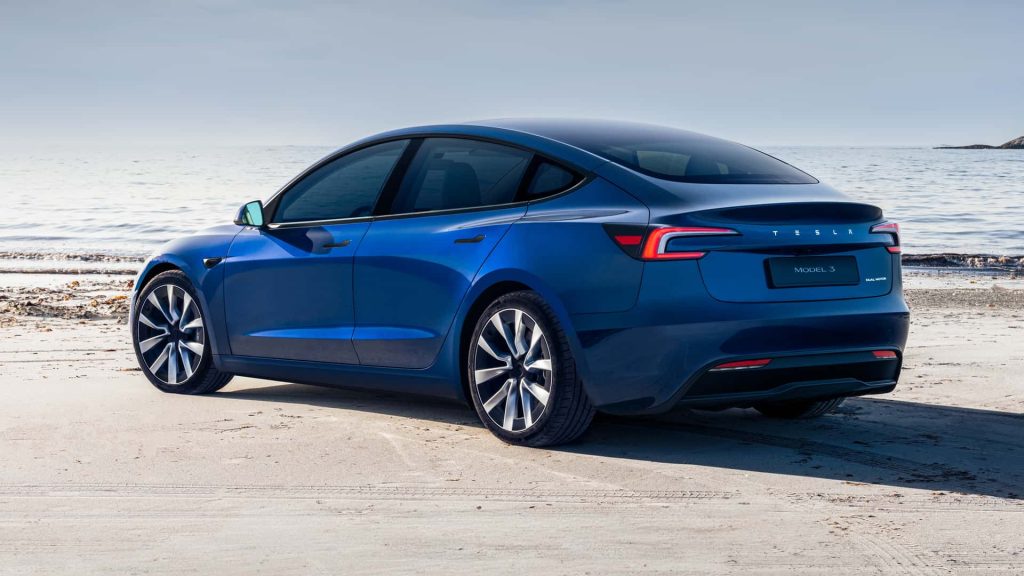
It offers an estimated driving range of 263 miles, a top speed of 140 mph, and can accelerate from 0 to 60 mph in just 5.3 seconds. Though it’s the simplest of the three, the Standard Range Plus still provides plenty of power and efficiency for everyday commuting and road trips.
Moving up, the Long Range Model 3 introduces dual motors and AWD capability, significantly enhancing both traction and overall performance.
Equipped with a larger 82-kWh battery, it boasts an estimated range of 353 miles, the highest among all Model 3 variants.
It also improves acceleration, reaching 60 mph in 4.2 seconds and achieving a top speed of 145 mph. This trim strikes an excellent balance between performance and long-distance efficiency, making it a favorite for drivers who prioritize both power and practicality.
At the top of the lineup sits the Model 3 Performance trim. Like the Long Range, it features a dual-motor AWD system and the same 82-kWh battery, but it’s tuned for speed rather than efficiency.
The Performance version delivers an estimated 315 miles of range, slightly less than the Long Range, but compensates with remarkable acceleration, launching from 0 to 60 mph in just 3.1 seconds and reaching a top speed of 162 mph.
It’s designed for those who want a true sports sedan experience without sacrificing Tesla’s hallmark electric efficiency.
Regardless of the trim, every Model 3 includes seating for up to five passengers and offers 23 cubic feet of cargo space, combining practical interior design with sleek, futuristic styling.
Whether you prioritize affordability, extended range, or exhilarating speed, the Model 3 lineup ensures there’s an option to match nearly every driver’s needs.
4. Nissan Leaf (with CHAdeMO Port)
Although CHAdeMO is slowly being phased out in favor of CCS, the Nissan Leaf’s long-running charging setup deserves recognition for its durability and reliability. The Leaf’s dual-port system, CHAdeMO for DC fast charging and Type 1 for AC charging, has been proven over a decade of use across millions of vehicles worldwide.
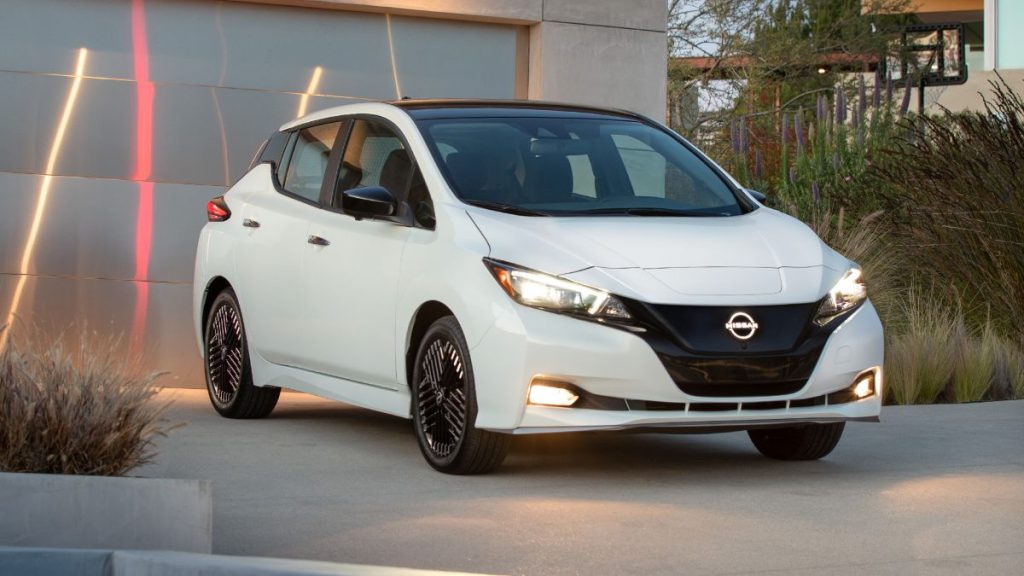
Owners often report flawless performance even after years of regular plugging and unplugging. While its compatibility is shrinking in the U.S., the Leaf’s hardware is nearly indestructible and continues to perform well under various weather conditions. It’s a testament to Nissan’s early leadership in EV design.
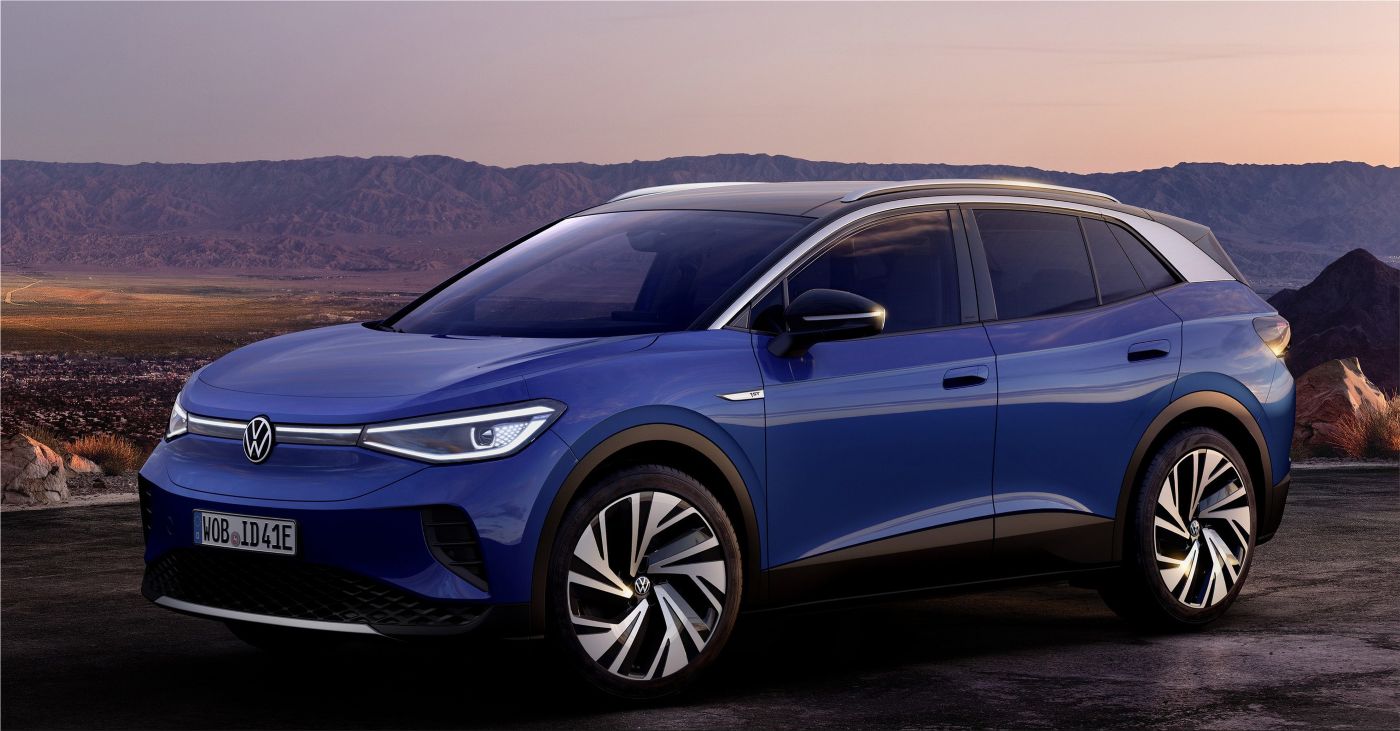
5. Volkswagen ID.4
The Volkswagen ID.4 might not be the flashiest EV on the market, but its charging system is solid and dependable. VW’s engineers designed the CCS charging port with both accessibility and protection in mind, ensuring a secure seal against dirt and moisture.
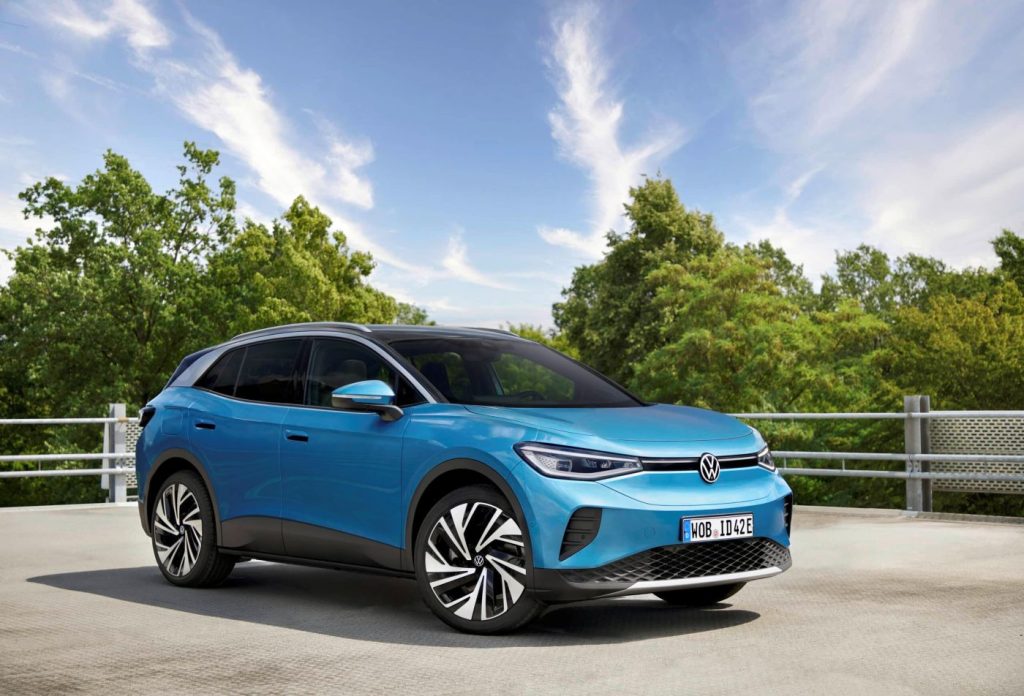
The ID.4 supports up to 125 kW of DC fast charging, with a well-managed heat system that prevents throttling even during long charging sessions. The system’s thermal stability and reliable connection make it one of the best options for those seeking an affordable yet well-built electric SUV for all-season driving.
5 EVs With Finicky Ports or Unreliable Charging Systems
Electric vehicles have made remarkable progress in recent years, offering longer ranges, faster charging times, and increasingly reliable battery technology.
Yet, even as the EV market matures, not every model delivers a seamless charging experience. For many drivers, the biggest frustration isn’t range anxiety, it’s the inconsistency and unreliability of the charging process itself.
From awkward port placements that make public charging a hassle to vehicles plagued by finicky hardware or unreliable software communication with chargers, some EVs simply miss the mark when it comes to convenience and dependability.
In this article, we take a closer look at five EVs with finicky ports or unreliable charging systems, models that, despite their strengths in other areas, struggle to offer a stress-free plug-in experience.
Whether it’s slow DC fast-charging rates, charging interruptions, or compatibility issues with certain networks, these vehicles remind us that not all charging setups are created equal.
For American EV shoppers looking to avoid headaches at the plug, understanding these shortcomings can make all the difference between smooth electric ownership and a frustrating daily routine.
1. Ford Mustang Mach-E
While the Mustang Mach-E impresses with performance and style, its charging port design has been a common complaint. Positioned awkwardly on the front-left fender, it’s prone to collecting dirt and moisture.
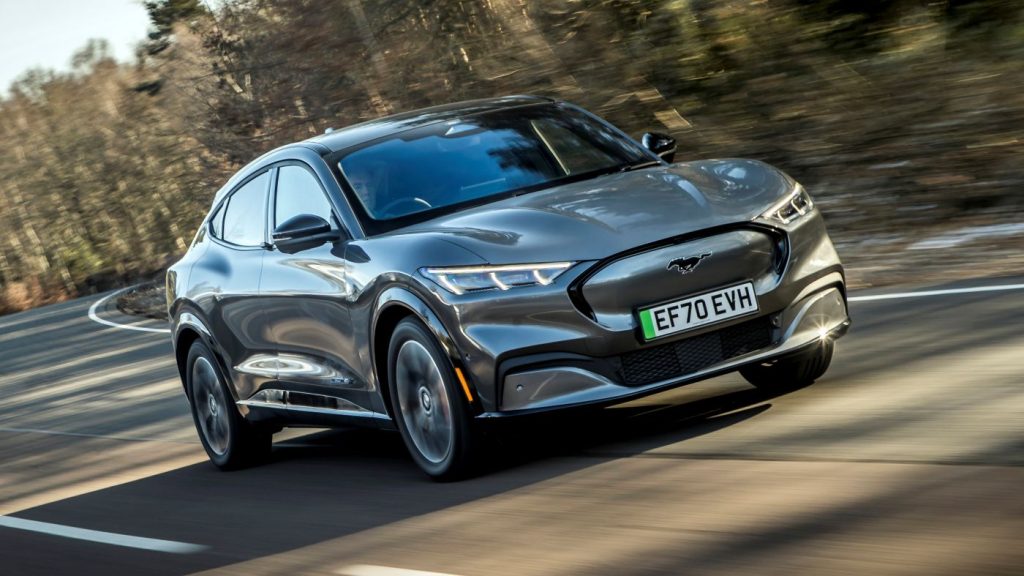
Moreover, Ford’s early software integration with public fast chargers has been hit-or-miss, occasionally leading to connection errors or reduced charging speeds. The hardware itself is robust, but the overall experience suffers due to inconsistent communication between the car and third-party chargers.
2. Kia Niro EV (Pre-2023 Models)
Before its recent redesign, the Kia Niro EV had one of the more temperamental charging systems in the compact EV class. Owners frequently reported issues with charger compatibility and inconsistent charge rates, especially at non-Hyundai/Kia network stations.
The port door mechanism was also delicate, sometimes sticking in cold weather. While Kia has since improved the hardware in newer models, early versions still suffer from these frustrating quirks.
The Niro EV is powered by a single electric motor that drives the front wheels, forming its only available powertrain configuration.
According to Kia, this setup produces 201 horsepower, giving it an edge over its siblings, the hybrid version, which delivers 139 horsepower, and the plug-in hybrid model, which offers 180 horsepower.
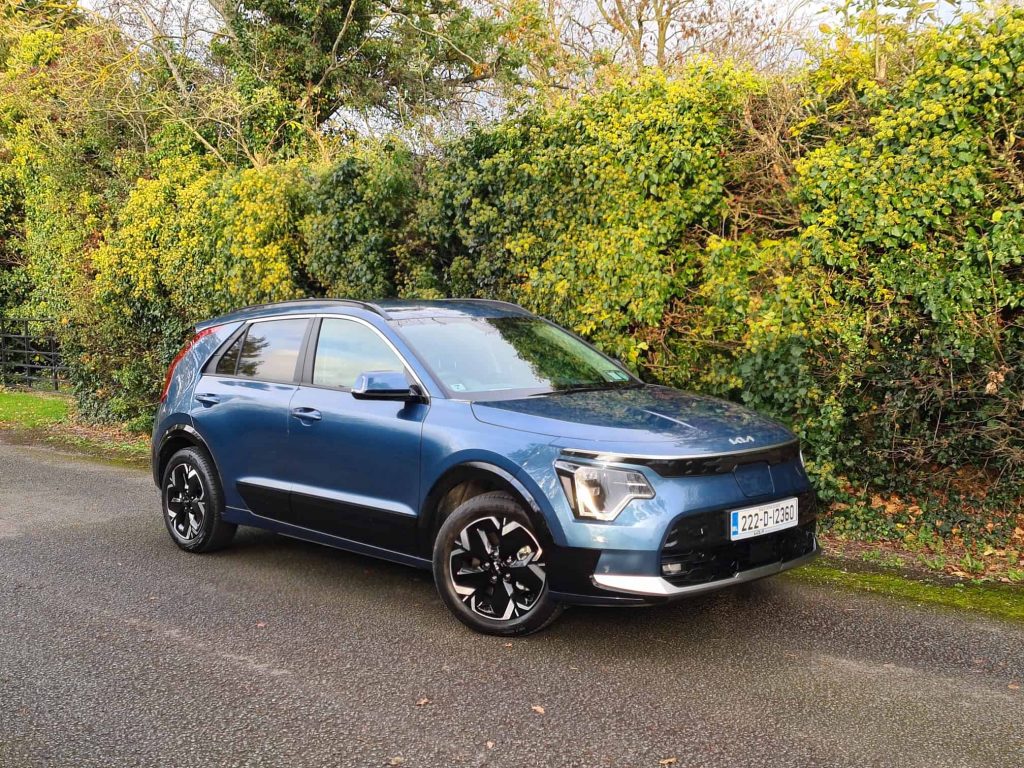
Out on the road, the Niro EV performs confidently, keeping pace with city traffic and merging onto highways without hesitation, provided it’s not set to Eco mode.
When you floor the accelerator in Eco, the Niro EV responds sluggishly, a trade-off that helps preserve driving range but can dampen the driving experience. Switching to Normal or Sport mode transforms its character, making the EV feel noticeably more responsive and energetic.
The steering feels precise and well-weighted, offering smooth transitions and a sense of control, though the Niro EV’s cornering grip falls short of some competitors. That said, it’s clear Kia didn’t design this vehicle for spirited driving, it’s built for efficiency and comfort, not sportiness.
3. Mini Cooper SE
The Mini Cooper SE offers great urban practicality, but its charging setup is far from ideal for frequent use. The small CCS port is positioned low and awkwardly near the rear bumper, making it difficult to plug in at some public stations.
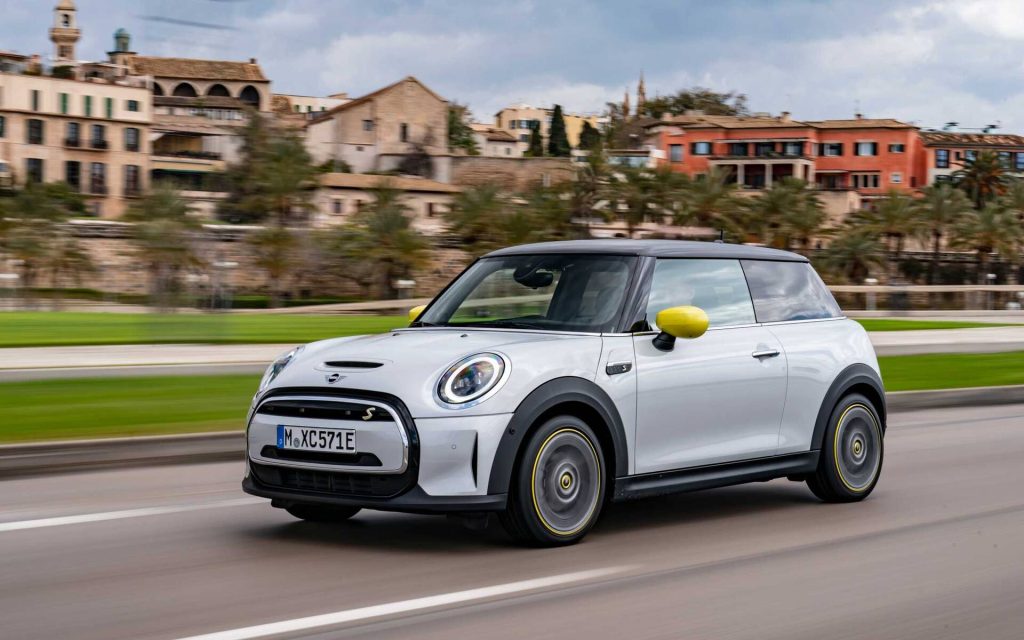
Moreover, the car’s limited DC fast-charging speed (up to just 50 kW) and lack of advanced thermal management often cause charging speeds to fluctuate. Owners have reported issues with the port cover freezing in winter, adding to the list of inconveniences.
4. Rivian R1T (Early Models)
Rivian’s all-electric adventure truck brought excitement to the EV scene, but early production models suffered from charging reliability hiccups. Some owners encountered difficulties with certain fast-charging stations due to communication mismatches and port alignment problems.
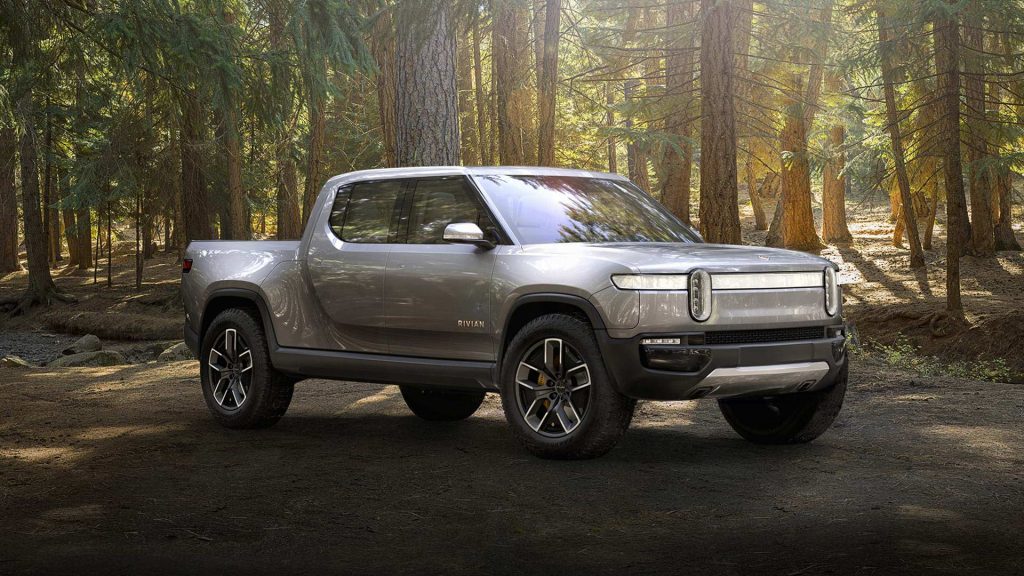
While the CCS port itself is robust, its positioning near the driver-side rear corner makes it less convenient for larger charging setups. Rivian’s frequent over-the-air updates have improved software compatibility, but physical port quirks persist for early adopters.
5. Fiat 500e (Legacy Model)
The previous-generation Fiat 500e, sold primarily in California as a compliance car, had one of the most finicky charging systems of any EV in recent memory. Its J1772 port suffered from weak latching mechanisms and occasional connection failures.
Additionally, its limited onboard charger (6.6 kW) and lack of DC fast charging meant longer charging sessions, sometimes compounded by heat-related interruptions. Though the upcoming redesigned 500e promises major improvements, the original model remains a cautionary tale for budget EV buyers.
For U.S. drivers making the leap to electric mobility, reliable charging hardware can make all the difference between a stress-free experience and a daily frustration.
The highlight for 2025 is the introduction of the Giorgio Armani Collector’s Edition 500e. This limited designer version brings unique aesthetic enhancements both inside and out, featuring exclusive styling cues inspired by Armani/Casa, elevating the 500e’s already chic appeal.
Much like its gasoline predecessors, the Fiat 500e stands out as a charming, personality-filled small car that’s undeniably fun to drive. It offers balanced handling and decent acceleration, though testing has shown that its braking distances are surprisingly long for such a lightweight vehicle.
One feature that adds to its urban usability is the one-pedal driving mode, which makes city driving more convenient. However, when it comes to range, competitors outshine it, making the 500e better suited for short commutes or city errands rather than long-distance trips.
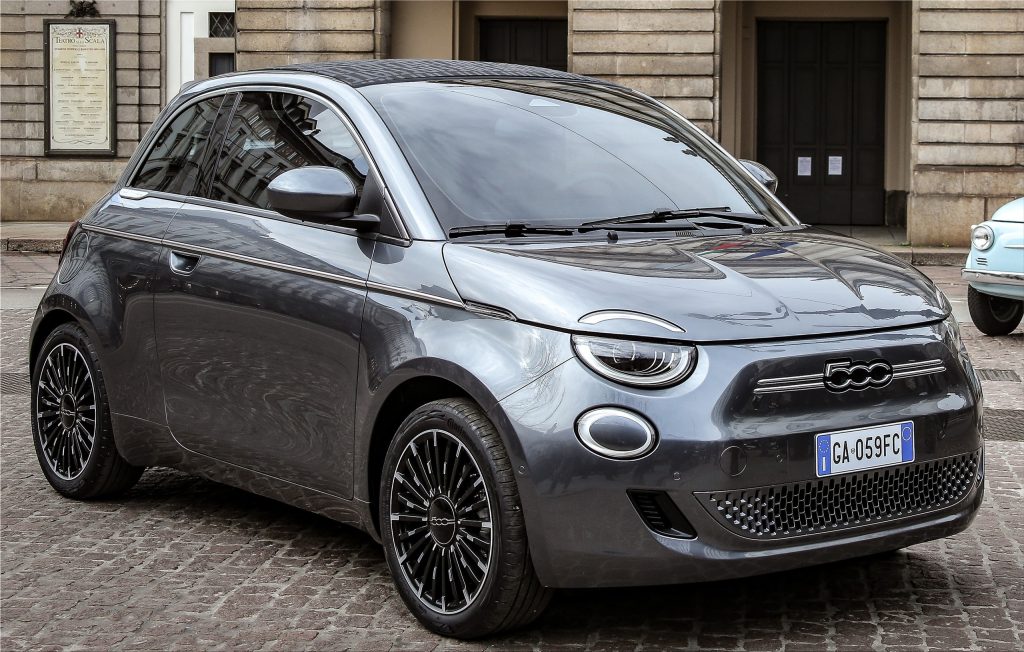
Inside, the 500e’s cabin is stylish but falls short of premium. Quirky touches, like the futuristic electronic door handles, give it a distinctive edge, and the ride remains impressively quiet, until you reach highway speeds, where wind noise becomes noticeable.
The front seats feel surprisingly roomy despite the car’s compact dimensions, but the sloping roofline limits comfort for rear passengers.
While the Fiat 500e’s adorable looks and playful character make it an appealing choice for those who value individuality, its niche appeal and relatively high price may limit its audience.
Under the hood, or rather, beneath the floor, the 2025 500e is powered by a 42-kWh battery pack paired with a single electric motor driving the front wheels.
Fiat estimates that the range will remain consistent with last year’s model at 149 miles on a full charge. Using a DC fast charger, the battery can be replenished to 80 percent in about 35 minutes, while a Level 2 charger will take roughly 4.5 hours to reach full capacity.
The best systems, like Tesla’s NACS or Chevrolet’s CCS setup, combine robust physical design with smart software integration, ensuring that plugging in feels as simple as refueling a gas car.
On the other hand, EVs with fragile ports, poor weather sealing, or inconsistent communication protocols can turn what should be a quick stop into a technical headache.
As the EV market continues to evolve and the U.S. transitions toward the new NACS standard adopted by most automakers, we can expect overall charging reliability to improve.
But for now, these ten models highlight the gap between the best and worst of affordable EV charging design, proof that sometimes, it’s what’s behind the plug that truly determines an electric car’s real-world value.
