Some cars possess a timeless quality that allows them to look just as striking years later as the day they first appeared on the road. The article “10 Cars That Still Look Brand-New With a Simple Wash” highlights vehicles that have defied aging through exceptional design and craftsmanship.
From rugged SUVs to sleek sedans and refined pickups, these models show that great styling never goes out of fashion. The fourth-generation Jeep Grand Cherokee, the elegant Audi A7, and the bold Ram 1500 each embody a perfect blend of strength, sophistication, and practicality.
With just a simple wash, their lines and finishes come alive once again, reminding drivers that true beauty lies in thoughtful engineering and timeless form. These cars continue to draw admiration because they were built with care, precision, and an enduring sense of style that stands strong through the years.
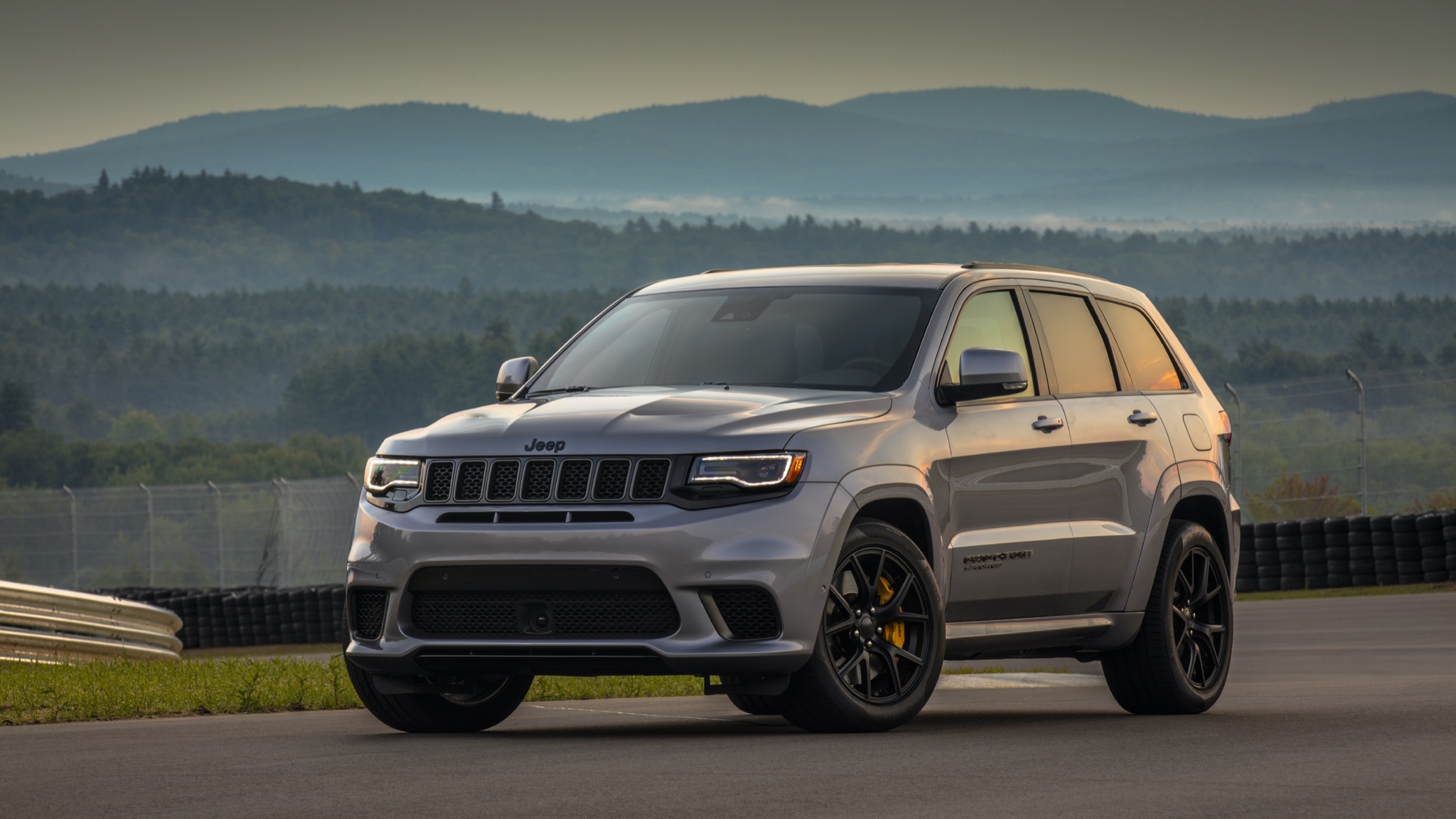
1. Fourth-Generation Jeep Grand Cherokee (2011–2021): A Decade of Rugged Refinement
The fourth-generation Jeep Grand Cherokee, produced from 2011 to 2021, stands as one of Jeep’s most enduring and admired models. During its decade-long run, this SUV evolved gracefully, combining classic Jeep ruggedness with refined styling and improved technology.
Despite being replaced by a newer generation, the fourth-gen Grand Cherokee remains a benchmark for its blend of off-road prowess, on-road comfort, and timeless design.
When it debuted in 2011, the Grand Cherokee brought a sleeker and more upscale silhouette to Jeep’s lineup. Fiat Chrysler (and later Stellantis) smartly retained its iconic stance while updating key elements like lighting, engines, and interior technology over the years.
Even today, its sharp lines and muscular proportions help it age remarkably well. This generation’s aesthetic longevity and the availability of a V8 engine have made it a favorite among enthusiasts and a likely future classic.
Powered by a 3.6-liter V6 producing 290 horsepower, the Grand Cherokee delivers capable but average performance for its class. The 0–60 mph sprint takes around eight seconds, comparable to rivals like the Toyota 4Runner and Honda Passport.
While not particularly athletic on twisty roads, it compensates with confident braking and light, precise steering. The 4xe plug-in hybrid variant introduced later in the generation offered quicker acceleration and better efficiency. True to its roots, the Grand Cherokee remains one of the most capable off-roaders among midsize SUVs, giving drivers access to terrains that would challenge most competitors.
Inside, the Grand Cherokee offers a mix of comfort and practicality, though it falls short of true luxury. The front seats provide good adjustability, but both the seat firmness and somewhat stiff ride, despite the available air suspension, can detract from long-distance comfort.
Rear-seat space is modest compared to competitors, yet available heated and ventilated seats add an upscale touch. Cabin noise is generally well controlled, but rough roads can cause noticeable impacts. The climate control system is powerful, though its small, low-mounted buttons make operation slightly cumbersome.
Jeep’s Uconnect 5 infotainment system anchors the cabin’s technology suite, offering sharp graphics and intuitive functionality. The optional navigation system gives clear, timely guidance, though sunlight glare can occasionally affect screen visibility.
The available 19-speaker McIntosh audio system stands out for its excellent sound quality, and the inclusion of eight USB ports and standard smartphone integration ensures strong connectivity across trims.
With 37.7 cubic feet of cargo space behind the rear seats, the Grand Cherokee offers average storage capacity. Fold the rear seats flat, and it easily accommodates large items, though its high cargo floor and short hatch opening limit vertical space. Smaller storage solutions are thoughtful, including deep bins and wide door pockets. A significant advantage is its 6,200-pound towing capacity, one of the best in its class.
Pricing starts competitively below many rivals, though base trims feel basic in features. Higher trims introduce luxury-level amenities but suffer from some subpar materials and inconsistent build quality. Jeep’s standard warranty, three years/36,000 miles basic and five years/60,000 miles powertrain, is typical for the segment.
The 3.6-liter V6 delivers a respectable 22 mpg combined, a solid result for a midsize SUV with off-road capability. Yet beyond numbers and features, the Grand Cherokee’s lasting appeal lies in its presence.
Its commanding driving position, blend of leather and wood accents, and rugged sophistication create an experience few rivals can match. The fourth-generation Grand Cherokee may not be perfect, but its style, strength, and versatility have made it one of Jeep’s most beloved modern SUVs, a true balance of adventure and refinement.
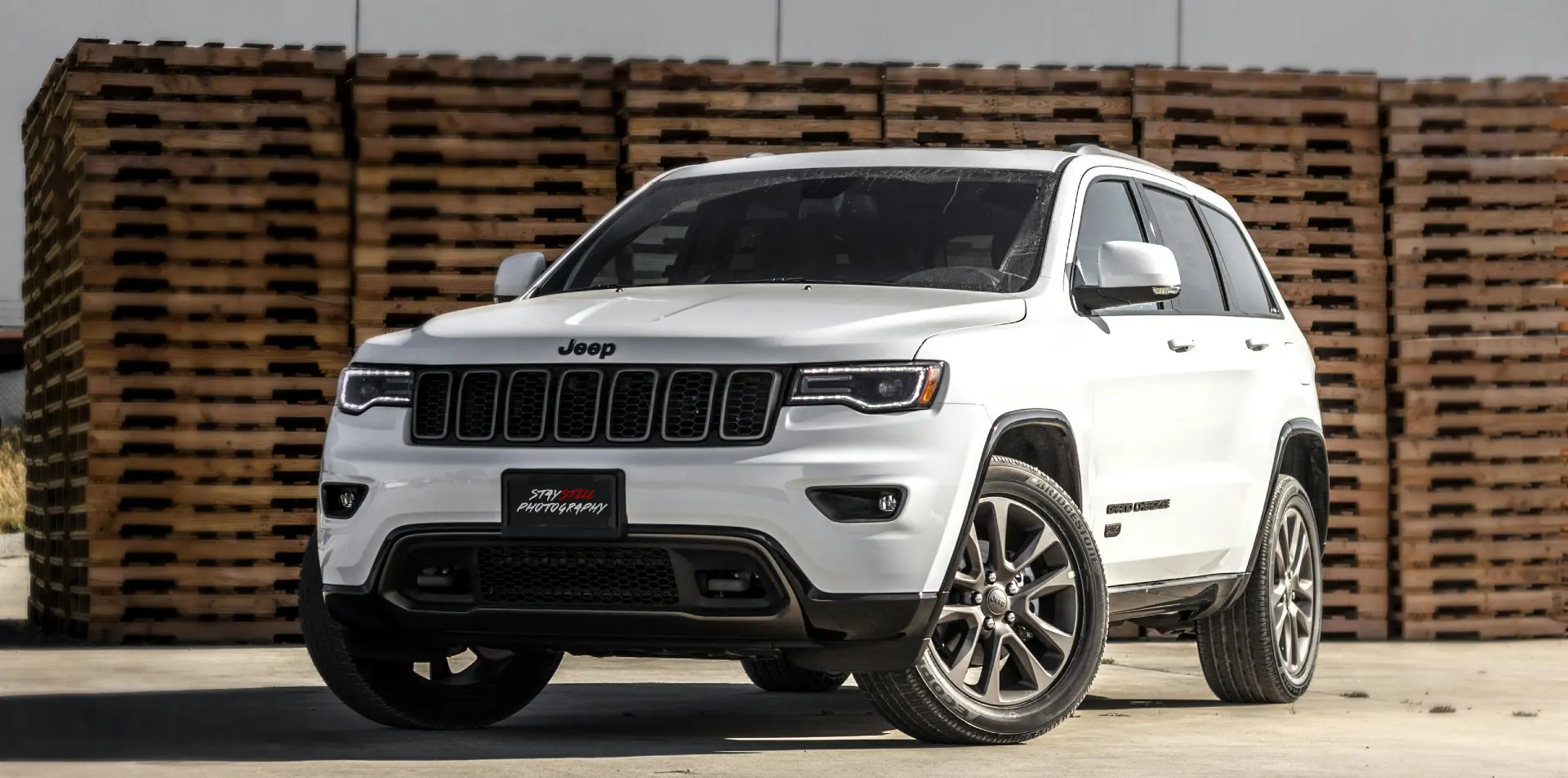
2. Volkswagen Touareg (2011–2017): Understated Luxury and Lasting Appeal
The second-generation Volkswagen Touareg, sold from 2011 to 2017, represented an ambitious move by Volkswagen to compete in the premium SUV segment. Equipped with a 3.6-liter V6 (VR6) producing 280 horsepower and standard all-wheel drive, the Touareg combined German engineering with luxury refinement.
However, its positioning as an upscale SUV from a mainstream brand limited its commercial success. Despite that, the Touareg remains one of the most well-balanced and enduringly stylish SUVs of its era.
The 2011 redesign transformed the Touareg into a sleeker and more sophisticated vehicle. Gone were the bulbous lines of the first generation; in their place came a refined, aerodynamic silhouette that looked more Audi than Volkswagen.
Even a decade later, its clean lines, subtle chrome details, and tight panel gaps make it appear contemporary. This forward-thinking design reflected Volkswagen’s knack for understated elegance, and the Touareg’s restrained luxury continues to appeal to discerning drivers who value quality over flash.
The Touareg’s 3.6-liter V6 engine delivered smooth performance but could feel strained during hard acceleration, especially compared to quicker rivals. Nonetheless, its eight-speed automatic transmission was a highlight, providing nearly seamless upshifts and quick, responsive downshifts when needed.
On the road, the Touareg impressed with balanced handling, precise steering, and a planted feel in corners. It offered a composed, confident ride that blended sportiness with comfort.
Despite lacking traditional low-range gearing, its sophisticated all-wheel-drive system gave it admirable off-road competence. With generous ground clearance and a compliant suspension, it handled gravel paths, washboard trails, and light off-road adventures with ease. This versatility made the Touareg a capable companion both on highways and in rugged terrains.
Inside, the Touareg straddled the line between mainstream and luxury. Its cabin showcased high-quality materials, solid build quality, and tasteful wood and chrome accents that lent it a premium feel. The seats provided comfort and support, and the cabin’s quietness added to its upscale ambiance.
While the infotainment system felt slightly dated by 2017 standards, it remained user-friendly, featuring a large touchscreen with crisp graphics. The available Dynaudio sound system offered excellent audio clarity, though the lack of USB ports and modern smartphone integration (Apple CarPlay and Android Auto) highlighted the Touareg’s age.
Seating was strictly for five passengers, with ample space and reclining, sliding rear seats that enhanced comfort. Cargo space measured 32.1 cubic feet behind the second row and expanded to 64 cubic feet with the seats folded, slightly less than competitors, but the boxy roofline ensured practicality.
The 2011–2017 Volkswagen Touareg remains an underrated gem. Blending refined styling, strong build quality, composed road manners, and genuine off-road ability, it quietly rivaled luxury SUVs from more prestigious brands. Though it never achieved major sales success, its combination of understated elegance and versatile capability ensures it remains a standout choice for those seeking subtle sophistication in an SUV.
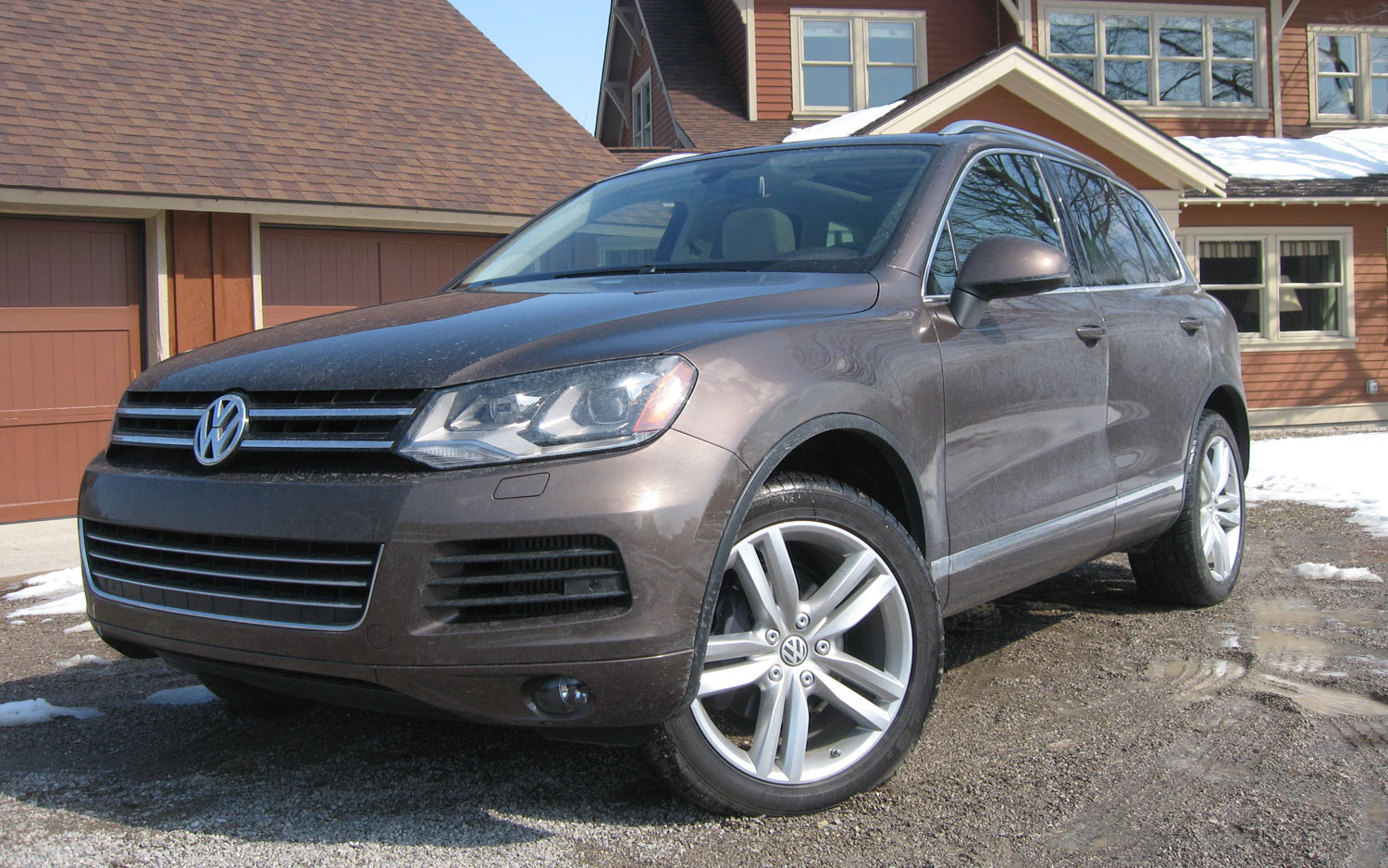
3. Fourth-Generation Ram 1500 (2011–2018): A Stylish Powerhouse with Everyday Practicality
The fourth-generation Ram 1500, produced from 2011 to 2018, marked a turning point for Ram’s reputation in the full-size pickup market. Powered by a range of engines from a 3.6-liter V6 to muscular V8 options with outputs between 305 and 395 horsepower, it came in both rear- and four-wheel-drive configurations.
What truly set this generation apart was its perfect mix of strength, comfort, and refined style. The 2011–2018 Ram 1500 remains a favorite among truck enthusiasts for its confident stance, smooth ride, and thoughtful cabin design.
The fourth-generation Ram 1500 is widely regarded as one of the most attractive trucks of its time. Its design managed to be bold without being excessive, featuring a strong yet clean front grille, smooth body lines, and an unmistakable presence on the road.
The proportions gave it a powerful but balanced look that still feels modern today. Special trims, such as the R/T, added sportier touches, appealing to drivers who wanted performance-inspired styling in a practical pickup. This design simplicity has helped the truck age gracefully, and its instantly recognizable look continues to attract admiration from new and seasoned buyers alike.
Behind the wheel, the Ram 1500 delivered a composed and confident driving experience. The rear coil-spring suspension, which replaced the traditional leaf-spring setup used by many rivals, gave the truck a smoother and more controlled ride.
Steering was light yet predictable, and the truck maintained its composure through turns. Large windows offered good outward visibility, though shorter obstacles could sometimes be hidden by the high bed sides.
For off-road enthusiasts, certain trims offered higher ground clearance and strong traction that handled rough terrain easily. The Ram 1500 was also a capable workhorse with a maximum towing capacity of 11,580 pounds and a payload limit of 2,300 pounds. It had enough muscle to tow heavy trailers and haul substantial loads without sacrificing ride comfort.
The cabin of the Ram 1500 combined ruggedness with refinement. The seats were supportive, and both front and rear passengers enjoyed generous headroom and legroom. The coil-spring setup enhanced ride comfort, and the interior remained quiet even at highway speeds. Optional air suspension made access easier and smoothed out uneven roads.
Higher trims like the Tungsten featured premium materials and modern technology, including a large 14.5-inch touchscreen, wireless smartphone connectivity, and multiple charging ports. Although the infotainment system’s software could feel slow at times, the layout was functional and offered many features. Storage solutions were thoughtful, with a large center bin and flexible compartments for added convenience.
Fuel economy ranged from 17 to 23 miles per gallon, depending on engine and drivetrain, which placed it near the middle of its class. The Ram 1500 offered strong value for buyers seeking both capability and comfort.
Reliability concerns were reported during long-term testing, which affected confidence in ownership. Even so, the fourth-generation Ram 1500 stands out for its bold styling, excellent ride quality, and versatile performance. It remains a well-designed truck that combines work-ready toughness with genuine everyday comfort.
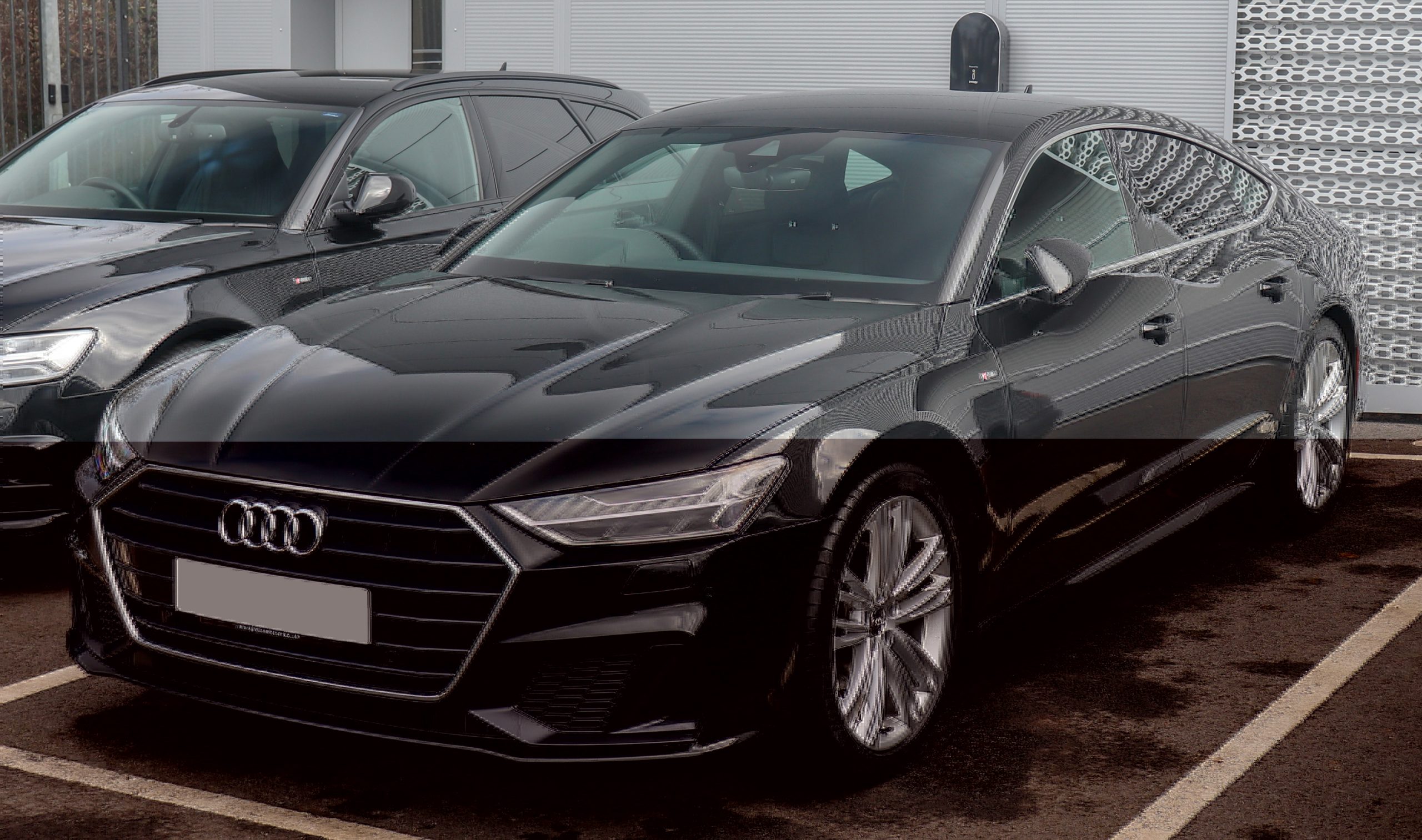
4. Audi A7 (2012–2018): The Art of Elegance and Engineering Precision
The first-generation Audi A7, produced from 2012 to 2018, stands as one of the most refined and timeless designs in modern automotive history. Powered by a 3.0-liter supercharged V6 engine producing 310 horsepower and equipped with Audi’s Quattro all-wheel drive, the A7 delivered a perfect mix of performance, luxury, and practicality.
Its sleek sportback design combined sedan sophistication with hatchback versatility, setting a new standard for elegance and functionality in the premium segment.
When the A7 debuted, it redefined Audi’s design language through clean lines and balanced proportions. The car’s flowing roofline and sharp character creases gave it a distinctive silhouette that has aged gracefully. Its minimalistic form emphasized precision and intent, avoiding unnecessary complexity.
Compared to the A6 sedan, the A7 offered a bolder, more stylish alternative while retaining the same high build quality. The result was a design that expressed confidence, subtlety, and purpose. Even years after production ended, the A7’s simplicity and visual strength continue to impress those who appreciate understated luxury.
Under the hood, the A7’s 3.0-liter supercharged V6 delivered smooth, responsive power, paired with a refined automatic transmission. Later in the model’s run, Audi introduced the Competition trim, which raised output to 340 horsepower and included sport suspension tuning, 20-inch wheels, and dark exterior detailing. These upgrades enhanced both the car’s agility and its visual character without compromising comfort.
Audi’s Quattro all-wheel-drive system gave the A7 outstanding stability and grip. The rear-biased 40/60 torque distribution provided a dynamic, engaging feel, while torque vectoring at the rear differential allowed for sharper cornering and better traction.
The suspension absorbed imperfections with composure, and the car’s steering remained precise even on challenging roads. The A7 balanced long-distance comfort with genuine driving enjoyment, creating a grand touring experience that felt both powerful and effortless.
The cabin of the A7 demonstrated Audi’s mastery of interior craftsmanship. High-quality materials, fine detailing, and a driver-focused layout made the space feel refined and modern.
The black-and-red interior scheme available in upper trims added sportiness without feeling excessive. Rear passengers benefited from generous space and thoughtful amenities, including individual climate controls, seat heaters, and multiple power outlets.
Practicality was another key advantage of the A7’s sportback design. The large rear hatch and folding rear seats allowed it to carry bulky items that typical sedans could not accommodate.
The infotainment system featured Google Earth–based navigation with detailed mapping, and optional driver assistance features included adaptive cruise control, lane-keeping assist, and automatic braking. While some road noise from the tires reached the cabin, the ride remained quiet and composed.
The 2012–2018 Audi A7 remains one of Audi’s finest achievements. It seamlessly blended performance, elegance, and practicality into a single package. With its distinctive design, luxurious interior, and surefooted handling, the A7 offered both beauty and substance.
Earning multiple 10Best Cars awards, it proved that true sophistication lies in balance and simplicity. Even today, the first-generation A7 stands as a modern classic admired for its enduring style and engineering excellence.
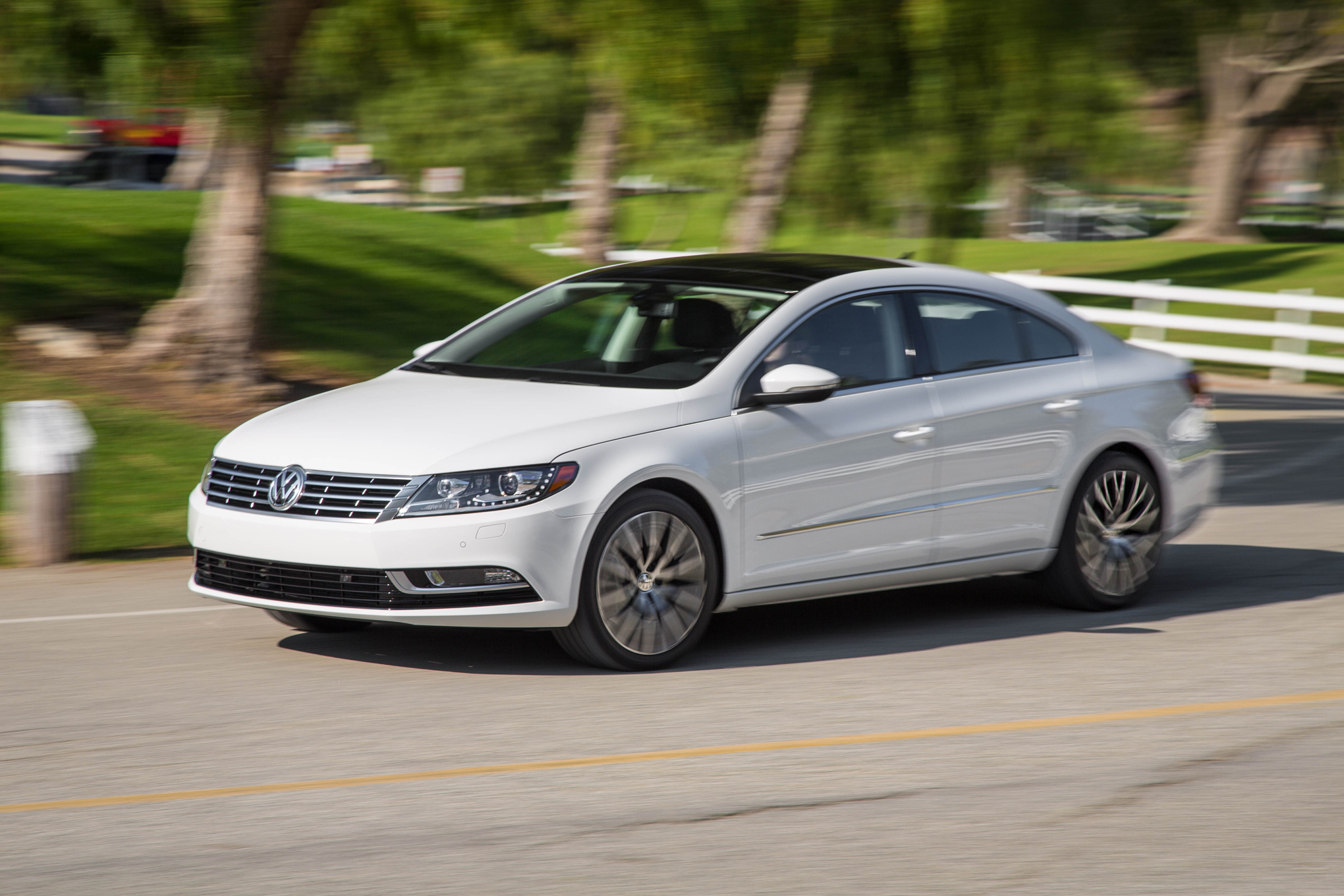
5. Volkswagen CC (2013–2017): The Forgotten Four-Door Coupe
The Volkswagen CC, produced from 2013 to 2017, was one of the brand’s most stylish and underrated sedans. Powered by a 2.0-liter turbocharged inline-four producing 200 horsepower and paired with front-wheel drive, the CC was designed as an upscale, coupe-inspired alternative to the Passat.
Its sleek shape, premium interior, and refined presence gave it a level of sophistication uncommon among midsize sedans of its time. While it may not have been the sportiest in its class, the CC balanced elegance, comfort, and solid performance in a way that continues to attract enthusiasts who value design over outright speed.
Introduced as a more luxurious evolution of the Passat, the CC immediately stood out for its coupe-like silhouette. Longer, wider, and lower than its sibling, it carried an unmistakably European aesthetic defined by smooth contours and a low, athletic stance.
The interior reflected the same upscale ambition, featuring high-quality materials, clean lines, and thoughtful detailing that rivaled entry-level luxury brands. Though practicality was slightly compromised by its sloping roofline, the CC’s visual appeal made it one of Volkswagen’s most distinctive models.
The CC’s 2.0-liter turbocharged engine provided smooth power delivery and a responsive character once past an initial hesitation from the transmission. A 0–60 mph sprint in about seven seconds placed it mid-pack among midsize sedans.
The transmission could feel clunky at low speeds, but became smooth and quick once on the move. Braking distances were reasonable at around 120 feet from 60 mph, though the brakes lacked the reassuring firmness expected in more performance-oriented sedans.
Steering precision was commendable, and the car turned in crisply, but enthusiasts often found it lacking feedback. The suspension leaned toward comfort, resulting in noticeable body roll through corners.
Even in the sportier R-Line trim, the CC’s handling felt soft, more suited for relaxed cruising than aggressive driving. Despite its limitations, the turbocharged engine’s midrange punch and refined demeanor made it a pleasant companion for daily driving.
Inside, the CC offered comfort and quality well above typical midsize standards. The front seats were supportive and nicely bolstered, while the interior remained quiet on highways. However, road imperfections could transmit more vibration and tire noise into the cabin than expected.
The rear seating area, though stylish, came with compromises. The low-mounted seats created an awkward knee bend, and the limited headroom made long rides less ideal for taller passengers.
Practicality also took a minor hit due to the sleek roofline. The trunk was smaller than most competitors, and the narrow opening made loading bulky items tricky. Still, Volkswagen added thoughtful touches such as folding rear seatbacks and a center pass-through for longer cargo.
The 2013–2017 Volkswagen CC offered a rare blend of design elegance and accessible luxury. It was not the quickest or most agile sedan in its class, but it delivered a smooth, quiet ride wrapped in a body that looked far more expensive than its price suggested.
The CC’s graceful styling, solid build quality, and comfortable interior made it a stylish alternative for those who valued sophistication over performance. Years later, it remains a reminder that beauty and refinement can exist even in understated form.
Also Read: 5 Cars Whose Paint Resists Oxidation vs 5 That Chalk in Two Summers
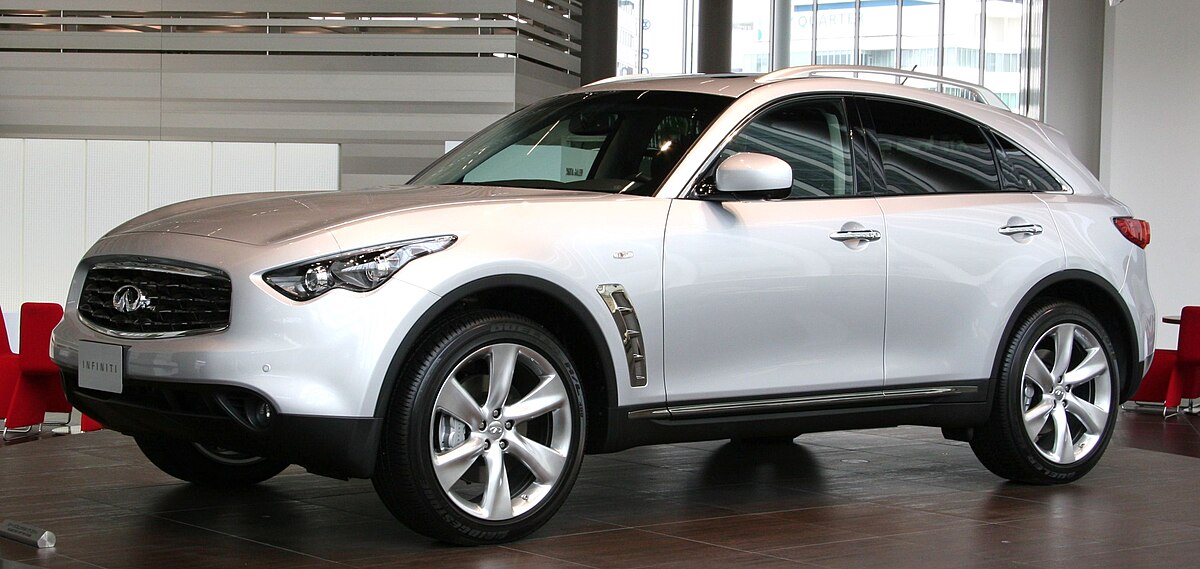
6. Infiniti QX70 (2013–2017): The Sporty “Bionic Cheetah” of SUVs
The Infiniti QX70, produced from 2013 to 2017, stood out in a sea of conventional SUVs with its sleek, muscular styling and dynamic road presence. Originally launched as the FX series in 2002, this model was designed to blend sports-car agility with SUV practicality.
Infiniti described it as the “Bionic Cheetah,” a name that perfectly matched its long, flowing lines and aggressive stance. Even years after its debut, the QX70’s design remains one of the most distinctive in its segment, emphasizing performance and style over family-focused functionality.
Under the hood, the QX70 packed a 3.7-liter V6 engine producing 325 horsepower, paired with rear- or all-wheel drive. Acceleration was brisk, and the sport-tuned suspension gave it confident cornering ability rarely found in SUVs of its class. However, this athletic setup came at the cost of comfort.
The stiff suspension and large 21-inch wheels resulted in a firm, sometimes jarring ride over rough pavement. While wind and engine noise were well-suppressed on highways, the amount of road noise filtering into the cabin detracted from its premium feel.
Braking performance was adequate, with stopping distances around 120 feet from 60 mph, though the soft pedal response didn’t inspire confidence. The QX70 excelled as a driver’s SUV, but newer luxury crossovers offered a smoother balance between handling and ride comfort.
Inside, the QX70’s cabin felt solid but dated. Its layout and materials reflected an earlier era of Infiniti design. The infotainment system was functional yet lagged behind competitors in clarity and ease of use. Still, the front seats provided excellent comfort, especially with optional cooling and adjustable bolsters.
Rear-seat space was more limited, suiting shorter passengers best. Cargo capacity reached 25 cubic feet, expanding to 62 with the seats folded, respectable, but not class-leading.
The Infiniti QX70 remains memorable for its daring design, engaging drive, and luxurious front-seat comfort. Though not the most practical or technologically advanced SUV, it embodied a rare fusion of sportiness and sophistication that still earns admiration today.
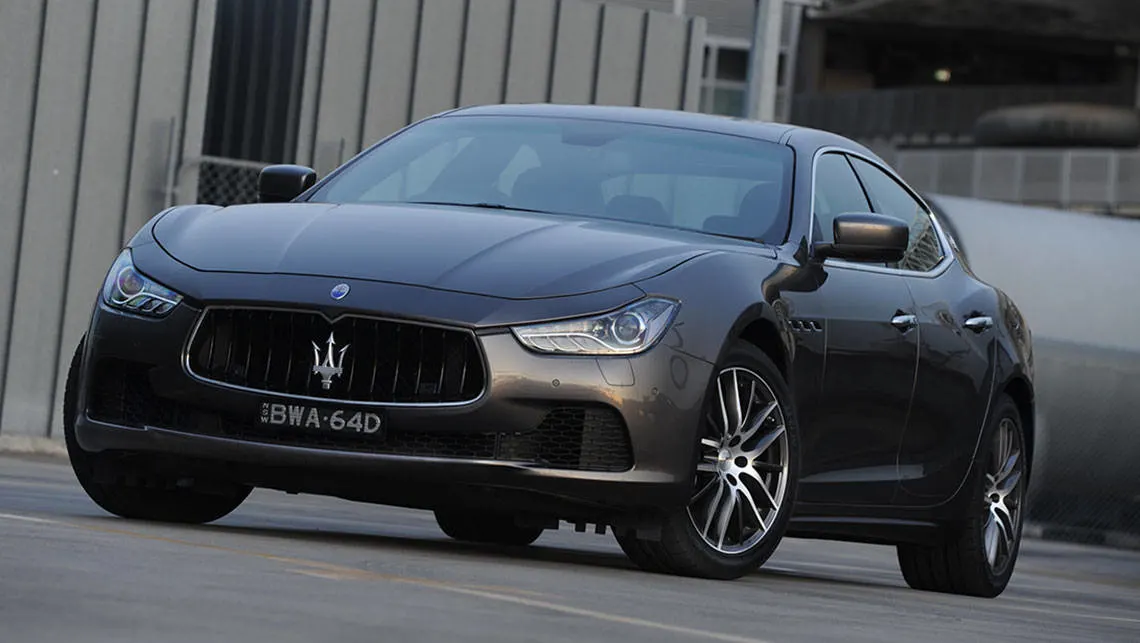
7. Maserati Ghibli (2014–Present): Italian Elegance with Grand Touring Spirit
The Maserati Ghibli, introduced in 2014, represents the Italian brand’s effort to combine luxury, performance, and timeless design in a midsize sedan. Though it has seen minimal changes throughout its production run, the Ghibli continues to attract attention with its long wheelbase, bold trident grille, and refined proportions.
It may not match its German rivals in refinement or technology, but it offers something truly unique: an unmistakable sense of Italian style and exclusivity.
The Ghibli began its life with a 3.0-liter twin-turbocharged V6, producing between 404 and 424 horsepower, paired with either rear- or all-wheel drive. Higher-performance trims such as the Ghibli Trofeo feature a 3.8-liter twin-turbo V8 that propels the car from 0 to 60 mph in 3.9 seconds and reaches an impressive top speed of 203 mph.
While it is not as quick as competitors like the BMW M5 or Audi RS7, the Ghibli emphasizes grand touring character over raw aggression.
Handling is well-balanced, offering precision and stability without sacrificing comfort. The steering is direct, though somewhat lacking in road feedback. Braking is strong and consistent, with the shortest stop recorded at 106 feet from 60 mph.
The eight-speed automatic transmission complements the engine perfectly, providing smooth and timely shifts in both relaxed cruising and spirited driving. The signature Maserati exhaust note adds a distinctive flair, revealing its character when pushed on open roads.
Maserati engineered the Ghibli to prioritize comfort while maintaining athletic capability. The adaptive suspension offers a refined balance between control and smoothness, with Sport mode tightening body control without compromising ride comfort.
The cabin is serene at highway speeds, with very little wind or road noise. Rear passengers benefit from supportive seats, though headroom can feel limited for taller occupants. Heated and ventilated front seats are standard, but the optional woven leather upholstery removes the ventilation feature.
The dual-zone climate control system is easy to operate and maintains a consistent temperature throughout the cabin, though the controls could appear more sophisticated. While the twin-turbo V8 engine is powerful, it remains quieter than expected, and some drivers may wish for a more pronounced sound.
Inside, the Ghibli showcases understated Italian craftsmanship. The high seating position makes entry and exit simple, and the cabin layout is clean and intuitive. The controls are logically arranged, although the small buttons on the steering wheel could be more clearly labeled.
Forward visibility is good, but rearward views are limited by thick pillars and a small rear window. The surround-view camera assists greatly during parking, even though the resolution could be sharper.
A 10.1-inch touchscreen serves as the centerpiece of the infotainment system, featuring quick responses and crisp visuals. Wireless Apple CarPlay and Android Auto come standard, and the available Bowers & Wilkins sound system delivers excellent audio quality.
Voice recognition operates smoothly, and adaptive cruise control performs well, maintaining a steady distance in traffic. The lane-centering system, however, feels less refined and tends to drift slightly within lanes.
The Ghibli’s trunk provides 17.7 cubic feet of space, which is generous for its class. The split-folding rear seats add versatility, though the narrow opening can make loading taller items more challenging. Interior storage is thoughtful, with a deep center console, lined door pockets, and large cupholders. The wireless charging pad fits neatly into the layout without reducing usable space.
The Maserati Ghibli remains an appealing choice for those seeking performance wrapped in Italian luxury. It may not be perfect, but it delivers passion, craftsmanship, and character that make every drive feel special.
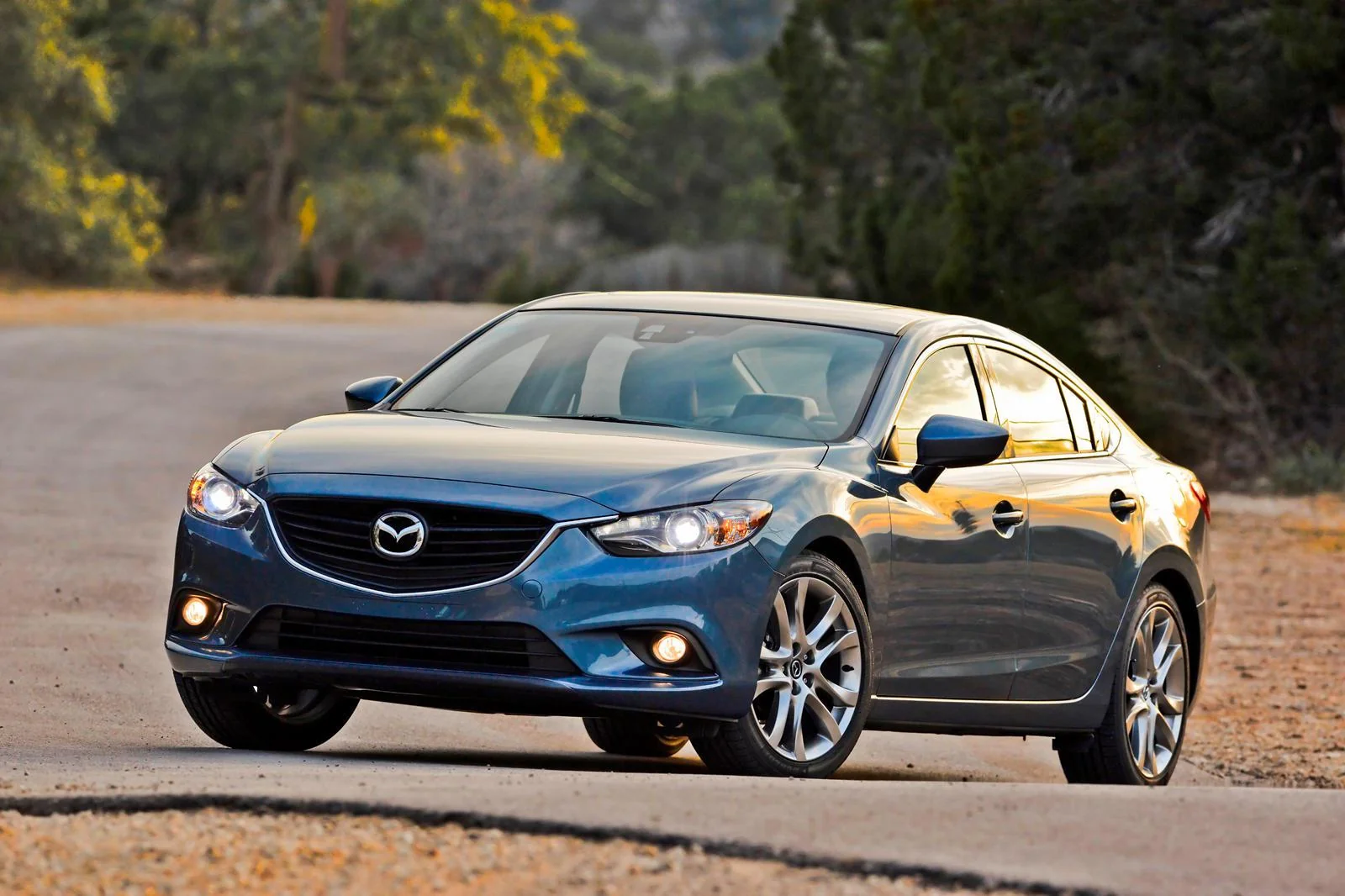
8. Mazda 6 (2014–2021): A Perfect Balance of Elegance and Driving Precision
The Mazda 6, produced from 2014 to 2021, stands as one of the most refined and stylish sedans in its segment. Known for its minimalist yet upscale design, it combines the aesthetic elegance of a luxury car with the spirited dynamics Mazda is famous for. Its sleek proportions, clean lines, and driver-focused cabin have allowed it to age gracefully, continuing to look modern even years after its debut.
The Mazda 6 is often praised for its dynamic driving character, delivering one of the best handling experiences among midsize sedans. Its chassis feels composed and agile, offering excellent steering feedback and control.
The car remains planted and balanced through corners, providing confidence without sacrificing comfort. Steering is responsive and weighted appropriately, transitioning smoothly from low-speed precision to high-speed stability.
Power comes from a 2.5-liter four-cylinder engine, available in both naturally aspirated and turbocharged configurations. The turbo variant produces up to 250 horsepower, providing brisk acceleration and strong low-end torque.
While performance tapers off at higher speeds, it remains more than adequate for daily driving and highway merging. The six-speed automatic transmission, though not as modern as some rivals’ multi-speed units, shifts seamlessly and complements the engine’s powerband effectively.
The Mazda 6’s interior blends sportiness with comfort. The front seats are supportive and sculpted, holding occupants securely during spirited driving while maintaining long-distance comfort.
Higher trims feature premium materials such as Nappa leather and ventilated seating, adding an upscale touch. The dual-zone climate control system operates quietly and efficiently, though it takes a moment to cool the cabin on hot days.
While ride quality is firm due to the sport-tuned suspension, it never feels harsh. The setup emphasizes handling precision over plushness, giving the Mazda 6 a composed, engaging feel on winding roads. Wind and road noise are minimal at cruising speeds, preserving the car’s refined atmosphere.
Mazda’s cabin design philosophy emphasizes simplicity and functionality. The layout is clean, with most controls accessible via a central control knob located near the shifter. This system allows the driver to navigate menus easily without excessive distraction. However, the steering wheel buttons can feel small and cluttered, and the touchscreen lockout while driving may frustrate some users.
Cabin space is generous in the front, providing plenty of legroom and headroom. The rear seats, while comfortable, offer slightly less legroom than rivals such as the Honda Accord or Toyota Camry. The sloping roofline may require taller passengers to duck slightly when entering, but once inside, space remains adequate.
The 14.7-cubic-foot trunk offers decent storage capacity, with split-folding rear seats to accommodate larger items. Interior storage for small belongings is practical, and the car’s LATCH anchors for child seats are well-positioned, though the covers can be tricky to manage.
Technology in the Mazda 6 focuses on enhancing safety and convenience. Standard features include adaptive cruise control, lane departure warning, blind-spot monitoring, and Apple CarPlay and Android Auto.
The head-up display provides real-time information such as speed and driver-assist alerts directly in the driver’s line of sight. Navigation and voice control are intuitive, although some functions like zooming in map mode can feel outdated.
In terms of efficiency, the turbocharged version returns 26 mpg combined, a competitive figure in its class. During testing, it even exceeded expectations with nearly 28 mpg in mixed driving conditions.
Mazda positioned the 6 as a semi-luxury sedan without the premium price tag. With its high-quality materials, sophisticated styling, and engaging drive, it feels more upscale than its price suggests. The Signature trim in particular offers near-luxury refinement, proving that performance and elegance can coexist in an affordable package.
The Mazda 6 remains a benchmark for enthusiasts who appreciate style, craftsmanship, and a rewarding driving experience. It may have exited production, but its blend of design and dynamics ensures it will be remembered as one of Mazda’s finest sedans.
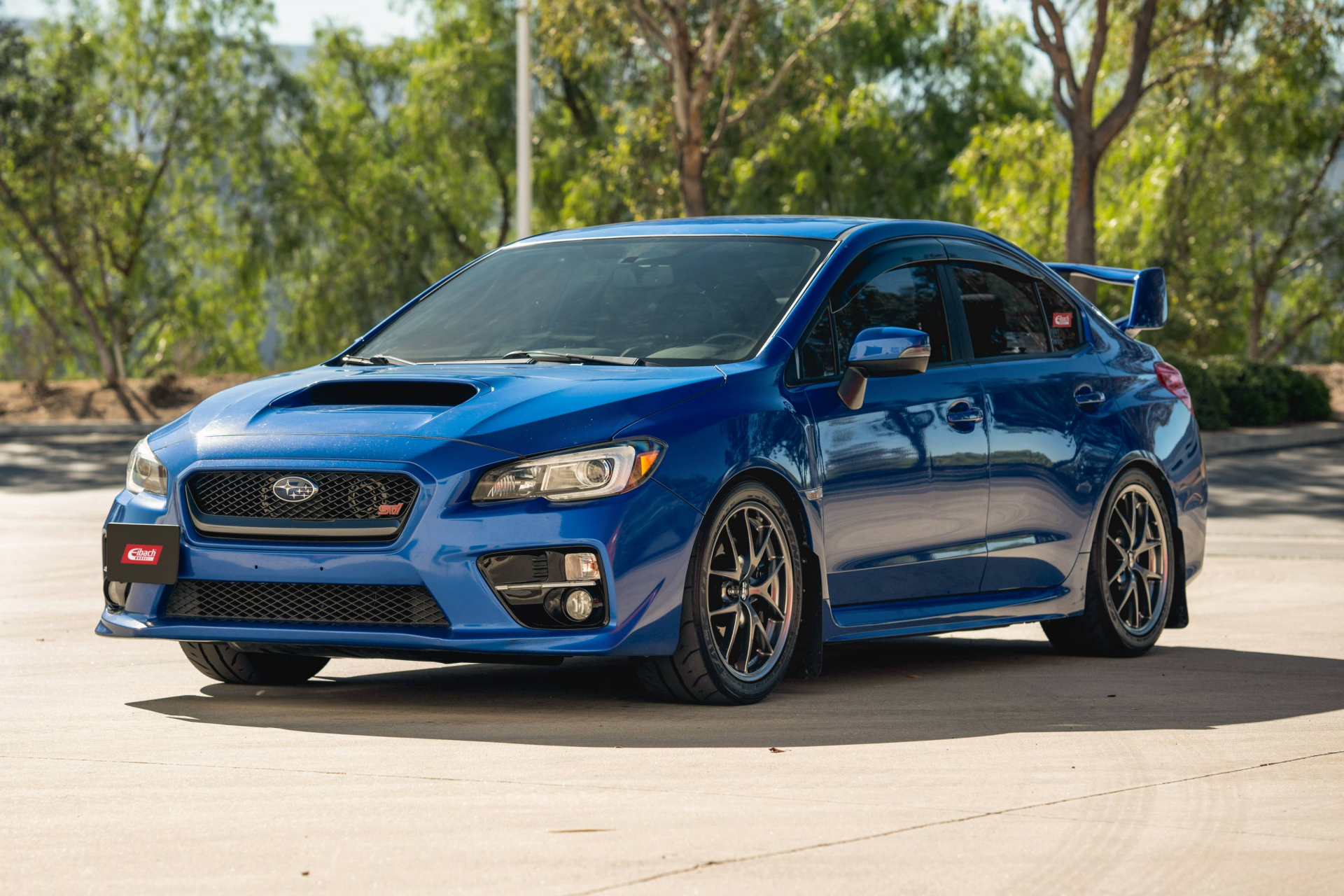
9. Subaru WRX STI (2015–2021): Raw Power Meets Everyday Practicality
The Subaru WRX STI from 2015 to 2021 represented the final era of Subaru’s rally-inspired sedans before the arrival of the next generation.
With its signature 2.5-liter turbocharged flat-four engine producing 305 to 310 horsepower and standard all-wheel drive, the WRX STI remained a symbol of performance and control. Its aggressive styling, hood scoop, and optional large rear wing gave it a bold and athletic look that still stands out today.
The WRX STI delivers a driving experience that blends power and engagement. Acceleration feels strong, though shifts can be jerky during hard driving, and launching the car smoothly requires practice. Once at speed, the WRX STI truly comes alive.
The all-wheel-drive system provides remarkable grip, while the steering delivers precision and feedback that performance drivers appreciate. The Brembo brakes ensure dependable stopping power both in daily use and on spirited drives.
While it lacks the polish of some modern rivals, the WRX STI’s raw mechanical character makes it an appealing choice for enthusiasts seeking a more tactile connection to the road. Its cornering ability and handling balance remain some of its strongest attributes.
For a performance-oriented sedan, the WRX STI maintains a decent level of comfort. The optional Recaro seats offer firm bolstering and adjustability, keeping occupants secure during aggressive driving.
Ride quality, however, leans toward the firm side, with larger bumps and rough pavement causing noticeable jolts. Wind noise around the mirrors is also present at higher speeds. On a positive note, the climate control system cools the cabin quickly, and heated front seats provide comfort in colder weather.
Inside, the WRX STI feels practical and spacious. Large windows, thin roof pillars, and a wide windshield give it an open, airy atmosphere and excellent visibility. The cabin accommodates four adults comfortably, and the wide door openings make it easy to enter and exit.
Controls are clearly arranged and simple to operate, though the driving position could benefit from more steering wheel adjustment. The center armrest sits too far back to be useful, but material quality and ergonomics are solid.
The infotainment system features a responsive touchscreen with Apple CarPlay and Android Auto as standard. Despite this, Subaru’s Starlink interface feels outdated. Audio quality is average, navigation is unavailable, and the voice command system can be frustrating. Models with a manual transmission also miss out on Subaru’s advanced safety systems, such as adaptive cruise control and lane departure warning.
Storage space is modest, with a 12-cubic-foot trunk and limited interior compartments. The wide rear doors make it easy to install child seats, and the back seat offers enough room for family use. Fuel efficiency remains one of the WRX STI’s weak points, with an EPA estimate of 23 mpg combined. Real-world driving often matches this figure, but it still trails behind newer performance rivals.
The WRX STI caters to drivers who prioritize performance, engagement, and heritage over comfort and technology. Its rally-bred handling, distinctive design, and mechanical honesty continue to make it a favorite among enthusiasts. While not the most refined or efficient option in its class, the WRX STI delivers a unique driving experience that few modern sedans can replicate.
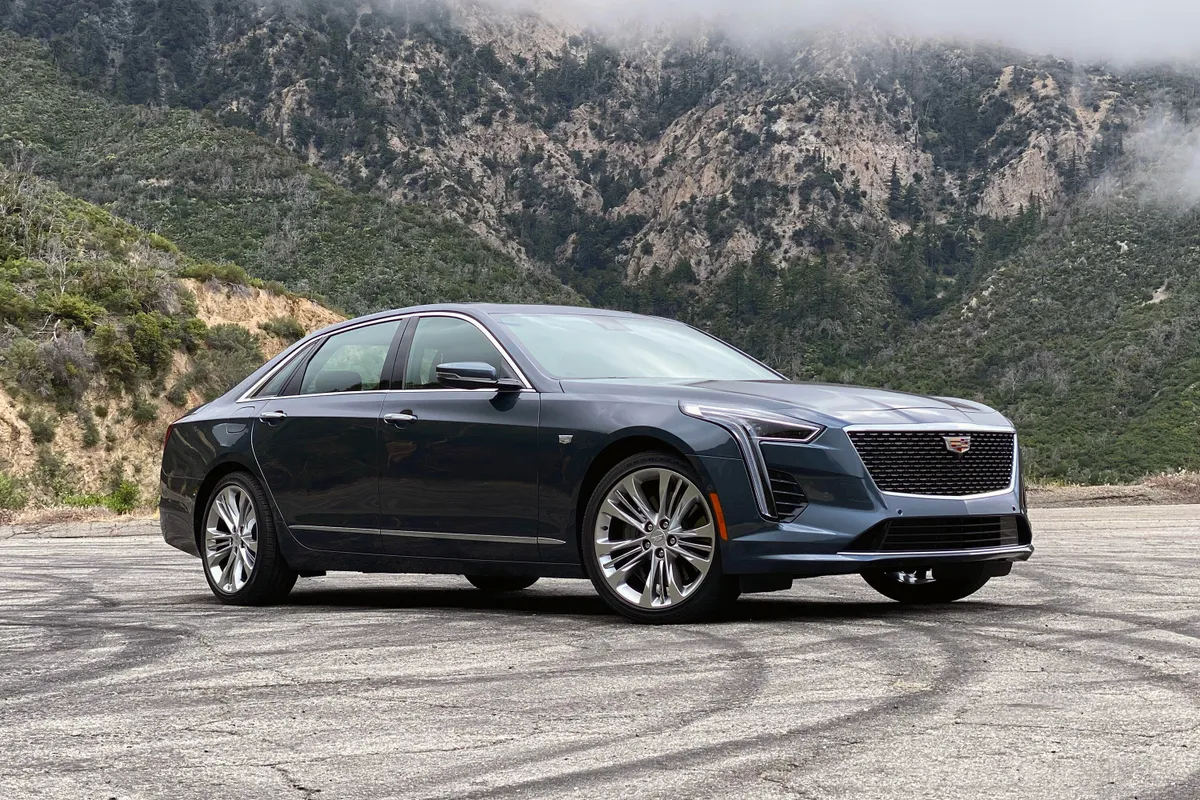
10. Cadillac CT6 (2016–2020): A Refined Yet Underrated Luxury Sedan
The Cadillac CT6, produced from 2016 to 2020, represented Cadillac’s ambitious effort to reestablish itself among the leading luxury sedans from BMW, Mercedes-Benz, and Audi.
Positioned between midsize and full-size categories, the CT6 aimed to combine the agility of a sports sedan with the sophistication of a flagship model. Although it never fully captured the attention it deserved, the CT6 remains a stylish and well-balanced vehicle that continues to impress with its design and engineering quality.
The CT6 is powered by a 2.0-liter turbocharged inline-four that produces 265 horsepower, available with either rear- or all-wheel drive. The engine delivers strong and responsive acceleration, while the transmission shifts quickly and smoothly. Its braking performance is another highlight, offering confident stopping power and precise control.
In terms of handling, the CT6 favors composure and stability over aggressive athleticism. The steering feels light and somewhat detached, and the car’s length and weight become noticeable when turning through tight roads.
Even so, the sedan maintains a balanced demeanor, particularly at higher speeds. The chassis feels secure and refined, making the CT6 well-suited for long highway drives where it demonstrates a confident and controlled ride.
Inside, the CT6 focuses on passenger comfort and interior spaciousness. Both the front and rear seats are supportive, offering a high degree of comfort for extended trips. The cabin is impressively quiet, effectively isolating passengers from road and wind noise. The climate control system is straightforward and quick to respond, with both touchscreen and physical buttons for ease of use.
Ride quality shows both strength and mild shortcomings. On smooth pavement, the CT6 delivers a composed and serene experience, but on rougher roads, the suspension can feel slightly firm. Even so, the car remains settled enough to provide a relaxed and pleasant journey.
The interior of the CT6 is lined with premium materials and showcases Cadillac’s attention to craftsmanship. The wide-opening doors make entry and exit easy, and both rows provide generous headroom and legroom. Visibility is commendable thanks to the low dashboard and large glass surfaces, giving the driver a confident sense of control.
When it comes to practicality, the trunk is somewhat smaller than those of many full-size sedans, though its wide opening makes loading larger items straightforward. Interior storage options are limited, with style clearly prioritized over storage. However, the roomy back seats and well-positioned child seat anchors make it family-friendly for daily use or longer trips.
Technology is one of the CT6’s greatest strengths. The CUE infotainment system is modern and responsive, offering intuitive access to navigation, audio, and smartphone integration. Cadillac’s Super Cruise feature allows hands-free highway driving, setting the CT6 apart from many competitors. However, the voice command system is less advanced and occasionally inconsistent, which slightly reduces convenience.
The CT6 returns an EPA-estimated 21 mpg combined, a competitive figure for its segment. Real-world driving results tend to stay close to that estimate. Cadillac’s six-year/70,000-mile powertrain warranty surpasses most rivals, including roadside assistance, courtesy transportation, and one year of complimentary maintenance factors which strengthen its value.
The Cadillac CT6 stands as an elegant expression of modern American luxury. It combines comfort, craftsmanship, and technology in a way that reflects Cadillac’s renewed focus on refinement. Though it lacks the prestige of some European counterparts, the CT6 remains a compelling choice for those who appreciate smooth performance, advanced features, and understated elegance.
Cars that retain their appeal long after leaving the factory earn lasting admiration from enthusiasts and everyday drivers alike. The vehicles featured here prove that true automotive design has no expiration date.
Each one, from the capable Jeep Grand Cherokee to the graceful Audi A7 and refined Cadillac CT6, maintains a modern look with little more than a quick wash. Their balanced proportions, solid build quality, and enduring performance allow them to outshine many newer models.
These cars remind us that timelessness is not about constant updates but about the strength of original design. Whether created for adventure, luxury, or performance, each model represents the artistry and integrity that define automotive excellence. They continue to shine, not because of trends or technology, but because they were crafted with passion and purpose qualities that never fade, no matter how many years pass.
Also read: 10 Cars With Rust-Resistant Underbodies In Road-Salt States