
Manual transmissions are becoming increasingly rare, but for driving enthusiasts, they represent the ultimate connection between car and driver. From agile sports cars to rally-inspired hot hatches, the best manual-transmission vehicles offer an experience that is thrilling, precise, and deeply engaging.
Each shift, each rev, and each corner is a chance to feel fully in control and fully alive on the road. Whether it is the timeless engineering of the Porsche 911, the raw V8 roar of the Cadillac CT5-V Blackwing, or the playful balance of the Mazda MX-5 Miata, today’s lineup of manual cars delivers excitement in every turn.
This guide presents 12 of the most rewarding manual-transmission vehicles available, each designed to make driving a pure and unforgettable experience rather than just a way to get from one place to another.
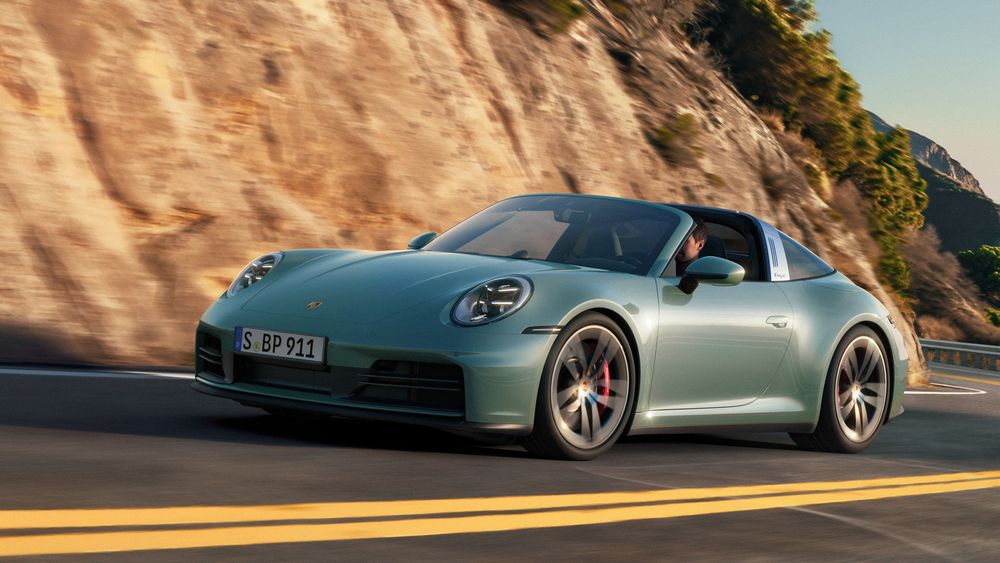
1. 2026 Porsche 911: The Perfect Balance of Heritage and Modern Performance
The 2026 Porsche 911 continues the brand’s iconic sports car legacy with a blend of performance, comfort, and advanced technology. Priced from $146,050 for the Carrera T and $232,850 for the GT3, it remains a symbol of precision engineering and driving purity.
Porsche preserves the enthusiast’s choice by offering a six-speed manual transmission in the Carrera T and GT3 models, an increasingly rare feature in today’s market. The Carrera T pairs its manual gearbox with a 388-hp twin-turbo flat-six, while the GT3 houses a naturally aspirated 502-hp flat-six, delivering exhilarating performance and an authentic driving experience.
The 2026 911 continues to impress with remarkable performance and driving dynamics. The base Carrera coupe accelerates from 0–60 mph in just 3.5 seconds and completes the quarter mile in 11.7 seconds. The eight-speed PDK dual-clutch automatic provides rapid yet smooth gear changes, while the manual remains the choice for purists seeking engagement over outright speed.
Porsche’s legendary rear-engine layout enhances traction and stability, giving the 911 its unique handling character. The steering is sharp and communicative, and the brakes deliver exceptional stopping power, making the 911 one of the most rewarding sports cars to drive.
Despite its track-ready performance, the 911 remains impressively livable. The adaptive suspension ensures a compliant ride, and the sport seats provide both comfort and support. Cabin noise is well controlled, and the signature flat-six growl adds to the car’s character without being intrusive.
Inside, Porsche blends tactile physical controls with a responsive touchscreen interface. The driving position is near perfect, offering excellent visibility and ergonomic access to all controls. The rear seat is now an optional feature, best suited for small children or additional storage.
Technological upgrades include wireless Apple CarPlay and Android Auto, USB-C ports, and a new fully digital instrument cluster that can display maps and customizable data. Driver assistance features like adaptive cruise control and parking assist remain optional. Due to its rear-engine layout, cargo capacity is limited to a 4.6-cubic-foot front trunk, adequate for two small bags.
The Carrera coupe delivers an EPA-estimated 21 mpg combined, an efficient figure for its class. Porsche’s fit and finish remain exceptional, with extensive customization options available.
Though additional features can quickly raise the price, the 911’s build quality, driving engagement, and reliability justify its premium cost. With a four-year/50,000-mile warranty, the 2026 Porsche 911 continues to set the standard for everyday sports cars that thrill on both road and track.
2. 2026 Cadillac CT5-V Blackwing: The Final V8 Performance Icon
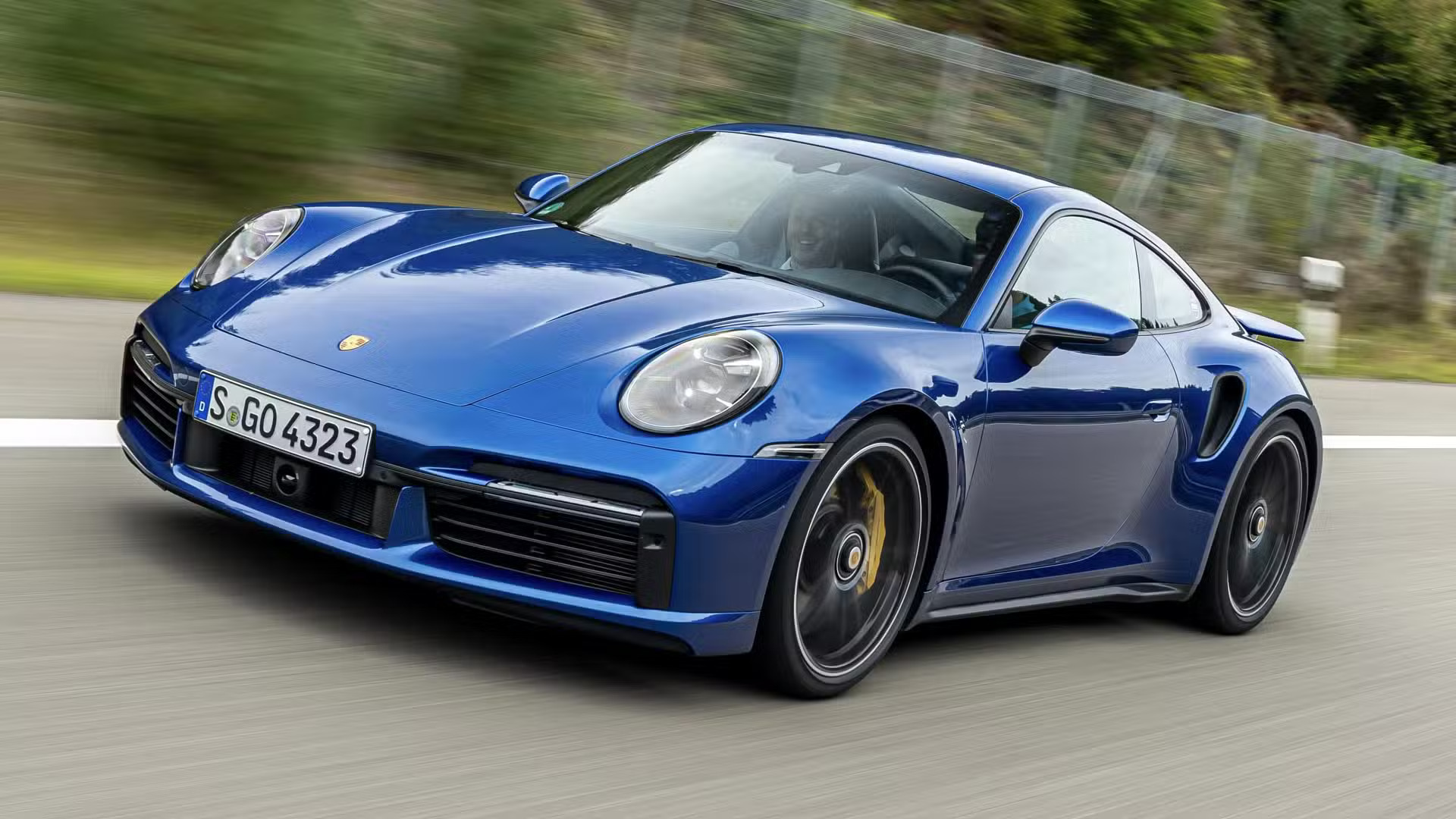
The 2026 Cadillac CT5-V Blackwing is a thrilling farewell to General Motors’ era of V8-powered sedans. Priced at $101,195, this luxury performance car blends traditional American muscle with modern engineering precision.
Beneath the hood lies a supercharged 6.2-liter V8 that produces 668 horsepower, paired with rear-wheel drive and a six-speed manual transmission. The result is a sedan that delivers exceptional power and driver engagement, marking the high point of Cadillac’s performance legacy.
The CT5-V Blackwing may not be the quickest luxury sedan in its class, but it is certainly among the most exciting to drive. Equipped with the manual transmission, it reaches 0 to 60 mph in 4.0 seconds and completes the quarter mile at 124 mph.
The optional 10-speed automatic is faster, yet enthusiasts will prefer the manual’s precise and satisfying shifts, enhanced by automatic rev-matching. Braking and handling are equally impressive. The Blackwing stops from 60 mph in 104 feet and achieves 1.08 g on the skidpad, surpassing rivals such as the Audi RS7.
Steering is sharp and communicative, and the stability control system allows confident, aggressive driving. The optional Precision Package adds carbon-ceramic brakes, a firmer suspension, and chassis enhancements for drivers seeking track-level performance.
Despite its immense power, the CT5-V Blackwing offers excellent comfort and refinement. The Magnetic Ride Control adaptive suspension provides a smooth, composed ride without compromising handling. The heated and ventilated seats are supportive and remain comfortable even on long journeys.
Cabin insulation is strong, keeping wind and road noise minimal, while the V8 produces a deep, satisfying sound when pushed. Inside, the 33-inch digital display modernizes the cabin’s appearance, though the steering wheel controls can be somewhat confusing. Visibility from the driver’s seat is good, and the digital rearview mirror helps compensate for the slightly limited rearward view caused by the sloping roofline.
Cadillac’s Google-based infotainment system is clear, responsive, and easier to use than many European rivals’ interfaces. Wireless Apple CarPlay and Android Auto are standard, complemented by a premium AKG audio system and well-functioning voice controls.
Trunk space measures 11.9 cubic feet, which is less than the BMW M5 but remains adequate for travel bags or daily errands. Interior storage is limited, though there is enough space for small personal items.
The manual-equipped CT5-V Blackwing has an EPA estimate of 15 mpg combined, though test drives have shown up to 18 to 24 mpg on the highway. Fuel consumption increases significantly during spirited driving, as expected for a car of this capability.
Compared with its European competitors, the Blackwing provides remarkable value, offering similar performance for a much lower price. While the cabin materials may not match the most luxurious German sedans, its dynamic ability, manual gearbox, and character make it one of the most engaging performance sedans available. The 2026 CT5-V Blackwing stands as a true driver’s car and a fitting tribute to Cadillac’s V8 heritage.
3. 2025 Porsche 718 Cayman and Boxster: Balanced Performance with Everyday Usability
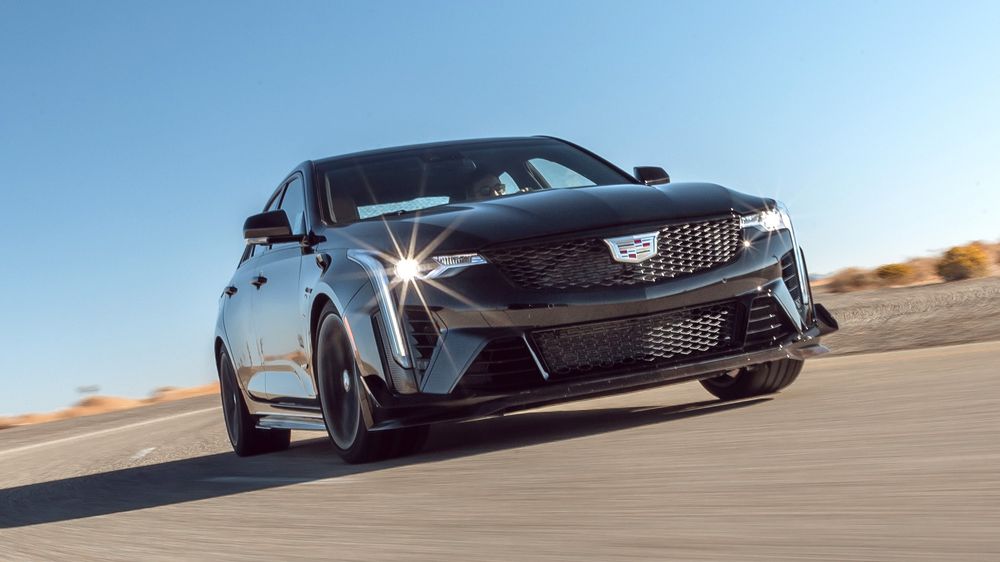
The 2025 Porsche 718 Cayman and Boxster continue to represent Porsche’s purest expression of driving pleasure. Priced from $77,395, these mid-engine sports cars offer an ideal blend of balance, precision, and driver engagement. While they lack the outright power of the 911, many enthusiasts argue that their superb chassis balance and steering feel make them even more rewarding on winding roads.
The lineup offers both four-cylinder turbocharged engines and naturally aspirated flat-sixes, all available with a six-speed manual transmission or a seven-speed PDK dual-clutch automatic. Despite earlier plans to end production in favor of electric replacements, Porsche now appears ready to extend the life of these beloved gas-powered models.
Driving the 718 Cayman or Boxster is an experience defined by balance and precision rather than brute force. The Cayman S with a manual transmission accelerates from 0 to 60 mph in 4.6 seconds, while the PDK-equipped version is quicker. The Boxster GTS 4.0 does the sprint in 3.4 seconds, and the Spyder RS achieves a remarkable 2.8 seconds.
Even the base 2.0-liter flat-four offers responsive performance, though its sound is less refined. The steering feel and chassis feedback are among the best in the automotive world, delivering confidence through every corner. The brakes are strong and fade-resistant, ensuring consistent stopping power during spirited drives.
Despite their athletic focus, the Cayman and Boxster remain livable for daily use. The sport seats are supportive and well-shaped, and the PASM adaptive suspension keeps the ride composed. Smaller bumps are absorbed smoothly, but larger ones can jolt the cabin.
Road noise is noticeable on rough pavement, and the four-cylinder engine sounds coarse with the sport exhaust, though the flat-six models offer a more satisfying tone. The ventilated seat option and ergonomic driving position make long journeys enjoyable, and visibility from the cockpit is excellent for a low-slung sports car.
The cabins are compact but comfortable for most drivers, featuring premium materials and tight build quality. While the layout is simple, the infotainment system has a learning curve due to its many buttons.
Apple CarPlay is now standard, but Android Auto remains unavailable. Available tech includes navigation, Wi-Fi hotspot, and voice controls. Safety features are modest but include standard parking sensors, with adaptive cruise control and blind-spot monitoring as options.
Storage is divided between a front trunk and rear cargo area, offering respectable total space for a two-seater. Inside, storage cubbies are minimal, and Porsche’s trademark fold-out cupholders are awkward but functional. The Boxster’s cabin can feel tight, yet it remains suitable for weekend getaways or daily commutes.
The Cayman and Boxster deliver impressive efficiency for performance cars. Depending on configuration, EPA ratings range from 19 to 25 mpg combined, with real-world tests achieving up to 33 mpg on highways.
Both models maintain Porsche’s excellent build quality, though the price can climb quickly with options. Warranty coverage includes four years or 50,000 miles for both the vehicle and powertrain, plus one year or 10,000 miles of complimentary maintenance.
The 2025 Porsche 718 Cayman and Boxster remain some of the most engaging sports cars available. Their responsive steering, communicative chassis, and high-quality construction make them a joy to drive and a worthy continuation of Porsche’s sports car heritage.
4. 2025 Lotus Emira: The Last of a Pure-Bred Sports Car Lineage
The 2025 Lotus Emira, priced from $102,250, marks the end of an era for the British automaker as its final gasoline-powered sports car before transitioning to electric models. It represents a perfect balance between traditional driver engagement and modern refinement.
Like competitors such as the Porsche 718 Cayman, the Emira uses a mid-engine layout for exceptional balance and agility. What truly distinguishes it is its hydraulic steering system, which delivers genuine road feel that few modern sports cars can match.
The Emira offers two distinct powertrains. The first is a Toyota-sourced 3.5-liter supercharged V6 that produces 400 horsepower and 310 pound-feet of torque, paired with either a six-speed manual or six-speed automatic transmission.
The second option is a turbocharged 2.0-liter four-cylinder from Mercedes-AMG, also rated at 400 horsepower, but with 354 pound-feet of torque, available only with an eight-speed dual-clutch automatic.
In testing, a manual First Edition model reached 60 mph in 4.3 seconds and covered the quarter mile in 12.7 seconds at 111 mph. While the Porsche 718 Cayman GTS is quicker, the Emira excels in steering precision and handling balance.
Its hydraulic steering setup provides direct feedback and exceptional communication, giving the driver a strong sense of connection to the road. The manual gearshift feels mechanical and satisfying, although it could be smoother, and the brakes deliver excellent stopping power but can be grabby at low speeds.
The EPA estimates for the V6 manual version are 16 mpg city and 24 mpg highway, while the automatic improves to 18 mpg city and 26 mpg highway. Ratings for the four-cylinder model have not yet been announced. Although fuel economy is not a highlight, it is acceptable for a performance-oriented sports car with this level of power.
Inside, the Emira features a clean, driver-focused design with high-quality materials and a noticeable step up in refinement compared with previous Lotus models. The driver faces a 12.3-inch digital instrument display and a flat-bottom steering wheel.
Entry and exit are easier thanks to narrower door sills and larger openings, addressing a common issue from the Evora GT. Practical additions include cupholders, small storage bins in the doors, and a total of 12 cubic feet of cargo space, split between areas behind the seats and near the engine bay.
The infotainment system runs through a 10.2-inch touchscreen, supporting Apple CarPlay and Android Auto. Physical controls are minimal, though a rotary knob on the console allows quick audio adjustments. The Emira also introduces optional driver-assistance features, including adaptive cruise control, lane-departure warning, and automated emergency braking.
Lotus offers a three-year or 36,000-mile warranty for both the vehicle and the powertrain, with no complimentary scheduled maintenance.
The 2025 Lotus Emira combines classic sports car purity with a touch of everyday usability. It may not be the fastest in its segment, but its steering accuracy, balanced chassis, and mechanical honesty make it one of the most engaging sports cars on the road today and a fitting farewell to Lotus’s era of combustion-powered performance.
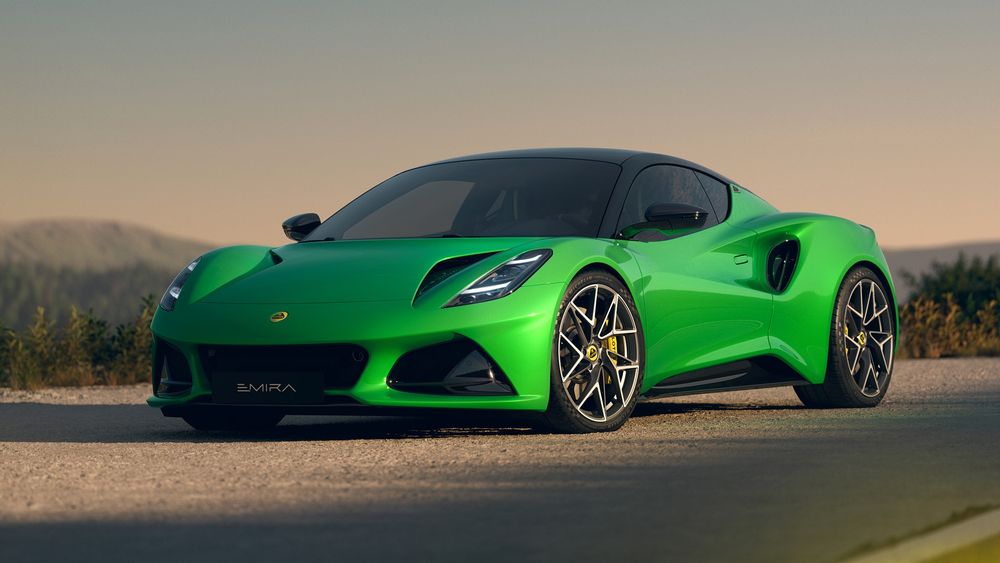
5. 2025 Mazda MX-5 Miata: A Pure Driver’s Car That Keeps It Simple
The 2025 Mazda MX-5 Miata, starting at $30,765, continues to embody the essence of a true driver’s car. Lightweight, rear-wheel-drive, and available with a six-speed manual transmission, it remains one of the most engaging and affordable sports cars on the market.
While Mazda offers an automatic, the manual transmission is the version that fully captures the Miata’s spirit, especially in the Club trim with the Brembo/BBS Recaro package, which is exclusive to the manual model.
The Miata is powered by a 2.0-liter four-cylinder engine producing 181 horsepower and 151 pound-feet of torque. With a curb weight of just around 2,400 pounds, it is agile and perfectly balanced. In testing, the manual Miata accelerated from 0 to 60 mph in 6.4 seconds, slightly slower than the Subaru BRZ and VW Golf GTI but still quick enough to feel lively.
Its handling is the true highlight. The Miata delivers superb steering precision and communicates road feel exceptionally well, allowing drivers to sense every ounce of available grip.
It leans noticeably in tight corners, but this body motion enhances its playful character rather than detracting from control. Braking performance is equally solid, stopping from 60 mph in 113 feet. The Miata’s small size and low weight make it one of the most responsive cars on winding roads.
While small, the Miata is more livable than expected. The seats are supportive and heated, making them comfortable for daily use, though taller drivers may find the cabin tight. Road and wind noise are significant, particularly with the top up, but driving with the manual soft top down offers a pure, open-air experience.
The cabin’s minimalist layout keeps controls within easy reach, though cupholders and the infotainment knob are awkwardly positioned. The Miata’s compact nature means limited headroom and legroom, especially for passengers over six feet tall.
Mazda balances simplicity with modern connectivity. Standard features include Apple CarPlay, Android Auto, and two USB ports. The available Bose nine-speaker audio system delivers impressive sound clarity even with the top down. Driver-assist systems such as blind-spot monitoring and lane-departure warning add useful safety without diluting the car’s analog feel.
Trunk space measures 4.6 cubic feet, just enough for a weekend bag or groceries. Interior storage is minimal, limited to a small center bin and a few pockets. Despite its size, the Miata’s build quality feels solid, with high-quality materials throughout the cabin.
EPA fuel economy for the manual model is an impressive 29 mpg combined, making it one of the most efficient sports cars available. Backed by a three-year/36,000-mile warranty and a five-year/60,000-mile powertrain warranty, the 2025 MX-5 Miata remains an unbeatable blend of affordability, reliability, and pure driving enjoyment.
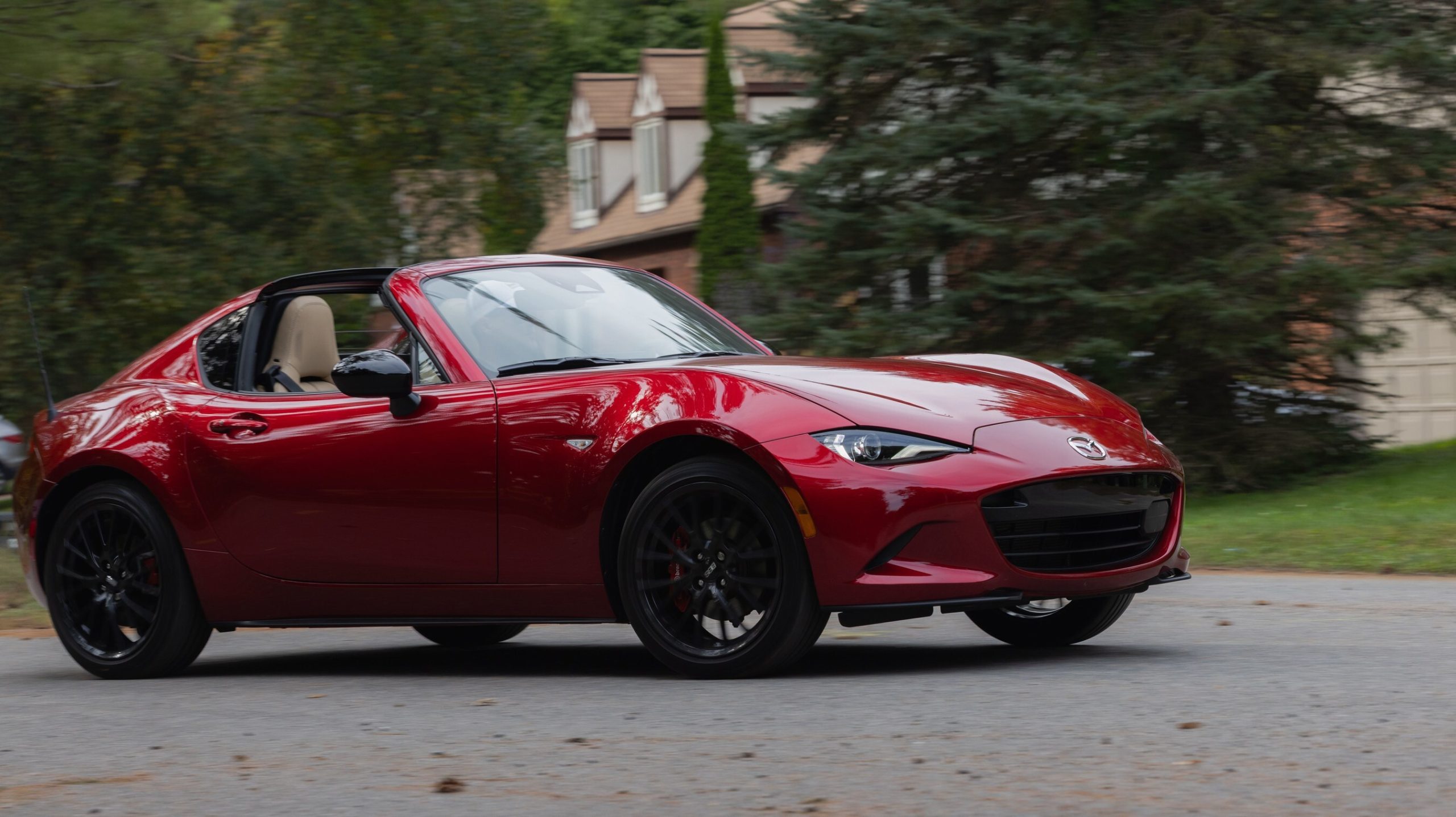
6. 2025 Honda Civic Type R: The Ultimate Hot Hatch for Purists
Starting at $47,090, the 2025 Honda Civic Type R stands as the pinnacle of modern hot hatchbacks. It delivers thrilling performance, sharp handling, and everyday practicality while remaining true to its enthusiast roots.
Unlike most rivals, it is manual-only, featuring a six-speed gearbox that is widely praised as one of the best in the industry. With no automatic option, the Type R proudly positions itself as a car built purely for driving enjoyment.
Under the hood, the Type R houses a 2.0-liter turbocharged four-cylinder engine producing 315 horsepower and 310 pound-feet of torque. Power is sent exclusively to the front wheels through a precision-tuned six-speed manual transmission. In testing, it sprinted from 0 to 60 mph in 5.5 seconds, outpacing rivals like the Hyundai Elantra N while staying close to all-wheel-drive competitors such as the Golf R and GR Corolla.
Braking and grip are exceptional. It stopped from 60 mph in just 108 feet and achieved 1.07 g on the skidpad, rivaling cars that cost twice as much. The steering, throttle response, and shifter feel are perfectly synchronized, delivering a polished and immersive experience. Despite its front-wheel-drive layout, the Type R remains stable, balanced, and playful, making it one of the most rewarding hatchbacks to drive.
Though built for performance, the Type R doesn’t compromise ride quality. Its adaptive dampers offer a usable Comfort mode for daily driving while maintaining composure on rough roads. The deeply bolstered sport seats strike a fine balance between comfort and support, though tire noise is pronounced at highway speeds.
The cabin resembles a standard Civic but with distinctive red accents, badging, and carpeting that signal its performance pedigree. The driving position is spot-on, offering excellent visibility and ergonomics. Rear passengers enjoy generous legroom, although the car seats only four. A center armrest and rear air vents would have added convenience.
The 9-inch infotainment touchscreen sits high on the dashboard for easy visibility and offers wireless Apple CarPlay and Android Auto, though the connection can occasionally lag.
A Bose audio system and digital gauge cluster enhance the cabin’s premium feel. Advanced safety features, including lane keeping assist, blind-spot monitoring, and adaptive cruise control, work seamlessly without dulling the driving experience.
Cargo capacity is another strong suit, with 24.5 cubic feet of storage more than most rivals. Ample in-cabin storage makes it practical for everyday use, proving that performance and practicality can coexist.
The Type R achieves an EPA-estimated 24 mpg combined, with real-world tests returning up to 27.6 mpg. It may be expensive for a Civic, but its precision engineering, usability, and driver engagement make it worth every dollar. Backed by Honda’s three-year/36,000-mile warranty, the 2025 Civic Type R remains the benchmark for driver-focused hatchbacks.
Also Read: 10 Cars That Still Look Brand-New With a Simple Wash
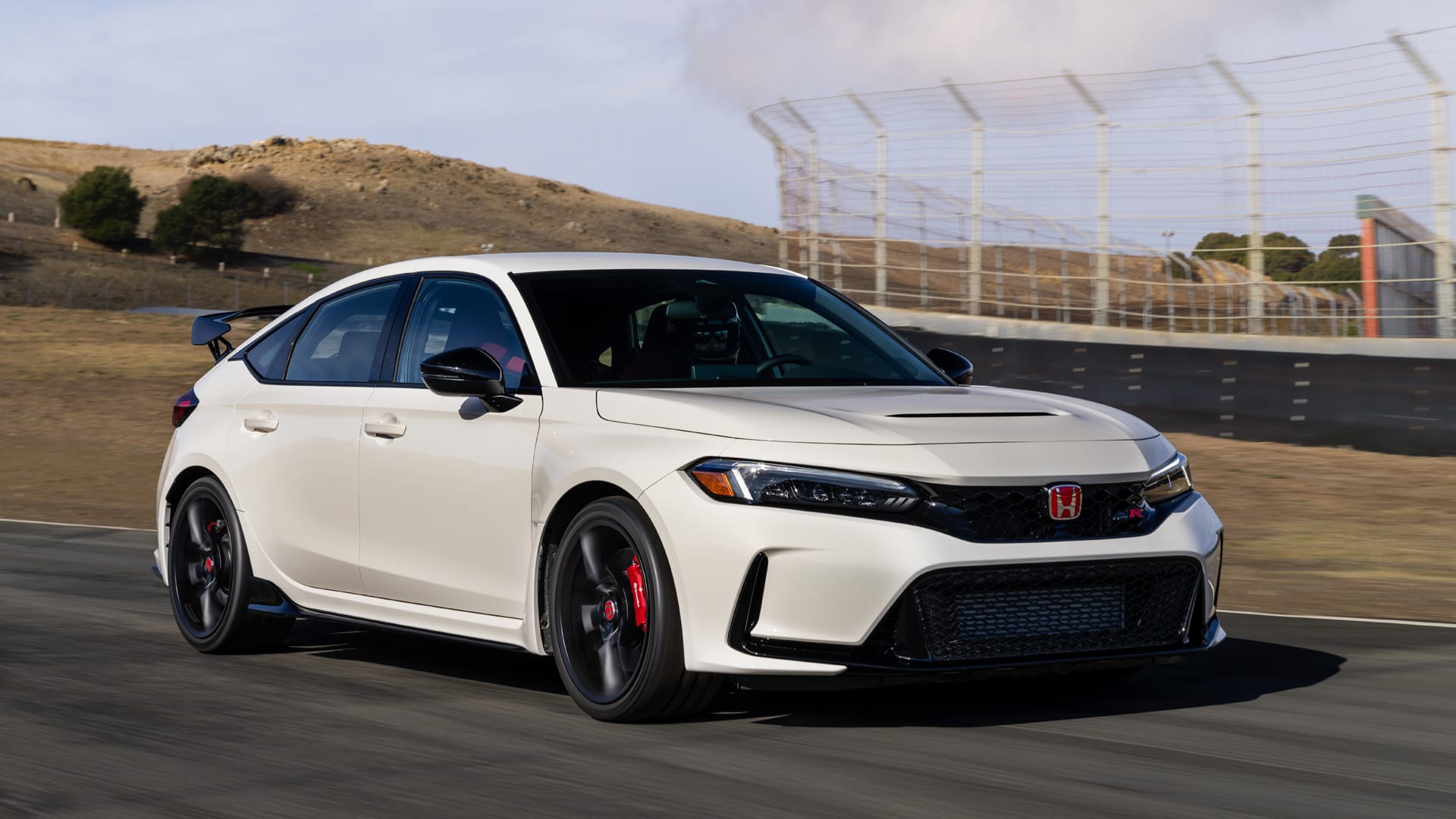
7. 2026 Toyota GR86: A Lightweight Sports Car That Redefines Driving Fun
Starting at $31,995, the 2026 Toyota GR86 remains one of the most engaging and affordable rear-wheel-drive sports cars available. With its 2.4-liter flat-four engine producing 228 horsepower and paired to either a six-speed manual or automatic transmission, the GR86 is built for enthusiasts who value connection, balance, and control. Compact, lightweight, and responsive, it delivers pure driving pleasure at a price few cars can match.
The GR86’s biggest strength lies in its exceptional handling and steering precision. Equipped with optional high-performance summer tires, it grips the road confidently and corners with poise. The steering feel is among the best in its class, providing clear feedback from the road. At the test track, the manual version accelerated from 0 to 60 mph in 6.0 seconds, while the automatic trailed slightly at 6.9 seconds.
The six-speed manual transmission enhances driver involvement with its short, precise throws and perfectly positioned pedals for heel-and-toe downshifts. The light clutch adds to the GR86’s approachable yet engaging driving experience.
Braking performance is equally impressive, with the car stopping from 60 mph in 104 feet. However, the firm suspension that sharpens its handling can make bumpy roads feel jarring, especially during longer drives.
Despite its sporty nature, the GR86 offers decent comfort for daily use. The manually adjustable front seats are supportive and provide good upper-back bolstering without being restrictive. Dual-zone climate control is a surprising touch of refinement for such a compact sports car. However, road and tire noise are constant companions, and the engine note can sound coarse rather than exciting.
The interior design is driver-focused and minimalist. The low dashboard improves forward visibility, and the digital instrument cluster is easy to read at a glance.
The small steering wheel provides a perfect fit for most drivers, though getting in and out can be tricky due to the car’s low stance and long doors. The front seats offer plenty of room for taller occupants, but the rear seats are best suited for bags or small items rather than passengers.
Every GR86 comes with Apple CarPlay and Android Auto, two USB ports, and a responsive touchscreen infotainment system. The audio system struggles to overcome interior noise, but standard driver-assist features such as adaptive cruise control and lane departure warning add useful safety without diluting the experience.
Though its 6.3-cubic-foot trunk is small, folding the rear seats allows enough room for a set of replacement wheels and tires, proving the GR86’s practicality for track days or errands.
Fuel economy is respectable, with 22–24 mpg combined depending on transmission. On real-world drives, the GR86 exceeded expectations with up to 28 mpg. Toyota’s three-year/36,000-mile basic warranty and five-year/50,000-mile powertrain coverage, plus two years of free maintenance, enhance its value.
Balanced, precise, and endlessly entertaining, the 2026 Toyota GR86 delivers classic sports car thrills in a modern, affordable package designed for pure driving joy.
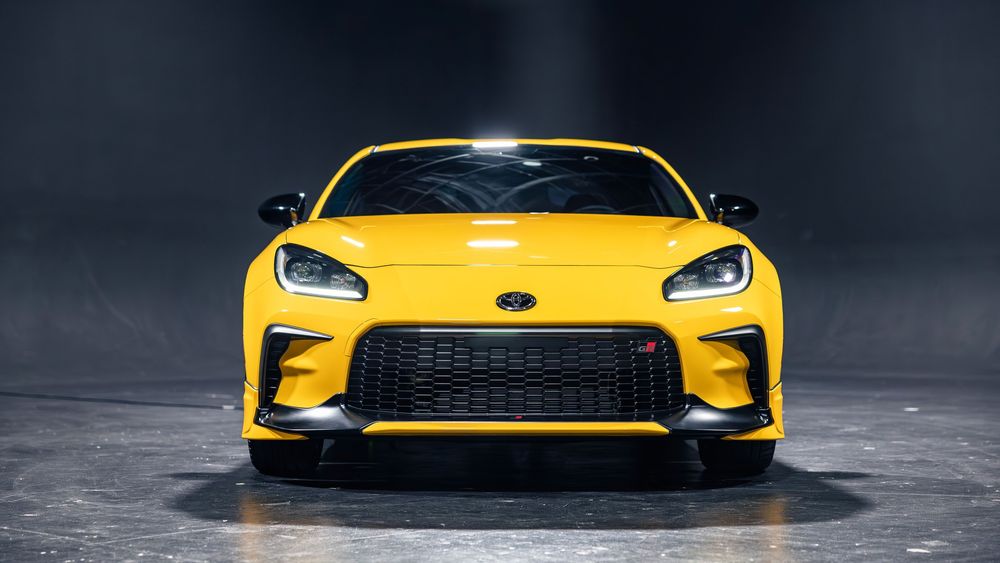
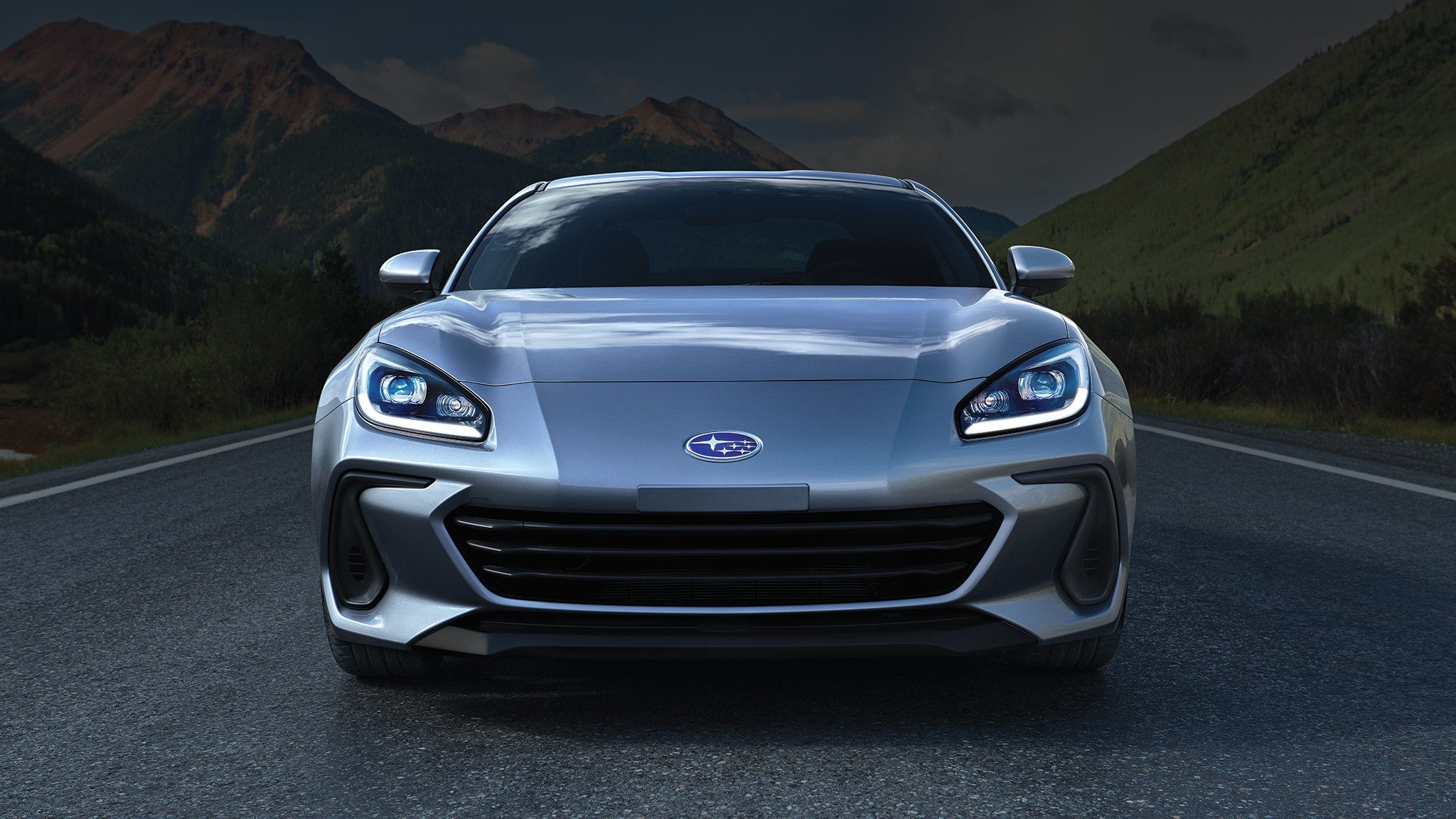
8. 2026 Subaru BRZ: Precision Driving with Everyday Usability
Starting at $37,055, the 2026 Subaru BRZ remains one of the purest expressions of lightweight, rear-wheel-drive performance. Closely related to the Toyota GR86, it shares the same 2.4-liter flat-four engine and six-speed manual or automatic transmission, but Subaru gives the BRZ its own personality through unique suspension tuning and styling. The result is a nimble, engaging sports coupe that prioritizes balance and precision over brute force.
The BRZ’s appeal lies in its steering feel and chassis balance. Its quick, accurate steering allows confident cornering, while the suspension tuning provides impressive grip and composure. The car feels agile on winding roads and stable at higher speeds, with the rear end capable of playful slides for drivers who want to explore its limits.
Powered by a 2.4-liter four-cylinder engine, the BRZ produces smooth, linear power from idle to redline. The six-speed manual provides crisp, positive shifts and enhances driver engagement, while the optional automatic offers paddle shifters and responsive downshifts in Track mode.
In testing, the manual BRZ reached 60 mph in 6.1 seconds, making it competitive with rivals like the Mazda MX-5 Miata and Volkswagen Golf GTI. Braking performance is also strong, stopping from 60 mph in 106 feet, though extended track use could benefit from upgraded pads.
The BRZ’s ride quality balances firmness with good compliance, maintaining comfort over longer drives while still feeling composed on twisty roads. The seats are supportive and manually adjustable, offering excellent lateral hold without discomfort. However, road and tire noise are prominent, and the engine sound can become intrusive at higher revs.
Inside, the cabin is minimalist and driver-focused, with easy-to-reach controls and excellent forward visibility aided by a low dashboard and hood line. Taller drivers will find ample space in the front, but the rear seats are better used for storage than passengers. Entry and exit can be awkward due to the coupe’s low stance and long doors.
Every BRZ includes Apple CarPlay and Android Auto, two USB ports, and a simple yet responsive touchscreen. The audio system struggles against cabin noise, but the infotainment interface is intuitive. Driver-assist options include adaptive cruise control, automatic emergency braking, and lane departure warning, mainly available with the automatic transmission.
Though small, the 6.3-cubic-foot trunk expands when the rear seats are folded, offering space for four spare wheels with tires ideal for track-day enthusiasts. Cabin storage is limited but thoughtfully arranged with deep cupholders and usable compartments.
Fuel economy is solid for a sports coupe, rated at 22 mpg combined with the manual and 25 mpg with the automatic. Real-world results often reach 28 mpg on the highway. Subaru backs the BRZ with a three-year/36,000-mile basic warranty and five-year/50,000-mile powertrain coverage, plus roadside assistance.
With sharp handling, a tactile manual transmission, and daily usability, the 2026 Subaru BRZ delivers authentic sports car joy at a price that remains within reach for true driving enthusiasts.
9. 2026 Cadillac CT4-V Blackwing: A Precision-Built Sports Sedan with Everyday Luxury
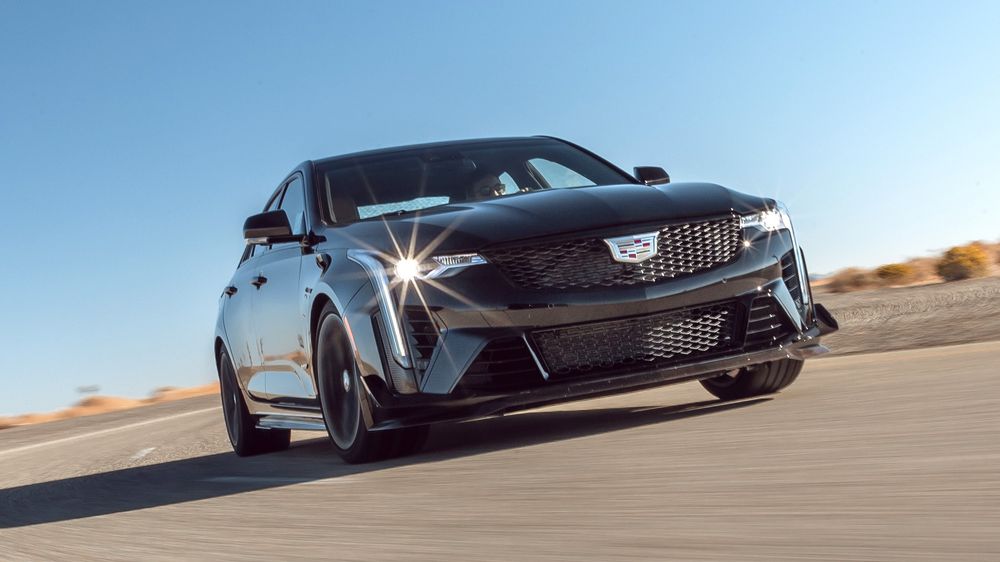
Starting at $64,195, the 2026 Cadillac CT4-V Blackwing continues to prove that performance sedans need not come from Europe to be exceptional.
While it lacks the CT5-V Blackwing’s V-8 engine, its 3.6-liter twin-turbo V6, sharp chassis tuning, and standard Magnetic Ride Control suspension make it one of the most rewarding driver’s cars on the market. With a six-speed manual transmission available, it caters to enthusiasts who value engagement as much as speed.
Driving the CT4-V Blackwing is an experience that combines refinement with exhilaration. In testing, the manual-equipped model reached 60 mph in 4.6 seconds, delivering smooth, consistent acceleration through each gear.
Though the automatic version is quicker, the manual’s mechanical feel makes every drive memorable. The steering is precise and communicative, and the car’s chassis balance inspires confidence whether on tight switchbacks or high-speed straights.
Cadillac’s Magnetic Ride Control suspension keeps the car planted and composed, adapting instantly to changing road conditions. On the skidpad, the CT4-V achieved 1.09 g of lateral grip, putting it on par with some high-end sports cars. Braking performance is equally impressive, with strong, fade-free stops that instill confidence both on the road and track.
Unlike the standard CT4, the Blackwing’s cabin feels well-appointed, with soft-touch materials, supportive sport seats, and excellent noise isolation from dual-pane windows. The MagneRide suspension smooths out rough pavement without dulling the car’s responsiveness. Opting for the Climate Package adds ventilated, heated, and massaging front seats, elevating comfort to luxury sedan levels.
The driving position is spot-on, though the sloped footwell takes some getting used to. Rear visibility is slightly hindered by thick roof pillars, but front sightlines are clear. Interior controls are functional, although the tiny dials below the infotainment screen can be tricky to use on the move.
The 8-inch touchscreen features wireless Apple CarPlay and Android Auto, along with a built-in navigation system and optional head-up display. The interface is clean and responsive, though the voice command system often misinterprets inputs. Active safety tech includes forward collision warning with Cadillac’s signature vibrating seat alerts, but the blind-spot monitoring system is inconsistent.
Storage space is limited for the class, with a 10.7-cubic-foot trunk, though the layout accommodates luggage or groceries easily. Rear-seat room is tight but can fit two child seats with LATCH anchors.
Fuel economy averages around 20 mpg in mixed driving, respectable for a car with this level of power. Cadillac’s four-year/50,000-mile basic warranty and six-year/70,000-mile powertrain coverage are solid but not exceptional.
With its blend of American craftsmanship, track-ready handling, and genuine driver engagement, the 2026 CT4-V Blackwing delivers an experience that rivals or surpasses many European sports sedans while maintaining everyday usability and value.
10. 2026 BMW M2: The Last Great Manual BMW for True Driving Enthusiasts
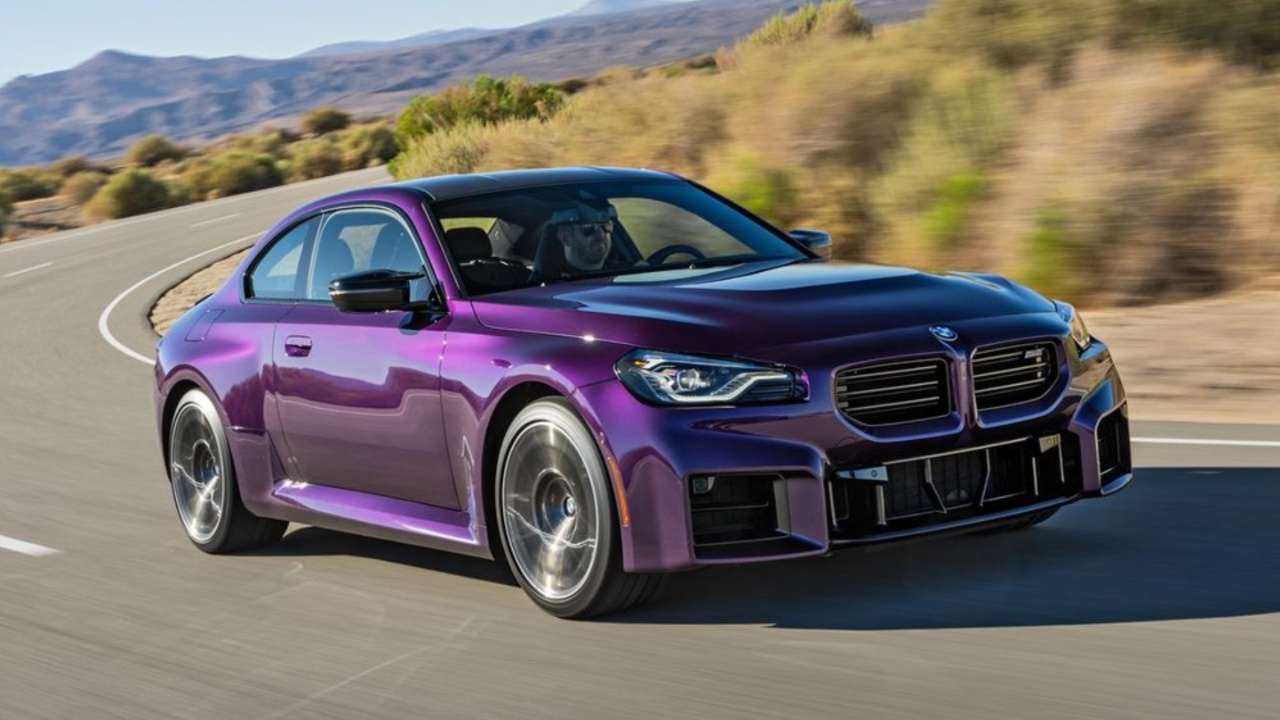
With a starting price of $69,375, the 2026 BMW M2 stands as a tribute to classic driving engagement in an era of automation. It keeps the spirit of traditional M cars alive through its six-speed manual transmission and rear-wheel-drive layout. Powered by a 473-horsepower turbocharged inline-six, the M2 blends ferocious acceleration with balance and precision, creating a sports coupe that is both thrilling and approachable.
In testing, the manual-equipped M2 accelerated from 0 to 60 mph in 4.3 seconds and covered the quarter mile in 12.2 seconds at 117.4 mph. While the automatic version will be quicker, the manual’s tactile engagement remains unmatched.
The M2’s steering precision and 1.07 g skidpad performance highlight its razor-sharp handling and immense grip. Despite its capability, it remains manageable for drivers of all skill levels, offering a rare mix of confidence and excitement.
BMW engineers have also made the new M2 more refined than before. Its suspension filters out harshness without dulling responsiveness, ensuring the car feels planted yet composed on rough pavement. This duality makes it suitable for both spirited weekend drives and longer highway stretches.
Getting into the M2 requires some flexibility due to its low stance, and the optional sport bucket seats add extra difficulty with their deep bolsters. Rear seating remains tight, but front passengers enjoy excellent visibility and ergonomically sound driving positions. The interior quality impresses, with materials that feel solid and a cabin free from rattles or squeaks.
Climate control performance is strong, though the screen-based interface can be unintuitive at first. Despite that, the cabin stays quiet even at high speeds, balancing sportiness with refinement.
The curved digital display delivers sharp graphics and quick responses. Wireless Apple CarPlay and Android Auto work seamlessly, and BMW’s voice control system is one of the best available, allowing drivers to adjust settings hands-free. More USB-C ports and a cooled charging pad would improve usability.
Cargo space is respectable for a compact coupe, with 13.8 cubic feet available and folding rear seats for added practicality. Interior storage, however, is minimal, with awkwardly placed cupholders that interfere with manual shifting.
The M2 delivers tremendous performance for its price, offering supercar-level dynamics at a fraction of the cost. Fuel economy is rated at 19 mpg combined, though spirited driving will see less. Warranty coverage includes four years/50,000 miles and three years/36,000 miles of free maintenance.
The 2026 BMW M2 is one of the last pure driver’s cars. Its manual gearbox, balanced chassis, and exceptional performance make it a standout in a world of increasing automation. For those who still crave the connection between car and driver, the M2 remains a brilliant and enduring choice.
11. 2026 Acura Integra and Integra Type S: Everyday Usability Meets Performance DNA
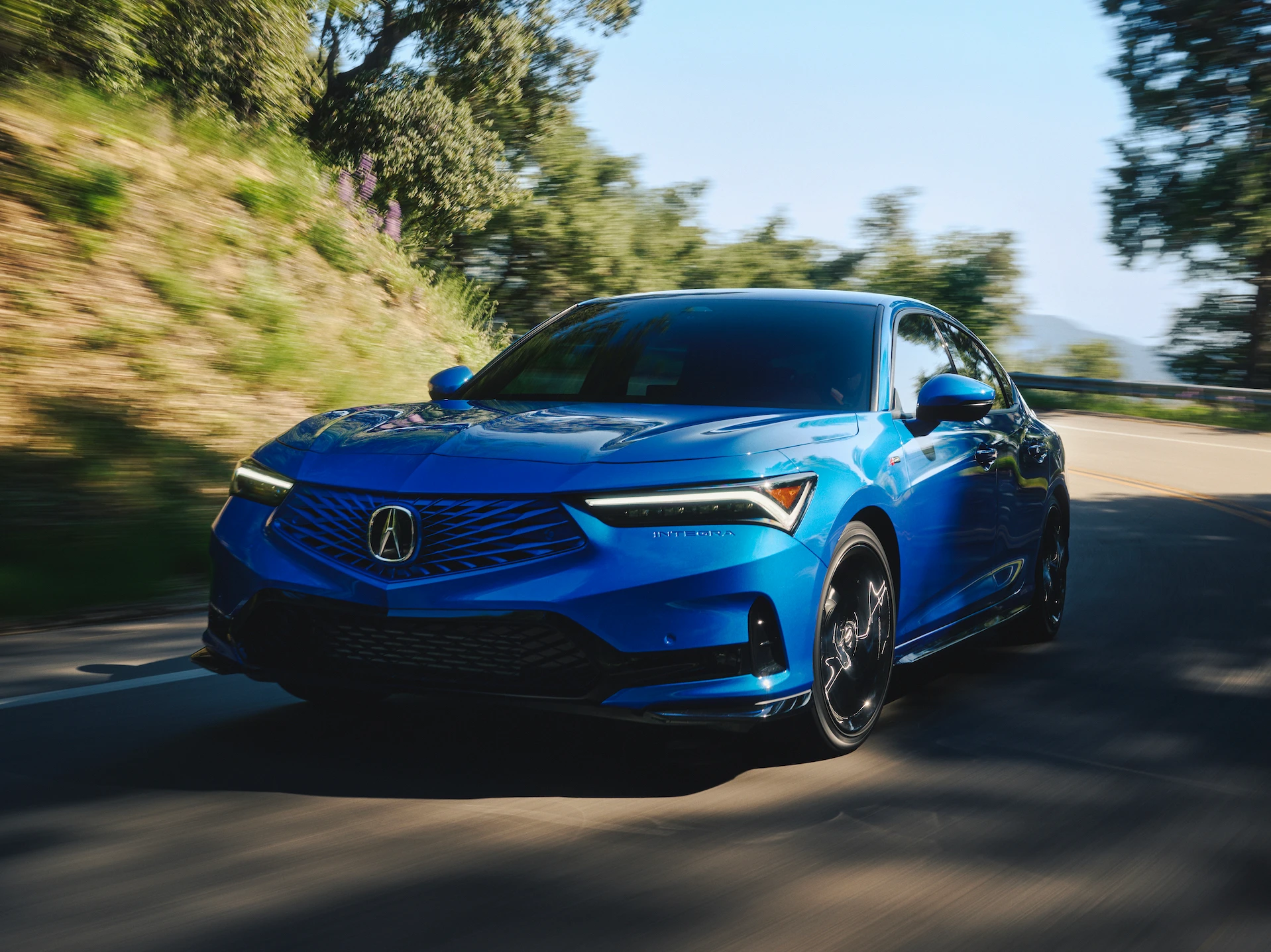
The 2026 Acura Integra lineup combines everyday comfort with a lively driving experience. Priced at $40,395 for the base model and $54,595 for the Integra Type S, it caters to both casual drivers and enthusiasts.
The Type S, which shares its 320-horsepower turbocharged engine and six-speed manual transmission with the Honda Civic Type R, delivers sharp performance and driving engagement while maintaining refinement. The standard Integra focuses more on practicality, value, and accessible entry-level luxury.
The manual-equipped Integra accelerates to 60 mph in 7.8 seconds, a modest figure for its class. Its capable chassis shows potential during spirited driving, but the all-season tires hold it back from achieving its best performance. Upgrading to summer tires makes a noticeable difference in grip and handling.
The adaptive suspension dampers, offered with the A-Spec and Technology package, improve ride comfort and stability, resulting in a more composed ride than the Civic Si while still feeling sporty.
The Integra Type S represents a major step up. With its powerful engine and finely tuned suspension, it delivers quick acceleration, precise steering, and impressive cornering control. Despite its track-ready character, it remains comfortable and easy to drive daily, which makes it one of the most well-balanced performance cars in its price range.
The Integra’s cabin borrows heavily from the Honda Civic, benefiting from a clean layout and intuitive controls. Passenger space is generous, particularly in the rear, where legroom rivals many larger cars.
The front seats could use stronger side bolstering, and the passenger seat’s limited adjustments are disappointing for a luxury model. The absence of rear air vents and slower air conditioning performance also reduce comfort on hot days.
The Type S trim improves the interior experience with sportier seats and higher-quality materials, but both models would benefit from better sound insulation for a quieter ride.
All Integras now come with a 9-inch touchscreen that is responsive and simple to use. Wireless Apple CarPlay, Android Auto, and a wireless charging pad are included, although only one USB-C port is provided. The 24.3-cubic-foot cargo area gives the Integra more practicality than most small luxury sedans. Cabin storage is good, with usable console space and cupholders, though the door pockets are small.
The manual Integra achieves 30 mpg combined, while the CVT version reaches 32 mpg. The Integra’s challenge lies in its identity, since it costs more than the Civic Si but lacks the refinement of higher-end luxury rivals. However, it comes with strong warranty coverage, including six years or 70,000 miles on the powertrain.
The Integra Type S addresses most of the base car’s shortcomings with higher performance and more excitement. For drivers who want a car that feels both engaging and usable every day, the Type S stands out as a rewarding choice.
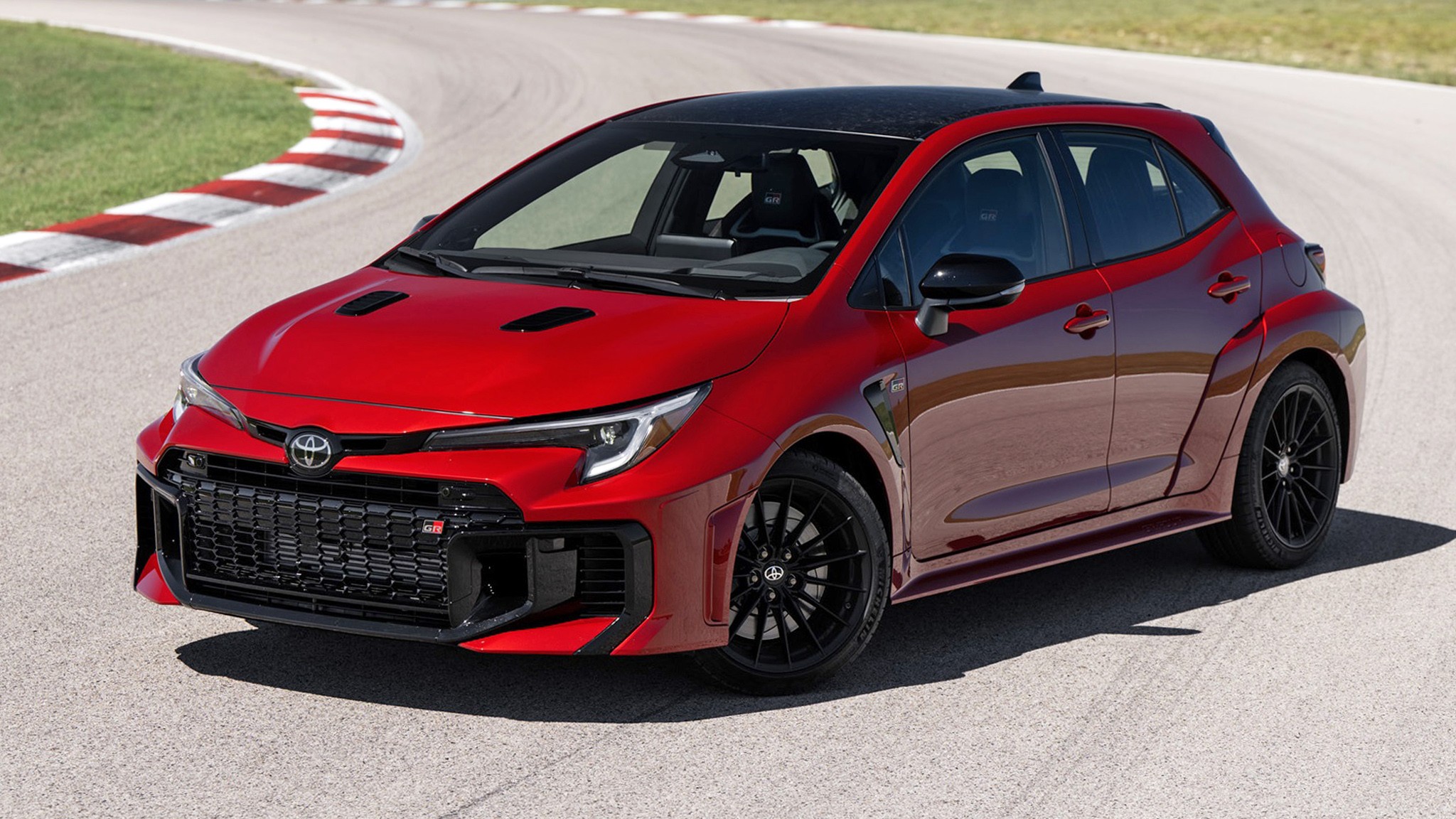
12. 2026 Toyota GR Corolla: A Rally-Bred Hatch for Everyday Thrills
The 2026 Toyota GR Corolla, priced from $41,115, remains one of the most engaging hot hatches available. Developed by Toyota’s Gazoo Racing division, it channels the spirit of the GR Yaris sold overseas.
With a 300-horsepower turbocharged three-cylinder engine, a standard six-speed manual transmission, and adjustable all-wheel drive, the GR Corolla is built for enthusiasts. An eight-speed automatic version is now available, but the manual continues to be the purist’s choice for driver engagement and control.
Under the hood sits a 1.6-liter turbocharged three-cylinder engine producing 300 horsepower, sending power to all four wheels through Toyota’s GR-Four all-wheel-drive system. Drivers can adjust torque distribution between the front and rear axles, selecting a 60/40 split for normal driving, 50/50 for maximum grip on track, or 30/70 for a more playful, rear-biased setup.
In testing, the manual GR Corolla reached 60 mph in 4.9 seconds, just shy of the more powerful Volkswagen Golf R’s 4.6-second time. The car’s handling is sharp and confident, with excellent grip in corners. Pedal placement can make heel-toe downshifts tricky, but the rev-matching function smooths gear transitions. The automatic version offers fast, responsive shifts and a more relaxed character for long drives.
The EPA ratings for the 2026 model are expected to mirror those of the previous year: 21 mpg city and 28 mpg highway for the manual, and 19 mpg city and 27 mpg highway for the automatic. On a highway test at 75 mph, the GR Corolla achieved 28 mpg, a respectable figure for such a powerful all-wheel-drive hatchback.
The GR Corolla’s interior mirrors the standard Corolla hatchback but adds sportier touches such as aluminum pedals, ambient lighting, and bolstered front seats. The build quality is solid, and materials feel durable.
Front passengers enjoy supportive seats, though the rear row is tight on legroom and headroom compared with rivals like the Golf R. Cargo space is practical, fitting three carry-on suitcases with seats upright and 15 bags with the second row folded flat.
Every GR Corolla includes an 8-inch touchscreen with wireless Apple CarPlay, Android Auto, Amazon Alexa, and Wi-Fi hotspot. The optional JBL audio system enhances sound quality and adds artificial engine noise for effect. Standard safety features include adaptive cruise control, automatic emergency braking, lane-keeping assist, and automatic high-beams, reflecting Toyota’s strong safety record.
Toyota backs the GR Corolla with a three-year or 36,000-mile limited warranty and a five-year or 60,000-mile powertrain warranty, plus two years of complimentary maintenance. Owners also receive a one-year membership in the National Auto Sport Association, which includes a free high-performance driving course.
The 2026 GR Corolla blends rally-inspired fun with daily usability, offering rare excitement in a compact, all-weather-friendly package.
A manual transmission offers more than just gear changes. It provides connection, control, and a sense of driving freedom that cannot be replicated by automatic systems. The 12 cars featured here, from nimble coupes to high-performance sedans, show that analog driving still has a place in modern motoring.
Each vehicle combines performance, precision, and engagement, proving that hand-shifting gears remains a skill and a joy worth preserving.
Whether you crave the raw thrill of a naturally aspirated engine, the responsive handling of a lightweight sports car, or the everyday usability of a performance sedan, these cars put the driver at the center of the experience. These 12 manual-transmission vehicles are not just transportation. They are celebrations of driving, keeping pure driving pleasure alive for enthusiasts everywhere.
Also Read: 5 Cars That Pass Emissions At 15 Years vs 5 That Struggle To Set Monitors
