
For many Americans, a midsize pickup is the perfect blend of utility, size, and economy. It’s big enough to tow a boat or haul weekend gear but small enough to fit in a suburban garage.
However, with truck prices climbing and complex technology creeping into every corner, long-term reliability matters more than ever.
A truly great midsize truck isn’t just comfortable or stylish it’s one built on a strong frame with a drivetrain that’s been tested, refined, and proven.
Below are twelve midsize pickups with dependable underpinnings, engines, and transmissions that owners can trust for the long haul.
1. Toyota Tacoma
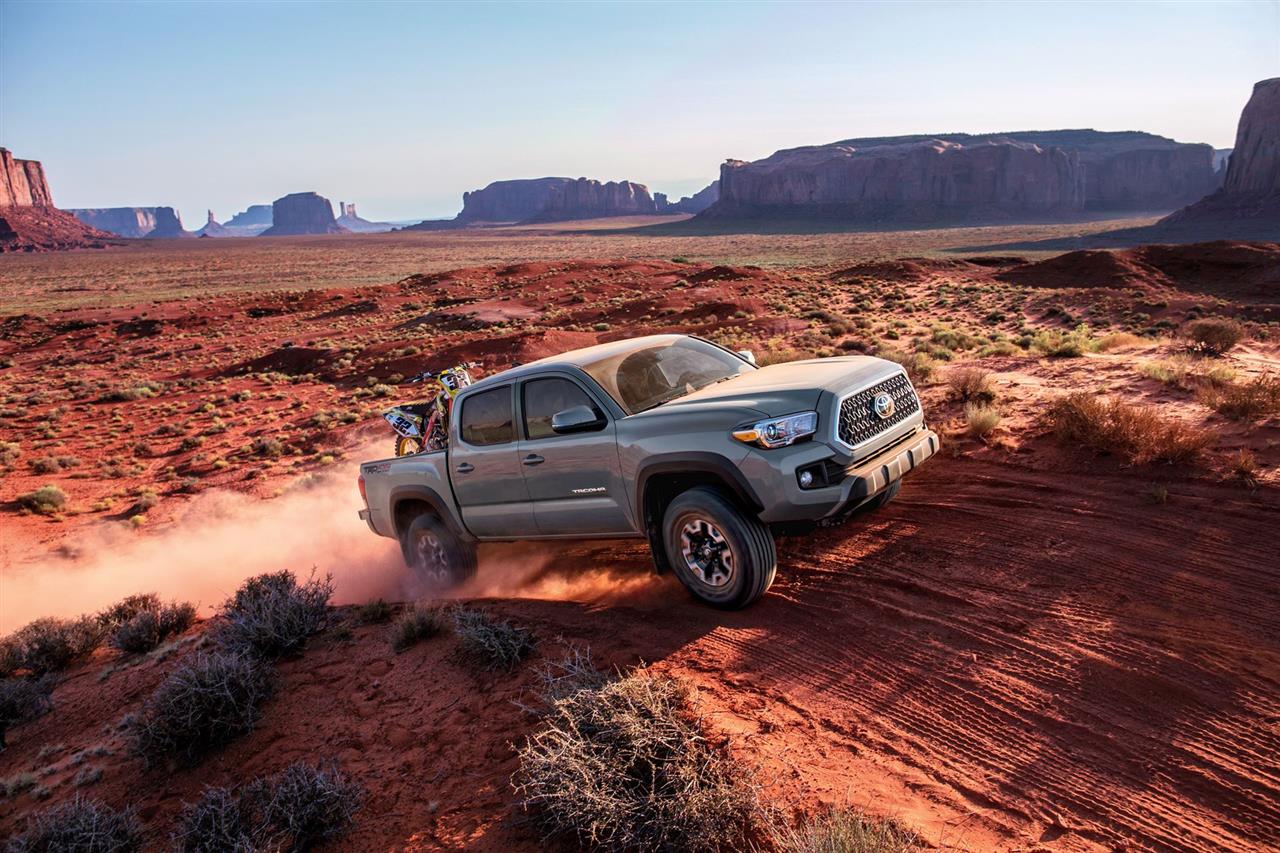
When it comes to durability, the Toyota Tacoma stands alone as a legend. Toyota’s midsize pickup has earned a cult-like following because of its toughness, simple engineering, and strong resale value.
The most recent generation rides on Toyota’s new TNGA-F body-on-frame platform, a structure shared with the Tundra and Land Cruiser, known for its strength and torsional rigidity.
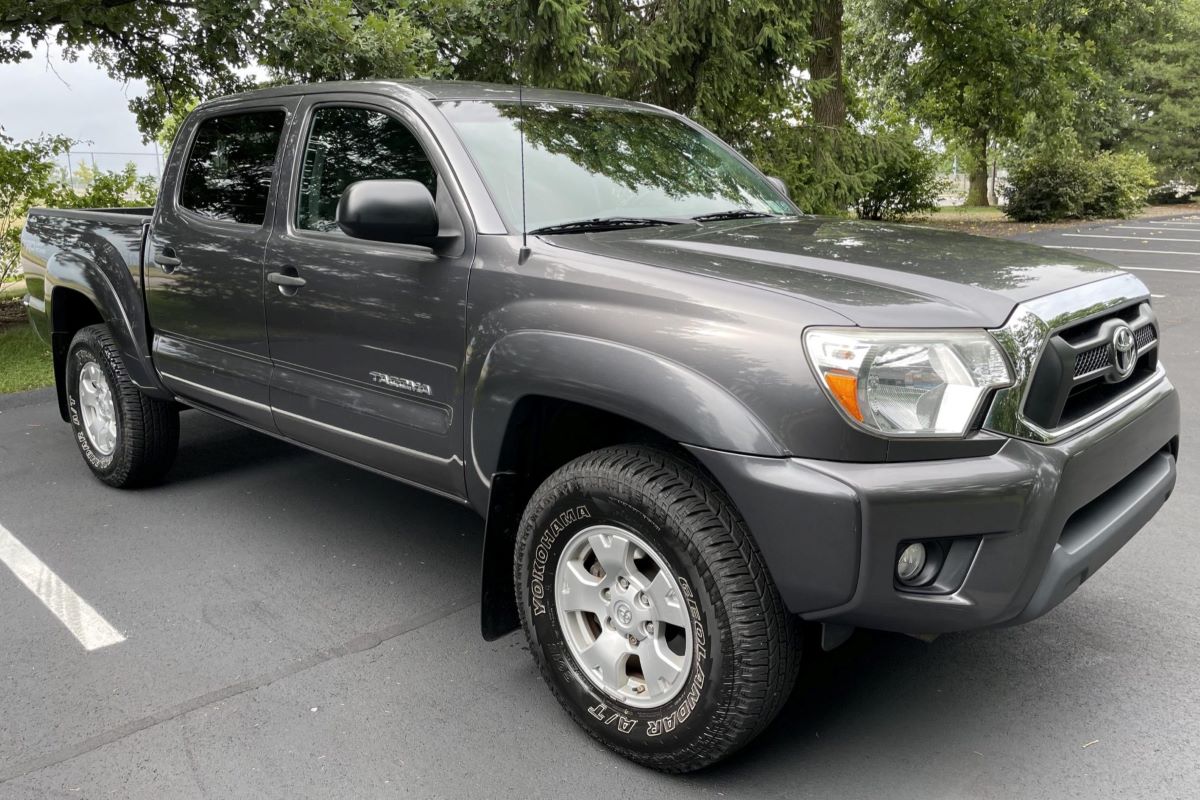
Older Tacomas, especially those with the 4.0-liter V6 or 2.7-liter four-cylinder, have shown incredible drivetrain longevity many exceeding 300,000 miles. While early 2000s models had infamous frame rust issues, Toyota addressed these with recalls and design changes.
The new 2.4-liter turbo engine paired with an updated transmission should continue the Tacoma’s reliability legacy, provided Toyota’s typical attention to detail holds true.
2. Ford Ranger
After years away from the American market, the Ford Ranger’s reintroduction in 2019 marked a strong comeback. The current Ranger is built on a fully boxed high-strength steel frame, tested extensively across millions of miles globally.
Its 2.3-liter EcoBoost four-cylinder and 10-speed automatic transmission might not sound traditional, but both have proven dependable in Ford’s SUVs and larger pickups.
The 2024 redesign further reinforced its structure and introduced optional V6 power for more torque and towing confidence.
The Ranger’s combination of frame strength and drivetrain familiarity makes it a wise choice for buyers seeking modern performance with proven underpinnings.
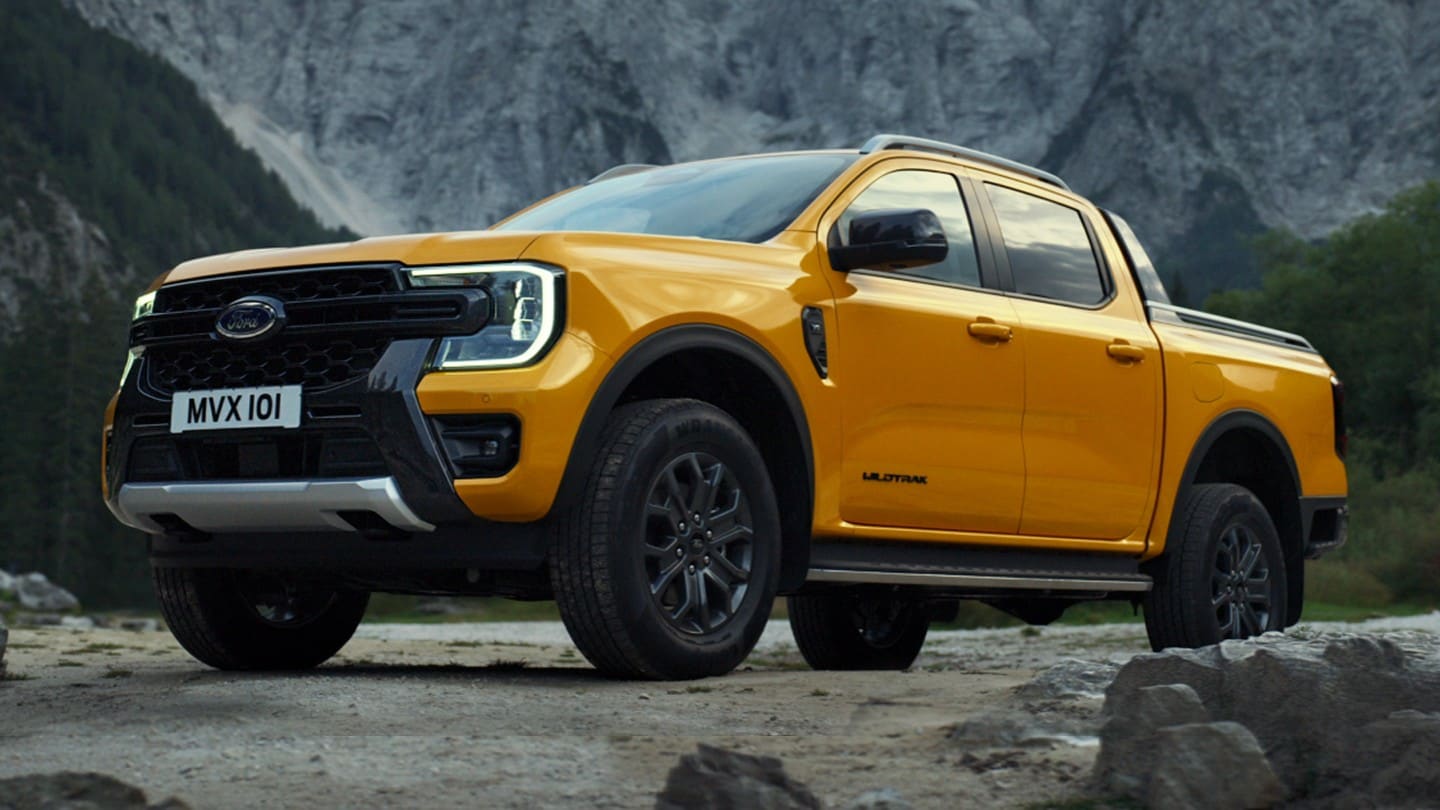
The revived Ranger makes its return to the American market to compete for a portion of the highly sought-after mid-size pickup segment. This celebrated Ford truck has been absent from the lineup since 2011, but it makes its comeback featuring contemporary styling for both its interior and exterior design.
Power comes from a turbocharged 2.3-liter four-cylinder engine that generates 270 horsepower and 310 lb-ft of torque. The standard configuration includes a ten-speed automatic transmission and rear-wheel drive, providing 8.4 inches of ground clearance; models equipped with four-wheel drive offer 8.9 inches.
Both configurations come with electronically locking rear differentials, while the front differential stays open in 4×4 versions. An available Terrain Management system includes modes for grass, gravel, and snow; a separate mode for mud and ruts; and a setting for sand.
This system modifies the ABS, stability, traction-control settings, throttle response, and transmission mapping.
When outfitted with the optional tow package, the Ranger can tow a maximum of 7500 pounds or carry 1860 pounds in its cargo bed. For certain customers, the Ranger’s performance and utility could present a compelling alternative to the larger F-150.
3. Honda Ridgeline
While it’s the only unibody design on this list, the Honda Ridgeline earns its place for one simple reason: its drivetrain is almost bulletproof.
The 3.5-liter naturally aspirated V6 and nine-speed automatic have been used across Honda’s lineup with consistently excellent reliability.
Though the Ridgeline lacks the ladder-frame toughness of traditional trucks, its rigid unibody and all-wheel-drive setup make it extremely resistant to squeaks, rattles, and frame corrosion.
For light-duty owners those who tow small trailers or use their truck for commuting the Ridgeline offers refinement and dependability that rivals can’t match.
The Ridgeline stands as the sole midsize pickup constructed on a unibody platform, which provides it with a more refined and comfortable ride than one might typically anticipate from a truck.
Following a redesign in 2021, the vehicle acquired a more robust exterior appearance to better compete with its body-on-frame competitors such as the Toyota Tacoma, Ford Ranger, and Chevrolet Colorado.
For those who are comfortable with a somewhat less utilitarian and smaller truck, additional unibody pickup alternatives exist in the form of the compact Ford Maverick and Hyundai Santa Cruz.
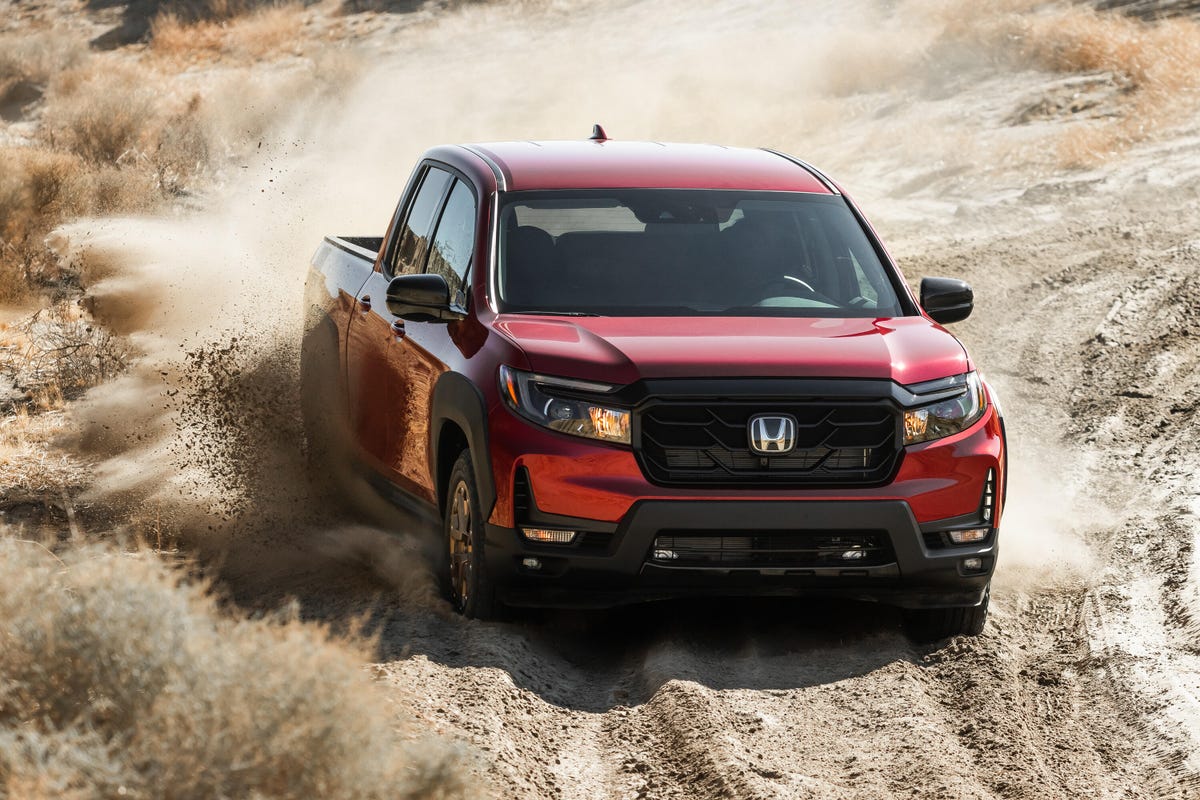
It must be acknowledged that the Honda Ridgeline is not designed for the dedicated, hardcore truck purchaser. Should your requirements include serious off-road performance or best-in-class towing capacity, you will need to consider other models.
However, this unibody truck possesses other beneficial qualities that establish it as a legitimate contender in the segment. Featuring a fully independent suspension at all four wheels, the Ridgeline handles and rides with a character much more akin to an SUV.
This configuration results in reduced body lean compared to conventional trucks, and it effectively absorbs road imperfections. The truck feels secure and planted on the road, allowing it to navigate corners with assurance.
However, as we discovered in our comparative test of midsize trucks, mwhere the Ridgeline secured a second-place finish, its ride quality does deteriorate somewhat when carrying heavy loads.
The model’s available torque-vectoring all-wheel-drive system effectively directs power to the wheels that can use it best, aiding in traversing light off-road obstacles.
Despite this, the Ridgeline’s potential for serious rock crawling remains limited due to the absence of genuinely lockable differentials or a dedicated low-range gear.
Complementing its polished on-road behavior, the Ridgeline offers the most spacious and comfortable interior in its class. The cabin is roomy and features high-quality materials.
A unique and practical feature allows the bottom cushions of the rear seats to be folded upward, creating a larger, unobstructed cargo area that exceeds what rivals can provide.
Further enhancing its utility, an ingeniously designed tailgate can be operated in the conventional downward manner or can swing outward like a door, simplifying the process of loading and unloading.
Similarly, although the bed itself is somewhat shallow in depth, it contains a useful lockable, weatherproof trunk within the bed floor, providing ample covered storage. Ultimately, the Ridgeline, with its spacious interior and easy maneuverability, serves as an excellent lifestyle-oriented truck.
4. Chevrolet Colorado
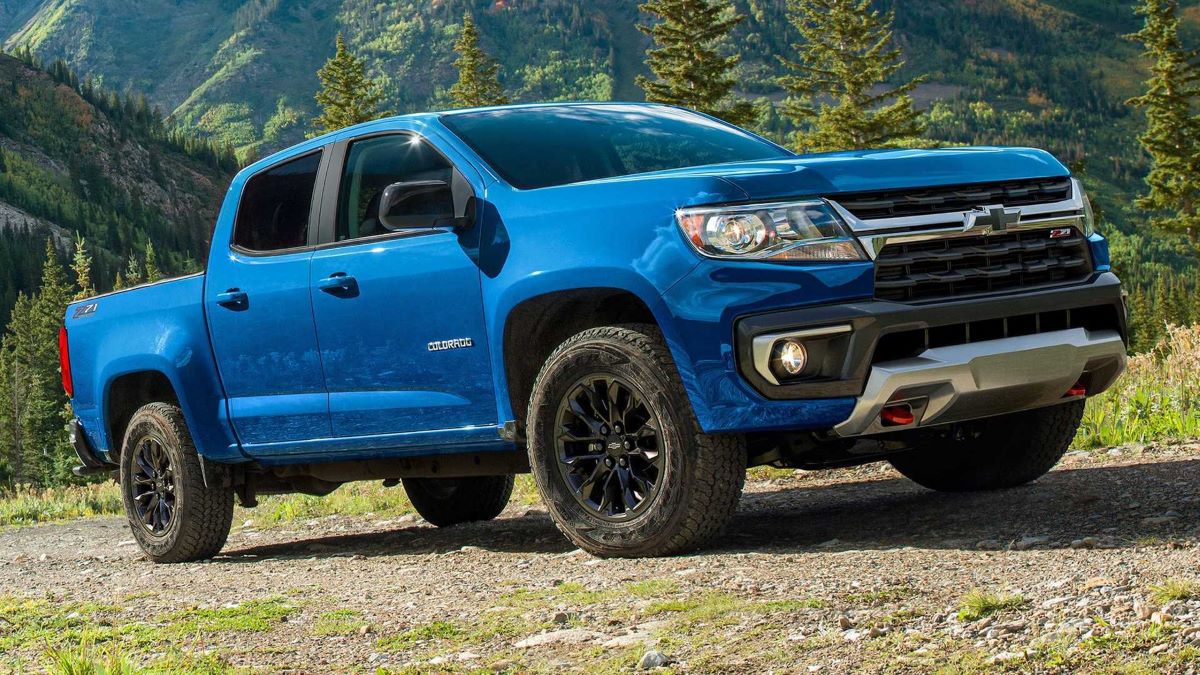
The Chevrolet Colorado has quietly built a strong reputation over the years as a truck that can handle real work. The outgoing generation, with its available V6 or Duramax diesel, proved sturdy across hundreds of thousands of miles of service.
The 2023 redesign introduced a single 2.7-liter TurboMax engine that shares architecture with GM’s full-size trucks, a smart move for long-term parts compatibility and durability.
Colorado’s fully boxed steel frame and tough suspension, particularly in Z71 and ZR2 trims, make it ideal for drivers who demand both strength and comfort. With proper maintenance, the drivetrain and chassis are easily capable of extended service life.
Enthusiasts of midsize trucks celebrated the arrival of the new-generation Chevrolet Colorado last year. When measured against older competitors in this segment, it proved to be more enjoyable to drive, featured a more refined interior, and delivered better fuel economy.
However, history may ultimately regard 2016 as an even more significant year for midsize trucks because the 2016 Chevrolet Colorado represents the first modern example to offer a diesel engine option. It is certainly an expensive upgrade, but the diesel provides a highly desirable combination of performance and fuel efficiency.
The specifications for the diesel engine might not initially appear impressive. It is, after all, a 2.8-liter four-cylinder that produces 181 horsepower. However, the engine’s 369 pound-feet of torque is the key figure that defines its character.
This represents significantly more torque than what is available from the gasoline V6, meaning a diesel-powered Chevy Colorado can not only manage heavier towing tasks but will also feel more powerful and smoother when pulling a trailer up steep highway inclines.
If your decision is firmly set on the midsize-truck segment, you will naturally want to examine its reigning champion, the fully redesigned 2016 Toyota Tacoma. With its greater ground clearance and superior approach angle, the Tacoma is a true off-road performer compared to the more street-oriented Colorado, and its technology offerings have seen notable improvements for this model year.
The aging Nissan Frontier ranks a distant third in most comparison categories, but it is likely to be the most affordable option and remains a competent, if uninspiring, choice.
If you are planning to opt for a diesel, it is worth your time to also examine the full-size Ram 1500, which offers a diesel V6 engine in a wide variety of cab configurations. Overall, though, the 2016 Chevrolet Colorado should satisfy the vast majority of midsize truck shoppers with its diverse and well-rounded set of capabilities.
The 2016 Chevy Colorado offers a choice of three engines. The entry-level powerplant is a 2.5-liter inline four-cylinder that generates 200 horsepower and 191 lb-ft of torque. When paired with the standard six-speed manual transmission, available on two-wheel-drive Base and extended-cab WT models, it returns EPA-estimated fuel economy of 22 mpg combined (19 city/26 highway).
5. GMC Canyon
Mechanically twin to the Chevrolet Colorado, the GMC Canyon carries over the same rugged foundation with a slightly more refined execution.
Its 2.7-liter TurboMax engine and robust frame are identical to the Colorado’s, but GMC tunes the suspension and chassis slightly differently for ride quality and off-road control.
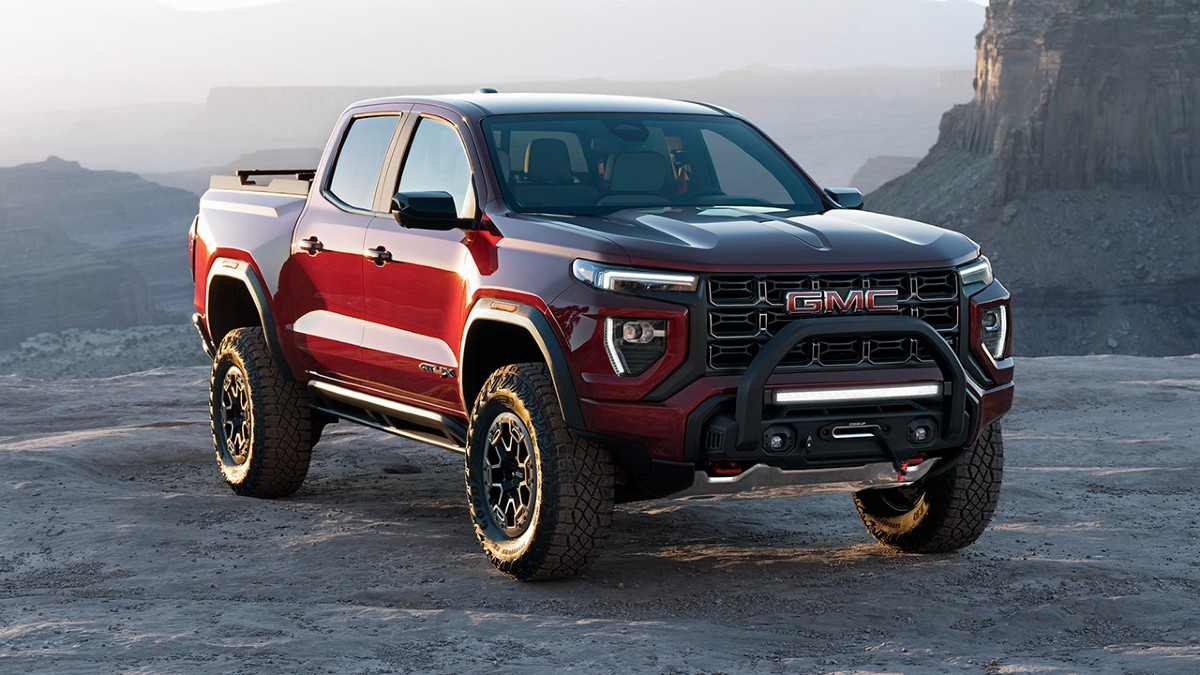
The Canyon’s higher-end AT4 and Denali trims also tend to be owned by drivers who maintain them meticulously, which often translates into longer-lasting drivetrains.
The combination of a fully boxed frame, well-proven GM powertrains, and excellent torque output makes the Canyon one of the most durable midsize pickups on sale today.
6. Nissan Frontier
The Nissan Frontier has long been an underdog, but it has one of the most reliable drivetrains in the business. Its 3.8-liter naturally aspirated V6 paired with a nine-speed automatic transmission has proven to be a solid, low-maintenance setup.
Built on a ladder frame that traces its lineage back to the previous Frontier, this truck keeps things simple no turbocharging or hybrid complexity to worry about.
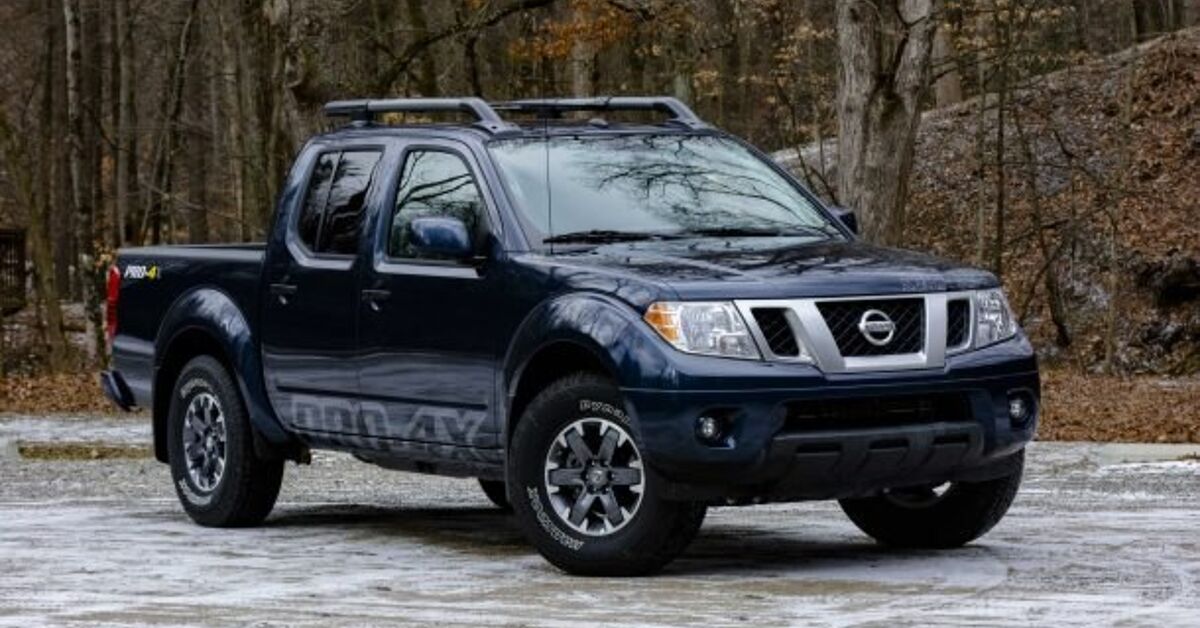
Nissan’s engineers focused on refining existing components rather than reinventing them, and the result is a truck that feels rugged and straightforward. For buyers who prefer mechanical simplicity and old-school reliability, the Frontier is a great fit.
7. Jeep Gladiator
Jeep’s Gladiator may look adventurous, but underneath the rugged styling is a proven frame and drivetrain.
It rides on the same solid foundation as the Jeep Wrangler, featuring heavy-duty Dana axles, a body-on-frame structure, and a choice between a 3.6-liter Pentastar V6 or a torquey EcoDiesel (in earlier years).
These powertrains are well-documented for durability, with the Pentastar V6 being one of Stellantis’ most long-lived engines.
While Gladiators can be expensive and are prone to higher maintenance costs due to off-road use, the mechanical foundation itself is very strong especially when properly maintained.
If a pickup truck with Wrangler DNA is what you desire, the 2025 Jeep Gladiator stands ready to answer. Displaying the authentic off-road styling that reflects its heritage, the Gladiator combines trail-conquering capability with the utility of a pickup.
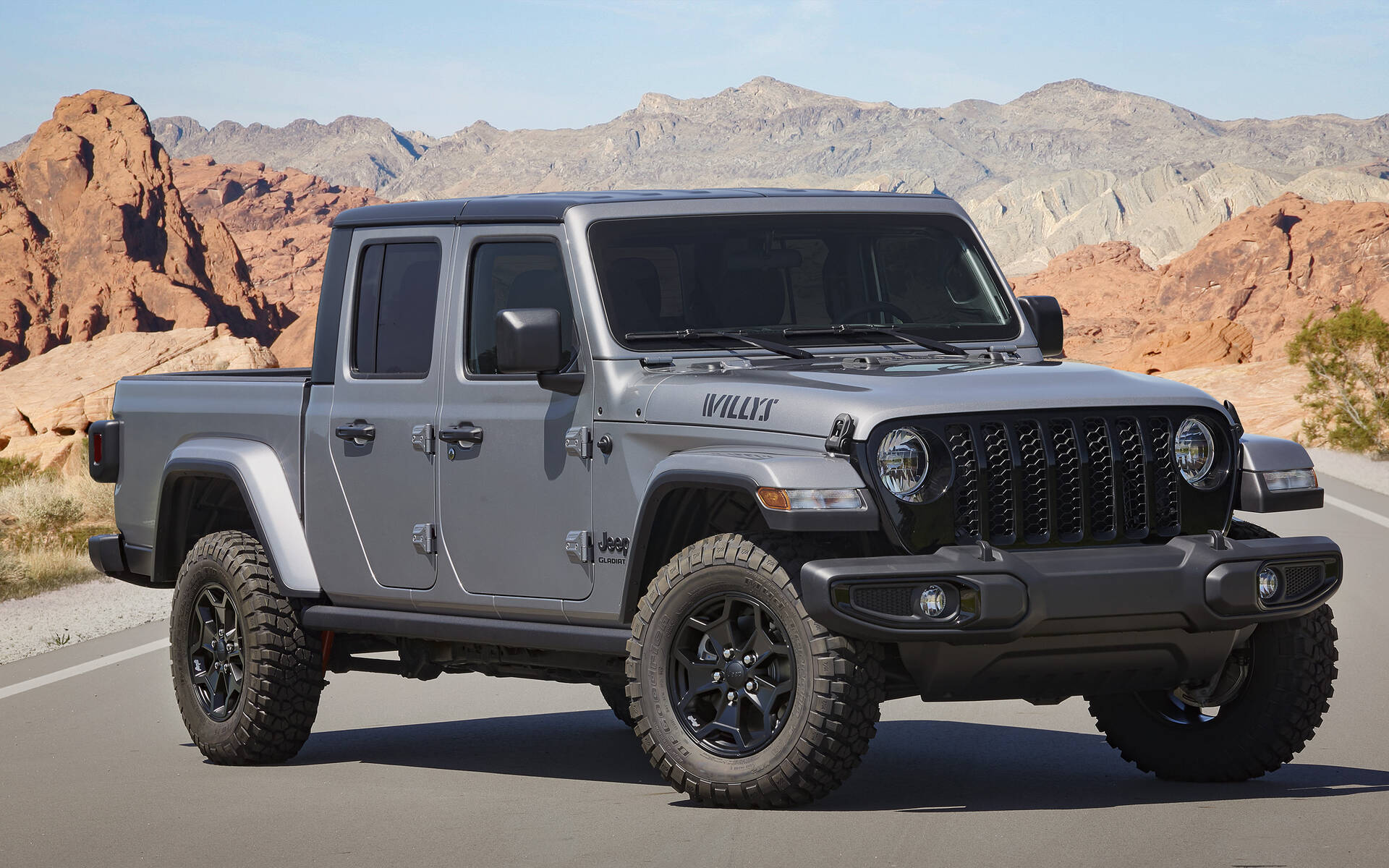
At first consideration, the Jeep Gladiator appears to be the ideal solution for the off-road enthusiast who also requires the functionality of a pickup truck.
Its foundation of Wrangler-level off-road capability and a 5-foot, 3-inch cargo bed is certainly compelling. However, in its attempt to fulfill both roles, the Gladiator makes several frustrating compromises.
There is no question regarding the Jeep pickup’s exceptional off-road performance; it features all the same specialized equipment as the Wrangler and can even be configured in the hardcore Mojave X and Rubicon X trim levels for maximum rock-crawling or high-speed desert-running potential.
On paved roads, however, the ride quality is noticeably bouncy, and the steering demands frequent correction to maintain a straight line. Jeep implemented structural enhancements for the 2024 model year, but it remains to be seen if these changes result in a perceptible improvement in chassis rigidity.
Towing represents another of the Gladiator’s less impressive aspects. We have observed that pre-2024 models feel more strained than their rivals when under a heavy load and can exhibit difficulty in maintaining stable control of a trailer.
Despite these drawbacks, the Gladiator retains much of the Wrangler’s distinctive appeal. Jeep provides an extensive array of customization options, and you retain the ability to remove the doors, roof, and other body panels for a true open-air driving experience
Buyers who are drawn to the Gladiator’s unique character should give strong consideration to the Mojave or Mojave X trims, both of which offer a more playful, tail-happy demeanor on loose dirt or sand while preserving most of the Rubicon’s formidable rock-crawling capabilities.
The standard engine for the 2025 Jeep Gladiator remains a 3.6-liter V-6 that produces 285 horsepower and 260 lb-ft of torque, paired with a four-wheel-drive system.
An eight-speed automatic transmission is now standard across the board, as the previously available six-speed manual has been discontinued. In our performance testing of a pre-refresh Gladiator Sport model, the 0–60 mph sprint was achieved in 7.9 seconds.
Gladiator Rubicon trims we have tested have shown times varying between 8.1 and 8.7 seconds. For the 2025 model year, the EPA has rated the updated Gladiator at 17 mpg city and 22 mpg highway with the automatic transmission.
8. Toyota Tacoma (Previous Generation)
The earlier generation Tacoma (2016–2023) deserves its own mention for proven reliability. Its 3.5-liter V6 and six-speed automatic might not have been the most refined, but they rarely failed.
Thousands of owners have reported minimal drivetrain problems even beyond 200,000 miles. The fully boxed steel frame, especially after Toyota’s rust-prevention improvements, holds up remarkably well.
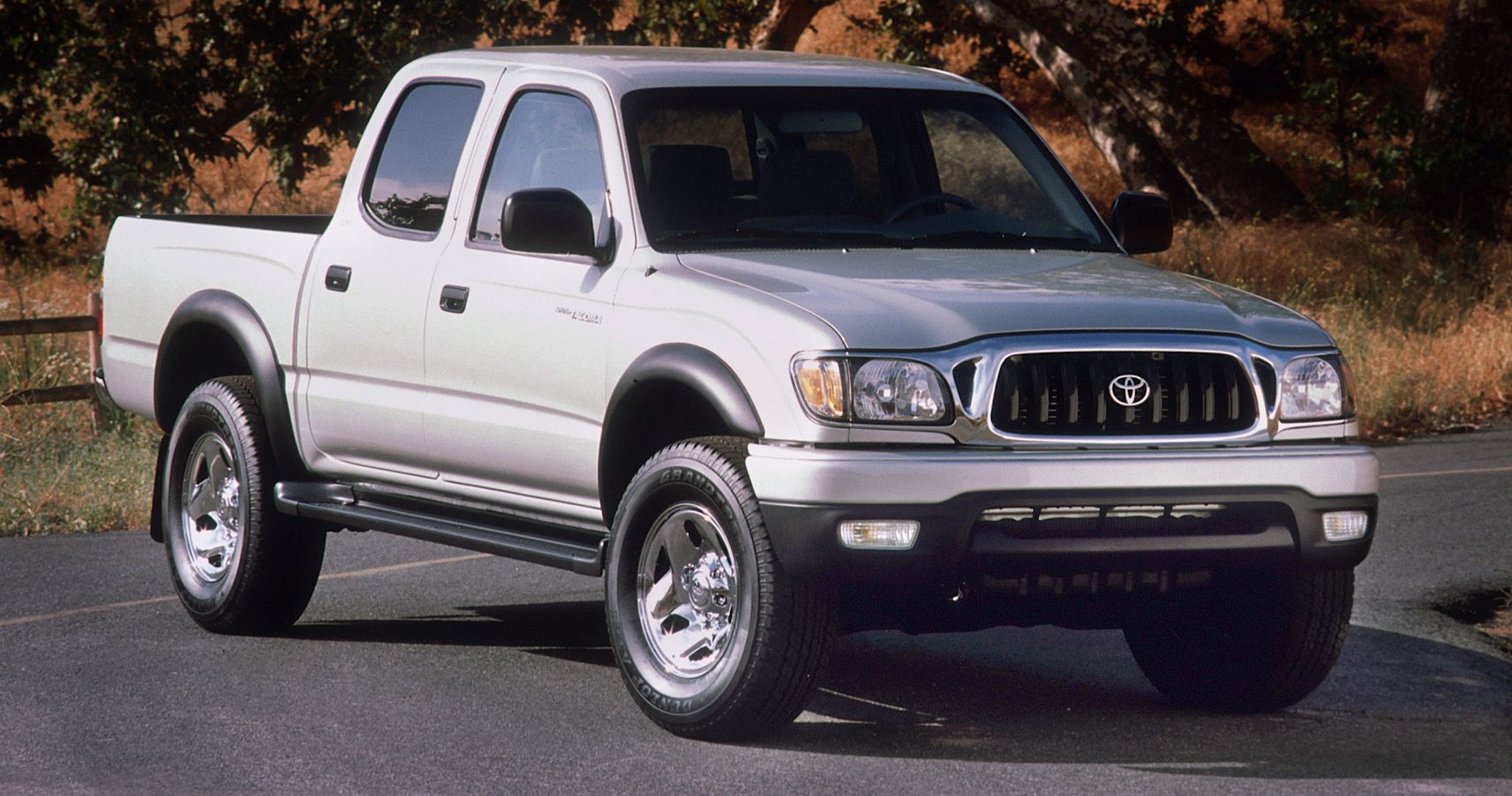
For buyers who want a tried-and-true used midsize truck, this generation of Tacoma remains one of the most trustworthy options available on the market.
9. Ford Ranger (Previous Generation)
The 2019–2023 Ranger also deserves recognition. Its 2.3-liter EcoBoost engine and 10-speed automatic transmission were carried over almost unchanged into the latest version, showing Ford’s confidence in their reliability.
With regular maintenance, this combination has proven capable of high mileage without major failures.
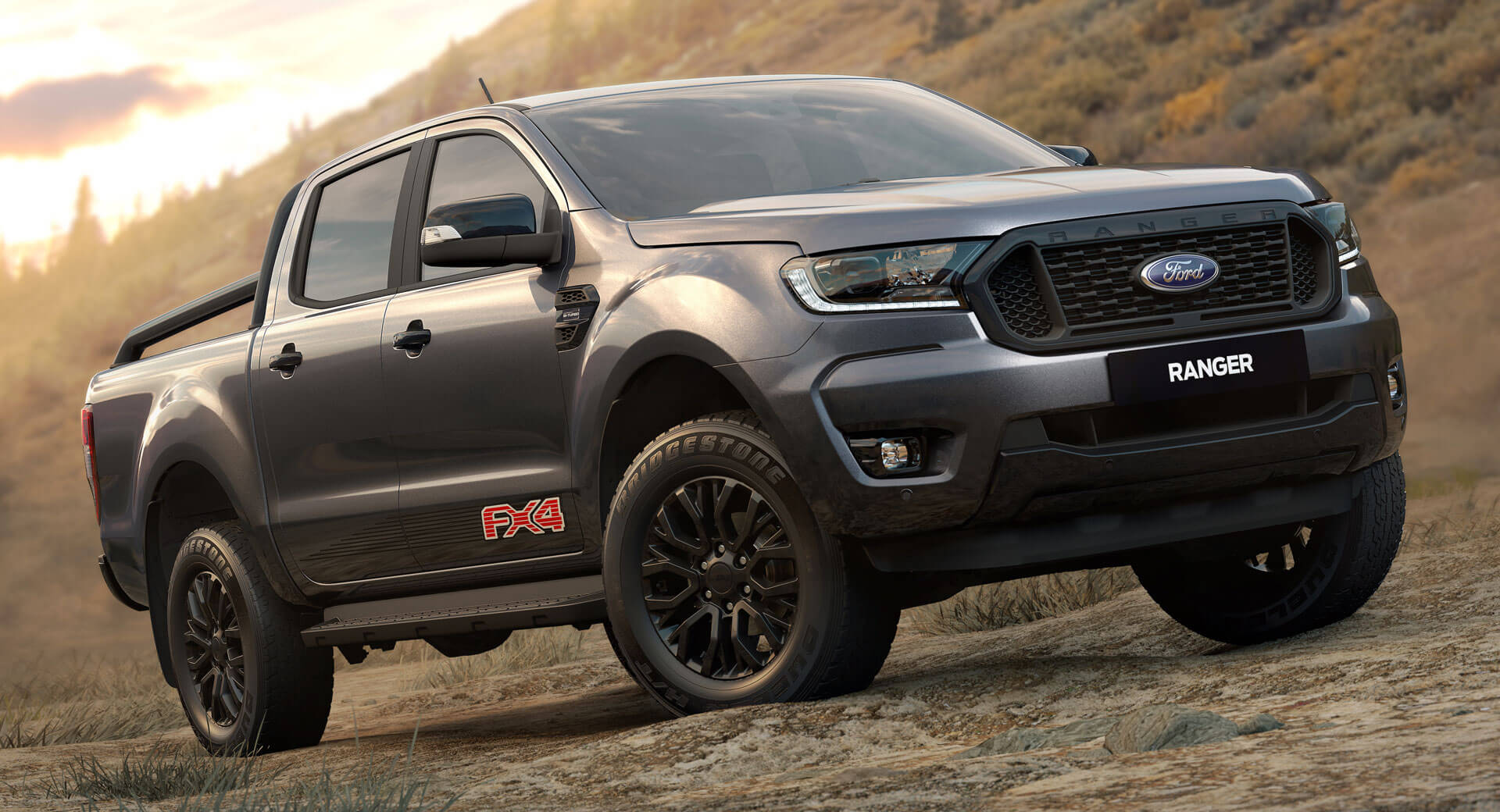
The Ranger’s high-strength steel frame provided excellent crash safety and stiffness, while the drivetrain delivered strong fuel economy and performance.
For used truck buyers looking for a balance of technology and proven hardware, the outgoing Ranger makes excellent sense.
10. Chevrolet Colorado (Previous Generation)
Before the 2023 redesign, the Colorado was already known for its stout frame and dependable drivetrains.
Whether equipped with the 2.5-liter four-cylinder, 3.6-liter V6, or 2.8-liter Duramax diesel, these trucks demonstrated good longevity when properly maintained.
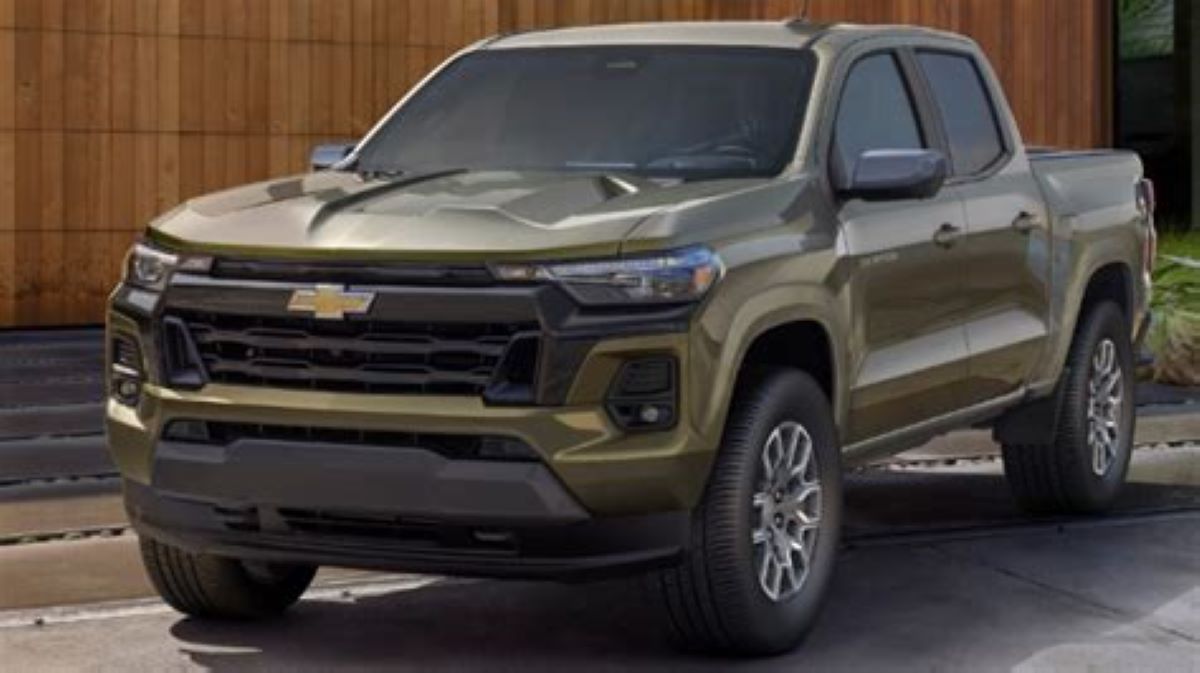
The diesel option, in particular, built a reputation for strong torque and remarkable efficiency.
Frame quality and rust resistance improved over the years, making later examples solid used-truck options for budget-conscious buyers who still value structural integrity and drivetrain life.
11. GMC Canyon (Previous Generation)
The earlier-generation Canyon mirrors the Colorado’s strengths same frame, same powertrains, and the same impressive reliability record.
Many Canyon owners report minimal mechanical problems even with heavy use, thanks to GM’s robust drivetrain engineering.
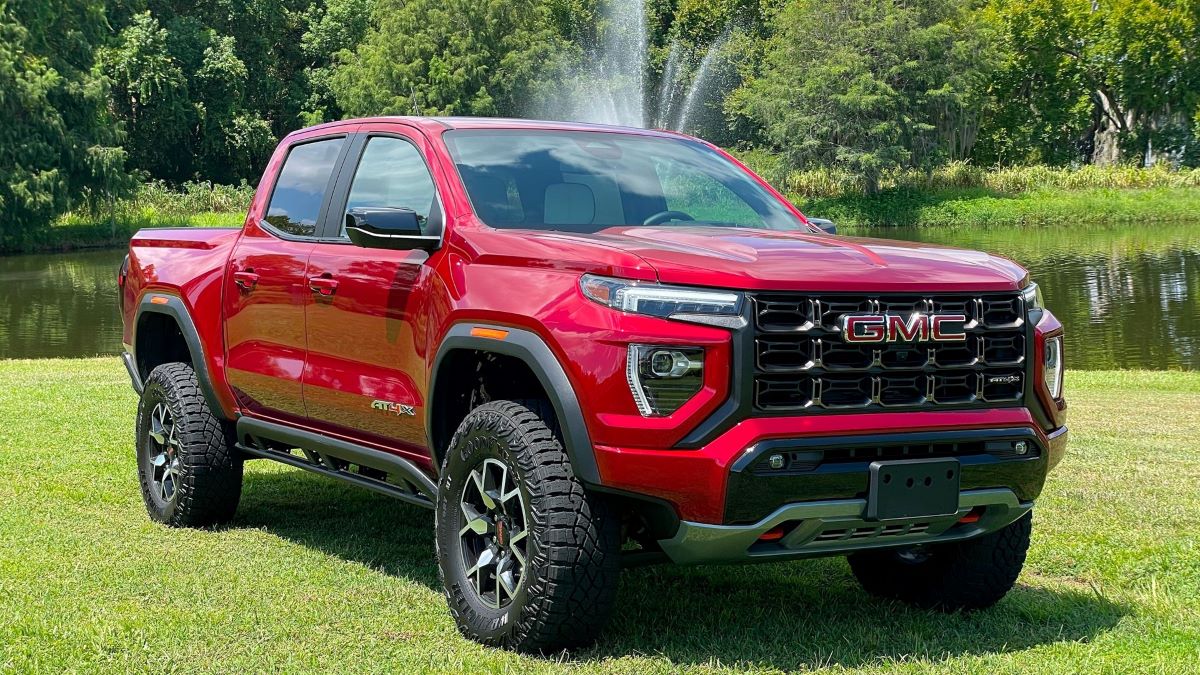
Because it targeted a more upscale audience, many of these trucks saw lighter work duty and better maintenance, which further extends their useful lifespan.
If you prefer a bit more luxury in your midsize pickup but want the same proven underpinnings, the older Canyon is an underrated gem.
12. Nissan Frontier (Previous Generation)
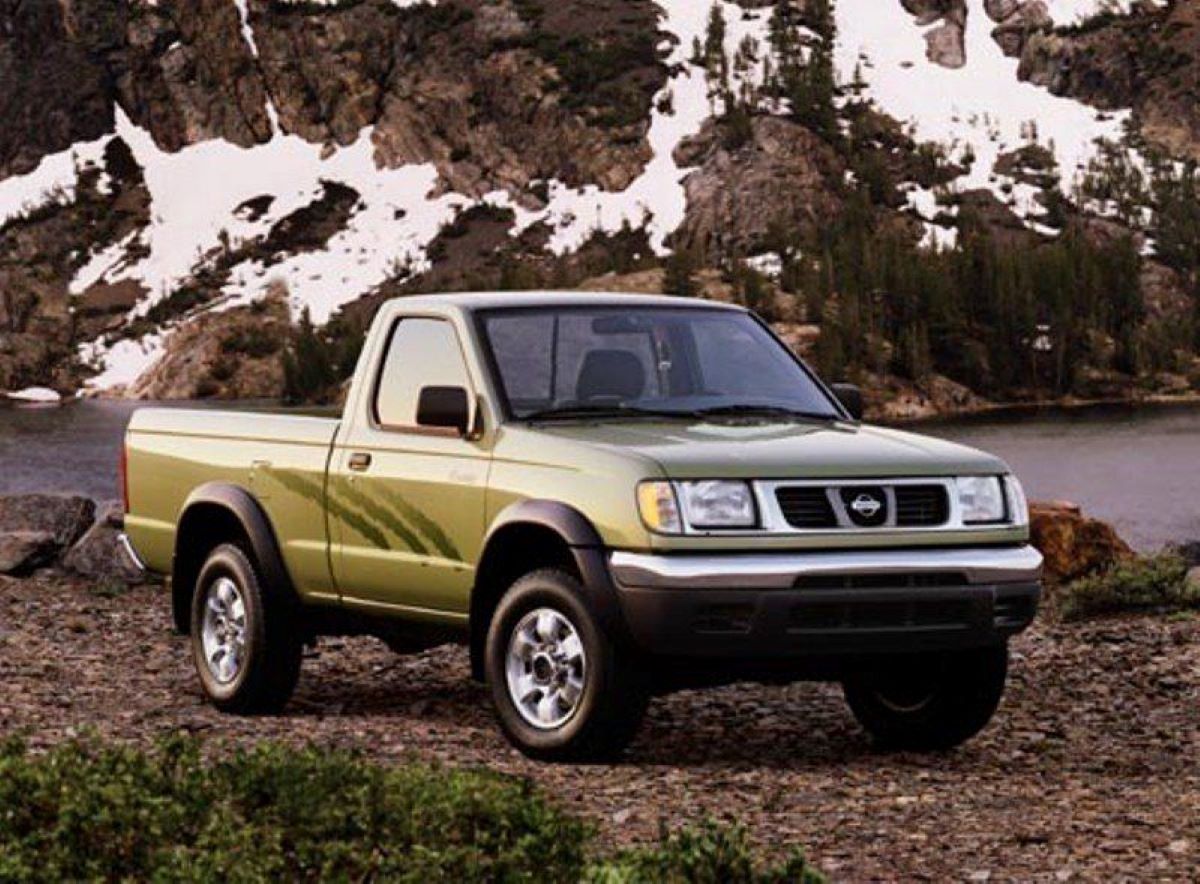
The previous-generation Nissan Frontier, produced for over a decade with minimal changes, is a case study in “if it isn’t broken, don’t fix it.” Its 4.0-liter V6 and five-speed automatic transmission were simple, sturdy, and time-tested.
While the design felt dated by the end, this mechanical simplicity translated into remarkable reliability. Owners often praise these trucks for being nearly indestructible with basic maintenance.
The frame, though less advanced than modern designs, was solid and well-protected from corrosion. For those seeking an affordable used midsize pickup with proven durability, this older Frontier remains a standout.
Despite its reliance on obsolete equipment and outdated styling, the Frontier mid-size pickup retains standard pickup-truck capabilities, including towing, hauling, and off-roading, though it cannot match the features and refinement of more modern competitors.
Instead, its configurable cargo box and available off-road enhancements hold appeal for tradespeople and outdoor adventurers. An optional V-6 engine and a sturdy chassis contribute to respectable driving dynamics.
The absence of desirable modern amenities and the harsh reality of a spartan, desolate interior are difficult to overlook. The Frontier serves as a dependable tool for the daily nine-to-five grind, but its utility largely ends there.
The Frontier’s standard 2.5-liter inline-four, producing 152 horsepower, delivers meager output and has a limited tow rating. The available 4.0-liter V-6 isn’t as sophisticated as competing engines, but it provides decent performance from its 261 horsepower and 281 lb-ft of torque.
While it ranks as the least powerful V-6 in its class, it maintains comparable towing capacities. The most distinctive aspect of the Frontier’s powertrain lineup is that an antiquated five-speed automatic serves as the sole self-shifting option.
The standard four-cylinder and available V-6 can be paired with a five-speed or six-speed manual transmission, respectively. Nissan’s six-cylinder engine doesn’t disappoint in daily driving situations and provides ample pep for passing maneuvers.
Despite its dated underlying architecture, the Frontier delivers adequate driving dynamics for a mid-size pickup. The ride remains compliant and comfortable on most road surfaces, though the Frontier’s handling felt somewhat loose due to lazy steering feedback and excessive body motion.
In the world of midsize trucks, a proven frame and drivetrain are worth more than the latest infotainment screen or flashy styling.
Trucks like the Toyota Tacoma, Ford Ranger, and Nissan Frontier have shown that reliability comes from smart engineering and long-term refinement.
Whether you’re shopping new or used, sticking with models that share parts with larger, long-lived trucks or SUVs is a smart way to ensure long-term durability.
Every truck on this list has a track record of solid construction, dependable powertrains, and the kind of ruggedness that American buyers value most. Choose wisely, maintain regularly, and these midsize workhorses will easily go the distance.
