
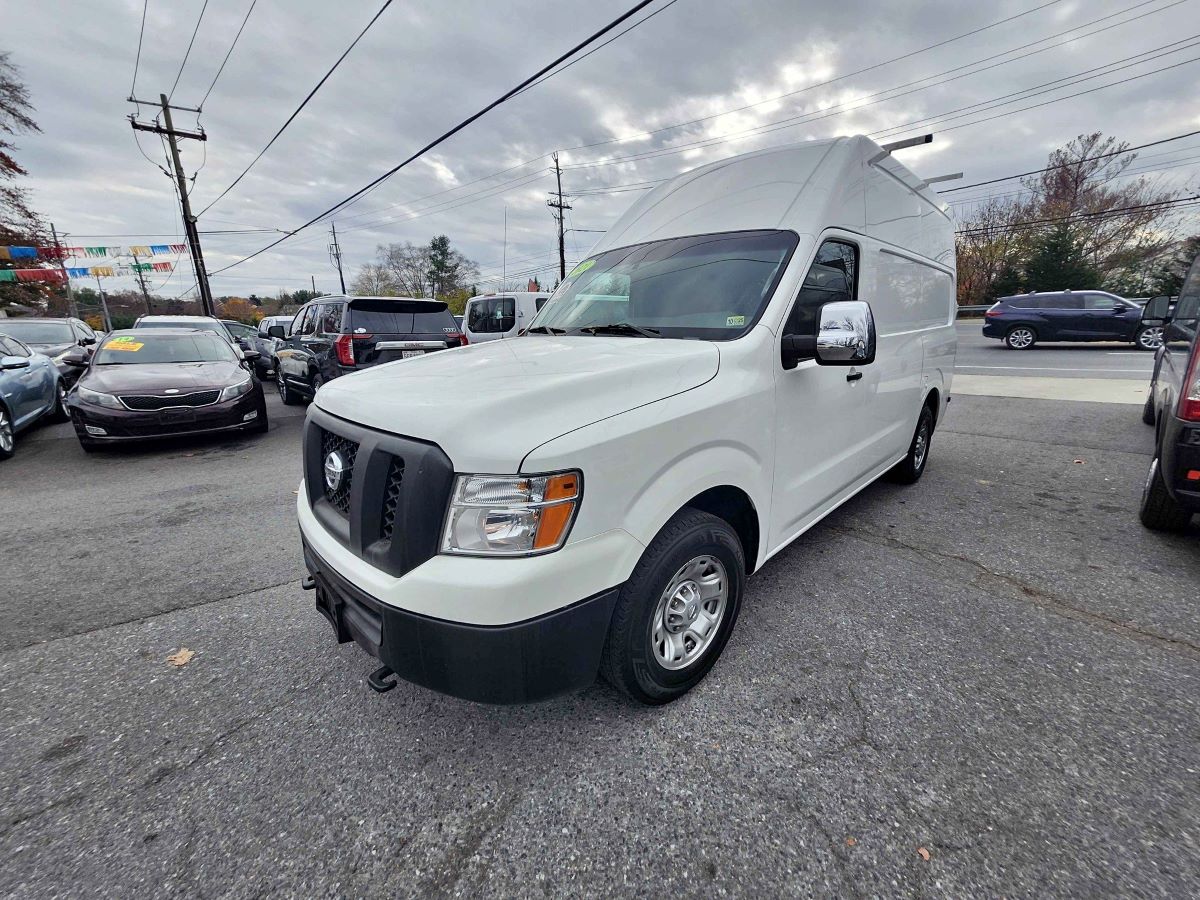
For tradespeople, delivery services, and small business owners across the U.S., a work van isn’t just a vehicle it’s the foundation of daily operations.
Whether hauling tools, transporting goods, or serving as a mobile workshop, reliability is everything. The difference between a van that runs 250,000 miles without complaint and one that lives in the repair shop can make or break a business’s bottom line.
While many modern vans promise long life and low maintenance, real-world use tells a more honest story. Below are five work vans known to shrug off abuse, and five that tend to rack up repair bills once the miles pile on.
Work Vans That Shrug Off Abuse
Dents, scratches, and heavy loads are inevitable costs of doing business. But frequent repairs and premature wear on a fragile van are not. The right work van can be the difference between maximizing profits and losing them to downtime and maintenance.
We’ve done the research to find the vans that are engineered for resilience, featuring high-strength steel, durable cargo liners, and powertrains built to haul. Discover the machines that treat abuse as a design requirement.
1. Ford Transit (3.5L EcoBoost and 3.7L V6 models)
The Ford Transit has dominated the American work van market since replacing the E-Series in 2015. The key to its longevity is Ford’s combination of sturdy construction and powertrain variety.
The naturally aspirated 3.7L V6 models are the simplest and most bulletproof, while the 3.5L EcoBoost provides effortless torque for towing and climbing grades without strain.
Transits with proper maintenance regular oil changes and transmission fluid flushes can easily surpass 250,000 miles.
Its unibody design may not seem as rugged as older body-on-frame vans, but it actually distributes stress evenly, leading to fewer squeaks and body fatigue.
Many fleet owners praise its resilience in stop-and-go urban driving and its resistance to drivetrain issues that plague rivals.
A transformation is taking place in the commercial van segment, where a new wave of more agile and fuel-efficient models is displacing long-established van lines that were derived from pickup truck platforms. The most recent illustration of this shift is the completely new 2015 Ford Transit Van.
It is important not to confuse this with Ford’s smaller Transit Connect; the new Transit replaces Ford’s enduring E-Series full-size van. In nearly every category that matters to commercial-van purchasers, the Transit represents an enhancement.
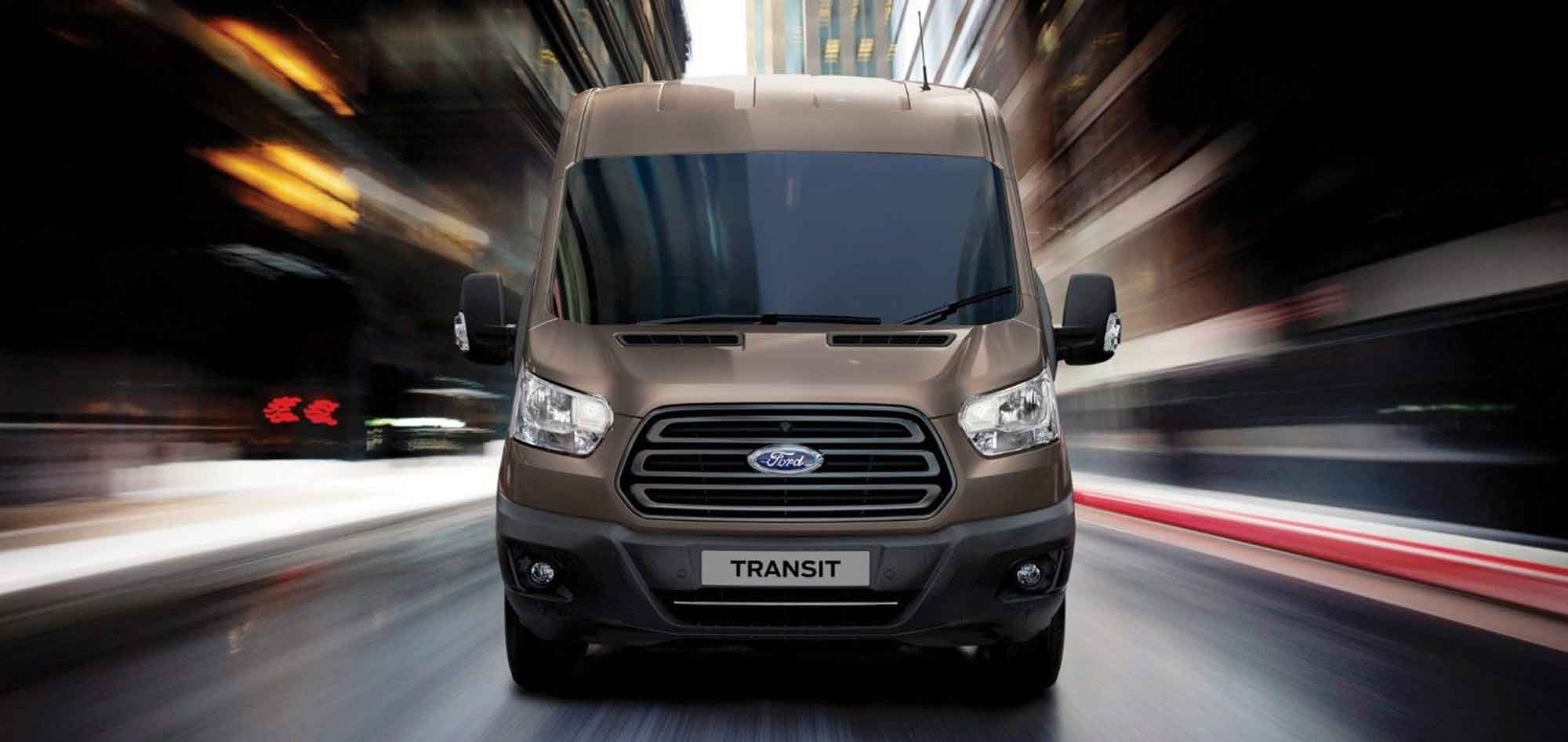
Ford provides it in two wheelbases, three roof heights, and with three distinct body lengths. There are also three engine choices, all of which are projected to deliver significantly improved fuel efficiency.
A significant reduction in weight is achieved through the new Transit Van’s chassis, which does away with the heavy and space-consuming ladder frame of conventional commercial vans in favor of a car-like unibody architecture.
This lower weight contributes to better fuel economy while simultaneously permitting increased towing and gross vehicle weight ratings. In the high-roof model, individuals taller than 6 feet can stand up straight inside the Transit Van.
Many competitors also offer similar new vans and, depending on your intended use, each is worth consideration. The Mercedes-Benz Sprinter has been available for some time and essentially ushered in the new, more space-efficient, tall roof commercial van template.
It’s a fine-driving van, too, and brings Mercedes’ earned reputation for durability, but the Sprinter is expensive and doesn’t offer the range of engine choices of the 2015 Transit. Nissan’s NV Cargo Van stays with a pickup-truck frame and offers an optional V8 engine, which some might find a critical differentiating point.
But the NV offers just one wheelbase and two roof-height choices. The Ram Promaster Van is perhaps the most radical, as it features a front-wheel-drive layout that may compromise utility for some users.
Commercial buyers will need to examine which of these vans works best for their needs. But with its high number of potential body configurations and engine choices, it’s likely many will view the 2015 Ford Transit Van as the most flexible cargo van for the widest range of uses.
The 2015 Ford Transit Van’s base engine is a 3.7-liter V6 good for 275 horsepower and 260 pound-feet of torque.
For more power, the Transit can be fitted with a turbocharged 3.5-liter V6 that generates 310 hp and 400 lb-ft of torque. Also available is a turbocharged 3.2-liter diesel-powered inline five-cylinder rated at 185 hp and 350 lb-ft of torque.
This engine isn’t available for the Transit Van 150. All Transits come with a six-speed automatic transmission that sends the power to the rear wheels.
Payload and towing capacities vary depending on the model, but can be as high as 4,650 pounds for payload and 7,000 pounds for towing, when properly equipped.
2. Mercedes-Benz Sprinter (Diesel 3.0L V6)
While not cheap to buy, the diesel-powered Sprinter is a proven workhorse with deep European roots.
The 3.0L turbodiesel V6 (and more recent inline-4 diesel) is renowned for running half a million miles with little more than oil and filter changes. These engines thrive under load and don’t protest when worked hard daily.
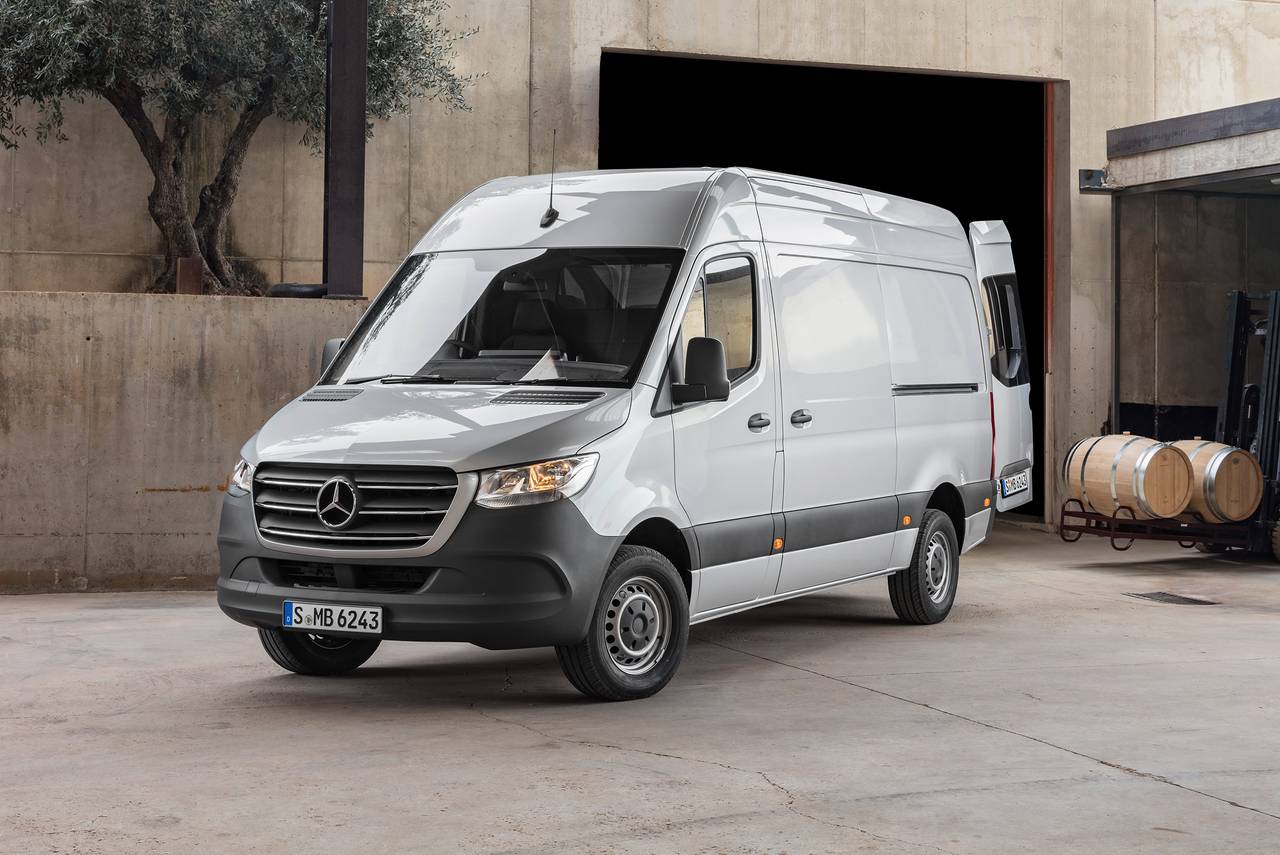
Its rear-wheel-drive setup provides stability when carrying heavy payloads, and the transmission especially the 7G-Tronic automatic has a reputation for lasting longer than most domestic rivals.
Properly maintained Sprinters rarely suffer catastrophic mechanical failures; most issues are limited to sensors or emissions systems. Many delivery fleets and contractors still choose Sprinters for their durability under brutal driving schedules.
Also Read: 5 SUVs That Maintain Smooth Driving Dynamics vs 5 That Don’t
3. Chevrolet Express 2500/3500
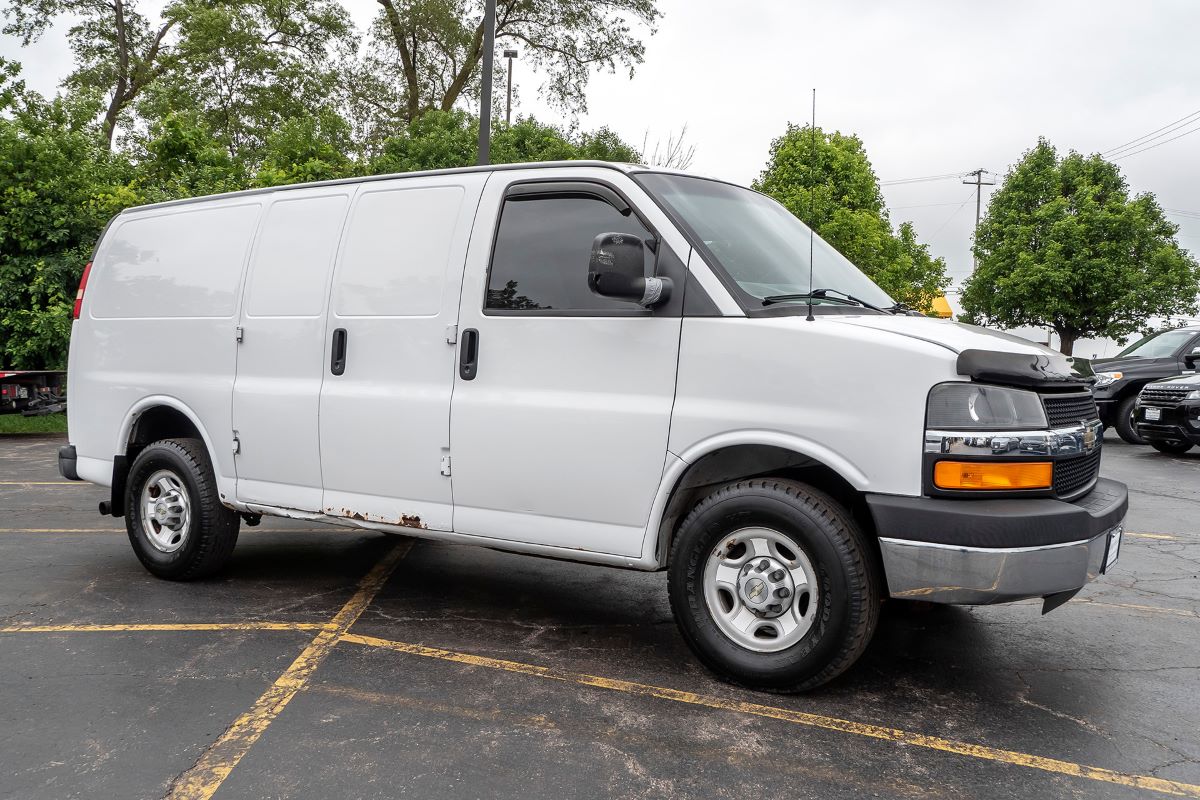
If there’s a definition of “old-school toughness,” the Chevrolet Express is it. This body-on-frame van hasn’t changed much since the late 1990s, and that’s its biggest advantage.
Powered by tried-and-true engines like the 4.8L or 6.0L V8, the Express can take extreme abuse hauling trailers, idling for hours, or driving on rough construction sites without breaking a sweat.
It lacks the refinement of newer models, but fleet mechanics love it for one reason: simplicity. Parts are cheap, repairs are straightforward, and there’s little in the way of complex electronics to fail.
For U.S. companies running tight budgets, the Express remains one of the longest-lasting, easiest-to-maintain vans ever built.
For many years, the Chevrolet Express has served as a rugged and cost-effective solution for families, community organizations, and tradespeople requiring the ability to carry numerous passengers or tow significant loads.
It possesses all the classic characteristics of an enclosed full-size van, and a practical range of size and engine options makes it simple to select one with the specific seating capacity and performance you need.
Based on its equipment and configuration, the 2015 Chevrolet Express Passenger can accommodate between eight and 15 people, handle payloads of almost 3,500 pounds, or tow up to 10,000 pounds.
Within this contemporary class of work vans, you will find the Ford Transit and Ram ProMaster, which, similar to the Express, provide a selection of gasoline or diesel powerplants.
They also offer multiple roof height configurations and present a superior base for commercial upfitting. If outstanding maneuverability and on-road behavior are your priorities, the Mercedes-Benz Sprinter is an excellent choice; it also features an available high-roof layout and uses a diesel V6 as its sole engine.
Another fairly recent entry into the full-size van market is the Nissan NV, which also provides a space-efficient interior but does not offer a diesel engine.
If you evaluate the options side-by-side, the 2015 Chevrolet Express will inevitably appear and feel dated.
On the positive side, the Express’s tough fundamental architecture has proven its durability over time. The large Chevy represents a potential value if you require a workhorse van and are not particularly concerned with modern details and amenities.
Both the 2500 and the 3500 series versions of the 2015 Chevrolet Express are equipped with a standard 4.8-liter V8 engine that produces 285 horsepower and 295 pound-feet of torque.
A 6.0-liter V8 engine generating 342 hp and 373 lb-ft is optional, as is a compressed natural gas (CNG)-fueled variant of the 6.0-liter V8 that makes 282 hp and 320 lb-ft.
The V8 engines send power to the rear wheels through a six-speed automatic transmission. Express models with higher gross vehicle weight ratings (GVWR) use specific rear-axle ratios.
The EPA’s estimated fuel economy with the 4.8-liter V8 is 13 mpg combined (11 city/17 highway), and the 6.0-liter gas engine also earns 13 mpg combined (11 city/16 highway).
Go for the Express 3500 series and you’ll have access to an optional 6.6-liter turbocharged diesel V8 (also matched to a six-speed automatic) that generates 260 hp and 525 lb-ft of torque.
The diesel engine is the more fuel-efficient of the two big V8s, but given the diesel’s added weight, mpg estimates are not available because the EPA doesn’t rate vehicles that weigh more than 6,000 pounds.
4. Nissan NV3500 HD
The Nissan NV never became a huge commercial success, but those who bought them know it’s one of the toughest vans ever sold in America.
Under the hood, the available 5.6L Endurance V8 borrowed from the Titan pickup delivers nearly truck-level durability.
The heavy-duty frame, designed more like a pickup’s than a unibody van’s, makes it perfect for businesses that need to tow or carry heavy loads daily.
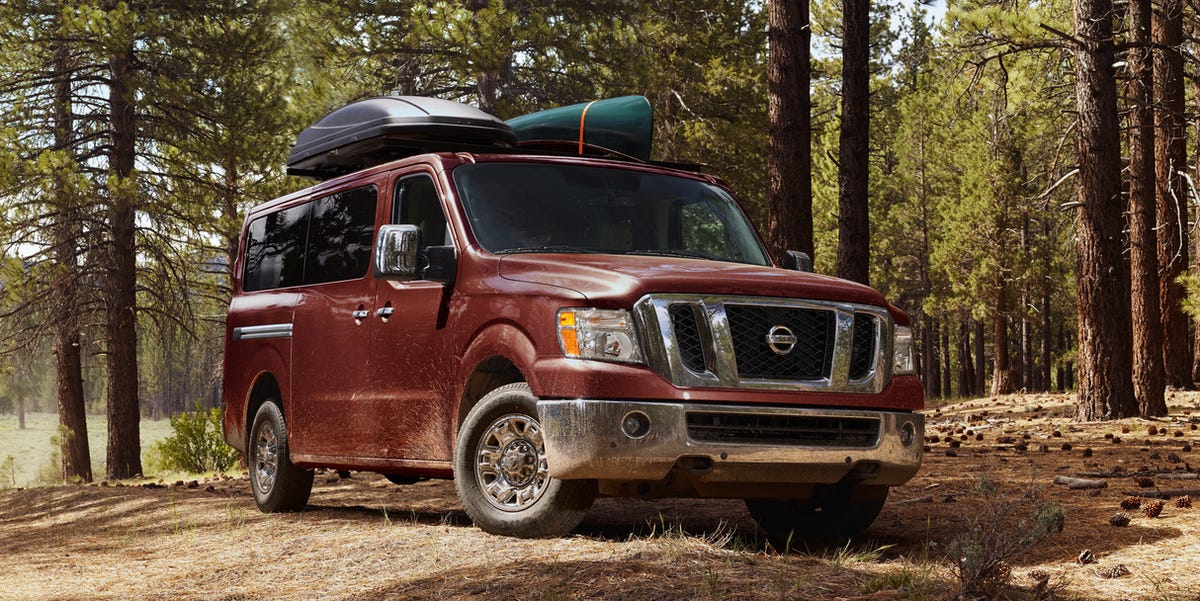
Owners report 200,000+ miles with minimal mechanical issues beyond normal wear. Its old-fashioned construction, while less fuel-efficient, means fewer costly electronic failures.
Even though Nissan discontinued the NV in 2021, used models are still prized for their reliability in punishing commercial use.
5. Ram ProMaster (Gas V6)
The Ram ProMaster often divides opinions, but the U.S.-spec version with the 3.6L Pentastar V6 has proven remarkably resilient in high-mileage conditions.
The engine and 6-speed automatic transmission have been used across Chrysler’s lineup for years, and both handle abuse well when serviced properly.
The ProMaster’s front-wheel-drive layout gives it an advantage in snow and tight urban spaces ideal for delivery drivers and mobile contractors.
While interior plastics and trim quality are mediocre, the mechanical core of the van rarely gives major trouble.
Many ProMasters in delivery fleets have cleared 250,000 miles without significant drivetrain work, making it one of the more underestimated long-haul performers.
The Ram ProMaster is a full-size van offered in 1500, 2500, and 3500 configurations, and each can be customized for maximum cargo-hauling capability.
Unlike many rivals, including the Ford Transit, Nissan NV, and Mercedes-Benz Sprinter, either of the Ram’s two available engines routes power only to the front wheels. This allows the ProMaster to have a lower load floor than many competitors.
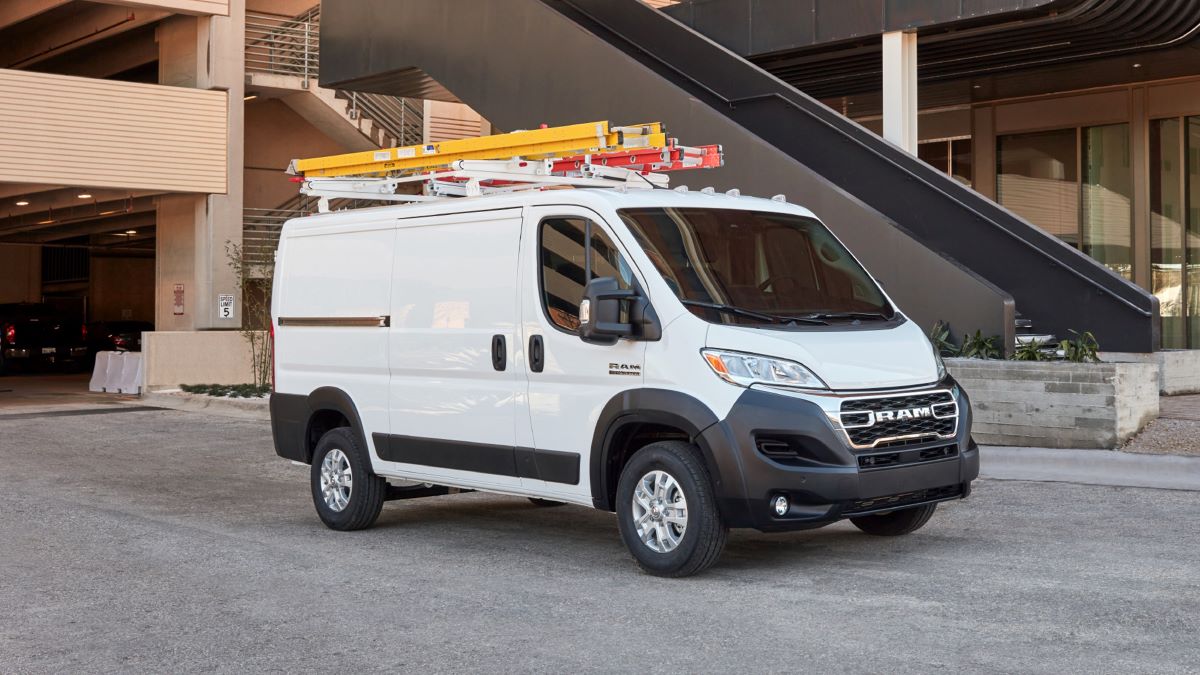
The ProMaster receives a substantial technology upgrade for the 2018 model year. A 5.0-inch Uconnect touchscreen is standard on all models, as are a rearview camera, Bluetooth, and audio controls positioned on the steering wheel.
The ProMaster is equipped with a 3.6-liter V-6 that produces 280 horsepower and 260 pound-feet of torque. Power is sent to the front wheels courtesy of a six-speed automatic transmission.
The lack of available all-wheel drive might deter some van buyers, though the ProMaster’s front-drive configuration is a boon for both its low load floor and its surprisingly tight turning radius.
A 3.0-liter turbodiesel four-cylinder paired to a seven-speed automatic is available and produces 174 horsepower and 295 pound-feet of torque. While the diesel has an advantage when it comes to fuel economy, the standard gas-fed V-6 is less expensive and smoother in operation.
Opulent and luxurious are two words that won’t spring to mind when you get behind the wheel of the Ram ProMaster. This is a vehicle built for serving businesses or anyone who simply needs to haul lots of stuff from one point to another.
Visibility to the front is excellent, the large windshield and upright seating position providing a superb view of the road ahead. Things are less ideal to the sides and rear, particularly in versions with blanked-off side and rear windows.
Thankfully, that newly standard rearview camera helps in aiding maneuverability. Unlike rivals like the Ford Transit and Mercedes-Benz Sprinter, Ram does not offer a passenger-carrying version of the ProMaster.
Also Read: Top 10 Cars That Survive Teen Drivers and Keep Going
Constant-Repair Vans
Nothing kills productivity and profit faster than an unreliable vehicle. The dreaded check engine light, unexpected transmission failures, and recurring electrical gremlins can bring your operations to a grinding halt.
While some vans are built to endure years of hard use, others are plagued by design flaws and problematic components that lead to a relentless cycle of maintenance. We’re examining the vans that have earned a reputation for being constant-repair nightmares, so you can make an informed decision and avoid the headaches.
1. Ford Transit Connect
The Transit Connect seems ideal for small business owners who don’t need a full-size van but its reliability record says otherwise. The 1.6L and 2.0L EcoBoost engines have a reputation for head gasket issues, turbo failures, and excessive oil consumption by 100,000 miles.
Transmission problems are also common, particularly in earlier model years where harsh shifting and clutch pack wear can lead to expensive rebuilds.
Fleet operators often find the maintenance costs negate any fuel savings. While handy for urban work, the Transit Connect simply doesn’t tolerate heavy use or prolonged idling as well as its larger sibling.
While the Ford Transit Connect van isn’t exactly a vehicle that evokes passion and excitement from enthusiasts, it serves as a sound solution for consumers searching for a practical and versatile compact transit tool.
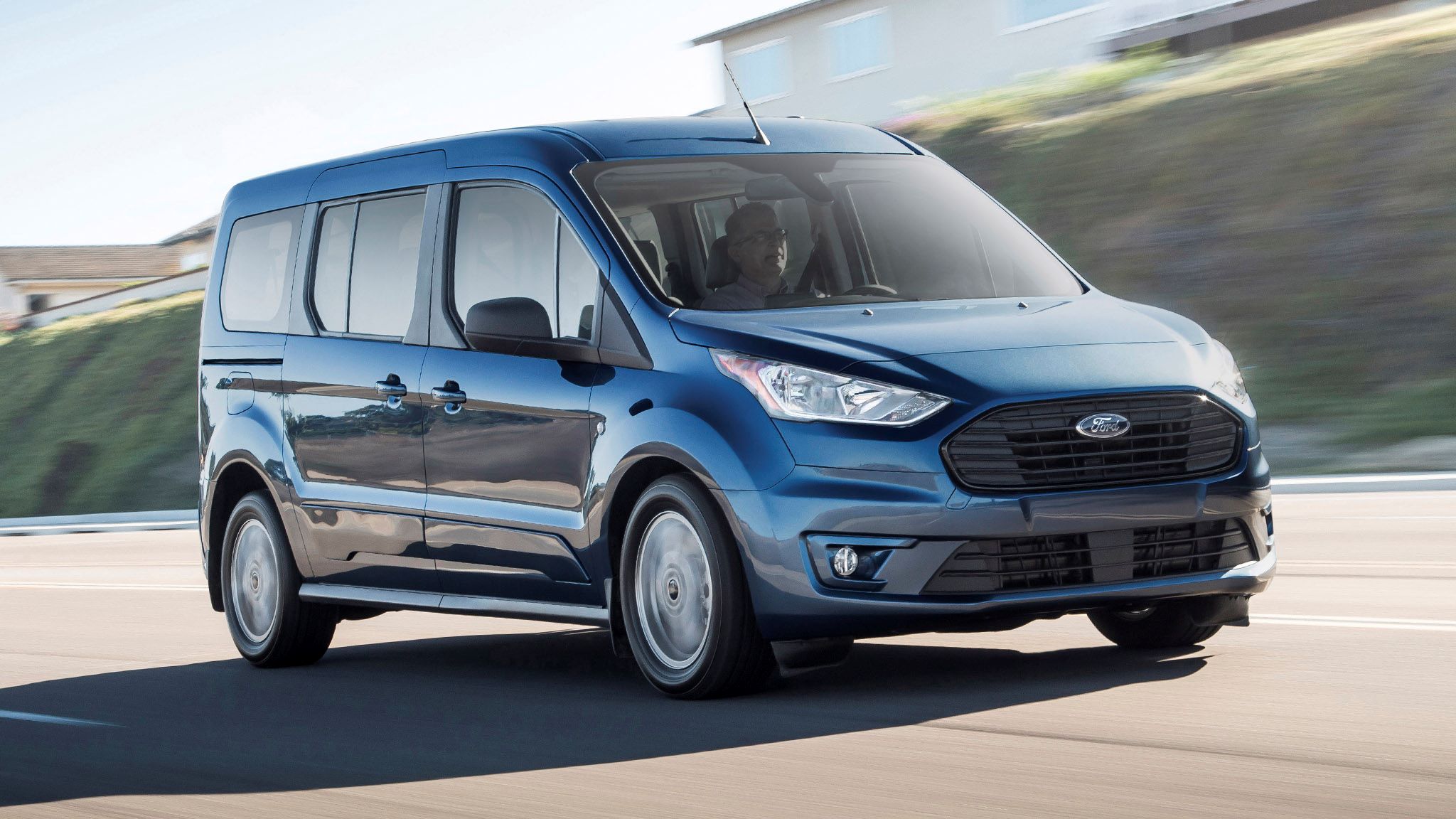
Its cargo-van configuration works wonderfully for crafts- and tradesman as well as adventuresome individuals electing to live the van life. In passenger-van form it can haul as many as seven passengers, and either configuration can haul up to 2000 pounds with the proper equipment.
That said, it isn’t the most fuel efficient offering in its class, its base engine is gutless, and while it’s easy to maneuver, the suspension delivers a bouncy ride. The Transit Connect isn’t the perfect automotive specimen, but it is nonetheless a highly useful workhorse.
The Transit Connect goes unchanged for its final model year, though it is significantly more expensive than in 2022, with the base model’s MSRP climbing from less than $27,000 to more than $34,000 this year. The 2023 model is also the last hurrah for the Transit Connect, at least in the U.S.
One of its rivals, the Ram ProMaster City, ceased production at the end of 2022. The Connects’s only other competitor, Mercedes-Benz Metris, is set set to be discontinued at the end of this this model year. So long, city-van segment.
2. Ram ProMaster City
Smaller than the standard ProMaster, the City version uses Fiat-sourced components and that’s where trouble starts.
Its 2.4L Tigershark engine is notorious for burning oil, while the 9-speed automatic transmission has been plagued with software glitches, delayed shifting, and premature failures.
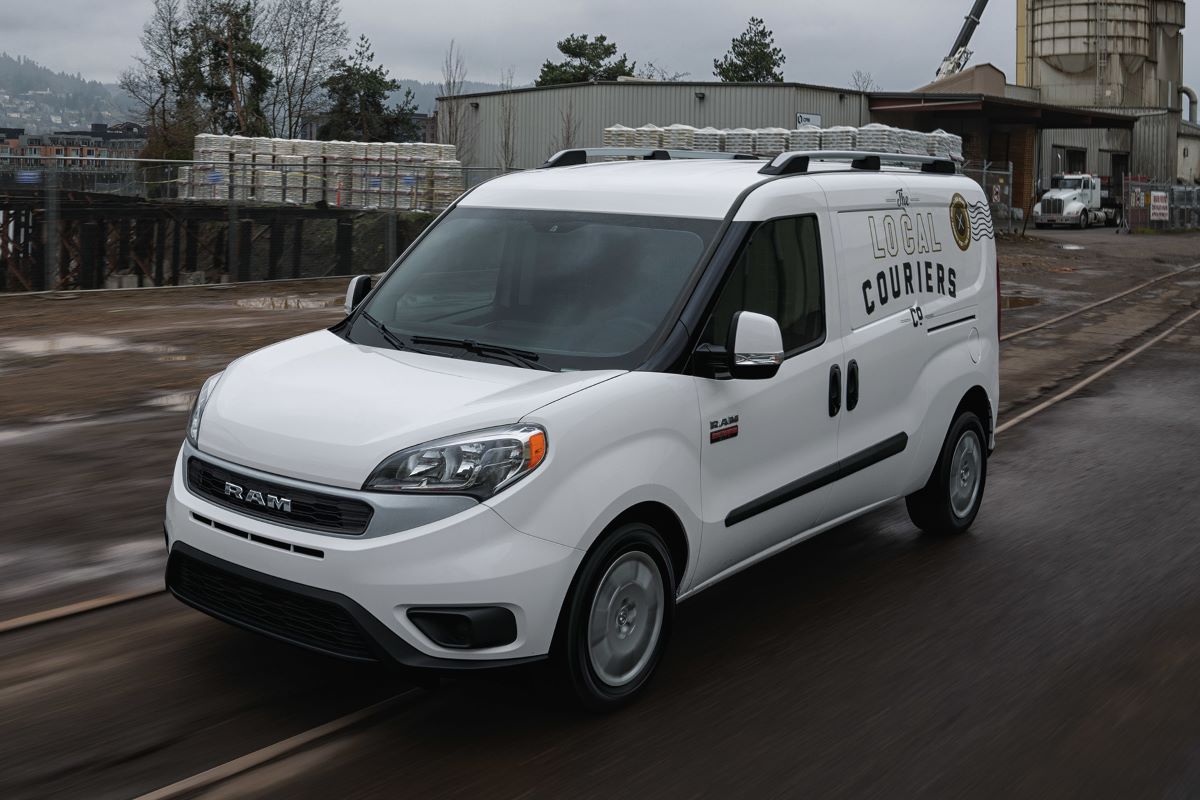
Repair costs often escalate after 120,000 miles, with replacement transmissions running several thousand dollars.
Add in weak suspension components and electrical gremlins, and it’s clear why many ProMaster City owners move on early. It’s fine for light-duty urban work, but long-term fleet dependability isn’t its strong suit.
3. Mercedes-Benz Metris
The Metris aimed to fill the gap between compact and full-size vans, but its European design didn’t fully adapt to U.S. conditions.
Many owners report costly issues related to the turbocharged 2.0L four-cylinder engine and its 7-speed automatic transmission.
Turbo seals, cooling system leaks, and electronic faults often emerge before 100,000 miles. Because it’s a niche model, parts and service are expensive, and few independent shops specialize in it.
While the ride quality and safety features are commendable, the Metris fails the basic work van test: staying out of the shop.
While the Ford Transit Connect van isn’t exactly a vehicle that evokes passion and excitement from enthusiasts, it serves as a sound solution for consumers searching for a practical and versatile compact transit tool.
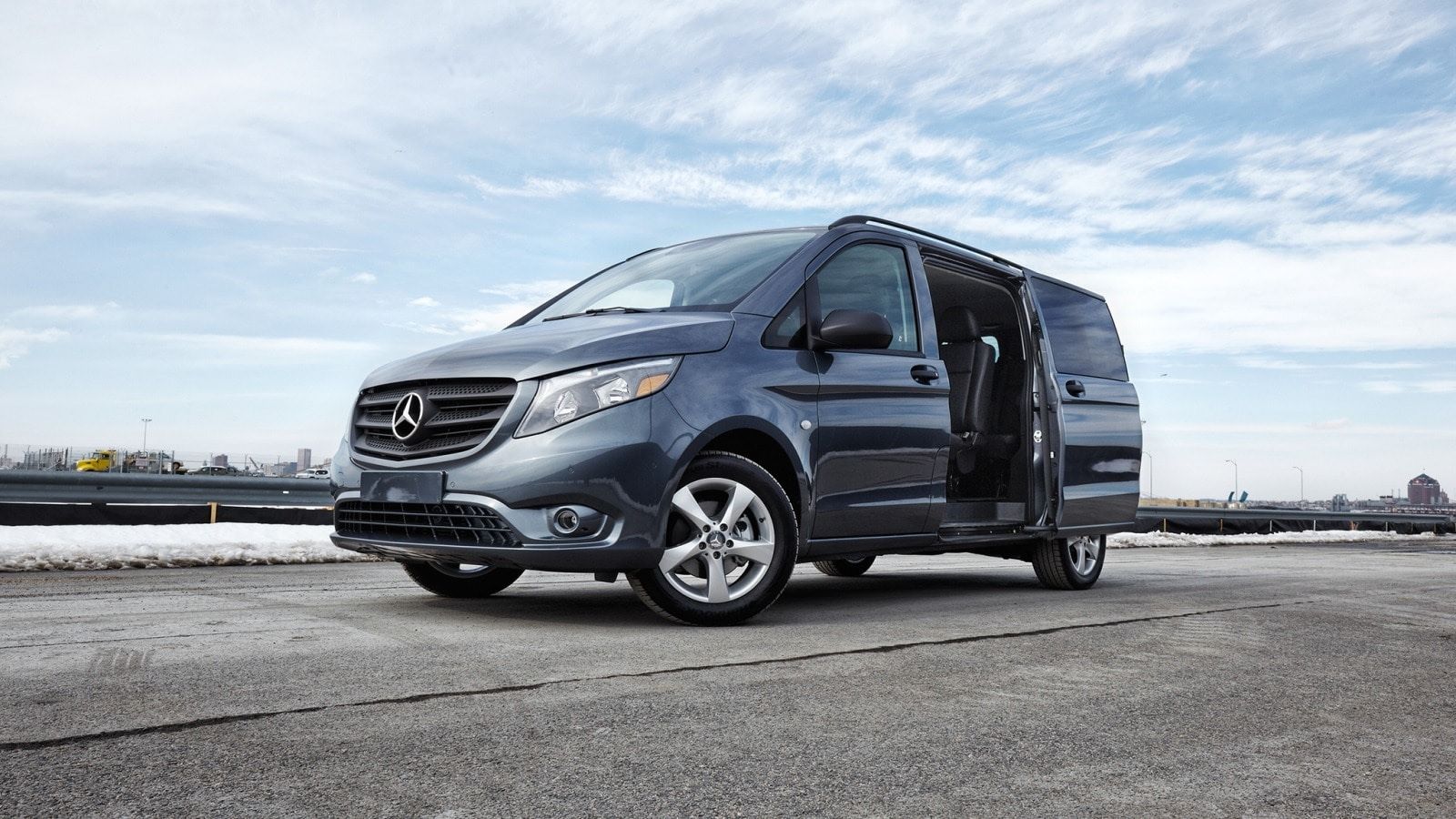
Its cargo-van configuration works wonderfully for crafts- and tradesman as well as adventuresome individuals electing to live the van life. In passenger-van form it can haul as many as seven passengers, and either configuration can haul up to 2000 pounds with the proper equipment.
That said, it isn’t the most fuel efficient offering in its class, its base engine is gutless, and while it’s easy to maneuver, the suspension delivers a bouncy ride. The Transit Connect isn’t the perfect automotive specimen, but it is nonetheless a highly useful workhorse.
The Transit Connect goes unchanged for its final model year, though it is significantly more expensive than in 2022, with the base model’s MSRP climbing from less than $27,000 to more than $34,000 this year. The 2023 model is also the last hurrah for the Transit Connect, at least in the U.S.
One of its rivals, the Ram ProMaster City, ceased production at the end of 2022. The Connects’s only other competitor, Mercedes-Benz Metris, is set set to be discontinued at the end of this this model year. So long, city-van segment.
4. Nissan NV200
The NV200 found favor among city delivery companies like FedEx and Uber Eats, but its long-term reliability leaves much to be desired.
The continuously variable transmission (CVT) is its Achilles’ heel, suffering from overheating, belt slippage, and premature failure.
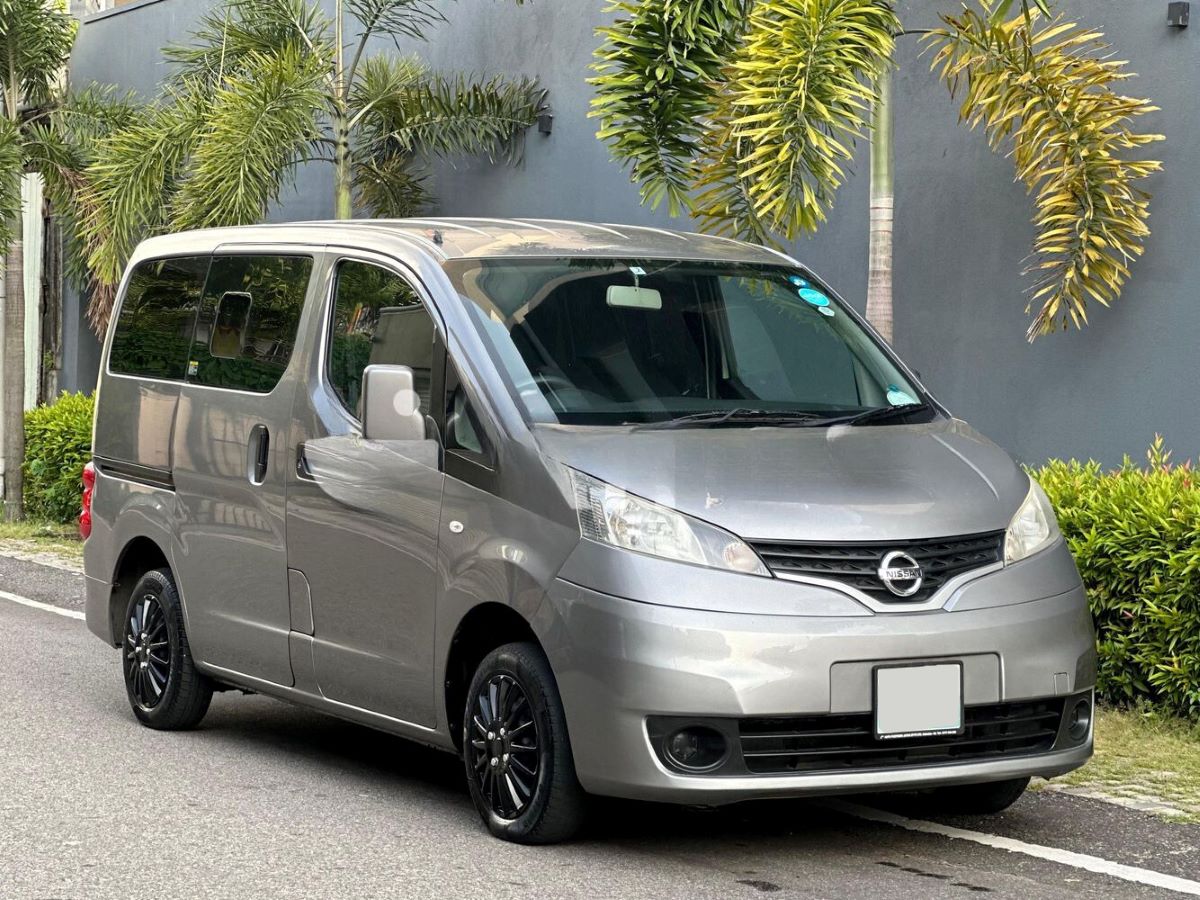
Replacing or rebuilding the CVT can cost nearly half the value of the van once it’s out of warranty.
The 2.0L four-cylinder engine is underpowered for heavy loads, which forces the transmission to work harder accelerating wear. While fuel-efficient, the NV200 simply isn’t built to handle sustained abuse, making it a high-maintenance choice for fleet owners.
5. Dodge Sprinter (Pre-2010 Models)
Before Mercedes fully took over U.S. Sprinter production, Dodge-branded Sprinters were a mixed bag. Built in cooperation with Daimler, these vans often suffer from chronic rust, failing emissions components, and extremely costly repair parts.
The diesel engines themselves were solid, but injector leaks and electrical issues plague high-mileage examples. Many owners complain about sensors tripping “limp mode” for minor faults, sidelining the van for days.
Given that parts availability is now limited and Mercedes dealers often refuse to service Dodge-badged units, keeping these older Sprinters running can turn into an expensive headache.
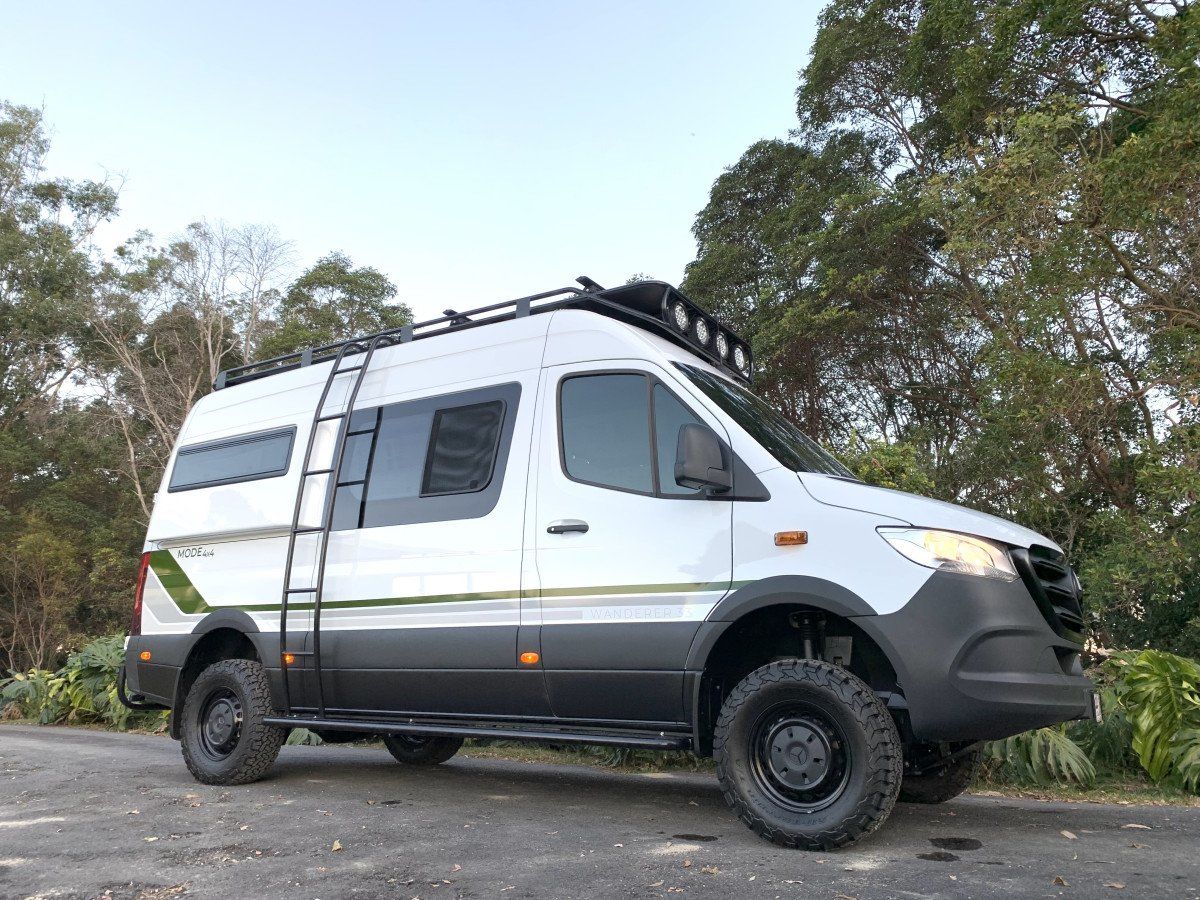
For American businesses, reliability isn’t a luxury it’s survival. The work vans that endure like the Ford Transit, Chevy Express, and Nissan NV prove that durability often comes from simplicity, proven drivetrains, and solid engineering rather than high-tech complexity.
On the other hand, models like the Transit Connect or NV200 reveal what happens when automakers prioritize compact design and efficiency over rugged dependability.
Whether you’re an electrician, delivery driver, or small business owner, choosing the right van means balancing upfront cost with long-term resilience. Because in the world of hard work, downtime is the most expensive repair of all.
