The 1980s produced some of the most distinct vehicles in automotive history a time when design was bold, technology was finding its footing, and performance was beginning its comeback after the fuel crises of the 1970s.
For years, many 1980s models sat in the shadow of their predecessors or successors, often dismissed as transitional or uninspired. But that perception is changing rapidly.
Collectors in the U.S. are recognizing that cars from this decade blend analog driving feel with just enough modern reliability and prices are starting to climb.
Now is the moment to find those undervalued gems before nostalgia and scarcity drive values out of reach. Here are 12 ‘80s cars that are still attainable today but won’t stay that way for long.
1. 1987 Buick GNX
Arguably the king of 1980s American performance, the Buick GNX took the Grand National’s already impressive turbocharged V6 and turned it into a legend.
With only 547 built, the GNX could out-accelerate contemporary Corvettes, thanks to its 276 horsepower and mountains of torque.
Its stealthy all-black styling and sleeper persona made it the ultimate underdog hero of the muscle car revival. Prices for pristine examples are already pushing six figures, but lesser-condition cars remain attainable.
As collectors focus on 1980s American icons, the GNX’s value curve is only heading one way up. When you talk about American muscle cars, one of the key brand names that isn’t far from being uttered is Buick.
The General Motors-owned marque was a key player during the muscle car golden age of the 1960s and early 70s, thanks to models like the Wildcat GS and mighty GSX, one of the torquiest cars of the era.
These days, the brand doesn’t tend to dabble much in the performance sector, which reflects an approach it has followed since the late 1980s.
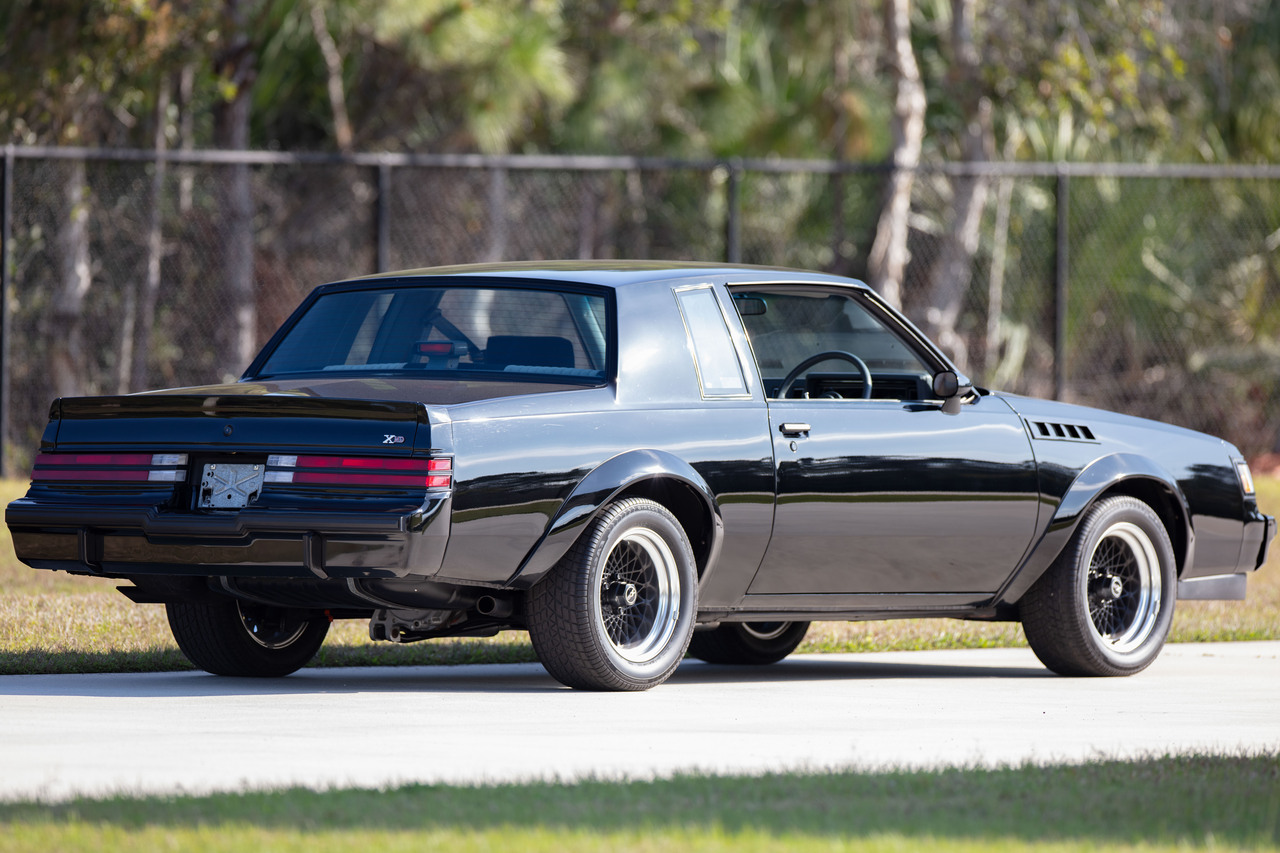
The car that signified the end of Buick’s sustained push in the market has become a living legend in the decades since it was built, to the point where it is now worth more than a brand-new BMW M5. When you take a look at it though, you understand pretty quickly why it’s so special.
The GNX Was Built To Give The Second-Gen Regal A Worthy Send-Off. The performance car market had changed considerably from the early 1970s by the time the 80s were in full swing.
The majority of big V8 weapons had long gone, with many vehicles instead using lighter and more compact four- and six-cylinder engines, which sometimes came with turbochargers thrown into the mix to help boost power levels.
The Buick Regal was such a machine, as it could be had in Grand National spec. Buick had been turbocharging the Regal coupe since the second-gen version was introduced in 1978, though the GN was first unleashed in 1982.
The 1987 Buick GNX was equipped with a 3.8-liter turbocharged V6 engine and a 4-Speed Auto transmission, producing 276 hp and 360 lb-ft of torque, achieving 0-60 mph in 5.5 seconds and a limited top speed of 125 mph.
By 1987, it was time to wave goodbye to the second-gen Regal, and Buick’s chief engineer Dave Sharp wanted to send it out with a bang. He came up with the idea of the GNX, meaning Grand National Experimental, which was essentially a Grand National on steroids.
He approached legendary British racing operation McLaren to achieve this, which introduced a raft of upgrades to the Regal. Buick first equipped the GNXs with a sportier interior trim package, before sending them off to McLaren.
The GN’s V6 was upgraded with a new Garrett turbocharger, as well as an uprated intercooler and exhaust system to enhance airflow. A new CPU was also brought along to help the engine purr with just the right note. The chassis was also tweaked to improve the vehicle’s handling, an end further assisted by a more serious suspension setup.
Also Read: 5 Pickups With Factory Sealed Transmissions That Never Fail and 5 That do
2. 1985 Toyota MR2 (AW11)
The first-generation MR2 brought mid-engine balance and razor-sharp handling to the masses. Light, agile, and incredibly fun to drive, the MR2 was Toyota’s answer to the small European sports car but with Japanese reliability.
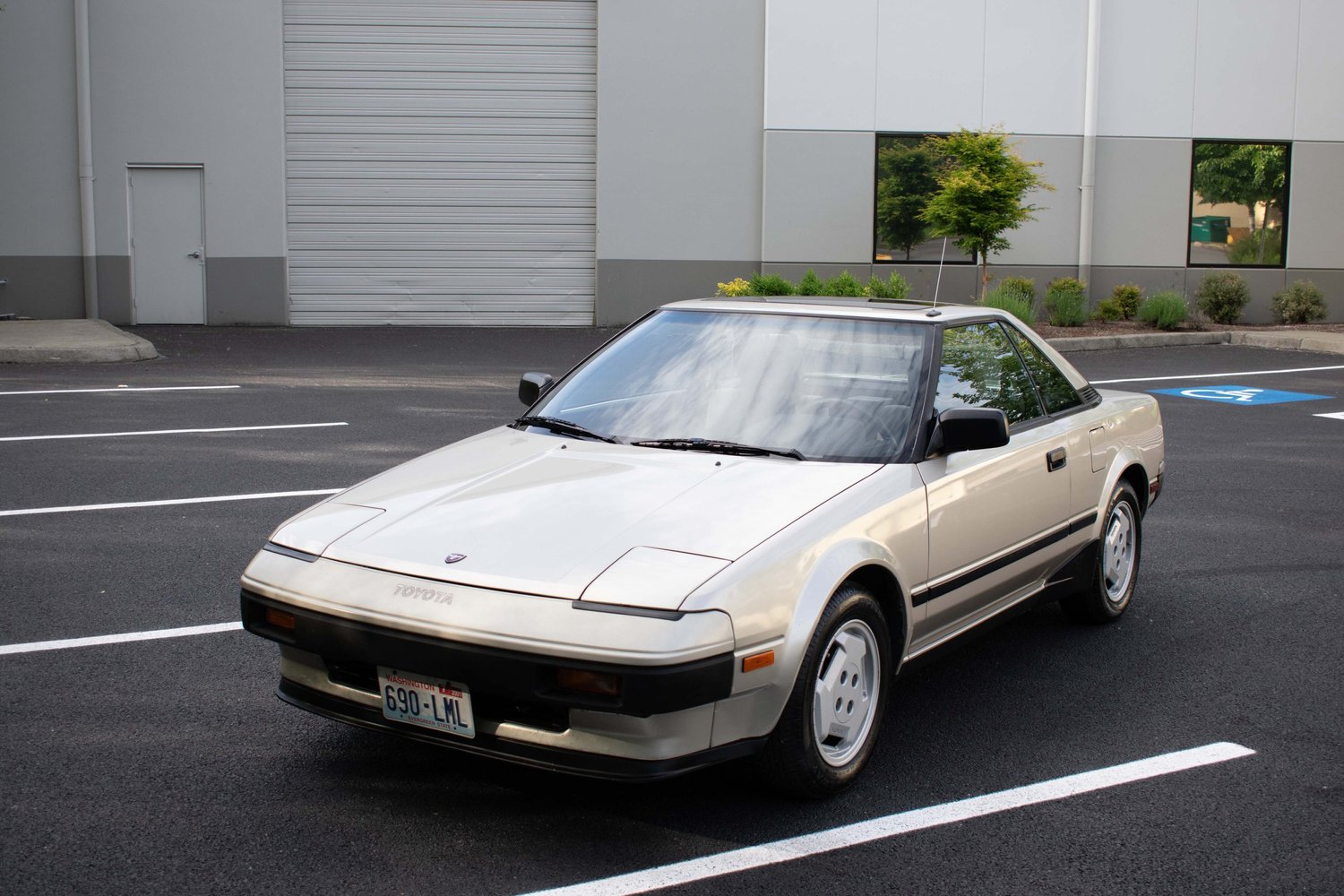
Early models with the naturally aspirated 4A-GE engine are still relatively affordable, though rust-free examples are getting harder to find.
Enthusiasts have started scooping them up as the market realizes how rare true driver’s cars from this era are. The MR2’s playful handling and pure driving experience make it a smart pick for future appreciation.
The Toyota MR2 AW11 is more than just a quirky 80s coupe, it’s a raw, mid-engine sports car that delivers big smiles on a budget. Whether you’re a JDM fanatic, a weekend canyon carver, or just love retro rides with character, this little wedge-shaped legend deserves your attention.
If you’re mixing up the names, here’s a quick note: the Toyota Mark II is a different car entirely, a luxury sedan. What we’re diving into here is the Toyota MR2 AW11, the first-generation, mid-engine, rear-wheel-drive sports car that was produced from 1984 to 1989.
Transmission options were a 5-speed manual and a 4-speed automatic. It has a Weight of approximately 2,200 lbs (1000 kg). It achieves 0–60 mph in roughly 8 seconds for the naturally aspirated model and about 6.5 seconds for the supercharged version.
Fuel Economy is around 24–30 mpg. The Body Style is a 2-door coupe, with a T-top available. The Pros include a Pure Driving Experience, as its mid-engine layout offers razor-sharp balance and go-kart-like handling, and early models have manual steering for better feedback.
3. 1989 BMW M3 (E30)
The E30 M3 has already begun its rise to collectible status, but it’s still worth mentioning because it represents one of the most significant performance cars of the decade.
Designed for homologation in touring car racing, the M3 was engineered with precision and balance that modern performance cars often lack.
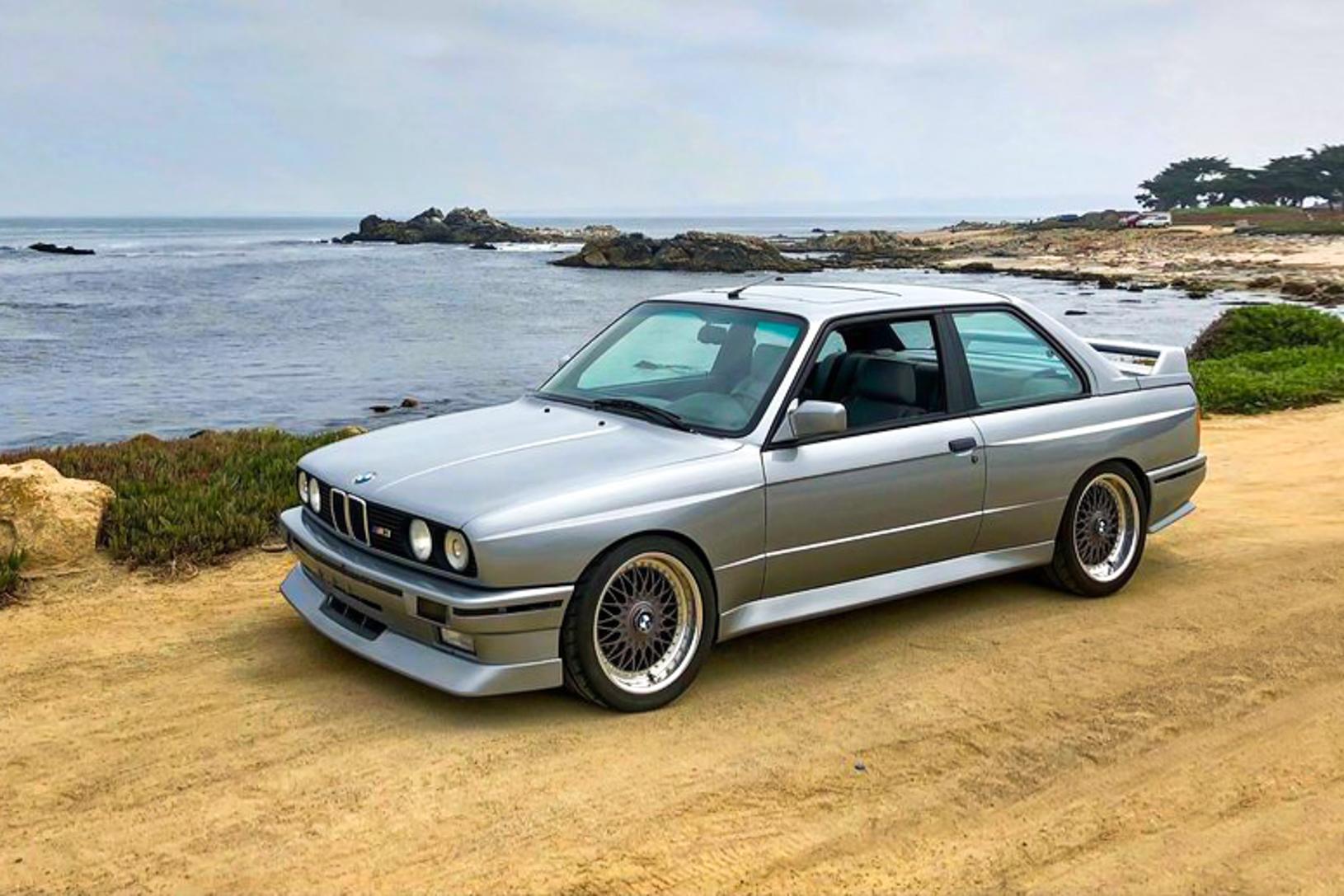
Its high-revving four-cylinder engine and near-perfect chassis make it one of the most rewarding cars to drive. U.S.-spec examples are becoming increasingly scarce, and values have doubled in the past five years a trend that shows no sign of slowing.
4. 1984 Porsche 944
The 944 was once overlooked by purists who favored the 911, but collectors are realizing that it’s a truly capable and well-balanced sports car in its own right.
With its front-engine, rear-transaxle layout, the 944 offers remarkable handling and poise. The 944 Turbo, in particular, delivers performance numbers that rivaled supercars of its day.
Prices for clean examples remain surprisingly modest, but that won’t last long as younger enthusiasts begin to rediscover these cars. The 944’s combination of Porsche build quality and ‘80s charm makes it a sleeper collectible.
By the late 1970s, Porsche’s rear-engine, air-cooled 911 was looking old and tired. The solution at the time was to introduce a new series of front-engine, water-cooled cars to sell simultaneously: the Porsche 924 and 928.
The 928 was the brand’s flagship grand tourer with an in-house designed V-8 engine, while the 924, on the other hand, would replace the aging 914 as Porsche’s entry-level sports car. The plan worked well enough: sales were strong, especially for the 924, but Porsche purists complained about the 924’s lack of both power and prestige from its Audi-derived four-cylinder engine.
These complaints echoed those of the Volkswagen-powered 914 it replaced. The solution was to evolve the 924 into the 944 for the 1983 model year. The 944 would at last be a true Porsche with a new 2.5-liter, water-cooled, inline four-cylinder engine that was designed as an approximation of half of the 928’s V-8.
Porsche, having considered a six-cylinder engine instead, decided to license a balance shaft design from Mitsubishi to give the inherently rougher inline-four a smoother revving character to help justify its premium price tag. A rear-mounted five-speed transaxle gave excellent weight distribution.
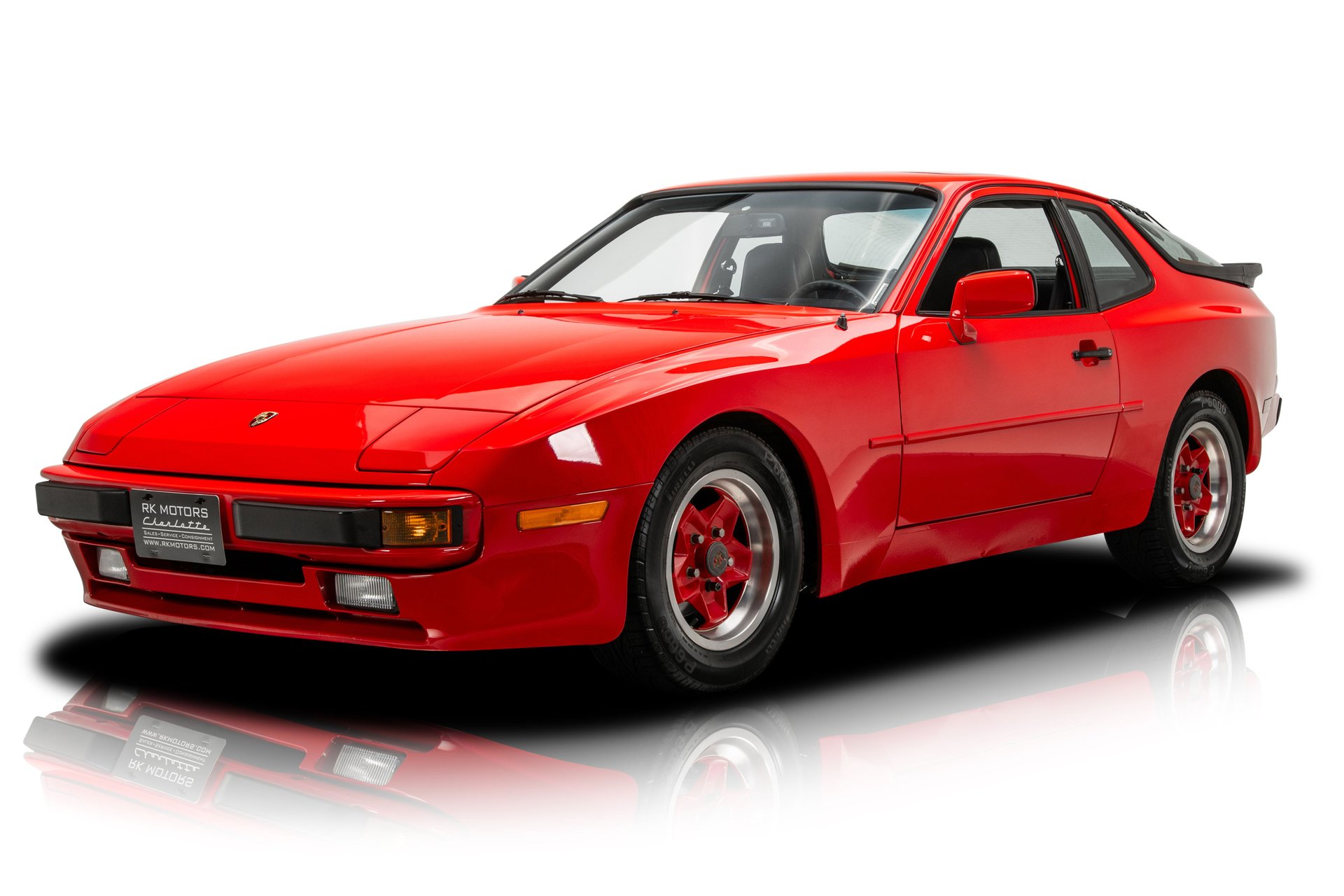
While the interior of the early 944 remained largely the same as the 924, the 944’s box-flared exterior design echoed that of the 924 Carrera GT road and race cars for a much more aggressive look more befitting of Porsche’s brand image.
Changes to the 944 came quickly and soon there were several different variants. Halfway through the 1985 model year, Porsche updated the 944’s interior to a much more contemporary design with an oval-shaped instrument panel.
For 1986, the big news was the Porsche 944 Turbo, with a turbocharged version of the 2.5-liter engine producing 217 hp and turning the 944 into a world-class performance car. Along with the larger engine came large multi-piston Brembo brakes from the 911 Turbo, a body kit with a better integrated front bumper and rear underbody spoiler, stiffer suspension and a stronger five-speed gearbox.
In 1987, a 16-valve version of the 2.5-liter four powered the new 944 S variant, raising power from 147 hp to 187.
In 1989, a new 2.7-liter, eight-valve engine with 163 hp was introduced for the base 944, and the 944 S2 replaced the 944 S (now available in coupe and convertible form), with a new 3.0-liter, 16-valve naturally-aspirated engine making 208 hp, plus all the benefits of the Turbo-style body and chassis.
5. 1987 Ford Mustang GT (Fox Body)
No list of collectible 1980s cars would be complete without the Fox Body Mustang. Lightweight, V8-powered, and endlessly customizable, the Mustang GT represented affordable performance for a generation.
While many were modified or raced into oblivion, unmolested examples are becoming increasingly rare.
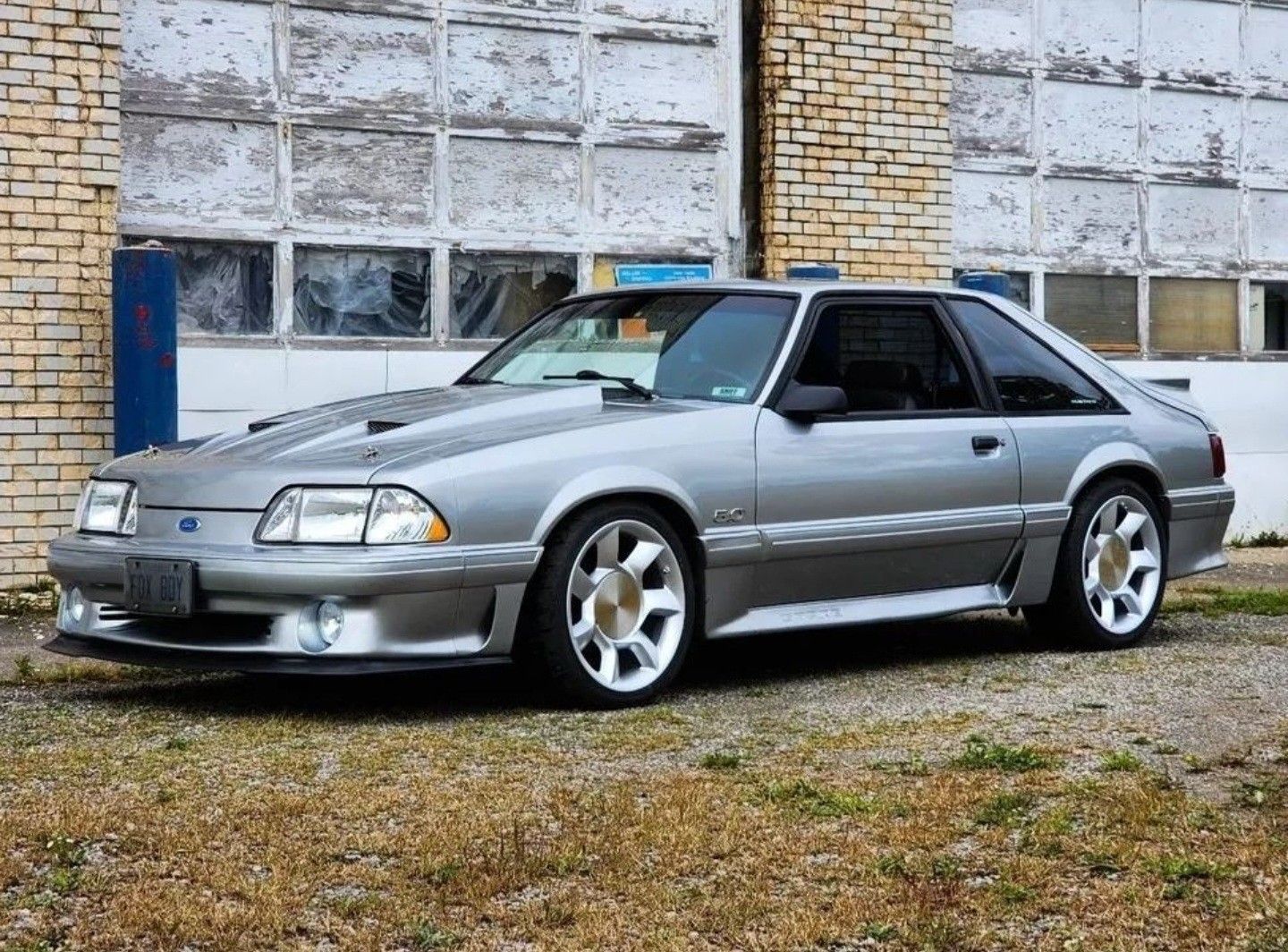
The Fox Body is also gaining attention for its cultural significance it defined American performance for nearly 15 years. As collector interest shifts toward cars that connect emotionally rather than just mechanically, expect prices to spike.
6. 1988 Honda CRX Si
The Honda CRX Si captured the essence of 1980s efficiency and fun. It was lightweight, handled brilliantly, and delivered excellent fuel economy a true symbol of Honda’s engineering genius.
The CRX Si’s high-revving four-cylinder engine made it an enthusiast favorite, and its simple mechanics make it easy to maintain today.
Unfortunately, many CRXs fell victim to rust or overzealous tuners, leaving few original examples. As clean survivors disappear, the CRX Si’s reputation as one of the best-handling front-wheel-drive cars ever built will ensure its value climbs steadily.
In the 1970s, Honda built their reputation for inexpensive, reliable machinery. With the launch of the 1984 Civic CRX, Honda realized a sporty spin-off of its most popular model would get a warm welcome.
In the second-generation 1988 CRX Si, it figured out how to make that car a blast to drive. Specifically, Honda dialed things up with the second-generation 1988 CRX and the “Sport Injected” model, otherwise known as the Si.
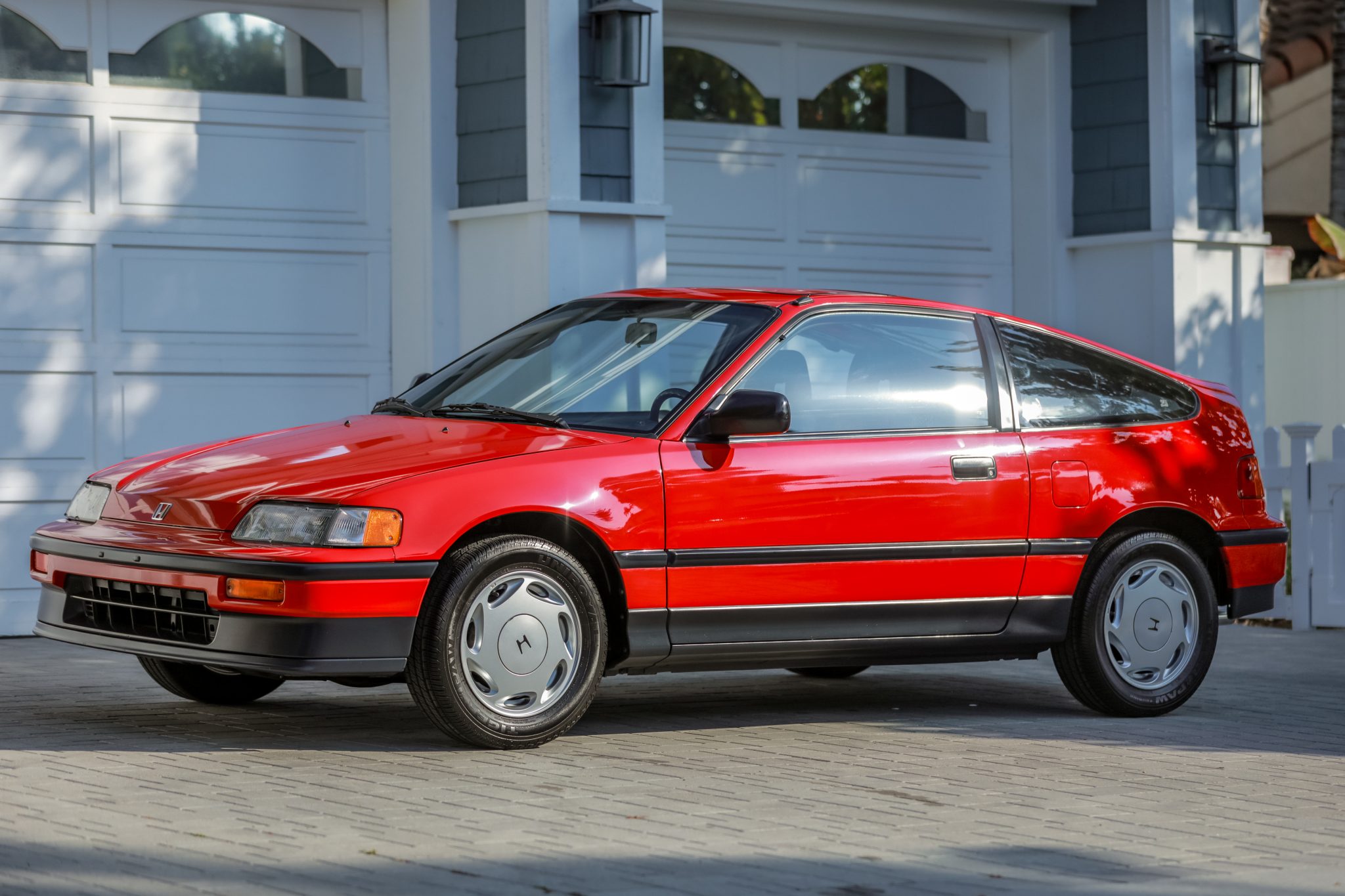
Gone was the torsion-beam front suspension and semi-independent rear suspension, both traded for full independent double wishbones. A new 1.6-liter inline-4 engine breathed 105 horsepower into the CRX Si via multi-port fuel injection.
Honda tooled up an agile suspension to go with its frugal inline-4, just enough power for a car that tipped the scales at 2,017 pounds. Is 105 hp laughable by today’s standards.
But, when fitted to the feather-light CRX Si, enthusiast magazines clocked a 0-60 mph time of 8.5 seconds. This wasn’t muscle-car performance in the 1970s vein, but the small Honda found its niche. The CRX Si quickly became a rival to the Volkswagen GTI and made no excuse for its simplicity.
The 1988 CRX Si demanded spirited driving. Drivers who obliged weren’t punished for having fun. Instead, they saw fuel economy approach 30 mpg.
The CRX Si didn’t invent anything, or count any firsts in its win column. It simply checked every box for budget-minded enthusiasts. It introduced a generation of drivers to a different idea of performance; an idea that didn’t include snarling engines and gobs of torque.
Also Read: 10 Steps That Keep a Toyota Supra Turbo Reliable Past 300k
7. 1986 Toyota Supra (A70)
The third-generation Supra bridged the gap between the classic inline-six GT of the 1970s and the modern high-performance icon of the 1990s.
The A70 Supra introduced advanced tech like electronically adjustable suspension and turbocharging while keeping Toyota’s trademark durability.
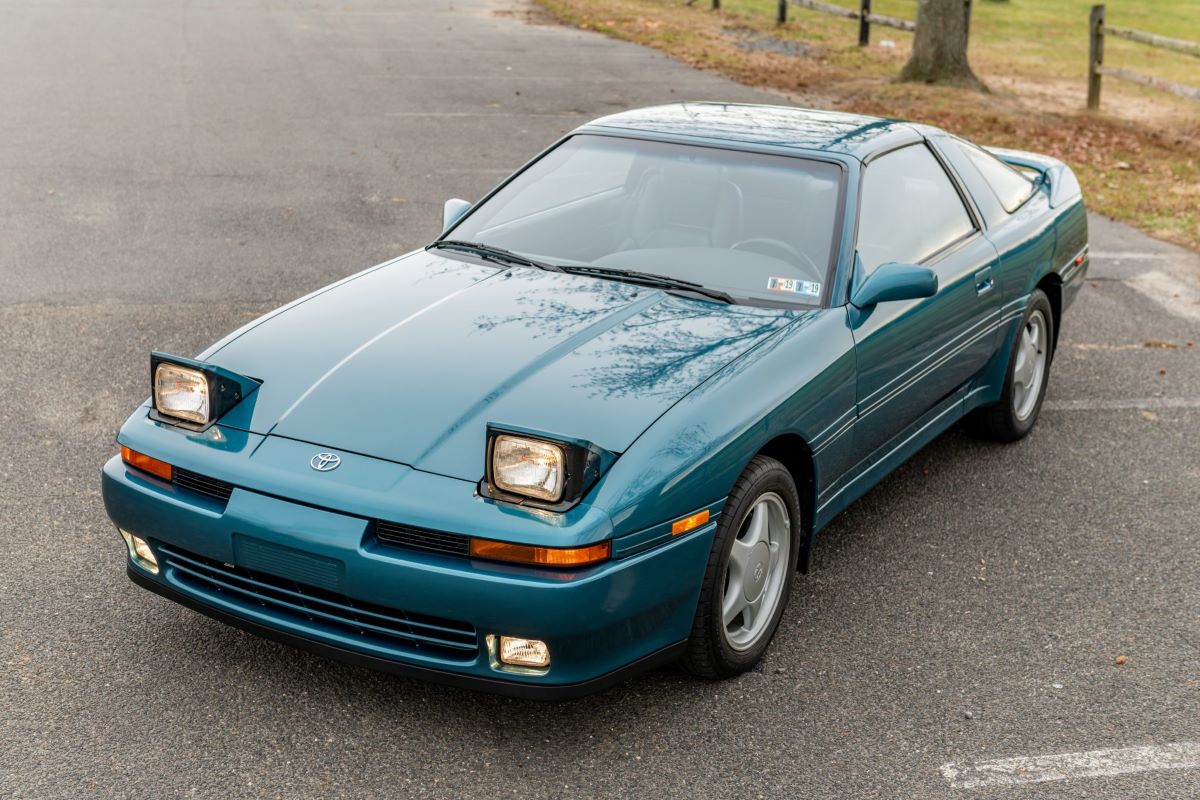
Enthusiasts are increasingly looking to these cars as the next wave of collectible Japanese performance.
Their values remain low compared to the later A80 Supra, but collectors know that gap won’t last forever especially as nostalgia for ‘80s JDM style continues to grow.
8. 1982 DeLorean DMC-12
Few cars scream “1980s” louder than the DeLorean. Its brushed stainless steel body, gullwing doors, and Back to the Future fame have cemented its place in pop culture.
But beyond the movie mystique, the DMC-12 is also a surprisingly competent GT, with Lotus-engineered underpinnings and distinctive design.
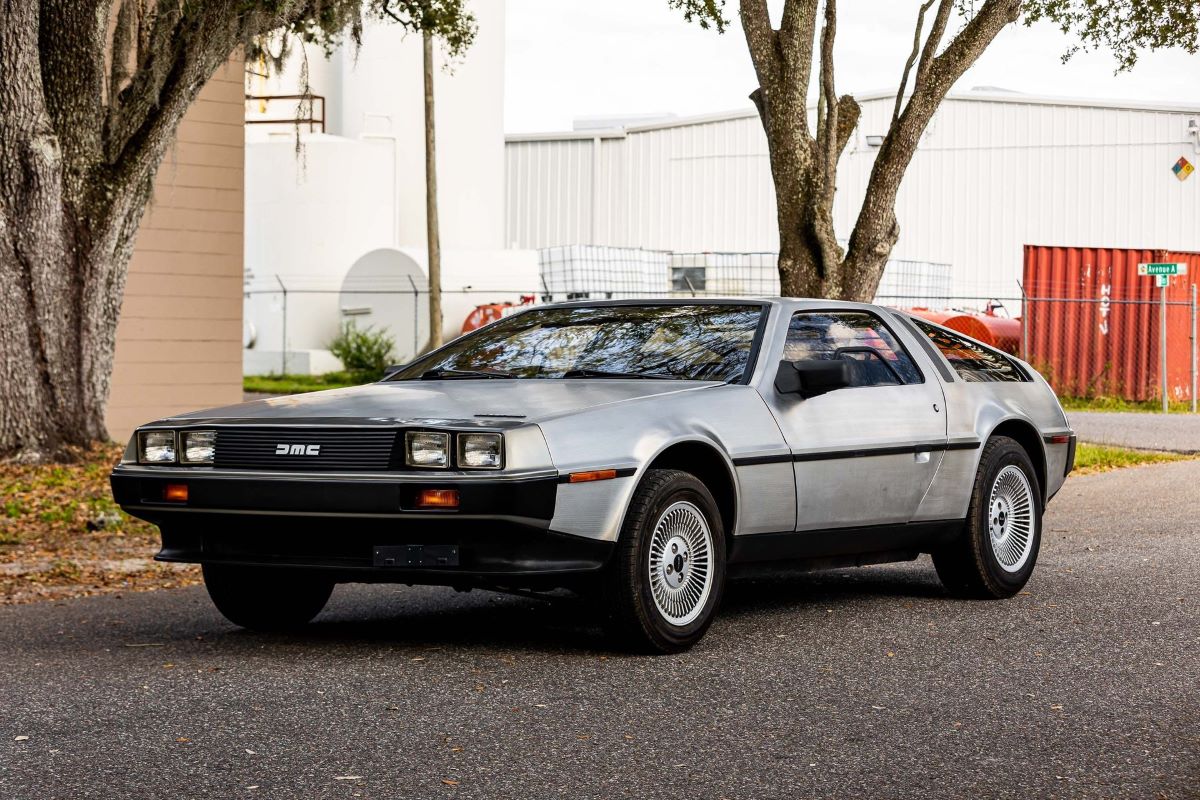
For years, its notoriety overshadowed its value, but collectors are now embracing it as a true icon of the decade.
Parts support has improved dramatically, and the DeLorean Motor Company’s plans for new production have reignited interest, making it a collectible with serious upside.
Of course. Here is the rewritten excerpt in paragraph form, adhering to your guidelines.
This 1982 DeLorean DMC-12 for sale is a true time capsule, boasting just over 10,000 original miles and a rare one-owner history. Known for its distinctive raw stainless steel body and iconic gullwing doors, this DeLorean remains one of the era’s most recognizable and collectible vehicles.
This example features the highly desirable 5-speed manual transmission for an engaging driving experience. It is powered by a 2.85-liter V6 engine producing 130 horsepower. The gray leather interior is exceptionally well-preserved, reflecting the car’s low mileage and careful ownership.
This DMC-12 has extensive documentation, including the original window sticker, temporary tag, and a clean CarFax report. Even the original tires remain intact, making this an outstanding choice for collectors who appreciate originality.
For those searching for a 1982 DeLorean DMC-12 for sale, this one-owner, low-mileage example represents a rare opportunity to own an unmodified piece of automotive history. With its cult-classic status and increasing collectibility, this DeLorean is a must-have for enthusiasts and investors alike
9. 1985 Chevrolet Camaro IROC-Z
The IROC-Z was the definition of 1980s cool sharp angles, bold graphics, and V8 power. It was a staple of American car culture, whether cruising on Saturday nights or starring in music videos.
Underneath the flash, though, the IROC-Z offered genuine performance improvements over earlier Camaros, including tuned suspension and fuel injection.
While muscle cars from the 1960s have long been prized, the 1980s variants are now gaining collector traction as Gen X and Millennials chase the cars of their youth. Expect IROC-Z values to jump as demand surges.
The American automaker provided the cars for the International Race Of Champions ever since the 1975 season, so creating a Camaro bearing those magic four letters was no mistake.
However, the automaker delayed the introduction of the IROC on Camaro’s third generation until 1984, for the 1985 model year. This package was available exclusively on the Z28 version of the car, and for a good reason: it was the base vehicle used in the famous American race.
The car quickly gained a reputation among enthusiasts not because it could run the quarter-mile faster than any of its siblings but because its suspension, braking, and handling characteristics were better. Spotting a 1985 Chevrolet Camaro IROC Z28 from the front was easy. Even though it had the same recessed quad rectangular headlights, the rest of the vehicle differed.
It sported a hood with a pair of louvers on it, even though they were fake. The bumper was also unique for the model. It featured a rectangular air intake in the middle that integrated the fog lamps, and the turn signal lights flanked it.
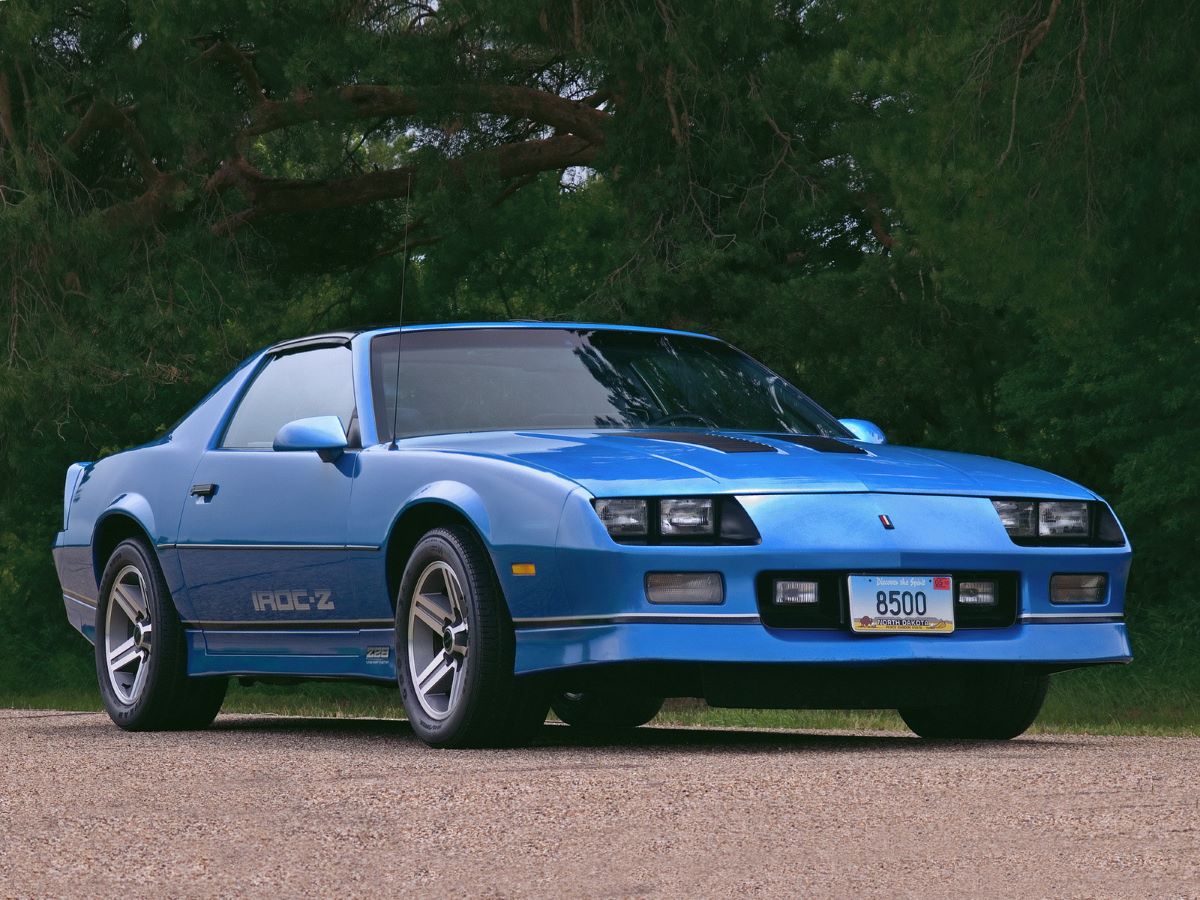
These visual upgrades helped the automaker sell the car in high numbers. From its profile, the most striking difference, besides the obvious IROC-Z decals on the doors, were the five double-spoke 16-inch alloy wheels.
These were wrapped by P245/50VR-16 radial tires for improved performance. At the same time, the regular Z28 Camaro used narrower, 215/65R-15 boots. However, the automaker left the regular Z28 badges on the car, which were applied to the front fenders behind the wheel wells.
In addition, the 1985 Chevrolet Camaro IROC-Z had extended side skirts to lower ground effect and improve aerodynamics. Unlike the race car used by the drivers competing in the International Race Of Champions, the street version didn’t have an oversized rear spoiler.
Furthermore, it could be ordered in a T-Top configuration with two removable glass panels above the driver and side passengers. These could be stored in a specific compartment in the trunk. Inside, customers found a race-inspired cabin fitted with high-bolstered bucket seats and integrated headrests.
Fronting the driver was the same squared-looking instrument cluster, featuring large dials for the speedometer and tachometer and three gauges for the fuel level, charging status, and coolant temperature. In addition, a fourth gauge for the oil pressure was integrated into the rev counter’s dial.
10. 1981 Volkswagen Scirocco
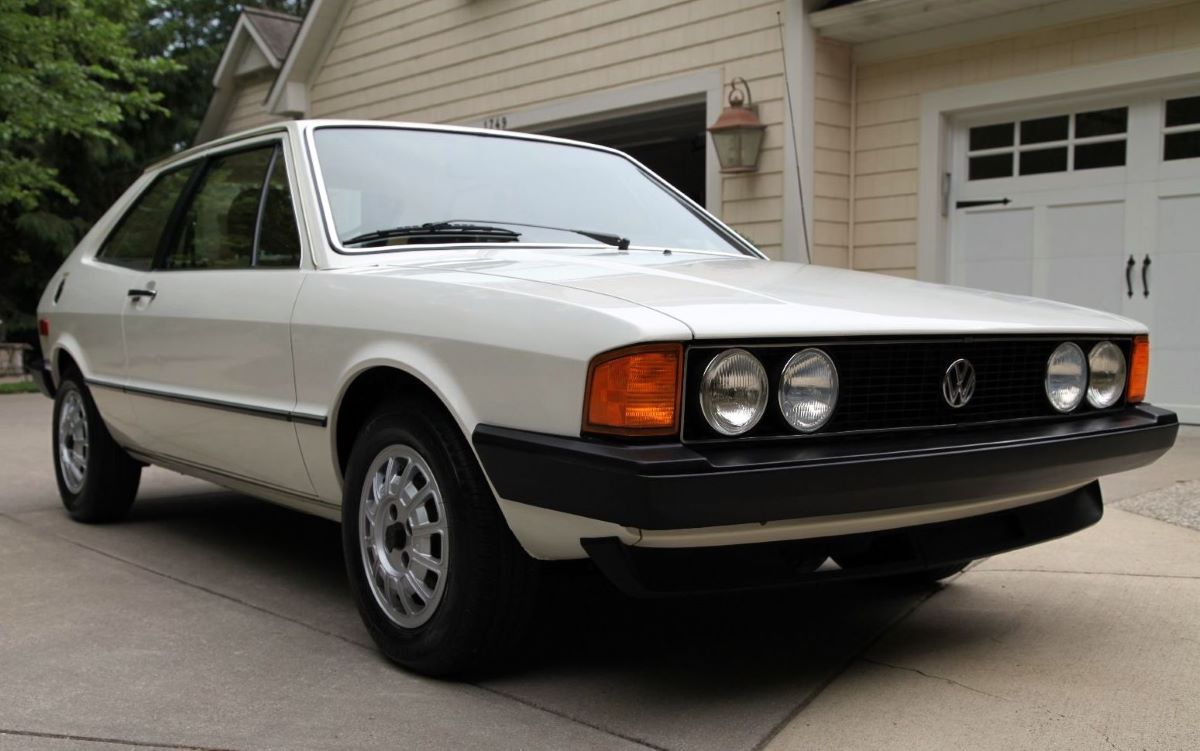
The second-generation Scirocco combined sharp Giugiaro design with VW’s nimble front-wheel-drive dynamics. In an era of heavy coupes, the Scirocco stood out for its light weight and crisp handling.
The car’s distinctive wedge shape and European flair have made it a cult favorite among VW fans.
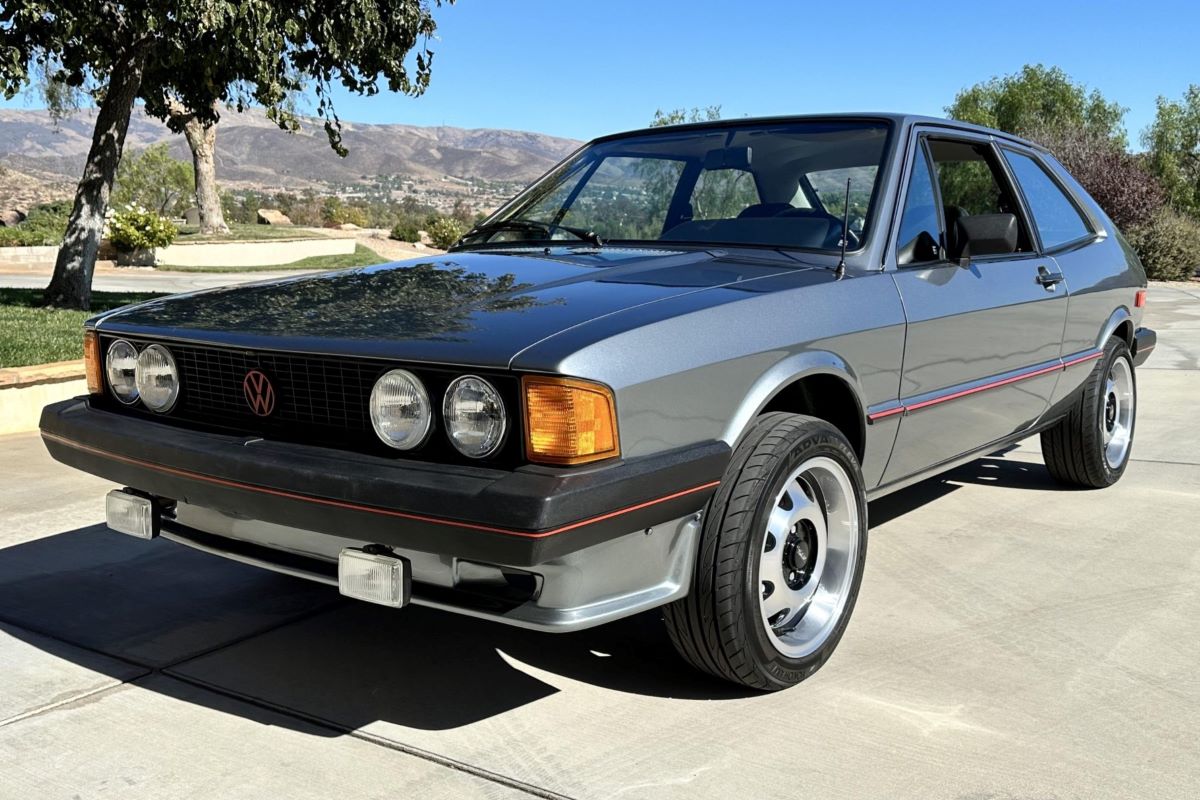
Finding a clean example is difficult today, but those who do will own one of the most underrated driver’s cars of the ‘80s. With the resurgence of interest in analog, low-powered sports coupes, the Scirocco’s appeal is only growing.
11. 1989 Nissan 300ZX (Z31)
Often overshadowed by the later twin-turbo Z32, the Z31-generation 300ZX has quietly become a collector favorite for its blend of comfort, power, and technology.
Available with a turbocharged V6, digital dash, and pop-up headlights, it perfectly captures the futuristic spirit of the decade.
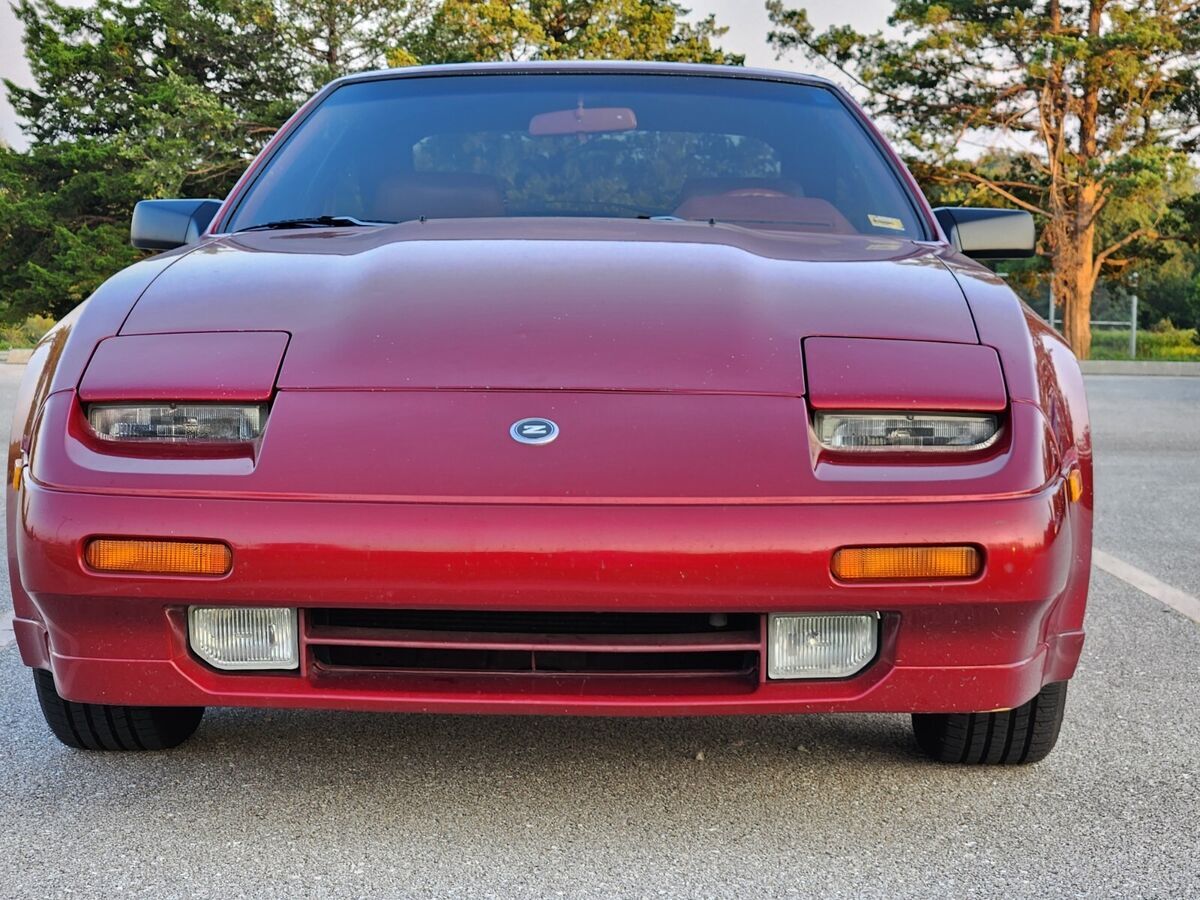
The 300ZX also marked the last of the old-school Z cars before Nissan went all-in on luxury and refinement. As enthusiasts seek earlier, more analog versions of the Z heritage, the Z31’s value trajectory looks strong.
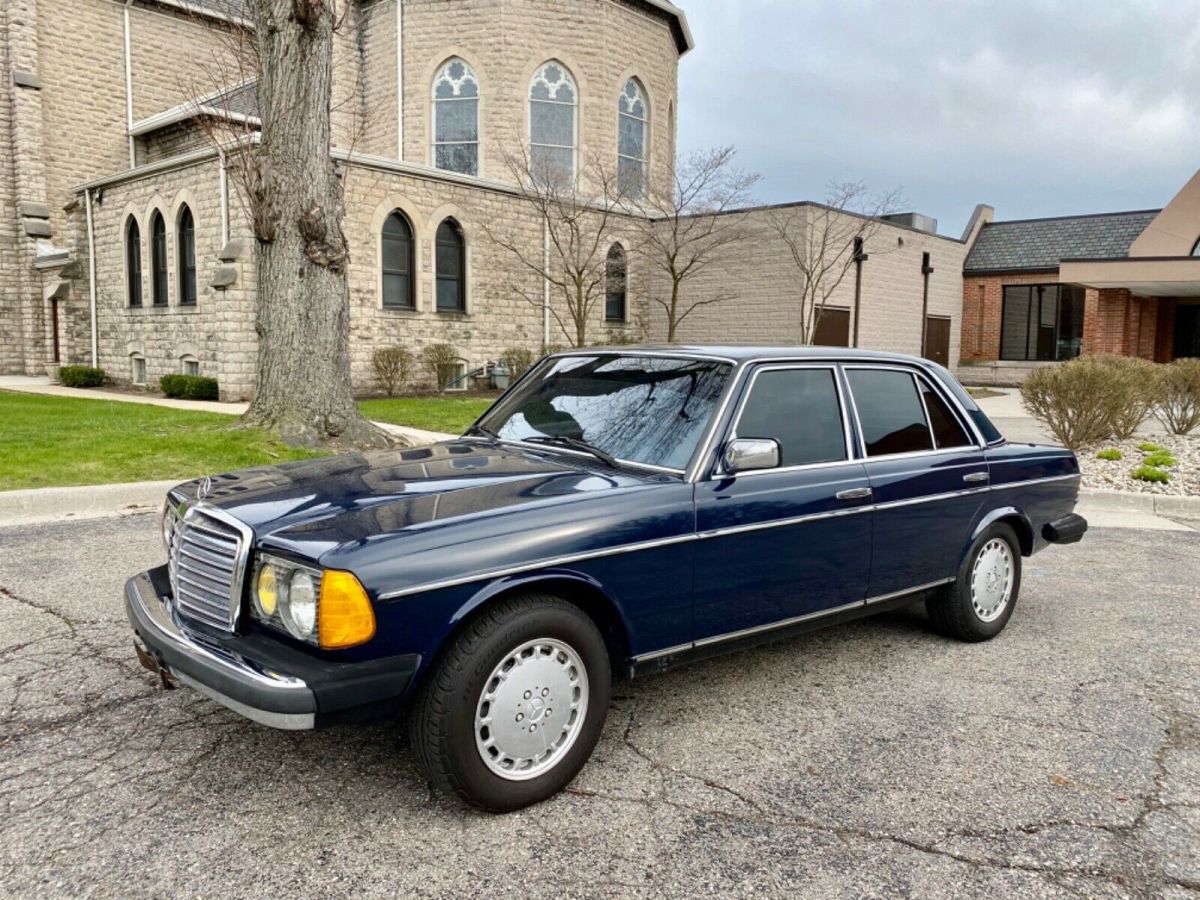
12. 1983 Mercedes-Benz 300D Turbo Diesel (W123)
The W123 300D Turbo Diesel isn’t fast, but it represents the pinnacle of Mercedes-Benz durability. Built to outlast nearly everything else on the road, it earned a reputation as the car that would “run forever.”
Many are still in daily service across the U.S., a testament to their overbuilt engineering. As vintage Mercedes models gain favor among collectors for their mechanical honesty and timeless design, the W123 stands out as an icon of reliability.
Clean, rust-free examples are climbing fast in price, especially those with original interiors and service histories.
The 1980s are finally being recognized as a golden era for enthusiasts a time when automakers experimented with design, technology, and performance in equal measure.
Cars from this decade combine analog feedback with emerging innovation, offering a driving experience that’s raw yet usable.
For U.S. collectors looking for attainable classics with upside, these 12 models represent the sweet spot between nostalgia and investment. Their values are rising, but there’s still time to buy smart before the next big price wave hits.