Cars from the 2000s are becoming special for many people today. This was a time when vehicles still felt connected to the driver but also started gaining modern features like better safety, smoother engines, and improved technology.
Many of these cars are now seen as modern classics because they have unique designs, fun driving feel, and strong fan followings.
They remind us of a time before cars became fully digital, yet they still feel new enough to enjoy every day. Here are 14 modern classics from the 2000s that car lovers admire and remember fondly.
Also read: 10 Cars That Deliver Luxury Without the Badge
1) BMW M3 (E46)
The BMW M3 (E46) is one of the most loved sports cars in the world. Built between 2000 and 2006, it became famous for mixing power, smooth handling, and everyday comfort. Even today, many car lovers call it the perfect driver’s car.
The E46 M3 has a beautiful and clean design that still looks modern. With its muscular fenders, quad exhaust pipes, and sporty stance, it has a strong presence on the road. It does not look too flashy, but it stands out in a classy way.
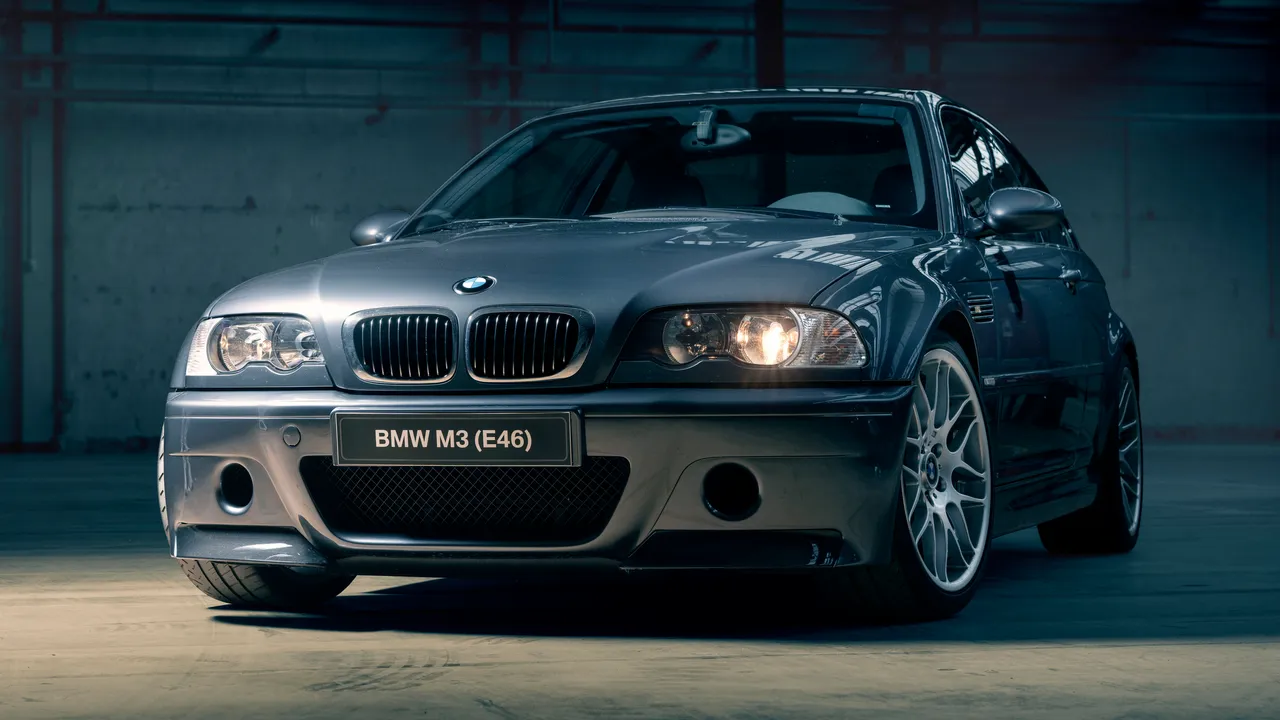
One of the biggest reasons people love the E46 M3 is its balance. The car feels stable in corners and responds quickly to driver input. Many say it offers the perfect mix of speed, control, and comfort, which is rare in modern cars.
BMW offered the M3 with two transmission options: a six-speed manual and an SMG automated manual. Most driving fans prefer the manual because it gives more control and a pure driving feel. The SMG can be fun, but it is less smooth.
2) Honda S2000
The Honda S2000 is one of the most respected sports cars from the 2000s. Built between 1999 and 2009, it became famous for its high-revving engine, sharp handling, and open-top driving fun. Many car lovers still see it as a pure driver’s machine.
One of the most exciting things about the S2000 is its engine. The early models used a 2.0-liter four-cylinder engine that made around 240 horsepower. This may sound small, but the real magic was how high it could rev, going up to 9,000 RPM.
That high-revving nature made the S2000 feel like a race car on the street. You had to push the engine to get the best performance, and when you did, it delivered a thrilling sound and very quick acceleration. It was a joy for true driving fans.
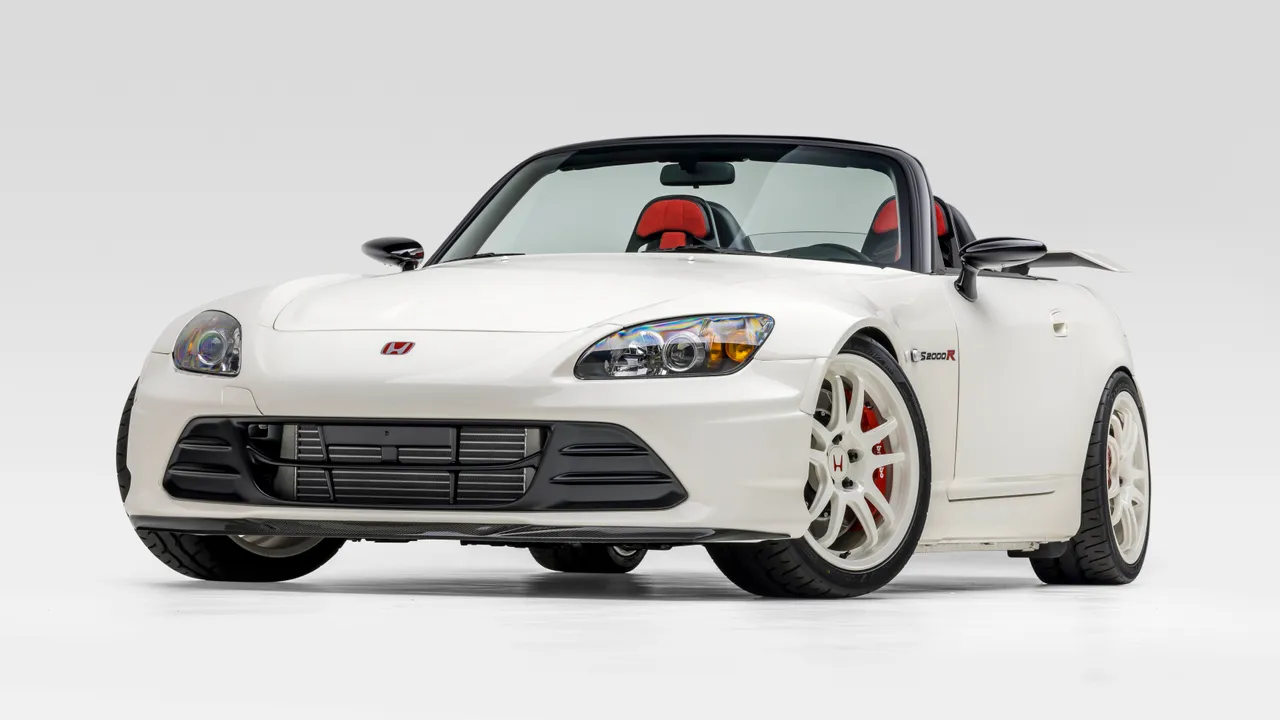
The car’s perfect balance came from its front-mid engine layout and rear-wheel drive. This gave the S2000 sharp cornering ability and a very connected feel on twisty roads. The handling felt precise, light, and very responsive to the driver’s inputs.
Even though it’s a performance car, the S2000 is known for being reliable when maintained properly. Honda’s strong engineering means the engine and gearbox can last a very long time if treated with care and regular service.
Today, the S2000 has become a sought-after modern classic. Prices for clean, low-mileage examples are rising fast because people know how rare and special this car is. It offers a driving feel that many modern cars, even fast ones, cannot match.
3) Toyota Supra (A80)
The Toyota Supra A80 is one of the most iconic sports cars ever made. Produced until the early 2000s, it earned a huge fan base for its powerful engine, strong build quality, and timeless design. Even today, it is seen as a dream car by many.
The most famous part of the Supra is its engine. Under the hood sits the 2JZ-GTE, a 3.0-liter twin-turbo straight-six engine known for its strength and smooth power delivery. This engine can handle a lot of extra power with the right upgrades.
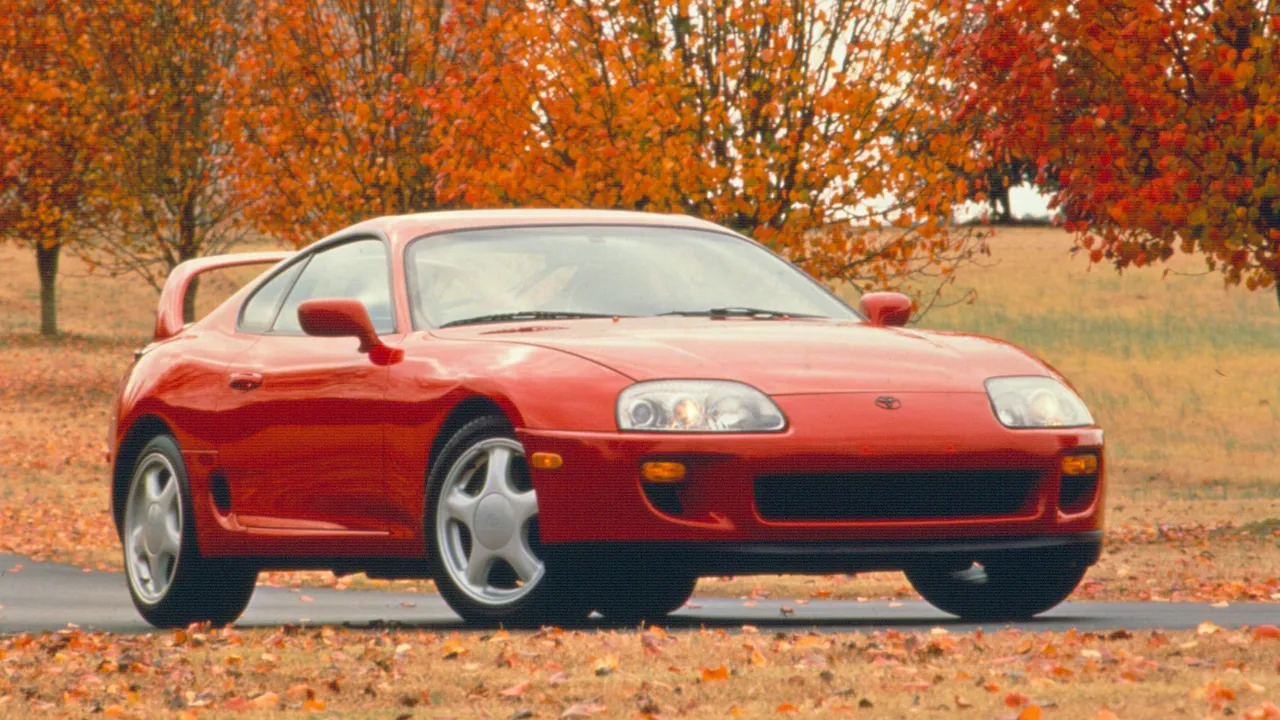
From the factory, the Supra already offered great performance. It accelerated quickly, felt stable at high speeds, and delivered a strong turbo punch. But what made it truly special was how easily it could be tuned to make huge horsepower numbers.
The Supra’s engine block is extremely tough, and its internal parts are very strong. This allowed many car builders to make it produce over 1,000 horsepower and still stay reliable. Because of this ability, the Supra became a hero in the tuning world.
Along with its engine, the Supra also delivered excellent handling. It had a balanced rear-wheel-drive layout, a stable suspension design, and strong brakes. The car felt planted in corners and gave the driver confidence, whether on the road or the track.
4) Mazda RX-8
The Mazda RX-8 is one of the most unique sports cars of the 2000s. Produced from 2003 to 2012, it stood out because of its rotary engine, lightweight body, and stylish design. It offered something different from every other car on the road.
At the heart of the RX-8 is Mazda’s famous 1.3-liter Renesis rotary engine. Unlike normal piston engines, the rotary design spins smoothly and produces power in a unique way. It revs high, up to 9,000 RPM, and delivers a thrilling sound and smooth performance.
The RX-8 wasn’t about pure speed it was about balance and driving feel. Its lightweight chassis and perfect 50:50 weight distribution made it handle beautifully in corners. It responded quickly to steering inputs, giving drivers an exciting and connected experience.
Mazda gave the RX-8 a special four-door design called freestyle doors, with rear-hinged back doors that opened opposite the front ones. This clever setup made the car more practical without losing its sporty look, allowing easier access to the back seats.
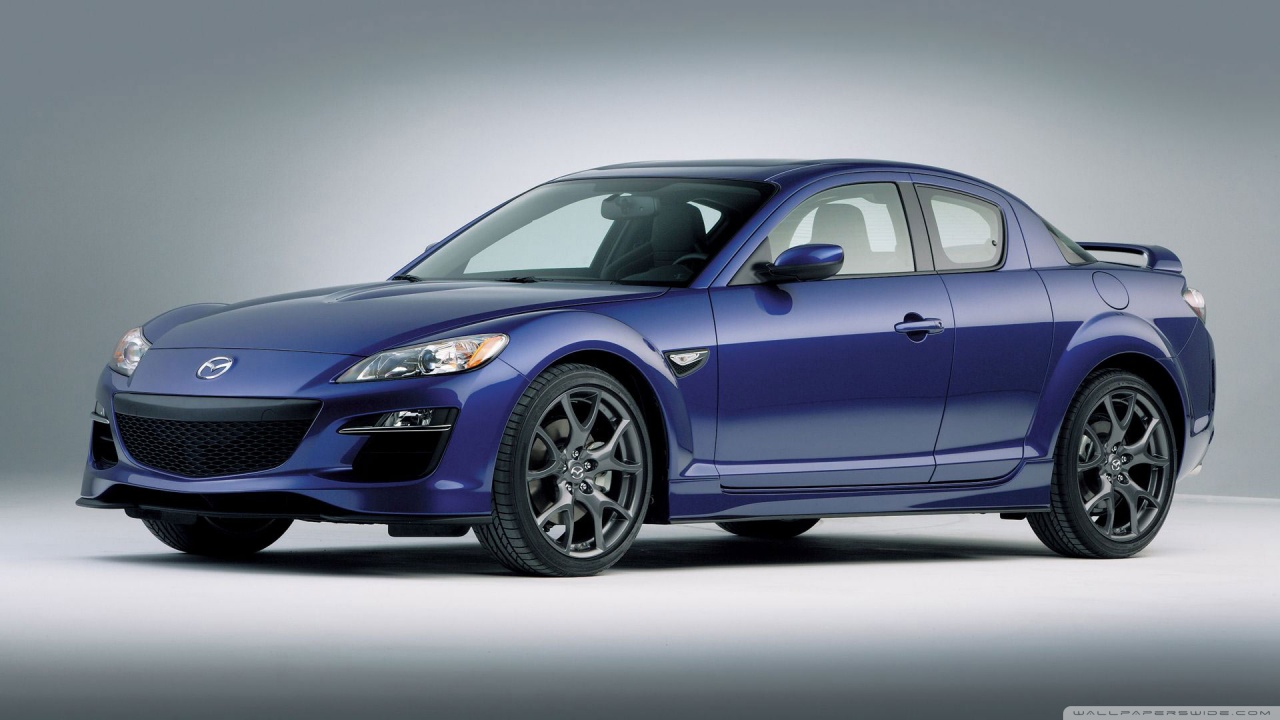
However, the rotary engine required careful maintenance. It needed proper oil levels, warm-up time, and regular attention to stay healthy. Some owners ignored these details, leading to reliability issues but enthusiasts who maintained them properly found the car very dependable.
Today, the RX-8 has become a modern classic for people who appreciate its uniqueness. Its design still looks futuristic, and its rotary engine remains a rare and exciting feature in a world of ordinary engines. Well-kept examples are starting to gain collector interest.
5) Nissan 350Z
The Nissan 350Z marked the exciting return of Nissan’s legendary Z sports car line. Produced from 2002 to 2009, it brought back affordable performance, muscular styling, and pure driving fun. It quickly became a favorite among car lovers and tuners worldwide.
The 350Z used rear-wheel drive, which gave it a true sports car feel. Its strong chassis and well-tuned suspension made it sharp and stable in corners. Whether on a racetrack or a winding mountain road, the car felt balanced and confident.
One of the biggest attractions of the 350Z was its simple, driver-focused design. It had a wide, low stance with a long hood and short rear end classic sports car proportions. The aggressive headlights and muscular curves made it look fast even when standing still.
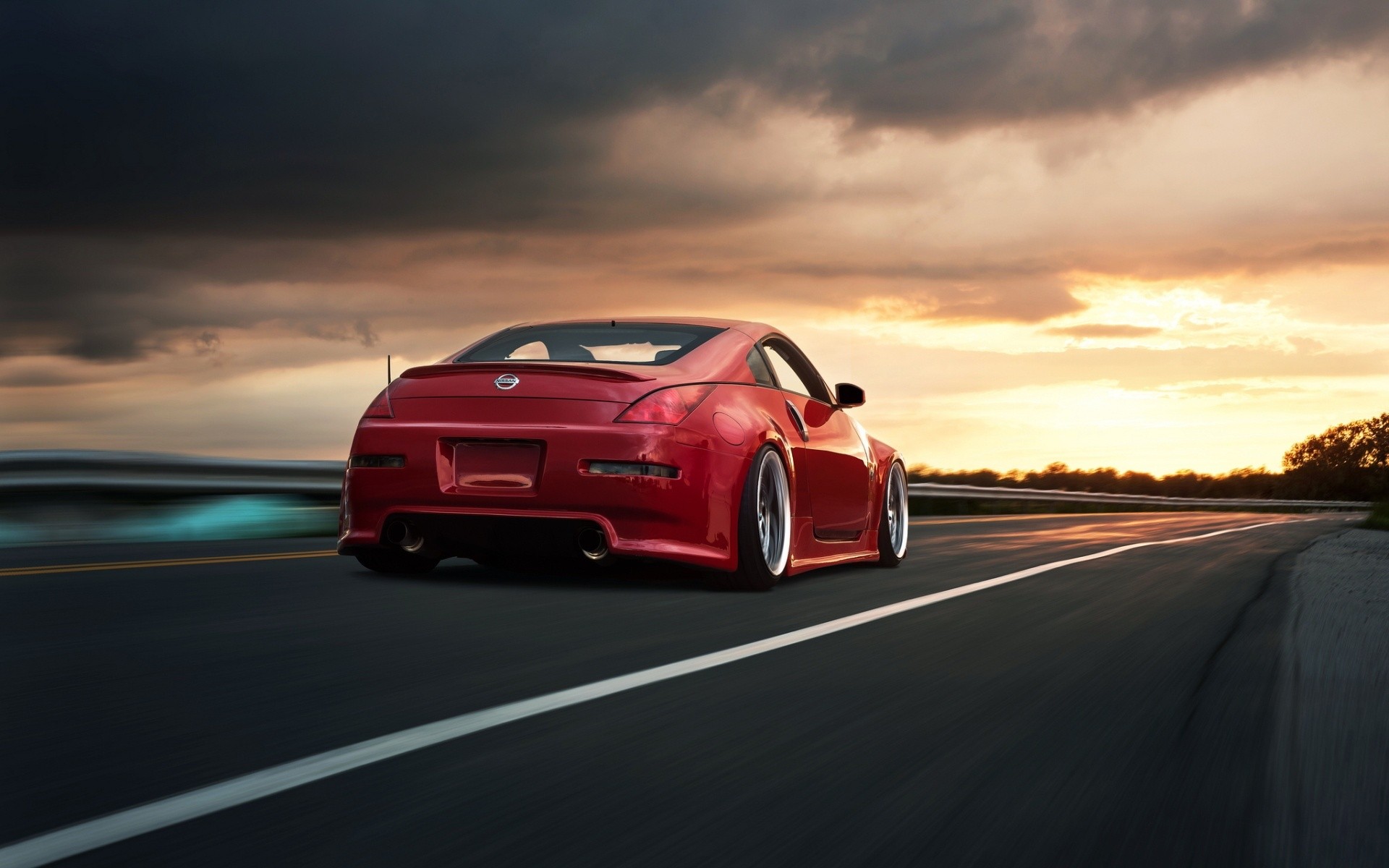
Inside, the cabin was built for the driver. The three large gauges sat directly in front of the steering wheel, and the supportive seats kept you comfortable during spirited drives. Everything felt focused on performance rather than unnecessary luxury.
The six-speed manual transmission made the 350Z a joy to drive. Gear shifts were quick and precise, giving the driver full control. An automatic version was also available, but most enthusiasts preferred the manual for its engaging experience.
Because of its strong engine and solid build, the 350Z became a favorite in the tuning community. Owners loved modifying the car with turbochargers, exhaust upgrades, and suspension improvements. It could easily be turned into a powerful track machine or stylish street car.
6) Subaru Impreza WRX STI
The Subaru Impreza WRX STI is one of the most exciting performance cars of the 2000s. Built for both the street and rally track, it combined power, grip, and everyday usability. It quickly earned a legendary reputation among car enthusiasts worldwide.
What truly set the STI apart was its Symmetrical All-Wheel Drive system. This technology provided excellent traction on any surface tarmac, gravel, or snow. It gave drivers the confidence to push the car hard through corners and feel fully in control.
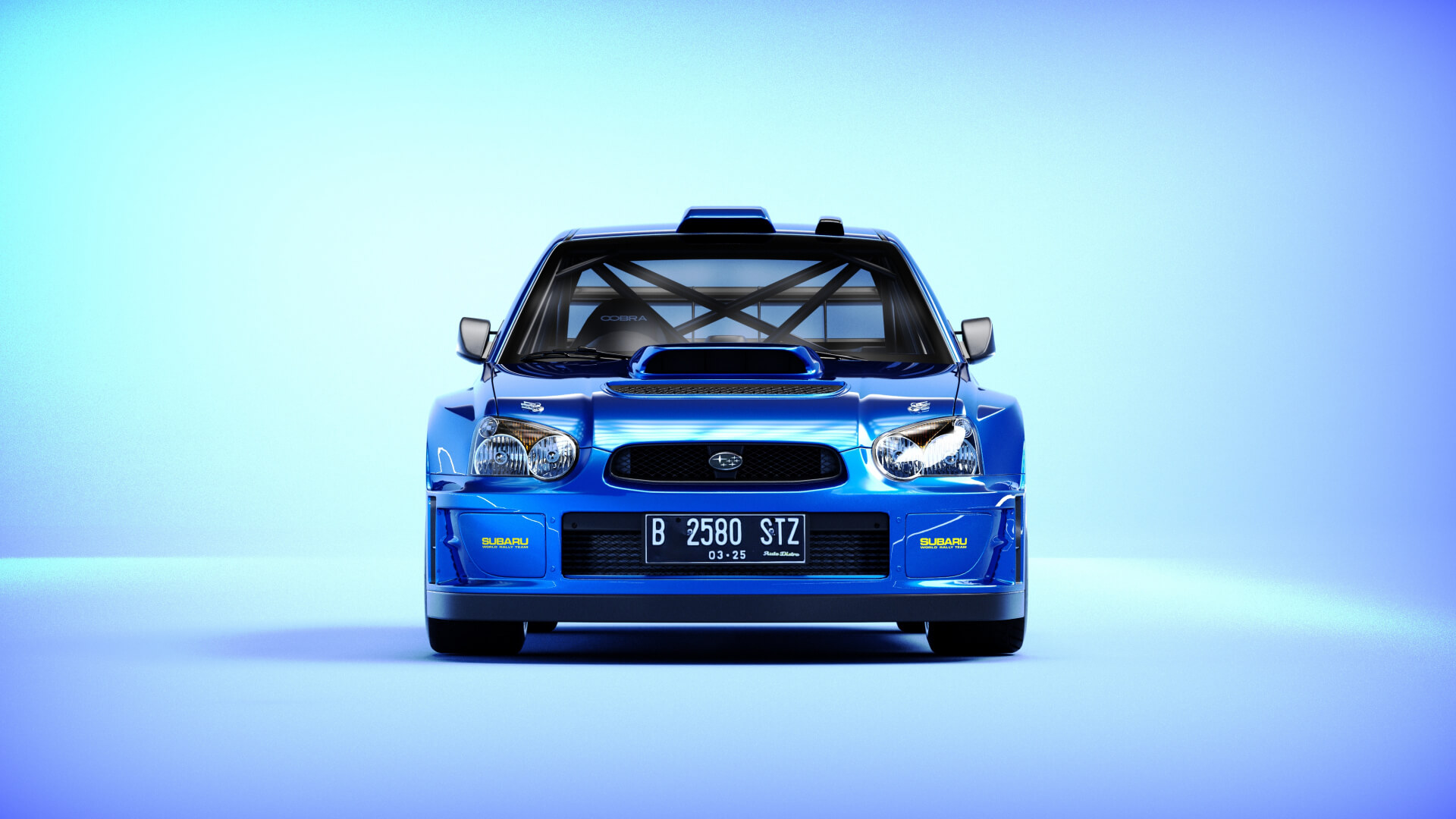
The WRX STI’s suspension was firm and responsive, built for high-speed handling. Combined with precise steering and powerful Brembo brakes, it handled like a rally car even on public roads. It offered performance few other cars in its price range could match.
The car’s exterior design reflected its racing spirit. With a large rear wing, hood scoop, and wide stance, the WRX STI looked aggressive and purposeful. These features weren’t just for style they improved airflow, cooling, and stability at high speeds.
7) Mitsubishi Lancer Evolution IX
The Mitsubishi Lancer Evolution IX, often called the Evo IX, is one of the most admired performance sedans of the 2000s. Produced between 2005 and 2007, it combined turbocharged power, all-wheel drive, and sharp handling to deliver pure driving excitement and control.
The car’s Super All-Wheel Control system was one of its biggest strengths. It helped the Evo IX grip the road perfectly, even on wet or rough surfaces. The car could corner quickly and stay stable where most others would struggle.
The Evo IX’s suspension was designed for precision. It used a stiff setup that kept the car flat in corners and gave the driver great feedback. Combined with its responsive steering, the car handled like a true race machine on both road and track.
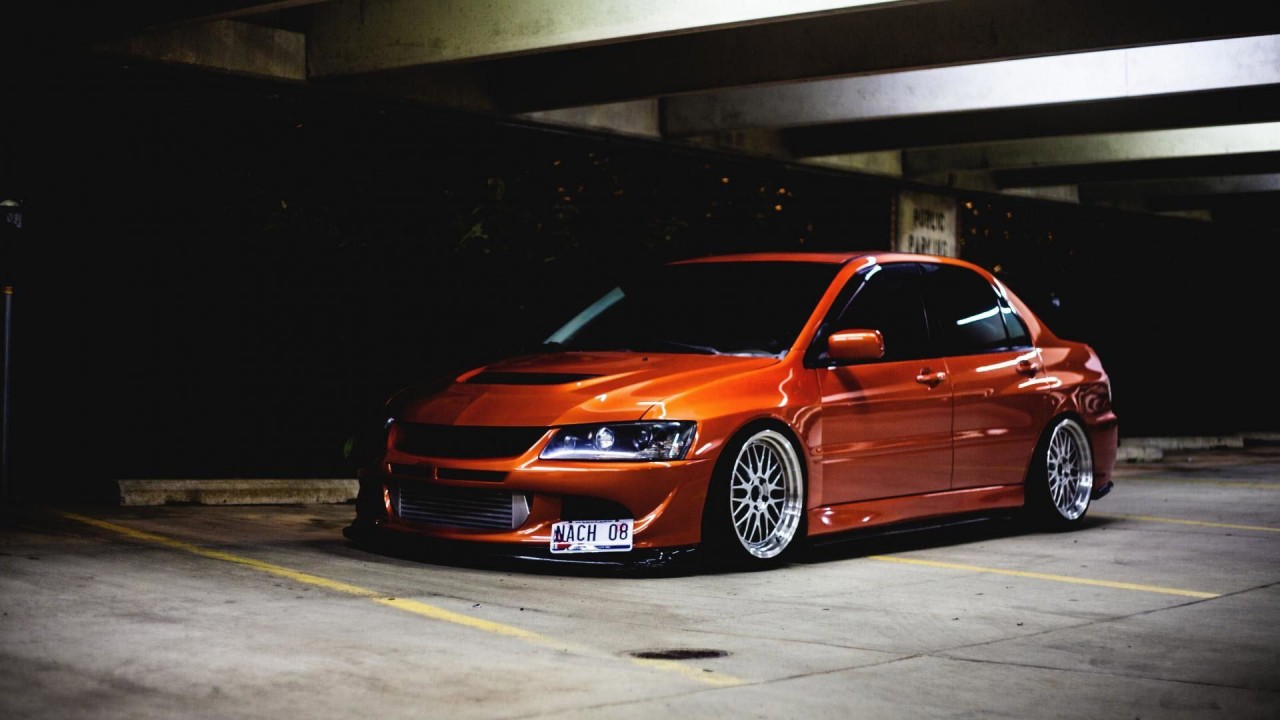
The exterior design was bold and purposeful. The front bumper, hood vents, and large rear spoiler were not just for looks they improved airflow, cooling, and downforce. The Evo IX looked aggressive because every part had a performance purpose.
Enthusiasts loved the Evo IX because it was both thrilling and dependable. The 4G63 engine was famously strong and capable of handling big power upgrades. Many owners modified their cars for drag racing, track events, or spirited street driving.
Also read:12 90s Cars That Are Still Affordable Future ClassicsFord Mustang GT (S197)
8) Audi TT (First Generation)
The first-generation Audi TT, launched in 1998 and sold through the 2000s, became an instant design icon. Its smooth, rounded shape and clean lines made it stand out from every other car on the road. It was stylish, sporty, and surprisingly practical.
Under its beautiful body, the Audi TT shared parts with the Volkswagen Golf, but it offered a much more exciting experience. It came with a 1.8-liter turbocharged engine that produced between 180 and 225 horsepower, depending on the version. Later, a more powerful 3.2-liter V6 model was also introduced.
The TT’s Quattro all-wheel-drive system gave it excellent traction and stability. Whether driving in the rain or on twisty roads, it gripped the surface with confidence. The suspension was tuned for balance, offering a mix of comfort and sporty handling.
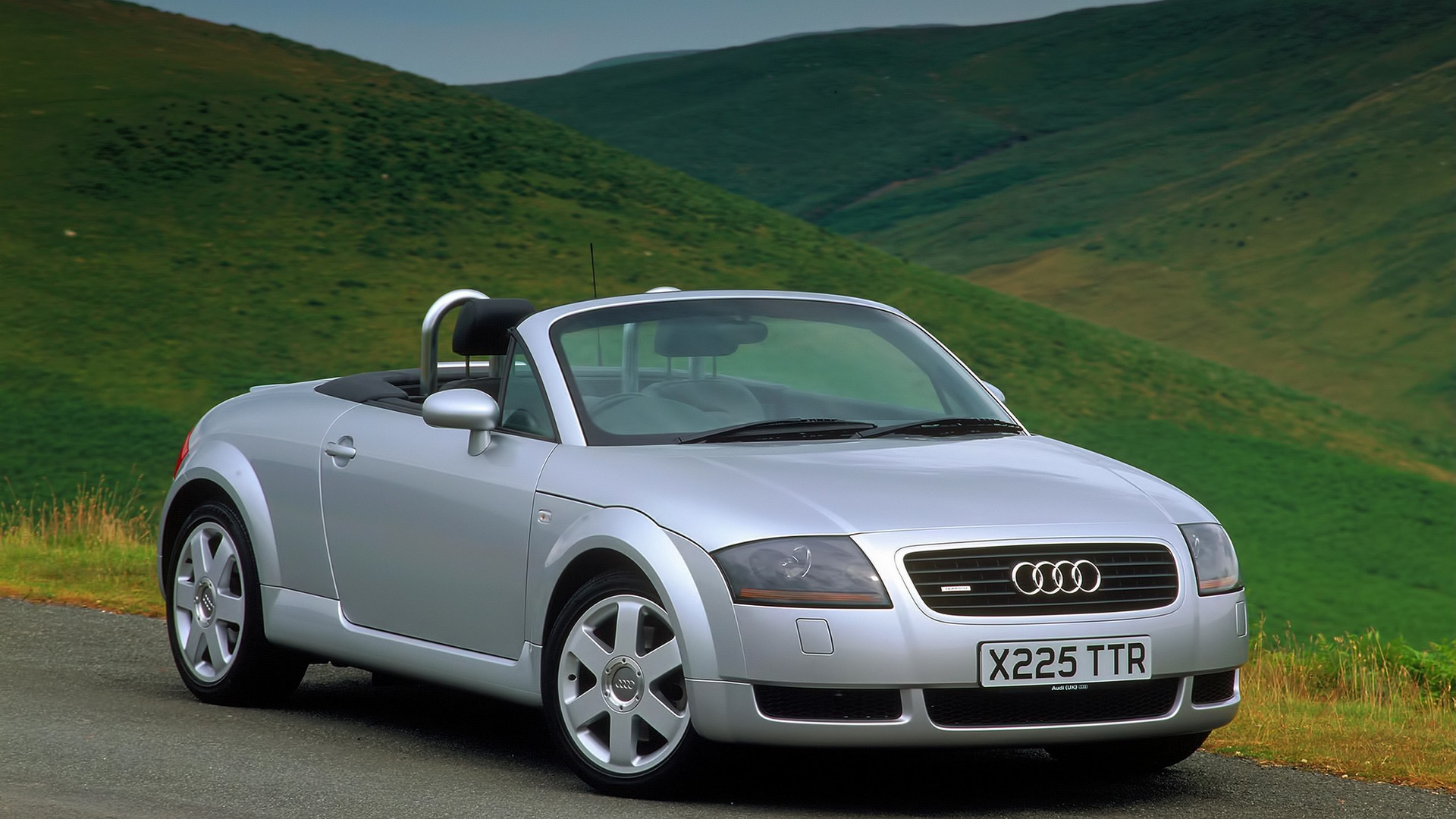
The design of the TT was its biggest attraction. Its round curves, aluminum details, and bold stance made it look like a concept car come to life. The short overhangs and wide track gave it a planted, athletic appearance that still looks modern today.
The car was available as both a coupe and a roadster, giving buyers the choice between a fixed-roof sports car or an open-top cruiser. Both versions offered strong performance and a fun, engaging drive that appealed to enthusiasts and everyday drivers alike.
9) Porsche Cayman (987)
The Porsche Cayman (987), introduced in 2005, became an instant favorite among sports-car fans. It offered sharp handling, strong performance, and classic Porsche quality in a smaller, more affordable package than the 911. Many drivers call it one of the most balanced cars ever built.
The biggest highlight of the Cayman was its mid-engine layout, with the engine placed behind the seats and ahead of the rear wheels. This setup created perfect weight balance, giving the car excellent stability and control, especially during fast cornering and tight turns.
Early Cayman models came with flat-six engines, offering smooth power and a wonderful sound. The base model had a 2.7-liter engine, while the Cayman S used a stronger 3.4-liter engine. Both engines delivered lively acceleration and a refined driving feel that Porsche is known for.
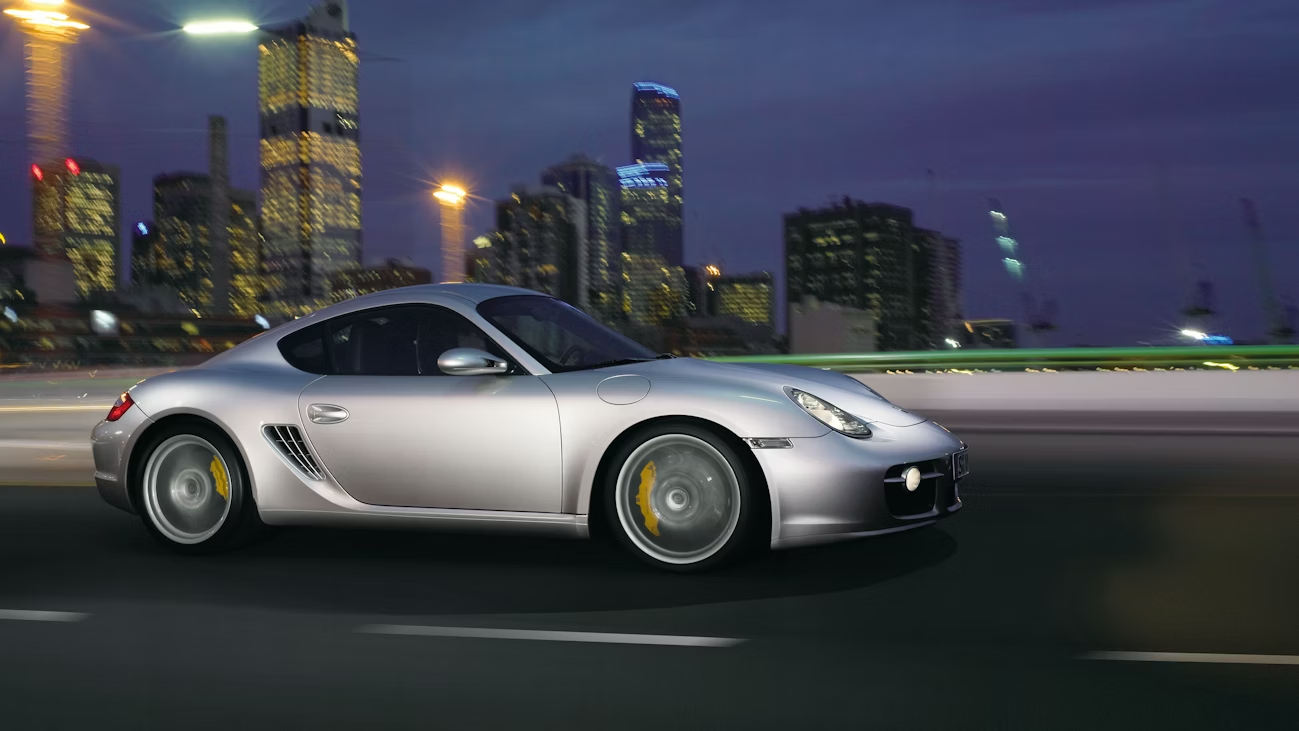
One of the Cayman’s greatest strengths was its handling. The steering felt precise and natural, making the car respond instantly to driver input. Whether on a twisty mountain road or a racetrack, the Cayman stayed planted and confident, encouraging spirited driving.
The Cayman’s design was sleek and modern, with smooth curves and a low stance. It looked sporty without being overly aggressive. The wide rear fenders and distinctive headlights gave it a unique Porsche identity while still appearing elegant and timeless.
Inside, the Cayman offered a high-quality cabin with comfortable seats and a driver-focused layout. The materials felt premium, and the build quality was excellent. Even though it was compact, the car offered impressive practicality with luggage space in both the front and rear trunks.
10) Ford Mustang GT (S197)
The Ford Mustang GT (S197), produced from 2005 to 2014, marked a powerful return to the classic American muscle car spirit. Its bold design, strong V8 engine, and modern performance features made it one of the most loved Mustangs of the 2000s.
The S197 was inspired by the original 1960s Mustang styling. With its long hood, short rear deck, and wide stance, it looked muscular and aggressive. Ford successfully blended retro design with modern details, creating a car that instantly captured attention on the road.
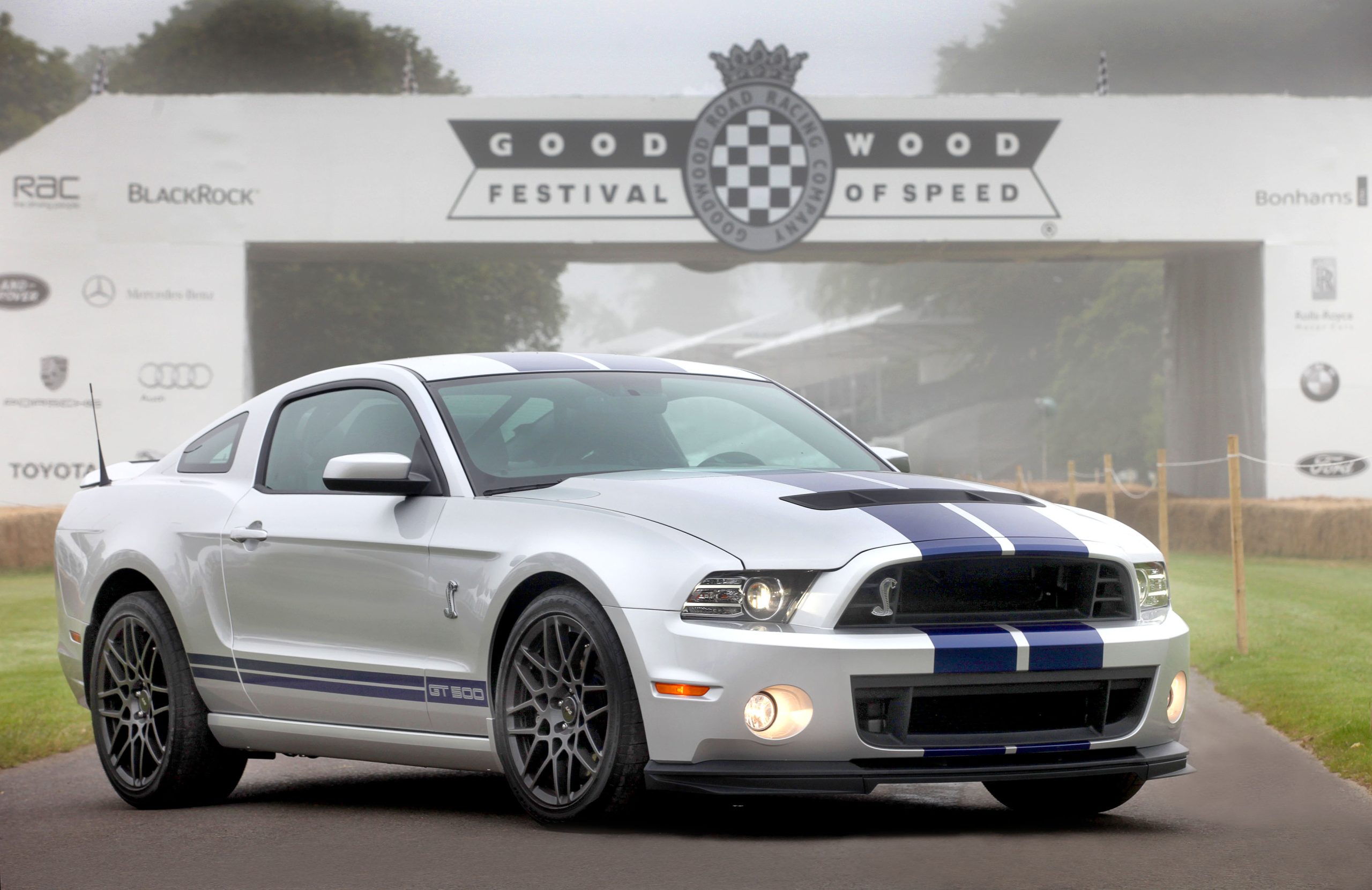
Power was sent to the rear wheels through either a five-speed or six-speed manual transmission, depending on the year. The manual gearbox made the driving experience more exciting, while the optional automatic provided comfort for everyday cruising. Both offered that unmistakable Mustang power feel.
The S197 Mustang wasn’t just about straight-line speed it handled better than its predecessors. With improved suspension and a stiffer chassis, it delivered sharper cornering and better stability. It finally brought balance to the Mustang’s famous muscle and performance image.
11) Volkswagen Golf GTI (Mk5)
The Volkswagen Golf GTI Mk5, launched in 2004, brought the legendary GTI name back to glory. It was quick, practical, and full of personality. With sharp handling and turbocharged power, it reminded everyone why the GTI had become the world’s favorite hot hatch.
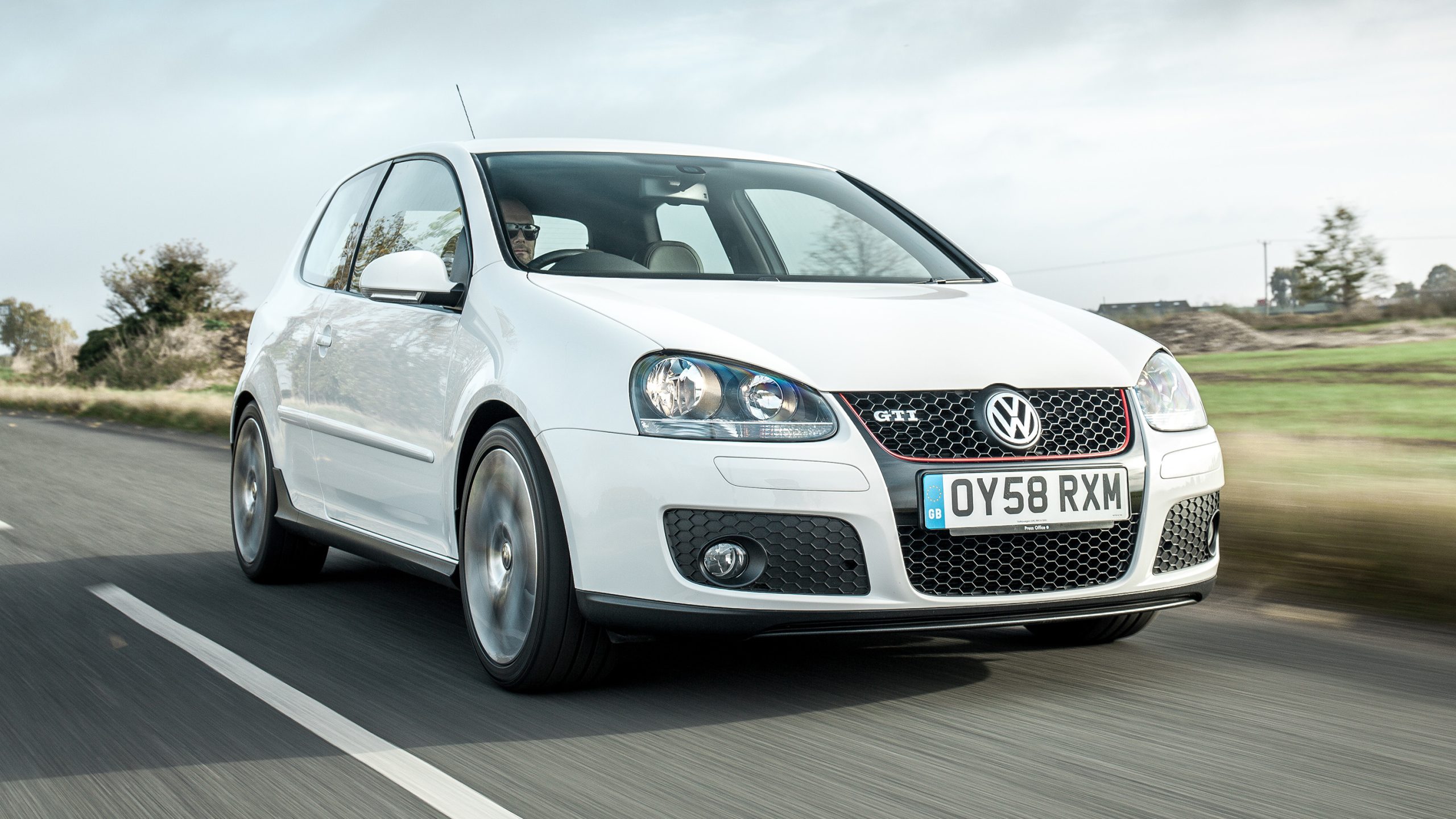
The GTI’s DSG dual-clutch gearbox was a big innovation. It offered lightning-fast gear changes with no power loss between shifts. Drivers could also choose a six-speed manual for a more traditional, engaging experience, both versions delivered real driving excitement.
On the road, the Mk5 GTI was perfectly balanced. It had tight steering, excellent grip, and predictable handling that made it enjoyable on twisty roads. Unlike many sports cars, it stayed comfortable enough for daily driving without feeling harsh or tiring.
The design was clean, sporty, and instantly recognizable. With its honeycomb grille, red accents, and sporty stance, it carried the classic GTI look into a new era. It was stylish without being flashy exactly what a hot hatch should be.
12) Mini Cooper (R53)
he Mini Cooper (R53), produced from 2002 to 2006, brought back the legendary Mini name in modern form. With its compact size, playful design, and thrilling performance, it quickly became one of the most enjoyable small cars of the 2000s.
Under the hood, the R53 Cooper S featured a 1.6-liter supercharged engine producing around 163 horsepower. That might not sound huge, but the car’s light weight made it fast and nimble. The instant power from the supercharger gave it a strong and exciting acceleration.
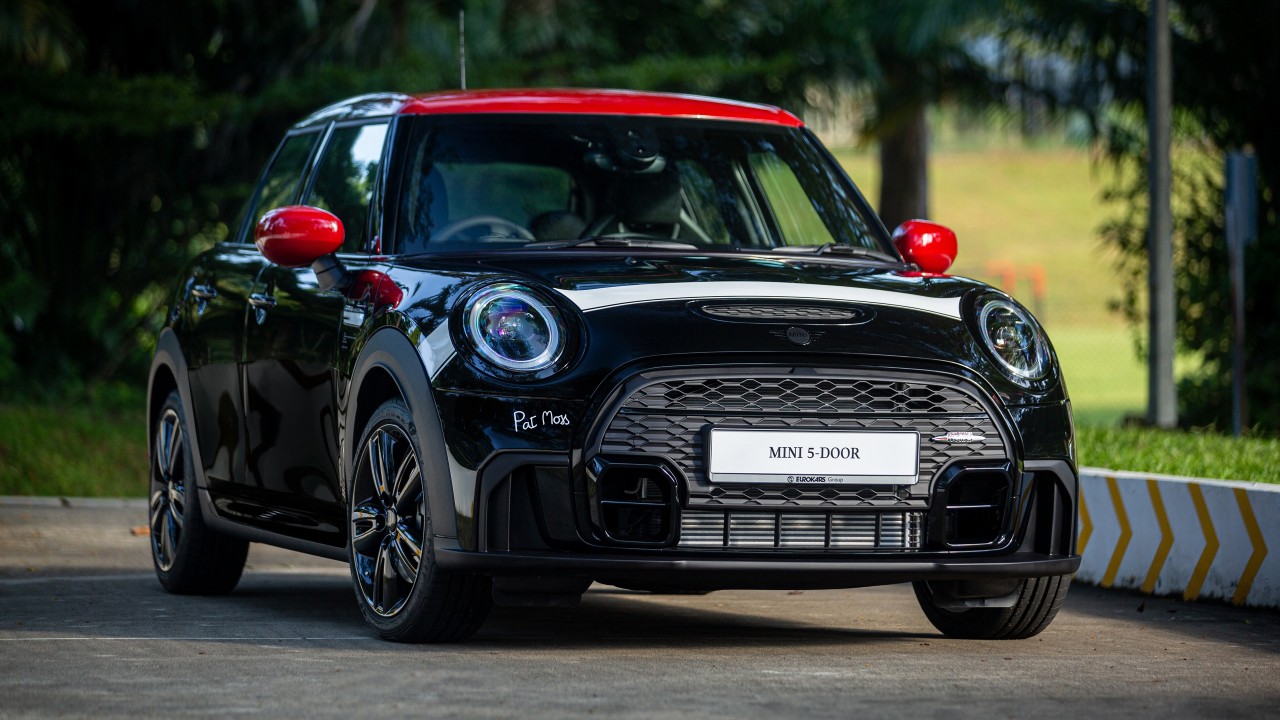
The Mini’s go-kart-like handling became its signature trait. With front-wheel drive and sharp steering, it darted through corners with precision and control. The suspension was firm but responsive, letting drivers feel every curve of the road beneath them.
The R53’s design paid tribute to the original 1960s Mini while adding modern style. Its round headlights, short overhangs, and wide stance gave it a fun and friendly personality. Despite being small, it had a bold, confident presence on the road.
13) Lexus IS300
The Lexus IS300, produced from 1998 to 2005, is one of the most underrated performance sedans of its era. With its smooth inline-six engine, sharp handling, and Toyota reliability, it quietly earned respect from enthusiasts and mechanics alike for its balanced character.
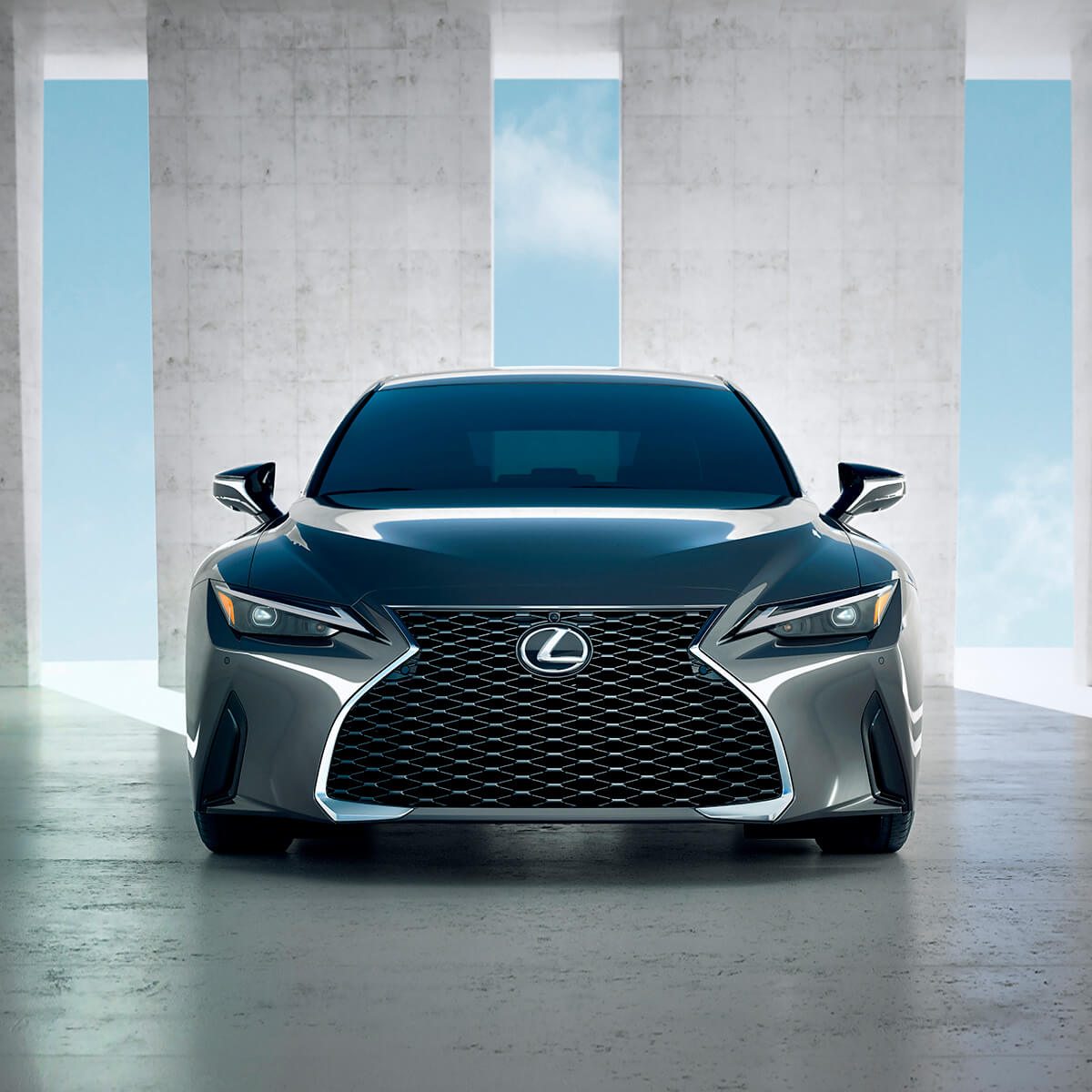
The exterior design was sporty yet elegant. Its compact size, aggressive headlights, and short overhangs gave it a strong stance. The clear taillights, known as “Altezza lights,” became so popular that other cars began copying the look, starting a design trend.
The IS300 came with either a five-speed automatic or a five-speed manual transmission. Enthusiasts loved the manual version for its smooth shifting and greater control. The automatic was reliable and convenient, making it a solid choice for daily commuting.
14) Chevrolet Corvette C6
The Chevrolet Corvette C6, produced from 2005 to 2013, marked a major step forward for America’s most famous sports car. It offered improved handling, stronger engines, and a more refined driving experience while keeping the raw power and excitement that Corvettes were known for.
The car’s lightweight frame and rear-wheel-drive layout gave it incredible balance. It handled corners with confidence while maintaining stability at high speeds. The precise steering and powerful brakes made it feel like a true sports machine, not just a straight-line powerhouse.
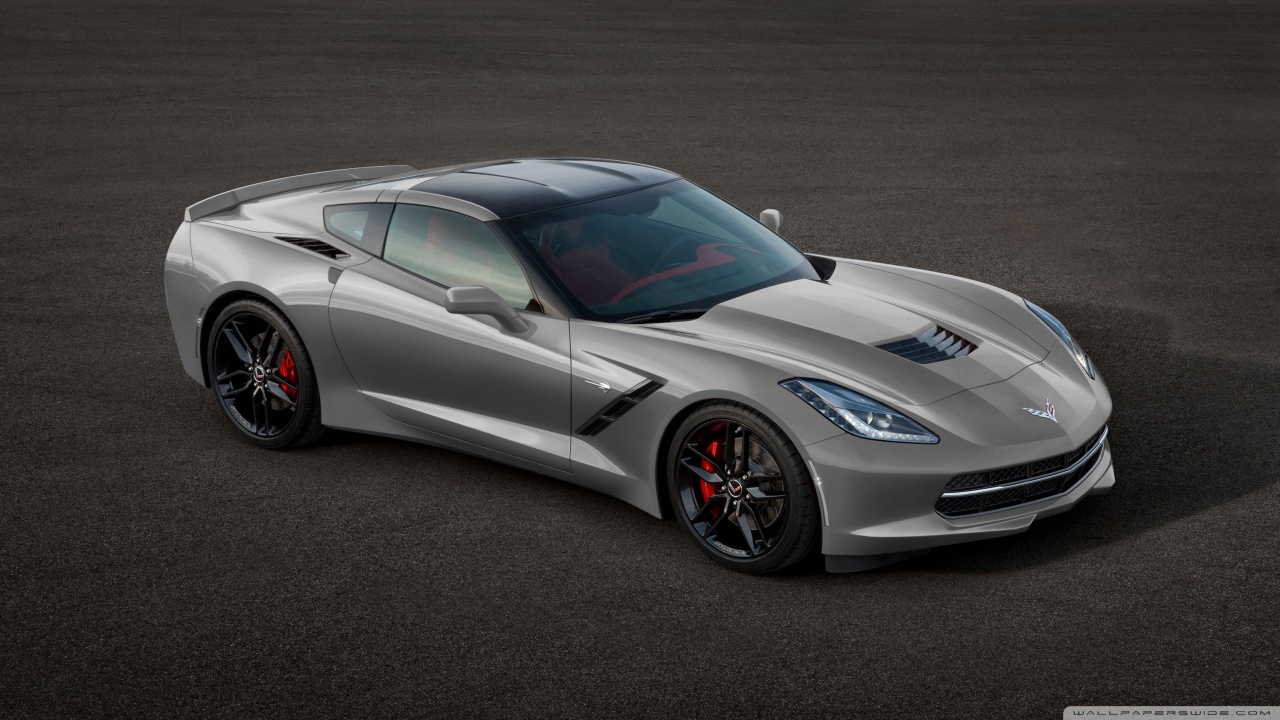
The C6’s design was sleek and modern, with sharper lines and exposed headlights replacing the classic pop-up style. It looked lower, wider, and more aggressive than before, giving it a muscular presence that matched its performance.
Inside, Chevrolet improved the interior quality significantly compared to earlier models. The cabin featured more supportive seats, a driver-focused dashboard, and modern tech for its time. It was finally comfortable enough for long drives without losing its sporty character.
The Corvette was available with both a six-speed manual and automatic transmission. The manual offered precise, engaging shifts for enthusiasts, while the automatic made it easier for everyday use. Both delivered impressive performance and strong reliability.