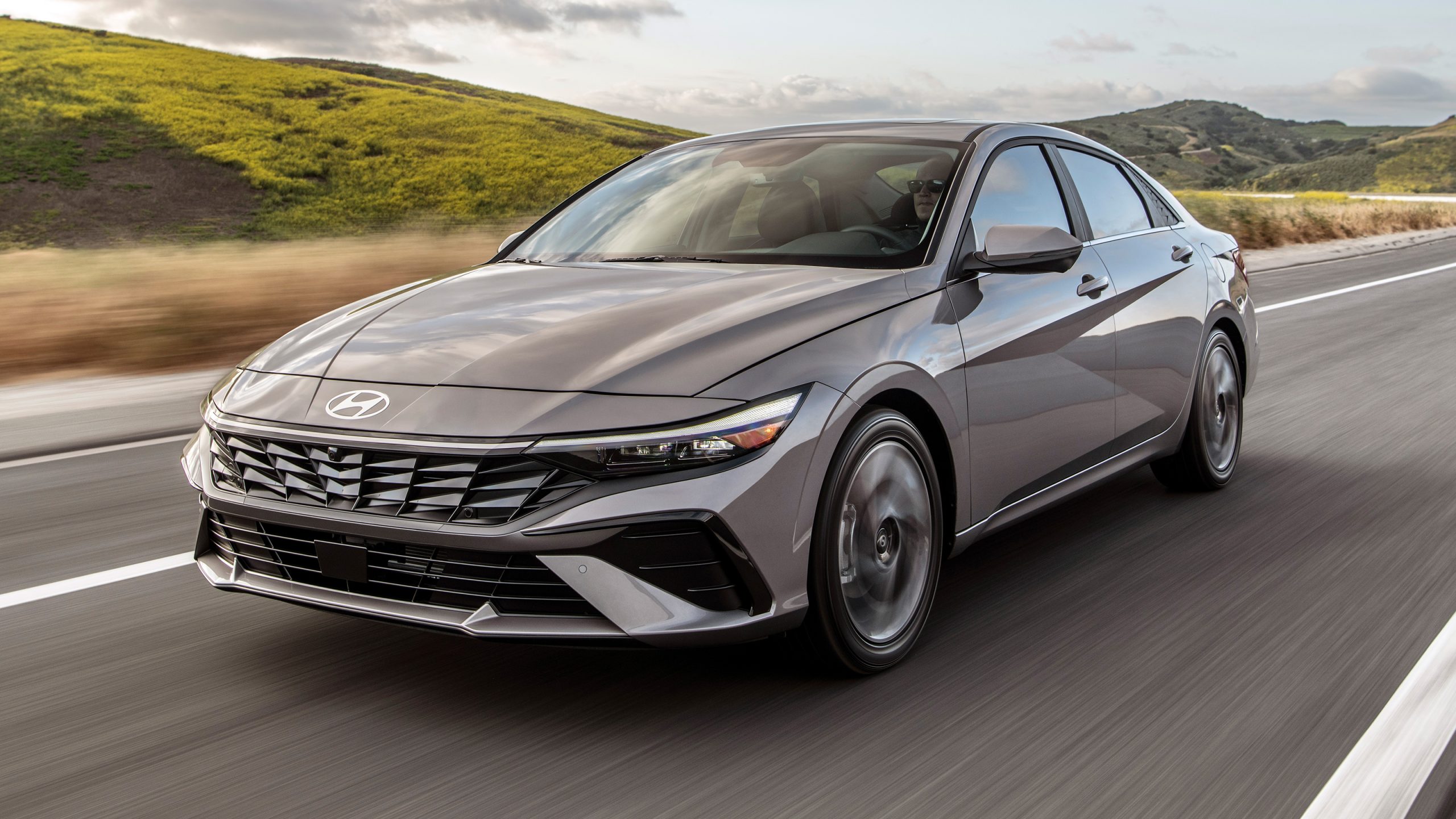
The 1990s were a golden time for car manufacturing. It was a decade when automakers focused on building strong, simple, and dependable vehicles rather than loading them with complex electronics.
Many sedans from that era were designed to last for hundreds of thousands of miles with basic maintenance.
Even today, these cars continue to run smoothly on the roads, proving that good engineering never goes out of style. Here are 12 sedans from the 90s that are still going strong and loved by drivers and mechanics alike.
Also read:12 Electric Cars That Keep Range In Cold Weather
1) Toyota Camry (1992–1996)
The Toyota Camry from the early 1990s is often called one of the most dependable cars ever made. It was built during a time when Toyota focused more on quality and long-term reliability than on fancy features or technology.
Toyota designed this Camry with simplicity and strength in mind. The body was solid, and the interior materials were built to handle years of daily use. Even after decades, the doors close with a solid sound, showing the car’s strong build quality.
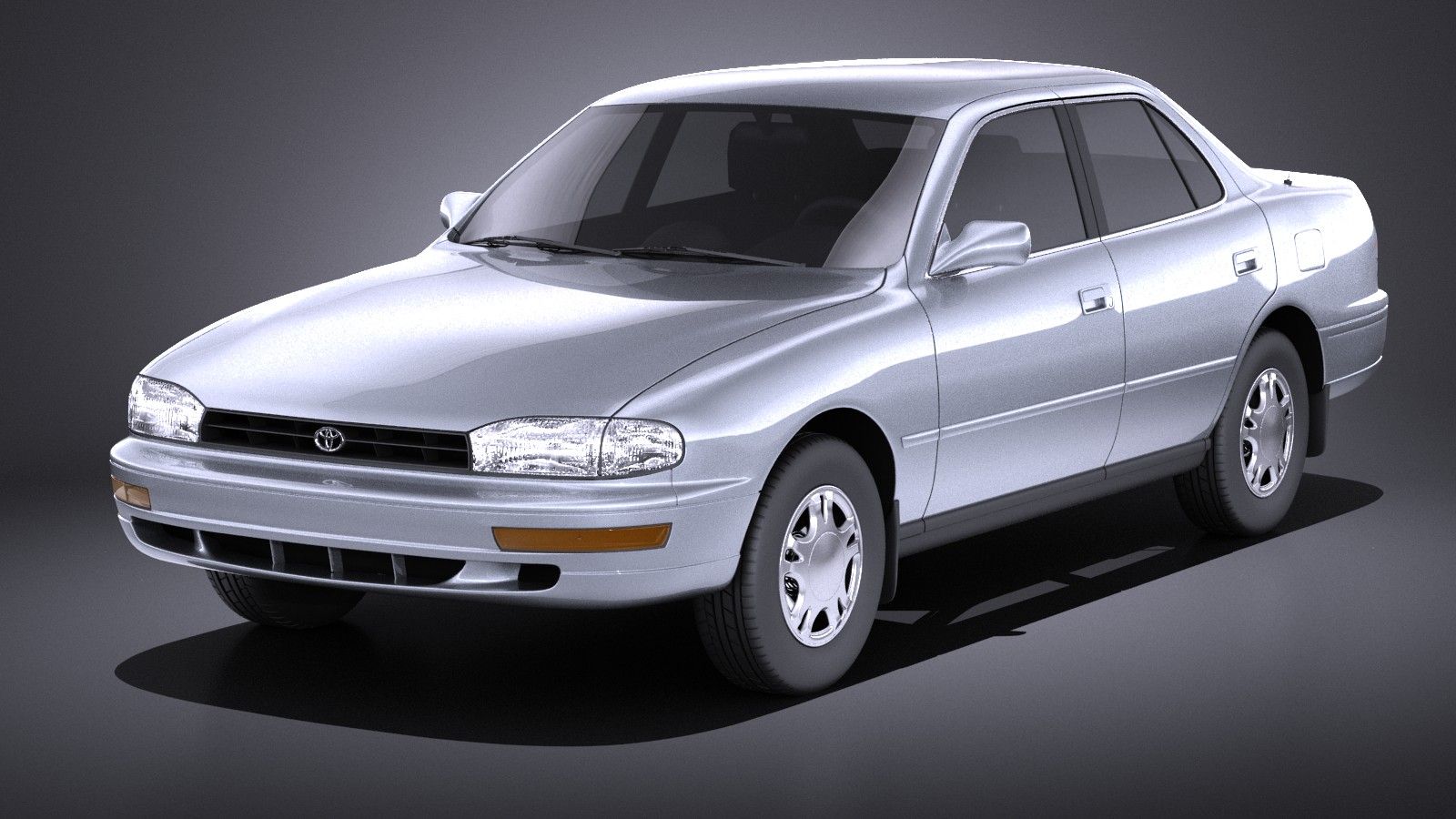
Inside, the Camry offered a quiet and comfortable ride. The cabin was roomy, with soft seats and an easy-to-use dashboard. It didn’t try to impress with luxury but gave drivers a peaceful, smooth driving experience every day.
Fuel economy was another reason people loved it. The four-cylinder version could deliver around 25 to 30 miles per gallon, making it a great choice for both city and highway driving. It was dependable and affordable to run at the same time.
Maintenance for the 1992–1996 Camry was simple. Regular oil changes, belt replacements, and fluid checks were enough to keep it running smoothly. Parts were cheap and easy to find, which made it a favorite among mechanics and budget-conscious drivers.
Safety was also a priority. Toyota equipped the Camry with anti-lock brakes, airbags, and a strong frame. It was one of the safer cars of its time, earning good ratings for crash protection and stability.
2) Honda Accord (1994–1997)
The Honda Accord from the mid-1990s is one of the most trusted sedans ever built. It combined Honda’s smart engineering with a comfortable design, making it a favorite among families, commuters, and even car enthusiasts who valued long-lasting performance.
This generation of the Accord came with several engine options, including a 2.2-liter four-cylinder and a more powerful V6. Both engines were known for smooth operation and durability. The four-cylinder, in particular, was famous for lasting hundreds of thousands of miles.
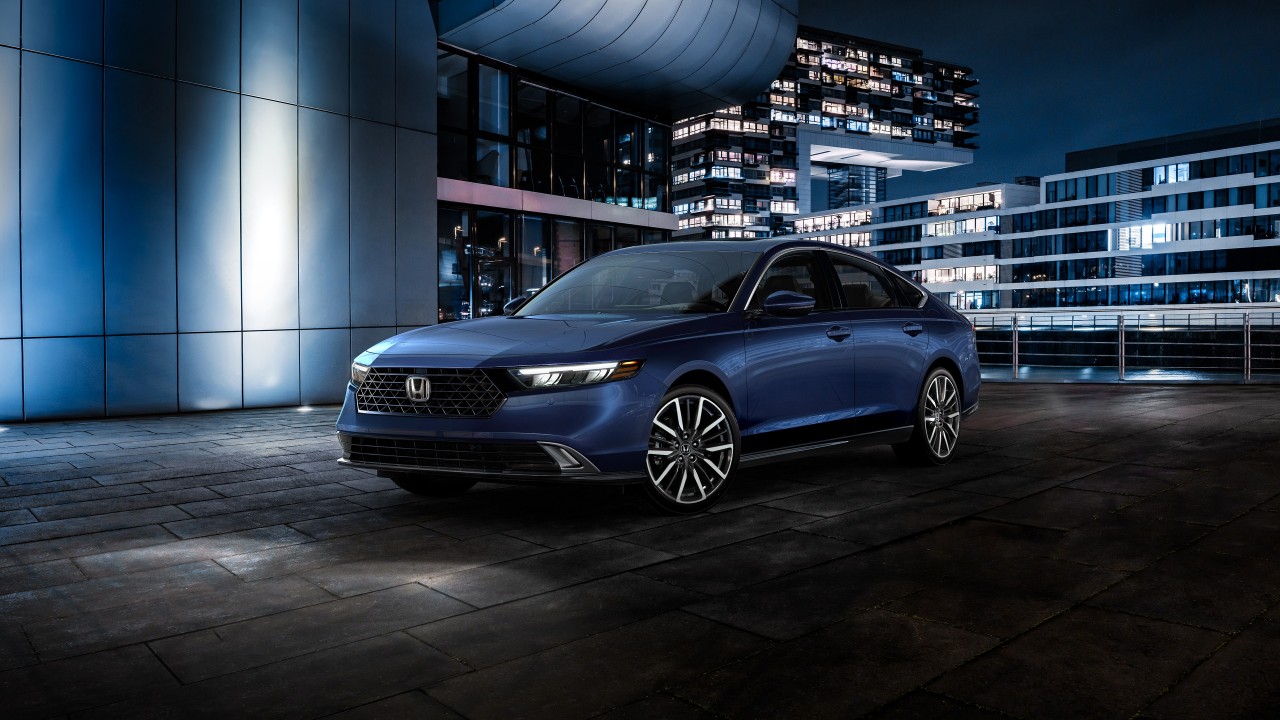
The Accord’s gearbox was another strength. Its five-speed manual and four-speed automatic transmissions were both reliable and easy to maintain. Many owners still use their original transmissions after decades of regular driving, showing Honda’s build quality.
Maintenance was straightforward and affordable. Regular oil changes, timing belt replacements, and fluid checks were enough to keep it running strong. Honda’s parts were inexpensive and widely available, adding to the Accord’s appeal among mechanics.
Safety was also a highlight for this generation. The Accord came equipped with airbags, anti-lock brakes, and a strong body structure that protected passengers in crashes. It earned a good reputation for keeping families safe on the road.
3) Nissan Maxima (1995–1999)
The Nissan Maxima from the late 1990s earned a special nickname “the four-door sports car.” It wasn’t just marketing; this sedan truly delivered a mix of power, comfort, and long-term reliability that few other cars could match.
Under the hood, the Maxima featured Nissan’s famous 3.0-liter V6 engine. This engine was smooth, strong, and dependable. It produced around 190 horsepower, which made the car quick and responsive while still being refined and fuel-efficient.
The V6 engine was known to be one of the toughest of its time. Many Maximas from the 90s have crossed 300,000 miles with regular oil changes and basic maintenance. Mechanics often praise its design for being both powerful and easy to service.
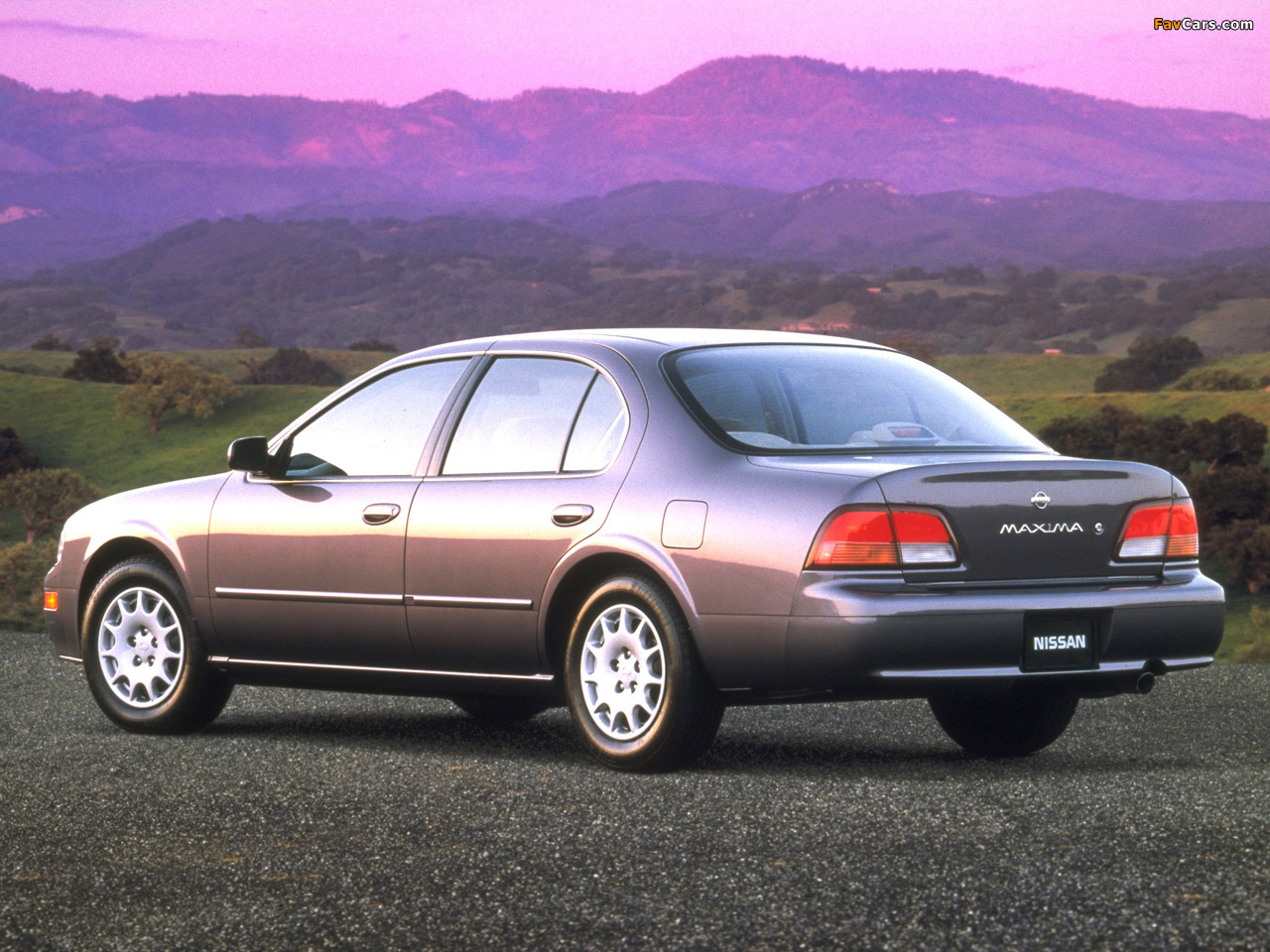
The transmission options included both manual and automatic gearboxes. The manual version appealed to enthusiasts, while the automatic one shifted smoothly and lasted for years. Both were reliable and rarely caused major issues when maintained properly.
Driving the 1995–1999 Maxima was a joy. The car had a balanced suspension that offered comfort on highways and stability on corners. It gave drivers a confident feel, whether commuting daily or taking long weekend trips.
Inside, the Maxima offered a well-built and comfortable cabin. The seats were soft yet supportive, and the dashboard layout was simple and driver-focused. It felt upscale for its price, with high-quality materials that aged gracefully over time.
4) Lexus LS 400 (1990–1994)
The Lexus LS 400 from the early 1990s is often called one of the best-built cars ever made. It was Toyota’s first attempt at creating a true luxury car under the Lexus brand, and it quickly became a legend for its comfort and reliability.
One of the biggest achievements of the LS 400 was its build quality. Every part of the car was carefully tested and engineered. The doors closed with a solid “thunk,” and the cabin insulation kept out almost all road and engine noise.
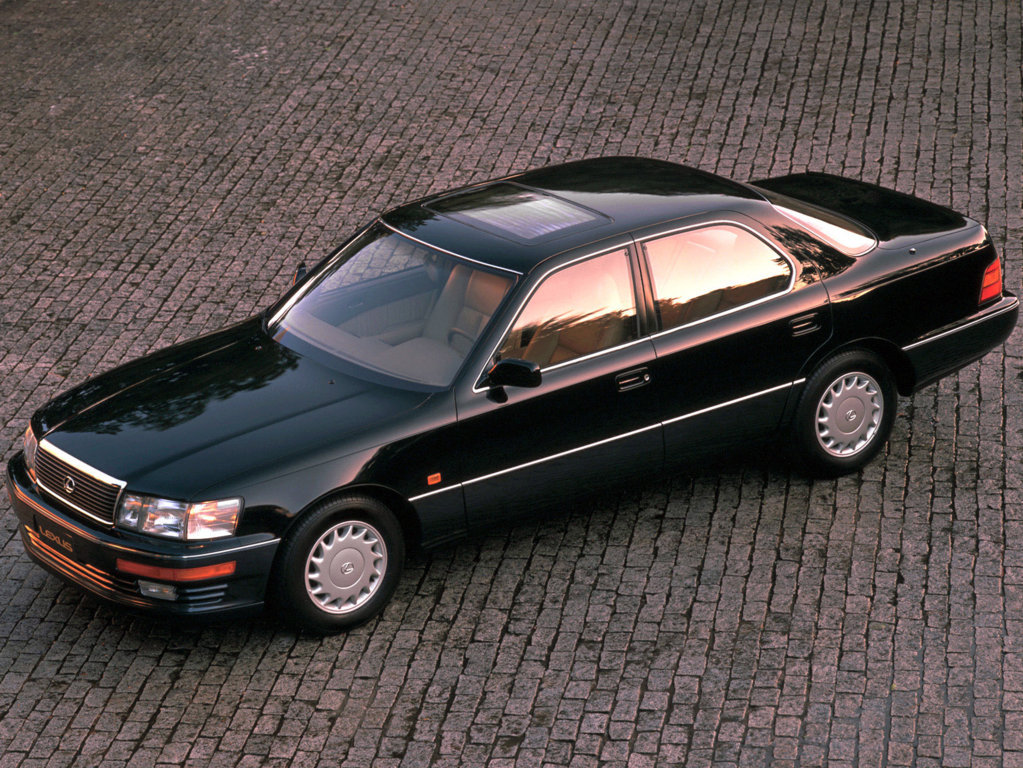
The automatic transmission in this car was just as durable as its engine. It shifted seamlessly, giving drivers a sense of effortlessness. Many owners have reported original transmissions lasting well over 300,000 miles without any major repairs.
The LS 400 was also ahead of its time in safety and technology. It came with anti-lock brakes, traction control, airbags, and high-quality construction. These features made it not only luxurious but also very safe for its passengers.
Even today, many 1990s LS 400s are still running with original engines and transmissions. Enthusiasts often call it a “million-mile car” because of how well it holds up when maintained properly. It’s a favorite among mechanics for its incredible longevity.
5) Toyota Corolla (1993–1997)
The Toyota Corolla from the mid-1990s is one of the most reliable and best-selling cars ever made. It was designed with simplicity, efficiency, and long-lasting quality in mind. Even decades later, many of these Corollas are still running strong on the roads.
Under the hood, this generation of the Corolla came with a 1.6-liter or 1.8-liter four-cylinder engine. These engines were small but incredibly tough. They ran smoothly, used little fuel, and could last for more than 300,000 miles with basic maintenance.
The transmission options both manual and automatic were equally dependable. The manual version was light and easy to shift, while the automatic offered smooth performance. Many original transmissions still work perfectly, even after years of daily driving.
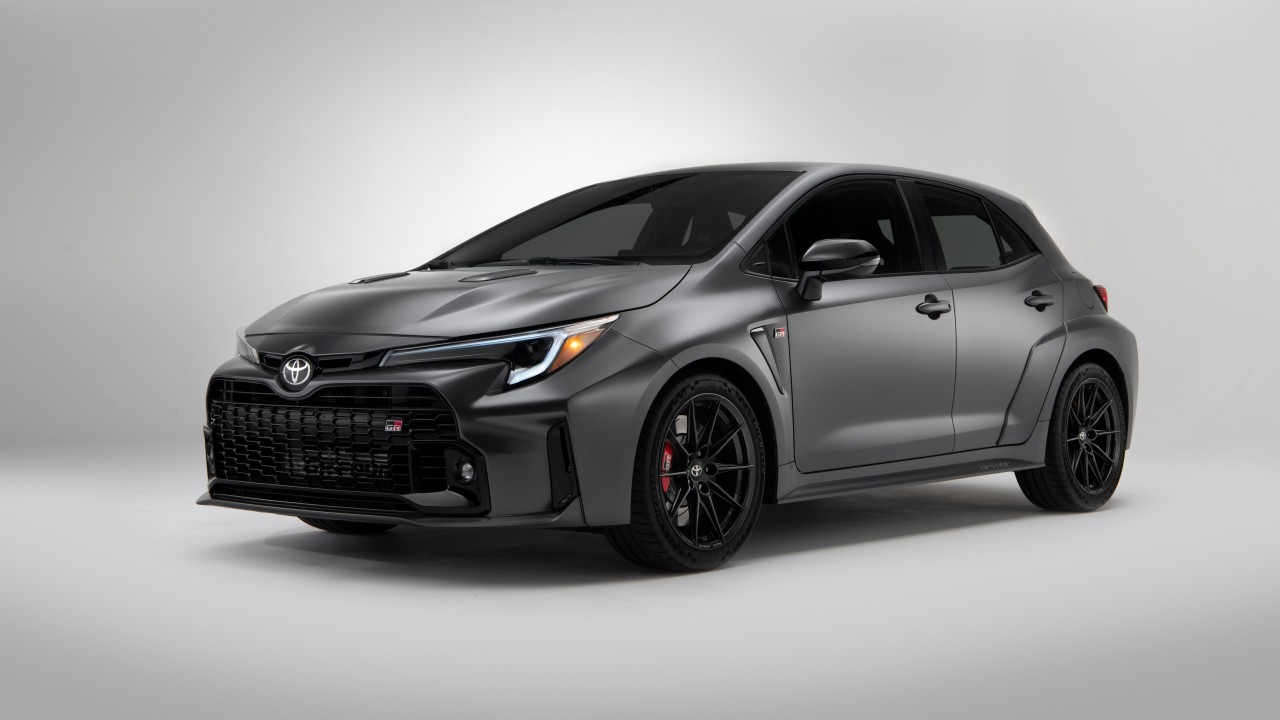
Toyota built the Corolla with strong, simple engineering. It didn’t rely on fancy electronics or complicated systems, which made it easy to repair and maintain. Mechanics often call it one of the easiest cars to work on, saving owners money over time.
Inside, the Corolla offered comfort and practicality. The interior was basic but durable. The seats were comfortable, and the layout was straightforward, with all controls easy to reach. It was the perfect car for families, students, and everyday commuters.
Fuel efficiency was one of its strongest points. The Corolla could deliver up to 35 miles per gallon on the highway, making it one of the most economical sedans of its time. It was ideal for long trips or city driving without worrying about fuel costs.
Maintenance costs were low, thanks to Toyota’s dependable design. Regular oil changes, filter replacements, and simple tune-ups were enough to keep the car running for decades. Spare parts were always affordable and widely available across the world.
6) Honda Civic (1992–1995)
The Honda Civic from the early 1990s is one of the most beloved compact cars ever made. Known for its simplicity, efficiency, and long life, this generation of the Civic continues to earn respect from mechanics, drivers, and car enthusiasts around the world.
Under the hood, the 1992–1995 Civic came with several engine choices, including the popular 1.5-liter and 1.6-liter four-cylinder engines. These engines were light, efficient, and durable, known to last well beyond 250,000 miles with proper care and maintenance.
The engines used Honda’s VTEC technology in higher trims, which allowed smooth performance and excellent fuel economy. This mix of power and efficiency made the Civic one of the best-performing small cars of its time.
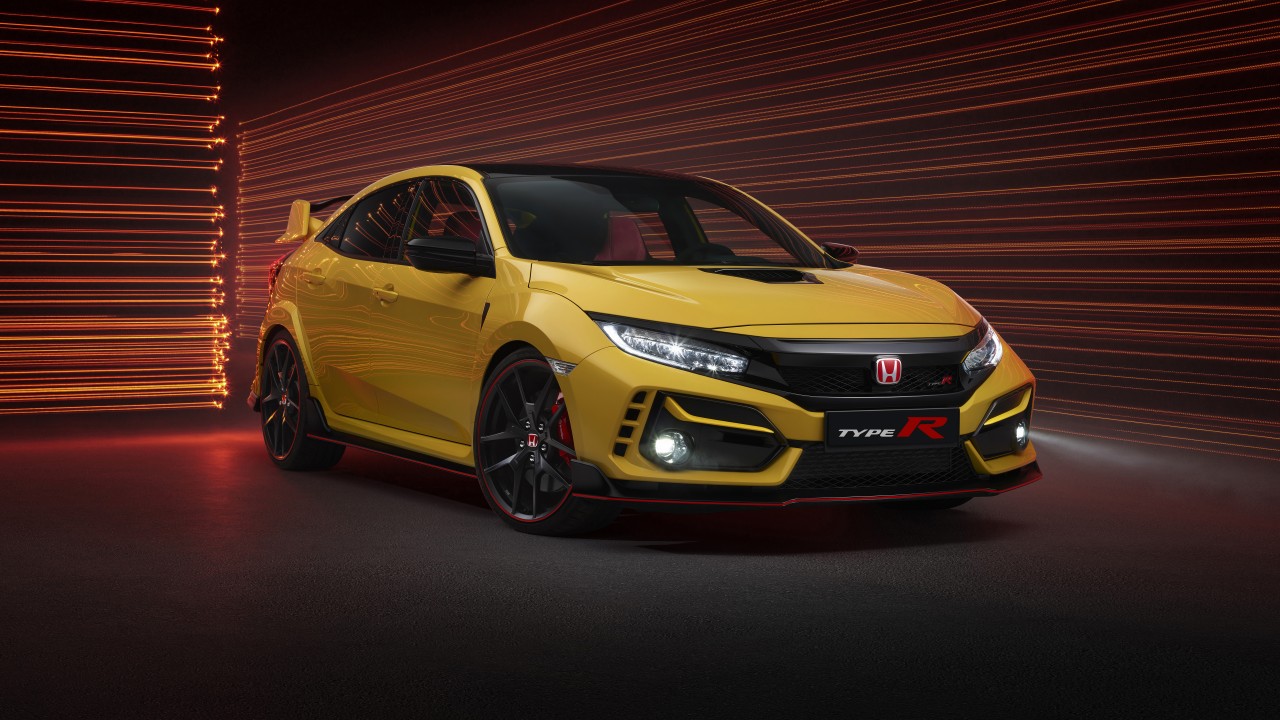
The Civic’s transmission was another highlight. The manual version was precise and fun to shift, while the automatic was smooth and dependable. Many long-term owners still praise how these transmissions hold up even after decades of daily use.
On the road, the Civic felt agile and responsive. It handled corners easily, making it enjoyable to drive both in cities and on highways. Its light body and strong suspension made it one of the best-handling small sedans of the 1990s.
Inside, the Civic had a clean, simple design. The interior materials were basic but strong, built to last for years. The seats were comfortable, and the dashboard layout was practical, making it easy for drivers to focus on the road.
Fuel efficiency was one of its biggest strengths. Many models could easily achieve over 35 miles per gallon, making it a favorite among commuters and students. Even with rising fuel prices, the Civic remained an affordable and reliable choice.
Also read:12 EVs That Are Still Running Strong at 200k Miles
7) Subaru Legacy (1995–1999)
The Subaru Legacy from the late 1990s built its reputation on strength, safety, and all-weather capability. It was a car designed for drivers who needed reliability in all conditions — from smooth highways to snowy mountain roads. Even today, it remains a favorite among loyal Subaru fans.
Under the hood, this generation of the Legacy came with Subaru’s famous flat-four “boxer” engine. It was available in both 2.2-liter and 2.5-liter versions, known for their balance and long life. These engines could easily last beyond 250,000 miles with proper maintenance.
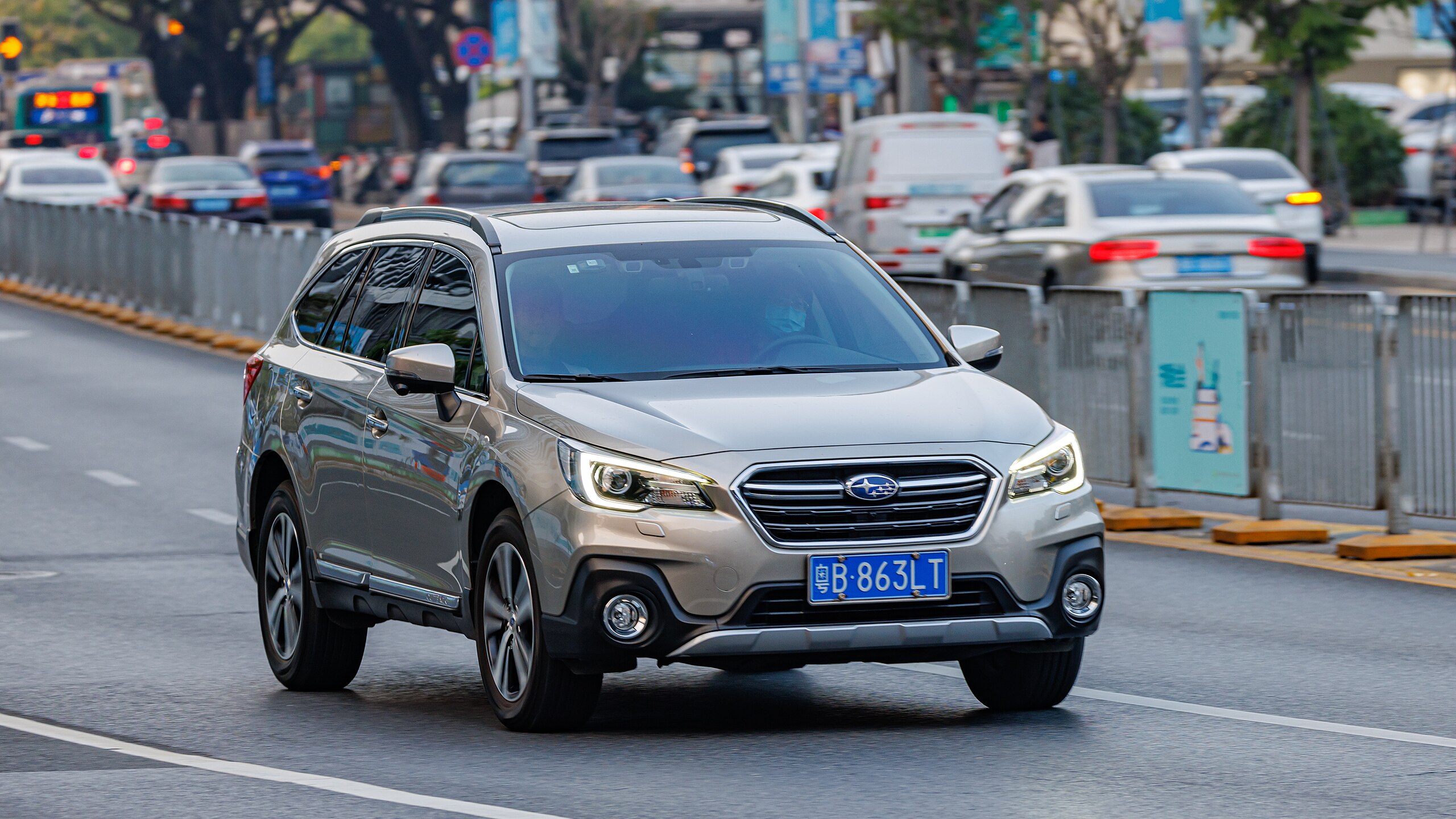
One of the biggest advantages of the Legacy was its standard all-wheel-drive system. Unlike most sedans of its time, Subaru made all-wheel drive standard, which gave the Legacy excellent traction and stability in rain, snow, or mud. It was dependable in all seasons.
The transmission options included a five-speed manual and a four-speed automatic. Both were solid and reliable when serviced regularly. The manual transmission was especially popular among enthusiasts who enjoyed the car’s engaging driving feel.
On the road, the Legacy offered a smooth and confident ride. It handled corners well and stayed stable even at high speeds. The all-wheel-drive system made it feel safe and secure, giving drivers peace of mind during long trips or bad weather.
Inside, the Legacy was practical and comfortable. The seats were supportive, and the cabin design was simple but durable. Subaru focused more on long-term comfort and ease of use rather than unnecessary luxury, which gave it a timeless charm.
8) Mercedes-Benz E-Class (W124, 1990–1995)
The Mercedes-Benz E-Class W124 is often called one of the most durable and well-engineered cars ever made. Produced between 1990 and 1995, it represented the peak of Mercedes’ traditional craftsmanship a time when every part was built to last, not just impress.
Under the hood, the W124 offered a range of engines, from reliable inline-four and inline-six options to powerful V8s in the higher trims. The inline-six engines, especially the 3.0-liter versions, became famous for their smoothness and ability to run for half a million miles or more.
The automatic transmissions were also legendary. They shifted seamlessly and could last decades with regular fluid changes. Some models also came with strong manual transmissions, giving drivers a more engaging connection to the car’s solid performance.
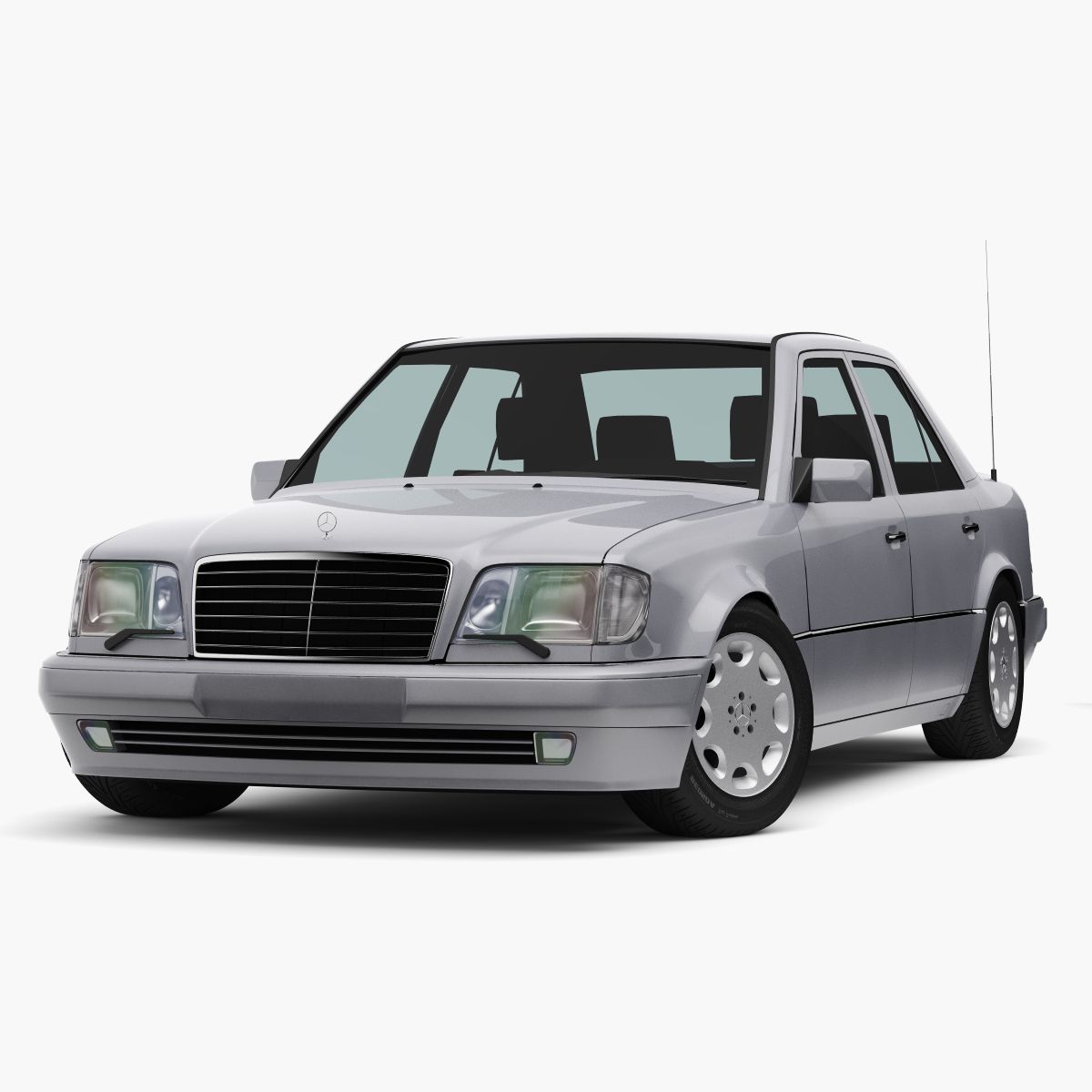
The W124’s build quality was its strongest trait. Mercedes engineers used thick steel, heavy doors, and strong components designed to endure millions of operations. Even after decades, many W124s feel tight and solid, with doors that still shut like a vault.
On the road, the E-Class delivered a perfect blend of comfort and control. The suspension absorbed bumps effortlessly while keeping the car stable and quiet. It was equally suited for city driving, long highway trips, and even tough rural roads.
Inside, the W124 was all about simplicity and quality. The materials from the leather to the wood trim were built to age gracefully. The layout was functional, and everything was designed for durability, with switches and buttons that still work perfectly today.
Fuel efficiency was reasonable for a car of its size, with diesel models being especially popular for their long range and economy. Many taxi companies across Europe used diesel W124s, some of which easily exceeded 600,000 miles in service.
9) BMW 5 Series (E34, 1989–1995)
The BMW 5 Series E34, produced from 1989 to 1995, is often described as one of the most balanced and well-built sedans of its time. It represented the era when BMW engineering focused on durability, precision handling, and timeless design a true driver’s car that also refused to quit.
The E34 came with a wide range of engines, from the reliable 2.0-liter and 2.5-liter inline-sixes to powerful V8 options in the later models. Among these, the M50 2.5-liter inline-six engine became legendary for its smooth power delivery and exceptional longevity.
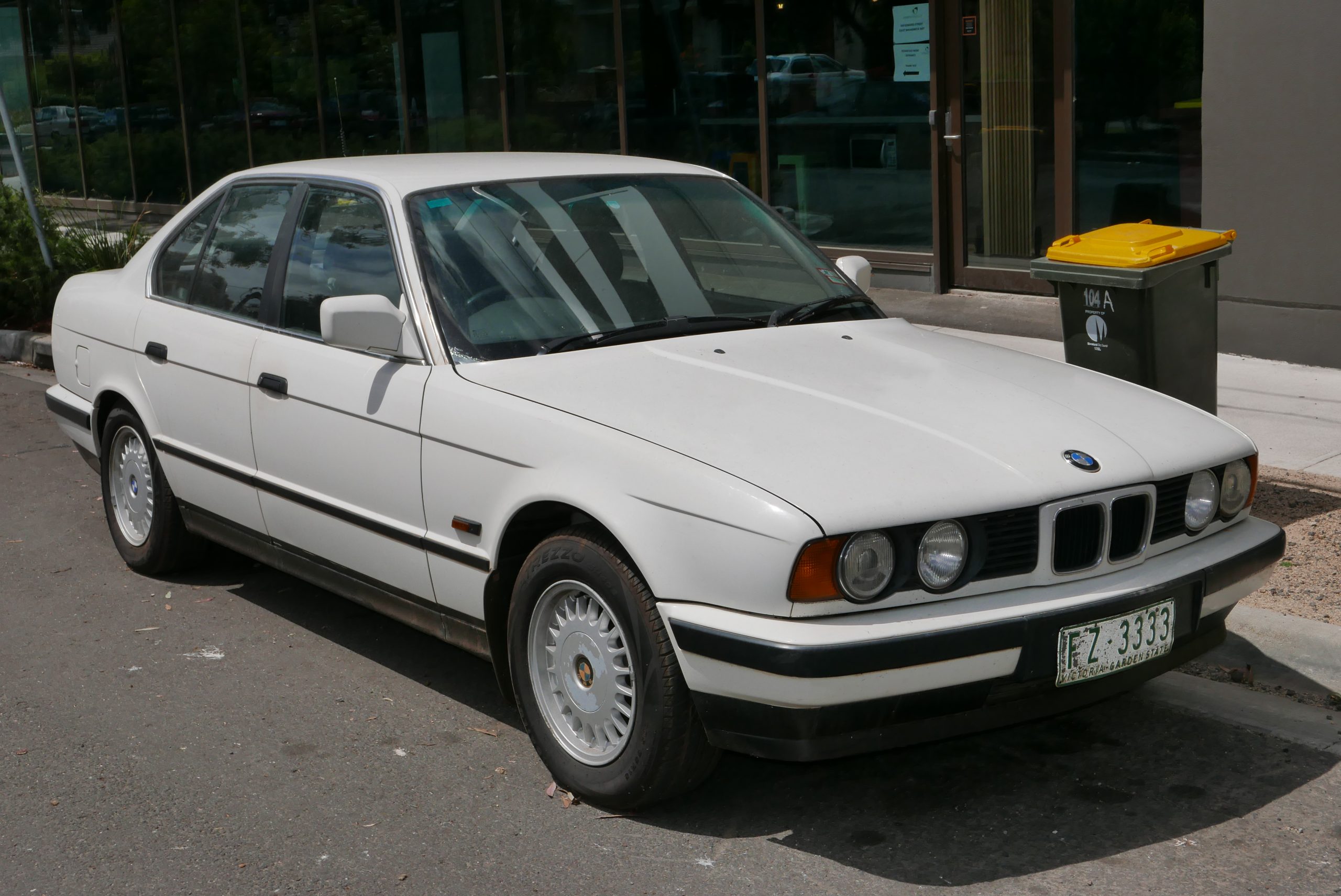
BMW designed these engines to last. Many E34 owners have easily crossed 300,000 miles with proper maintenance. Mechanics often praise how well these engines hold up their strong iron blocks and refined engineering make them nearly indestructible.
The transmissions were equally impressive. Both the manual and automatic versions were smooth and dependable. Enthusiasts often prefer the manual gearbox for its precise shifting and engaging feel, making the E34 a true joy to drive on winding roads.
Driving the E34 is an experience in itself. The steering is sharp and responsive, offering excellent road feedback. Its suspension strikes the perfect balance between comfort and control, giving drivers confidence whether on highways or tight city streets.
10) Volvo 850 (1993–1997)
The Volvo 850 from the 1990s perfectly captured what Volvo stood for safety, strength, and simplicity. It was one of the brand’s most important models, introducing new technology and design while keeping the rock-solid reliability that Volvo cars were known for worldwide.
Under the hood, the 850 came with a range of engines, including durable 2.3-liter and 2.4-liter five-cylinder options. These engines were unique for their smooth sound and long life. Many of them easily surpass 300,000 miles when given regular care and oil changes.
The most famous version was the 850 Turbo, which added power without sacrificing reliability. It produced around 222 horsepower and still maintained Volvo’s calm, composed driving nature quick when needed, but steady and predictable in all conditions.
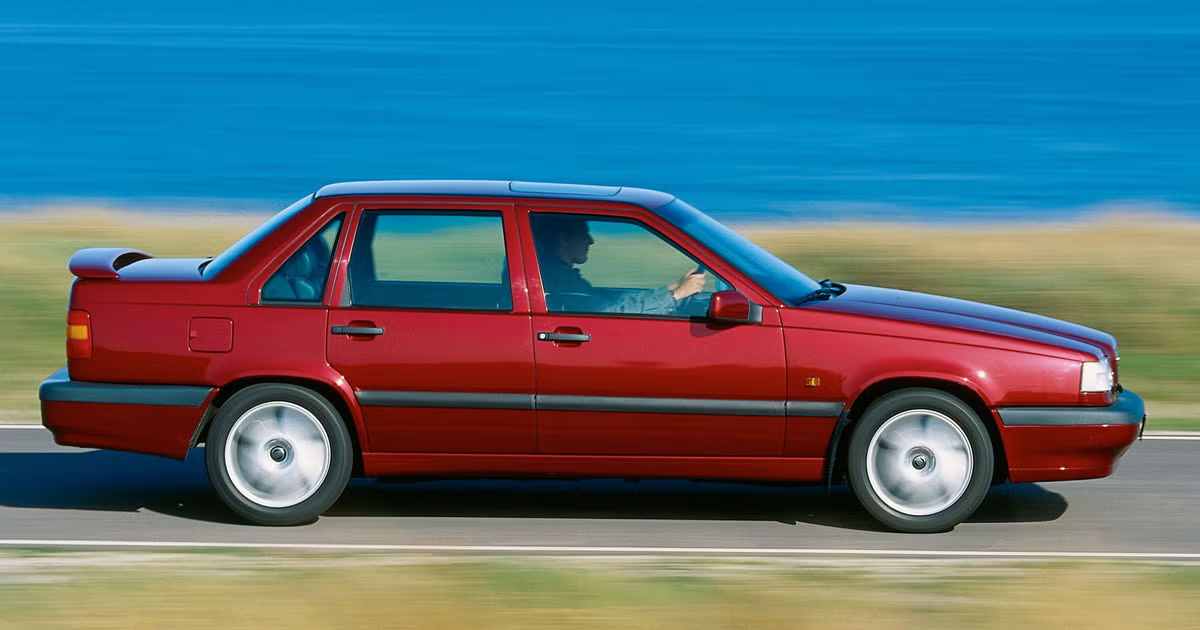
The automatic and manual transmissions both offered smooth performance. The manual versions were favored by enthusiasts, while the automatics were known for their durability. Properly maintained, they lasted for decades without major issues, just like the engines they paired with.
On the road, the Volvo 850 delivered comfort and control. Its suspension absorbed rough roads with ease, and the steering was firm yet responsive. Whether driving through cities or across long highways, the car always felt stable and secure.
11) Acura Legend (1991–1995)
The Acura Legend from the early 1990s remains one of the most respected sedans ever built by Honda’s luxury brand. It offered a rare combination of refinement, power, and long-term reliability a car that felt luxurious but ran with the heart of a Honda.
The V6 engine used advanced engineering for its time, with a well-balanced design and smooth power delivery. It gave the Legend excellent performance while maintaining Honda’s reputation for efficiency and easy maintenance a rare blend in the luxury segment.
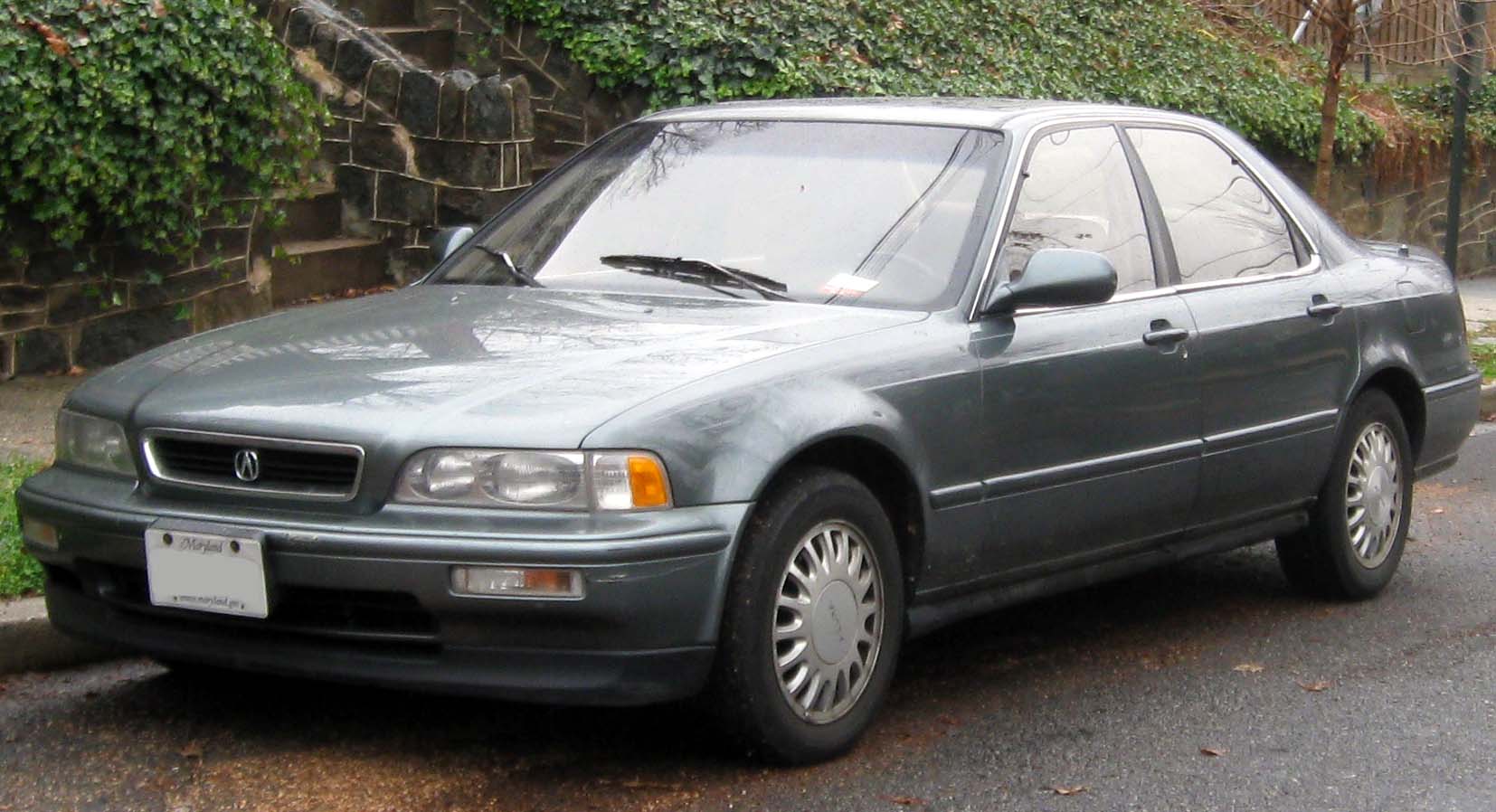
The transmission was equally reliable. Available in both manual and automatic versions, it provided smooth shifts and impressive longevity. Enthusiasts often preferred the manual, which offered precise control and made the Legend surprisingly fun to drive.
On the road, the Acura Legend felt confident and composed. It handled corners gracefully and absorbed bumps with ease. The suspension provided a balance of comfort and stability, making long drives quiet and relaxing, just like a true luxury car should.
Inside, the Legend’s cabin reflected quality craftsmanship. The leather seats were soft yet durable, and the dashboard layout was elegant and simple. Every button and switch had a solid feel, showing Honda’s attention to fine details and lasting materials.
12) Mazda 626 (1993–1997)
The Mazda 626 from the mid-1990s is one of those cars that quietly earned respect for its reliability, comfort, and simplicity. It may not have been the flashiest sedan of its time, but it built a loyal following among drivers who valued long-lasting quality and trouble-free ownership.
Under the hood, the 626 came with a range of dependable engines, including a 2.0-liter four-cylinder and a 2.5-liter V6. Both were known for smooth performance and solid reliability. The V6 version offered a bit more power without sacrificing the car’s reputation for efficiency.
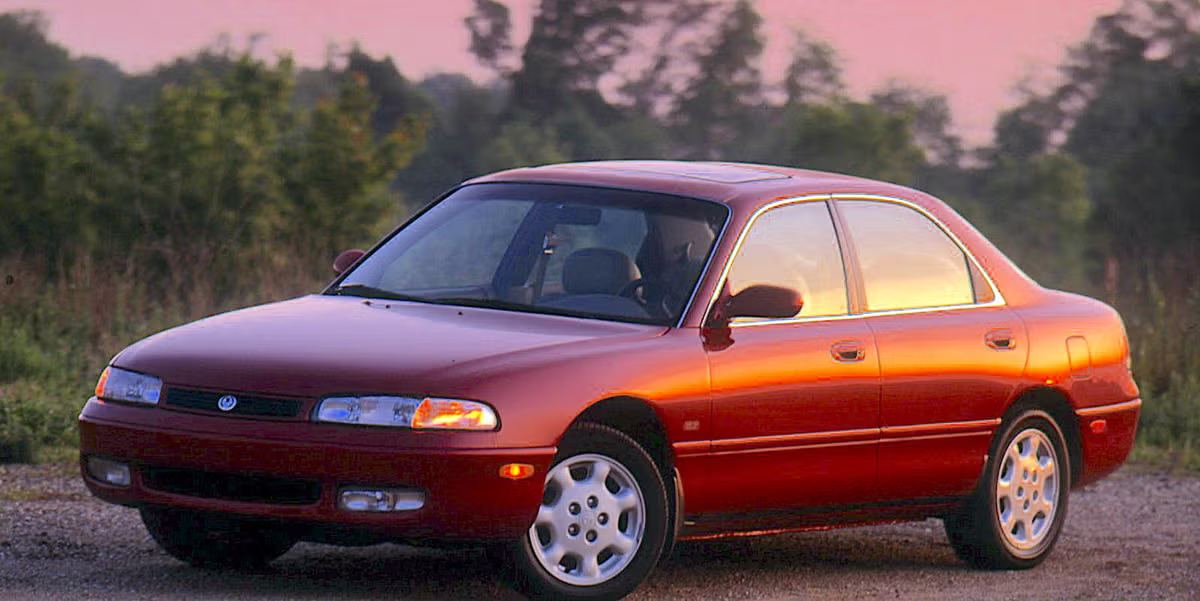
Mazda designed these engines to be low-maintenance and durable. Many owners reported running them past 250,000 miles with just basic care like oil changes and timing belt replacements. The 626 proved that Mazda knew how to build engines that could stand the test of time.
The transmission options included both manual and automatic versions. The manual gearbox was light and easy to use, while the automatic was smooth and steady. Both were reliable when serviced regularly, giving owners confidence in long-term performance.
Driving the Mazda 626 was a pleasant experience. The suspension was tuned for comfort, but it still handled corners with balance and stability. It didn’t try to be sporty instead, it focused on being a calm, dependable car for everyday driving.
Also read:5 Trucks From the 80s That Outlast Modern Ones vs 5 That Don’t