
When you’re hauling a van full of kids to soccer practice in July or embarking on a cross-country family road trip, few things matter more than a reliable climate control system.
The HVAC (Heating, Ventilation, and Air Conditioning) system in your minivan isn’t just about comfort it’s about safety, sanity, and making those long drives bearable for everyone on board. Yet not all minivans are created equal when it comes to climate control reliability.
The minivan segment has long been the workhorse of family transportation, and manufacturers have spent decades refining these versatile vehicles.
However, while some brands have engineered bulletproof HVAC systems that continue blowing cold air year after year, others have struggled with persistent air conditioning failures that leave owners sweltering and frustrated.
The difference between a reliable system and a problematic one can mean thousands of dollars in repair costs and countless hours at the dealership.
HVAC reliability in minivans is particularly crucial because these vehicles often operate under demanding conditions. They’re packed with passengers, loaded with cargo, and frequently idling in carpool lines or parking lots with the air conditioning running full blast.
The tri-zone or quad-zone climate systems found in many modern minivans add complexity, with separate controls for front passengers and multiple rear zones.
When these systems work properly, they’re a godsend keeping the driver cool while simultaneously warming up cold kids in the back. When they fail, diagnosing and repairing the problem can be expensive and time-consuming.
In this comprehensive guide, we’ll examine ten popular minivans, split into two distinct categories. First, we’ll celebrate five models with HVAC systems that have proven themselves remarkably reliable over time, consistently delivering cool air without drama or expensive repairs.
These are the minivans that owners praise for their climate control dependability, the ones that just keep working year after year.
Then we’ll examine five models that have developed unfortunate reputations for chronic air conditioning failures, exploring the specific problems that plague them and what owners can expect.
Whether you’re shopping for a used minivan or simply curious about how your current vehicle stacks up, this information will help you understand which models deliver reliable climate comfort and which ones might leave you hot under the collar.
5 Minivans With HVACs That Never Quit
Their thoughtful engineering includes compressor clutches with substantial engagement surfaces resisting slippage and heat buildup, refrigerant lines using durable fittings that maintain seal integrity despite constant vibration and temperature cycling, and evaporator core designs with adequate fin spacing preventing airflow restriction from debris accumulation.
From maximum cooling demands during scorching summer heat with full passenger loads to extended highway operation maintaining consistent temperatures throughout large cabin volumes, these remarkable HVAC systems continue delivering powerful, reliable climate control without developing refrigerant leaks, compressor bearing failure, or insufficient cooling that plague lesser designs.
1. Honda Odyssey (2011-2017)
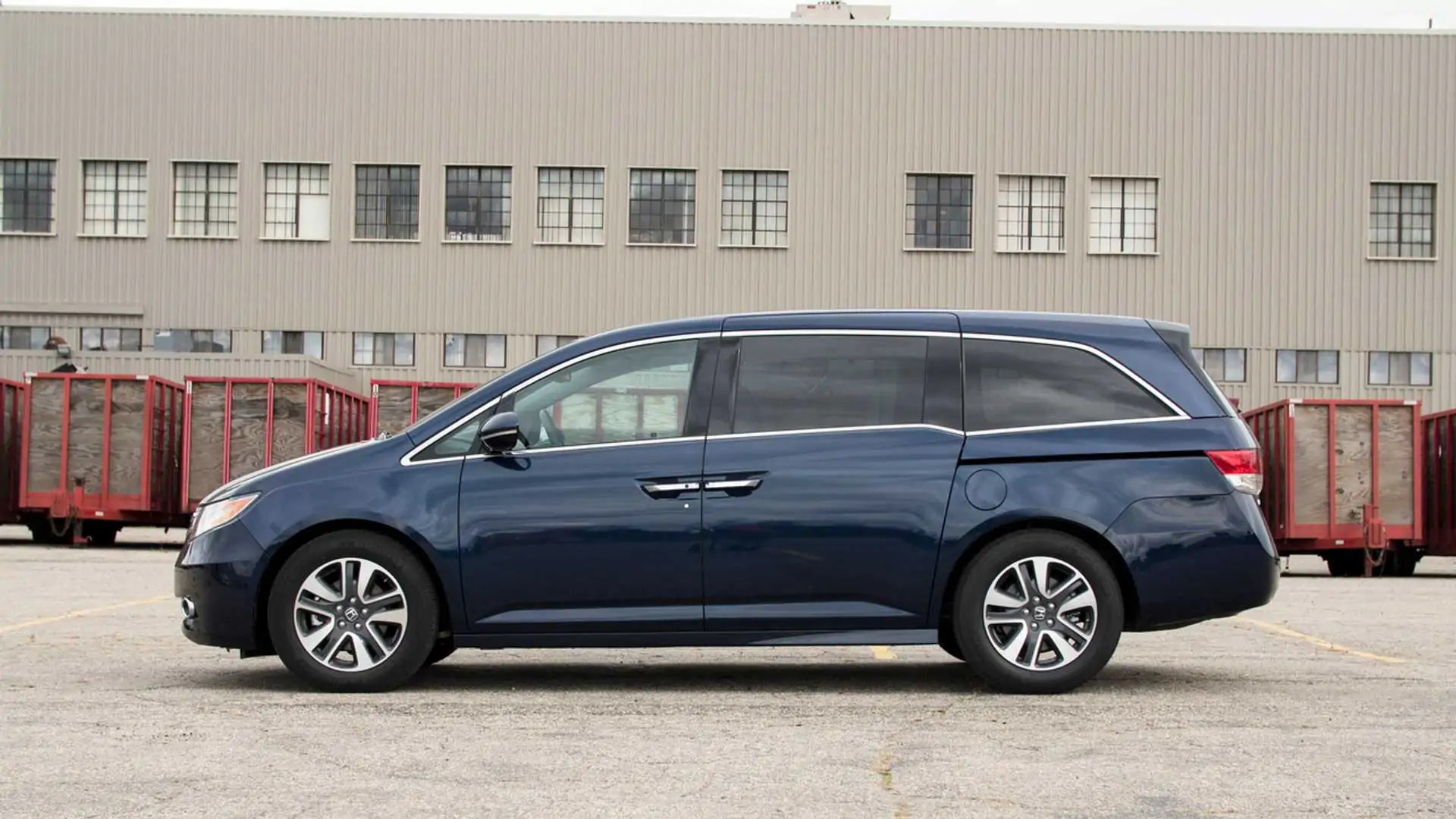
The Honda Odyssey from the fourth generation has earned a sterling reputation for HVAC reliability that sets the benchmark for the entire minivan segment.
Owners consistently report that these systems continue functioning flawlessly well past the 150,000-mile mark, with many Odysseys approaching 200,000 miles while still blowing ice-cold air.
Honda engineered these climate control systems with durability in mind, using robust compressors and high-quality components throughout the system.
The tri-zone automatic climate control system in the Odyssey utilizes a straightforward design that minimizes potential failure points.
The front system and rear climate controls operate independently, allowing for different temperature settings throughout the cabin.
What makes this system particularly reliable is Honda’s choice of components the compressor, in particular, has proven exceptionally durable, with failures being remarkably rare even in high-mileage vehicles.
The blend door actuators, which are common failure points in many vehicles, are built to last in the Odyssey and rarely require replacement.
One of the key factors contributing to the Odyssey’s HVAC longevity is the accessibility of components for maintenance. The cabin air filter is easy to replace, encouraging owners to maintain proper airflow through the system.
The refrigerant system maintains its charge well over time, with leaks being uncommon. When minor issues do arise, they’re typically easy to diagnose and repair without requiring extensive dashboard disassembly.
The rear climate control system deserves special mention for its reliability. Many minivans struggle with rear AC performance, either due to inadequate cooling capacity or frequent component failures.
The Odyssey’s rear system uses dedicated vents and a robust blower motor that continues operating quietly and effectively for years. The controls themselves, located in the ceiling console, are built with quality switches that maintain their function over time.
Honda’s attention to detail extends to the entire HVAC ducting system. The ductwork is properly sealed and insulated, ensuring that cooled or heated air reaches all three rows effectively without losses.
The evaporator core, located behind the dashboard, is well-protected from debris and moisture issues that can plague other designs. This core rarely develops leaks or becomes clogged, maintaining optimal performance throughout the vehicle’s life.
Owners of these Odysseys report minimal HVAC-related maintenance costs beyond routine cabin air filter replacements and occasional refrigerant top-offs which are often needed only after many years of service.
The system’s reliability contributes significantly to the Odyssey’s strong resale values and owner satisfaction ratings.
Professional mechanics and HVAC specialists consistently rank this generation of Odyssey among the most reliable minivans for climate control systems, noting that they rarely see these vehicles for AC-related repairs compared to competitors from the same era.
2. Toyota Sienna (2011-2020)
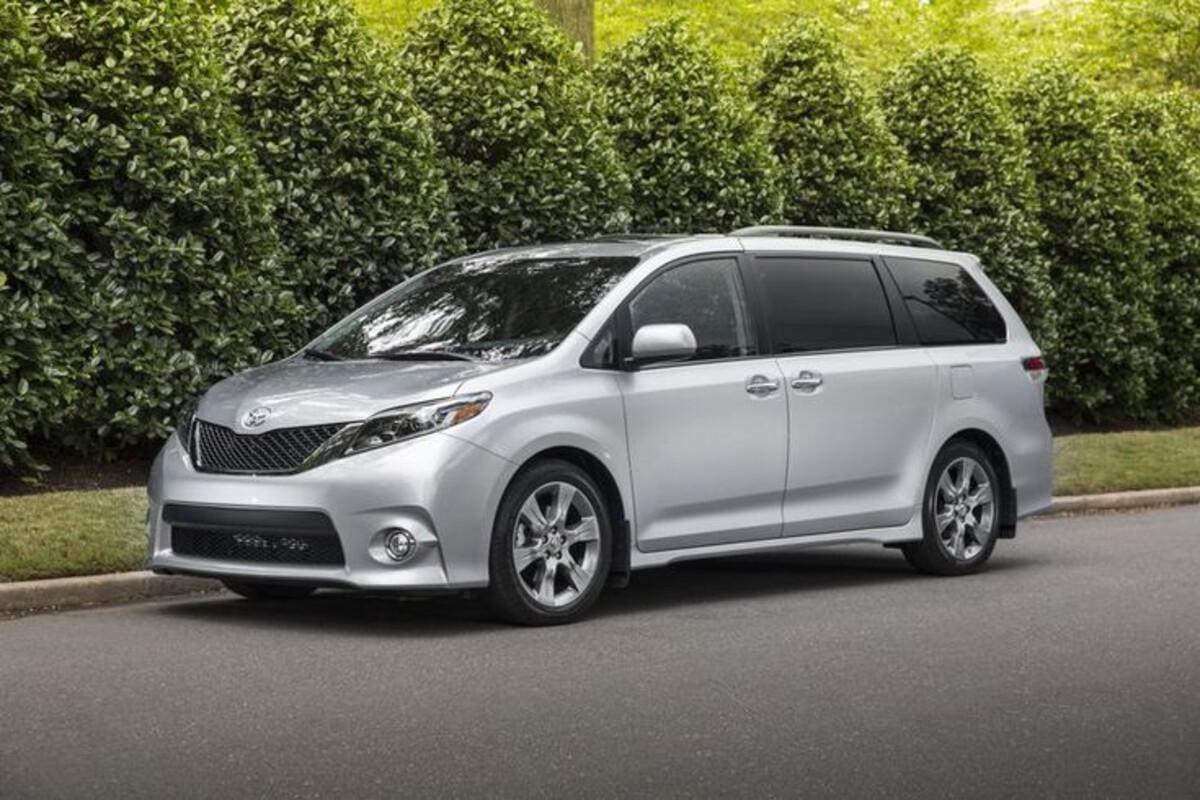
The Toyota Sienna’s third generation represents another gold standard for HVAC reliability in the minivan segment. Toyota’s legendary reputation for building durable vehicles extends fully to the Sienna’s climate control system, which routinely operates without issues for well over a decade.
The engineering philosophy behind the Sienna’s HVAC system emphasizes simplicity, quality components, and proven technology rather than cutting-edge complexity, resulting in exceptional long-term reliability.
The Sienna’s tri-zone or optional quad-zone climate control system uses a highly reliable compressor design that’s shared with other Toyota vehicles known for their longevity.
This compressor features robust internal components and excellent sealing, maintaining proper refrigerant charge for extended periods
Toyota designed the system with adequate cooling capacity for the Sienna’s spacious interior, meaning the components don’t work overtime even on hot days, which contributes to their longevity.
What particularly distinguishes the Sienna’s HVAC system is its consistent performance across all climate zones. The front system delivers precise temperature control with responsive blend door actuators that rarely fail.
Unlike some competitors that use plastic gears in their actuators that strip over time, Toyota employs more durable materials that withstand constant adjustment cycles.
The rear climate controls are equally reliable, with the ceiling-mounted controls maintaining their functionality through years of use by passengers of all ages.
The Sienna’s evaporator core and heater core are positioned for optimal longevity, with good drainage design that prevents water accumulation and the musty odors that can develop in poorly designed systems.
The blower motors at both front and rear are exceptionally durable, operating quietly even after high mileage. Owners report that even after ten years, the blower motors produce strong airflow without unusual noises or vibrations.
Toyota’s use of high-quality O-rings and seals throughout the refrigerant system means leaks are uncommon. When maintenance is required, the Sienna’s HVAC components are generally accessible without requiring extensive disassembly.
The condenser, located in front of the radiator, is somewhat vulnerable to road debris damage, but Toyota’s robust design minimizes punctures and leaks even with this exposed position.
The electrical components controlling the HVAC system are equally reliable. The climate control module rarely fails, and the various sensors monitoring temperature and sunlight function correctly for the vehicle’s lifetime.
The integration with the Sienna’s electrical system is well-executed, avoiding the gremlins that can affect climate control in other vehicles.
Owners appreciate that the system behaves predictably and maintains set temperatures accurately without constant adjustment.
The Sienna’s HVAC reliability has become one of the vehicle’s selling points in the used market, with buyers specifically seeking out this generation because they know they won’t face expensive climate control repairs.
3. Honda Odyssey (2018-Present)
The current fifth-generation Honda Odyssey continues the strong HVAC reliability tradition of its predecessor while incorporating more sophisticated technology.
Despite the added complexity of improved rear entertainment systems and more zones of climate control, Honda has maintained the reliability that owners expect.
The engineering team clearly learned from the previous generation’s success and built upon that foundation with careful attention to component selection and system design.
This generation features an advanced tri-zone automatic climate control system with improved rear controls and better airflow distribution. The compressor uses updated technology that’s even more efficient than the previous generation while maintaining the durability Honda is known for.
The variable displacement compressor adjusts its output based on cooling demand, which reduces wear and extends component life. Early data suggests these compressors will prove as durable as those in the previous generation, with very few failures reported even as these vehicles approach seven years of age.
The blend door actuators in the current Odyssey use improved materials and design, building on the already reliable previous generation.
Honda addressed even the minor issues that occasionally appeared in earlier models, resulting in actuators that operate silently and reliably throughout their service life.
The motor design is robust, and the gearing system that controls the blend doors is built to withstand hundreds of thousands of adjustment cycles without wear.
One notable improvement in this generation is the enhanced rear climate control system. Honda redesigned the rear vents and ducting to provide more even cooling throughout the second and third rows, and the rear blower motor is even more powerful and efficient than before.
The ceiling-mounted controls are intuitive and built with quality switches that maintain positive click feel over time. Parents appreciate that the rear controls are robust enough to withstand handling by children while remaining fully functional.
The refrigerant system in this generation benefits from improved manufacturing processes and higher-quality seals throughout. Honda has minimized the number of connection points where leaks could potentially develop, and the connections that do exist use superior sealing technology.
The condenser design incorporates lessons learned from previous generations, with improved protection against stone damage while maintaining excellent heat exchange efficiency.
Maintenance accessibility remains a strong point. The cabin air filter is easy to reach and replace, and Honda provides clear guidance on maintenance intervals.
The system’s design encourages proper maintenance, which contributes to its longevity. When service is needed, technicians find the Odyssey’s HVAC components reasonably accessible compared to some competitors that require extensive disassembly for even minor repairs.
Early reliability data and owner reports suggest this generation will match or exceed the exceptional HVAC reliability of the previous generation, cementing Honda’s position as a leader in minivan climate control dependability.
4. Chrysler Pacifica (2017-Present, Select Years)
While Chrysler’s track record with HVAC reliability has been mixed over the years, the Pacifica represents a significant step forward, particularly in model years 2019 and later after Chrysler addressed early issues.
When properly maintained and when not affected by early production problems, the Pacifica’s HVAC system demonstrates impressive reliability that surprises those familiar with earlier Chrysler minivans.
The company clearly invested significant engineering resources into making this system dependable, recognizing that climate control reliability was a weakness in previous models that needed addressing.
The Pacifica features an advanced tri-zone or quad-zone automatic climate control system with sophisticated temperature management throughout the cabin.
The system uses a modern variable displacement compressor that adjusts cooling output based on demand, reducing unnecessary wear during partial-load conditions.
This compressor design has proven reliable in later production years, with significantly fewer failures than those seen in early 2017-2018 models that experienced some teething problems. Chrysler refined the compressor design and improved quality control procedures, resulting in much better long-term reliability.
The blend door actuators in the Pacifica use a more robust design than those in previous Chrysler minivans. After experiencing widespread failures in the Town & Country and older generation minivans, Chrysler engineers redesigned these components with stronger motors and more durable gears.
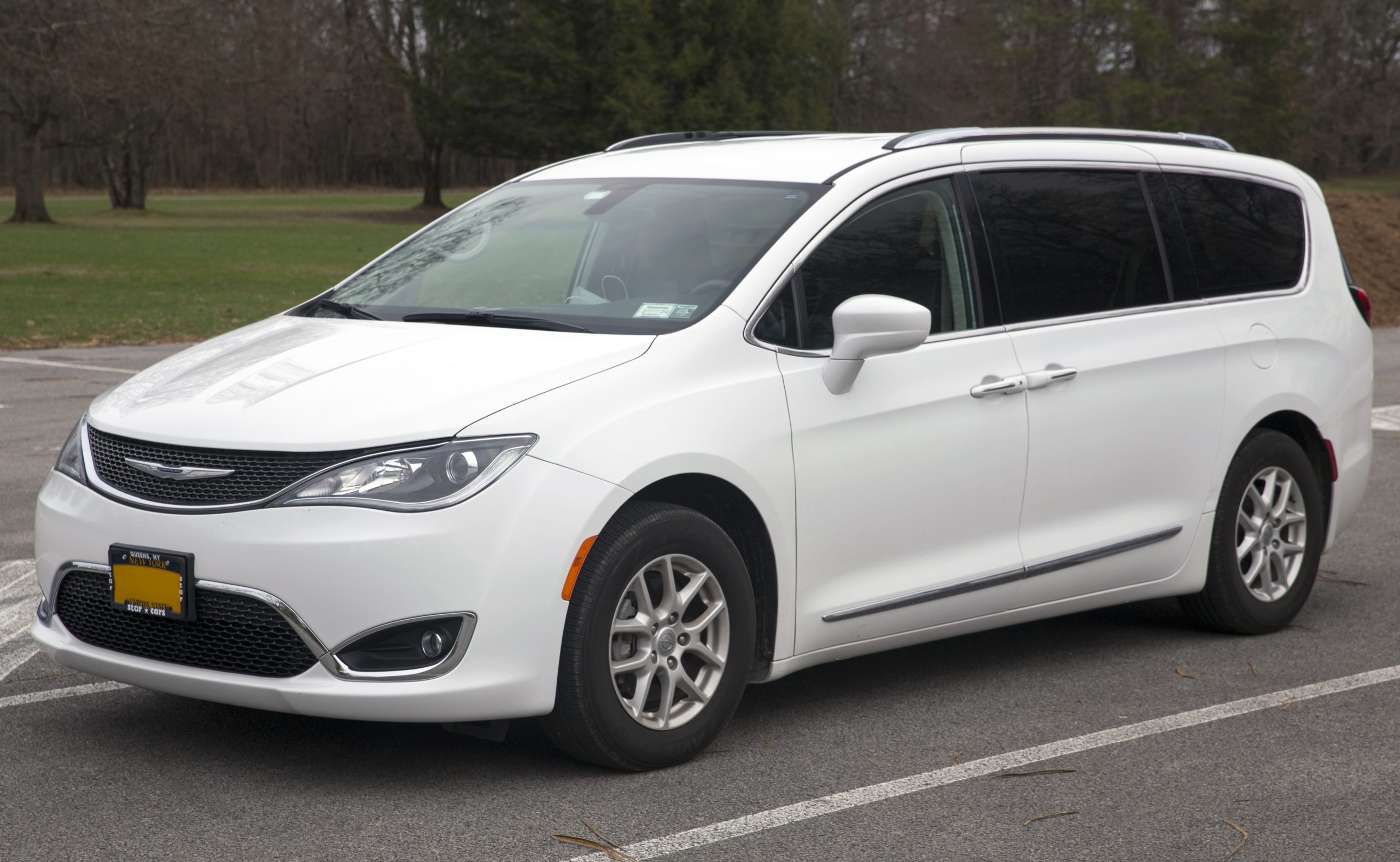
Later model year Pacificas show dramatically reduced actuator failure rates, though owners should still be more vigilant about listening for clicking sounds than they would with a Honda or Toyota.
When these actuators do require replacement, Chrysler improved accessibility somewhat compared to older designs. The Pacifica’s rear climate control system is particularly sophisticated, with excellent airflow to all seating positions and intuitive controls.
The rear blower motor is powerful and generally reliable, though it’s not quite as bulletproof as those in the Odyssey or Sienna. The ceiling-mounted controls are well-designed and hold up reasonably well to regular use, though some owners report that the buttons can become less tactile over time.
The rear system’s performance in terms of cooling capacity is excellent, effectively managing the Pacifica’s spacious interior even in extreme heat.
One area where the Pacifica excels is in its evaporator core design and drainage system. Chrysler addressed the musty odor problems that plagued some earlier minivans by improving evaporator drainage and incorporating antimicrobial treatments.
The system remains fresher-smelling over time compared to some competitors, which owners appreciate. The refrigerant system uses quality seals and connections, though it’s not quite as leak-resistant as Toyota’s legendary designs.
Regular maintenance becomes more important in the Pacifica to ensure long-term reliability. The electrical integration of the Pacifica’s HVAC system with the vehicle’s sophisticated Uconnect infotainment system is generally well-executed. The climate control module is reliable in later model years, and the various temperature and humidity sensors function accurately.
While the Pacifica’s HVAC system may not achieve the utterly legendary reliability of the Odyssey or Sienna, it represents a massive improvement over earlier Chrysler products and can provide many years of trouble-free service when properly maintained and when sourced from 2019 or later production years.
Also Read: 5 Cars That Accept Budget Pads Quietly vs 5 That Squeal Without OEM
5. Toyota Sienna (2021-Present)
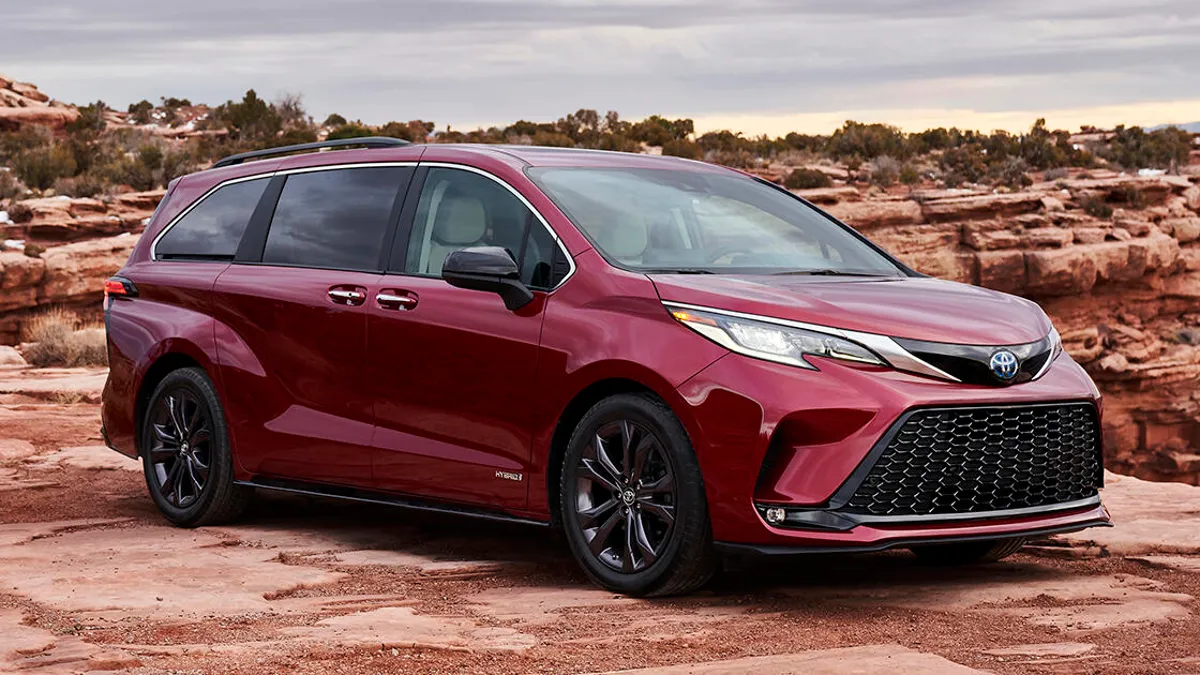
The all-new fourth-generation Toyota Sienna, introduced for the 2021 model year with standard hybrid power, brings Toyota’s HVAC reliability into the modern era while adapting the climate control system to work seamlessly with the hybrid powertrain.
Despite the significant changes to the vehicle’s propulsion system, Toyota has maintained the climate control reliability that made the previous generation a standout. The integration of the HVAC system with the hybrid system is thoughtfully executed, ensuring that cabin comfort never suffers even when the gasoline engine shuts off.
The Sienna’s tri-zone automatic climate control system uses an electrically driven compressor that can operate independently of the gasoline engine, a necessary adaptation for the hybrid system.
This electric compressor is remarkably sophisticated, yet Toyota has engineered it for long-term reliability using proven electric motor technology and robust refrigerant sealing systems.
Early reliability data, while still limited given the model’s relative newness, shows very few compressor failures. Toyota’s extensive experience with hybrid systems in other vehicles clearly benefited the Sienna’s HVAC design.
One of the most impressive aspects of this generation’s climate control system is its ability to maintain consistent cabin temperature regardless of whether the gasoline engine is running.
The electric compressor continues operating seamlessly even when the vehicle is in electric-only mode, ensuring uninterrupted cooling.
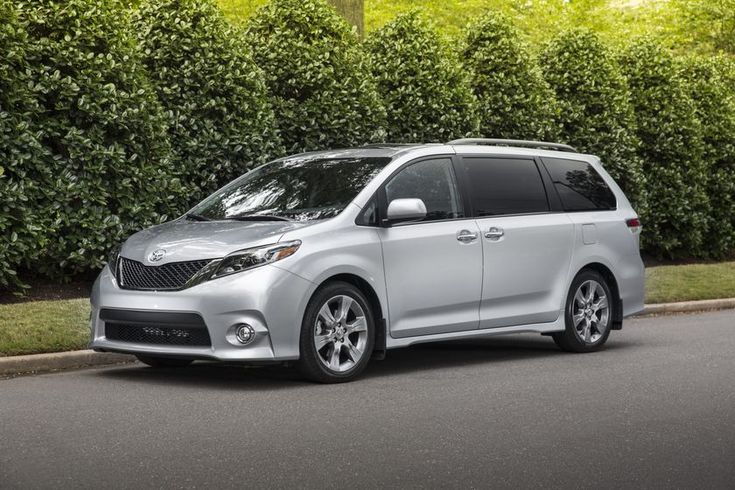
The system’s controls automatically manage compressor speed and cooling capacity to balance climate comfort with hybrid system efficiency, and this integration has proven reliable without introducing the complexity-related failures some might expect from such an advanced system.
The blend door actuators and air distribution components continue Toyota’s tradition of using durable, long-lasting components. The actuators are virtually identical to those used in the previous generation, which have already proven their reliability over hundreds of thousands of miles in countless vehicles.
Toyota took a “if it’s not broken, don’t fix it” approach to these components, which serves owners well. The ductwork and vent design are improved over the previous generation, providing better airflow distribution while maintaining the sealed, leak-free construction Toyota is known for.
The rear climate control system in the new Sienna is excellent, with powerful rear blowers and well-designed ceiling controls. Toyota improved the rear vent positioning for better air distribution to all seating positions, and the system maintains effective cooling even with all three rows fully occupied.
The rear blower motor uses a brushless design that should prove exceptionally durable, and early reports suggest it operates more quietly than the previous generation while moving even more air.
The integration of the HVAC system with the Sienna’s hybrid battery thermal management system is sophisticated but reliable. The climate control system works in harmony with the battery cooling system without conflicts or compromises.
Toyota’s extensive testing and validation of hybrid systems gives owners confidence that this integration won’t become a failure point as the vehicles age.
The refrigerant system uses modern, environmentally friendly refrigerant with high-quality seals throughout, and the condenser design incorporates improvements that enhance durability.
While this generation is still relatively new, all indicators suggest it will match or exceed the exceptional HVAC reliability of the previous generation.
5 Minivans With Chronic AC Failures
These problematic vehicles suffer from climate control systems featuring undersized compressors that struggle cooling large cabin volumes, inadequate condenser capacity that cannot reject heat effectively, and poorly designed refrigerant circuits with improper oil return allowing lubricant pooling that starves compressor bearings causing expensive failures with distressing predictability as mileage accumulates beyond warranty coverage.
Their flawed engineering includes compressor clutches with minimal engagement surface area that slip and overheat from excessive load, evaporator cores positioned in locations accumulating moisture that breeds mold creating offensive odors, and refrigerant line connections using fragile O-rings that harden and leak requiring repeated recharging and component replacement.
From progressively weakening cooling performance each summer to complete compressor seizure leaving families sweltering in hot weather, these troublesome HVAC systems create expensive repairs frequently.
1. Chrysler Town & Country / Dodge Grand Caravan (2008-2016)
The Chrysler Town & Country and mechanically identical Dodge Grand Caravan from this generation have earned an unfortunate reputation as HVAC nightmare vehicles.
These minivans, which were otherwise competent family haulers, suffer from a seemingly endless parade of climate control problems that have frustrated countless owners and emptied many wallets.
The issues are so widespread and well-documented that they’ve become a defining characteristic of this generation, significantly impacting resale values and owner satisfaction ratings.
The most notorious problem plaguing these minivans is blend door actuator failure. These small electric motors control the doors that direct airflow between hot and cold air, and in these Chrysler products, they fail with alarming regularity.
Owners report a distinctive clicking or tapping sound coming from behind the dashboard, which indicates a failing actuator. Multiple actuators control different zones and functions, and they seem to fail independently, meaning owners often face repeated repairs over the vehicle’s lifetime.
The actuators themselves use plastic gears that strip easily, particularly in the temperature extremes they encounter. What makes this problem particularly frustrating is the labor-intensive replacement process, the dashboard often must be partially or fully removed to access some actuators, turning a relatively inexpensive part into a repair bill exceeding $500 or more per actuator.
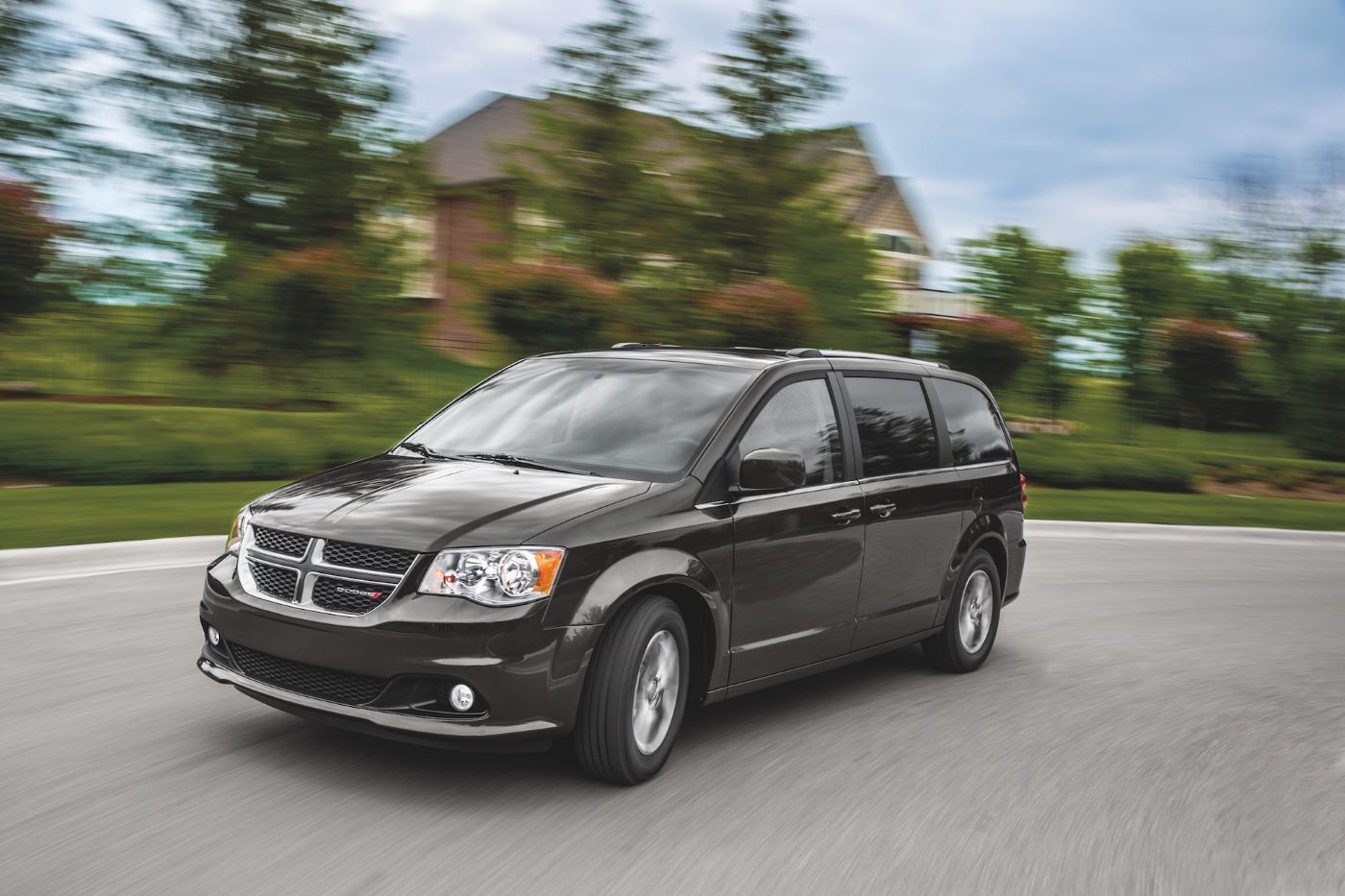
Compressor failures are another chronic problem in these minivans. The AC compressor, which should last the lifetime of the vehicle in well-designed systems, frequently fails prematurely in Town & Country and Grand Caravan models.
Owners report compressor failures occurring anywhere from 50,000 to 100,000 miles, far earlier than expected. The compressor clutch bearing is particularly prone to failure, sometimes seizing and causing belt damage or noise issues.
Complete compressor replacement is expensive, often costing $800 to $1,500 depending on the facility, and the problem has a frustrating tendency to recur even after replacement.
Refrigerant leaks plague these vehicles more than any minivan should experience. The system seems unable to maintain proper refrigerant charge, with leaks developing at various points including the condenser, evaporator core, and line connections.
The condenser, mounted in front of the radiator, is particularly vulnerable to developing leaks from road debris impacts and corrosion.
Evaporator core leaks are especially problematic because accessing this component requires removing the entire dashboard, resulting in repair costs that can exceed $1,500. Many owners find themselves repeatedly adding refrigerant to maintain cooling rather than committing to expensive repairs.
The evaporator core in these minivans also develops another frustrating problem: persistent musty odors. The drainage system doesn’t effectively remove condensation, leading to water accumulation and microbial growth.
Owners complain of overwhelmingly unpleasant smells when first turning on the AC, sometimes so severe that they make the vehicle unpleasant to occupy. While aftermarket treatments and cleaning can provide temporary relief, the problem tends to return because the root cause is a design flaw in the drainage system itself.
Electrical gremlins affect the climate control system as well. The climate control module can fail, causing erratic behavior like temperature fluctuations, zones not responding to inputs, or the system cycling between modes unpredictably.
The blower motor resistor, which controls fan speed, is another common failure point, sometimes leaving owners with only one functional fan speed typically the highest setting.
The rear climate control system is particularly prone to failures, with the rear blower motor failing more frequently than it should and the rear controls becoming unresponsive.
These accumulated problems have given this generation of Chrysler minivans a well-deserved poor reputation for climate control reliability, making them vehicles to avoid for anyone prioritizing AC dependability.
2. Nissan Quest (2011-2017)
The fourth-generation Nissan Quest, which would be the final generation of this minivan before Nissan discontinued the model, suffers from serious HVAC reliability issues that contributed to the vehicle’s poor reputation and eventual demise.
Despite Nissan’s generally decent reliability in other vehicle segments, the Quest’s climate control system seems plagued by design flaws and component quality issues that leave owners dealing with repeated failures and expensive repairs. The problems are significant enough that they noticeably impact the vehicle’s value and desirability in the used market.
The most significant problem affecting the Quest’s HVAC system is premature compressor failure. Owners consistently report compressor failures occurring between 60,000 and 100,000 miles, sometimes even earlier in vehicles subjected to hot climates or heavy use. The compressor clutch assembly is particularly prone to failure, sometimes seizing or developing bearing noise.
More seriously, internal compressor failures can introduce metal debris into the refrigerant system, requiring a complete system flush and replacement of multiple components to prevent repeat failures.
Complete compressor replacement with proper system flushing can cost upward of $1,500 to $2,000 at a dealership, a shocking expense for a mid-life component failure.
Refrigerant leaks are another chronic issue in the Quest. The evaporator core, located deep within the dashboard assembly, develops leaks with frustrating frequency.
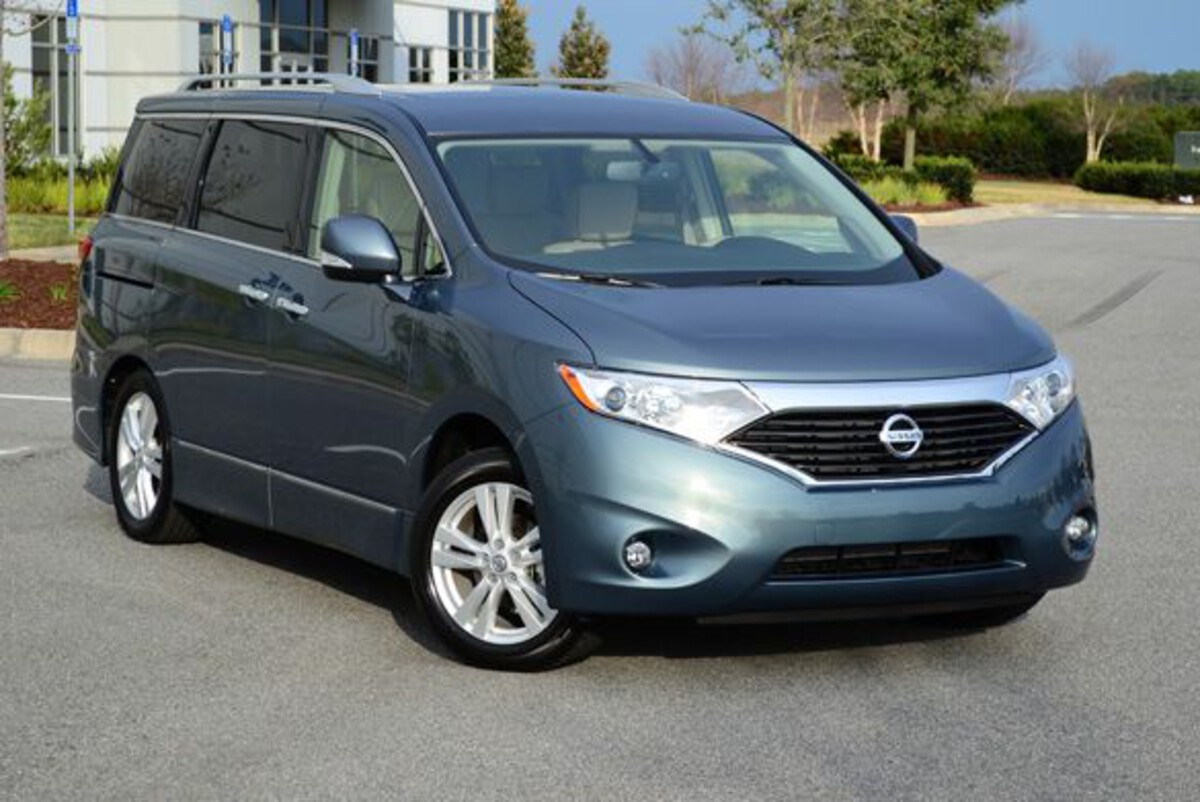
This failure is particularly expensive to repair because it requires complete dashboard removal, a labor-intensive process that can take eight to ten hours at typical shop rates. Many owners discover their evaporator leak only after noticing gradual cooling performance decline and sweet-smelling refrigerant odor inside the cabin.
The repair cost often approaches or exceeds $2,000, leading some owners to simply sell or trade the vehicle rather than invest in the repair. Condenser leaks are also common, typically caused by road debris damage to the relatively fragile condenser design mounted in front of the radiator.
The Quest’s blend door actuators, while not failing quite as frequently as those in Chrysler minivans, still experience higher-than-average failure rates.
The clicking sound from failing actuators becomes evident as the vehicles age, and replacement requires varying levels of dashboard disassembly depending on which actuator has failed. Some are relatively accessible, while others require extensive interior removal.
The actuators use plastic gearing that wears prematurely, and the motors themselves aren’t particularly robust. Owners often face multiple actuator replacements over the vehicle’s lifetime.
Blower motor problems are surprisingly common in the Quest. The front blower motor can develop bearing noise, producing a squealing or grinding sound that’s particularly noticeable on cold mornings. Sometimes the motor fails completely, leaving the vehicle without any cabin airflow.
The rear blower motor, which services the second and third rows, also experiences reliability problems. It tends to fail more quickly than front blowers, and when it does, rear passengers lose all climate control functionality. Replacement costs are moderate for the front blower but more expensive for the rear unit due to access difficulties.
The Quest’s HVAC controls themselves can become problematic. The automatic climate control system sometimes develops erratic behavior, with temperature control becoming inaccurate or zones not responding properly to inputs.
The climate control module can fail, requiring replacement and reprogramming. Some owners report issues with the temperature sensors providing incorrect readings, causing the system to overcool or overheat the cabin.
These electronic failures add another layer of frustration and expense to the Quest’s already problematic HVAC system, contributing to this generation’s poor reputation and strong advice from mechanics to avoid these vehicles if reliable air conditioning is a priority.
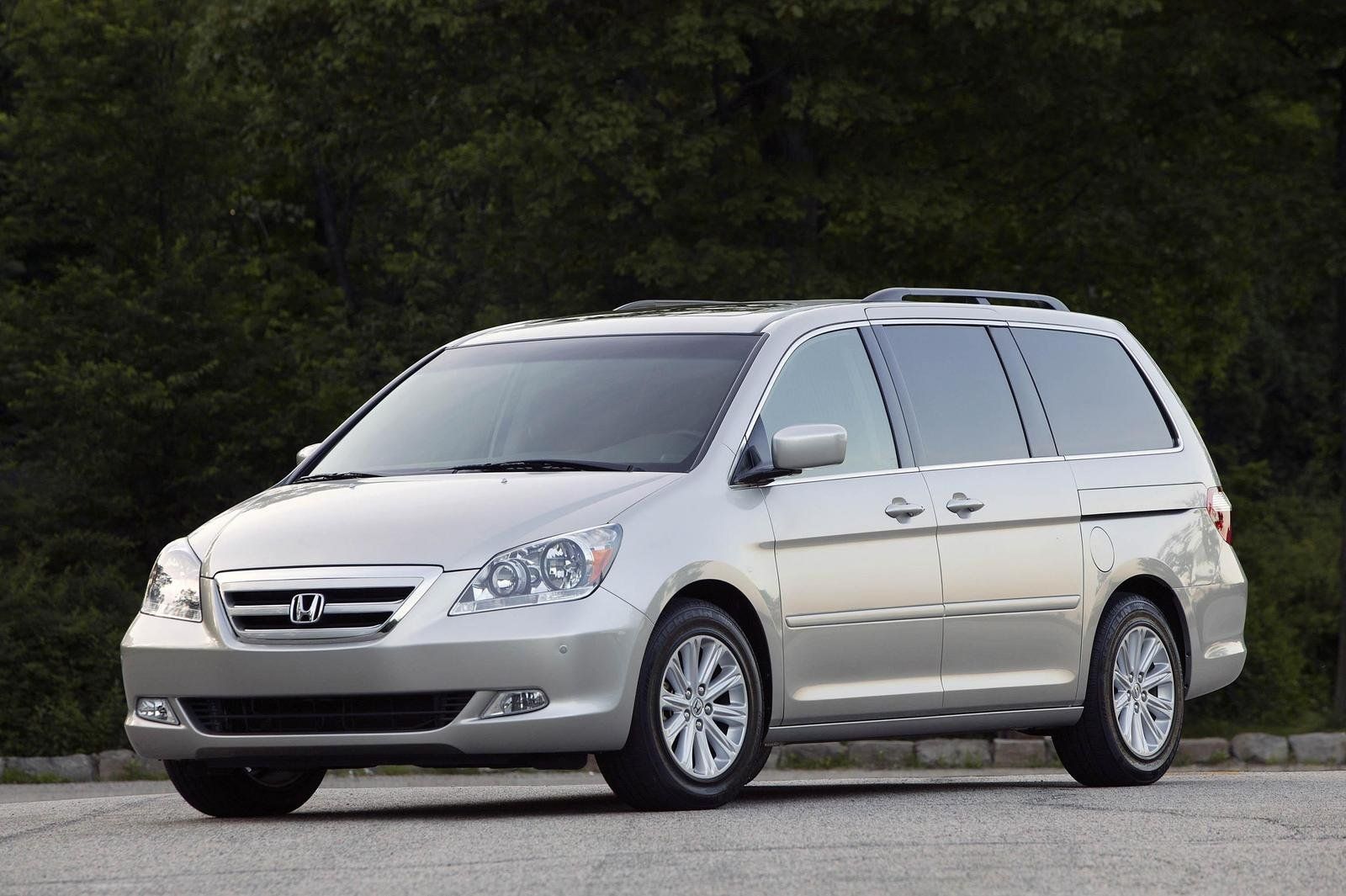
3. Honda Odyssey (2005-2010)
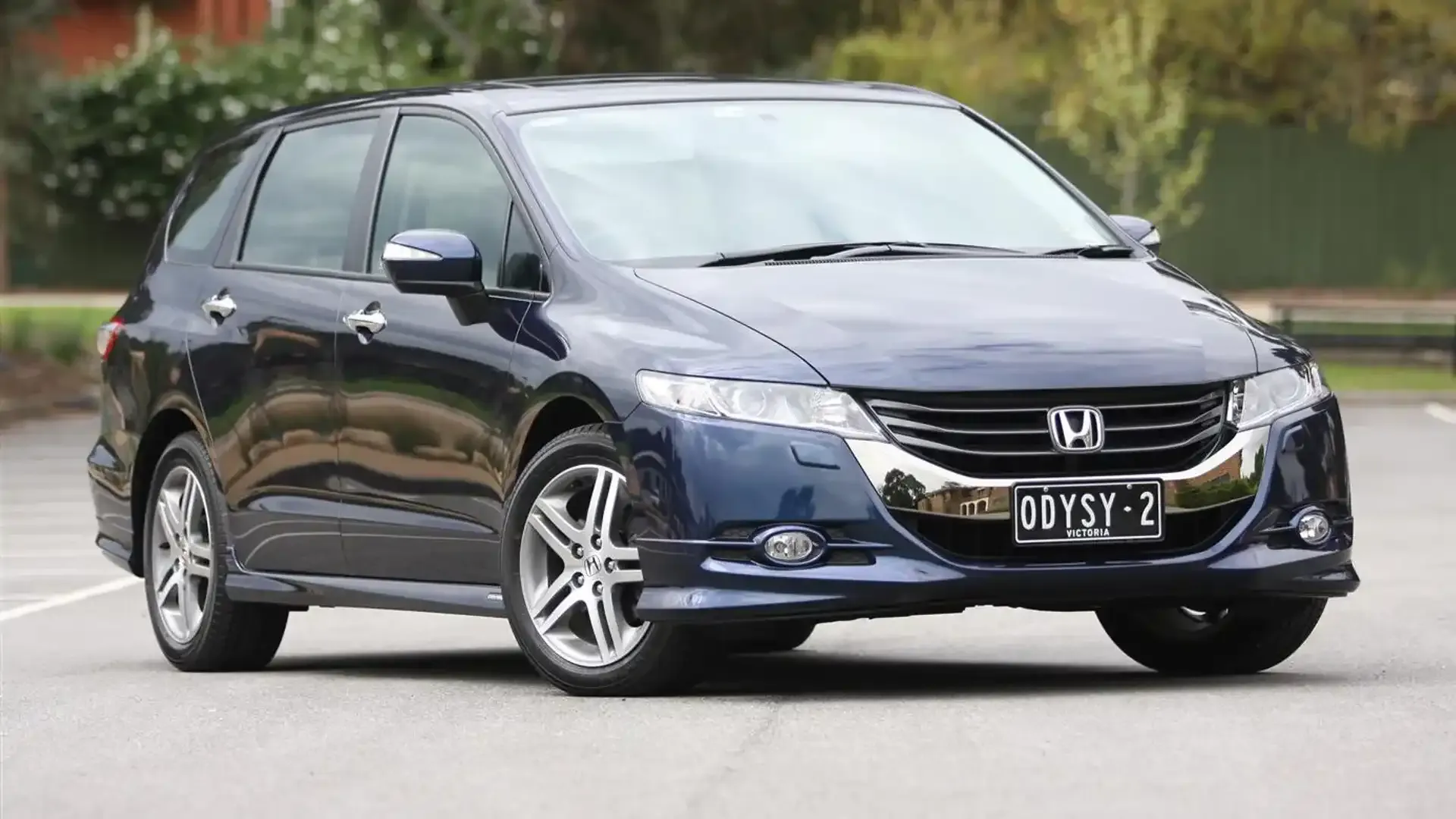
In a surprising departure from Honda’s typical reliability, the third-generation Odyssey suffers from notable HVAC problems that tarnish Honda’s otherwise excellent reputation in this area.
While not reaching the catastrophic failure rates of Chrysler products from the same era, these Odysseys experience enough climate control issues that they stand out as disappointments, particularly for owners expecting Honda’s legendary reliability.
The problems are significant enough that Honda issued technical service bulletins and faced class-action lawsuits related to AC failures.
The most widespread problem affecting these Odysseys is premature compressor failure. Unlike the bulletproof compressors in later generations, the 2005-2010 models use a compressor that frequently fails between 80,000 and 120,000 miles, sometimes even earlier. The failure mode typically involves the compressor clutch, which can seize or fail to engage properly.
More seriously, internal compressor failures can introduce metal shavings and debris throughout the refrigerant system, requiring complete system flushing and replacement of the receiver-drier, expansion valve, and other components to prevent repeat failures.
The comprehensive repair can cost $1,500 to $2,500, a bitter pill for Honda owners expecting Toyota-like reliability. Honda issued a technical service bulletin (TSB 10-050) addressing AC compressor clutch failures in 2008-2010 models, effectively acknowledging the problem.
However, the TSB didn’t extend to a warranty extension or recall, leaving many owners to pay out of pocket for repairs. The bulletin provided updated replacement procedures and parts, but owners of affected vehicles still face significant expenses when the problem occurs.
Some owners report going through multiple compressors over their ownership period, a shocking development for a Honda product.
Condenser failures are another notable problem in this generation. The condenser, mounted in front of the radiator, is particularly vulnerable to developing leaks from corrosion and road debris impacts.
The design seems less robust than both earlier and later Honda condensers, with premature failure rates that surprised mechanics familiar with Honda’s typical quality.
Condenser replacement is moderately expensive, typically costing $600 to $1,000 including labor and refrigerant recharge. The problem is common enough that aftermarket suppliers specifically target this generation Odyssey with improved replacement condensers.
Blend door actuator issues, while not as widespread as in Chrysler products, do occur in these Odysseys with surprising frequency given Honda’s usual attention to quality.
The clicking sound from failing actuators develops in higher-mileage vehicles, and replacement requires varying levels of dashboard disassembly. Some owners report multiple actuator failures, though this isn’t as universal as in some other problematic minivans.
The issue is disappointingly un-Honda-like and contributes to the generation’s poor HVAC reputation. The expansion valve, a component that should essentially last forever in most well-designed systems, experiences failures in these Odysseys.
A failing expansion valve causes reduced cooling performance and can lead to icing of the evaporator core, further reducing effectiveness.
Replacement requires recovering and evacuating the refrigerant system, replacing the valve, and recharging the system a process costing $400 to $700. Some owners also report issues with the evaporator core developing leaks, requiring the extremely expensive dashboard-out repair procedure.
While these Odysseys aren’t complete HVAC disasters like some competitors, the cumulative effect of multiple common failure points means owners should budget for climate control repairs that they wouldn’t expect in a Honda product.
4. Volkswagen Routan (2009-2014)
The Volkswagen Routan, essentially a rebadged Chrysler Town & Country built in the same Windsor, Ontario factory, inherits virtually all of the chronic HVAC problems plaguing its Chrysler siblings while adding VW-specific complications.
This minivan represents one of Volkswagen’s rare entries into the American minivan market, and its reliability problems, particularly with climate control, contributed to poor sales and VW’s eventual withdrawal from the segment.
Owners face all the nightmare HVAC issues of the Chrysler Town & Country, often with higher repair costs due to VW dealership labor rates and parts pricing.
The blend door actuator failures that plague Chrysler minivans affect the Routan identically, as it uses the same HVAC system components. The clicking sounds from failing actuators are just as common, and the labor-intensive repairs required are just as expensive or more so when performed at VW dealerships.
Some owners report that VW dealers are less familiar with these repairs than Chrysler dealers who see them constantly, potentially leading to longer diagnostic times and higher bills. The actuators fail repeatedly, and the Routan’s limited production numbers mean fewer aftermarket options and resources compared to the high-volume Chrysler products.
Compressor failures occur with the same alarming frequency in the Routan as in the Town & Country. The compressor design is identical, sharing all the same weaknesses.

However, Volkswagen parts pricing often exceeds Chrysler pricing for the same components, and VW dealership labor rates tend to be higher than Chrysler dealers. Owners report compressor replacement costs ranging from $1,200 to $2,000 at VW dealers, sometimes more than the already-expensive Chrysler repair.
Independent shops familiar with Chrysler products can sometimes reduce costs by using Chrysler parts, but not all technicians are comfortable working on the VW-branded version.
Refrigerant leaks affect Routans with the same frequency as Town & Country models, with the evaporator core and condenser being common leak points.
The evaporator core leak requiring dashboard removal is just as expensive in the Routan, perhaps more so at VW dealerships. The condenser, identical to the Chrysler part, is just as vulnerable to road debris damage.
The VW-specific interface and controls don’t prevent the underlying component failures common to the platform. What makes the Routan particularly problematic is that it combines all of Chrysler’s well-documented HVAC nightmares with VW’s higher cost structure and lower volume, resulting in a vehicle that’s expensive to repair and sometimes harder to service.
The Routan stands as a cautionary tale about badge engineering putting a premium badge on a problem-prone platform doesn’t fix the underlying issues, it just makes them more expensive to address.
5. Mazda5 (2012-2015)
While the Mazda5 isn’t a traditional full-size minivan it’s more accurately described as a compact minivan or tall wagon it deserves mention for its surprisingly problematic HVAC system that affects the final generation of this quirky vehicle.
Despite Mazda’s generally strong reputation for reliability and the Mazda5’s appealing combination of maneuverability and practicality, the climate control system proves to be an Achilles heel that frustrates owners and diminishes the vehicle’s otherwise positive attributes.
The problems are particularly disappointing given the vehicle’s premium positioning and Mazda’s marketing emphasis on quality. The primary HVAC issue affecting the 2012-2015 Mazda5 is premature compressor failure.
Owners report compressor problems occurring between 60,000 and 100,000 miles, far earlier than expected from a Japanese manufacturer with Mazda’s reputation. The compressor clutch bearing is particularly prone to failure, sometimes producing grinding or squealing noises before complete failure.
More seriously, internal compressor failures can contaminate the refrigerant system with metal particles, requiring extensive system flushing and component replacement to prevent repeat failures. Complete compressor replacement at a Mazda dealer typically costs $1,200 to $1,800, a significant expense for a compact vehicle.
Refrigerant leaks are another common complaint among Mazda5 owners. The evaporator core, located behind the dashboard, develops leaks with frustrating frequency in these vehicles.
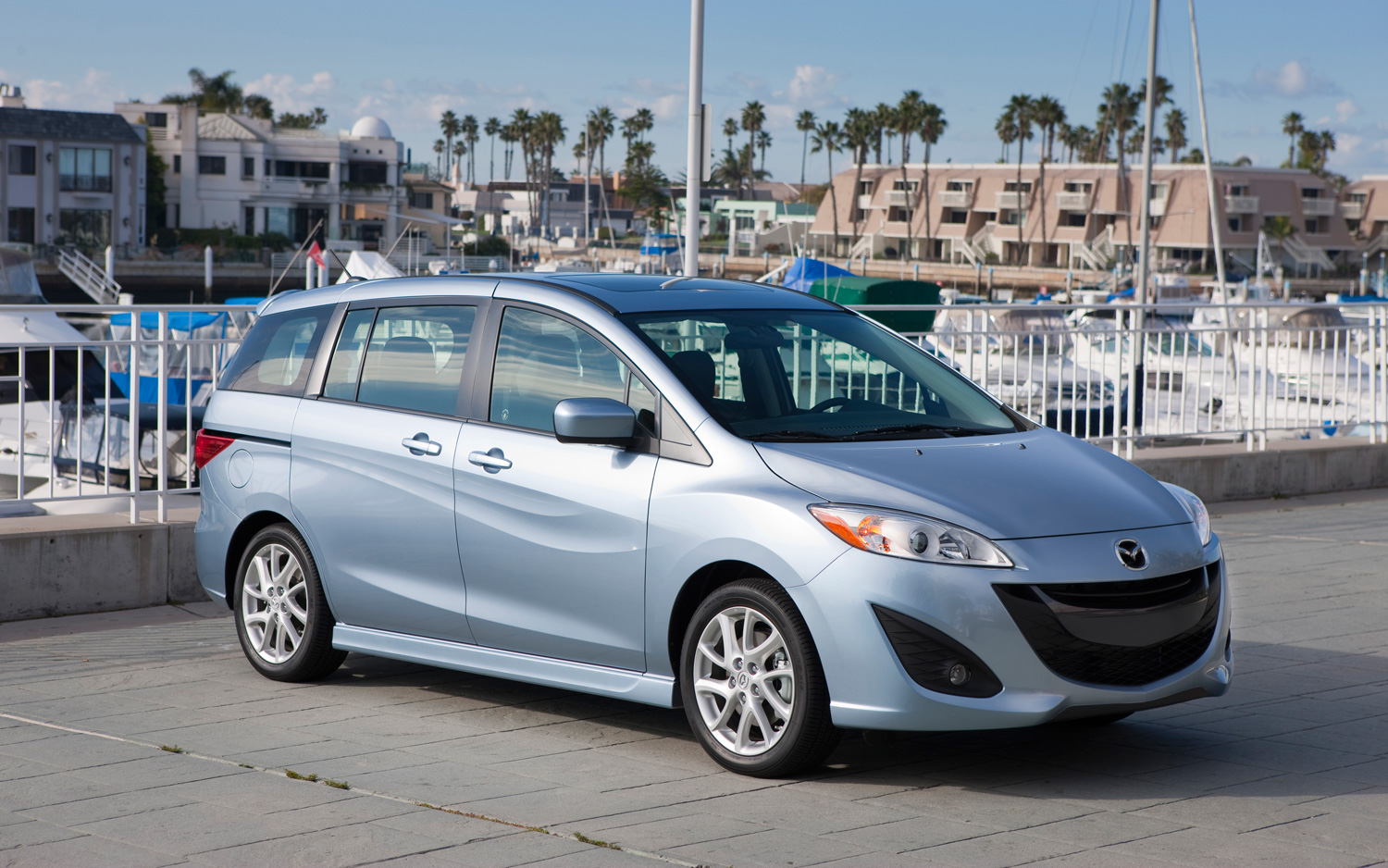
This failure is particularly expensive because it requires complete dashboard removal, a labor-intensive procedure that can take six to eight hours.
The repair cost often exceeds $1,500, leading many owners to sell or trade their Mazda5 rather than invest in the repair.
Some owners report that Mazda dealerships have seen this problem enough times that they’re immediately able to diagnose evaporator leaks based on symptoms, suggesting it’s a recognized pattern failure.
The condenser also experiences higher-than-expected failure rates. Mounted in front of the radiator, the condenser in the Mazda5 seems particularly vulnerable to developing leaks from road debris and corrosion.
The relatively compact packaging of the vehicle’s front end may contribute to increased vulnerability to stone impacts.
Condenser replacement costs $600 to $1,000 depending on the facility, and some owners report needing multiple condenser replacements over their ownership period. The blower motor in the Mazda5 can develop problems including bearing noise and complete failure.
The compact minivan offers excellent driving dynamics, good fuel economy, and practical versatility that many families appreciate. However, the chronic AC failures undermine these strengths and have contributed to poor resale values for this generation.
Potential buyers of used Mazda5 vehicles should thoroughly inspect the HVAC system and budget for potential repairs, as the problems are common enough to be considered a characteristic issue of this generation rather than isolated incidents.
Also Read: 8 Crossovers With Robust Splash Shields vs. 8 That Shred on Curbs and Snow
