
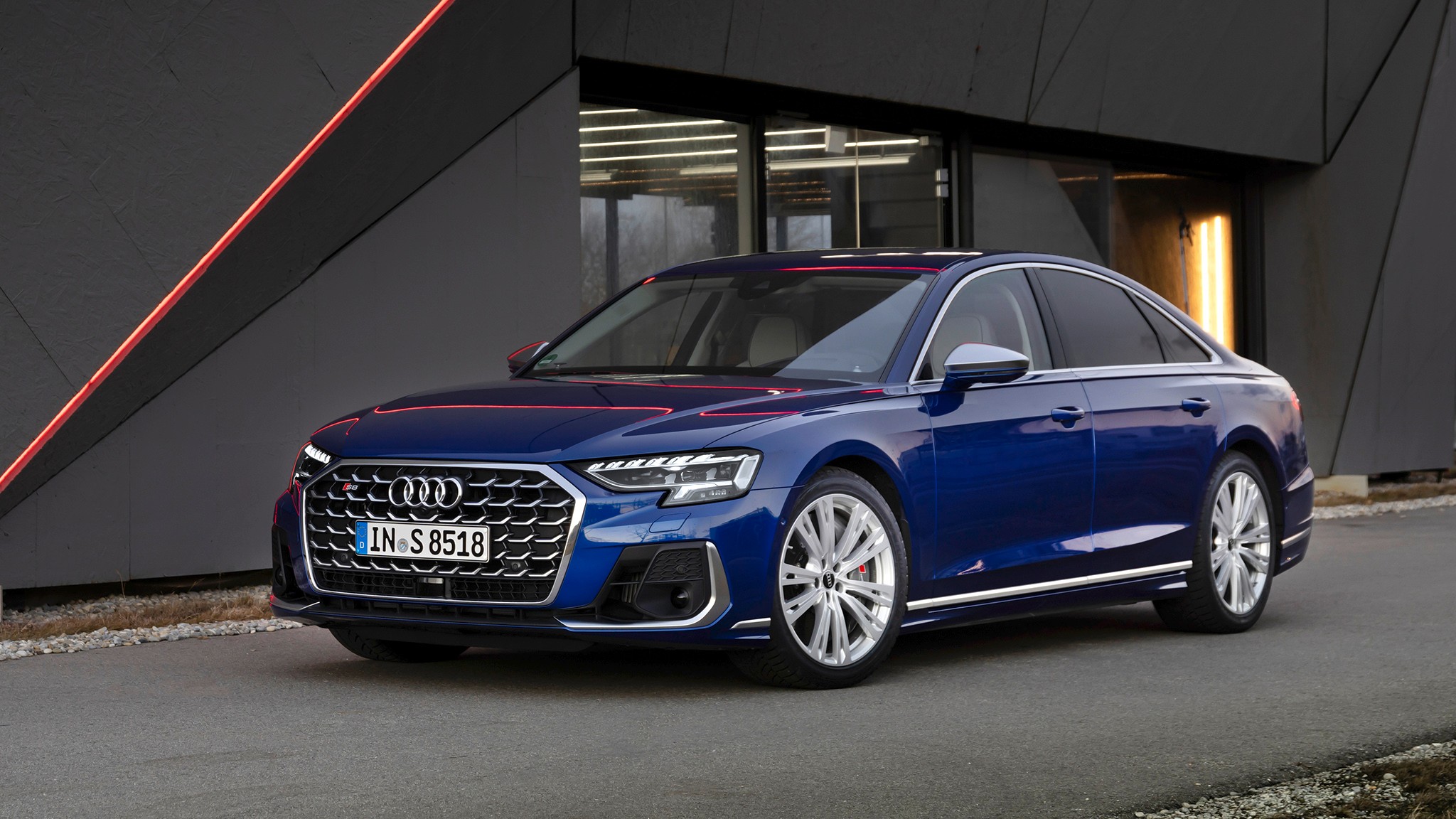
In the automotive world, the difference between a serene sanctuary and a cacophonous cabin can make or break the driving experience.
As vehicles have evolved from mere transportation devices to mobile living spaces where we spend countless hours commuting, traveling, and conducting business, the importance of interior quietness has skyrocketed to become one of the most sought-after luxury features in modern sedans.
The science behind cabin noise is far more complex than many drivers realize. Wind noise, road rumble, tire roar, engine drone, and structural vibrations all conspire to create an acoustic environment that can range from library-quiet to highway-unbearable.
Manufacturers invest millions in acoustic engineering, employing everything from advanced sound-deadening materials and laminated glass to active noise cancellation systems and aerodynamic refinements.
The quest for silence has become a battleground where premium brands distinguish themselves from budget competitors, and where engineering excellence manifests in decibel measurements that separate the exceptional from the merely adequate.
The impact of cabin noise extends beyond mere comfort. Studies have demonstrated that excessive noise contributes to driver fatigue, increases stress levels, impairs concentration, and can even affect cardiovascular health during extended exposure.
Conversations become difficult, phone calls require shouting, and enjoying audio entertainment demands cranking up the volume to competing levels. In contrast, a quiet cabin transforms driving into a therapeutic experience where conversations flow naturally, music sounds crystalline, and arriving at your destination leaves you refreshed rather than drained.
In this comprehensive comparison, we’ll explore five sedans that have mastered the art of acoustic serenity alongside five that, despite their merits in other areas, fall short in creating a peaceful cabin environment.
5 The Whisper-Quiet Champions
These exceptionally engineered vehicles feature cabin construction with extensive sound deadening materials, precision-fitted body panels with minimal gaps, and aerodynamic designs that manage airflow smoothly around mirrors, windows, and body contours preventing the turbulence that creates wind noise during highway driving throughout extended ownership periods.
Their thoughtful engineering includes door seals with multiple compression zones creating effective barriers against wind intrusion, acoustic laminated glass in windshields and side windows dampening external noise transmission, and underbody panels with strategic shaping that reduces tire roar and exhaust resonance from entering passenger compartments.
From smooth highway cruising at raised speeds to rough pavement conditions where tire noise typically dominates cabin acoustics, these remarkable sedans maintain library-quiet interiors without developing wind whistles, road roar, or rattling trim pieces that compromise refinement.
1. Mercedes-Benz S-Class
The Mercedes-Benz S-Class has long represented the pinnacle of automotive luxury, and nowhere is this more evident than in its cathedral-like quietness. This flagship sedan doesn’t just reduce noise it creates an almost eerie absence of it, cocooning occupants in what can only be described as automotive tranquility.
Mercedes-Benz engineers have devoted extraordinary resources to ensuring that the S-Class provides an acoustic experience worthy of its six-figure price tag, and the results speak volumes through their silence.
The S-Class achieves its remarkable quietness through a comprehensive, multi-layered approach to noise isolation. Starting with the foundation, the sedan employs extensive underbody paneling that creates a smooth surface beneath the vehicle, eliminating turbulence that would otherwise generate wind noise and road rumble.
The floor pan incorporates multiple layers of acoustic materials, including heavy bitumen-based mats and foam insulators that prevent road noise from transmitting into the cabin. The wheel wells feature thick, plush liners that absorb tire noise before it can penetrate the passenger compartment.
Perhaps most impressively, the S-Class utilizes laminated acoustic glass throughout the cabin, including the side windows and rear windscreen. This special glass incorporates a plastic interlayer between two sheets of glass, creating a sandwich structure that dramatically reduces sound transmission across a wide frequency spectrum.

The windshield alone weighs significantly more than conventional glass due to its acoustic properties, but the weight penalty is a small price for the quietness it delivers.
At highway speeds, conversations can continue in normal speaking voices, and whispers from the back seat remain perfectly audible to front passengers. The door seals represent another area where Mercedes-Benz has spared no expense.
Triple-sealed doors create multiple barriers against wind noise intrusion, with each seal compressed to precise specifications when the door closes.
The frameless door design, which could potentially compromise noise isolation, has been engineered to maintain perfect sealing even during the window’s slight lowering that occurs when opening and closing.
The doors themselves are heavy, substantial structures filled with additional sound-deadening materials and featuring carefully designed internal structures that prevent panel resonance.
Aerodynamic excellence contributes significantly to the S-Class’s quietness. The sedan’s coefficient of drag is remarkably low, achieved through careful shaping of every surface.
The side mirrors have been refined through countless wind tunnel hours to eliminate the whistling and buffeting that plague lesser vehicles.
Even the door handles sit flush with the body, popping out only when needed, preventing them from disrupting airflow. The result is a vehicle that slips through the air with minimal turbulence, generating substantially less wind noise than conventional sedans.
The powertrain contributes to rather than detracts from the quiet experience. The available V8 and inline-six engines run on sophisticated mounts that isolate vibrations, while the nine-speed automatic transmission shifts with barely perceptible smoothness.
At cruising speeds, the engine becomes virtually inaudible, its presence detected more through the gentle pull of acceleration than through sound. The exhaust system has been carefully tuned to eliminate drone frequencies that would otherwise create fatigue-inducing resonance in the cabin.
2. Lexus LS
The Lexus LS represents Toyota’s relentless pursuit of perfection applied to the luxury sedan segment, and its whisper-quiet cabin stands as testament to Japanese engineering excellence.
Lexus has built its brand reputation on delivering reliability and refinement, and the LS flagship demonstrates that refinement through one of the quietest cabins in the automotive industry.
This sedan proves that achieving acoustic serenity requires not just premium materials but also obsessive attention to manufacturing quality and precision assembly.
Lexus engineers approach noise reduction with characteristic thoroughness, addressing every potential path for sound to enter the cabin.
The body structure itself has been designed with acoustic performance in mind, featuring reinforced areas that prevent flexing and the associated squeaks and rattles that can plague vehicles over time.
The LS uses laser screw welding in critical areas, creating stronger, more rigid joints that contribute to both structural integrity and noise isolation. This manufacturing precision ensures that body panels fit together with minimal gaps, eliminating paths for wind noise to infiltrate the cabin.
The LS features some of the thickest acoustic glass available in any production sedan. Lexus specifies that the windshield is 5.0mm thick with a special intermediate layer that blocks sound transmission across multiple frequency ranges.
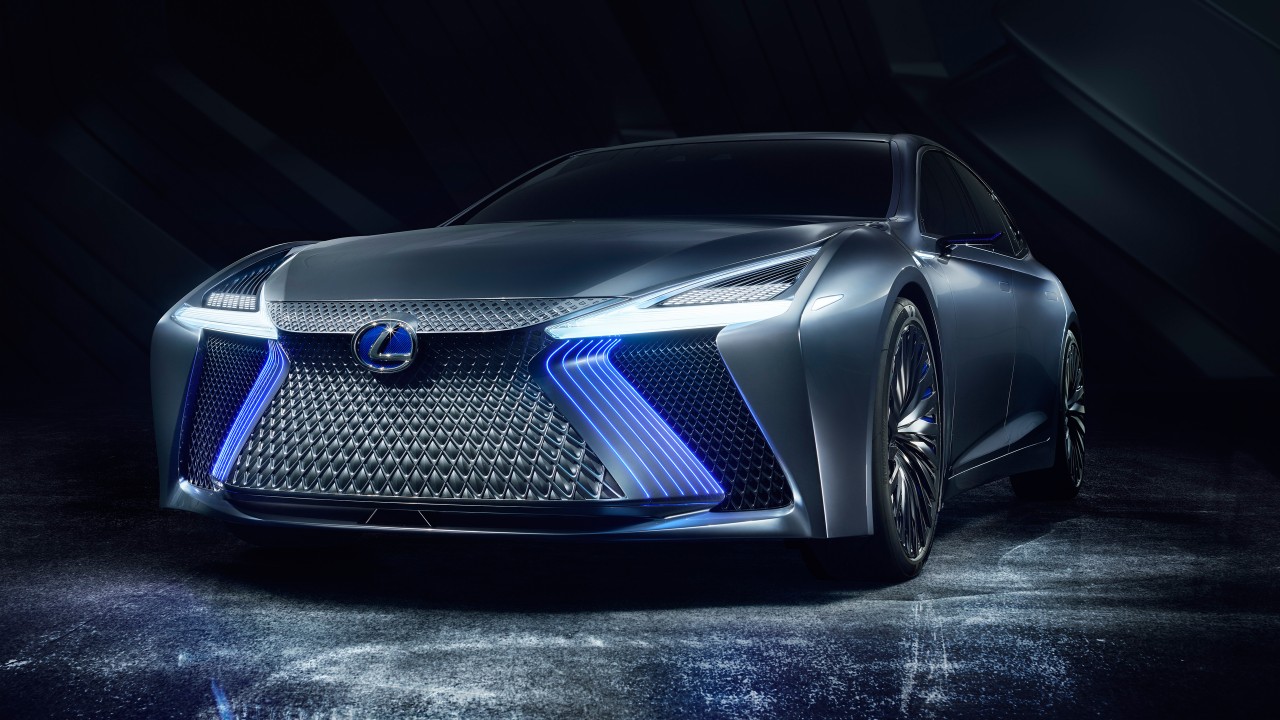
The side windows receive similar treatment with laminated construction, making them considerably heavier than conventional tempered glass but dramatically more effective at blocking exterior noise.
During highway cruising, even the characteristic tire roar that affects most vehicles becomes barely perceptible in the LS, reduced to a distant whisper that requires conscious effort to detect.
Sound-deadening materials appear throughout the LS in almost absurd abundance. The floor features multiple layers including a heavy asphalt-based mat, foam insulators, and thick carpeting.
The door skins contain so much deadening material that the doors require substantial effort to close, creating that satisfying thunk that speaks to quality and substantiality.
The dashboard conceals additional layers of acoustic foam, and even the roof pillars incorporate sound-absorbing materials. Lexus claims to have added over 100 pounds of sound-deadening materials throughout the vehicle, and that weight investment pays dividends in acoustic comfort.
The powertrain in the LS, whether the smooth V6 or the hybrid system, operates with remarkable refinement. Engine mounts incorporate sophisticated fluid-filled designs that adapt to different vibration frequencies, ensuring that powertrain noise and vibration remain isolated from the passenger compartment.
The ten-speed automatic transmission shifts with such smoothness that gear changes go unnoticed. In the hybrid model, the transition between electric and gasoline power occurs so seamlessly and quietly that many drivers remain unaware of which power source is currently driving the wheels.
3. Audi A8
The Audi A8 represents Volkswagen Group’s flagship sedan, and it showcases some of the most advanced acoustic technologies available in the automotive industry.
Audi has approached cabin quietness with characteristic German engineering thoroughness, combining traditional sound-deadening methods with cutting-edge active systems to create a cabin environment that rivals the world’s best luxury sedans.
The A8 demonstrates that achieving silence requires not just blocking noise but actively countering it through sophisticated electronic systems.
At the heart of the A8’s acoustic excellence lies its aluminum space frame construction. While aluminum is lighter than steel, Audi engineers have used this weight savings strategically, incorporating substantial sound-deadening materials without exceeding the weight targets for the vehicle.
The space frame’s rigidity prevents the flexing and vibration that can generate interior noise, while carefully designed mounting points isolate components from transmitting vibrations into the structure.
The aluminum body panels themselves have been designed with acoustic properties in mind, featuring strategic reinforcements that prevent resonance at frequencies that would otherwise create objectionable noise.
The A8 features comprehensive double-glazed windows as standard equipment, including acoustic glass for the windshield, side windows, and even the rear window.
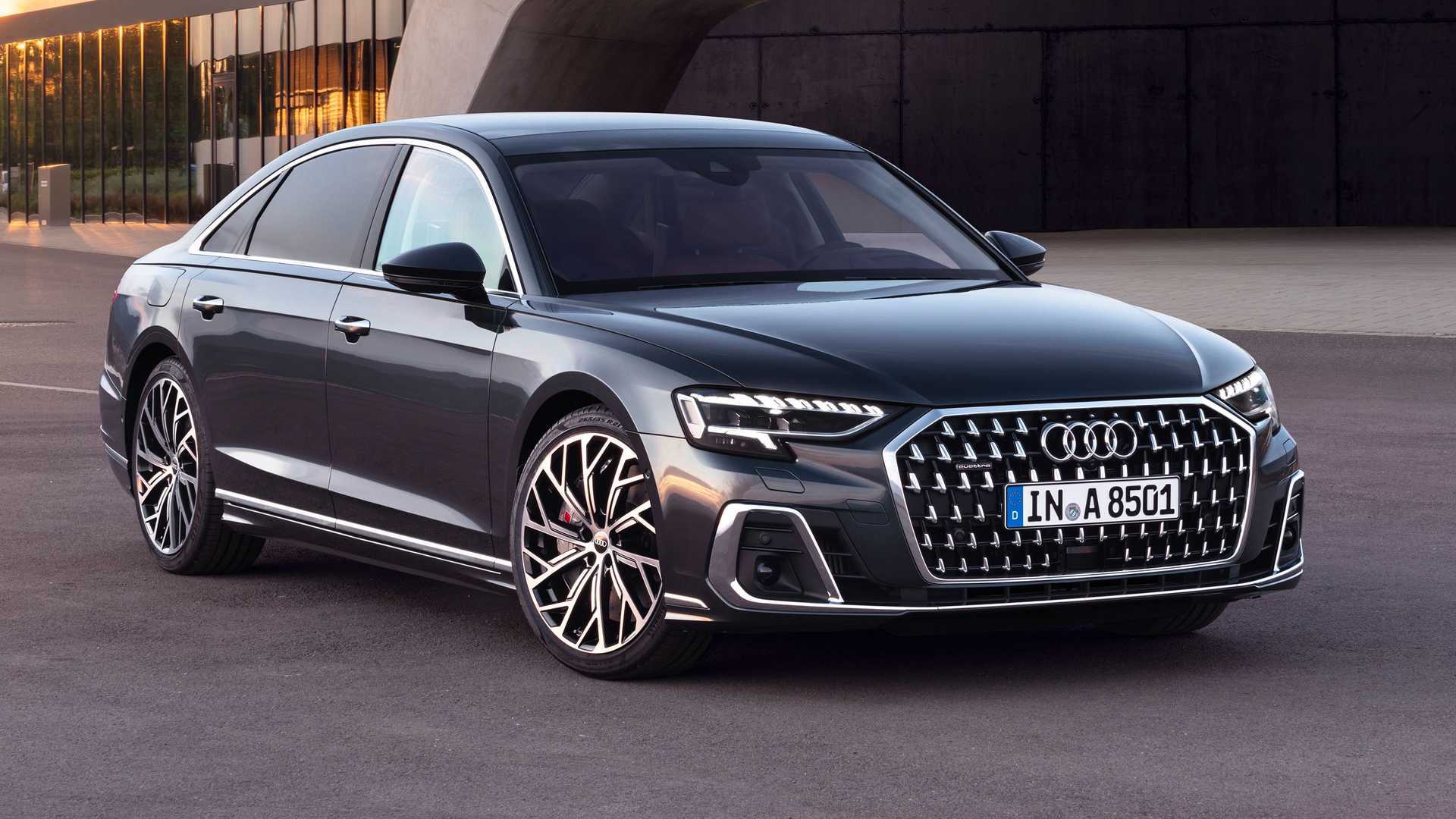
This glass incorporates a special PVB (polyvinyl butyral) interlayer that’s specifically tuned to block sound transmission. Audi engineers have optimized the thickness and composition of this interlayer to target the frequency ranges most common in automotive noise wind rush, tire roar, and traffic sounds.
The result is glass that provides exceptional clarity while dramatically reducing sound transmission. Closing the doors of an A8 creates an immediate and noticeable change in ambient noise level, like stepping from a busy street into a luxury hotel lobby.
One of the A8’s most impressive features is its predictive active suspension system, which doesn’t just improve ride comfort but also contributes to acoustic refinement.
The system uses a forward-facing camera to scan the road ahead, detecting irregularities and adjusting the suspension preemptively.
By minimizing the impact forces when the wheels encounter road imperfections, the system reduces the shock noise that would otherwise transmit into the cabin.
The air suspension itself features sophisticated damping that prevents the booming and secondary oscillations that can occur with conventional suspension systems, maintaining acoustic serenity even on rough pavement.
Inside the cabin, Audi has created what it calls a “premium acoustic experience” through careful material selection and component integration.
The seats feature frames designed to prevent creaking, with wear surfaces that resist squeaking even after years of use. The dashboard and door panels incorporate multiple layers of foam and felt insulation, creating dead zones where sound cannot propagate.
The ventilation system has been designed for silent operation, with large-diameter ducts that allow air to flow at lower velocities, reducing wind rush noise from the vents.
The optional Bang & Olufsen 3D sound system includes active noise cancellation that uses multiple microphones and sophisticated digital signal processing to identify and eliminate unwanted sounds in real-time.
The powertrain options in the A8 all emphasize refinement and quietness. The turbocharged V6 engines run smoothly and quietly, while the available V8 provides effortless power delivery with minimal noise intrusion.
Engine mounting systems employ sophisticated hydraulic designs that adapt to changing conditions, ensuring vibration isolation across the entire operating range.
The eight-speed automatic transmission shifts with imperceptible smoothness, and in the hybrid model, electric operation provides stretches of nearly silent propulsion. Even the exhaust system has been tuned not for sportiness but for quiet sophistication, burbling contentedly rather than roaring.
Also Read: 10 Least Reliable Cars With CVT Transmissions To Avoid
4. BMW 7 Series
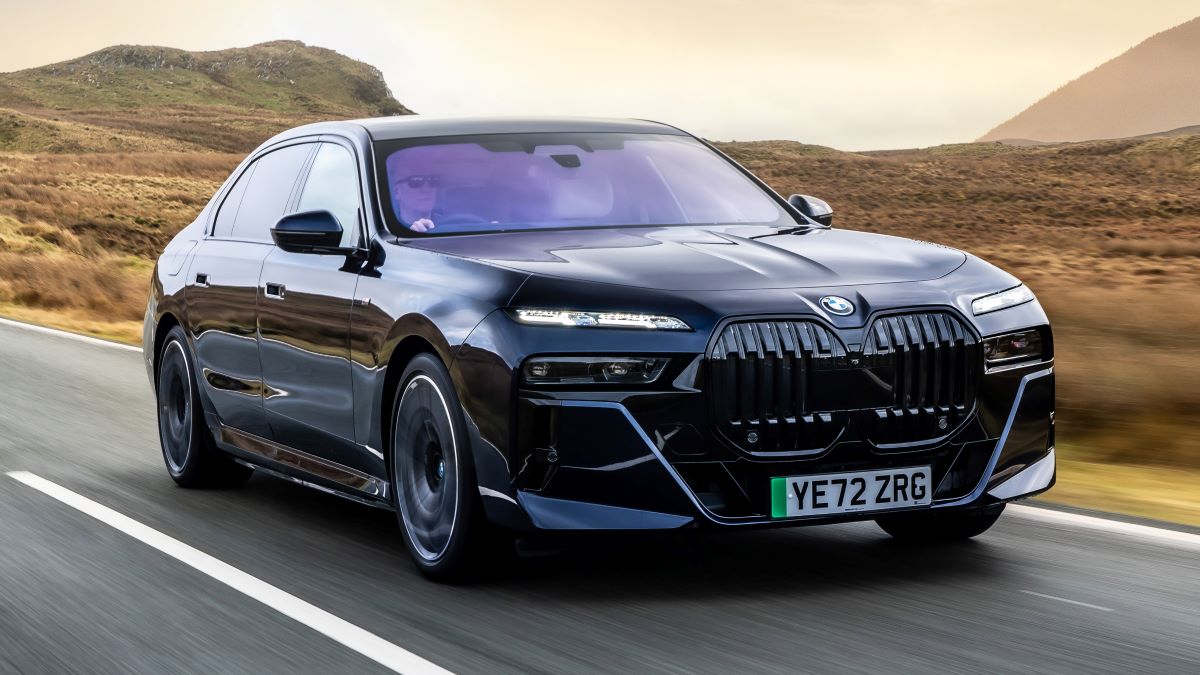
The BMW 7 Series represents the Bavarian manufacturer’s flagship, and while BMW built its reputation on sporting dynamics, the latest 7 Series proves that performance and tranquility need not be mutually exclusive.
This sedan incorporates some of the most advanced active noise cancellation technology available in the automotive industry, combining traditional sound-deadening methods with electronic countermeasures to create a cabin that’s as quiet as it is comfortable.
The 7 Series demonstrates BMW’s engineering philosophy of using technology not just for performance but also for refinement. BMW engineers have developed what they call “active protection against exterior noise,” a sophisticated system that goes far beyond simple sound deadening.
The 7 Series features microphones positioned strategically throughout the cabin that continuously monitor ambient noise levels. When these microphones detect unwanted sounds wind noise, tire roar, or traffic din the vehicle’s audio system generates precisely tuned counter-sounds through the speakers.
These inverse sound waves cancel out the unwanted noise through destructive interference, creating zones of exceptional quietness. The system operates in real-time, adapting instantly to changing conditions and continuously optimizing the acoustic environment.
The body structure of the 7 Series contributes significantly to its quietness through careful engineering and premium materials. BMW uses a mixed-material approach, combining steel, aluminum, and even carbon fiber in the body structure. This allows engineers to position mass strategically for optimal noise isolation while maintaining reasonable vehicle weight.
The floor pan incorporates extensive acoustic shielding, including aluminum-backed foam mats that block sound transmission from the road surface. The firewall features multiple layers of insulation, preventing engine and exhaust noise from entering the cabin.
Even the trunk area has been acoustically isolated, ensuring that items stored there don’t create rattles or contribute to cabin noise. The 7 Series features acoustic glass throughout as standard equipment, with the optional executive package adding even more advanced glass technology.
This laminated glass doesn’t just reduce noise it virtually eliminates specific frequency ranges that engineers have identified as most fatiguing to occupants.
The side windows are particularly impressive, reducing exterior noise by up to 10 decibels compared to conventional tempered glass.
At highway speeds, the difference is dramatic exterior sounds become muffled and distant, while conversations inside remain effortlessly clear. The windshield incorporates a heat-reflective coating that, as a beneficial side effect, adds additional mass for improved acoustic isolation.
The powertrain options in the 7 Series balance performance with refinement. The turbocharged inline-six engines provide smooth, linear power delivery with minimal noise, while the V8 options add effortless thrust without sacrificing quietness.
The eight-speed automatic transmission shifts seamlessly, and the hybrid and all-electric variants offer whisper-quiet propulsion for those prioritizing ultimate refinement.
Engine mounts use sophisticated active systems that can vary their stiffness electronically, providing optimal vibration isolation while maintaining the engine placement precision necessary for responsive handling.
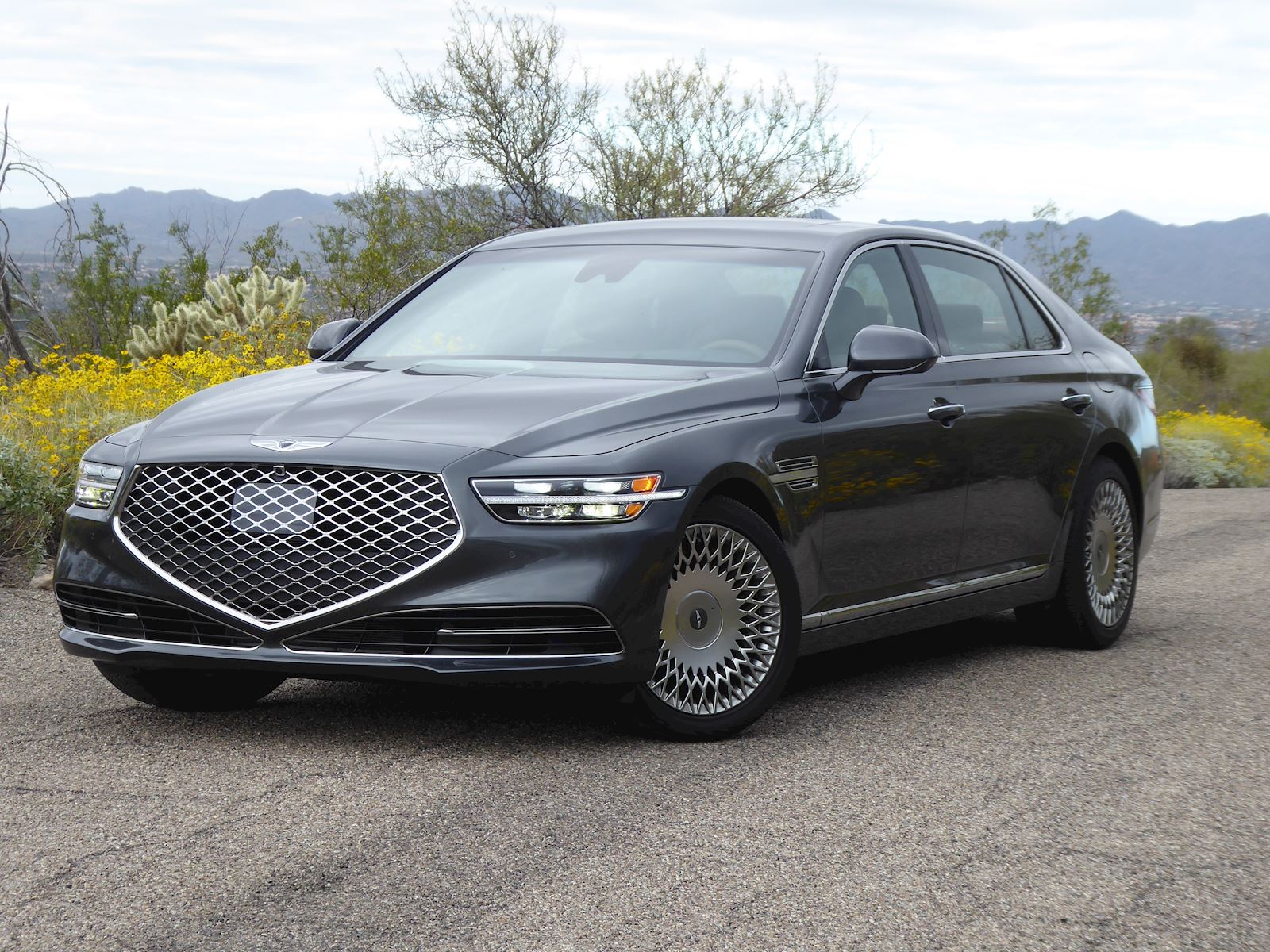
5. Genesis G90
The Genesis G90 represents Hyundai’s ambitious push into the luxury market, and this flagship sedan proves that exceptional acoustic refinement need not command a six-figure price tag.
The G90 delivers a whisper-quiet cabin that rivals or exceeds European competitors costing substantially more, demonstrating that Korean engineering has matured to world-class levels.
This sedan shows that achieving acoustic excellence requires not exotic materials or astronomical budgets but rather careful attention to detail, quality execution, and a willingness to prioritize passenger comfort above cost considerations.
Genesis engineers approached the G90’s development with a specific goal: match or exceed the quietness of established luxury sedans while maintaining a significant price advantage.
To achieve this, they employed extensive sound-deadening materials throughout the vehicle, arguably surpassing even premium German and Japanese competitors in total insulation mass.
The floor features multiple layers of acoustic matting, including heavy asphalt-based materials and thick foam insulators. The door panels contain so much sound-deadening material that they rival bank vault doors in heft and substantiality.
The wheel wells feature thick, plush liners that transform tire noise from a roar to a whisper. The result is a cabin that feels genuinely cocooned from the outside world.
The G90 features acoustic laminated glass for the windshield and front side windows as standard equipment, with the rear windows receiving similar treatment on higher trim levels.
This represents a significant investment in acoustic comfort, as laminated glass costs substantially more than conventional tempered glass.
The glass itself is thicker than average, with Genesis specifying premium sound-blocking materials in the interlayer. At highway cruising speeds, wind noise becomes almost imperceptible, and conversations can continue in normal speaking tones even at raised speeds.
The frameless window design, which could potentially compromise acoustic sealing, has been executed with precision, maintaining excellent noise isolation.
Aerodynamic development played a crucial role in the G90’s acoustic achievement. While Genesis lacked the extensive wind tunnel facilities of established luxury brands, they compensated through partnerships and computational modeling.
The sedan’s shape incorporates subtle refinements that minimize turbulence the side mirrors are carefully sculpted to reduce buffeting, the door handles sit flush when not in use, and the underbody features extensive paneling to smooth airflow.
The chrome trim around windows and doors has been positioned and shaped to prevent wind whistle, and even small details like the windshield wiper recesses have been designed with acoustic considerations in mind.
Inside, the G90 showcases materials and craftsmanship that belie its more accessible price point. The dashboard and door panels feature soft leather and genuine wood that not only look luxurious but also contribute to acoustic refinement through their sound-absorbing properties.
The headliner incorporates acoustic foam that prevents echo and reverberation, creating a dead acoustic space that enhances the sense of quietness.
The carpeting is exceptionally plush and heavy, rivaling that found in vehicles costing twice as much. The seats feature carefully engineered frames that prevent squeaking and creaking, maintaining their quiet dignity through years of use.
The powertrain in the G90 emphasizes smoothness and refinement over outright performance. The twin-turbocharged V6 engine provides ample power while running with exceptional quietness, its presence barely detectable at idle and only subtly more noticeable under acceleration.
The eight-speed automatic transmission shifts with impressive smoothness, with gear changes barely perceptible. Engine mounts employ sophisticated designs that isolate vibrations effectively, ensuring that powertrain disturbances remain isolated from the passenger compartment. The exhaust system has been tuned for quiet sophistication, burbling contentedly rather than announcing its presence aggressively.
5 The Noisy Offenders
These problematic vehicles suffer from inadequate sound insulation, poorly fitted body panels with excessive gaps allowing wind intrusion, and aerodynamic designs with turbulent airflow around mirrors and A-pillars creating annoying whistles, howls, and wind roar that intensify progressively with speed making highway driving unpleasant and fatiguing for occupants.
Their flawed engineering includes door seals with single compression zones that lose effectiveness as rubber ages and compresses permanently, minimal sound deadening material in floor and firewall areas allowing tire noise and exhaust sound to penetrate cabins easily, and mirror designs creating vortices that generate persistent whistling noises at highway speeds.
From A-pillar wind noise that begins around 55 mph to tire roar that dominates cabin acoustics on any pavement surface, these troublesome sedans feel cheap and unrefined.
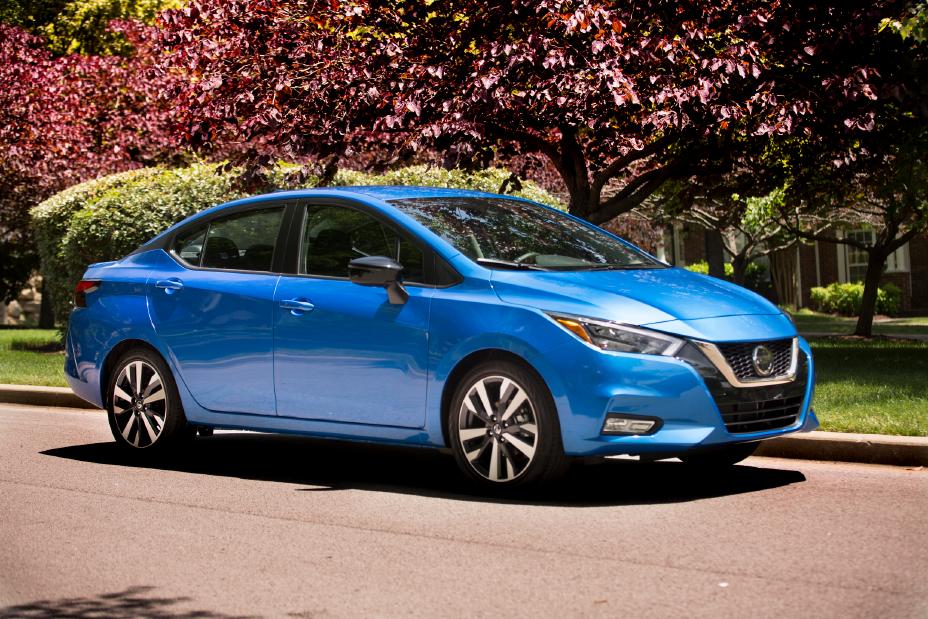
1. Nissan Versa
The Nissan Versa serves as the Japanese manufacturer’s entry-level sedan offering, providing basic transportation at an accessible price point. However, this affordability comes with significant acoustic compromises that become immediately apparent once the vehicle reaches highway speeds.
The Versa exemplifies how cost-cutting measures in engineering and materials can transform a cabin from a comfortable space into an exhausting, noise-filled environment that tests the patience of drivers and passengers alike during extended journeys.
The most immediately noticeable source of noise in the Versa comes from wind infiltration around the doors and windows. The door seals, while functional for weather protection, lack the sophisticated multi-lip designs found in more premium vehicles.
Single-seal construction allows wind noise to penetrate the cabin at speeds above 50 mph, creating a persistent whistling and rushing sound that grows increasingly intrusive as speed increases.
The window frames lack the precise fitment of premium sedans, and slight gaps between glass and frame allow air to find paths into the cabin.
At highway cruising speeds, this wind noise becomes the dominant acoustic element, requiring raised voices for conversation and raised audio system volumes for entertainment.
The Versa’s thin window glass contributes significantly to the noisy cabin experience. Unlike premium sedans with laminated acoustic glass, the Versa employs standard tempered glass that provides minimal sound isolation.
Traffic noise, especially from trucks and motorcycles, transmits readily into the cabin. Rain sounds like hail on the thin glass, and the wind creates a drumming effect at higher speeds.
The windshield, while adequately sized for visibility, does little to block sound, acting more like a drum membrane that vibrates with passing air rather than a sound barrier.
Conversations with passengers become difficult exercises in projection and repetition as exterior noise overwhelms speech. Road and tire noise present another major challenge in the Versa.
The minimal sound deadening in the floor and wheel wells means that every texture of the pavement transmits directly into the cabin.
Coarse chip-seal surfaces create a roar that dominates the acoustic environment. Concrete highways with expansion joints produce rhythmic thumping that becomes hypnotic and fatiguing during long drives. Even smooth asphalt generates significant tire noise due to the lack of insulation between the wheel wells and interior.
The suspension components, while adequate for ride quality, create additional noise as bushings and joints transmit vibrations into the body structure with minimal damping.
Interior materials do little to absorb or dampen the noise that enters the cabin. Hard plastic surfaces on the dashboard, door panels, and center console reflect sound rather than absorbing it, creating echo and amplification effects.
The thin carpeting provides minimal acoustic isolation, acting more as a cosmetic cover than a sound barrier. The headliner, constructed from thin pressed cardboard-like material, offers negligible sound absorption.
The seats, while adequately comfortable, feature frames that can creak and groan during normal use, adding to the cabin’s acoustic cacophony. The effect is a cabin that amplifies rather than reduces noise, creating an environment that tests patience during any drive exceeding an hour.
2. Mitsubishi Mirage G4
The Mitsubishi Mirage G4 represents one of the most affordable new sedans available in the market, and unfortunately, its pricing reflects significant compromises in acoustic refinement.
This small sedan struggles with noise intrusion from multiple sources, creating a cabin environment that becomes particularly challenging during highway driving.
The Mirage G4 demonstrates how aggressive cost-cutting in materials, engineering, and manufacturing can result in a vehicle that, while functional for basic transportation, provides an acoustic experience that ranges from merely unpleasant to genuinely exhausting.
Wind noise dominates the Mirage G4’s cabin experience at speeds above 45 mph. The door seals, constructed from basic rubber compounds, compress inadequately when closed, leaving microscopic gaps that become sources of whistling and wind rush.
The window frames lack the precision fitment necessary to create effective acoustic barriers, and the thin glass sits loosely in its channels, vibrating and transmitting exterior noise with alarming efficiency.
The frameless window design, intended to provide a more upscale appearance, actually compromises acoustic sealing, particularly as the seals age and compress over time.
During highway driving, the wind noise becomes overwhelming, creating a constant roar that drowns out conversation and makes audio entertainment nearly inaudible at reasonable volumes.
The Mirage G4’s exceptionally thin window glass represents a significant source of noise intrusion. At what must be among the thinnest automotive glass currently in production, the windows provide minimal sound isolation.
Every passing vehicle can be heard clearly, traffic noise penetrates unfiltered, and environmental sounds sirens, construction equipment, motorcycles transmit into the cabin with startling clarity.

The windshield, while meeting safety standards, offers no acoustic protection whatsoever, acting essentially as a transparent membrane that allows sound to pass through nearly unimpeded. During rain, each droplet can be heard individually, creating a cacophony that makes the cabin feel more like a tent than a vehicle.
Road and tire noise present an almost overwhelming challenge in the Mirage G4. The vehicle’s lightweight construction, while beneficial for fuel economy, means there’s simply less mass to block sound transmission.
The floor pan features minimal sound deadening in many areas, only a thin layer of spray-applied material separates passengers from the road surface below.
The wheel wells lack proper liners, allowing tire noise to propagate directly into the cabin with no attenuation. The small, narrow tires, while efficient, generate significant noise on coarse pavement due to their stiff sidewalls and aggressive tread patterns.
On textured concrete highways, the tire roar becomes so dominant that conversations require near-shouting, and the fatigue from constant noise exposure becomes palpable during drives exceeding 30 minutes.
Inside, the hard plastic interior surfaces create an echo chamber that amplifies every sound. The dashboard, constructed entirely from hollow hard plastic, resonates with vibrations and reflects sound throughout the cabin. The door panels, similarly thin and hollow, drum and rattle over rough pavement.
The thin carpeting provides essentially no acoustic isolation, and gaps in the carpet reveal bare metal floor panels in some areas. The seats creak and groan during normal use, their frames lacking the rigidity and quality of construction necessary for quiet operation.
Trim pieces rattle, the glovebox door buzzes, and the center console creaks a symphony of minor but persistent noises that combine with the major noise sources to create an acoustic environment that transforms even short drives into exercises in endurance.
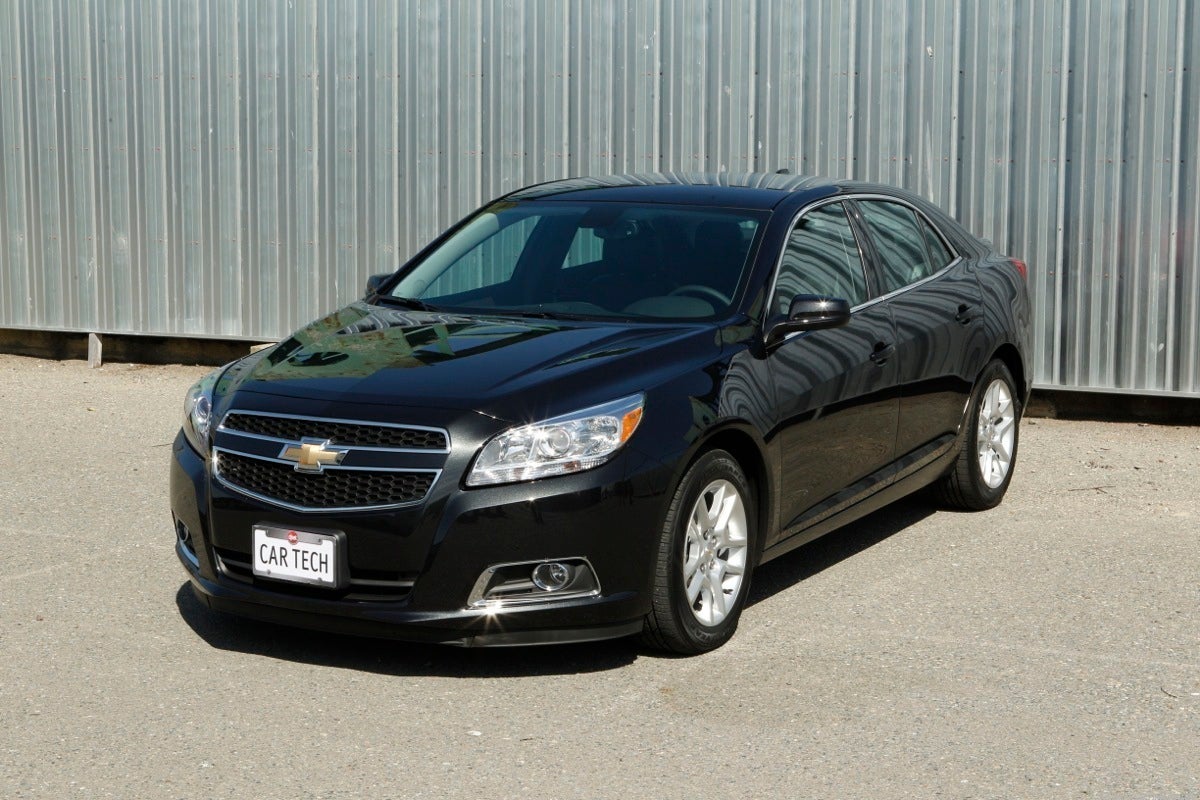
3. Chevrolet Malibu
The Chevrolet Malibu occupies the middle ground in the midsize sedan segment, offering reasonable space and adequate features at a competitive price.
However, this middle-ground positioning extends to its acoustic characteristics, where the Malibu delivers a cabin experience characterized by intrusive wind noise, persistent road rumble, and insufficient sound deadening.
The vehicle demonstrates how manufacturers can prioritize other attributes styling, technology features, fuel economy while relegating acoustic refinement to an afterthought, resulting in a sedan that disappoints specifically in the area that most affects daily driving comfort.
Wind noise represents the Malibu’s most prominent acoustic weakness. The door seals, while adequate in appearance and initial performance, compress inconsistently when closed, creating areas where wind can infiltrate the cabin at highway speeds.
The front door seals prove particularly problematic, with the frameless window design requiring perfect adjustment to maintain acoustic integrity adjustment that often proves inconsistent from vehicle to vehicle and degrades over time.
The rear doors suffer from similar issues, with wind noise often whistling through gaps around the window frames at speeds above 60 mph.
The windshield surround also contributes to wind noise, particularly around the A-pillars where airflow creates turbulence and pressure fluctuations that transmit into the cabin.
The Malibu’s window glass, while thicker than economy vehicles, still falls short of providing adequate sound isolation for a midsize sedan. The windshield features single-pane construction without acoustic lamination, allowing exterior noise to penetrate readily.
Traffic sounds, particularly from heavy trucks and motorcycles, intrude noticeably into the cabin. The side windows fare little better, with their tempered glass construction providing minimal sound blocking.
During highway driving, the combined effect of wind noise and inadequate glass creates an acoustic environment where conversations require raised voices and audio entertainment demands raised volumes. The constant noise creates a subtle but persistent fatigue that becomes noticeable during drives exceeding an hour.
The Malibu’s acoustic shortcomings become particularly apparent when compared directly to competitors like the Honda Accord or Toyota Camry, which provide noticeably quieter cabins despite similar pricing.
The persistent wind noise, road rumble, and mechanical sounds combine to create an environment that feels less refined than the vehicle’s appearance and feature set would suggest.
During short urban drives, these acoustic compromises remain manageable and may go unnoticed by casual drivers. However, extended highway journeys reveal the Malibu’s acoustic weaknesses in full relief, transforming what should be relaxing cruises into fatiguing experiences dominated by unwanted noise.
For buyers prioritizing comfort and refinement, the Malibu’s acoustic performance represents a significant compromise that affects the ownership experience every time the vehicle is driven at highway speeds.
4. Kia Rio
The Kia Rio represents the Korean manufacturer’s entry into the subcompact sedan segment, offering practical transportation and reasonable reliability at an attractive price point.
However, this affordability comes at the direct expense of acoustic refinement, with the Rio suffering from excessive wind noise, pronounced road rumble, and minimal sound deadening throughout.
The vehicle exemplifies the acoustic compromises inherent in budget-focused engineering, where every dollar saved in materials and manufacturing translates directly into decibels of cabin noise that occupants must endure.
Wind noise dominates the Rio’s acoustic character from the moment speeds exceed 50 mph. The door seals, constructed from basic rubber compounds without sophisticated profiles, compress inadequately when doors close, leaving gaps that become pathways for wind infiltration.
The front doors prove particularly problematic, with wind noise emanating from multiple points along the door frame the bottom of the window, the mirror mounting area, and the door handle recess all contribute whistling and rushing sounds.
The rear doors fare little better, with similar seal inadequacies allowing wind to penetrate the cabin. The frameless window design, while providing a more upscale appearance, actually compromises acoustic sealing, as the glass must rise slightly when opening and closing doors, requiring precise adjustment that the Rio’s budget construction doesn’t consistently achieve.

The Rio’s window glass provides minimal sound isolation, being among the thinnest in current production vehicles. The windshield, while meeting all safety standards, acts more as a sound transmitter than a sound barrier, allowing traffic noise, environmental sounds, and wind rush to penetrate unfiltered into the cabin.
The side windows, constructed from basic tempered glass without any acoustic treatment, similarly fail to block exterior noise. During highway driving, every passing vehicle can be heard clearly the roar of trucks, the whine of motorcycles, the whoosh of faster-moving cars all intrude into the cabin with startling clarity.
Rain creates a drumming cacophony on the thin glass, making conversations nearly impossible during downpours. The rear window, being both small and thin, contributes little to the noise problem but also does nothing to prevent sounds from the rear from entering the cabin.
Interior materials and construction quality contribute to rather than ameliorate the noise issues. Every surface consists of hard, hollow plastic that resonates with vibrations and reflects sound throughout the cabin rather than absorbing it. The dashboard, entirely constructed from thin, hollow plastic panels, drums and buzzes over rough pavement.
The door panels, similarly thin and hollow, create additional resonance and rattling. The carpeting, minimal in thickness and coverage, provides essentially no acoustic isolation, with gaps in the carpet revealing bare painted metal in several areas.
The seats, while adequately comfortable for their price point, feature frames that creak and groan during normal use, adding to the symphony of unwanted noises.
Various trim pieces develop rattles over time the glove box door buzzes, center console panels creak, and dashboard trim pieces work loose, each contributing additional acoustic annoyances to an already challenging environment.
The effect is a cabin that amplifies rather than dampens noise, creating an acoustic experience that transforms even moderate-length drives into exhausting ordeals.
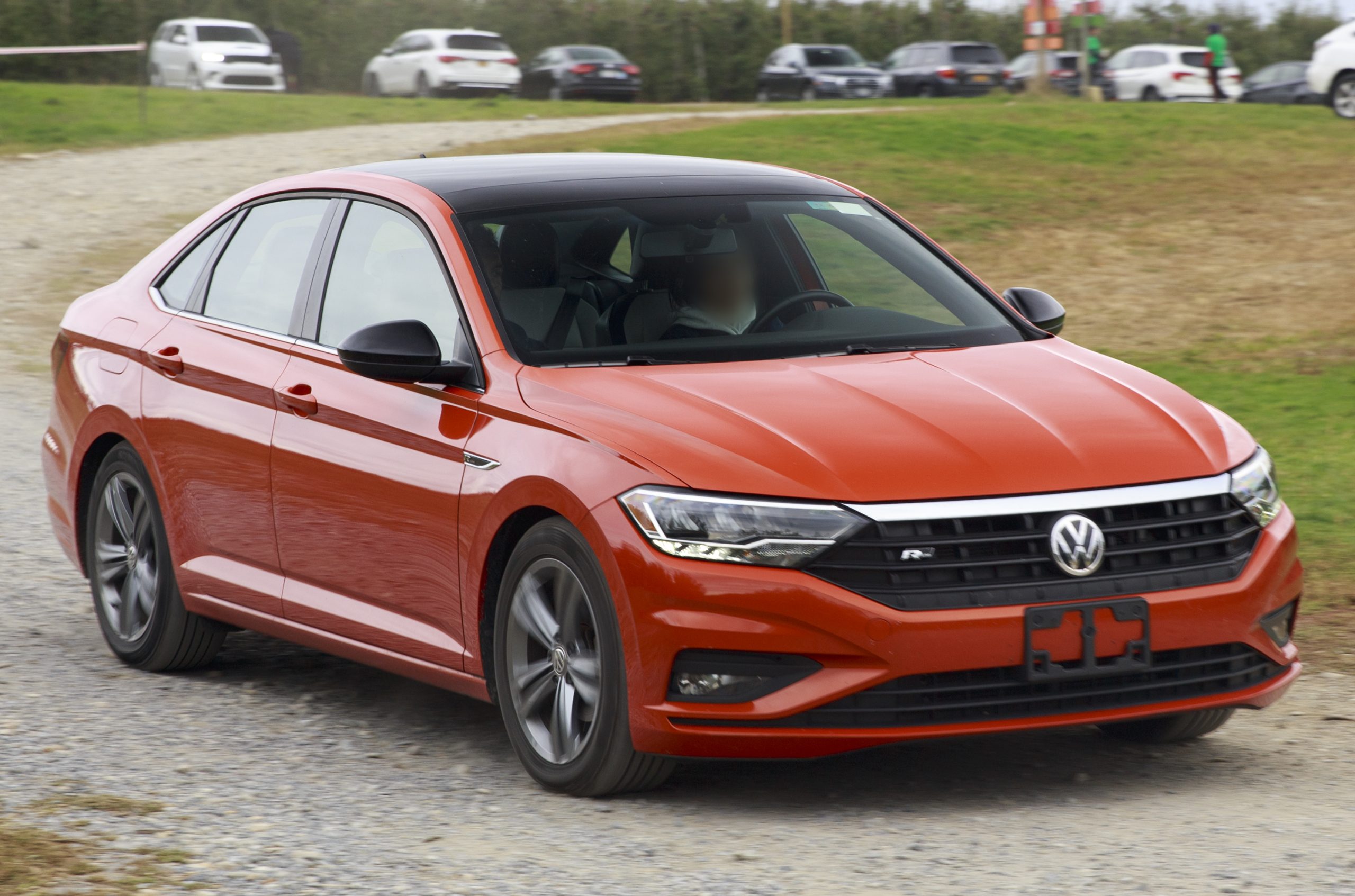
5. Volkswagen Jetta
The Volkswagen Jetta once represented a benchmark for refinement and quality in the compact sedan segment, with earlier generations earning praise for their solid construction and quiet cabins.
However, recent iterations have seen significant cost-cutting measures implemented to maintain competitive pricing, and these compromises manifest most noticeably in acoustic performance.
The current Jetta suffers from excessive wind noise, intrusive road rumble, and disappointing sound deadening that falls far short of the refinement expected from the Volkswagen brand, representing a particularly disappointing decline from the company’s historical standards.
Wind noise represents the most immediately noticeable regression in the Jetta’s refinement. The door seals, while adequate in appearance, lack the sophisticated multi-lip designs that characterized earlier Volkswagen products.
Single-seal construction allows wind to find paths into the cabin at highway speeds, creating whistling around the door frames and window surrounds. The front doors prove particularly problematic, with noticeable wind rush emanating from around the window frames at speeds above 55 mph.
The frameless window design, a styling element carried over from premium Volkswagen products, actually compromises acoustic sealing in the cost-reduced Jetta, as the seals lack the precision and quality necessary to maintain effective barriers against wind infiltration.
The rear doors contribute additional wind noise, particularly noticeable to rear-seat passengers who experience pronounced whistling around the window frames during highway cruising.
The window glass in the Jetta represents a clear cost-cutting measure compared to premium Volkswagen products and even earlier Jetta generations.
The windshield employs single-pane construction without acoustic lamination, providing minimal sound isolation from exterior noise.
Traffic sounds penetrate readily, with trucks, motorcycles, and other vehicles clearly audible inside the cabin during highway driving. The side windows, constructed from standard tempered glass, similarly fail to block exterior noise effectively.
This proves particularly disappointing given that competitors like the Mazda3 and Honda Civic now offer acoustic laminated glass even in relatively affordable trim levels.
The thin glass also transmits wind noise effectively, with the characteristic whoosh and rush of wind over the body filling the cabin at highway speeds. Rain creates noticeable drumming sounds on the windshield and side windows, making conversations difficult during inclement weather.
Various trim pieces and components develop squeaks and rattles over relatively short ownership periods the glove box buzzes, center console trim creaks, and door panel fasteners work loose, each contributing to a growing catalog of acoustic annoyances.
The impression is of a vehicle that has been value-engineered to a price point, sacrificing the refinement and solidity that once distinguished Volkswagen products from mainstream competitors.
For buyers who remember the legendary solidity and quietness of earlier Jettas, the current generation represents a disappointing regression that manifests most noticeably in its noisy, less refined cabin environment.
Also Read: 5 Minivans With HVACs That Never Quit vs 5 With AC Failures
