Electric cars have come a long way, but one thing still makes EV owners flinch winter. Cold weather doesn’t just mean numb fingers and slippery roads; it also means reduced range, slower charging, and batteries that act like they’ve suddenly aged a decade.
Some EVs, however, are proving that they can handle icy temperatures like champs, keeping their range losses minimal even when the mercury drops below zero. Others? Well, they seem to melt faster than the snow on a sunny day.
The problem isn’t as simple as “battery bad in cold.” There’s more to it. Lithium-ion batteries rely on chemical reactions that slow down in low temperatures, cutting efficiency.
Cabin heaters, defrosters, and seat warmers drain extra juice. Some EVs fight back with heat pumps, smarter thermal management systems, and energy-efficient cabin setups. The result is a real-world divide cars that stay steady in the cold versus those that nosedive the moment winter hits.
Range numbers you see in brochures are usually measured in ideal lab conditions not on frosty mornings with the heater blasting.
But when you actually drive in winter, the “real-world” performance matters far more than the glossy spec sheet. Owners in colder regions like Canada, Norway, or northern U.S. states have quickly learned which EVs hold their promise and which ones crumble under frostbite pressure.
In this breakdown, we’ll look at five EVs that stand strong in cold-weather conditions, delivering impressive real-world range stability even in winter. Then, we’ll expose five others that lose a shocking amount of range when temperatures dip the kind that might make you question that winter road trip plan.
If you’re planning to buy an EV and you live where your breath fogs up in November, this is your go-to guide. Because when it’s freezing outside, the last thing you want is a car that goes from “fully charged” to “find the nearest charger” in a blink.
5 EVs With Real-World Range Stability in Winter
Not all EVs freak out in cold weather. Some manage to keep their heads and their range even when it’s snowing sideways. These models usually have well-engineered thermal management systems, efficient heat pumps, and batteries that can self-regulate to stay within the ideal operating temperature range.
In real-world testing, these cars tend to lose less than 15% of their total range even in subzero conditions, which is about as good as it gets for electric mobility today.
They’re the dependable ones. The EVs you can trust when it’s 7 AM, -10°C, and you need to drive to work without constantly watching the percentage drop on your dashboard.
From high-end performance EVs to practical daily drivers, these five manage to blend comfort, consistency, and real-world reliability proving that electric cars can, indeed, handle winter like pros.
Let’s start with the ones that actually keep their promises when the cold bites.
ALSO READ: 12 Best Manual-Transmission Cars Today That Deliver Pure Driving Pleasure
1. Tesla Model Y Long Range
Love or hate Tesla, you can’t deny one thing the Model Y Long Range handles cold weather like a pro. Real-world tests from owners in Canada, Norway, and northern U.S. states all show the same story: this car barely loses 10–15% of its range in freezing conditions. That’s impressive for an all-electric crossover.
The secret lies in Tesla’s thermal management system, which is one of the smartest in the EV world. It uses a heat pump that efficiently redistributes heat between the battery and the cabin.
Instead of wasting precious power, the system keeps both you and the battery at optimal temperatures with minimal energy draw. Tesla’s software also precondition the battery before charging or driving so you’re not trying to warm up a frozen pack last minute.
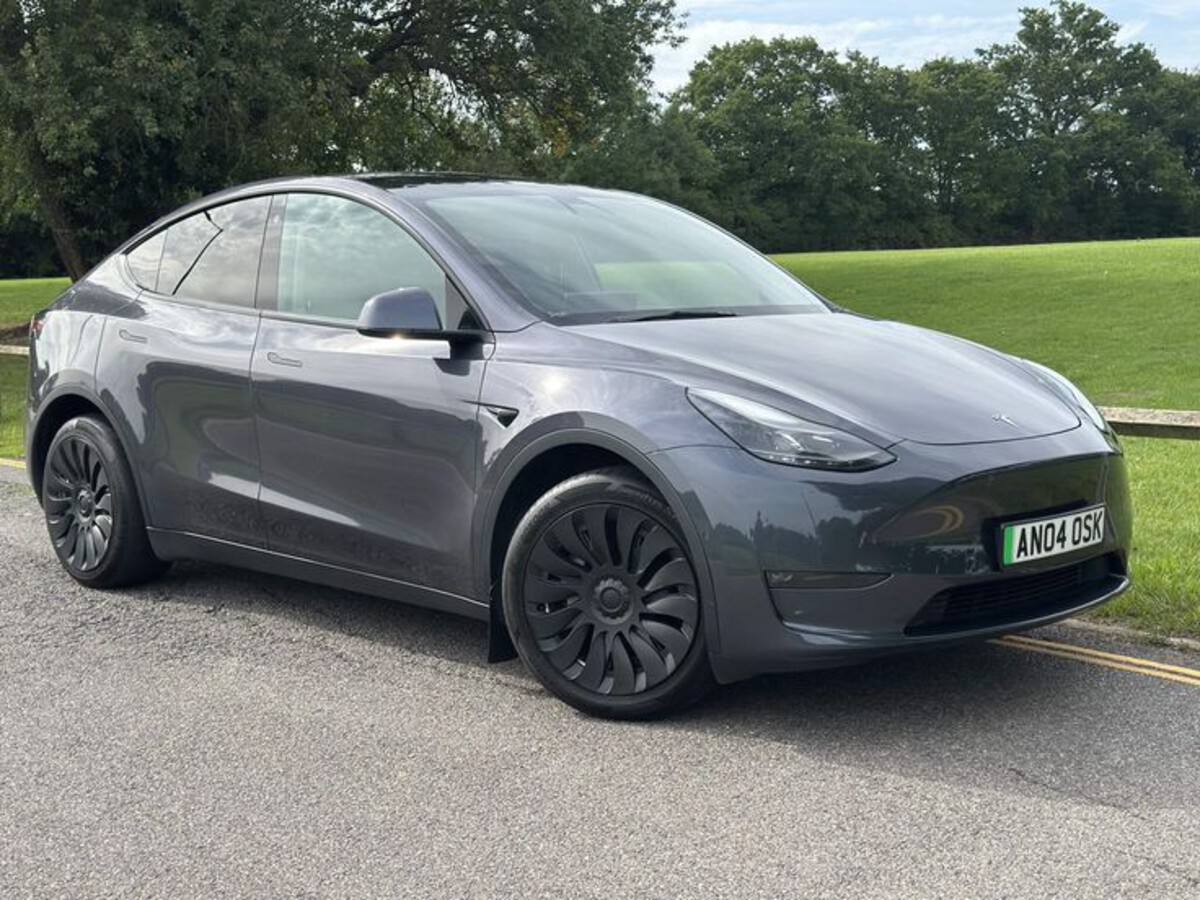
Even in temperatures around -10°C, the Model Y manages to deliver roughly 270–280 miles of range on a full charge, compared to its rated 330 miles in ideal conditions. That’s solid, considering how many rivals drop far more under the same scenario.
The cabin’s instant heat, heated steering wheel, and smart regenerative braking all make it feel comfortable and composed in slippery weather.
If you rely heavily on Supercharging in the cold, charge times can stretch slightly. But the system quickly adapts once the pack hits its warm zone.
In short, the Model Y isn’t just a great year-round EV; it’s one of the few that feels predictable in winter. No drama, no panic-inducing range drops just steady performance and the peace of mind that it won’t leave you stranded when frost hits.
2. Hyundai Ioniq 5
The Hyundai Ioniq 5 proves that range stability doesn’t have to come from a luxury badge. It’s been quietly building a reputation as one of the most winter-ready EVs on the market. In real cold-weather driving, the Ioniq 5 loses around 15% of its total range, which is honestly excellent for a mainstream EV.
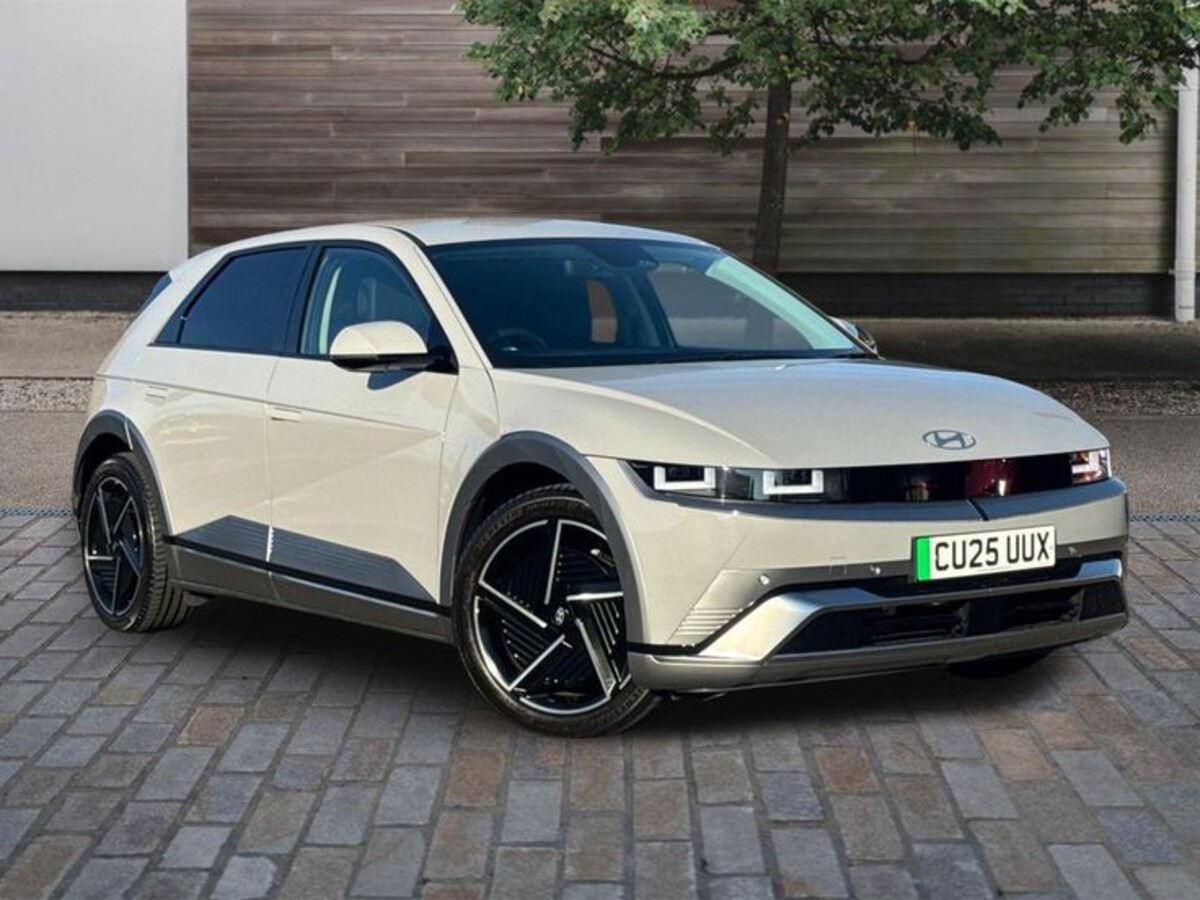
Hyundai engineered this one smartly. Its heat pump system recycles waste heat from the motor and electronics, using it to keep the cabin cozy without heavily draining the battery.
On top of that, its battery preconditioning feature activates automatically when you navigate to a fast charger so it’s ready to charge at full speed even if it’s snowing outside.
Owners in places like Norway and Sweden have reported consistent winter performance with real-world range figures of around 220–230 miles in freezing weather, against a rated 270–300 miles depending on configuration. That’s the kind of predictability that builds trust.
The Ioniq 5 also rides comfortably on slippery roads, thanks to its balanced AWD setup and smooth power delivery. Cabin heating is quick, defrosting works efficiently, and the interior materials don’t stiffen or squeak in low temps (a small but underrated detail).
Overall, Hyundai nailed the mix of design and functionality. The Ioniq 5 feels futuristic but also practical it’s not just about looks or fast charging; it’s about consistency.
When most EVs stumble through winter, this one quietly holds its ground, proving that not all high-tech crossovers crumble when things get chilly.
3. BMW i4 eDrive40
The BMW i4 eDrive40 might look like a sleek electric Gran Coupe built for smooth highways, but it turns out to be surprisingly tough against winter range loss. BMW didn’t just slap an EV powertrain into a luxury shell it designed the i4 to operate efficiently across a wide temperature range.
In independent cold-weather tests, the i4 typically retains 85–90% of its rated range, which is remarkable. With an official range around 365 miles, that means you still get roughly 310–320 miles when it’s below freezing numbers that make long winter commutes actually stress-free.
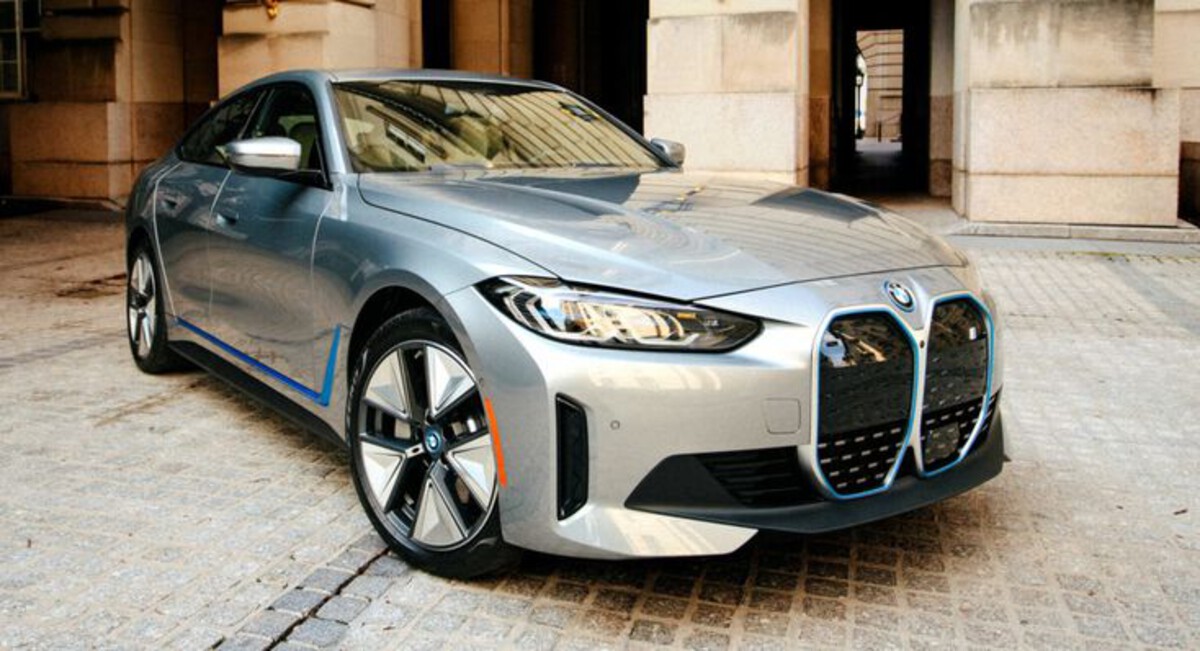
The car’s adaptive thermal system is the unsung hero here. It regulates the temperature of the battery and cabin simultaneously, using intelligent heat routing to avoid waste. The cabin heat-up time is among the quickest in its class, and the heat pump setup minimizes extra energy draw when the heater is on.
Unlike some EVs that lose regenerative braking when cold, the i4 manages to maintain strong, predictable regen even in icy conditions. That helps with both efficiency and stability while driving downhill or on slick roads.
Comfort-wise, BMW clearly understood winter usability. The i4 has excellent insulation, instant seat heating, and windshield defrost that doesn’t take forever. Plus, with preconditioning available through the BMW app, you can warm up the cabin before even stepping outside without sacrificing range.
The result? A luxury EV that feels just as dependable in January as it does in July. It’s the kind of winter performance you expect from BMW refined, reliable, and solidly engineered.
Sure, it’s not the cheapest EV out there, but for anyone who wants premium comfort without the winter range anxiety, the i4 is one of the safest bets in the segment.
4. Ford Mustang Mach-E AWD Extended Range
The Ford Mustang Mach-E AWD Extended Range might carry a muscle-car name, but it’s quietly one of the most balanced cold-weather EVs you can buy.
Ford’s engineers clearly spent time optimizing its thermal systems for the kind of winter abuse most North American drivers deal with icy mornings, half-frozen chargers, and long highway drives in sub-zero wind chills.
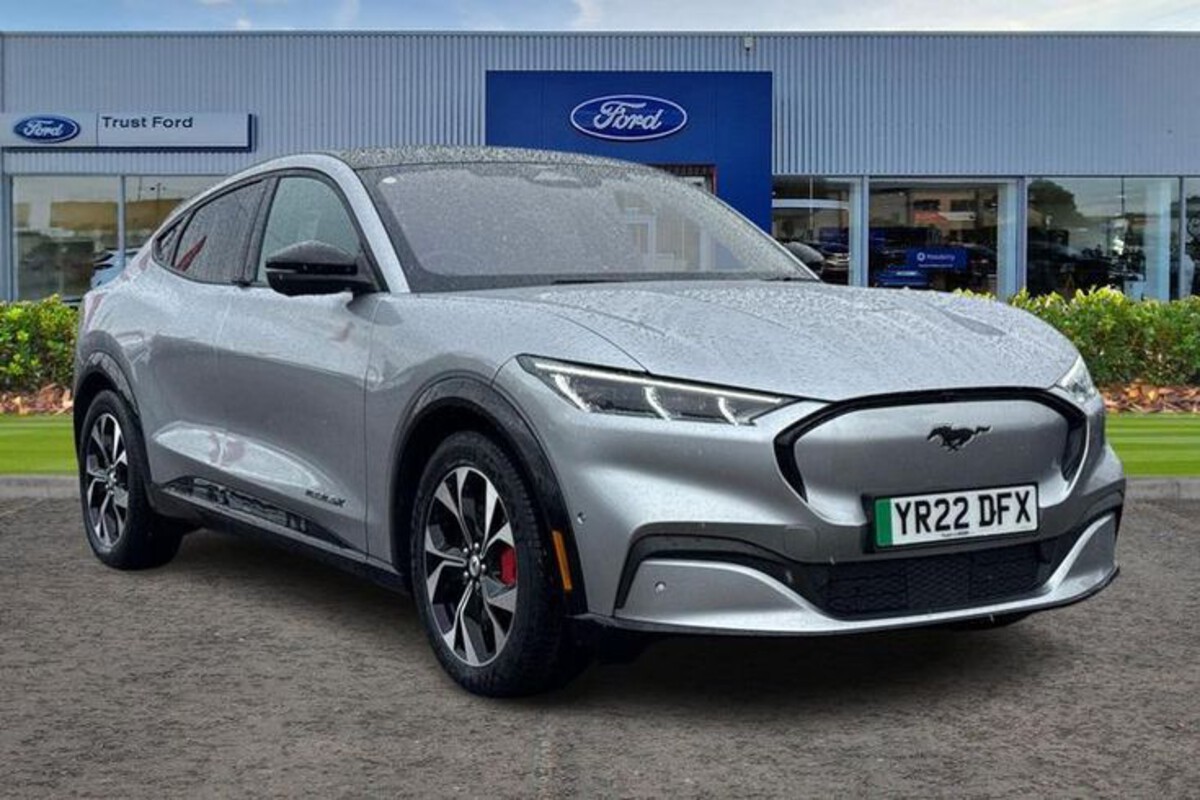
In real-world winter testing, the Mach-E loses only about 12–18% of its rated range. For its 312-mile rated version, that means you’re still getting around 260–270 miles even with the heater running full blast. That’s miles better than several premium EVs that crumble past 30% losses.
Its liquid-cooled battery system and heat pump setup are the stars here. They regulate temperature evenly and reuse excess heat from the drivetrain to warm the cabin efficiently.
Ford’s preconditioning system also pre-warms both the pack and the cabin through the app or scheduled charging, meaning you can start every drive with an already toasty car and battery.
On-road, the Mach-E feels composed and secure. Its all-wheel-drive system provides instant torque distribution, and traction control reacts quickly on snowy roads. Cabin warmth builds up fast, and Ford didn’t cheap out on insulation the car stays quiet and cozy even in brutal wind.
A small gripe? Charging speed does slow a bit more than Tesla or BMW once temperatures drop below -10°C, but it’s manageable if you precondition.
The bottom line: the Mach-E may be marketed as a sporty crossover, but it’s also a dependable winter workhorse. It’s the kind of EV that makes you feel confident leaving your garage on a freezing morning without range anxiety sneaking in.
5. Audi Q4 e-tron Quattro
The Audi Q4 e-tron Quattro isn’t flashy on paper it’s practical, solid, and understated. But when the temperature plummets, it turns out to be one of the most efficient cold-weather performers in the premium compact EV segment.
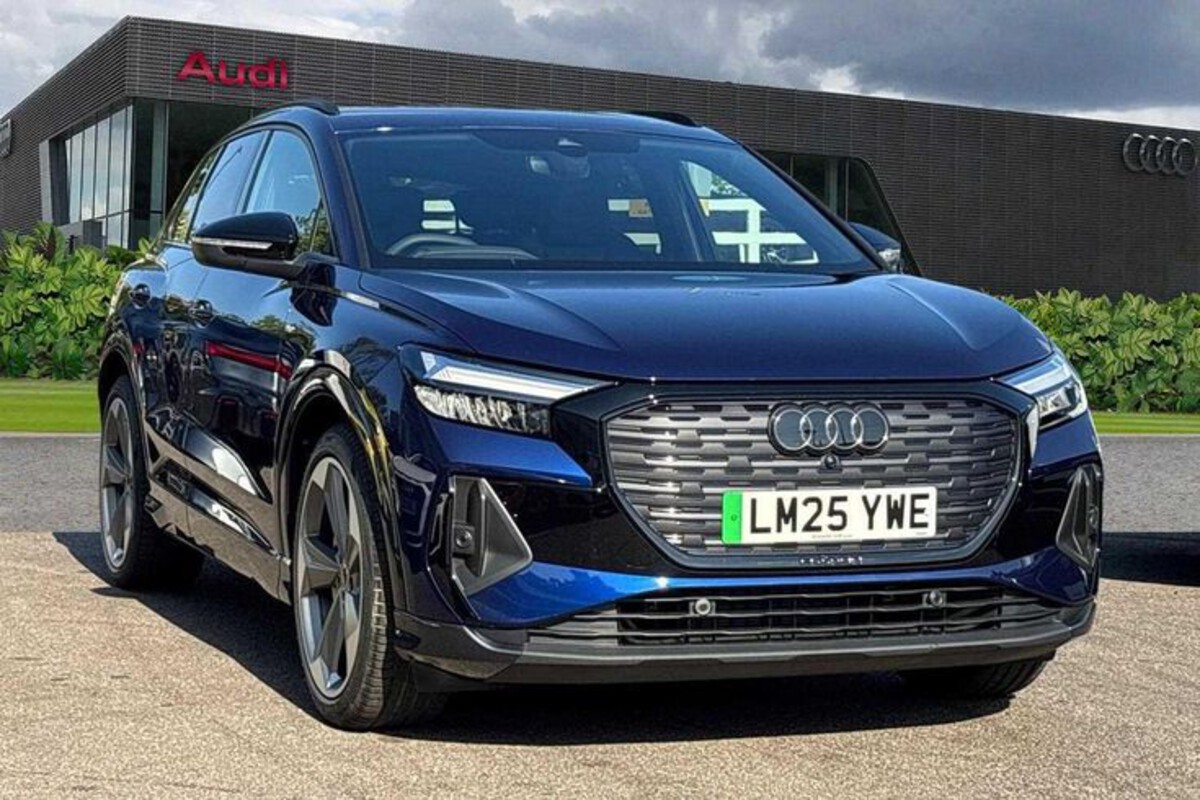
In snowy, real-world driving, the Q4 e-tron retains roughly 85% of its rated range about 215–230 miles from its official 265-mile WLTP figure. For a dual-motor, all-wheel-drive SUV, that’s excellent.
Audi’s secret sauce is a combination of thermal efficiency and insulation quality. Its heat pump isn’t just an add-on it’s deeply integrated with the HVAC and drivetrain systems, capturing heat from the motor and inverters to reduce battery drain.
The car also uses multi-layer insulation around the cabin and battery enclosure to limit thermal loss. The result? Less energy wasted just keeping things warm.
Even after sitting overnight in freezing conditions, the Q4 starts up smoothly without the “cold battery lag” some EVs show. The regenerative braking remains consistent, and the throttle response doesn’t feel dulled by low temperatures.
Drivers also praise its comfortable interior heated everything (seats, steering, mirrors), rapid defrost, and an HVAC system that maintains even warmth across the cabin.
Charging at cold-soaked stations? The Q4’s battery preconditioning feature automatically kicks in when navigation detects a DC fast charger, cutting charging time dramatically. It’s these thoughtful touches that make winter ownership less stressful.
All in all, the Audi Q4 e-tron Quattro feels like a quiet overachiever. It doesn’t scream performance or flash massive range numbers, but it delivers when the weather gets ugly. For anyone living in a region with long, harsh winters, this one’s an EV that actually respects your reality not just lab test results.
5 EVs That Plummet in the Cold
Then there are the EVs that just… don’t cope well with winter. On paper, they look incredible huge battery packs, sleek designs, and optimistic range figures.
But once the temperature drops, their real-world range can take a serious hit sometimes as much as 30–40% below the rated numbers. That’s not just inconvenient; it’s borderline frustrating for drivers relying on them in everyday cold-weather commutes.
These models often lack effective heat pumps or use older battery chemistry that’s less resilient to low temperatures.
Some prioritize performance over efficiency, while others simply haven’t been optimized for cold-weather testing. Either way, their range stability collapses faster than you’d expect when the heater’s on full blast and the roads are icy.
So, before you buy into the hype of “best-in-class range,” take a look at how these five EVs perform when winter actually shows up because the spec sheet doesn’t always tell the full story.
ALSO READ: 10 Cars From the 2010s That Age Better Than Expected
1. Nissan Leaf
Let’s be honest the Nissan Leaf is a pioneer, but it’s also a reminder of how far EV tech has come. When it comes to winter range, the Leaf struggles more than most modern electric cars. The biggest reason? No active thermal battery management system.
Unlike newer EVs that regulate their battery temperature, the Leaf’s pack just kind of sits there, taking whatever the weather gives it. In the summer, that means potential overheating. In the winter, it means the battery gets sluggish, cold-soaked, and way less efficient.
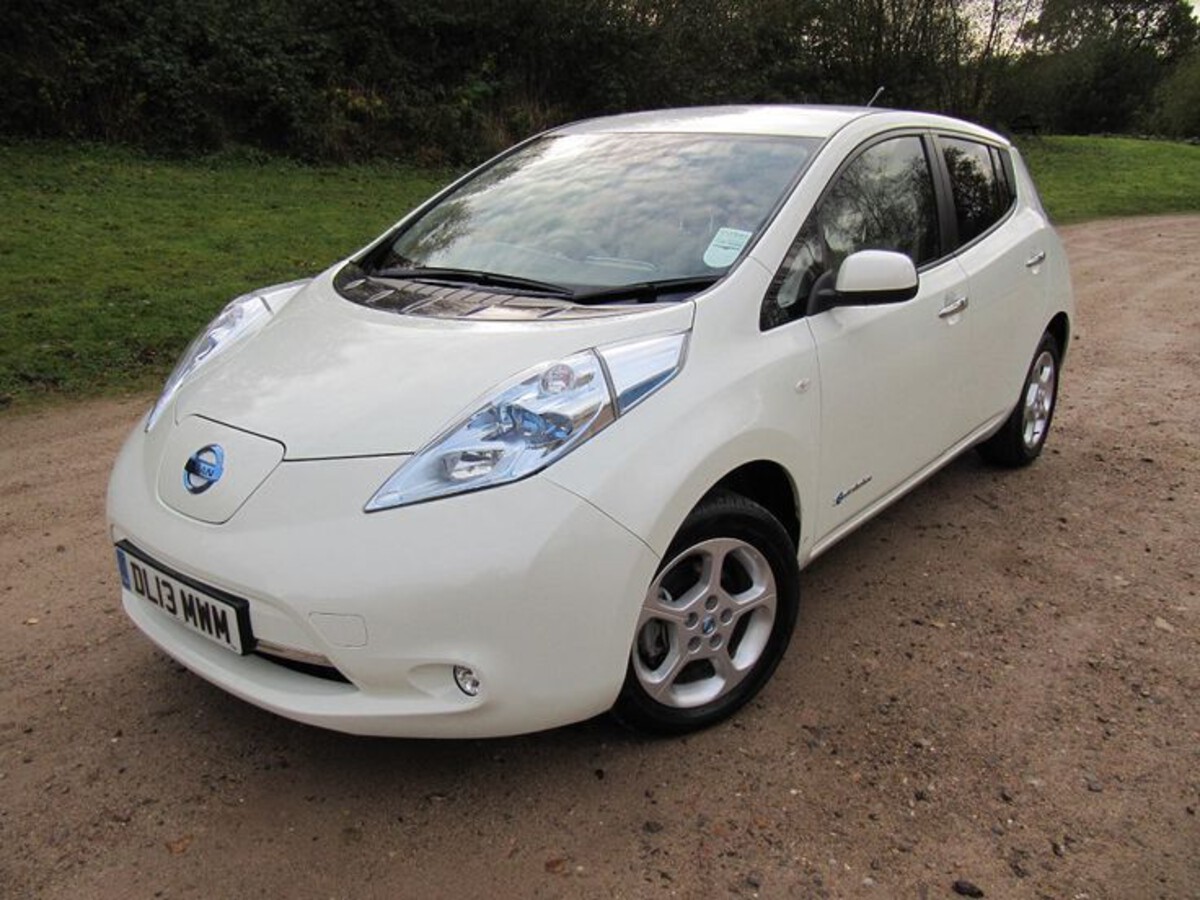
Real-world reports show the Leaf can lose up to 35–40% of its range in freezing conditions. A 226-mile rated model can easily drop to around 135–150 miles in winter driving and that’s if you’re gentle with the heater. Turn on the cabin warmth, and you’ll watch that estimate fall faster than your phone battery at 2%.
Nissan did add a heat pump in newer trims, which helps slightly, but it doesn’t fix the fundamental issue: without active battery heating or cooling, the system can’t keep the pack in its ideal range. That’s bad news for both range and long-term battery health.
To its credit, the Leaf’s drivetrain handles slippery roads fairly well, and it’s still one of the easiest EVs to drive. But if you live somewhere cold like Canada, northern U.S., or northern Europe expect serious range dips and slower charging speeds.
In short: great city EV for mild weather, but in winter? The Leaf hibernates.
2. Volkswagen ID.4
Here’s a surprise for many: the Volkswagen ID.4, despite being a well-rounded crossover, performs quite poorly in winter conditions when it comes to range. It’s comfy, well-built, and tech-heavy but that doesn’t stop the cold from stealing its juice.
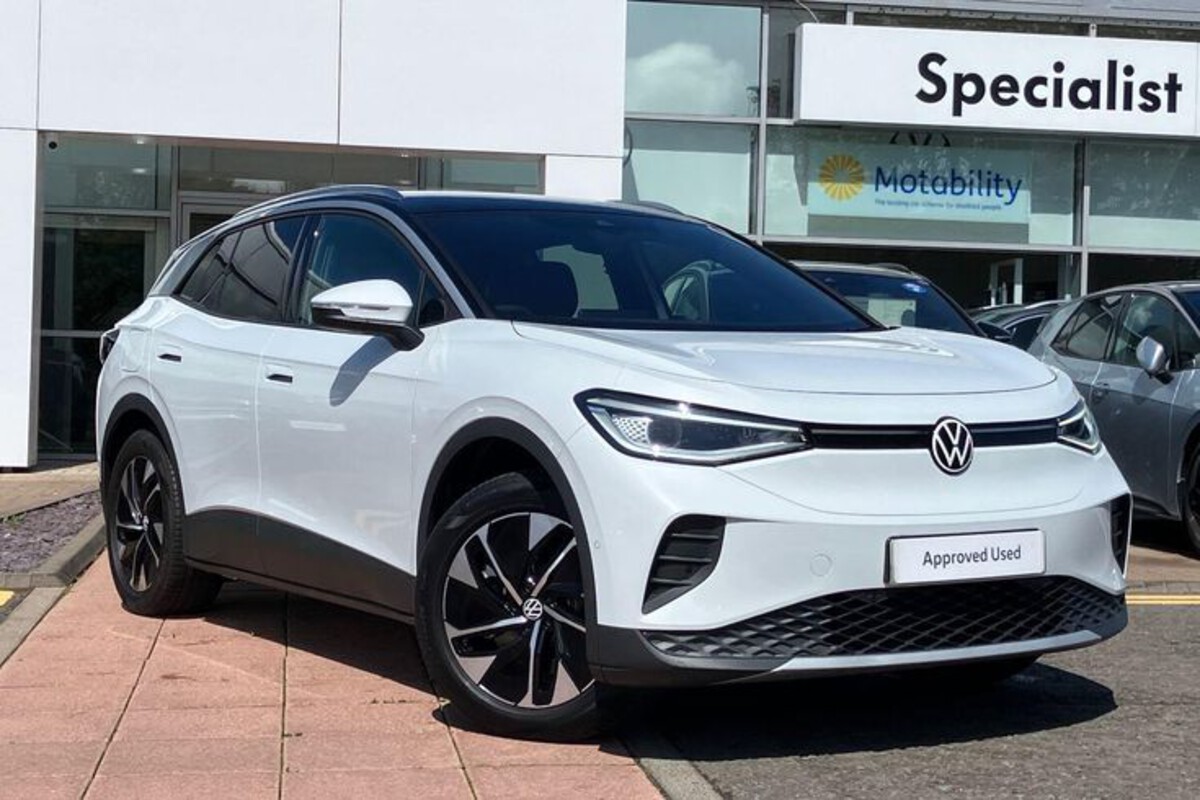
Owners across Scandinavia and Canada have reported 25–35% range losses during extended cold spells. The rated 275–300 miles often drop to 180–200 miles in freezing temps. That’s still usable, but far less than what the marketing suggests.
The issue isn’t that VW didn’t think about winter it’s that its thermal management system just isn’t as efficient as competitors like Tesla or Hyundai.
The heat pump is optional in some trims (and underwhelming in performance), and the battery preconditioning only activates automatically when using VW’s in-house navigation. That means if you don’t use the native system, your battery might not preheat properly before a fast charge.
As a result, charging speeds nosedive when it’s cold sometimes dropping from 125 kW to below 60 kW. Not ideal if you’re stuck waiting at a station while your car defrosts itself.
On the bright side, the cabin comfort remains excellent, and the car handles snow well. But if your daily commute involves long stretches in freezing weather, the ID.4’s inconsistency can be frustrating.
In short: a solid family EV just not one that loves winter road trips.
3. Chevrolet Bolt EV
The Chevy Bolt EV deserves credit for being affordable and practical but cold weather is not its friend. Like the Leaf, the Bolt lacks a sophisticated heat pump system in most versions, relying instead on resistive heating, which guzzles power.
That means every time you turn on the heater or defroster, your battery’s range drops like a stone. Real-world winter tests show the Bolt can lose 30–40% of its range easily when temperatures hover around -10°C. The rated 259 miles can shrink to about 150–170 miles, depending on driving style.
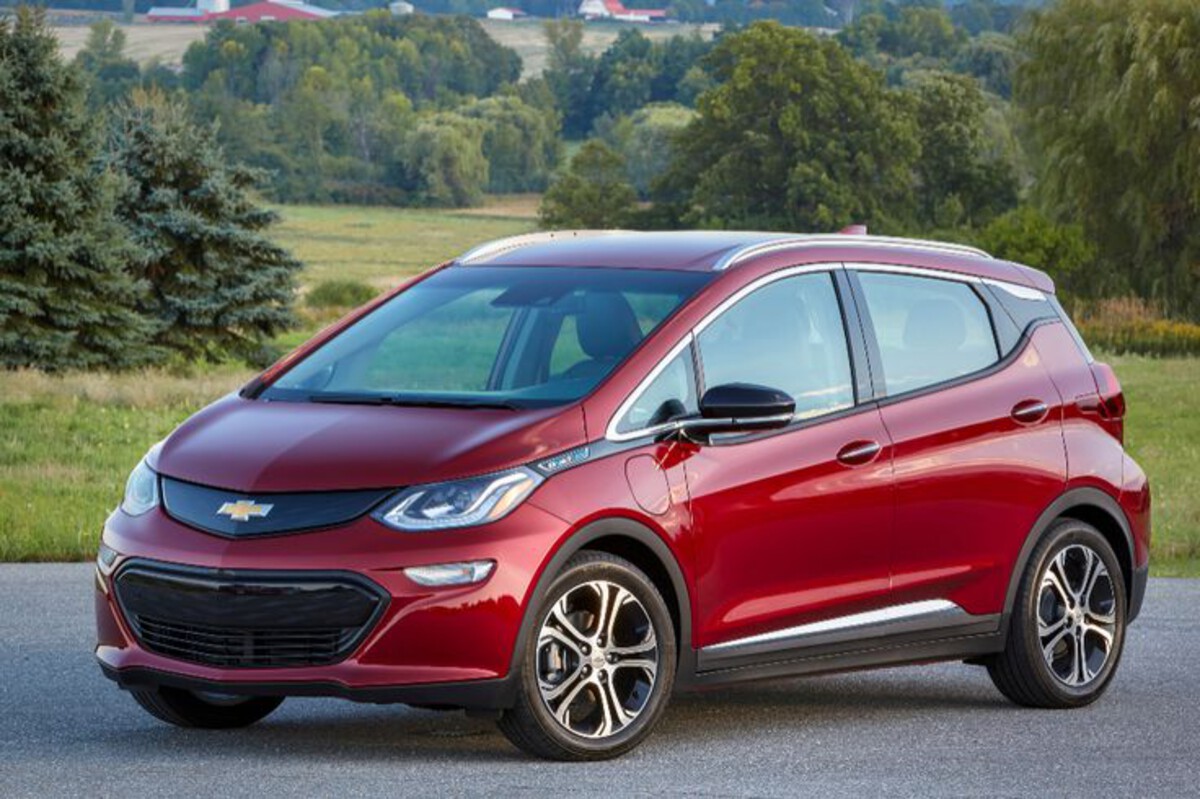
Charging in the cold is another weak point. Even when using Level 3 DC fast charging, the Bolt’s charge rate slows dramatically unless you’ve preconditioned the battery something the car doesn’t always do automatically unless plugged in.
To its credit, cabin heating is strong and quick, and the low center of gravity gives it good traction on slick roads. But that doesn’t compensate for the constant anxiety of watching range disappear during every frosty drive.
Chevrolet’s newer Ultium-based EVs (like the Blazer EV) are expected to improve in this department, but for the Bolt, cold weather simply exposes its older design roots.
If you’re in a warm climate, the Bolt is a bargain. If you’re not… it’s a short-range experience waiting to happen.
4. Rivian R1T
The Rivian R1T is one of the most talked-about electric trucks out there rugged, capable, and built for adventure. But here’s the twist: while it’s engineered for dirt trails and mountain climbs, cold weather exposes its weak spot efficiency.
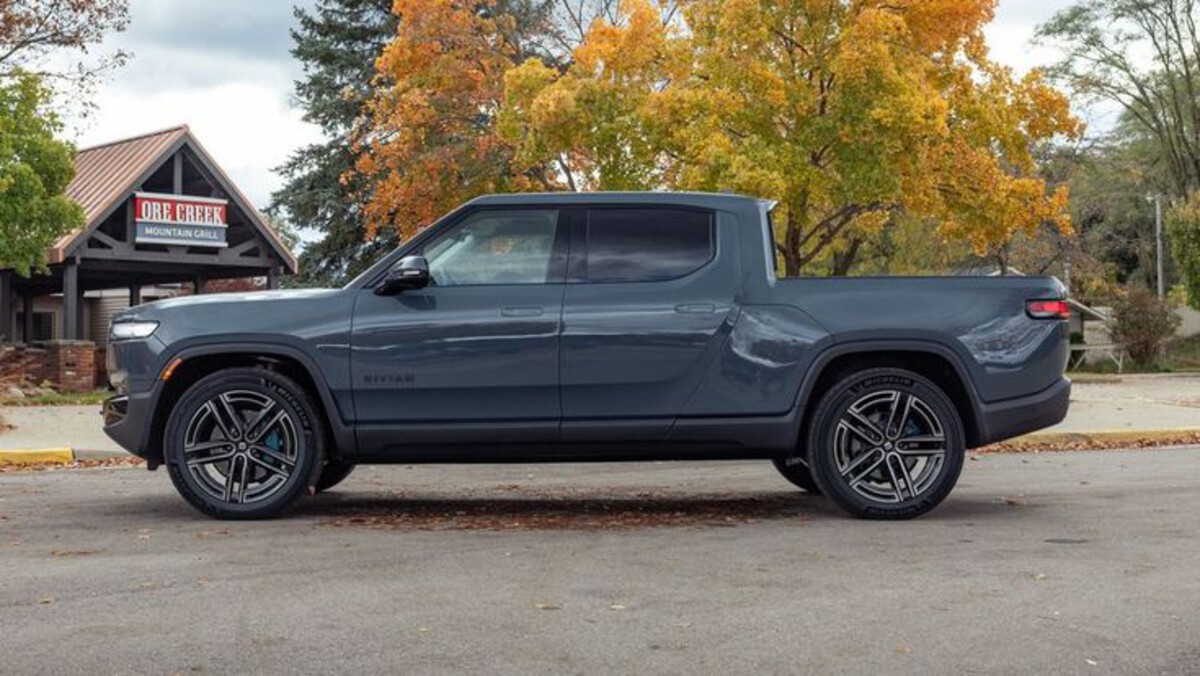
On paper, the R1T looks bulletproof with its massive 135 kWh battery and over 300 miles of rated range. In real-world winter driving, though, owners have reported losing 25–40% of that range in subzero conditions. That’s a big hit, especially when you’re counting on every mile for long trips.
A lot of this comes down to battery chemistry and energy demand. The R1T’s big pack takes longer to warm up, and even though Rivian includes a solid heat pump and preconditioning system, the sheer mass of the truck means it burns through energy fast to heat the cabin and maintain drivetrain temperature.
Combine that with heavy tires, high ground clearance, and a powerful AWD system constantly working in snow, and you’ve got a recipe for winter inefficiency.
Charging speeds also take a noticeable hit. At near-freezing temperatures, Rivian’s charging curve drops owners see rates as low as 60–80 kW when the battery isn’t preconditioned. The truck’s smart enough to warm itself up en route to a DC charger, but that doesn’t fully offset the hit when it’s brutally cold.
Still, to be fair, the R1T drives beautifully in the snow superb grip, quiet cabin, and tons of torque. But from a range perspective, it’s a reminder that big batteries don’t automatically equal winter stability.
So if you plan on taking your R1T on winter adventures, budget your miles generously. In summer, it’s a beast. In deep winter, it’s a hungry one.
5. Polestar 2
The Polestar 2 is one of those EVs that feels perfectly tuned for modern life stylish, minimal, well-built. But as soon as winter sets in, it proves that Scandinavian heritage doesn’t automatically mean cold-weather mastery.
Real-world tests show range losses between 25–35% in below-freezing temperatures. The dual-motor variant rated around 300 miles often dips closer to 190–210 miles in real use. That’s a steep decline for a brand that emphasizes precision and practicality.
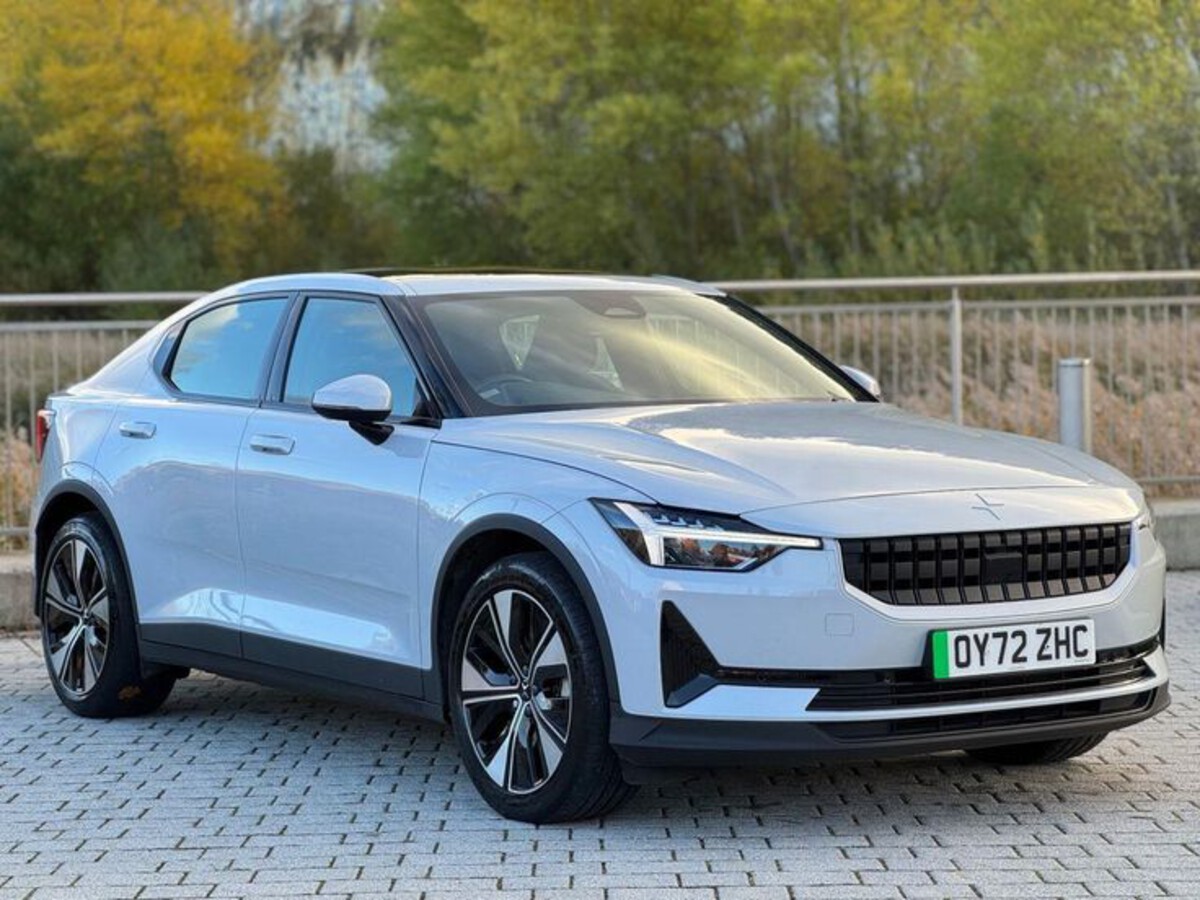
The issue isn’t build quality the Polestar 2 feels solid it’s the energy-hungry heating system and less-than-optimal battery preconditioning.
The heat pump is optional in some trims and doesn’t engage efficiently at very low temps. Meanwhile, if you skip navigation-based charging routes, the battery may not warm up properly before you plug in, causing painfully slow fast-charging speeds.
Cabin warmth takes a while to stabilize, and the car tends to draw a lot of energy during those first few minutes of heating. Combine that with a dense AWD setup and heavier body, and the overall energy efficiency tanks quickly in the cold.
Still, the Polestar 2 handles snow-covered roads like a champ balanced, predictable, and quiet. Its traction control system is excellent, and the minimalist cabin feels cocoon-like once warmed up. But as a long-range EV for winter driving, it just doesn’t deliver the consistency you’d expect from something carrying Volvo DNA.
If you live somewhere mild, the Polestar 2 shines as a daily driver. But if your mornings often start at -5°C, you’ll want to plan shorter trips or make peace with frequent charging stops.
When you stack them side by side, the winter story of EVs becomes pretty clear: not all electric cars are built to handle the cold. Some, like the Tesla Model Y, Hyundai Ioniq 5, BMW i4, Ford Mustang Mach-E, and Audi Q4 e-tron, prove that smart engineering can keep range drop to a minimum even when temperatures dive below freezing.
They use heat pumps, efficient insulation, and intelligent thermal management systems to protect battery health and preserve performance. These are the EVs that make electric driving feel as effortless in January as it does in June.
Then there’s the other side: cars like the Nissan Leaf, VW ID.4, Chevy Bolt, Rivian R1T, and Polestar 2, models that look great on paper but lose too much of their range once winter hits.
Their struggles usually trace back to missing or inefficient heat pumps, unrefined battery management, or older system designs that simply don’t adapt well to the cold. You can still drive them, sure, but you’ll be planning your routes around chargers far more than you’d like.
The key takeaway? Range ratings don’t tell the full story. Real-world performance in cold climates is what separates reliable EVs from frustrating ones.
The good news is that the industry’s learning fast. Each new generation of EVs gets better at handling the cold, proving that range anxiety doesn’t have to return every winter.
For now, though, choosing the right model makes all the difference between an EV that keeps going, and one that just gives up when it snows.
When you stack them side by side, the winter story of EVs becomes pretty clear: not all electric cars are built to handle the cold. Some, like the Tesla Model Y, Hyundai Ioniq 5, BMW i4, Ford Mustang Mach-E, and Audi Q4 e-tron prove that smart engineering can keep range drop to a minimum even when temperatures dive below freezing.
They use heat pumps, efficient insulation, and intelligent thermal management systems to protect battery health and preserve performance. These are the EVs that make electric driving feel as effortless in January as it does in June.
Then there’s the other side: cars like the Nissan Leaf, VW ID.4, Chevy Bolt, Rivian R1T, and Polestar 2 models that look great on paper but lose too much of their range once winter hits
Their struggles usually trace back to missing or inefficient heat pumps, unrefined battery management, or older system designs that simply don’t adapt well to the cold. You can still drive them, sure, but you’ll be planning your routes around chargers far more than you’d like.
The key takeaway? Range ratings don’t tell the full story. Real-world performance in cold climates is what separates reliable EVs from frustrating ones.
If you live somewhere with long winters, it’s worth picking a car with proven cold-weather stability because when you’re running late on a snowy morning, the last thing you want is an EV that suddenly acts half-charged.
The good news is that the industry’s learning fast. Each new generation of EVs gets better at handling the cold, proving that range anxiety doesn’t have to return every winter. For now, though, choosing the right model makes all the difference between an EV that keeps going and one that just gives up when it snows.