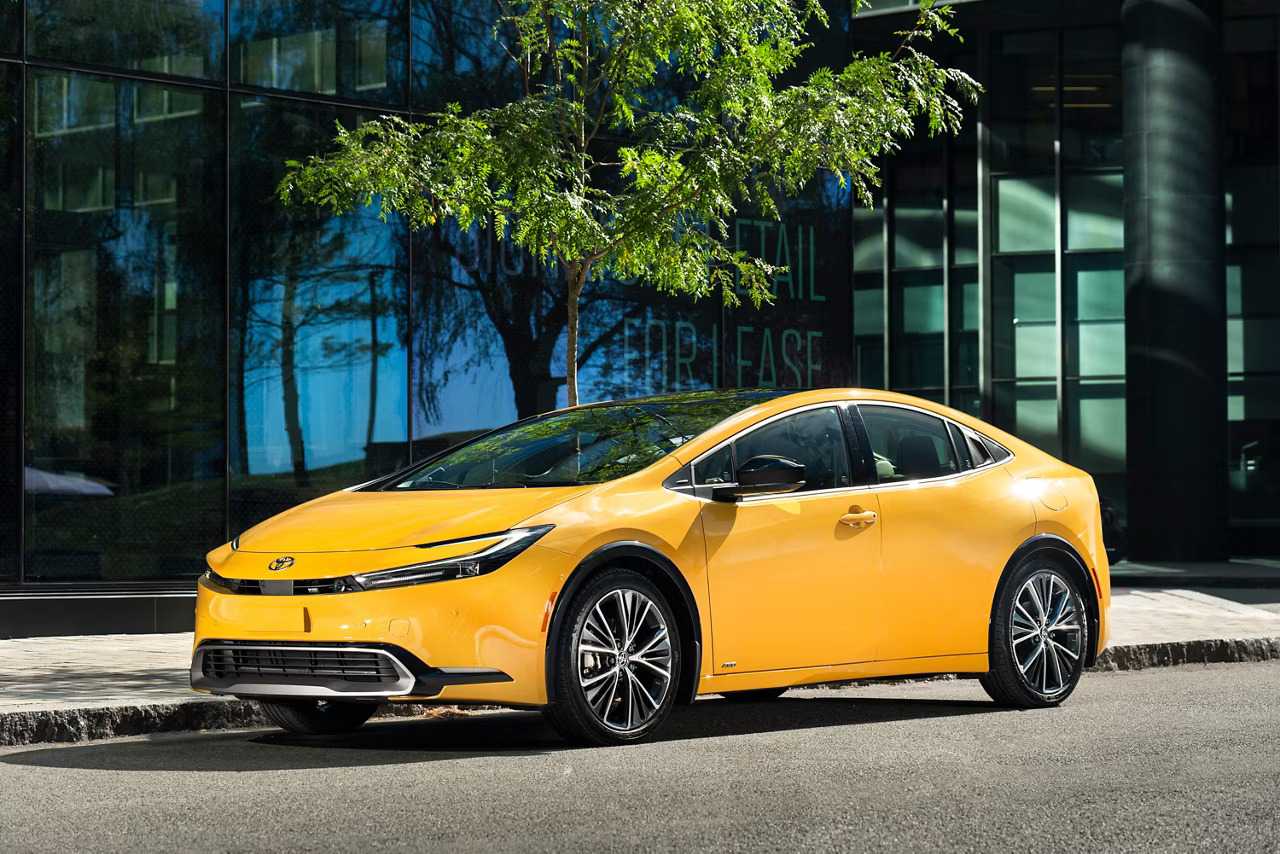
When it comes to buying a new car, most shoppers assume that top-tier safety comes with a hefty price tag. However, the automotive world of 2025 proves otherwise. Advances in vehicle design, driver-assistance systems, and crash protection have made it possible for affordable cars to deliver premium levels of safety without breaking the bank.
The list of “10 Budget Cars That Punch Above Their Weight in Safety” highlights models that combine value and impressive protective technology. From the rugged Subaru Outback and efficient Toyota Prius to the refined Honda Accord and sporty Mazda 3, these vehicles achieve exceptional crash-test ratings and advanced safety suites, with many earning IIHS Top Safety Pick or NHTSA 5-star honors.
Whether you are a commuter, a parent, or an adventurer, these cars provide confidence on the road and prove that peace of mind does not require a luxury badge or a luxury price.
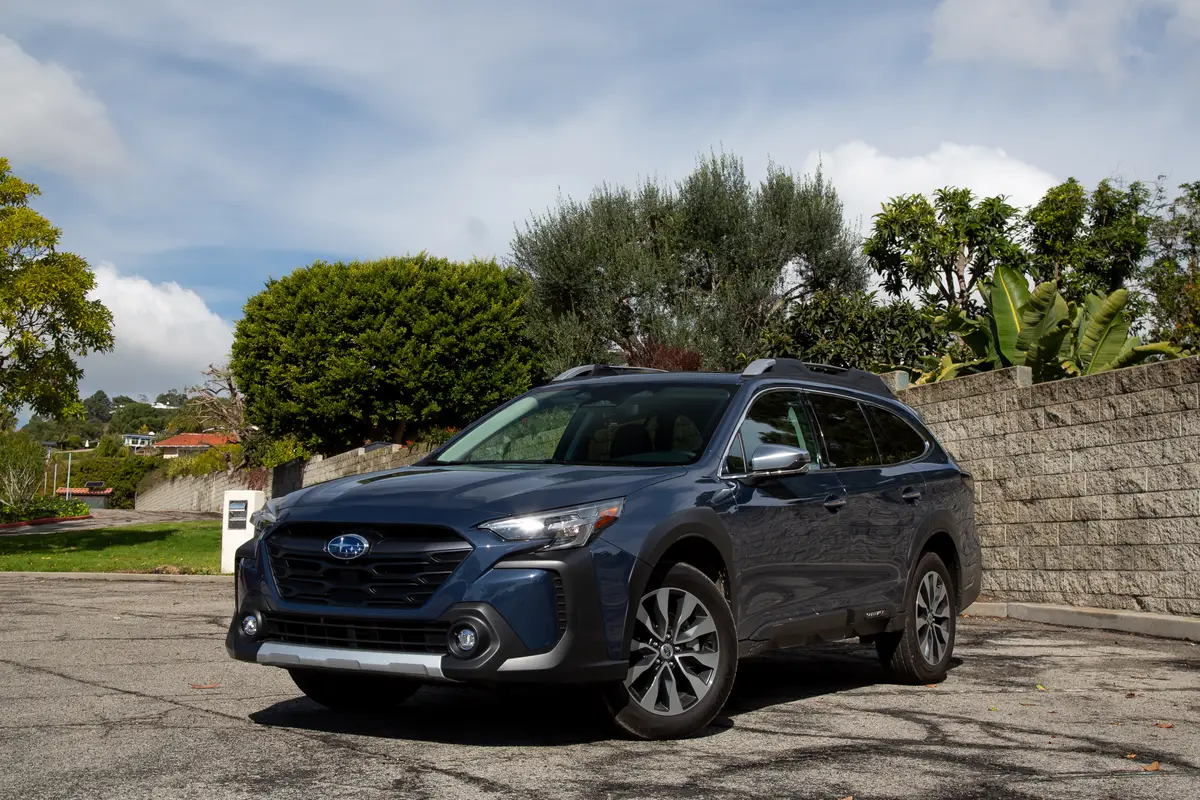
1. 2025 Subaru Outback
The 2025 Subaru Outback starts at $29,010, keeping it under the $30,000 mark while offering a comprehensive suite of safety features. Standard all-wheel drive (AWD) and 8.7 inches of ground clearance allow it to perform well in low-traction and off-road conditions.
Safety is a major strength: the Outback comes with eight airbags, pre-collision throttle management, brake override systems, and front seats designed to reduce whiplash risk. It earned a 5-star NHTSA rating and was named a 2024 IIHS Top Safety Pick. Active Torque Vectoring aids stability in turns, although driver-assistance systems like lane keeping and automatic emergency braking can act unpredictably.
The optional turbo engine delivers a 0-60 mph time of 6.5 seconds, providing a noticeable boost over the base engine. Handling is less refined than some midsize SUVs, with noticeable body roll in corners and slow steering that requires extra effort in tight turns or parking. Despite these quirks, AWD and high ground clearance allow the Outback to tackle terrain that many competitors cannot reach.
Ride comfort is a standout feature, with the suspension absorbing potholes, speed humps, and uneven roads effectively. Front seats are soft yet supportive, making long drives comfortable, while available heated seats and steering wheel add extra warmth.
Ventilated front seats are less effective, but passenger space is generous. Although some may prefer a more upright SUV seating position, adjustable seats make it easy to find a comfortable fit.
Subaru reduces button clutter by routing most controls through a touchscreen. The system can be slow and unintuitive, requiring multiple steps for simple adjustments, and smartphone mirroring via Apple CarPlay or Android Auto may lag or cut out occasionally. Positives include a high-quality audio system and physical volume and tuning knobs that are easy to use.
As a lifted station wagon rather than a traditional SUV, the Outback has slightly less cargo space, but the low, flat cargo floor makes loading gear simple. Roof rails are easy to access, and interior storage includes a front phone shelf, rear bottle holders, and seatback pockets. The center console is smaller than most SUVs, but child seat installation is simple due to accessible anchors and ample room.
The Outback offers solid value, especially when equipped with luxury and technology features, though base engines are weaker than some rivals. Warranty coverage is average, and interior materials are adequate but not exceptional. The 2.4-liter turbo engine achieves about 25 mpg combined, matching EPA estimates in real-world conditions.
The 2025 Subaru Outback shines in safety, off-road capability, and comfort, making it versatile for trips beyond paved roads. Some drivers may find the driver-assistance systems frustrating and the tech dated. For those who need practicality, reliability, and light off-road ability, the Outback remains a strong choice, with a refreshed model expected soon.
2. 2025 Toyota Prius
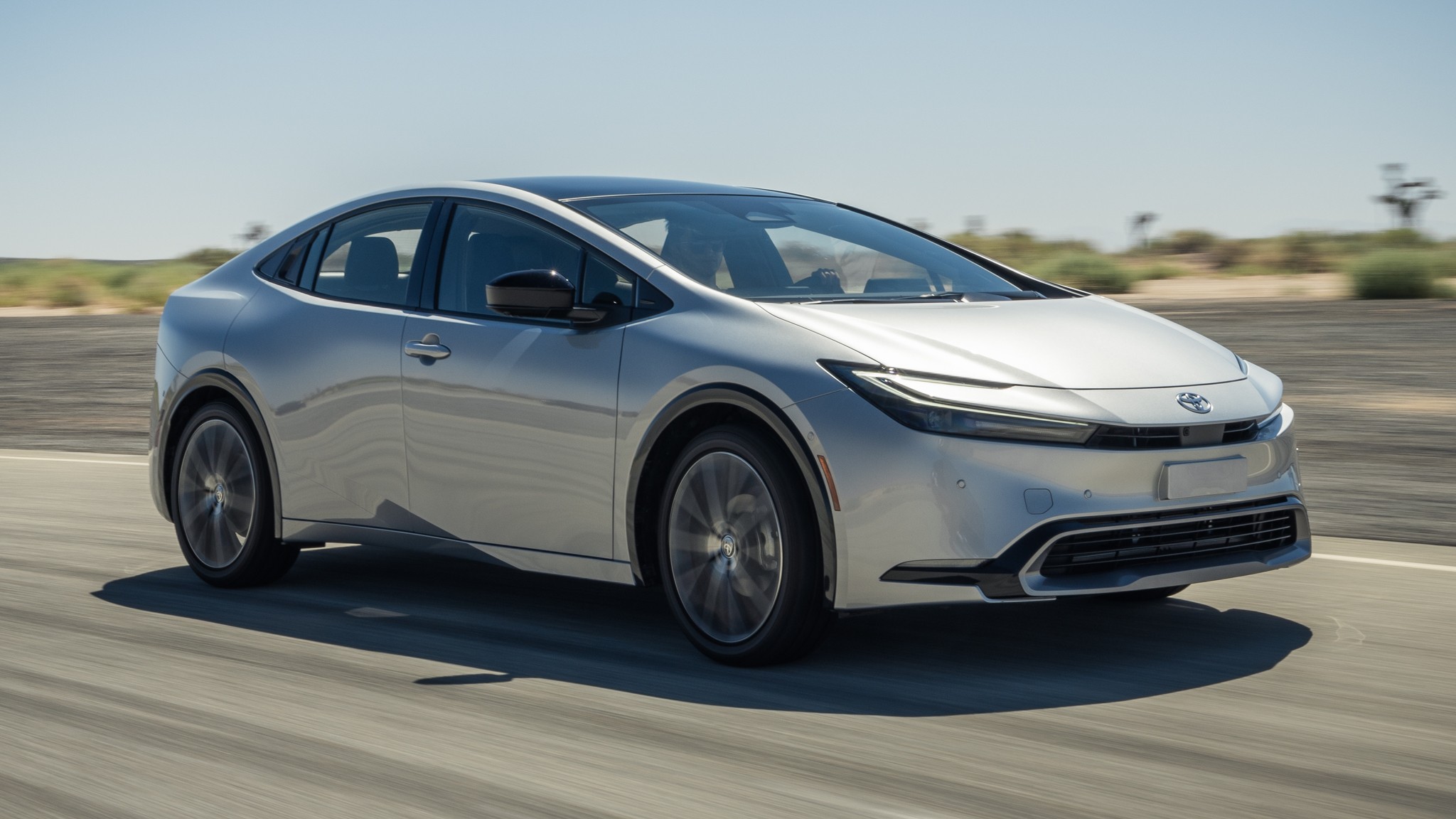
The 2025 Toyota Prius starts at $28,350, offering a blend of affordability, fuel efficiency, and safety. Standard features include forward collision warning, electronically-controlled braking, proactive driving assist, and safe exit assist.
Buyers also receive a 10-year subscription to Toyota’s Safety Connect service, which provides emergency assistance and automatic crash notification. The Prius earned a 5-star NHTSA rating and was named a 2024 IIHS Top Safety Pick, reinforcing its reputation as a secure and reliable hybrid.
The Prius delivers smooth and predictable performance. The front-wheel-drive model accelerates from 0 to 60 mph in 7.7 seconds, faster than the Kia Niro but slower than the Honda Civic Hybrid. The hybrid powertrain transitions seamlessly between electric and gas engines, providing a quiet and efficient ride.
While economy-focused tires limit grip in sharp turns, the Prius remains stable and composed through corners. Lane keeping assistance and adaptive cruise control operate smoothly, and Proactive Driving Assist offers helpful cues, such as subtle braking when traffic slows and visual alerts when the car ahead moves, without feeling intrusive. Rear visibility is limited due to the sloped rear window and thick roof pillars.
Front seats provide adequate support for longer drives, but rear access is tight due to small door openings and low roof height. Rear passengers face limited headroom, and rear seats do not recline, requiring taller passengers to slouch on bumpy roads.
Tire, wind, and engine noise can reduce cabin calmness, while a single climate zone limits comfort for multiple passengers. Most trims offer heated front seats, with ventilated seats available on the Limited trim. The dashboard layout is conventional and intuitive, but the digital driver display can be blocked by the steering wheel and feels cluttered.
The 12.3-inch touchscreen in higher trims offers a clean interface, responsive controls, and Google-powered navigation. Wireless Apple CarPlay and Android Auto are standard, and higher trims include a wireless charging pad, though it may warm phones during extended use. Six USB-C ports provide ample charging options for passengers.
The Prius hatchback offers 20.3 cubic feet of cargo space behind the rear seats, which is more than a typical sedan but less than some hybrid competitors. Interior storage includes a deep center console bin, a small under-dash tray, and generously sized cupholders.
The Prius is highly fuel-efficient, with EPA estimates of 57 mpg combined for LE trims and 52 mpg for XLE and Limited trims; all-wheel-drive variants reduce fuel economy by 3 mpg. Real-world testing confirms these figures.
Warranty coverage is strong, including an 8-year/100,000-mile hybrid component warranty and a 10-year/150,000-mile battery warranty. Two years of complimentary maintenance further enhance its value.
The 2025 Toyota Prius excels in fuel efficiency, safety, and smooth hybrid performance. While rear passenger comfort and cabin noise are minor drawbacks, its combination of reliability, technology, and efficiency makes it a compelling choice for eco-conscious buyers. Its sleek styling and solid driving dynamics add to its appeal, making it more than just a practical hybrid.
3. 2025 Honda Accord
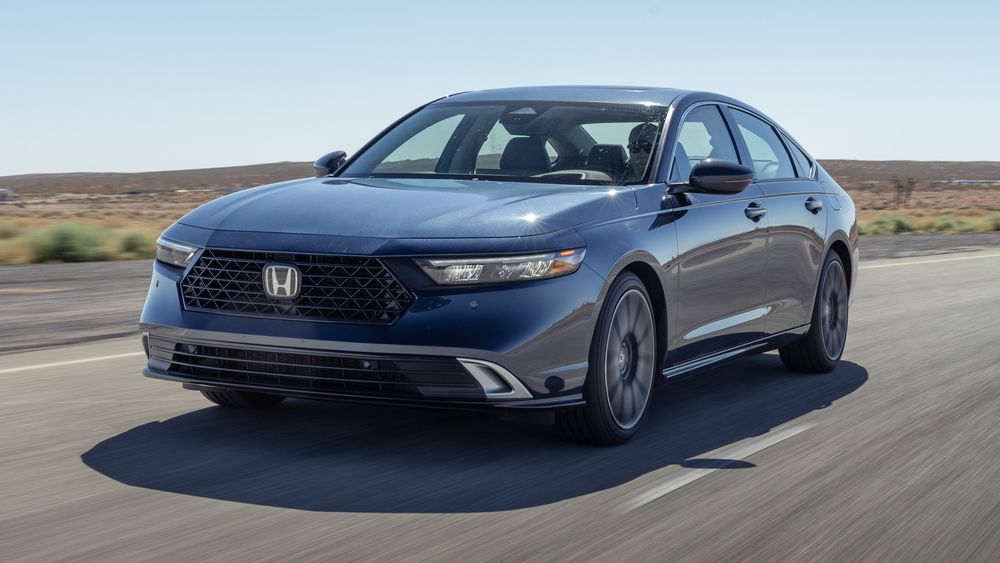
The 2025 Honda Accord starts at $28,295, delivering a blend of safety, comfort, and efficiency. It comes equipped with 10 standard airbags, including dual front knee airbags, and the Honda Sensing suite of driver-assistance technologies.
This includes traffic jam assist, front collision mitigation, lane keep assist, auto high beams, driver attention monitoring, and electronic brake distribution. Uncommon for this price range, the Accord also offers a head-up display, keeping critical information within the driver’s line of sight. The vehicle earned a 5-star NHTSA rating and a 2024 IIHS Top Safety Pick+, reinforcing its status as a secure midsize sedan.
The Accord Sport-L hybrid combines efficiency with lively performance. Our test vehicle accelerated from 0 to 60 mph in 7 seconds, roughly one second quicker than most midsize hybrid rivals. The continuously variable transmission is tuned to feel like a conventional automatic, while handling and steering provide a confident, composed experience.
Although larger than previous Accords, the sedan maintains a comfortable ride even with 19-inch wheels, soaking up road imperfections effortlessly. Visibility is enhanced by thin windshield pillars and a large rear window. Honda Sensing functions effectively, though lane keep assist can feel intrusive at times. Adaptive cruise control is simple to engage with a button on the steering wheel.
The Accord excels in passenger space, with wide door openings and generous legroom in both rows. Taller rear passengers may need to duck slightly under the sloping roofline. The driver’s seat offers ample adjustability, though more padding would improve long-distance comfort.
The interior is straightforward, with large, easy-to-use buttons and knobs, and the climate system performs reliably. Cabin insulation keeps road and wind noise to a minimum, while rear LATCH anchors make child seat installation convenient.
Higher trims feature a sharp 12.3-inch touchscreen with wireless Apple CarPlay and Android Auto. Google voice assistant and services are available on the top Touring trim, although this restriction limits access to some helpful features for lower trims.
The Accord provides 16.7 cubic feet of trunk space, enough to fit long items like golf clubs. The center console offers ample storage, and multiple cupholders accommodate large bottles.
The Accord demonstrates solid build quality, free of rattles or panel gaps, promising longevity and reliability. Entry-level trims are modestly equipped compared to competitors like the Hyundai Sonata.
Warranty coverage includes three years/36,000 miles basic and five years/60,000 miles powertrain, with roadside assistance included during the basic coverage period. Fuel economy ranges from 32 mpg combined for the base model to 48 mpg for the hybrid with smaller wheels. Larger wheels reduce efficiency slightly; our test Sport-L hybrid achieved 41.5 mpg.
The 2025 Honda Accord delivers a safe, efficient, and comfortable driving experience with solid build quality. While it lacks bold styling or standout personality, it remains a dependable midsize sedan with impressive fuel economy and thoughtful features, making it a practical choice for families and commuters alike.
4. 2025 Hyundai Sonata
The 2025 Hyundai Sonata starts at $26,800 and offers an impressive blend of safety, technology, and fuel efficiency. Standard safety features include forward collision mitigation, pedestrian and bicyclist detection, intersection collision avoidance, and rear cross-traffic collision alert.
Blind-spot monitoring is available on higher trims and provides a live camera feed when signaling. The Sonata earned a 5-star NHTSA rating and a 2024 IIHS Top Safety Pick, reflecting Hyundai’s commitment to advanced driver-assistance systems (ADAS) and occupant protection.
The Sonata Hybrid delivers a smooth and confident ride. Acceleration is strong from a standstill, though passing at highway speeds may require planning. In Edmunds’ testing, the Sonata Hybrid accelerated from 0 to 60 mph in 8.3 seconds, slightly slower than hybrid rivals like the Honda Accord and Toyota Camry.
The suspension balances comfort and control, absorbing bumps without feeling overly soft or floaty. However, steering can feel artificial and disconnected, and tires may lose grip more quickly than expected on curvy roads.
The suite of driver aids works well together, with sensitive yet unobtrusive warnings and helpful side-view cameras for lane changes. Rear visibility is partially restricted by the thick rear pillars and sloping roofline.
The Sonata offers generous space for both front and rear passengers. Front seats are supportive, though the padding can feel firm on long trips. Rear seats are comfortable on the sides, but the middle seat is stiff. Seat and steering wheel adjustments make it easy for drivers to find a comfortable position.
LATCH anchors for child seats are accessible, though upper anchors are somewhat tight. The climate system performs effectively, though road, wind, and engine noise are noticeable at highway speeds.
The Sonata excels in tech features. It offers a large, responsive infotainment screen with wireless Android Auto and Apple CarPlay. Voice controls respond naturally to commands for navigation, radio, and phone. Available surround-view cameras aid parking, while three USB-C ports handle charging needs, though competitors provide more connections.
Cargo space measures 16 cubic feet, providing slightly more room than the Camry but slightly less than the Accord. The trunk has a wide opening, low liftover height, and convenient rear seat-release levers. Interior storage is plentiful, with a deep center console and large cupholders.
The Sonata offers strong value, with a five-year/60,000-mile bumper-to-bumper warranty and a 10-year/100,000-mile powertrain warranty. Build quality is solid, though some interior plastics feel inexpensive. The Sonata Hybrid achieves an EPA-estimated 47 mpg combined, and in testing, our car reached over 51 mpg, exceeding expectations.
The 2025 Hyundai Sonata remains a comfortable, tech-forward midsize hybrid with excellent fuel efficiency and safety features. While it is less engaging to drive than rivals, it delivers a practical, feature-rich package for drivers prioritizing comfort, efficiency, and value.
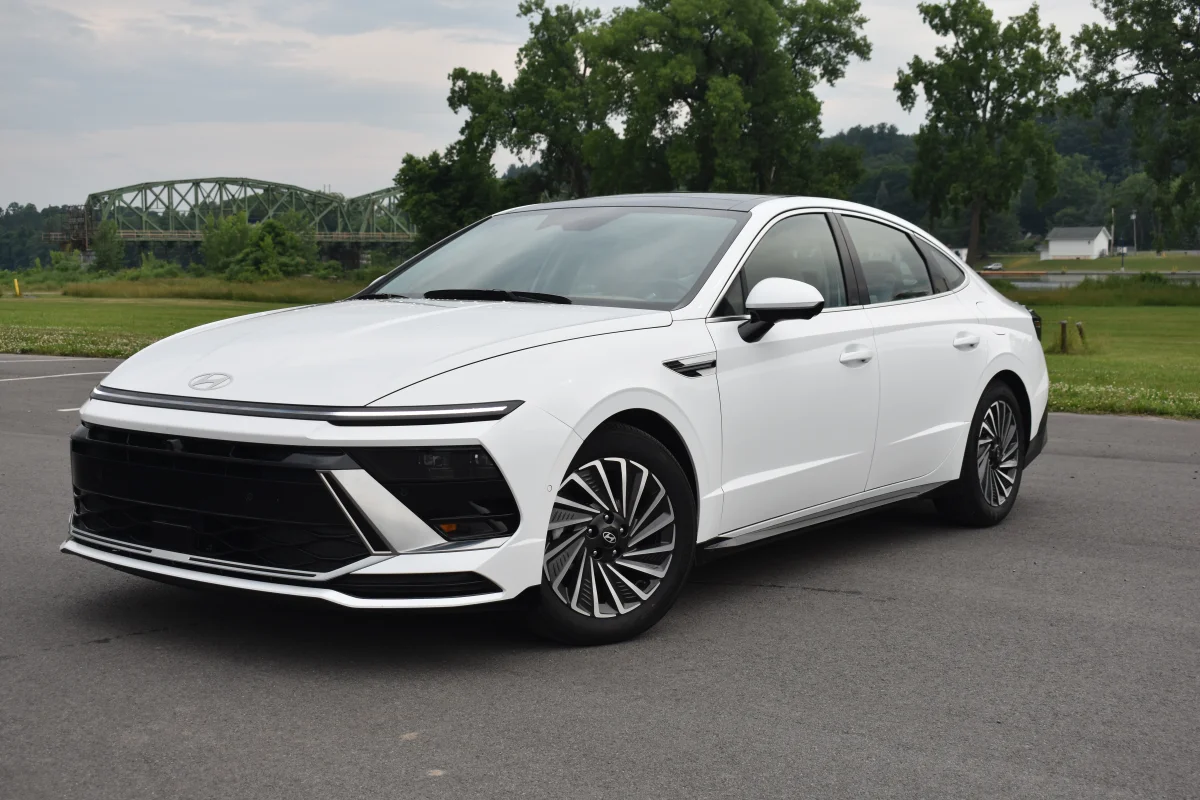
5. 2025 Subaru Crosstrek
The 2025 Subaru Crosstrek starts at $25,810 and combines standard all-wheel drive (AWD) with a strong set of safety features. It comes with nine airbags, brake assist, auto vehicle hold, steering-responsive headlights, and whiplash-protective front seats.
Optional safety features include evasive steering assist, automatic collision notification, rear automatic braking, and blind-spot monitoring with rear cross-traffic alert. The Crosstrek earned a 5-star NHTSA rating and was named a 2023 IIHS Top Safety Pick, reinforcing its reputation as a secure subcompact SUV.
The base 2.0-liter engine delivers a sluggish 0-60 mph time of 9.9 seconds, while the standard 2.5-liter engine on most trims cuts that time by over a second. Steering is somewhat vague, and body roll is noticeable in corners and under braking, but the Crosstrek rides smoothly and is easy to live with for daily driving.
Its AWD system provides confidence in rain, snow, and light off-road conditions. However, the driver-assistance systems can feel overactive, with frequent alarms and chimes that may become distracting.
The Crosstrek’s interior is simple, functional, and user-friendly. Buttons and knobs are large and easy to use, and steering-wheel controls make browsing menus straightforward.
The cabin feels spacious, aided by a high roofline and wide door openings, and the elevated seat height simplifies entry and exit. While the infotainment menus look dated, they are accessible, and the tactile controls help mitigate usability issues.
Tech in the Crosstrek is basic compared with rivals. Most trims feature an 11.6-inch tablet-like infotainment screen with large icons, though it can be slow to respond. Wireless Android Auto and Apple CarPlay are standard, and USB-A and USB-C ports are available front and rear. A wireless charging pad adds convenience, though many other functions are routed through the slow touchscreen.
Cargo capacity is limited to 19.9 cubic feet behind the rear seats, smaller than competitors such as the Chevrolet Trailblazer and Volkswagen Taos. Interior storage for small items is minimal, with undersized door pockets, small cupholders, and a compact center console. This makes it necessary to carefully organize loose items inside the cabin.
The Crosstrek offers average value compared with its peers, excelling mainly in off-road capability rather than features or refinement. Warranty coverage includes three years/36,000 miles basic and five years/60,000 miles powertrain, with no complimentary maintenance.
Fuel economy for the 2.0- or 2.5-liter engines is EPA-rated at 29 mpg combined, with real-world testing showing slightly better results at 33.4 mpg. Wilderness models drop slightly to 27 mpg.
The 2025 Subaru Crosstrek is a practical, rugged choice for drivers who prioritize off-road capability and utility over refined on-road performance. Its simplicity, spacious cabin, and AWD system make it ideal for camping, outdoor adventures, and driving in challenging conditions, though tech and interior refinement lag behind competitors.
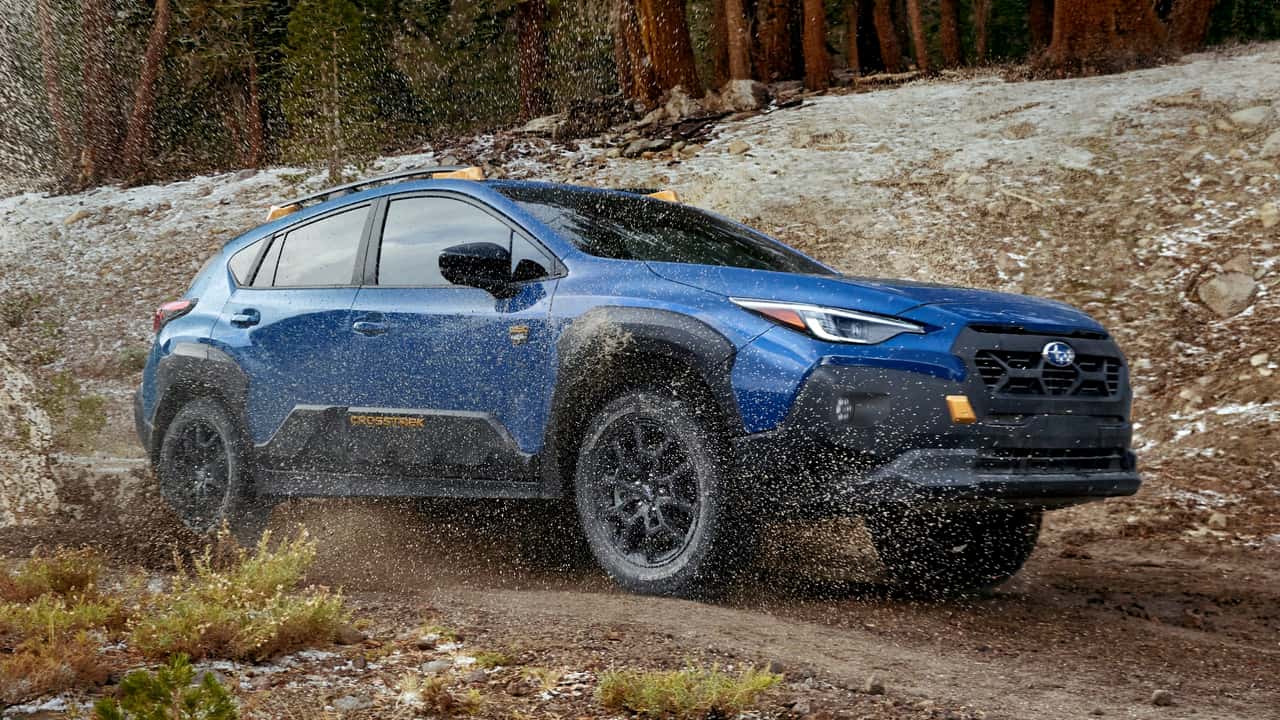
Also Read: 10 Cars That Still Look Brand-New With a Simple Wash
6. 2025 Honda HR-V
Starting at $25,400, the 2025 Honda HR-V combines safety, practicality, and a more refined design. It comes with 10 airbags, a 5-star NHTSA rating, and an IIHS Top Safety Pick+ (2024) award.
Honda’s standard Honda Sensing suite includes forward collision mitigation, lane-keeping assist, and automatic high beams. The vehicle’s full LED exterior lighting setup, covering headlights, daytime running lights, and taillights, enhances visibility and adds a modern touch to its design.
The HR-V delivers a driving experience that is balanced but not thrilling. The steering feels artificial at first, but becomes more natural with time. Around town, the engine and transmission perform adequately, but the HR-V feels underpowered when merging or passing at highway speeds.
It takes over 10 seconds to reach 60 mph, which is slower than many competitors. On the positive side, the brakes are smooth and responsive, and the handling feels composed and predictable. The HR-V provides a comfortable and compliant ride that absorbs bumps effectively.
Visibility is excellent, thanks to low-mounted mirrors and a backup camera that offers multiple viewing angles. Some driver-assistance systems, such as blind-spot monitoring and adaptive cruise control, can be too sensitive or slow to respond.
Inside, the HR-V offers a spacious and thoughtfully designed cabin. The wide door openings and well-positioned seats make entry and exit easy. The rear seats are more comfortable than the front ones, as the front seat cushions feel quite stiff and lack lumbar support.
Climate control works efficiently but tends to cool the cabin too much, and the absence of rear air vents reduces comfort for back passengers. Cabin noise is moderate, with tire and wind sounds noticeable at highway speeds, but not intrusive.
Technology in the HR-V is functional and user-friendly. The infotainment interface resembles that of the Civic and features clear menus and physical buttons on the steering wheel. Standard features include wireless Apple CarPlay and Android Auto, a wireless charging pad, and three front USB ports. The lack of rear USB ports and built-in navigation is a drawback for some users.
The HR-V provides 24.4 cubic feet of cargo space behind the rear seats, and the seatbacks fold flat for carrying larger items. The rear cargo area is easily accessible and very usable. The interior includes several practical storage areas, such as a deep center armrest bin and a rubberized bridge tray for small items. The door pockets are small but functional.
The HR-V’s cabin materials and fit are of high quality, giving it an upscale feel for its price. While pricing is competitive, some desirable tech and safety features are reserved for higher trims.
The 3-year/36,000-mile basic warranty and 5-year/60,000-mile powertrain coverage are average for the segment. The all-wheel-drive version delivers 27 mpg combined, and real-world testing returned 31.6 mpg, showing strong fuel efficiency.
The 2025 Honda HR-V is a well-built and dependable small SUV with excellent safety ratings and good fuel economy. It is spacious, comfortable, and practical but held back by its modest engine performance. It stands out for usability and refinement, though not for excitement.
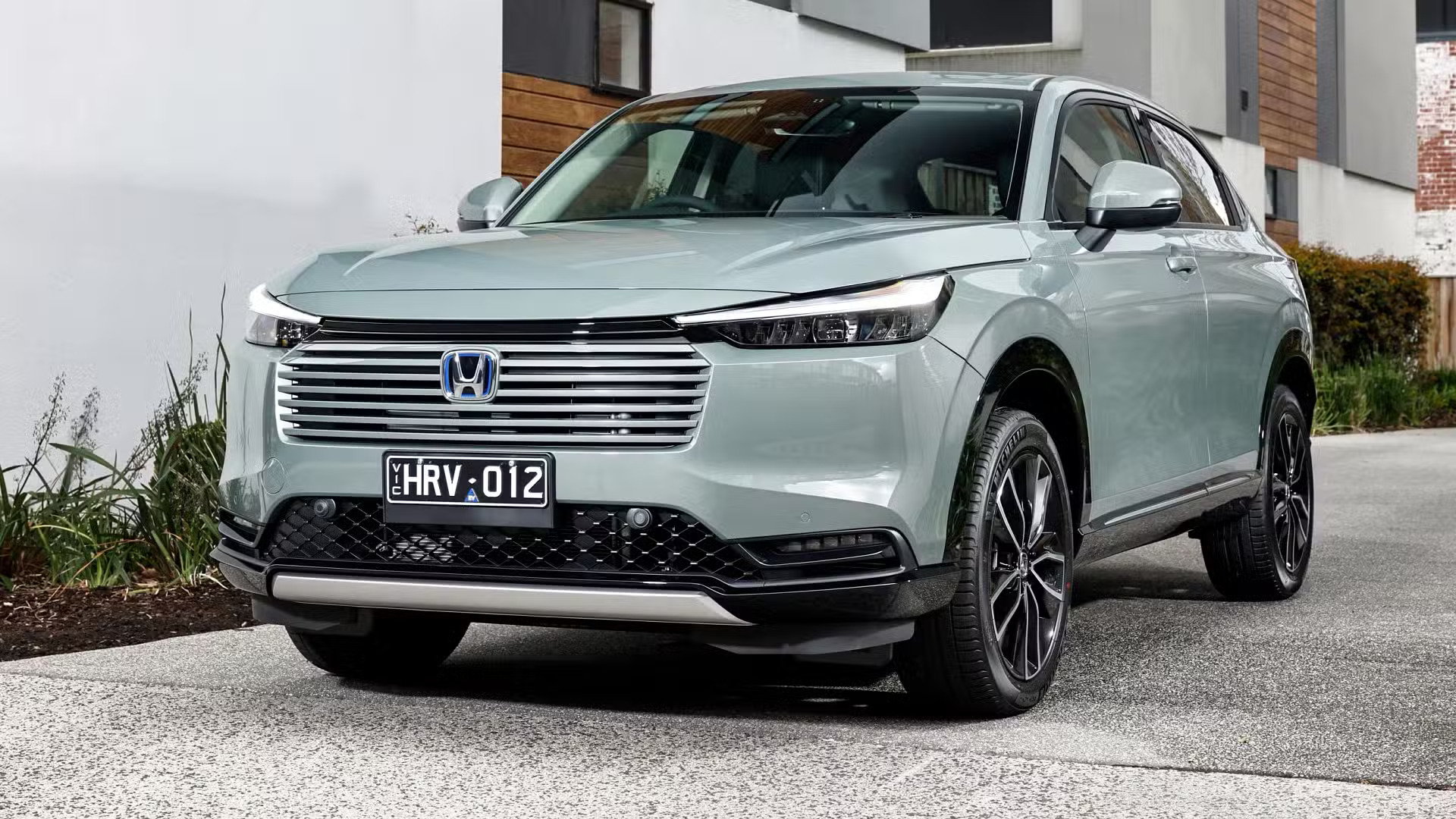
7. 2025 Honda Civic
Starting at $24,250 for the sedan and $27,450 for the hatchback, the 2025 Honda Civic remains one of the most well-rounded compact cars on the market. It carries 10 airbags, a 5-star NHTSA rating, and the prestigious IIHS Top Safety Pick+ (2024) award.
The standard Honda Sensing suite includes adaptive cruise control with low-speed follow, a driver attention monitor, and traffic sign recognition. Higher trims under $30,000 add low-speed braking control, further improving active safety.
The Civic’s available hybrid powertrain delivers strong performance for its class. During testing, it accelerated from 0 to 60 mph in 6.6 seconds, making it quicker than most other small sedans and even faster than the Civic Si.
The hybrid setup combines responsiveness with smoothness, offering an enjoyable and relaxed driving experience. Steering is precise, and the car maintains excellent composure on both smooth and uneven roads. The ride feels firm yet balanced, which enhances handling agility.
Visibility is generally good, with slim front roof pillars and door-mounted side mirrors that improve forward sightlines. The sloping roof and short rear window slightly restrict rear visibility, but the multi-angle rearview camera compensates for this. Honda’s driver assistance features perform consistently, though they are not the most advanced in the segment.
The Civic hybrid features an attractive and functional cabin. All controls are logically arranged and easy to reach. The front seats accommodate both tall and short drivers comfortably, while rear passengers enjoy good shoulder and legroom, though taller individuals may find the sloping roofline limiting. Road and wind noise are moderate, allowing for a quiet cabin during most drives.
The climate control system is simple to operate, with clear dials and effective air distribution. However, the absence of rear air vents is a noticeable omission. The Civic feels more refined than many competitors in its class.
Technology in the Civic is practical and easy to use. The standard infotainment system uses a 7-inch touchscreen with Apple CarPlay and Android Auto. The 9-inch touchscreen, available on higher trims, adds Google Built-In features, wireless phone connectivity, and a Bose premium audio system. While the larger screen significantly improves usability, it is reserved for the most expensive hybrid trim.
The Civic sedan offers 14.8 cubic feet of trunk space, with the hybrid version maintaining that full capacity since its battery placement does not reduce cargo room. For greater utility, the Civic hatchback provides 24.5 cubic feet of space, surpassing competitors such as the Toyota Prius. Rear seats fold flat to handle longer items, and small-item storage is well-designed with a large center armrest bin and removable tray.
Although priced slightly higher than rivals like the Hyundai Elantra and Toyota Corolla, the Civic hybrid justifies its cost with superior performance, refined handling, and a high-quality interior. Honda’s warranty includes three years or 36,000 miles of basic coverage and five years or 60,000 miles of powertrain coverage. The hybrid achieves an EPA-estimated 49 mpg combined, which matches real-world results from testing.
The 2025 Honda Civic hybrid successfully combines strong fuel efficiency, quick acceleration, and impressive build quality. It is engaging to drive, comfortable to live with, and packed with thoughtful features. For those seeking an affordable compact car that delivers both excitement and reliability, the Civic remains one of the best choices in its class.
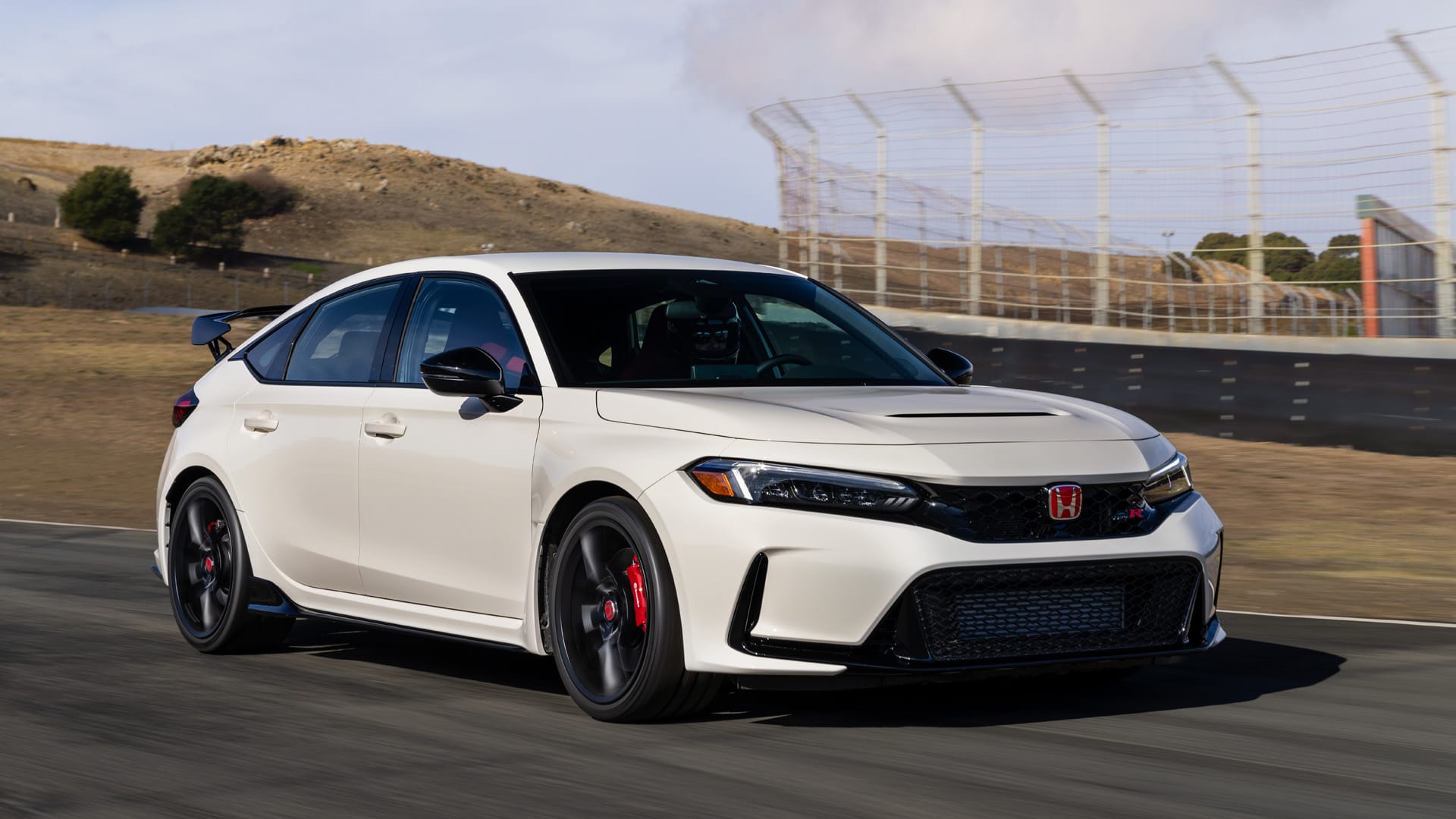
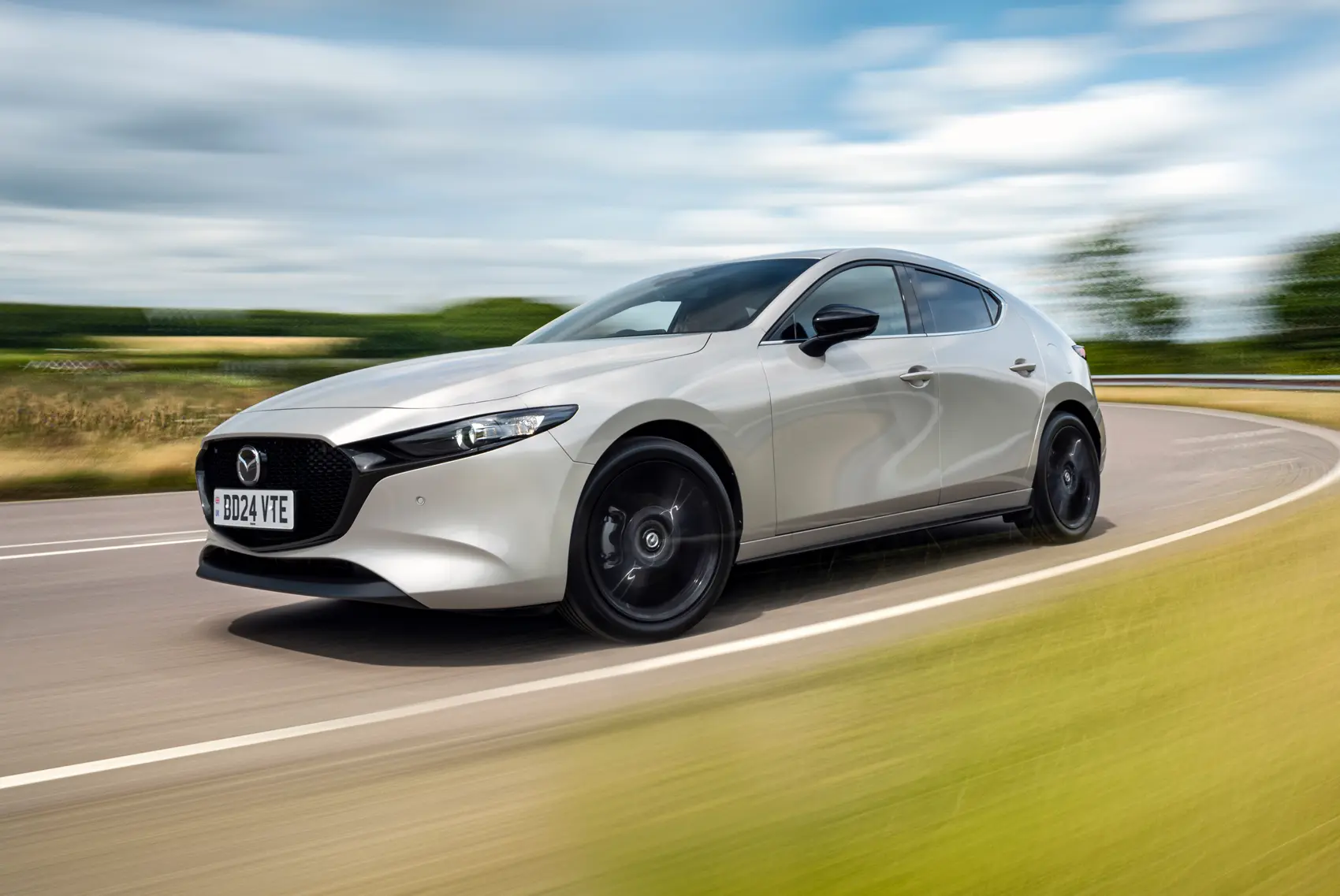
8. 2025 Mazda 3
Starting at $23,950 for the sedan and $24,950 for the hatchback, the 2025 Mazda 3 combines refined performance with advanced safety features and a premium interior. It features 10 airbags, a 5-star NHTSA safety rating, and an IIHS Top Safety Pick+ (2024) award.
Standard systems include forward collision mitigation, driver attention monitoring, electronic brake force distribution, and brake assist. Higher trims add adaptive LED headlights and Smart Brake Support for enhanced protection.
The Mazda 3 offers two engine choices: a standard 2.5-liter four-cylinder and an optional turbocharged version. The turbo model delivers impressive acceleration, reaching 60 mph in 6.5 seconds, making it one of the quickest in its class.
Both the automatic and manual transmissions perform smoothly, contributing to a composed and engaging drive. The suspension absorbs road imperfections well and maintains excellent stability at higher speeds.
However, the car’s hatchback design slightly limits rear visibility due to thick roof pillars and a small back window. Some driver assistance systems, such as lane keeping, are less refined than those in competitors like the Honda Civic. Despite this, the Mazda 3 remains enjoyable to drive and retains a sense of confidence on winding roads and highways.
Inside, the Mazda 3 feels more upscale than most compact cars. The cabin design focuses on the driver, with intuitively placed controls and supportive seats, even in non-leather trims. The interior is well-insulated, minimizing engine and road noise. The climate control system uses simple physical buttons, enhancing ease of use.
Rear seating is the Mazda 3’s weakest area. The back seat is tight for adults, and entry is somewhat difficult due to small door openings. Fitting large child safety seats can be challenging unless the front seats are moved forward, which reduces comfort for front passengers.
The infotainment display is modest in size but neatly integrated into the dashboard. Its clean graphics and rotary control knob give it a premium feel. When using Apple CarPlay or Android Auto, the system adds touchscreen functionality, though the screen’s placement is too far for convenient reach.
Wireless smartphone connectivity is available only as an option, whereas many rivals offer it standard. The optional Bose audio system provides crisp, high-quality sound.
The Mazda 3 sedan provides 13.2 cubic feet of trunk space, which trails competitors like the Civic and Elantra. Interior storage options are limited, with small cupholders and narrow door pockets.
Although priced higher than many compact rivals, the Mazda 3 delivers value through its elegant design, refined cabin, and available turbocharged power. Top trims can reach nearly $40,000, but the craftsmanship and materials justify the price. Warranty coverage includes three years or 36,000 miles of basic protection and five years or 60,000 miles for the powertrain.
Fuel economy is competitive, with the base model achieving 31 mpg combined and 30 mpg with all-wheel drive. The turbo variant averages 27 mpg combined. The absence of a hybrid option may deter some buyers, but the car’s driving character compensates for it.
The 2025 Mazda 3 stands out through its stylish design, strong performance, and luxury-like quality. With solid safety credentials and available all-wheel drive, it appeals to those seeking a compact car that feels sophisticated yet sporty. Despite limited rear space and a few tech quirks, the Mazda 3 remains one of the most refined choices in its class.
9. 2025 Toyota Corolla
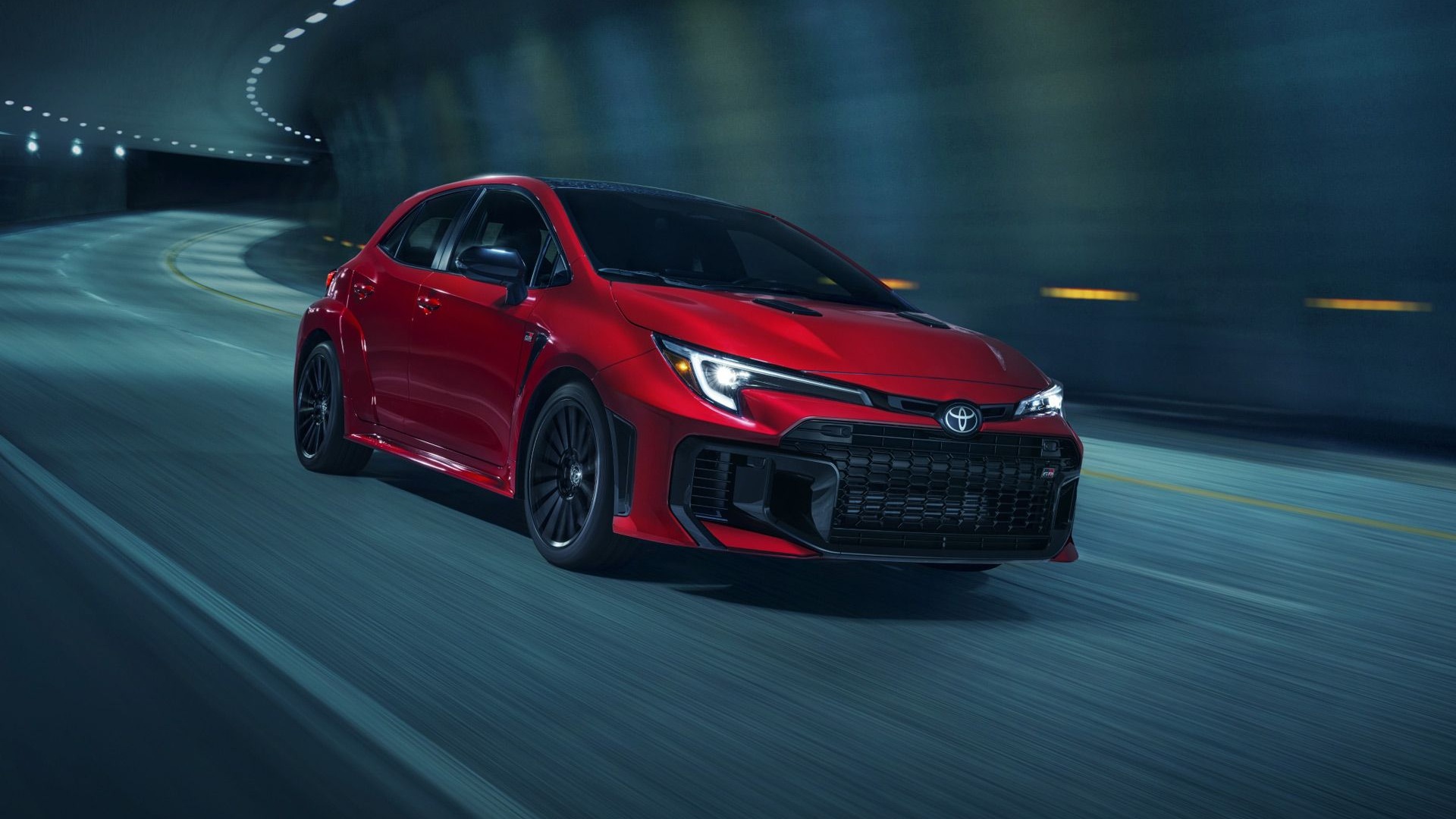
Starting at $22,325, the 2025 Toyota Corolla remains one of the most accessible and well-rounded compact sedans on the market. It stands out for offering every trim level, including hybrid options, for under $30,000. The Corolla features 10 airbags, a 5-star NHTSA rating, and an IIHS Top Safety Pick (2024) award.
Toyota equips every model with an extensive safety suite that includes forward collision mitigation with pedestrian detection, lane keep assist, adaptive cruise control, automatic high beams, traffic sign recognition, and an electronically controlled braking system.
Performance is adequate but not spirited. The Corolla FX test car took 9.1 seconds to reach 60 mph, meaning acceleration is modest compared with some rivals. Drivers will often need to press hard on the gas pedal during highway merges or passing maneuvers. Braking, however, is smooth and predictable, and the car handles everyday driving with confidence.
While the FX trim is marketed as sporty, it leans noticeably in turns, and its tires offer limited grip. Still, the Corolla feels composed over most surfaces, with a suspension that delivers a comfortable and steady ride.
The continuously variable transmission operates smoothly, simulating gear shifts to minimize the droning sound typical of CVTs. Driver assistance systems perform well, with the lane-keeping feature standing out for its accuracy and balance.
The Corolla’s cabin provides a blend of practicality and simplicity. The front seats offer solid comfort, with sufficient legroom and headroom for most adults. Rear legroom is good, though taller passengers may find headroom limited due to the roofline. The back seat accommodates child safety seats with ease, and anchors are clearly labeled for convenient installation.
Interior design emphasizes usability, with logically placed buttons and uncluttered controls. However, road noise is significant at higher speeds, requiring drivers to raise the stereo volume. The engine also sounds strained under heavy acceleration, although simulated gear shifts help reduce monotony.
The Corolla comes with an 8-inch touchscreen or an available 10.5-inch display, both offering clear graphics. The system can be slow to respond, particularly when using navigation, and virtual buttons are small and occasionally hard to tap accurately. Toyota’s connected services, such as remote start and vehicle tracking, are helpful but require a monthly subscription.
Trunk capacity is 13.1 cubic feet, slightly smaller than that of key competitors. The rear seats fold down, but do not sit flush with the cargo floor, which may complicate loading long items. Interior storage is modest but adequate for daily needs.
In terms of value, the Corolla delivers strong build quality and Toyota’s trusted reliability. While its feature set trails some rivals, it includes two years of free scheduled maintenance, a rare benefit in this class. Warranty coverage provides three years or 36,000 miles of basic protection and five years or 60,000 miles for the powertrain.
The 2.0-liter engine with CVT achieves an EPA-estimated 34 to 35 mpg combined, and real-world testing returned 40.2 mpg, confirming the Corolla’s excellent efficiency. Those seeking maximum fuel savings can opt for the Corolla Hybrid, which surpasses these figures.
The 2025 Toyota Corolla prioritizes practicality, comfort, and safety above excitement. It may not be the sportiest compact car available, but it delivers on reliability, efficiency, and everyday usability. With a clean design, solid construction, and proven dependability, the Corolla remains a smart and reassuring choice for budget-conscious buyers.
10. 2025 Hyundai Elantra
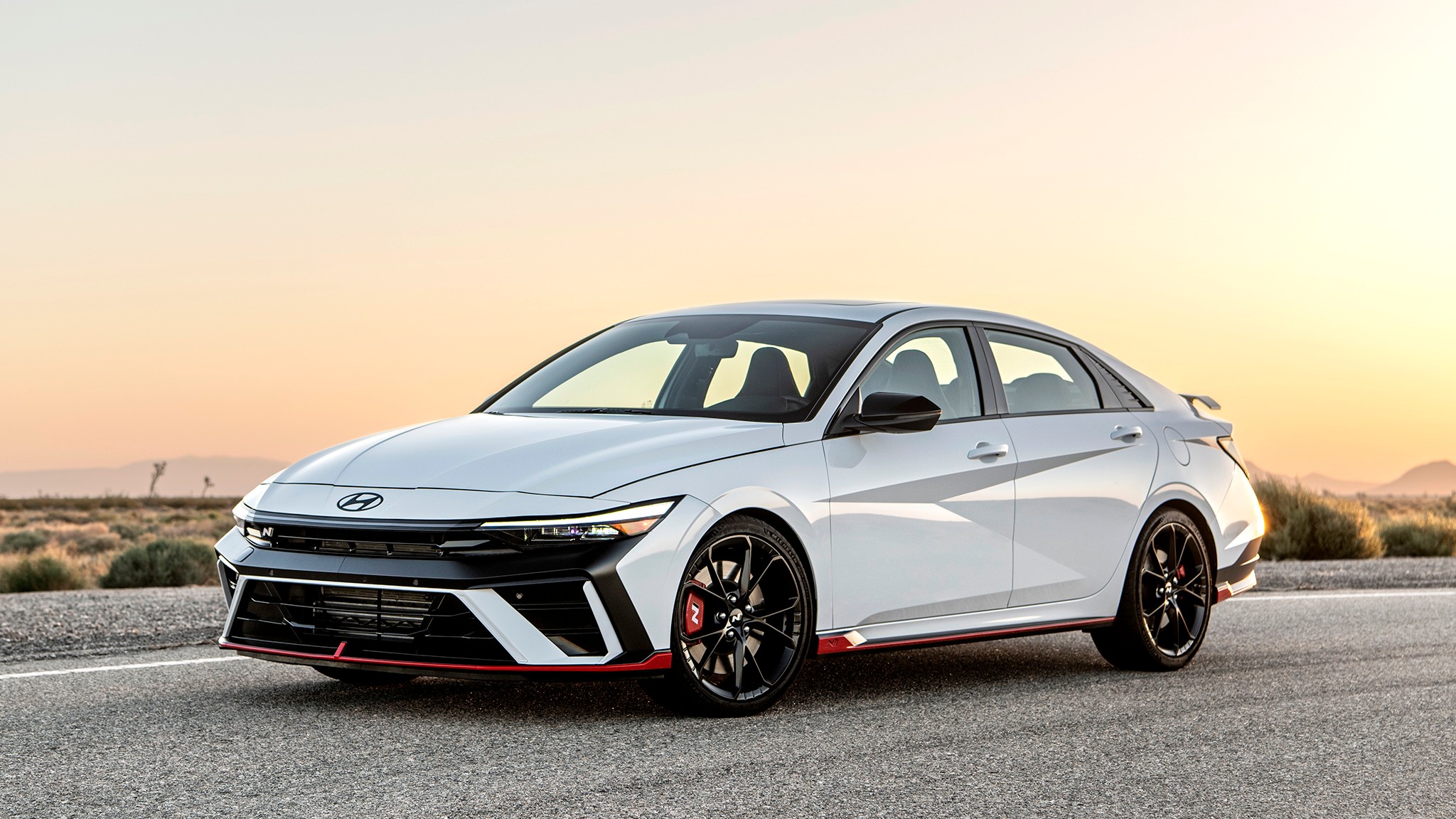
With a starting price of $22,025, the 2025 Hyundai Elantra is the most affordable car among top-rated safety models. It comes equipped with six airbags, a 5-star NHTSA rating, and an IIHS Top Safety Pick (2024) award. While it offers fewer airbags than some rivals, the Elantra’s standard safety features are impressive for the price.
Every model includes LED headlights, forward collision mitigation with pedestrian detection, and Blind-Spot Collision Avoidance Assist. Higher trims add Highway Driving Assist, which helps maintain distance and lane position for added confidence.
The Elantra provides a comfortable, composed driving experience that prioritizes smoothness over speed. Its base 2.0-liter engine delivers modest acceleration, taking around 10 seconds to reach 60 mph, but it performs well for city commuting and light highway driving. Steering is direct and predictable, giving the driver a sense of control, while the suspension soaks up road imperfections effectively.
Visibility is a highlight thanks to the large windshield and slim roof pillars. The Elantra’s driver assistance systems are well-tuned, particularly its blind-spot warning and adaptive cruise control. Parking sensors are a useful addition, although their frequent alerts can be distracting in tight spaces.
Inside, the Elantra feels more premium than its price would suggest. The front seats offer good cushioning and support, with optional power adjustments and lumbar support available on higher trims. Materials throughout the cabin are soft to the touch, contributing to a refined atmosphere. The seating position strikes a balance between sedan comfort and SUV visibility, appealing to a wide range of drivers.
Cabin space is generous for a compact sedan, providing ample headroom and legroom for both front and rear passengers. Large door openings make entry and exit effortless, and the wide rear bench accommodates child seats comfortably. Hyundai’s decision to rely heavily on touchscreen controls may frustrate some users, as physical buttons are minimal.
Technology is a major strength of the Elantra. Every model comes with wireless Apple CarPlay and Android Auto, displayed on a clear 12.3-inch touchscreen. Hyundai’s native infotainment system is easy to use, offering vivid graphics, responsive navigation, and effective voice recognition. The interface feels modern and intuitive, even if it lacks haptic feedback.
The Elantra offers practical trunk space for everyday use, complemented by numerous small storage compartments throughout the cabin. Hyundai’s five-year/60,000-mile basic warranty and 10-year/100,000-mile powertrain coverage remain among the best in the industry, adding to its value.
Fuel economy is another strong point. The standard model achieves an EPA-estimated 34 mpg combined, with real-world results often matching or exceeding this figure.
The 2025 Hyundai Elantra blends affordability, safety, and technology into a smart, everyday compact sedan. While it lacks the performance punch of some rivals, its premium interior, impressive warranty, and long list of standard safety features make it an exceptional value choice for budget-conscious drivers seeking comfort and reliability.
Safety no longer belongs exclusively to the luxury segment. Today’s automakers have redefined what “budget” really means. The ten vehicles in “10 Budget Cars That Punch Above Their Weight in Safety” demonstrate how smart engineering and innovation can protect drivers and passengers without inflating costs.
From the all-wheel-drive capability of the Subaru Outback to the hybrid efficiency of the Toyota Prius and the balanced performance of the Honda Accord, each model shows that affordability and safety can work hand in hand. Some may sacrifice a bit of speed or refinement, but the peace of mind they deliver is priceless.
These cars prove that even under $30,000, buyers can enjoy advanced driver-assistance features, excellent crash protection, and dependable reliability. In a time when prices continue to rise, these models remind us that true value lies in staying safe, secure, and confident behind the wheel.
Also Read: 5 Cars That Accept Budget Pads Quietly vs 5 That Squeal Without OEM