When mechanics talk about cars they trust the most, their recommendations go beyond performance charts or flashy features. They focus on vehicles that stand the test of time, are easy to maintain, and deliver consistent reliability mile after mile.
That’s the idea behind “12 Used Cars Mechanics Secretly Recommend To Their Friends.” These models have earned respect not only for how they drive but also for how rarely they break down.
From dependable sedans like the Toyota Camry and Honda Accord to family-ready SUVs such as the Honda CR-V and Toyota RAV4, each car in this list represents a balance of value, durability, and everyday comfort.
Whether you’re shopping for a first car, a fuel-efficient commuter, or a practical family vehicle, these trusted picks offer long-term peace of mind. They’re the quiet champions of the used market vehicles mechanics would confidently buy for themselves.
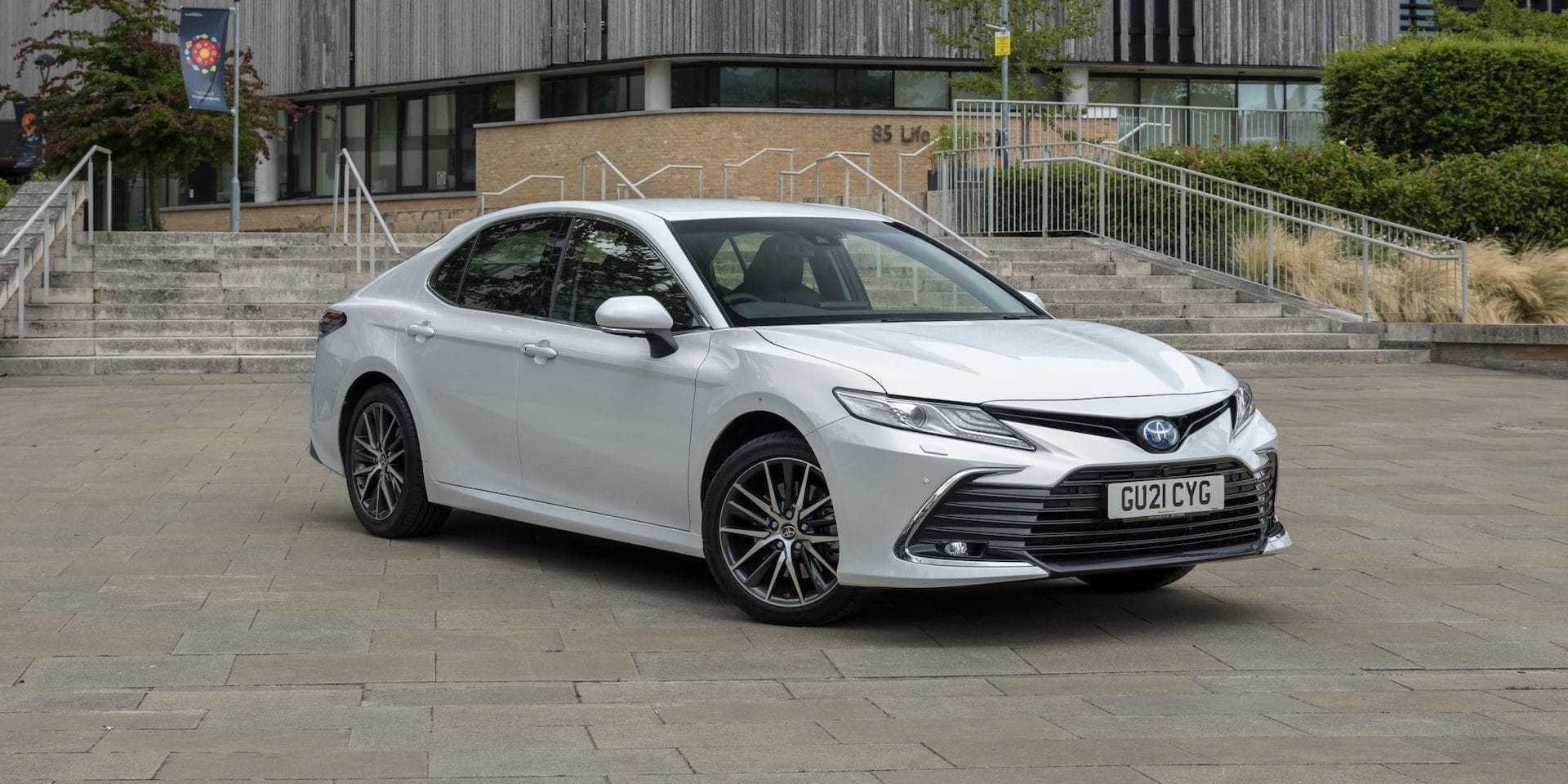
1. Toyota Camry: MPG and Driving Experience – Efficiency Meets Enjoyment
The Toyota Camry continues to lead the midsize sedan category with its impressive mix of fuel efficiency, performance, and everyday practicality. According to Toyota’s official estimates, the Camry delivers 44 to 51 miles per gallon (mpg) in combined city and highway driving, depending on trim and configuration.
These numbers make it one of the most fuel-efficient vehicles that is not a plug-in hybrid or fully electric, appealing to drivers who want both performance and savings at the pump.
In real-world testing, the front-wheel-drive Camry XSE achieved 45.9 mpg on a standardized evaluation route. Although this figure is slightly lower than Toyota’s estimate of 47 mpg, it still surpasses the performance of competitors such as the Honda Accord Hybrid.
This consistency between official ratings and real-world results highlights Toyota’s engineering precision and dedication to reliability. The Camry’s strong fuel economy across different trims makes it an excellent choice for those who value long-term savings and reduced environmental impact.
Beyond efficiency, the Camry surprises with its engaging driving dynamics. Long known for comfort and dependability, the latest version adds a sense of excitement that sets it apart from traditional family sedans. Acceleration is smooth and confident, providing plenty of power for highway merging or passing slower traffic.
The automatic transmission shifts cleanly, keeping the ride steady and responsive. Whether cruising through the city or tackling winding roads, the Camry maintains composure and balance that make it pleasant to drive.
The ride quality is another highlight. The suspension system is tuned to absorb imperfections while preserving stability and control. Steering feels responsive and precise, giving drivers a reassuring sense of connection to the road. The quiet and refined cabin further enhances comfort, allowing passengers to enjoy a peaceful and relaxed experience even during long trips.
Styling plays a key role in the Camry’s modern appeal. The exterior design features sculpted lines, a bold front fascia, and a sleek profile that give it a sporty and confident look. This fresh design direction moves away from the conservative image of earlier models and reflects Toyota’s commitment to making the Camry both functional and visually dynamic.
The 2025 Toyota Camry demonstrates that efficiency and driving enjoyment can coexist. With its exceptional fuel economy, engaging road manners, and refined styling, it stands as a compelling choice for anyone seeking a midsize sedan that offers economy, comfort, and character in one complete package.

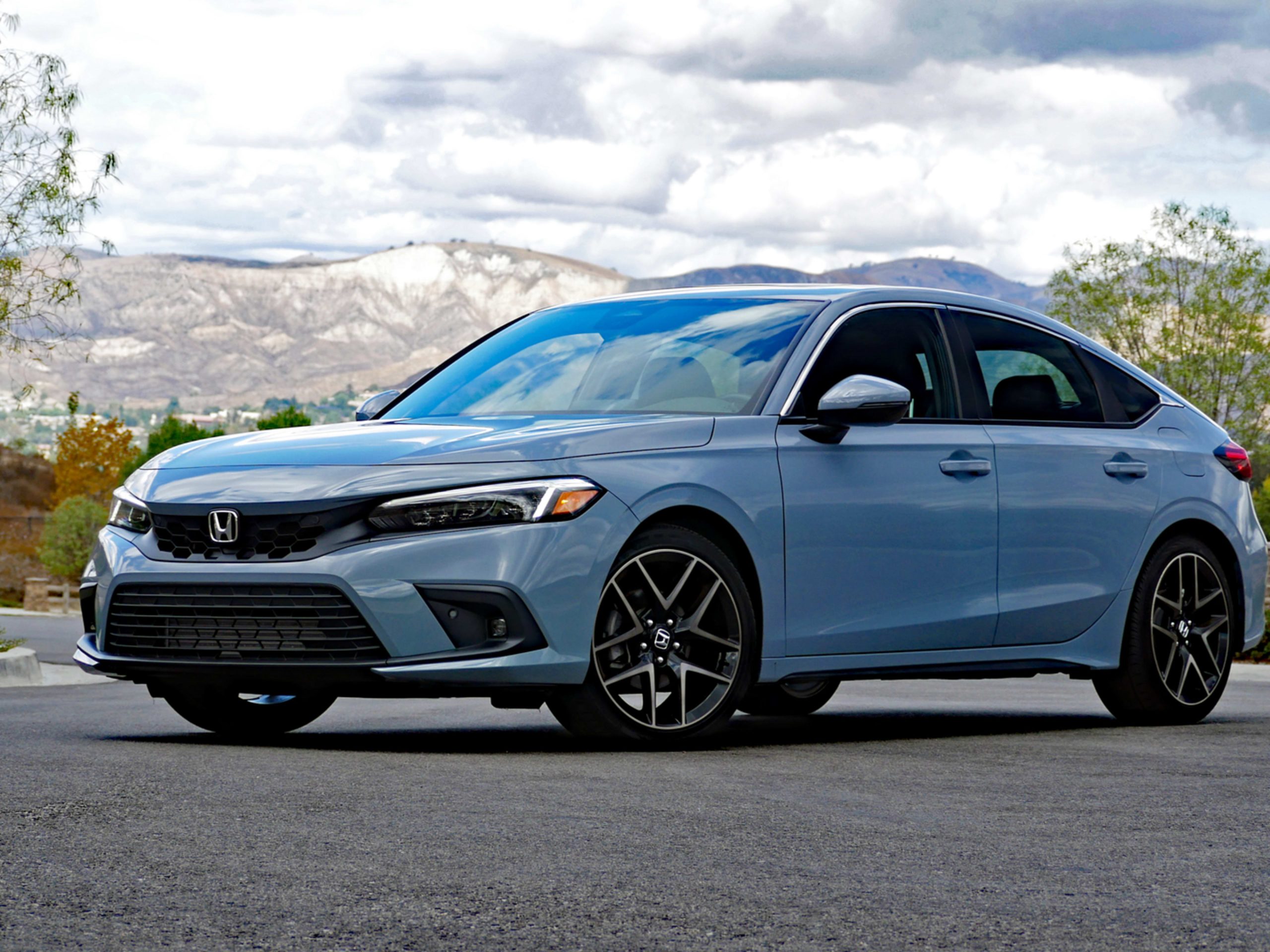
2. Honda Civic: A Perfect Blend of Reliability, Efficiency, and Driving Fun
The Honda Civic has earned a lasting reputation for dependability and durability. Many Civics easily exceed 300,000 miles with minimal issues, demonstrating Honda’s engineering precision and quality.
This reliability helps keep maintenance costs low and insurance rates reasonable, thanks to the Civic’s strong safety record. Families appreciate its excellent fuel efficiency, which saves money at the pump and makes long drives more affordable and convenient.
The Civic hybrid takes these strengths further by pairing impressive fuel economy with a lively driving character. Its hybrid powertrain delivers 0 to 60 mph in 6.6 seconds, making it quicker than most small sedans and even the sporty Civic Si.
Unlike many hybrids that feel disconnected from the road, the Civic hybrid provides sharp steering, balanced handling, and smooth power delivery that make it genuinely enjoyable to drive. Whether cruising through city streets or taking on open highways, the Civic hybrid feels confident and responsive.
Visibility is one of the Civic’s standout qualities. Slim front roof pillars and door-mounted mirrors open up the forward view, while the multi-angle rearview camera compensates for slightly limited rear visibility caused by the sloping roofline.
Honda’s driver assistance features function with precision and reliability, offering peace of mind without being intrusive. The suspension tuning keeps the ride steady and controlled, maintaining a refined sense of balance on both smooth and uneven roads.
Inside, the Civic’s cabin blends comfort and practicality with modern design. The dashboard layout is logical, with physical buttons and knobs that make adjustments quick and intuitive. The front seats are comfortable for long drives, and the rear seats offer generous legroom and shoulder space.
Headroom is slightly restricted by the roofline for taller passengers, but space remains well utilized. Cabin insulation effectively reduces road and wind noise, creating a calm and pleasant environment.
The climate system is simple to use, with clear controls and consistent airflow. High-quality materials and elegant design touches give the interior an upscale feel that surpasses many compact competitors.
Upper trims include a 9-inch touchscreen with Google Built-In, wireless Apple CarPlay and Android Auto, and a Bose premium audio system. Lower trims feature a 7-inch screen with wired connectivity. Cargo capacity is strong, offering 14.8 cubic feet in the sedan and 24.5 cubic feet in the hatchback with foldable rear seats for added versatility.
With an EPA-estimated 49 mpg combined, verified in real-world testing, the Honda Civic hybrid proves that reliability, efficiency, and driving enjoyment can thrive together. It remains one of the most well-balanced and rewarding compact cars available today.
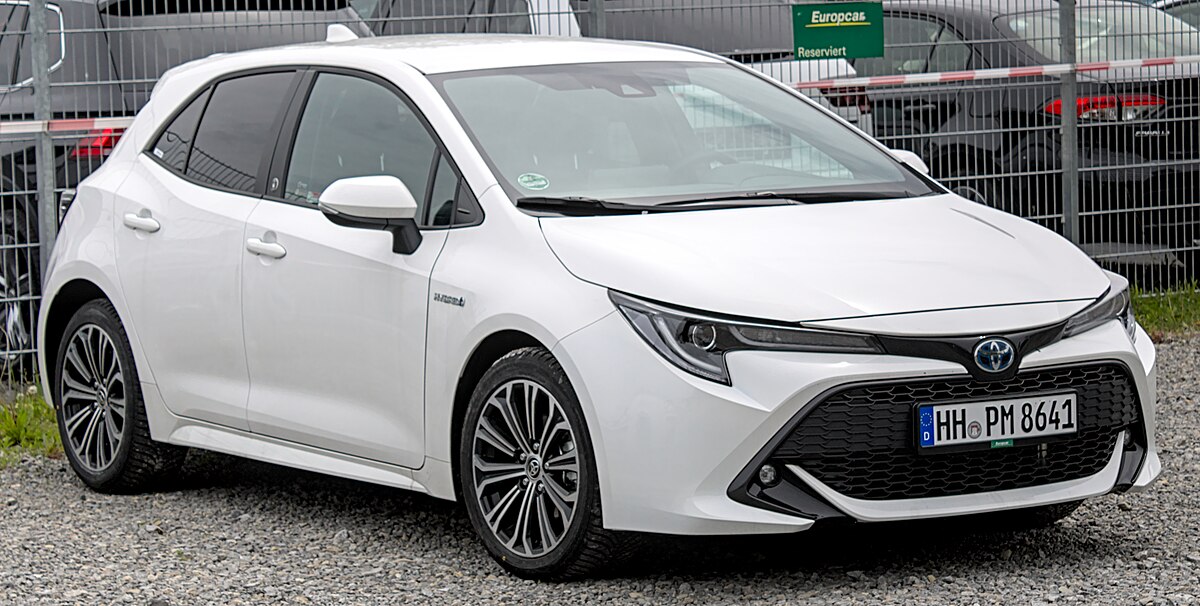
3. Toyota Corolla: Dependable, Efficient, and Built to Last
The Toyota Corolla has maintained its reputation as one of the most reliable and cost-effective compact cars on the market. Its straightforward engineering makes it a favorite among mechanics and budget-conscious drivers.
By avoiding overly complex systems, the Corolla reduces the likelihood of costly repairs, allowing for easier maintenance and lower long-term ownership costs. Replacement parts are inexpensive and readily available, reinforcing the car’s practicality. Even as it ages, the Corolla’s strong fuel economy continues to deliver savings, making it an economical choice for families and commuters alike.
Performance in the Corolla focuses on efficiency and dependability rather than sportiness. In testing, the Corolla XSE reached 60 mph in 8.8 seconds, which places it behind some of its quicker competitors in the small sedan class. Acceleration requires more effort when merging or overtaking, but the smooth braking system provides excellent control and confidence during everyday driving.
Although the XSE trim introduces a sport-inspired look, the Corolla’s handling remains modest. It exhibits noticeable body roll in corners, and tire grip is limited during spirited driving. However, its strengths lie in comfort and ease of use.
The continuously variable transmission (CVT) operates quietly and efficiently, while the suspension effectively absorbs bumps and uneven surfaces, ensuring a composed and pleasant ride for city commutes and highway travel alike.
Toyota’s driver assistance technology enhances safety and convenience. The lane-keeping assist functions with precision and maintains proper lane position without excessive correction. The blind-spot monitoring system, while helpful, relies solely on visual alerts instead of audible ones. Despite this, the system’s reliability adds an extra layer of security for daily driving.
Inside, the Corolla’s cabin prioritizes comfort and functionality. The front seats offer solid support for long drives, and the rear seats provide sufficient legroom for adults, though headroom may feel limited for taller passengers due to the roofline design.
The dashboard is simple and well-organized, with controls that are easy to locate and operate. Cabin materials feel durable, aligning with Toyota’s emphasis on long-lasting quality.
Noise levels are moderate, with the engine becoming more noticeable during heavy acceleration. The CVT’s simulated gear shifts reduce the droning often associated with this transmission type.
The Corolla’s technology setup includes 8-inch and optional 10.5-inch touchscreens, both clear and responsive. Navigation can lag slightly, and remote start features require a subscription. Cargo capacity is 13.1 cubic feet, suitable for daily needs, though the rear seats do not fold completely flat.
In terms of value, the Toyota Corolla continues to stand out. It combines solid build quality, dependable performance, and fuel efficiency with the reassurance of two years of free maintenance and Toyota’s trusted warranty coverage. While some rivals offer flashier features, few match the Corolla’s enduring reliability and practicality.
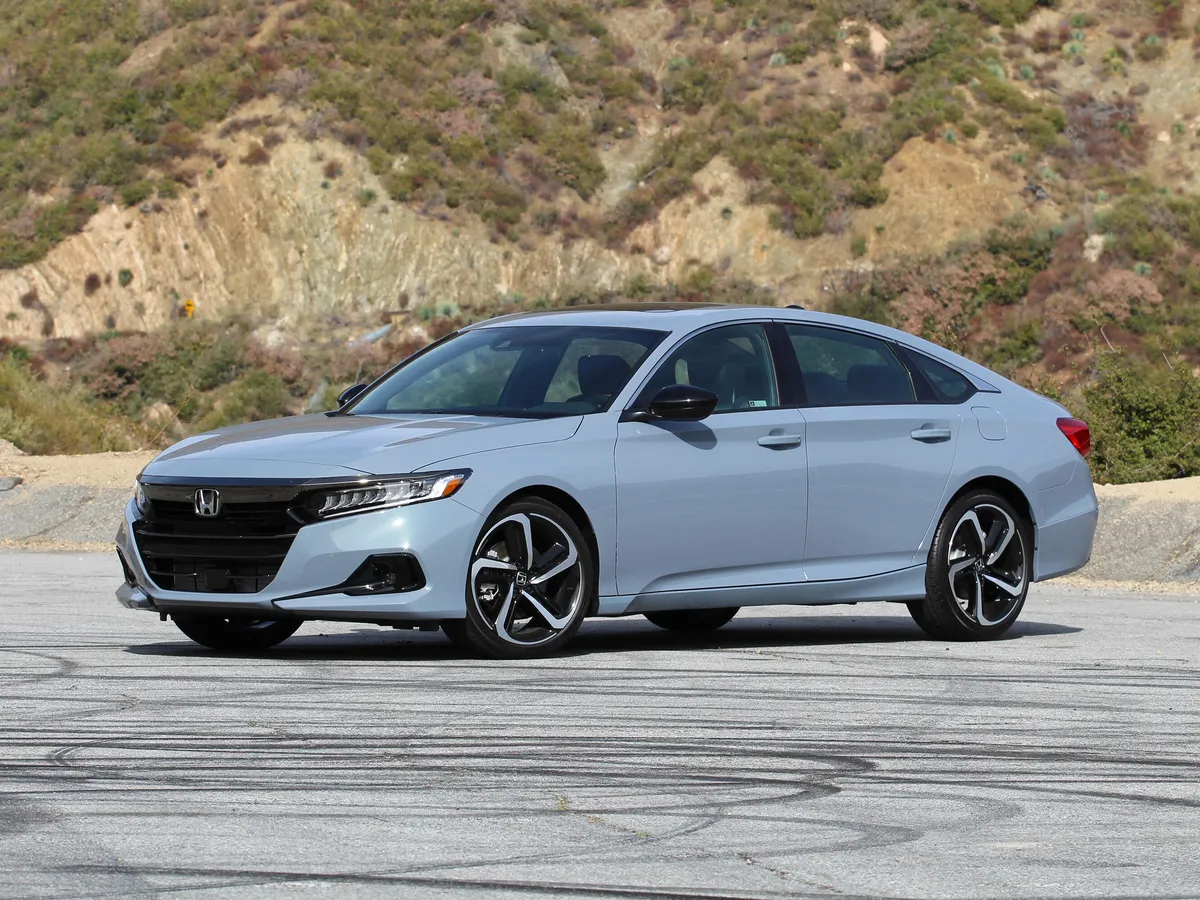
4. Honda Accord: Reliable Refinement with Balanced Performance
The Honda Accord continues to define excellence in the midsize sedan class through its mix of reliability, comfort, and balanced performance. Long valued by mechanics for its sturdy engineering, the Accord’s transmission stands out for its consistent smoothness and durability.
Drivers appreciate its composed handling in varied weather conditions, whether rain or snow, and its stability during sudden maneuvers enhances confidence behind the wheel. Combined with strong resale value, these traits make the Accord a wise choice for families who want practicality wrapped in refinement.
The Accord Sport-L Hybrid demonstrates that efficiency and performance can coexist seamlessly. It accelerates from 0 to 60 mph in seven seconds, outperforming most hybrid competitors in its segment.
The continuously variable transmission (CVT) replicates the feel of a traditional automatic, ensuring fluid power delivery without the typical high-revving behavior associated with CVTs. Steering is precise, and the chassis offers reassuring balance through turns. While this generation of the Accord is larger and slightly less agile than older versions, it remains impressively comfortable and composed on any road.
Ride comfort is another highlight. Even with 19-inch wheels, the suspension absorbs imperfections gracefully, while the EX-L trim offers an even smoother experience with smaller wheels.
Visibility is excellent thanks to thin windshield pillars and a large rear window. The Honda Sensing suite of driver-assistance features adds another layer of reassurance, though the lane-keeping system can feel slightly assertive. In contrast, adaptive cruise control operates naturally and is easy to adjust through steering wheel controls.
Inside, the Accord’s cabin feels both spacious and sophisticated. Wide doors simplify entry and exit, and generous legroom ensures comfort for all passengers. Taller rear occupants may find the sloping roofline a bit low, but space remains sufficient for most adults.
The interior design is clean and intuitive, with supportive seats that are comfortable for long drives. Sound insulation is excellent, keeping engine and road noise subdued, and the climate control system uses simple, clearly labeled buttons for ease of use. Installing child seats is straightforward thanks to accessible LATCH anchors and a wide rear bench.
Technology is modern yet user-friendly. Upper trims feature a 12.3-inch touchscreen with wireless Apple CarPlay, Android Auto, and available Google integration on the Touring trim. The interface is quick and easy to operate, though limiting certain features to higher trims may disappoint some buyers. Cargo space measures 16.7 cubic feet, offering generous room for luggage and larger items.
Fuel economy remains a standout advantage. The hybrid model achieves up to 48 mpg combined with smaller wheels and 44 mpg with larger ones. Real-world testing produced 41.5 mpg, proving its efficiency is more than just a promise.
The Honda Accord continues to balance refinement, practicality, and long-term reliability. While it may not be as sporty as past versions, it remains one of the most dependable and well-rounded midsize sedans available, ideal for families seeking comfort, efficiency, and enduring quality.
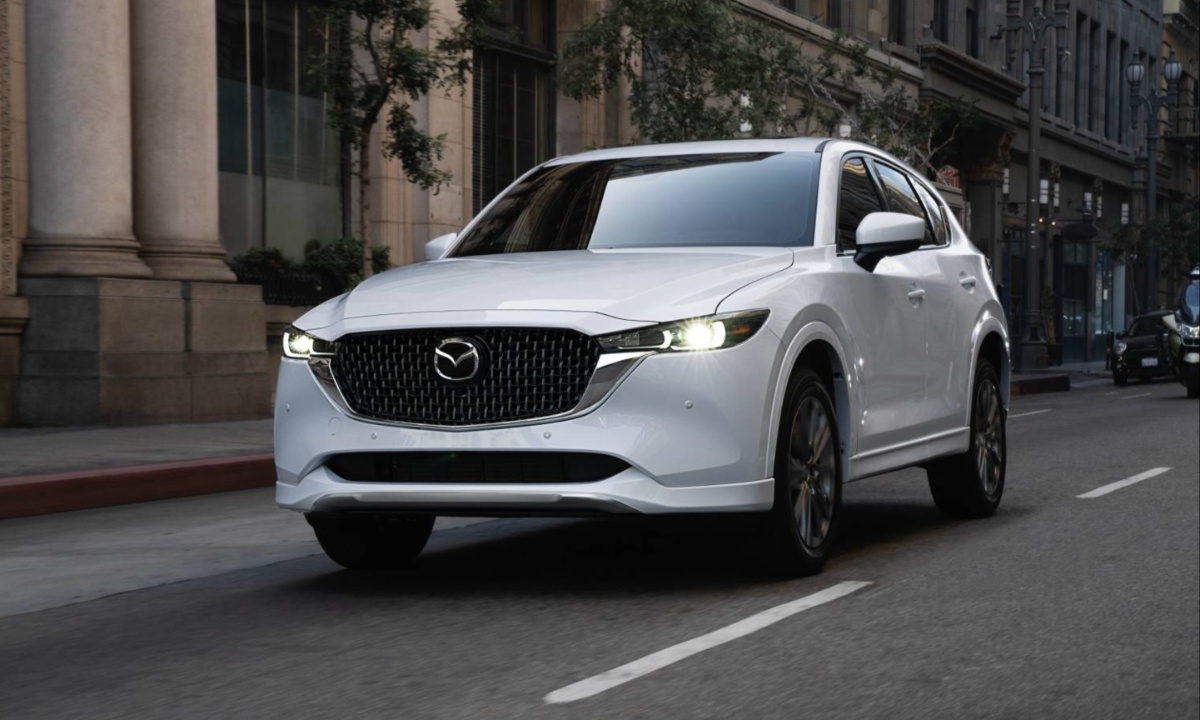
5. Mazda CX-5: Style, Performance, and Reliability in a Compact SUV
The Mazda CX-5 stands out as an SUV that combines reliability, driving enjoyment, and refined craftsmanship. It’s a favorite among mechanics and families who need SUV practicality without the frequent maintenance headaches.
Mazda’s engine technology balances power and efficiency, delivering performance that rivals higher-end vehicles. Its interior materials are built to withstand years of use, and standard all-wheel drive offers secure traction on slippery roads without a major fuel economy penalty.
The CX-5 offers two engine choices: a 187-horsepower base engine and a 256-hp turbocharged engine. The turbo model reached 0 to 60 mph in 6.6 seconds during testing, making it one of the quickest in its class.
It provides strong acceleration and effortless highway passing power, while the base engine, though slower, remains adequate for daily commuting. Both versions feature Mazda’s signature precise steering and composed suspension, which deliver sharp handling uncommon in compact SUVs.
While the ride is firmer than that of some rivals, most drivers will find it a fair trade for the added agility and control. The large windows and available surround-view camera system enhance visibility, making the CX-5 easy to maneuver in tight spaces.
Driver assistance systems are standard across all trims, but they feel slightly dated. The lane-keeping assist reacts slowly, and the adaptive cruise control takes time to adjust to changing traffic speeds.
Inside, the CX-5’s cabin reflects Mazda’s attention to detail. The front seats are supportive and shaped to reduce fatigue, though taller drivers may wish for more thigh support on longer trips. The physical buttons and knobs for controls are easy to use and well-positioned, offering a welcome break from the trend of touch-sensitive systems.
Rear seating is less generous, feeling narrower than many competitors, and the flat cushions provide limited support. Entry through the smaller rear doors can be tight, especially with tall front occupants. Still, rear seatbacks can recline for added comfort, and rear air vents help keep passengers cool. The cabin remains quiet at speed, though the engine gets louder under hard acceleration.
Technology in the CX-5 is a mix of convenience and frustration. The 10.25-inch display is bright and easy to navigate using the central control knob, but the lack of touchscreen functionality while driving makes Android Auto and Apple CarPlay less intuitive. Wireless connectivity and charging are available only on mid-level trims, and the charging pad’s design is awkward.
Cargo space measures 29.1 cubic feet, smaller than rivals like the Honda CR-V, though it’s still practical enough for travel and groceries. The cabin offers good small-item storage, including large door pockets and a functional center console.
As a value choice, the CX-5 delivers premium quality at a reasonable price, especially with its standard all-wheel drive and refined interior. However, the turbocharged trims can become expensive, and the model’s aging platform limits some modern conveniences. Even so, the Mazda CX-5 remains one of the most fun-to-drive, well-built, and stylish compact SUVs available today.
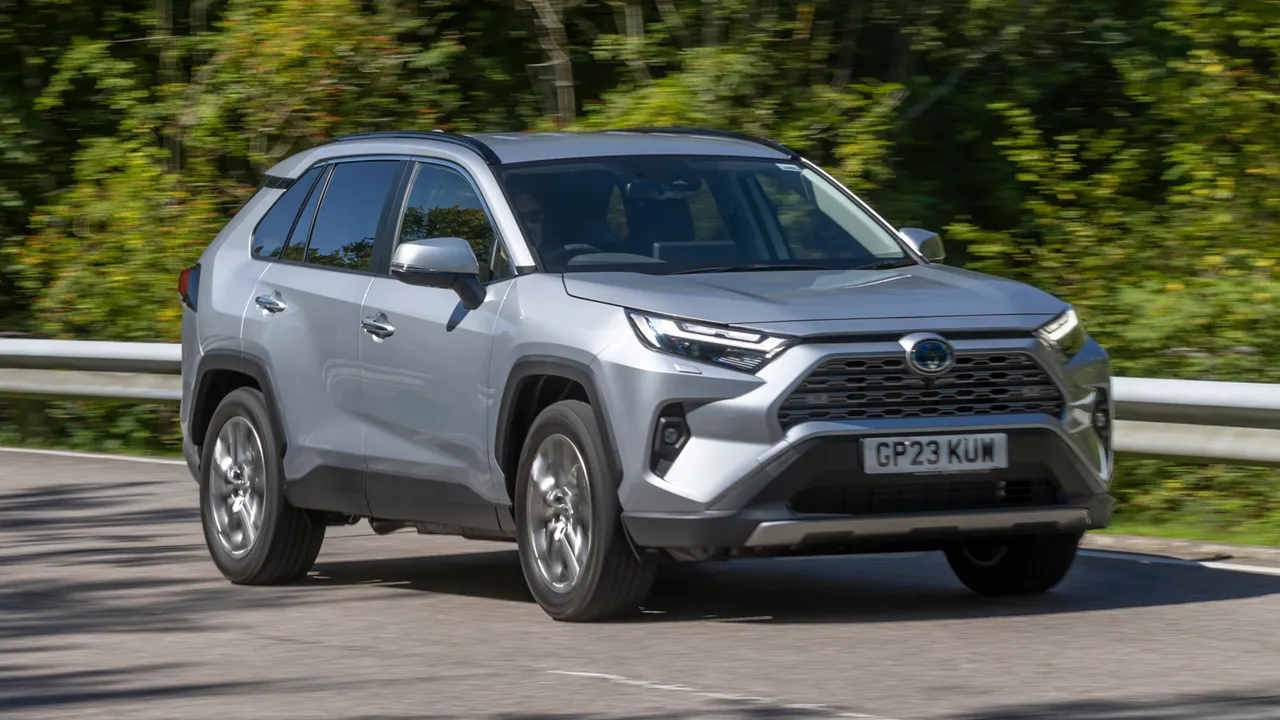
6. Toyota RAV4: The Reliable SUV for Everyday Life and Family Adventures
The Toyota RAV4 has earned its place as one of the most dependable family SUVs on the market. Mechanics and owners appreciate its long-term reliability, strong fuel economy, and practical interior design.
It combines car-like efficiency with SUV versatility, making it well-suited for both daily commutes and weekend trips. Families benefit from its generous cargo capacity, comfortable cabin, and high safety ratings that inspire confidence on every journey.
The RAV4 delivers a smooth and composed ride with predictable handling and excellent outward visibility. Its four-cylinder engine performs well for city and highway driving, providing steady power for merging and passing.
Acceleration, however, is modest. In testing, the RAV4 reached 60 mph in 9.1 seconds, slower than most competitors in the same class. Steering could also be sharper since it feels slightly vague around the center point, which can make precise adjustments harder.
One of the RAV4’s strongest features is its available all-wheel-drive system on higher trims. This system includes torque vectoring and hill descent control, giving the RAV4 better traction and control on rough or slippery surfaces. With respectable ground clearance, it performs well for light off-road adventures.
Standard driver assistance systems include adaptive cruise control, lane keeping assistance, and automatic emergency braking. These tools function effectively, though other brands offer more refined systems.
Inside the RAV4, comfort and convenience take priority. Wide door openings make it easy to enter and exit, and both front and rear seats provide plenty of space.
The driver’s seat and steering wheel offer a broad range of adjustments, while the front passenger seat sits higher than ideal and cannot be lowered on most trims. The cabin layout is simple, featuring large rubberized climate knobs and clearly labeled controls that are easy to use at a glance.
The RAV4 also provides solid ride comfort with good insulation from road and wind noise. Installing child safety seats is straightforward due to accessible LATCH anchors and spacious rear seating. The only drawback is that the touchscreen sits slightly farther from the driver, requiring extra reach.
Every RAV4 includes wireless Apple CarPlay and Android Auto, paired with an 8-inch touchscreen or an optional 10.5-inch display on top trims. The infotainment system is responsive and intuitive, and available navigation features include clear maps and reliable voice commands. Wireless phone charging is limited to higher trims, which may disappoint some buyers.
The cargo area is among the most generous in the compact SUV class, offering 37.5 cubic feet behind the rear seats and 69.8 cubic feet when folded. The low cargo floor makes loading large items easier, while numerous small storage compartments handle everyday gear.
Interior quality is impressive, featuring soft-touch materials and carefully stitched trim on premium versions. Toyota also includes two years or 25,000 miles of free maintenance, adding extra peace of mind to its dependable reputation. The Toyota RAV4 remains a well-rounded SUV choice that blends practicality, safety, and durability for modern family life.
Also Read: 5 Cars That Accept Budget Pads Quietly vs 5 That Squeal Without OEM
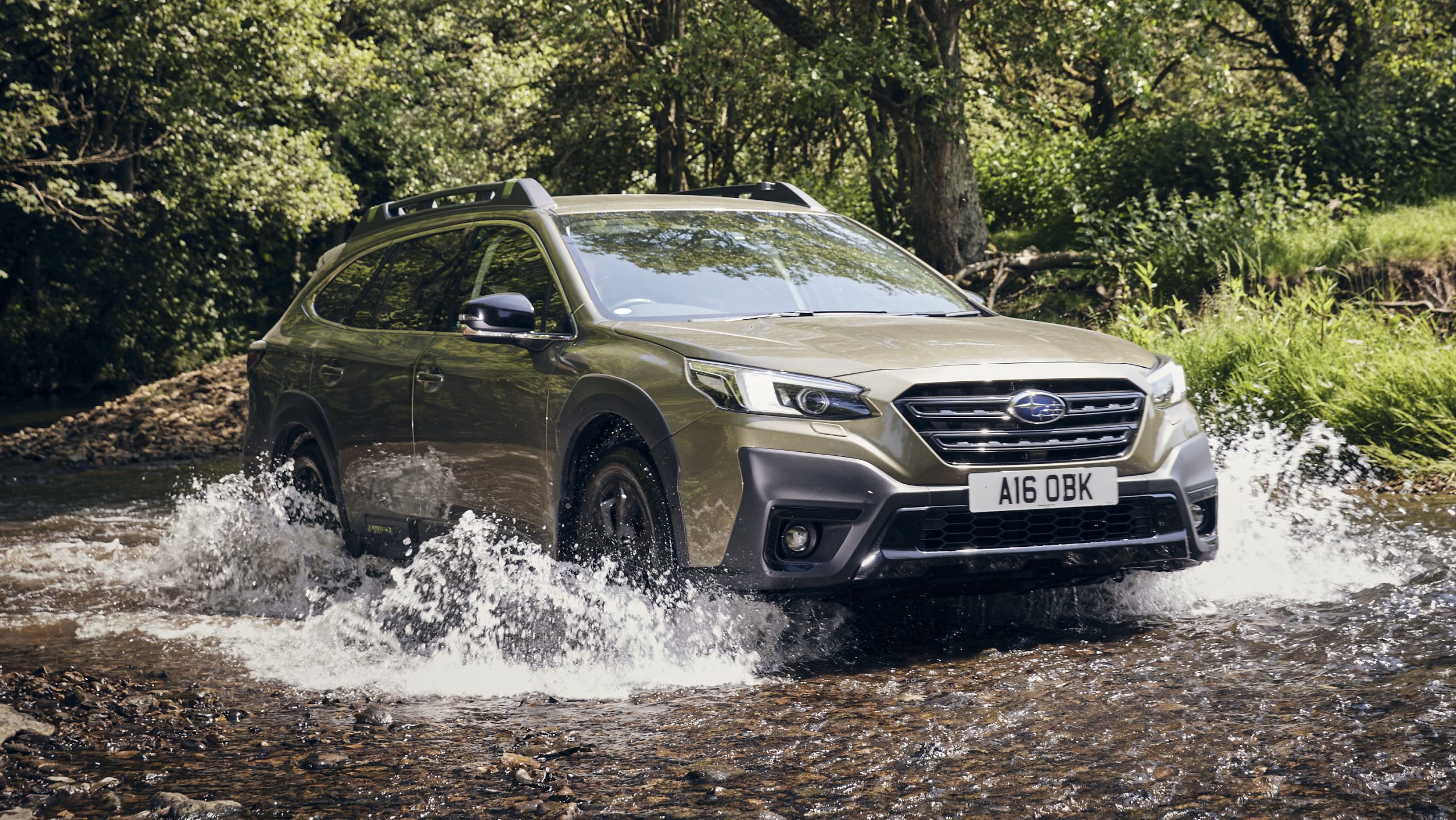
7. Subaru Outback: The Dependable Adventurer for Every Terrain
The Subaru Outback remains a favorite among drivers who need year-round dependability and the capability to handle unpredictable road conditions. Built with a durable boxer engine and standard all-wheel drive, it provides a smooth and balanced driving experience across all kinds of terrain.
With generous ground clearance and family-friendly practicality, the Outback offers a mix of rugged utility and everyday comfort that continues to appeal to families, outdoor enthusiasts, and commuters alike.
The optional turbocharged engine transforms the Outback into a more spirited performer. In testing, the turbo model accelerated from 0 to 60 mph in 6.5 seconds, a noticeable improvement over the slower base engine.
This extra power makes highway merging and passing much easier. Despite this advantage, the Outback’s handling and steering fall short of class leaders. Drivers will notice a degree of body roll through turns and slower steering response, which can make it feel less composed than other midsize SUVs.
Where the Outback shines is in its off-road versatility. With 8.7 inches of ground clearance and standard all-wheel drive, it can confidently handle dirt trails, snowy commutes, and unpaved roads. Few competitors in its price range can match this level of capability. Subaru’s driver assistance systems are abundant but imperfect.
Features like lane keeping assistance, driver attention monitoring, and automatic emergency braking can be overly sensitive, sometimes misreading situations and producing unnecessary alerts or braking.
Ride comfort is one of the Outback’s biggest strengths. The suspension absorbs potholes, bumps, and rough surfaces with ease, providing a cushioned experience for passengers.
Front seats are soft yet supportive, suitable for long drives, and both heating and ventilation are available, though the ventilation function is only moderately effective. The cabin layout offers plenty of adjustability, though some drivers may prefer a more upright seating position.
The Outback’s biggest interior drawback lies in its infotainment touchscreen, which controls most vehicle functions. It can be slow to respond and forces drivers through multiple menus for simple adjustments, making it frustrating to use on the move. However, physical volume and tuning knobs remain, which helps maintain some ease of operation.
While the tech feels dated, the Outback makes up for it with practical storage and cargo design. The low, flat cargo floor allows for easy loading, and its roof rails make securing larger gear simple. Cabin storage is decent, with clever but small compartments for personal items. Installing child safety seats is straightforward thanks to wide doors and accessible LATCH anchors.
In terms of value, the Outback’s base model delivers excellent practicality at a reasonable price. Higher trims with the turbo engine add performance but push the price closer to traditional SUVs. The 25 mpg combined fuel economy rating matches expectations for this class. Subaru’s warranty coverage is standard, but the brand’s reputation for longevity and resilience adds long-term appeal.
The Subaru Outback stands as a reliable, adventure-ready companion. It might not be the most high-tech or refined option, but for drivers who prioritize comfort, safety, and all-weather capability, it remains one of the most versatile and trusted vehicles on the road.
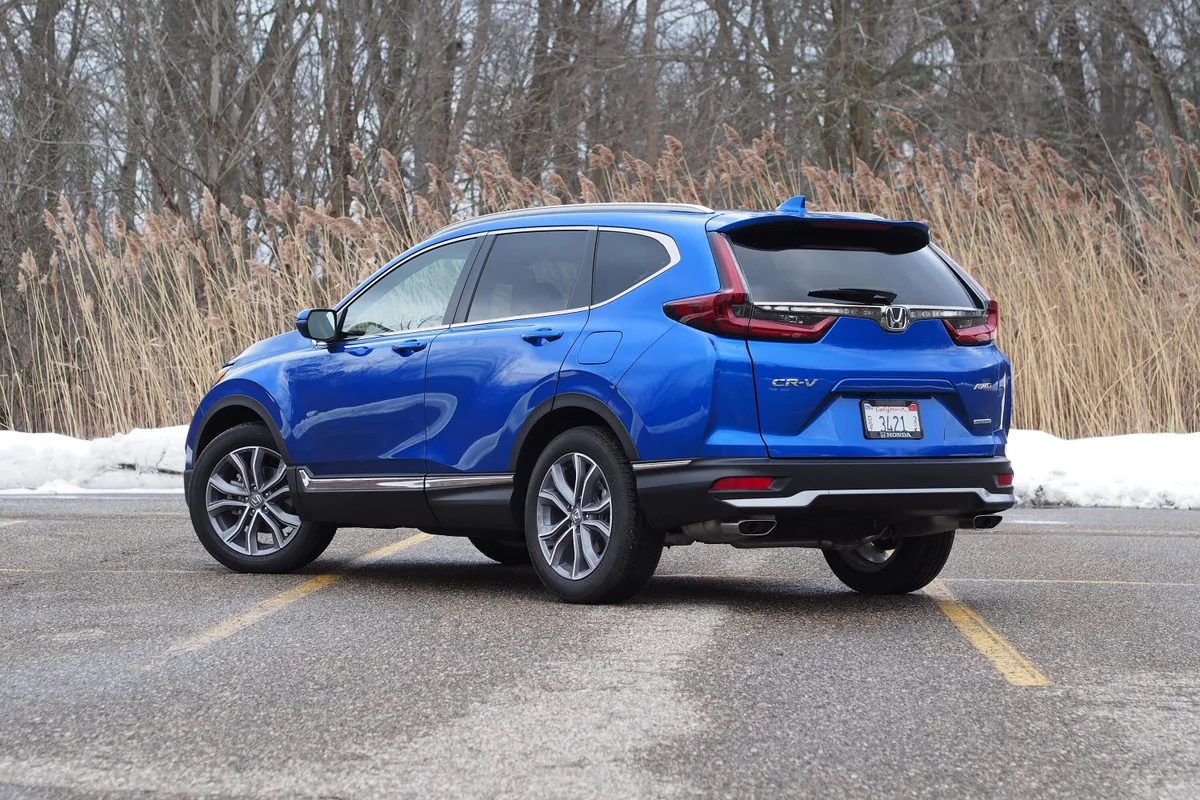
8. Honda CR-V: Practical Comfort and Efficiency for Everyday Life
The Honda CR-V continues to be one of the most trusted compact SUVs for families seeking long-term dependability and comfort. Known for its reliability and efficient design, the CR-V offers a well-rounded balance of space, fuel economy, and refinement.
Its thoughtful layout and high build quality make it a favorite among those who want a versatile vehicle that delivers comfort, efficiency, and practicality without unnecessary flash.
The Honda CR-V doesn’t aim for performance thrills but focuses on confidence and composure. The hybrid Sport Touring model accelerates from 0 to 60 mph in 8.0 seconds, a figure in line with most small SUVs.
Both the hybrid and the 1.5-liter gas engine deliver adequate power for daily commuting and highway merging. The ride quality stands out as one of the CR-V’s key strengths, soaking up bumps and imperfections gracefully while keeping passengers comfortable.
The steering is responsive and offers good road feedback, adding a sense of precision that helps make the CR-V easy to maneuver around town and stable on the highway. Braking is smooth and consistent, with reassuring stopping power.
Visibility from the front is excellent thanks to large windows, although rearward sightlines are somewhat limited. Honda’s driver assistance features, including adaptive cruise control and lane keeping, work effectively, though some rivals offer more advanced or adjustable systems.
Inside, the CR-V’s interior layout prioritizes usability and space. Both front and rear passengers enjoy generous legroom and well-contoured seating, with wide door openings that make entry and exit effortless. The rear seats are particularly accommodating, making this SUV a standout choice for families with child seats. The seating position feels natural for adults, and visibility contributes to an airy, open feel.
Controls are intuitive and easy to reach, especially the physical climate knobs, which simplify temperature adjustments while driving. Cabin insulation minimizes road and wind noise, reinforcing the CR-V’s reputation for refinement.
Honda equips the CR-V with a 9-inch touchscreen that’s easy to navigate and responsive, though smaller than some competitors’ displays. Wireless Apple CarPlay, Android Auto, and device charging are standard, along with multiple USB ports throughout the cabin. While not cutting-edge, the technology feels practical and straightforward for everyday use.
The cargo area is impressively spacious, with wide access and a tall opening that makes loading bulky items simple. Gas models offer slightly more room than hybrids due to battery placement. Small-item storage remains effective, with large cupholders, deep door pockets, and a roomy center console bin.
The CR-V’s build quality is solid, featuring precise assembly and minimal cabin vibration, although some hard plastics are present. Pricing is slightly above average for the segment, but Honda’s reputation for longevity justifies the premium.
The non-hybrid model achieves up to 30 mpg combined, while the hybrid version reaches 40 mpg in front-wheel-drive form and 37 mpg with all-wheel drive. Real-world results may vary, but remain competitive within the class.
While the CR-V’s styling is understated, it reflects a mature, functional approach rather than flashiness. It’s a vehicle that prioritizes dependability and usability over attention-grabbing design. For families seeking comfort, practicality, and confidence on the road, the Honda CR-V continues to deliver the right balance of performance, refinement, and lasting value.
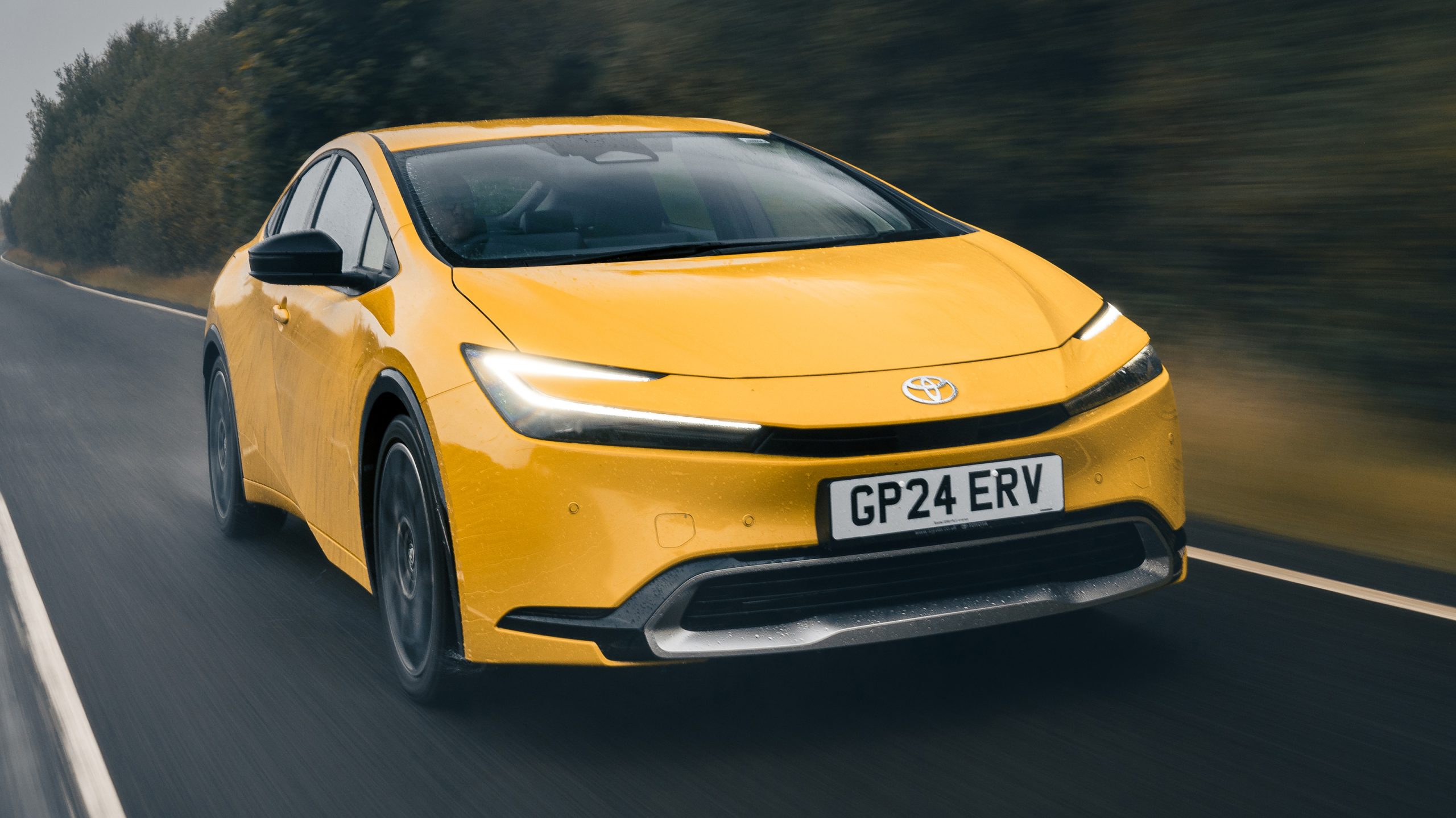
9. Toyota Prius: Hybrid Efficiency with a Modern Edge
The Toyota Prius continues to uphold its legacy as the benchmark for hybrid vehicles, offering an ideal balance of efficiency, dependability, and practicality. Known for its long-term reliability and low ownership costs, the Prius remains one of the most trusted hybrids available.
It consistently delivers over 45 miles per gallon, and its versatile hatchback design provides generous cargo space, making it well-suited for both families and commuters. Toyota’s proven hybrid technology has demonstrated impressive durability over hundreds of thousands of miles, reinforcing the Prius as a smart, long-lasting investment.
Performance has improved significantly in the latest Prius generation. The front-wheel-drive model accelerates from 0 to 60 mph in 7.7 seconds, placing it ahead of many rivals in the hybrid segment. Power delivery feels confident when merging or climbing hills, and transitions between electric and gasoline power are smooth and unobtrusive.
Handling is predictable and stable, though the low-resistance tires designed for efficiency limit grip during sharp turns. Even so, the Prius delivers a refined and composed ride, maintaining comfort across various road conditions.
Toyota equips the Prius with a comprehensive suite of driver assistance technologies, including adaptive cruise control and lane keeping assist, both of which function effectively.
The Proactive Driving Assist system gently applies braking when traffic slows ahead, helping the driver anticipate changes. Rear visibility is slightly restricted by the sloped rear window and thick roof pillars, though the standard rearview camera and parking sensors compensate well.
Inside, the Prius cabin combines comfort with functionality. The front seats are supportive during long drives, and rear legroom is adequate, though taller passengers may find headroom tight because of the sloping roofline. Noise from tires and wind becomes noticeable at higher speeds, but ride comfort remains strong.
Most trims include heated seats, with ventilated front seats available on the Limited model. The single-zone climate control is straightforward and easy to use, while the digital driver display sits high on the dashboard, which may partially block the view depending on seating position.
Technology integration is modern and user-friendly. Upper trims feature a 12.3-inch touchscreen that is clear, responsive, and intuitive. Wireless Apple CarPlay and Android Auto come standard, along with six USB-C ports for ample device charging.
The optional wireless charging pad is handy but can cause phones to heat during long use. Cargo space measures 20.3 cubic feet, offering solid practicality for luggage and groceries, complemented by numerous small storage compartments.
Fuel economy remains the Prius’ strongest trait. The base LE trim achieves 57 mpg combined, while upper trims average around 52 mpg. All-wheel-drive models maintain excellent efficiency with only a minor drop in mileage. Toyota supports the Prius with extensive warranties, including 10 years or 150,000 miles for hybrid components and two years of free maintenance.
With its bold design, improved acceleration, and enduring efficiency, the Toyota Prius blends modern style with time-tested hybrid performance. It remains one of the most efficient, practical, and dependable vehicles available today.
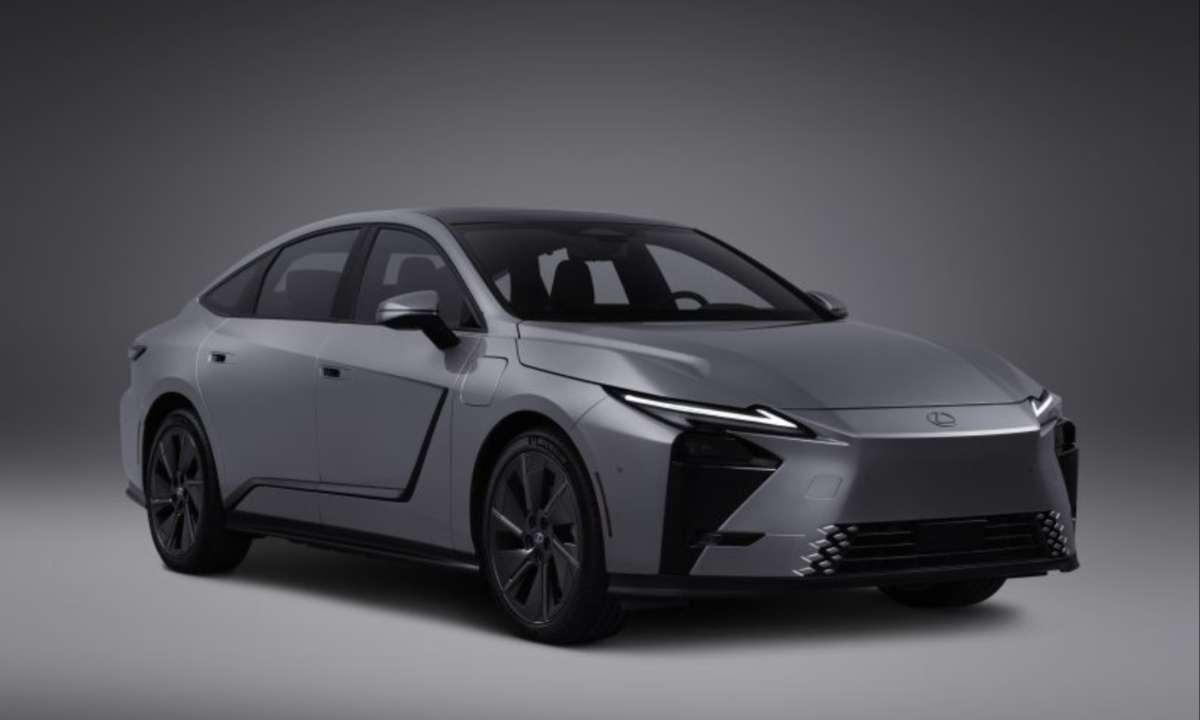
10. Lexus ES: Refined Comfort Meets Lasting Reliability
The Lexus ES combines Toyota’s renowned dependability with the sophistication of luxury motoring, offering a sedan that is both elegant and practical. Mechanics value its shared engineering with the Toyota Camry, which keeps maintenance costs manageable while delivering a more premium experience.
Exceptional sound insulation, a plush ride, and upscale materials make the ES a serene choice for families and commuters who value comfort and quiet travel.
The ES 350 delivers smooth and confident performance, emphasizing composure over outright speed. Its V6 engine provides steady acceleration and effortless power delivery suitable for city or highway driving. Steering feels precise and naturally weighted, while the suspension is tuned for comfort, allowing the car to glide through turns with poise. Tire grip is modest, yet the ES remains controlled and balanced, even on winding roads.
In everyday driving, the ES excels at creating a calm, unhurried atmosphere. Gear changes are seamless, throttle response is measured, and the cabin stays peaceful even in heavy traffic. Helpful features such as adaptive cruise control, blind-spot monitoring, and lane-keeping assistance enhance the sense of security and ease. The ES transforms ordinary commutes into quiet, stress-free journeys.
Comfort is the defining quality of the Lexus ES. The cabin is whisper-quiet, shielding passengers from vibrations, wind, and road noise. Even at highway speeds, the car maintains an impressive sense of isolation from the outside world. Front seats offer firm yet gentle support for long drives, while the rear seats are spacious and inviting.
The F Sport trim adds extra side bolsters for a touch of sportiness without compromising comfort. Seat positioning allows passengers to enter and exit easily, and the high-quality climate control system keeps the interior pleasant in all conditions. Every surface feels well-crafted, creating a space that encourages relaxation on even the longest drives.
The ES features a responsive 12.3-inch touchscreen that runs Toyota’s latest infotainment system. The display is sharp and easy to use, with clear menus and quick responses to touch inputs. Voice commands work smoothly for phone, audio, and climate control adjustments. Wireless Apple CarPlay and Android Auto are included on all trims, along with multiple USB ports for convenient device connection.
The 13.9-cubic-foot trunk easily accommodates luggage or golf bags, though the fixed rear seats limit the ability to transport longer items. Storage for smaller belongings is thoughtfully arranged, with practical cupholders and narrow but useful door pockets.
The ES offers luxury quality at a reasonable price. Its refined materials, meticulous craftsmanship, and smooth driving character make it feel more expensive than it is. Panel fitment and stitching are precise, and every control operates with a sense of care and precision. Fuel economy reached 21.5 mpg in real-world testing, slightly below estimates, but the exceptional comfort compensates for the difference.
For drivers seeking durability, refinement, and true peace behind the wheel, the Lexus ES delivers quiet confidence and long-term value in equal measure.
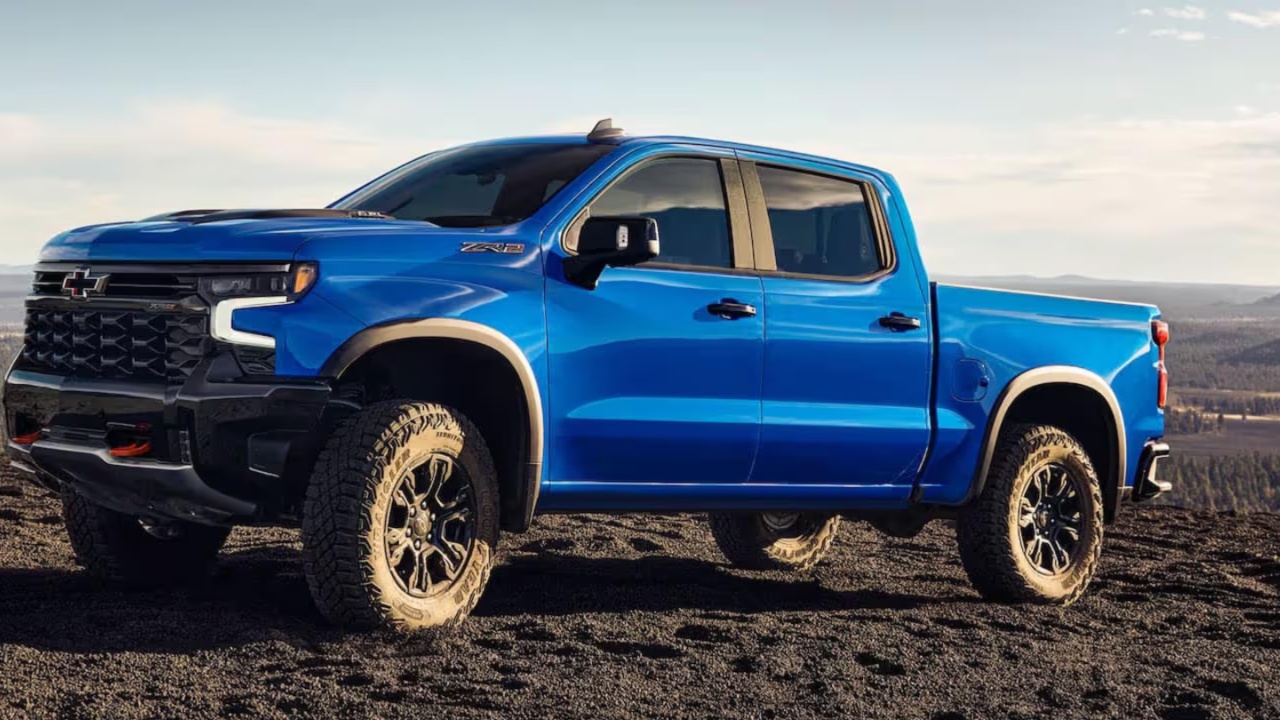
11. 2025 Chevrolet Silverado 1500: Strong, Capable, and Built for Everyday Work
The Chevrolet Silverado 1500 remains one of the most capable and versatile full-size trucks on the market. Its straightforward design and proven mechanicals make it a favorite among those who value durability and ease of maintenance.
With multiple cab sizes, the Silverado caters to both families and work crews. Reliable powertrains and practical engineering help it handle heavy-duty tasks such as towing, hauling, and off-road work without complaint.
We tested the Silverado 1500 High Country with a 5.3-liter V8 and four-wheel drive. It reached 60 mph in roughly 7 seconds, which is quick enough for a truck in this class. Acceleration is smooth, and the transmission makes good use of the engine’s torque.
The Silverado drives confidently on highways, maintaining stability even when towing. Steering is accurate but somewhat light, and body roll is well managed through turns. However, the ride can feel stiff and bouncy on uneven roads, which is less refined than what Ford and Ram offer.
Visibility could be better. The high hood makes it hard to see nearby objects, and the parking camera lacks clarity. On long drives, the available Super Cruise hands-free system helps reduce driver fatigue by allowing semi-autonomous control on approved highways.
Inside, the crew cab version offers generous space for passengers, particularly in the rear seats where legroom is exceptional. The seats are firm but supportive, with optional heating and cooling adding comfort. Entry and exit are made easier by wide door openings and high seating positions.
Cabin quality is sturdy but utilitarian, with materials that feel functional rather than upscale. Controls are clearly labeled and easy to reach. The climate system uses physical buttons, which are intuitive but small. Road noise and engine vibration are typical for a truck, though the diesel engine remains relatively quiet.
The 13.4-inch touchscreen is responsive and easy to use, featuring built-in Google Maps, voice assistant support, and wireless smartphone connectivity. A subscription is needed for certain connected features after an initial trial period. Storage space in the cabin is ample, though competitors offer better organization and compartments.
The Silverado can tow up to 13,300 pounds when properly equipped, placing it just below class leaders. Fuel economy varies by engine, with the 5.3-liter V8 rated at 17 mpg combined and the diesel achieving up to 25 mpg combined.
While pricing is higher than some rivals, the Silverado offers strong capability, decent comfort, and a reputation for reliability that continues to appeal to truck buyers.
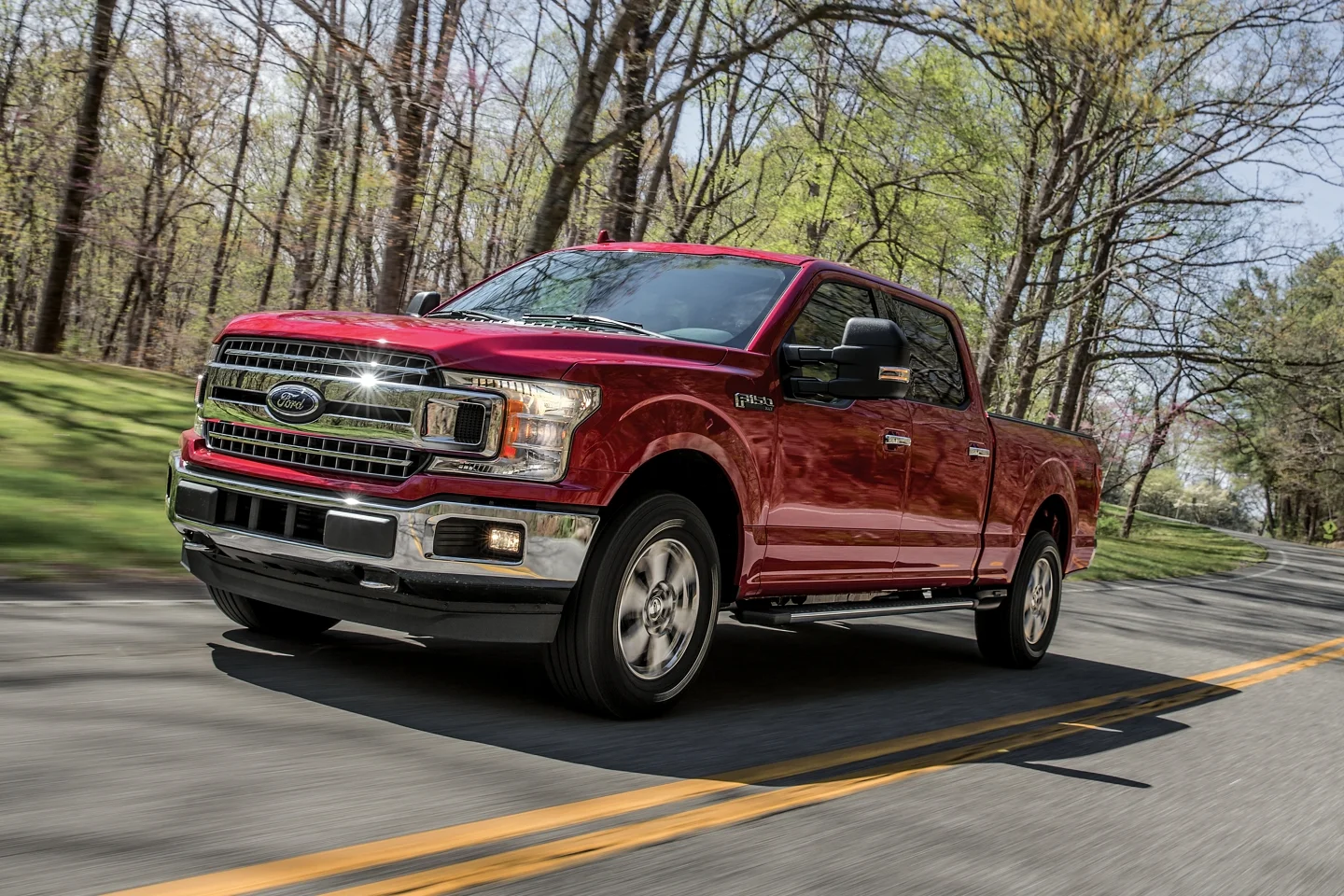
12. Ford F-150: America’s Workhorse Refined for Strength and Comfort
The Ford F-150 continues to uphold its legacy as America’s best-selling pickup by blending rugged strength with everyday usability. Its broad range of engines, trims, and configurations allows it to serve as both a dependable work vehicle and a refined family hauler. Known for its durability and ease of maintenance, the F-150 appeals equally to mechanics, tradespeople, and everyday drivers seeking capability and comfort.
Ford offers multiple powertrains, including turbocharged V6 engines, a classic V8, and the hybrid PowerBoost V6. The hybrid version reaches 60 mph in just 5.8 seconds, delivering brisk acceleration while maintaining impressive towing and hauling strength.
Steering is precise, helping the truck feel stable at highway speeds and manageable in tighter spaces. The ride quality is smooth for a full-size truck, though competitors like the Ram 1500 offer a slightly softer feel.
Advanced driver-assistance systems add confidence on the road. BlueCruise provides hands-free highway driving, while Pro Trailer Backup Assist simplifies trailer maneuvering. For off-road enthusiasts, the Tremor and FX4 trims bring specialized suspension, all-terrain tires, locking differentials, and skid plates, ensuring the F-150 can handle rugged conditions with ease.
Inside, the F-150 delivers a mix of utility and comfort depending on trim level. The front seats can include heating, ventilation, and even massage functions. Crew Cab versions provide abundant rear legroom, while the SuperCab’s rear-hinged doors are less convenient for tight parking spaces. Cabin noise is minimal, and engine sounds are refined, giving the truck a polished, composed character even under load.
All 2025 models come equipped with a 12-inch touchscreen that is fast, clear, and easy to use. Wireless Apple CarPlay, Android Auto, and multiple charging ports are standard, along with a wireless charging pad. A standout feature, Pro Power Onboard, turns the truck into a mobile power source capable of outputting up to 7.2 kW, useful for worksites or outdoor trips.
Cabin storage is abundant, with features like a foldable center console tray that doubles as a small desk and an under-seat compartment for secure storage. Properly equipped, the F-150 can tow up to 13,500 pounds and handle payloads of up to 2,440 pounds. Fuel economy ranges from 19 mpg with the V8 to 23 mpg for the hybrid, keeping it competitive among full-size pickups.
The Ford F-150 remains a symbol of American capability. Its balance of strength, comfort, and technology ensures it continues to serve drivers who expect both power and refinement from their truck.
Each car in “12 Used Cars Mechanics Secretly Recommend To Their Friends” shares one unshakable trait: trust. These models may differ in design, power, and personality, but they all deliver lasting dependability, easy upkeep, and solid value for years of ownership.
Mechanics appreciate vehicles that minimize costly repairs and maximize driver confidence, and that’s exactly what these choices provide. Whether it’s the Toyota Prius for unmatched fuel economy, the Lexus ES for serene comfort, or the Ford F-150 for rugged strength, each stands out for reliability tested both in shops and on the road.
For anyone buying used, these cars represent smart investments that don’t sacrifice quality for price. They prove that dependable engineering, thoughtful design, and real-world performance matter more than trends. When a mechanic chooses a car for personal use, it’s because they know it will simply keep running and that’s the strongest recommendation of all.
Also Read: 10 Cars That Are Perfect for the Modern U.S. Driver