
Fuel pump failures rank among the most frustrating mechanical problems drivers face because symptoms appear suddenly without warning. One moment your vehicle runs perfectly, the next it sputters and dies, leaving you stranded in traffic or far from home.
Unlike gradual issues that provide warning signs, fuel pump death happens instantly, transforming reliable transportation into expensive tow truck cargo. This sudden failure creates dangerous situations when vehicles lose power during highway merging or busy intersection crossings.
Some automotive platforms engineers fuel pump systems properly using quality components that survive hundreds of thousands of miles. These manufacturers understand that fuel pumps operate under harsh conditions, submerged in gasoline, running continuously whenever engines operate.
Proper cooling, filtration, and electrical design prevent premature failures. Quality pumps use durable motors with adequate current capacity while avoiding cheap plastic components that crack from fuel exposure and heat cycling.
Other manufacturers prioritize initial cost savings over reliability, installing fuel pumps barely adequate for normal operation. These budget components fail prematurely, often just after warranty periods expire conveniently for manufacturers but disastrously for owners.
Plastic impellers crack, motors burn out from insufficient cooling, and electrical connectors corrode from poor sealing. Replacement costs range from $400 to $1,200, including parts and labor, creating unexpected financial burdens for owners who maintained vehicles properly.
This article examines sixteen vehicles split evenly between reliable fuel pump champions and platforms that strand owners regularly. Understanding which vehicles engineer this critical component properly helps buyers avoid frustrating breakdowns while rewarding manufacturers who invest in quality. Let’s examine these contrasting approaches to fuel pump engineering and reliability.
Reliable Fuel Pump Champions
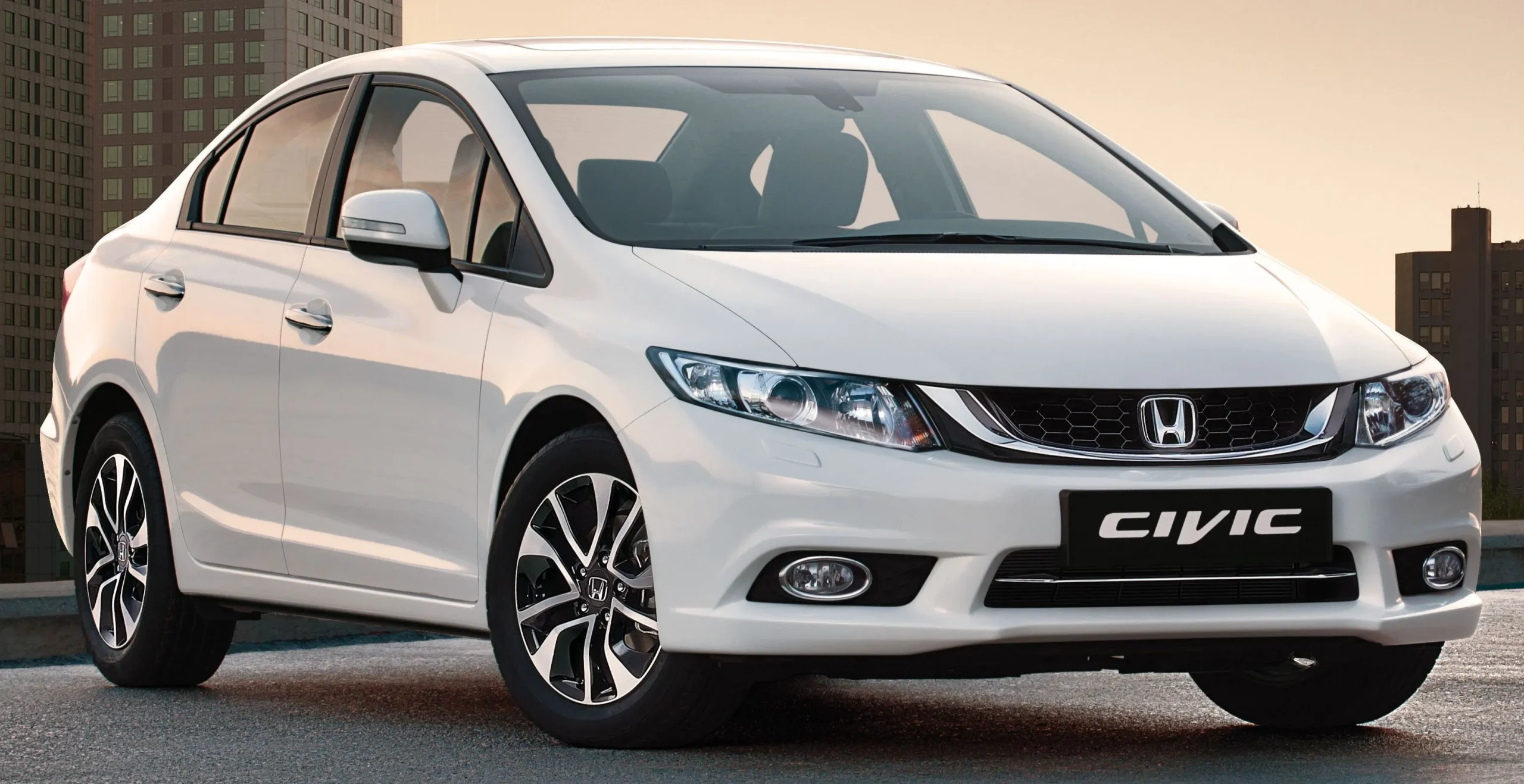
1. Honda Civic (2012-2015)
Japanese engineering excellence extends to fuel pump design that survives well past 200,000 miles, typically. Quality Denso components use robust motors with adequate cooling capacity.
Proper electrical design prevents voltage drops that overheat pump motors. Owners report trouble-free operation through extended ownership periods without unexpected failures.
The fuel pump assembly includes a quality strainer that prevents debris from entering the pump. Fine mesh captures particles that would damage pump internals.
Proper filtration extends pump life substantially by preventing abrasive wear. This attention to filtration details separates quality engineering from budget alternatives, cutting corners.
In-tank mounting provides continuous fuel cooling, preventing overheating that kills pumps. The gasoline surrounding the pump absorbs heat from motor operation.
This passive cooling system works reliably without additional components. Proper thermal management extends pump motor life indefinitely when fuel filters receive regular changes.
Electrical connections use quality terminals that resist corrosion from fuel vapors. Proper sealing prevents moisture intrusion that causes connection failures. Gold-plated contacts maintain conductivity through years of service. This electrical quality prevents a common failure mode affecting cheaper designs.
Pump motor design uses adequate current capacity, avoiding overload conditions. Proper sizing ensures the motor operates within thermal limits. Quality bearings reduce friction and wear. These engineering details create pumps lasting entire vehicle lifespans when maintenance occurs properly.
Honda fuel pressure regulators maintain consistent delivery, preventing pump strain. Proper regulation ensures the pump operates within design parameters.
This system integration approach considers the entire fuel delivery system rather than individual components. Holistic engineering creates reliability that an isolated component quality cannot achieve alone.
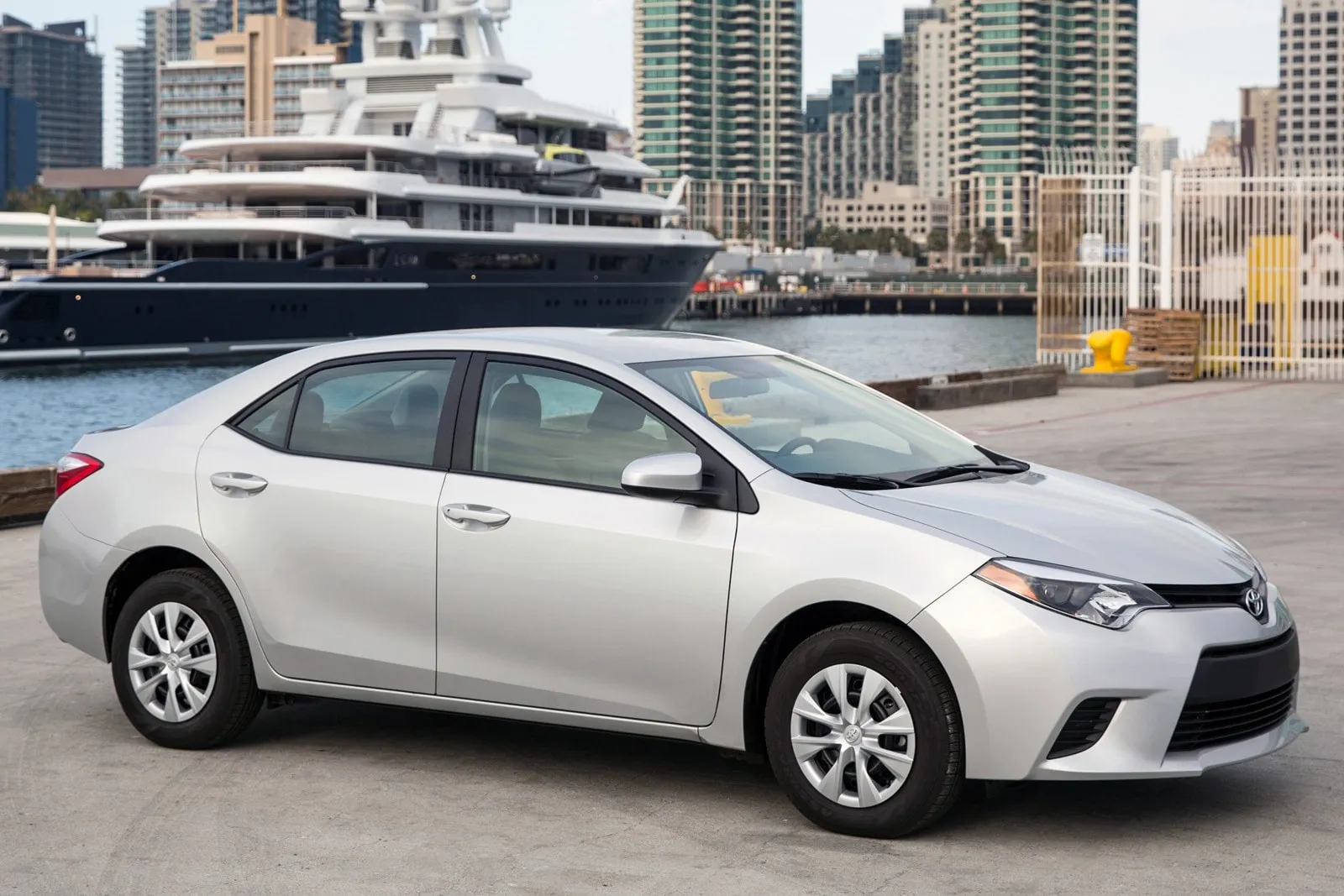
2. Toyota Corolla (2014-2019)
Legendary reliability includes fuel pump engineering that rarely fails during typical ownership. Quality Denso components use robust construction, surviving extreme mileage.
Proper design considers a harsh operating environment, creating pumps that last indefinitely. Owners enjoy peace of mind from dependable fuel delivery.
Pump assembly design prioritizes cooling through continuous fuel immersion. Gasoline absorbs heat from motor operation, preventing thermal damage.
Adequate cooling capacity ensures motors operate within safe temperature ranges. This thermal management extends component life substantially through proper engineering.
Electrical system design provides a stable voltage to the pump motor. Proper wiring gauge prevents voltage drops under load. Quality relay components maintain consistent power delivery. This electrical quality prevents common failure modes affecting budget designs with inadequate wiring.
Strainer filtration captures debris before it enters the pump, protecting the internals. Fine mesh prevents abrasive particles from damaging pump components. Proper filtration extends pump life dramatically. This attention to filtration demonstrates understanding of real-world operating conditions.
Motor bearings use quality materials that resist wear through extended operation. Adequate lubrication from fuel contact reduces friction. Proper bearing design distributes loads evenly. These details create motors lasting hundreds of thousands of miles reliably.
Fuel pressure regulation maintains consistent delivery, preventing pump overwork. Proper system pressure ensures the pump operates within design parameters. This integration approach considers the entire fuel system holistically. Engineering quality extends beyond individual components to system design.
Replacement parts availability through Toyota dealers ensures accessibility. OEM Denso pumps maintain quality standards. Aftermarket alternatives provide options for budget-conscious owners. Parts support maintains vehicles economically through extended service lives.
Also Read: 5 Cars That Owners Keep for a Decade vs 5 They Ditch Fast

3. Mazda CX-5 (2017-2022)
SkyActiv engineering philosophy includes reliable fuel pump design using quality components. Japanese manufacturing standards ensure consistent quality. Proper engineering creates pumps that survive typical ownership without failures. Owners enjoy dependable operation through years of service.
Pump design includes adequate cooling capacity through fuel immersion. Motor operates within safe temperature ranges continuously. Heat dissipation through the surrounding gasoline prevents thermal damage. This passive cooling system works reliably without additional components or complications.
Electrical connections use corrosion-resistant materials and proper sealing. Quality terminals maintain conductivity through years of exposure. Adequate wire gauge prevents voltage drops. This electrical quality prevents common failure modes plaguing cheaper alternatives.
A fuel strainer uses a fine mesh that captures debris effectively. Proper filtration protects pump internals from abrasive wear. Clean fuel entering the pump extends service life substantially. This attention to filtration details demonstrates a quality engineering approach.
Motor construction uses quality materials and proper bearing design. Adequate lubrication from fuel reduces friction and wear. Robust construction withstands operating stresses. These engineering details create durable components lasting extended periods.
Replacement costs stay reasonable when eventually necessary. Mazda parts pricing remains competitive for the Japanese brand. OEM components maintain quality standards reliably. Aftermarket options provide budget alternatives. This affordability makes maintenance manageable financially.
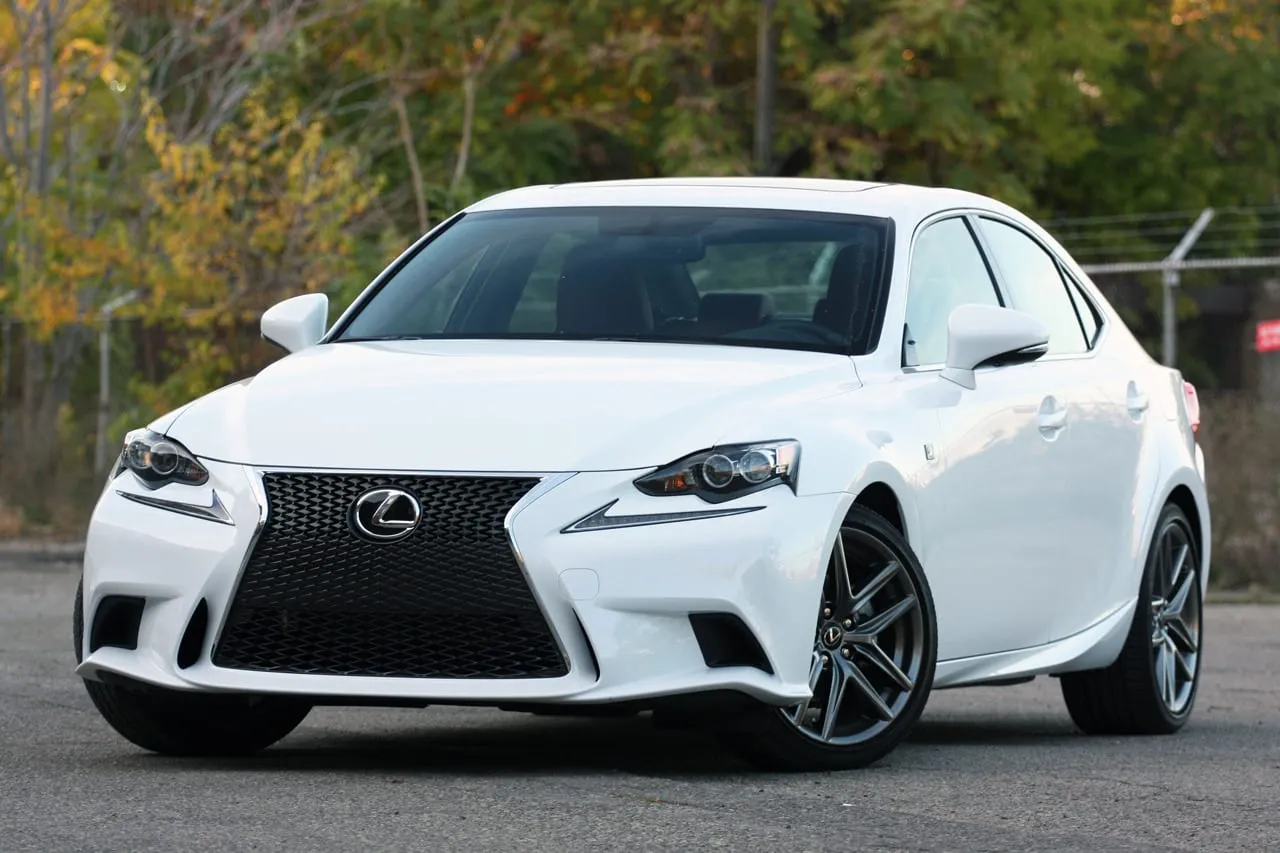
4. Lexus IS 250 (2014-2016)
Premium engineering includes fuel pump quality exceeding mainstream standards. Toyota reliability extends to a luxury brand with robust components. Proper design creates pumps lasting indefinitely through typical ownership. Owners enjoy luxury vehicle dependability matching the brand’s reputation.
Denso pump components use premium materials and construction. Robust motors withstand extended operation without degradation. Quality bearings reduce friction and wear substantially. These premium components justify luxury positioning through exceptional longevity.
In-tank mounting provides excellent cooling through fuel immersion. Motors operate within safe temperature ranges continuously. Heat dissipation prevents thermal damage, extending component life. This thermal management demonstrates proper engineering understanding.
The electrical system uses gold-plated connections that resist corrosion completely. Proper sealing prevents moisture intrusion, affecting connections. Adequate wiring gauge maintains voltage under all conditions. This electrical quality eliminates common failure modes affecting lesser brands.
Fuel filtration includes a fine strainer protecting pump internals. Debris capture prevents abrasive wear, extending pump life. Proper filtration demonstrates attention to real-world operating conditions. This quality separates premium engineering from budget alternatives.
Replacement costs reflect premium positioning but provide OEM quality. Lexus parts pricing stays competitive within the luxury segment. Dealer service maintains quality standards. Extended service intervals between replacements justify premium costs through longevity.

5. Subaru Outback (2018-2023)
Boxer engine platforms include reliable fuel pump engineering using quality components. Japanese manufacturing ensures consistent quality standards. Proper design creates pumps that survive harsh conditions reliably. Owners enjoy dependable all-weather transportation without fuel delivery failures.
Pump design prioritizes cooling through continuous fuel immersion effectively. Motors operate within safe thermal ranges, preventing damage. Heat dissipation through the surrounding gasoline works passively. This cooling system proves reliable through extended service lives.
Electrical connections resist corrosion through proper materials and sealing. Quality terminals maintain conductivity indefinitely. Adequate wiring prevents voltage drops under load. This electrical quality eliminates common failure modes affecting budget designs.
Fuel strainer captures debris, protecting pump internals from wear. Fine mesh filtration extends pump life substantially. Proper filtration demonstrates understanding of operating conditions. This attention to detail creates reliable long-term performance.
Replacement parts availability through Subaru dealers ensures accessibility. OEM components maintain quality standards consistently. Aftermarket alternatives provide budget options. Parts support maintains vehicles economically through extended ownership.
Owners report fuel pumps lasting through typical ownership without failures. Extended reliability validates engineering quality clearly. High-mileage Outbacks continue operating dependably. This performance creates satisfied owners who trust Subaru engineering completely.
Fuel filter maintenance protects the pump from debris damage. Clean fuel ensures maximum component life expectancy. Following maintenance schedules rewards owners with trouble-free operation. This basic care maintains all-weather reliability, Subaru promises.

6. Hyundai Elantra (2017-2020)
Korean engineering maturity shows through improved fuel pump reliability. Quality components survive typical ownership without premature failures. Proper design considerations create dependable fuel delivery. Owners enjoy worry-free operation, matching Japanese competitor reliability.
The fuel strainer provides adequate filtration, protecting the pump internals. Debris capture prevents abrasive wear, extending service life. Proper filtration demonstrates understanding of operating requirements. This attention creates reliable long-term performance.
Motor design includes quality bearings and robust construction. Adequate lubrication reduces friction and wear. Proper materials withstand operating stresses. These details create durable components lasting extended periods.
System integration ensures fuel pressure regulation protects the pump. Proper pressure maintenance prevents motor strain. Holistic engineering considers the entire fuel delivery system. This approach extends reliability beyond individual components.
Replacement costs stay reasonable for mainstream positioning. Hyundai parts pricing remains competitive. OEM components maintain quality standards. Aftermarket alternatives provide budget options. This affordability makes maintenance manageable financially.
Owners report reliable fuel pump operation through typical ownership. Extended performance validates engineering improvements. High-mileage examples continue operating dependably. This reliability demonstrates Hyundai’s quality maturation clearly.
Warranty coverage provides peace of mind during early ownership. Ten-year powertrain protection includes fuel delivery components. This coverage demonstrates manufacturer confidence. An extended warranty makes the Elantra an attractive value proposition, creating satisfied owners.
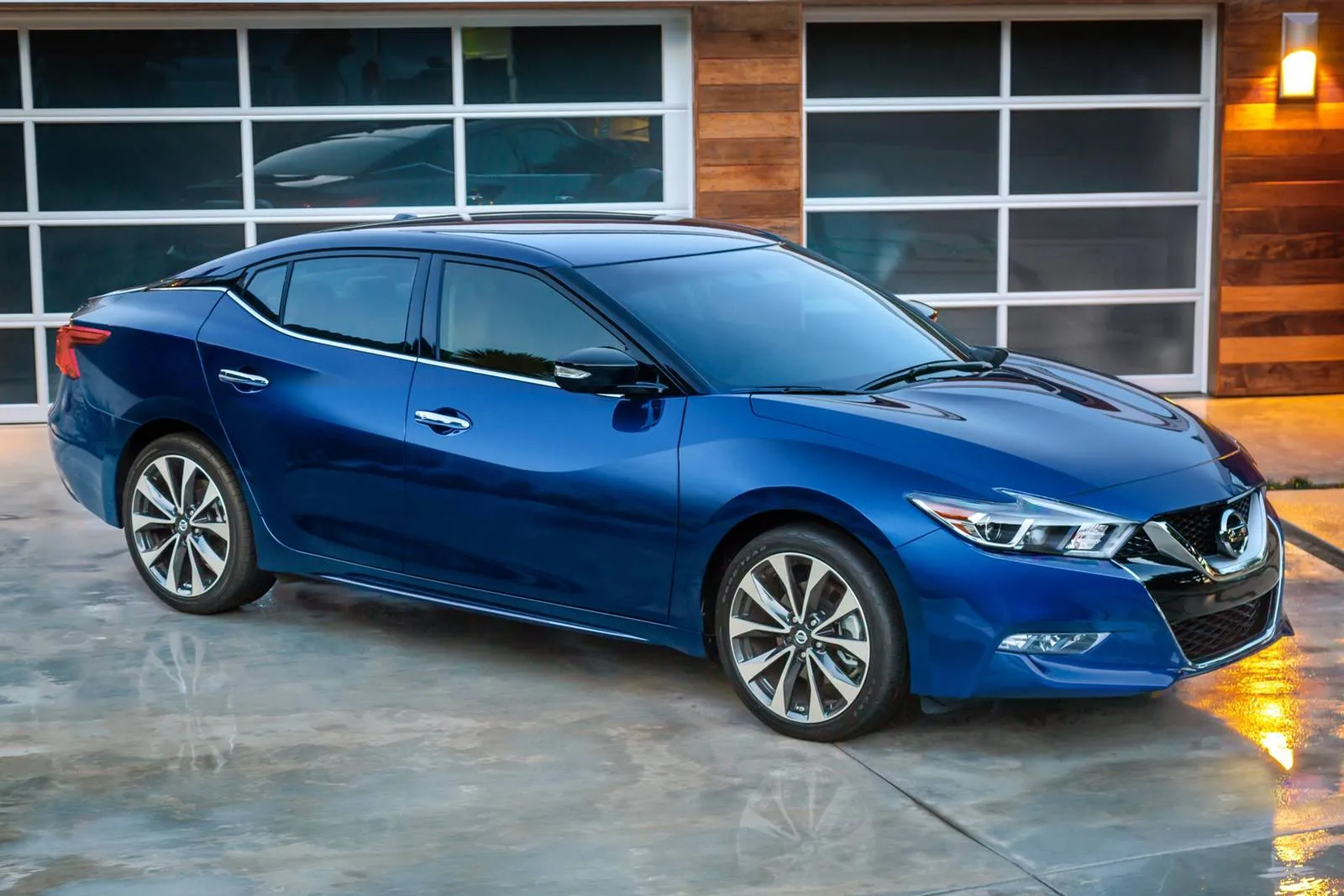
7. Nissan Maxima (2016-2023)
Japanese engineering includes reliable fuel pump design using proven components. Quality construction survives typical ownership without premature failures. Proper engineering creates dependable fuel delivery systems. Owners enjoy worry-free operation from a full-size sedan.
The pump assembly prioritizes adequate cooling through fuel immersion effectively. Motors operate within safe thermal ranges, preventing damage. Heat dissipation works passively through the surrounding gasoline. This thermal management extends component life substantially.
The electrical system uses quality connections that resist corrosion. Proper terminals maintain conductivity through extended service. Adequate wiring prevents voltage drops under load. This electrical quality eliminates common failure modes.
Fuel filtration includes a strainer that captures debris, protecting the internals. Fine mesh prevents abrasive particles from causing wear. Proper filtration extends pump life dramatically. This attention demonstrates a quality engineering approach.
Motor construction uses robust bearings and quality materials. Adequate lubrication from fuel reduces friction. Proper design distributes loads evenly. These details create durable components lasting extended periods.
Owners report fuel pumps lasting through typical ownership periods. Extended reliability validates engineering quality. High-mileage Maximas continue operating dependably. This performance creates satisfied owners who trust Nissan.
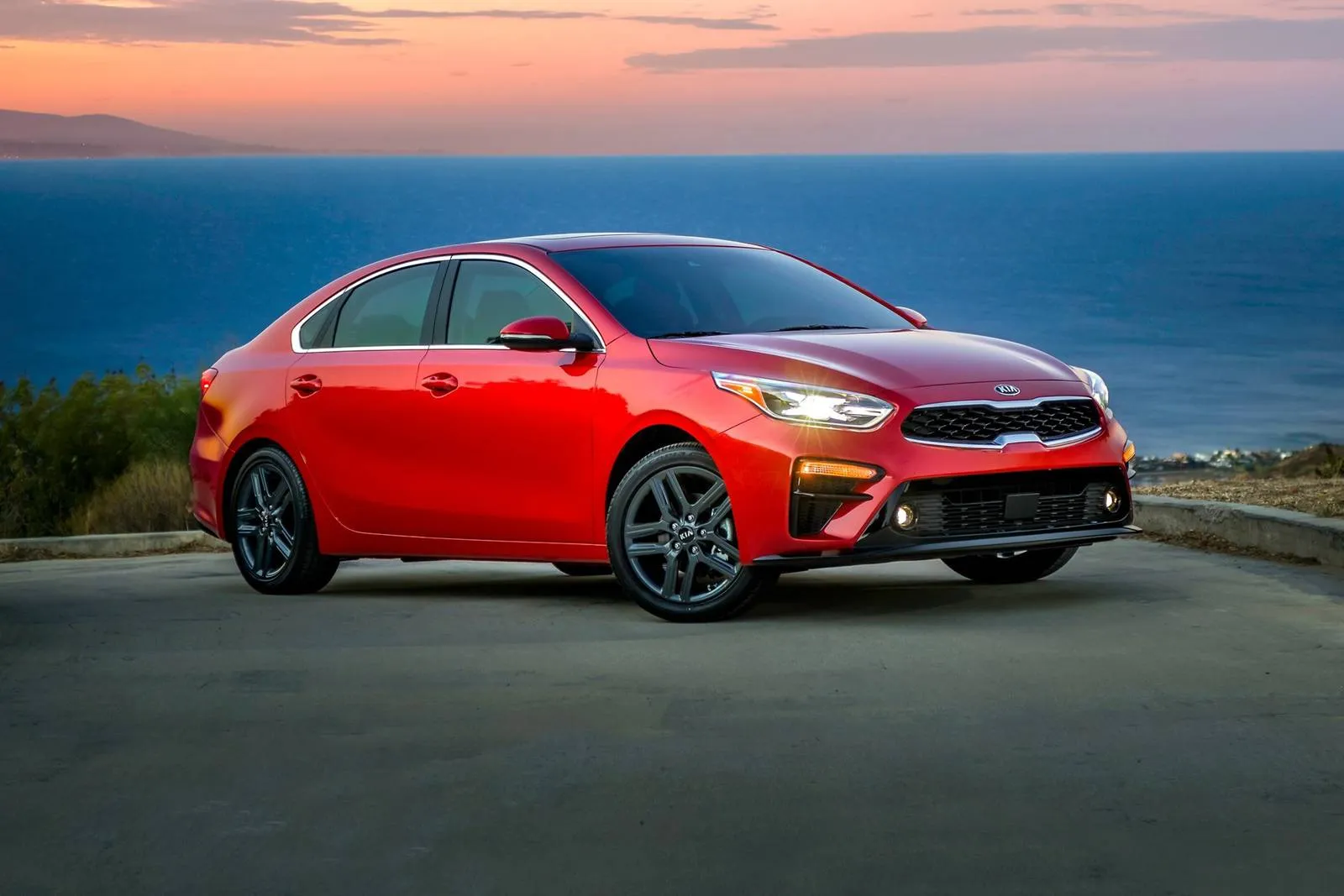
8. Kia Forte (2019-2024)
Recent Korean engineering demonstrates improved fuel pump reliability, matching competitors. Quality components survive typical ownership without failures. Proper design creates dependable fuel delivery. Owners enjoy worry-free compact sedan operation.
Pump design includes adequate cooling through fuel immersion. Motors operate within safe temperature ranges. Heat dissipation prevents thermal damage. This thermal management extends life substantially.
Electrical connections use corrosion-resistant materials and sealing. Quality terminals maintain conductivity through service. Adequate wiring prevents voltage drops. This electrical quality matches premium standards.
System integration ensures the regulation protects the pump. Proper pressure prevents motor strain. Holistic engineering considers the fuel system. This integration extends reliability. Replacement costs stay reasonable for positioning. Kia pricing remains competitive. OEM components maintain standards. Aftermarket options provide alternatives.
Owners report reliable operation through ownership. Performance validates engineering improvements. High-mileage examples continue to dependably. This demonstrates Kia’s quality. Fuel filter maintenance protects the investment. Clean fuel prevents damage. The following schedule ensures life. Care rewards with operation.
Pumps That Strand Owners
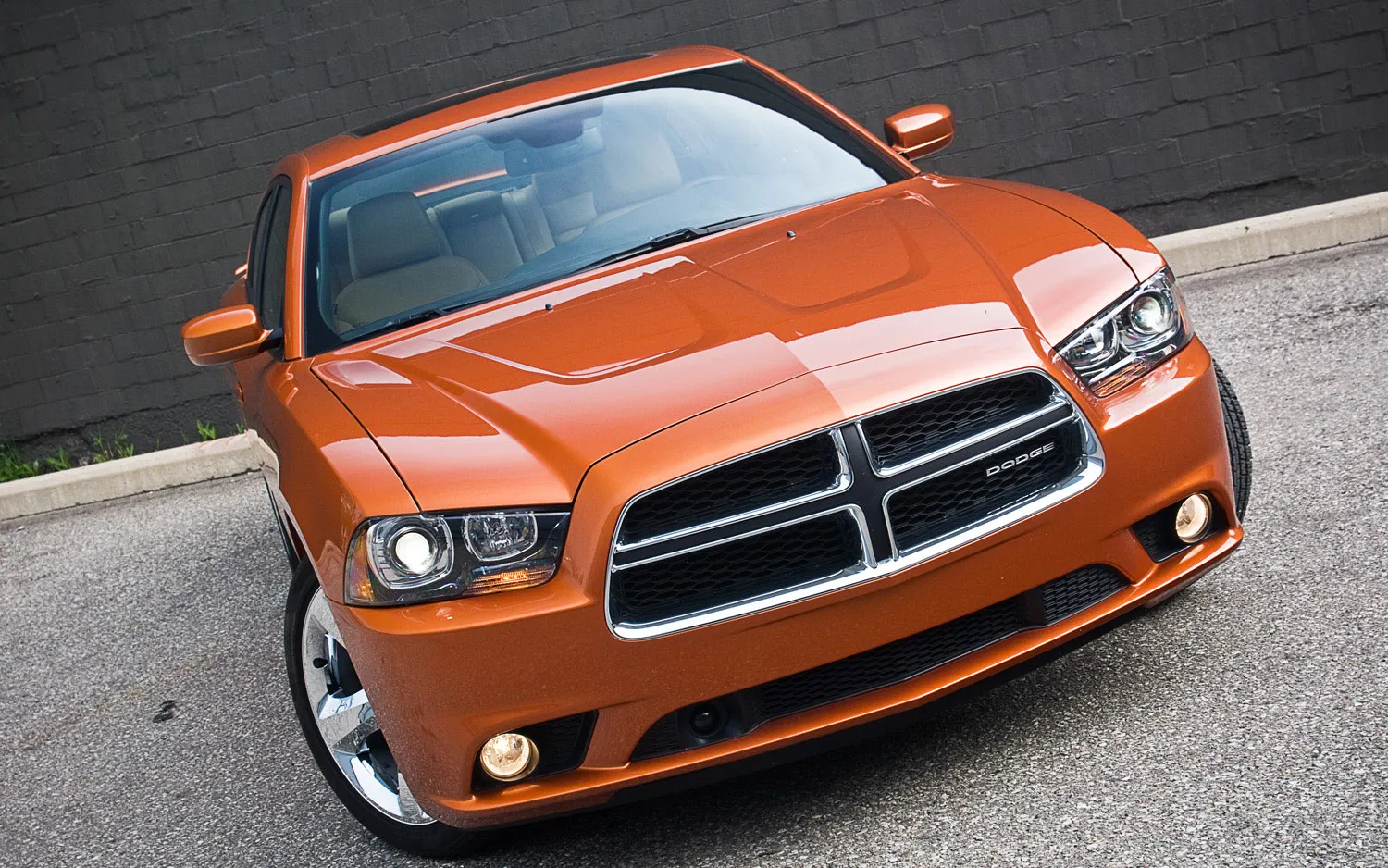
1. Dodge Charger (2011-2014)
American muscle sedan suffers from fuel pump failures, stranding owners regularly. Budget components fail prematurely, often just after warranties expire. Inadequate cooling and poor electrical design create systematic problems. Owners face unexpected breakdowns and expensive repairs frustratingly.
Electrical connections corrode from poor sealing, allowing moisture intrusion. Inadequate terminal quality loses conductivity as corrosion develops. Voltage drops from corroded connections overheat pump motors, causing failures. This electrical quality problem compounds thermal issues, creating systematic failures.
A fuel strainer uses coarse mesh, allowing debris into the pump internals. Inadequate filtration permits abrasive particles, causing accelerated wear. Poor filtration design demonstrates penny-wise engineering that proves pound-foolish. This cost-cutting creates premature failures requiring expensive replacements.
Pump motor design uses minimal current capacity, creating overload conditions. Undersized motors operate at thermal limits continuously. Quality bearings are absent, allowing rapid wear and failure. These engineering compromises create components that fail prematurely and predictably.
Owners report fuel pump failures between 60,000 and 100,000 miles. Sudden failures strand drivers without warning, creating dangerous situations. Replacement costs range $600 to $1,000, including parts and labor. This unexpected expense frustrates owners who have maintained vehicles properly.
Multiple online forums document systematic fuel pump problems across model years. The pattern of failures indicates an engineering deficiency rather than isolated incidents. Class-action potential exists if enough owners document problems. Chrysler apparently prioritized costs over reliability, creating owner dissatisfaction.
Replacement pumps often fail again after 40,000 to 60,000 miles. Aftermarket alternatives provide questionable quality improvements. OEM replacements repeat original problems. This cycle frustrates owners unable to achieve reliable transportation.
Resale values suffer from reliability reputation among knowledgeable buyers. Fuel pump problems are well-documented online, affecting marketability. Buyers discount prices, expecting replacement needs. Poor engineering punishes original owners through depreciation and repair costs, creating lasting dissatisfaction.
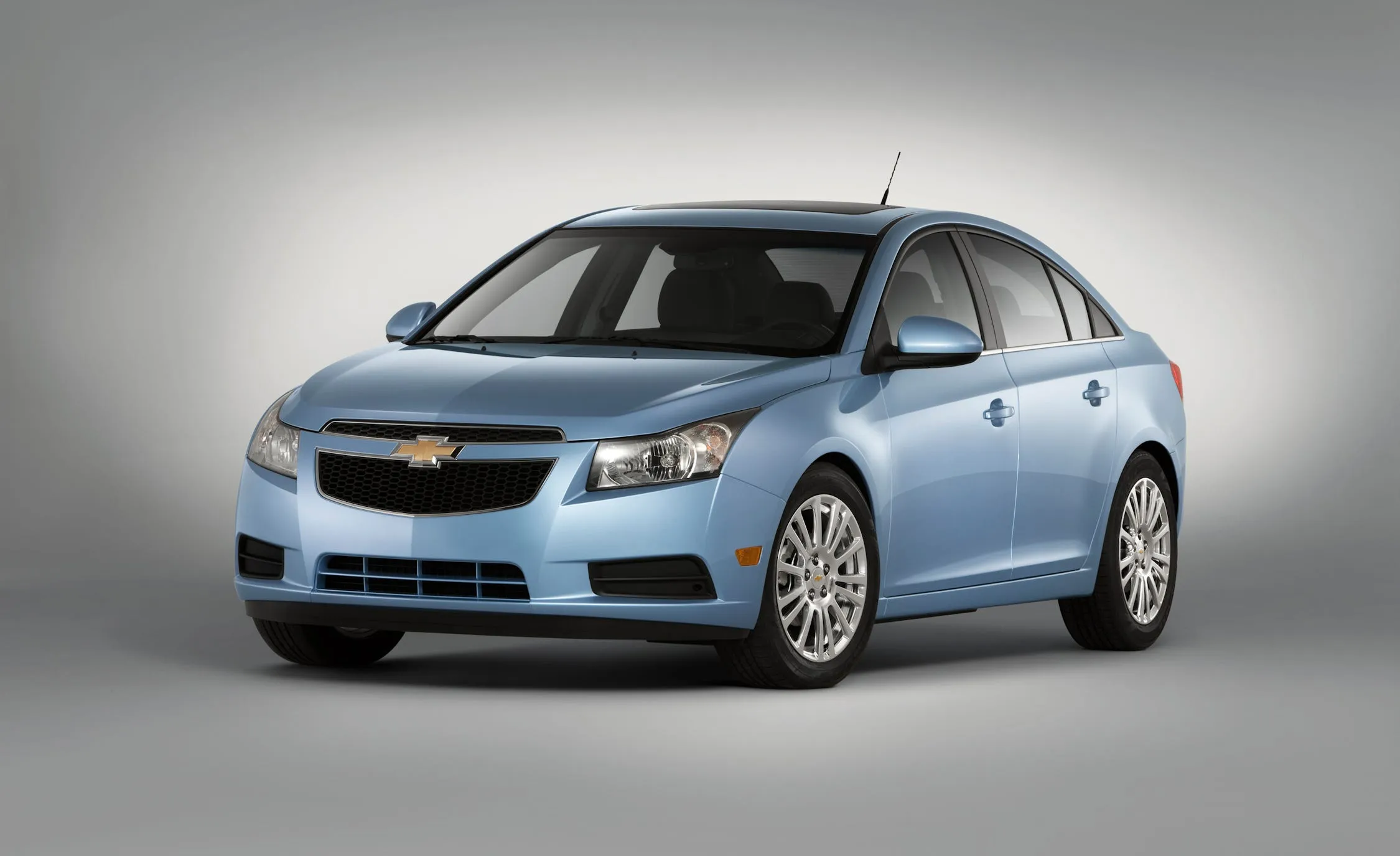
2. Chevrolet Cruze (2011-2015)
The compact sedan platform suffers from systematic fuel pump failures, stranding owners. Budget engineering creates components barely adequate for service. Premature failures occur regularly after warranty expiration. Owners face unexpected breakdowns and expensive repairs.
The fuel pump assembly uses budget components that fail prematurely. Plastic impellers crack from heat cycling and fuel exposure. Motor failures occur from inadequate cooling capacity. These quality compromises create systematic reliability problems.
Inadequate thermal management allows pump motors to overheat. Poor cooling design permits temperatures exceeding safe limits. Extended operation accelerates component degradation. This engineering deficiency creates predictable failures.
Electrical connections corrode from moisture intrusion through poor sealing. Terminal quality deteriorates, losing conductivity progressively. Voltage drops overheat motors, causing premature failures. This electrical problem compounds thermal issues.
Fuel strainer filtration proves inadequate, allowing debris into the pump. Coarse mesh permits abrasive particles, causing accelerated wear. Poor filtration design demonstrates a cost-cutting approach. This penny-wise engineering creates pound-foolish consequences.
Motor design uses minimal capacity, creating continuous overload. Undersized components operate at thermal limits. Inadequate bearings wear rapidly. These compromises create systematic failures.
Owners report failures between 70,000 and 110,000 miles commonly. Sudden breakdowns strand drivers without warning. Replacement costs $500 to $900, creating unexpected expenses. Proper maintenance cannot prevent engineering deficiencies.
Online forums document widespread fuel pump problems. Failure patterns indicate systematic engineering issues. Multiple owners report identical problems across years. This consistency suggests manufacturing decisions prioritizing costs.
Replacement pumps often fail prematurely, repeating problems. Aftermarket alternatives provide questionable improvements. OEM parts repeat original deficiencies. This cycle frustrates owners seeking reliable transportation.
Resale values reflect reliability problems among knowledgeable buyers. Fuel pump issues are well-documented, affecting marketability. Buyers expect problems with discounting prices. Poor engineering punishes owners financially.

3. Ford Escape (2013-2016)
Compact crossover suffers from fuel pump failures, stranding owners regularly. Inadequate engineering creates systematic reliability problems. Components fail prematurely, causing unexpected breakdowns. Owners face expensive repairs and safety concerns.
The pump assembly uses budget components that fail after minimal service. Plastic parts crack from heat and fuel exposure. Motors fail from inadequate cooling. Quality compromises create predictable problems.
Thermal management proves inadequate, allowing overheating. Poor cooling design permits excessive temperatures. Extended operation accelerates degradation. Engineering deficiencies create systematic failures.
Electrical connections corrode from moisture intrusion. Poor sealing permits water entry. Terminal deterioration causes voltage drops. Electrical problems compound thermal issues. Fuel filtration is inadequate, allowing debris damage. A coarse strainer permits abrasive particles. Poor filtration accelerates wear. Cost-cutting approach creates problems.
Motor design is undersized, creating overload conditions. Minimal capacity operates at limits. Inadequate bearings wear rapidly. Engineering compromises are predictable. Owners report failures at 60,000 to 90,000 miles. Sudden breakdowns create dangerous situations. Replacement costs $600 to $1,000. Unexpected expenses frustrate owners.
Online documentation shows widespread problems. Failure patterns indicate engineering issues. Multiple reports across years. Consistency suggests systematic deficiencies. Replacement pumps fail prematurely, repeating problems. Aftermarket questionable improvements. OEM parts repeat deficiencies. Frustrating cycle continues.
Resale values suffer from reputation. Problems documented affecting sales. Buyers discount expecting issues. Engineering punishes owners.
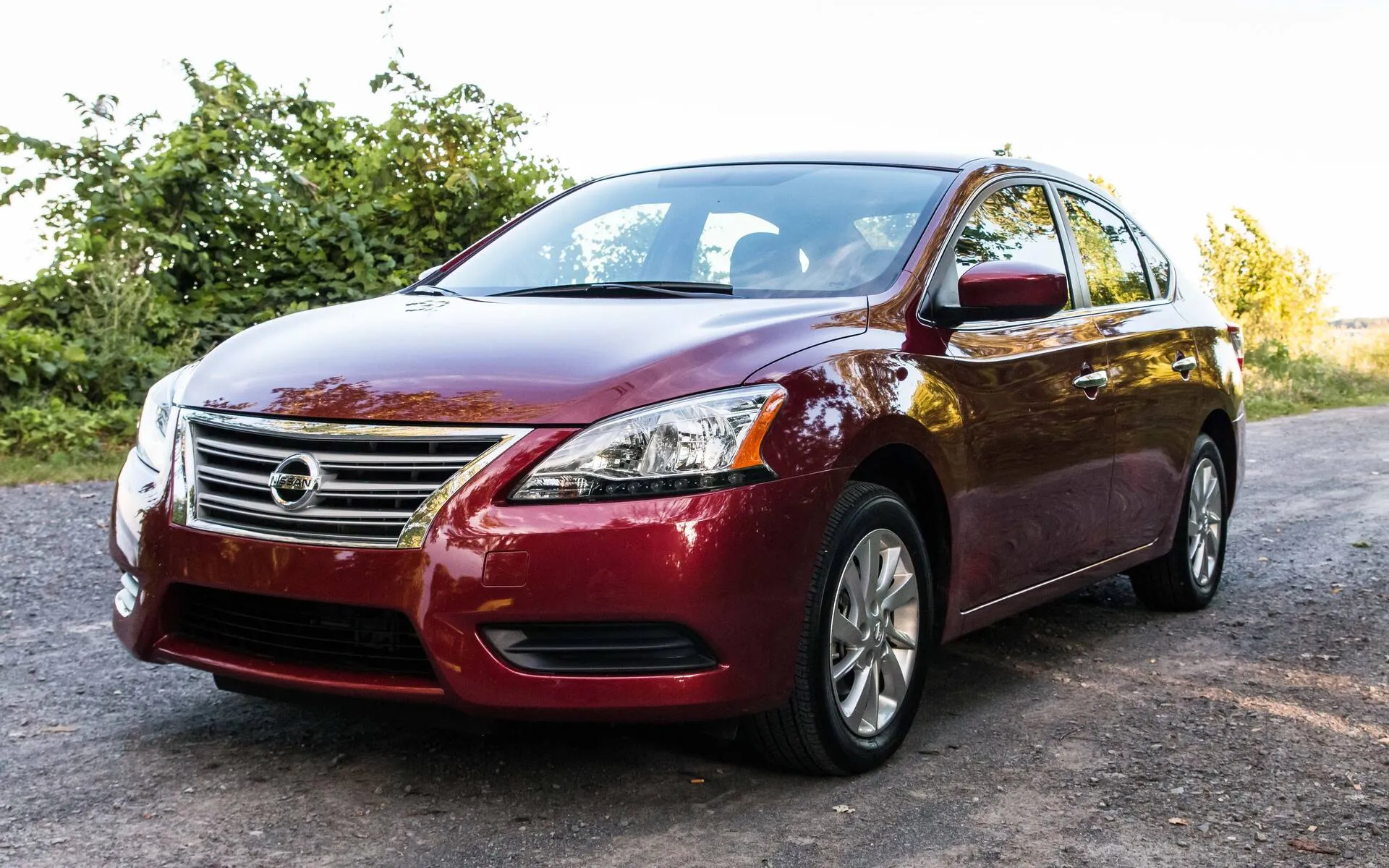
4. Nissan Sentra (2013-2019)
The Nissan Sentra from this generation faced persistent mechanical issues linked to premature fuel pump breakdowns. Many owners reported that the fuel delivery system failed without warning, often leaving vehicles stranded. The problem stemmed from substandard parts used within the pump assembly.
Plastic components weakened quickly, and the electric motor lacked sufficient durability for long-term use. These failures were often linked to poor heat dissipation, which caused the motor to overheat under normal driving conditions. Inadequate cooling design and cost-driven compromises reduced system reliability across all trims.
Moisture intrusion further worsened the issue as corroded terminals disrupted electrical flow, while insufficient filtration allowed small particles to circulate through the system. After a long time, these combined factors accelerated wear and shortened the pump’s lifespan.
Failures typically occurred between 70,000 and 100,000 miles, creating sudden and dangerous stalls. Repairs often cost between $500 and $900, depending on location and parts availability. Reports from multiple service centers confirmed recurring issues that pointed to a fundamental design flaw rather than isolated cases.
Even replacement units, including OEM options, frequently failed again within similar mileage intervals. This recurring reliability concern negatively affected resale values, with potential buyers discounting the model due to documented repair patterns and reduced long-term dependability.
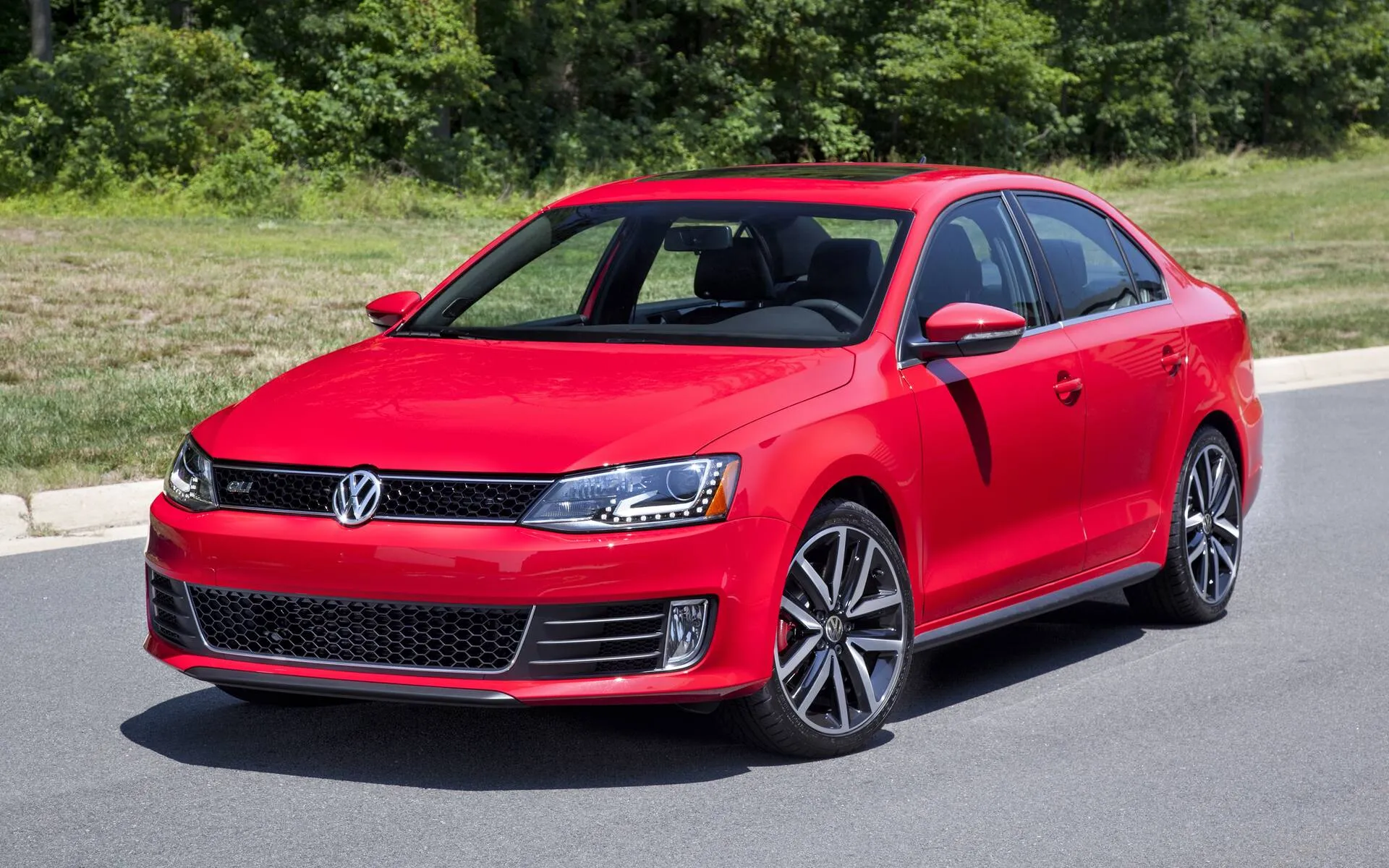
5. Volkswagen Jetta (2011-2018)
The Volkswagen Jetta from this period struggled with recurring fuel pump malfunctions that undermined its reputation for German reliability. Owners consistently reported erratic performance and stalling linked to pump component degradation. The assembly incorporated low-cost plastic materials that cracked after a long time, while undersized motors overheated under prolonged use.
Poor thermal control design caused the unit to exceed its temperature tolerance, gradually leading to mechanical breakdown. Additionally, electrical connectors were prone to corrosion due to inadequate sealing, allowing moisture to enter and compromise voltage stability.
Fuel filtration design flaws permitted small debris to circulate through the pump, accelerating internal wear and creating frequent service needs. Bearing fatigue and motor strain became common symptoms of the system’s weak engineering.
Failures often appeared between 60,000 and 90,000 miles, forcing costly repairs that averaged between $700 and $1,200. Despite numerous warranty claims, long-term reliability remained inconsistent. Replacement pumps, including factory-installed options, frequently repeated the same pattern of premature deterioration.
As a result, many owners turned to aftermarket parts with mixed outcomes. After a long time, this issue damaged the Jetta’s resale value, with used buyers adjusting offers based on visible documentation of recurring mechanical failures and high long-term maintenance expectations.
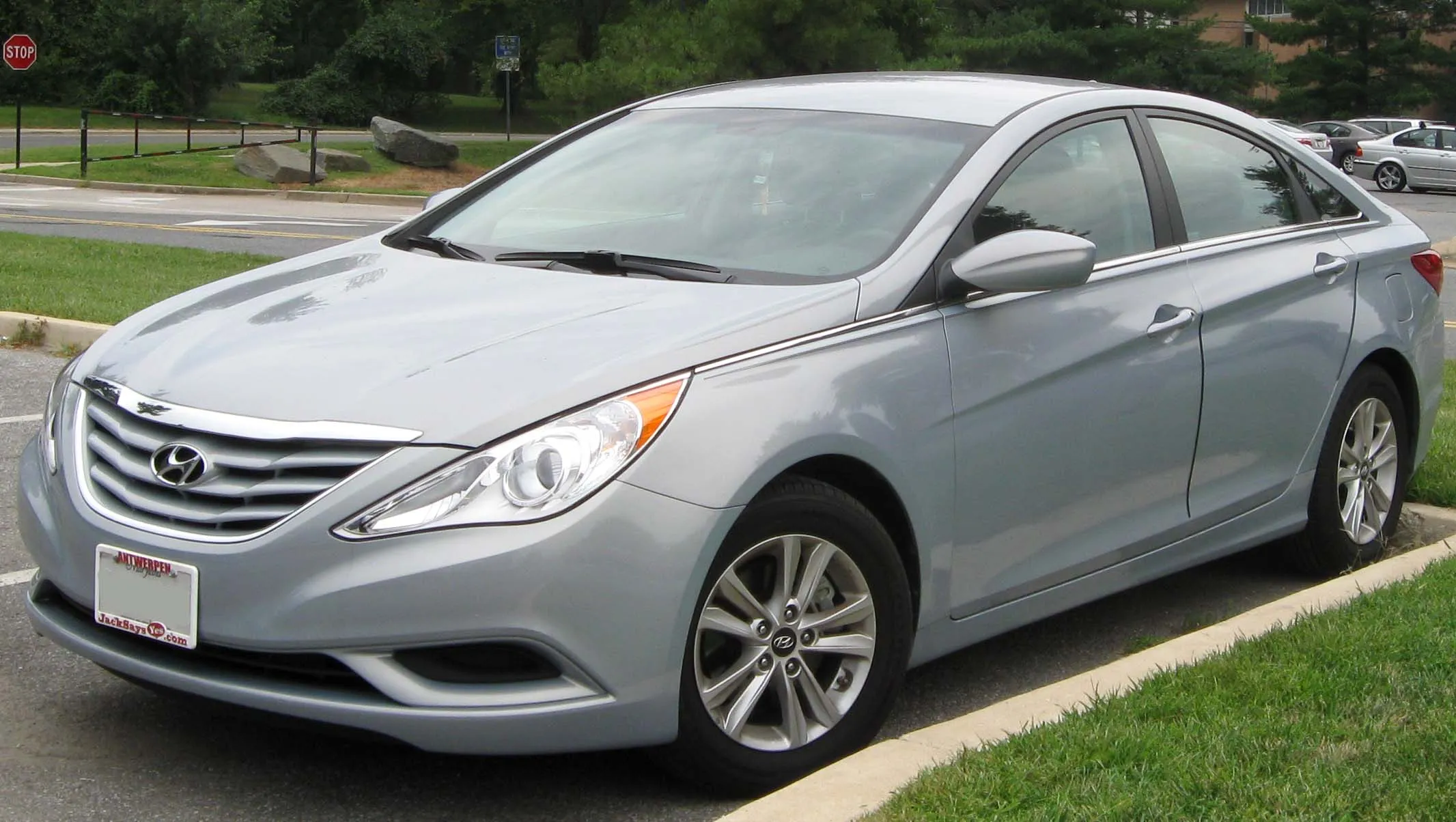
6. Hyundai Sonata (2011-2014)
This generation of the Hyundai Sonata faced serious reliability complaints centered on the fuel pump system. The issue originated from weak component design and poor thermal resistance, resulting in repeated breakdowns.
The pump’s plastic materials degraded quickly, and undersized electric motors operated near their limits from the start. Excessive heat buildup caused premature wear on bearings and internal parts, while moisture intrusion through substandard seals worsened the deterioration rate.
Electrical corrosion led to intermittent voltage loss, disrupting consistent fuel delivery. Filtration also proved inadequate, as the mesh screens failed to block fine particles from entering the pump, accelerating mechanical wear.
These problems typically appeared between 70,000 and 110,000 miles and could result in sudden engine stalls, creating potential safety hazards. Repair bills generally ranged from $500 to $800, depending on labor costs.
Numerous owner complaints and maintenance records confirmed widespread consistency in the failure pattern, indicating a systemic flaw. Replacement units, both OEM and aftermarket, often repeated the issue, frustrating vehicle owners.
Due to the frequency of pump replacements, the model’s market reputation suffered, with resale prices declining as buyers anticipated ongoing maintenance costs tied to the known engineering shortcomings.
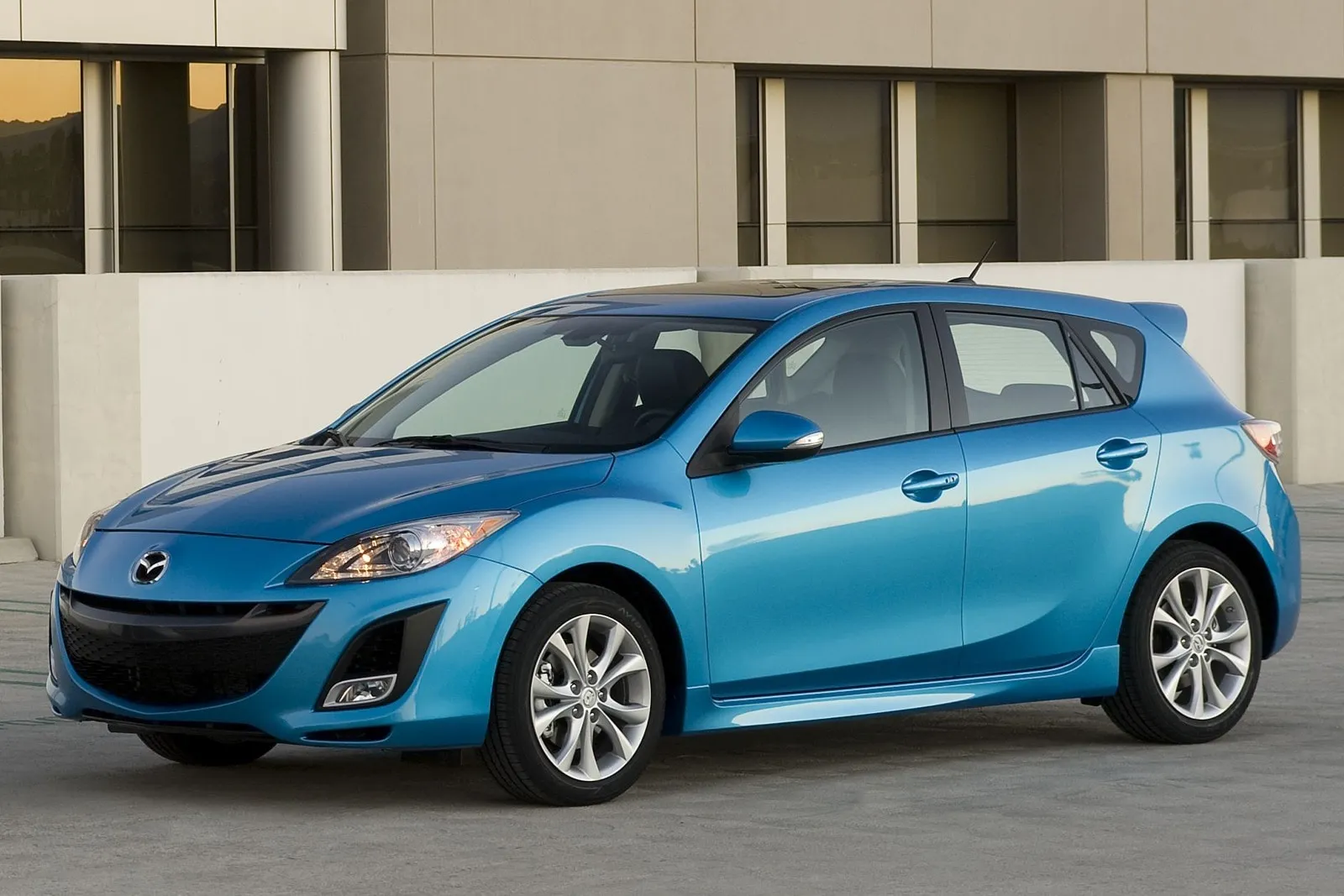
7. Mazda3 (2010-2013)
Earlier versions of the Mazda3 experienced fuel pump reliability challenges that persisted across multiple production years. The pump’s internal construction featured fragile plastic components that degraded quickly under high operating temperatures.
Weak electrical motors struggled to maintain consistent performance, often overheating during extended use. Insufficient thermal management failed to disperse heat properly, which led to bearing wear and reduced operational lifespan.
Moisture intrusion through poor sealing around connectors allowed corrosion to develop, compounding the electrical instability of the unit. In addition, inadequate fuel filtration allowed abrasive particles to enter the system, further contributing to accelerated deterioration.
These design weaknesses led to failures between 60,000 and 90,000 miles, often causing sudden engine shutdowns that required immediate repair. Replacement costs typically ranged from $600 to $900, with limited improvement even after installation of new units.
Aftermarket replacements did not always perform better, and OEM parts often repeated the same issue within similar mileage. Documented service bulletins and owner reports consistently showed identical failure patterns, establishing a clear record of systemic design inefficiency.
As a result, resale prices suffered as the Mazda3 developed a reputation for fuel system fragility that discouraged prospective buyers from long-term ownership.
Also Read: 5 Cars That Offer Great Value vs 5 That Overpromise

8. Kia Optima (2011-2015)
The Kia Optima from this production period faced ongoing problems with its fuel pump assembly, which frequently failed long before expected service intervals. Owners across regions reported premature breakdowns tied to weak materials and undersized components.
The electric motor often overheated due to poor cooling design, and plastic housing parts developed stress cracks as time goes on. Electrical terminals suffered corrosion from moisture intrusion, causing intermittent voltage loss that worsened performance issues. Additionally, the filtration mesh was too coarse, allowing debris to pass into the pump and cause internal scarring and rapid wear.
Bearings inside the unit experienced heavy strain, reducing lifespan dramatically. Most failures occurred between 70,000 and 100,000 miles, creating a pattern of sudden stalling incidents that raised safety concerns. Repair costs ranged between $500 and $900, depending on the service providers.
Evidence from maintenance logs and technical reports showed consistent design flaws rather than isolated issues. Even replacement units, whether factory-supplied or aftermarket, frequently repeated the same weaknesses, forcing owners into repeated repairs.
These recurring failures negatively influenced the Optima’s resale market, as documented reliability problems led to depreciation and reduced buyer confidence in the vehicle’s entire durability and engineering stability.
