

The hybrid vehicle market has evolved dramatically over the past two decades, transforming from a niche segment dominated by the Toyota Prius into a diverse ecosystem of electrified powertrains spanning every vehicle category.
As manufacturers rush to meet increasingly stringent emissions regulations and consumer demand for fuel efficiency, hybrid technology has become more sophisticated, more varied, and significantly more expensive.
At the heart of every hybrid vehicle lies the power electronics system a complex array of inverters, converters, and control modules that orchestrate the seamless dance between electric motors and internal combustion engines.
The inverter module, in particular, represents one of the most critical and costly components in any hybrid powertrain.
This sophisticated piece of electronics converts direct current from the battery pack into alternating current for the electric motor, manages regenerative braking, and controls power distribution between the electric and gasoline powertrains.
The quality, efficiency, and complexity of these inverter systems vary dramatically across different hybrid vehicles, directly impacting both the initial purchase price and long-term ownership costs.
For consumers going through the hybrid marketplace, understanding the distinction between affordable and premium power electronics becomes crucial.
Vehicles equipped with simpler, more cost-effective inverter modules typically feature less sophisticated hybrid systems often mild hybrids or basic full hybrids with lower voltage systems and less powerful electric motors.
These approaches prioritize affordability and ease of manufacturing, making hybrid technology accessible to budget-conscious buyers while still delivering meaningful improvements in fuel economy and emissions.
Conversely, hybrids with expensive, cutting-edge electronics represent the technological vanguard of the automotive industry. These vehicles incorporate high-voltage systems, silicon carbide semiconductors, advanced thermal management, and complex multi-motor configurations that enable extended electric-only range, blistering acceleration, and superior efficiency.
The premium pricing of these components reflects not just their enhanced capabilities but also the extensive research and development required to push the boundaries of electrification technology.
The price disparity between affordable and premium hybrid electronics can be substantial sometimes accounting for several thousand dollars in the total vehicle cost.
This differential raises important questions for potential buyers: Is the additional investment in sophisticated power electronics justified by real-world performance and efficiency gains? How do maintenance costs, reliability, and longevity compare between these two approaches? Can a vehicle with simpler, less expensive electronics still meet the needs of most drivers?
This comprehensive analysis examines ten hybrid vehicles, five featuring affordable, practical inverter modules and five showcasing expensive, state of the art electronics.
By exploring the technical specifications, real-world performance, cost implications, and ownership experiences of these vehicles, we’ll provide the insights necessary to make an informed decision about which approach to hybrid technology best aligns with your priorities, budget, and driving needs in today’s rapidly evolving automotive world.
5 Hybrids With Affordable Inverter Modules
These exceptionally engineered vehicles feature hybrid power electronics using robust, straightforward designs with generous thermal management, proven semiconductor technology, and modular construction enabling component-level repair rather than complete assembly replacement when failures occur, maintaining reasonable ownership costs throughout extended service periods.
Their thoughtful engineering includes inverter assemblies with conservatively rated power transistors operating well below maximum specifications, effective liquid cooling systems preventing thermal stress that degrades sensitive electronics, and mounting locations protecting modules from vibration and environmental contamination that accelerates component failures.
From high-mileage taxi duty accumulating extreme usage to everyday commuting cycling power electronics constantly, these remarkable hybrid systems continue operating reliably without developing expensive inverter failures.
1. Honda Civic Hybrid
The Honda Civic Hybrid represents a masterclass in delivering hybrid efficiency without the complexity and cost of premium power electronics.
Honda’s approach with the latest Civic Hybrid centers on a straightforward two-motor system paired with a relatively simple inverter module that prioritizes reliability and manufacturing efficiency over technological showmanship.
The powertrain combines a 2.0-liter Atkinson-cycle four-cylinder engine with two electric motors integrated into a compact transmission unit, managed by a power electronics system that Honda has refined over multiple generations.
The inverter module in the Civic Hybrid operates at a modest voltage compared to plug-in hybrids or luxury electrified vehicles, typically functioning within a 48-volt architecture that requires less sophisticated cooling, fewer safety interlocks, and simpler semiconductor technology.
This lower voltage system significantly reduces the cost of power electronics while still enabling the vehicle to achieve impressive fuel economy figures exceeding 50 mpg in combined driving.
Honda’s engineers have leveraged decades of experience with the Insight and previous Civic Hybrid generations to create a power control unit that delivers seamless transitions between electric and gasoline power without the expense of silicon carbide inverters or complex multi-phase motor controllers.

Manufacturing efficiency plays a crucial role in keeping the Civic Hybrid’s electronics affordable. Honda produces these inverter modules in high volumes at dedicated facilities, achieving economies of scale that luxury manufacturers cannot match.
The relatively simple thermal management system uses traditional aluminum cooling plates and conventional coolant circuits rather than exotic materials or complex refrigerant-based cooling.
This approach not only reduces initial costs but also simplifies maintenance and improves long-term reliability there are fewer potential failure points and replacement parts remain reasonably priced.
The real-world benefits of this affordable electronics approach extend beyond the purchase price. The Civic Hybrid’s power control unit generates less heat than high-performance alternatives, reducing stress on components and potentially extending service life.
Repair costs, should they become necessary outside the warranty period, remain manageable because the electronics don’t require specialized diagnostic equipment or expensive replacement semiconductors. Independent mechanics can service many aspects of the system, unlike some premium hybrids that demand dealer-only service for electronics-related issues.
Performance remains entirely adequate for the Civic Hybrid’s target audience. While the system won’t deliver explosive acceleration or extended electric-only range, it provides smooth, responsive power delivery in daily driving situations.
The simplified electronics actually contribute to a more predictable driving experience, with fewer complex operating modes and less aggressive regenerative braking calibration.
Honda’s conservative approach to power electronics has historically resulted in exceptional reliability earlier Civic Hybrids and Insights have demonstrated remarkable durability with battery and electronics systems frequently lasting beyond 200,000 miles without major interventions.
2. Toyota Corolla Hybrid
Toyota’s dominance in hybrid technology stems largely from the company’s ability to produce reliable, affordable electrified powertrains at enormous scale.
The Corolla Hybrid inherits the fundamental architecture of Toyota’s Hybrid Synergy Drive system, refined over millions of vehicles and countless engineering iterations.
The inverter module and associated power electronics represent mature, well-understood technology that Toyota can manufacture efficiently and economically, passing those savings directly to consumers through competitive pricing.
The power control unit in the Corolla Hybrid utilizes conventional silicon insulated-gate bipolar transistors rather than expensive silicon carbide alternatives.
While SiC semiconductors offer superior efficiency and higher operating temperatures, their cost remains prohibitive for mainstream applications.
Toyota’s engineers have instead optimized their silicon-based inverters through meticulous attention to thermal design, electromagnetic compatibility, and control algorithms.
The result is a power electronics package that achieves approximately 90-92% efficiency in energy conversion not quite matching the 95-97% efficiency of premium silicon carbide systems, but entirely sufficient for delivering the Corolla Hybrid’s impressive 52 mpg combined fuel economy.
Volume manufacturing represents perhaps the most significant factor in the Corolla Hybrid’s affordable electronics. Toyota produces power control units for the Corolla, Prius, RAV4 Hybrid, and numerous other models using shared architectures and components.

This commonality allows Toyota to amortize development costs across millions of units while achieving purchasing economies on semiconductor components, circuit boards, connectors, and other materials.
The inverter housing uses straightforward aluminum die-casting techniques rather than exotic manufacturing processes, and the cooling system employs standard automotive coolant rather than specialized dielectric fluids.
The electrical architecture operates at relatively modest voltages typically around 200-250 volts for the battery system which substantially reduces the complexity and cost of insulation, safety systems, and electromagnetic shielding.
Lower voltages mean simpler wiring harnesses, less expensive connectors, and reduced requirements for high-voltage interlocks and monitoring systems.
This conservative voltage approach has served Toyota exceptionally well in terms of reliability; reports of power electronics failures in Toyota hybrids remain remarkably rare even in vehicles approaching fifteen years of age.
Service and maintenance considerations favor the Corolla Hybrid’s straightforward electronics design. Toyota has established comprehensive training programs for technicians worldwide, ensuring that qualified repair facilities exist even in smaller markets.
Diagnostic procedures follow standardized protocols, and replacement components, while not inexpensive, remain accessible through Toyota’s extensive parts network.
The power control unit itself is designed as a serviceable assembly certain components can be replaced individually rather than requiring complete unit replacement, further reducing potential repair costs.
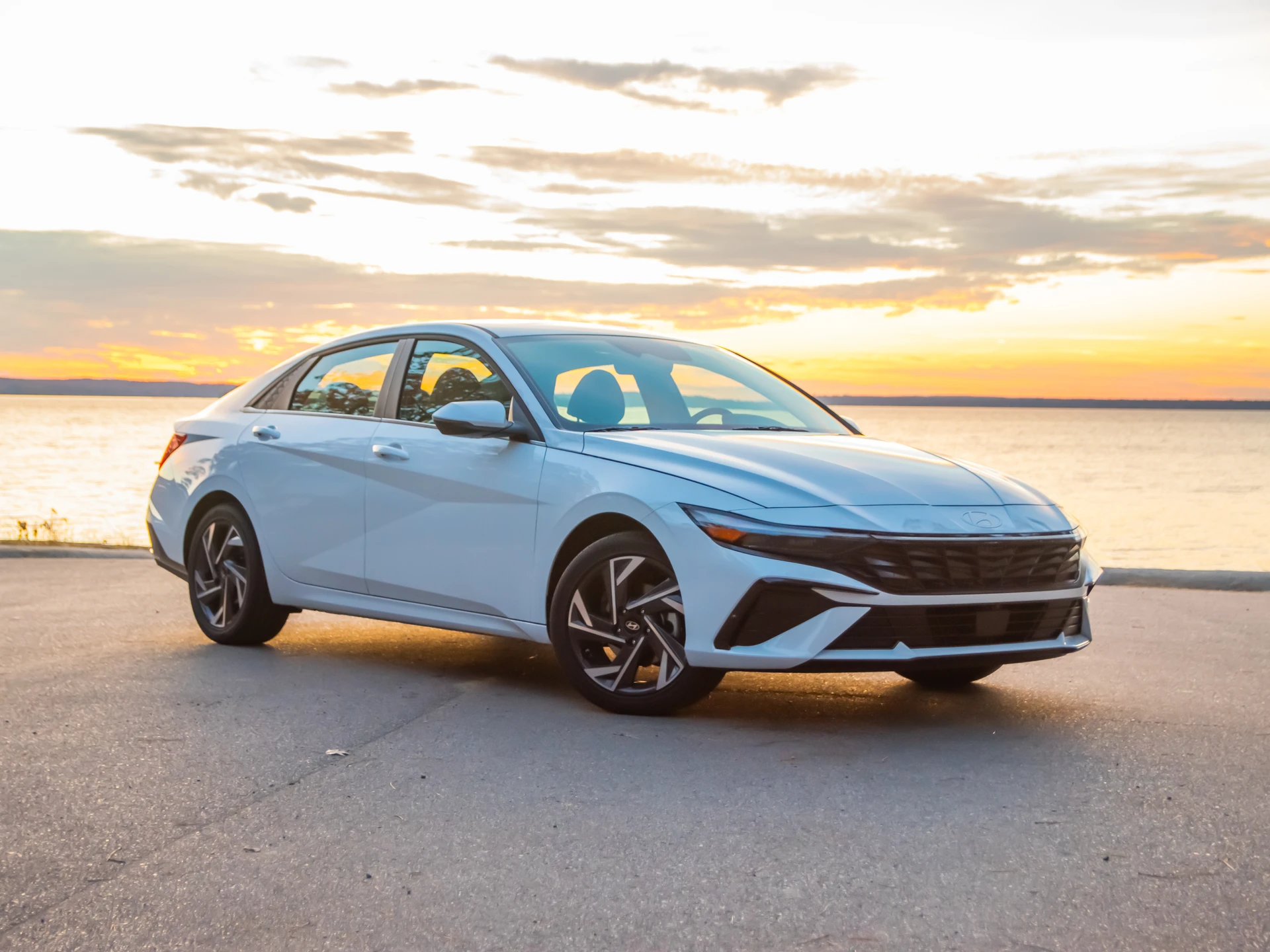
3. Hyundai Elantra Hybrid
Hyundai’s entry into the mainstream hybrid market with the Elantra Hybrid demonstrates how newer manufacturers can leverage modern design tools and flexible manufacturing to create affordable electrified powertrains.
The Elantra Hybrid’s power electronics reflect a clean-sheet approach, unburdened by legacy architectures or decades-old design decisions.
Hyundai’s engineers designed the inverter module specifically for cost-effectiveness while meeting contemporary efficiency and emissions standards, resulting in a system that delivers strong performance without the price premium of luxury hybrids.
The power control unit architecture employs a single integrated module that combines the inverter, DC-DC converter, and onboard charging electronics into a compact package.
This integration reduces manufacturing costs by minimizing connectors, wiring, and separate housings, while also simplifying installation on the assembly line. Hyundai sources semiconductor components from multiple suppliers, avoiding dependence on expensive proprietary chips and maintaining pricing leverage through competitive bidding.
The thermal management system uses a straightforward liquid cooling circuit shared with the hybrid transmission, eliminating the need for separate cooling loops or complex thermal control valves.
Hyundai’s relatively recent entry into the hybrid market actually provides certain advantages in terms of electronics affordability. Without the burden of supporting older hybrid architectures or maintaining compatibility with previous generations, Hyundai could design the Elantra Hybrid’s electronics around currently available, cost-effective components.
The inverter utilizes contemporary silicon IGBT modules that offer good efficiency at reasonable prices, and the control software is optimized for these specific semiconductors rather than trying to accommodate multiple hardware generations.
The electrical system operates at voltages similar to other affordable hybrids around 240 volts for the lithium-ion polymer battery pack allowing the use of standard automotive-grade high-voltage components rather than specialized industrial or aerospace parts.
The motor generator units employ conventional wound-rotor designs rather than expensive permanent magnet motors with rare-earth elements, further reducing system costs.
While this results in slightly larger and heavier motor units, the cost savings prove substantial and the performance impact remains negligible in normal driving conditions.
Warranty coverage provides additional peace of mind for Elantra Hybrid buyers concerned about electronics reliability. Hyundai offers an extensive 10-year/100,000-mile warranty on hybrid components including the power control unit, demonstrating the company’s confidence in their affordable electronics design.
This extended coverage effectively transfers any reliability risk from the consumer to the manufacturer during the critical early years of ownership.
Real-world experience with Hyundai’s hybrid systems, while more limited than Toyota or Honda’s decades of data, has been generally positive, with no widespread reports of power electronics failures or systemic issues.
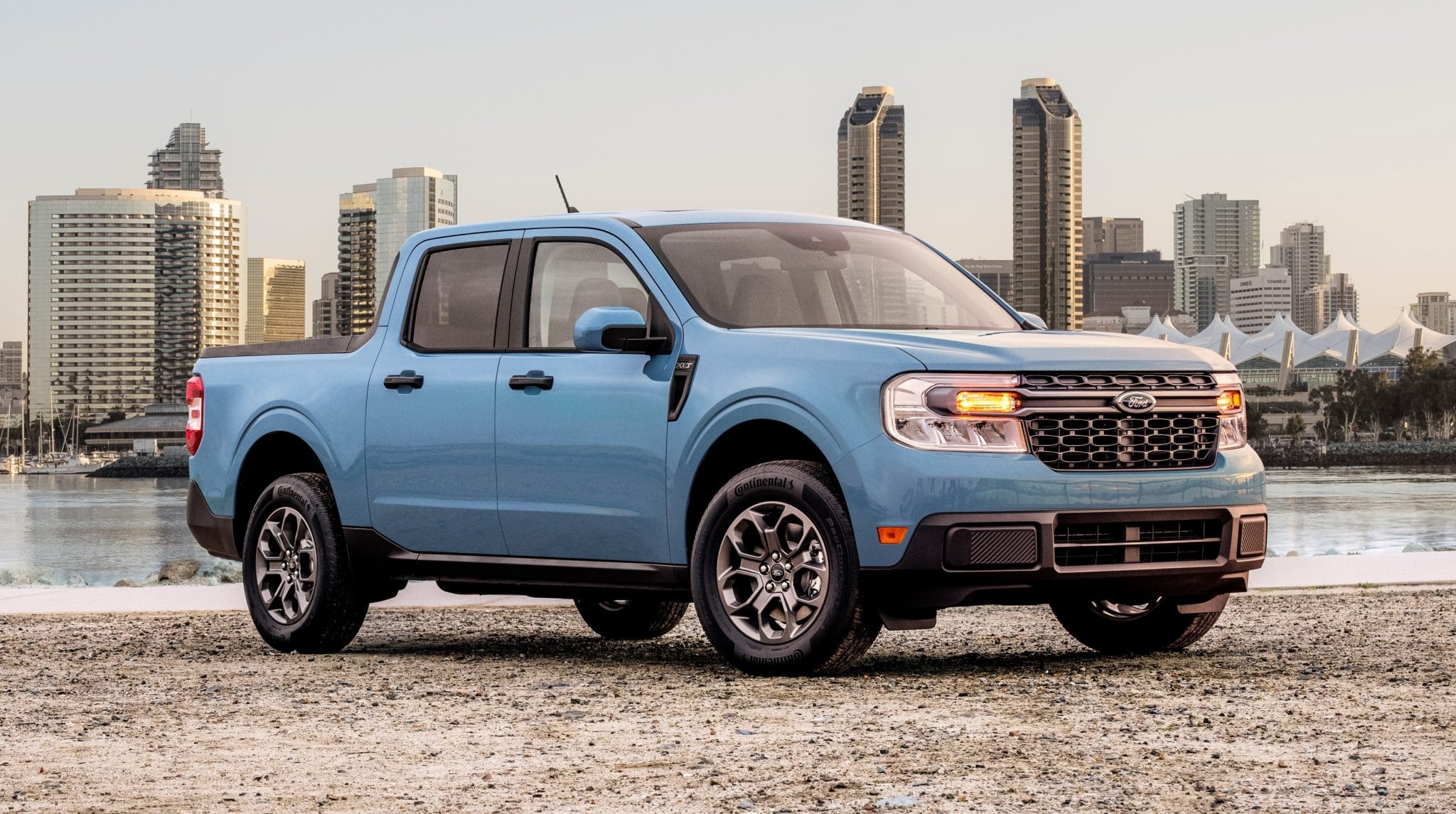
4. Ford Maverick Hybrid
The Ford Maverick Hybrid represents an innovative application of affordable hybrid technology in the compact truck segment, delivering exceptional fuel economy without the premium pricing typically associated with electrified pickups.
Ford’s engineering team adapted proven hybrid components from the Escape Hybrid and other applications, creating a power electronics package specifically optimized for truck duty cycles while maintaining cost competitiveness.
The result is a vehicle that achieves 40 mpg combined—extraordinary for any truck—while keeping the hybrid powertrain’s price increment remarkably modest.
The inverter module and power control unit in the Maverick Hybrid leverage Ford’s extensive experience with hybrid technology dating back to the original Escape Hybrid and Fusion Hybrid. Rather than developing entirely new electronics for the Maverick, Ford adapted existing components and control strategies, amortizing development costs across multiple vehicle platforms.
The power electronics utilize conventional silicon semiconductor technology in a straightforward inverter configuration that prioritizes reliability and ease of manufacturing over ultimate performance or efficiency maximization.
Cooling system design demonstrates Ford’s practical approach to affordable hybrid electronics. The Maverick’s power control unit shares cooling circuits with the hybrid transmission assembly, using conventional ethylene glycol coolant rather than specialized dielectric fluids.
The inverter housing employs straightforward aluminum construction with integrated cooling passages, avoiding the expense of complex liquid-cooled cold plates or exotic thermal interface materials. This simplified thermal management proves entirely adequate for the Maverick’s power levels and duty cycles, and it significantly reduces manufacturing complexity and cost.
The electrical architecture operates at modest voltages appropriate for the Maverick’s hybrid system capabilities. The lithium-ion battery pack typically operates around 200-230 volts, requiring less sophisticated insulation and safety systems than higher-voltage architectures.
Lower operating voltages also reduce electromagnetic interference challenges, simplifying the design of the vehicle’s electrical system and minimizing the need for expensive shielding or filtering components.
The motor generator units employ conventional wound-rotor designs that, while slightly less efficient than permanent magnet alternatives, avoid the cost and supply chain vulnerabilities associated with rare-earth magnets.
Service considerations favor the Maverick Hybrid’s straightforward electronics design. Ford’s extensive dealer network provides widespread access to qualified technicians familiar with the company’s hybrid systems.
Diagnostic procedures leverage Ford’s standard tools and protocols, avoiding the need for specialized equipment or proprietary software. The power control unit is designed as a line-replaceable assembly, allowing technicians to replace the entire module if necessary rather than attempting component-level repairs.
While this approach might seem less economical, it actually reduces diagnostic time and ensures proper repairs, ultimately benefiting both vehicle reliability and customer satisfaction.
Also Read: 8 Crossovers With Robust Splash Shields vs. 8 That Shred on Curbs and Snow
5. Kia Niro Hybrid
The Kia Niro Hybrid exemplifies the value-oriented approach that has made Kia successful in the electrified vehicle market. Sharing fundamental hybrid technology with corporate sibling Hyundai, the Niro benefits from shared development costs and manufacturing efficiencies while delivering its own distinct character and packaging.
The power electronics reflect a philosophy of providing essential functionality without unnecessary complexity or cost, making hybrid technology accessible to budget-conscious consumers without sacrificing reliability or everyday performance.
Kia’s inverter module design for the Niro emphasizes integration and simplification. The power control unit combines multiple functions into a single, compact assembly that mounts directly to the hybrid transmission housing.
This integrated approach reduces the number of high-voltage cables, connectors, and separate components, lowering both manufacturing costs and potential failure points. The electronics utilize proven silicon IGBT technology rather than expensive silicon carbide semiconductors, achieving adequate efficiency while keeping costs manageable.
Kia’s engineers optimized the inverter design through extensive simulation and testing, ensuring that even with conventional semiconductors, the system achieves strong efficiency across a wide range of operating conditions.
The thermal management system demonstrates practical engineering focused on cost-effectiveness and reliability. Rather than employing complex multi-circuit cooling systems or exotic coolants, the Niro’s power electronics use a straightforward liquid cooling approach integrated with the vehicle’s primary cooling system.

The inverter housing features internal cooling passages cast directly into the aluminum structure, eliminating the need for separate cold plates or complex thermal interface materials.
This simplified approach not only reduces costs but also improves long-term reliability by minimizing potential leak points and reducing the number of components that could fail over time.
Electrical architecture decisions prioritize affordability throughout the Niro Hybrid’s powertrain. The battery system operates at voltages typical for conventional hybrids, approximately 240 volts, avoiding the higher costs associated with raised voltages.
The motor generators employ reluctance-assisted permanent magnet designs that balance efficiency with cost, using smaller quantities of rare-earth materials than pure permanent magnet motors while still achieving good performance.
The power electronics’ control algorithms are optimized for smooth, predictable operation rather than maximum performance, reducing stress on components and contributing to longevity.
Warranty coverage and service support add significant value to the Niro Hybrid’s affordable electronics package. Kia provides an extensive 10-year/100,000-mile warranty on hybrid system components, including the power control unit and inverter, effectively eliminating concerns about expensive electronics repairs during the critical first decade of ownership.
This warranty demonstrates Kia’s confidence in their hybrid technology’s reliability and provides buyers with peace of mind that might otherwise be reserved for more expensive vehicles.
Service procedures follow standardized protocols accessible to qualified technicians throughout Kia’s dealer network, ensuring that maintenance and repairs remain straightforward and reasonably priced even as vehicles age.
5 Hybrids With Pricey Electronics
These problematic vehicles suffer from hybrid power electronics featuring bleeding-edge semiconductor technology that fails prematurely, inadequate thermal management allowing overheating that destroys sensitive components, and proprietary non-repairable assemblies requiring complete replacement at costs often exceeding five thousand dollars when inverter modules fail predictably outside warranty coverage periods.
Their flawed engineering includes inverter assemblies with undersized cooling capacity allowing junction temperatures that degrade transistor performance, highly integrated designs where single component failure necessitates replacing entire expensive modules, and mounting locations exposing electronics to excessive heat from adjacent exhaust components or inadequate airflow.
From inverter failures causing complete hybrid system shutdown to degraded power electronics creating reduced electric motor assist and diminished fuel economy, these troublesome hybrid systems generate catastrophic repair bills.
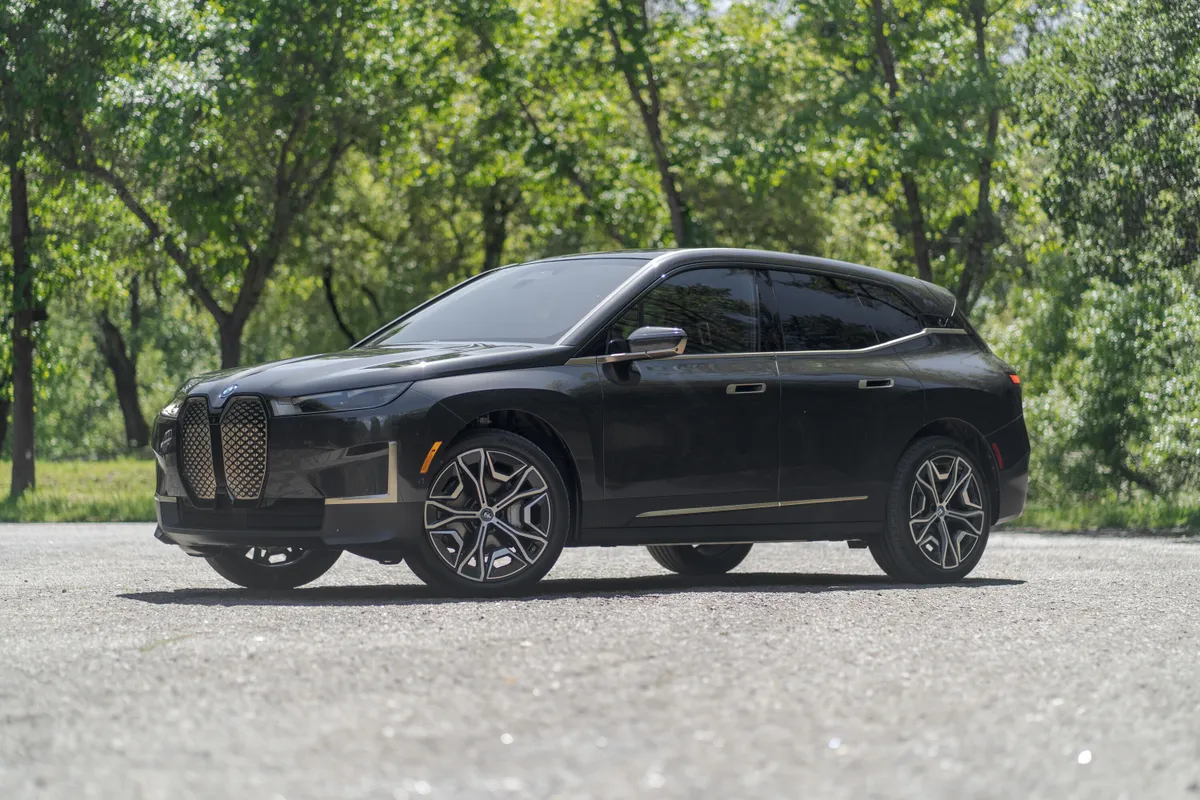
1. BMW iX xDrive50
The BMW iX xDrive50 represents the pinnacle of automotive power electronics engineering, incorporating technology that pushes the boundaries of what’s possible in production vehicles.
While technically a battery-electric vehicle rather than a hybrid in the traditional sense, BMW’s sophisticated power electronics architecture featuring dual inverters, complex thermal management, and cutting-edge semiconductor technology illustrates the extreme end of automotive electronics pricing.
The lessons learned from BMW’s electric powertrains directly influence the company’s plug-in hybrid offerings like the X5 xDrive45e and 530e, where similarly expensive electronics enable impressive performance and efficiency.
The iX’s power control units employ the latest generation of silicon carbide MOSFETs, which offer substantially higher efficiency and power density than conventional silicon IGBTs but command premium pricing.
Silicon carbide semiconductors can operate at higher temperatures and switching frequencies, enabling smaller, lighter inverters with superior efficiency often exceeding 97% in energy conversion.
However, these advanced materials remain expensive to manufacture, requiring specialized fabrication facilities and processes that dramatically increase component costs.
Each inverter module in the iX represents thousands of dollars in semiconductor costs alone, before considering the sophisticated control electronics, sensors, and supporting components.
Thermal management in the iX reaches levels of complexity rarely seen in automotive applications. The power electronics utilize advanced liquid cooling systems with precision-controlled flow rates, multiple cooling circuits operating at different temperatures, and exotic thermal interface materials to maximize heat transfer.
The inverter housings employ lightweight magnesium alloy construction with intricate internal cooling passages machined to precise tolerances.
BMW’s engineers obsess over every aspect of thermal performance because the high power densities involved the iX can deliver over 500 horsepower, generating enormous heat that must be managed effectively to maintain efficiency and prevent component damage.
The electrical architecture operates at dramatically higher voltages than affordable hybrids the iX’s battery system runs at approximately 400 volts nominal, with capabilities reaching beyond 450 volts during certain operating conditions.
These raised voltages require extensive safety systems, including sophisticated ground fault monitoring, multiple redundant interlocks, and complex high-voltage distribution systems with expensive connectors and cabling.
Every high-voltage component must meet stringent insulation requirements, and the entire system incorporates multiple layers of fault detection and mitigation. This electrical sophistication ensures safety and reliability but adds substantially to system costs.
Control algorithms and software represent another dimension of expense in BMW’s premium electronics. The iX employs multiple high-performance microprocessors running complex real-time operating systems to manage power distribution, thermal control, and motor operation.
The software development alone requires hundreds of engineering-years of effort, and ongoing updates and refinements continue throughout the vehicle’s production life.
BMW’s advanced driver assistance features, energy management systems, and performance modes all depend on this sophisticated electronics foundation, justifying the premium pricing through enhanced functionality and performance that simply cannot be achieved with simpler, less expensive components.
2. Porsche Cayenne E-Hybrid
The Porsche Cayenne E-Hybrid exemplifies how performance-oriented engineering drives electronics costs to premium levels. Porsche’s plug-in hybrid system must deliver the instantaneous throttle response and exhilarating acceleration expected from the brand while integrating seamlessly with the internal combustion engine.
Achieving these performance targets requires power electronics operating at the absolute cutting edge of automotive technology, with price tags that reflect both the sophisticated components and the extensive development effort required to meet Porsche’s exacting standards.
The inverter modules in the Cayenne E-Hybrid utilize state-of-the-art silicon carbide power semiconductors selected specifically for their superior switching characteristics and high-temperature operation.
Porsche’s engineers demand maximum efficiency and power density to minimize weight and packaging constraints while maximizing performance.
The SiC MOSFETs enable switching frequencies far higher than conventional silicon devices, reducing the size of filter components and improving motor control precision.
This precision translates directly to the immediate throttle response and smooth power delivery that characterize the Porsche driving experience, but the premium semiconductors and associated control electronics contribute significantly to the hybrid system’s substantial price premium.

Power electronics packaging in the Cayenne E-Hybrid reflects Porsche’s no-compromise approach to engineering. The inverter assemblies employ lightweight materials including carbon fiber composite housings and titanium fasteners to minimize weight while maintaining structural integrity under extreme operating conditions.
Cooling systems utilize advanced designs with micro-channel heat exchangers and precision-controlled coolant flow to maintain optimal operating temperatures even during sustained high-performance driving.
These exotic materials and sophisticated cooling solutions dramatically increase manufacturing costs but prove necessary to achieve Porsche’s performance targets without sacrificing reliability.
The electrical architecture operates at raised voltages approximately 400 volts for the battery system enabling higher power transmission with reduced current levels and associated resistive losses.
However, high-voltage systems require extensive safety measures, including sophisticated insulation monitoring, redundant safety interlocks, and complex fault detection algorithms.
Every component in the high-voltage system must meet stringent safety and reliability standards, driving up costs throughout the electrical system.
Porsche’s quality standards accept no compromises, and the company sources only premium-grade components from qualified suppliers, further inflating costs compared to mass-market manufacturers who might accept broader component tolerances.
Integration with Porsche’s advanced vehicle dynamics systems adds another layer of complexity and cost to the Cayenne E-Hybrid’s electronics. The power control units must communicate seamlessly with active suspension systems, torque vectoring controls, and stability management through high-speed data networks.
The hybrid system’s control algorithms coordinate with the internal combustion engine, transmission, and all-wheel-drive systems to deliver optimal performance under constantly changing conditions.
This level of integration requires sophisticated software and powerful processing hardware, representing substantial development investment that ultimately factors into the vehicle’s premium pricing.
3. Mercedes-Benz GLE 450e 4MATIC
The Mercedes-Benz GLE 450e plug-in hybrid demonstrates how luxury brand expectations drive power electronics costs upward through demands for refinement, sophistication, and seamless integration.
Mercedes-Benz customers expect their vehicles to deliver whisper-quiet operation, instantaneous response to driver inputs, and flawless reliability requirements that demand premium electronics components and extensive engineering development.
The GLE 450e’s power control systems incorporate advanced technology that enables the vehicle to glide silently in electric mode, accelerate forcefully when requested, and manage complex energy flows without any perceptible harshness or hesitation.
The inverter modules employ advanced semiconductor technology selected for minimal electromagnetic emissions and superior efficiency across a wide operating range.
Mercedes-Benz places particular emphasis on noise, vibration, and harshness characteristics, requiring power electronics that operate at high switching frequencies to minimize audible harmonics and electric motor whine.
Achieving this refinement demands premium silicon carbide semiconductors, sophisticated filter designs, and complex control algorithms that substantially increase electronics costs.
The inverters themselves incorporate extensive electromagnetic shielding to prevent interference with the vehicle’s numerous electronic systems, adding further cost through exotic materials and precision manufacturing.
Thermal management in the GLE 450e reflects Mercedes-Benz’s emphasis on reliability and longevity. The power electronics cooling system maintains precise temperature control under all operating conditions, from extreme cold starts to sustained high-performance driving in hot climates.

Multiple cooling circuits with electronically controlled valves manage heat flows throughout the hybrid system, ensuring optimal operating temperatures for batteries, inverters, and electric motors.
This sophisticated thermal management employs specialized coolants, precision-machined components, and complex control systems that drive up costs substantially compared to simpler cooling approaches in mass-market hybrids.
The electrical architecture integrates seamlessly with Mercedes-Benz’s comprehensive vehicle systems through multiple high-speed data networks.
The hybrid power control units communicate with the transmission control module, engine management system, and chassis control systems through redundant CAN and FlexRay networks, ensuring reliable coordination even in fault conditions.
This level of integration enables sophisticated features like predictive energy management that uses navigation data to optimize hybrid system operation based on upcoming terrain and traffic conditions.
Implementing these advanced features requires substantial processing power, extensive sensor arrays, and complex software all contributing to the premium electronics pricing.
Quality standards and validation processes add significant costs to Mercedes-Benz hybrid electronics. Every component undergoes extensive testing, including thermal cycling, vibration exposure, electromagnetic compatibility verification, and accelerated life testing.
Mercedes-Benz validates hybrid systems under extreme conditions far beyond normal operating parameters to ensure absolute reliability throughout the vehicle’s lifetime.
This comprehensive validation requires expensive test facilities, specialized equipment, and hundreds of engineering-hours per component, but it provides the confidence necessary to offer luxury vehicles with expected service lives exceeding 200,000 miles without major component failures.
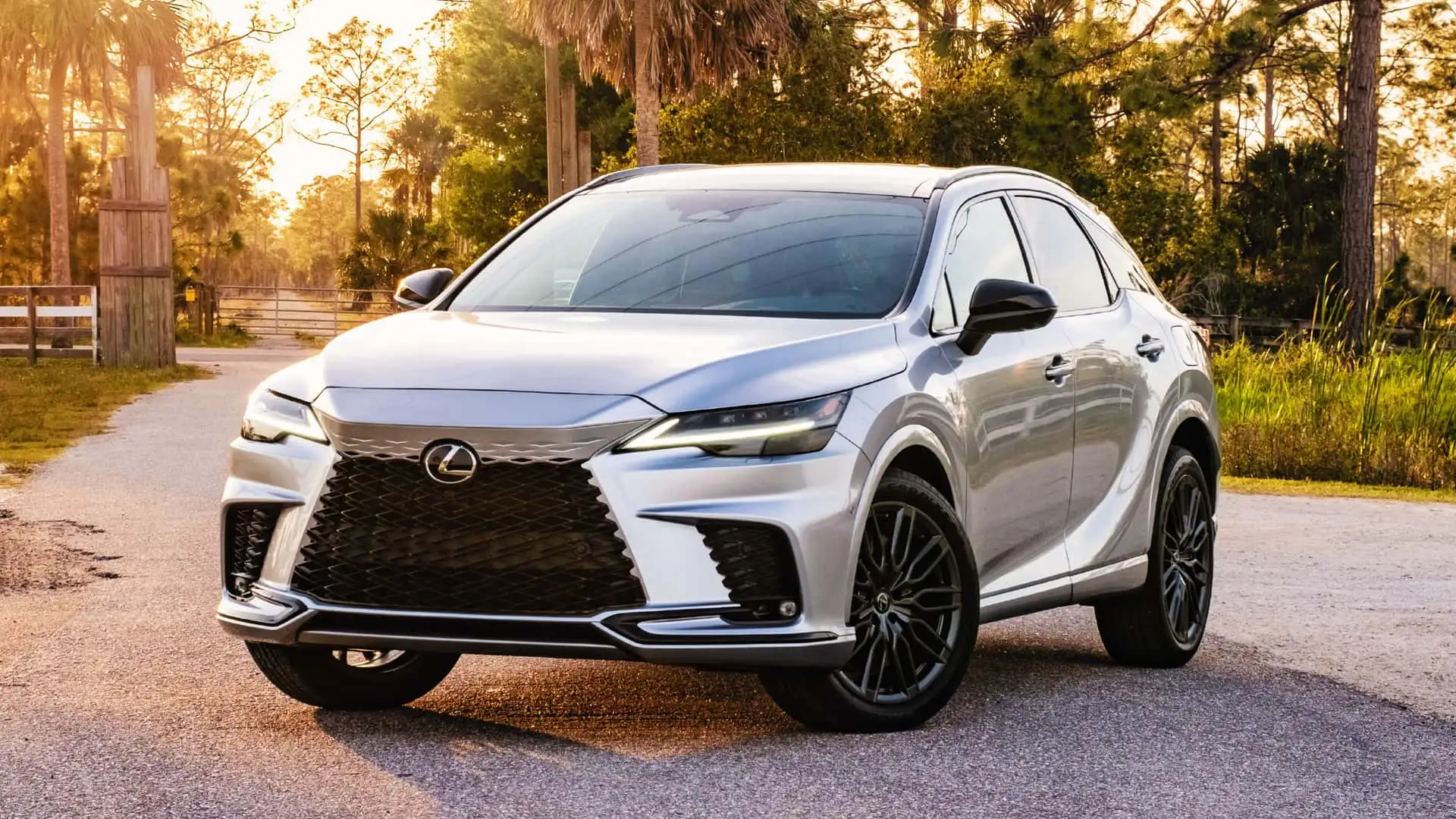
4. Lexus RX 500h F Sport Performance
The Lexus RX 500h F Sport Performance represents Toyota’s luxury brand approach to premium hybrid technology, combining decades of hybrid experience with advanced electronics that deliver enhanced performance and refinement.
Unlike Toyota’s mainstream hybrids that prioritize affordability, the Lexus RX 500h incorporates sophisticated power electronics that enable six-cylinder-like performance from a turbocharged four-cylinder engine paired with electric motors.
The premium electronics cost reflects both the advanced component specifications and Lexus’s uncompromising standards for quality and refinement.
The power control units in the RX 500h utilize advanced inverter technology featuring high-efficiency semiconductors and sophisticated control algorithms optimized for performance and refinement.
While Lexus doesn’t necessarily employ the most exotic silicon carbide technology throughout, the components are selected for premium characteristics including low switching losses, minimal noise generation, and exceptional reliability.
The inverters operate at higher power levels than conventional Toyota hybrids, requiring more robust semiconductor devices, enhanced cooling capabilities, and more sophisticated control electronics. These upgraded specifications directly translate to higher costs that justify the Lexus premium over comparable Toyota hybrid systems.
Lexus places particular emphasis on noise, vibration, and harshness characteristics, demanding power electronics that operate imperceptibly regardless of load conditions.
The RX 500h’s inverters employ high-frequency switching strategies that push motor control harmonics beyond the range of human hearing, eliminating the subtle whine that characterizes some hybrid systems.
Achieving this refinement requires premium semiconductors capable of rapid switching, sophisticated filter designs, and extensive electromagnetic shielding throughout the power electronics assemblies.
The additional engineering and premium components necessary to meet Lexus’s refinement standards add substantially to electronics costs compared to functionally similar but less refined mass-market systems.
The electrical architecture in the RX 500h incorporates redundancy and fault tolerance beyond typical automotive standards. Lexus engineers designed the power electronics with multiple layers of diagnostic monitoring, graceful degradation modes, and sophisticated fault prediction algorithms that enable the vehicle to continue operating safely even with component failures.
This resilience requires additional sensors, redundant control circuits, and complex software that substantially increases system costs but provides the reliability and durability expected from the Lexus brand.
The electronics must operate flawlessly through extreme temperature variations, vibration exposure, and years of use without degradation in performance or refinement.
Integration with Lexus’s advanced driver assistance and vehicle dynamics systems adds another dimension of complexity and cost. The RX 500h’s power control units coordinate with all-wheel-drive torque distribution systems, adaptive suspension controls, and multiple driving modes to deliver optimal performance and efficiency.
The hybrid system must respond instantaneously to driver inputs while simultaneously managing energy flows, thermal conditions, and safety systems.
This level of coordination requires powerful processing hardware, sophisticated software architectures, and extensive validation all contributing to the premium electronics pricing that distinguishes Lexus hybrids from their Toyota counterparts.
5. Ferrari SF90 Stradale
The Ferrari SF90 Stradale occupies a category entirely separate from conventional hybrid vehicles, representing the absolute pinnacle of automotive power electronics engineering.
This plug-in hybrid supercar employs three electric motors one for each front wheel and one integrated with the V8 engine requiring multiple sophisticated inverters and control systems that operate at performance levels unmatched in production automobiles.
The power electronics in the SF90 enable combined outputs exceeding 1,000 horsepower while managing complex torque vectoring and energy flows that would overwhelm conventional automotive electronics.
The inverter modules in the SF90 Stradale represent customized engineering solutions developed specifically for Ferrari’s extreme performance requirements.
Each motor requires its own dedicated inverter capable of handling enormous power flows while maintaining microsecond-level response times for precise torque control.
Ferrari employs the most advanced silicon carbide power semiconductors available, selected for absolute maximum performance regardless of cost considerations.
These premium semiconductors enable switching frequencies and power densities impossible with conventional silicon devices, contributing to the immediate throttle response and precise control characteristics that define the SF90 driving experience.
Cooling systems for the SF90’s power electronics reach levels of sophistication typically reserved for aerospace or industrial applications.

The inverters generate enormous heat during hard driving, requiring dedicated liquid cooling circuits with precision-controlled temperatures and flow rates.
Ferrari engineers employ exotic cooling solutions including spray cooling techniques, advanced thermal interface materials, and precision-machined heat exchangers fabricated from aerospace-grade materials.
The cooling system itself represents a significant portion of the hybrid system’s cost, but it proves essential for maintaining electronics reliability during track driving where power outputs remain at maximum levels for extended periods.
The electrical architecture operates at voltages and power levels far exceeding typical automotive standards. The 7.9 kWh battery system employs high-performance lithium-ion cells capable of extremely high discharge rates necessary to feed over 200 horsepower to the electric motors.
The entire high-voltage system incorporates redundant safety measures, sophisticated isolation monitoring, and fault detection systems that can respond within milliseconds to prevent dangerous conditions.
Every electrical component meets specifications far beyond normal automotive requirements, using materials and manufacturing processes typically associated with aerospace or military applications. The resulting electrical system represents a significant portion of the SF90’s substantial price premium over conventional supercars.
Control systems and software in the SF90 Stradale represent Ferrari’s most advanced engineering efforts, requiring years of development by specialized teams of engineers.
The power electronics must coordinate seamlessly with the twin-turbocharged V8 engine, eight-speed dual-clutch transmission, and sophisticated vehicle dynamics systems to deliver supercar performance while managing complex energy flows and thermal conditions.
The control algorithms employ advanced mathematical models, including neural network-based predictive systems that optimize performance in real-time based on driving conditions and driver inputs.
This software sophistication requires powerful processing hardware, extensive validation, and ongoing refinement, representing substantial development costs that factor into the SF90’s exclusive pricing.
This comprehensive examination reveals that the distinction between affordable and premium hybrid electronics extends far beyond simple price comparisons, encompassing fundamental differences in capabilities, performance, refinement, and engineering philosophy that profoundly impact the ownership experience.
Also Read: 5 Minivans With HVACs That Never Quit vs 5 With AC Failures
