
The modern crossover has become America’s family vehicle of choice, combining the practicality of an SUV with the efficiency and handling of a sedan.
As these vehicles have evolved, so too have their interiors, with power-adjustable seats becoming standard equipment rather than a luxury feature.
These motorized seat systems, once reserved for premium vehicles, now grace even entry-level crossovers, offering multiple adjustments at the touch of a button. However, the proliferation of these electronic components has introduced a new concern for long-term ownership: reliability.
Power seat motors and their associated mechanisms represent one of the most frequently used electrical systems in any vehicle. The average driver adjusts their seat position hundreds of times per year, and over a typical ownership period, these motors cycle thousands of times.
When multiple drivers share a vehicle, that number multiplies exponentially. Factor in the various adjustment points lumbar support, seat height, tilt, fore-aft positioning, and increasingly common massage and ventilation features and you have a complex network of motors, gears, and electronic controls that must work in harmony for years.
The difference between a reliable power seat system and one prone to failure often comes down to engineering philosophy, component quality, and manufacturing precision.
Some automakers invest heavily in robust designs, using premium motors with sealed housings, metal gears instead of plastic, and comprehensive weatherproofing to protect against moisture intrusion.
Others prioritize cost-cutting, employing cheaper components that may function adequately during the warranty period but deteriorate rapidly once that protection expires.
For consumers, a failed power seat motor can be more than a minor inconvenience it can be a significant financial burden. Repairs often require extensive disassembly of the seat, including removal of upholstery and trim pieces, followed by diagnosis of which specific motor in a multi-motor system has failed.
Parts and labor can easily exceed $1,000 per seat, and if multiple motors fail or if the issue affects both front seats, costs can spiral into the thousands of dollars. This is particularly frustrating for owners who purchased their vehicles specifically for the comfort features that now lie dormant.
The timing of these failures is equally problematic. Most manufacturers provide warranties covering electrical components for three to five years or 36,000 to 60,000 miles.
Power seat motors frequently fail just outside these warranty periods, leaving owners facing repair bills during a time when they’re already managing other age-related maintenance costs.
Understanding which crossovers have earned reputations for durable seat motors versus those known for premature failures can save prospective buyers thousands of dollars and countless hours of frustration.
In this comprehensive analysis, we’ll examine ten popular crossover models, divided into two distinct categories: five that have demonstrated exceptional seat motor longevity and five that have developed notorious reputations for out-of-warranty failures.
Through consumer reports, technical service bulletins, and owner testimonials, we’ll explore what makes some systems bulletproof while others become ticking time bombs.
5 Crossovers With Seat Motors That Last
These exceptionally engineered vehicles feature power seat systems utilizing robust electric motors with quality brushes and bearings, metal drive gears resisting wear from constant adjustment cycles, and well-lubricated track mechanisms that maintain smooth operation throughout years of daily position changes and passenger entry-exit movements.
Their thoughtful engineering includes seat motors with adequate torque reserves preventing strain during normal operation, protective circuit breakers preventing damage from obstructed movement, and track assemblies with sealed bearings excluding dirt and debris that causes binding and premature motor failure.
From daily driver position adjustments to frequent multi-driver vehicles requiring constant seat repositioning, these remarkable power seat systems continue operating smoothly without developing grinding noises, sluggish movement, or complete motor failures.
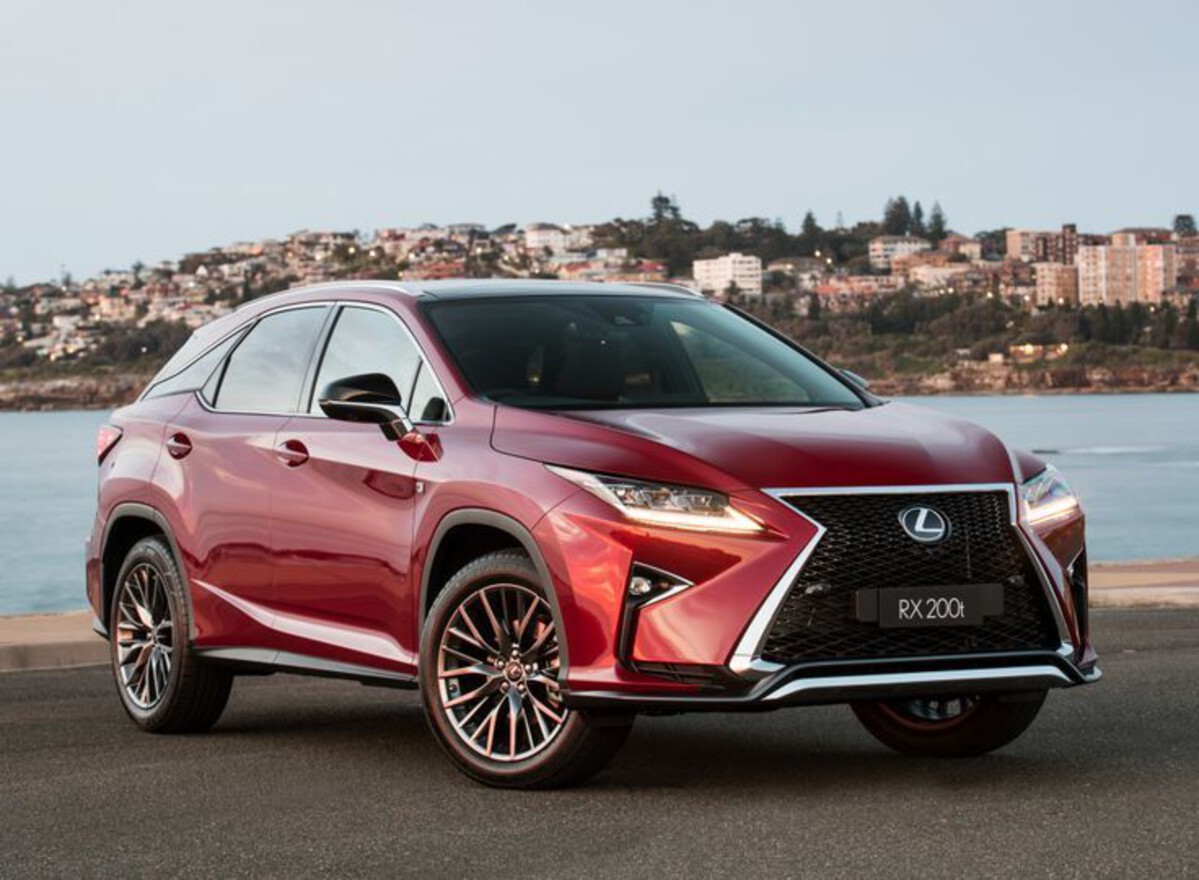
1. Lexus RX (2016-2024)
The Lexus RX has long represented the gold standard for reliability in the luxury crossover segment, and its power seat motors exemplify why Toyota’s luxury division commands such respect among long-term owners.
Unlike many competitors who source electrical components from the lowest bidder, Lexus engineers specify premium Mitsuba and Nidec motors built to commercial-grade specifications.
These units feature brushless designs that eliminate one of the primary wear points in conventional motors, while sealed housings with multiple gaskets prevent moisture and debris intrusion the two leading causes of premature seat motor failure.
The RX’s seat adjustment system employs a sophisticated multi-motor configuration, with separate units for fore-aft positioning, height adjustment, seat back recline, and lumbar support.
Each motor is individually fused and controlled through a dedicated module, meaning that if one motor does fail, it doesn’t cascade into a system-wide electrical problem.
The wiring harnesses use marine-grade connectors with gold-plated terminals that resist corrosion even in humid climates or areas where road salt is prevalent during winter months.
What truly distinguishes the RX’s seat motors is the engineering attention paid to load management and thermal protection. The motors include built-in thermal cutoffs that prevent overheating during extended adjustment periods, while the gear trains use metal components rather than plastic, which can strip under load or become brittle with age.
Lexus also implements a soft-start algorithm in the control module that gradually ramps up motor speed rather than applying full power instantly, reducing mechanical stress and extending component life.
Owner reports consistently praise the RX’s seat motors for their quiet operation and reliability even at high mileage. It’s not uncommon to find examples with 150,000 to 200,000 miles showing no seat motor issues whatsoever.
When problems do occur, they’re typically limited to worn switch contacts rather than motor failures, and replacement switches cost less than $100.
The company’s comprehensive pre-delivery inspection process catches defective units before they reach customers, and the eight-year/100,000-mile warranty on hybrid components (which shares electrical architecture with seat systems) demonstrates Lexus’s confidence in these components’ longevity.
Service technicians report that when RX seats do require motor replacement, usually after a decade or more of service, the modular design makes repairs straightforward.
Unlike some vehicles where seat removal is necessary to access motors, the RX allows motor replacement with the seat in place, reducing labor costs significantly.
This serviceability, combined with inherent reliability, makes the RX an outstanding choice for buyers prioritizing long-term ownership and minimal maintenance headaches related to comfort features.
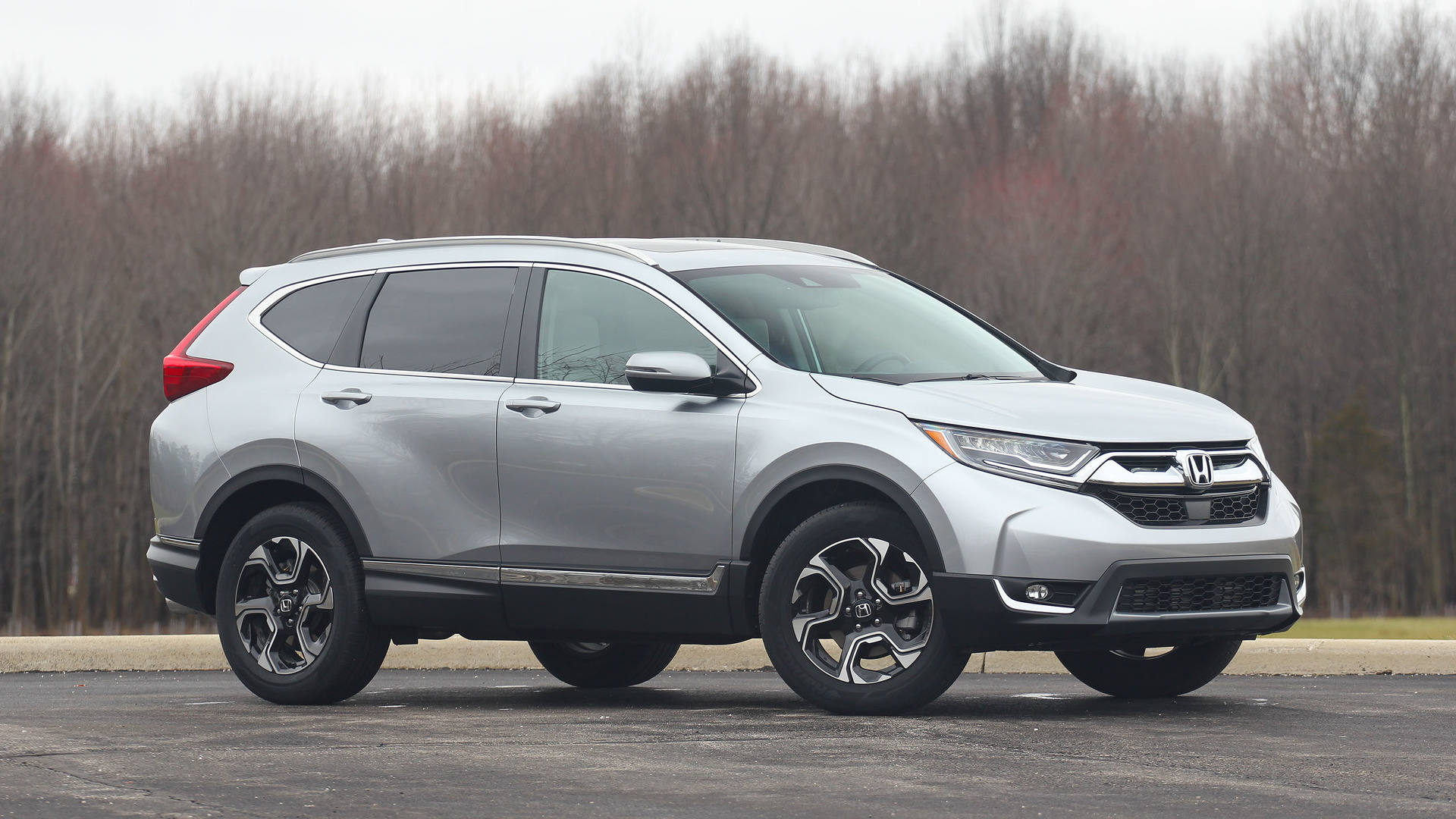
2. Honda CR-V (2017-2024)
Honda’s engineering philosophy has always emphasized durability and simplicity, and the CR-V’s power seat system perfectly embodies these principles. Rather than incorporating numerous motors and complex adjustment mechanisms that increase failure points, Honda employs a streamlined design using industrial-grade Mabuchi motors known for extreme longevity.
These motors feature robust armatures with oversized brushes and commutators designed to last well beyond the vehicle’s typical service life, often exceeding 500,000 cycles without significant degradation.
The CR-V’s eight-way or ten-way power seat configuration (depending on trim level) utilizes a shared motor design with heavy-duty gearboxes that distribute torque efficiently across multiple adjustment axes.
Honda engineers designed these gearboxes with 20% more capacity than necessary for the application, providing a safety margin that prevents overloading under any normal operating condition.
The gear teeth themselves are cut from hardened steel alloys rather than sintered metal or plastic composites, eliminating the stripped gear problem that plagues many competing designs.
Environmental protection represents another area where Honda excels. The CR-V’s seat motors reside in sealed enclosures with drainage ports that allow any moisture that does penetrate to escape rather than accumulate around electrical components.
The mounting locations themselves are chosen to minimize exposure to water intrusion from door openings or climate control condensation. Wiring routing avoids pinch points and areas where flexing could cause conductor fatigue, while the wire gauge is oversized to reduce voltage drop and minimize heating under load.
Consumer Reports data spanning multiple model years shows the CR-V consistently scoring above average for power equipment reliability, with seat motors specifically mentioned as trouble-free components.
Owner forums reveal that failures are extraordinarily rare, and when they do occur, they typically involve switch mechanisms rather than the motors themselves.
The switches, while less robust than the motors, remain reasonably priced and user-replaceable for DIY-inclined owners, with complete replacement kits available for under $50.
Honda’s parts support infrastructure ensures that even if a motor does fail on a high-mileage example, genuine OEM replacements remain available and affordable.
The company maintains parts inventory for vehicles up to fifteen years old, and aftermarket suppliers offer compatible units at even lower prices. Installation is straightforward enough that independent mechanics can perform the work competently, avoiding the premium labor rates charged by luxury dealerships.
This combination of inherent reliability and cost-effective repairability makes the CR-V an exceptional value proposition for families planning to keep their vehicle long-term, potentially through multiple ownership cycles or handing down to teenage drivers who will continue using the vehicle for years beyond the original purchase date.
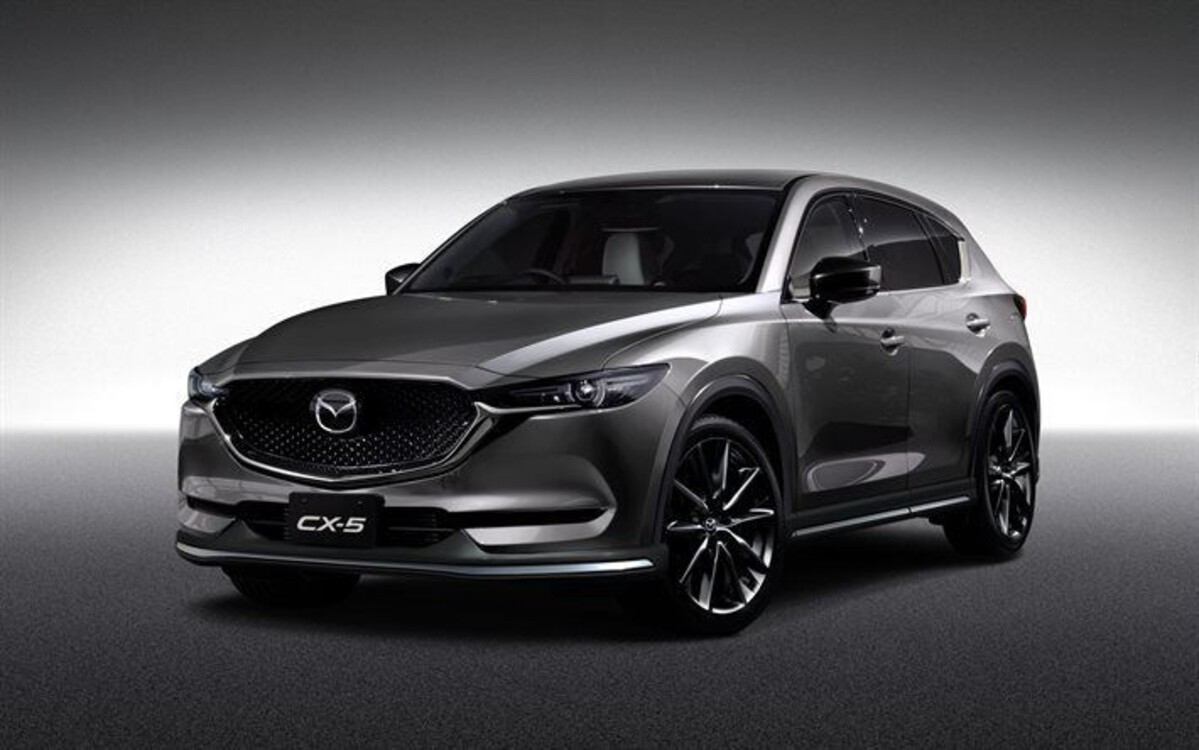
3. Mazda CX-5 (2017-2024)
Mazda’s commitment to “Jinba Ittai,” the unity of horse and rider extends beyond driving dynamics to encompass all aspects of the driver interface, including seat adjustability.
The CX-5’s power seat motors reflect the company’s premium aspirations without the premium price tag, incorporating design elements typically found in vehicles costing $10,000 to $15,000 more.
Mazda specifies motors from Denso, one of Japan’s most respected automotive electrical component manufacturers, with specifications requiring a minimum 300,000-cycle lifespan before any degradation in performance.
The engineering approach Mazda takes differs from competitors in its emphasis on precision over sheer adjustment range. Rather than offering unnecessarily wide adjustment ranges that stress motors and mechanisms, Mazda limits travel to ranges that accommodate 95th percentile body sizes while reducing wear on components.
The motors themselves feature hybrid permanent magnet designs that deliver high torque at low speeds, enabling smooth, controlled adjustments without the jerky movements characteristic of cheaper systems. This not only enhances the user experience but also reduces mechanical shock loading that contributes to premature wear.
Mazda’s attention to detail extends to the seat track mechanisms that work in conjunction with the motors. The CX-5 uses ball-bearing track systems rather than sliding bushing designs, dramatically reducing friction and motor load during adjustment.
Lower friction means motors operate cooler and draw less current, both factors that extend service life significantly. The tracks themselves are manufactured from high-strength steel with corrosion-resistant coatings, ensuring smooth operation even after years of exposure to the elements in regions where undercarriage corrosion is prevalent.
One particularly clever engineering touch in the CX-5 involves the integration of position memory functions that incorporate intelligent limit detection.
The system remembers not just seat positions but also learns the actual travel limits of each adjustment axis, preventing motors from running into hard stops repeatedly a common cause of motor burnout in simpler systems.
This adaptive behavior happens transparently to the user but provides significant protection for the mechanical components, particularly for drivers who frequently use memory preset functions when sharing the vehicle with others of different statures.
Long-term reliability data from markets where Mazda has a stronger market share, particularly Japan and Australia, shows the CX-5’s power seat motors maintaining excellent reliability even in high-mileage taxi and fleet applications where vehicles regularly exceed 200,000 miles.
These severe-duty use cases provide the most demanding test of component durability, and the CX-5’s performance in these environments speaks volumes about the underlying quality of its seat motor systems.
North American owners report similarly positive experiences, with online forums showing virtually no complaints about seat motor failures even on early 2017 models now approaching 100,000 miles with original equipment still functioning perfectly.
4. Subaru Outback (2015-2024)
Subaru’s engineering culture emphasizes durability and reliability above nearly all other considerations, and the Outback’s power seat motors exemplify this philosophy through conservative design and overbuilt componentry.
Subaru uses motors manufactured to its own specifications by Mitsuba Electric, a supplier known for producing components that routinely outlast the vehicles they’re installed in.
These motors feature heavy-duty construction with oversized bearings, robust armature windings, and commutators designed for extended service life under demanding conditions.
The Outback’s seat motor system stands out for its environmental resilience, critical for a vehicle marketed toward outdoorsy buyers who expose their vehicles to challenging conditions.
Subaru engineers the entire seat electrical system with an IP67 ingress protection rating, meaning the components can withstand temporary immersion in water without damage.
This might seem excessive for an automotive application, but it provides extraordinary protection against the moisture, mud, and debris that adventurous Outback owners inevitably track into their vehicles after hiking, mountain biking, or skiing expeditions.
Subaru’s conservative approach extends to the electrical architecture supporting the seat motors. Rather than multiplexing signals through complex communication networks that can introduce failure modes, Subaru uses direct wiring from switches to motors through relays, ensuring that electrical issues remain isolated and diagnosable.

The wiring itself uses automotive-grade copper conductors with cross-linked polyethylene insulation that resists abrasion, chemicals, and temperature extremes.
Connectors feature secondary locks that prevent vibration-induced disconnection, and all connection points are treated with dielectric grease during assembly to prevent corrosion.
The mechanical side of the Outback’s seat system receives equal attention to quality. Seat tracks use hardened steel construction with sealed ball bearings at all pivot points, and the adjustment mechanisms incorporate self-locking features that prevent seat creep or unwanted movement during vehicle operation.
The motors connect to adjustment mechanisms through flexible couplings that accommodate minor misalignments without binding, reducing load on motor bearings and extending operational life.
These couplings also isolate motors from road-induced vibration transmitted through the seat structure, a subtle but important factor in long-term durability.
Owner satisfaction with Outback seat motor reliability approaches best-in-class levels, with J.D. Power studies consistently ranking Subaru above average for power equipment dependability.
Mechanics familiar with the platform report that seat motor replacements are extraordinarily rare, and when service is required, it typically involves replacing worn seat track bushings or updating switch assemblies, wear items designed to be replaced without disturbing the motors themselves.
The Outback’s stellar reliability reputation extends well beyond powertrains to encompass all electrical systems, and the seat motors represent one of many examples of Subaru’s commitment to engineering components that last the lifetime of the vehicle rather than just the warranty period.
Also Read: 5 Hatchbacks With Timeless Interiors vs 5 That Peel and Fade
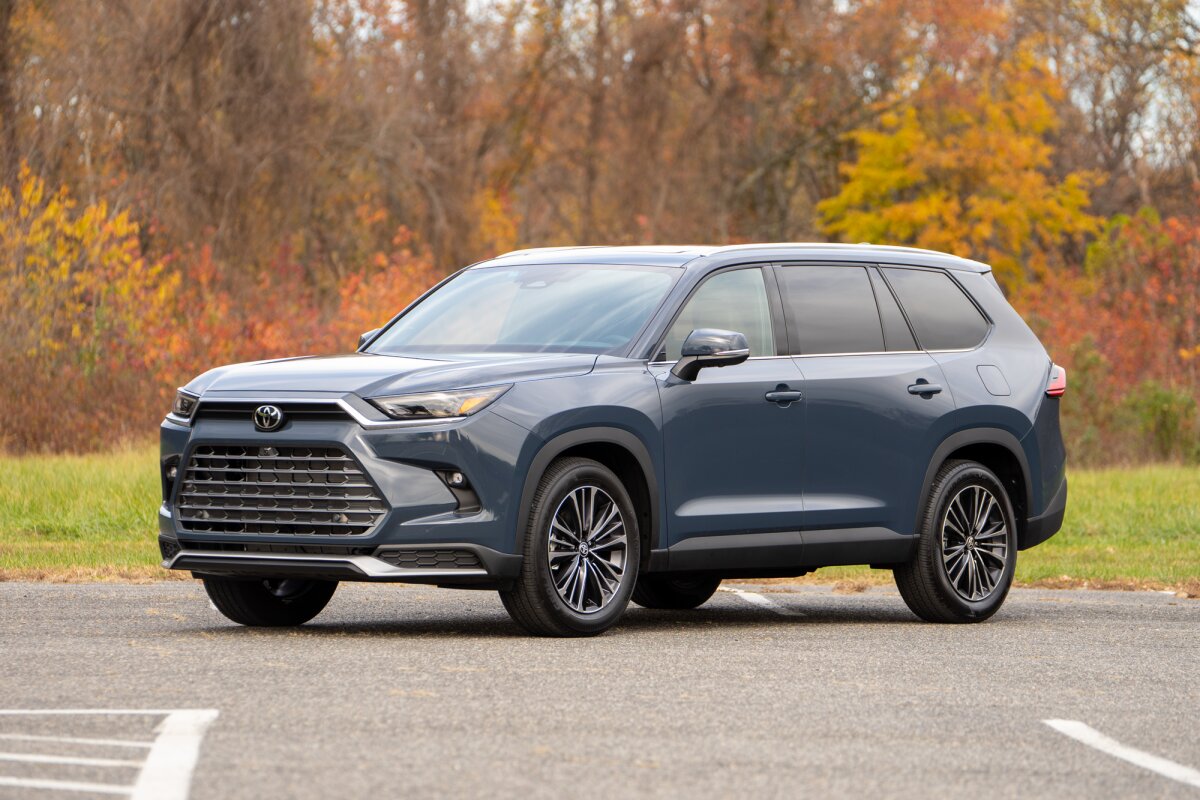
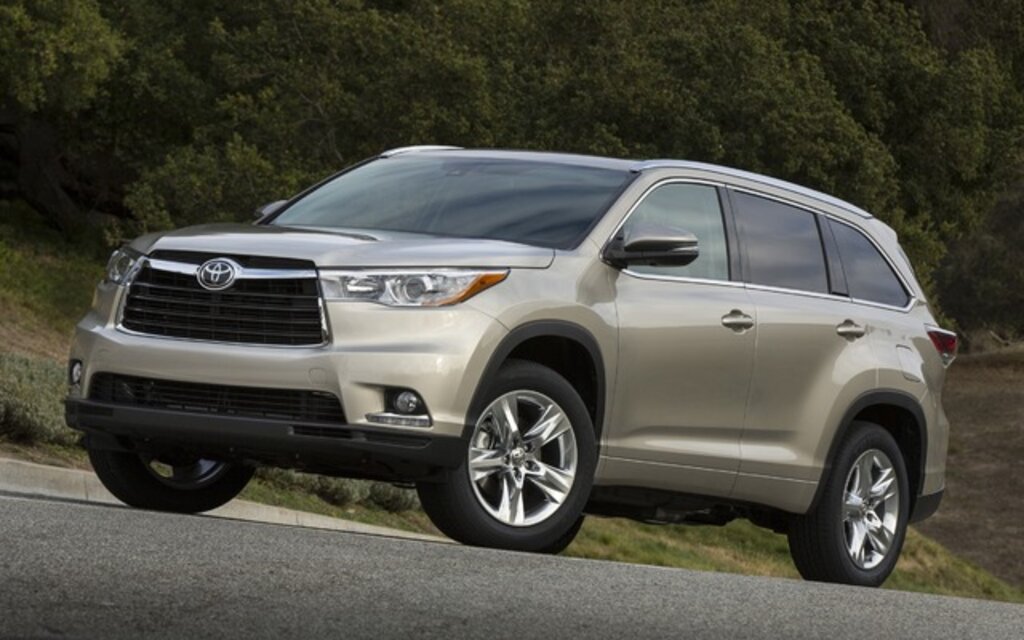
5. Toyota Highlander (2014-2024)
Toyota’s legendary reliability reputation rests on engineering conservatism and exhaustive testing, and the Highlander’s power seat motors demonstrate these principles in action.
As Toyota’s three-row family crossover, the Highlander is designed for a 200,000-mile service life with minimal component replacement, and the seat motors are engineered to meet this demanding standard.
Toyota uses motors from its keiretsu supplier network, primarily Denso and Aisin, with specifications requiring validation testing that simulates 15 years of operation before production approval.
The Highlander’s power seat system architecture emphasizes redundancy and fault tolerance. Each adjustment axis has its own dedicated motor with an independent power supply and control circuits, ensuring that partial failures don’t compromise the entire system.
The motors themselves feature thermally protected windings that shut down if temperatures exceed safe limits, preventing damage from stalled conditions or overload situations.
Once cooled, the motors automatically reset, eliminating nuisance failures that would otherwise require dealer service and costly repairs for intermittent issues.
Toyota’s quality control processes catch defective components before they reach customers. Every Highlander undergoes a comprehensive electrical systems test during final assembly, including complete cycling of all power seat motors through their full range of motion.
This testing identifies problematic units that might fail prematurely, allowing replacement before delivery. The company’s legendary kaizen continuous improvement culture means that any field failures trigger extensive root cause analysis and corrective action, preventing recurring problems across the fleet.
The mechanical robustness of the Highlander’s seat system matches the electrical reliability. Seat frames use high-strength steel construction with reinforced mounting points to handle the stresses of three-row family hauling, including children climbing over seats and adults frequently adjusting positions during long road trips.
The adjustment mechanisms incorporate corrosion-resistant coatings and sealed bearings that operate smoothly even after years of exposure to spilled beverages, food debris, and the general chaos of family vehicle use.
Track assemblies use steel ball bearings in hardened steel races, providing smooth operation with minimal wear even after hundreds of thousands of adjustment cycles.
Long-term ownership data strongly support the Highlander’s reputation for seat motor reliability. Consumer Reports’ annual reliability surveys consistently rank the Highlander among the most dependable midsize SUVs, with power equipment showing above-average reliability across all model years.
Owner forums reveal that seat motor problems are sufficiently rare that individual failure reports generate surprise and speculation about unusual use cases rather than being accepted as normal wear items.
Toyota dealership service departments report that seat motor replacement on Highlanders occurs so infrequently that many technicians go months or even years between such repairs, and parts department inventory often keeps minimal stock because warranty claims and customer-pay repairs simply don’t justify maintaining inventory levels.
5 Crossovers That Fail Out of Warranty
These problematic vehicles suffer from power seat systems featuring undersized motors that strain during operation, fragile plastic drive gears that strip teeth under load, and poorly sealed track mechanisms that bind from debris intrusion causing motors to burn out attempting to overcome resistance throughout relatively brief ownership periods.
Their flawed engineering includes seat motors with inadequate brush life wearing prematurely, plastic gear reductions that fracture from stress concentrations, and track assemblies without proper lubrication that develop excessive friction forcing motors to work beyond design specifications.
From progressively slower seat movement, indicating struggling motors to complete failures leaving seats stuck in single positions, these troublesome power seat systems create expensive repairs.
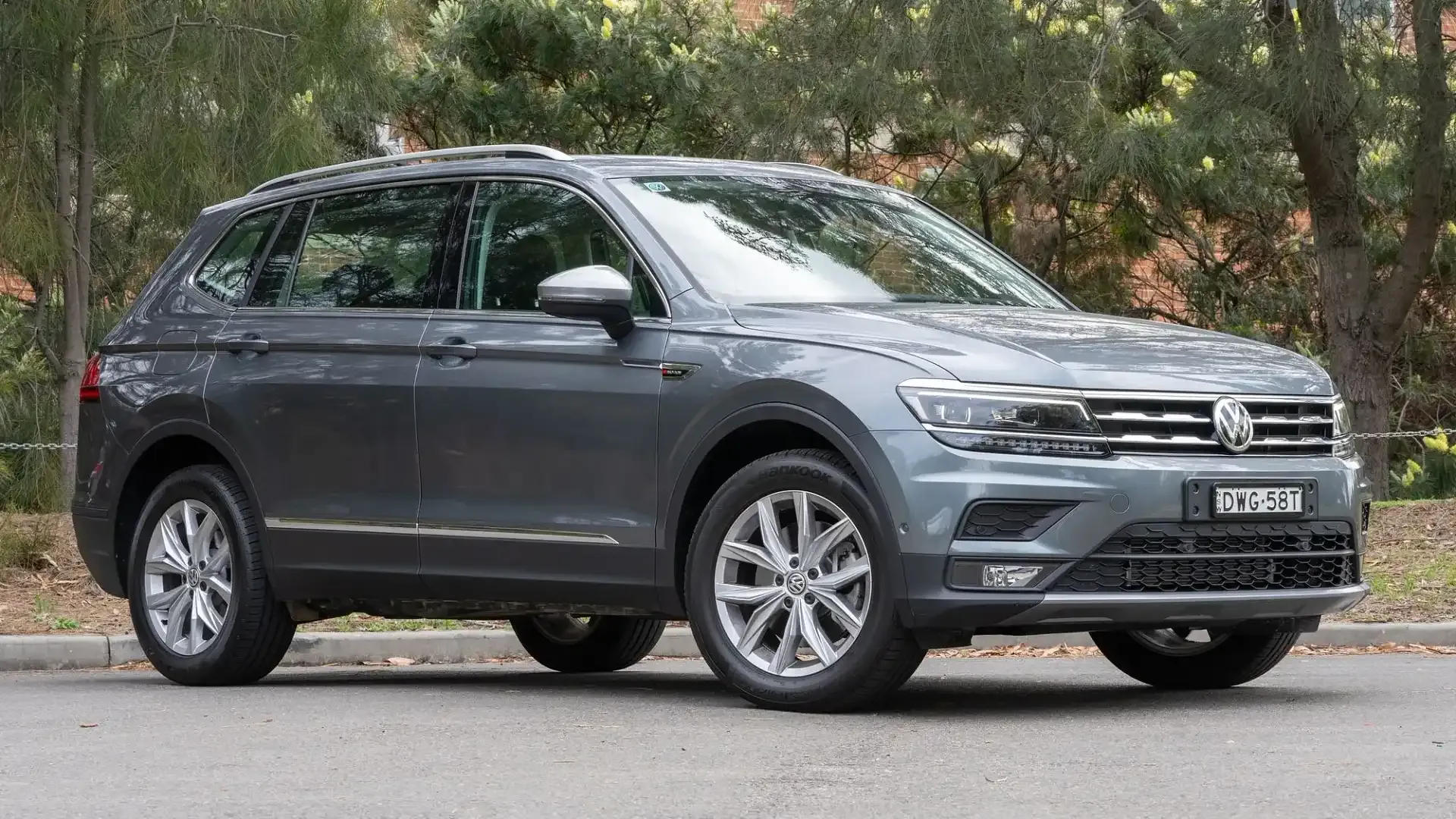
1. Volkswagen Tiguan (2018-2024)
The Volkswagen Tiguan presents a cautionary tale of what happens when European engineering ambition meets cost-optimization imperatives for the mass market.
While VW engineers design sophisticated power seat systems with numerous adjustment points and comfort features, the company’s notorious parts sourcing decisions often undermine reliability.
The Tiguan’s seat motors, supplied primarily by Brose and Bosch, use designs that prioritize compact packaging and cost savings over long-term durability, creating a perfect storm for out-of-warranty failures.
The fundamental problem lies in VW’s choice of plastic gear trains within the seat adjustment mechanisms. While plastic gears reduce manufacturing costs and weight, they’re inherently less durable than metal alternatives, particularly when subjected to the continuous loading and unloading cycles of seat adjustment.
Over time, these plastic components wear, teeth strip, and gears crack, leading to motors that run but fail to move seats, or worse, seats that become stuck in positions that make the vehicle undrivable for certain drivers.
The issue is exacerbated by VW’s aggressive gear reduction ratios that increase torque multiplication but also increase stress on individual gear teeth.
Owners report that Tiguan seat motor problems typically manifest between 40,000 and 70,000 miles conveniently outside the standard three-year/36,000-mile bumper-to-bumper warranty period.
The failures present in various forms: motors that make grinding noises, seats that move intermittently or jerkily, complete failure of specific adjustment axes, or in worst cases, total seat motor system failure requiring replacement of multiple components simultaneously.
Diagnosis is complicated by VW’s integrated control modules that don’t always accurately identify which specific component has failed, leading to expensive trial-and-error parts replacement.
The financial impact on owners is substantial. VW dealerships charge premium labor rates, and seat motor repairs typically require between three and five hours of labor due to the complexity of accessing motors buried deep within seat structures.
Parts costs are equally problematic, with individual motors ranging from $200 to $400, and complete seat track assemblies (often necessary when plastic components fail catastrophically) exceeding $1,000.
When both front seats experience issues a common scenario since they’re built identically and experience similar wear total repair costs can easily reach $3,000 to $4,000, a devastating expense for owners of vehicles worth perhaps $15,000 to $20,000.
Technical service bulletins reveal that VW is aware of these issues but has resisted issuing recalls or extended warranties to address the problems systematically.
Instead, the company issues bulletins to dealers describing repair procedures and updated part numbers for revised components, essentially acknowledging the defects while placing the financial burden on customers who purchased vehicles outside warranty periods.
This approach has damaged VW’s reputation for reliability in North America, with the Tiguan consistently scoring below average in consumer reliability surveys, specifically mentioning power seat problems as a frequent complaint.
The situation is particularly frustrating for owners who chose VW specifically for its German engineering reputation, only to discover that cost-cutting measures undermined the very quality they expected when making their purchase decision.
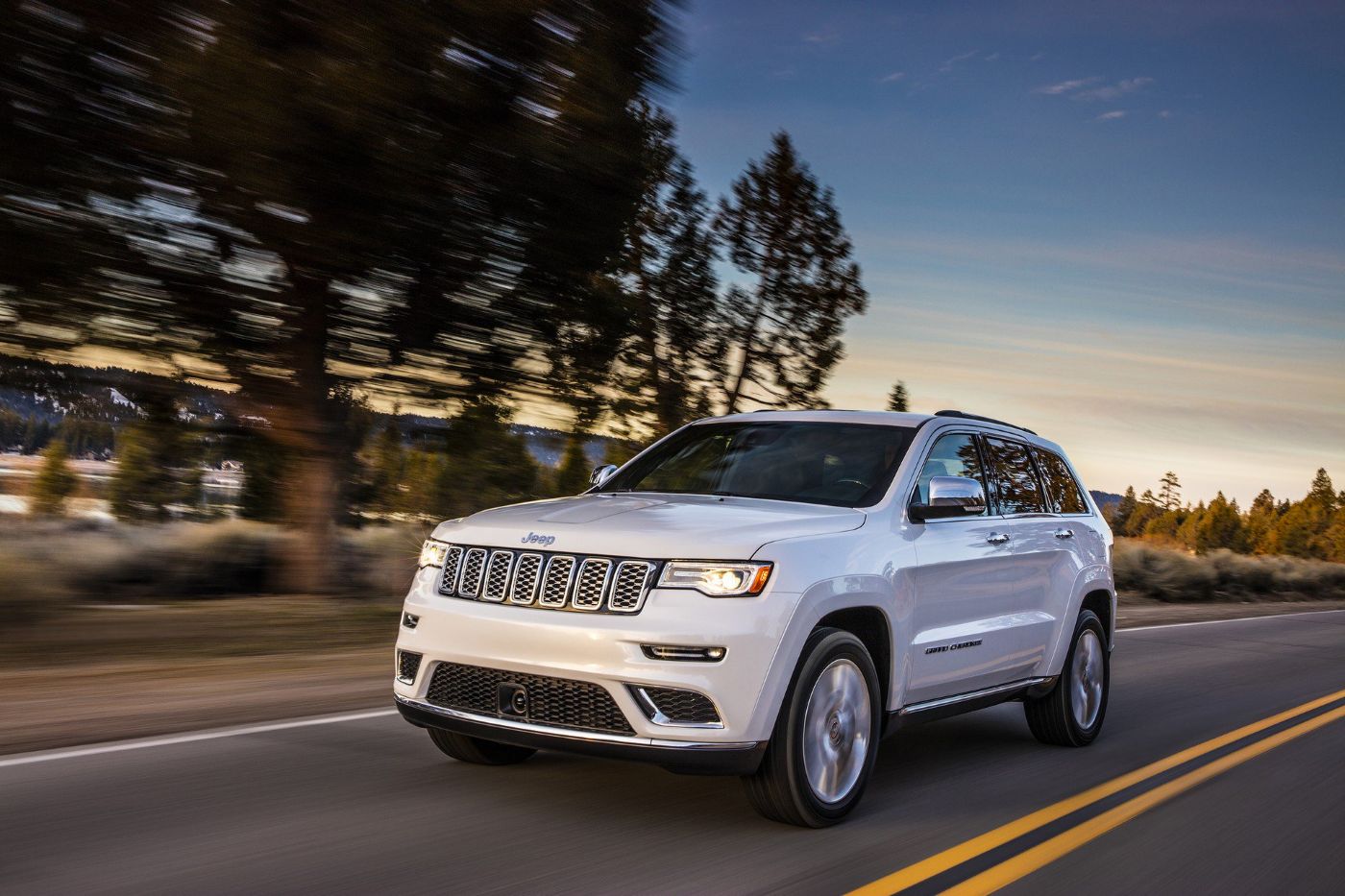
2. Jeep Cherokee (2014-2023)
The Jeep Cherokee’s trouble-plagued history includes numerous mechanical and electrical issues, and power seat motor failures rank prominently among owner complaints.
Stellantis (formerly Fiat Chrysler) has struggled with electrical system reliability across its product portfolio, and the Cherokee exemplifies these challenges through cheaply constructed seat motors that fail with alarming frequency just outside warranty coverage.
The problems are so widespread that multiple class-action lawsuits have been filed alleging defective design and manufacturing of electrical components, including seat adjustment systems.
Cherokee seat motors suffer from multiple design deficiencies. First, the motors themselves use lower-quality commutators and brushes that wear rapidly, generating electrical noise and carbon debris that accelerates degradation.
Second, the gear trains use sintered metal components rather than machined steel, and these sintered parts are porous and prone to premature wear, particularly when lubricants break down or contamination occurs.
Third, the weathersealing is inadequate, allowing moisture intrusion that corrodes electrical connections and damages motor windings. The combination creates a trifecta of failure modes that manifest across the Cherokee fleet with depressing regularity.
Owner forums are filled with complaints about Cherokee seat motor failures, typically occurring between 35,000 and 60,000 miles. Common symptoms include motors that buzz but don’t move seats, complete dead spots in adjustment ranges, erratic movement with stuttering or jerking motions, and total electrical failures where switches become unresponsive.
Particularly problematic is the fore-aft adjustment motor, which carries the highest load and consequently fails first in most cases. Owners describe the frustration of seat positions slowly drifting over time, eventually becoming stuck in positions that make the vehicle uncomfortable or even dangerous to operate for drivers of certain heights.
The repair experience for Cherokee owners adds insult to injury. Jeep dealerships often struggle to diagnose problems accurately because of inadequate technical information and complex electrical systems that generate misleading fault codes.
Owners report being told they need complete seat assemblies costing $2,000 to $3,000 per seat when the actual problem involves a $150 motor or a $75 switch.
The extensive disassembly required to access seat components results in labor charges that sometimes exceed parts costs, and the quality of replacement parts from Stellantis remains questionable, with owners reporting repeat failures after expensive repairs.
What makes the Cherokee’s seat motor problems particularly egregious is Stellantis’s refusal to acknowledge systemic issues or offer goodwill assistance to affected owners.
While individual owners report occasional goodwill repairs if they complain loudly enough and involve corporate customer service, there’s no formal extended warranty program or recall addressing the widespread failures.
This stands in stark contrast to manufacturers like Toyota or Honda, who often extend warranty coverage when problems prove widespread, even without regulatory pressure.
The Cherokee’s reliability problems have significantly damaged Jeep’s brand reputation, with the model consistently scoring among the worst in dependability studies and contributing to Stellantis brands occupying the bottom tier of reliability rankings year after year.
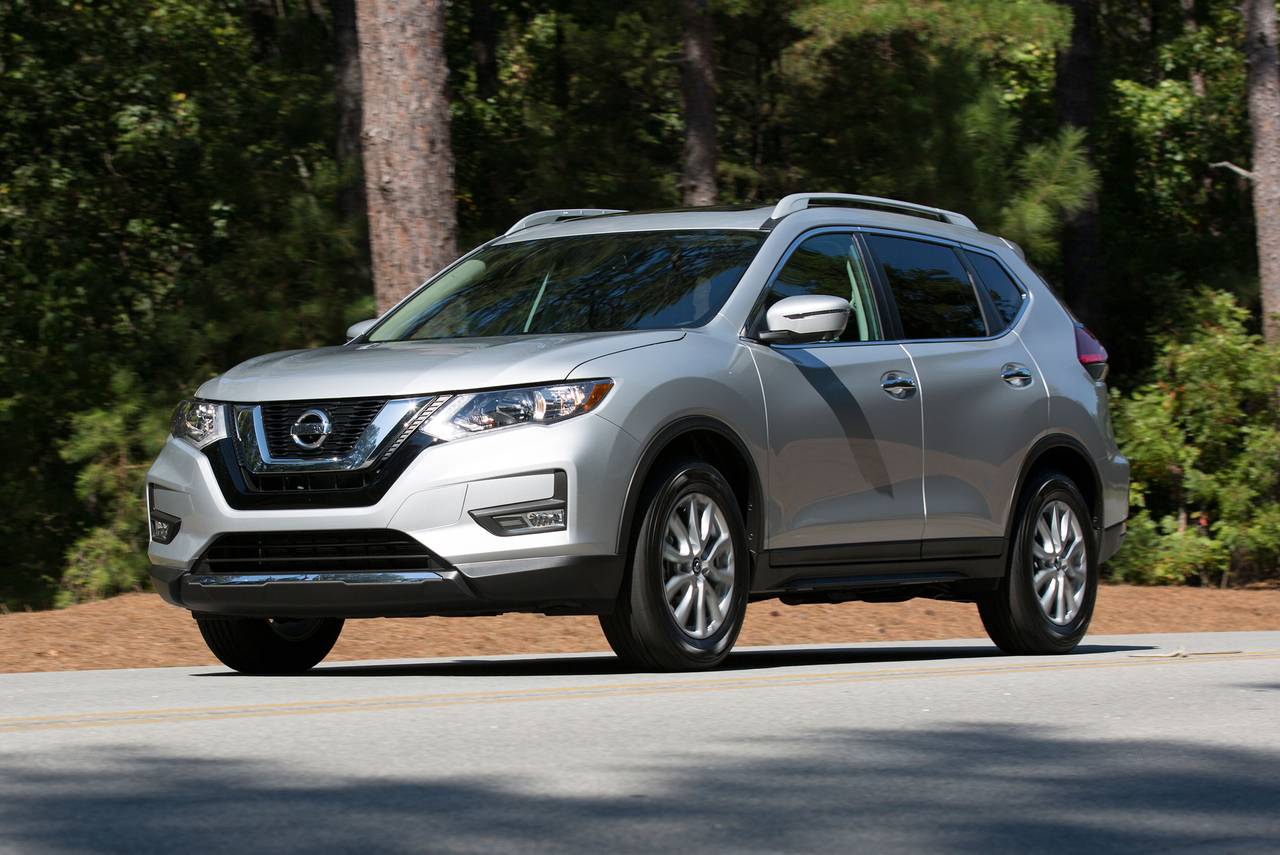
3. Nissan Rogue (2014-2020)
Nissan’s decade-long slide in reliability rankings encompasses numerous vehicle systems, and the Rogue’s power seat motors exemplify the company’s quality control deterioration during the 2010s.
Cost-cutting measures implemented to improve profitability resulted in cheaper components from lower-tier suppliers, and the seat motors represent one visible consequence of these penny-wise, pound-foolish decisions.
The problems are so pervasive that Consumer Reports dropped the Rogue from its recommended list specifically citing power equipment reliability concerns.
The Rogue’s seat motor issues stem from inadequate engineering validation and poor component selection. Nissan chose motors with insufficient torque margins for the application, meaning they operate near their performance limits during normal use.
This leaves no safety factor for aging, contamination, or temperature extremes, leading to premature failures when conditions deviate from the laboratory ideal.
The motors also use brushed designs with undersized brushes that wear rapidly, creating poor electrical contact that manifests as intermittent operation long before complete failure occurs.
Owners describe seats that work sometimes but not others, requiring multiple switch activations to complete adjustments, or that work when cold but fail after the vehicle has been sitting in the sun.
Compounding the motor quality problems, Nissan uses exceptionally cheap wiring harnesses and connectors in the Rogue’s seat systems.
The wire gauge is minimal, leading to voltage drops under load that reduce motor performance and increase current draw, creating a vicious cycle that accelerates wear.
Connectors use tin-plated terminals that corrode readily, particularly in humid climates or areas with road salt exposure. Owners report that cleaning and reseating connectors sometimes temporarily restores function, but the underlying problems return within weeks or months, requiring eventual component replacement.
The typical failure pattern for Rogue seat motors begins around 45,000 miles with intermittent operation, progresses to complete failure of one or more adjustment axes by 60,000 miles, and often cascades into multiple failures by 75,000 miles as the electrical stress of partially failed systems damages adjacent components.
Owners describe being trapped in a cycle of repairs, replacing one failed motor only to have another fail months later, suggesting systemic problems rather than random component defects.
The lumbar support motors seem particularly prone to failure, perhaps because they’re smaller and operate at higher duty cycles during long drives.
Nissan’s response to widespread seat motor problems has been inadequate at best. While the company issued technical service bulletins describing repair procedures, it has not extended warranties or offered systematic solutions.
Dealers quote repair costs ranging from $800 to $1,500 per seat, depending on which motors fail and whether harness replacement is necessary.
Independent mechanics can often perform the work for less, but obtaining quality replacement parts proves challenging since many aftermarket suppliers won’t stock components for applications with known durability problems.
The Rogue’s seat motor issues have become so notorious that they’ve significantly impacted resale values, with savvy used car buyers specifically checking for power seat operation and demanding price concessions when problems are discovered, even if seats are still functioning at the time of sale.
4. Chevrolet Equinox (2018-2024)
General Motors’ modern crossover lineup has experienced numerous electrical gremlins, and the Equinox’s power seat motors represent a particular trouble spot that’s frustrated owners and damaged the brand’s reliability reputation.
GM’s decision to source seat motors from multiple suppliers without adequate specifications for durability has created a quality lottery where some vehicles receive acceptable components while others get units destined for premature failure.
The inconsistency makes problems harder to predict and diagnose, leaving owners unsure whether they’ve purchased a reliable example or a future money pit.
The Equinox’s seat motor problems manifest in several characteristic patterns. The most common is the failure of the horizontal seat track motor, which moves seats forward and backward. Owners report motors that make grinding sounds, operate very slowly, work intermittently, or fail.
The second most common failure involves the seat height adjustment mechanism, where plastic components in the lift mechanism break, causing seats to sag or tilt unnaturally.
Less frequently, lumbar motors and seat back recline motors fail, but these issues receive less attention because they don’t render vehicles undrivable the way fore-aft motor failures can.
A particularly troubling aspect of Equinox seat motor failures involves the motor control modules and wiring harnesses. GM uses integrated control modules that manage multiple seat functions simultaneously, and when these modules fail, they often take several motors offline simultaneously.
Module failures frequently occur without warning, sometimes triggered by seemingly unrelated events like battery disconnection during service or software updates performed at dealerships.
Owners describe seats that worked perfectly until a routine oil change, after which multiple functions became inoperative, suggesting latent software bugs or fragile electronic components that can’t tolerate normal electrical system transients.
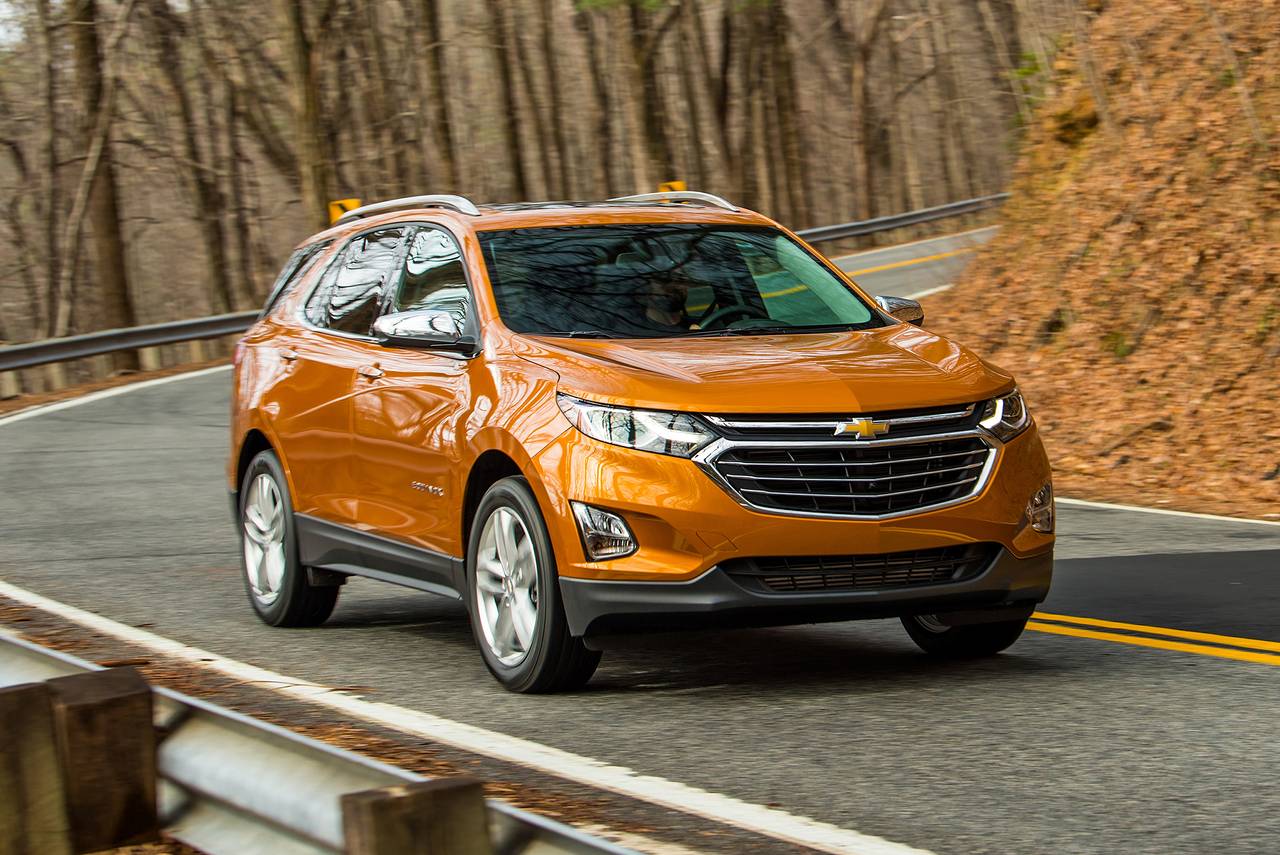
The financial burden of Equinox seat motor repairs falls heavily on owners because GM’s warranty coverage is relatively limited compared to competitors.
The standard three-year/36,000-mile bumper-to-bumper warranty is shorter than Honda, Hyundai, or Toyota offerings, and GM rarely extends goodwill coverage for out-of-warranty repairs even when problems are widespread.
Dealership repair quotes for seat motor issues typically range from $900 to $1,800, depending on complexity, with diagnosis alone costing $150 to $200. Independent mechanics can offer better value, but they often struggle with GM’s complex electrical systems and proprietary diagnostic software, leading to misdiagnosis and unnecessary parts replacement.
Consumer complaint databases show hundreds of reports specifically mentioning Equinox power seat failures, with owners expressing frustration that expensive features they paid extra for become inoperative within a few years of ownership.
The National Highway Traffic Safety Administration has received numerous complaints, though not enough to trigger a formal investigation or recall.
Class-action attorneys have examined the issue but haven’t filed suits, suggesting the affected population, while substantial, isn’t large enough to meet thresholds for litigation.
This leaves individual owners bearing the financial burden of GM’s quality shortcomings, contributing to the company’s persistent reliability reputation problems despite improvements in other areas like powertrain and structural durability.
5. Mitsubishi Outlander (2014-2024)
The Mitsubishi Outlander represents a budget-conscious alternative in the crossover market, and unfortunately, the power seat motors reflect the compromises necessary to hit aggressive price points.
Mitsubishi, struggling financially for years and operating with minimal R&D budgets compared to larger competitors, sources the cheapest possible components for non-critical systems, and seat motors fall squarely into this category. The result is motors that function adequately when new but deteriorate rapidly under real-world use conditions.
Outlander seat motors suffer from fundamental quality deficiencies. The motors themselves use the minimum gauge wire for armature windings, leaving no margin for the additional resistance that develops as brushes wear and commutators develop oxidation layers.
The bearings are undersized, leading to excessive shaft play that creates binding and increases friction. The plastic housings are thin and brittle, prone to cracking from road vibration or impact from items stored beneath seats.
Most problematically, Mitsubishi uses purely plastic gear trains with no metal components whatsoever, and these gears strip teeth under load or crack from aging and temperature cycling.
Owners report that Outlander seat motor problems typically emerge between 30,000 and 50,000 miles, often manifesting first as noise, clicking, grinding, or whirring sounds that accompany seat adjustment.
As degradation progresses, seats move more slowly or require multiple switch activations to complete adjustments. Eventually, motors fail, often leaving seats stuck in positions that make vehicles difficult or impossible for certain drivers to operate safely.
The driver’s seat motor naturally receives the most use and consequently fails first in most cases, but passenger seat motors often fail shortly thereafter, suggesting the problem lies with component quality rather than usage patterns.

The repair experience for Outlander owners proves particularly challenging because of Mitsubishi’s diminished dealer network and parts availability problems.
Many areas lack convenient Mitsubishi dealerships, forcing owners to travel significant distances for service or rely on independent mechanics who may lack familiarity with Mitsubishi systems.
Parts availability is inconsistent, with some components back-ordered for weeks or months, leaving vehicles inoperable during repair periods. When parts are available, pricing is surprisingly high relative to the vehicle’s value, with motors costing $250 to $400 and labor adding another $400 to $600 per seat.
What makes the Outlander’s seat motor problems particularly frustrating is that they affect a vehicle positioned as a value proposition for budget-conscious families.
Buyers choosing Outlanders typically do so because of lower purchase prices compared to mainstream competitors, and unexpected $1,000+ repair bills completely undermine the economic logic of the purchase decision.
Many owners find themselves facing seat motor repair costs that approach 10% of their vehicle’s current market value, leading some to simply live with malfunctioning seats rather than authorize repairs.
This reality has contributed to weak resale values for used Outlanders, with informed buyers avoiding the model specifically because of reliability concerns, creating a doom loop where poor reliability drives down values, attracting only the most price-sensitive buyers who then experience the reliability problems themselves and further damage the model’s reputation in the used market.
Also Read: 10 Cars Mechanics Secretly Love Owning Over Decades
