Car theft remains a pressing concern for vehicle owners, yet not all cars are equally vulnerable. Some models are highly sought after by thieves for their parts or ease of stealing, while others are largely avoided due to advanced security measures, complexity, or low resale value.
Understanding which vehicles fall into these categories can help buyers make informed decisions about safety and security. This guide explores six cars thieves avoid, highlighting models like the Subaru Ascent, Tesla Model S, and BMW i8, which combine advanced anti-theft technology, robust construction, and limited attractiveness to chop shops.
These vehicles offer peace of mind, whether through electronic immobilizers, encrypted key systems, or specialized components that deter criminal activity. On the other hand, we examine six theft-prone models, including popular sedans and SUVs like the Honda Accord, Hyundai Sonata, and Toyota Camry, which are targeted due to widespread popularity, mechanical vulnerabilities, or exposure through social media trends.
By contrasting these groups, drivers can better understand the risks and take preventive measures to protect their vehicles.
6 Cars Thieves Avoid
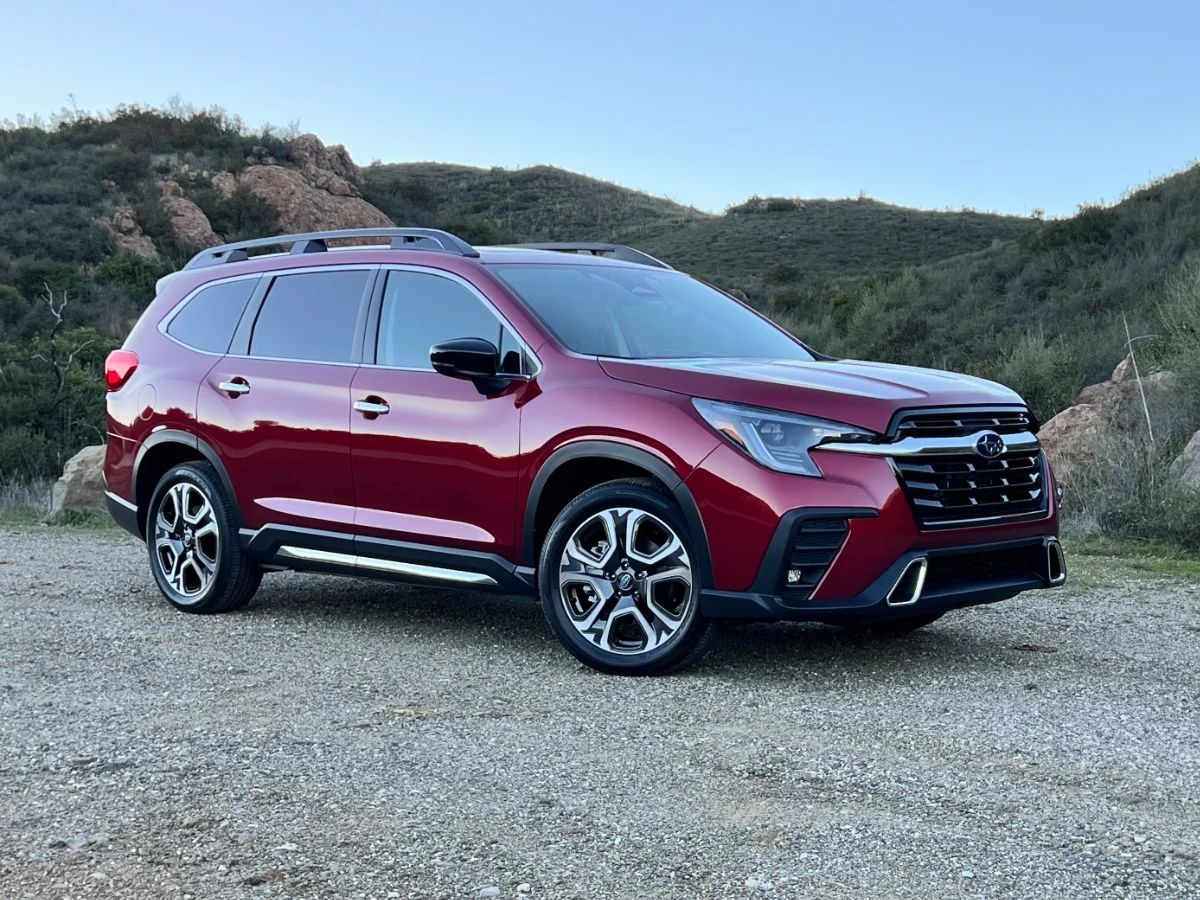
1. Subaru Ascent: A Secure, Capable, and Family-Friendly SUV
The Subaru Ascent stands out in its class not only for its safety and comfort but also for being one of the least targeted vehicles by thieves. Its robust anti-theft measures, advanced driving features, and practicality make it a reliable choice for families seeking security and versatility in an SUV.
The Ascent’s advanced security technologies make it a difficult vehicle to steal. It is equipped with an electronic immobilizer, which prevents the engine from starting without the correct key fob. Its digital systems eliminate the possibility of traditional hotwiring, making tampering extremely difficult.
Subaru’s EyeSight Driver Assist Technology adds another layer of protection with cameras that can detect unusual activity and integrate with other safety features. In addition, the STARLINK Security system offers features like vehicle tracking and stolen vehicle recovery on newer models.
Beyond technology, the Ascent’s low market desirability for parts means it holds little appeal for thieves seeking easily resold components. These combined factors make the Subaru Ascent one of the safest choices in terms of theft prevention.
Powered by a turbocharged engine, the Ascent delivers strong acceleration, though its continuously variable automatic transmission (CVT) requires gentle handling to avoid jerky responses. Standard all-wheel drive, combined with traction and hill descent control, enhances performance on snow and dirt, supported by an 8.7-inch ground clearance that makes it a capable all-season SUV.
Inside, the Ascent offers comfortable and spacious seating across three rows, though the third-row cushions can feel firm on long trips. Climate control is efficient, and ceiling-mounted vents ensure even airflow for rear passengers.
However, tire and engine noise can intrude at higher speeds, slightly diminishing ride comfort. The cabin is well-laid-out and intuitive, with large windows and door-mounted mirrors providing excellent visibility, although the sloping hood can make front-end placement tricky.
Subaru’s Starlink infotainment system features a crisp touchscreen, intuitive controls, and full Apple CarPlay and Android Auto integration. Multiple USB ports and optional navigation enhance convenience.
Cargo space ranges from 17.8 cubic feet behind the third row to 86 cubic feet when folded, and towing capacity reaches 5,000 pounds. Fuel economy averages around 22 mpg combined, and its standard all-wheel drive and strong build quality make it a value-packed family SUV that balances performance, safety, and practicality.
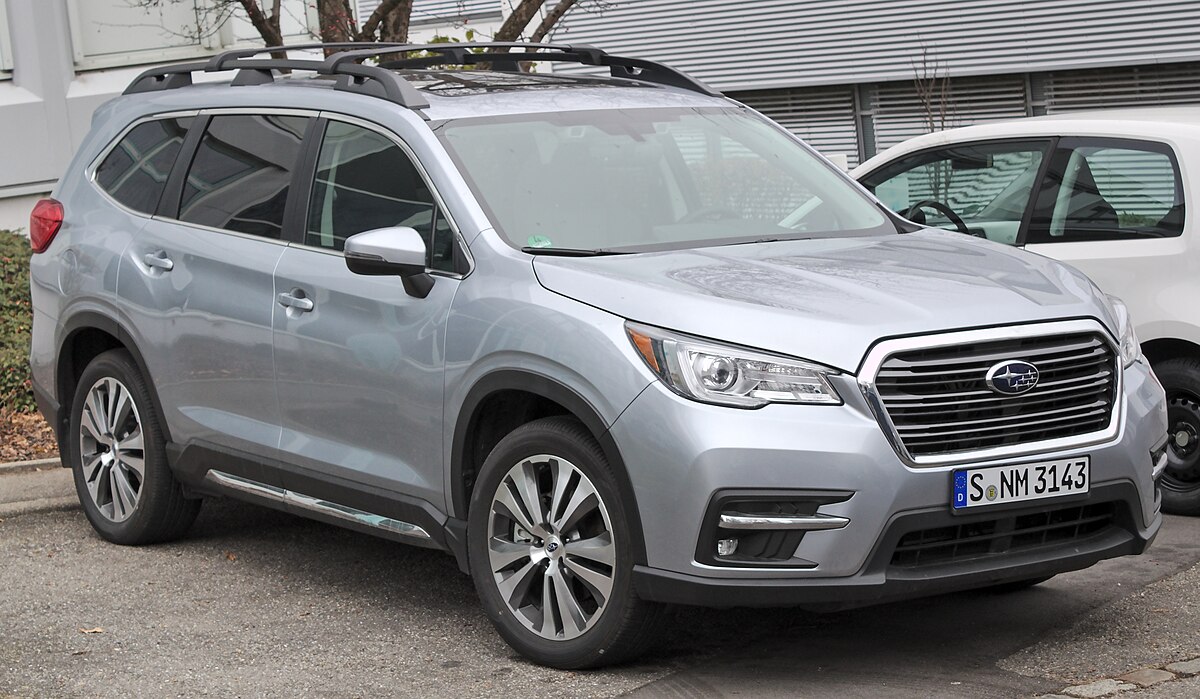
2. Tesla Model S: A Technological Powerhouse with Unmatched Security and Performance
The Tesla Model S sets a new standard for both automotive security and high-performance electric driving. As one of the hardest vehicles to steal, it blends advanced surveillance features, constant connectivity, and cutting-edge software protection. At the same time, it delivers astonishing speed, impressive range, and refined everyday usability, making it a standout in the luxury EV market.
The Model S is fortified with multiple layers of digital and physical protection. Its Sentry Mode transforms the vehicle into a mobile security system, using eight cameras to continuously monitor its surroundings.
When suspicious activity is detected, it triggers recording, alarms, and an on-screen warning to deter thieves. GPS tracking and constant connectivity to Tesla’s network ensure that any unauthorized access attempts are flagged immediately, allowing the owner and Tesla to locate the car in real time.
Its software architecture prevents traditional hotwiring, while over-the-air updates keep the car’s security features evolving faster than criminals can adapt.
The keyless entry system uses advanced encryption to prevent relay attacks, and the mobile app allows owners to remotely monitor, locate, and even disable the vehicle. Because of its unique charging system and specialized components, the Model S also holds little appeal for chop shops, further minimizing theft risk.
In the Plaid edition, the Model S showcases world-class acceleration and engineering. With its tri-motor setup producing 1,020 horsepower, it rockets from 0 to 60 mph in just 2.3 seconds and completes a quarter-mile in 9.4 seconds.
The available Track package adds high-performance brakes and tires, giving it immense stopping power and control. The adaptive air suspension balances comfort with agility, making the Model S equally suited for daily driving and high-speed runs.
The cabin provides a quiet and comfortable ride, with a tri-zone climate system and well-insulated interior. However, the seats lack lateral support, and rear passengers may find the seating position slightly high. The minimalist interior features a 17-inch touchscreen that controls nearly all functions, though the absence of physical stalks and the reliance on touch-sensitive buttons can feel distracting.
Tesla’s tech experience is anchored by Google Maps navigation, built-in streaming apps, and an excellent 22-speaker audio system.
While it lacks Apple CarPlay and Android Auto, the system’s responsiveness and integrated connectivity make it one of the most advanced infotainment setups available. Autopilot, Tesla’s renowned driver-assist system, performs well in most conditions but remains dependent on clear road markings.
With an EPA-estimated range of up to 348 miles, the Model S offers both long-distance capability and exceptional efficiency for its power level. Fast-charging speeds are equally impressive, restoring up to 523 miles of range per hour. Despite minor build quality concerns, the Model S Plaid delivers unmatched performance value among luxury EVs, supported by an eight-year/120,000-mile battery warranty.
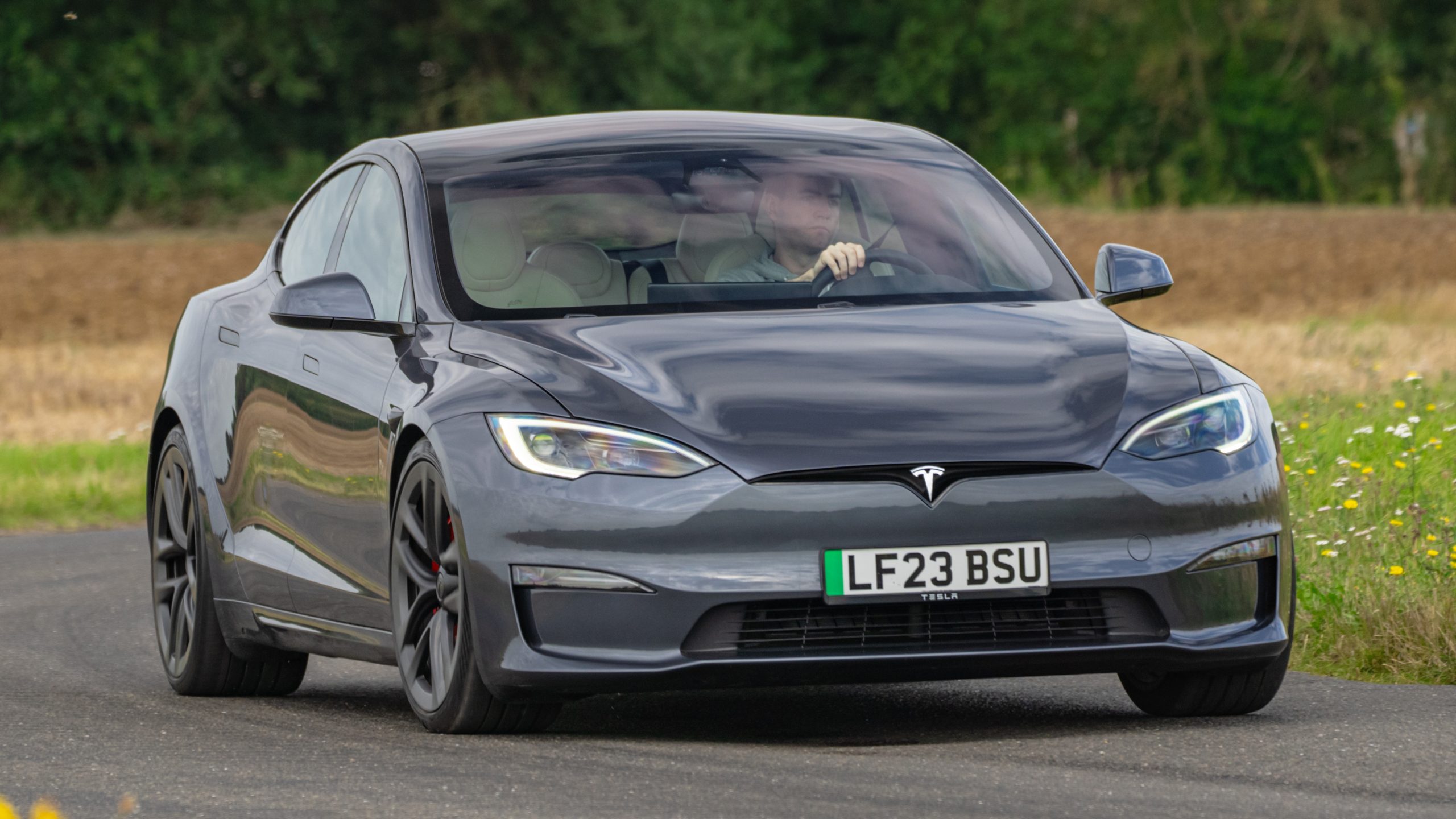
3. BMW i8: A Futuristic Hybrid with Exceptional Security and Distinctive Design
The BMW i8 combines futuristic styling, hybrid performance, and cutting-edge security, making it one of the least appealing vehicles for car thieves. Its advanced materials, complex engineering, and limited market presence create formidable barriers to theft, while its driving dynamics and comfort maintain the signature BMW performance experience.
The BMW i8’s design and technology make it a nearly impossible target for criminals. Built from carbon fiber-reinforced plastic and aluminum, the i8’s structure demands specialized tools and knowledge to dismantle. This complexity deters chop shops, as the process is time-consuming and unprofitable.
Its plug-in hybrid powertrain, combining a turbocharged three-cylinder engine with an electric motor, adds another layer of technical sophistication that few can manipulate without expert knowledge.
The i8’s electronic control systems are deeply integrated and protected by BMW’s immobilizer technology, preventing the engine from starting without authorized access. With ConnectedDrive services, the car offers real-time tracking and remote monitoring, allowing law enforcement and BMW to quickly locate the vehicle if stolen.
Its distinctive styling and rarity make it nearly impossible to conceal or resell, and the specialized components unique doors, body panels, and interior pieces have minimal aftermarket demand. This drastically reduces the profitability of theft.
Further protection comes from the i8’s driver assistance systems and sensors, including cameras and ultrasonic detectors that can sense unauthorized movement. Any damage incurred during attempted theft significantly decreases the vehicle’s value, further discouraging criminals.
The BMW i8 delivers a blend of efficiency and excitement. In Sport mode, it sprints from 0 to 60 mph in 4.3 seconds, offering quick acceleration and precise handling.
However, in normal driving modes, performance feels more subdued, and the transition between electric and gasoline power can seem uneven in city traffic. On open roads, the i8 feels engaging, though its handling limits are moderate compared to more track-focused rivals.
Despite its exotic looks, the i8’s two-seat cabin is surprisingly comfortable. The ride is smooth for a performance car, and the climate control system performs effectively. Road noise is noticeable at highway speeds, but the cabin design prioritizes ergonomics and visibility. The upward-opening doors enhance its futuristic appeal, though getting in and out requires agility.
Inside, the iDrive infotainment system is intuitive and reliable, featuring clear navigation and balanced audio quality. However, modern conveniences such as Android Auto and adaptive cruise control are absent, and Apple CarPlay requires a paid subscription after a year. With 4.7 cubic feet of trunk space and small back seats that double as storage, the i8 offers limited practicality but enough for light daily use.
The BMW i8 remains a symbol of innovation a secure, visually striking hybrid that blends performance, sustainability, and exclusivity in one remarkable package.
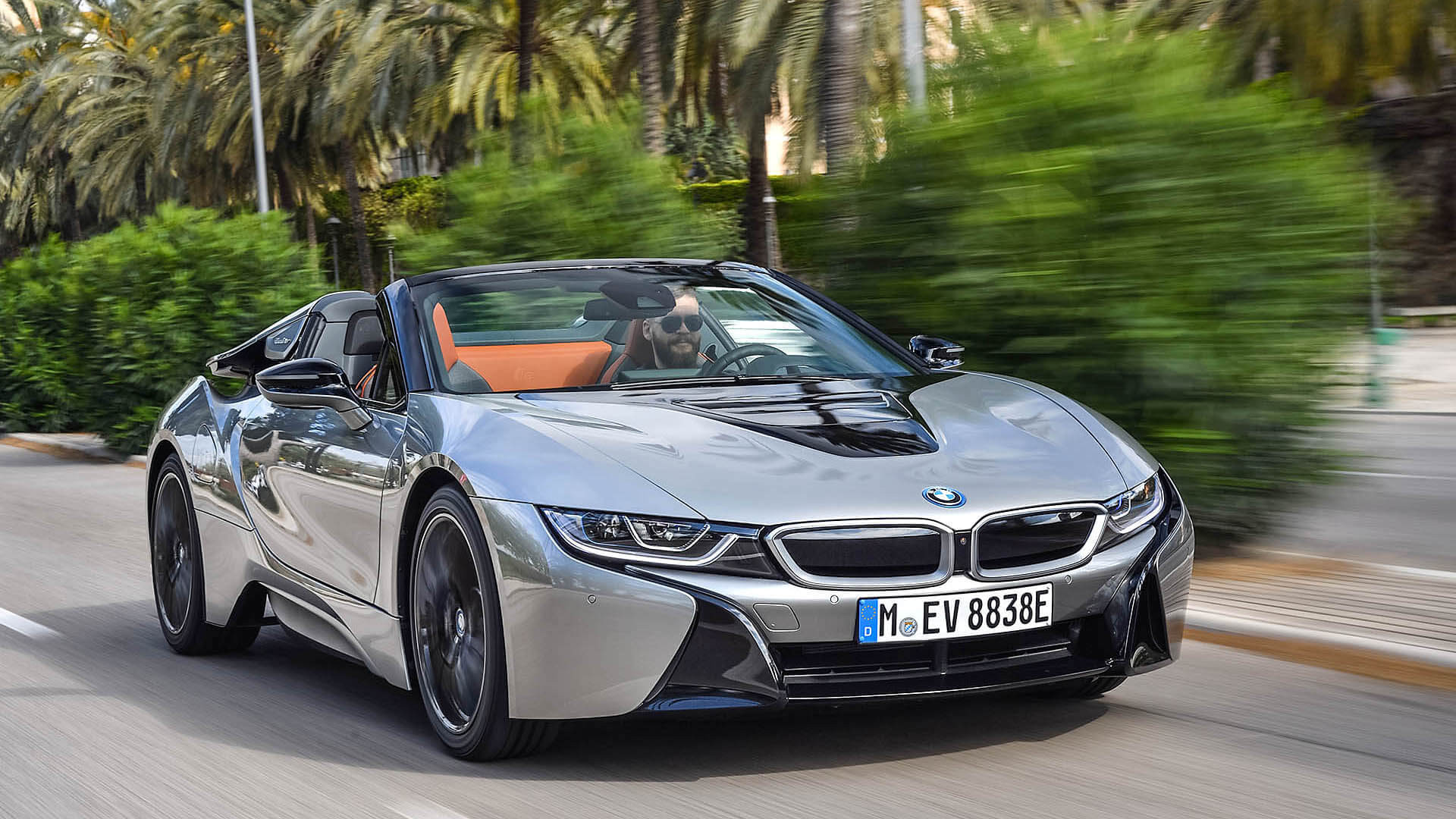
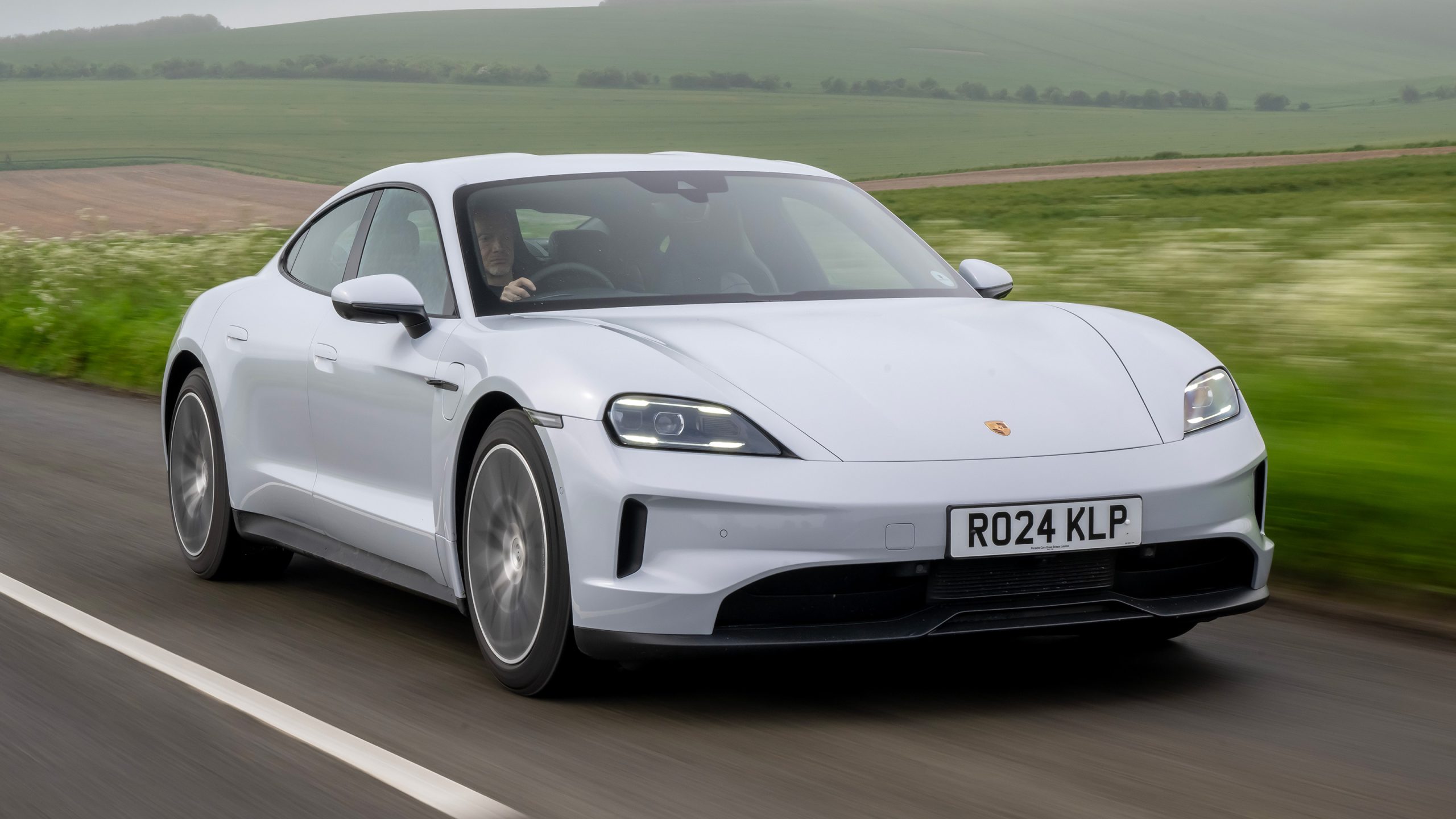
4. Porsche Taycan: Electrifying Performance with Military-Grade Security
The Porsche Taycan, the brand’s first fully electric vehicle, combines high-performance engineering with exceptional theft protection. Porsche has merged its legacy of precision and innovation with advanced electric vehicle technology to create one of the most secure and theft-resistant cars on the market.
With encrypted key systems, real-time monitoring, and intelligent design, the Taycan sets a new benchmark for safety in the electric luxury segment.
The Taycan’s multi-layered security system integrates digital and physical defenses that make unauthorized access nearly impossible. Its keyless entry system uses advanced encryption, anti-relay protection, and rolling codes, which prevent signal hijacking and key cloning often seen in other luxury vehicles.
Features such as frequency-hopping communication and cryptographic verification make it extremely difficult to duplicate or intercept access signals.
Through Porsche Connect, the Taycan maintains a constant link to both its owner and Porsche’s security network. This system enables real-time tracking, monitors charging activities and access attempts, and sends instant alerts if any irregular activity occurs. It can also immobilize the vehicle remotely if a theft is detected.
The Taycan’s electric drivetrain further discourages criminal attempts. Its high-voltage battery systems and complex management software require specialized tools and advanced technical knowledge to operate. The car’s reinforced structure, secure locking systems, and tamper-resistant electronics make forced entry or dismantling extremely difficult.
Because the Taycan’s components are highly specialized, including unique charging ports, custom tires, and proprietary electric systems, they hold very limited value in the resale or black market. This reduces the financial incentive for theft.
The Porsche Taycan 4S delivers exhilarating performance, accelerating from 0 to 60 mph in 3.4 seconds and completing the quarter mile in 11.5 seconds. More powerful versions such as the Turbo and Turbo S provide even greater performance.
While handling can feel less dynamic without optional upgrades, features like torque vectoring, adaptive suspension, and the Sport Chrono package significantly enhance responsiveness and driving enjoyment. On city streets and open highways, the Taycan offers smooth, confident control with precision typical of Porsche engineering.
Inside, the Taycan presents luxury and refinement with comfortable, supportive front seats and excellent sound insulation that keeps wind and road noise to a minimum. Rear passengers may find space limited due to the car’s sleek roofline, but front occupants benefit from an ideal seating position and intuitive controls.
The infotainment system is responsive and includes Apple CarPlay and Android Auto connectivity. Optional driver assistance systems such as adaptive cruise control enhance safety and convenience. The Taycan achieves an EPA-estimated range of 252 miles and reached 307 miles during real-world testing. Its 320-kilowatt charging capability allows for rapid recharging at high-speed DC stations.
Although its price is high, the Porsche Taycan blends advanced security features, cutting-edge technology, and refined electric performance, securing its place as one of the most sophisticated and theft-resistant vehicles in the world.
5. Mercedes-Benz G-Class: Iconic Strength with Exceptional Security
The Mercedes-Benz G-Class, often admired for its rugged and commanding presence, combines its military-inspired design with some of the most advanced anti-theft systems available in a luxury SUV. Beneath its boxy silhouette lies a complex network of mechanical safeguards and electronic countermeasures, ensuring that this vehicle is not only powerful but also exceptionally difficult to steal.
The G-Class is equipped with Mercedes-Benz’s Anti-Theft Protection Package, which includes encrypted key communication and multi-step authentication to start the engine.
The system creates a secure digital handshake between the key fob, ignition, and engine control unit, preventing thieves from bypassing the ignition or hotwiring the vehicle. Even with physical access, the engine remains locked without proper electronic authorization.
In addition to its digital defenses, the G-Class benefits from reinforced construction. Its solid door frames, tamper-resistant locks, and limited access points require time and specialized tools to breach. The SUV’s elevated ground clearance and tight underbody design make it difficult for thieves to access critical components.
The mbrace connected services enhance these protections with real-time tracking and remote immobilization capabilities. The system continuously monitors the vehicle’s status, providing alerts for suspicious access attempts.
If theft is suspected, the car can be disabled remotely while law enforcement is notified. The G-Class’s distinctive shape and high visibility also deter theft, as it is difficult to hide or sell without attracting attention.
The SUV’s luxury components and unique build limit its appeal to black-market part dealers. The specialized off-road systems, premium interiors, and handcrafted materials require expertise to remove and have low resale potential, reducing the profit motive for thieves.
The G 550 model delivers 5.1-second acceleration from 0 to 60 mph, outperforming older V8 versions while improving braking performance. Its truck-like ride is firm yet stable, effectively softening bumps and maintaining comfort on rough terrain. The cabin remains quiet, though some wind noise is present due to the upright design.
Inside, the boxy architecture offers excellent headroom but limited leg space and narrow seats. Entering requires effort due to the high step and tall seating position. Despite its utilitarian layout, visibility is commanding, though rear and side visibility can be restricted by the spare tire and thick pillars.
The G-Class features Mercedes’ latest infotainment system, complete with a responsive touchscreen, Apple CarPlay, and Android Auto. Driver aids such as surround-view cameras and parking sensors improve safety, though lane-keeping assist can be overly assertive.
Storage capacity is modest, with a side-hinged cargo door and a high load floor that make loading bulky items challenging. Interior storage is limited, though child-seat installation is made easier by accessible anchors.
Fuel economy stands at 18 mpg combined, which is improved from previous models but remains below class averages. Despite this, the G-Class continues to justify its price through craftsmanship, modern technology, and unmatched security, maintaining its reputation as both a luxury icon and fortress on wheels.

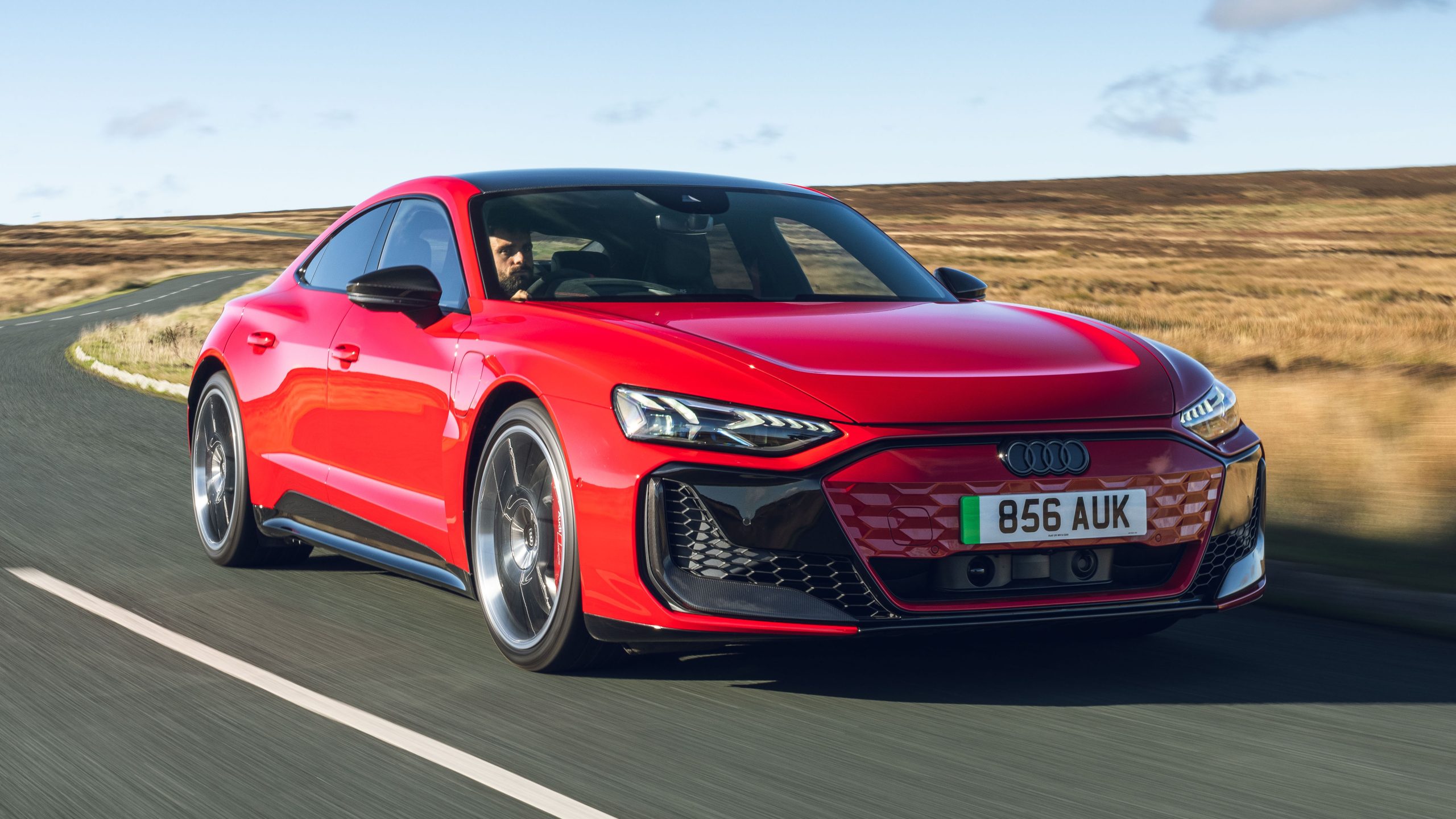
6. Audi e-tron GT: A Fusion of Luxury, Power, and Security
The Audi e-tron GT showcases the perfect blend of performance, elegance, and advanced protection within Audi’s electric lineup. This sleek grand tourer integrates multiple layers of digital and physical security, ensuring that it remains one of the most secure luxury EVs available.
Audi equips the e-tron GT with an encrypted key system designed to prevent common attacks such as key cloning or signal amplification. The system relies on physical proximity verification and multiple authentication steps, meaning that even with physical access, the vehicle cannot be started without the correct electronic authorization.
Its electric drivetrain and high-voltage systems act as natural deterrents, as handling or dismantling these components safely requires expert knowledge and specialized tools. The battery management and charging systems are also electronically locked, preventing operation or tampering without system validation.
Through Audi Connect services, owners gain access to extensive monitoring features that go far beyond basic tracking. The system oversees access attempts, charging activities, and operational status in real time. Any suspicious action triggers immediate alerts and can activate automatic countermeasures, such as remote immobilization.
The car’s carbon fiber and aluminum construction further enhances security. These advanced materials require specialized equipment to work with, making the e-tron GT difficult to dismantle for parts. Additionally, the limited resale market for electric vehicle components discourages theft, as stolen parts offer little profit potential.
On the road, the e-tron GT delivers 0–60 mph in 3.8 seconds, offering sharp steering and balanced handling. Braking performance is strong, stopping from 60 mph in 106 feet.
While its steering feedback is less communicative than the Porsche Taycan, the e-tron GT remains stable and engaging. The only limitation is its modest regenerative braking, which requires frequent use of the brake pedal compared to competitors like Tesla.
Audi’s mastery of comfort is evident in the adaptive suspension and high-quality seating. The front sport seats offer heating, cooling, and massage features, while the ride feels both smooth and composed.
Cabin insulation effectively minimizes road noise. The interior maintains Audi’s tradition of intuitive controls and premium materials, avoiding unnecessary touch-sensitive buttons. However, rear space and visibility are limited due to the low roofline.
The e-tron GT includes wireless Apple CarPlay, Android Auto, and voice controls, supported by Audi’s excellent digital gauge cluster. Driver aids are present but somewhat inconsistent in sensitivity. Cargo space totals 11 cubic feet, which is minimal, though the folding rear seats and pass-through add practicality.
In real-world testing, the e-tron GT achieved 273 miles of range, surpassing its EPA rating of 238 miles, with impressive efficiency at 37.2 kWh per 100 miles. Despite slightly shorter range than rivals, its build quality, design, and advanced security make it a top-tier electric luxury choice for discerning drivers.
6 Theft-Prone Models
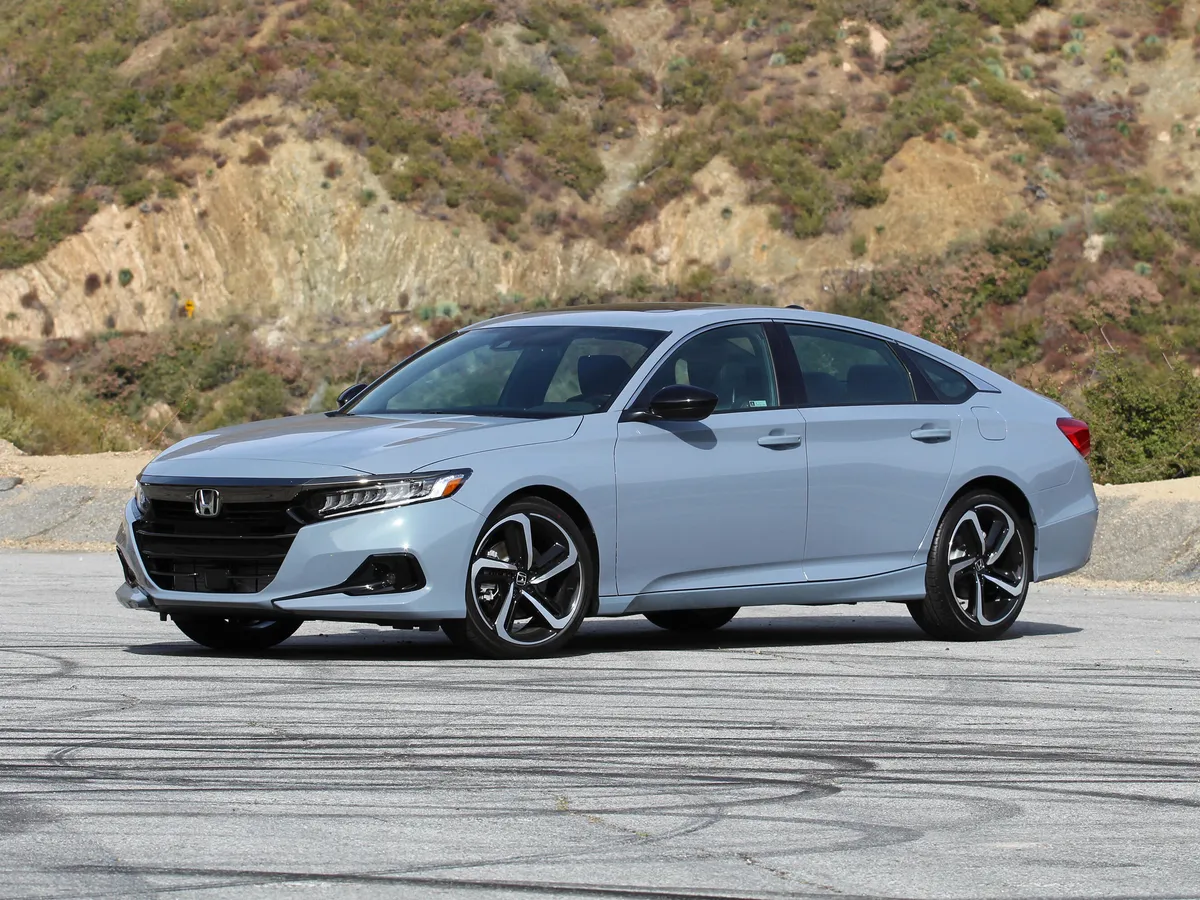
1. Honda Accord: High Theft Risk Across Generations
The Honda Accord is one of the most stolen cars in the U.S., with 27,089 annual thefts and the 1997 model year being the most targeted. Its long production history and popularity make it a prime target for thieves, especially since many parts are interchangeable with the Honda Civic, increasing resale potential.
Older Accords, mainly pre-1997, lack modern security features such as engine immobilizers, making them easy to hotwire. Their widespread presence and high demand for replacement parts like engines and transmissions make theft profitable, and thieves are familiar with their vulnerabilities.
Newer models, particularly from 2018 to 2022, are less often stolen whole but are targeted for high-value components such as catalytic converters and rims. Sport models with larger rims are frequently stripped, sometimes leaving vehicles abandoned on bricks. The Accord’s combination of popularity, parts demand, and familiarity with thieves contributes to its continued high theft risk.
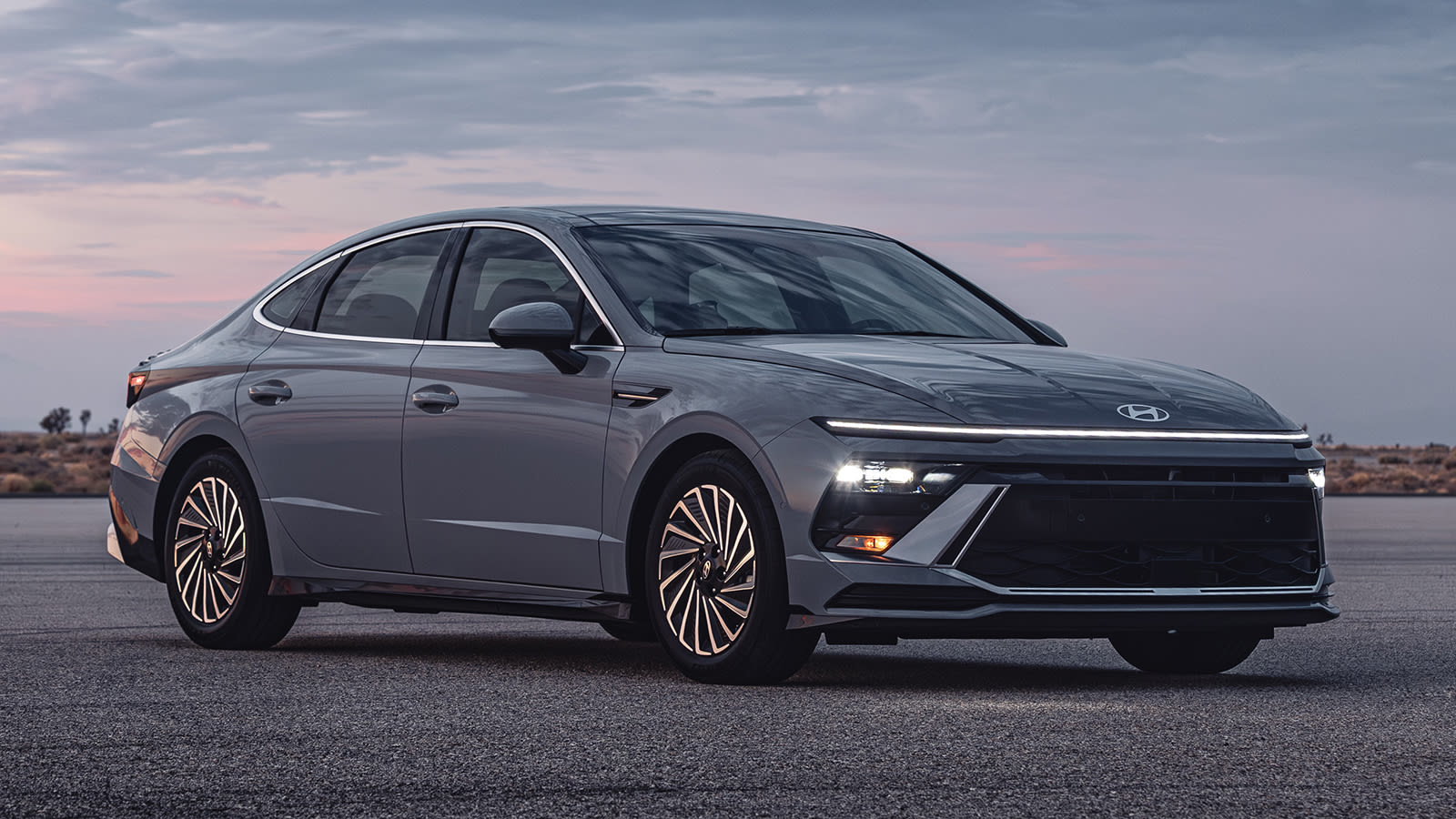
2. Hyundai Sonata: Targeted Due to Key Security Flaw
The Hyundai Sonata has become a frequent theft target, with 21,707 annual thefts and the 2013 model year most commonly stolen. Certain models from 2011 to 2019 with traditional mechanical keys lack an engine immobilizer, a standard security feature in most modern vehicles. This flaw allows thieves to bypass the ignition by manipulating the steering column with simple tools, making these cars easy to steal in seconds.
The vulnerability gained widespread attention through the “Kia Challenge” social media trend, encouraging teens to steal vehicles for joyrides. Although many of these thefts are temporary, the cars can still sustain significant damage.
Hyundai responded by offering free anti-theft software upgrades to activate an ignition kill feature when doors are locked and distributing steering wheel locks to police departments. Models with push-button start and all Sonatas from the 2022 model year now include engine immobilizers, significantly improving theft resistance.
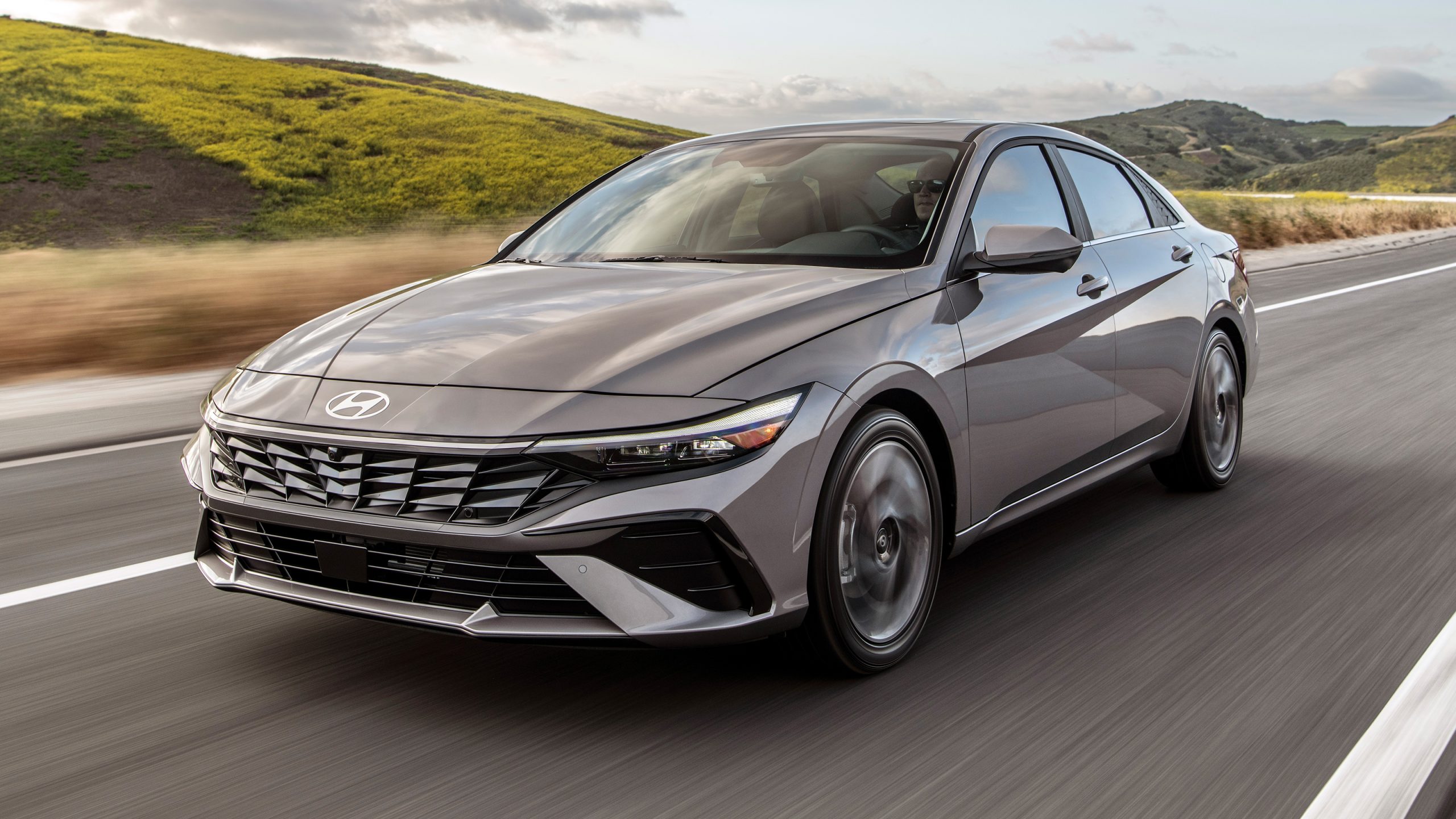
3. Hyundai Elantra: Vulnerable to Theft Due to Key Design Flaw
Certain Hyundai Elantra models, specifically from 2015 to 2021 with physical keys, are highly theft-prone because they lack electronic immobilizers, a standard anti-theft device that prevents the engine from starting without the correct key.
This design flaw allowed thieves to bypass the ignition system by removing the steering column cover, prying out the ignition cylinder, and turning the exposed connector pin with a makeshift tool, a process that could take less than 90 seconds.
The vulnerability gained widespread attention through social media, with viral videos demonstrating the theft method, which led to a surge in stolen Elantras. The combination of simplicity, popularity of the model, and social media exposure made these cars particularly attractive targets.
Hyundai responded proactively by offering a free anti-theft software upgrade for affected vehicles, which prevents the engine from starting without the proper key. The company also provided steering wheel locks through local law enforcement for eligible owners.
To prevent future issues, all Hyundai vehicles produced after November 2021 now come equipped with engine immobilizers as standard, ensuring enhanced security and reducing the risk of theft for newer models.
4. Kia Optima: Theft-Prone Due to Key Security Flaw
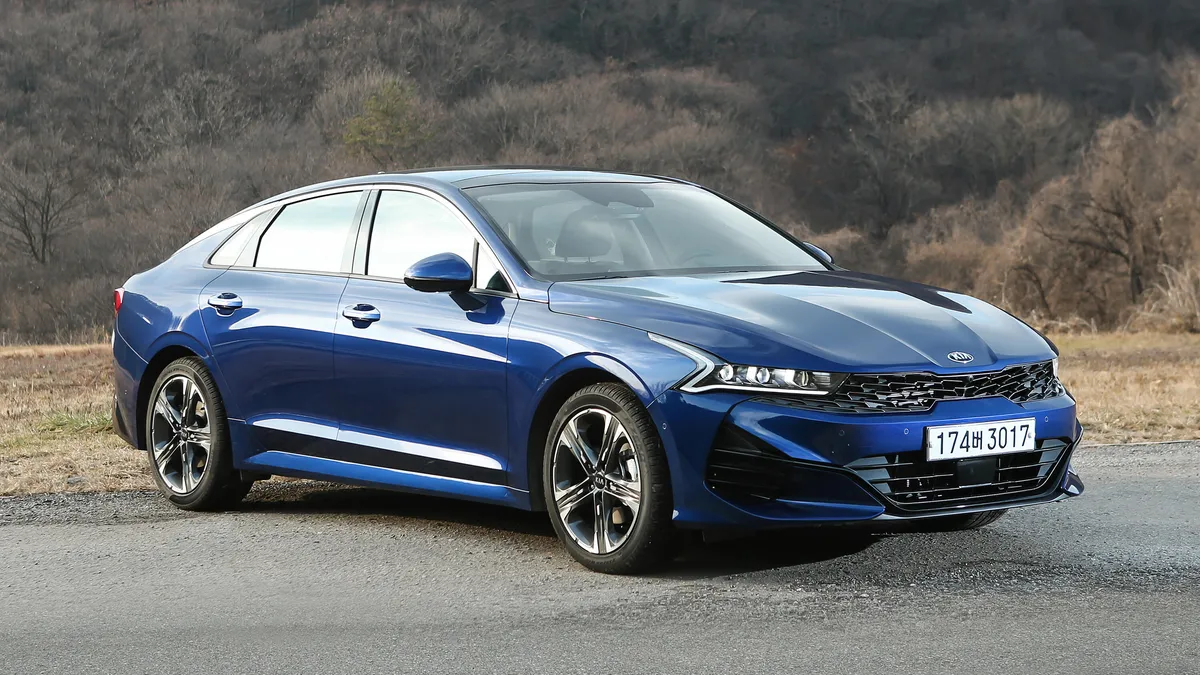
The Kia Optima has been a frequent target for thieves, with 18,221 annual thefts and the 2015 model year most commonly stolen. Vehicles manufactured between 2011 and 2022 were particularly vulnerable because they lacked engine immobilizers, a standard security feature that prevents the engine from starting without the correct key or key fob.
This flaw allowed thieves to bypass the ignition using simple tools, a method that gained widespread attention through social media challenges, notably the “Kia Boyz” trend.
Kia has addressed this issue with a free anti-theft software update, which ensures the engine cannot start without the key in place. For models ineligible for the software upgrade, the company provides steering wheel locks to deter theft.
Newer models produced post-2022 are significantly less at risk. Owners are encouraged to check with dealerships to confirm eligibility for updates, helping to reduce vulnerability and improve vehicle security across the affected model years.
5. Toyota Camry: Theft Risks and Vulnerabilities
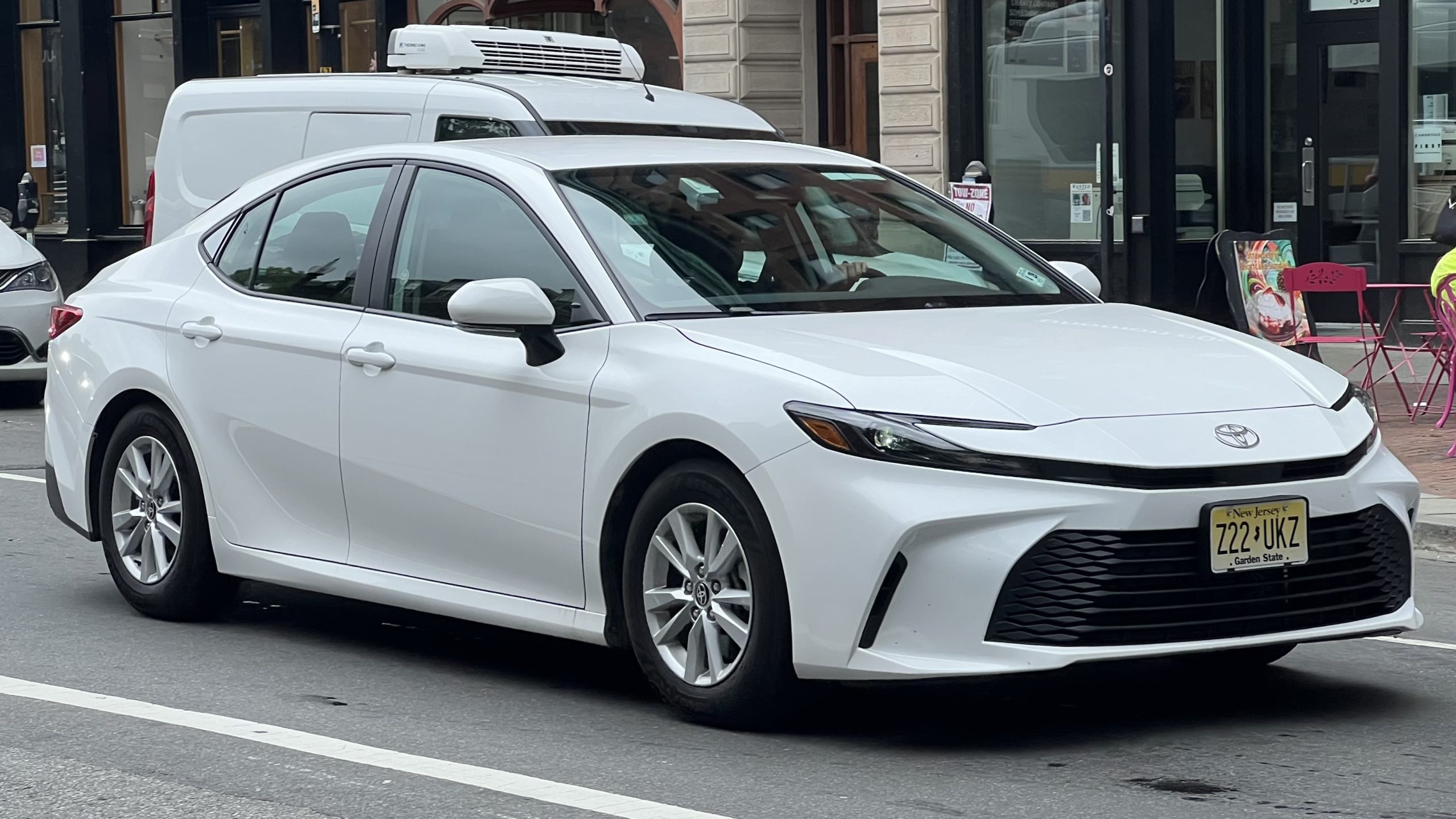
The Toyota Camry ranks as the eighth most stolen car, with 17,094 annual thefts and the 2021 model year most frequently targeted. Its popularity, affordability, and reputation for reliability make it a prime target for thieves, both for the entire vehicle and for parts resale.
Older models are particularly vulnerable due to a lack of modern anti-theft features, while newer models with keyless entry and push-button start systems can be exploited using advanced techniques such as relay attacks or CAN bus injection, which allow thieves to bypass electronic security systems in minutes.
High-demand parts like wheels and catalytic converters further increase the Camry’s attractiveness for theft, providing quick profits for organized theft rings. The combination of widespread ownership, reliability, and high resale value of components contributes to its persistent presence on theft lists.
Preventive measures include using visible deterrents like steering wheel locks, parking in well-lit areas, avoiding leaving keys in the vehicle, and installing aftermarket immobilizers or tracking devices. For keyless entry models, storing key fobs in signal-blocking pouches can help reduce vulnerability to relay attacks, offering additional security for owners.
6. Honda CR-V: Theft Risks and Prevention
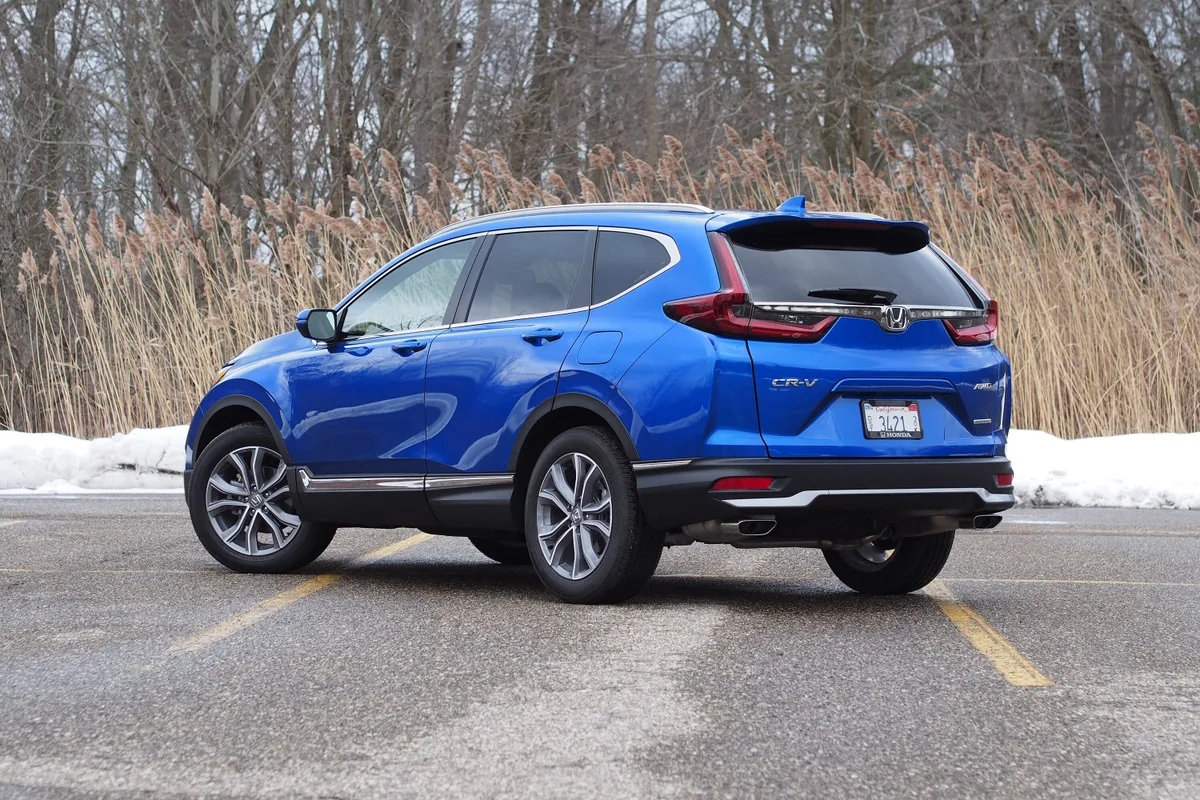
The Honda CR-V is a top-selling small SUV and a frequent target for thieves, with 13,832 annual thefts and the 2001 model year being stolen most often. Its popularity, especially among families and in northern states, combined with a strong secondary parts market, makes both older and newer CR-Vs attractive targets.
Older CR-Vs are vulnerable due to less advanced anti-theft systems, which are easier for thieves to bypass. High popularity means a large supply of these vehicles, creating ample opportunity for theft of the whole vehicle or its parts.
Newer models equipped with keyless entry and ignition systems face threats from signal interception and amplification, as well as key fob reprogramming, enabling thieves to unlock and start the vehicle without the physical key. Hybrid models are also targeted for catalytic converter theft because of the higher concentration of precious metals in their converters.
Prevention strategies include installing aftermarket alarms, immobilizers, or tracking devices, using a Faraday pouch to block key fob signals, and parking in secure, well-lit areas or garages. Additional measures include wheel locks to protect rims and keeping vehicle documents safe, minimizing opportunities for theft and increasing security for both older and newer CR-V models.
Vehicle security is influenced by both technological safeguards and market desirability. Models that integrate advanced anti-theft systems, encrypted electronics, and limited component demand, such as the Porsche Taycan, Mercedes-Benz G-Class, and Audi e-tron GT, are rarely targeted by criminals.
Conversely, highly popular vehicles with outdated security features, mechanical key vulnerabilities, or widely shared theft methods, like certain Honda, Hyundai, and Kia models, face significantly higher theft risk.
Awareness of these differences allows consumers to make strategic choices when purchasing a car, balancing performance, style, and peace of mind. Beyond choosing a low-risk vehicle, owners can further protect their cars through visible deterrents, key fob security, tracking devices, and secure parking practices.
By understanding both ends of the spectrum cars thieves avoid versus theft-prone models drivers can reduce the likelihood of falling victim to theft while enjoying their vehicles with greater confidence.
Also Read: 5 Cars That Pass Emissions At 15 Years vs 5 That Struggle To Set Monitors