
Door latches are among the simplest yet most crucial safety components in any sedan. They determine not only how securely your doors close but also how reliably they stay shut in the long run.
Over the years, drivers have learned that not all door latch mechanisms are built with the same integrity.
Some sedans are engineered with near “bulletproof” precision, using robust metal components, anti-corrosion plating, and durable internal springs that keep functioning flawlessly even after years of slams, heat cycles, and rainy seasons.
Others, unfortunately, can turn daily convenience into frustration, with locks that jam, click but fail to open, or even engage themselves unexpectedly.
This comparison highlights two very different ownership experiences. On one side, you’ll find five sedans with latches that exemplify durability, where door operation remains smooth and predictable long after warranty expiration.
These models prove that thoughtful design and quality materials can make a huge difference in long-term dependability. On the other, you’ll meet five sedans notorious for unpredictable lock behavior, where worn-out actuators, poor seals, or glitchy electronics create recurring lockouts and dealer visits.
We’re writing about this because door latch reliability directly impacts both safety and peace of mind. Whether it’s ensuring a secure shut during highway drives or avoiding that humiliating “locked out with keys inside” moment, a solid latch system defines a sedan’s real-world usability.
So, let’s start with the best examples sedans known for their bulletproof latch systems before turning to those that too often test their owners’ patience.
Also Read: 5 SUVs That Don’t Warp Rotors on Mountain Passes vs 5 That Do
5 Sedans With Bulletproof Door Latches
Some sedans feel sturdy the moment you close the door that heavy, confident “thunk” tells you everything about their build quality. Door latches are often overlooked, yet they serve as the frontline of both safety and daily convenience.
A dependable latch resists wear, corrosion, and misalignment even after years of use. It’s not just about comfort; it’s about preventing wind noise, ensuring safety in side impacts, and avoiding embarrassing lock or door alignment issues as the car ages.
Manufacturers that get this right invest in stronger latch housings, quality seals, and mechanical simplicity that avoids unnecessary complexity.
Metal-based latch gears instead of plastic ones, proper weatherproofing, and consistent quality checks make a world of difference. These are the small design details that owners don’t think about until they save them from frustration years later.
The following five sedans have developed reputations for precisely this kind of engineering reliability. Whether driven through humid climates, harsh winters, or crowded urban stop-and-go, their doors continue to close and lock with satisfying precision. No rattles, no electronic misfires, and no sticking even after thousands of cycles.
I’m writing about them because door latch dependability directly reflects the manufacturer’s overall quality philosophy. These sedans prove that when brands care about even the smallest details, they build vehicles that last longer and age better.
In an era of overcomplicated tech, their bulletproof latch designs remind us that durability often lies in simplicity. Let’s look at the five global sedans that consistently impress owners and mechanics alike with their rock-solid door latch reliability.
1. Toyota Camry
The Toyota Camry has earned its reputation for longevity, and its door latch assemblies are a key part of that story. Toyota uses reinforced steel latch components with zinc coatings that resist corrosion over decades of use. Even in harsh winter regions, the latch housings rarely seize or weaken.
The latch mechanism is designed for consistency rather than complexity. Each component engages mechanically with smooth precision, minimizing the need for lubrication or adjustment over time.
Owners often note how the doors “close perfectly” even after years of commuting and family use. That tactile feel isn’t just luck it’s engineered reliability.
Another reason for the Camry’s strong performance is Toyota’s focus on environmental sealing. The inner door panels use well-placed vapor barriers that keep moisture away from the latch housing.
This prevents rust from forming and ensures that even when the car sits outdoors for years, the locking system remains free-moving.
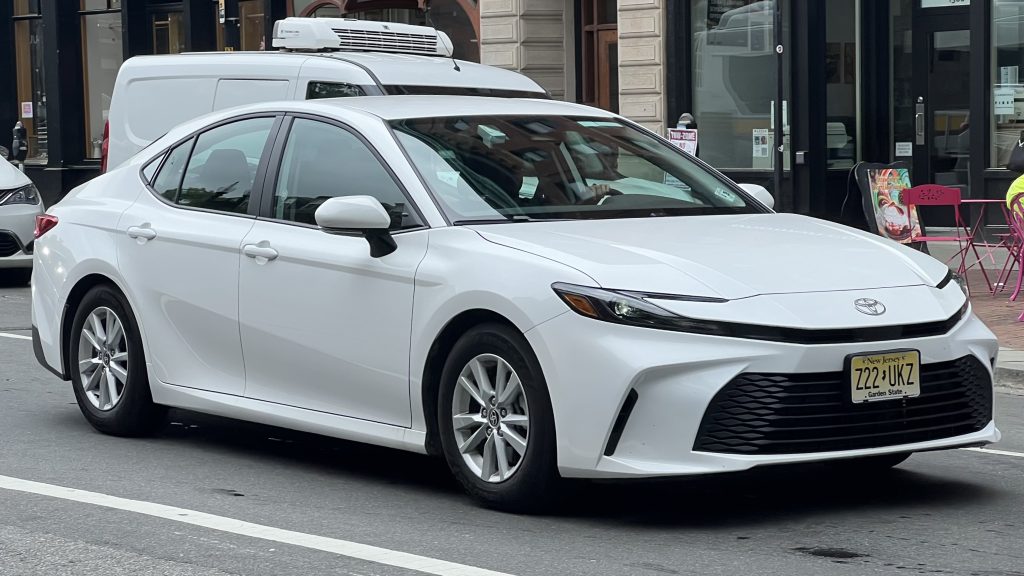
I’m writing about the Camry because it represents how careful design of simple components creates lasting satisfaction. No matter how many times the doors are slammed or how much dust builds up from highway driving, the Camry’s latch mechanism just keeps working.
Mechanics often find no need to replace them even beyond 200,000 miles a sign of true durability in everyday engineering.
2. Honda Accord
The Honda Accord continues to be a global benchmark for sedan reliability, and its door latch quality plays a quiet but crucial role in that legacy. Honda engineers design their latch assemblies with forged steel claws and high-tensile springs that maintain their snap-action strength for decades.
Accord owners rarely complain of sticking or misaligned doors, even in older models. The company tests latch performance in extreme climates from subzero Canada to humid Southeast Asia ensuring smooth operation in every condition.
The internal mechanisms use minimal plastic, which avoids the cracking or binding seen in cheaper designs.
Another strength is Honda’s use of anti-rattle seals around the striker area. These seals reduce vibration and keep the latch engagement tight. The result is a confident, uniform door closure that doesn’t degrade with time. It’s one reason used Accords often feel newer than their mileage suggests.
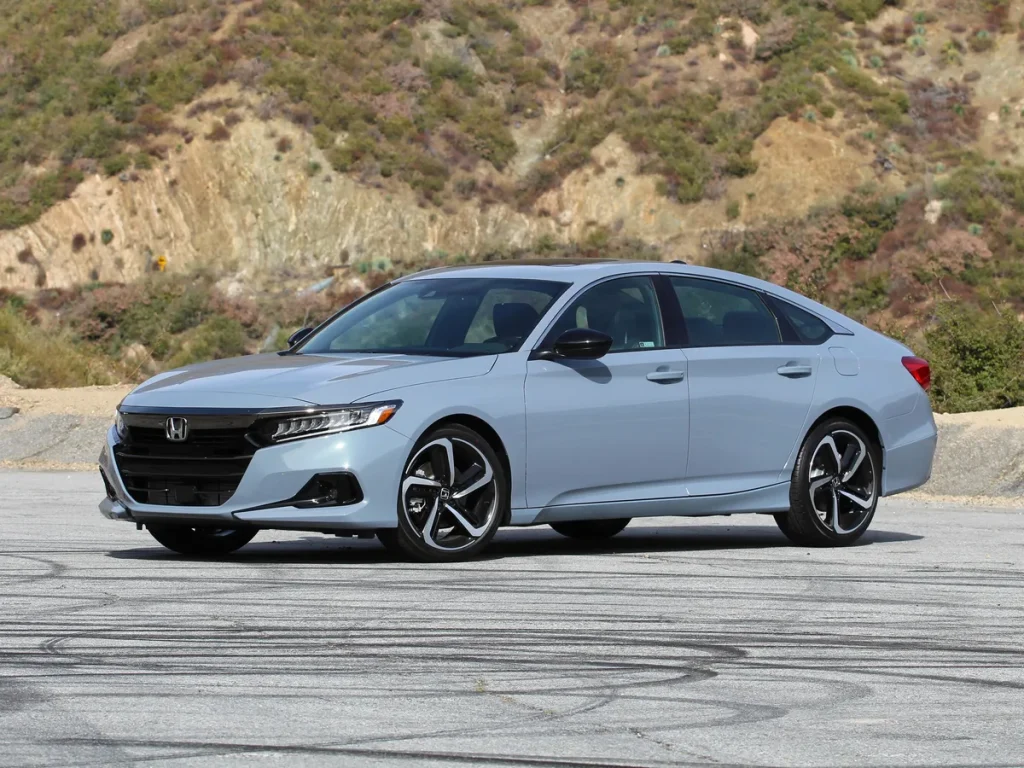
I’m highlighting the Accord because it shows how Honda’s mechanical precision philosophy translates into real-world dependability.
When doors latch perfectly after 15 years of service, it tells you something about the company’s attention to detail. This consistency is part of why the Accord remains a favorite among taxi fleets and families alike its doors never betray their age.
3. BMW 5 Series
BMW’s 5 Series sedans are known for their solid build, and that reassuring “click” of the door is one of their defining traits. The German automaker uses precision-machined latch assemblies that combine metal gears with Teflon-coated linkages for friction-free longevity.
Each latch undergoes thousands of automated test cycles in varying temperatures and humidity before production approval.
This ensures that the locks won’t bind, freeze, or lose tension over time. BMW’s goal has always been to make each door feel engineered rather than manufactured that’s why the closure remains solid even in a 15-year-old 5 Series.
The latch is integrated with a well-insulated electronic actuator that rarely fails. Unlike many brands that rely on cheaper plastic casings, BMW shields the actuator in a double-sealed housing that resists condensation and dust. The result is reliability without losing luxury feel.

I’m writing about the 5 Series because it captures the blend of engineering precision and long-term quality that defines German sedans.
While repair costs for other systems can be high, the door latches themselves are rarely on the problem list. It’s one of those quiet design triumphs that keep older BMWs feeling refined rather than worn out.
4. Hyundai Sonata
The Hyundai Sonata demonstrates how far Korean engineering has evolved. In the last decade, Hyundai focused heavily on structural durability, and door latch design benefited immensely from that push.
The Sonata’s latch assembly uses reinforced stainless steel claws paired with tight-tolerance locking rods that resist bending.
Owners frequently praise how the doors continue to open and close evenly after years of use, with minimal adjustment. Hyundai applies a long-lasting protective coating to latch components that prevents the sticky buildup common in humid environments. Even older Sonatas in coastal regions often show no corrosion.
The automaker’s reliability testing includes door latch cycling in dust chambers, simulating years of urban pollution and dirt exposure.
Despite these tests, the latch springs maintain consistent resistance and sound. Hyundai’s improvements over earlier generations have made the Sonata’s doors feel premium and robust.
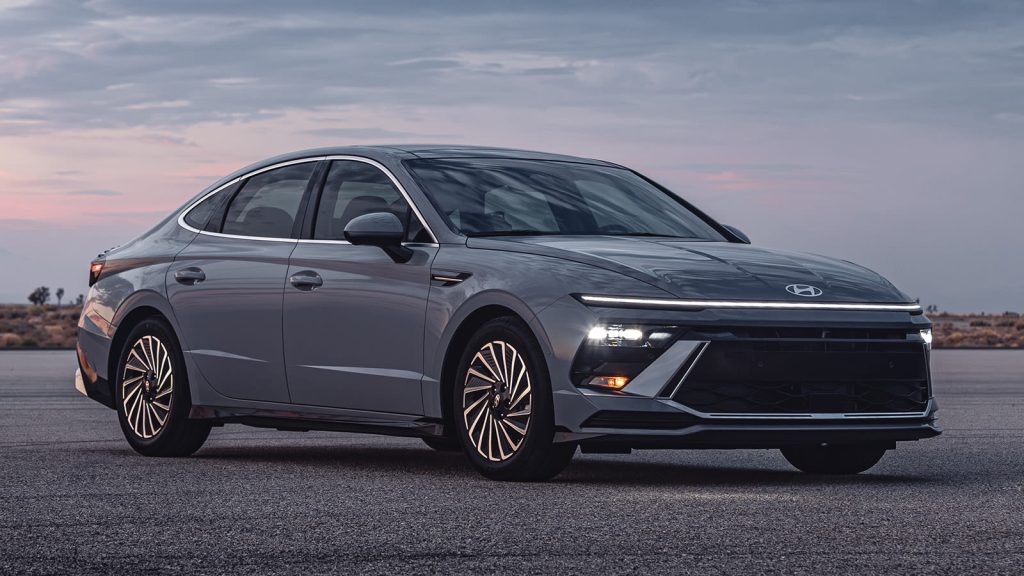
I’m including the Sonata because it shows how attention to small parts can redefine brand perception. Once considered budget cars, modern Sonatas now stand beside Japanese rivals for dependability.
Their solid latch feel tells owners the vehicle was designed for real-world endurance, not just showroom impressions.
5. Volvo S60
The Volvo S60 is built around the Scandinavian philosophy of safety through simplicity, and its door latch design fits that perfectly. Volvo employs high-grade steel latch plates, precision-machined to maintain tight tolerances even after heavy wear.
Each latch assembly is treated with anti-icing materials and fitted with moisture-blocking seals, ensuring they perform flawlessly in cold European winters. Owners in snow-prone regions consistently report that their S60 doors never freeze shut or fail to engage properly.
Volvo’s safety focus also extends to structural alignment. The latch and striker are positioned within reinforced door beams, maintaining perfect engagement even after years of vibration and thermal expansion. That’s why older S60s still close with that signature solid “thunk.”
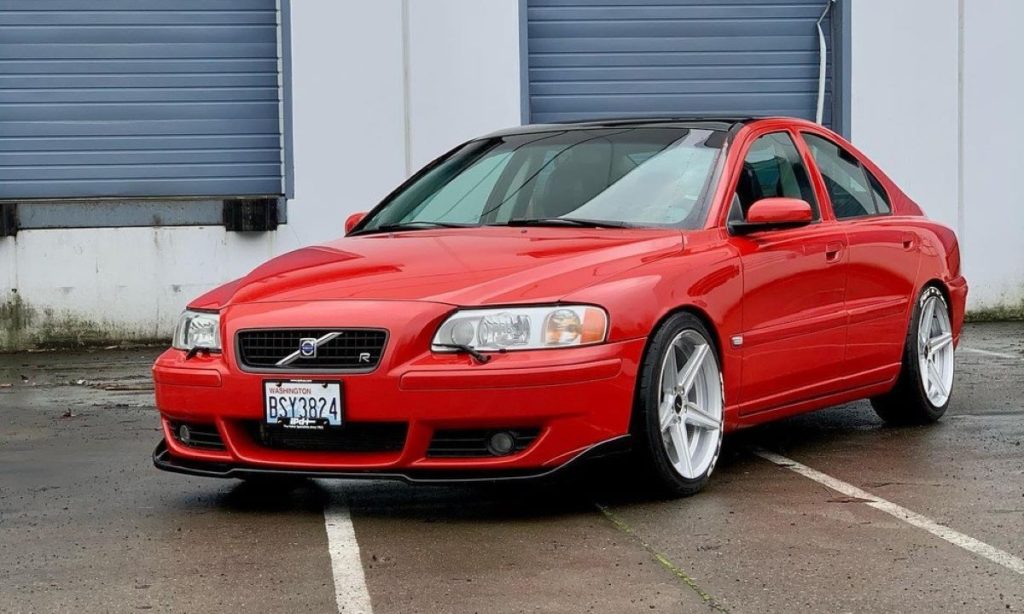
I’m writing about the S60 because it proves durability can coexist with elegance. The latch system mirrors Volvo’s reputation for designing cars that protect both people and convenience.
Even as newer models evolve with digital locks and sensors, the S60’s mechanical reliability continues to earn it loyal fans worldwide.
5 Sedans That Randomly Lock You Out
Not every sedan gets its door latch engineering right. Some models, despite stylish interiors and advanced tech, struggle with the basics like simply staying unlocked when you need them to.
Faulty actuators, moisture-prone wiring, and poorly sealed latch housings can create unpredictable behavior that frustrates owners. One day the doors close normally, and the next, they refuse to open or lock themselves without warning.
Modern cars rely heavily on electronic locking systems, but this complexity can turn against reliability.
Sensors misread signals, key fobs lose connection, or control modules fail, leaving owners stranded outside their own vehicles. In humid or dusty environments, even a small flaw in sealing can let corrosion set in, slowly crippling the latch over time.
These five sedans represent the most common offenders models that have repeatedly drawn complaints for random lockouts or stubborn doors. Their issues range from mechanical binding to electrical faults that misfire at the worst times.
While some problems can be fixed under recall or warranty, others return even after repair, revealing underlying design weaknesses.
I’m writing about them not to criticize the brands harshly but to highlight how essential latch quality is for everyday confidence. A car can have perfect infotainment and safety ratings, yet all that means little when you’re standing in the rain with your keys inside.
These examples serve as lessons for automakers and buyers alike: sometimes the most basic mechanical reliability matters more than any digital feature.
1. Ford Fusion
The Ford Fusion offered sleek styling and great driving manners, but many owners discovered a frustrating weakness door latches that could suddenly fail or trigger unexpected locking behavior. The problem often stemmed from faulty latch pawls that didn’t fully release, especially in humid or dusty climates.
The latch design used an actuator prone to sticking when exposed to moisture. Over time, this caused the mechanism to misread whether a door was open or closed.
In some cases, the latch stayed locked even when handles were pulled, effectively trapping or locking out drivers. Ford later issued service campaigns to address these issues.
The Fusion’s electronics could also misfire. Owners reported that automatic locking systems sometimes engaged while keys were still inside.
While firmware updates improved consistency, mechanical degradation often reintroduced the issue. The design relied too heavily on electronics rather than solid mechanical fallback.
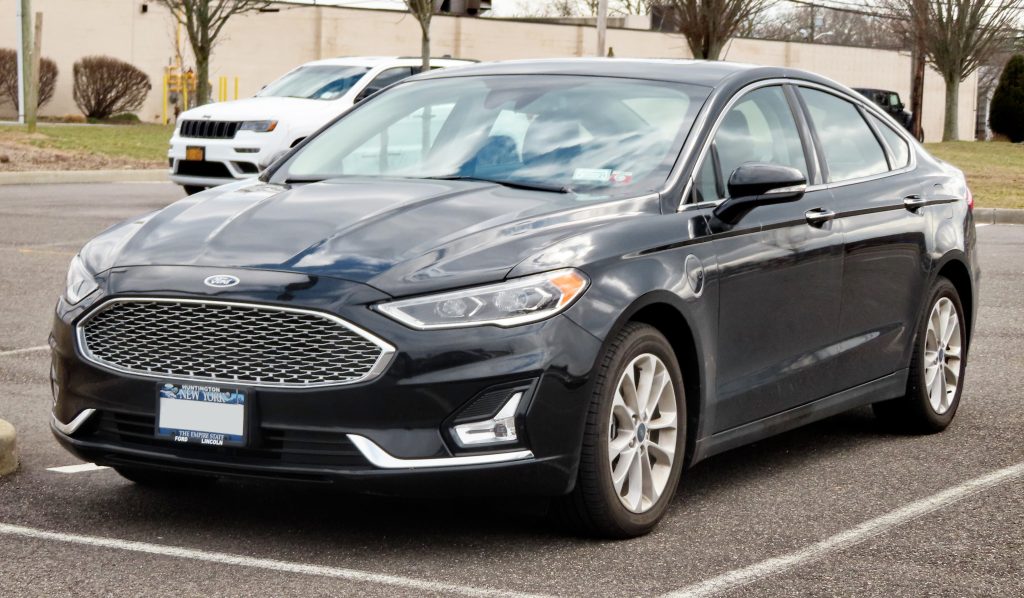
I’m writing about the Fusion because it illustrates how a small mechanical flaw can overshadow an otherwise excellent sedan.
It’s a reminder that reliability begins with simple engineering not just software patches. Even though newer models have improved, early Fusion latch failures remain a cautionary tale in automotive design.
2. Volkswagen Passat
Volkswagen’s Passat has many strengths, but door latch reliability isn’t one of them. Owners worldwide have faced issues with doors failing to unlock or relock without input. The problem usually lies in the latch module’s micro-switch, which tends to wear or short due to moisture intrusion.
The switch controls door-open signals to the central locking system. When it fails, the car thinks a door is either always open or always closed. This confuses the control unit, leading to random locking cycles or complete refusal to unlock. In some cases, owners must crawl in through another door to open it manually.
Volkswagen’s latch modules use integrated electronics sealed inside the door shell, which makes them difficult and costly to replace. Exposure to condensation or water intrusion accelerates corrosion. Over time, the mechanical latch may still be intact, but the electrical contact fails.
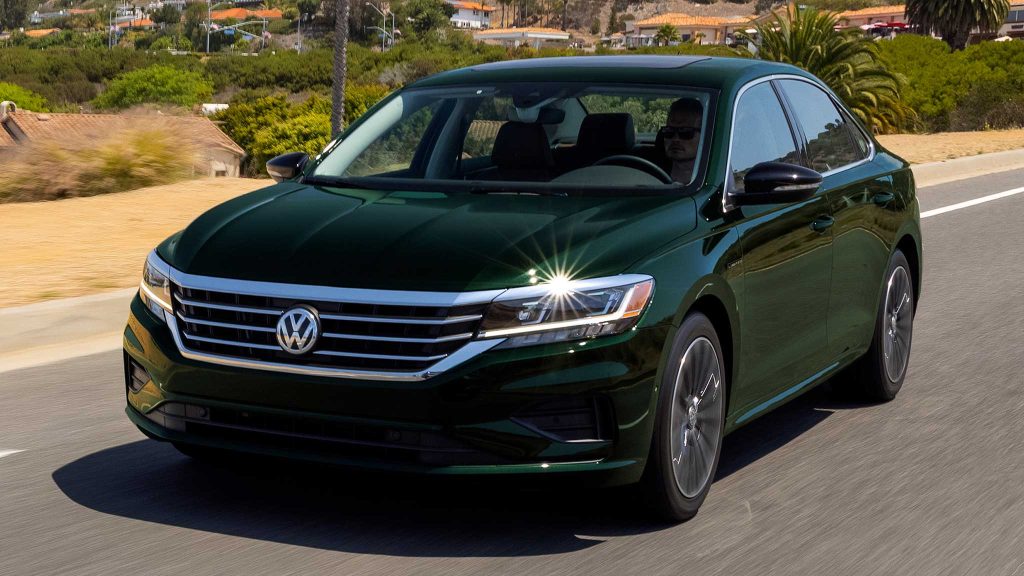
I’m including the Passat because it highlights the danger of integrating electronics too deeply into what used to be a simple system.
While VW’s precision engineering shines elsewhere, the latch design became too dependent on fragile sensors. For a sedan positioned as a premium family car, this recurring fault is both inconvenient and disappointing.
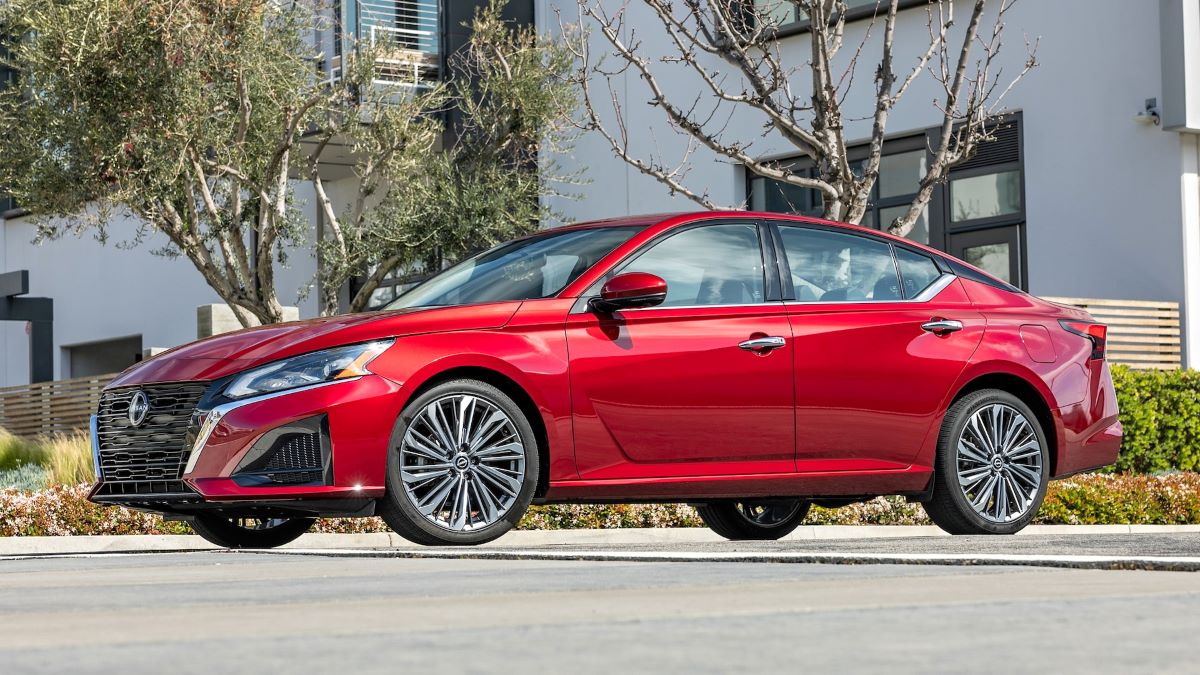
3. Nissan Altima
The Nissan Altima’s locking system has been a common source of frustration, particularly in models from the late 2010s. The main culprit is the electronic door actuator that can intermittently lose power or stick internally. When that happens, the doors either won’t lock or refuse to unlock altogether.
The actuator’s motor tends to weaken over time, especially after exposure to heat. In some climates, the grease inside thickens and prevents full latch travel. The issue worsens with age, as weak springs fail to return the mechanism to its default position. Owners often report hearing a faint click but no movement.
Compounding the issue is Nissan’s intelligent key system, which sometimes misinterprets signal strength. When the fob battery is low or the system lags, it may trigger an unintended auto-lock sequence. Some drivers have been locked out even while standing nearby with their key in hand.
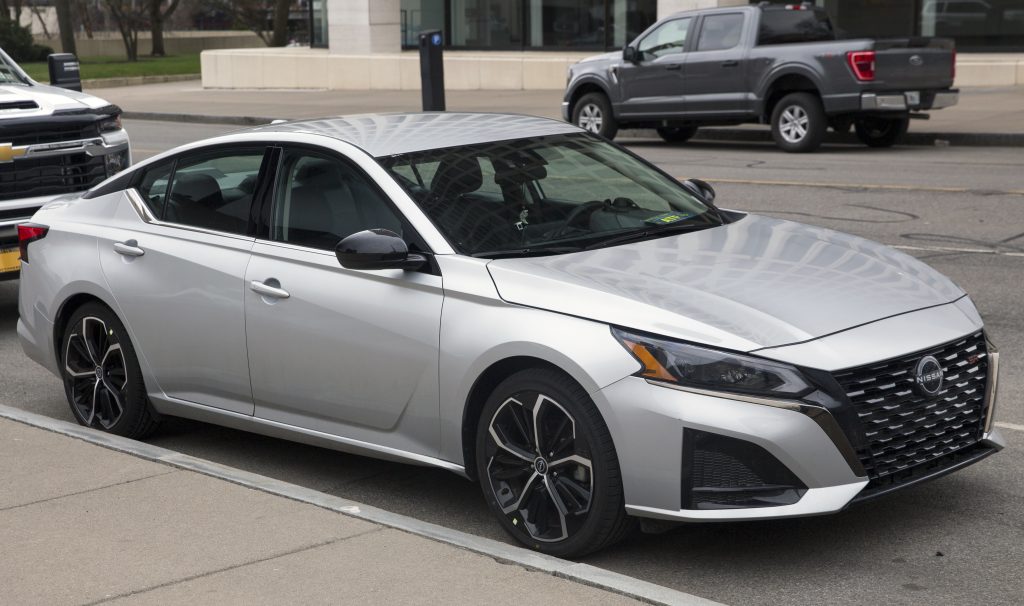
I’m writing about the Altima because it represents how small compromises in actuator quality can erode long-term trust.
The car’s mechanical reliability is otherwise solid, but its door latch electronics show that dependability can’t rely solely on software. Simpler, sturdier components would have spared owners unnecessary headaches.
4. Chevrolet Malibu
The Chevrolet Malibu combines efficiency and style, but door latch reliability has been a recurring sore spot. Owners have reported random lockouts or latches that fail to engage fully, leaving doors either stuck shut or unable to latch securely.
The issue often traces back to the electronic lock actuator, which uses a small motor that wears prematurely. When it fails, the doors may remain locked even when manually triggered. The design lacks a consistent mechanical override, forcing many owners to replace entire latch assemblies.
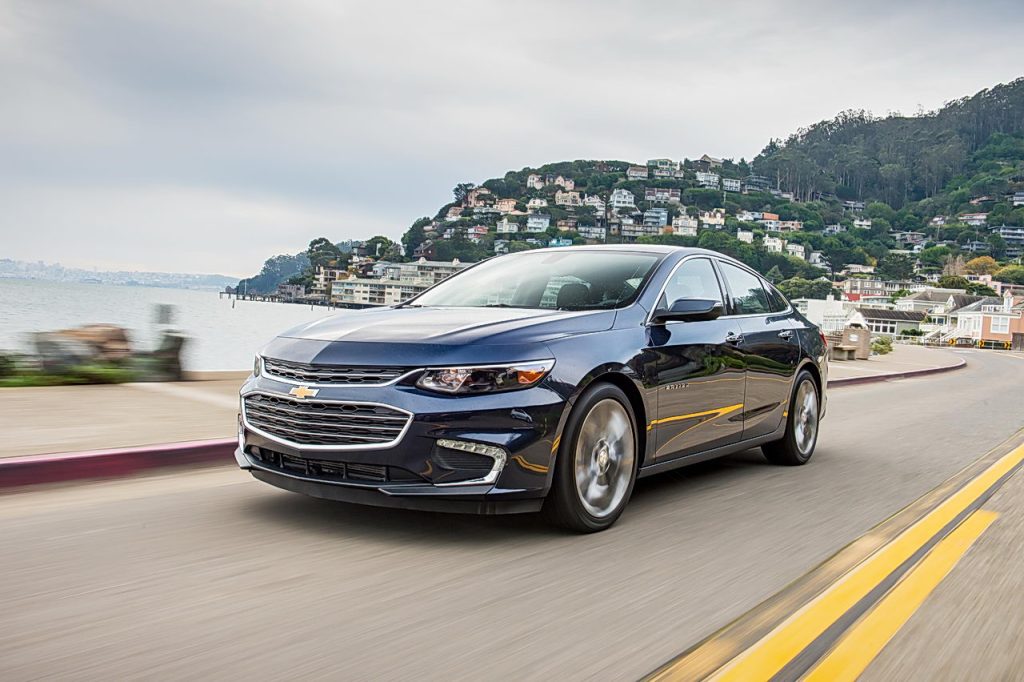
In colder climates, the Malibu’s latch housings are also prone to freezing. Water can collect inside the mechanism, and because the seal placement is shallow, it allows moisture to refreeze and block movement. Over time, this causes latch springs to weaken and snap.
I’m including the Malibu because it demonstrates how inconsistent quality control affects basic functions. While newer models show improvement, earlier generations damaged the car’s reputation for dependability.
A reliable latch should never be the reason a driver can’t enter or exit their vehicle yet that became an all-too-common story for Malibu owners.
5. Peugeot 508
The Peugeot 508 showcases modern European design flair, but it’s been haunted by door latch gremlins that frustrate long-term owners. Reports of doors that randomly lock or fail to recognize keyless entries have persisted across several model years.
The root of the issue lies in Peugeot’s electronic latch integration. The system relies on multiplexed wiring, where multiple signals share the same circuit.
If one connection develops resistance from corrosion, it confuses the locking module and causes erratic behavior. Sometimes, all doors lock simultaneously; other times, one stays jammed shut.
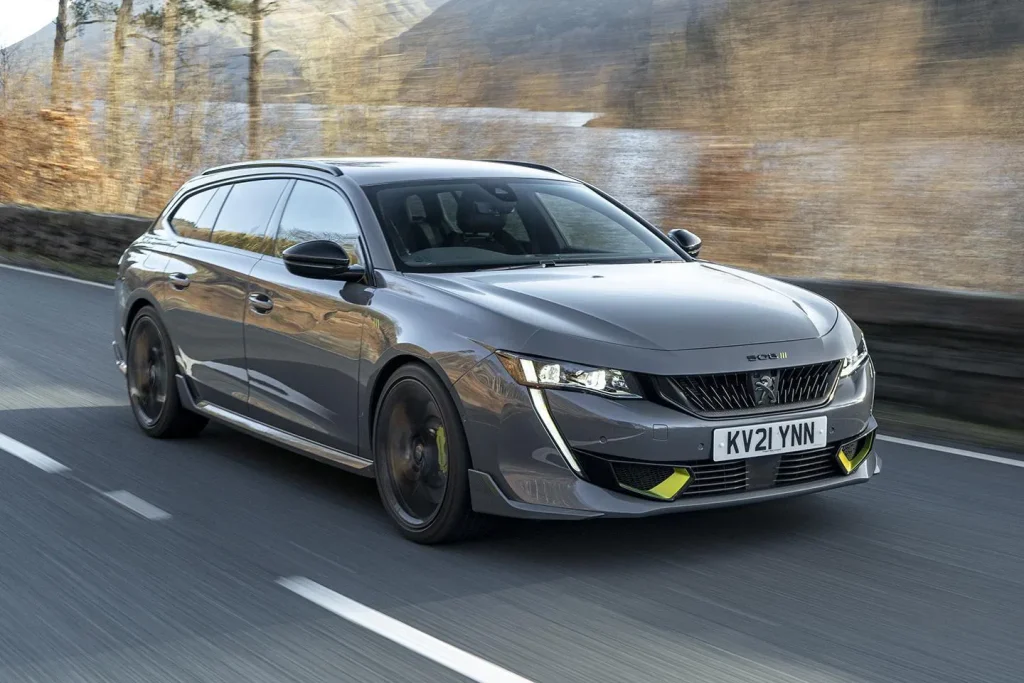
Peugeot’s sleek flush handles add style but complicate the mechanism. The latch linkage uses delicate plastic arms that can warp under heat, especially in warmer climates. When that happens, alignment shifts and prevents smooth engagement, leaving the door half-latched.
I’m writing about the 508 because it reflects how prioritizing design over durability can backfire. The sedan’s refined feel and ride comfort are overshadowed when owners face unpredictable door access. It’s a valuable reminder that even premium-looking cars need simple, durable mechanics behind the elegance.
Door latch reliability might seem like a minor detail, but it reveals the difference between long-lasting engineering and avoidable frustration. The ten sedans in this comparison show both sides of the story from cars that age gracefully to those that falter at the most inconvenient moments.
The models with bulletproof latches, like the Toyota Camry, Honda Accord, BMW 5 Series, Hyundai Sonata, and Volvo S60, represent timeless build quality.
Their mechanical simplicity, corrosion resistance, and careful material selection keep them dependable long after the showroom shine fades. They prove that a well-designed latch can endure years of daily slams without a hint of failure.
On the flip side, sedans like the Ford Fusion, Volkswagen Passat, Nissan Altima, Chevrolet Malibu, and Peugeot 508 remind us that electronic overengineering or poor sealing can turn convenience into chaos.
While these cars may offer advanced features, their unpredictable locks reveal the cost of cutting corners in small but vital areas.
I wrote this piece to underline a simple truth: reliability starts with the basics. Whether you’re choosing a new car or maintaining an old one, always notice how its doors close and latch.
That sound that feel tells you everything about the engineering underneath. In the long run, a car that respects simple mechanics will always outlast one that hides its weaknesses behind technology.
Also Read: 5 Best Manuals With Satisfying, Long-Lived Clutches vs 5 That Slip Too Soon
