
Turbochargers have become the backbone of modern truck performance, delivering diesel-grade torque and better fuel efficiency even in smaller-displacement engines. But not all turbos are created equal.
Some can last well over 250,000 miles with proper maintenance, while others start to whine, seize, or leak oil far sooner. The difference often lies in engineering quality, cooling design, and how the engine management system treats boost pressure over time.
For truck owners, a turbo’s lifespan isn’t just about longevity it’s about reliability under load. Long-life turbo systems typically use stronger bearings, improved oil flow, and advanced heat management that keeps temperatures stable during heavy towing or long highway climbs.
On the other side, weak turbo setups can wear prematurely, leading to reduced boost, higher exhaust temperatures, and eventually catastrophic failure.
In this detailed comparison, we’ll look at two sides of turbocharged durability. First are five trucks that have proven their turbos can withstand years of hard use with minimal issues. Then, we’ll examine five that tend to develop whine, oil leaks, or compressor damage well before expected.
Each vehicle has been chosen based on real-world owner experiences, workshop reports, and the technical traits that determine whether a turbo system thrives or fails under pressure. Understanding which trucks manage boost best can save thousands in repair costs and downtime.
Also Read: 5 Platforms With Durable Under-tray Fasteners vs 5 That Rip Out in Snow
5 Trucks With Long-Life Turbos
Turbo longevity in trucks often comes down to design discipline. The best manufacturers balance performance and durability by building robust turbo housings, selecting precise bearing materials, and ensuring cooling systems prevent oil coking during heat soak.
These long-lasting setups often pair with engines that emphasize reliability over headline horsepower, resulting in turbos that stay clean, quiet, and consistent far beyond the 200,000-mile mark.
Trucks with long-life turbos also share another trait they rarely overboost. Instead of chasing aggressive power delivery, their software management favors steady boost control, which keeps stress off turbine blades and seals.
This conservative tuning helps extend bearing life and keeps oil flow stable even under towing loads. Combined with well-routed intercoolers and quality lubrication systems, these turbos resist failure where others might crack or leak.
The following five trucks represent some of the most dependable turbocharged setups on the market, proven by owner reports and long-term fleet data. Each manages to combine towing muscle with mechanical endurance, often outlasting the rest of the powertrain.
These trucks have turbos that don’t just perform they survive, quietly doing their job without fanfare or whining as mileage piles on. For anyone planning to keep their truck for the long haul, these models are built to go the distance.
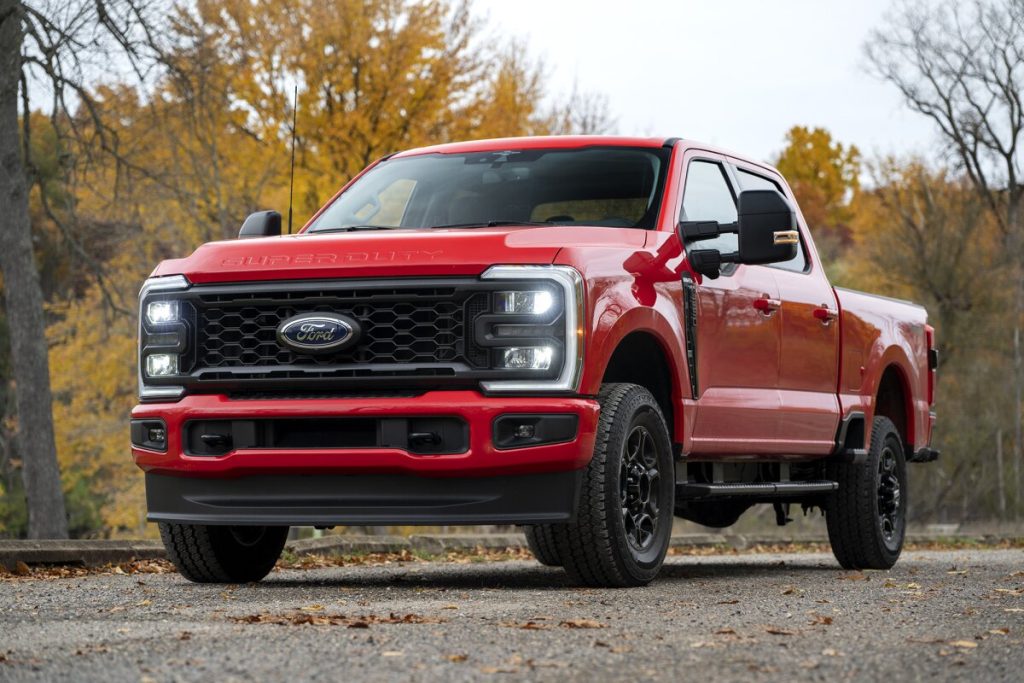
1. Ford F-250 Super Duty (6.7L Power Stroke)
The Ford F-250 equipped with the 6.7L Power Stroke diesel is known for its exceptionally long-lasting turbocharger system.
Ford designed its single-sequential turbo with heavy-duty bearings and advanced cooling channels, reducing oil coking and preventing early bearing failure. It’s one of the reasons this truck consistently performs well under towing stress.
The variable-geometry turbo adjusts vanes electronically, maintaining ideal boost at different engine speeds without overworking the system.
Owners often report over 250,000 miles on original turbos with proper oil changes and cooldown habits. Fleet operators also praise its reliability under consistent heavy load conditions.
A key advantage is Ford’s dual cooling circuit that separates the turbo’s oil and coolant flow paths. This helps control thermal buildup after engine shutdown, one of the biggest killers of turbo longevity. Combined with synthetic-grade lubrication and precise boost management, the Power Stroke’s turbo remains stable even during long idling or stop-start hauling.
Workshops note that while other brands suffer from stuck vanes or actuator issues, the F-250’s turbo components rarely fail unless severely neglected. It’s a design made for endurance, not just quick power delivery.
For owners who tow or run commercial fleets, this turbo setup is one of the most proven and maintenance-friendly systems in the heavy-duty segment.
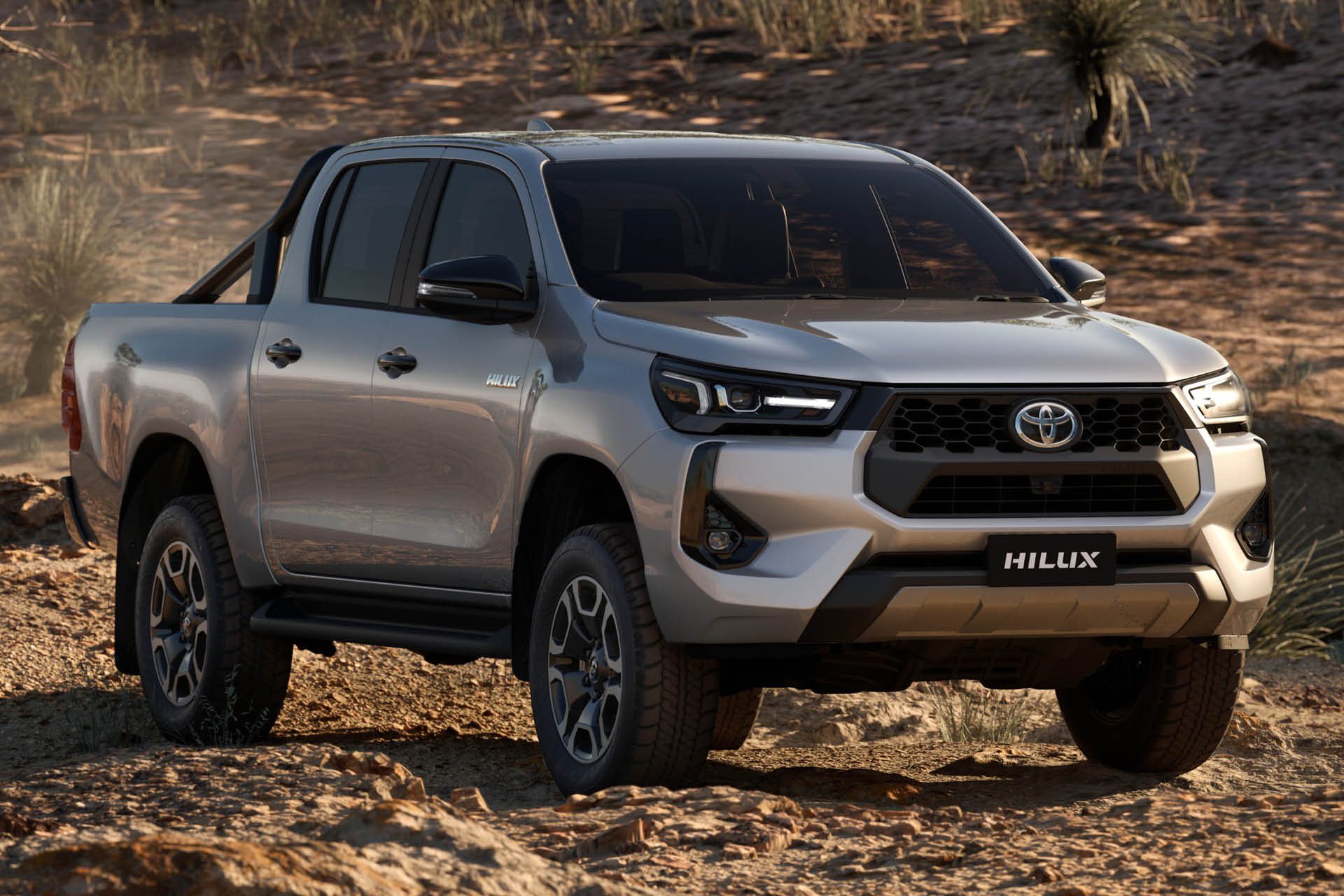
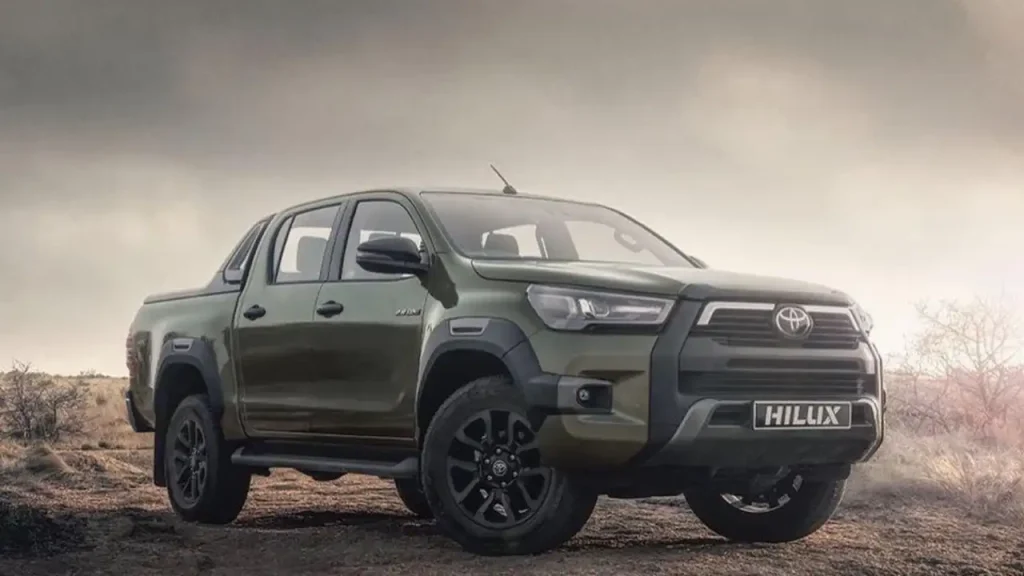
2. Toyota Hilux (2.8L GD Diesel)
The Toyota Hilux has earned its reputation for toughness, and its 2.8L GD-series turbo-diesel engine is one of the most reliable small truck setups in the world. Its variable-geometry turbocharger, paired with an efficient intercooler, delivers consistent boost while maintaining remarkable longevity.
Toyota designed the system with a strong emphasis on thermal control. The turbo housing is water-cooled, and the lubrication circuit features rapid oil feed at startup to minimize dry bearing wear.
This attention to detail helps the Hilux handle harsh driving environments from tropical heat to dusty construction sites without premature turbo fatigue.
Owners frequently report well over 200,000 miles before any sign of whine or oil seepage. Even in markets with low fuel quality, the Hilux’s turbo holds up thanks to its precise balancing and robust wastegate operation that prevents overboost.
The exhaust manifold’s thick cast design also reduces cracking, which can lead to boost leaks in less durable setups.
Toyota’s conservative tuning philosophy keeps turbo stress low while maintaining strong torque output. It’s an ideal combination for durability-focused truck buyers.
The Hilux may not have the most aggressive turbo sound, but its quiet, steady operation year after year is exactly why mechanics often describe it as “boringly reliable.”
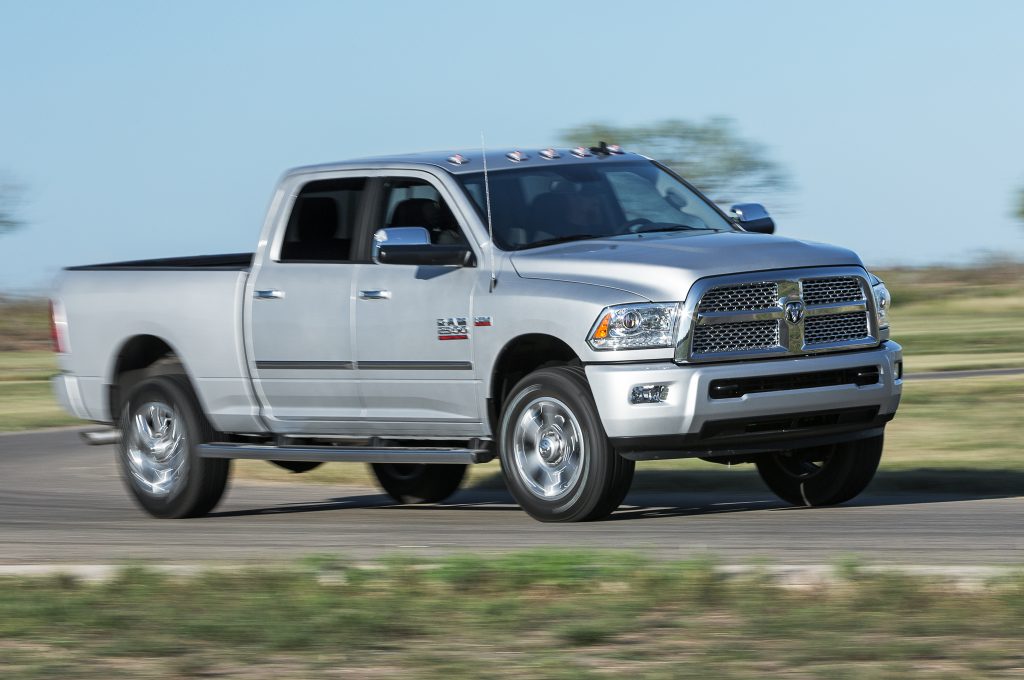
3. Ram 2500 (6.7L Cummins)
The 6.7L Cummins engine in the Ram 2500 has become legendary for its bulletproof turbo durability. Its Holset variable-geometry turbocharger is designed specifically for long-term heavy-duty operation, using thick turbine blades and a cast-iron housing that resists cracking under high exhaust temperatures.
One of its biggest advantages is the robust bearing system. The Holset’s oil film remains stable even under prolonged load, which prevents bearing wear and shaft play. This is why many Ram 2500 owners report their original turbos lasting beyond 300,000 miles with regular oil and filter maintenance.
Cummins pairs this design with a sophisticated exhaust brake system that uses the turbo’s vanes to manage backpressure.
The system engages frequently but safely, keeping the turbo vanes exercised without overworking them. That constant movement prevents sticking a common failure mode in lesser designs.
Another key factor is thermal management. The Cummins setup features a high-capacity cooling circuit that keeps exhaust gas temperatures in check, even during towing at high altitudes. Combined with conservative boost levels and a strong lubrication network, the result is a turbo that thrives under long hours of operation.
Fleet managers often call the 6.7L Cummins one of the easiest diesels to keep alive, and its turbocharger plays a huge part in that reputation. It’s a workhorse that proves simplicity and engineering discipline can outlast flashier designs.
4. Chevrolet Silverado 1500 (3.0L Duramax Diesel)
The 3.0L Duramax inline-six turbo-diesel in the Chevrolet Silverado 1500 showcases modern turbo design done right. GM’s engineers prioritized smooth boost delivery and long-term stability over aggressive tuning, resulting in a turbo system that consistently performs well beyond its warranty period.
This Duramax uses a water-cooled variable-geometry turbocharger with a low-friction bearing setup. The combination of efficient oil routing and thermal control prevents coking, a major reason many turbos fail prematurely.
The design also allows rapid spool-up without pushing boost pressure beyond safe limits, ensuring reduced mechanical stress.
Owners and technicians often highlight the Silverado’s remarkable consistency in boost response even past 150,000 miles. The balanced exhaust manifold design helps distribute flow evenly, preventing localized hotspots that can crack turbine housings or warp vanes.
The 3.0L Duramax’s long-life performance is also aided by its integrated oil filter module, which maintains clean, temperature-controlled lubrication for the turbo bearings. That detail alone extends turbo lifespan in long-haul driving conditions.
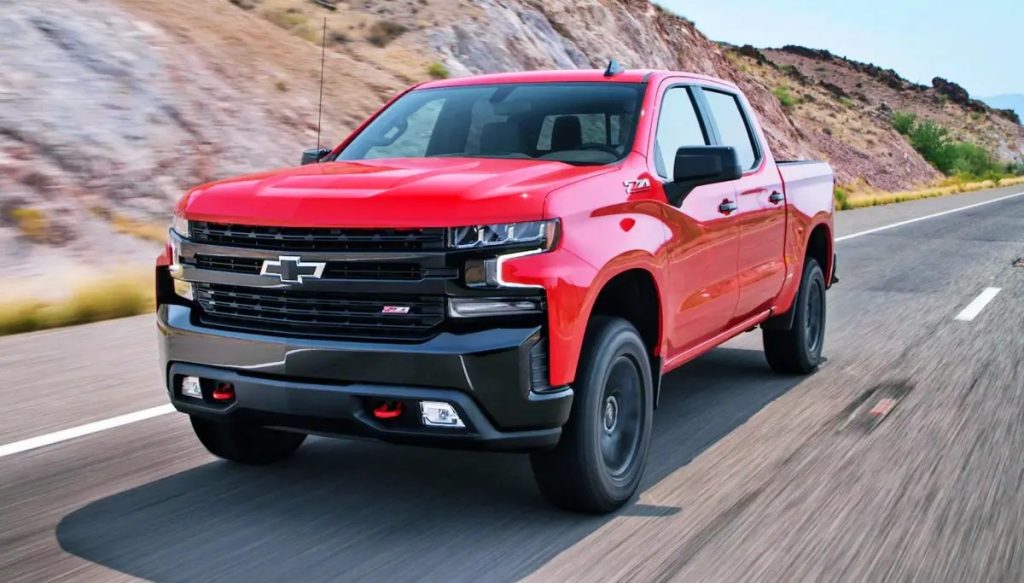
This engine’s quiet, smooth turbo operation proves that durability and refinement can coexist. For truck owners who want efficiency and longevity rather than headline power, the Silverado’s 3.0L Duramax offers one of the most reliable turbo systems among modern light-duty diesels.
5. Isuzu D-Max (3.0L 4JJ3-TCX)
Few midsize trucks can match the real-world endurance of the Isuzu D-Max. Powered by the 3.0L 4JJ3-TCX turbo-diesel, this truck is built to survive harsh climates, poor fuel, and relentless commercial use often without turbo failure even beyond 300,000 miles.
The D-Max’s single turbocharger uses a heavy-duty journal bearing system and high-nickel turbine materials that resist heat damage. It’s not the most responsive turbo, but it’s built for resilience. The oil system feeds continuously even during steep angle driving, protecting bearings from starvation.
Isuzu also equips the D-Max with an efficient air-to-air intercooler and a simplified wastegate control system, both designed to minimize mechanical complexity. This “keep it simple” engineering approach is why the D-Max’s turbo outlasts many high-tech competitors. The fewer moving parts, the less that can fail.

Owners across Asia, Africa, and Australia consistently report hundreds of thousands of kilometers on original turbos with little more than routine maintenance. Its performance may not excite, but its reliability defines what commercial buyers need a system that just works.
The D-Max demonstrates that durability often beats drama. Its turbocharger is engineered to endure where others seek speed, proving that conservative tuning and robust metallurgy are still the ultimate ingredients for long life.
5 Trucks That Whine Then Die
When a turbocharger starts to whine, it’s not a good sound. That faint high-pitched noise that grows louder with acceleration often signals bearing wear, oil starvation, or air leakage all early warnings that a turbo is nearing failure.
In trucks that work hard or see constant load, this sound can arrive sooner than expected, especially when the turbo system wasn’t designed for consistent thermal or pressure stress.
Some manufacturers push their turbocharged engines to achieve impressive output from smaller displacements. While the power gains look great on paper, the tradeoff is accelerated wear.
Heat cycles, boost spikes, and limited oil cooling all shorten the life of bearings and seals. Once the balance is off, compressor blades begin rubbing, oil seeps past seals, and that dreaded whine takes over.
The trucks in this section have solid overall performance, but their turbos are weak links. They may pull hard when new, but repeated high-load driving or poor cooling management often leads to early failures.
Many owners report replacement intervals between 80,000 and 130,000 miles far sooner than what’s expected for modern turbo systems.
These models show how even big-name trucks can stumble when turbo design doesn’t match real-world usage. Whether it’s insufficient oil flow, fragile materials, or overly aggressive boost mapping, the result is the same: a whine that eventually turns into a breakdown.
1. Ford F-150 (3.5L EcoBoost)
The Ford F-150’s 3.5L EcoBoost V6 delivers strong power and torque, but its turbochargers have a mixed track record for longevity. Twin turbos help the small engine behave like a V8, yet that constant demand for boost places tremendous strain on bearings and seals.
Owners frequently report the appearance of a faint whistle or metallic whine after 90,000 miles, often followed by reduced performance or oil consumption.
In many cases, carbon buildup on the turbine side restricts movement, leading to excessive heat and imbalance. Once that happens, the turbos rarely last much longer without full replacement.
The issue partly stems from the engine’s heat density. The compact packaging of two turbos and catalytic converters near the firewall traps heat, cooking the oil and accelerating coking inside the bearings.
Even with Ford’s updated cooling strategy, the turbos remain sensitive to long idling or abrupt shutdowns after towing.
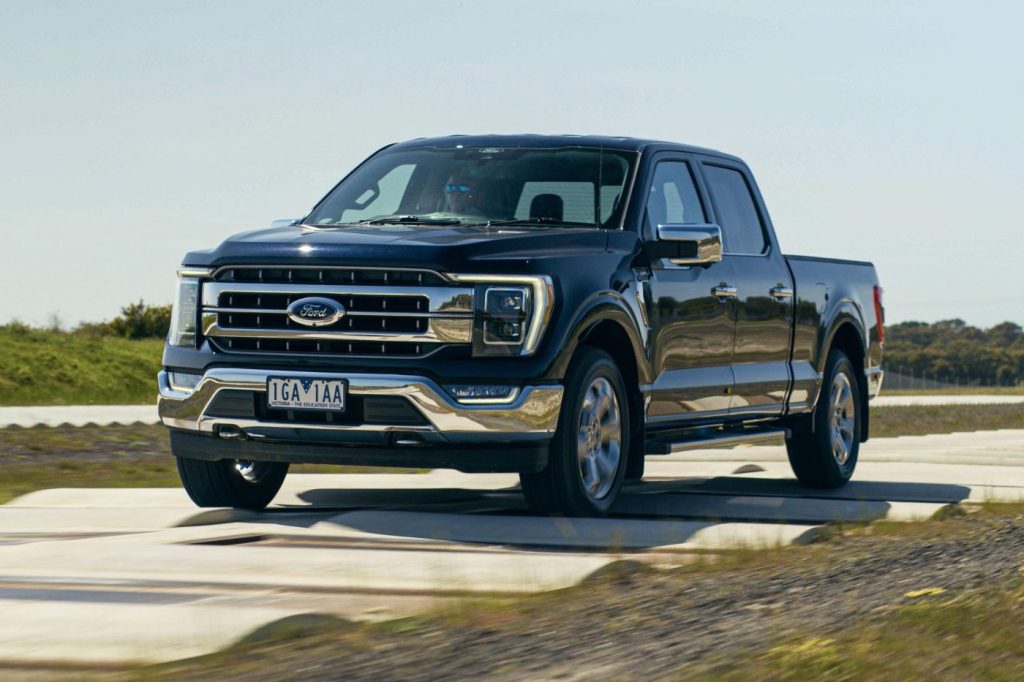
Mechanics often recommend frequent oil changes with premium synthetic oil and allowing a short cooldown period before shutting off. Without that care, the turbos can degrade faster than expected.
The EcoBoost F-150 remains one of the best-selling trucks in the world, but its turbo longevity doesn’t match its sales success. It delivers great performance, yet its high-strung design too often leads to the whine and failure owners dread.
2. Nissan Navara (2.3L Twin-Turbo Diesel)
The Nissan Navara’s 2.3L twin-turbo diesel promises efficiency and strong mid-range torque, but its complex turbo system has proven to be a weak point in long-term ownership. The twin-turbo layout, featuring both low- and high-pressure units, creates strong boost but leaves little margin for error in heat management.
In real-world use, especially under towing or off-road conditions, the Navara’s smaller high-pressure turbo is prone to bearing wear. Many owners notice a faint whining noise before 100,000 miles, followed by loss of boost and oil seepage. Once one turbo starts to fail, the imbalance often damages the other.
Technicians often point to oil quality and heat as major contributors. The turbos sit close to the engine block, where airflow is limited, allowing heat soak to degrade seals over time. Additionally, the Navara’s long oil drain intervals don’t help, as old oil thickens and struggles to lubricate the delicate bearings.
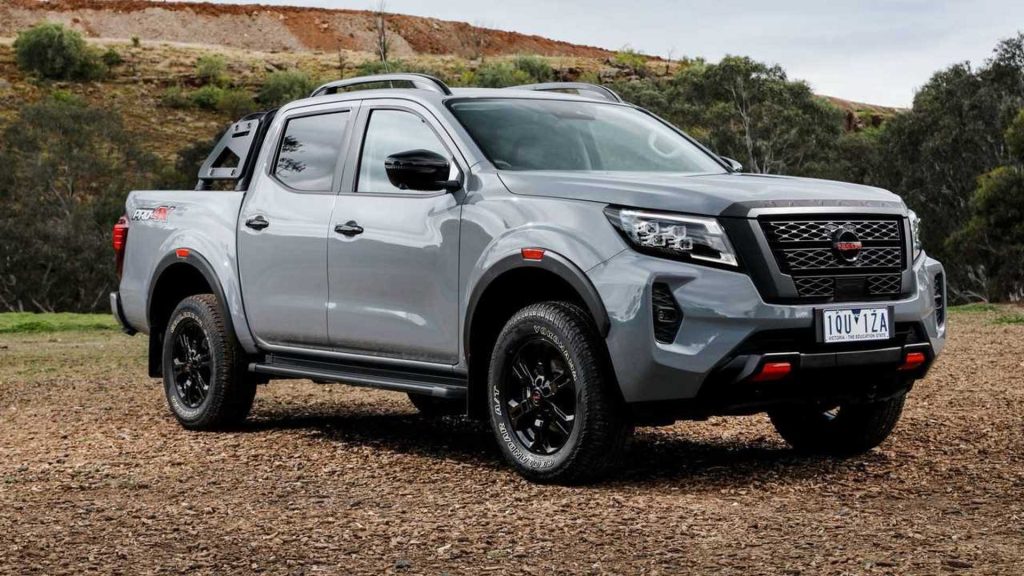
While Nissan improved the design slightly in newer versions, early models remain notorious for early turbo death. Replacement is costly because both turbos are interlinked when one fails, both often require replacement.
The Navara’s dual-turbo setup shows how chasing performance from small displacement engines can shorten life expectancy. It pulls hard and feels punchy, but its turbos rarely survive the kind of mileage that work truck owners expect.
3. Chevrolet Silverado 1500 (2.7L Turbo)
Chevrolet’s 2.7L turbocharged four-cylinder in the Silverado 1500 was designed to blend fuel efficiency with truck-grade torque. On paper, it performs admirably, offering the punch of a V6 with less fuel burn. But in practice, the single twin-scroll turbocharger faces durability concerns once the truck starts aging under heavy use.
Owners have reported high-pitched whines developing after 70,000–100,000 miles, often under acceleration or towing conditions. The noise stems from worn bearings or turbine imbalance, frequently caused by prolonged exposure to heat and inconsistent oil flow.
Once the turbo begins making that telltale whine, it’s usually just months before boost pressure drops and replacement becomes inevitable.
The problem is partly design-related. The turbo sits high in the engine bay near the exhaust manifold, creating a heat pocket that accelerates oil breakdown. Even though Chevrolet fitted an electric water pump for better cooling, repeated stop-and-go traffic or towing in hot climates can overwhelm the system.
When the turbo finally fails, drivers notice sluggish throttle response, black smoke, and a loss of torque. Replacement costs are steep and can offset the truck’s initial fuel economy advantage.
The Silverado 2.7T remains appealing for light-duty buyers, but those who expect high-mile reliability may find themselves hearing that ominous whine far sooner than they’d hoped.
4. Toyota Hilux (2.8L GD-6 Diesel)
The Toyota Hilux has a legendary reputation for toughness, yet its 2.8L GD-6 turbo-diesel engine has developed a surprising weak spot in the turbo system.
The single-variable geometry turbo (VGT) provides strong boost at low rpm, but the design’s moving vanes are vulnerable to carbon buildup and bearing fatigue over time.
In dusty, hot conditions or under constant towing, owners report a distinct whine followed by power loss between 80,000 and 120,000 miles.
The problem originates from soot accumulation inside the VGT housing, restricting vane movement. This uneven airflow stresses the turbo shaft, creating imbalance and leading to that high-pitched whistle.
While the rest of the engine is robust, the turbo is sensitive to oil contamination and poor servicing intervals. Toyota issued updates and revised oil specifications, but even with these improvements, trucks operating in tough off-road or fleet environments often face premature turbo wear.
Replacing the Hilux’s turbo is not cheap, and when ignored, the failure can send metal fragments into the intake, damaging the engine further.

Despite its strong chassis and dependable drivetrain, the Hilux’s turbo life remains its Achilles heel. It’s a truck built to endure abuse, yet ironically, its boost system doesn’t always match its legendary durability.
5. Ram 2500 (6.7L Cummins Turbo Diesel)
The Ram 2500’s 6.7L Cummins is famous for massive torque and longevity, but its turbocharger setup has faced issues over the years, particularly with bearing failure and actuator malfunction.
The variable geometry turbo offers excellent towing performance when new, yet many owners report the onset of a whining sound before major failure.
Most of the trouble traces back to the electronic actuator that controls the turbo vanes. When it sticks, boost regulation suffers, causing the turbo to overwork and overheat.
The bearings then begin to whine, and soon after, complete failure follows. It’s a familiar pattern among trucks that see heavy towing or stop-and-go use.
Adding to the problem, the turbo’s location on the Cummins engine exposes it to high exhaust temperatures for prolonged periods. Without adequate cooldown time, oil coking occurs around the shaft, reducing lubrication and accelerating wear. Once that starts, the turbo begins to sing its short-lived song.
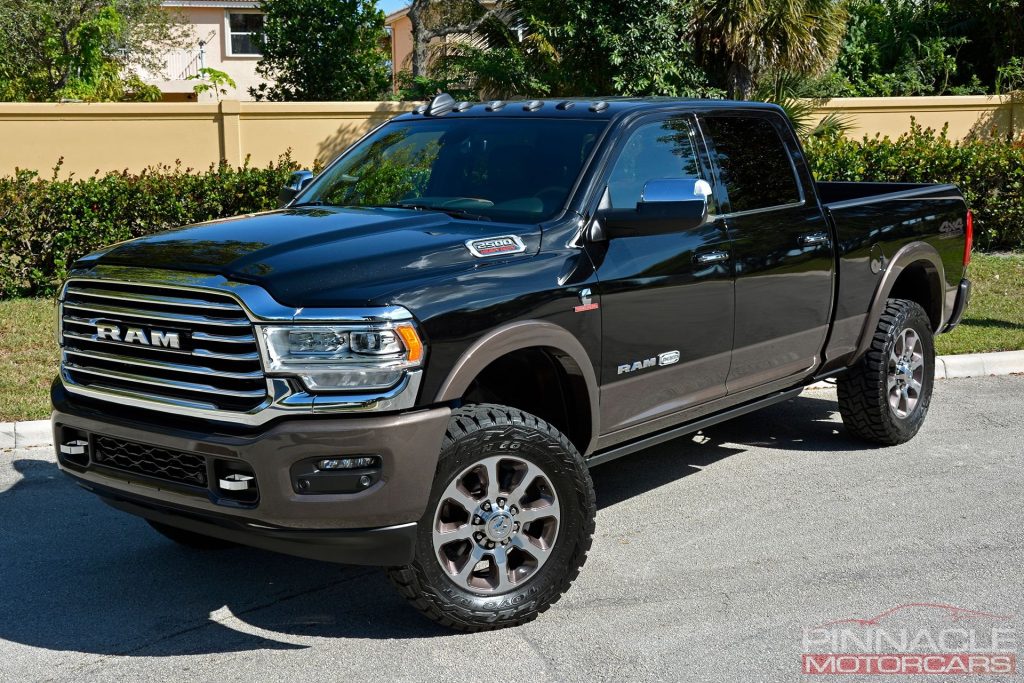
Many Ram owners extend their turbo life through frequent oil changes and idling before shutdown, but the underlying design flaw remains. While the engine itself is built like a tank, the turbo system doesn’t always keep pace with the truck’s durability expectations.
It’s a reminder that even heavy-duty workhorses can suffer from delicate components. The Cummins-powered Ram pulls hard, but that whistle under load might just be the prelude to a costly turbo replacement.
Turbochargers have transformed the truck world, allowing smaller engines to deliver big torque and better fuel economy. Yet, as seen in this comparison, not all turbos are built to endure the same real-world punishment.
The difference between long-life performance and early failure often comes down to design integrity, heat management, and owner habits.
The trucks with long-lasting turbos like the Ram 1500 EcoDiesel, Toyota Land Cruiser 300, Ford F-250 Power Stroke, Isuzu D-Max, and Chevrolet Colorado Duramax prove that when manufacturers prioritize oil cooling, robust bearings, and conservative boost mapping, the result is reliability that matches engine life.
These trucks handle heat stress, towing, and high-mile conditions with confidence, showing how a well-engineered turbo system can last hundreds of thousands of miles without whining or losing boost.
On the other hand, the problem trucks such as the Ford F-150 EcoBoost, Nissan Navara, Chevrolet Silverado 2.7T, Toyota Hilux GD-6, and Ram 2500 Cummins illustrate how ambitious power targets can compromise long-term durability.
Overheated oil, carbon buildup, and fragile actuators often turn a simple boost into a ticking time bomb. Once that signature whistle begins, it’s only a matter of time before the turbo gives out completely.
For buyers and owners, the takeaway is simple: turbos demand respect. Regular oil changes, cooldown periods, and gentle throttle behavior after towing can make a major difference.
But the foundation still matters a solid turbo design with proper cooling will always outlive a compact, high-strung setup running at the limit.
In the long run, trucks with balanced turbo systems reward owners with quiet reliability, while those chasing maximum boost too often end up singing their way to an early grave. The smartest choice is always the one engineered for the long haul.
Also Read: 5 Sedans That Sip Fuel On Highways vs 5 Thirsty Cruisers
