

Hybrid vehicles have earned a reputation for blending fuel efficiency with smooth performance, but their maintenance stories can be surprisingly different beneath the surface.
One of the most critical yet overlooked components in these systems is the water pump, a part that manages engine and hybrid cooling.
While traditional engines rely on simpler mechanical pumps, hybrids often use additional electric or auxiliary pumps, adding both sophistication and cost to the repair equation.
For some models, replacing this part is an easy weekend job. For others, it’s an expensive, labor-heavy task buried deep in the engine bay.
In this article, we compare five hybrids known for affordable, straightforward water pump replacements with five others infamous for painful labor costs.
The difference often comes down to design philosophy how accessible the pump is, how many systems it connects to, and whether the hybrid powertrain complicates cooling circuits.
Some manufacturers, like Toyota and Hyundai, design their hybrids for long-term affordability, ensuring water pump changes don’t drain the wallet. Others, particularly in premium or tightly packaged European designs, prioritize performance and compactness, making simple repairs a time-consuming affair.
The goal isn’t to discourage hybrid ownership but to help buyers and current owners understand the real-world costs of upkeep.
A hybrid that saves you thousands in fuel can still surprise you with a hefty repair bill if key parts are hard to reach. Knowing which cars stay budget-friendly when maintenance time comes helps you plan better especially once your vehicle crosses 100,000 miles.
Let’s start with the hybrids that make life easier for owners and mechanics alike models with affordable water pumps, easy access, and sensible engineering choices that keep long-term ownership stress-free.
Also Read: 5 Platforms With Durable Under-tray Fasteners vs 5 That Rip Out in Snow
5 Hybrids With Affordable Water Pumps
Not all hybrids are built the same when it comes to maintenance practicality. Some automakers have learned to blend complex electric-assist drivetrains with cleverly designed cooling systems that keep service costs low.
In this section, we focus on five hybrids known for affordable water pump replacements, where smart engineering ensures that even essential cooling components remain easy to access and inexpensive to fix.
Water pumps in hybrids play a dual role cooling both the engine and the hybrid electronics that manage energy flow. In older vehicles, replacing a water pump was a straightforward belt-driven task.
But in modern hybrids, pumps may be electric or auxiliary, working in coordination with the hybrid battery and inverter. Despite this complexity, a handful of models stand out for keeping things refreshingly simple.
Brands like Toyota, Hyundai, and Honda have developed systems that use modular layouts, allowing the water pump to be serviced independently of the hybrid components.
Others, like Ford and Kia, have refined their engine bays to give technicians easier access without dismantling major systems. The result is shorter labor times, lower parts prices, and fewer headaches for both owners and mechanics.
The hybrids on this list represent thoughtful design and long-term cost awareness. They prove that fuel efficiency doesn’t have to come at the cost of high maintenance bills. For anyone buying used or planning to keep a hybrid well past 100,000 miles, these vehicles offer peace of mind.
Their cooling systems are dependable, their parts are common, and their labor costs are surprisingly reasonable a combination that keeps ownership satisfying rather than stressful.
1. Toyota Prius (Gen 3)
Few hybrids have earned the trust of long-term owners like the Toyota Prius, and part of that reputation comes from its simple, affordable maintenance. The third-generation Prius (2010–2015) is a standout example, especially when it comes to the water pump system.
Unlike some hybrids that hide their pumps behind layers of components, Toyota engineers made the Prius pump relatively accessible from the front of the engine bay.
Replacing it doesn’t require dropping the engine or dealing with complicated coolant rerouting. A skilled mechanic can complete the job in about two hours, and parts cost less than most conventional vehicles.
The electric auxiliary water pump, used for hybrid system cooling, is also reasonably priced, often under $150. Together, that keeps the Prius at the low end of hybrid repair bills.
What makes this model worth discussing is how Toyota blended reliability with practicality. The water pump tends to last around 100,000–120,000 miles, and when it does fail, symptoms are predictable small coolant leaks or mild overheating alerts. There’s rarely a catastrophic failure, allowing owners to plan ahead and avoid emergencies.
Another advantage is the availability of aftermarket parts. Because the Prius has such a massive global presence, replacement pumps from trusted brands are easy to find. Even independent shops are familiar with the process, which keeps labor costs low.
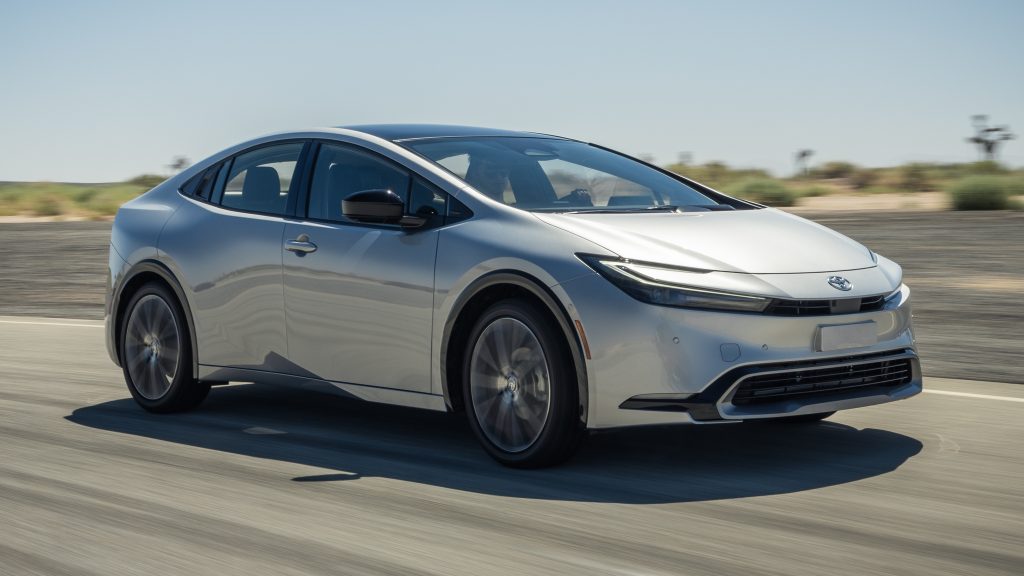
The Prius exemplifies how good design reduces ownership anxiety. Its hybrid system remains complex, but Toyota’s decision to make vital components accessible pays dividends. For anyone seeking a used hybrid that won’t punish your wallet when repairs come due, the Gen 3 Prius sets the standard.
2. Hyundai Ioniq Hybrid
The Hyundai Ioniq Hybrid is a standout example of a modern, efficient vehicle that keeps ownership costs manageable. Introduced in 2017, the Ioniq was designed to compete with the Prius while offering an easier maintenance experience. One of its smartest features is the placement of its water pump system, which remains accessible without major disassembly.
Hyundai uses an electric water pump rather than a belt-driven one, reducing mechanical wear and eliminating the need for regular belt service. When replacement time comes typically beyond 120,000 miles the part cost remains low, and the labor time is just a couple of hours. This makes the Ioniq one of the most affordable hybrids to maintain in its class.
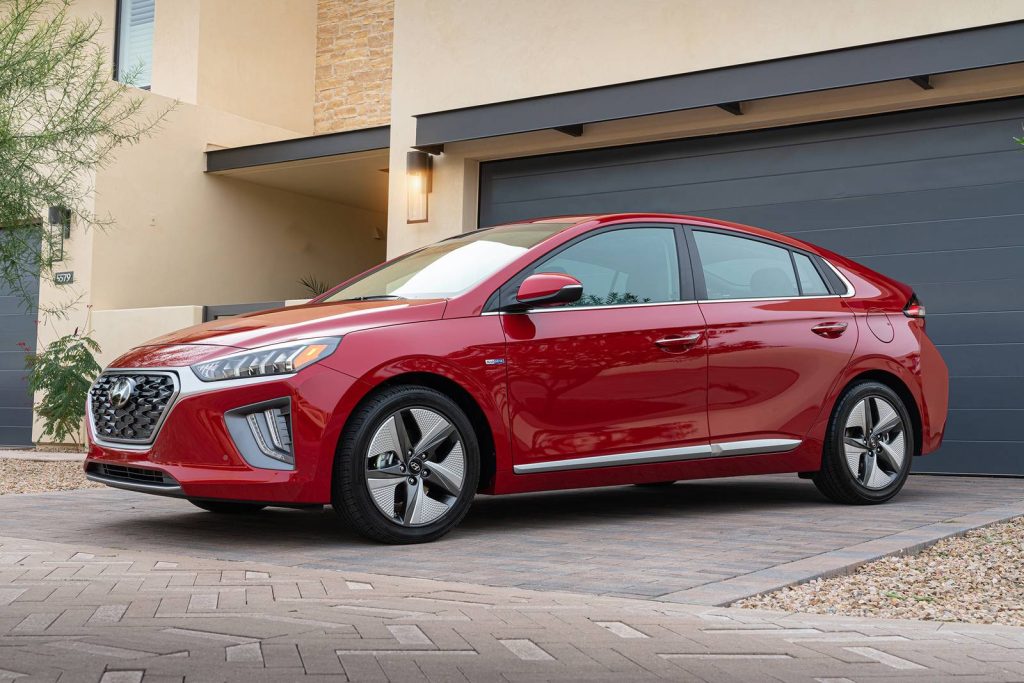
The simplicity of the Ioniq’s hybrid setup also means fewer coolant loops to manage. Its pump mainly supports the internal combustion engine, while a separate small circuit handles the battery cooling. This clear separation allows mechanics to work efficiently without dealing with hybrid-specific coolant procedures that drive up labor costs in other vehicles.
Owners often praise how inexpensive replacement parts are compared to Toyota or Ford alternatives. Even dealership rates for the job rarely cross the $400 mark. The result is a hybrid that not only sips fuel but also stays budget-friendly when maintenance time arrives.
3. Ford Escape Hybrid (2020-on)
The Ford Escape Hybrid, especially the newer generation launched in 2020, deserves recognition for its accessible design and sensible maintenance layout. Unlike many hybrids that tuck their water pumps deep in cramped spaces, Ford made it a point to ensure their updated EcoBoost-based hybrid engine remains approachable for routine work.
The Escape’s water pump is positioned high enough in the engine bay for easy reach. Its compact electric configuration simplifies coolant flow, and Ford’s use of common components shared with non-hybrid models keeps part costs low. Labour times are also modest, around two to three hours at most.
The hybrid Escape uses two separate coolant circuits, one for the engine and another for the hybrid system. But these systems don’t overlap excessively, allowing technicians to replace a pump without worrying about electrical isolation or inverter fluid draining. This design cuts service complexity nearly in half compared to older hybrid systems.

Ford’s focus on modular design is evident here. The Escape Hybrid manages to combine performance, efficiency, and low upkeep in one balanced package.
Owners who plan to keep their vehicles beyond 150,000 miles appreciate how predictable and affordable its water pump replacements remain, a refreshing contrast to some of its premium rivals.
4. Honda Insight (2019–2022)
The Honda Insight blends classic Honda dependability with hybrid sophistication, making it one of the easiest hybrids to maintain in its category. Unlike earlier generations, the 2019–2022 Insight was engineered with service access in mind, particularly for cooling components such as the water pump.
Honda’s design keeps the pump located at the front of the 1.5-liter Atkinson-cycle engine, minimizing the number of components that need removal during replacement.
The pump itself is a simple mechanical type, driven by a serpentine belt, which is both inexpensive and widely available. Labor costs remain low, averaging around two hours for replacement far below typical hybrid standards.
Another reason the Insight deserves mention is the predictable maintenance pattern. Most pumps last well beyond 100,000 miles, and when failure occurs, it’s rarely sudden.
The cooling system’s design helps contain leaks early, protecting both the engine and hybrid inverter. Honda’s use of shared parts with the Civic platform further drives down costs, since mechanics already know their way around this setup.
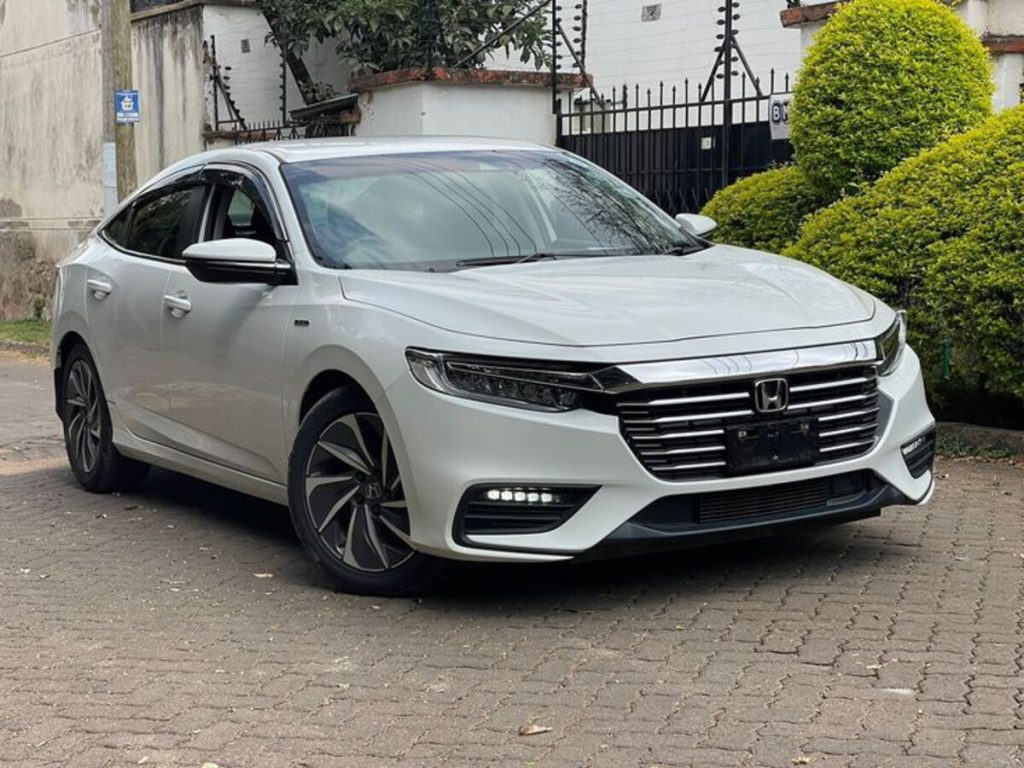
Owners also report that aftermarket replacements are easy to find, with prices starting below $100. Combined with simple labor and a clean layout, the Insight delivers peace of mind to anyone looking for an efficient yet economical hybrid. It’s proof that thoughtful engineering still defines Honda’s modern lineup.
5. Kia Niro Hybrid
The Kia Niro Hybrid earns its place on this list for blending practicality, efficiency, and straightforward upkeep.
Since its launch in 2017, it has been one of the few crossovers to offer hybrid fuel economy without intimidating maintenance costs. A key contributor is its easily serviceable electric water pump, part of Kia’s efficient cooling setup.
The Niro’s powertrain shares architecture with the Hyundai Ioniq, meaning it benefits from the same simple electric pump design. Replacement requires minimal disassembly the job typically takes under two hours. The part itself is compact and affordable, with genuine replacements often priced below $200.
What sets the Niro apart is excellent component placement. Mechanics praise how its hybrid cooling lines and inverter system are separated, allowing independent work on the pump without the need to drain multiple loops. This reduces both labor time and risk of electrical interference.

Owners also enjoy predictable reliability most Niro water pumps last well past 120,000 miles with proper coolant maintenance.
Even at higher mileage, repairs remain inexpensive compared to other hybrid crossovers. Kia’s thoughtful service design ensures hybrid ownership feels approachable rather than complex.
The Niro demonstrates how small engineering choices can translate to big savings over years of ownership, making it one of the smartest hybrids for long-term value.
5 Hybrids With Painful Labor Costs
While some hybrids impress with affordable maintenance, others remind owners that advanced technology can come at a price. Water pump replacements, in particular, can expose the complexity hidden beneath sleek designs and compact engine bays.
In this section, we focus on five hybrids notorious for high labor costs when it comes to replacing their water pumps. The issue isn’t always part price it’s the time and precision needed to reach and service them.
Luxury and performance-oriented hybrids often suffer most here. Their tightly packed engine compartments, multiple cooling loops, and high-voltage isolation requirements turn a simple job into a long, delicate operation.
Some designs bury the pump behind timing covers or hybrid modules, demanding several hours of disassembly. Add in the requirement for specialised coolant bleeding or inverter protection, and labour costs easily double compared to non-hybrid counterparts.
Brands like Lexus, BMW, and Volvo prioritise refinement and compact engineering, but these choices sometimes make even basic maintenance a technician’s challenge. Even practical models like the Toyota Highlander Hybrid and Ford Fusion Hybrid have intricate layouts that inflate costs once the warranty expires.
The goal here isn’t to criticize these cars they remain some of the most advanced and comfortable hybrids available but to inform buyers about the hidden service realities. Owning one of these models means budgeting not just for fuel savings, but also for the occasional premium repair.
If you value silence, performance, and high-end comfort, these hybrids deliver. But if you ever face a water pump failure, expect patience, precision, and a higher invoice. Let’s begin with the premium hybrid that blends power and efficiency but hides its pump behind layers of engineering the Lexus RX450h.
1. Lexus RX450h
The Lexus RX450h combines hybrid technology with luxury SUV comfort, but when it comes to water pump service, the experience is far from relaxing. Under its sculpted hood lies a densely packed 3.5-liter V6 hybrid system where the engine-driven water pump is tucked deep within the front timing cover.
Accessing it requires removing several components, including the serpentine belt system, engine mounts, and in some cases, portions of the intake assembly.
While the part itself costs under $250, the labor time can exceed six hours due to the complex disassembly. The hybrid system’s compact packaging leaves little room for hand clearance, and the need to handle high-voltage wiring safely adds to the difficulty.
Even seasoned technicians often allocate a full day for the job, particularly if both the engine and inverter cooling circuits need draining and refilling.
Another factor that drives costs higher is the dual cooling setup unique to Lexus hybrids. Separate pumps manage the internal combustion engine and hybrid electronics, and both can wear out over time. If the inverter pump also needs service, expect the repair bill to rise significantly.

Owners who enjoy the RX450h’s refined ride and reliability often overlook these maintenance costs until they arise. Once the vehicle passes the 100,000-mile mark, water pump replacement becomes more likely and that’s when the “Lexus premium” extends from the showroom to the workshop.
Still, it’s important to note that while the labor cost is painful, the pump itself is durable. Failures are infrequent, and once replaced properly, the system remains trouble-free for years. The RX450h may make your mechanic’s job harder, but its overall longevity softens the sting of the repair bill.
2. BMW 530e iPerformance
The BMW 530e iPerformance is a technological marvel, combining German engineering with plug-in hybrid efficiency. Unfortunately, that sophistication makes even basic repairs like a water pump replacement an expensive ordeal.
BMW’s turbocharged 2.0-liter hybrid setup uses an electronically controlled water pump integrated into a dense engine bay filled with cooling lines, sensors, and hybrid modules.
Reaching the pump involves removing multiple covers, detaching coolant hoses, and safely disconnecting the high-voltage system. What looks like a simple repair on paper turns into a six-to-eight-hour labor task, with bills easily surpassing $1,000.
The part itself can cost upwards of $400, but it’s the labor complexity that frustrates owners. Many BMW workshops recommend replacing the thermostat and coolant pipes at the same time due to their close proximity, adding more to the total cost.
Because of tight tolerances and multiple coolant circuits, bleeding the system also requires specialized equipment to prevent air pockets that can cause overheating.
Another contributing factor is that the 530e’s cooling system also supports its battery and inverter components. Improper handling could risk electrical damage, so mechanics must follow specific hybrid safety procedures. That level of precision is why independent repair shops sometimes charge dealership-level rates for this particular job.

Owners love the 530e for its smooth hybrid transition and sharp performance, but when the water pump wears out often between 80,000 and 100,000 miles, it’s a wallet-heavy reminder of BMW’s intricate design philosophy.
The repair doesn’t diminish its engineering brilliance, but it certainly proves that luxury and convenience don’t always go hand in hand when it comes to hybrid maintenance.
3. Volvo XC90 T8 Recharge
The Volvo XC90 T8 Recharge is a plug-in hybrid that blends Scandinavian luxury with powerful performance, but under its refined shell lies a web of complexity that makes even routine maintenance expensive.
The water pump, responsible for cooling the turbocharged 2.0-liter engine and hybrid system, is buried deep within the front of the engine assembly, surrounded by multiple coolant lines and electric modules.
This setup demands intensive labor often over seven hours just to access and replace the pump. Because the XC90’s engine bay is tightly packed with hybrid wiring, cooling reservoirs, and the supercharger-turbo combo, technicians must dismantle several surrounding components before reaching the faulty unit.
It’s a job that tests patience and precision, and any misstep in reconnecting the coolant lines can cause leaks or electronic faults.
Adding to the cost is Volvo’s use of multiple cooling circuits. One loop manages the internal combustion engine, another cools the hybrid battery, and a third supports the inverter and charger.
If the water pump failure leads to coolant contamination or pressure imbalance, all circuits need flushing and recalibration, extending labor time even further.
The part alone costs around $350, but total repair bills often exceed $1,200 at Volvo-certified centres. The brand’s specialised coolant and bleeding tools also restrict the work to authorised shops, reducing cheaper alternatives.

Owners love the XC90 T8 for its luxury and torque-rich hybrid performance, yet water pump replacement reminds them that complex engineering doesn’t come cheap. Still, the XC90 remains a technological showcase just one that demands a premium whenever the wrench comes out.
4. Toyota Highlander Hybrid (Older Generations)
The Toyota Highlander Hybrid, particularly models from 2008 to 2013, illustrates how even reliable brands can create costly repair challenges.
Unlike the compact Prius or Ioniq, the Highlander’s 3.3-liter and 3.5-liter hybrid engines pack their components tightly, with the water pump positioned deep behind the front engine mounts and accessory drives.
Accessing it requires removing several parts, including the drive belt system and engine brackets. Labor times range between five and seven hours, depending on model year. While the pump itself costs less than $200, the total repair bill often crosses $900 simply because of labor complexity.
One key reason for the high cost is the dual cooling loop system one circuit for the gasoline engine and another for the inverter and electric motor components.
Replacing the pump means managing both systems carefully to prevent trapped air or hybrid inverter overheating later. Toyota’s specific coolant bleeding process also extends the job, as hybrid systems must be refilled in precise steps.
Mechanics familiar with Toyota hybrids can handle the work efficiently, but less experienced shops often take longer, raising costs. This is one reason Highlander Hybrid owners sometimes report “dealer-only” service recommendations for cooling work.

Despite these challenges, the Highlander Hybrid still delivers excellent long-term reliability. Water pump failures are uncommon before 120,000 miles, but once they occur, the job quickly reminds owners that larger hybrid SUVs aren’t as forgiving as compact models.
It’s a solid vehicle just one that demands patience (and a bigger budget) when major maintenance arrives.
5. Ford Fusion Hybrid
The Ford Fusion Hybrid has long been celebrated for its smooth ride and strong fuel economy, but when it comes to maintenance, its water pump replacement can surprise owners with unexpectedly high labor costs. The issue lies not in the part itself which is moderately priced, but in its inconvenient placement within the engine bay.
On most Fusion Hybrid models, the pump sits low and toward the rear of the 2.0-liter Atkinson-cycle engine, partially obscured by the subframe and motor mounts.
Accessing it requires lifting the vehicle, removing several components, and in some cases, detaching the engine mount bracket. This drives labor time well past five hours, even for experienced technicians.
Another complication is that the Fusion’s hybrid cooling layout includes both a mechanical engine water pump and an electric auxiliary pump for the hybrid system.
When either fails, both circuits must be drained and refilled using a precise bleeding sequence to avoid air pockets that could cause inverter overheating. The complexity adds another layer of labor cost and requires careful coolant management.
Even though the parts themselves are not overly expensive the mechanical pump costs around $180 and the electric pump roughly $220 the combined labor pushes total repair bills near $1,000 at many dealerships. Independent shops may charge less, but they often still need special equipment for the hybrid coolant system.
Owners who love the Fusion Hybrid for its comfort and fuel savings are often caught off guard by these service realities. It’s a reminder that even non-luxury hybrids can carry hidden maintenance costs when components are difficult to reach.
Still, once the repair is completed, the Fusion remains a durable, high-mileage companion just one that occasionally tests your repair budget.
Also Read: 5 SUVs That Don’t Warp Rotors on Mountain Passes vs 5 That Do
