
Trucks are built to be versatile workhorses, but owning one involves more than just driving. Routine maintenance, repairs, and service access are critical considerations for buyers who want to save money, maintain reliability, and avoid being entirely dependent on dealerships.
Some trucks are designed with the DIY enthusiast in mind, offering straightforward access to components like oil filters, batteries, and air filters. These trucks allow owners to perform routine service tasks with basic tools, saving time and money while enhancing ownership satisfaction.
On the other hand, many modern trucks increasingly rely on advanced electronics, proprietary systems, and tightly packed engine bays. While these features improve performance, safety, and efficiency, they often require specialized dealer tools and diagnostic equipment to service.
Trucks that fall into this category can complicate even basic maintenance, forcing owners to visit dealerships for tasks that could otherwise be simple.
This article explores both ends of the spectrum. First, we highlight five trucks with easy DIY service access, showcasing how thoughtful engineering and practical design allow owners to perform routine maintenance with minimal tools. These vehicles demonstrate that accessibility and reliability can coexist.
Next, we examine five trucks that require dealer tools, explaining why proprietary systems, complex layouts, and tight component packaging make DIY service challenging.
Understanding which trucks are friendly for DIY work versus those that demand professional intervention helps buyers make informed decisions based on cost, convenience, and long-term ownership satisfaction.
Whether you prioritize hands-on maintenance or prefer to rely on a dealership, knowing the service accessibility of a truck is essential. This guide provides insight into which models empower owners to take control and which require professional tools and expertise.
Also Read: 5 Cars With Stellar Brakes vs 5 With Long Stopping Distances
5 Trucks With Easy DIY Service Access
Some trucks are built with the hands-on owner in mind. They provide easy access to critical service points, allowing routine maintenance like oil changes, air filter replacements, and battery swaps to be performed without specialized equipment.
For owners who enjoy DIY work or want to minimize maintenance costs, these trucks are particularly appealing.
In this section, we highlight five trucks that are friendly for DIY service. Each of these models is designed with practical engine layouts, easily reachable filters and fluids, and clear component organization. These trucks save time and money while reducing dependency on dealership service centers.
Easy DIY access is especially valuable for trucks used in work or remote environments. In such settings, quick fixes or maintenance can prevent downtime, ensuring the vehicle remains operational. The trucks selected here combine durability, practicality, and accessibility, making them ideal choices for owners who prioritize hands-on maintenance.
We considered factors like component location, availability of basic tools, and ease of performing routine maintenance without professional equipment. These trucks strike a balance between modern performance and practicality, allowing owners to service their vehicles with confidence.
By examining these five trucks, readers will understand which models empower them to take control of maintenance tasks, avoid unnecessary labor costs, and enjoy the satisfaction of performing hands-on work. For DIY enthusiasts, these vehicles represent the ideal blend of reliability, durability, and service-friendly design.
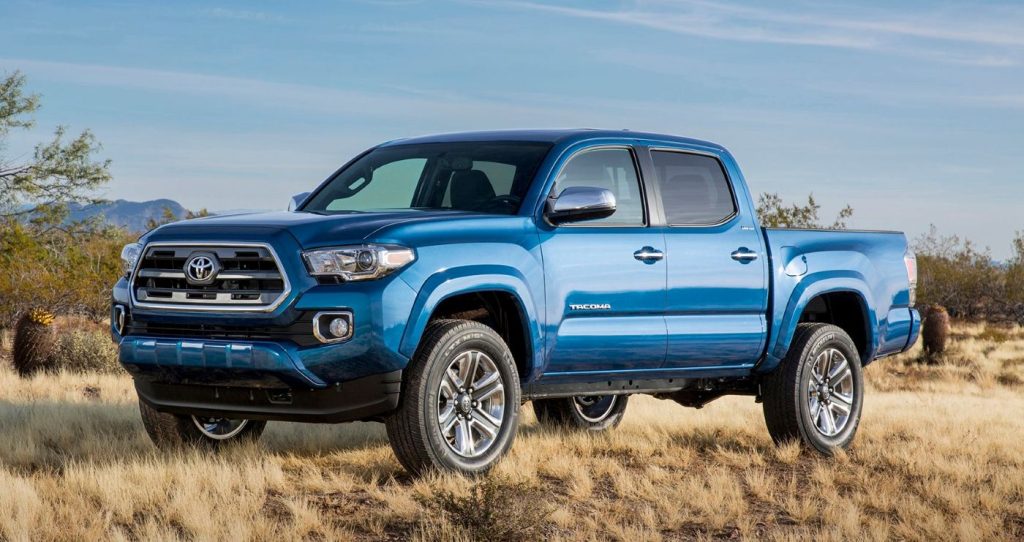
1. Toyota Tacoma
The Toyota Tacoma is a favorite among truck enthusiasts, not just for its off-road capability, but also for its service-friendly design. The engine bay is spacious, allowing easy access to routine maintenance points like the oil filter, air filter, and battery.
Changing the oil on a Tacoma is straightforward, with the drain plug and filter accessible from beneath the truck. Many owners can complete an oil change with basic hand tools and a jack or ramps, without needing specialized equipment.
The air filter and cabin filter are also easy to reach. The air filter housing is located at the front of the engine bay, allowing for a quick replacement in minutes. The battery is positioned for easy removal, making it simple to swap or perform maintenance checks.
Even components like brake fluid reservoirs and windshield washer fluid are clearly labeled and easily reachable, reducing frustration during regular service. This accessibility is one of the reasons the Tacoma remains a DIY favorite.
Another benefit is the availability of service manuals and community resources. Toyota has maintained excellent documentation and aftermarket support, so owners can follow step-by-step guides with confidence.
In short, the Tacoma combines rugged reliability with service accessibility. Owners can perform essential maintenance tasks quickly and efficiently, keeping the truck in peak condition without relying on dealership service centers.
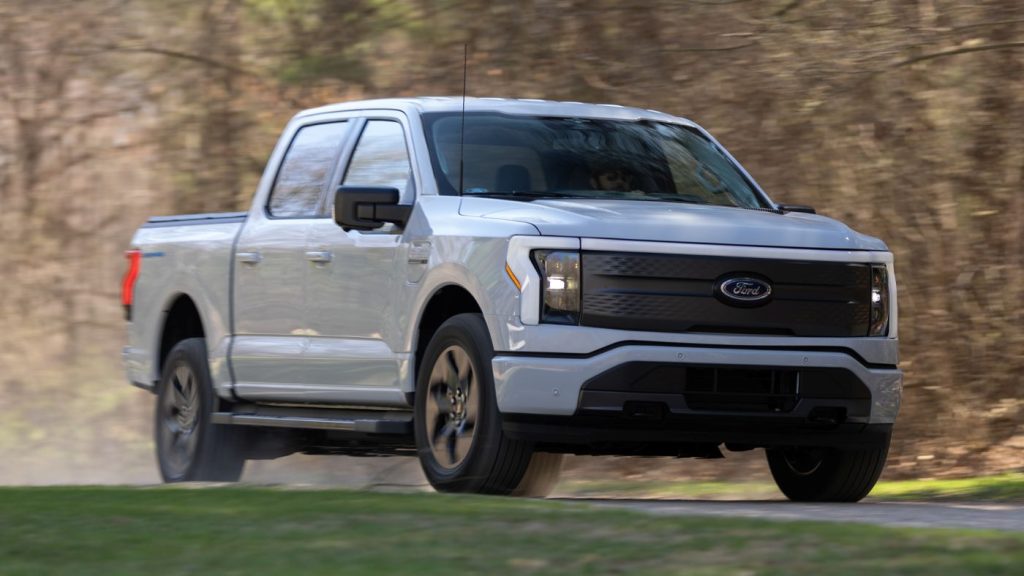
2. Ford F-150
The Ford F-150 is one of the best-selling trucks in the United States, and part of its appeal lies in easy maintenance. Its engine layout allows direct access to oil filters, belts, fluid reservoirs, and batteries.
Routine oil changes are straightforward, with the drain plug and filter accessible without removing major components. Even with larger V6 or V8 engines, basic tools like wrenches and sockets are sufficient to perform common service tasks.
The air filter and cabin filter are easily reachable, making replacements quick and hassle-free. Fluids like brake, transmission, and washer fluid are clearly labeled and accessible, reducing the learning curve for first-time DIY owners.
The F-150 also benefits from extensive aftermarket and online support. Detailed service manuals, forums, and video guides provide clear instructions for DIY maintenance, ensuring that owners can tackle a wide range of tasks safely.
Ford’s thoughtful layout means fewer removed components during basic servicing, saving time and reducing frustration. For truck owners who want to maintain control over routine upkeep, the F-150 is ideal.
In summary, the Ford F-150 demonstrates that a full-size pickup can offer both power and service accessibility. Its design allows owners to perform regular maintenance with minimal tools, keeping costs down while maintaining reliability.
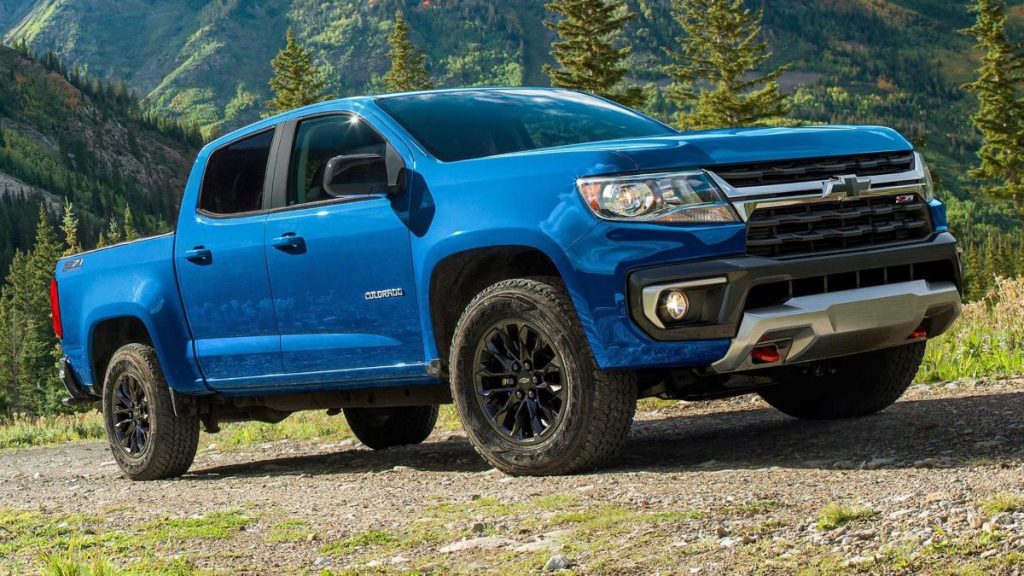
3. Chevrolet Colorado
The Chevrolet Colorado is a midsize truck designed with practicality in mind, making routine maintenance tasks accessible to DIY owners. Its engine bay is laid out thoughtfully, with key components like the oil filter, air filter, and battery positioned for easy reach.
Changing the oil is straightforward. The drain plug and filter are easily accessible from underneath the truck, allowing owners to complete a service with basic tools like wrenches and a jack or ramps. This accessibility reduces both time and effort compared to more tightly packed engine bays.
The air filter is located at the front of the engine compartment and can be replaced in minutes, while the battery is positioned for quick removal or inspection. Even brake fluid and windshield washer fluid reservoirs are clearly labeled and reachable without removing major components.
The Colorado also benefits from strong documentation and community support. Owners have access to detailed service manuals, online forums, and instructional videos, which make DIY maintenance manageable even for first-time truck owners.
Its service-friendly design extends to other routine checks as well. Belts, hoses, and fluid levels are easy to inspect without disassembly, encouraging proactive maintenance and longer vehicle life.
In summary, the Chevrolet Colorado combines versatility with service accessibility. Owners can perform essential maintenance tasks efficiently, ensuring reliability while saving on dealership labor costs. This makes the Colorado a solid choice for those who value hands-on truck ownership.
4. Ram 1500
The Ram 1500 is a full-size pickup that emphasizes both capability and maintainability. Its engine bay is designed for straightforward access to oil filters, batteries, air filters, and fluid reservoirs, making DIY service simple for owners.
Routine oil changes are easy thanks to the accessible drain plug and filter. With basic hand tools, ramps, or a jack, owners can complete the job without removing other components, saving time and reducing frustration.
The air filter and cabin filter are also easy to replace, with clear labeling and a logical layout that guides first-time DIYers. Batteries are positioned for quick removal, making replacements or maintenance checks straightforward.
Brake fluid, washer fluid, and other routine service points are clearly marked and easy to reach, which simplifies inspections and refills. This layout reduces dependency on dealer service centers and encourages regular upkeep.
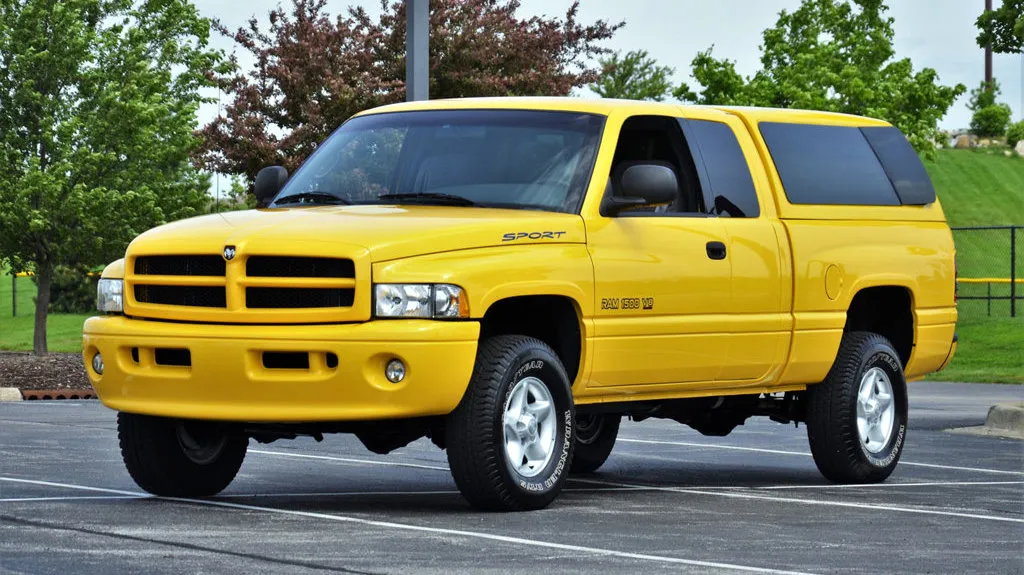
Owners also benefit from extensive support resources. Ram provides detailed service manuals, while online communities offer step-by-step guidance for common maintenance tasks. This combination of design and documentation makes the 1500 particularly friendly for DIY work.
In summary, the Ram 1500 offers a balance of modern performance and hands-on serviceability. Its accessible engine layout, clear labeling, and strong community support allow owners to perform routine maintenance efficiently, keeping their trucks in top condition while minimizing service costs.
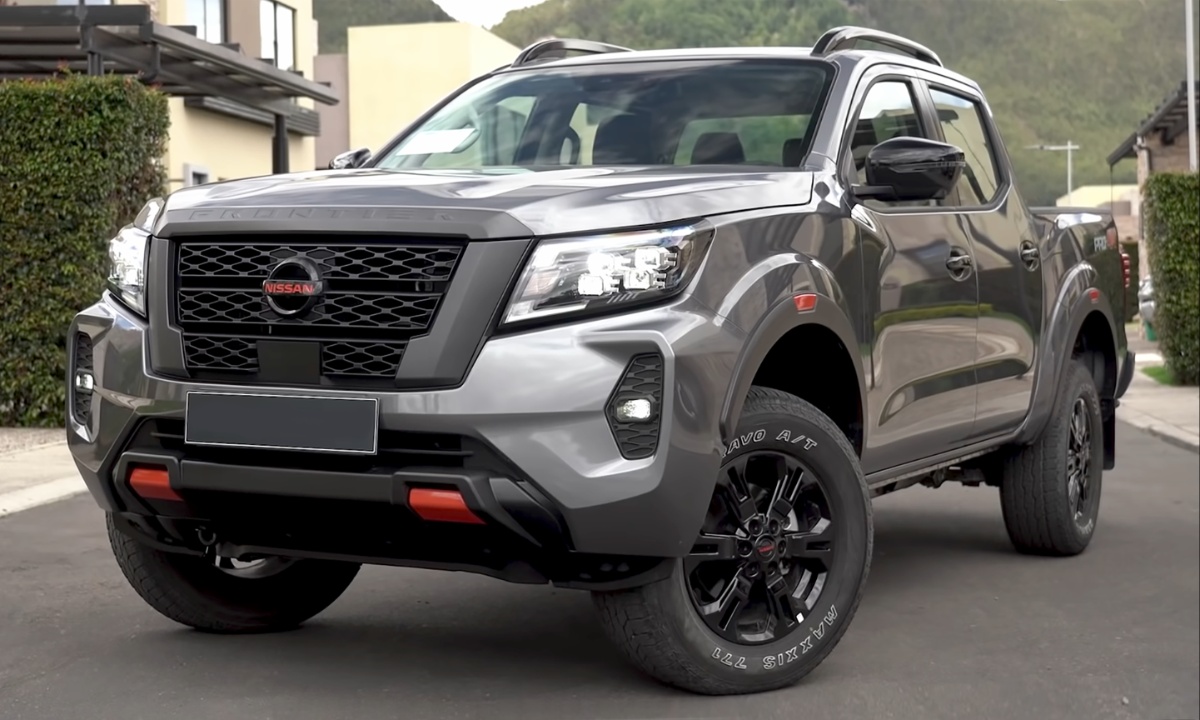
5. Nissan Frontier
The Nissan Frontier is a midsize truck known for simplicity and reliability, making it ideal for DIY maintenance. Its engine bay is uncluttered, allowing easy access to the oil filter, air filter, battery, and other routine service points.
Oil changes are straightforward. The drain plug and filter are easily reachable from beneath the truck, allowing owners to complete the task with basic hand tools, a jack, or ramps. This accessibility saves both time and labor costs.
The air filter housing is positioned at the front of the engine bay for quick replacement, and the battery can be removed or inspected without difficulty. Even fluid reservoirs for brake, transmission, and windshield washer systems are clearly labeled and accessible.
Routine inspections are simplified due to the Frontier’s logical layout. Belts, hoses, and fluid lines are visible and easy to check, encouraging proactive maintenance and helping prevent small issues from escalating into costly repairs.
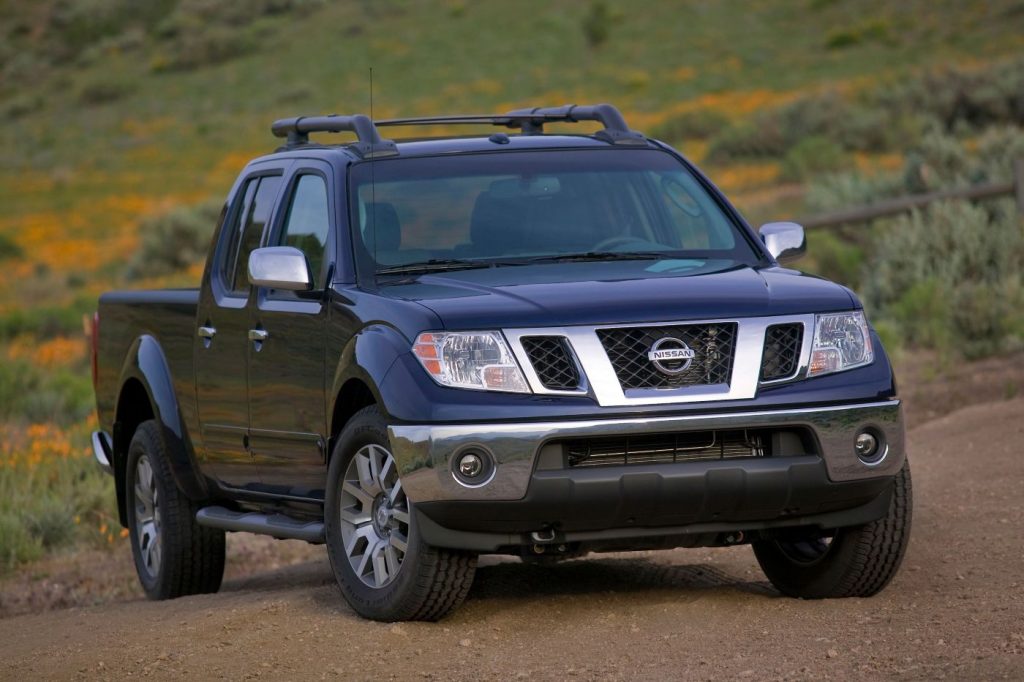
Another advantage is the extensive DIY support. Service manuals, online tutorials, and owner forums provide clear guidance for common maintenance tasks. This allows first-time DIYers to follow step-by-step instructions with confidence.
In summary, the Nissan Frontier combines rugged reliability with practical design for hands-on owners. Its service-friendly engine bay and accessible components make routine maintenance simple and efficient.
For anyone seeking a truck that allows self-sufficient upkeep, the Frontier is an excellent choice, minimizing dealership visits while maintaining vehicle longevity.
5 Trucks That Require Dealer Tools
Modern trucks increasingly incorporate advanced electronics, compact engine bays, and proprietary systems, which can complicate routine maintenance. While these innovations improve performance, fuel efficiency, and safety, they often make DIY servicing difficult or even impossible without specialized dealer tools.
Some trucks feature complex turbocharged engines, integrated electronic controls, or sensors that require calibration after routine maintenance.
Even basic tasks like battery replacement, oil changes, or air filter swaps may need diagnostic tools to reset system alerts or ensure proper function. This reliance on dealer equipment can increase maintenance costs and limit the owner’s ability to perform hands-on work.
In this section, we explore five trucks that require dealer tools. These vehicles represent models where routine service is not as straightforward, highlighting the challenges of proprietary designs, tightly packed engine bays, and modern electronics.
Each truck is discussed with real-world examples, explaining why professional intervention is often necessary.
Understanding which trucks fall into this category helps owners plan for long-term maintenance costs and decide whether a DIY-friendly truck or a dealer-dependent model better suits their needs. Awareness of these limitations can prevent frustration, unexpected repair costs, and downtime.
While dealer-reliant trucks often offer cutting-edge performance, luxury features, and efficiency, they demand respect for their complexity. Prospective buyers must weigh the benefits of advanced systems against the convenience of accessible maintenance.
By reviewing these five trucks, readers gain insight into the trade-offs between innovation and serviceability, helping them make informed purchasing decisions.
1. Ford F-250 Super Duty
The Ford F-250 Super Duty is a heavy-duty truck built for towing and commercial use, but its modern engines and electronics make DIY maintenance challenging. Components such as the Power Stroke diesel require specialized tools for oil changes, filter replacements, and fuel system servicing.
Turbocharged engines with advanced emissions controls also complicate routine maintenance. Simple tasks like replacing glow plugs or fuel filters often require diagnostic equipment to reset electronic sensors or clear system alerts.
The rear differential and transfer case are integrated with sensors that monitor torque distribution and require calibration after certain services. This prevents standard hand tools from being sufficient for many maintenance tasks.
Even routine inspections can be complicated. Fluid levels, brake components, and emissions-related hardware may need specialized access tools or dealer-level software to verify correct operation.
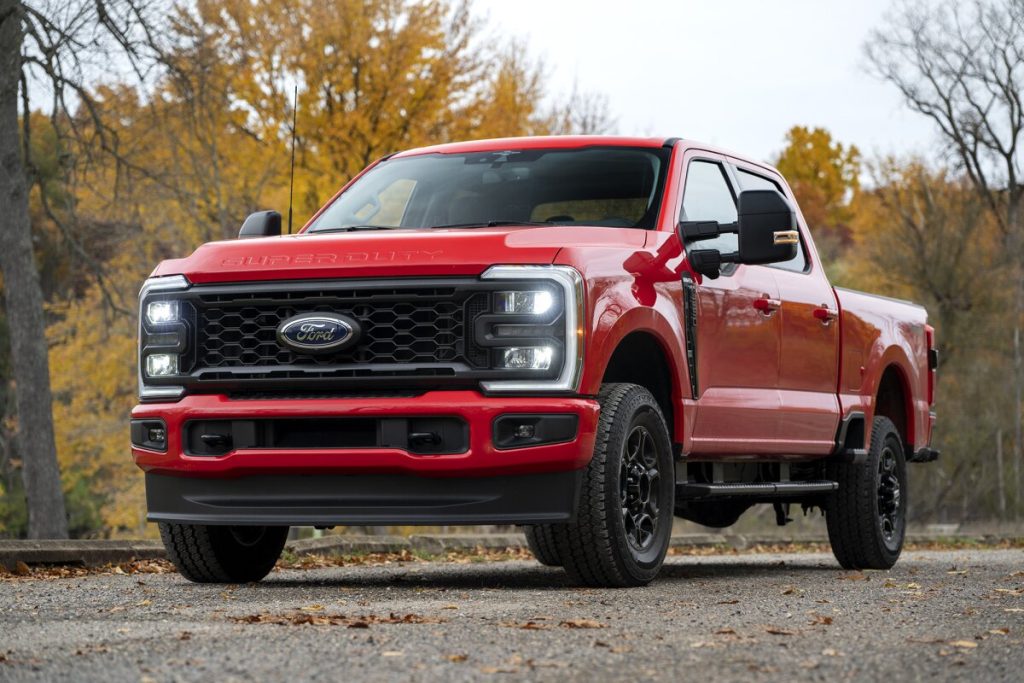
Despite these challenges, the F-250 remains popular due to its towing capacity, durability, and versatility. However, owners must recognize that servicing this truck independently is limited by its reliance on dealer tools.
In summary, the Ford F-250 Super Duty demonstrates that heavy-duty performance often comes with increased maintenance complexity. Understanding the truck’s dependence on dealer tools ensures realistic expectations for servicing and long-term ownership costs.
2. Chevrolet Silverado 3500HD
The Chevrolet Silverado 3500HD is a full-size heavy-duty truck with advanced electronics, a complex drivetrain, and integrated emissions controls. While these features enhance performance and fuel efficiency, they make DIY maintenance difficult or impractical.
Oil changes, fuel filter replacements, and battery maintenance often require specialized tools or diagnostic equipment to reset sensors and monitor system health. Even basic engine access is complicated by tightly packed components and emission control hardware.
The rear differential and transfer case include electronically monitored systems that need calibration after service. Attempting repairs without dealer tools can lead to warning lights, incorrect torque readings, or drivetrain issues.
Turbocharged diesel engines add another layer of complexity. Fuel system servicing, glow plug replacement, and emissions hardware inspections all require professional tools to ensure proper operation and avoid damage.
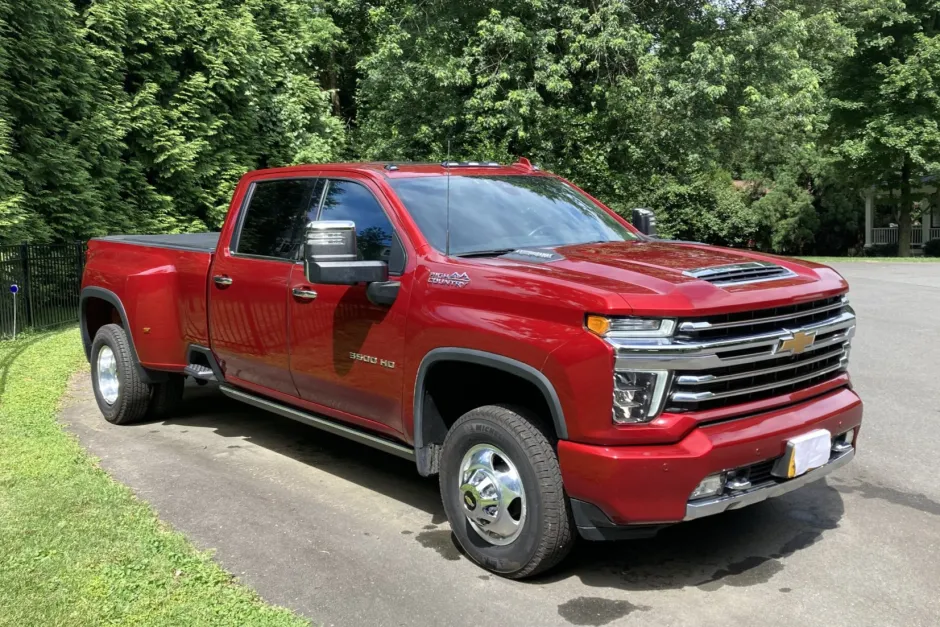
Despite these challenges, the Silverado 3500HD is valued for towing capability, reliability, and payload capacity. Its advanced systems provide safety, efficiency, and performance benefits that justify professional servicing.
In short, the Silverado 3500HD highlights the trade-off between cutting-edge engineering and DIY accessibility. Owners must rely on dealer tools or specialized equipment to maintain optimal performance and protect long-term drivetrain health.
3. Ram 3500
The Ram 3500 is a heavy-duty pickup designed for maximum towing and payload, but its advanced electronics and turbocharged diesel engine make DIY maintenance challenging. Routine tasks like oil changes, fuel filter replacements, and glow plug servicing require dealer-level diagnostic tools.
The 6.7L Cummins turbo diesel features complex emissions systems, including diesel particulate filters and exhaust gas recirculation. Servicing these components without the proper equipment can trigger warning lights or affect engine performance.
Even the rear differential and transfer case are electronically monitored. Certain repairs or fluid changes require calibration using specialized tools to ensure proper torque readings and drivetrain function.
The engine bay is tightly packed, which complicates access to components. Tasks that would be simple on smaller trucks, such as battery replacement or air filter servicing, often require partial disassembly or specific tools.
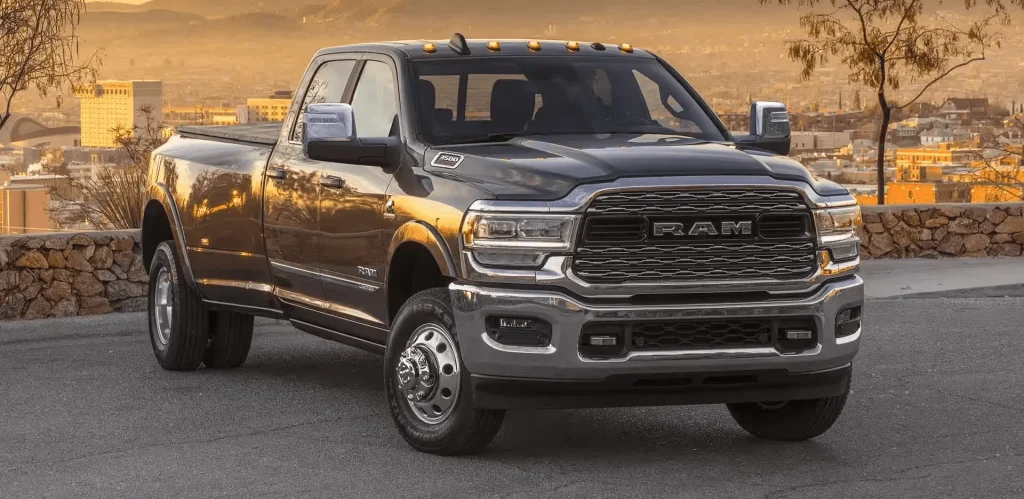
Despite these challenges, the Ram 3500 is prized for towing capability, reliability under load, and long-term durability. However, owners must accept that performing DIY service is limited due to its reliance on dealer tools.
In summary, the Ram 3500 exemplifies the balance between heavy-duty performance and maintenance complexity. Understanding its dependence on professional equipment ensures realistic expectations for cost and service.
4. GMC Sierra 2500HD
The GMC Sierra 2500HD is a robust truck with advanced powertrains and electronics. While it delivers excellent towing, payload, and safety features, its serviceability is limited for DIY owners.
Many routine maintenance tasks, such as oil changes, fuel filter replacements, and electronic diagnostics, require specialized tools or dealer software. The truck’s tight engine bay and turbocharged diesel engine further complicate access.
The rear differential, transfer case, and other drivetrain components include sensors that monitor performance. Repairs or servicing often need calibration using professional equipment to avoid system errors or warning lights.
Even fluid checks and routine inspections can be challenging due to component placement and electronic integration. Without dealer tools, some maintenance tasks are effectively inaccessible for DIYers.
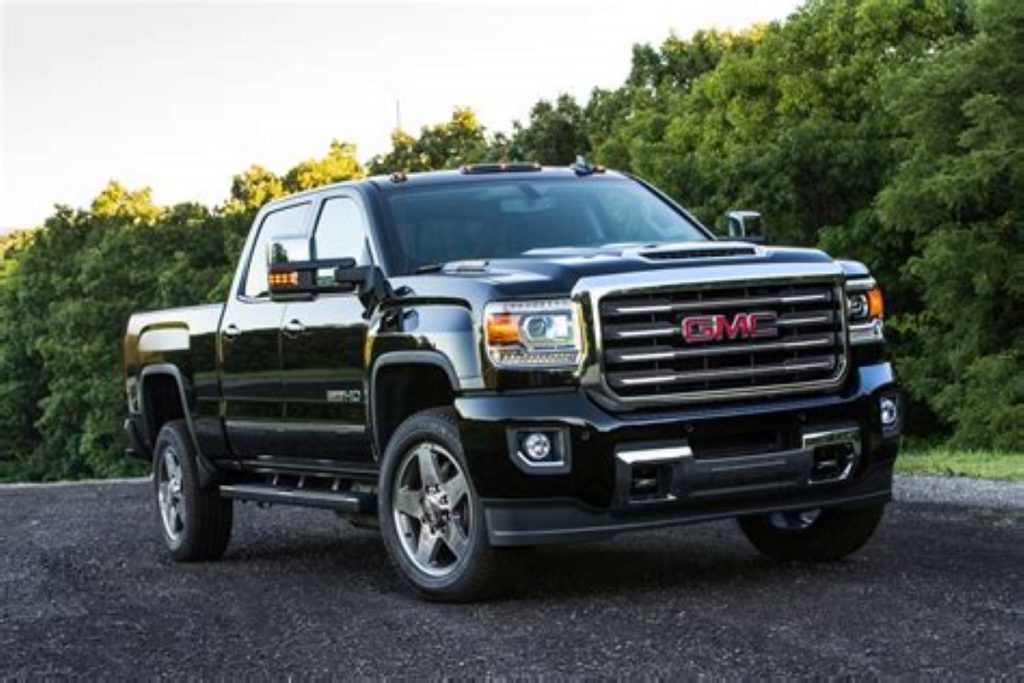
Despite these limitations, the Sierra 2500HD is widely respected for its reliability, towing capacity, and long-term performance. Its advanced features make it a capable work truck, but professional servicing is often necessary.
In short, the GMC Sierra 2500HD illustrates the trade-off between modern performance enhancements and DIY accessibility. Owners should plan for professional maintenance to preserve drivetrain health and system functionality.
5. Ford F-450 Super Duty
The Ford F-450 Super Duty is a heavy-duty workhorse with advanced engineering, but its serviceability is limited for DIY owners. Turbocharged engines, complex emissions systems, and electronic drivetrain controls mean that many routine maintenance tasks require dealer-level tools and software.
Oil changes, fuel filter replacements, and battery servicing often need diagnostic equipment to reset sensors or calibrate systems after service. Attempting these tasks without proper tools can trigger warning lights or compromise engine performance.
The rear differential and transfer case are electronically monitored. Servicing or fluid replacement may require calibration using specialized tools to ensure proper operation and torque distribution. This limits the ability of owners to perform hands-on maintenance independently.
Even basic inspections, such as checking belts, hoses, or fluid levels, can be complicated due to tightly packed components and integrated electronics. Tasks that are simple on smaller trucks often require additional disassembly or specialized wrenches.
Despite these challenges, the F-450 remains popular for commercial applications, towing, and heavy-duty work. Its advanced systems provide performance, efficiency, and safety benefits that justify professional maintenance.
In summary, the Ford F-450 Super Duty highlights the trade-off between extreme capability and DIY accessibility. Owners must rely on dealer tools or specialized equipment to maintain optimal performance and preserve drivetrain health over time.
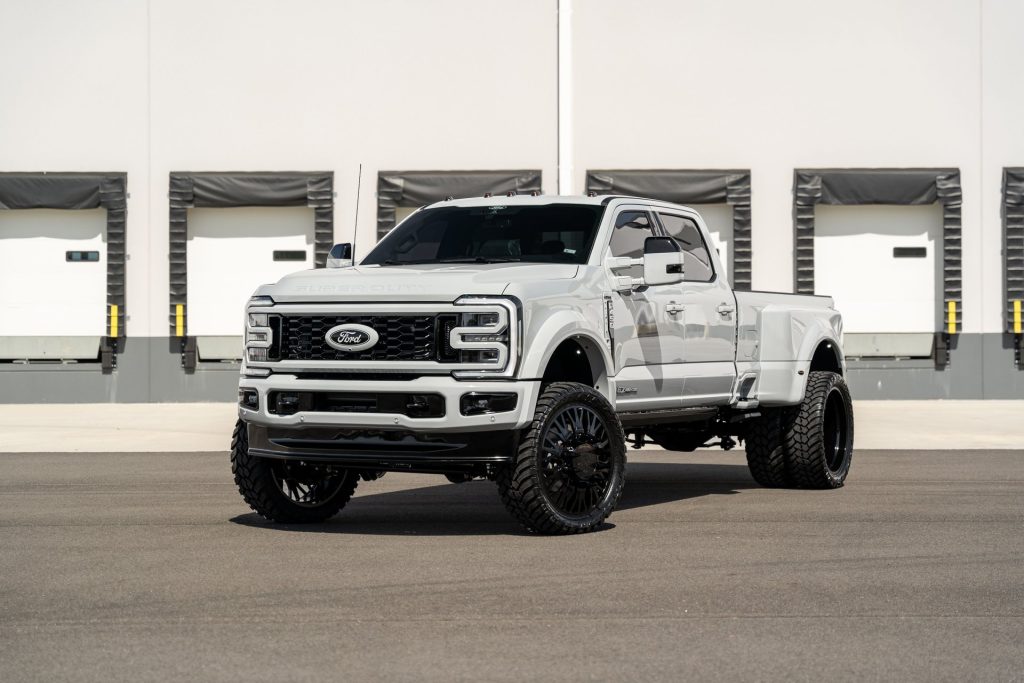
Truck owners face a critical decision when it comes to maintenance: whether to choose a DIY-friendly model or a dealer-dependent one. Some trucks are designed with easy access to essential service points, while others rely on advanced electronics and proprietary systems that require specialized tools.
Trucks with easy DIY service access, including the Toyota Tacoma, Ford F-150, Chevrolet Colorado, Ram 1500, and Nissan Frontier feature practical engine layouts, clearly labeled components, and straightforward access to oil filters, air filters, batteries, and fluids.
These models allow owners to perform routine maintenance efficiently, reducing costs and reliance on dealerships while encouraging hands-on upkeep.
In contrast, trucks that require dealer tools such as the Ford F-250 Super Duty, Chevrolet Silverado 3500HD, Ram 3500, GMC Sierra 2500HD, and Ford F-450 Super Duty, incorporate turbocharged engines, integrated electronics, and tightly packed components.
Routine tasks often require diagnostic tools, calibration, or specialized wrenches, limiting DIY possibilities and increasing maintenance costs.
Understanding the service accessibility of a truck is essential for ownership planning. Buyers can weigh the benefits of hands-on maintenance against advanced features, performance, and efficiency. Choosing the right truck ensures long-term reliability, minimizes surprises, and allows owners to align their vehicle with their maintenance preferences.
Also Read: 5 Pickups With Rust-Resistant Bodies vs 5 Rust Magnets
