
In the world of modern crossovers, few components influence driver confidence as much as the steering rack. It’s the heart of the vehicle’s feedback system, connecting the driver’s hands to the road with precision, resistance, and control.
While engines and transmissions often steal the spotlight, the steering system silently defines how a crossover feels at every speed and corner. Yet, like many mechanical parts, its longevity varies widely among models.
Some vehicles carry robust steering racks that last for years of rough roads and weather exposure, while others slowly develop play the loose, disconnected feeling that turns tight handling into vague guesswork.
This comparison focuses on two key groups: crossovers with durable steering racks that hold firm even past high mileage, and those known to develop play or looseness over time. The contrast reveals more than mechanical differences.
It tells a story about how manufacturers prioritize engineering detail, sealing quality, materials, and feedback tuning. For everyday drivers, these traits translate directly to trust behind the wheel and the cost of ownership over time.
From rugged global favorites to refined urban cruisers, we’ll explore which crossovers have steering systems that resist wear and which ones tend to disappoint once the miles add up. Each vehicle was chosen for real-world performance, reliability reports, and repair trends.
The goal is to help enthusiasts, mechanics, and buyers understand what to expect whether maintaining a high-mileage crossover or choosing one built to last. Steering might not be glamorous, but when it fails, you feel it in every corner.
Also Read: 5 SUVs With Smart Cargo Hooks, Rails & Cubies vs 5 Cargo-Area Afterthoughts
5 Crossovers With Durable Steering Racks
A durable steering rack is one of the unsung heroes of crossover longevity. It’s the part that takes constant stress every turn, bump, and parking maneuver passes through its joints and seals.
When designed well, it keeps steering precise for years, resisting corrosion, fluid leaks, and internal wear. For crossovers that see mixed driving conditions from highways to dirt roads this durability means less slop in the wheel, fewer replacements, and a far more confident drive even at high mileage.
Automakers that engineer tough steering racks often focus on stronger rack housings, well-sealed boots, and higher-quality internal bushings. Some even use electro-mechanical systems that self-adjust over time to maintain tightness.
The result is a crossover that continues to feel solid and composed, rather than drifting or wobbling under stress. Such models become known among owners and mechanics for staying “tight” a quality that’s easy to feel but hard to achieve.
This section focuses on five crossovers recognized globally for steering systems that outlast the rest. Each has proven itself not only in lab tests but also through owner reports and fleet service experience. These aren’t just vehicles that handle well when new they maintain that confidence after years of daily use.
Whether it’s a Japanese SUV that thrives on reliability, a European model known for engineering precision, or an American-built workhorse designed for tough conditions, each of these crossovers shows how thoughtful mechanical design can deliver years of worry-free steering. Let’s take a closer look at five crossovers that continue to hold their line, both on the road and in reputation.
1. Toyota RAV4
The Toyota RAV4 has long been a symbol of practical reliability, and its steering system reflects that same philosophy. Over multiple generations, Toyota engineered the RAV4’s steering rack with longevity in mind, using a high-strength aluminum housing and tight-sealing boots that keep road grit and moisture out.
Unlike many electric-assisted systems that develop looseness, the RAV4’s electric power steering remains consistent for well over 150,000 miles when maintained properly.
Owners often praise the RAV4 for its stable steering feel, especially on highways and rougher rural roads. The feedback remains predictable, which helps reduce driver fatigue over long trips.
Even after years of daily driving, many mechanics report that the original steering rack shows no sign of internal leakage or gear wear. Toyota’s focus on sealing and joint quality clearly pays off here, with fewer reports of tie rod slack or steering play compared to competitors in the same class.
The RAV4’s reputation also comes from Toyota’s conservative approach. They avoid over-tuning the steering to feel artificially light, keeping a balanced ratio that resists the numbness often found in electric systems. This results in a steering response that feels natural a major factor in why many owners stick with the brand for decades.
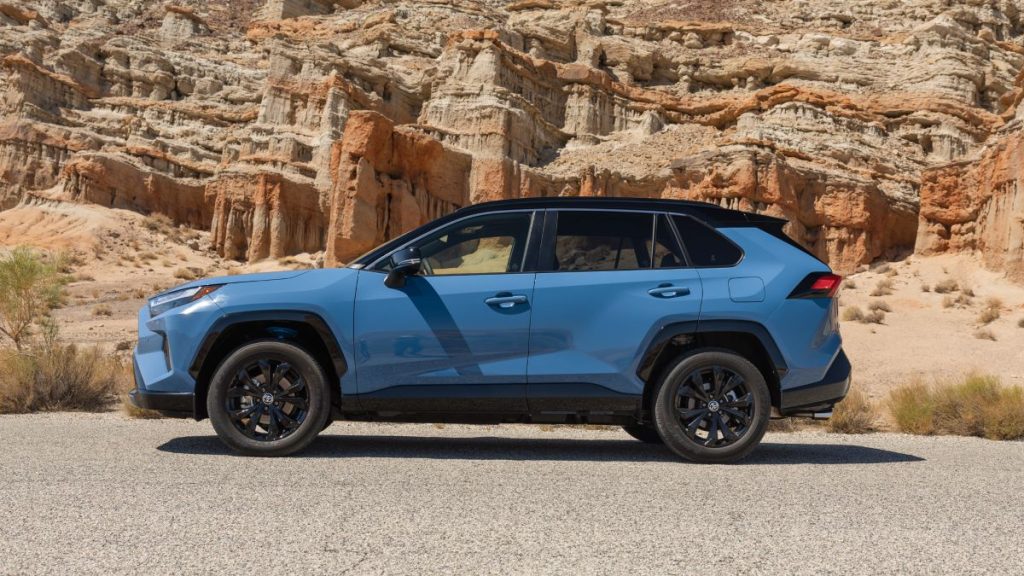
I’m writing about the RAV4 because it represents how durability and precision can coexist without overcomplicating the design. It’s a crossover that proves longevity isn’t about gimmicks but about simple, well-protected engineering.
In regions where reliability means everything from India to Canada to Australia, the RAV4’s steering rack remains one of the most durable examples in the compact crossover segment.
2. Subaru Forester
The Subaru Forester is widely respected for its dependable mechanicals, and the steering rack is no exception. Subaru uses a hydraulic-assisted system in many Forester generations, which provides natural feedback and long-term resilience.
The rack and pinion setup is made from corrosion-resistant steel with reinforced seals that stand up well against mud, road salt, and extreme climates.
Forester owners frequently mention that even after years of daily commuting or off-road trips, the steering stays tight and consistent.
Unlike some electric systems that fade over time, the Forester’s steering keeps its reassuring weight and direct feel. Subaru’s symmetrical all-wheel-drive layout also helps distribute steering load evenly, reducing wear on joints and bushings.
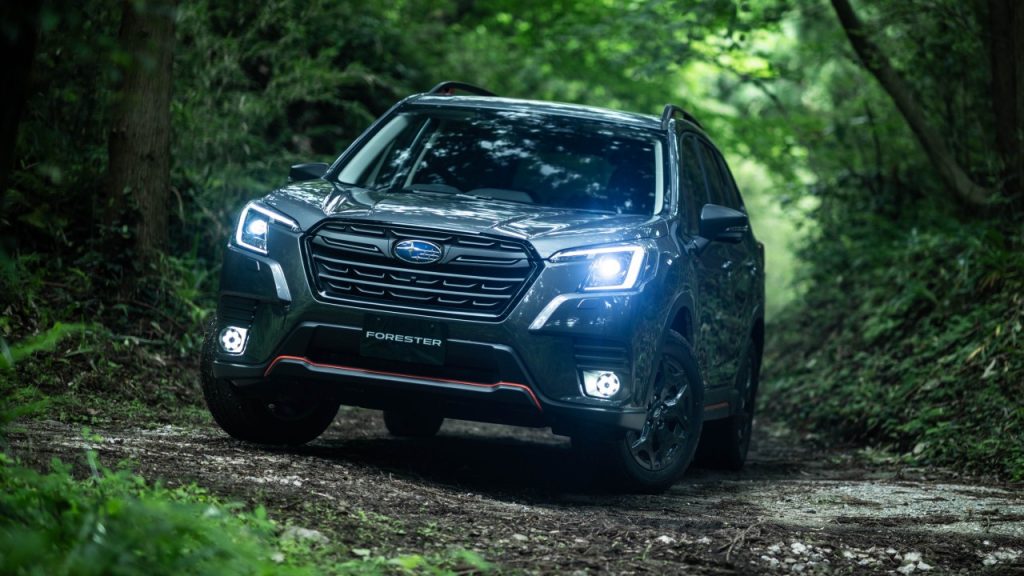
I’m writing about the Forester because it blends rugged engineering with everyday usability. It’s not flashy, but it quietly delivers mechanical toughness, which is something drivers notice after 100,000 miles or more.
Mechanics often describe its steering rack as “uncomplaining,” which says a lot about how well it holds up in the real world.
3. Honda CR-V
The Honda CR-V has earned a reputation for bulletproof reliability, and its steering system reinforces that legacy. The steering rack is known for precise construction and long service life, thanks to Honda’s focus on reducing internal friction and preventing contamination.
In the CR-V, the electronic assist motor is mounted high, away from moisture and dirt a small design choice that greatly improves durability.
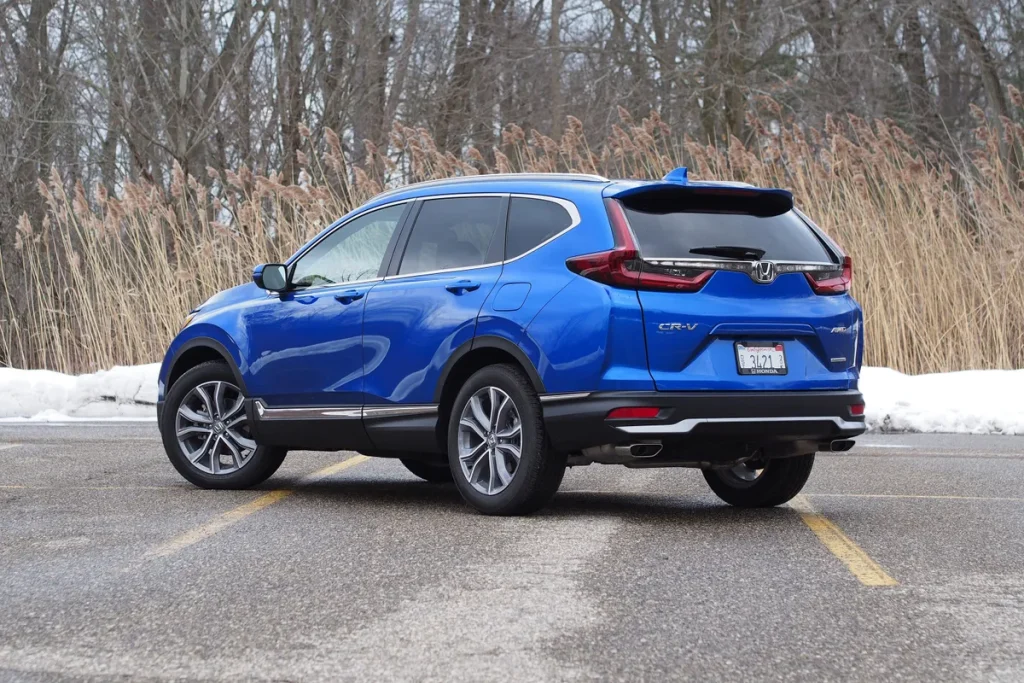
Drivers appreciate the CR-V’s steering for its balance between light effort and direct response. Even with age, it rarely develops the play or uneven feel seen in rivals. Honda’s attention to rack seal integrity and tie rod quality helps maintain that solid connection between driver and wheels.
I included the CR-V because it shows how small details make a huge difference in long-term durability. Its steering remains tight even after years of use, proving that Honda’s design philosophy prioritizes both comfort and lasting mechanical integrity.
4. Volvo XC60
The Volvo XC60 stands out as one of the most solidly engineered European crossovers when it comes to steering system longevity. Volvo has a long-standing focus on safety and structural integrity, which extends to its steering components.
The rack assembly in the XC60 is built from high-grade alloys with precision-fit seals that resist fluid seepage and corrosion. Many owners note that even after 150,000 miles, the steering remains sharp, with minimal free play or vibration.
The XC60’s electric power steering has an adaptive design that maintains consistency regardless of speed or road condition.
This prevents the uneven feel that often plagues other European systems as they age. Its well-insulated steering column also protects the rack from debris and road salt, a major factor in northern markets where corrosion is a problem.
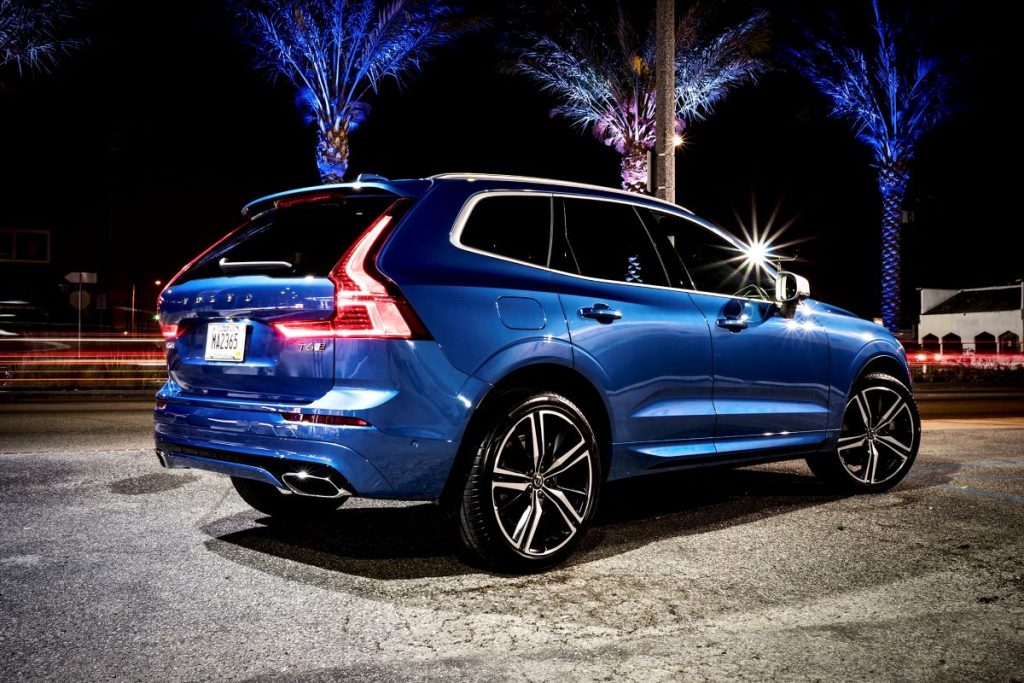
I’m including the XC60 because it represents how luxury engineering can achieve durability without sacrificing smoothness. It’s a crossover that feels precise and planted even after years of use, proving that thoughtful material choices and protective design matter as much as mechanical strength.
Volvo’s quiet excellence in reliability often goes unnoticed, but the XC60’s steering durability is a perfect reminder of their long-term quality.
5. Ford Edge
The Ford Edge brings an American angle to this list, showing how toughness and practicality can work together. Ford fitted the Edge with a rack-and-pinion steering system designed for heavy crossover loads and larger tires.
The result is a system that withstands abuse from rough urban roads and highway miles equally well. Its electric assist unit is sealed tightly to prevent water and dust intrusion, one of the main causes of steering degradation.
Drivers appreciate the Edge for its stable, confident steering feel even after years of service. Mechanics often note that the factory-installed rack rarely fails before 200,000 kilometers, which is a strong record in its class. Ford’s decision to use higher-tensile steel in the internal gear housing gives it extra endurance compared to older domestic rivals.
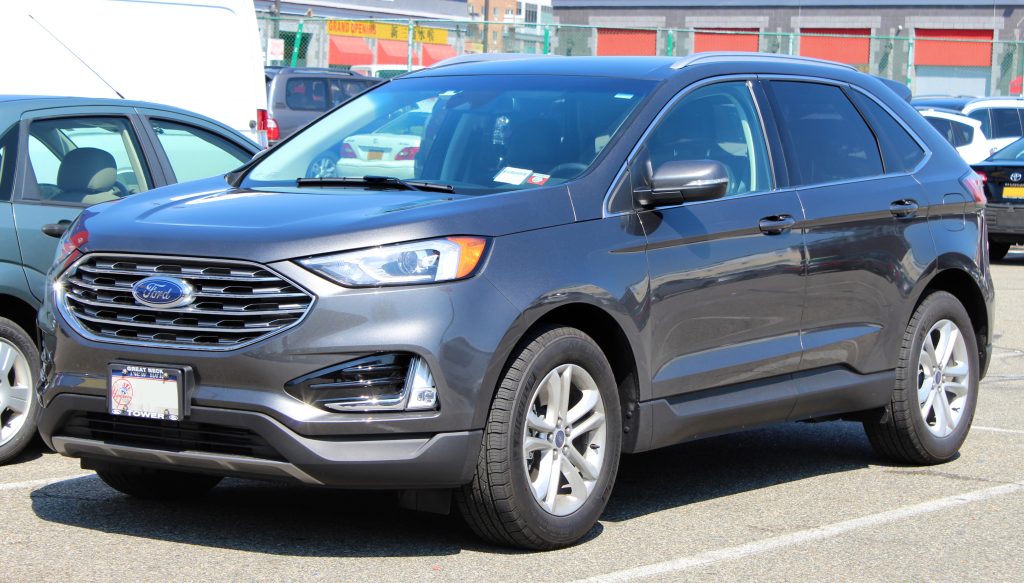
I’m writing about the Edge because it highlights how American engineering has matured. Once known for inconsistent steering systems, Ford’s newer designs now deliver real staying power. The Edge’s steering rack proves that reliability doesn’t have to come only from imports it can come from Detroit too.
5 Crossovers That Develop Play
Steering play is one of the most frustrating issues that can appear in an aging crossover. It’s the subtle looseness or delay you feel when turning the wheel a sign that something inside the steering rack, tie rods, or bushings is wearing faster than expected.
While many systems stay tight for years, some crossovers are known for developing slack earlier than they should. The reasons vary: weak sealing, premature internal wear, or cost-cutting in materials. Whatever the cause, the result is the same the steering loses precision, and the driver loses confidence.
This part focuses on crossovers that often develop play over time, based on real-world owner feedback and service records. These models may drive perfectly when new, but as mileage increases, their steering feel begins to degrade.
The issue can start subtly a soft dead zone around the centre and gradually grow into noticeable looseness that requires expensive rack replacement or alignment correction.
Identifying these vehicles isn’t about criticism for its own sake. The goal is to highlight patterns and help drivers understand where weaknesses lie. Knowing which crossovers tend to develop play allows owners to take preventive measures from regular inspections to improved lubrication or upgraded replacement parts.
This section includes a range of vehicles from different markets: some European models that favor light steering but sacrifice longevity, a few popular Asian options that struggle with electric-assist calibration, and a couple of American designs that just didn’t age well. Each example shows how design choices from rack placement to seal quality can make or break steering durability.
Let’s look at five crossovers that too often lose their tight steering feel sooner than drivers expect.
1. Nissan Rogue
The Nissan Rogue is a strong seller, but its steering system has developed a mixed reputation among owners. While the crossover drives smoothly when new, many long-term drivers report growing looseness or play after about 70,000 to 100,000 miles.
The main culprit is often the electric power steering motor and internal rack gear, which wear prematurely due to design compromises in early generations.
The Rogue’s rack housing isn’t as well sealed as its rivals, allowing moisture and fine dust to enter. Over time, this leads to corrosion around the input shaft and uneven resistance in the steering motion.
Drivers notice it as a vague center feel small steering inputs that fail to move the wheels precisely. It’s not unsafe at first, but it becomes progressively annoying as the steering feels disconnected from the road.
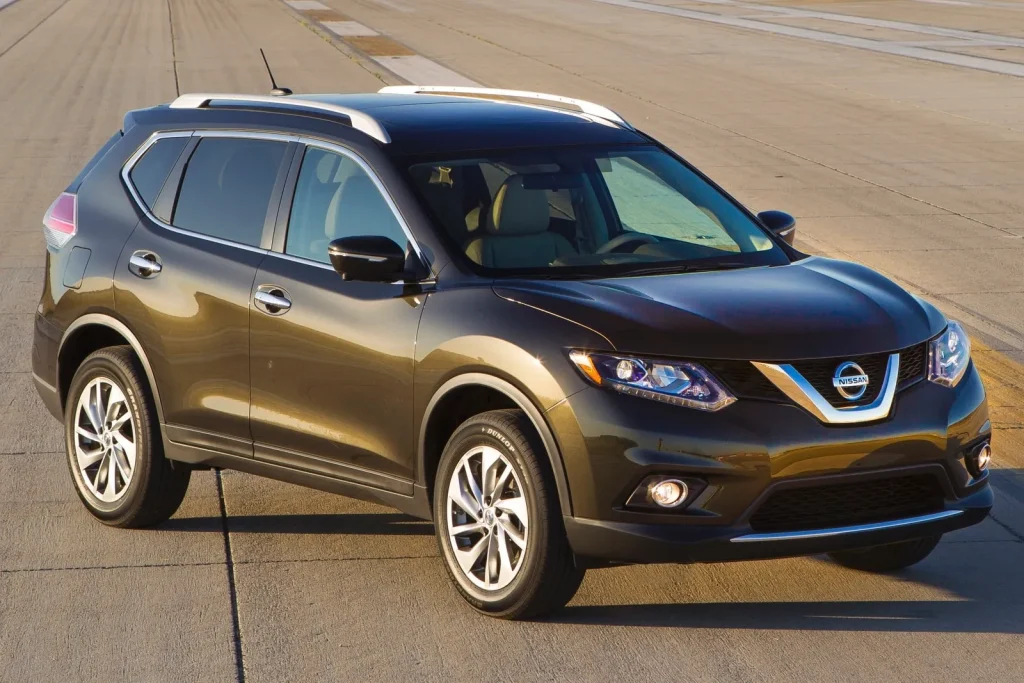
Mechanics frequently replace complete racks rather than individual components, which makes the fix expensive. Nissan attempted to improve the design in later models, but the earlier systems remain prone to wear. This issue shows how lightweight design and cost-saving can reduce long-term steering durability.
I’m writing about the Rogue because it’s a reminder that popularity doesn’t always equal lasting quality.
Many owners love its comfort and fuel economy, yet few expect the steering to feel worn out so early. For buyers considering used models, regular inspections and fluid checks are essential to keep the steering from developing further play.
2. Volkswagen Tiguan
The Volkswagen Tiguan combines sharp European styling with firm road manners, but its steering system hasn’t always lived up to that promise. Many owners have reported early steering rack wear, especially on models equipped with electric assist systems.
After several years, the Tiguan’s steering can develop a slight but noticeable free play that increases over time.
The root cause often lies in the rack’s internal gear teeth and electric assist motor bearings. These components are finely tuned but sensitive to contamination and lubrication breakdown.
In regions with heavy rainfall or salted roads, corrosion can creep into the housing and gradually affect precision. The result is steering that feels slightly detached not dangerous, but certainly less confident than it was when new.
Service technicians also point out that the Tiguan’s rack assembly is complex and costly to replace. The tight engine bay packaging makes even simple steering-related maintenance a challenge, driving up labor costs. For many owners, this turns what should be a simple wear issue into a major repair bill.
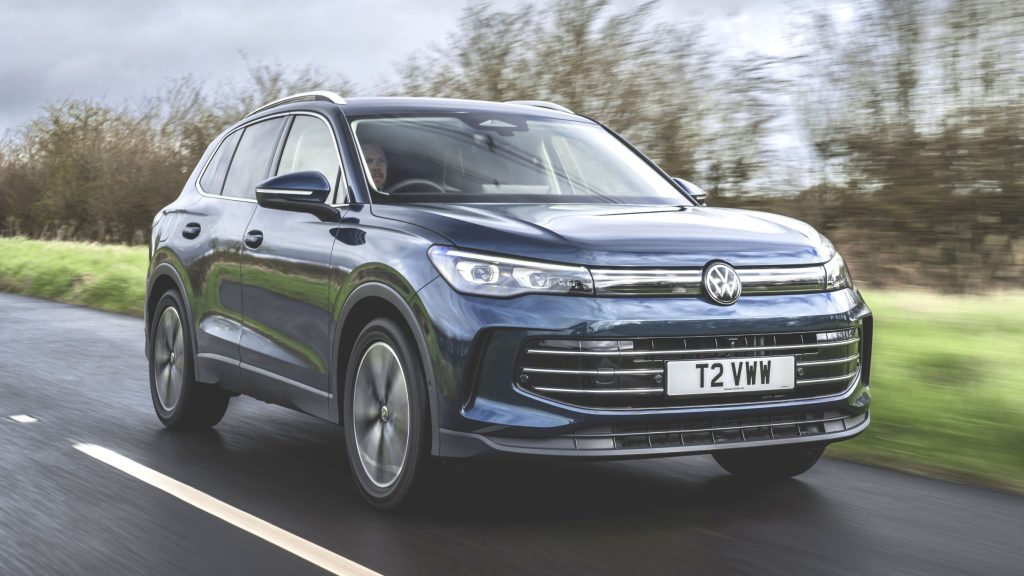
I’m including the Tiguan because it highlights how advanced engineering doesn’t always mean durability. The steering initially feels sharp and responsive, but the same precision parts that create that feel can wear quickly in real-world conditions. It’s a crossover that teaches how refinement must always be balanced with resilience.
3. Chevrolet Equinox
The Chevrolet Equinox is a popular midsize crossover, but it’s also known among mechanics for developing steering play earlier than expected. The issue is common in both hydraulic and electric-assisted versions, often appearing after 60,000 to 80,000 miles.
The steering rack’s internal bushings and input shaft tend to wear faster than average, leading to a light “floaty” feel around the center position.
Owners describe the problem as a lack of precision the wheel turns slightly before the tires respond. In some cases, this comes with faint clunks or vibrations felt through the steering column.
The problem worsens in colder climates, where the rack seals shrink and allow small gaps to form. This is compounded by the Equinox’s relatively soft suspension setup, which transfers more road shock directly into the steering assembly.
Repair costs are often high because the rack-and-pinion unit is difficult to access, and many shops recommend full replacement rather than partial repairs. Some owners report improvement with aftermarket racks that use tighter bushings, but even these don’t always last long in heavy use.
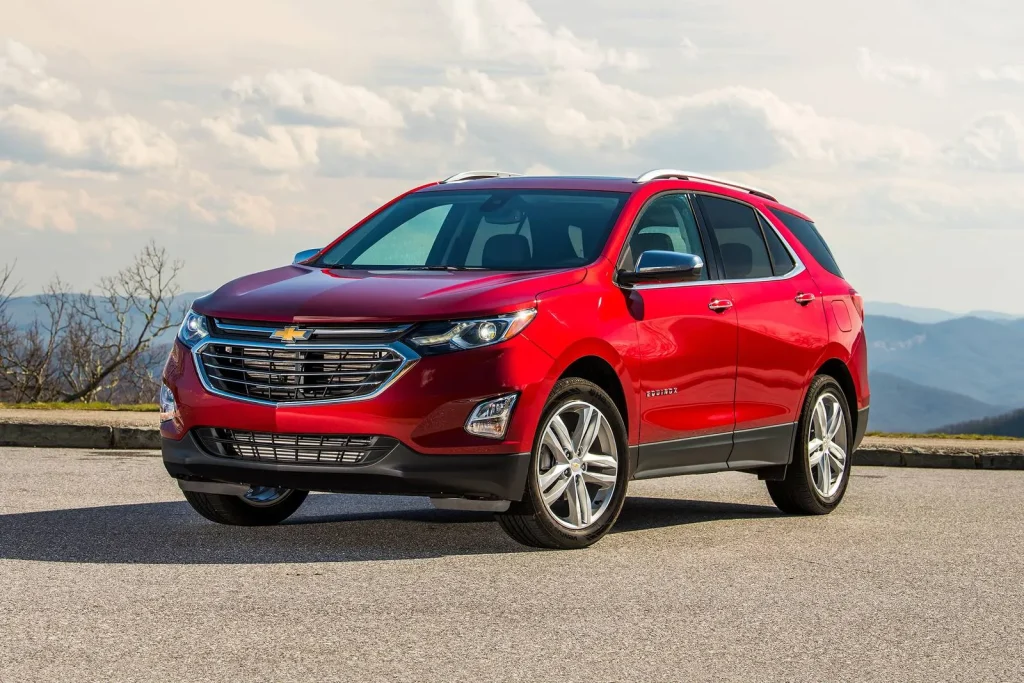
I’m writing about the Equinox because it represents how domestic crossovers can struggle with long-term steering precision. The comfort-oriented design that makes it pleasant in city driving can also make it vulnerable to wear.
For used buyers, a pre-purchase inspection focusing on steering play is essential. The Equinox serves as a reminder that durability depends not just on parts but also on how the entire suspension and steering geometry share loads over time.
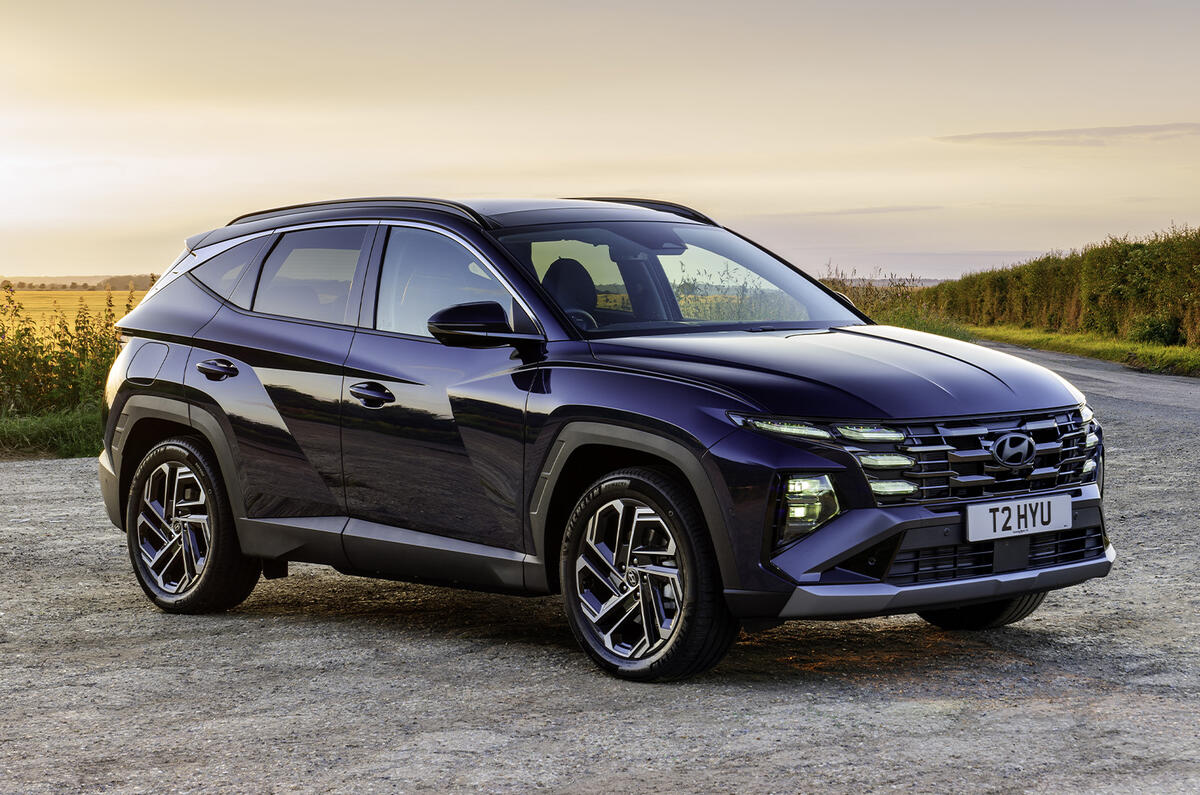
4. Hyundai Tucson
The Hyundai Tucson has improved greatly in build quality over the years, but some generations still suffer from steering looseness as mileage climbs.
The most reported issue comes from the electric power steering coupler a small rubber component that connects the motor to the rack shaft. Over time, this piece wears out or cracks, leading to an unsettling “dead zone” when turning the wheel.
The symptom starts mildly, often as a soft or delayed steering response. Eventually, it can cause a knocking sensation that feels like play in the rack.
Hyundai recognized this issue and issued technical service bulletins in several markets, recommending coupler replacement. While the repair is inexpensive, the recurrence rate is high because the replacement parts are often made from similar soft material.
Mechanically, the rack itself is sound, but the weak link lies in the assist coupling and surrounding bushings. The steering may never feel dangerous, but it loses the crispness that drivers expect from a newer vehicle. For owners, it’s more of an annoyance than a failure, yet it clearly affects long-term satisfaction.
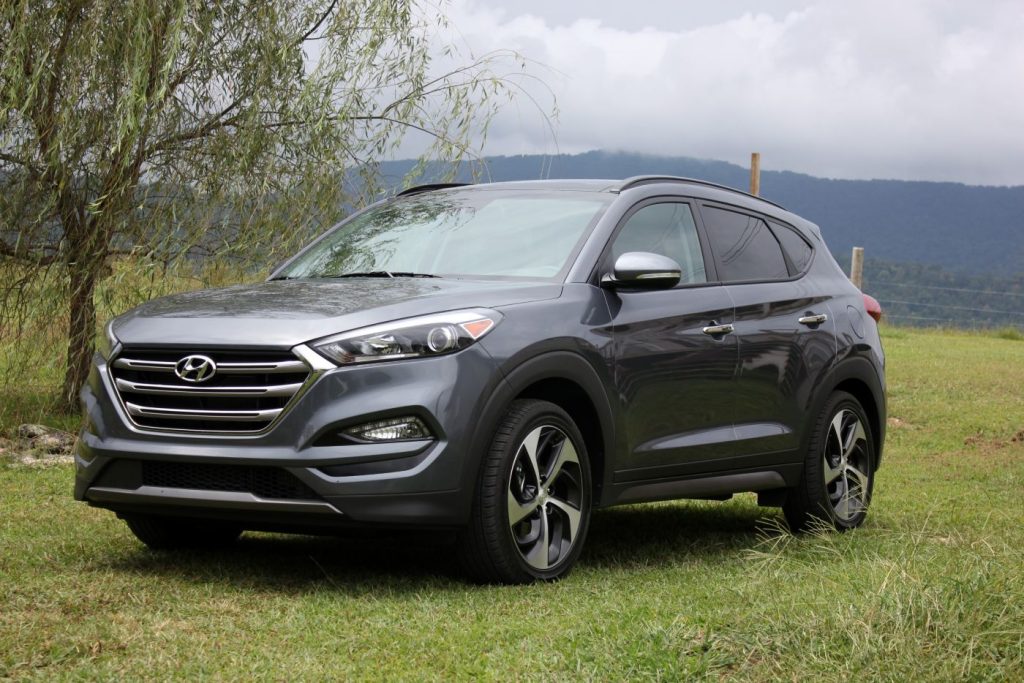
I included the Tucson because it shows how a small design flaw can overshadow an otherwise reliable vehicle.
The steering play issue is well-documented and serves as an example of how minor materials choices in this case, one small rubber piece can define a crossover’s reputation. It’s a lesson in how precision engineering must extend to every component, no matter how small.
5. BMW X1
The BMW X1 delivers sharp dynamics when new, but over time, its steering system can lose that signature tightness.
Many owners and technicians note that the steering rack on certain X1 models develops subtle play after extended mileage typically around 80,000 to 100,000 miles. This isn’t immediate failure, but a gradual loosening that dulls the car’s precision, especially at highway speeds.
The issue often comes from internal wear in the rack-and-pinion assembly and minor degradation in the electric assist motor bearings. BMW’s system is tuned for agility, using lightweight materials and tight tolerances.
However, those same characteristics make it sensitive to heat cycles, vibration, and minor contamination. Over time, the result is a faint knock or soft response near the center that keen drivers immediately notice.
In markets with rougher road conditions, the X1’s steering joints and lower column bushings also take a beating. Because of its complex layout, repairing or replacing the rack is costly, and recalibration is required afterward.
BMW dealers usually handle these repairs, which adds to the expense. While the system remains safe to drive, it no longer feels as direct or confidence-inspiring as it once did.
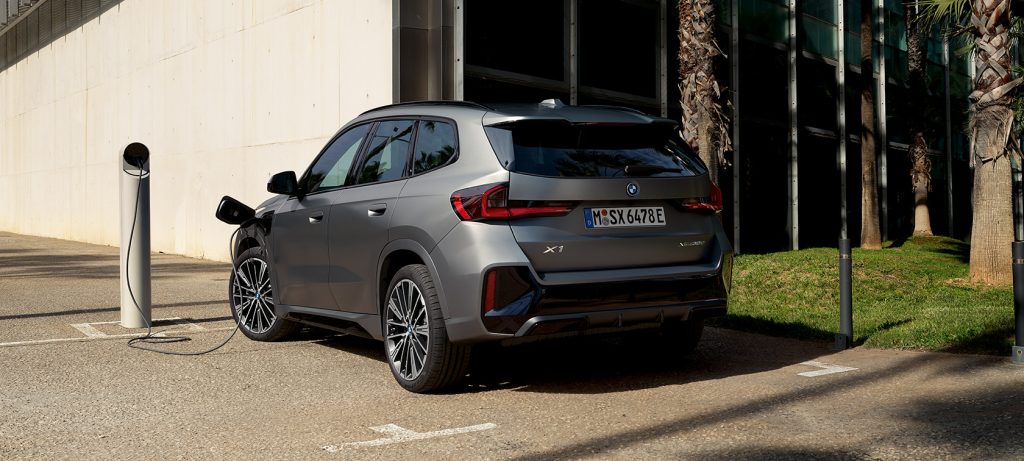
I included the X1 because it’s a classic case of a high-performance setup that doesn’t age gracefully. The precision that makes it enjoyable when new also makes it vulnerable to wear in real-world conditions.
It serves as a reminder that engineering for responsiveness and engineering for longevity are not always the same goal. For buyers seeking long-term dependability, the X1’s steering rack is an area worth monitoring closely, especially on pre-owned units with high mileage.
Also Read: 5 Vehicles With Affordable Common Tire Sizes vs 5 Odd Sizes That Cost More
