
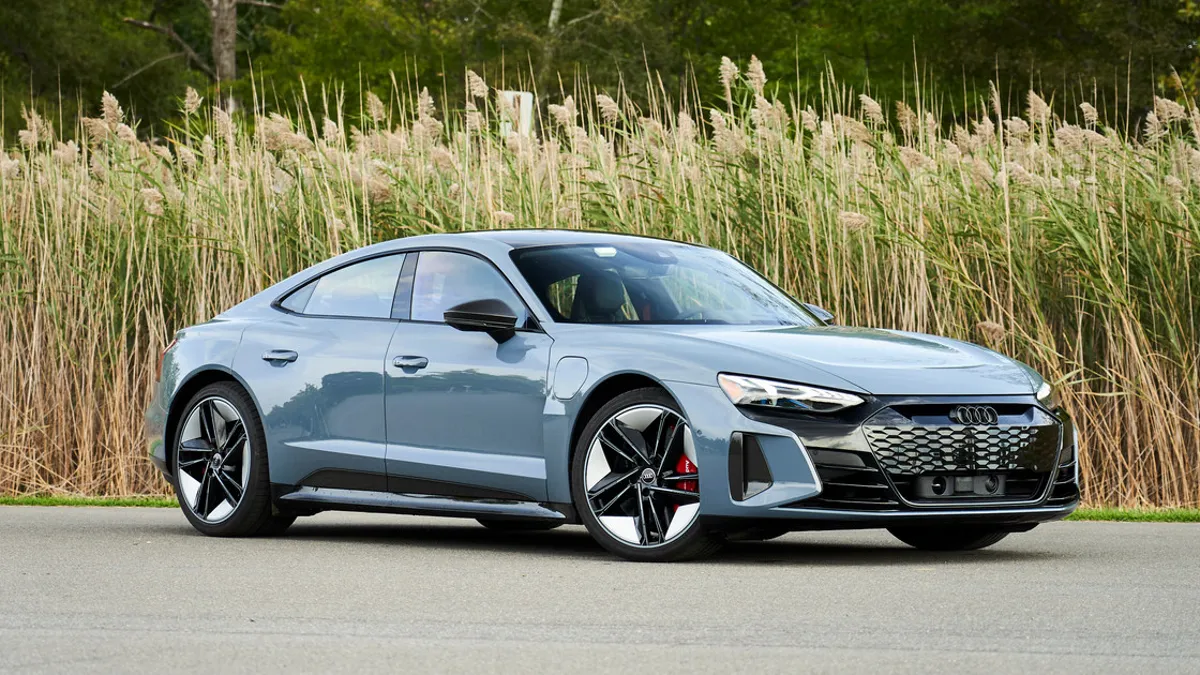
Electric vehicles are increasingly popular, offering instant torque, efficiency, and lower emissions. However, one critical aspect often overlooked is braking performance.
Unlike traditional vehicles, EVs rely heavily on regenerative braking to slow the car, but the mechanical brake system remains essential, particularly under high-stress conditions like spirited driving, heavy loads, or repeated downhill braking.
The ability of brakes to resist heat buildup is crucial for consistent stopping power, safety, and long-term durability.
Some EVs are designed with heat-resistant brake systems that handle repeated heavy braking without losing performance. These systems use advanced materials, ventilated rotors, or optimized cooling designs to prevent brake fade and maintain consistent pedal feel.
Vehicles with such brakes inspire confidence in drivers, especially during demanding conditions, towing, or mountain driving.
Conversely, certain EVs suffer from brake glazing, where the pad or rotor surface hardens and smooths due to overheating. Glazed brakes reduce friction, increase stopping distances, and often produce squealing noises.
While this can happen in any vehicle, EVs with high regenerative braking ratios or smaller mechanical brakes can be more prone to glazing under extreme conditions.
In this article, we will examine both sides of the spectrum. First, we highlight five EVs whose brake systems resist heat effectively, maintaining consistent performance even under prolonged stress.
Then, we will explore five EVs whose brakes glaze easily, leading to diminished performance and the need for more frequent maintenance.
Understanding how EV brake systems perform under heat is essential for buyers who prioritize safety, durability, and driving confidence.
By comparing heat-resistant and glaze-prone systems, we aim to provide practical insights that help drivers make informed decisions when selecting an EV.
Also Read: 5 Crossovers With Durable Steering Racks vs 5 That Develop Play
5 EVs With Heat-Resistant Brake Systems
Braking performance is critical in electric vehicles, particularly because regenerative braking can only handle part of the vehicle’s deceleration needs. High-performance driving, heavy loads, or long downhill stretches place additional stress on mechanical brakes.
EVs with heat-resistant brake systems are designed to manage this stress, maintaining consistent stopping power and avoiding fade even after repeated hard braking.
These systems typically incorporate high-quality materials for pads and rotors, ventilated or larger disc designs, and optimized cooling channels. By dissipating heat efficiently, the brakes retain friction, ensure a consistent pedal feel, and reduce the risk of glazing.
This engineering not only improves safety but also extends the longevity of brake components, reducing maintenance costs over the life of the vehicle.
Choosing an EV with a heat-resistant braking system is particularly important for drivers who frequently tow, carry heavy loads, or enjoy spirited driving. In high-performance EVs, where instant torque can stress brakes quickly, heat resistance becomes a key differentiator.
Additionally, even everyday city driving can benefit, as repeated stop-and-go cycles generate heat that can challenge weaker braking systems.
In this section, we highlight five EVs known for their exceptional brake systems that resist heat. These vehicles showcase engineering solutions that balance regenerative braking with mechanical braking performance.
We will discuss the design choices, materials, and overall effectiveness of each system, emphasizing why these EVs stand out for drivers seeking consistent, fade-free braking.
Understanding these heat-resistant systems helps prospective buyers select EVs that are not only fast and efficient but also safe and durable under demanding conditions.
1. Tesla Model S Plaid
The Tesla Model S Plaid is a high-performance electric vehicle that generates immense torque, making effective braking crucial.
Tesla engineers designed its braking system to handle repeated heavy stops without losing performance. The Model S Plaid uses large ventilated rotors and high-quality pads that dissipate heat efficiently.
The regenerative braking system in the Plaid reduces the load on mechanical brakes, but during spirited driving or track conditions, the mechanical brakes remain essential.
Advanced materials and optimized rotor designs prevent overheating, maintaining consistent friction and pedal feel. Drivers can rely on predictable stopping power even during long downhill stretches or high-speed maneuvers.
Owners report minimal brake fade, even under demanding driving, highlighting the durability of Tesla’s engineering. The brakes also resist glazing, which is common in EVs with smaller or less robust systems. This contributes to long-term reliability and reduces maintenance costs.
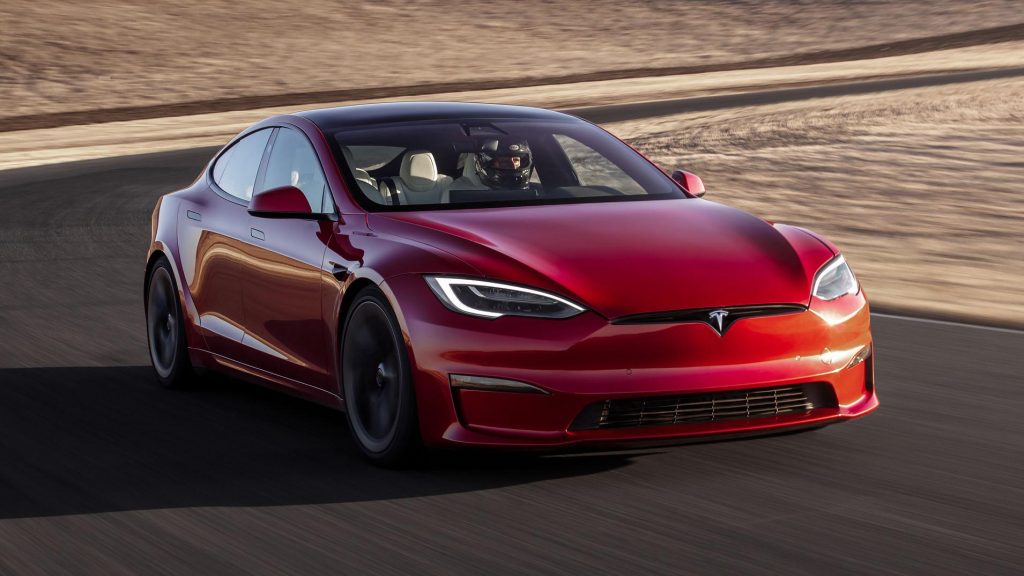
We highlight the Model S Plaid because it demonstrates that high-performance EVs can balance speed and safety. The heat-resistant brakes instill confidence for drivers who push their vehicles to the limit, tow heavy loads, or drive aggressively on winding roads.
Overall, the Tesla Model S Plaid showcases how intelligent engineering, combined with high-quality materials, results in an EV brake system that remains consistent, safe, and durable under demanding conditions.
2. Porsche Taycan Turbo S
The Porsche Taycan Turbo S is another high-performance EV known for precise handling and braking. Its braking system combines regenerative braking with large, ventilated rotors and advanced pads designed to resist heat. Porsche focuses on maintaining friction under extreme conditions, ensuring consistent stopping power.
During spirited driving, track use, or mountainous routes, the Taycan’s brakes manage high temperatures effectively. The ventilated rotors and heat-resistant pads prevent brake fade and reduce the risk of glazing. Drivers experience a firm, predictable pedal feel, even after repeated heavy braking.
Porsche engineers integrate regenerative braking to lessen the stress on mechanical brakes, but the heat-resistant components remain essential for performance and safety. The system is particularly beneficial for high-speed driving, where consistent braking is critical for confidence and control.
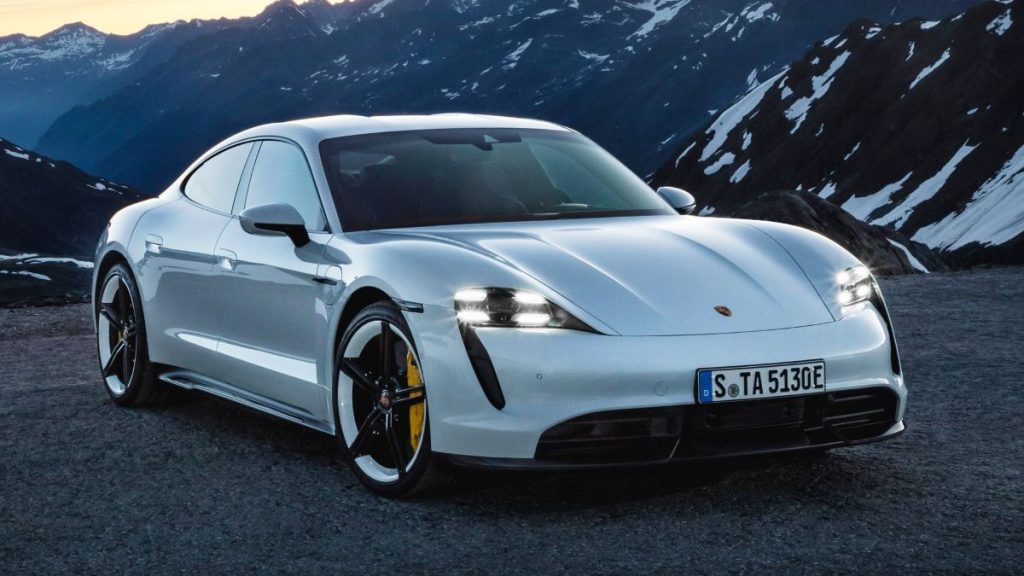
Owners consistently praise the Taycan Turbo S for its fade-free braking, noting that it outperforms many competitors in long-term durability. The combination of engineering, materials, and integration with regenerative braking ensures the brakes stay reliable over time.
We highlight the Taycan Turbo S because it demonstrates that even in extreme performance conditions, EVs can maintain safe, consistent braking. Its heat-resistant system exemplifies how careful design can balance performance, safety, and longevity.
3. Audi e-tron GT
The Audi e-tron GT is a performance-focused electric vehicle that blends luxury with high-speed capability. Its braking system is engineered to resist heat effectively, ensuring consistent stopping power even under demanding conditions.
The e-tron GT uses ventilated rotors combined with high-performance brake pads that dissipate heat efficiently, preventing fade during spirited driving or steep descents.
Audi’s regenerative braking system reduces the mechanical brakes’ workload, but the mechanical brakes remain essential during high-speed maneuvers or prolonged deceleration.
The heat-resistant components maintain friction and a solid pedal feel, giving drivers confidence in both urban and high-performance scenarios.
Owners of the e-tron GT report minimal brake fade, even under repeated heavy braking. The combination of materials and cooling design reduces the likelihood of glazing, a common issue in EVs with less robust brake systems. This results in long-term durability and lower maintenance costs.
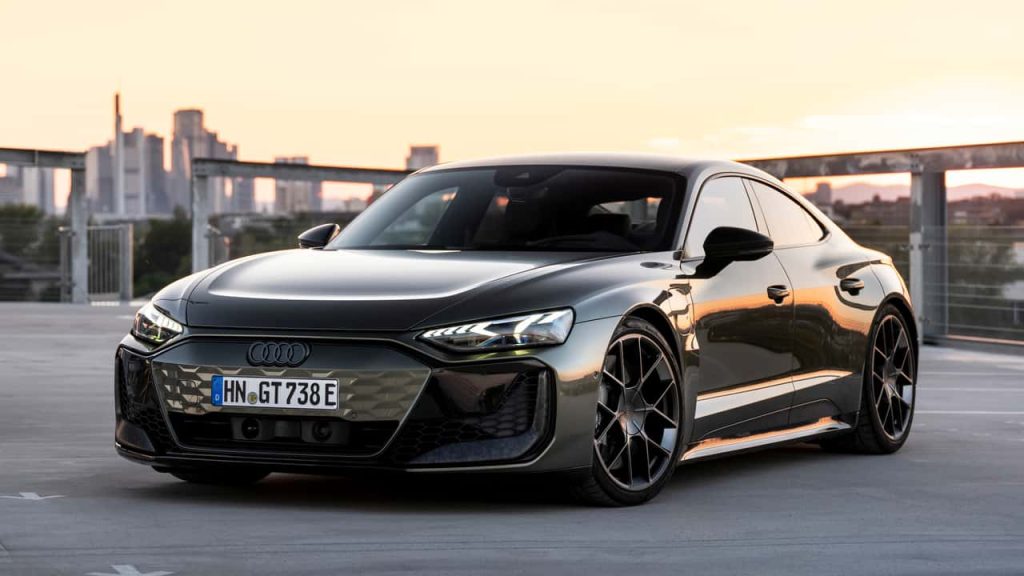
The e-tron GT demonstrates that luxury EVs can pair performance with reliability. Its brakes provide predictable stopping power, crucial for drivers navigating mountainous regions, towing, or engaging in spirited driving.
The fade-resistant system complements the car’s dynamic handling, emphasizing both safety and performance.
Highlighting the Audi e-tron GT illustrates how advanced engineering and premium materials create a heat-resistant brake system. It serves as a reference for buyers seeking an EV that combines performance, refinement, and consistent braking under stress.
4. Jaguar I-PACE
The Jaguar I-PACE is a luxury electric SUV that delivers strong performance and dynamic handling. Its braking system is designed to withstand heat buildup during repeated braking, ensuring consistent and reliable stopping power.
The I-PACE combines regenerative braking with large ventilated rotors and high-quality pads for durability and fade resistance.
During aggressive driving, off-road excursions, or steep downhill descents, the I-PACE’s mechanical brakes maintain friction and pedal feel. Ventilated rotors and heat-resistant pads prevent glazing, a common issue that can reduce braking performance over time.
The integration with regenerative braking further reduces stress on the mechanical components, extending their lifespan.
Owners report that the I-PACE brakes remain solid even under extended city driving or high-speed performance conditions. The fade-free system enhances driver confidence, making the SUV suitable for both spirited driving and everyday commuting.
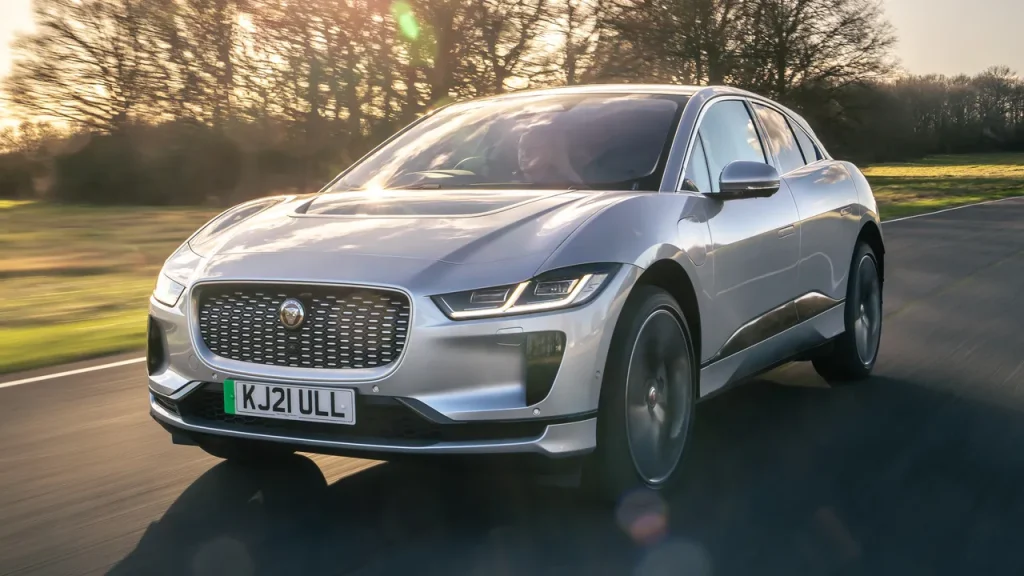
We highlight the Jaguar I-PACE because it demonstrates how luxury EVs can combine performance, safety, and durability. The heat-resistant braking system is essential for maintaining a smooth, predictable driving experience, particularly in SUVs that carry heavier loads or navigate hilly terrain.
The I-PACE serves as a benchmark for heat-resistant braking in EVs, showing that thoughtful engineering can ensure reliability and safety without sacrificing performance or refinement.
5. Lucid Air
The Lucid Air is a high-performance electric sedan that emphasizes both speed and luxury. Its braking system is designed to resist heat buildup, providing consistent, fade-free stopping power even under extreme conditions.
Large ventilated rotors and high-quality brake pads work alongside the vehicle’s regenerative braking to reduce mechanical stress and maintain reliability.
During spirited driving or repeated high-speed deceleration, the Lucid Air’s mechanical brakes stay responsive.
The combination of heat-resistant materials and optimized rotor design prevents glazing, ensuring friction remains consistent and the brake pedal feel remains firm. This is particularly important for drivers who push the vehicle to its top speeds or navigate mountainous terrain.
Regenerative braking in the Lucid Air also reduces wear on mechanical components, but the heat-resistant system ensures that stopping performance is never compromised.
Owners report confidence-inspiring braking performance under demanding driving, highlighting the durability and engineering quality of Lucid’s design.
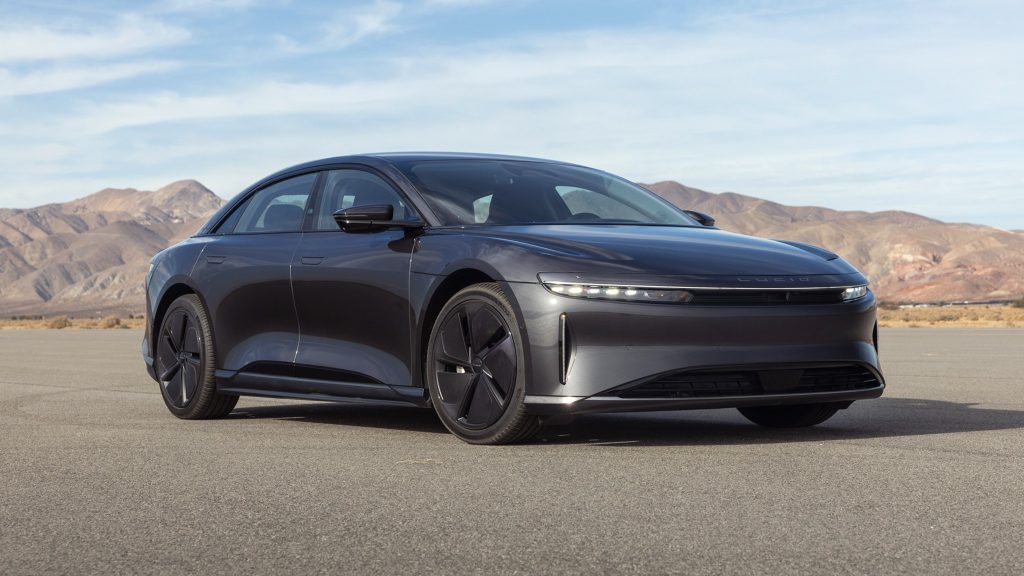
The Lucid Air demonstrates that high-performance EVs can combine acceleration, luxury, and reliable braking. Heat-resistant brakes enhance safety, longevity, and overall driving enjoyment, making this sedan suitable for both city commuting and track-oriented driving.
Highlighting the Lucid Air completes the list of EVs with exceptional brake systems. It showcases how careful engineering, premium materials, and integration with regenerative braking result in a fade-free, durable braking experience.
For prospective EV buyers, the Lucid Air represents a benchmark for heat-resistant braking, balancing performance, safety, and long-term reliability in one package.
5 EVs That Glaze Easily
While many electric vehicles feature robust braking systems, some are more prone to brake glazing. Glazing occurs when the pad or rotor surface overheats and hardens, creating a smooth, glassy layer that reduces friction.
This results in diminished stopping power, longer braking distances, and often squealing noises. EVs with smaller mechanical brakes, high torque outputs, or less optimized cooling designs are particularly susceptible to this issue.
Brake glazing is more than just a minor annoyance it can compromise safety, especially during repeated braking on steep descents, spirited driving, or heavy load conditions.
Even though regenerative braking handles much of the deceleration in most EVs, the mechanical brakes remain essential for emergency stops, high-speed braking, and situations where regenerative braking cannot fully slow the vehicle.
If mechanical brakes glaze, drivers may experience inconsistent pedal feel, reduced braking efficiency, and an increased need for maintenance or replacement.
In this section, we will highlight five EVs known for being more prone to brake glazing. These vehicles, despite performing well under normal driving, can struggle during high-stress situations where consistent braking is critical.
We will discuss the causes of glazing, including design limitations, material choices, and thermal management, to provide context for why some EVs experience this problem more frequently.
Understanding which EVs are prone to glazing is essential for buyers who prioritize safety, reliability, and consistent performance.
By comparing these vehicles to those with heat-resistant brake systems, prospective owners can make informed decisions, balancing performance, driving style, and long-term durability.
1. Chevrolet Bolt EV
The Chevrolet Bolt EV is an efficient and practical electric vehicle, but its mechanical brakes have been reported to glaze under repeated heavy braking. While regenerative braking handles most deceleration, the mechanical system is relatively small and can overheat during high-stress conditions.
Brake glazing occurs when the pad surface hardens due to heat buildup, reducing friction against the rotor.
In the Bolt EV, this can happen during spirited driving, steep descents, or when towing, even though the vehicle’s regenerative system assists. Drivers may notice a longer stopping distance, squealing noises, or a mushy pedal feel.
Owners report that frequent city driving with aggressive braking, or occasional high-speed stops, can accelerate glazing.
Once glazed, pads may require resurfacing or replacement to restore proper braking performance. This highlights the importance of monitoring mechanical brake health, even in vehicles where regeneration does most of the work.
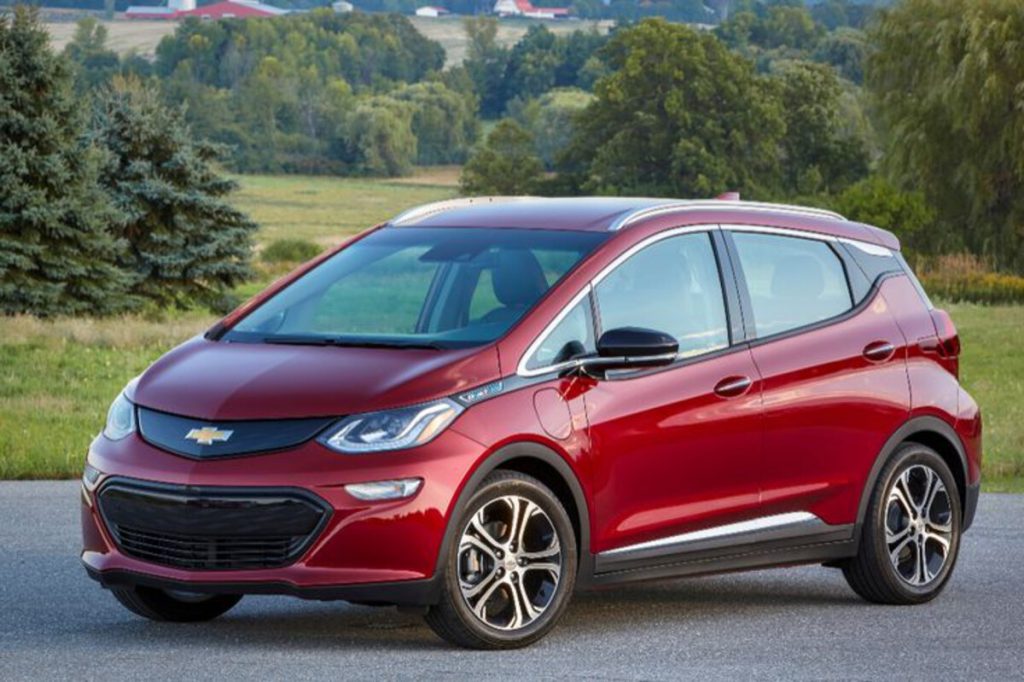
We highlight the Chevrolet Bolt EV to show that compact, affordable EVs often prioritize efficiency over heavy-duty braking. While it remains safe under normal driving, drivers who demand repeated heavy braking may experience reduced performance.
Awareness of this issue allows owners to adjust driving style or schedule maintenance proactively, ensuring consistent stopping power.
2. Nissan Leaf
The Nissan Leaf is one of the most popular EVs worldwide, but its brakes are prone to glazing under high stress. Its small mechanical brake system, combined with high regenerative braking ratios, can result in heat buildup during repeated heavy stops.
Brake glazing reduces friction, causing a longer stopping distance, inconsistent pedal feel, and sometimes squealing noises.
Owners have reported that city driving with frequent acceleration and braking, or long downhill stretches, can trigger these issues. Once glazing occurs, brake pads may need replacement or resurfacing to regain normal performance.
Despite these issues, the Leaf remains reliable for daily commuting. The combination of regenerative braking and a lightweight vehicle design generally limits extreme stress on the mechanical brakes. However, drivers who push the vehicle in spirited driving or hilly terrain should be aware of the risk.
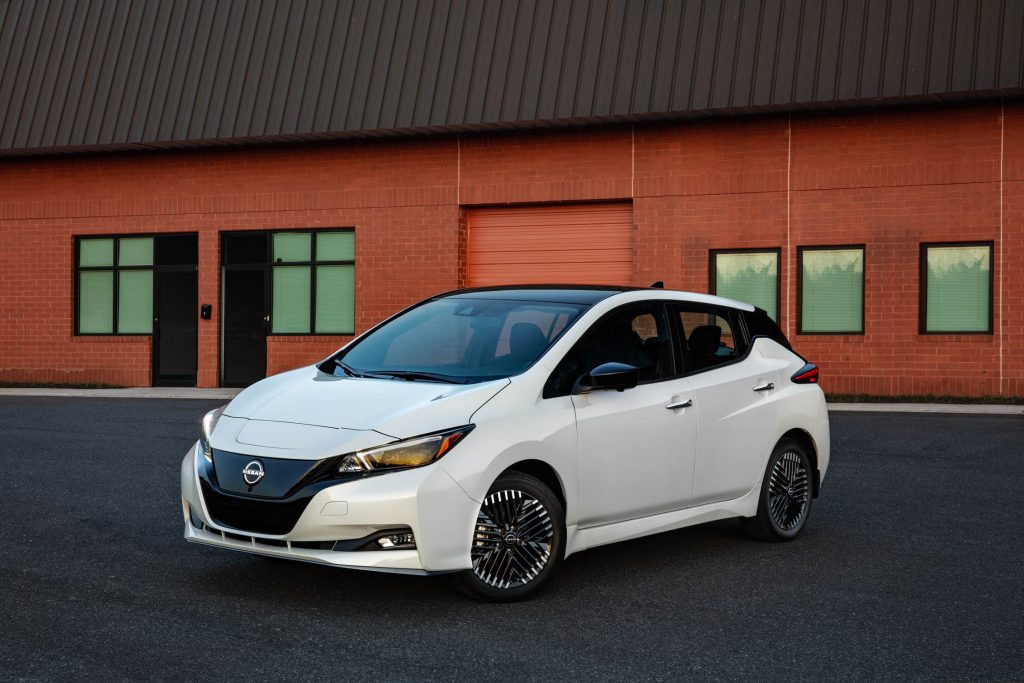
Highlighting the Nissan Leaf demonstrates that even highly popular and well-engineered EVs can face brake challenges under stress.
Understanding which vehicles are prone to glazing helps drivers manage their braking system proactively, ensuring safety, consistent stopping power, and reduced maintenance costs over time.
3. Hyundai Kona Electric
The Hyundai Kona Electric is a versatile and efficient compact SUV, but its mechanical brakes can glaze under repeated or aggressive braking. While regenerative braking handles most deceleration, the mechanical pads are relatively small and can overheat during steep descents or spirited driving.
Brake glazing occurs when excessive heat hardens the pad surface, reducing friction against the rotor. In the Kona Electric, this can manifest as longer stopping distances, squealing noises, or an inconsistent pedal feel during high-stress conditions.
Drivers notice these symptoms particularly on hilly routes or during repeated braking in stop-and-go traffic.
Owners report that glazing is more likely when relying heavily on mechanical braking rather than regenerative braking. Once glazing occurs, brake performance is compromised until the pads are resurfaced or replaced, emphasizing the importance of maintenance and careful driving habits.
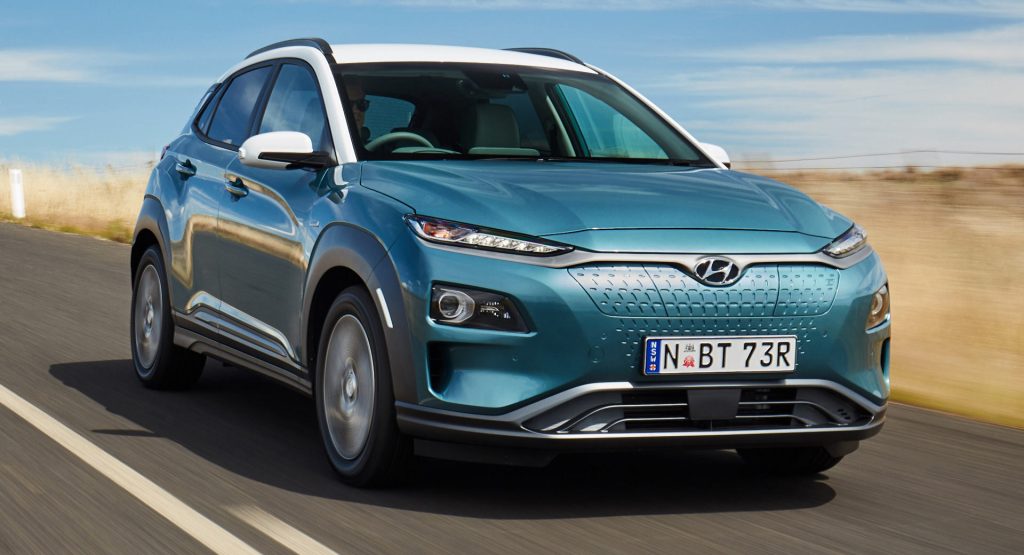
We highlight the Hyundai Kona Electric because it illustrates how smaller, efficiency-focused EVs can face limitations in their mechanical braking systems.
Even a highly reliable EV can develop issues if the brakes are stressed beyond their intended capacity. Understanding this helps drivers manage braking style and anticipate maintenance needs, ensuring safety and performance over time.
4. BMW i3
The BMW i3 is a compact, lightweight electric vehicle designed for urban efficiency. While it features regenerative braking that reduces wear on mechanical components, its small mechanical brakes are prone to glazing under repeated heavy braking.
Brake glazing in the i3 occurs when the pad surface overheats and hardens, reducing friction against the rotor. Drivers may notice a softer pedal feel, longer stopping distances, or squealing sounds, particularly during repeated high-speed stops or on hilly terrain.
Owners have noted that extended city driving with frequent acceleration and braking, or occasional spirited driving, can accelerate glazing. Once it occurs, brake pads may require resurfacing or replacement to restore optimal braking performance.
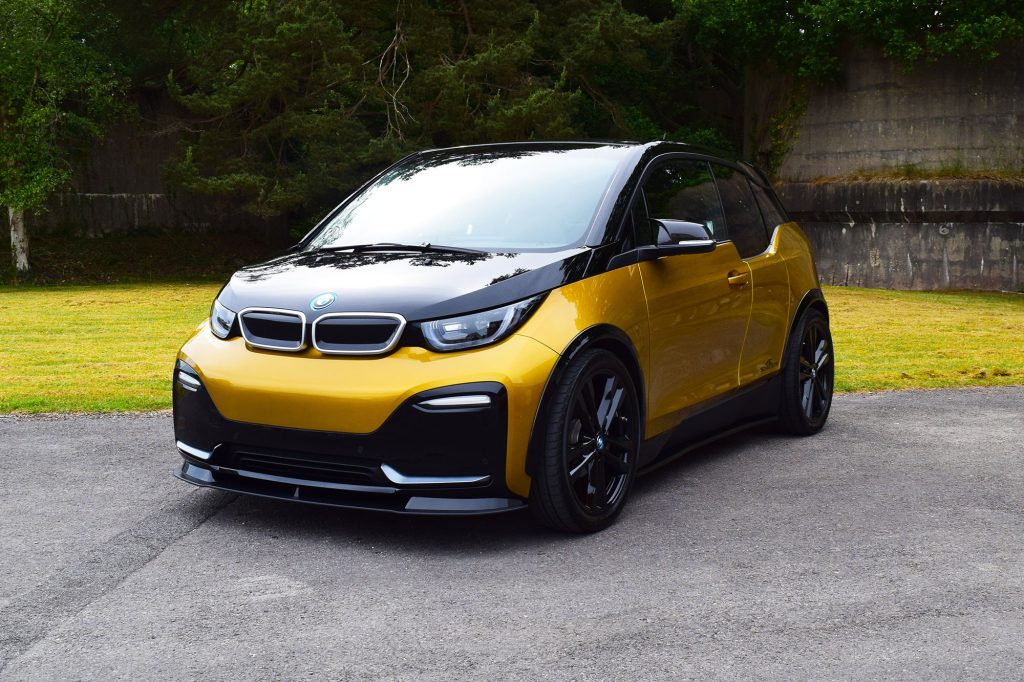
Highlighting the BMW i3 demonstrates that even premium, well-engineered EVs are not immune to brake issues when stressed.
Understanding which EVs are prone to glazing allows drivers to adapt driving behavior, maintain brakes proactively, and ensure consistent stopping power. Safety and reliability depend on recognizing these limitations and adjusting usage accordingly.
5. Kia EV6
The Kia EV6 is a stylish and high-performance electric crossover, but some models have shown susceptibility to brake glazing under repeated heavy braking. While regenerative braking reduces the load on mechanical components, aggressive driving or steep descents can overheat the pads.
Brake glazing occurs when excessive heat hardens the pad surface, reducing friction and compromising stopping power. In the EV6, this can result in longer braking distances, a mushy pedal feel, or squealing noises, particularly during high-stress driving conditions such as spirited acceleration and frequent deceleration.
Owners have reported that the issue is more noticeable when regenerative braking is insufficient to handle repeated stops, such as on hilly terrain or during track-like driving. Once the pads are glazed, resurfacing or replacement is necessary to restore proper braking performance.
Highlighting the Kia EV6 demonstrates that even modern, high-performance EVs are not immune to mechanical brake issues. Efficient and lightweight designs sometimes trade-off heat management for weight and cost, which can make the brakes more prone to glazing under extreme conditions.
Understanding this limitation is crucial for drivers who prioritize safety, performance, and consistency. Awareness of EVs prone to glazing allows owners to adjust driving habits, monitor brake health, and schedule proactive maintenance.
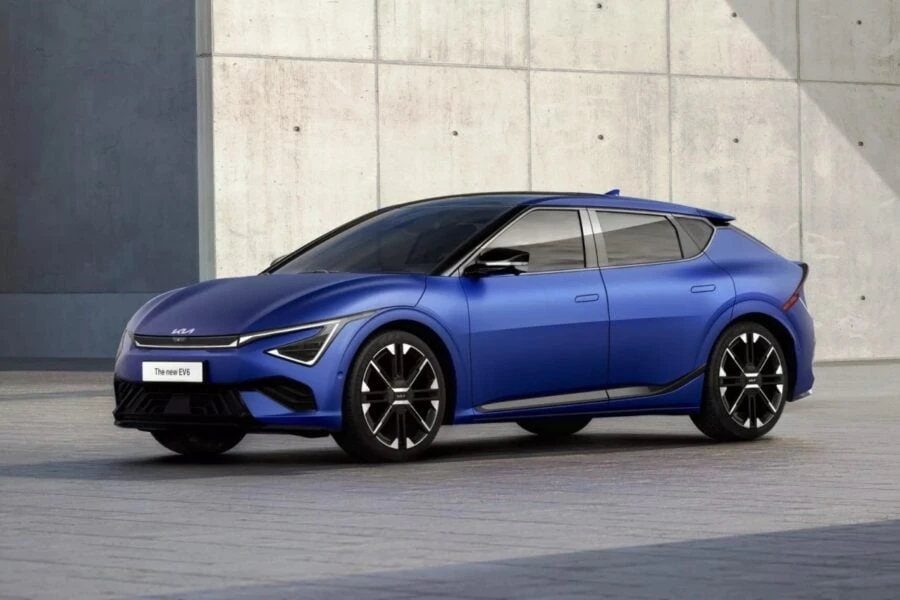
The Kia EV6 serves as a reminder that while regenerative braking improves efficiency and reduces wear, mechanical brakes must still be robust and properly maintained to ensure consistent, safe stopping power.
Braking performance is a critical aspect of electric vehicles, directly affecting safety, confidence, and long-term durability. EVs with heat-resistant brake systems, such as the Tesla Model S Plaid, Porsche Taycan Turbo S, Audi e-tron GT, Jaguar I-PACE, and Lucid Air, are engineered to maintain consistent stopping power even under repeated heavy braking.
These vehicles use ventilated rotors, high-quality pads, and optimized cooling designs to dissipate heat efficiently, preventing brake fade and glazing. Drivers benefit from predictable pedal feel, reduced maintenance, and confidence during spirited driving or mountainous terrain.
Conversely, some EVs are more prone to brake glazing, including the Chevrolet Bolt EV, Nissan Leaf, Hyundai Kona Electric, BMW i3, and Kia EV6.
In these vehicles, mechanical brakes can overheat under stress, creating a hard, smooth surface that reduces friction and stopping power. Glazing can result in longer braking distances, squealing noises, and inconsistent pedal feel, particularly during aggressive driving, steep descents, or repeated stops.
Understanding the difference between heat-resistant and glaze-prone brakes helps EV buyers make informed choices. Selecting vehicles with robust, fade-resistant braking systems ensures consistent performance, enhances safety, and reduces maintenance costs.
Awareness of glazing-prone models allows drivers to adapt driving style and schedule proactive brake care for optimal reliability.
Also Read: 5 Snow-Friendly AWD Systems vs 5 “AWD” That Underwhelm
