
Truck cabins are often judged not only by their performance and durability but also by the comfort and quality of the interior.
While engines, suspensions, and payload capacities get most of the attention, the feel and sound of the cabin can make a huge difference in daily driving.
A solid, quiet cabin enhances comfort, reduces fatigue on long drives, and signals robust build quality. On the other hand, cabins that creak, rattle, or sound like a ship in rough seas can make even a powerful truck feel cheap and unsettling.
Cabin creaks and rattles usually result from chassis flex, poorly secured interior panels, or design compromises in mounting hardware. Trucks that address these issues effectively tend to maintain a premium feel for years, even under heavy usage.
Conversely, vehicles that ignore cabin noise often leave drivers frustrated, as even small creaks can become annoying over time.
In this article, we explore two sides of the truck cabin spectrum. First, we will highlight five trucks whose cabins remain solid, quiet, and free of creaks, emphasizing engineering excellence, panel fitment, and thoughtful interior design.
These trucks demonstrate that a quiet, refined interior is achievable even in vehicles built for work.
Next, we will examine five trucks whose cabins, unfortunately, sound like ships, creaking and groaning under normal driving conditions.
By analyzing the reasons behind these issues, from chassis flex to interior material choices, we aim to provide insights for potential buyers and enthusiasts who care about both performance and comfort.
Understanding the difference between a solid, quiet cabin and a noisy, creaky one can help drivers make informed decisions. After all, the driving experience is shaped not only by power and capability but also by how the vehicle feels and sounds from the inside.
Also Read: 5 Models With Cheap Parts & DIY Ease vs 5 Dealer-Only Nightmares
5 Trucks With Cabins That Don’t Creak
A truck’s cabin is more than just a place to sit; it’s the interface between driver and machine. While many trucks are built to endure heavy loads, off-road terrain, and harsh conditions, the interior experience often makes the difference between a pleasant drive and a tiring one.
A cabin that remains solid and quiet reflects both careful engineering and attention to detail. Panels are tightly fitted, materials resist warping, and chassis flex is minimized, all of which combine to reduce or eliminate creaks and rattles.
Quiet, well-built cabins are important for multiple reasons. Long-haul drivers spend hours on the road, and even small noises can become a source of fatigue or distraction.
A creak-free cabin also signals durability: trucks that are designed to minimize noise are less likely to suffer from interior panel failures or premature wear. Moreover, a solid cabin can improve the perceived quality of the truck, making it feel more refined despite its rugged purpose.
In this section, we focus on five trucks that consistently impress with cabins that don’t creak. These trucks represent a mix of full-size, mid-size, and premium pickups that excel in interior engineering.
From tight panel gaps to robust mounting systems, each vehicle demonstrates how manufacturers can balance toughness with comfort. We will examine the design choices, materials, and construction techniques that contribute to their solid feel.
By highlighting these trucks, we aim to provide a reference for buyers who value quiet, fatigue-free interiors. These models show that even work-oriented vehicles can deliver a refined driving experience, proving that performance and comfort don’t have to be mutually exclusive in the truck segment.
1. Ford F-150
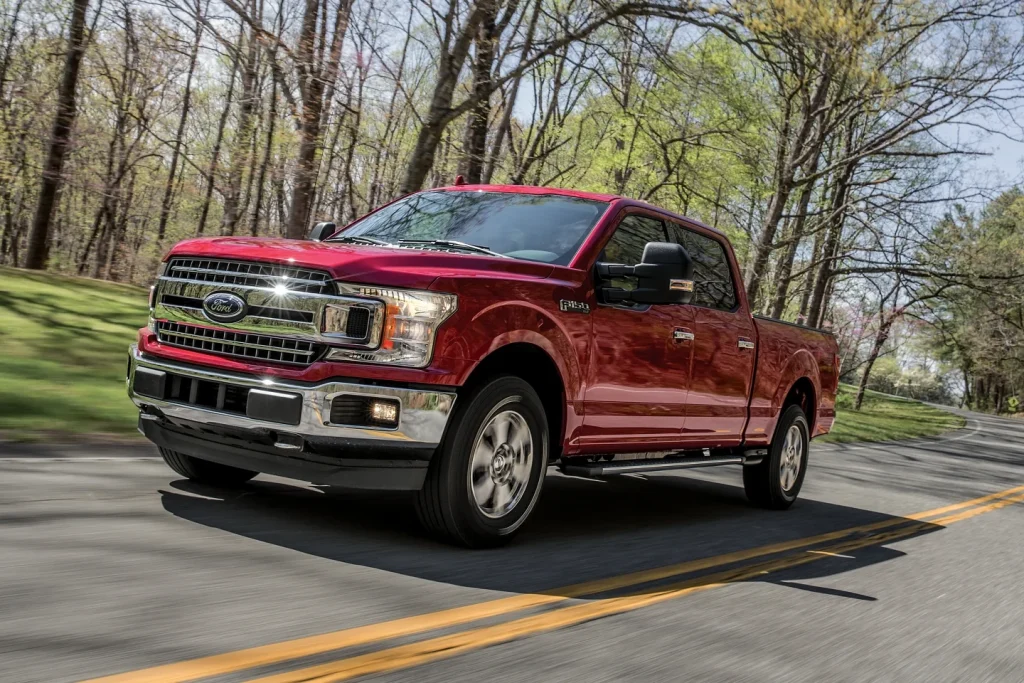
The Ford F-150 has long been America’s best-selling truck, and part of its appeal lies in its refined cabin.
Recent generations feature panels that fit tightly and materials that resist flex, resulting in a solid, quiet interior. Drivers report that even on rough roads, the cabin rarely creaks or rattles, making it ideal for long drives.
Ford achieves this by using high-strength steel in the cab structure and applying meticulous assembly standards.
Interior panels are secured with durable clips and fasteners, reducing the likelihood of movement over time. Even doors and the dashboard are engineered to minimize gaps that can produce noise under stress.
The F-150’s cabin quietness enhances both comfort and perceived quality. Whether commuting, towing, or off-roading, the lack of creaks adds to driver confidence. It also reflects long-term durability, as materials and construction methods withstand repeated use without deterioration.
This truck is a prime example of balancing rugged capability with interior refinement. Buyers seeking a full-size truck that feels solid and premium inside while still handling demanding workloads will appreciate the F-150’s quiet cabin.
2. Ram 1500
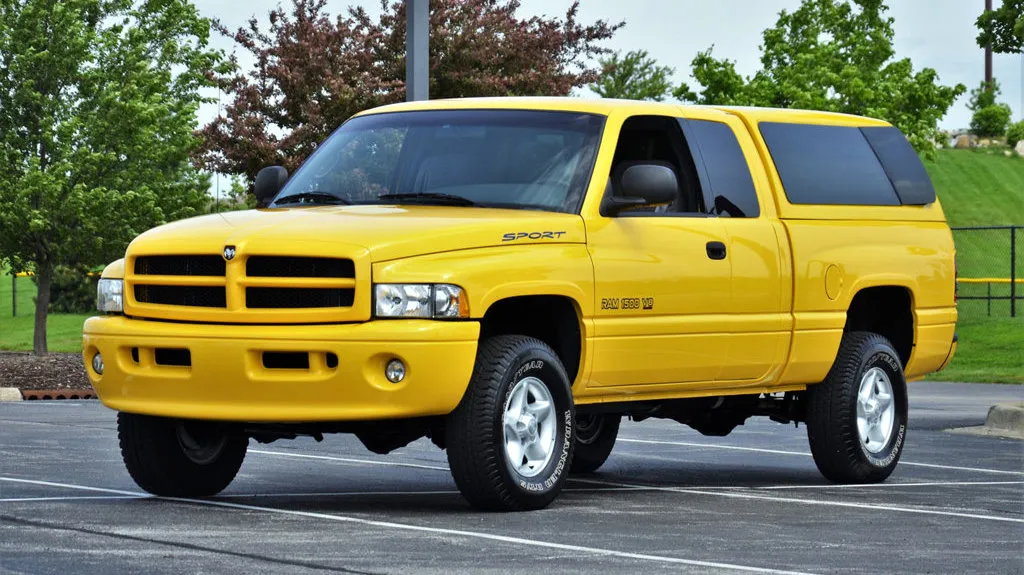
The Ram 1500 sets a benchmark for interior refinement in the full-size truck segment. Its cabin feels exceptionally solid, and panel fitment is precise, virtually eliminating creaks and rattles. Owners frequently cite the quiet, composed interior as one of the truck’s standout features.
Ram achieves this through careful design and high-quality materials. The cab structure is reinforced to reduce flex, while soft-touch panels and tight seals further prevent noise.
Doors, glove boxes, and center consoles are mounted with robust fasteners, ensuring that vibrations from driving or hauling loads don’t translate into annoying rattles.
Additionally, the Ram 1500 uses sound-deadening materials throughout the cabin, absorbing road and engine noise. The combination of engineering and material quality results in an interior that feels upscale compared to many competitors.
Highlighting the Ram 1500 emphasizes that rugged trucks can also provide comfort and refinement. For buyers who spend hours behind the wheel or simply prefer a quiet, solid-feeling cabin, the Ram delivers a premium experience without compromising its work-ready capabilities.
3. Chevrolet Silverado 1500
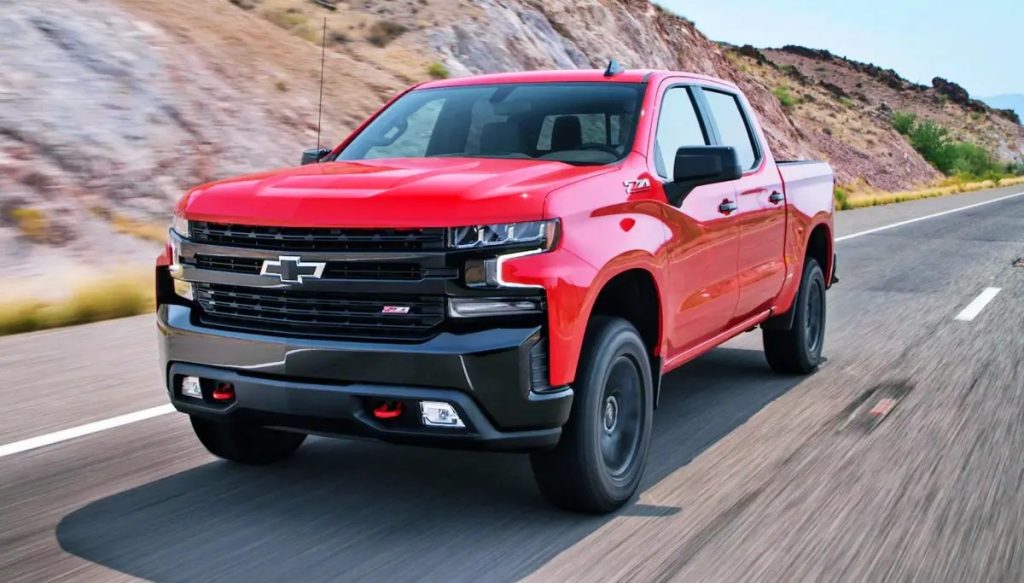
The Chevrolet Silverado 1500 combines rugged capability with a surprisingly solid and quiet cabin. Its interior panels are tightly fitted, and the cab structure is engineered to resist flex, keeping creaks and rattles to a minimum even under heavy loads or rough terrain.
Chevrolet uses reinforced mounting points and durable fasteners to ensure that doors, consoles, and dashboard components stay secure.
Interior panels are crafted from high-quality materials that resist warping or separation, further contributing to the cabin’s quiet character. This makes long drives and towing trips far more comfortable for both driver and passengers.
The Silverado 1500 also benefits from sound-deadening insulation throughout the cab. These materials absorb vibrations from the engine, road, and suspension, preventing them from translating into audible noise inside the cabin.
Drivers consistently report a sense of solidity and composure, even during spirited driving or when hauling heavy loads.
Highlighting the Silverado 1500 demonstrates that full-size trucks can be both tough and refined. A creak-free cabin improves perceived quality and long-term durability, making this truck an excellent choice for buyers who value comfort without compromising work-ready capability.
4. Toyota Tundra
The Toyota Tundra is known for its reliability, but its cabin refinement is equally impressive. Panels fit snugly, fasteners are durable, and the cab resists flex, resulting in a quiet, solid interior that rarely creaks under stress.
Toyota achieves this by focusing on structural rigidity and precise assembly. Interior components, including doors, dashboard, and center consoles, are engineered with tight tolerances to prevent movement. High-quality materials further reduce the risk of rattles or squeaks developing over time.
The Tundra’s quiet cabin enhances comfort during long drives and signals long-term durability. Even when off-roading or carrying heavy loads, vibrations are absorbed and do not translate into interior noise.
Sound insulation materials contribute to a serene driving experience, making it feel more refined than its rugged exterior might suggest.
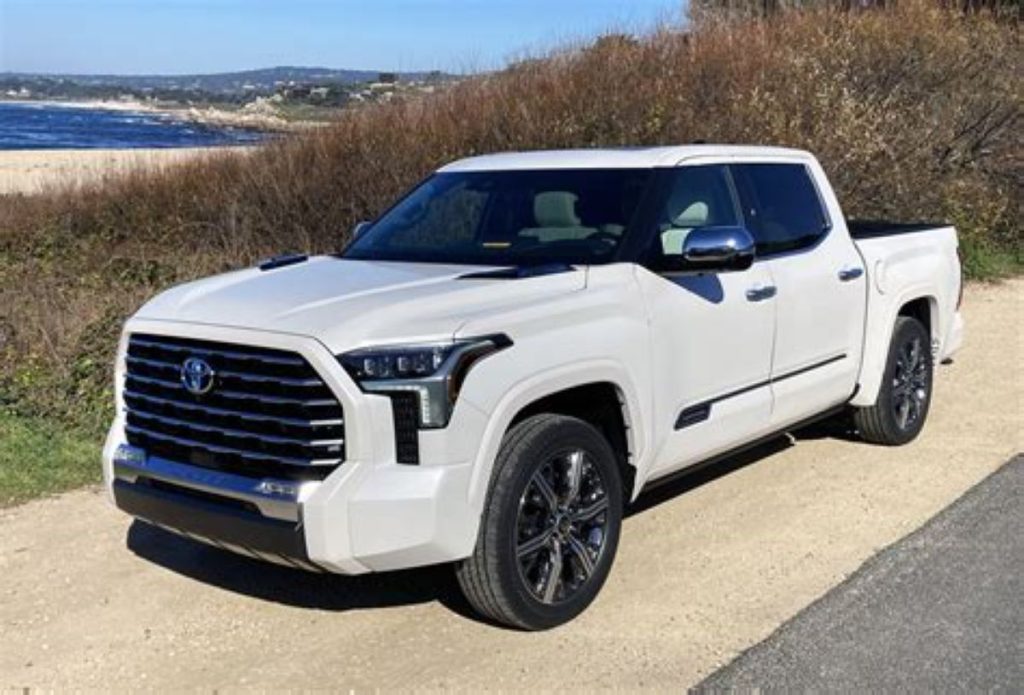
We highlight the Tundra because it demonstrates that trucks designed for work can also prioritize driver comfort. A quiet, solid cabin improves long-term satisfaction and showcases Toyota’s attention to detail in engineering both reliability and interior refinement.
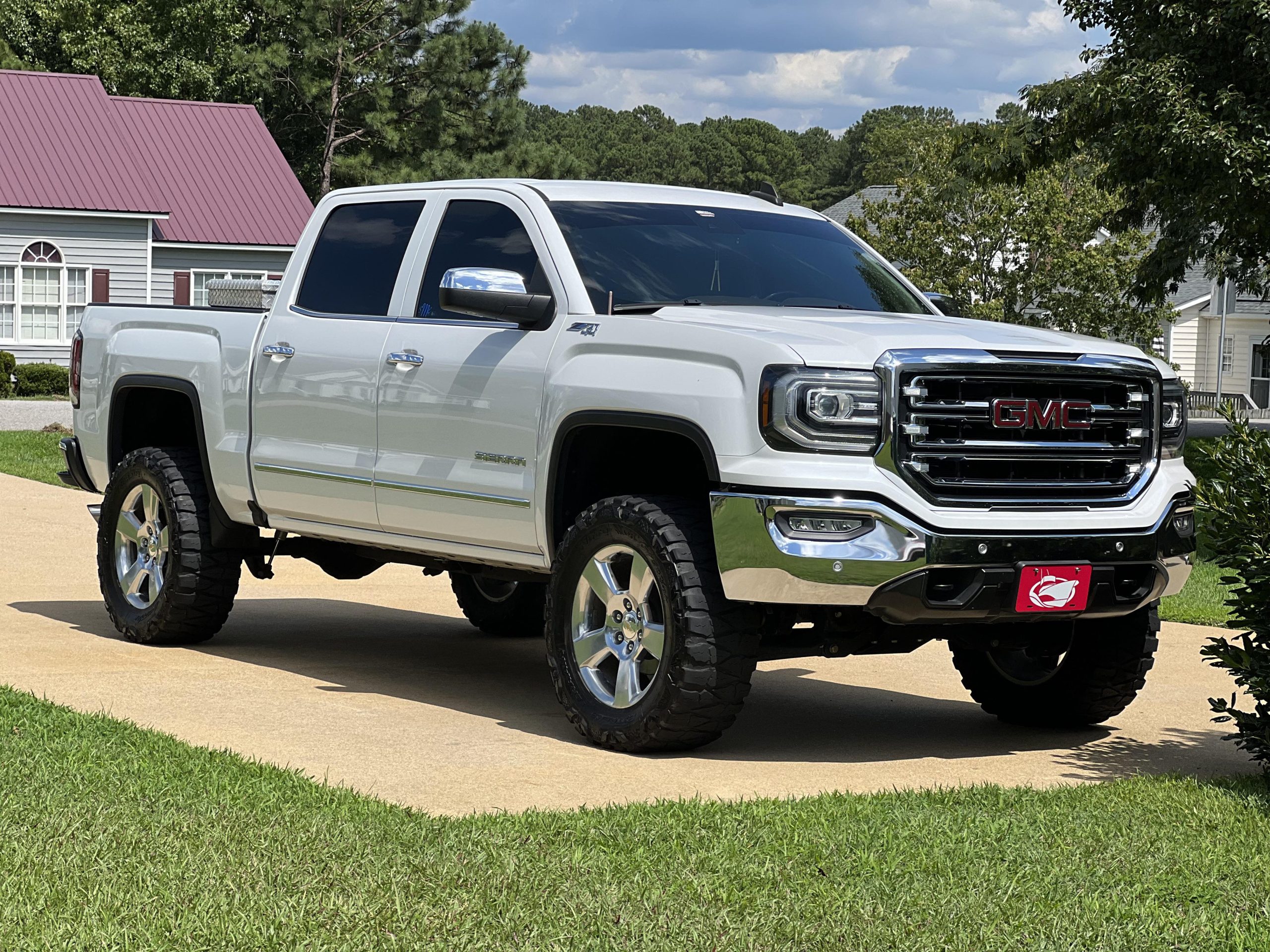
5. GMC Sierra 1500
The GMC Sierra 1500 stands out for combining full-size truck capability with a quiet, solid-feeling cabin. Its interior panels are precisely fitted, and the cab structure is reinforced to minimize flex, preventing creaks and rattles even during heavy-duty use.
GMC engineers focus on both materials and assembly techniques. Dashboard components, doors, and consoles are mounted with robust fasteners, and panels are crafted from premium materials that resist warping or separation over time.
This attention to detail ensures that vibrations from the engine, road, or suspension do not translate into interior noise.
Additionally, the Sierra 1500 incorporates sound-deadening insulation throughout the cabin. These materials absorb engine and road noise, creating a serene and refined environment for driver and passengers alike.
Even under demanding workloads, the cabin maintains composure, making it one of the most comfortable trucks in its class.
Drivers consistently praise the Sierra 1500 for its combination of capability and refinement. Whether towing, hauling, or navigating daily traffic, the lack of creaks enhances confidence and reduces fatigue, particularly on long drives.
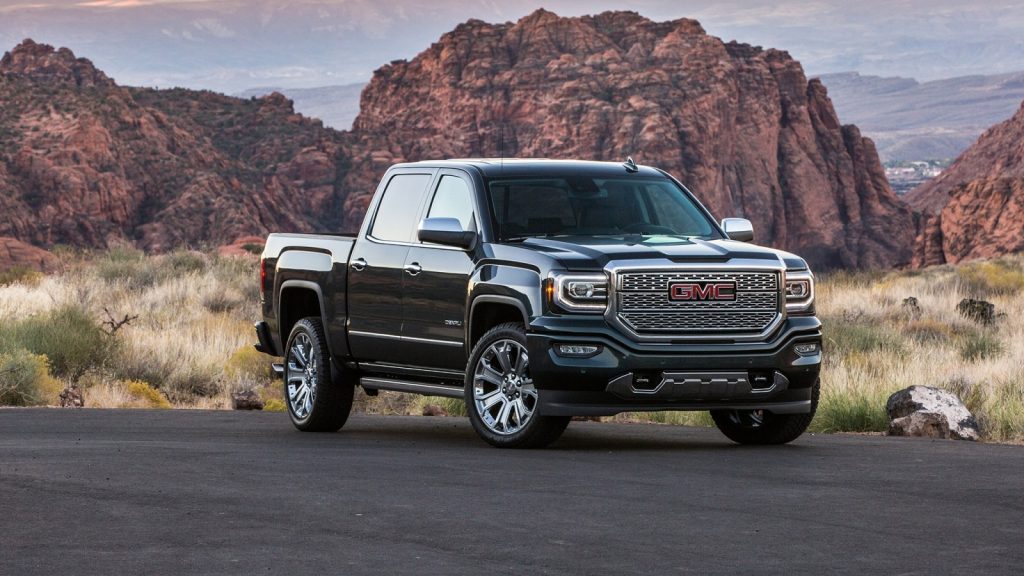
Highlighting the GMC Sierra 1500 emphasizes that trucks do not need to sacrifice comfort for toughness. A quiet, creak-free cabin improves perceived quality, long-term durability, and overall driving satisfaction.
For buyers seeking a full-size truck with both rugged capability and refined interior engineering, the Sierra 1500 offers an ideal balance.
5 Trucks That Sound Like Ships
Not all trucks are built equal when it comes to interior comfort. While some models impress with solid, quiet cabins, others creak, groan, and rattle under normal driving conditions, earning the nickname “ships” for the way their interiors sound in motion.
Cabin noises in trucks can come from a variety of sources, including chassis flex, poorly secured panels, subpar fasteners, or insufficient insulation. These noises not only reduce comfort but can also signal potential long-term durability concerns.
A truck that “sounds like a ship” can be exhausting on long drives. Constant squeaks, rattles, and groans distract the driver, making daily commuting or long-haul trips less enjoyable.
Even powerful and capable trucks can feel cheap or unrefined if interior noise is poorly managed. The perception of quality is heavily influenced by how solid and quiet the cabin feels, and repeated creaks can negatively affect owner satisfaction.
In this section, we focus on five trucks that have developed reputations for noisy cabins. These vehicles, despite offering strong performance, towing capacity, and rugged design, have interiors that creak and groan under stress.
By examining these trucks, we will explore the causes of their cabin noise, such as flexing structures, panel movement, or material choices.
Highlighting these models helps buyers understand that capability alone does not guarantee interior comfort.
Being aware of which trucks are prone to cabin noise allows prospective owners to make informed decisions, particularly if they spend long hours on the road or value a quiet, solid-feeling interior.
This guide emphasizes the importance of interior engineering in trucks and the trade-offs that sometimes exist between ruggedness and refinement.
1. Nissan Titan
The Nissan Titan is a full-size truck with strong performance, but its cabin has been criticized for creaks and rattles, giving it a “ship-like” interior feel. Drivers often notice squeaks from the doors, dashboard, and center console, particularly over rough roads or when accelerating quickly.
These noises usually stem from chassis flex and interior panels that are not tightly secured. Some fasteners and clips in the cabin allow movement under stress, amplifying minor vibrations into audible groans or rattles.
Even normal engine and suspension vibrations can be accentuated, contributing to the perception of a noisy interior.
Owners report that the Titan’s creaks can worsen over time, especially with regular hauling or off-road use. Long drives can become fatiguing due to the constant interior noise, detracting from the otherwise strong performance and capability of the truck.
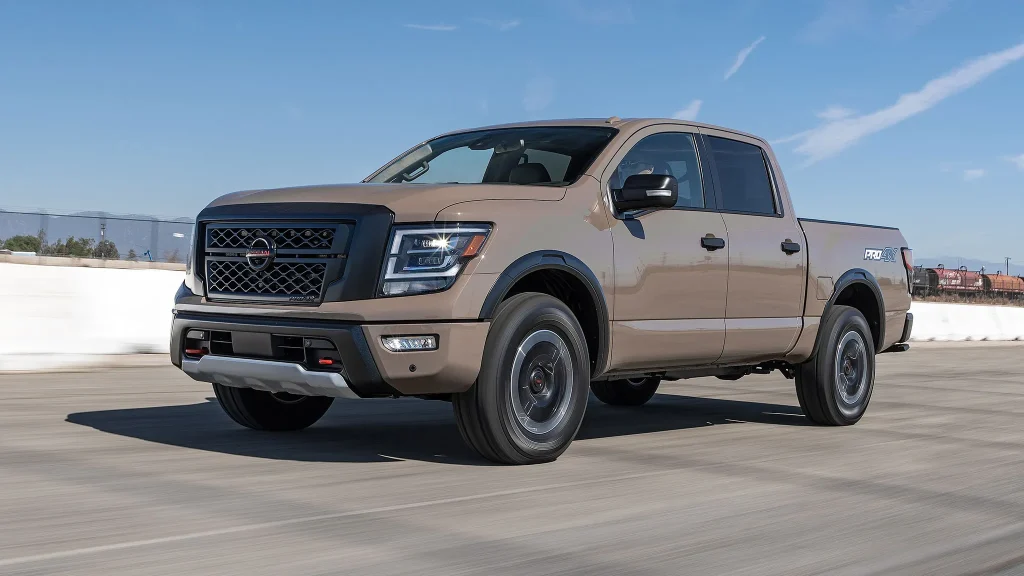
Despite these issues, the Titan remains mechanically reliable and capable, with impressive towing and payload capacity. However, its cabin quality falls short compared to competitors, emphasizing that structural soundness alone does not guarantee interior refinement.
We highlight the Nissan Titan to illustrate that trucks can excel in power and capability while struggling in cabin comfort.
Awareness of these interior issues is important for prospective buyers who value a quiet, solid-feeling truck, as even well-performing vehicles can be less enjoyable to drive if cabin noise is pervasive.
2. Ford Ranger (Previous Generation)
The previous-generation Ford Ranger is a durable and capable midsize truck, but its cabin tends to creak and rattle, producing a “ship-like” experience for occupants.
Drivers frequently report groaning sounds from the dashboard, doors, and seat mounts when traversing uneven terrain or accelerating briskly.
The source of these noises is primarily chassis flex combined with interior components that shift slightly under load. Some plastic panels and fasteners in key areas are prone to movement, and vibrations from the suspension or drivetrain can be amplified within the cabin.
Although the Ranger is mechanically solid and capable off-road, the interior’s creaks diminish comfort and perceived quality. Extended trips or daily commutes can feel less refined due to the persistent noises, which are distracting and sometimes annoying.
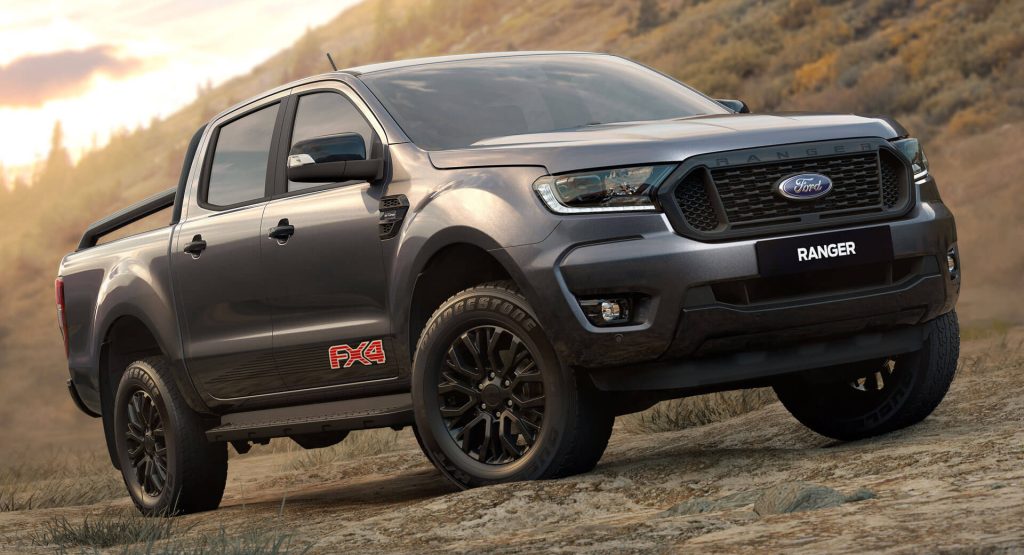
Highlighting the previous-generation Ranger demonstrates that durability and ruggedness do not automatically guarantee a quiet cabin.
Buyers who value comfort, long-haul drivability, or a premium-feeling interior should take these issues into account, as they can significantly impact the overall driving experience even in otherwise capable trucks.
3. Chevrolet Colorado
The Chevrolet Colorado is a versatile midsize truck, but certain model years have been noted for creaky cabins that produce a “ship-like” feel. Drivers often report rattles from the dashboard, door panels, and center console when driving over rough roads or during rapid acceleration and braking.
These noises typically result from chassis flex and interior panels that are not tightly secured. In some models, clips and fasteners can loosen over time, allowing minor vibrations to become audible squeaks or groans. Plastic materials in high-use areas can warp slightly, further contributing to cabin noise.
Owners of the Colorado note that these creaks are especially noticeable during extended drives. While the truck performs well mechanically and offers strong towing and payload capabilities, the cabin noise diminishes the overall driving experience. Passengers may find the persistent groaning distracting, especially on long trips or off-road adventures.
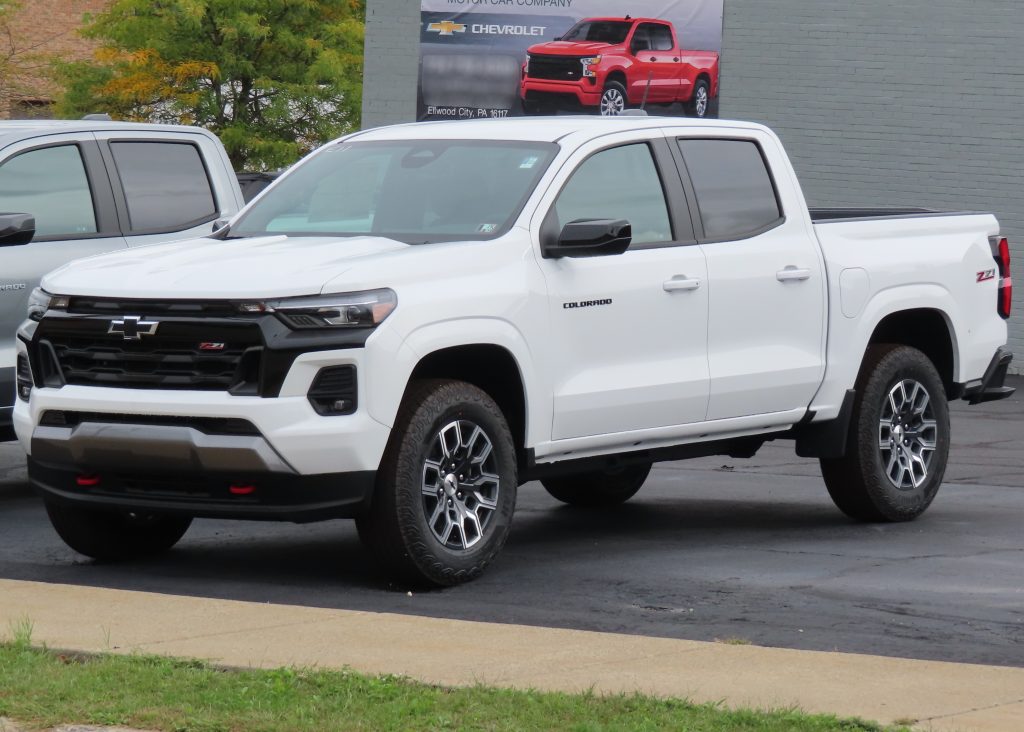
Highlighting the Chevrolet Colorado emphasizes that midsize trucks, even with capable engines and suspensions, can struggle with interior refinement. Buyers who prioritize a solid, quiet cabin need to consider this aspect when comparing vehicles, as even reliable and well-built trucks can deliver an unexpectedly noisy interior.
4. Ram 2500
The Ram 2500 is a heavy-duty workhorse, but its cabin has sometimes been criticized for “ship-like” noises under load. Drivers report groaning and rattling sounds coming from the doors, dashboard, and seating areas, particularly when hauling heavy payloads or towing large trailers.
These creaks are often caused by chassis flex and interior components that are subject to movement under stress. In some cases, less rigid mounting points for panels, consoles, and trim pieces allow vibrations to turn into audible noises.
Even with robust construction, the heavy-duty suspension and frame dynamics can transmit more vibration into the cabin, amplifying rattles.
The Ram 2500’s interior noise can be distracting during long drives or heavy-duty work, reducing the sense of refinement despite its mechanical capabilities.
While the truck excels in towing, hauling, and off-road performance, the persistent creaks compromise perceived quality for drivers who spend significant time inside the cab.
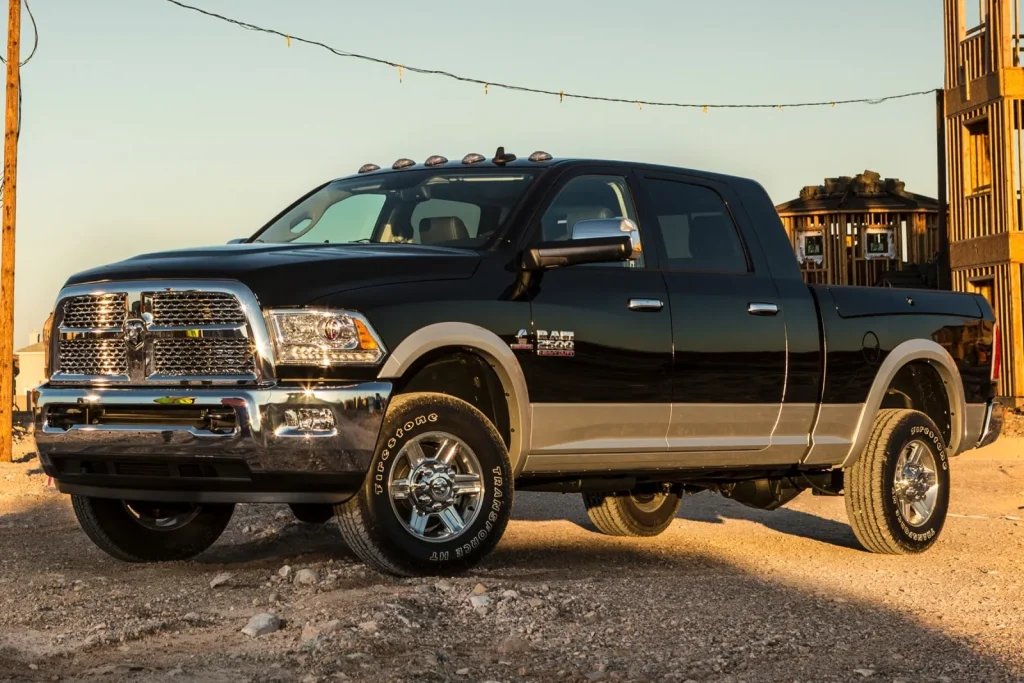
Highlighting the Ram 2500 illustrates that even premium heavy-duty trucks can suffer from interior noise issues. Awareness of these problems helps prospective buyers weigh comfort against capability, especially for those who prioritize a quieter, more solid-feeling driving experience.
5. GMC Canyon
The GMC Canyon is a capable midsize truck, but certain models are known for producing creaks and rattles inside the cabin, giving it a “ship-like” feel. Drivers often notice groaning noises from doors, the dashboard, and center console, especially over uneven roads or when accelerating or braking abruptly.
These interior noises typically stem from chassis flex and panels that are not tightly secured. Some plastic trims and fasteners can shift slightly under stress, allowing vibrations from the suspension or drivetrain to be amplified into audible squeaks and rattles. Even minor structural movement can result in persistent cabin noise.
Owners report that the Canyon’s creaks are particularly noticeable during long trips, off-road excursions, or daily commuting on rough roads.
While the truck performs well mechanically and offers strong towing and payload capabilities, the interior noise detracts from overall comfort and refinement. Passengers may find the persistent groans distracting, especially on extended drives.
Highlighting the GMC Canyon shows that even well-engineered midsize trucks can have interior refinement issues. Capability alone does not ensure a solid, quiet cabin.
Awareness of these “ship-like” characteristics allows prospective buyers to make informed decisions, particularly if they spend significant time inside the cab or value a quieter, more composed driving experience.
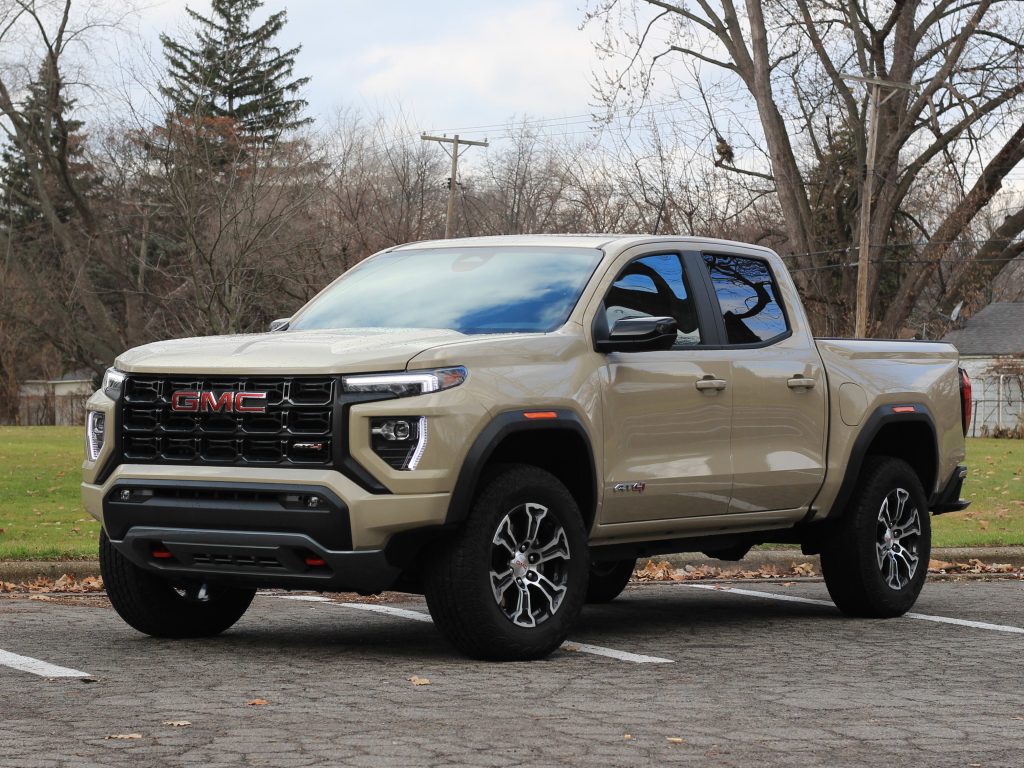
The Canyon demonstrates that even a mechanically capable truck can feel less premium inside if cabin noise is not properly addressed, emphasizing the importance of interior engineering alongside performance and durability.
Truck cabins play a crucial role in the overall driving experience, influencing comfort, fatigue, and perceived quality. While all trucks are designed to endure tough workloads, the interior environment can vary dramatically.
Some models, such as the Ford F-150, Ram 1500, Chevrolet Silverado 1500, Toyota Tundra, and GMC Sierra 1500, excel in providing solid, quiet cabins. Their panels are tightly fitted, fasteners are robust, and chassis flex is minimized.
These trucks deliver a serene driving experience, even over rough terrain or during heavy hauling. Quiet cabins not only enhance comfort on long drives but also reflect long-term durability, as materials and assembly methods resist wear and prevent rattles from developing.
On the other hand, certain trucks have interiors that creak, groan, and rattle under normal driving conditions. Models like the Nissan Titan, previous-generation Ford Ranger, Chevrolet Colorado, Ram 2500, and GMC Canyon demonstrate the opposite end of the spectrum.
In these vehicles, chassis flex, poorly secured panels, and material choices contribute to persistent noises, earning them the nickname “ships.” While mechanically capable, their cabin noises reduce comfort, increase driver fatigue, and diminish perceived quality.
Understanding the difference between trucks with solid cabins and those prone to creaks helps buyers make informed decisions.
For those who spend hours on the road or prioritize comfort, selecting a truck with a well-engineered, quiet interior can significantly improve long-term satisfaction.
Conversely, awareness of noisier models allows drivers to weigh interior refinement against capability, ensuring the right balance for their needs.
Also Read: 5 Sedans With Reliable Wireless CarPlay vs 5 That Constantly Drop
