
Hybrid vehicles are often celebrated for fuel efficiency, smooth acceleration, and low emissions, but one area that often surprises owners is brake longevity.
The regenerative braking systems in hybrids can dramatically reduce wear on pads and rotors, allowing some vehicles to keep their original brake hardware for well over 150,000 miles. Others, however, still demand frequent replacements despite being hybrids, leaving owners frustrated with maintenance costs they didn’t anticipate.
This article examines both ends of the spectrum. On one side are hybrids that preserve their brake systems over many years, thanks to clever regenerative systems, low curb weight, and balanced braking calibration.
On the other side are hybrids that, despite sharing some technology, accelerate pad and rotor wear due to heavier curb weight, poor regenerative tuning, or driving dynamics that favor traditional friction braking over electric recovery.
I’m writing about these vehicles to give hybrid buyers a clearer picture of long-term ownership. Brake wear is often overlooked in hybrid comparisons, but it significantly impacts both maintenance costs and overall ownership satisfaction.
By understanding which hybrids excel at minimizing brake wear, buyers can make smarter choices and avoid expensive surprises.
The following sections will break down five hybrids that keep their original brake hardware past 150,000 miles, followed by five that tend to chew through pads quickly.
Each example highlights why engineering choices, regenerative system efficiency, and real-world usage influence brake longevity, helping readers choose hybrids that deliver both efficiency and durability.
Also Read: 5 Crossovers With Durable Steering Racks vs 5 That Develop Play
5 Hybrids That Keep Original Brake Hardware Past 150k
Not all hybrids are equal when it comes to brake wear. While the regenerative braking system is a common feature, its effectiveness depends heavily on engineering, weight distribution, and driving behavior.
Some hybrids manage to preserve their original pads and rotors well beyond 150,000 miles, offering owners low maintenance costs and long-term reliability.
These vehicles typically use regenerative braking to handle the majority of deceleration, minimizing friction brake use. High-quality rotors and pads, coupled with well-tuned braking algorithms, further extend service life.
In addition, lighter curb weight and efficient energy recovery ensure that friction brakes are only used when necessary, reducing heat and wear over time.
I’m writing about these hybrids because they highlight the benefits of thoughtful design. Owners can enjoy the fuel efficiency and smooth performance of a hybrid without worrying about frequent brake replacements. For long-term ownership, this can save hundreds or even thousands of dollars in parts and labor.
The following five hybrids were chosen because real-world reports consistently show that they maintain their original brake hardware past 150,000 miles, even under normal commuting conditions. Each example demonstrates how engineering choices and regenerative braking efficiency directly impact brake longevity.
By understanding which hybrids excel in this area, buyers can make informed decisions, prioritizing not just fuel savings but also long-term durability. The upcoming details on these five vehicles will explain why they perform so well and what sets them apart from hybrids that tend to wear out pads faster.
1. Toyota Prius (2016–Present)
The Toyota Prius has long been the poster child for hybrid efficiency, and its braking system is equally impressive. The regenerative braking design captures energy during deceleration, sending it back to the battery while reducing wear on friction brakes.
Owners regularly report that the original brake pads and rotors last well past 150,000 miles with minimal intervention. Toyota’s engineering includes a well-balanced brake pedal feel, allowing smooth transitions between regenerative and friction braking. This ensures the friction components are only used when truly needed.
The Prius’s lightweight platform also helps. Less mass means lower kinetic energy to dissipate during braking, further extending pad and rotor life. Toyota complements this with high-quality materials and corrosion-resistant rotors that resist warping or premature wear.
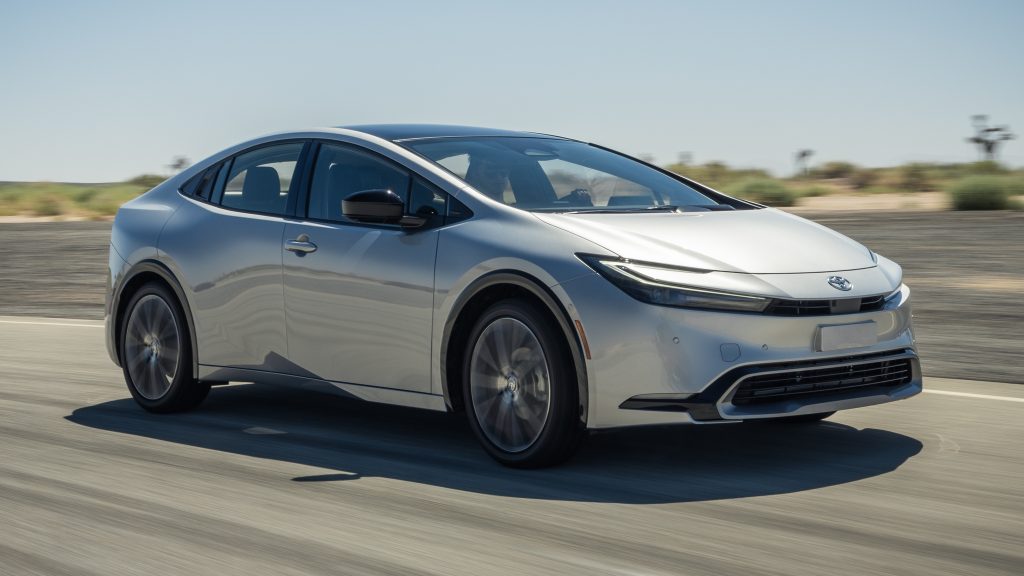
I’m writing about the Prius because it sets the standard for hybrids that minimize maintenance costs. Its longevity demonstrates that regenerative braking can make a real difference when properly engineered. Long-term owners enjoy reliability and low brake replacement expenses, making the Prius a practical choice for commuters and long-distance drivers alike.
Even under city traffic with frequent stops, most Prius owners report negligible brake wear, often requiring pads and rotors only after 200,000 miles or more. This durability is a testament to Toyota’s thoughtful integration of hybrid systems with traditional braking components.
2. Honda Accord Hybrid (2018–Present)
The Honda Accord Hybrid combines a smooth driving experience with a highly efficient regenerative braking system. Its braking setup captures kinetic energy to recharge the battery, reducing reliance on friction brakes and extending their lifespan.
Owners report retaining original brake pads and rotors well beyond 150,000 miles. Honda’s calibration ensures that friction brakes engage only under higher-speed stops or emergency braking, preserving the hardware under normal commuting conditions.
The Accord Hybrid also benefits from well-engineered weight distribution. The battery pack placement and chassis tuning reduce stress on braking components, preventing uneven wear or premature rotor damage. High-quality pads and rotors, combined with precise software control, further enhance longevity.
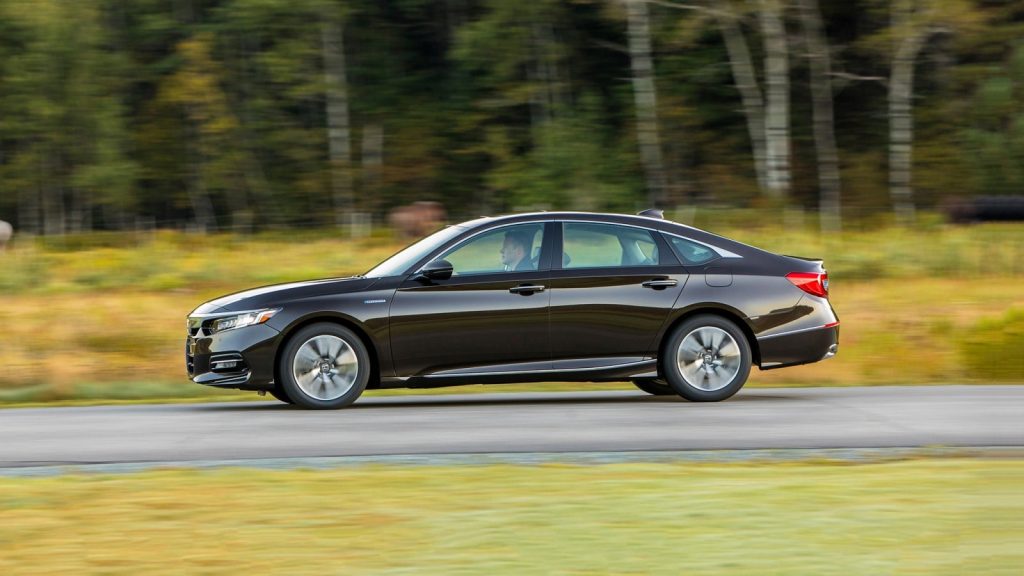
I’m writing about the Accord Hybrid because it exemplifies how a mainstream hybrid can balance performance, safety, and maintenance economy. Drivers experience reliable stopping power while avoiding frequent brake service, making it ideal for long-term ownership.
Even in stop-and-go city traffic, friction brake usage is minimal, ensuring the system’s components last well into high mileage. The Accord Hybrid demonstrates that proper integration of regenerative and mechanical braking results in a durable, cost-effective hybrid.
3. Lexus ES 300h (2019–Present)
The Lexus ES 300h combines luxury with hybrid efficiency, and its braking system is engineered for longevity. The hybrid system uses regenerative braking to capture energy during deceleration, which significantly reduces wear on the friction brakes.
Owners frequently report that the original brake pads and rotors last well beyond 150,000 miles, even with frequent city driving. Lexus uses high-quality, corrosion-resistant rotors and durable pad compounds that handle both urban stop-and-go and highway driving with minimal wear.
Another factor in the ES 300h’s brake longevity is smooth software calibration. The transition between regenerative and mechanical braking is nearly imperceptible, preventing sudden engagement of the friction brakes and reducing heat buildup. This controlled braking preserves the pads and rotors over time.
I’m writing about the ES 300h because it demonstrates that luxury hybrids can offer both performance and maintenance savings. The car’s regenerative system is highly effective, allowing drivers to enjoy smooth, safe stopping while retaining the original hardware for the long term.
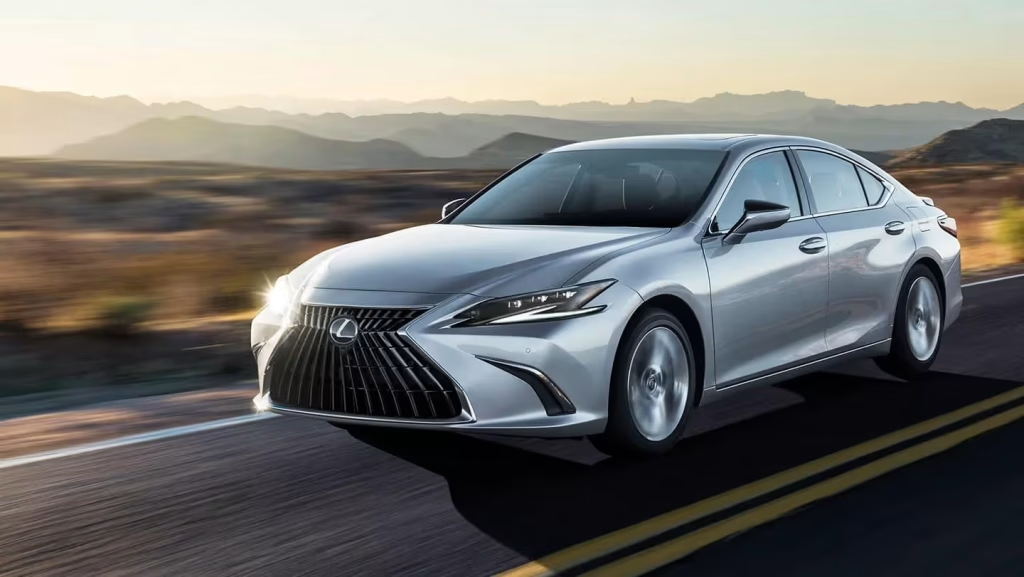
Even with aggressive driving, most owners report minimal brake wear, showcasing the benefits of thoughtful engineering in hybrid systems. The ES 300h proves that luxury, efficiency, and durability can coexist in a well-designed hybrid sedan.
4. Hyundai Ioniq Hybrid (2017–Present)
The Hyundai Ioniq Hybrid is known for efficiency, but it also shines in brake durability. Its regenerative braking system efficiently recaptures energy and reduces reliance on the friction brakes, allowing the pads and rotors to last far longer than in conventional vehicles.
Owners report retaining the original braking hardware past 150,000 miles with minimal issues. The Ioniq’s software carefully balances regenerative and friction braking, ensuring that the mechanical components engage only when necessary, such as in high-speed or emergency stops.
The vehicle’s lightweight design and low center of gravity further minimize stress on the brakes. Combined with high-quality rotors and long-lasting pad compounds, these factors allow the Ioniq to maintain excellent brake longevity even in heavy urban traffic.
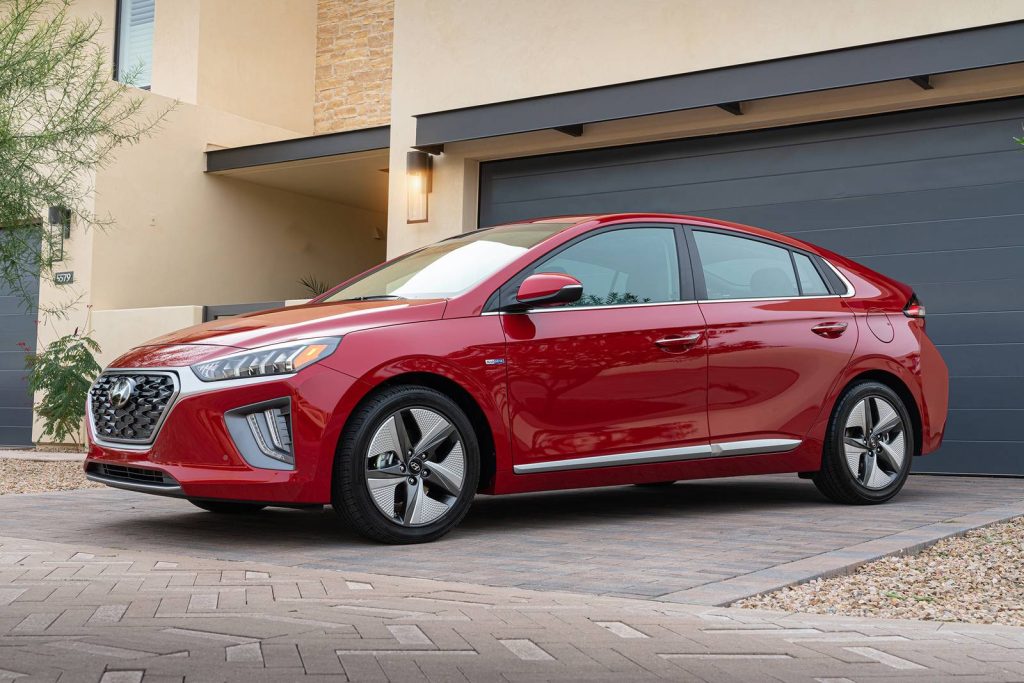
I’m writing about the Ioniq Hybrid because it demonstrates that affordability does not have to compromise durability. Its efficient regenerative system and thoughtful engineering provide owners with low maintenance costs while maintaining dependable stopping power.
Overall, the Hyundai Ioniq Hybrid proves that even compact, budget-friendly hybrids can deliver exceptional brake life when regenerative technology is well integrated with traditional braking hardware.
5. Toyota Camry Hybrid (2018–Present)
The Toyota Camry Hybrid is a midsize sedan that excels in both fuel efficiency and brake longevity. Its regenerative braking system recovers energy during deceleration, significantly reducing reliance on friction brakes and preserving pads and rotors for extended use.
Owners consistently report keeping the original brake hardware well past 150,000 miles. Toyota’s calibration ensures smooth, gradual engagement of the friction brakes, preventing sudden heat spikes that can cause premature wear or warping. This careful integration of regenerative and mechanical braking is key to the system’s long-term durability.
Another contributing factor is the Camry Hybrid’s balanced weight distribution. By placing the battery pack low and near the center of the vehicle, Toyota reduces stress on braking components and ensures even pad and rotor wear. High-quality materials further extend the life of these components, even under frequent stop-and-go driving conditions.
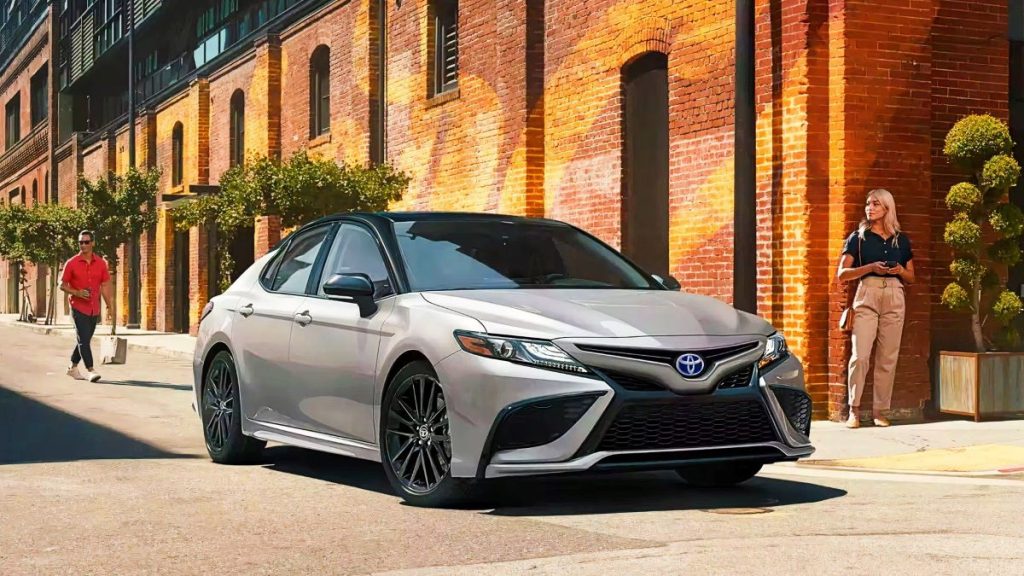
I’m writing about the Camry Hybrid because it demonstrates how mainstream, widely available hybrids can provide both efficiency and low maintenance costs. Unlike some competitors that still consume pads rapidly, the Camry Hybrid preserves brake hardware without sacrificing safety or performance.
Even with aggressive city driving or highway commutes, owners rarely need brake replacements before reaching extremely high mileage. This durability reinforces Toyota’s reputation for designing hybrids that deliver long-term reliability.
The Camry Hybrid is a prime example of a vehicle where thoughtful engineering, efficient regenerative systems, and quality materials combine to minimize ownership costs and maximize driver confidence over many years.
5 Hybrids That Chew Pads
Not all hybrids preserve their brakes as well as their reputation suggests. Despite regenerative braking systems, some models still consume pads and rotors at an unexpectedly fast rate.
This can be due to heavier curb weight, inefficient regenerative braking calibration, or aggressive software tuning that favors friction braking over energy recovery.
Frequent pad replacements increase maintenance costs and can frustrate owners who expected lower long-term expenses from hybrid ownership. In some cases, brake wear occurs even under moderate city or highway driving, highlighting the importance of choosing a hybrid with a proven track record in brake longevity.
I’m writing about these hybrids because real-world owner experiences reveal significant differences in brake durability. While marketing often emphasizes efficiency and low emissions, actual long-term performance particularly brake wear can vary widely.
Some hybrids, though efficient in fuel economy, may still “chew through” brake pads in less than 50,000 miles.
The following five vehicles have earned reputations for rapid pad wear despite being hybrids. Each example explains why the braking system struggles, whether due to poor regenerative design, high weight, or software that limits energy recovery.
Understanding these factors helps potential buyers avoid unexpected costs and ensures they make informed decisions when selecting a hybrid for long-term use.
This section serves as a cautionary guide, highlighting that hybrid efficiency alone does not guarantee brake longevity.
By examining the engineering and real-world performance of these five models, readers will gain insight into why some hybrids fail to deliver low-maintenance braking and how to identify which vehicles may require more frequent brake service.
1. Ford Fusion Hybrid (2013–2019)
The Ford Fusion Hybrid offers good fuel economy and a comfortable ride, but its braking system has earned a reputation for rapid pad wear. While it features regenerative braking, the system often relies heavily on friction brakes during city driving, reducing the lifespan of pads and rotors.
Owners frequently report needing pad replacements well before 50,000 miles. The Fusion’s curb weight and brake calibration contribute to this issue. The regenerative system isn’t aggressive enough to handle moderate deceleration, forcing the mechanical brakes to absorb more energy than intended.
Additionally, the Fusion’s heavier drivetrain and larger engine torque place extra stress on braking components. Even careful drivers in urban traffic notice faster wear compared to similar-sized hybrids. The combination of insufficient regenerative braking and standard pad compounds makes this hybrid prone to early maintenance.
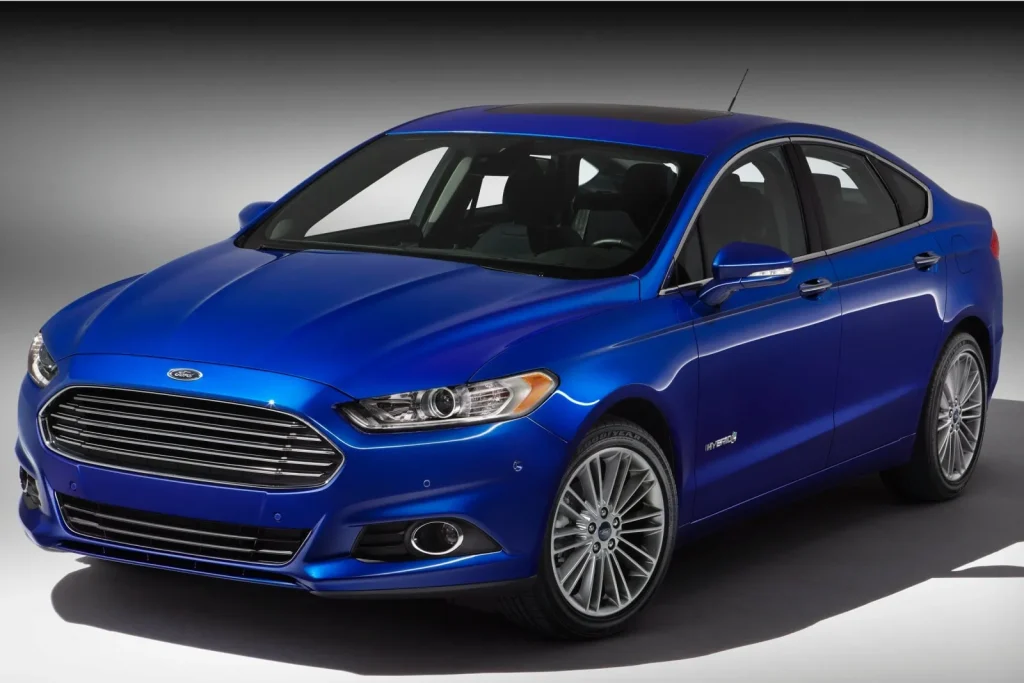
I’m writing about the Fusion Hybrid because it highlights that not all hybrids achieve the expected low-maintenance benefits. Buyers may assume that hybrid technology automatically preserves brake components, but this example shows the reality can differ.
Despite the pad wear, the Fusion remains a solid hybrid in terms of efficiency and comfort, but owners need to budget for more frequent brake service. Understanding these limitations helps potential buyers avoid surprise costs and plan for maintenance accordingly.
2. Kia Optima Hybrid (2016–2020)
The Kia Optima Hybrid combines style, efficiency, and a smooth driving experience, but it is also known for faster brake pad consumption. While it features regenerative braking, many owners report that the system engages minimally in everyday driving, forcing the friction brakes to handle most stops.
Frequent stop-and-go traffic accelerates pad wear, often requiring replacements around 35,000–40,000 miles. The Optima’s heavier curb weight and tuning of the hybrid system contribute to this issue. The friction brakes experience more heat and stress than intended for a hybrid, leading to faster wear.
I’m including the Optima Hybrid because it exemplifies a hybrid that, despite advanced technology, does not always translate into long-term brake savings. It’s a cautionary example for buyers seeking low-maintenance hybrid ownership.
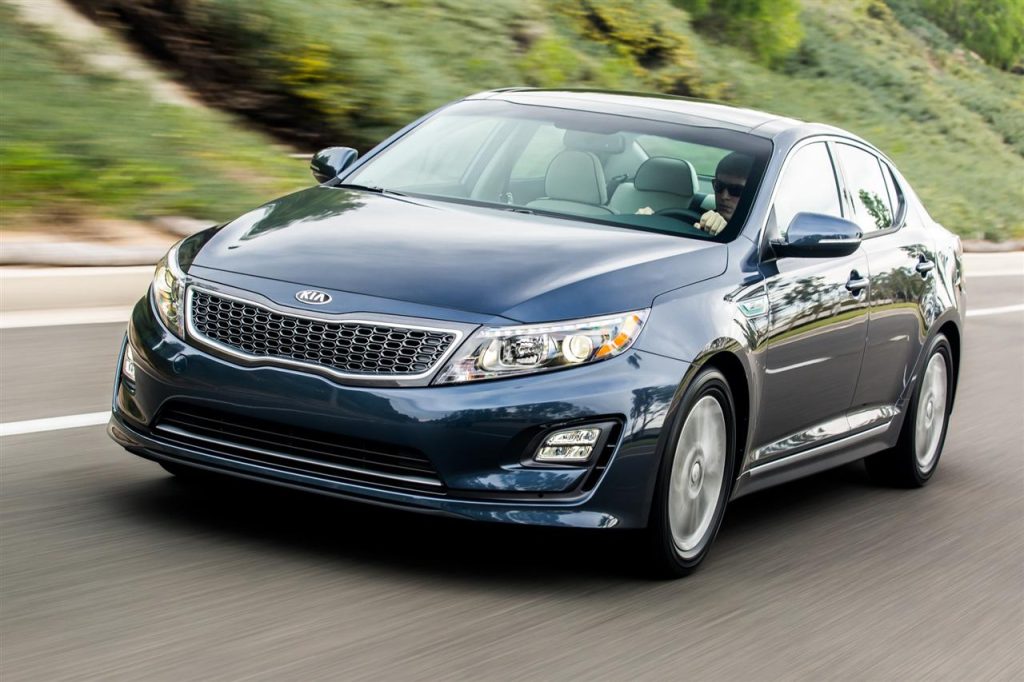
Even with moderate use, drivers report noticeable brake wear and occasional rotor resurfacing, highlighting the limitations of regenerative systems in some mid-sized hybrids. Awareness of these factors can prevent unexpected maintenance expenses.
3. Chevrolet Volt (2016–2019)
The Chevrolet Volt is a plug-in hybrid praised for its electric range and fuel efficiency, but it has a braking system that tends to wear pads faster than expected. Despite having regenerative braking, the system often prioritizes a firm, traditional brake feel, which increases friction brake use.
Owners report needing pad replacements as early as 40,000 miles, especially in urban driving with frequent stops. The Volt’s added weight from its battery pack contributes to higher braking loads, placing extra stress on pads and rotors.
Another factor is the hybrid system’s calibration. The regenerative braking focuses on energy recovery but often doesn’t fully slow the vehicle during moderate deceleration. This leaves the friction brakes to handle a significant portion of the stopping force, accelerating wear.
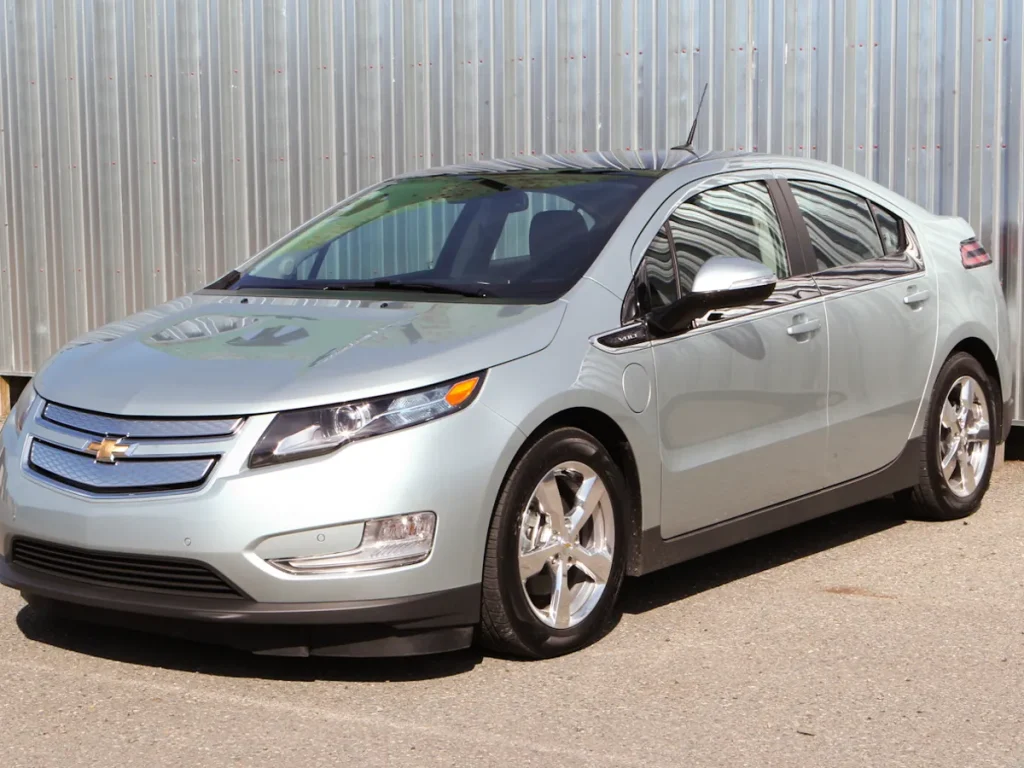
I’m including the Volt because it demonstrates that even advanced hybrids with electric-first driving modes can still face brake wear issues. Its combination of weight, regenerative logic, and driving dynamics illustrates how real-world use can differ from engineering expectations.
Despite these brake concerns, the Volt remains efficient and enjoyable to drive, but owners should anticipate more frequent pad replacements and budget accordingly. Understanding this aspect ensures buyers aren’t caught off guard by maintenance costs.
4. Hyundai Sonata Hybrid (2018–2020)
The Hyundai Sonata Hybrid offers a smooth, efficient ride, but its braking system is known for consuming pads faster than typical hybrids. Although regenerative braking is integrated, many drivers notice that friction brakes engage sooner and more frequently than expected.
Owners often replace pads before 50,000 miles, particularly in stop-and-go city traffic. The vehicle’s curb weight, combined with moderate regenerative braking, increases mechanical brake usage, reducing overall hardware longevity.
I’m writing about the Sonata Hybrid because it highlights that even well-engineered hybrids can have brake durability issues if regenerative systems are not aggressively applied. It serves as a practical example for potential buyers that hybrid technology alone does not guarantee extended brake life.
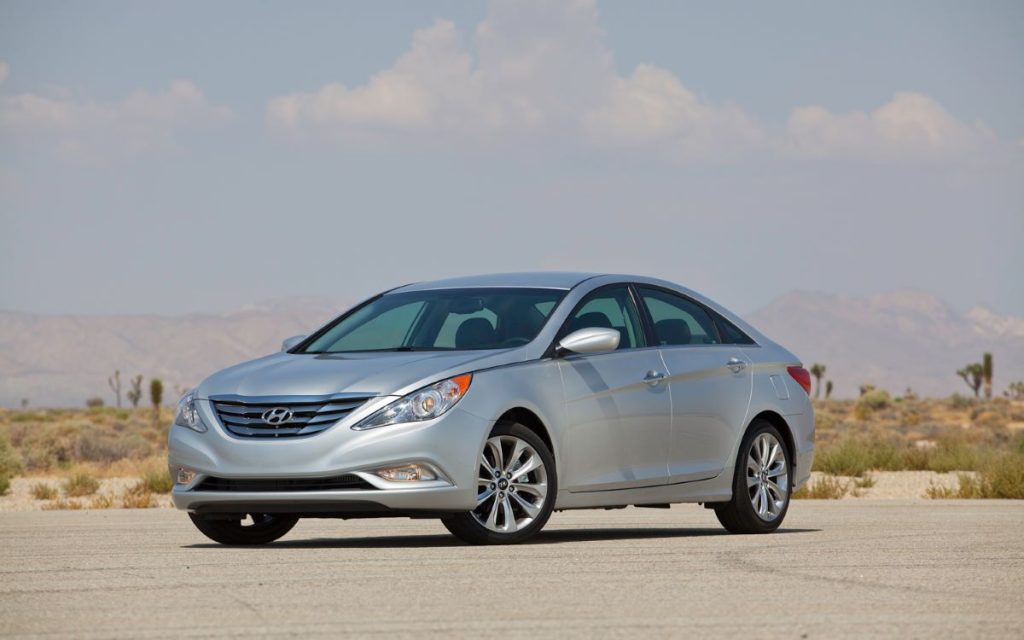
Frequent pad replacements add to maintenance costs, and the Sonata’s rotor wear can also accelerate under urban driving conditions. Being aware of these limitations allows owners to plan maintenance and make informed decisions when considering mid-size hybrid sedans.
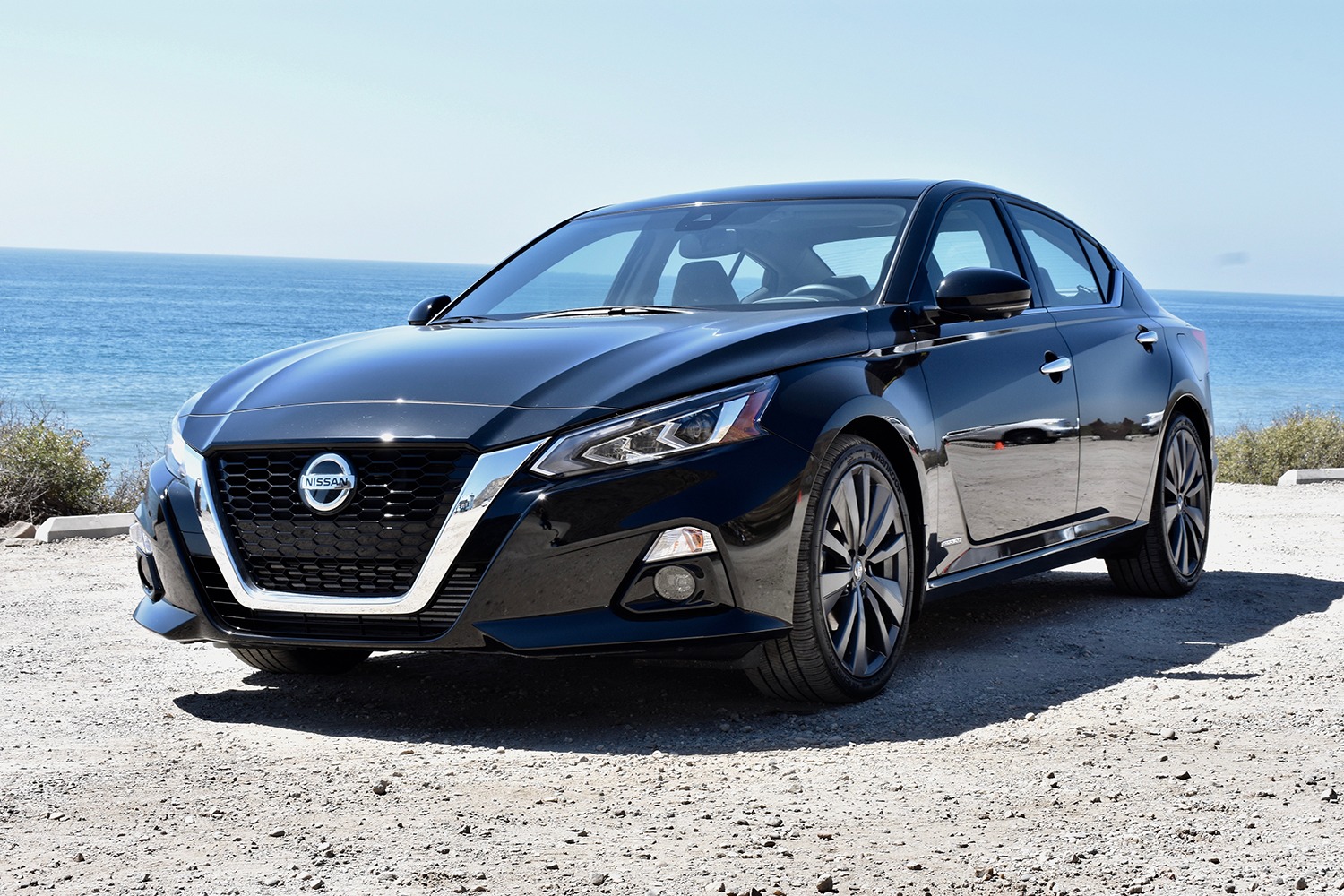
5. Nissan Altima Hybrid (2013–2018)
The Nissan Altima Hybrid offers an appealing combination of size, comfort, and fuel efficiency, but its braking system has earned a reputation for chewing through pads faster than expected.
Despite featuring regenerative braking, many owners report that the system engages too little during typical city driving, forcing the friction brakes to handle the majority of deceleration.
The Altima Hybrid’s heavier curb weight and larger engine torque exacerbate the problem. Friction brakes absorb significant energy during frequent stops, leading to accelerated pad and rotor wear.
This is especially noticeable in urban environments, where repeated deceleration puts continuous strain on the braking components.
Another contributing factor is the hybrid system’s software calibration. While regenerative braking recaptures energy efficiently during light deceleration, it rarely provides enough stopping force in moderate braking situations.
As a result, drivers rely on friction brakes far more than expected, shortening pad lifespan and occasionally causing rotors to warp under repeated heat cycles.
I’m including the Altima Hybrid here because it illustrates a hybrid where technology does not fully deliver the expected maintenance benefits. Buyers often assume that all hybrids will preserve brakes, but real-world data shows this is not always the case.
The Altima Hybrid exemplifies how design choices, weight, and regenerative system tuning can impact hardware longevity.
Owners frequently report replacing brake pads before 40,000–50,000 miles, and in some cases, rotors require resurfacing or replacement sooner than in competing hybrids.
These maintenance needs can add significant costs over time, reducing the ownership advantages typically associated with hybrid vehicles.
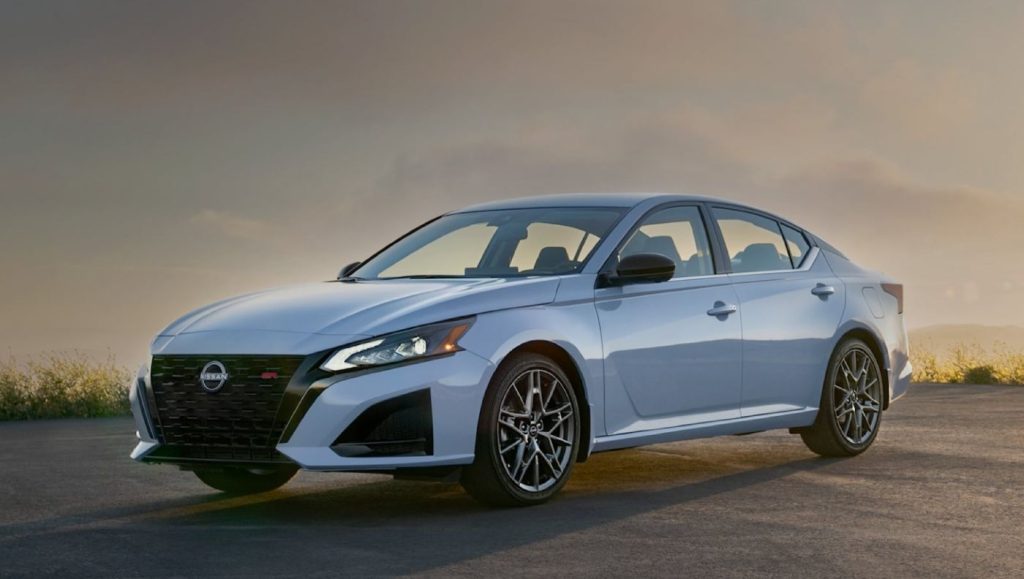
Understanding the Altima Hybrid’s braking behavior is crucial for potential buyers seeking low-maintenance ownership.
While the car excels in comfort and efficiency, its brake wear underscores the importance of examining real-world performance, not just advertised hybrid benefits. For those prioritizing durability and minimal brake service, this hybrid serves as a cautionary example.
Hybrid vehicles can dramatically reduce brake wear thanks to regenerative braking systems, but not all models perform equally.
Some hybrids, such as the Toyota Prius, Honda Accord Hybrid, Lexus ES 300h, Hyundai Ioniq Hybrid, and Toyota Camry Hybrid, are engineered to preserve their original pads and rotors well beyond 150,000 miles.
These vehicles benefit from efficient regenerative braking, balanced weight distribution, and high-quality components, which minimize friction brake usage and reduce heat-related wear.
On the other hand, hybrids like the Ford Fusion Hybrid, Kia Optima Hybrid, Chevrolet Volt, Hyundai Sonata Hybrid, and Nissan Altima Hybrid tend to “chew through” brake pads at a faster rate.
Factors such as heavier curb weight, insufficient regenerative braking, and software that favors friction brakes over energy recovery lead to more frequent pad replacements, sometimes before 50,000 miles.
Understanding the differences in brake durability is essential for buyers seeking long-term, low-maintenance hybrids. While regenerative braking improves efficiency and driving smoothness, real-world performance varies widely.
Choosing models with proven brake longevity can save hundreds or even thousands of dollars in maintenance and provide peace of mind over many years of ownership.
Also Read: 5 Budget Cars with Luxury-Quiet Cabins vs 5 Buzzy, Loud Rides
