
The tailgate of an SUV might seem simple, but it hides one of the most failure-prone electrical systems in the entire vehicle. Running through the hinge area are bundles of wires that control everything from rear cameras and wipers to power locks and lift motors.
These wiring looms bend thousands of times over the life of the vehicle, and whether they last or fray often determines how reliable the SUV feels after years of use.
Some manufacturers design their tailgate wiring with flexibility, extra length, and abrasion protection. These vehicles go through years of daily opening and closing without developing broken conductors or intermittent faults.
Others, however, use stiff insulation, poor routing, or tight hinge tolerances that eventually lead to cracked insulation and short circuits. A frayed loom can disable not only the tailgate but also safety systems like rearview cameras and parking sensors.
I’m writing about these SUVs because tailgate wiring issues reveal how deeply an automaker understands long-term durability. The difference between a vehicle that feels solid after 10 years and one that constantly throws electrical errors often lies in this overlooked section of wiring.
The five models with reliable tailgate looms prove that thoughtful engineering and quality materials pay off long-term. The five with frayed ones, on the other hand, show how cutting corners in such a small area can cause big headaches.
Owners usually notice symptoms gradually flickering license plate lights, tailgate locks that stop working, or warning messages from camera modules. In severe cases, broken wires can even cause shorts or drain the battery overnight.
The goal here is simple: highlight the SUVs that get this critical detail right and call out the ones that don’t. Because a tailgate that opens smoothly should stay smart, not become a source of electrical trouble.
Also Read: 5 Timing-Belt Engines That Are Cheap To Service And 5 Interference Nightmares
5 SUVs With Tailgate Wiring That Lasts
Tailgate wiring is one of those hidden engineering details that quietly defines a vehicle’s long-term reliability. It’s not flashy or visible, but when done right, it prevents a host of problems from dead cameras to failed wipers and frozen liftgates.
The SUVs in this section stand out because their tailgate wiring looms are designed to survive constant flexing, temperature extremes, and years of daily use without fraying or breaking.
Automakers that get this right usually start with flexible wire cores, silicone-based insulation, and generous slack at the hinge points.
They also protect the loom with rubber sheaths that resist UV damage and prevent pinching as the tailgate opens and closes. It’s a small area, but it sees more motion cycles than almost any other harness in the vehicle.
I’m writing about these five SUVs because they prove that durability doesn’t happen by accident. Their wiring looms stay intact even after years of family use kids opening the rear constantly, power liftgates cycling thousands of times, and exposure to cold winters or hot summers. They don’t suffer from intermittent shorts, false error codes, or broken camera feeds that plague lesser designs.
These models show how attention to detail can translate to owner confidence. When the wiring is done right, the rear hatch continues to function like new no flickering lights, no malfunctioning locks, and no frustrating electrical gremlins.
Each of these SUVs was chosen based on real-world reliability reports, owner feedback, and service data showing minimal wiring failures over time.
In an age where electronic complexity keeps increasing, these vehicles demonstrate that simplicity, flexibility, and proper protection still matter most. Their tailgates don’t just open smoothly they keep working quietly, year after year.
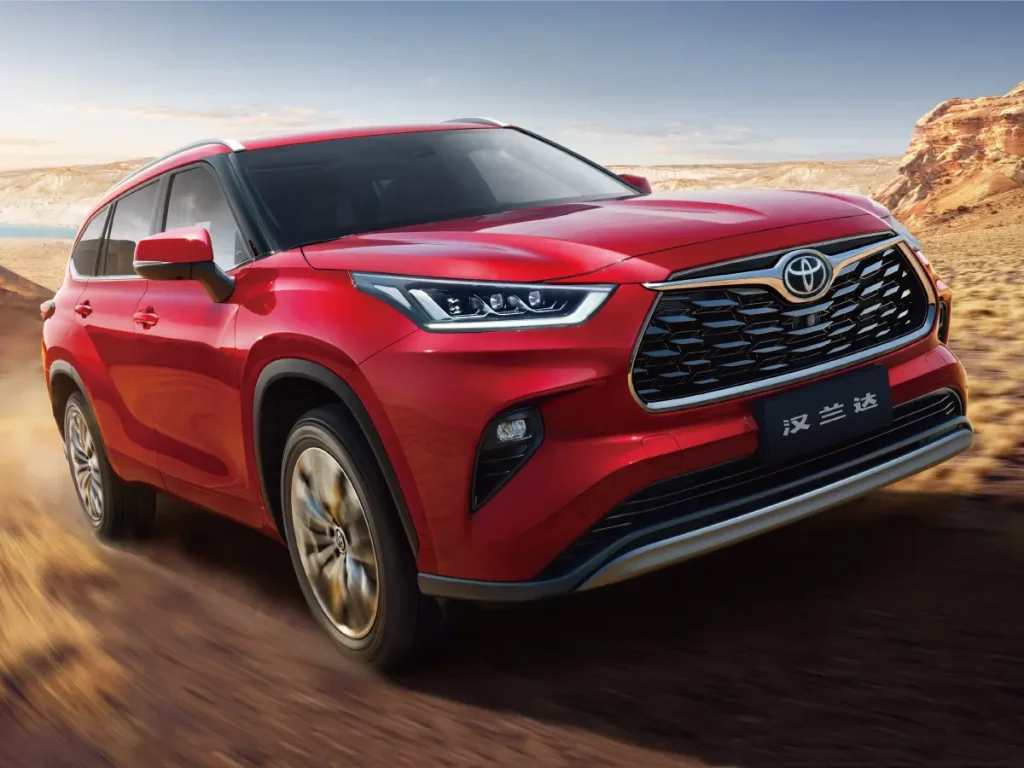
1. Toyota Highlander
The Toyota Highlander is known for long-term dependability, and one of its quiet success stories lies in its tailgate wiring. Toyota’s engineers took a conservative yet effective approach: flexible, high-strand copper wiring bundled in thick silicone insulation, routed through a wide hinge channel that prevents pinching or stress.
As a result, the Highlander’s tailgate harness holds up year after year without developing broken wires or corroded connectors.
Unlike many SUVs that rely on tight routing or short harness loops, Toyota gives the wiring extra length. This allows the loom to bend gradually rather than sharply every time the liftgate opens.
The design seems simple, but this small detail dramatically reduces fatigue on the conductors inside. The connectors are also double-sealed with rubber gaskets, keeping moisture and dust from creeping in.
I’m writing about the Highlander because it represents how careful design prevents common electrical headaches. Owners rarely experience rear camera failures, flickering license plate lights, or power liftgate malfunctions even at high mileage. The wiring retains its flexibility, even after years of exposure to heat, cold, and daily operation.
Toyota’s attention to the harness routing also means that even when aftermarket parts like backup sensors or tow wiring are added, the system continues to perform reliably. The protective sheath is thick enough to resist chafing but soft enough to move freely through the hinge motion.
In the long term, this approach pays off. Even Highlanders with over 150,000 miles often show perfectly intact tailgate wiring looms. That’s a rare achievement in an era of increasingly complex electronics.
The Highlander proves that good engineering isn’t always about technology sometimes it’s about respecting the limits of simple materials and designing them to last decades instead of years.
2. Honda Pilot
The Honda Pilot has always been a family workhorse, built for constant loading, unloading, and tailgate cycles. Yet despite heavy use, its tailgate wiring stands up remarkably well. Honda’s engineers designed the loom with both flexibility and strain relief in mind.
The wires pass through a wide arc instead of a tight bend, allowing smooth movement every time the liftgate operates.
Inside, the wiring uses fine-strand copper coated with flexible PVC insulation that resists cracking in cold temperatures. The protective sleeve includes a split-tube design that allows easy movement while shielding the conductors from abrasion.
The connectors at the hinge are sealed and reinforced, preventing moisture intrusion that could otherwise lead to corrosion.
I’m writing about the Pilot because it shows how thoughtful, simple engineering avoids problems before they start. In older Pilots, you’ll often find suspension bushings or struts wearing before the wiring ever fails.
That says something about how durable this system really is. Even after years of family road trips and heavy tailgate use, owners rarely encounter issues with the rear camera, defroster, or power latch.
Honda also avoids routing the wiring near metal edges or sharp corners, reducing the risk of rubbing and insulation wear. This design choice helps the Pilot maintain full tailgate functionality long after cheaper models develop intermittent faults or broken circuits.

The result is an SUV that continues to feel cohesive deep into its life cycle. When everything in the rear works from wipers to sensors, it reinforces the sense of overall quality.
The Pilot proves that reliable wiring isn’t luck; it’s the product of careful testing and respect for the physics of movement. That’s why even older models keep their tailgates working as smoothly as day one.
3. Subaru Ascent
The Subaru Ascent may be a relative newcomer among three-row SUVs, but it’s already earning a reputation for reliability in unexpected places including its tailgate wiring.
Subaru engineered the Ascent’s rear electrical system with the same practical focus it applies to drivetrain durability. The result is a harness that resists cracking, stretching, or internal breaks even after years of daily use.
The secret lies in the design flexibility. Subaru uses an extra-long wiring loop at the hinge area, giving the loom more room to flex gently as the tailgate opens. This reduces mechanical stress at the point where most vehicles eventually fail.
The insulation is made of silicone-based material that stays pliable in subzero temperatures and doesn’t become brittle under heat.
I’m writing about the Ascent because it reflects a manufacturer that learns from real-world usage. Subaru’s engineers faced earlier issues in the Outback and Forester with cracked harnesses in freezing climates.
By addressing those flaws head-on, they created a more resilient loom in the Ascent. The connectors are also mounted in moisture-protected housings, ensuring that melting snow or condensation can’t corrode terminals.
Even in regions with harsh winters, owners report that the Ascent’s rear cameras, defrosters, and power liftgate remain trouble-free well past 100,000 miles. There’s no flickering lighting, no intermittent electrical errors, and no frayed insulation visible when inspecting the hinge area.

It’s a quiet success story the kind of reliability few notice until they don’t have it. The Ascent’s tailgate wiring shows that learning from past mistakes pays off. Subaru took what was once a weak point and turned it into a strength, ensuring that the tailgate remains as trustworthy as the rest of the vehicle.
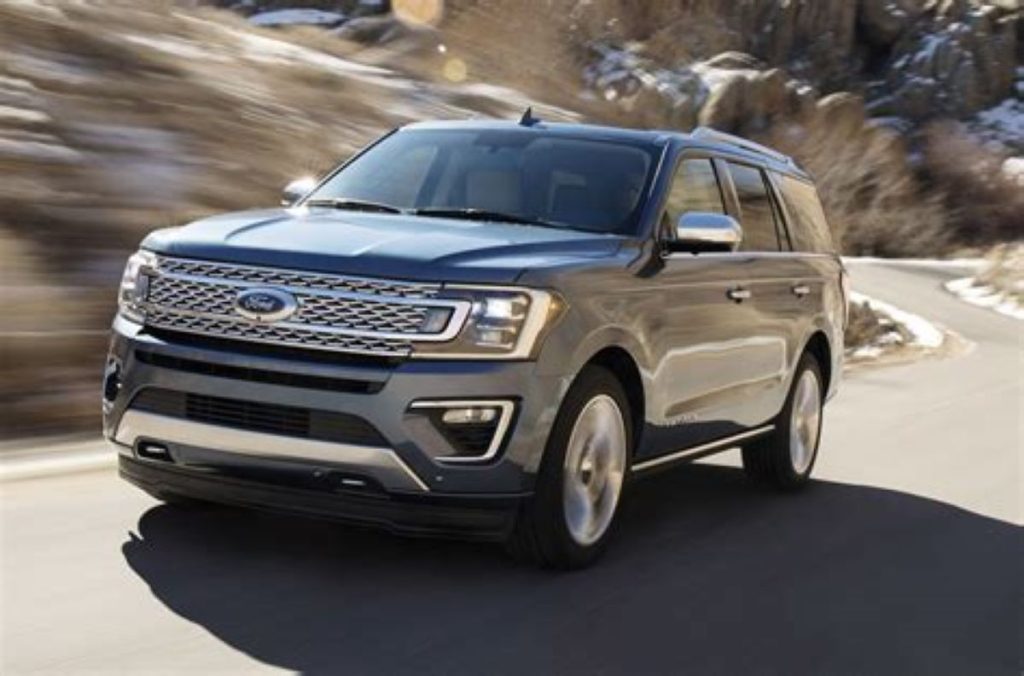
4. Ford Expedition
The Ford Expedition is built for big families, heavy loads, and constant use, yet its tailgate wiring has proven to be impressively resilient. Ford’s design uses a flexible wiring loom routed through a wide plastic conduit that shields it from both pinch points and moisture.
The material is abrasion-resistant and includes an inner protective sleeve that prevents conductor fatigue over repeated flexing.
This attention to detail matters because large tailgates put extra strain on wiring. The Expedition’s power liftgate cycles through a large arc, meaning the wiring must flex over a wide range. Ford addressed this by using multi-strand copper wires with silicone insulation a combination that stays soft and pliable in all climates.
I’m writing about the Expedition because it demonstrates that even a heavy-duty SUV can be refined in its smallest engineering choices. Despite the size and weight of its tailgate, the Expedition rarely suffers electrical problems. Owners don’t complain about failing cameras, broken wipers, or dead liftgate locks all signs that the wiring stays intact.
Another smart detail is the separation of signal and power circuits within the loom. Ford places high-current lines for the lift motor away from low-voltage camera and sensor feeds. This reduces heat buildup and electromagnetic interference, both of which can shorten wiring life.
The result is a system that holds up exceptionally well under daily use. Even older Expeditions with years of towing and family wear still retain reliable rear electronics.
The tailgate wiring lasts because Ford designed it not as an afterthought, but as part of the vehicle’s overall structural integrity. That’s what makes the Expedition stand out a big SUV with small components engineered for the long haul.
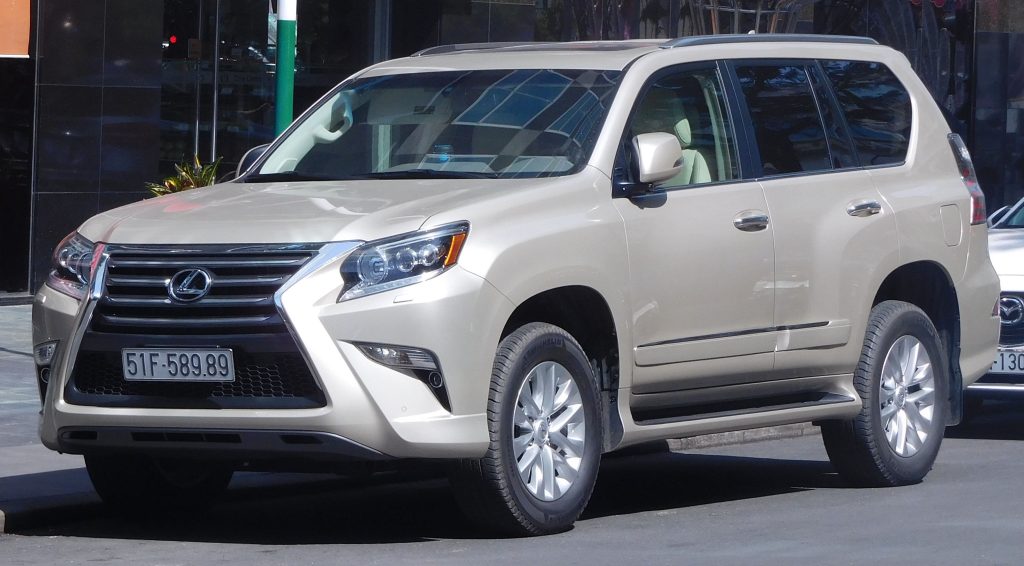
5. Lexus GX
The Lexus GX has a well-earned reputation for overengineering, and that extends to its tailgate wiring. Built on a rugged body-on-frame platform, the GX combines luxury refinement with Land Cruiser durability.
Where many SUVs see wiring failures after years of use, the GX’s loom remains solid even after a decade of exposure to vibration, dust, and repeated opening cycles.
The reason is meticulous attention to routing and insulation. Lexus runs the tailgate wiring through an oversized rubber boot that allows for controlled flexing without stress points.
The wiring inside the boot is wrapped in multiple protective layers, preventing internal rubbing or wire fatigue. Even the connectors are gold-plated and sealed against moisture ingress.
I’m writing about the GX because it represents the quiet philosophy of Toyota’s premium division to eliminate failure through foresight. Engineers tested the tailgate wiring through extreme temperature cycles, simulating years of desert heat and alpine cold.
They also factored in vibration from off-road driving, ensuring that the harness wouldn’t chafe or pull loose under body flex.
Owners of the GX often keep their vehicles for over 200,000 miles, and many report no tailgate-related electrical faults. The power locks, rear wiper, and lighting function as if the vehicle were new. Even after exposure to humidity and dust, the insulation resists cracking and corrosion.
This reliability makes the GX an easy recommendation for those who value longevity. Its wiring is not just durable it’s intelligently designed for the real world. Lexus made sure that something as mundane as a liftgate harness wouldn’t compromise the SUV’s reputation for bulletproof dependability.
That level of thoughtfulness turns a simple electrical component into a reflection of engineering discipline and long-term trust.
5 SUVs With Frayed Looms
While some SUVs seem immune to tailgate wiring problems, others reveal their weaknesses far too soon. Frayed looms, broken connectors, and cracked insulation are common complaints that can turn a simple family hauler into an electrical headache.
The failures might start small maybe a license plate light that flickers or a rear camera that cuts out intermittently but they often spread, leading to total power liftgate failure or short circuits that drain the battery overnight.
This section focuses on five SUVs known for developing tailgate wiring issues earlier than expected. The problems usually appear between 50,000 and 80,000 miles, when the wiring inside the flexible rubber boot begins to split or lose insulation.
Every tailgate opens and closes thousands of times, and when manufacturers cut corners on wire quality, routing, or strain relief, the loom starts to fatigue quickly.
I’m writing about these models because they show what happens when cost-saving meets real-world motion stress. Some of these SUVs look solid on paper great engines, interiors, and safety features but their rear harness designs don’t hold up under daily use. It’s an example of how a small design flaw can overshadow otherwise strong engineering.
These examples aren’t meant to shame, but to inform. Owners who understand these issues can take preventive steps like inspecting the rubber boots, applying dielectric grease to connectors, or installing reinforcement sleeves before the wires fray completely.
Each of the five SUVs listed here earned its place through repeated reports from technicians and owners alike.
Their tailgate looms often become a weak link in the ownership experience, reminding us that reliability depends on more than just engines and transmissions. Sometimes, it’s the hidden wiring behind the hatch that decides whether a vehicle ages gracefully or not.
1. Ford Explorer
The Ford Explorer is one of America’s most recognizable SUVs, but its tailgate wiring has developed a reputation for wearing out prematurely. Owners often notice the first symptoms as flickering license plate lights, a rear wiper that stops mid-sweep, or an intermittent rearview camera feed.
These small annoyances point to a bigger issue: the tailgate loom fraying inside the flexible boot where it bends with every open and close cycle.
I’m writing about the Explorer because its wiring failures highlight how even a well-built vehicle can be undermined by a small design shortcut. Ford used relatively stiff wire insulation and tight routing through a narrow grommet.
Over time, the loom rubs internally and begins to crack. In cold weather, the wires can snap entirely, cutting off power to sensors or triggering warning lights for tailgate or lighting systems.
Repairing the loom isn’t impossible, but it’s more frustrating than it should be. Many owners resort to splicing or patching the broken wires themselves because the harness section costs more than expected at dealerships. Ford eventually improved the design in later model years, but earlier Explorers especially those from 2011 to 2016, remain vulnerable.
Technicians often recommend adding a protective sleeve or rewiring the section with more flexible silicone-coated wire.
This small upgrade can prevent repeat failures. The irony is that the rest of the Explorer is fairly durable: engines, transmissions, and interiors hold up well. Yet, something as basic as a wiring loom can chip away at that reputation.
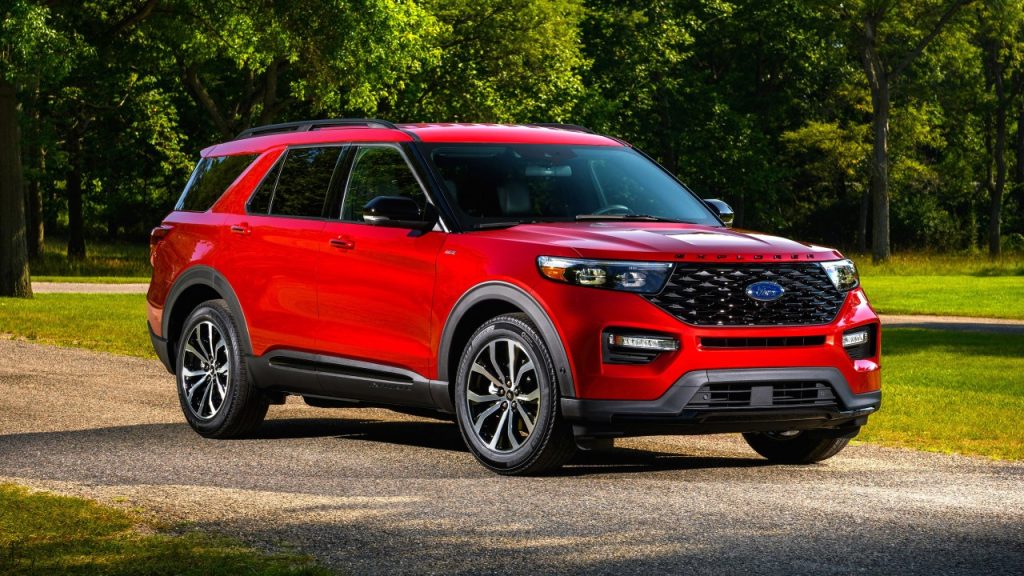
The Ford Explorer’s case serves as a reminder that electrical flexibility matters as much as mechanical strength. Even the toughest SUVs can be brought down by poor material choices in something as small as a tailgate harness.
2. Jeep Grand Cherokee
The Jeep Grand Cherokee combines luxury and off-road toughness, but its tailgate wiring hasn’t shared the same resilience.
Owners of mid-2010s models often experience issues with rear cameras, license plate lighting, and even power liftgate failures caused by cracked or shorted wires in the tailgate boot. The wiring tends to harden with age, making it brittle and prone to splitting after repeated movement.
I’m writing about the Grand Cherokee because it reflects a pattern seen in many Stellantis products: impressive design and performance paired with inconsistent electrical durability. The loom in the tailgate area is routed too tightly, leaving minimal slack for flexing.
As the tailgate moves, the wires are forced to bend sharply, eventually leading to internal breaks that can trigger electrical gremlins.
Drivers first notice small things a rear wiper that won’t start, parking sensors that flicker, or the tailgate refusing to open electronically. Upon inspection, technicians often find two or three broken conductors inside the boot. In extreme cases, the loom shorts, blowing small fuses or disabling other rear electronics.
Jeep enthusiasts have developed their own fixes, including rerouting the loom with extra slack or using aftermarket repair kits with silicone-insulated wires. These solutions work, but they shouldn’t be necessary on a vehicle marketed as premium.
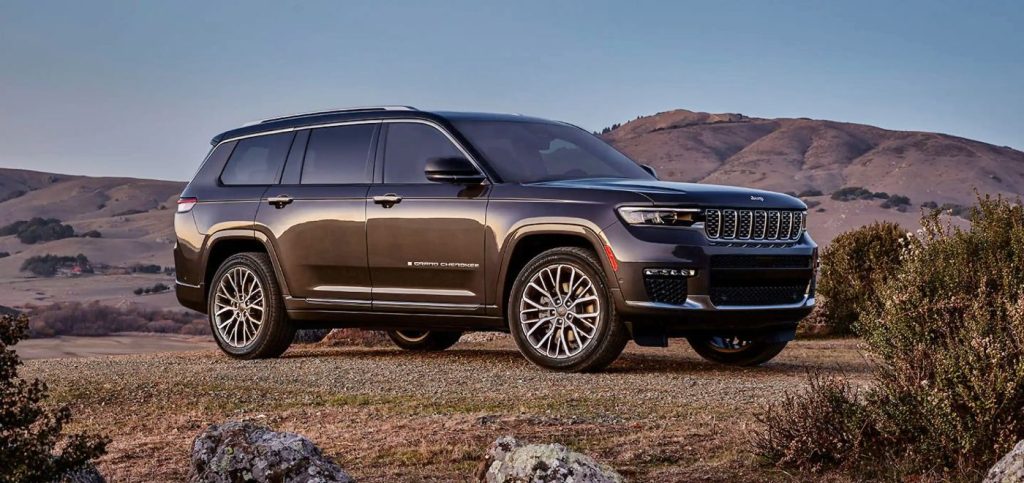
Despite its capability and comfort, the Grand Cherokee’s tailgate wiring remains a recurring weak spot. It’s frustrating because the rest of the SUV feels solid, from the drivetrain to the cabin finish. Yet, one thin cluster of wires can compromise convenience and reliability.
The Grand Cherokee proves that even a tough off-roader can have fragile details. It’s a reminder that longevity depends not just on mechanical strength, but on flexible, forgiving design something its tailgate wiring never quite mastered.
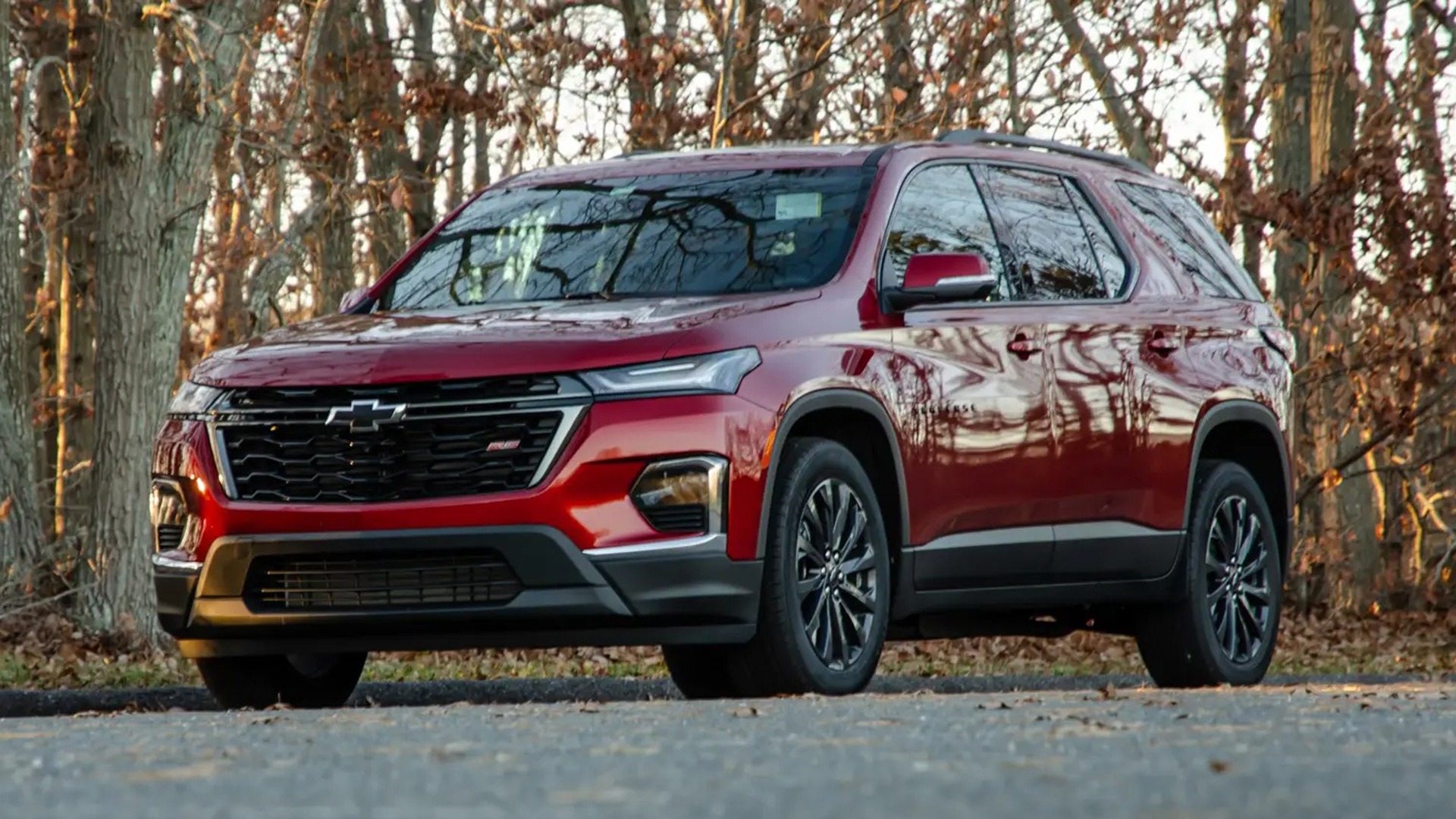
3. Chevrolet Traverse
The Chevrolet Traverse offers space, comfort, and smooth ride quality, but when it comes to tailgate wiring, it falls short of long-term reliability. Owners frequently report frayed looms and broken connections inside the rubber boot that links the body to the liftgate.
The result is intermittent lighting, nonfunctional rear cameras, or tailgates that refuse to latch electronically issues that often appear just as the warranty expires.
I’m writing about the Traverse because it illustrates how design packaging can directly impact durability. GM’s tailgate loom was routed with limited slack, forcing the wires to flex sharply each time the hatch opened.
Add in the use of PVC-coated wire instead of more flexible silicone, and the material begins to crack after a few years of exposure to heat and cold.
Technicians have found that the insulation tends to split near the midpoint of the boot, where bending stress is highest. Once moisture enters through those cracks, corrosion follows, accelerating the problem. Even when repaired, if the new loom isn’t given extra slack, it often fails again within months.
Owners have shared DIY fixes that include rewrapping the harness with cloth tape or rerouting it slightly higher to reduce tension. GM later made quiet revisions in newer model years, but early Traverses remain vulnerable.
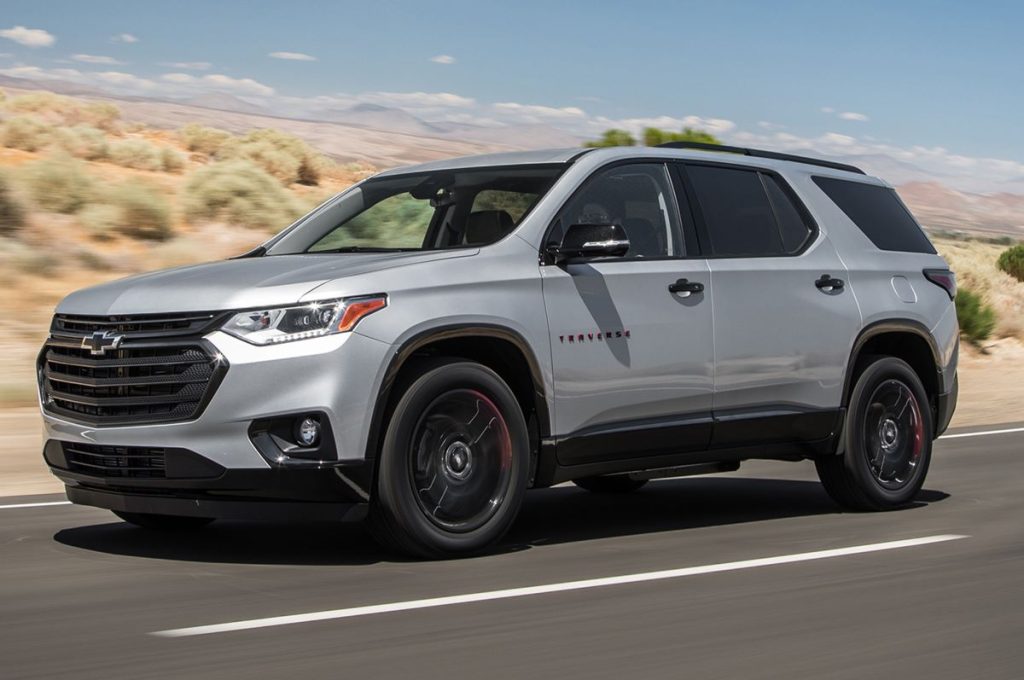
This issue is frustrating because the rest of the vehicle’s electrical system is fairly robust. Yet, a few inches of wiring near the rear can compromise core functions like lighting and safety cameras.
The Traverse shows that even large automakers can underestimate motion stress in small spaces. It’s a reminder that in every SUV, durability starts with flexibility and this model’s loom didn’t get enough of it.
4. Nissan Rogue
The Nissan Rogue has been a consistent bestseller, appreciated for its fuel economy and family-friendly features. However, it’s also gained notoriety among technicians for tailgate wiring that doesn’t hold up over time.
Owners often face failing rear wipers, nonfunctioning cameras, and unresponsive locks all symptoms of a loom that’s frayed inside the flexible conduit after years of bending.
I’m writing about the Rogue because it perfectly demonstrates how long-term use exposes weaknesses in compact design. The tailgate wiring was made with insulation that hardens quickly in cold climates. Over time, as the hatch cycles daily, the hardened wires begin to crack near the hinge, severing key circuits one by one.
The damage usually becomes visible around 60,000 to 80,000 miles, especially in vehicles parked outdoors. What makes it worse is that the boot is short and the wiring taut, giving almost no room for movement. Once the insulation breaks, water can seep inside, leading to oxidation or short circuits that cause random electronic errors.
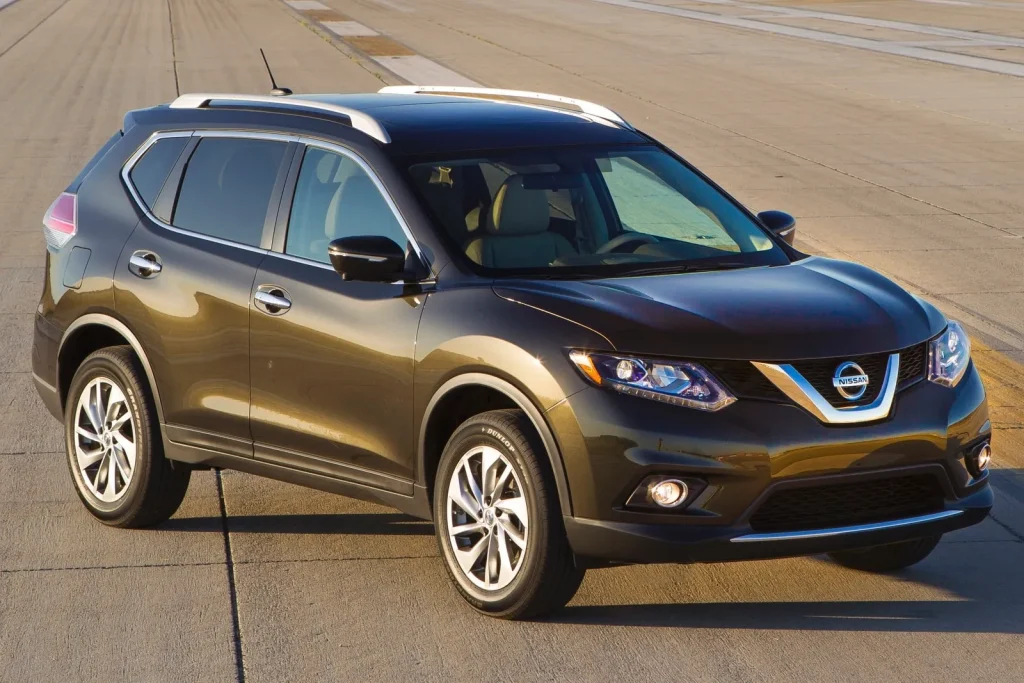
Some owners have had to replace the entire rear harness, a repair that’s surprisingly expensive for such a small issue. Others resort to patching or splicing new wire sections, which can work if done with flexible silicone replacements.
The Rogue’s problem isn’t due to neglect or abuse it’s simply a case of design oversight in a high-stress area. Nissan’s later revisions improved the wire composition, but early models still suffer frequent failures.
For an SUV meant for daily use, it’s disappointing to see reliability undercut by wiring fatigue. The Rogue’s otherwise practical build is let down by a loom that couldn’t handle real-world motion. It’s a classic case of how everyday use reveals the hidden limits of engineering shortcuts.
5. Volkswagen Tiguan
The Volkswagen Tiguan delivers refined handling and a premium cabin feel, but its tailgate wiring has become a weak point that many owners eventually encounter.
After several years of use, the flexible harness that connects the body to the liftgate often begins to show signs of wear cracked insulation, flickering lights, and a rear camera that randomly cuts out. What starts as a small annoyance can quickly escalate to a full power liftgate failure.
I’m writing about the Tiguan because it shows how European engineering precision sometimes overlooks long-term flexibility. Volkswagen’s loom is tightly packed and routed through a narrow boot, which restricts its movement each time the hatch opens.
Over time, the insulation hardens, especially in colder regions, and the copper conductors inside begin to fracture from repeated flexing.
Owners commonly report that the first symptoms appear between 50,000 and 70,000 miles. The tailgate may stop locking electronically, or warning lights for the rear lighting system may appear intermittently. Upon inspection, mechanics often find multiple broken or exposed wires where the loom bends most sharply.
The repair isn’t overly complex but can be frustrating. Volkswagen’s replacement harnesses aren’t cheap, and splicing requires precision to prevent future shorts. Some owners use aftermarket wire kits made with silicone-based insulation, which provide better longevity than the factory design.
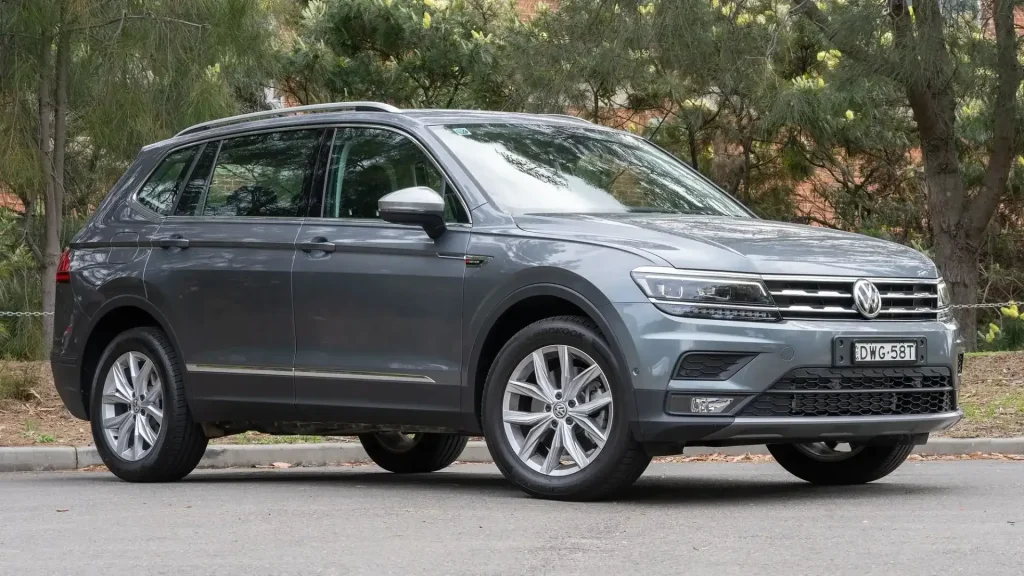
It’s unfortunate because the rest of the Tiguan’s build quality feels solid. The drivetrain, suspension, and interior materials hold up well, but this single wiring flaw undermines that sense of quality. It’s a good reminder that durability depends not just on materials, but on movement tolerance and wire flexibility.
The Tiguan’s elegant engineering works beautifully in theory, but its tailgate loom proves that in the real world, daily repetition exposes every weakness. Even premium compact SUVs can suffer from small but costly design oversights.
Also Read: 5 Models With Headliners That Don’t Sag vs 5 That Drop by Year Eight
