Truck bed liners are more than cosmetic accessories. They protect cargo from scratches, dents, and corrosion, extending the life of the truck bed while preserving resale value. However, not all bed liners are created equal.
Some provide excellent protection, absorbing impact and preventing moisture from reaching the steel beneath. Others, despite appearances, trap water and debris against the bed, accelerating rust and damage over time.
This article compares five trucks with bed liners that actually protect against wear, moisture, and corrosion with five that are prone to trapping moisture, creating long-term problems.
Understanding the difference between the two categories is essential for truck owners who want durable, low-maintenance cargo solutions.
The right liner not only safeguards the truck bed but also makes loading, unloading, and cleaning easier. Poorly designed liners, by contrast, can undermine the durability of even the most rugged pickup.
I’m writing about these trucks because a bed liner is often the first line of defense for a truck that carries heavy, abrasive, or wet cargo. The liner’s material, fit, and design determine whether it will channel water away or hold it against the steel, potentially causing corrosion.
High-quality liners use impact-resistant materials, precise fitment, and drainage channels to protect the bed. Cheaper or poorly designed liners may look solid, but they often create pockets where moisture lingers, dirt accumulates, and rust forms.
By examining ten trucks across both categories, readers can understand which designs are proven to last and which may require frequent maintenance or replacement. This guide highlights how even a seemingly small detail the choice of a bed liner, can significantly affect truck longevity, resale value, and convenience.
Whether you’re a daily driver, contractor, or weekend adventurer, knowing which liners truly protect and which trap moisture can save thousands in repairs and keep your truck performing at its best.
Also Read: 5 EVs With Heat-Resistant Brake Systems vs 5 That Glaze Easily
5 Trucks With Bed Liners That Actually Protect
A quality truck bed liner can be the difference between a pristine cargo area and a rusting, scratched bed within a few years. Trucks that come equipped with or are fitted with properly designed liners benefit from long-term protection against dents, abrasions, and moisture.
These liners absorb impact from heavy cargo, resist UV degradation, and prevent water from coming into direct contact with the steel bed.
I’m writing about trucks with effective bed liners because they showcase how thoughtful design and material choice extend durability. A protective liner is more than a mat or spray-on coating.
It’s a combination of precise fitment, durable polymers, and drainage considerations that collectively shield the bed while allowing easy cleaning and minimal maintenance. Trucks that get this right preserve their resale value, maintain a clean cargo space, and save owners from costly repairs caused by trapped moisture or corrosion.
The trucks featured in this section are chosen for their real-world performance. These liners maintain elasticity and toughness even under heavy loads or extreme temperatures. They resist scratching, cracking, and deformation
problems that commonly plague lower-quality alternatives. Many also incorporate raised patterns or channels to direct water and debris away from the steel, preventing rust and extending the life of the truck bed.
Beyond material choice, fitment is critical. A liner that fits snugly and covers vulnerable corners will protect the bed more effectively than one that shifts or leaves gaps. Spray-on liners that bond directly to the bed are also highlighted, as they eliminate gaps and provide a permanent, impact-resistant surface.
By understanding these trucks and their protective liners, readers can make informed decisions for work, recreation, or long-term ownership.
A well-chosen liner turns the truck bed into a durable, low-maintenance platform, demonstrating that proper design and material quality can significantly enhance the overall value and longevity of a pickup.
1. Ford F-150
The Ford F-150, America’s best-selling pickup, often comes with a well-designed bed liner, either spray-on or drop-in. Owners consistently report that these liners provide durable protection against dents, scratches, and corrosion, even under heavy-duty use.
The spray-on options, in particular, create a seamless barrier that conforms to the bed, preventing cargo from damaging the steel beneath.
I’m writing about the F-150 because it illustrates how high-quality materials and proper installation combine to create lasting durability.
The liners use impact-resistant polyurethane or polyurea coatings, which resist UV degradation and maintain elasticity in extreme temperatures. This ensures that even heavy or abrasive loads don’t compromise the protective layer.
Another reason the F-150 stands out is its precise bed design. Factory-fit liners cover every vulnerable area, including corners and wheel wells, minimizing spots where moisture could accumulate. Spray-on liners further eliminate gaps, ensuring a permanent, bonded surface that prevents rust from developing over time.
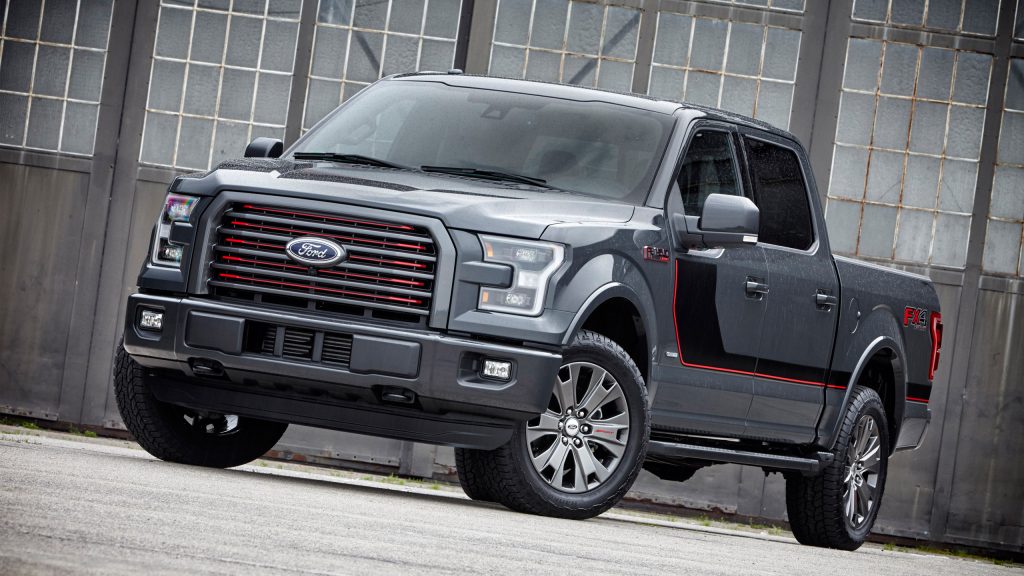
The practical benefit is clear. Owners report minimal maintenance, easy cleaning, and significant protection against dents caused by tools, lumber, or recreational gear. The bed maintains its appearance and structural integrity, which also helps retain resale value.
The F-150 earns its spot because it shows how combining high-quality materials with thoughtful design can produce a protective system that lasts for years. For truck owners who regularly haul cargo, a robust bed liner is essential, and the F-150 demonstrates the standard for performance, longevity, and peace of mind.
2. Chevrolet Silverado 1500
The Chevrolet Silverado 1500 is another example of a truck that pairs well-engineered bed liners with rugged durability. Both spray-on and drop-in options protect the bed from scratches, dents, and corrosion while remaining easy to maintain. Owners frequently praise their liners for resisting wear even with daily work or recreational use.
I’m writing about the Silverado because it shows how material quality and design prevent moisture accumulation.
Many liners feature raised channels or textured surfaces that direct water toward the drain holes, keeping the steel bed dry and reducing the risk of rust. This design detail is critical for owners hauling wet or heavy cargo, such as dirt, gravel, or wet equipment.
The liners use high-grade polymers that resist cracking, shrinking, and fading over time. Even in extreme sun exposure or freezing temperatures, the material retains its protective properties. Spray-on liners bond directly to the bed, creating a permanent, impact-resistant coating that protects the truck for the long term.
Fitment is another strong point. Silverado liners are tailored to cover corners, wheel wells, and the tailgate edge, preventing damage in vulnerable areas. This thoughtful coverage ensures that the bed remains structurally sound and visually clean for years.
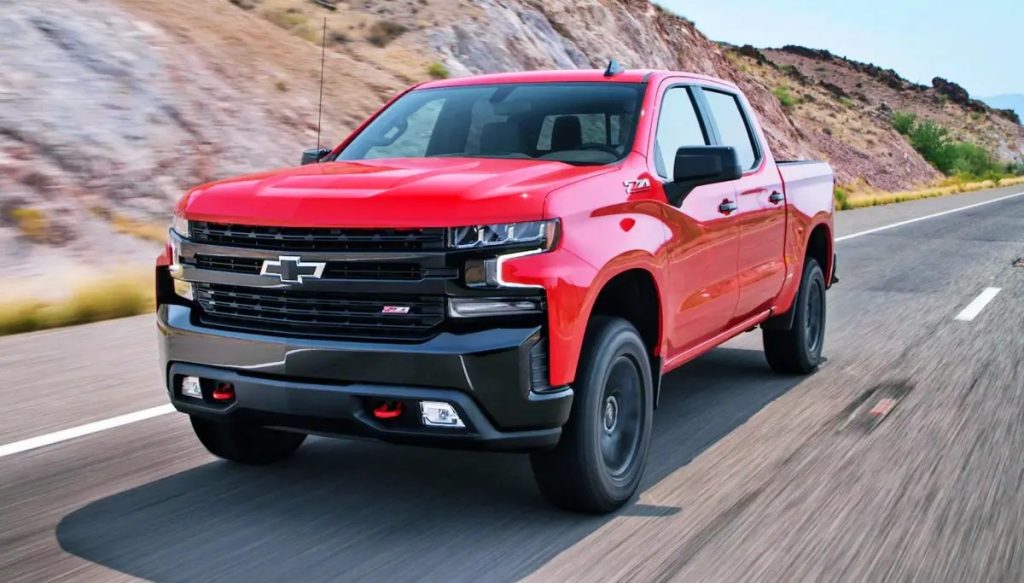
The Silverado earns its place because it balances everyday practicality with durability. A high-quality bed liner transforms a standard truck bed into a low-maintenance, long-lasting platform capable of handling demanding loads without compromising the steel underneath. It exemplifies how trucks can remain functional and attractive through years of heavy use.
3. Toyota Tundra
The Toyota Tundra is renowned for reliability, and its bed liners are no exception. Owners report that both spray-on and factory-fitted liners offer excellent protection against scratches, dents, and rust.
They effectively shield the steel bed from heavy cargo, moisture, and UV exposure, maintaining the truck’s appearance and structural integrity over time.
I’m writing about the Tundra because it demonstrates how thoughtful material selection extends durability. The liners use high-quality polyurethane or polyurea coatings that remain flexible in extreme temperatures.
This prevents cracking and ensures a snug fit that conforms to the bed’s contours, including corners and wheel wells.
Drainage is another key feature. Toyota’s liners are often designed with channels that direct water and debris toward drain points, preventing accumulation and reducing the risk of rust. Owners hauling wet or muddy loads report minimal maintenance compared to trucks with cheaper or poorly designed liners.
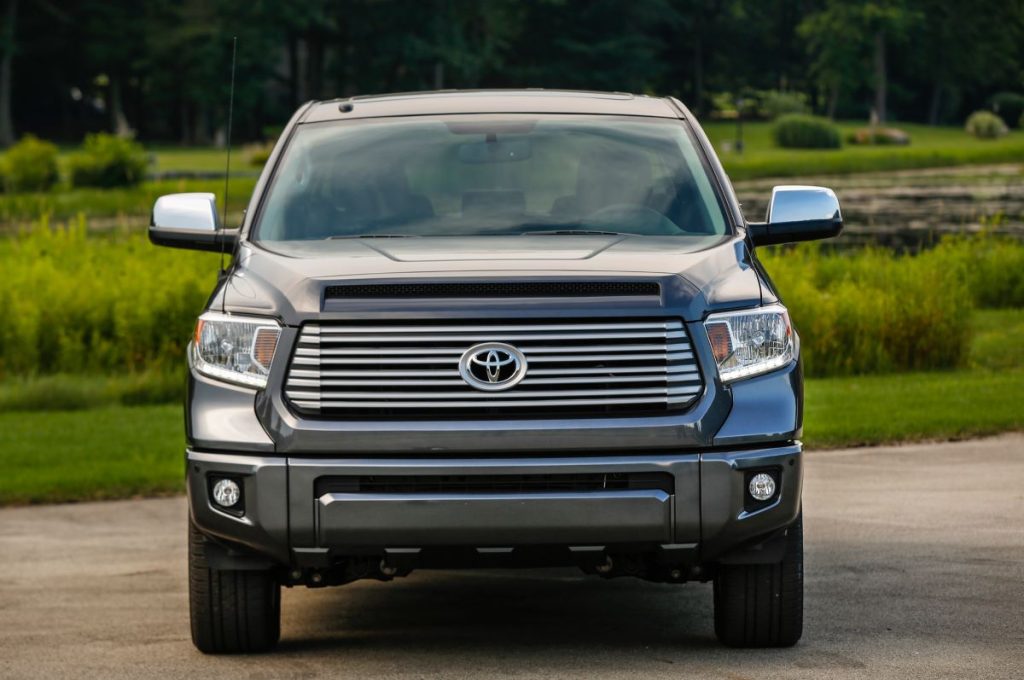
Spray-on liners provide a seamless, bonded surface, eliminating gaps where moisture could collect. This makes cleaning simple while preserving the protective function over years of heavy use.
Even heavy-duty tools, lumber, and equipment do not compromise the bed, as the liner absorbs impact while keeping the steel underneath intact.
The Tundra earns its spot because it combines rugged truck capability with long-term protection. It proves that a well-designed liner can handle tough, everyday tasks while reducing maintenance and preventing corrosion.
Truck owners benefit from a durable, clean bed that retains both functionality and resale value, making the Tundra a reliable choice for heavy-duty and recreational use alike.
4. GMC Sierra 1500
The GMC Sierra 1500 stands out for its combination of performance and protective bed liners. Owners praise both factory-fitted spray-on liners and high-quality aftermarket options for shielding the bed from dents, scratches, and corrosion over years of heavy use.
I’m writing about the Sierra because it exemplifies how design and material selection impact long-term protection. The liners use tough polymers resistant to UV rays, moisture, and temperature swings, maintaining flexibility and strength even in harsh environments.
This ensures that heavy cargo, including construction materials and outdoor equipment, does not damage the steel beneath.
Drainage and fitment are key advantages. Sierra liners are engineered to cover corners, wheel wells, and tailgate edges, while channels direct water away from the bed. This reduces moisture trapping, keeping the bed dry and rust-free, a common issue with lower-quality liners.
Spray-on liners further enhance durability by creating a bonded, seamless layer that resists shifting or peeling. This permanent surface prevents cargo from scratching the steel, even under repeated heavy-duty use, while making cleaning simple and efficient.
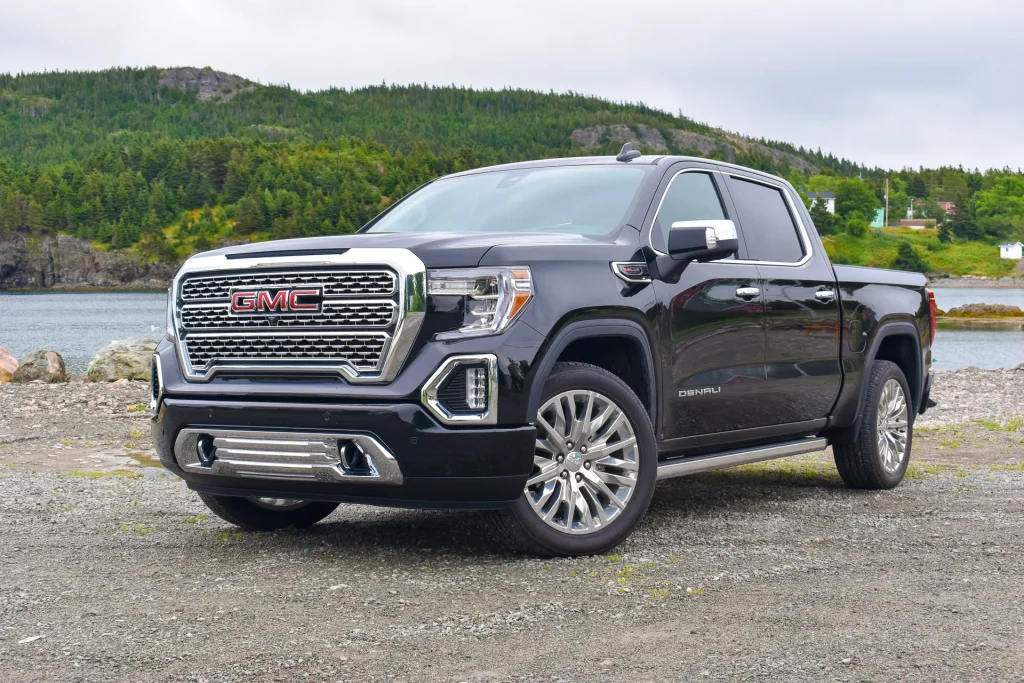
The Sierra earns its place because it demonstrates how a properly engineered liner preserves a truck’s long-term value and usability. Owners benefit from reduced maintenance, enhanced cargo protection, and a bed that remains visually and structurally intact.
This combination of toughness, fitment, and drainage makes the GMC Sierra 1500 a standout example of a truck with bed liners that actually protect.
5. Ram 1500
The Ram 1500 is known for its combination of comfort and capability, and its bed liners are built to match. Owners report that both spray-on and high-quality drop-in liners provide excellent protection against dents, scratches, and rust. These liners maintain their integrity even after years of heavy-duty hauling or exposure to the elements.
I’m writing about the Ram 1500 because it demonstrates how material choice and engineering detail contribute to long-term durability.
The liners use impact-resistant polyurethane or polyurea coatings that remain flexible in extreme heat or cold. This prevents cracking, shrinking, or peeling, ensuring consistent protection across the entire bed.
Fitment and coverage are also important. Ram liners are designed to reach every corner, including wheel wells, tailgate edges, and bed corners. This eliminates exposed areas where cargo could damage the steel or moisture could accumulate, which is a common issue with cheaper liners.
Drainage is thoughtfully considered as well. Channels within the liner direct water and debris toward factory drain holes, preventing puddling and reducing the risk of rust. Owners frequently note that even when hauling wet or muddy equipment, the bed remains dry and easy to clean.
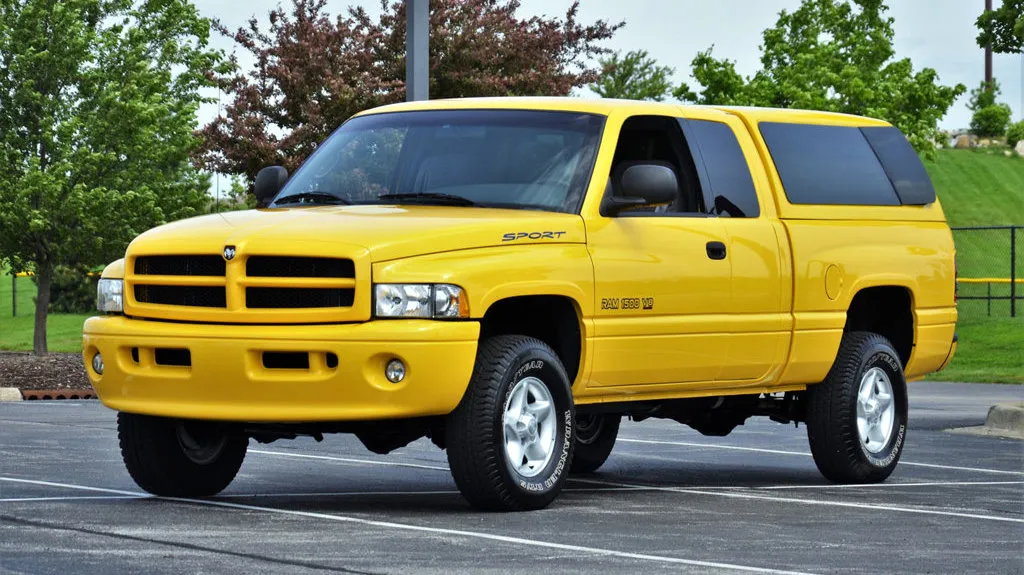
Spray-on liners create a seamless, bonded surface that further enhances protection. The permanent coating absorbs impact, resists abrasion, and ensures the steel bed stays intact over long-term use. This reduces maintenance and keeps the truck looking newer for longer, which also preserves resale value.
The Ram 1500 earns its place on this list because it demonstrates that a properly engineered bed liner can turn a standard truck bed into a low-maintenance, long-lasting cargo area.
With the right materials, precise fit, and thoughtful drainage, the Ram shows how trucks can be both rugged and protected, delivering practical benefits for work, recreation, and everyday use.
5 Trucks With Bed Liners That Trap Moisture
Not all truck bed liners are created equal. While some offer long-lasting protection, others can create hidden problems by trapping moisture, dirt, and debris against the steel bed. This accelerates rust, corrosion, and structural wear, turning a protective feature into a liability over time.
This section highlights five trucks whose bed liners tend to trap moisture, even if they appear sturdy or well-fitted. Many of these issues arise from design flaws, such as liners that don’t conform perfectly to the bed, leave pockets where water can accumulate, or use materials that absorb moisture rather than repel it.
Even drop-in liners, which seem convenient, can create gaps that hold water and debris, accelerating rust formation beneath the surface.
I’m writing about these trucks because bed liners are often overlooked until damage appears. Owners may assume their liner is protecting the bed, only to discover corrosion developing in hidden spots, requiring costly repairs.
Trapped moisture can also cause odors, mold, and a general decline in cargo space usability. Understanding which trucks have liners prone to these problems helps buyers make informed decisions, whether opting for aftermarket solutions, spray-on coatings, or extra maintenance routines.
The trucks selected for this list illustrate common design pitfalls. Some focus on appearance over functionality, others prioritize easy installation rather than proper drainage. Across all examples, the recurring theme is that water and debris accumulation is the main threat.
These trucks remind us that a bed liner is not automatically protective its design, material, and fitment determine whether it preserves the truck bed or contributes to premature corrosion.
By examining these five models, readers can see the importance of material choice, fit, and drainage channels. Preventing trapped moisture is critical for maintaining the integrity, functionality, and resale value of a pickup, demonstrating that even small design oversights can have lasting consequences.
1. Nissan Frontier
The Nissan Frontier, while a capable midsize truck, often comes with bed liners that can trap moisture. Owners report that water, dirt, and debris collect in the corners and under the drop-in liner, creating small pools that accelerate rust over time. Even with moderate use, these hidden pockets can compromise the steel bed beneath.
I’m writing about the Frontier because it highlights how a seemingly sturdy liner can actually be counterproductive. The drop-in design, while convenient to remove, does not conform perfectly to the bed’s contours. Gaps form along the edges and in wheel well areas, allowing water to seep in and remain trapped.
Material choice also plays a role. The standard polypropylene liners used in many Frontiers do not absorb water but are rigid enough to create sealed pockets where moisture collects. The liner’s stiffness prevents it from flexing to release water, which means puddles can sit undisturbed for weeks if the truck is not regularly cleaned.
Owners often notice rust forming around the corners and along seams, even on relatively low-mileage trucks. Simple maintenance like lifting the liner and cleaning underneath is required, but many forget or overlook it, leading to long-term corrosion issues.
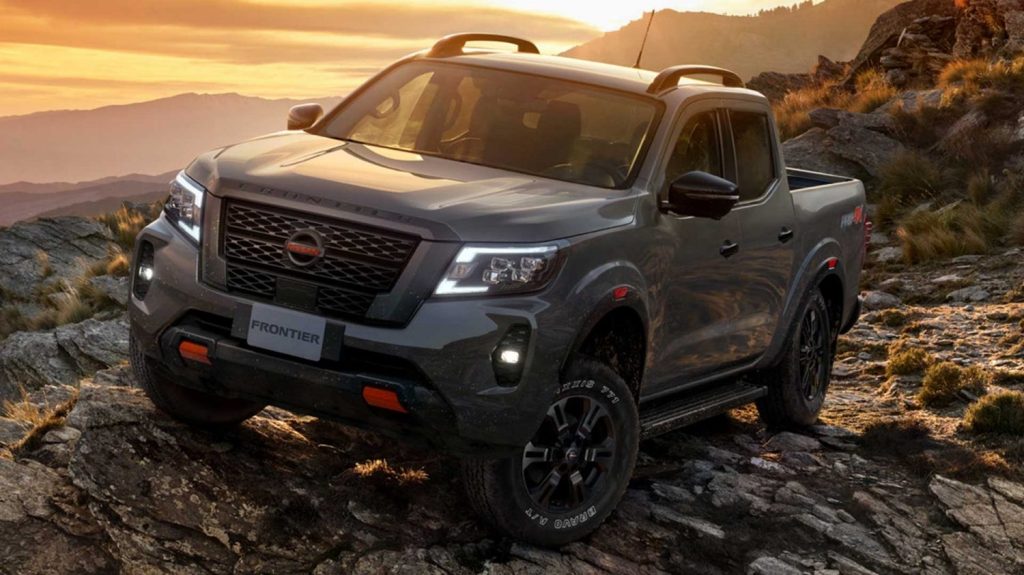
The Frontier’s inclusion here shows that convenience and perceived protection do not always equal effectiveness.
Without proper drainage or precise fitment, a bed liner can turn from a shield into a trap. Truck owners need to be aware of these risks and consider spray-on alternatives or aftermarket liners designed for better drainage to truly protect the steel bed.
2. Chevrolet Colorado
The Chevrolet Colorado is another truck where bed liners can create problems with trapped moisture. Owners have reported that factory drop-in liners often leave pockets around the corners and wheel wells where water accumulates. Over time, this promotes rust, corrosion, and even mold in the cargo area.
I’m writing about the Colorado because it illustrates how liner design can undermine bed protection. While the liner covers most of the bed surface, small gaps at seams and edges allow water to seep in and remain trapped. The rigid plastic material prevents drainage, keeping the moisture against the metal rather than channeling it away.
Climate and usage exacerbate the problem. Owners in rainy or snowy regions experience more frequent puddling, while those carrying wet equipment or muddy loads notice accelerated deterioration beneath the liner. Even routine cleaning may not reach all corners, leaving hidden areas vulnerable.
The Colorado’s liners also suffer from compression over time. As the truck flexes under heavy cargo, slight gaps form between the liner and the steel bed. These gaps collect debris, holding water in place and promoting localized rust. Without intervention, corrosion can spread to wheel wells and the tailgate edge, reducing the truck’s lifespan.
The truck earns a place on this list because it shows that a bed liner can appear protective while actually creating hidden vulnerabilities. Awareness, proper maintenance, or replacement with a well-fitted spray-on or custom liner is necessary to prevent long-term damage and preserve the cargo area.
3. Toyota Tacoma
The Toyota Tacoma is a popular midsize truck, but many owners report issues with moisture-trapping bed liners. Factory drop-in liners, while durable on the surface, often leave small gaps and pockets along the corners, tailgate edge, and wheel wells. These areas collect water, mud, and debris, accelerating rust formation underneath the liner.
I’m writing about the Tacoma because it illustrates how even well-built trucks can face hidden durability challenges. The liner itself is rigid polypropylene, which does not allow water to flow freely to drain points. Over time, standing water can sit in these pockets, creating ideal conditions for corrosion.
Climate plays a significant role. Owners in humid or coastal regions frequently encounter early rusting beneath the liner, even if the truck appears clean on top. Heavy loads, wet gear, or snow accumulation worsen the problem, as trapped moisture accelerates metal deterioration.
Many Tacoma owners attempt preventive maintenance by lifting the liner periodically and cleaning beneath, but this requires consistent attention. Neglecting it leads to visible rust along the bed corners and sometimes compromises resale value. Spray-on liners or aftermarket mats with better drainage are often recommended to avoid these issues.
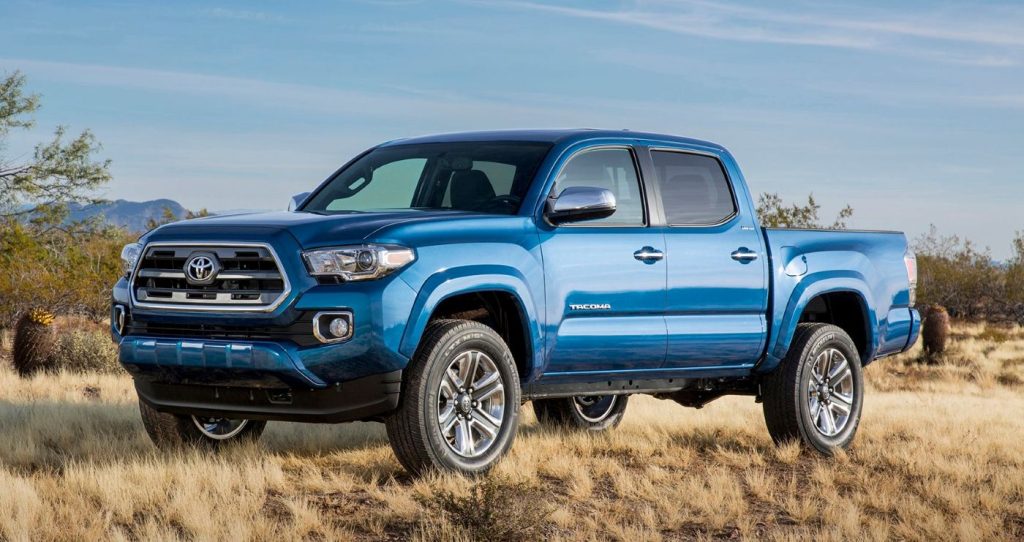
The Tacoma earns its spot because it shows that a rigid liner alone is not enough. Without proper fitment and water channeling, even high-quality trucks can develop corrosion problems. Understanding this helps owners make informed choices about maintenance and protective upgrades to preserve the bed over time.
4. GMC Canyon
The GMC Canyon, like its Chevrolet sibling, is known for solid performance but has bed liners prone to trapping moisture. Owners report that drop-in liners create pockets along the corners and wheel wells, holding water and debris, which leads to rust and corrosion underneath.
I’m writing about the Canyon because it demonstrates how liner design affects long-term durability. The rigid, molded liner does not flex, and gaps at the edges trap water. Even when the truck is parked on a slope or cleaned regularly, moisture can linger in areas the liner doesn’t cover, creating hidden vulnerabilities.
Climate exposure compounds the problem. Snow, rain, and mud combined with the liner’s inflexibility result in standing water under the liner. Over time, the steel beneath deteriorates, and owners notice rust forming in less visible areas such as the bed corners and wheel wells.
Routine cleaning is necessary but often overlooked. Lifting the liner, removing debris, and drying the bed are time-consuming steps that many owners skip, leaving moisture trapped for extended periods. Spray-on liners or upgraded aftermarket options with proper drainage are frequently recommended to prevent corrosion.
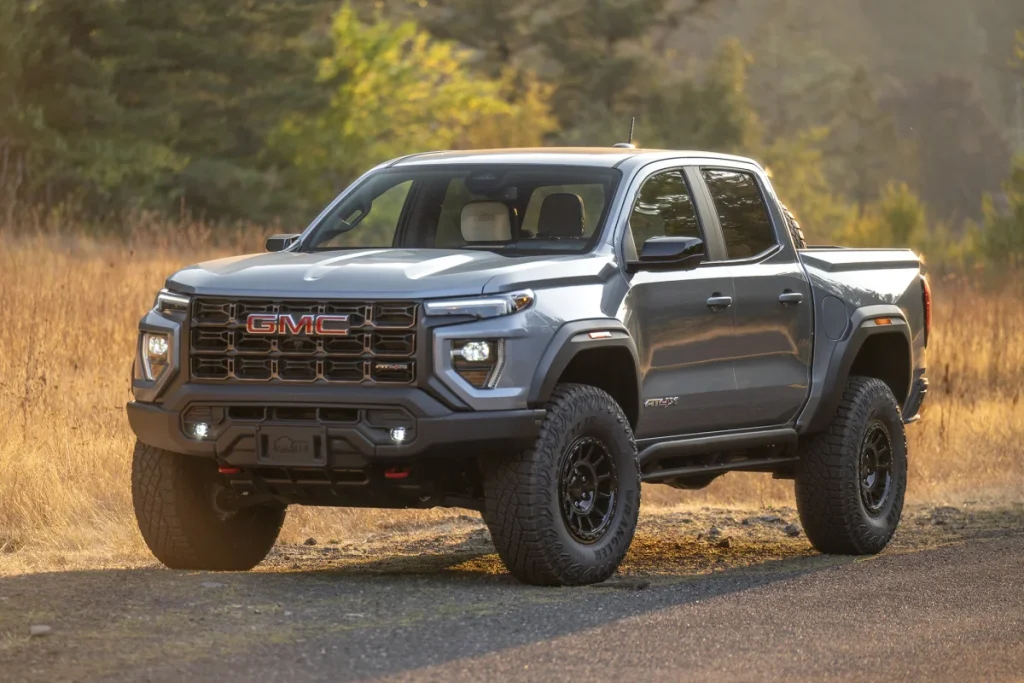
The GMC Canyon’s inclusion on this list highlights that even modern trucks with seemingly durable liners are not immune to moisture problems. Awareness of design limitations, combined with preventive measures, is essential to protect the bed and maintain the truck’s longevity and resale value.
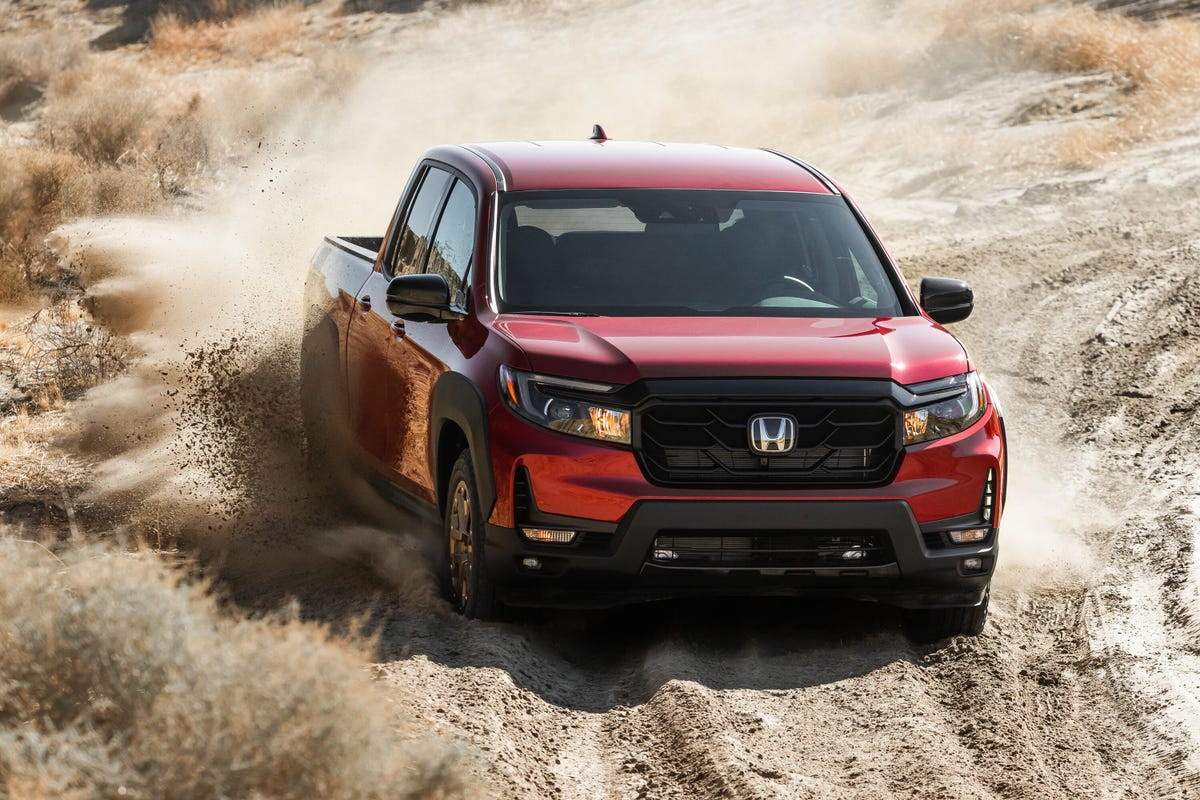
5. Honda Ridgeline
The Honda Ridgeline is praised for its innovative unibody design and versatile bed, but its factory bed liner has a tendency to trap moisture. Owners frequently report water pooling along the corners and beneath the drop-in liner, which can lead to corrosion and rust over time.
I’m writing about the Ridgeline because it highlights how even modern, well-engineered trucks can have hidden vulnerabilities. The drop-in liner does not perfectly conform to the bed’s contours, leaving small gaps along the edges and wheel wells. These pockets collect water, mud, and debris, especially after rain or heavy hauling.
Material choice also contributes to the problem. The Ridgeline’s liner is a rigid polymer that does not flex to release trapped water. This makes it difficult for moisture to drain naturally, creating ideal conditions for corrosion to develop beneath the liner, sometimes unnoticed until significant rust appears.
Owners in wet or snowy regions are particularly affected. Even routine cleaning of the visible bed area may not reach the hidden gaps under the liner. Over time, this leads to early signs of rust along corners, seams, and wheel wells. Many Ridgeline owners resort to aftermarket liners, mats, or periodic removal and drying to mitigate the issue.
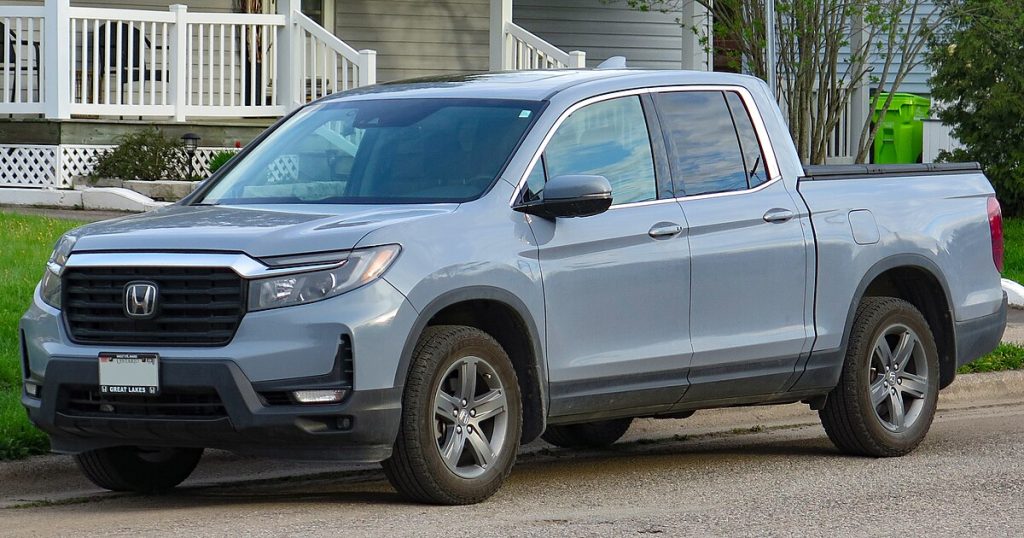
The Honda Ridgeline earns its place on this list because it demonstrates that a factory liner does not always equal protection. Without proper drainage and fitment, even a well-designed truck can experience bed corrosion.
Understanding this helps owners take proactive steps to protect the bed, either through aftermarket solutions or regular maintenance, preserving both the functionality and long-term value of the vehicle.
High-quality truck bed liners protect against dents, scratches, and corrosion, using durable materials, precise fitment, and proper drainage.
In contrast, poorly designed liners trap moisture and debris, accelerating rust and damage. Choosing the right liner preserves the truck bed, reduces maintenance, and extends vehicle longevity and resale value.
Also Read: 5 Trucks With Cabins That Don’t Creak vs 5 That Sound Like Ships