
Winter arrives, temperatures drop below freezing, and suddenly your dashboard lights up like a Christmas tree. That ABS warning light glowing at you isn’t just annoying; it means your anti-lock braking system has stopped working. Now you’re driving on icy roads without the safety feature that prevents your wheels from locking up during emergency stops.
This isn’t just inconvenient; it’s genuinely dangerous. ABS sensor failures during cold weather have become so common that mechanics see them daily throughout the winter months. Road salt, ice buildup, and freezing temperatures attack these sensors relentlessly.
Some crossovers handle this abuse without complaint, while others seem designed to fail the moment temperatures drop below 32 degrees. That difference comes down to engineering choices: sensor placement, protective coatings, and quality of components used.
Here’s what really frustrates owners: these aren’t cheap fixes. ABS sensor replacement typically costs $150 to $300 per wheel when you factor in parts and labor. Multiply that by four wheels, and you’re looking at over $1,000 just to restore functionality that should never have failed in the first place. Some vehicles need sensor replacement every single winter, turning what should be a reliable safety system into an expensive maintenance nightmare.
So which compact crossovers actually protect their ABS sensors properly, and which ones leave you stranded with warning lights and compromised braking? We’re about to examine five crossovers that got it right, and nine others that seem to view winter as an afterthought.
If you live anywhere with cold winters, or you’re considering buying a used crossover from a cold climate, this information could save you serious money and keep you safe when roads get slippery.
Cold-Weather Champions: Crossovers That Work
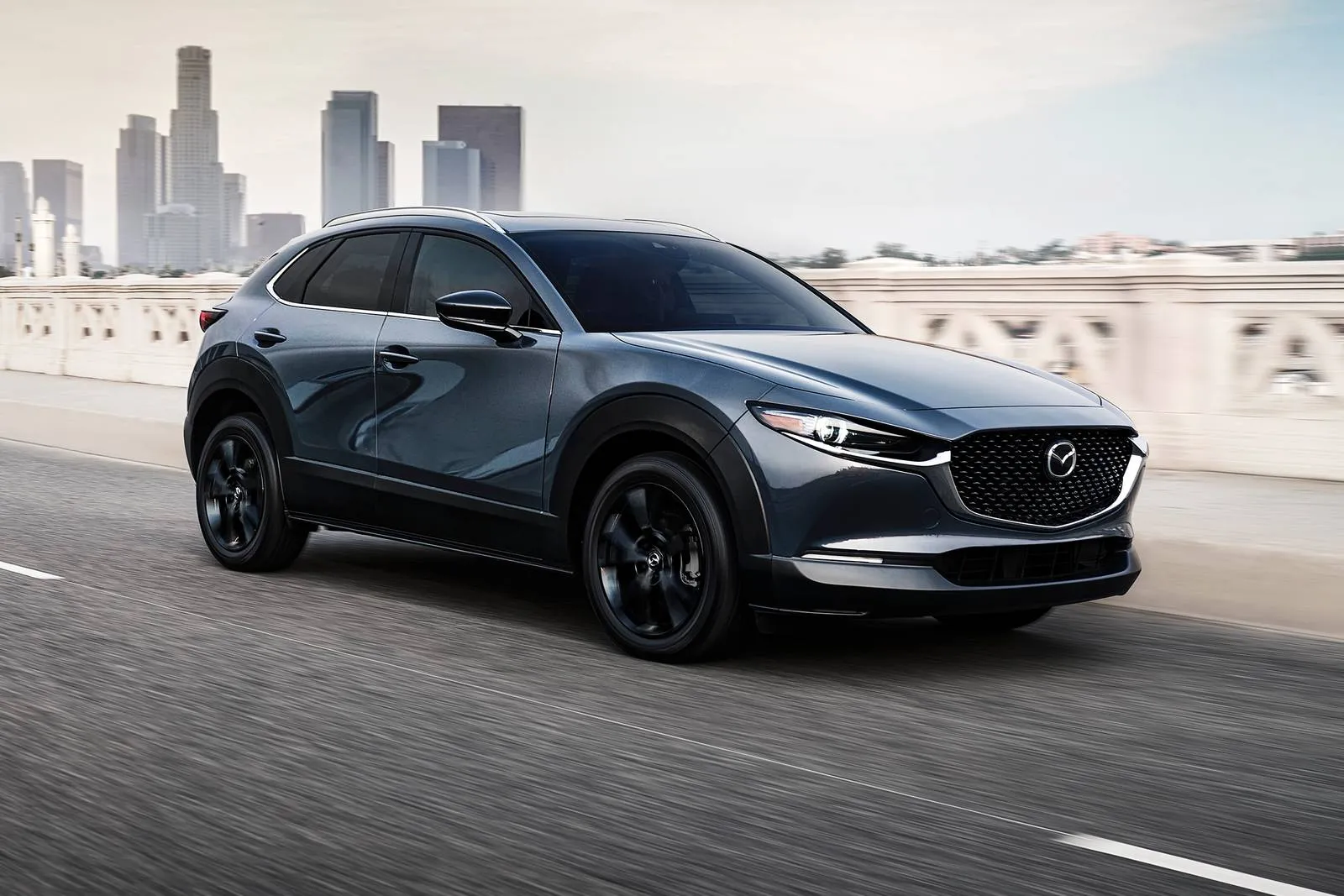
1. Mazda CX-30 Premium (2021)
Engineers at Mazda clearly understood what ABS sensors face during harsh winters. Sensor placement on the CX-30 keeps these critical components away from direct road spray and slush. Rather than mounting sensors where every passing puddle can soak them, Mazda positioned them higher on the wheel assembly with protective shields blocking the worst of winter’s assault.
Protective coatings on sensor wiring and connectors create barriers against moisture and salt. Many manufacturers use basic rubber boots that crack and split after one or two winters, but Mazda invested in more durable materials that maintain flexibility even at sub-zero temperatures. This prevents the brittle cracking that allows moisture to penetrate and corrode electrical connections.
Wire routing avoids areas where ice and snow accumulate. Earlier vehicle designs sometimes ran sensor wires through wheel wells, where packed snow could damage them, but the CX-30’s engineers routed wires along protected paths. This thoughtful design prevents the physical damage that causes intermittent sensor failures when wires get pinched or severed by ice buildup.
Owner reports from cold-climate states show the CX-30 maintaining proper ABS function through multiple winters without sensor failures. Forums and reliability databases don’t show unusual rates of ABS sensor problems, which is exactly what you want to see. When sensors just work without needing attention, that’s engineering done right.
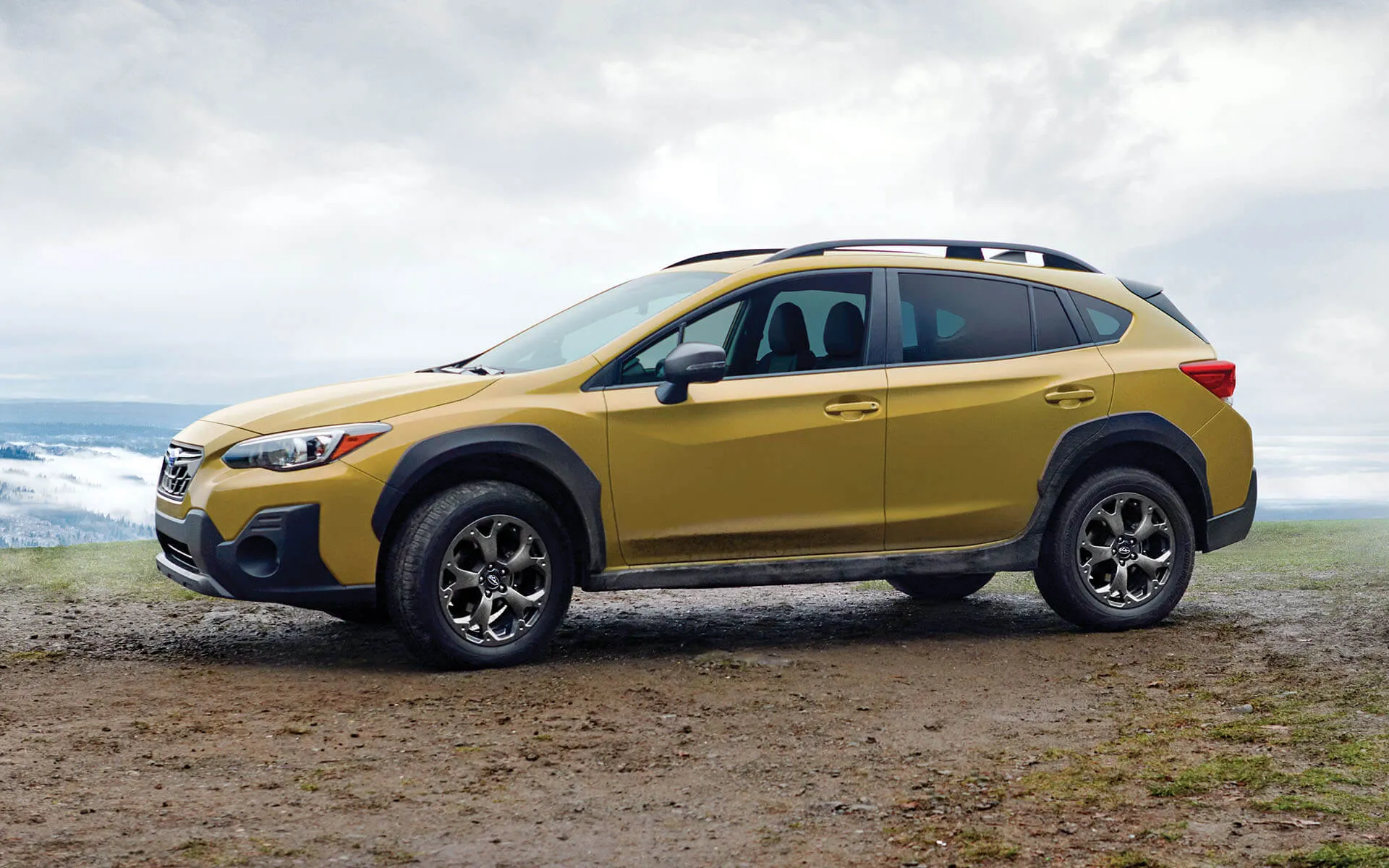
2. Subaru Crosstrek Sport (2022)
All-wheel drive expertise means Subaru understands harsh-weather driving better than most manufacturers. That knowledge extends to ABS sensor design and placement. Sensors mount in locations where they’re protected from the worst road spray, and Subaru uses sensor designs proven through years of rally racing and real-world testing in terrible conditions.
A symmetrical all-wheel drive system requires reliable wheel speed data for proper torque distribution. Subaru couldn’t afford to use cheap sensors that fail in cold weather because their entire drivetrain depends on accurate speed sensing. This need for reliability across all driving conditions pushed them to use better sensors than competitors, who only worry about the ABS function.
Protective measures include comprehensive sealing of electrical connectors and heavy-duty wire insulation. Subaru owners who live in snowbelt states report minimal ABS sensor issues even after five or more winters of daily driving through salt and slush. This real-world durability proves the engineering works as intended.
Ground clearance on the Crosstrek provides extra distance between sensors and the road surface. While only a few inches, this additional clearance reduces direct exposure to saltwater spray and road debris. Less exposure means less wear and longer sensor life, especially when combined with Subaru’s other protective measures.
Also Read: 5 Luxury Sedans Worth Owning Used vs 5 That Aren’t
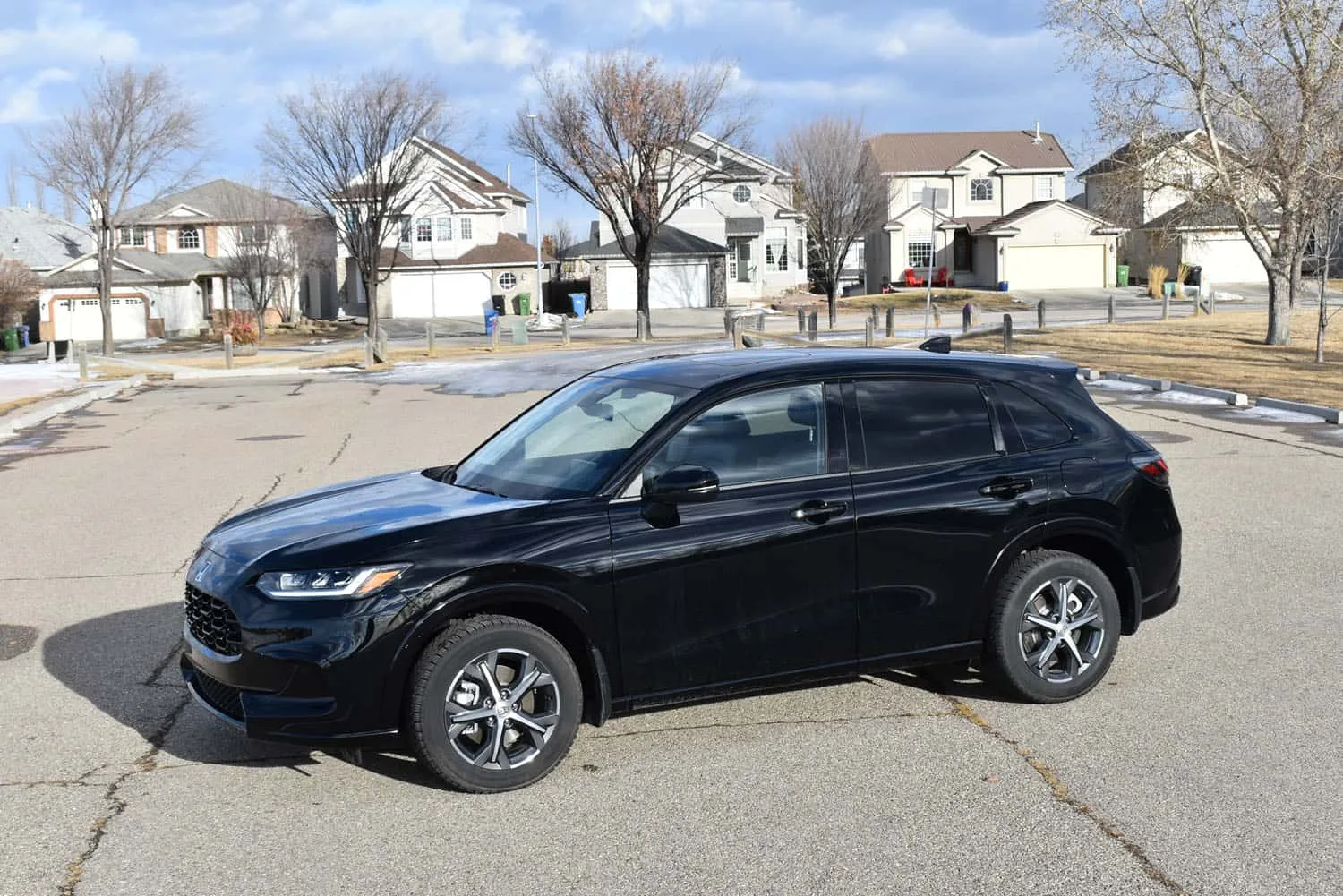
3. Honda HR-V EX (2023)
Redesigned for 2023, Honda engineered this HR-V with specific attention to component durability in harsh climates. ABS sensors benefit from lessons learned through warranty claims on previous generations. Engineers studied failure modes and designed the new sensors to eliminate common problems that affected earlier models.
Sensor housings use materials resistant to salt corrosion and impact damage. Rather than plastic that becomes brittle when cold, Honda specified composites that maintain flexibility and strength across temperature extremes. This prevents the cracking and breaking that cause sensor failures when wheels kick up road debris during winter driving.
Wire management includes strain relief points that prevent damage from suspension movement and ice accumulation. Earlier designs sometimes had wires that could be pulled or chafed by suspension travel, but the HR-V’s routing prevents this mechanical damage. Wires stay protected and secure regardless of how rough the roads get.
Three-year track record since redesign shows minimal sensor problems despite the HR-V being popular in northern states. When thousands of vehicles operate in harsh winters without widespread sensor failures, it proves the engineering is sound. Honda got this right, creating a reliable system that owners can trust throughout winter.
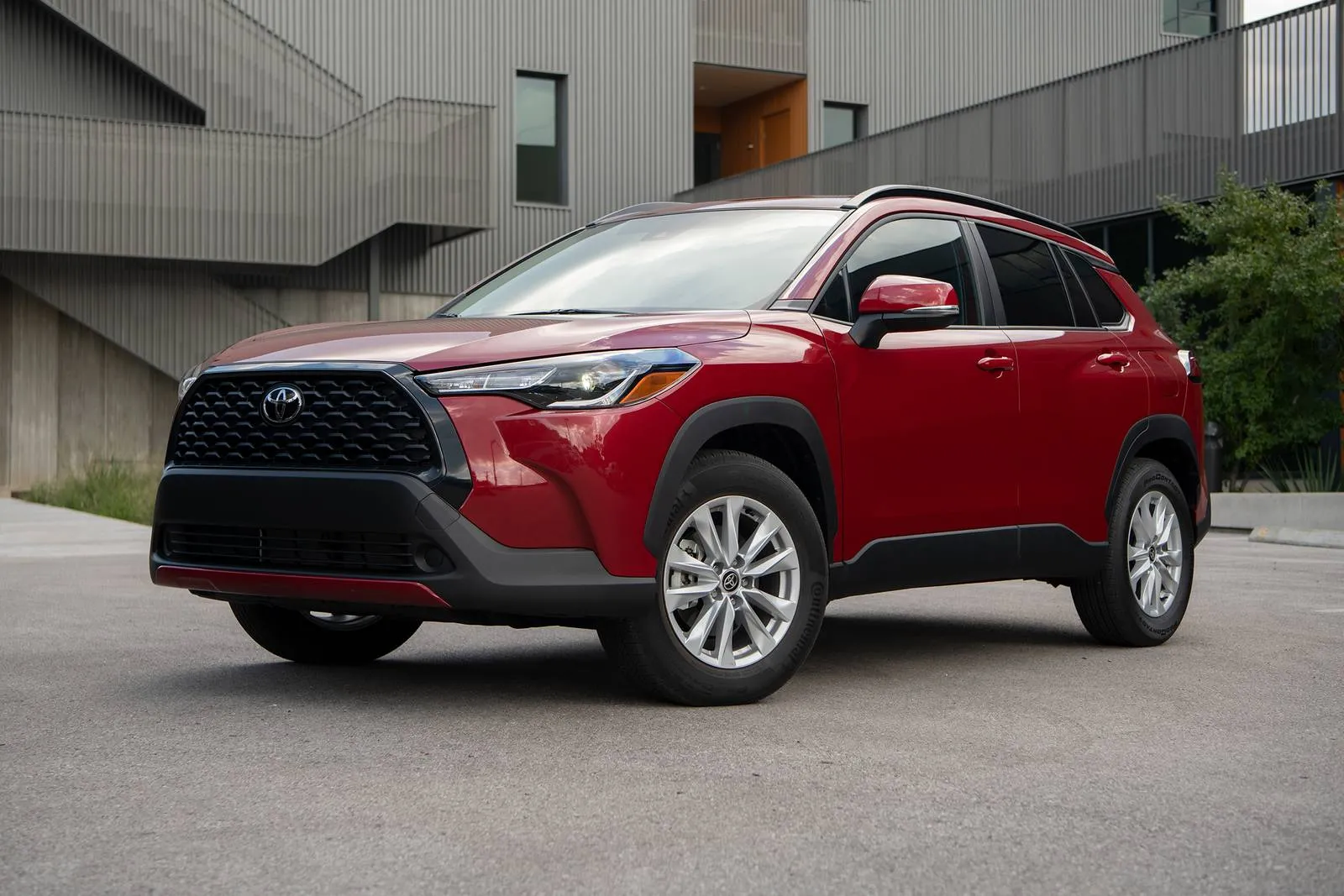
4. Toyota Corolla Cross LE (2022)
Toyota’s reputation for reliability extends to ABS sensor design and implementation. Sensors on the Corolla Cross use proven designs from Toyota’s extensive parts catalog, leveraging decades of experience building vehicles for diverse climates. This isn’t experimental technology; it’s refined systems with millions of miles of real-world validation.
Quality control during manufacturing ensures every sensor meets strict specifications. Toyota’s inspection processes catch defective sensors before they’re installed in vehicles. This prevents the random failures that plague some manufacturers whose quality control allows marginal parts to reach customers. When sensors are right from the factory, they stay right through years of service.
Sensor placement benefits from computer modeling that predicted road spray patterns and optimized mounting locations. Engineers used simulation software to determine where sensors would receive the least exposure to saltwater, then designed mounting brackets to position sensors in those protected areas. This science-based approach beats guessing or copying what competitors do.
Warranty coverage and dealer support mean any sensor problems get addressed quickly. Toyota’s extensive dealer network can diagnose and repair ABS issues efficiently, and parts availability is excellent. While Corolla Cross sensors rarely fail, when they do, fixing them doesn’t become a weeks-long ordeal waiting for parts or hunting for mechanics who understand the system.
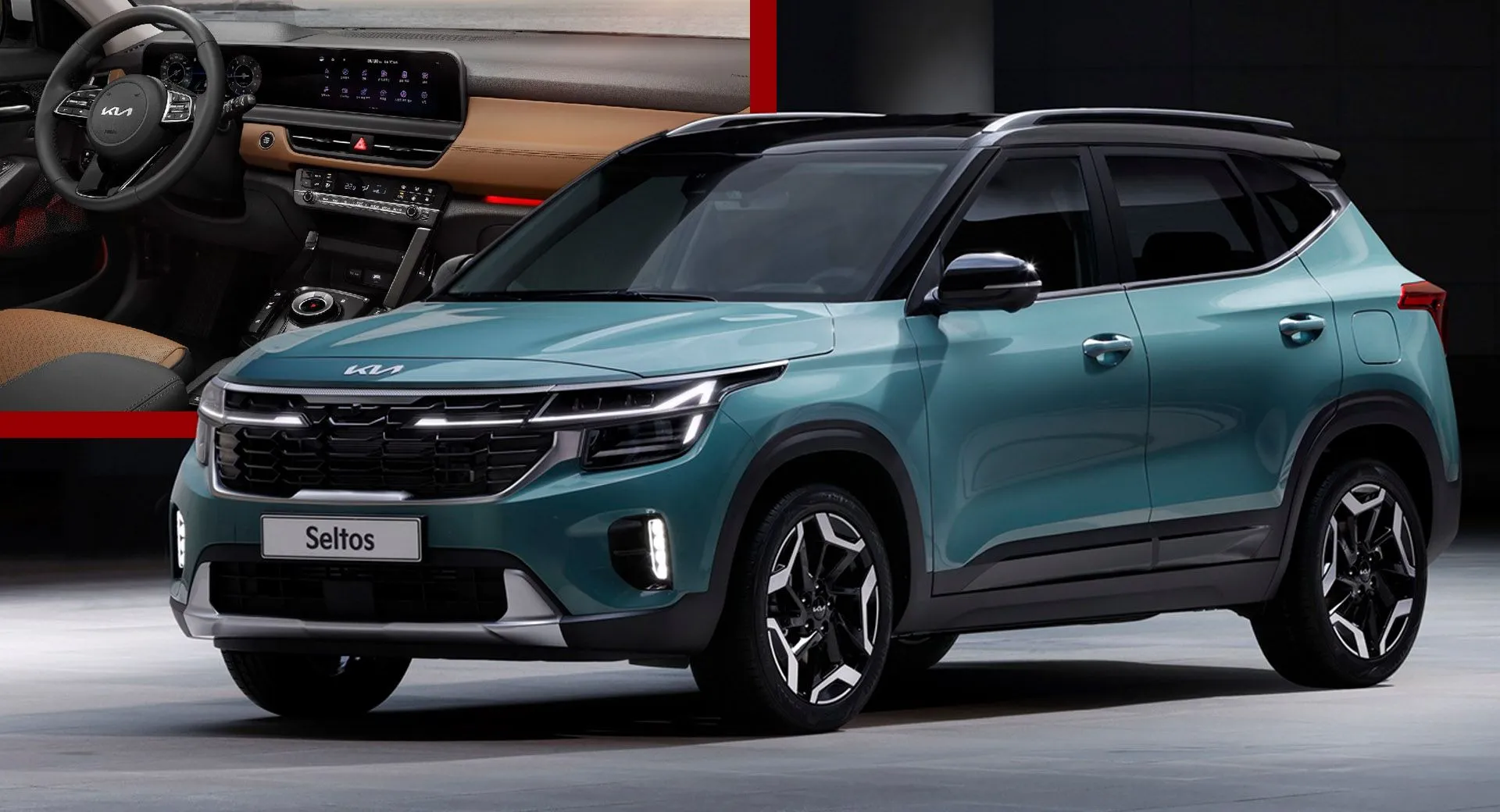
5. Kia Seltos SX (2023)
Korean engineering has improved dramatically, and the Seltos shows Kia’s commitment to cold-weather reliability. ABS sensors use designs developed through testing in extreme conditions. Kia subjects their vehicles to winter testing in northern climates where temperatures drop far below zero and road salt use is heavy. This real-world validation ensures sensors work when customers need them.
Sensor construction uses sealed units with no serviceable parts. This design prevents moisture from entering sensor housings through seams or removable covers. Sealed construction costs more to manufacture but eliminates the leak paths that cause corrosion and electrical failures. When water can’t get inside, sensors last indefinitely regardless of weather conditions.
Wire harnesses benefit from improved insulation and routing that keeps them protected. Kia learned from earlier models where sensor wires sometimes failed due to chafing or moisture intrusion. New designs eliminate those vulnerable points, creating robust wiring that survives years of harsh conditions without deterioration.
Ten-year warranty coverage demonstrates Kia’s confidence in sensor reliability. Manufacturers don’t offer long warranties on components they expect to fail, so this extended coverage suggests Kia knows their sensors will last. This warranty provides peace of mind for buyers concerned about winter reliability and potential repair costs.
Customer satisfaction data shows Seltos owners reporting fewer problems with ABS warnings than competitors. When reliability surveys and owner forums show consistently positive experiences, it indicates real-world durability matching the engineering promises. Kia built a crossover that handles winter properly, and owners appreciate the reliability.
Winter Warning Light Brigade: Crossovers That Fail
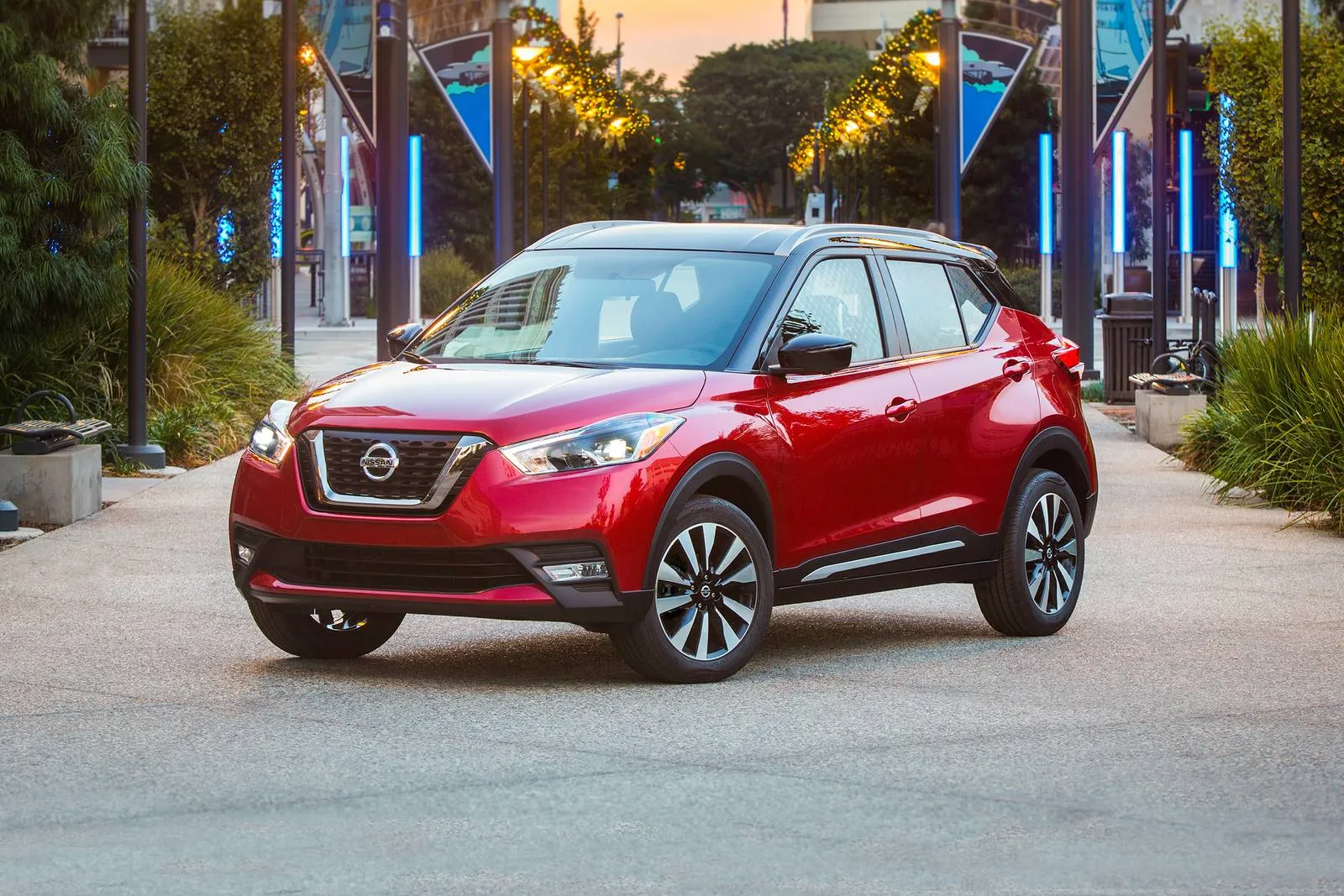
1. Nissan Kicks S (2019)
Budget-focused engineering meant Nissan cut corners on sensor quality and protection. ABS sensors on the Kicks use basic designs with minimal weather sealing. Road salt and moisture penetrate sensor housings and electrical connections, causing corrosion that leads to sensor failures. Owners in cold climates report warning lights appearing within the first two winters.
Sensor placement exposes them directly to road spray without adequate shielding. Every time you drive through slush or standing water, sensors get soaked with salt water. Repeated exposure overwhelms whatever corrosion protection Nissan provided, and sensors fail prematurely. This poor placement reflects cost-cutting during design that saves Nissan money but costs owners hundreds.
Electrical connectors use simple designs without multiple sealing layers. Water enters these connectors easily, corroding pins and creating intermittent connections. You’ll experience ABS lights that come on and off randomly as corroded connections make and break contact. This intermittent behavior makes diagnosis difficult and frustrating.
Replacement sensors aren’t particularly cheap despite being low-quality components. Nissan charges premium prices for sensors that should last longer, and labor costs add up quickly. Many owners find themselves paying $200+ per sensor multiple times throughout vehicle ownership. These recurring costs make the Kicks far more expensive to own than its low purchase price suggests.
Owner forums are filled with complaints about Kicks’ ABS sensor failures. When multiple owners independently report the same problem, it indicates a design flaw rather than isolated defects. Nissan never issued recalls or extended warranties for these problems, leaving customers to pay for repairs themselves. This lack of manufacturer support damages brand loyalty and drives customers to competitors.
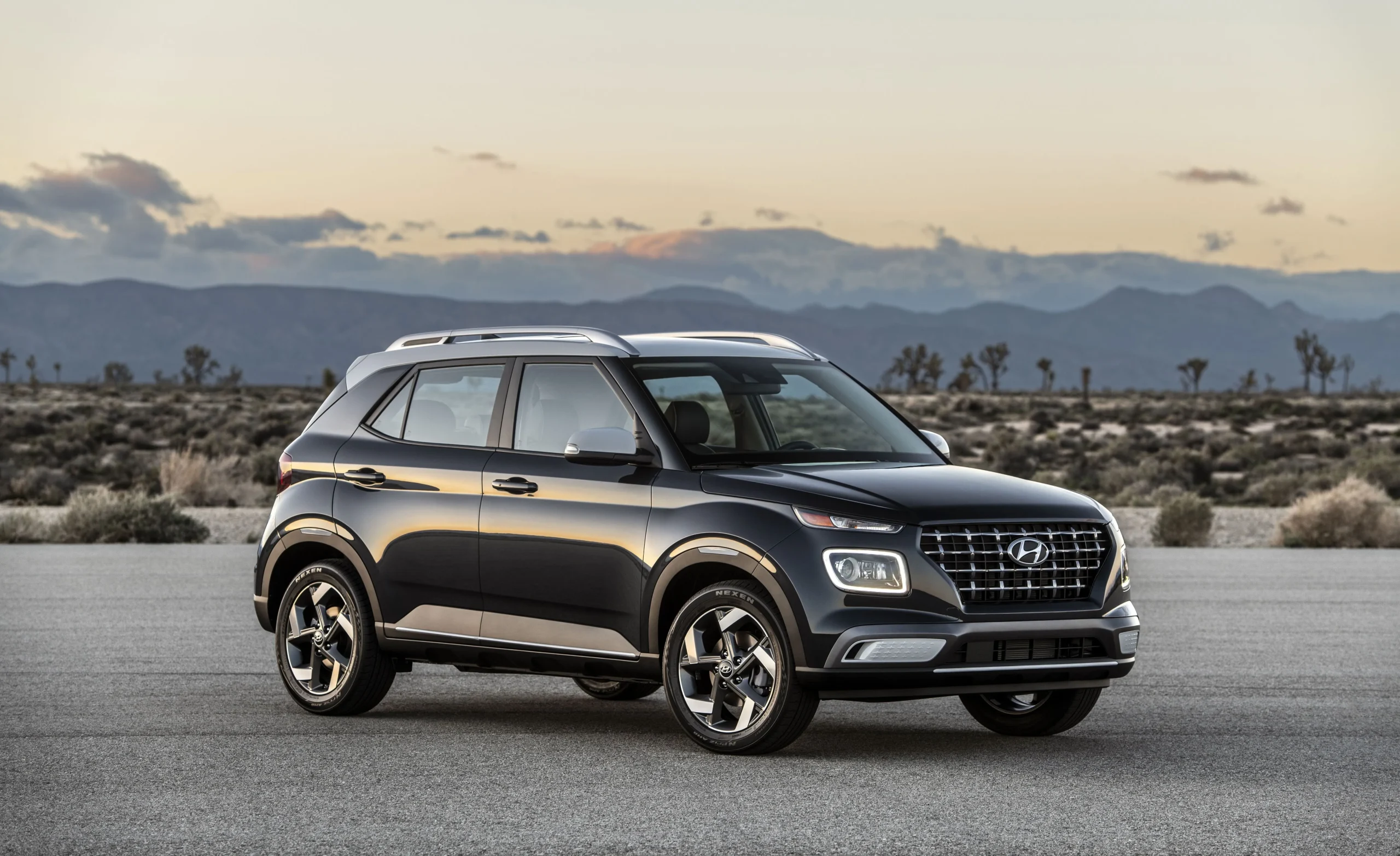
2. Hyundai Venue SEL (2020)
Small crossover with big problems when temperatures drop. Venue ABS sensors fail at alarming rates during the winter months, with owners reporting warning lights appearing after moderate salt exposure. Sensor housings crack in cold temperatures, allowing moisture to penetrate and destroy internal electronics. This failure mode is preventable with better materials, but Hyundai used plastics that become brittle when cold.
Wire insulation cracks and splits after one or two winters, exposing conductors to moisture and salt. Once insulation fails, corrosion spreads rapidly along the wire, eventually causing complete sensor failure. Replacing just the sensor doesn’t fix the problem because the wiring is damaged too. Complete harness replacement becomes necessary, dramatically increasing repair costs.
Sensor calibration issues compound the reliability problems. Even when sensors aren’t completely failed, they provide inaccurate wheel speed data that triggers ABS warning lights. Recalibration might fix this temporarily, but the underlying sensor degradation causes problems to return quickly. Owners end up taking their Venues to dealers repeatedly for the same issue without lasting fixes.
Warranty coverage ended before most sensor problems appeared, leaving owners responsible for expensive repairs. Hyundai’s standard warranty doesn’t extend long enough to cover the winter-related failures that develop after three or four years. This timing suggests Hyundai knew sensors wouldn’t last but designed warranty periods to expire before problems became apparent.
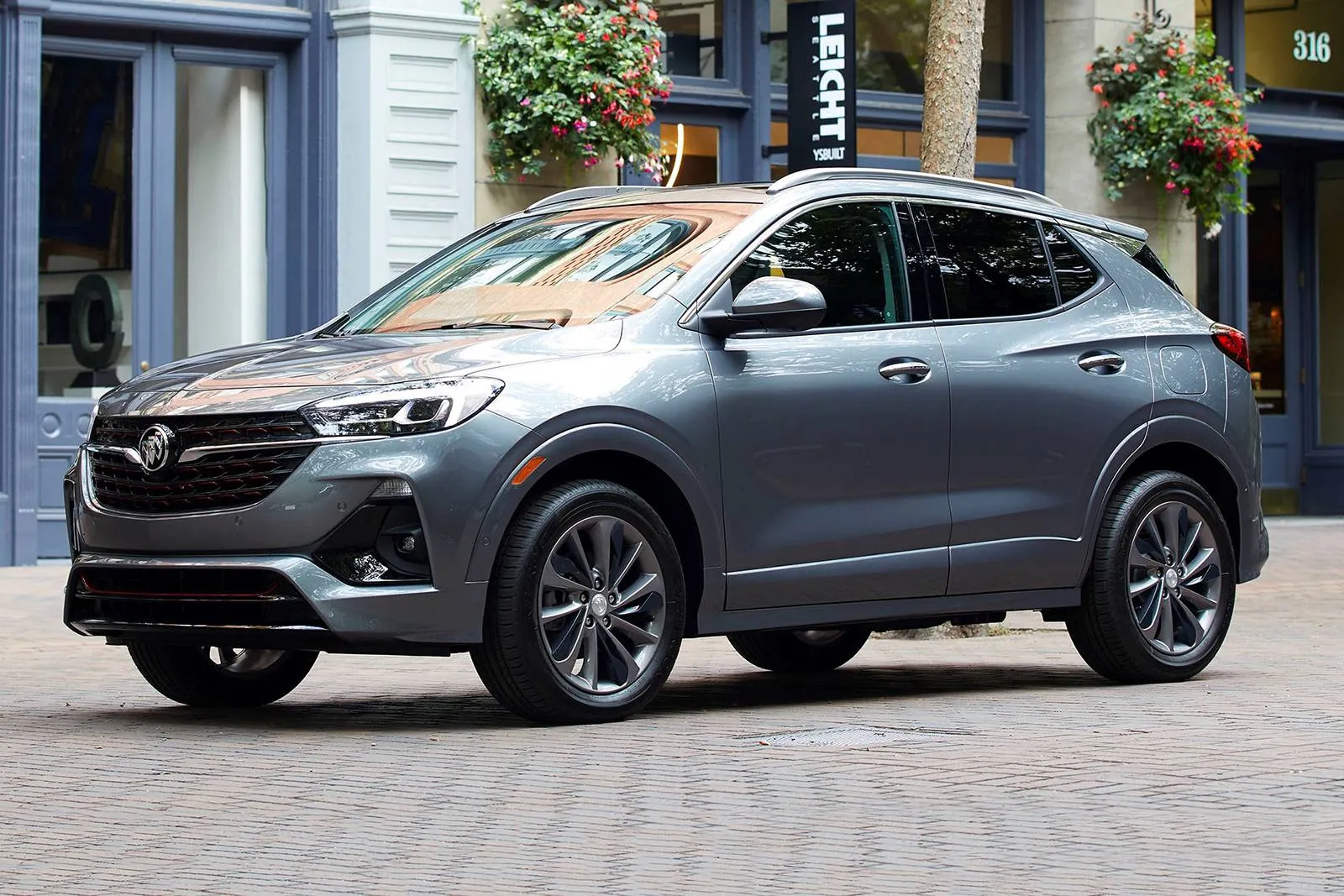
3. Buick Encore GX Preferred (2020)
General Motors’ small crossover suffers from sensor failures that GM seems unable or unwilling to fix properly. Encore GX sensors fail within the warranty period in many cases, but replacements fail again just after the warranty expires. This pattern suggests GM knows about problems but uses barely adequate sensors that limp through warranty periods without lasting long-term.
Sensor mounting brackets corrode and break, causing sensors to move around and provide inaccurate readings. Broken brackets can’t be purchased separately from complete sensor assemblies, forcing owners to buy expensive complete units when just the bracket failed. This parts policy seems designed to maximize GM’s parts sales revenue rather than provide affordable repairs.
Electrical system integration issues cause false ABS warnings even when sensors are functioning correctly. Computer modules misinterpret sensor data, triggering warning lights unnecessarily. Dealers perform expensive diagnostics and sensor replacements that don’t fix the underlying software problems. Owners pay for repairs that don’t actually resolve their issues.
Owner satisfaction ratings plummet due to reliability issues like failing ABS sensors. When Consumer Reports and J.D. Power surveys show below-average reliability, it damages GM’s reputation and makes Encore GX models harder to sell. This hurts resale values and makes the crossover a poor investment despite attractive initial pricing.
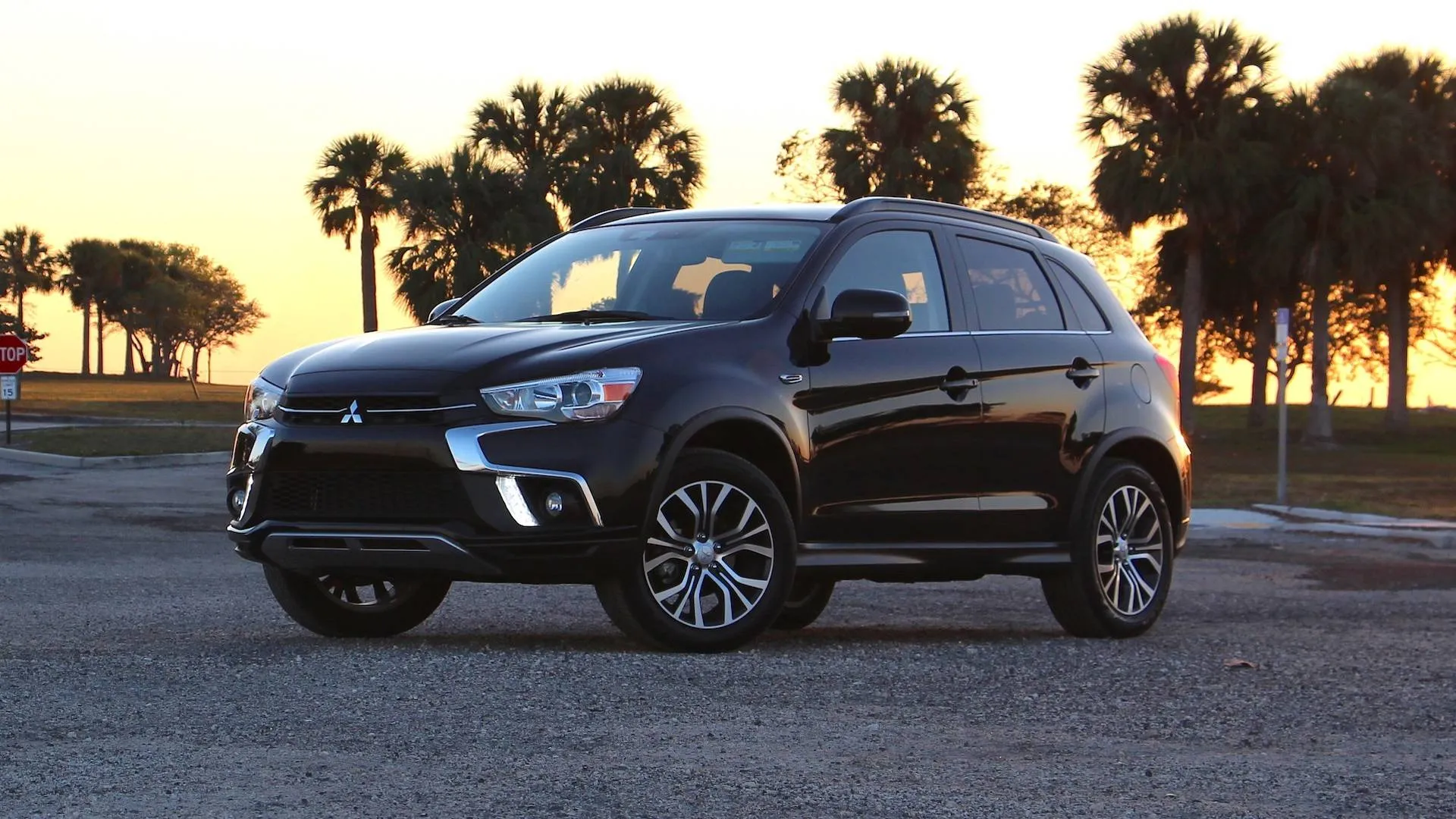
4. Mitsubishi Outlander Sport ES (2018)
Aging design means sensor technology lags behind modern standards. Outlander Sport uses sensor designs from previous decades that lack the weather protection newer vehicles have. These older sensors worked adequately in moderate climates but failed quickly when exposed to harsh winters with heavy salt use.
Parts availability problems make repairs more difficult than they should be. Mitsubishi’s limited dealer network and parts supply chain mean replacement sensors often aren’t in stock. Owners wait weeks for parts while driving with disabled ABS systems. This poor parts support makes ownership frustrating beyond just the initial sensor failures.
Wiring harness routing exposes sensor wires to damage from road debris and ice accumulation. Engineers didn’t consider how packed snow in wheel wells could pinch and damage wires. This oversight causes wire damage that requires complete harness replacement rather than simple sensor swaps. Repair costs escalate quickly when entire harnesses need replacement.
Resale market shows Outlander Sport values dropping faster than competitors, partly due to reliability concerns. Used car buyers know to avoid vehicles with poor reliability reputations, and the Outlander Sport’s sensor problems contribute to that reputation. Lower resale values mean higher total cost of ownership, making this crossover a poor financial choice despite low initial purchase prices.
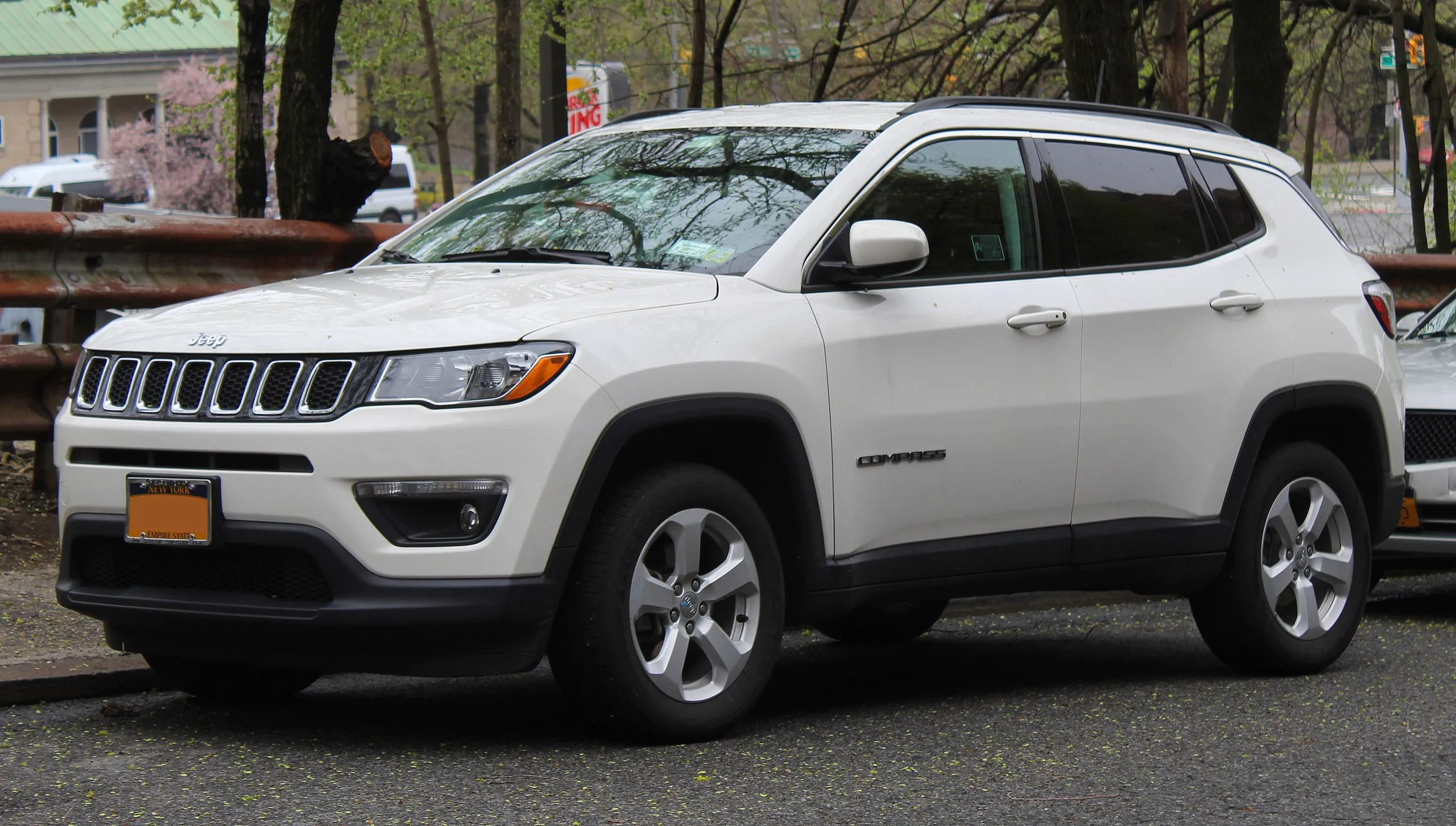
5. Jeep Compass Latitude (2018)
FCA engineering shortcuts created sensor reliability problems across multiple model lines. Compass uses ABS sensors that fail prematurely due to inadequate weather sealing and poor-quality components. These sensors work fine in controlled environments, but can’t handle real-world winter conditions where salt and moisture constantly attack vulnerable components.
Electrical connector corrosion causes intermittent ABS warnings that are difficult to diagnose. Corroded connections create resistance that disrupts sensor signals. Mechanics spend hours trying to locate intermittent electrical problems, and labor costs accumulate quickly. Sometimes cleaning connectors provides temporary fixes, but corrosion returns and problems recur.
Multiple software updates attempted to address sensor sensitivity issues. Jeep released TSBs recommending computer reprogramming to make the system less sensitive to sensor irregularities. This software-based approach treats symptoms rather than fixing the root causes of sensor failures. Problems continue despite multiple dealer visits for updates.
Owner class-action lawsuits allege Jeep knew about sensor problems but continued selling defective vehicles. Whether these lawsuits succeed or not, their existence indicates widespread problems affecting many owners. When problems reach class-action lawsuit levels, it’s clear the issues aren’t isolated defects but systemic design or manufacturing failures.
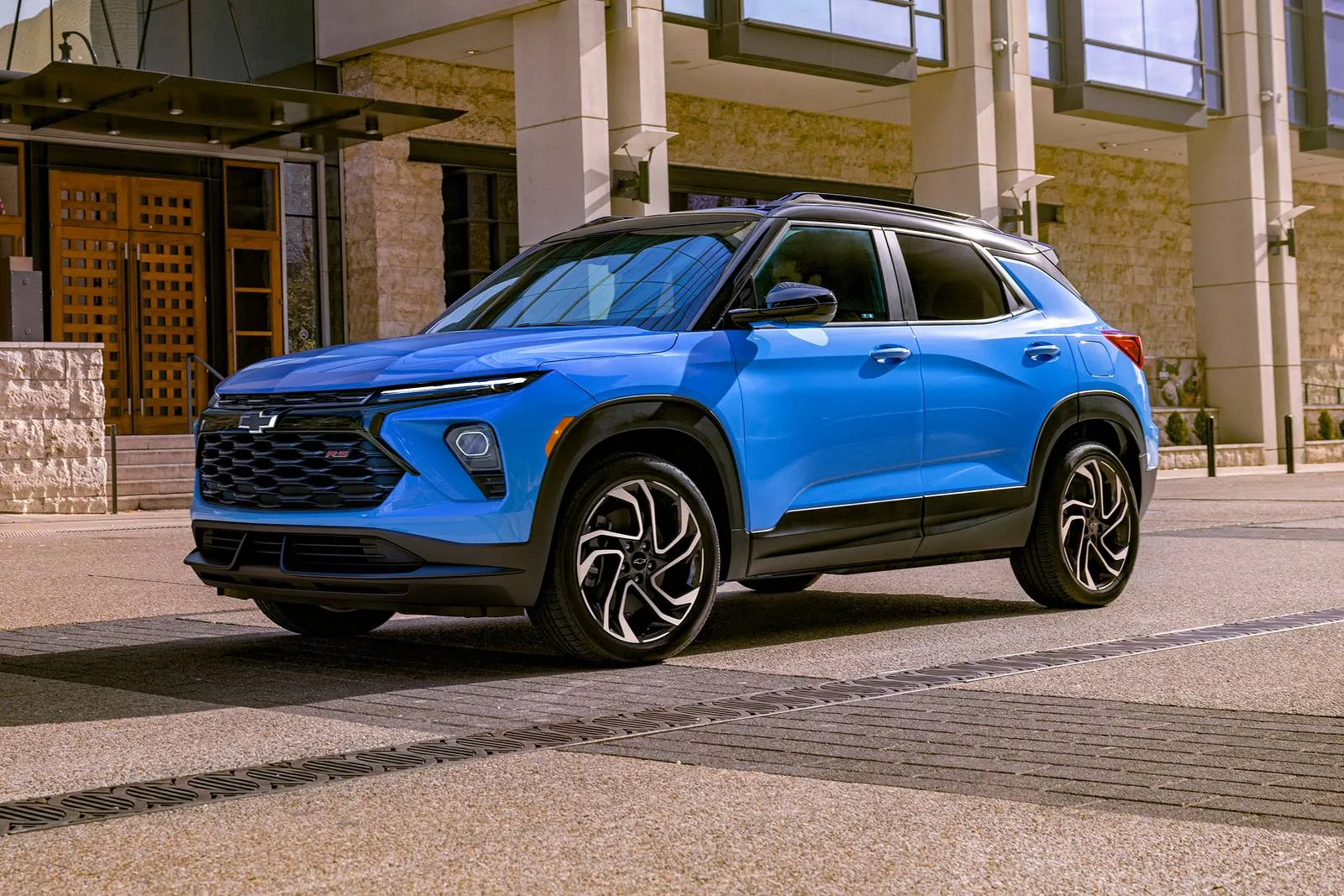
6. Chevrolet Trailblazer LS (2021)
New model with old problems. Despite being recently introduced, the Trailblazer suffers from ABS sensor failures that GM should have engineered out years ago. Sensors use inadequate weather sealing that allows moisture penetration and corrosion. This repeats mistakes GM made with previous models rather than learning from past failures.
Sensor placement directly in road spray paths ensures maximum salt exposure. Engineers apparently didn’t consider how winter driving conditions would affect sensor longevity. Better placement could have prevented most failures, but protecting sensors wasn’t a design priority. This oversight costs owners money and damages GM’s already-questionable reliability reputation.
Parts availability at GM dealers is surprisingly poor for such a new model. Owners report waiting weeks for replacement sensors that should be stocked at every dealer. This poor parts support suggests GM didn’t anticipate how many sensors would fail, despite surely having warranty claim data from their other models with similar problems.
Customer satisfaction surveys show Trailblazer scoring poorly compared to competitors. When a brand-new model ranks near the bottom for reliability and owner satisfaction, it indicates serious problems that GM needs to address. Continuing to sell vehicles with known sensor reliability issues shows a troubling disregard for customer experience.
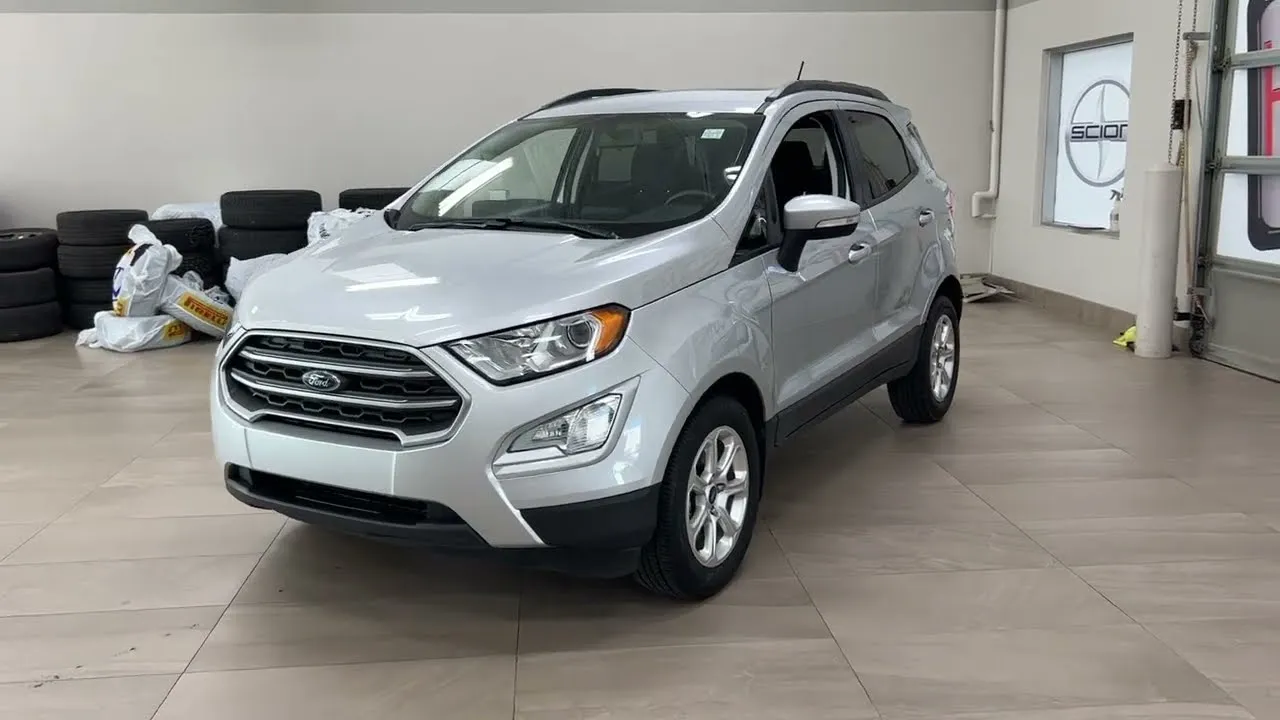
7. Ford EcoSport SE (2019)
Budget crossover built to a price shows in every component. EcoSport sensors fail at rates that embarrass Ford, a company that should know better. Sensor housings crack in cold weather, electrical connections corrode quickly, and wiring fails prematurely. These aren’t isolated problems; they’re widespread failures affecting most EcoSports driven in cold climates.
Wire routing through wheel wells exposes sensor wiring to ice damage. Packed snow and ice can pinch wires against suspension components, severing them completely. This physical damage requires replacing entire wire harnesses, not just sensors. Repair costs exceed $500 per wheel when a complete harness replacement becomes necessary.
Diagnostic difficulties frustrate owners and mechanics alike. EcoSport computer systems sometimes misdiagnose sensor problems, leading to unnecessary repairs. Owners pay for parts and labor that don’t fix their actual problems, then return to dealers for additional repairs. This wastes time and money while leaving vehicles with still-functioning warning lights.
Market rejection shows in poor sales numbers and terrible resale values. EcoSport became one of Ford’s worst-selling models despite low pricing. Buyers recognized quality problems and reliability issues, choosing competitors instead. Used EcoSports sell for fractions of their original prices because nobody wants vehicles with known reliability problems.
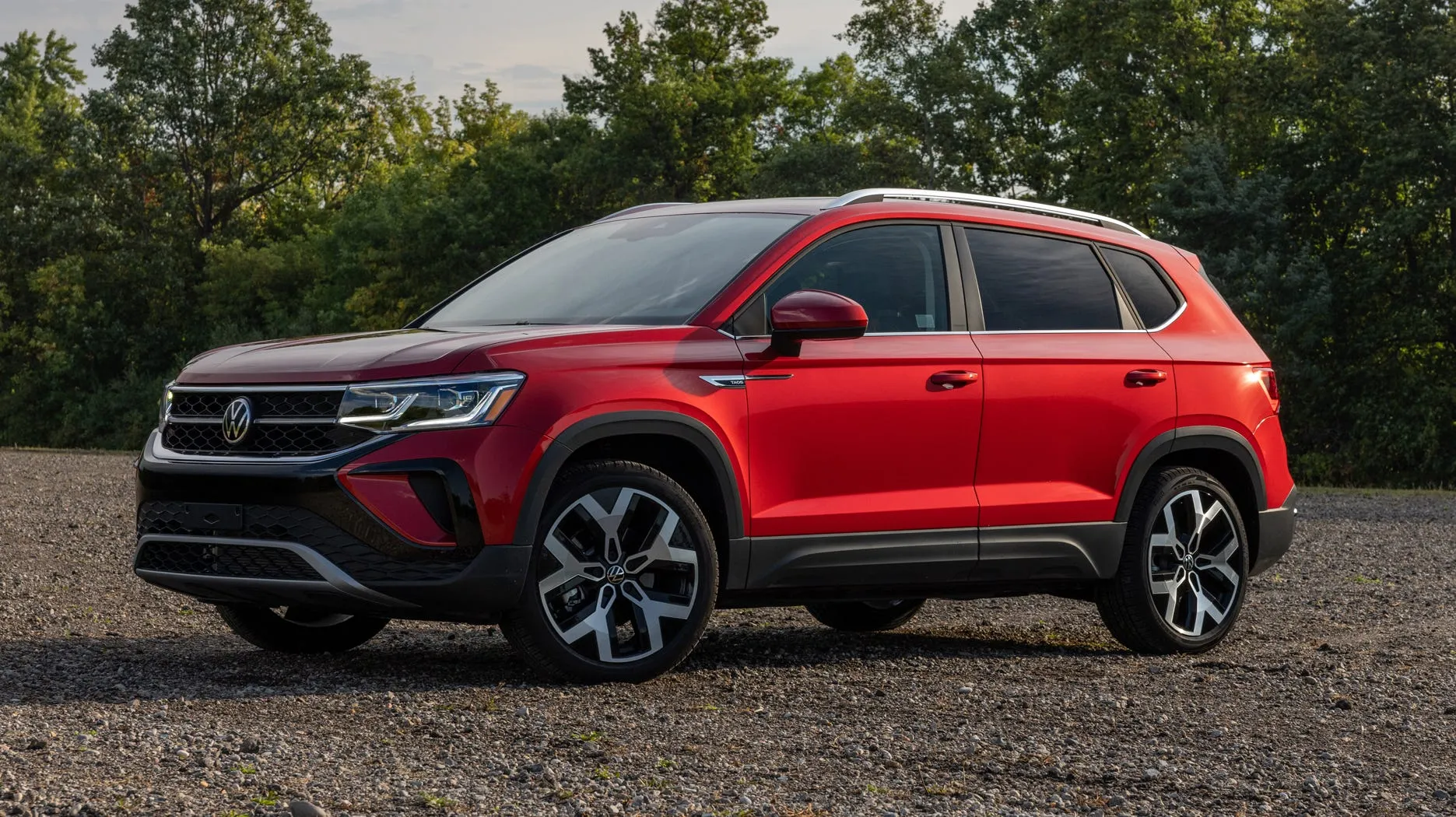
8. Volkswagen Taos S (2022)
German engineering reputation doesn’t match reality on this entry-level crossover. Taos sensors fail prematurely due to corrosion and moisture intrusion. VW used cost-reduced sensors without the weather protection that VW’s reputation would suggest. This cost-cutting saves VW money during manufacturing, but costs owners hundreds in repairs.
Electrical system integration causes false warnings even when sensors function properly. VW’s ABS computer system is overly sensitive, triggering warning lights for minor sensor signal variations. Dealers replace sensors unnecessarily because diagnostics point to sensor problems when the real issue is software calibration. Owners pay for unneeded repairs while real problems go unfixed.
Parts pricing from VW dealers is absolutely outrageous. Sensors that competitors sell for $75 cost $200+ from VW parts departments. Combined with high dealer labor rates, simple sensor replacement can cost $400 or more per wheel. These inflated prices make ownership expensive and push customers toward independent shops that might use incorrect parts.
Warranty coverage is standard VW three-year/36,000-mile, which ends before most winter-related sensor problems develop. This timing seems intentional, with VW designing warranty periods to expire just before common problems appear. Owners face expensive repairs on relatively new vehicles that should still be trouble-free.
Owner forums document widespread sensor problems across multiple Taos model years. When independent owners report identical problems repeatedly, it proves systemic issues rather than isolated defects. VW’s response has been minimal, with no recalls or extended warranties addressing the root causes of sensor failures.
Also Read: 5 Sedans That Stay Cheap To Own And 5 That Drain Your Wallet
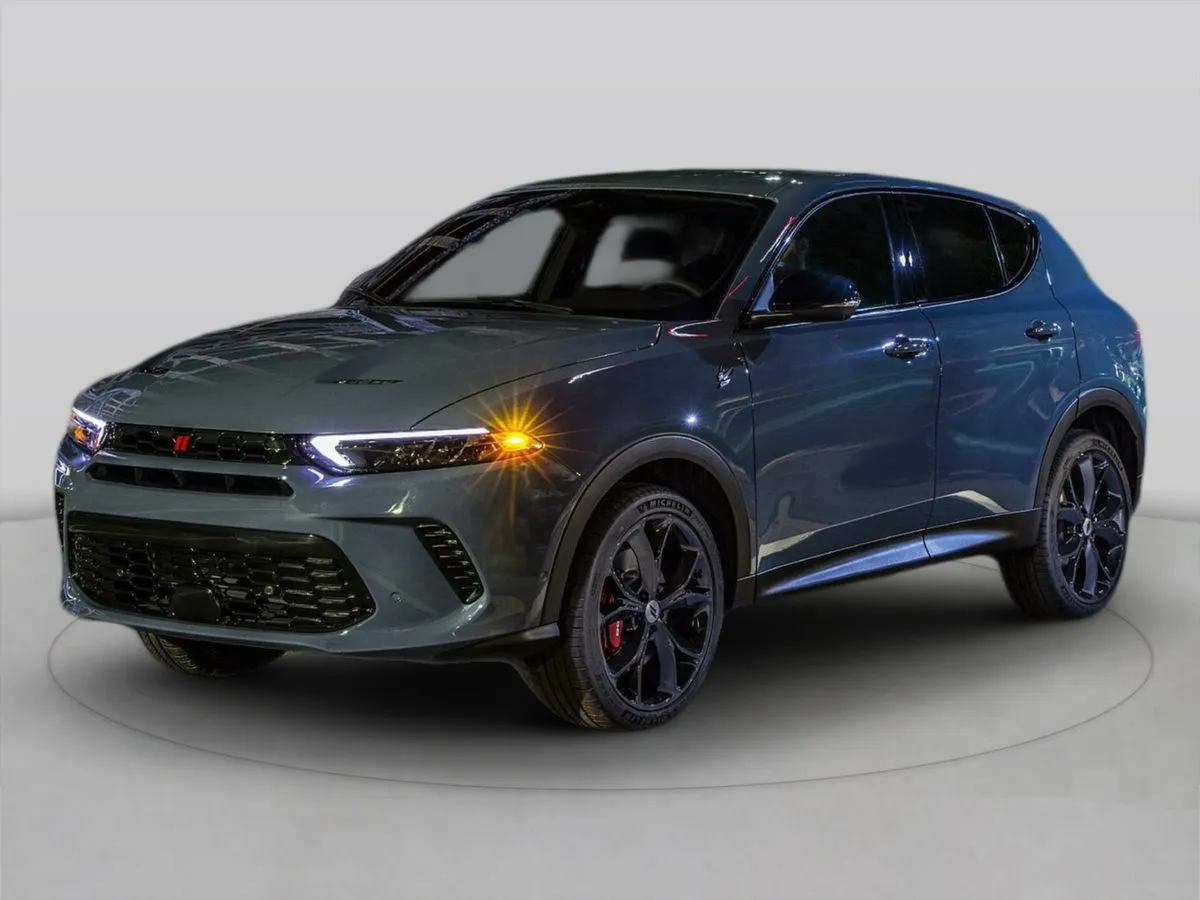
9. Dodge Hornet GT (2024)
Brand-new model already showing sensor reliability problems. Early adopters report ABS warning lights appearing during the first winter of ownership. This rapid failure rate indicates serious design or manufacturing problems that should have been caught during development testing. Dodge apparently didn’t validate sensors adequately before launching production.
Sensor design appears to be cost-reduced compared to competitors. Housings use thin plastics that crack easily, and electrical connections lack robust weather sealing. These cheap components save Dodge pennies during manufacturing but cost owners hundreds in repairs. This short-term thinking damages brand reputation and customer loyalty.
Dealer support is problematic because the Hornet is so new that many service departments lack experience with it. Mechanics struggle to diagnose sensor problems on unfamiliar vehicles, leading to misdiagnosis and incorrect repairs. Owners pay for trial-and-error troubleshooting as dealers learn about problems Dodge should have addressed before customer deliveries.
Parts availability is terrible because Dodge didn’t anticipate high sensor failure rates. Dealers can’t keep replacement sensors in stock, and special orders take weeks. Owners drive with disabled ABS systems, waiting for parts, compromising safety. This poor planning shows Dodge’s lack of preparation for predictable winter-related failures.
Warranty coverage should protect early buyers, but many report dealers denying claims or requiring multiple visits before approving repairs. This adversarial warranty process frustrates customers who expected better treatment when buying new vehicles. When manufacturers make warranty claims difficult, they destroy customer trust and guarantee that those buyers will choose competitors next time.
