
Door sagging represents one of the most visible quality failures affecting aging vehicles. When hinges wear prematurely, doors drop noticeably, creating alignment problems that worsen progressively.
What starts as a slight misalignment becomes pronounced sagging, requiring force to close doors properly. Wind noise increases as seals no longer contact properly, and water leaks develop during rain. This visible deterioration screams neglect, even when owners maintained vehicles meticulously.
Crossover doors weigh more than sedan doors because larger dimensions require additional structural materials. This extra weight stresses hinges constantly through thousands of opening and closing cycles.
Quality manufacturers use robust hinge designs with hardened pins and proper bushing materials that resist wear through extreme use. These engineered hinges maintain door alignment indefinitely, keeping vehicles looking and functioning like new after years of service.
Budget manufacturers install inadequate hinges that wear quickly under normal use. Soft hinge pins wear rapidly while cheap bushings compress, allowing play to develop. Within just five to seven years, doors sag visibly, requiring expensive repairs.
Hinge pin replacement costs $300 to $600 per door, including labor, shocking owners who expected basic components to last. Some vehicles develop sagging so severe that complete hinge replacement becomes necessary at costs exceeding $1,000 per door.
We will analyze fourteen crossovers, separating the hinge engineering successes from the failures. Seven vehicles exhibit a superior hinge design, keeping door alignment correct. The remaining seven consistently suffer from door sag, needing unnecessary repairs.
Knowing these issues allows buyers to avoid frustrating quality problems and rewards manufacturers committed to proper engineering.
7 Crossovers Whose Door Hinges Never Sag
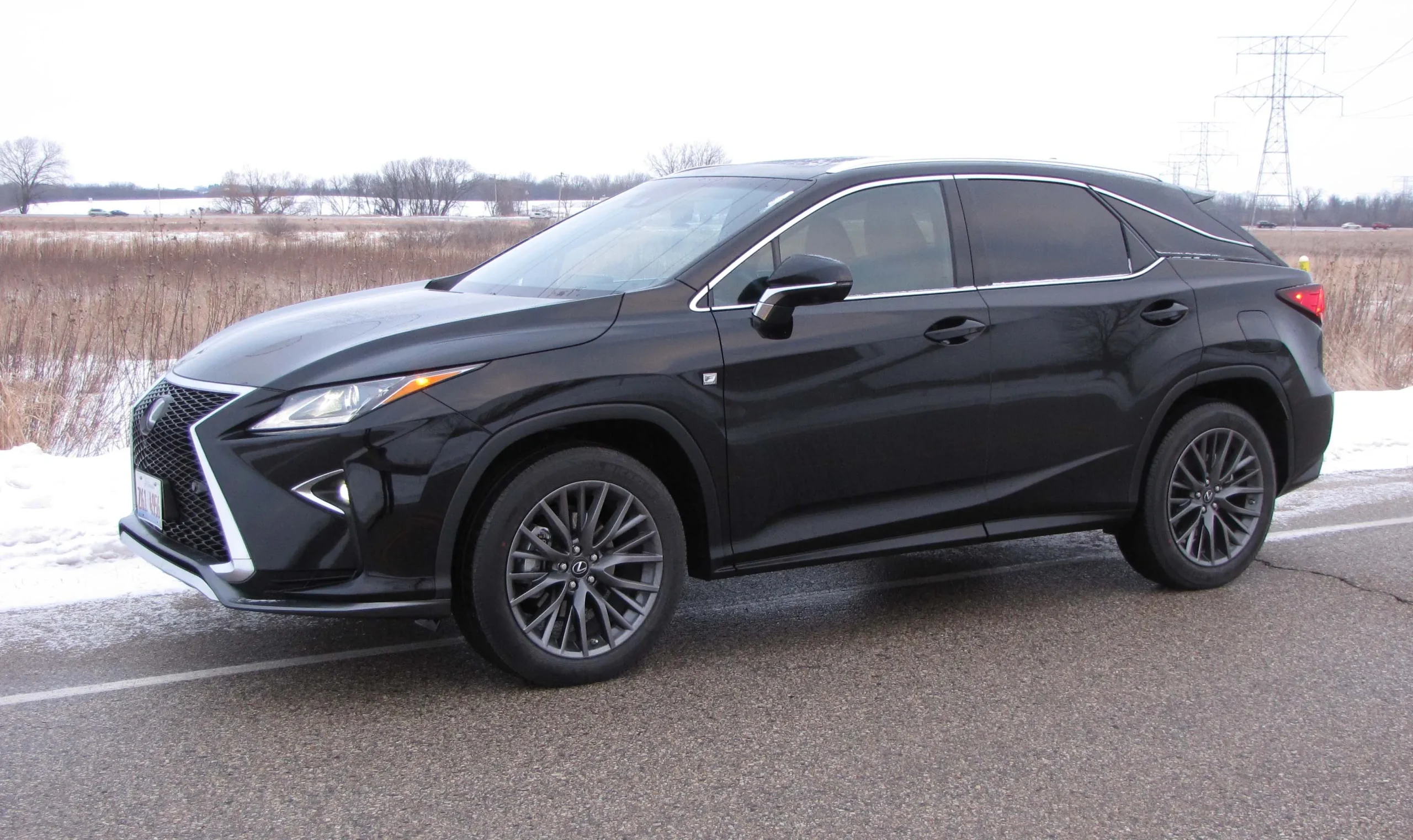
1. Lexus RX 350 (2016-2022)
Premium Japanese engineering includes door hinges designed for indefinite service life. Hardened steel hinge pins resist wear through hundreds of thousands of opening cycles.
Quality bushing materials maintain tight tolerances, preventing play development. After ten years and 150,000 miles, the doors close perfectly aligned as when new.
Hinge pin material selection prioritizes hardness and wear resistance. Heat-treated steel surfaces resist deformation under repeated stress. Proper surface finish reduces friction, minimizing wear rates. These metallurgical choices create components lasting entire vehicle lifespans without degradation.
Bushing design uses bronze or composite materials, providing low friction and wear resistance. Proper clearances balance smooth operation with tight tolerances, preventing play.
Lubrication retention features maintain proper operation through extended service. Quality bushings compress minimally under door weight, maintaining alignment indefinitely.
Hinge geometry includes adequate bearing surfaces that distribute loads properly. Large contact areas reduce pressure, preventing accelerated wear. Proper leverage ratios balance door weight against hinge strength. This engineering creates robust systems that handle door mass easily.
Assembly procedures specify proper torque to prevent hinge loosening. Quality control verifies installation meets specifications. Fastener thread locking prevents backing out from vibration. Proper assembly ensures that factory installation provides maximum durability.
Door weight management includes strategic reinforcement placement, minimizing hinge loads. Structural design distributes weight efficiently. Inner panel bracing prevents flexing that stresses hinges. This holistic approach reduces hinge wear rates substantially.
Owners report doors maintaining perfect alignment through ownership. High-mileage examples show zero sagging or alignment issues. Heavy daily use doesn’t compromise door operation. This performance validates premium engineering quality.
Replacement hinges, when needed for accident repair, maintain original quality. Lexus parts pricing reflects premium positioning while delivering durability. OEM components ensure repairs match factory standards. This consistency maintains vehicle quality.
Avoiding hinge repairs eliminates frustration and expense. This reliability represents the daily benefit from proper engineering. Doors that close perfectly years later demonstrate quality. Engineering investment creates lasting satisfaction.
Resale values benefit from maintained door alignment. Perfect operation signals general quality to buyers. This appearance advantage translates into premium pricing. Quality engineering pays dividends.
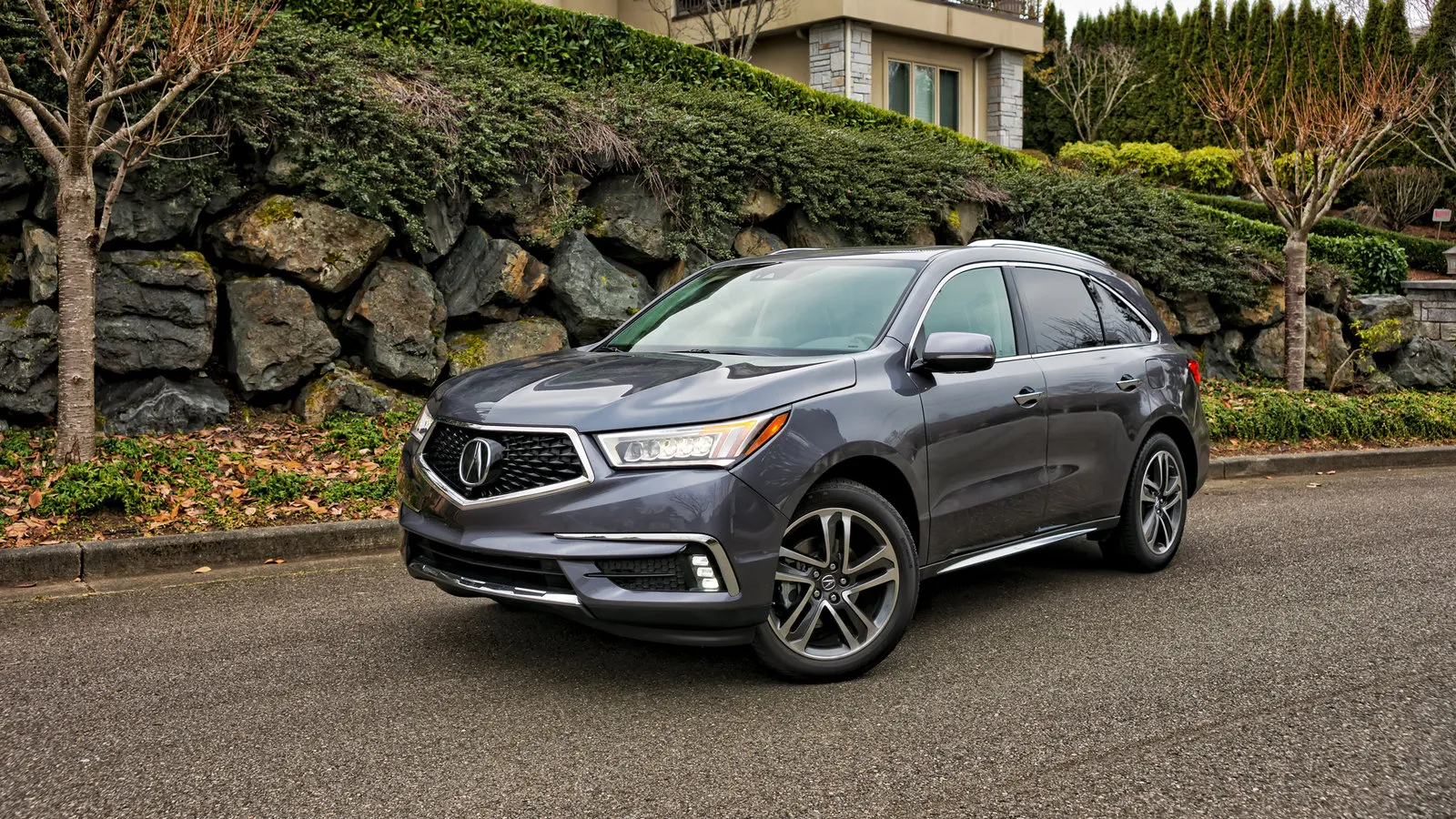
2. Acura MDX (2014-2020)
Honda luxury engineering includes robust hinge systems that survive extended service. Quality materials and proper design prevent sagging through typical ownership. Doors maintain factory alignment after years of family use. This durability demonstrates engineering commitment to quality.
Hinge pins use hardened steel, resisting wear effectively. Heat treatment creates surfaces that maintain dimensions through use. Proper diameter and length distribute loads adequately. Material selection ensures components last indefinitely.
Bushings employ quality materials, maintaining tight tolerances. Bronze composition provides excellent wear resistance. Proper lubrication retention keeps friction low. These bushings compress minimally, maintaining alignment.
Design includes adequate bearing surfaces and proper geometry. Large contact areas reduce wear rates substantially. Leverage ratios balance door weight appropriately. Engineering creates robust hinge systems.
Installation procedures ensure proper torque and alignment. Quality control verifies that assembly specifications are met. Thread locking prevents fastener loosening. Proper installation maximizes durability.
Door construction minimizes weight through efficient design. Strategic reinforcement placement reduces hinge stress. Inner structure prevents flexing. This approach extends hinge life.
Owners report perfect door operation through ownership. High-mileage examples maintain alignment flawlessly. Daily use doesn’t compromise performance. This validates engineering quality.
Replacement parts maintain standards consistently. Acura pricing is competitive within the premium segment. OEM components match original quality.
Consistency ensures maintained vehicles. Reliable hinges eliminate repair needs. Daily benefit from engineering quality. Perfect operation, years later, demonstrates value. Investment creates satisfaction.
Resale advantages from perfect alignment prove substantial. Operation signals quality maintenance. Appearance translates into better pricing. Engineering benefits owners financially.
Also Read: 8 Classic Cars With Iconic Pop-Up Headlights
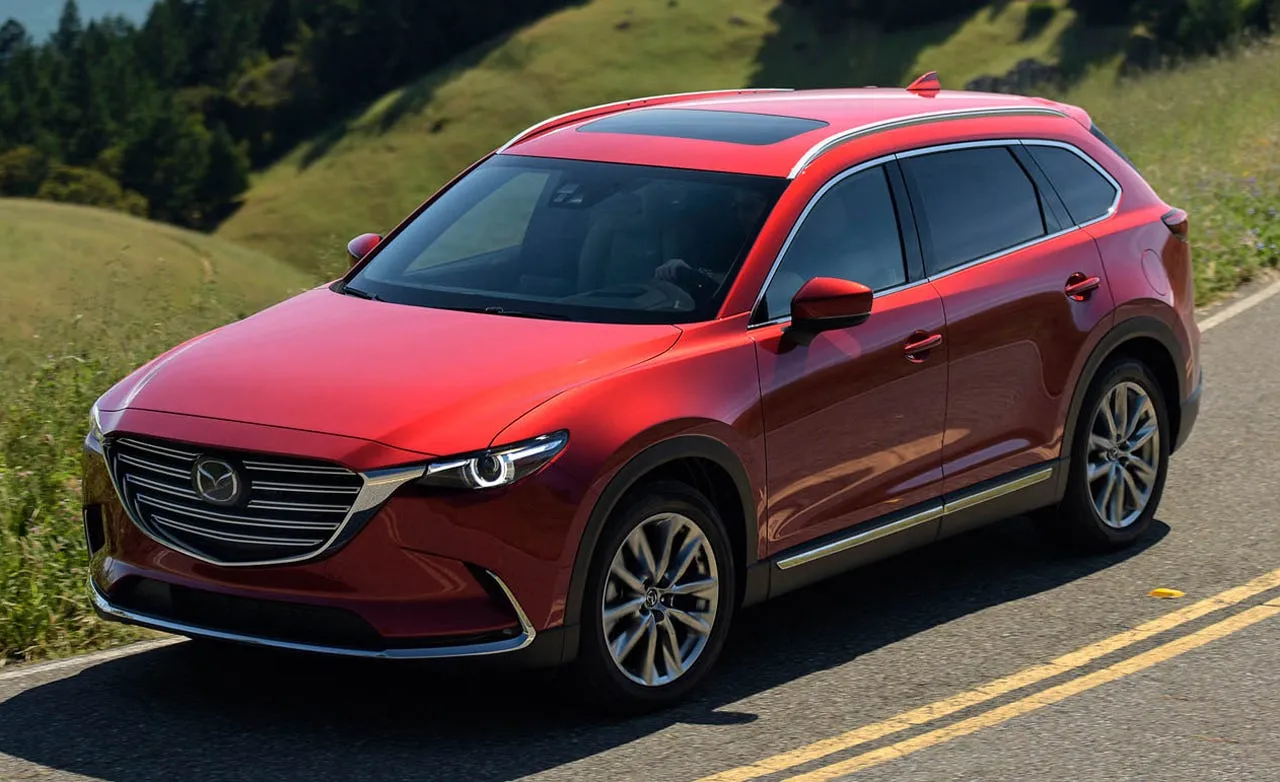
3. Mazda CX-9 (2016-2024)
Between 2016 and 2024, the Mazda CX-9 stands out for its hinge quality and entire door structure reliability. The vehicle demonstrates that competitive pricing can coexist with engineering precision.
Throughout years of use, the doors remain properly aligned without signs of sagging, even at high mileage. This performance reflects a well-executed design philosophy that prioritizes strength, durability, and long-term precision.
The hinge pins are manufactured from high-strength steel and receive advanced heat treatment to improve hardness and wear resistance.
Their accurate sizing helps distribute weight evenly, preventing premature deformation. Material choices throughout the assembly emphasize endurance under both daily driving and harsh weather conditions.
Bushings within the hinge assemblies exhibit minimal compression after a long time. They maintain tight tolerances and consistent lubrication, reducing friction and noise.
The hinge geometry spreads mechanical loads evenly across contact surfaces, while balanced ratios between components ensure stability during repeated use.
Mazda’s assembly process follows strict torque and verification guidelines to prevent any form of loosening.
Reinforced structural placement behind the hinge mounts minimizes panel flex and supports long-term rigidity. These choices extend the life of each hinge assembly well beyond typical expectations for vehicles in this category.
Owners consistently report perfect door function even after extensive use. Replacement parts remain affordable and retain original manufacturing standards, maintaining consistency across production years. This durability translates to fewer service needs, reduced ownership costs, and stronger resale confidence, reinforcing Mazda’s reputation for reliable engineering excellence.
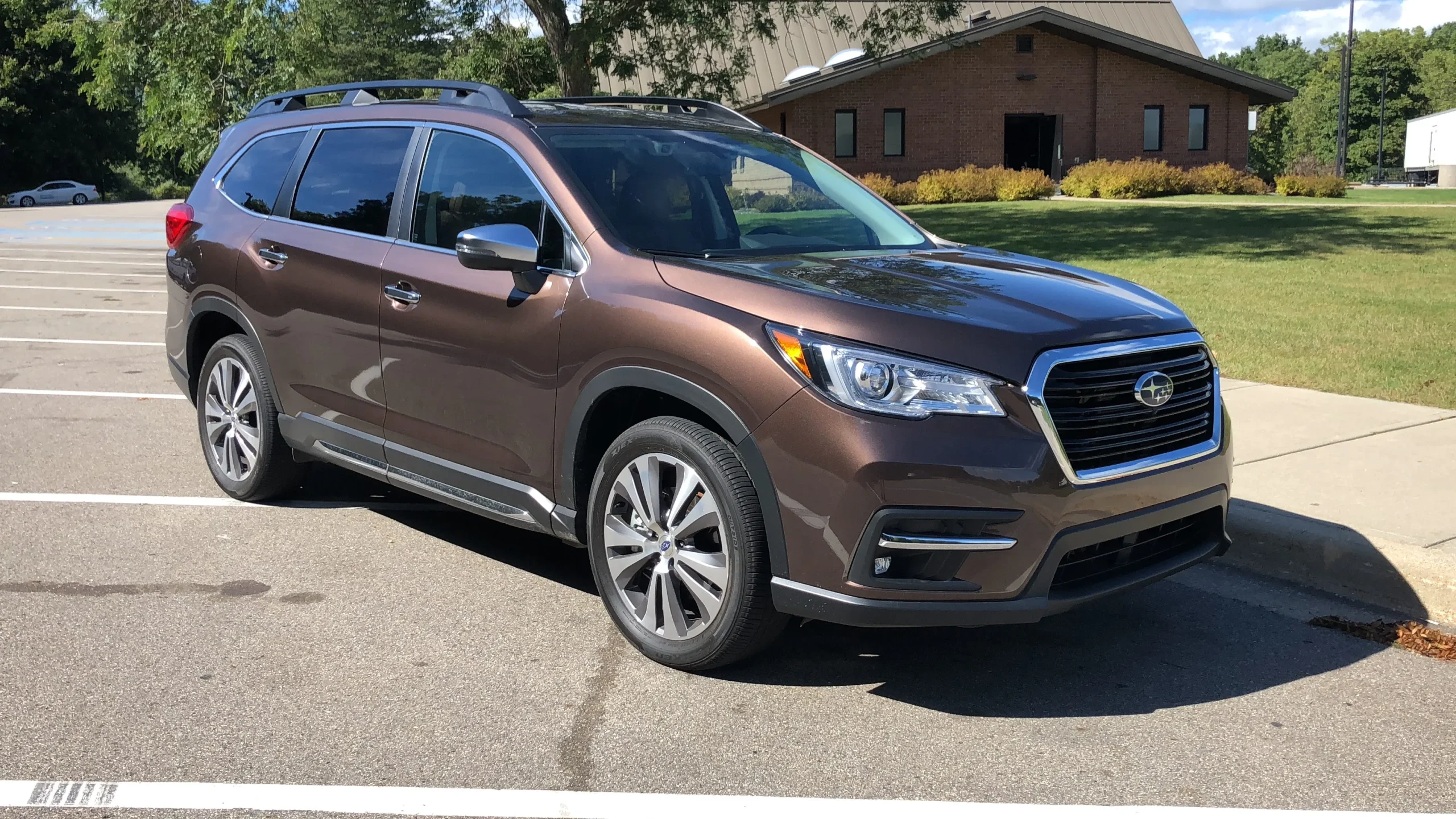
4. Subaru Ascent (2019-2024)
The Subaru Ascent, produced from 2019 to 2024, features a hinge system designed for heavy-duty operation in all-weather environments.
The doors maintain their alignment and integrity despite frequent use in snow, rain, or dusty conditions. Subaru’s engineers clearly focused on creating components that sustain performance under physical stress and temperature variations.
The hinge pins are manufactured with enhanced hardness to resist wear, while their surface treatment ensures dimensional stability.
Proper sizing distributes the load efficiently across the hinge components. Bushings constructed from durable materials retain shape even after prolonged use, and integrated lubrication pathways minimize internal friction.
Surface contact areas are large enough to reduce concentrated pressure points, resulting in longer service life.
The mechanical ratios within the hinge design balance door weight effectively, maintaining uniform operation during opening and closing cycles. Reinforcement within the mounting areas adds strength where structural loads are highest.
During assembly, each hinge undergoes precise torque calibration and inspection to verify tightness. Locking measures prevent movement between fastened parts. This attention to detail ensures that the hinge structure resists vibration and fatigue, even under repeated stress.
Subaru’s efficient construction methods also minimize the entire door weight while preserving rigidity. The result is a smoother operation with reduced strain on connected panels. Owners experience consistent performance throughout the years of ownership.
Replacement components are priced competitively and retain the same quality level as factory-installed parts. The Ascent’s hinge reliability confirms Subaru’s focus on functional engineering suited for demanding real-world conditions.
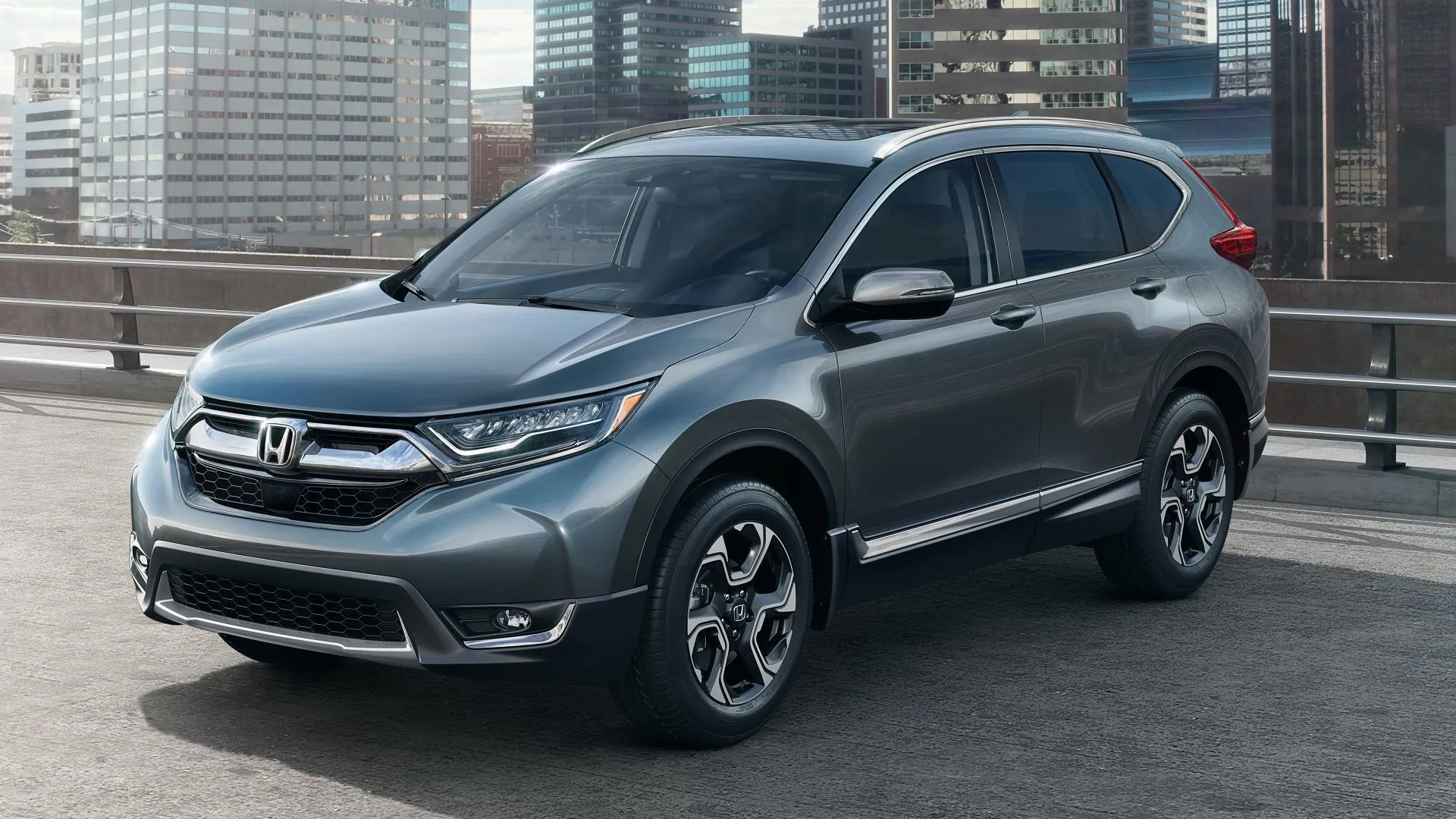
5. Honda CR-V (2017-2022)
The Honda CR-V, produced between 2017 and 2022, showcases hinge engineering that exceeds expectations for its category.
The vehicle’s doors remain properly aligned through years of use, reflecting Honda’s emphasis on structural integrity and material precision. Owners frequently report that even at high mileage, door operation remains smooth and consistent without sagging.
Hinge pins in the CR-V are forged from durable alloys with sufficient hardness to resist wear. Each component undergoes surface treatment to improve corrosion resistance and maintain dimensional accuracy. The load paths within the hinge design distribute forces evenly, preventing localized stress or deformation.
Bushings within the system are made of high-performance polymers that maintain their shape under compression. Their self-lubricating properties reduce friction and prolong service life. The hinge geometry ensures stable motion with balanced ratios between pin length, diameter, and door weight.
Assembly procedures follow strict torque specifications, preventing loosening during operation. Reinforcement in the hinge mounting zones reduces flexing and supports long-term stability.
This integration of mechanical precision and structural reinforcement contributes to excellent reliability in the course of time.
Replacement parts are available at a reasonable cost and match original factory standards. The consistent performance and minimal maintenance needs reflect Honda’s commitment to practical engineering excellence.
For many drivers, the CR-V’s hinge durability directly supports its reputation for long-lasting dependability and high resale value.
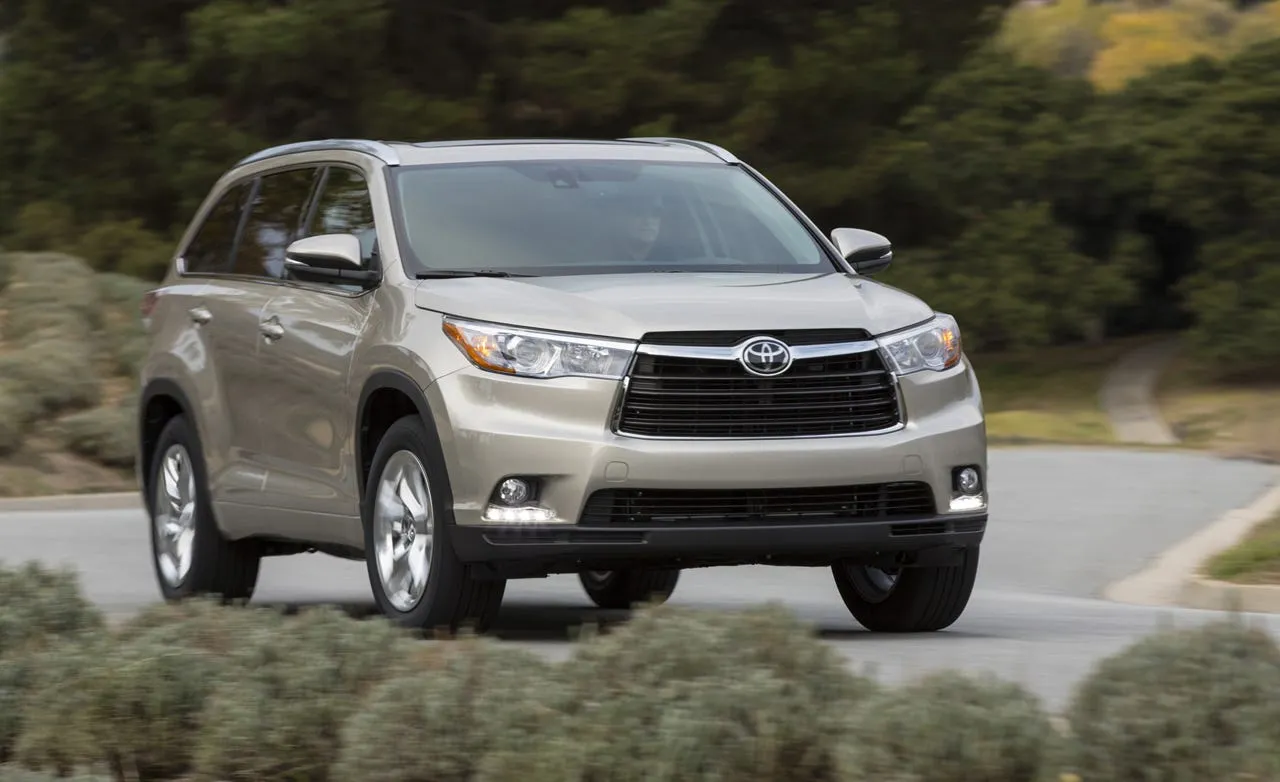
6. Toyota Highlander (2014-2019)
From 2014 to 2019, the Toyota Highlander demonstrated consistent hinge reliability that supports the brand’s reputation for engineering quality.
The door hinges are designed to retain alignment over years of use without sagging or excessive play. Even under demanding driving conditions, the structure maintains its integrity, showing Toyota’s precision in component design and material selection.
The hinge pins receive high levels of heat treatment to enhance surface hardness, resisting deformation caused by constant door movement. These hardened components distribute mechanical stress evenly across their length, preventing localized wear.
The bushing materials are chosen for their ability to hold tolerances under compression while providing low-friction movement. As a result, door operation remains smooth with minimal effort throughout the vehicle’s lifespan.
Load distribution is a critical part of the hinge design. Each surface contact area is wide enough to reduce concentrated pressure points, improving long-term durability. Structural balance between door weight and hinge ratio ensures consistent operation in both front and rear assemblies.
During manufacturing, torque values and fastener tension are verified to meet specifications, eliminating the risk of gradual loosening in the course of time.
Reinforced mounting points behind the hinge attachment zones prevent panel flexing and increase stability. This reduces general stress across the door structure.
Owners consistently report reliable hinge performance even after extensive mileage. Replacement parts are priced competitively and match the original equipment in strength and finish.
The Highlander’s hinge performance translates into fewer service needs, long-term satisfaction, and improved vehicle value during resale.
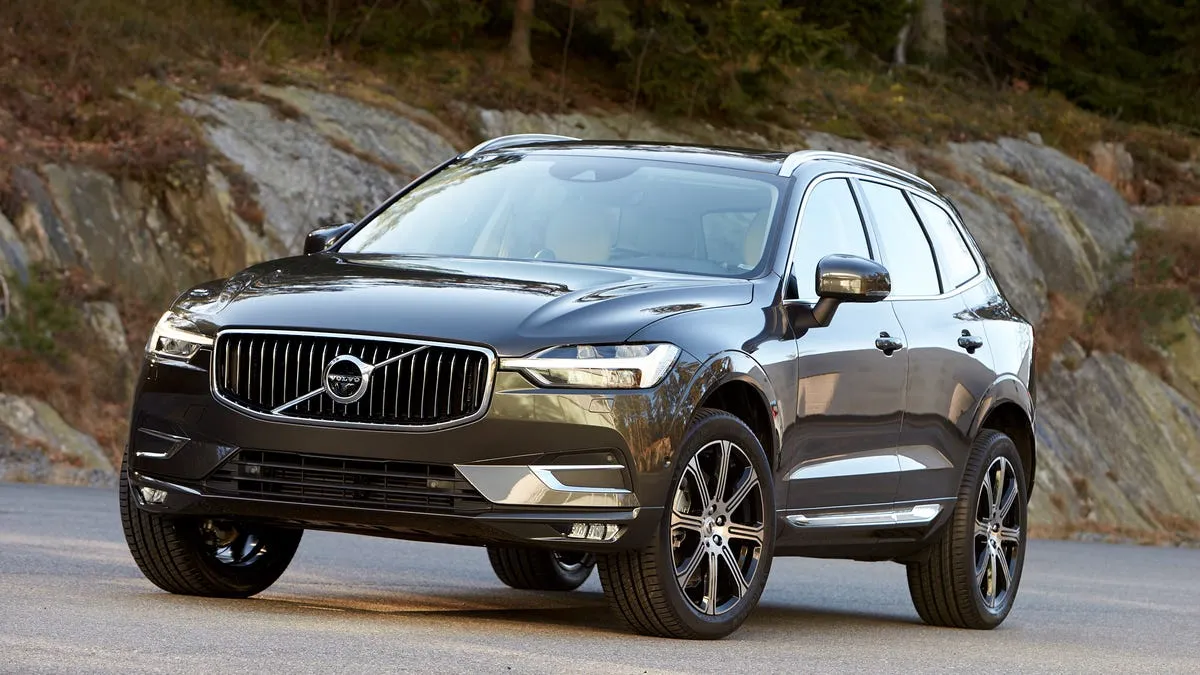
7. Volvo XC60 (2018-2024)
The Volvo XC60, produced between 2018 and 2024, reflects Swedish precision in hinge engineering and durability. Each hinge system is designed to maintain consistent door alignment throughout extended use.
The robust design prevents sagging, ensuring that every opening and closing motion feels solid and refined. Volvo’s attention to component integrity demonstrates a clear commitment to long-term reliability.
The hinge pins are made from high-strength steel with enhanced surface treatment to prevent premature wear. Their heat-treated finish provides additional resistance against corrosion and abrasion.
Bushings formed from durable, low-compression materials maintain tight tolerances, ensuring that movement remains consistent under both light and heavy use.
Load-bearing areas are optimized to spread pressure evenly across the hinge assembly. This careful balance between door weight and structural support ensures minimal strain on fasteners and surrounding panels. The hinge geometry contributes to smooth motion while maintaining rigidity under stress.
Assembly procedures include precise torque specifications to guarantee that all hinges remain firmly seated. Reinforced mounting brackets reduce vibration and prevent panel flexing during repeated use.
These steps collectively extend the functional life of the hinge system while preserving door alignment accuracy.
Owners report flawless hinge performance over years of operation, with no need for early adjustments or replacement. Genuine Volvo components maintain the same quality as factory installations, and parts pricing remains competitive within the premium segment.
This reliability enhances ownership satisfaction while strengthening the vehicle’s resale reputation for enduring build quality and structural integrity.
7 That Need Pin Repairs
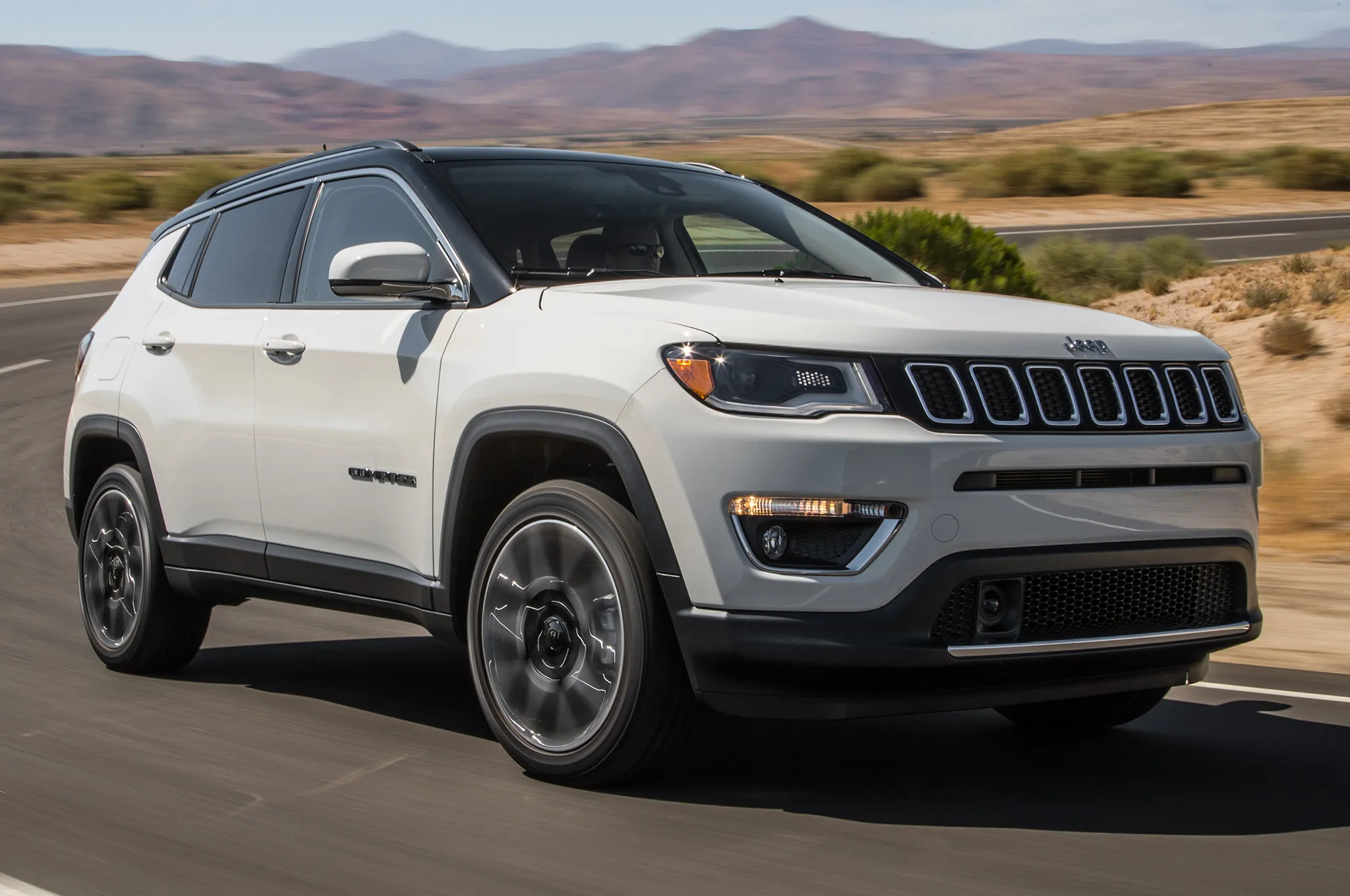
1. Jeep Compass (2017-2022)
American crossover demonstrates inadequate hinge engineering. Soft hinge pins wear rapidly under normal use. Bushings compress, allowing play development. Within five years, doors sag noticeably, requiring expensive repairs.
Hinge pins lack adequate hardness. Soft steel wears quickly under repeated stress. Insufficient diameter concentrates loads, accelerating wear. Poor material selection creates predictable failures.
Bushings use cheap materials that compress rapidly. Inadequate lubrication increases friction and wear. Poor quality allows excessive play to develop. These components fail prematurely systematically.
Hinge geometry provides insufficient bearing surfaces. Small contact areas concentrate pressure, accelerating wear. Poor leverage ratios create excessive stress. Design inadequacy creates failures.
Assembly procedures are apparently inadequate, preventing loosening. Fasteners back out from vibration, allowing movement. Lack of thread locking compounds problems.
Poor assembly accelerates issues. Heavy door construction without adequate reinforcement. Excessive weight stresses hinges beyond capacity. Flexing inner panels compounds stress. Poor weight management accelerates wear.
Owners report sagging developing at 60,000 to 100,000 miles. Doors require force to close properly. Alignment is visibly poor, affecting the appearance.
Systematic problem frustrates customers. Hinge pin replacement costs $400 to $600 per door. Many owners defer expensive repairs. Sagging worsens progressively. Engineering deficiency creates expense.
Recurring problems affect multiple doors. Repairs are expensive and frustrating. The engineering inadequacy is obvious. Brand reputation suffers.
Resale values are damaged by sagging. Buyers recognize a common problem. Pricing was affected negatively. Engineering shortcuts punish.
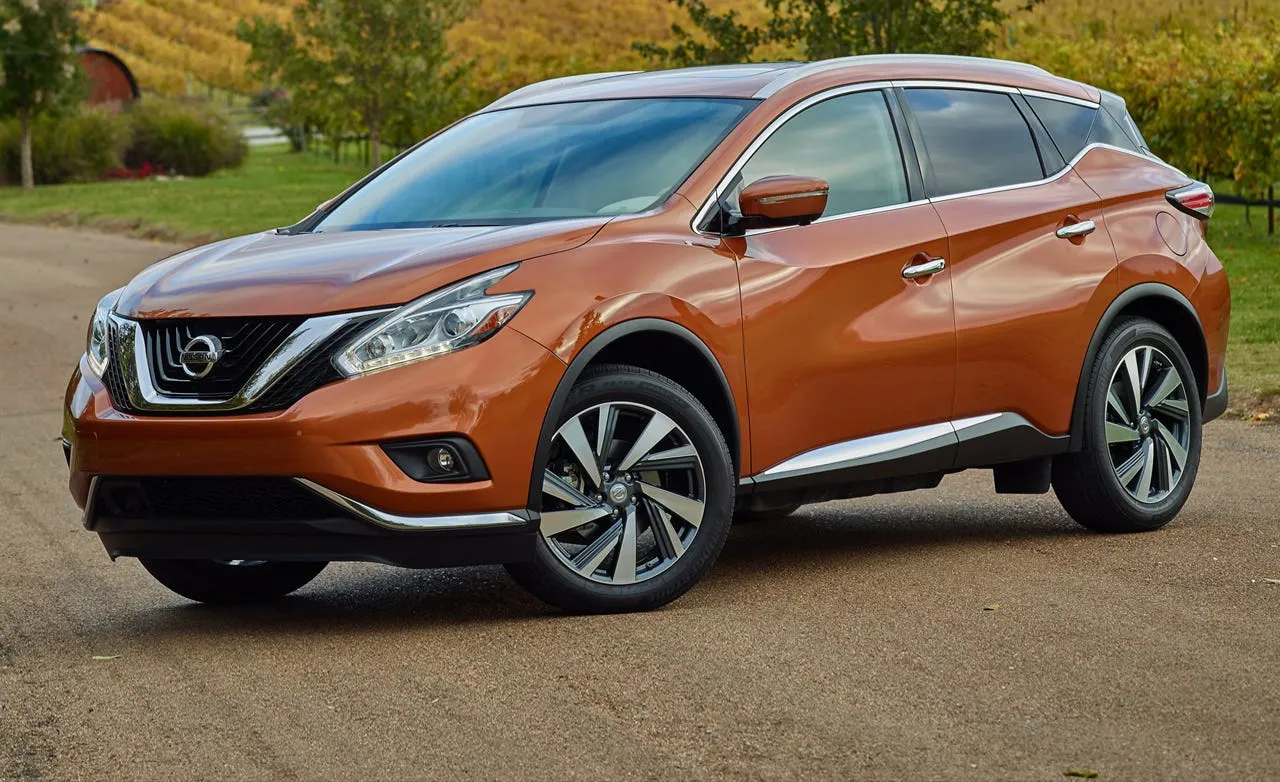
2. Nissan Murano (2015-2024)
The Nissan Murano from 2015 to 2024 exhibits hinge degradation that appears unexpectedly for a Japanese vehicle.
The pin assemblies used for its door hinges tend to wear out prematurely due to inadequate hardness and undersized diameters. Bushings compress faster than expected, leading to increasing play within the hinge structure.
Once minor looseness begins, sagging develops gradually, becoming noticeable around 70,000 to 110,000 kilometres. Many owners report growing resistance when opening or closing their doors, indicating progressive misalignment.
The materials chosen for these hinges lack the density required to resist long-term use. Lubrication within the hinge joints is often insufficient, allowing metal-to-metal contact that accelerates deterioration.
The hinge surface areas are smaller than ideal, resulting in uneven load distribution. When stress points form, bushings and pins begin to deform, causing additional wear with every movement. Manufacturing processes appear inconsistent, with torque application and compound usage often inadequate.
The absence of corrosion-resistant reinforcement compounds the issue, particularly in regions with road salt exposure. As doors become heavier as time goes on, flexing in the panels further strains the hinges. Repair costs typically fall between $350 and $550, depending on door position and service region.
Many owners defer repairs, which worsens alignment issues and increases the general expense. Recurrent hinge replacements have become a source of frustration, especially for owners expecting Japanese reliability. These structural weaknesses damage the perception of build quality and negatively influence resale value.
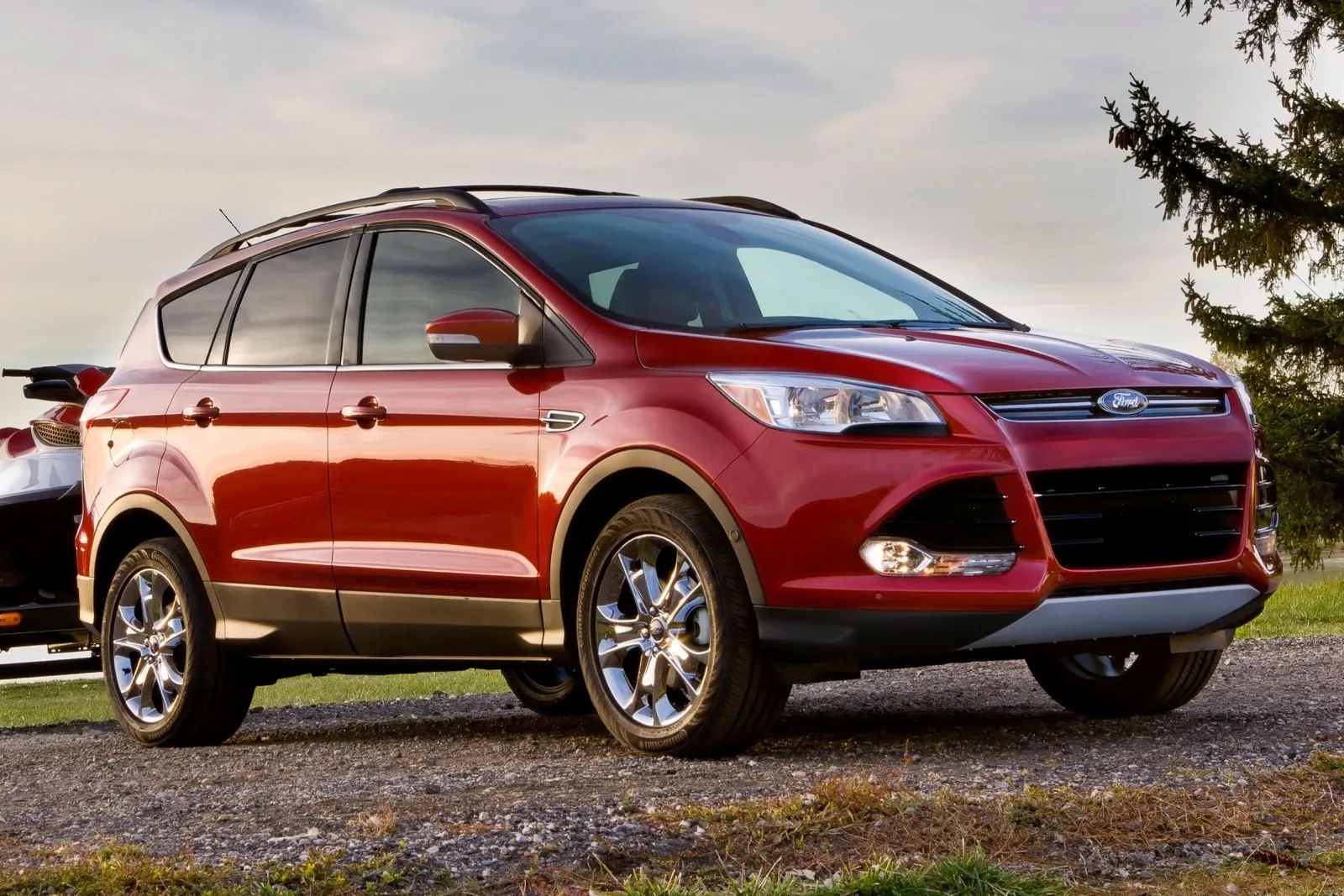
3. Ford Escape (2013-2019)
The Ford Escape, built between 2013 and 201,9, experiences consistent hinge deterioration that undermines long-term usability. The hinge pins lose hardness quickly and display surface wear long before they should.
Bushings made of soft composite materials compress in the course of time, producing visible sagging in the doors. Once wear initiates, it spreads rapidly across the hinge structure due to insufficient metal treatment and improper sizing.
The lubrication system in these hinges is minimal, which allows early friction build-up. Cheap bushing materials cannot maintain shape, and once deformation begins, door misalignment worsens steadily.
The small surface area of contact between hinge components promotes uneven pressure, which amplifies deterioration during daily operation.
Manufacturing tolerances and assembly procedures appear inconsistent, with some hinges showing improper tightening or missing securing compounds.
In the course of time, repeated vibration causes hinge fasteners to loosen. Combined with the Escape’s relatively heavy door panels, this accelerates fatigue within the structure.
Typical hinge lifespan ranges between 60,000 and 90,000 kilometres before owners notice binding or difficulty closing the doors properly.
Repair costs usually run between $400 and $600. Deferred maintenance increases long-term damage to door frames and seals, leading to higher costs.
Owners express frustration with the recurring nature of this defect, which impacts perceived quality. Multiple doors are often affected simultaneously, resulting in expensive and inconvenient repairs.
These repetitive hinge failures diminish owner satisfaction and negatively influence general brand reputation.
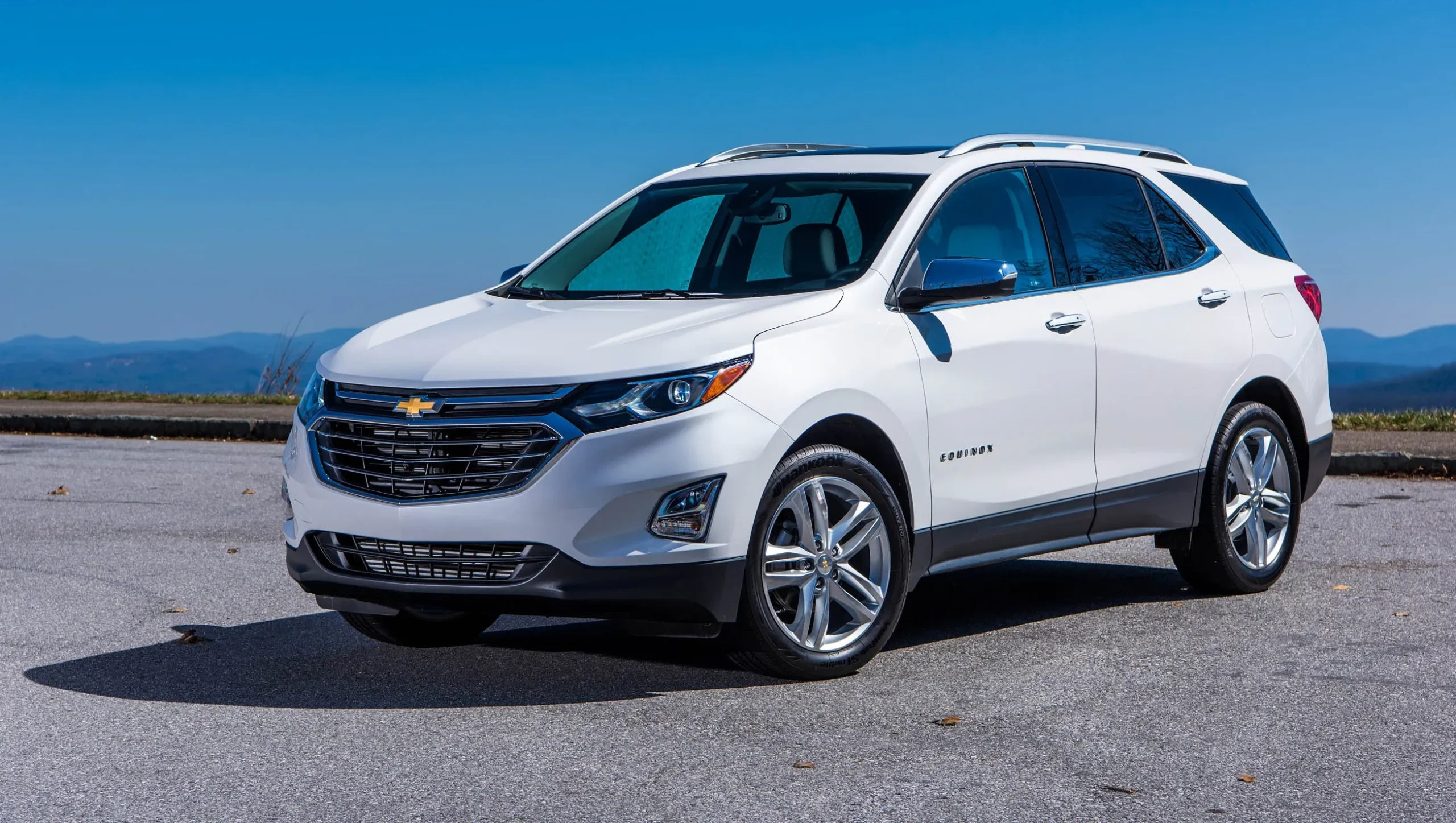
4. Chevrolet Equinox (2018-2024)
The 2018–2024 Chevrolet Equinox demonstrates continuing hinge reliability issues across several production years. Despite being a relatively recent crossover, its hinges reveal accelerated wear caused by poor hardness treatment and undersized components.
The hinge pins lose shape prematurely, while the bushings compress rapidly under normal usage. As a result, sagging develops in the doors, leading to uneven gaps and visible misalignment.
The hinge materials do not offer adequate strength to withstand repetitive stress. Lubrication systems within the hinge joints are either insufficient or poorly retained, causing friction that hastens degradation. Small contact surfaces between pins and bushings further increase localized wear.
Assembly procedures sometimes omit anti-seize or securing compounds, allowing movement within the joints in the course of time.
As fasteners loosen, the added play results in rattling noises and increased stress on adjoining panels. The vehicle’s door weight and inadequate reinforcement behind the hinge mounts contribute further to deformation during frequent use.
By around 70,000 to 100,000 kilometres, noticeable effort is required to close doors fully. Realignment becomes necessary, but often only provides temporary relief.
Repairs generally cost between $350 and $550 per door. Many owners delay maintenance due to recurring failures, which eventually worsen hinge fatigue.
These structural inadequacies have damaged the Equinox’s reliability image. The issue is widely recognized within used markets, reducing resale value. Owners in regions with frequent door use report consistent hinge deterioration that diminishes satisfaction and increases maintenance expense.
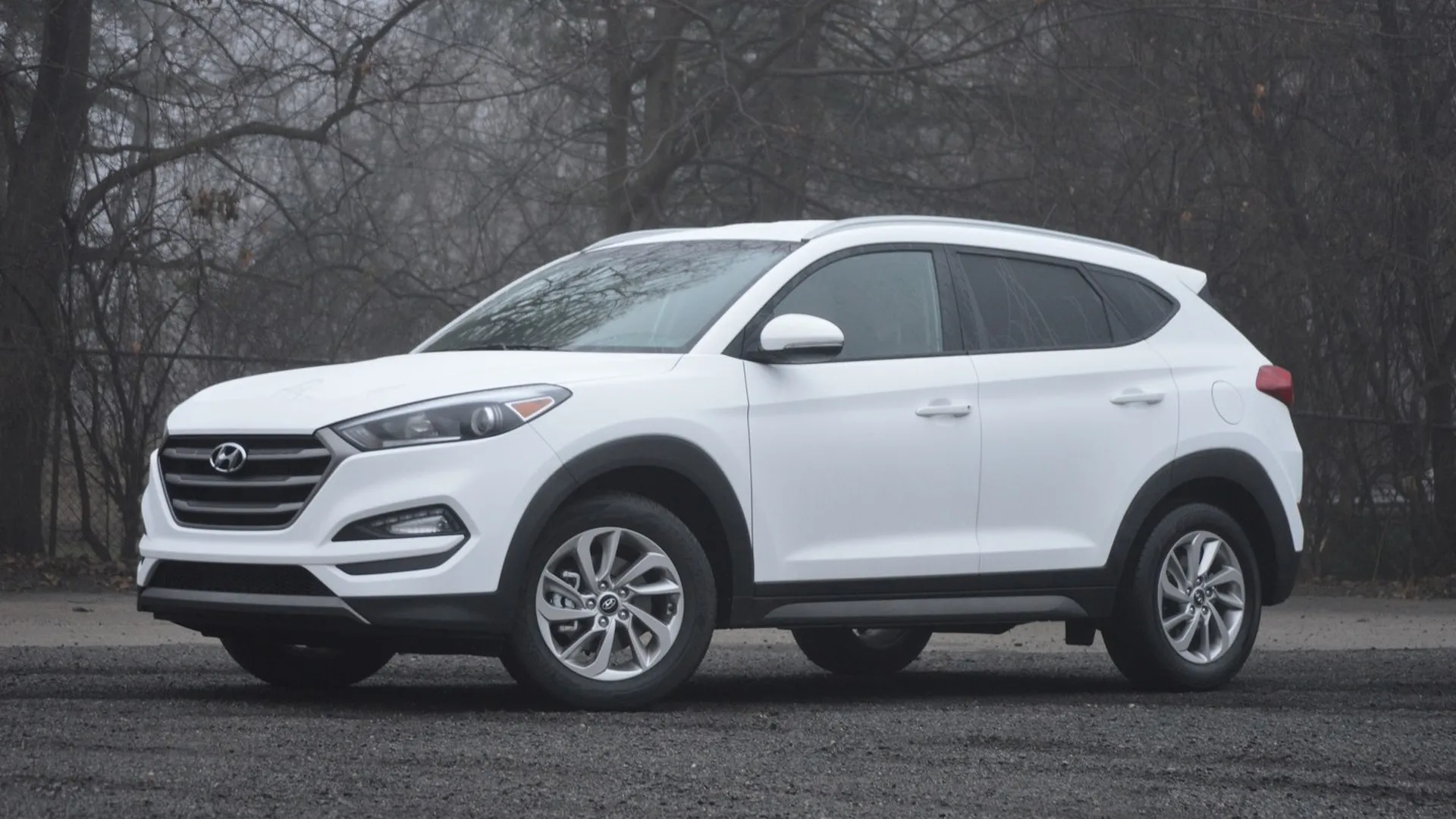
5. Hyundai Tucson (2016-2021)
Between 2016 and 2021, the Hyundai Tucson suffered hinge reliability problems that have become increasingly evident among long-term owners. The door hinge pins and bushings are undersized, resulting in inadequate load distribution.
Once wear begins, sagging becomes visible as the doors drop slightly on their frames. Inadequate hardness treatment allows accelerated surface abrasion, especially in vehicles exposed to dust and salt.
Bushing materials compress rapidly, eliminating the precise alignment originally designed into the hinge. Poor lubrication makes friction buildup inevitable, causing squeaking and stiffness. The small contact surfaces create concentrated stress points, leading to early mechanical play.
Manufacturing inconsistencies further aggravate the problem. Fasteners often loosen due to vibration, and the absence of reliable locking compounds accelerates this process.
Without periodic re-torquing, the entire hinge assembly begins shifting. Combined with Tucson’s relatively heavy door panels, the result is structural fatigue that develops faster than expected.
The issue commonly appears between 80,000 and 120,000 kilometres. Door alignment becomes poor, requiring additional effort to close securely. Repair costs typically range from $300 to $500 per door. Many owners delay replacement, which leads to faster deterioration.
These recurring issues affect multiple units across production years. The financial impact, coupled with repeated inconvenience, frustrates many users who anticipated higher build quality.
This weakness contributes to declining resale value in used markets, where hinge sagging is often an easily spotted defect during inspections.
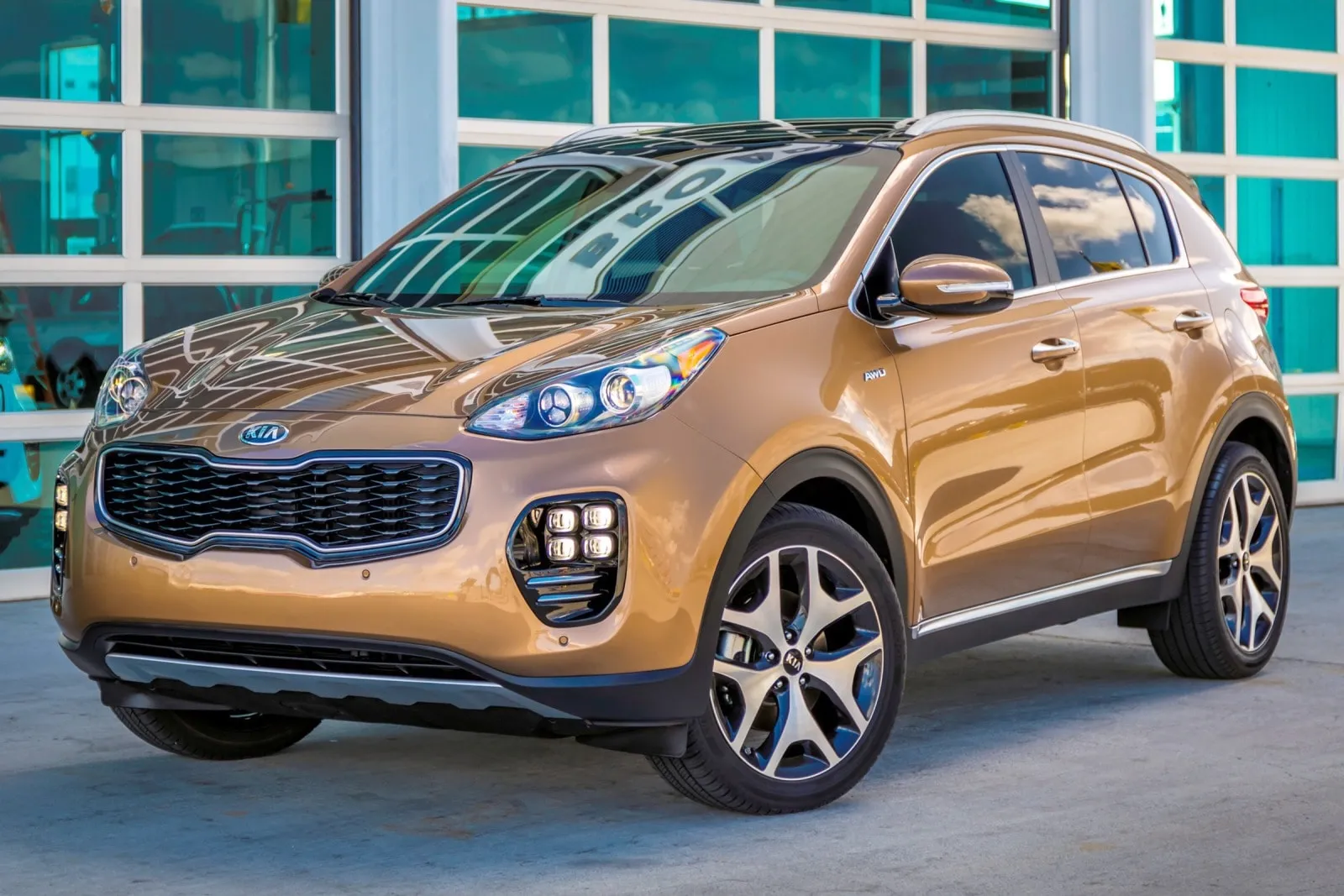
6. Kia Sportage (2017-2022)
The Kia Sportage, produced between 2017 and 2022, exhibits hinge wear patterns similar to those found in its corporate sibling, the Hyundai Tucson.
The hinges show early deterioration due to insufficient hardness in the hinge pins and undersized diameters. Rapid compression of bushings leads to progressive sagging that alters door alignment.
Material selection remains a weak point, with hinge components failing to maintain their structural integrity under constant use.
Lubrication systems within the hinge mechanism are poorly retained, allowing direct metal contact. The contact surface areas are too small to handle repeated stress, which amplifies the problem.
Assembly procedures often lack effective anti-vibration compounds, leading to gradual loosening of fasteners. Once movement develops, wear rates increase dramatically. Reinforcement around the hinge mounts is minimal, which means heavy doors flex the panels in the course of time.
Failures typically begin appearing between 70,000 and 110,000 kilometres. Owners notice uneven gaps and difficulty closing doors securely.
Realignment provides temporary relief but does not resolve underlying wear. Repair costs average between $300 and $500, depending on the region. Deferred maintenance accelerates degradation, creating recurring expenses.
As failures persist, owners grow frustrated by the repeated need for hinge replacements. The reputation of the model suffers from these structural weaknesses, which have become commonly reported among used Sportage units. Sagging doors also reduce resale value and discourage potential buyers aware of the hinge reliability issue.
Also Read: 8 Vintage Cars With Gorgeous Factory Wheel Design
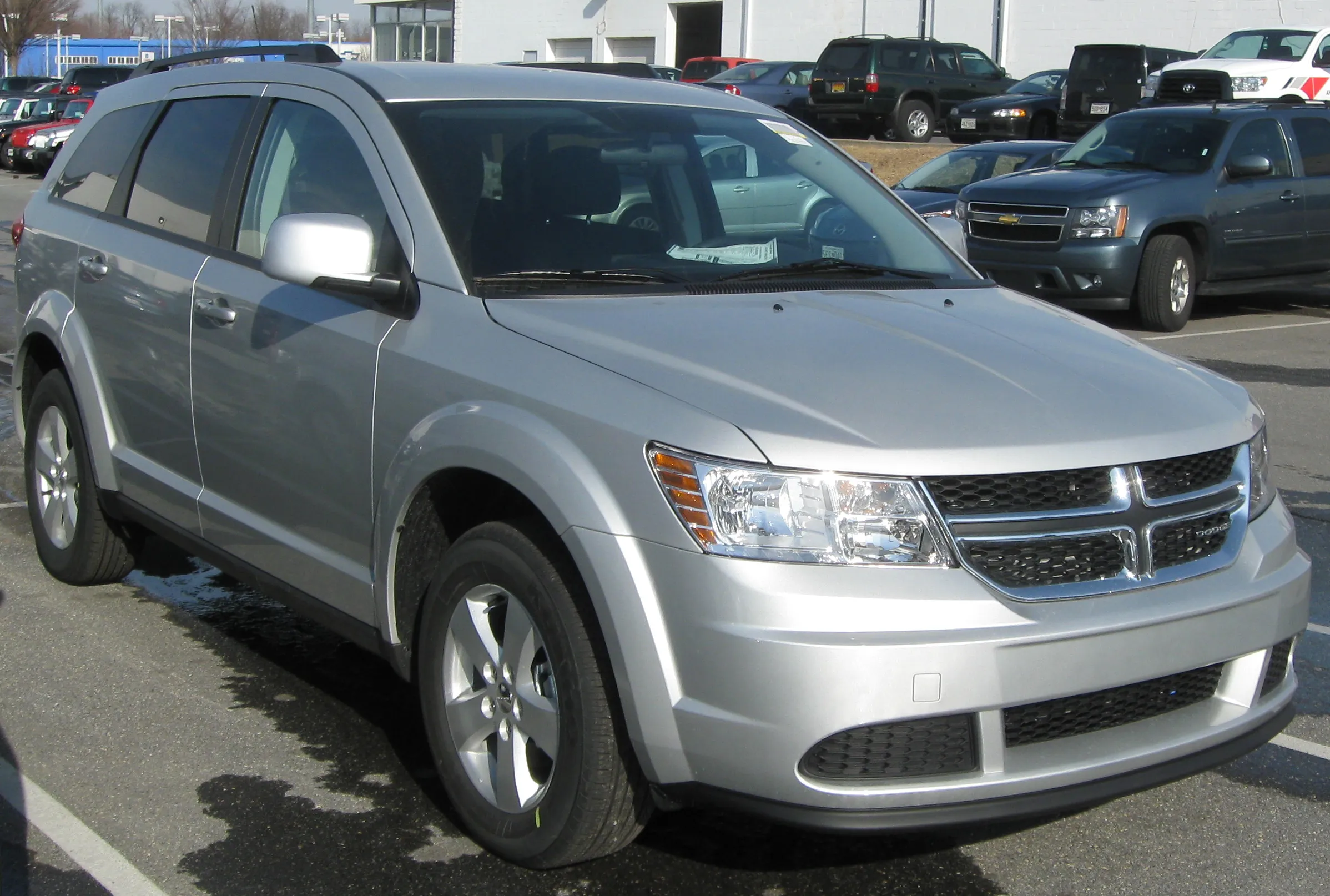
7. Dodge Journey (2011-2020)
The Dodge Journey, produced from 2011 to 2020, is known for long-term hinge durability problems that persisted throughout its production life.
The door hinges consistently show premature wear due to low pin hardness and improper sizing. These structural flaws result in sagging that becomes apparent around 50,000 to 80,000 kilometres.
Bushing materials lack the strength to maintain shape under repeated stress. Lubrication levels are often inadequate, which increases friction and accelerates wear.
As bushings compress, the hinges begin to loosen, producing creaking noises and visible door misalignment. The small contact surfaces between hinge components promote localized wear zones, intensifying degradation.
Assembly inconsistencies contribute further to the issue. Fasteners loosen in the course of time due to missing locking compounds and insufficient torque application.
The heavy door design places additional stress on unreinforced hinge mounts, leading to progressive metal fatigue. Without reinforcement, the hinge structure flexes during regular operation, worsening the problem.
Repair costs range between $400 and $650, depending on parts and labour. Many owners postpone maintenance because replacement hinges frequently fail again within a few years. As wear continues, misalignment increases and seals become compromised, allowing air and moisture intrusion.
These recurring mechanical failures have hurt the Journey’s reputation. The problem is widely recognized among used-vehicle buyers, lowering resale value. Owners often describe the defect as an unnecessary burden caused by design shortcuts that undermine long-term reliability.
