
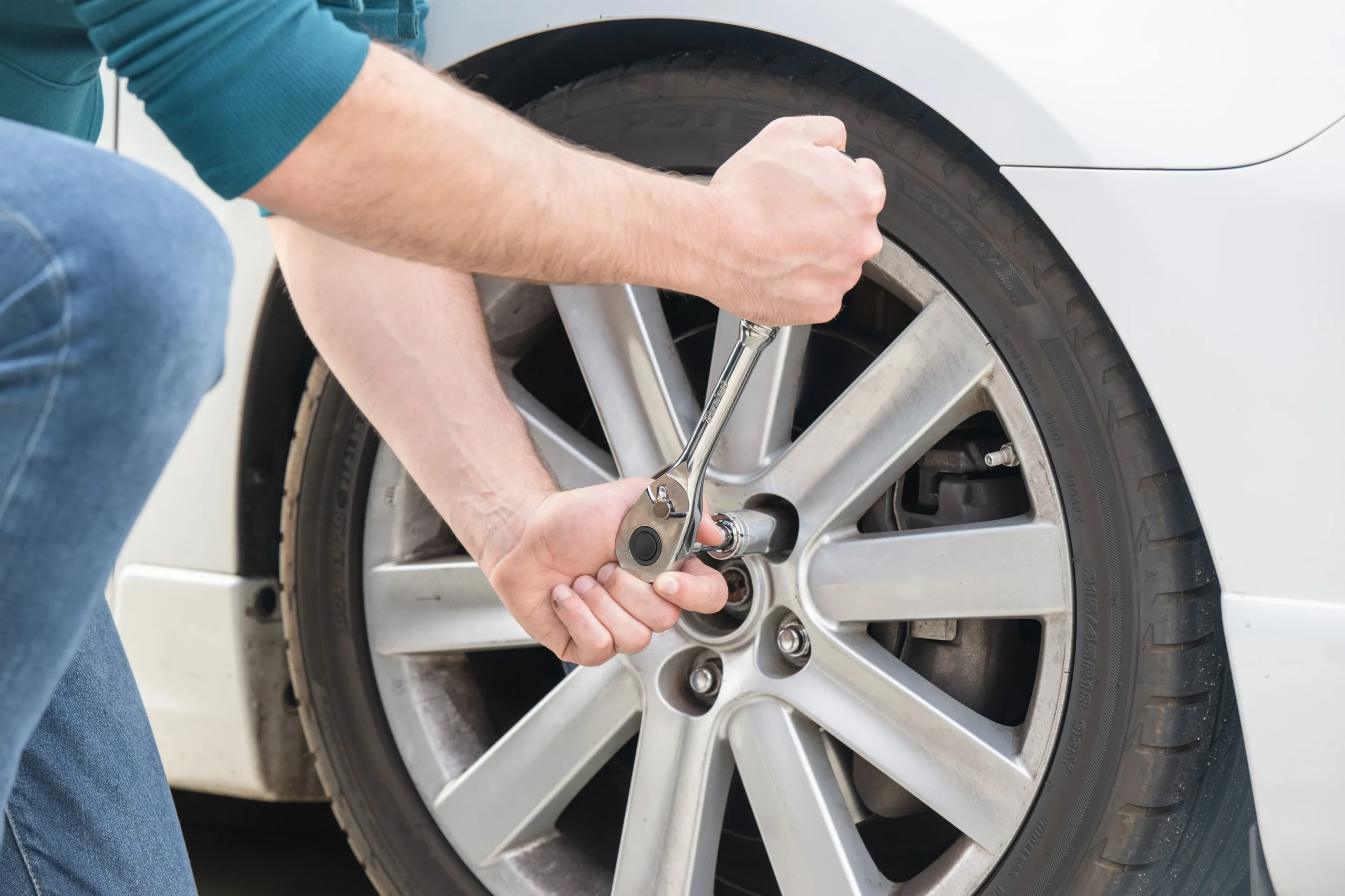
You just discovered a nail in your tire, and now you’re facing a choice that could cost you thousands. Replace all four tires or just buy one?
For people driving two-wheel-drive vehicles, this is simple: replace the damaged tire and move on with life. But if you own an all-wheel-drive vehicle, this seemingly minor decision can become a financial nightmare.
Here’s what dealerships and tire shops won’t always tell you clearly: some AWD systems are so sensitive to tire diameter differences that even minor mismatches can destroy expensive drivetrain components.
We’re talking about transfer cases, differentials, and transmissions that can fail catastrophically because one tire has slightly more tread than the others.
Repair bills for these failures easily reach $5,000 to $8,000, turning a simple tire replacement into a bankruptcy-level expense.
But not all AWD systems are this fragile. Some are engineered with enough tolerance to handle minor tire differences without throwing tantrums and breaking expensive parts.
These forgiving systems let you replace one or two tires when needed, saving hundreds of dollars compared to buying complete sets every time you get a puncture.
Understanding which AWD systems tolerate tire mismatches and which ones demand perfect matching isn’t just about saving money on tires. It’s about avoiding catastrophic drivetrain failures that leave you stranded with repair bills exceeding your vehicle’s value.
Whether you’re buying a new AWD vehicle or already own one, knowing your system’s tolerance for tire differences could be the most valuable automotive information you learn this year. Let’s break down exactly which systems forgive and which ones punish.
8 AWD Systems That Don’t Punish Mismatched Tires
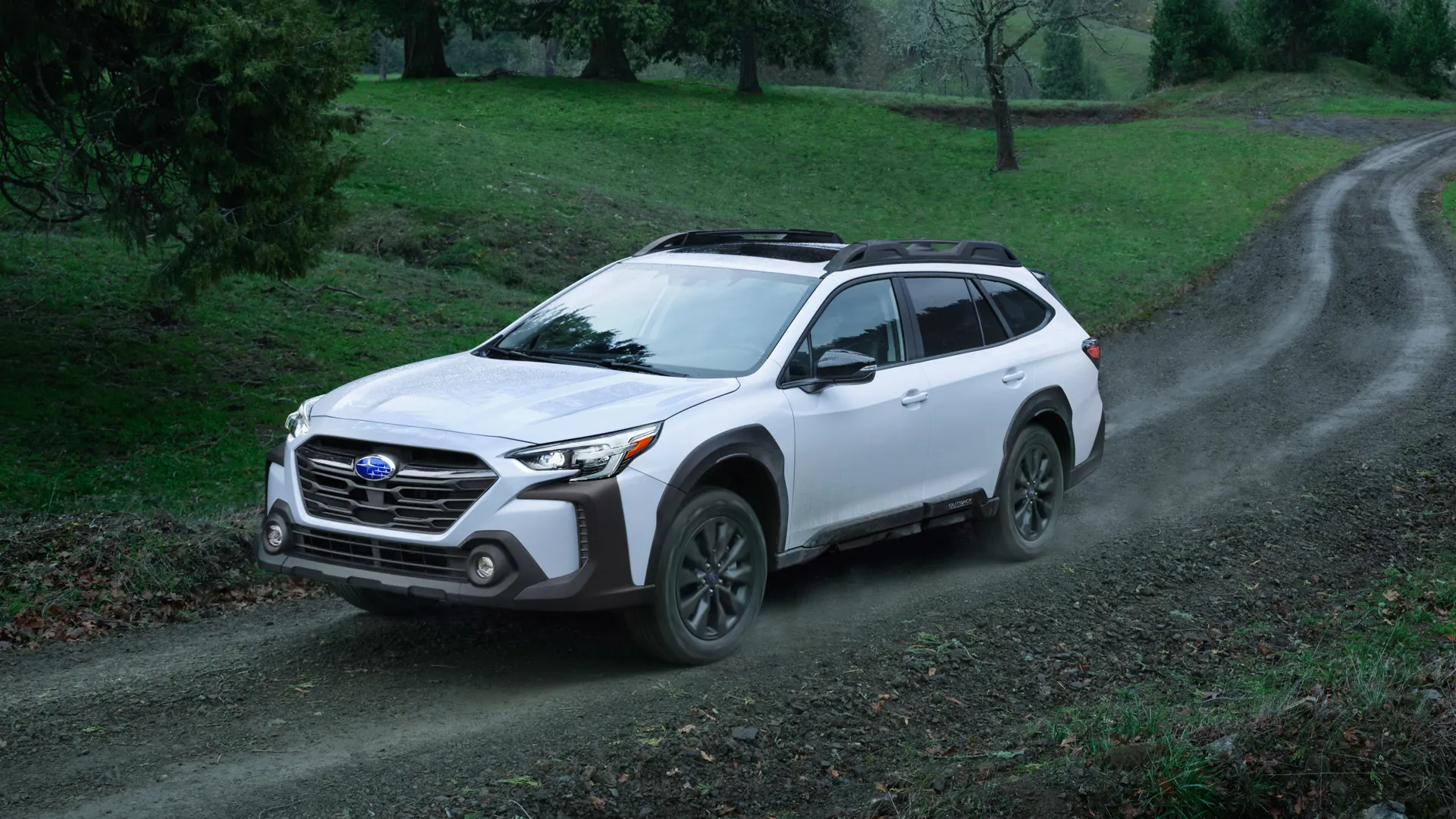
1. Subaru Outback Wilderness AWD (2023)
Symmetrical all-wheel drive from Subaru uses a viscous coupling center differential that naturally accommodates small tire diameter variations.
This mechanical system allows controlled slippage between front and rear axles, absorbing minor speed differences caused by mismatched tires without creating binding or component stress that damages parts.
Viscous fluid inside the coupling heats and thickens when speed differences occur, gradually transferring more torque to equalize wheel speeds.
This progressive engagement prevents harsh mechanical lockup that would stress components. When tire diameter differences exist, the system simply works harder but doesn’t break, unlike electronically controlled clutch systems that can overheat and fail.
Subaru’s engineering philosophy accepts that tires wear unevenly in real-world use. Rather than demanding perfect matching, they designed systems tolerant of normal wear variations.
This practical approach recognizes that customers can’t always replace all four tires simultaneously, especially when facing unexpected damage or budgetary constraints that make complete sets impractical.
Service manuals specify an acceptable diameter variation of 1/4 inch between tires. This tolerance allows mixing tires with different tread depths as long as the circumference stays within the specified range.
Most tire shops can measure and match diameters, letting you replace one or two tires without risking drivetrain damage.
Long-term reliability data shows Subaru AWD systems lasting 200,000+ miles even when owners didn’t always replace all four tires simultaneously.
This real-world durability proves the system’s tolerance isn’t just theoretical marketing claims but actual engineering that handles imperfect maintenance without catastrophic failures.
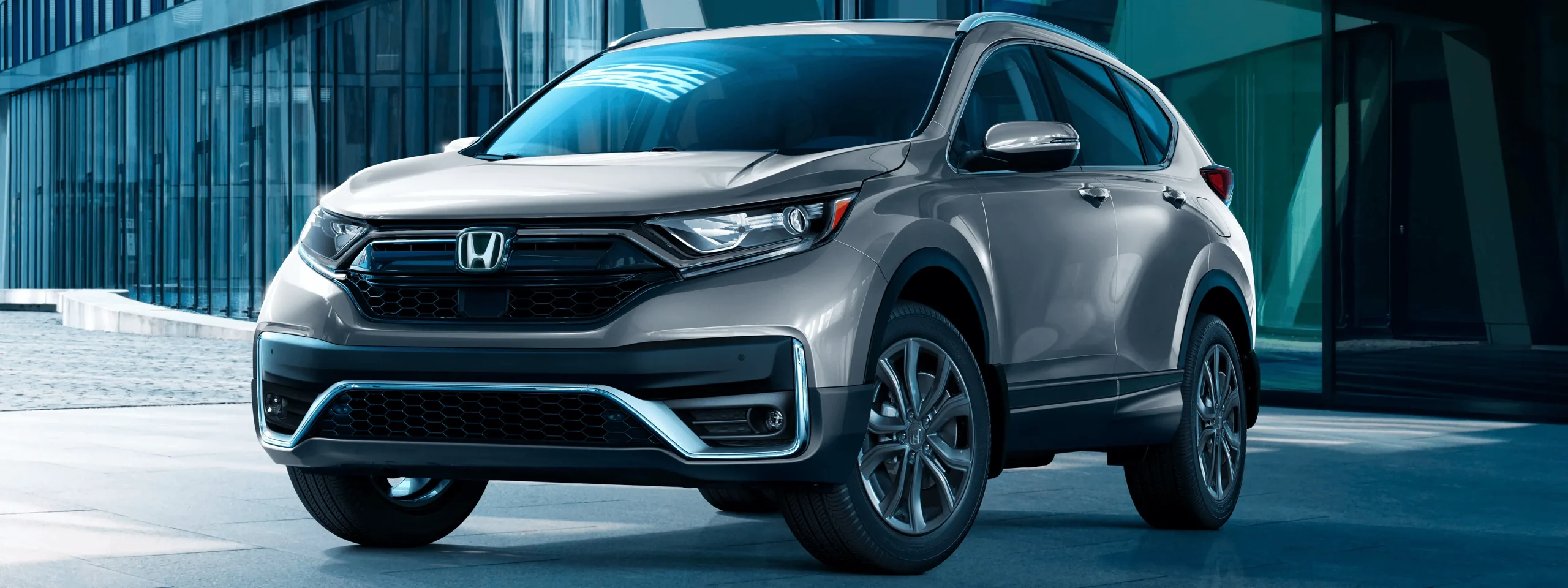
2. Honda CR-V Real Time AWD (2022)
Real Time AWD uses a hydraulic pump-driven system that engages the rear wheels only when the front wheels slip. This part-time operation means the system doesn’t constantly fight tire diameter differences like full-time systems do.
When driving normally with all wheels gripping, the CR-V operates in front-wheel drive, completely disconnecting the rear wheels and eliminating any potential binding from mismatched tires.
Hydraulic pump design allows controlled slippage even when the rear wheels are engaged. Unlike mechanical clutches that lock rigidly, hydraulic systems permit small speed differences without creating destructive binding forces.
This mechanical forgiveness lets you run slightly mismatched tires without destroying transfer case components or burning up clutch packs.
Honda engineering recognizes that tire replacement economics favor replacing fewer tires when possible.
Rather than designing systems that demand perfect matching, they created hardware tolerant of real-world tire wear patterns. This customer-focused approach reduces ownership costs and prevents drivetrain failures from minor tire mismatches.
Service advisors at Honda dealerships often approve replacing just two tires when damage occurs.
This official manufacturer acceptance of partial replacement proves the system’s tolerance isn’t accidental but intentional design. When manufacturers support partial tire replacement, it indicates genuine engineering margin rather than just marketing claims.
Owner forums show CR-V drivers routinely replacing two tires without experiencing AWD problems. Real-world experience spanning hundreds of thousands of vehicles proves the system’s tolerance for tire differences. When countless owners successfully run mismatched tires without failures, it validates the engineering claims manufacturers make.
Also Read: 5 Commuter Cars With Real 40+ MPG Lifetime and 5 EPA-Optimists
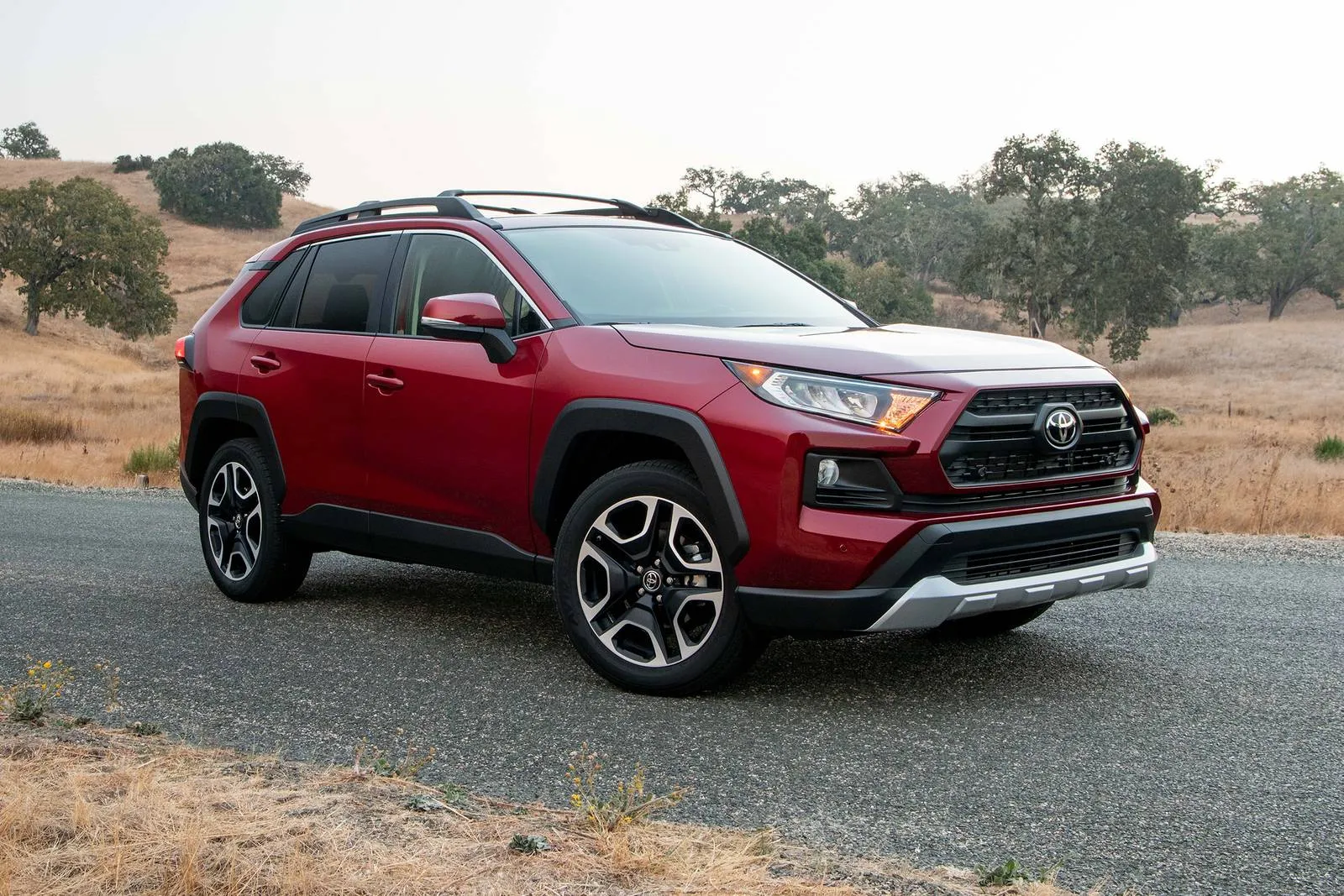
3. Toyota RAV4 Adventure AWD (2021)
Dynamic Torque Vectoring AWD with rear driveline disconnect completely disengages rear wheels during normal driving. This disconnect eliminates any potential for binding when tire diameters differ, since rear wheels aren’t connected to the drivetrain.
Only when additional traction is needed does the system engage, and even then, clutch-based torque distribution allows controlled slippage.
Electronic controls monitor wheel speeds and adjust torque distribution continuously. When tire diameter differences exist, the system compensates by varying the torque sent to each axle.
This active management prevents the binding that occurs in simple mechanical systems, allowing operation with mismatched tires without component damage.
Toyota’s reputation for reliability extends to its AWD systems, which are engineered for durability rather than maximum performance.
This conservative design philosophy builds in margins that tolerate imperfect conditions, including minor tire mismatches. Engineers anticipated real-world use where perfect tire matching isn’t always possible.
Service documentation specifies an acceptable tread depth variation of 3/32 inch between tires. This generous tolerance allows replacing damaged tires individually as long as the wear difference stays within limits.
Most tire damage occurs with plenty of tread remaining, making individual replacement practical within Toyota’s specifications.
Long-term ownership costs for RAV4 prove lower than competitors’, partly because owners can replace tires individually when needed.
This flexibility saves hundreds per tire incident, and multiply that across a vehicle’s lifetime for substantial savings. When manufacturers design systems that reduce ownership costs, it benefits everyone.

4. Mazda CX-50 i-Activ AWD (2023)
i-Activ uses predictive algorithms and clutch-based torque distribution that naturally accommodates tire diameter variations.
Electronic controls constantly adjust torque split based on driving conditions, and this same flexibility handles minor differences in tire circumference without creating binding or component stress that damages expensive drivetrain parts.
Clutch pack design allows controlled slippage that absorbs speed differences from mismatched tires.
Rather than locking rigidly like some AWD systems, i-Activ permits relative motion between front and rear axles. This mechanical tolerance prevents the binding forces that destroy transfer cases and differentials in less forgiving systems.
Mazda engineering focused on creating AWD systems that enhance safety without creating maintenance nightmares.
Part of that focus involved designing tolerance for real-world conditions where perfect tire matching isn’t always achievable. This practical approach recognizes that customers need flexibility in tire replacement strategies.
Dealer service departments confirm that replacing two tires is acceptable when the wear difference isn’t excessive.
This manufacturer-backed flexibility proves the system’s tolerance is intentional design rather than a happy accident. When service advisors approve partial replacement, it indicates a genuine engineering margin exists.
Owner satisfaction remains high because maintenance costs stay reasonable. Being able to replace damaged tires individually rather than buying complete sets every time prevents the shock expenses that turn people away from AWD vehicles. When systems are designed thoughtfully, everyone benefits.

5. Nissan Rogue SL AWD (2022)
Intelligent AWD uses electronic controls and a multi-plate clutch design that tolerates minor tire diameter differences.
The system operates primarily in front-wheel drive, engaging the rear wheels only when needed. This part-time operation means mismatched tires don’t constantly fight each other like they would in full-time AWD systems.
The clutch pack allows controlled slippage that accommodates speed differences from varying tire diameters.
Rather than binding rigidly, the clutch slips slightly when rear wheel speeds don’t match front speeds. This slip absorbs the difference that would otherwise stress drivetrain components and cause expensive failures.
Nissan designed this system for mainstream buyers who need practical AWD rather than hardcore off-road capability.
This market positioning led to engineering choices that prioritize ease of ownership, including tolerance for imperfect tire matching. When systems target normal customers rather than enthusiasts, different design priorities emerge.
Service recommendations allow replacing two tires when damage occurs to relatively new tires. Nissan recognizes that forcing complete tire replacement for minor damage frustrates customers and creates unnecessary expense.
Official support for partial replacement shows the system can handle it without problems.
Real-world reliability proves the system’s tolerance through years of operation. Rogues with mismatched tires continue operating without AWD failures, validating the engineering claims. When thousands of vehicles run successfully with imperfect tire matching, it proves the tolerance is real.
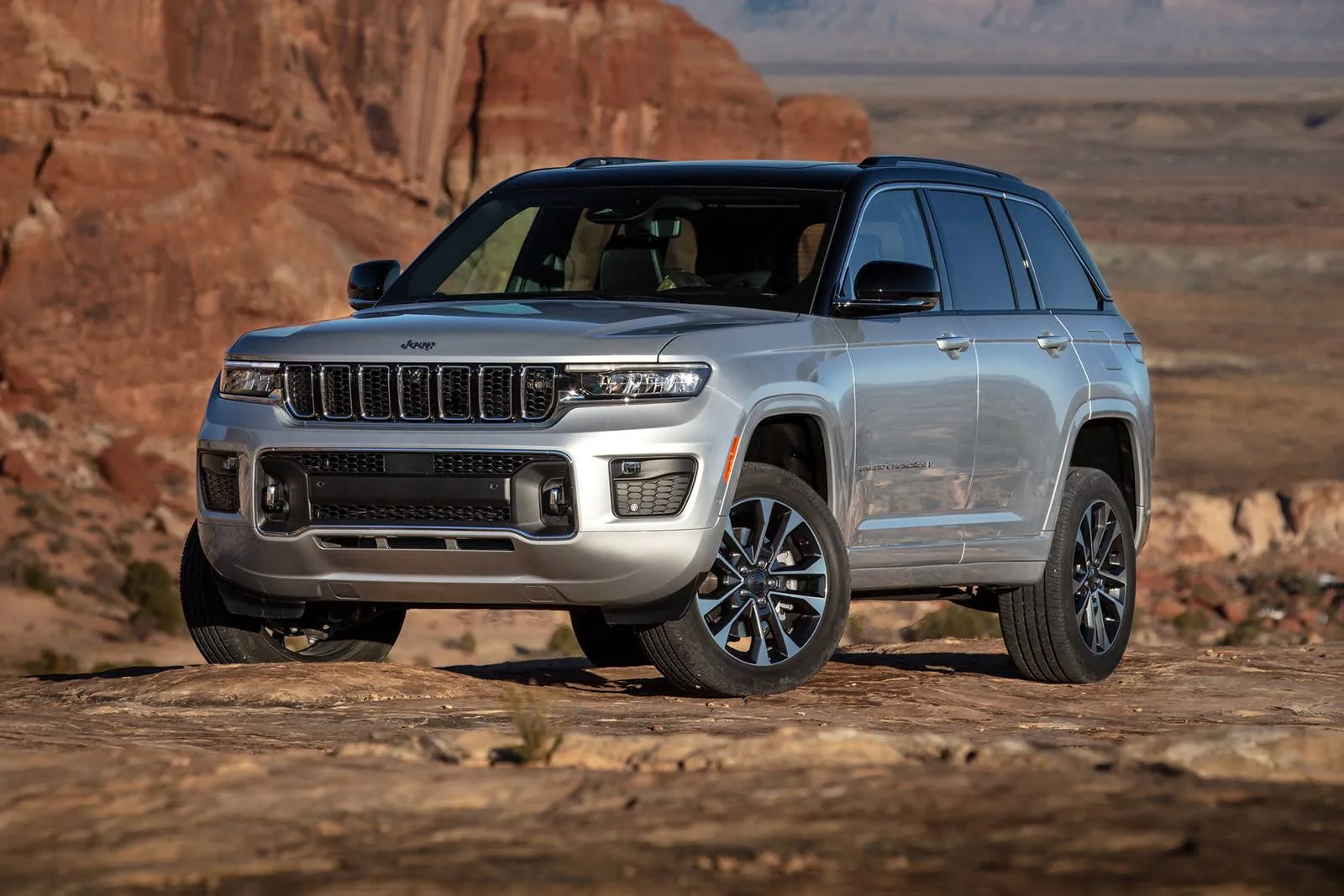
6. Jeep Grand Cherokee L Quadra-Trac II (2023)
Quadra-Trac II uses a two-speed transfer case with center limited-slip differential. This mechanical system naturally accommodates some wheel speed variation through its limited-slip function.
When tire diameters differ slightly, the center differential slips rather than binding, preventing the catastrophic stress that destroys components in tighter systems.
Electronic brake-based traction control supplements the mechanical differential. When wheel speed differences occur, whether from slipping on surfaces or from mismatched tires, the system uses individual wheel braking to control torque distribution. This active management prevents binding while maintaining traction capabilities.
Jeep’s off-road heritage means its AWD systems are engineered for durability under harsh conditions.
This robust design includes tolerance for imperfect situations like slightly mismatched tires. Engineers building systems for demanding conditions naturally create a margin that helps in normal use, too.
Service departments at Jeep dealerships often approve replacing two tires when the rear tires are damaged.
This practical flexibility reflects the system’s actual tolerance rather than worst-case engineering specifications. When dealers support partial replacement, it indicates manufacturer confidence in the system’s ability to handle it.
Long-term durability data shows Quadra-Trac II systems lasting well past 100,000 miles, even when owners didn’t obsessively match all four tires.
This real-world reliability proves the engineering tolerance works in practice, not just theory. When systems survive imperfect maintenance, it validates the design.

7. Volvo XC60 B5 AWD (2022)
Electronically controlled AWD uses a Haldex coupling that permits controlled slippage between axles. This Swedish engineering operates primarily in front-wheel drive, engaging rear wheels through an electronically controlled clutch pack.
When engaged, the system allows some speed difference rather than locking rigidly, providing natural tolerance for minor tire diameter variations.
An active on-demand system means the rear axle only engages when needed. During normal driving on dry pavement, the XC60 operates as front-wheel drive with rear wheels completely disconnected.
This disconnect eliminates any possibility of binding from mismatched tires during typical operation, reserving rear engagement for when traction demands it.
Volvo’s focus on safety extends to preventing drivetrain failures from minor maintenance variations. Engineers designed the AWD system to tolerate real-world conditions where perfect tire matching isn’t always achieved.
This practical approach recognizes that forcing complete tire replacement for minor damage creates financial hardship.
Service manuals specify acceptable tire diameter variation, giving technicians clear guidance on when partial replacement is acceptable.
This documentation prevents dealers from demanding unnecessary complete tire sets, protecting customers from excess costs. When manufacturers provide clear tolerance specifications, it helps everyone.
Scandinavian engineering prioritizes practicality alongside performance. Designing systems that work reliably in imperfect conditions reflects this philosophy.
When engineers consider real ownership experience, they create better products that customers appreciate through lower ownership costs.
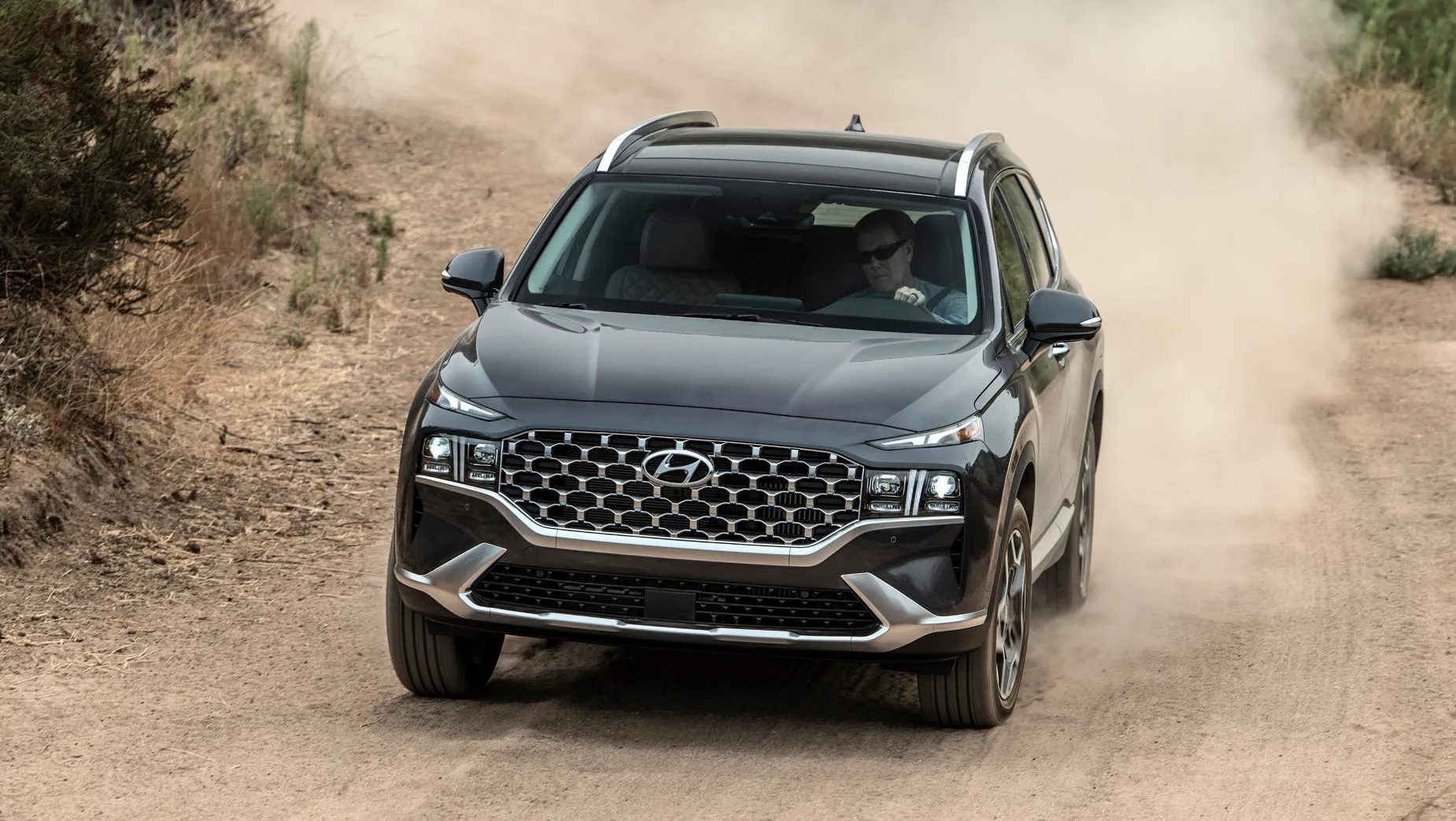
8. Hyundai Santa Fe SEL AWD (2023)
HTRAC AWD uses a multi-plate clutch center coupling that allows controlled rear engagement. The system operates primarily in front-wheel drive, engaging rear wheels through electronic controls when additional traction is needed.
This part-time operation, combined with clutch slippage tolerance, creates natural forgiveness for minor tire diameter differences.
The electronic control unit monitors wheel speeds constantly and adjusts torque distribution accordingly.
When tire diameter variations exist, the system compensates through torque management rather than mechanically binding. This active control prevents the destructive forces that damage transfer cases and differentials in less sophisticated systems.
Hyundai’s value proposition includes lower ownership costs, and designing AWD systems that don’t demand constant complete tire sets supports that goal.
Engineering tolerance for practical tire replacement strategies reduces the expenses customers face, making Hyundai ownership more affordable throughout vehicle life.
Dealer service departments confirm that replacing two tires is acceptable within certain wear parameters.
This manufacturer’s support for partial replacement proves the system can handle it without reliability concerns. When companies back their engineering with practical service policies, it shows confidence in the design.
Ten-year warranty coverage demonstrates Hyundai’s confidence in AWD system durability. Companies don’t offer extensive warranties on components they expect to fail, so this coverage suggests the system can handle real-world use, including occasional imperfect tire matching, without catastrophic problems.
8 AWD Systems That Punish Mismatched Tires
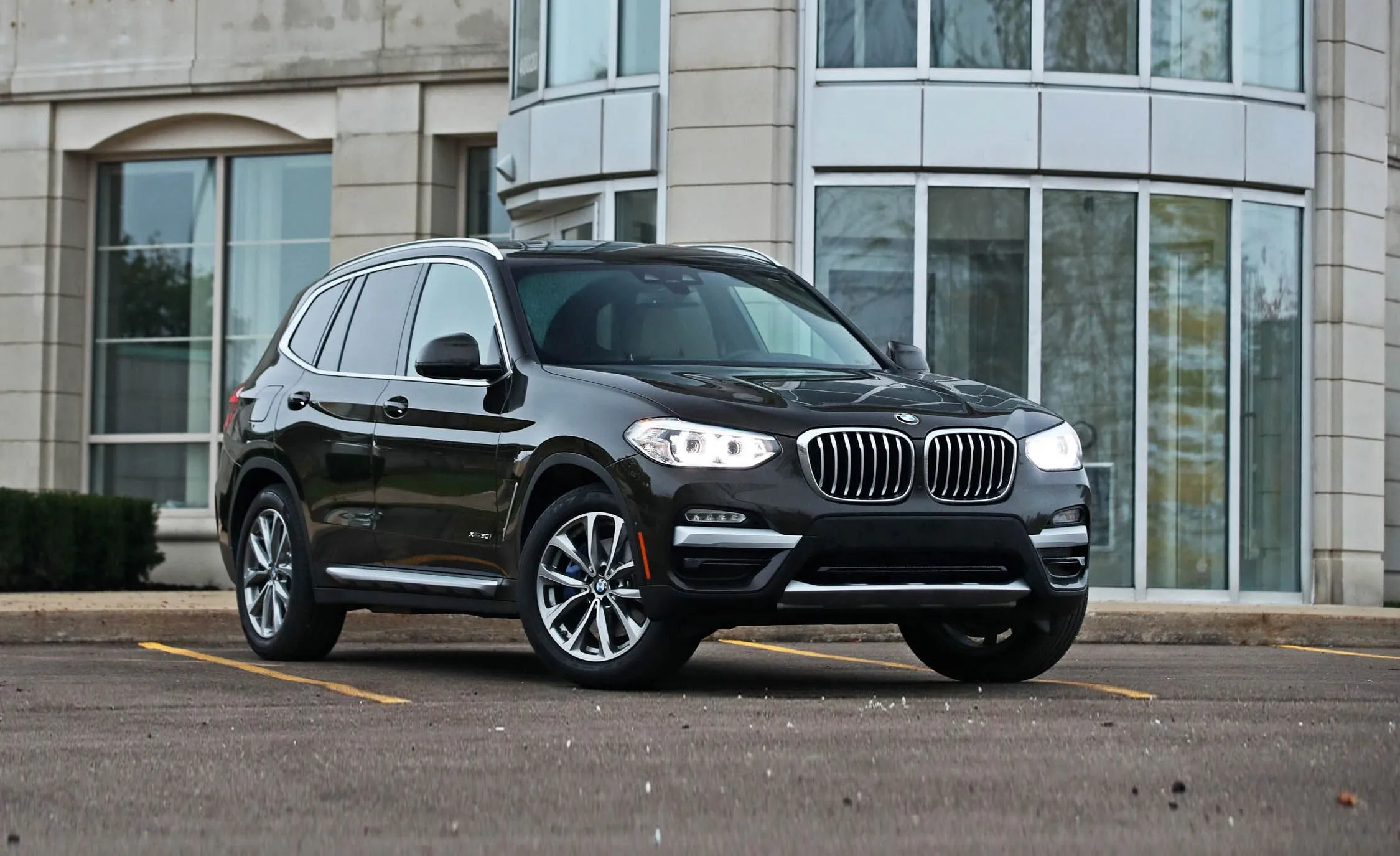
1. BMW X3 xDrive30i (2019)
Electronically controlled multi-plate clutch system uses aggressive programming that’s extremely sensitive to wheel speed differences.
When tire diameters vary even slightly, the control unit detects speed discrepancy and increases clutch engagement pressure, trying to equalize speeds.
This constant clutch slipping generates excessive heat that destroys clutch packs, requiring transfer case replacement costing $5,000+.
BMW engineering prioritizes performance and handling over tolerance for imperfect maintenance. This philosophy creates AWD systems that deliver excellent dynamics when everything is perfect, but punish any deviation from ideal conditions.
Mismatched tires represent such a deviation, and the system responds by destroying itself trying to compensate.
Transfer case failures from mismatched tires are well-documented across BMW models. Owner forums contain countless stories of catastrophic failures traced back to running tires with different tread depths.
Repair bills regularly exceed $6,000, and BMW rarely covers these as warranty repairs since they consider mismatched tires the owner’s fault.
Service advisors strictly enforce complete tire replacement policies because they’ve seen the expensive consequences of partial replacement.
When mechanics categorically refuse to install partial sets, it indicates real risk rather than just profit-seeking behavior. Their experience with failed transfer cases makes them conservative about tire matching.
The owner’s manual explicitly warns against tire diameter differences and specifies a maximum allowable variation of 1/32 inch.
This incredibly tight tolerance effectively requires replacing all four tires simultaneously whenever any tire is damaged beyond repair. Economics of BMW ownership include budgeting for complete tire sets with every puncture.

2. Audi Q5 Premium Plus Quattro (2020)
Quattro with Ultra technology uses sophisticated clutch-based rear engagement that’s hypersensitive to wheel speed variations.
Electronic controls monitor speeds constantly and adjust clutch engagement, but when tire diameters differ, the system constantly fights trying to reconcile speed differences.
This endless battle generates heat that cooks clutch packs and destroys transfer case components. German engineering demands precision, and Audi’s AWD systems reflect this philosophy.
Components are sized for optimal efficiency rather than durability under abuse, which means little margin exists for imperfect conditions. Running mismatched tires creates exactly the kind of imperfection these systems can’t tolerate.
Documented failures from tire mismatches fill service bulletins and warranty claim databases. Audi technicians recognize the pattern immediately when transfer cases fail: investigating always reveals that owners ran tires with different tread depths.
These failures occur so predictably that service departments inspect tire wear whenever diagnosing AWD problems.
Replacement costs for failed transfer cases approach $7,000, including parts and labor. Audi components carry premium pricing that multiplies the pain when preventable failures occur. What could have been a single tire replacement becomes a bankruptcy-level repair bill.
Service advisors enforce strict tire matching policies not to sell more tires but to prevent expensive failures.
When dealerships categorically refuse partial tire replacement, it reflects genuine risk backed by expensive experience. Audi owners learn quickly that tire matching isn’t optional if they want to avoid financial disaster.

3. Mercedes-Benz GLC 300 4MATIC (2021)
4MATIC permanent all-wheel drive lacks a center differential, using a fixed 50/50 torque split between axles.
This mechanical arrangement means any tire diameter difference creates constant binding stress on drivetrain components. Without differential to absorb speed variations, the transfer case and transmission bear the full force of mismatched tire speeds.
Electronic traction control attempts to manage wheel speed differences, but it’s not designed to compensate for permanently mismatched tire diameters.
When the system detects constant speed differences from mismatched tires, it responds by heating up, trying to correct what it perceives as slipping. This heat destroys electronic components and wears clutches prematurely.
Mercedes engineering focuses on performance and refinement rather than tolerance for imperfect maintenance.
This creates vehicles wonderful to drive when maintained perfectly, but fragile when subjected to real-world compromises. Mismatched tires represent exactly such a compromise, and the systems aren’t designed to forgive it.
Transfer case failures from tire mismatches occur frequently enough that Mercedes service departments have standard procedures for inspecting tire wear when diagnosing AWD issues.
Technicians check tire circumferences with calibrated measuring equipment before performing expensive diagnostics, knowing mismatched tires cause most failures.
Repair costs exceed $6,000 for transfer case replacement, and Mercedes rarely provides goodwill assistance since they clearly document tire matching requirements.
Owners face full repair costs for failures that could have been prevented by replacing all four tires when one was damaged.

4. Volkswagen Tiguan SEL 4MOTION (2018)
4MOTION AWD uses a Haldex clutch system with electronic control that’s poorly calibrated for handling tire diameter variations.
When mismatched tires create speed differences between axles, the control unit increases clutch pressure, trying to synchronize speeds. This strategy generates enormous heat that destroys clutch packs within 5,000 miles.
Budget-oriented engineering on mainstream Volkswagen models means components lack the robustness of premium brands.
Clutch packs are sized for normal operation with minimal safety margin, so abnormal conditions like mismatched tires quickly exceed design limits. When components operate beyond their design envelope, failures happen quickly.
Documented failures from mismatched tires plague Tiguan forums with owners sharing horror stories.
Pattern is consistent: someone replaces one or two tires to save money, then, within months, experiences total AWD failure requiring transfer case replacement. Repair bills regularly hit $4,500, far exceeding the tire cost savings.
Service departments learned through expensive experience to refuse partial tire replacement on Tiguans.
When mechanics see too many preventable failures, they stop enabling the behavior that causes them. Their strict tire-matching policy protects customers from themselves, even when customers complain about the expense.
Volkswagen service manuals specify tire diameter tolerance so tight that it effectively requires simultaneous replacement of all four tires.
This specification isn’t arbitrary but reflects real engineering limitations. When manufacturers set tight tolerances, it indicates components can’t handle variation.
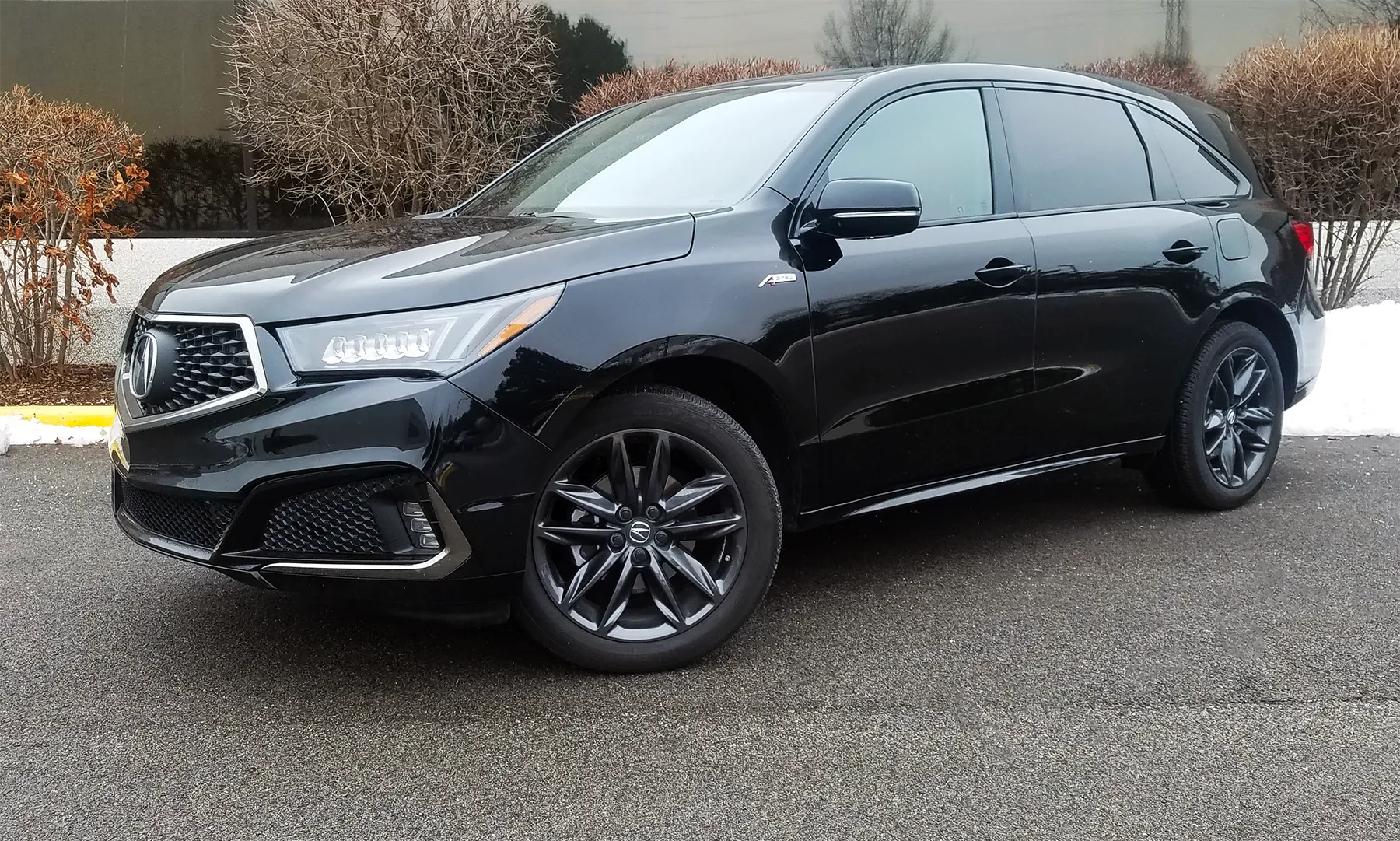
5. Acura MDX A-Spec SH-AWD (2020)
Super Handling All-Wheel Drive uses sophisticated torque vectoring with individual rear wheel control. This performance-oriented system depends on precise wheel speed relationships for optimal function.
When tire diameters vary, the control algorithms receive inaccurate data and respond with incorrect torque commands that overheat rear differential clutches.
Honda’s premium brand uses more aggressive AWD programming than mainstream Honda products. This aggression delivers superior handling but creates intolerance for imperfect conditions.
Mismatched tires confuse the sophisticated control systems, causing them to make incorrect decisions that damage components.
Rear differential failures from tire mismatches occur frequently enough that Acura issued service bulletins warning technicians to check tire matching when diagnosing AWD problems.
These failures present as grinding noises and loss of rear torque vectoring capability, requiring complete differential replacement costing $5,500+.
Electronic control units monitor clutch temperatures and will disable the AWD system if overheating is detected.
When the system shuts down repeatedly, it indicates something is wrong. Mismatched tires create exactly the kind of constant clutch slipping that causes overheating and protective shutdowns.
The owner experiences rapid failures after installing mismatched tires. Forums show owners reporting problems within weeks of partial tire replacement, proving the system’s intolerance isn’t just theoretical but real and quick. When failures happen this predictably, it validates manufacturer warnings about tire matching.

6. Infiniti QX50 Essential AWD (2019)
Intelligent AWD system uses complicated electronic controls with limited mechanical tolerance for wheel speed variations.
When tire diameters differ, electronic controls try to compensate through clutch pressure modulation, but this constant adjustment generates heat that degrades clutch materials. Failed clutch packs require complete transfer case replacement at $6,000+ cost.
Luxury brand engineering prioritizes performance and refinement over robust tolerance for maintenance variations.
Components are optimized for perfect operation rather than survival in imperfect conditions. This optimization creates vehicles excellent when maintained correctly but fragile when subjected to compromises like mismatched tires.
Service bulletins document clutch pack failures related to tire diameter mismatches. Infiniti technicians are trained to inspect tire wear whenever AWD complaints occur because experience shows most problems trace to this cause.
The pattern is so consistent that tire inspection is the first diagnostic step before expensive testing. Transfer case failures leave owners facing repair bills that exceed used vehicle values in many cases.
When repair costs approach $7,000 on five-year-old vehicles worth $15,000, economic logic says sell the car rather than fix it. This creates a market of damaged Infinitis sold for scrap value.
Service advisors strictly enforce complete tire replacement to prevent failures they’ve seen repeatedly.
When dealers refuse partial tire installation, it reflects genuine risk rather than just a profit motive. Their experience with expensive failures makes them conservative about tire matching policies.

7. Land Rover Discovery Sport SE AWD (2018)
Land Response AWD system uses multiple clutch packs and sophisticated electronic controls that are extremely sensitive to wheel speed differences.
When tire diameters vary, the system constantly adjusts clutch engagement, trying to equalize speeds. This endless compensation generates heat that destroys multiple components simultaneously, creating repair bills exceeding $8,000.
British engineering created capable off-road systems but with little tolerance for imperfect maintenance. Land Rover assumes owners will follow maintenance requirements strictly, including tire matching.
This assumption proves wrong in practice, resulting in frequent, expensive failures from mismatched tires.
Transfer case and rear differential failures from tire mismatches are legendary in Land Rover service departments.
Technicians can diagnose these failures by phone based on symptoms because the pattern is so familiar. Grinding noises, warning lights, and loss of AWD function all point to mismatched tire damage.
Repair costs include complete transfer case replacement plus rear differential work in many cases. When multiple components fail simultaneously, bills easily exceed $10,000. These catastrophic failures often total vehicles that aren’t worth enough to justify repairs.
Owner satisfaction suffers tremendously when preventable failures create bankruptcy-level expenses.
Forums overflow with angry owners who didn’t understand tire matching requirements until facing five-figure repair bills. This pattern damages brand reputation and drives customers away permanently.
Also Read: 5 Modern V6s Cars With Timing Chains That Never Rattle vs 5 That Sound Like Diesels
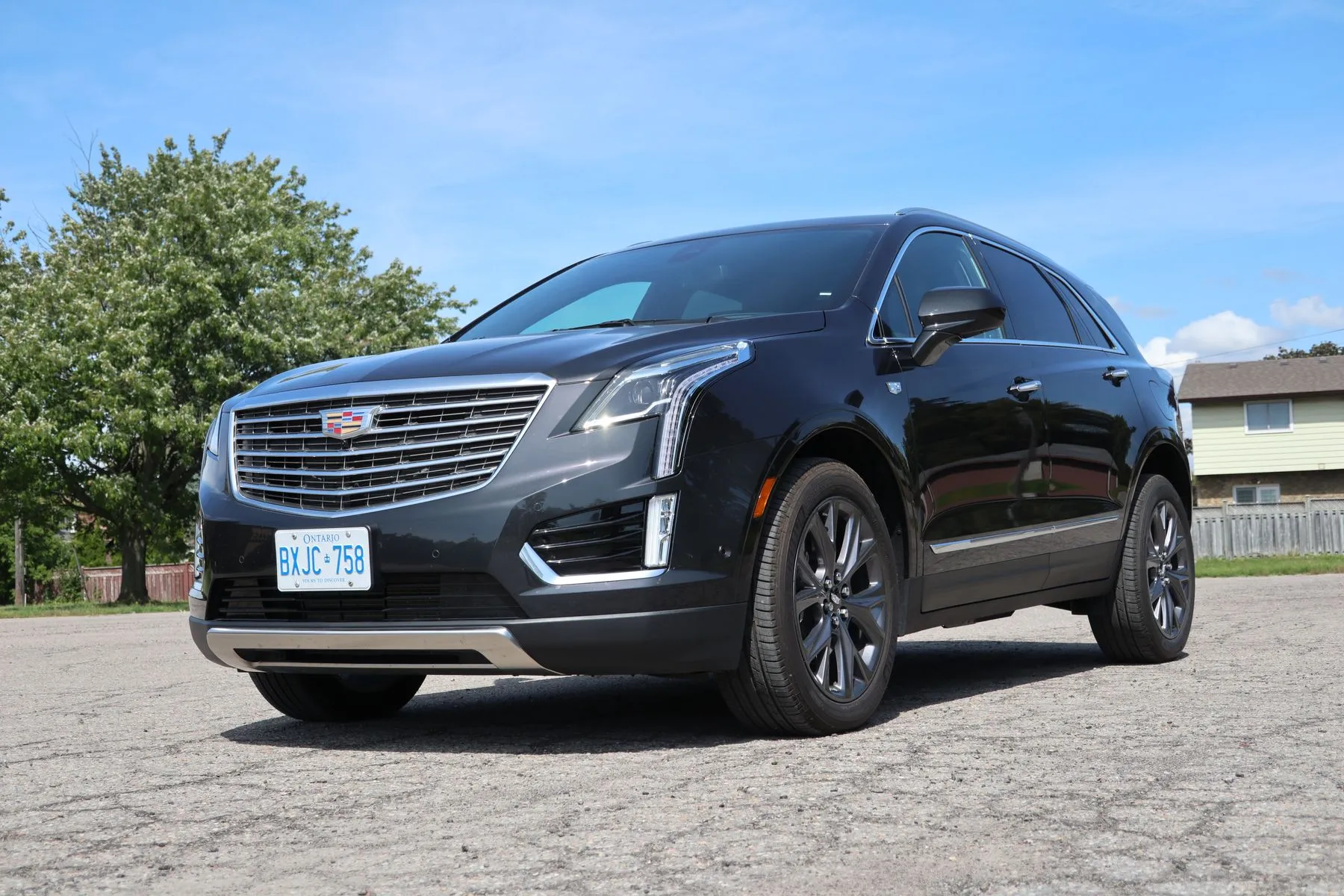
8. Cadillac XT5 Luxury AWD (2019)
Twin-clutch AWD system uses aggressive electronic programming that’s extremely sensitive to wheel speed variations.
When tire diameters differ, the control unit detects the discrepancy and increases clutch pressure dramatically. This response generates excessive heat that destroys clutch packs within 10,000 miles, requiring transfer case replacement costing $5,500+.
General Motors’ engineering on luxury models uses similar hardware to mainstream brands but with different programming.
This software tuning creates more performance but less tolerance for imperfect conditions. Mismatched tires cause problems in any GM AWD vehicle, but Cadillac’s aggressive tuning makes failures happen faster.
Service departments see regular transfer case failures from tire mismatches. The pattern is so common that technicians check tire wear before performing any diagnostic procedures.
When they find mismatched tires, they know immediately what caused the failure and quote complete transfer case replacement.
Repair costs hit especially hard because Cadillac components carry premium pricing. The same basic transfer case that costs $3,500 in a Chevy costs $5,500 with a Cadillac badge. This pricing multiplies the financial pain from preventable failures.
Customer satisfaction tanks when expensive failures result from actions that seem reasonable.
Replacing one damaged tire instead of four seems like smart economics until it causes failures costing three times what a complete tire set would have cost. These expensive lessons drive customers away from the brand permanently.
