
Listen, buying a minivan is already a big enough decision without having to worry about whether your seats will still slide properly after a few years of use. You have got kids climbing in and out, groceries being loaded, sports equipment being shoved around, and maybe even the occasional road trip with everyone’s luggage.
All that daily use puts serious stress on seat tracks, and here is something dealers never mention during test drives: some minivans have seat tracks built like tanks that stay solid for years, while others start wobbling and loosening so badly that adjusting seats becomes a frustrating wrestling match.
What makes this issue so annoying is that wobbly seat tracks affect everything about your driving experience. You cannot get comfortable when your seat moves slightly every time you brake or accelerate. Your back starts hurting because the seat is not staying in the position you need.
Passengers complain that their seats feel loose and unstable. And do not even think about trying to slide seats forward or backward when the tracks are worn, because you will be fighting against metal that has warped or mechanisms that have given up trying to work properly.
This is not some minor inconvenience you can ignore; this is something that makes you regret your purchase every single time you get in the vehicle.
So which minivans actually have decent seat tracks that last, and which ones fall apart faster than a cheap umbrella in a storm? Well, we have done the research by talking to mechanics, reading owner complaints, and checking long-term reliability data.
Some manufacturers clearly understand that seat tracks matter and build them accordingly, while others seem to think flimsy mechanisms are good enough. Let’s break down five minivans with seat tracks that stay solid and five that definitely do not.
Minivans With Seat Tracks That Don’t Wobble

1. Honda Odyssey (Fifth Generation)
Honda has been building minivans long enough to understand what actually matters for families using these vehicles daily. When they designed the fifth-generation Odyssey, produced from 2018 onwards, they paid serious attention to seat track durability.
Walk into any Honda dealership and slide the seats in an Odyssey that has been sitting on the lot for months, and you will immediately notice how smooth and solid everything feels. That quality does not disappear after years of use because Honda built these tracks properly from quality materials.
Engineering excellence shows through in how Honda designed the seat mounting system. Instead of using thin stamped metal that flexes under load, they employed thicker steel with proper reinforcement. Roller mechanisms that allow seats to slide are made from hardened materials that resist wear even after thousands of adjustments.
Locking mechanisms engage firmly and stay engaged, preventing any movement when seats are positioned where you want them. This attention to engineering detail costs Honda more money during manufacturing, but it saves owners from frustration and expensive repairs later.
Families who have owned these Odysseys for five or six years report that seat tracks still feel as tight and smooth as when the vehicles were new. You can adjust seats with one hand without fighting against binding or roughness.
When locked in position, seats stay absolutely solid with no wobbling or movement. Even the third-row seats, which get folded and adjusted less frequently, still operate smoothly when needed. This level of quality throughout the vehicle’s life is what separates good minivans from great ones.
What really impresses mechanics who work on these vehicles is how well the tracks hold up, even in minivans that have been used hard. Commercial shuttle services, large families with multiple children, and rental fleets all put tremendous stress on seat tracks through constant adjustments and heavy use.
Yet Honda Odysseys from these demanding applications still have seat tracks that work properly, which tells you everything you need to know about build quality. When your engineering can handle the worst abuse and still function correctly, you have done something right.
Cost of ownership benefits from this durability because owners are not paying for seat track repairs or replacements. Some minivans require expensive fixes when seat tracks wear out or break, but Odyssey owners just keep using their seats without problems.
That reliability saves money and prevents the frustration of dealing with malfunctioning equipment. You bought a minivan to make life easier, not to add another maintenance headache to your already busy schedule.
2. Toyota Sienna (Fourth Generation)
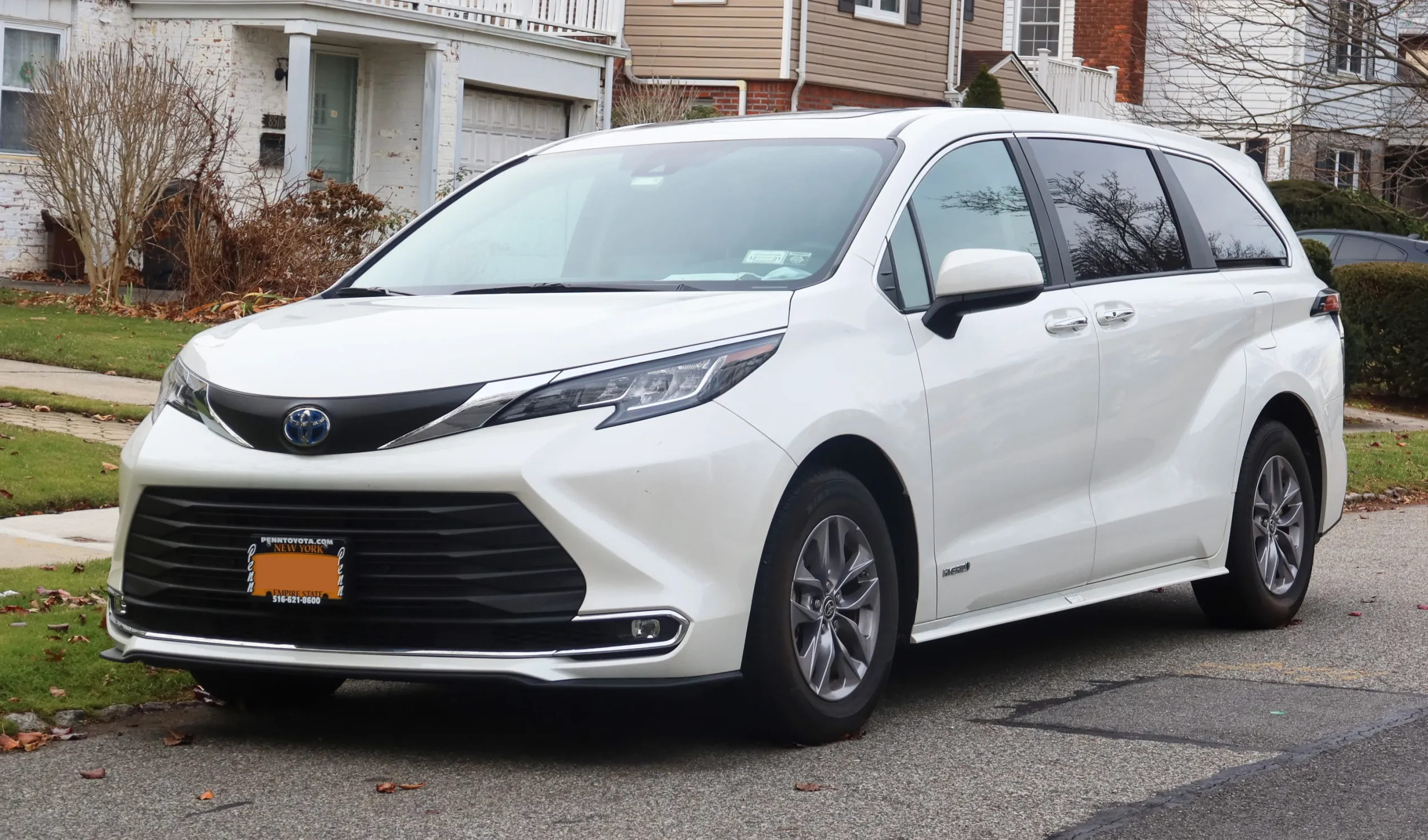
Japanese engineering strikes again with Toyota’s commitment to building things that last. That fourth-generation Sienna, launched in 2021, carries forward Toyota’s philosophy of making components that survive years of daily use without deteriorating.
Seat tracks might seem like a minor detail, but Toyota engineers understand that small details add up to determine whether customers love their vehicles or regret buying them. So they built seat tracks using quality materials and a robust design that keeps working properly year after year.
Quality control during manufacturing ensures every Sienna leaves the factory with seat tracks that meet Toyota’s strict specifications. You do not get good ones or bad ones based on which day your vehicle was assembled.
You get consistent quality because Toyota maintains tight control over its production processes. This consistency means that when you buy a Sienna, you can trust that the seat tracks will work properly without worrying whether you got lucky or unlucky with your particular vehicle.
Hybrid powertrain in all current Siennas means these vehicles are designed for longevity since hybrid components cost more initially but save money through reduced fuel consumption and maintenance over many years. That same long-term thinking extends to every aspect of the vehicle, including seat tracks.
Toyota built these minivans expecting owners to keep them for ten or fifteen years, so they used components designed to last that long. Cheap seat tracks that fail after five years would contradict that design philosophy.
Real-world testing in various climates and conditions proved these seat tracks can handle whatever families throw at them. Hot summers where metal expands, cold winters where everything contracts, humid environments where corrosion threatens, and dry climates where dust infiltrates everywhere.
Toyota tested these seat mechanisms in all conditions and ensured they kept working properly. That thorough testing during development means fewer problems during actual ownership.
Also Read: 5 Minivans With HVACs That Never Quit vs 5 With AC Failures
3. Chrysler Pacifica (First Generation)
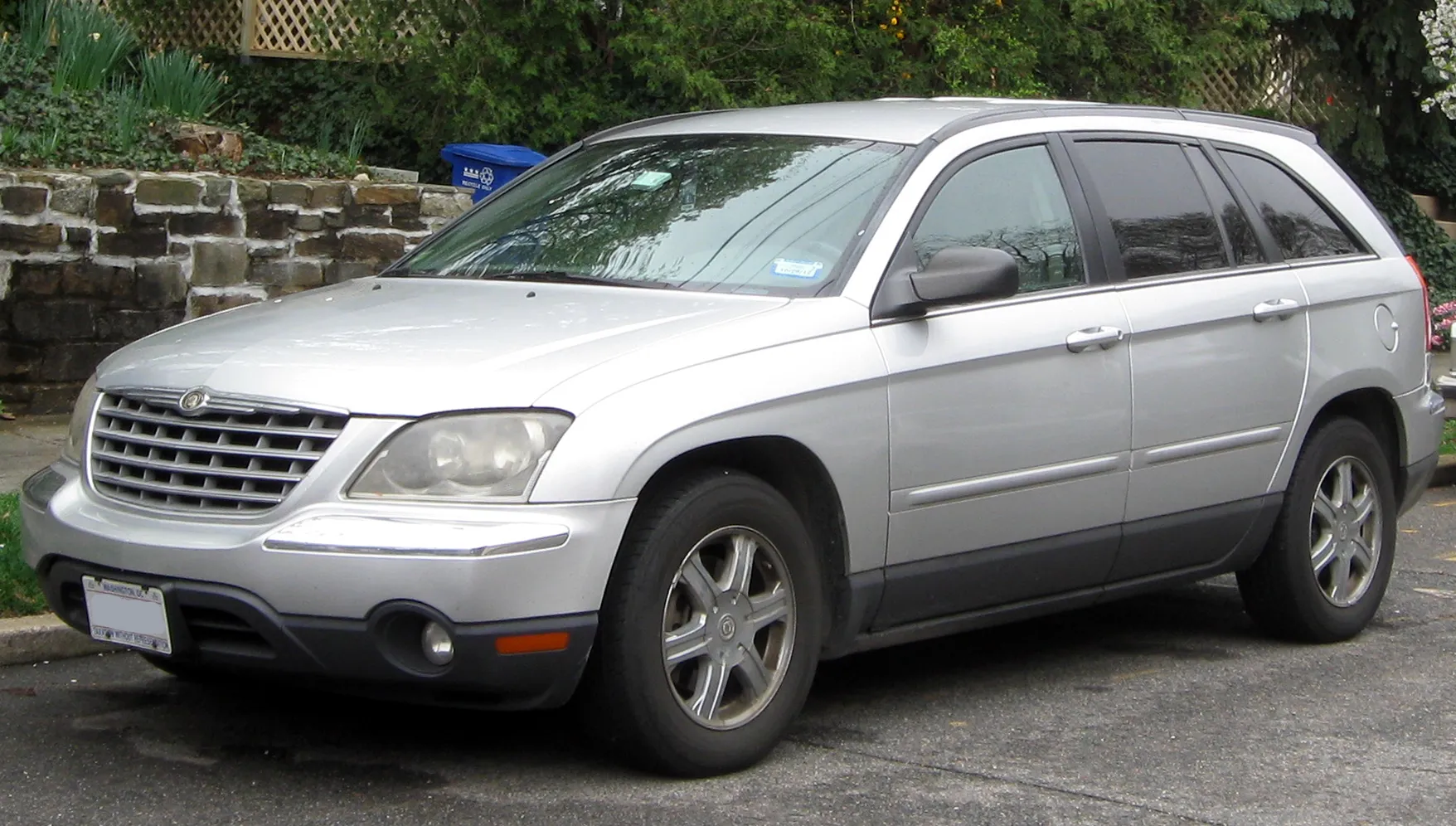
Surprising entry here, but Chrysler actually got seat tracks right when they designed their Pacifica minivan, launched in 2017.
American manufacturers do not always have the best reputation for small details lasting long-term, but Chrysler clearly studied what worked in competitors and built seat tracks that genuinely hold up well.
Engineering borrowed from commercial van programs meant these tracks were designed for heavy use rather than just looking good in showrooms.
Stow ‘n Go seating, which allows second-row seats to fold flat into floor storage compartments, required Chrysler to build especially robust track mechanisms. Seats that fold into floors experience different stresses than conventional seats, so the tracks needed extra strength.
Chrysler used heavy-duty steel rails with reinforced mounting points that distribute loads properly. This attention to structural integrity means these tracks resist flexing and loosening even after years of folding seats up and down.
Minivans being used for family transport put serious demands on seat tracks through constant adjustments and heavy loads.
Kids climbing over seats, adults sliding seats forward and back multiple times daily, and occasional moves where you load the minivan with furniture or equipment all stress the mechanisms. Pacifica owners report that even after several years of this kind of use, their seat tracks still operate smoothly without developing wobble or roughness.
Engineering refinement shows in small details like how the locking mechanisms engage. When you position a Pacifica seat where you want it, the locks engage firmly with a solid click. That positive engagement prevents any movement or wiggling, keeping seats stable during driving.
Even when braking hard or accelerating firmly, seats stay absolutely planted with no shifting. This stability contributes to comfort and confidence because you are not constantly aware of your seat moving slightly.
Long-term reliability data from owner surveys and mechanic reports suggest these Pacificas maintain their seat track quality far better than previous Chrysler minivans.
Earlier models had problems with loosening tracks and rough adjustment, but current Pacificas seem to have solved those issues through better materials and improved design. When manufacturers learn from past mistakes and actually fix problems, customers benefit through better products that last longer.

4. Kia Carnival (Fourth Generation)
Korean manufacturers have been on a quality improvement tear for years, and Kia’s Carnival minivan demonstrates how seriously they take durability. Launched globally starting in 2020, this minivan features seat tracks built to standards that rival or exceed Japanese competitors.
Kia understood that competing against established minivans required getting details right, so they invested in quality components throughout the vehicle, including robust seat track mechanisms.
Seven or eight-passenger configurations available in the Carnival mean lots of seats sliding forward and backward as families configure interior space for different needs.
Some days you need maximum cargo space, other days you need all seats for passengers, and most days you need some combination. All that adjustment stresses seat tracks, but Carnival mechanisms handle it without problems. Seats slide smoothly even after years of regular repositioning.
Quality control at Kia factories ensures consistent production with minimal variation between vehicles. When you buy a Carnival, you get the same quality seat tracks as every other Carnival because Kia maintains strict manufacturing standards.
This consistency builds trust because customers know they are not gambling on whether their particular vehicle will have problems. You buy a Kia expecting quality, and you get it.
Warranty coverage reflects Kia’s confidence in their components, including seat tracks. Extended warranties covering these mechanisms for years demonstrate that Kia expects them to last without needing repairs.
Companies do not offer long warranties on components they expect to fail because warranty claims cost them money. So when Kia covers seat tracks extensively, it tells you they built them properly and expect few problems.
5. Volkswagen Multivan T7
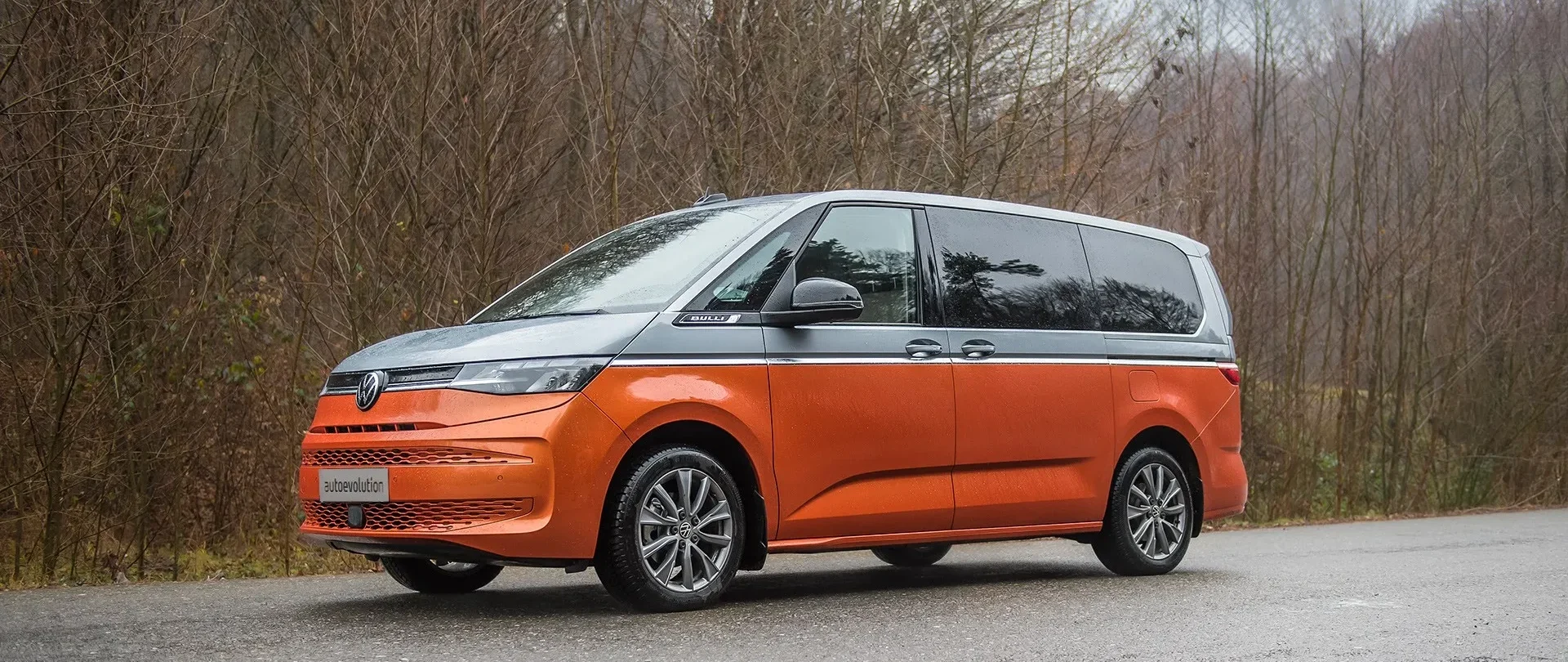
European engineering brings different priorities to minivan design, and Volkswagen’s latest Multivan T7, launched in 2021, shows German attention to detail in seat track construction.
Built in the same facilities that produce commercial Transporters, these minivans benefit from commercial vehicle standards for durability. Seat tracks need to survive years of heavy use, so Volkswagen built them accordingly, using quality materials and a robust design.
Modular seating systems in the Multivan require especially good track mechanisms because seats get removed, reinstalled, and adjusted frequently. Unlike a traditional minivan, where seats mostly stay in place, Multivan seats are designed for flexibility and reconfiguration.
This flexibility demands tracks that can handle regular adjustments without wearing out or becoming loose. Volkswagen used heavy-duty rails with precision roller systems that maintain smooth operation through thousands of adjustment cycles.
German manufacturing precision ensures tight tolerances in seat track components. Rails are machined accurately, so rollers move smoothly without slop or binding. Locking mechanisms engage precisely for a solid hold without wiggle.
Assembly procedures follow strict protocols, ensuring every component is installed correctly. This attention to precision during manufacturing creates seat tracks that feel solid and operate smoothly right from the factory and continue doing so for years.
Parts quality and material selection reflect Volkswagen’s focus on longevity. Steel used in track construction is thicker and harder than cheaper alternatives. Roller bearings use quality materials that resist wear.
Mounting brackets are reinforced to prevent flexing. All these details combine to create seat tracks that simply do not develop problems during normal ownership periods. When you treat details as important during design and manufacturing, the final product works better for longer.
Minivans That Loosen After Some Time
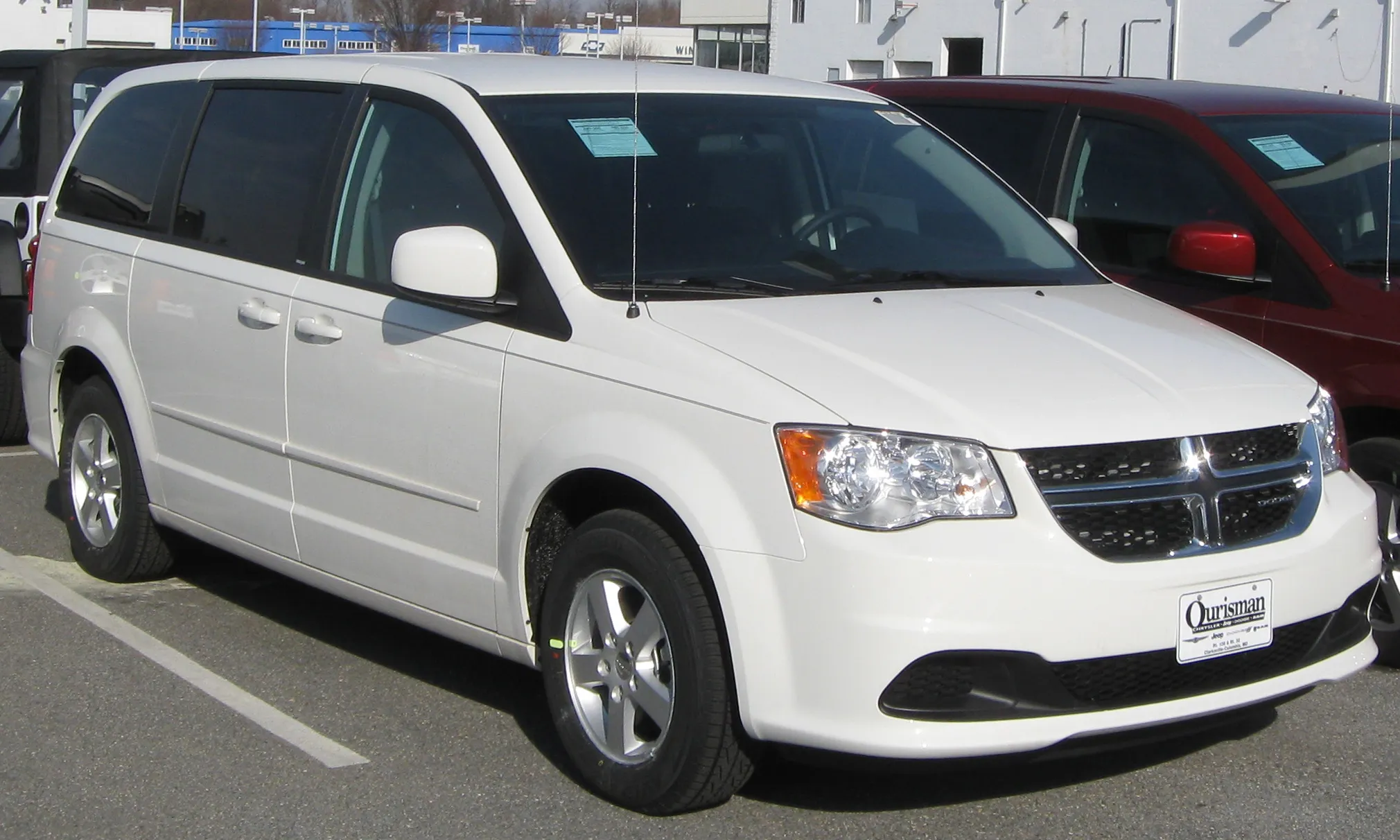
1. Dodge Grand Caravan (Fifth Generation)
Now, let’s discuss minivans where seat tracks definitely do not hold up well. Chrysler’s Grand Caravan, produced through 2020, represents everything wrong with cost-cutting in automotive manufacturing.
While the platform-mate Pacifica received proper engineering and quality components, the Grand Caravan continued using older designs with cheaper materials to hit lower price points. Those cost savings came directly at the expense of durability, and seat tracks are where you really notice the difference.
Cheap stamped steel used in seat track construction simply does not have the strength to maintain proper function after years of use. Rails flex under load, creating slop in the system that gets worse as mileage accumulates.
Roller mechanisms use materials that wear quickly, developing rough spots that make seat adjustment difficult. By the time these minivans hit 100,000 kilometers, many owners complain about seats that wobble, stick when sliding, or refuse to lock properly in position.
Common complaints from owners focus on how seats develop noticeable movement while driving. Braking causes seats to move slightly forward, acceleration pushes them backward, and going around corners creates side-to-side wiggling. None of these movements is dramatic, but they are annoying and make passengers uncomfortable.
You constantly feel like you are sitting on something unstable, which destroys any sense of quality or comfort. This is especially problematic for long drives, where you are already dealing with highway miles of vibration and wind noise.
Repair costs can be substantial when seat tracks wear out completely because replacement involves removing seats and installing new track assemblies. Labor charges alone can run into hundreds of dollars, and parts are not cheap either.
Many owners simply live with wobbly seats because they cannot justify spending that kind of money on aging minivans that might not be worth much more than the repair costs. That is a sad situation created by initial cost-cutting that saved Chrysler a few dollars per vehicle during manufacturing.
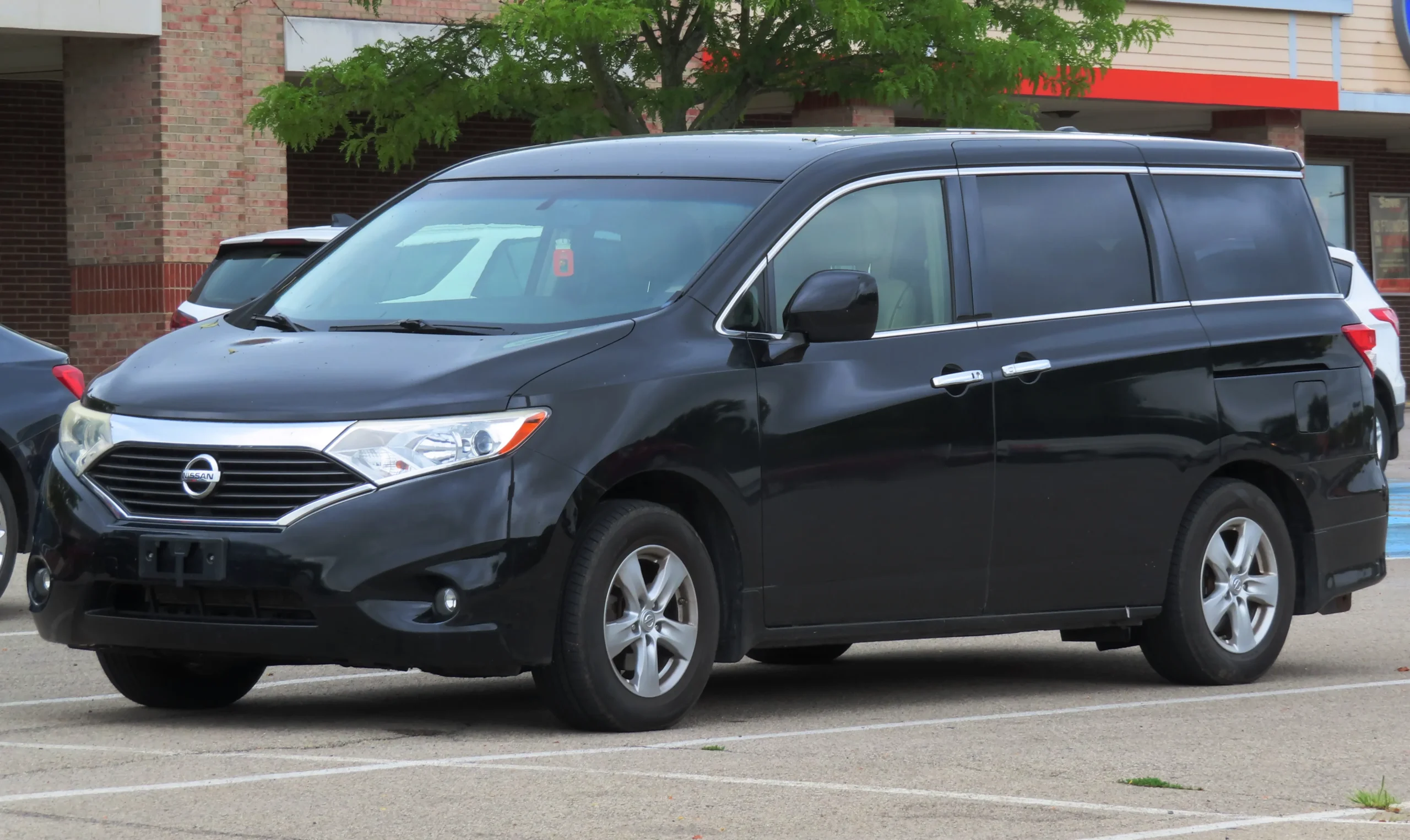
2. Nissan Quest (Fourth Generation)
Japanese manufacturers usually build things properly, but Nissan’s Quest minivan from 2011 to 2017 proves that even reliable brands can drop the ball sometimes. Seat track problems plague these minivans so badly that owners consider them a known issue rather than an unusual occurrence.
Something went wrong during design or manufacturing because these tracks do not hold up like you expect from a Japanese vehicle. Second-row seat tracks are particularly problematic, developing looseness and wobble far sooner than they should.
Owners report noticing movement and instability after just a few years of ownership, which is unacceptable for a major component. You are talking about seats that hold passengers daily, not some rarely used feature. When basic functionality fails this quickly, it indicates fundamental problems with design or materials.
Adjustment mechanisms become difficult to operate as wear accumulates. What should be a smooth sliding motion turns into a rough, binding experience where you have to force seats forward or backward. Locking levers stop engaging properly, leaving seats partially secured instead of firmly locked.
Some owners report needing two hands and considerable effort to adjust seats that once moved easily with minimal force. That kind of deterioration ruins the user experience and makes you question why you bought this vehicle.
Root causes likely involve inadequate materials or poor design decisions during development. Perhaps Nissan used thinner steel to save weight and cost, or maybe the roller mechanisms employ materials that wear too quickly. Whatever the reason, these seat tracks do not meet reasonable expectations for durability.
When competitors can build tracks that last indefinitely with normal use, there is no excuse for Nissan’s failure to do the same. Resale values suffer when potential buyers research these minivans and discover that seat track problems are common. Who wants to buy a used minivan knowing they will probably need to fix or replace seat tracks?
That knowledge reduces what people are willing to pay, hurting current owners who want to sell. Poor engineering decisions made years ago during development continue costing owners money through reduced resale values.
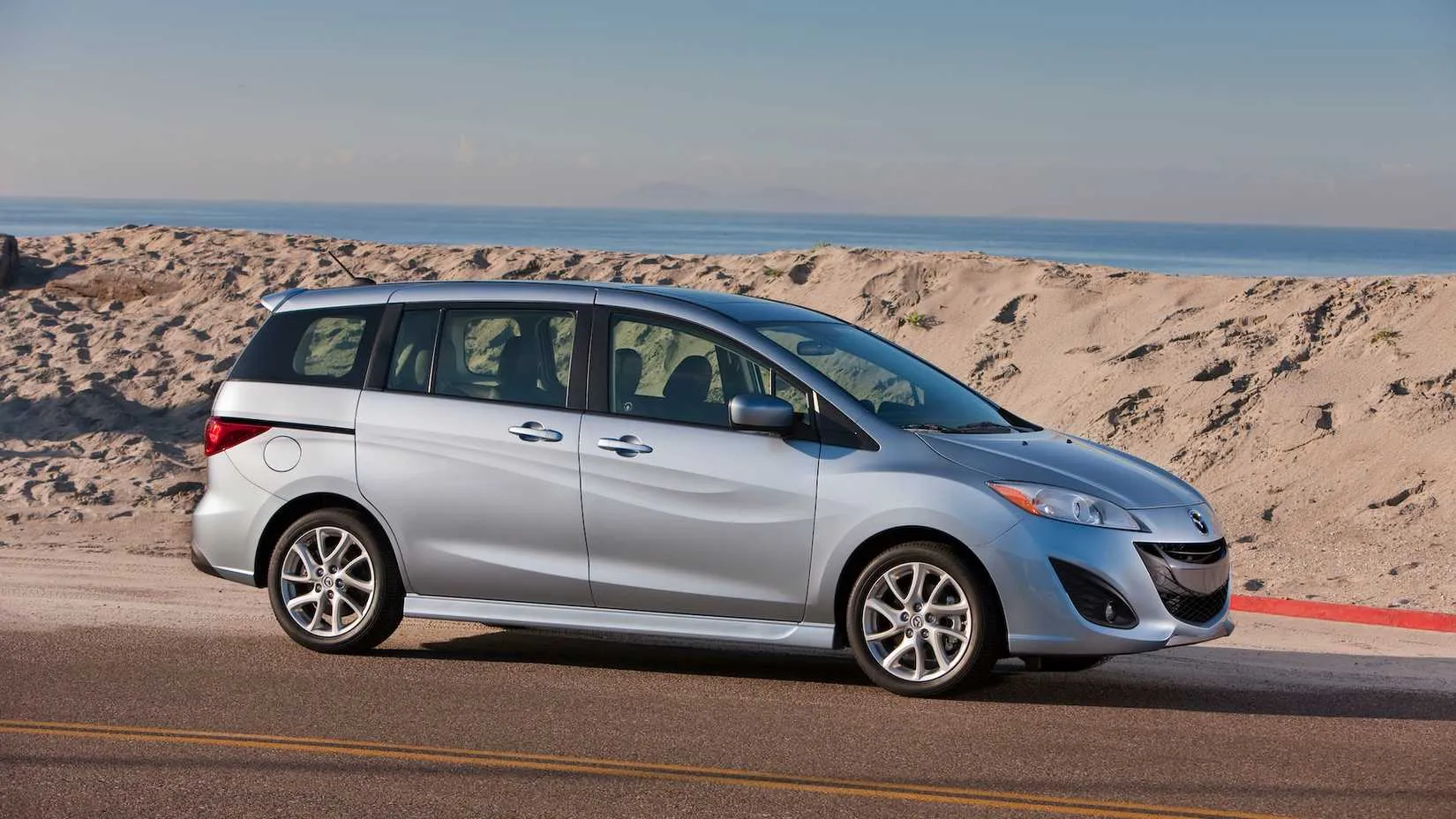
3. Mazda MPV (Third Generation)
Mazda’s final generation MPV, sold from 2006 to 2016 in various markets, represents a missed opportunity for this brand. While Mazda generally builds quality vehicles, it never quite figured out minivans, and seat track durability is one area where that shows clearly.
These minivans develop seat track problems frequently enough that mechanics familiar with them consider it a predictable maintenance item rather than an unusual failure.
Track mechanisms use components that simply do not stand up to regular use and adjustment. Rails show wear patterns after relatively modest mileage, creating rough spots where seats catch or bind during movement.
Locking mechanisms lose their positive engagement, allowing seats to move slightly even when supposedly secured in position. This gradual deterioration happens slowly enough that owners might not notice immediately, but compare a new MPV to one with 80,000 kilometers and the difference is obvious.
Aftermarket solutions exist, but they should not be necessary on a vehicle that is not even particularly old. Some owners install seat track reinforcement brackets or replace worn components with upgraded alternatives.
That these fixes exist tells you the problem is widespread enough that businesses can make money selling solutions. But you should not need to modify or upgrade a component that should have been built correctly from the factory.
Mazda’s exit from the minivan segment suggests that they recognized these vehicles were not competitive. Poor engineering details, like inadequate seat tracks, contributed to that lack of competitiveness because word spreads among potential buyers when vehicles have known problems.
People shopping for minivans talk to current owners, read online forums, and discover which models have issues. When your vehicle develops a reputation for specific problems, sales suffer until eventually manufacturers decide the segment is not worth pursuing.
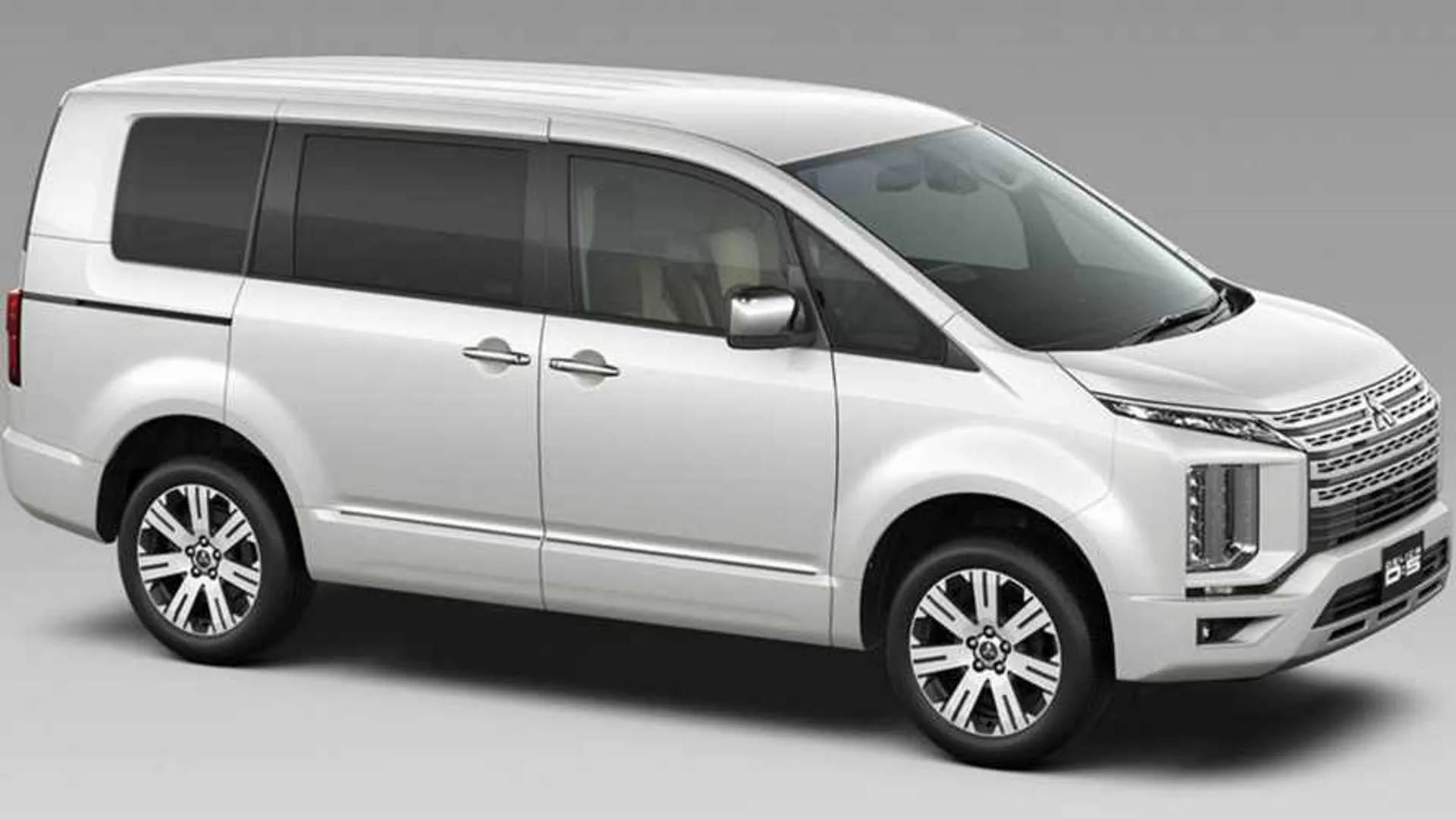
4. Mitsubishi Delica D:5
Japanese engineering usually means quality, but Mitsubishi’s Delica D:5, sold in various markets since 2007, shows that not all Japanese manufacturers build components equally well.
Seat track problems affect these minivans frequently, particularly second-row seats that see constant adjustment as families reconfigure seating arrangements. Owners in markets where these vehicles are popular report loosening and wobbling as common complaints.
Cost pressures at Mitsubishi likely contributed to using cheaper seat track components than competitors. This manufacturer has faced financial difficulties for years, forcing cost reductions throughout their vehicle lineup.
Seat tracks are exactly the kind of component where accountants might demand savings because they seem minor during initial purchase but cause problems later. Those early savings come back to haunt owners through premature wear and expensive repairs.
Four-wheel-drive versions experience particularly bad seat track wear because off-road use subjects vehicles to vibration and shock loads that accelerate component deterioration.
When you regularly drive on rough roads or off-road trails, every part of your vehicle experiences more stress than pavement-only driving.
Seat tracks are no exception, and Delica tracks simply cannot handle that extra stress without developing problems. Competitive vehicles manage better because they use heavier-duty components from the start.
Import markets where these vehicles are popular have developed aftermarket solutions specifically addressing seat track problems. Modified brackets, reinforced rails, and upgraded locking mechanisms are all available from specialty suppliers.
That aftermarket industry exists because demand is sufficient to support businesses selling fixes for inadequate factory components. When your vehicle spawns an entire industry dedicated to fixing its problems, you know something went wrong during original design and engineering.
Also Read: 10 Minivans That Quietly Run 250,000 Miles
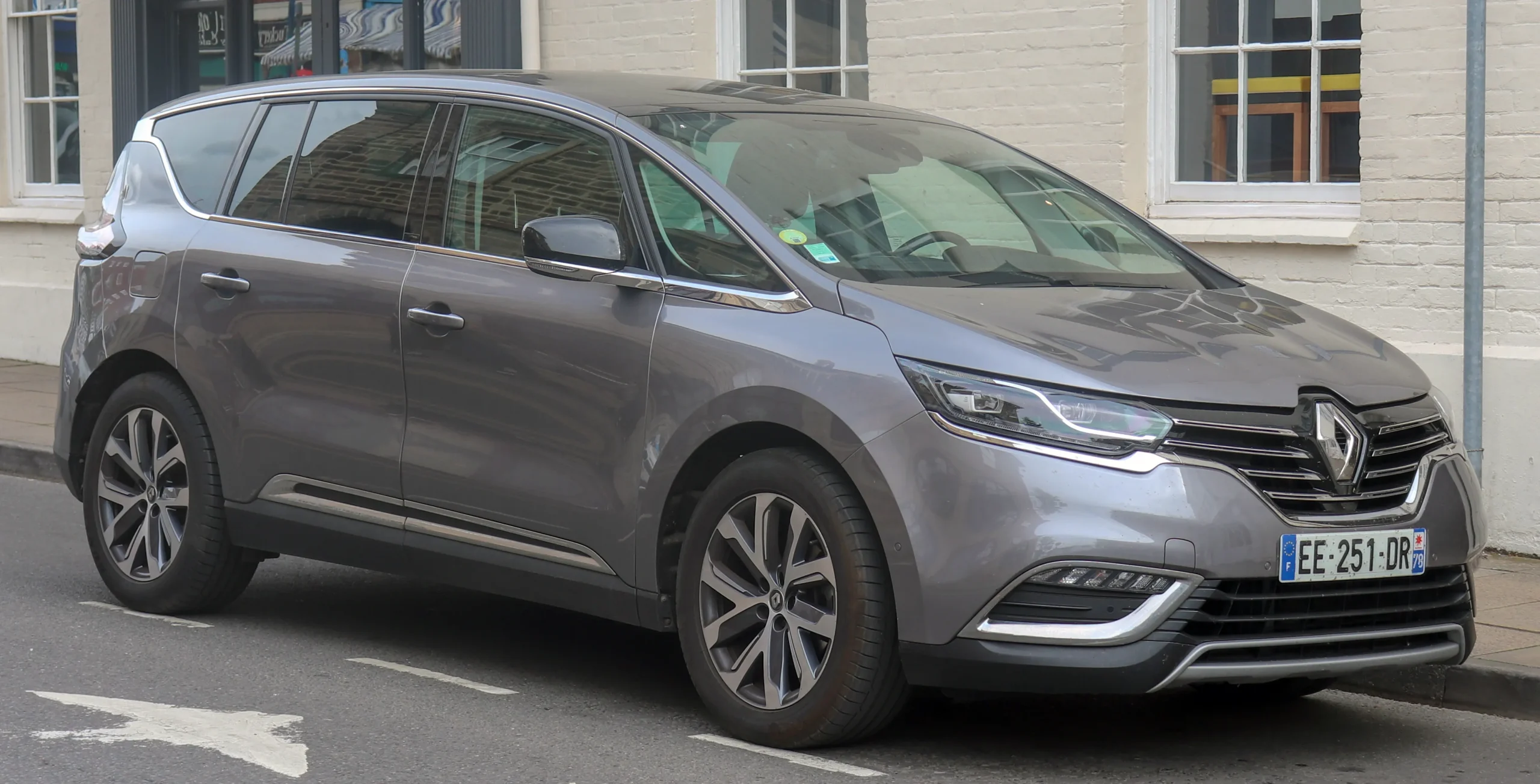
5. Renault Espace (Fifth Generation)
French automotive engineering brings unique approaches to design, but Renault’s Espace minivan demonstrates that unique does not always mean good. That fifth generation, launched in 2015, moved away from traditional minivan architecture to a crossover-like design.
Part of that transition involved new seating arrangements and track mechanisms that sound innovative on paper but develop problems in real-world use. Individual seat designs for second-row passengers create complicated track arrangements that are more prone to wear than simpler bench seat systems.
Each seat slides independently on its own track assembly, doubling the number of mechanisms that can develop problems. This modularity looks impressive during test drives, but becomes a liability after years of use because you have twice as many tracks experiencing wear and potential failure.
European owners report that these seat tracks begin showing looseness after relatively modest use. Seats develop side-to-side wobble first, then front-to-back movement as wear progresses. Adjustment becomes rough and sticky instead of smooth and effortless.
Some owners mention needing to lift seats slightly while sliding them to prevent binding, which indicates seriously worn track mechanisms. None of these problems should occur on vehicles with less than 100,000 kilometers.
Build quality issues extend beyond just seat tracks, suggesting that Renault cut corners throughout this generation Espace. When multiple components show premature wear, it indicates systematic problems with material selection or manufacturing standards.
Seat tracks are just the most obvious failure because owners interact with them daily and immediately notice when quality deteriorates. But similar compromises probably exist in other systems that owners notice less directly.
