
Off-roading is about more than rugged styling; it is about capability, reliability, and confidence on challenging terrain. While many SUVs and trucks boast “off-road” trims, not all of them are designed to truly tackle trails. In this comparison, we separate the genuinely trail-ready vehicles from those that primarily offer cosmetic upgrades.
Models like the 2025 Ford Bronco, Jeep Wrangler, Ford F-150 Raptor, and Ram 1500 RHO provide serious off-road hardware, advanced suspensions, locking differentials, skid plates, and specialized tires that make them capable of handling rocks, mud, sand, and uneven terrain.
On the other hand, vehicles such as the Chevrolet Tahoe Z71 and RST, Volkswagen Atlas Cross Sport, Ford Explorer Timberline and Tremor, and Hummer H2 focus on appearance and minor enhancements. Understanding the distinction helps buyers choose between style-focused off-road trims and vehicles built to conquer actual trails.
5 Off-Roaders That Are Truly Trail-Ready
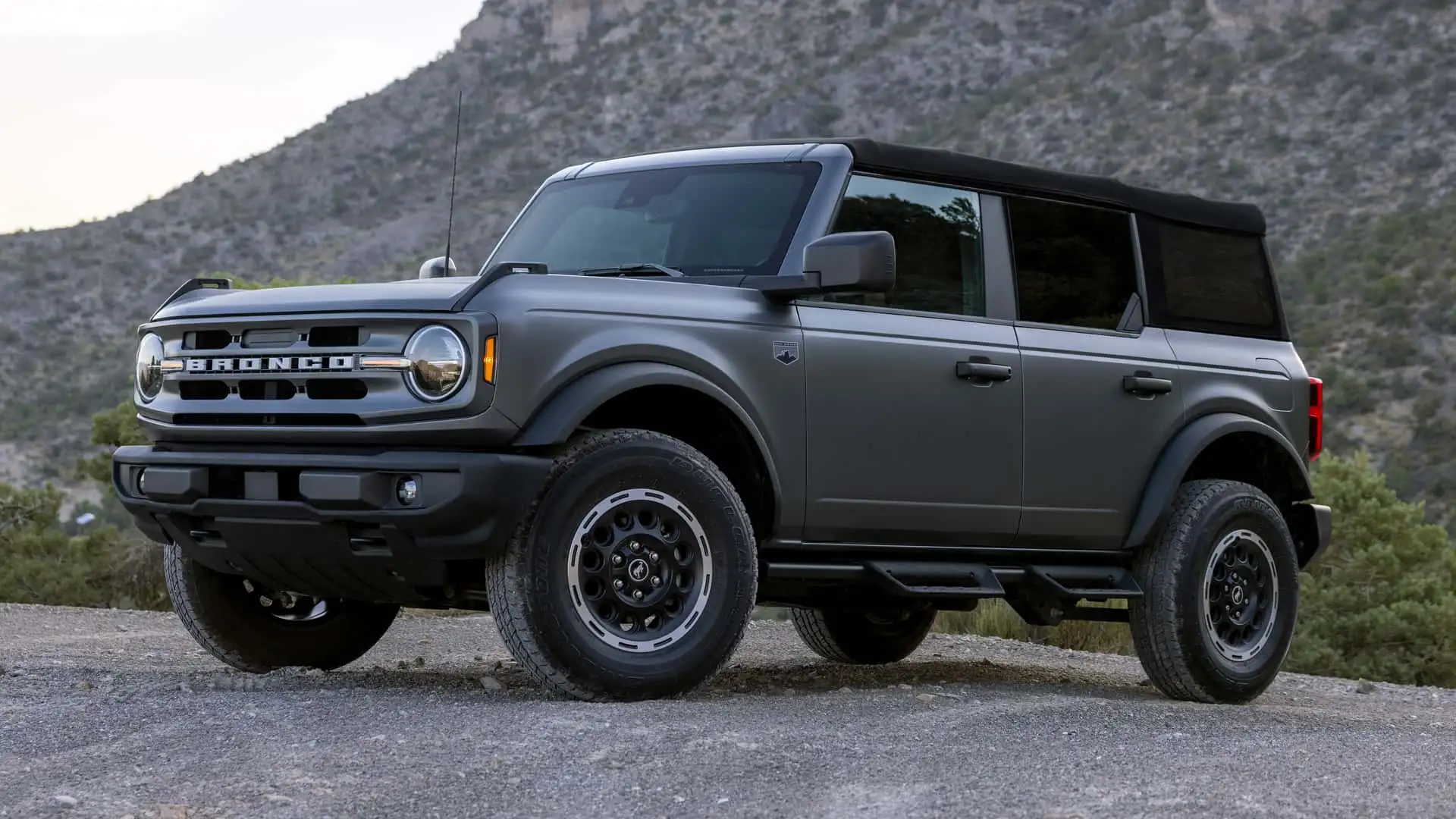
1. 2025 Ford Bronco
The 2025 Ford Bronco continues to uphold the reputation it earned upon its revival, offering a mix of off-road capability, daily drivability, and modern tech. With a starting price of $39,890, the Bronco competes directly with the Jeep Wrangler and appeals to off-road enthusiasts and casual SUV drivers alike.
Ford has subtly refined the lineup for 2025, demonstrating its commitment to continuous improvement while maintaining standout variants like the high-powered Bronco Raptor with a widebody design.
The Bronco provides strong and smooth performance, whether equipped with the turbocharged four-cylinder or V6 engine. A 10-speed automatic transmission delivers quick shifts, while a manual transmission is available on several trims. Independent testing recorded 0-60 mph acceleration ranging from 8.4 seconds (four-cylinder, manual, four-door) to 7 seconds (V6, automatic, two-door).
The steering, aided by an independent front suspension, offers confidence and stability, particularly at highway speeds. The truck-based chassis provides a slightly firm and bouncy ride, typical of off-road SUVs, but it remains comfortable for daily driving.
Braking is predictable but long, with emergency stops from 60 mph taking 146 feet, partially due to all-terrain tires. Outward visibility is good, and the large rearview camera display enhances situational awareness.
While not luxurious, the Bronco is more comfortable than the Jeep Wrangler. Its supportive, adjustable seats reduce fatigue during long drives, and the cabin feels roomier, particularly in the back row. Climate control and quickly heating front seats add convenience, especially when driving with the doors off.
Some drawbacks include wind noise from the removable hardtop and occasional rattles during off-road driving. However, the spacious rear seat accommodates rear-facing child seats comfortably, making the Bronco suitable for family adventures.
The Bronco’s Sync 4 infotainment system is functional but slightly dated, with occasional lag. Its navigation system, including an option to incorporate 4×4 trails, demonstrates thoughtful design for off-road users. Standard features include six USB ports, wireless Apple CarPlay and Android Auto, and a smartphone app with off-road trail maps. Missing features include a wireless charging pad and a digital key.
The Bronco offers more cargo space than the Wrangler, aided by its larger size. Rear swing gates and foldable hardtop glass provide convenient access, although the soft top is less user-friendly. Interior storage is adequate, with multiple cupholders and compartments. Tow capacity reaches 3,500 pounds on most trims, with the Raptor variant rated at 4,500 pounds, which is less than some competitors.
The Bronco provides off-road hardware at a more accessible price than the Jeep Wrangler or Toyota 4Runner. Some interior materials feel cheap but are arguably durable for outdoor use. Fuel economy ranges from 18 to 20 mpg combined, with long-term real-world averages closer to 16-17 mpg.
The Bronco’s charisma is undeniable. Retro styling packages, removable roof and doors, and off-road features like Trail Turn Assist make it enjoyable for both new and experienced drivers. Its superior on-road handling compared to competitors enhances its versatility, while optional manual transmissions and high-ratio crawler gears appeal to true off-road enthusiasts.
2. 2025 Jeep Wrangler
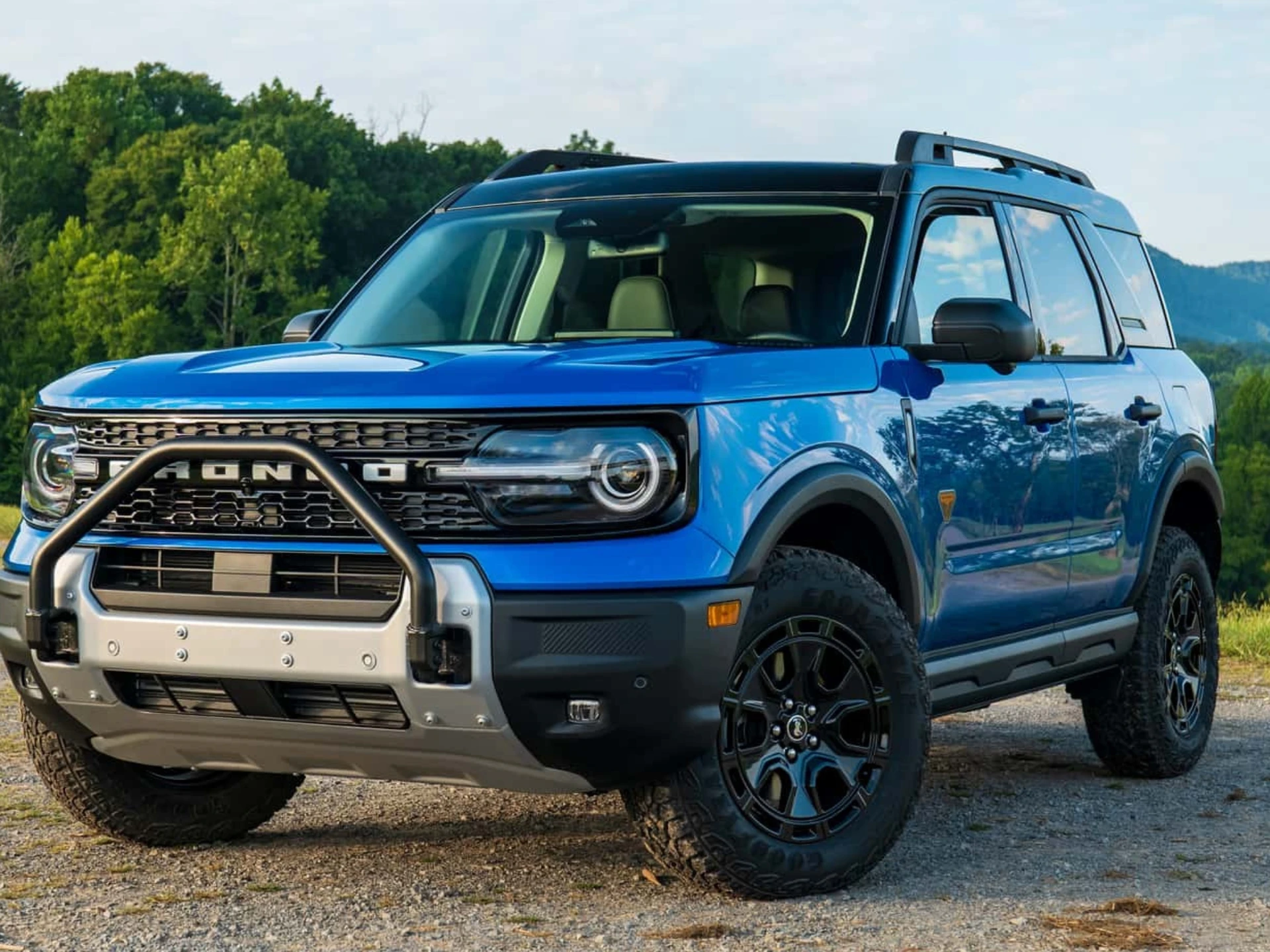
The 2025 Jeep Wrangler remains one of North America’s most iconic off-road vehicles, continuing a legacy of rugged capability and versatility. Starting at $34,090, the Wrangler offers a broad lineup of powertrains, including a turbo-four, V6, plug-in hybrid 4xe, and the high-performance V8 Wrangler 392.
Its combination of off-road readiness and heritage styling keeps it among Jeep’s best-selling models, appealing to both adventure seekers and loyal enthusiasts.
The Wrangler’s primary strength is its off-road performance. Rubicon trims, especially when equipped with optional Xtreme off-road packages, excel on rocky trails, sand dunes, and challenging terrain. Features like 37-inch tires and increased ground clearance ensure that very few obstacles can stop it.
On the road, the Wrangler’s experience is less refined. The suspension absorbs bumps and potholes well, but the ride remains firm, steering is vague, and acceleration, particularly with the V6, is leisurely. Emergency stopping distances are also long.
Advanced driver aids, such as blind-spot monitoring and adaptive cruise control, help on-road driving, but these features are often optional rather than standard, leaving basic models with minimal assistance.
Daily comfort is limited in the Wrangler. Front seats are flat and firm, and wind and tire noise can be intrusive, especially on long drives. The high ride height can make entry challenging for shorter drivers, though the pillar-mounted grab handles assist.
Compared to rivals like the Ford Bronco, the Wrangler’s cabin is narrower, and the upright windshield gives a more confined feel. Despite this, its commanding driving position and intuitive controls are notable positives. Rear seating in the four-door Unlimited allows for rear-facing child seats, though space is slightly restricted for bulkier options.
The Wrangler’s technology suite is functional and off-road oriented. A large, responsive touchscreen is standard, as are wireless Apple CarPlay and Android Auto. Jeep includes several off-road apps, enhancing navigation and trail tracking. While the system is user-friendly, it is not as advanced as some newer competitors’ infotainment offerings.
The Wrangler’s narrow body aids maneuverability on tight trails but limits cargo space compared to larger SUVs like the Ford Bronco. Its boxy shape does provide some storage advantages, and front cabin storage is limited. Tow capacity is strong for the segment, reaching up to 5,000 pounds when properly equipped, and the vehicle can be flat-towed behind a motorhome.
The Wrangler offers a wide price range, from the stripped-down Sport to the fully loaded Rubicon 392, allowing buyers to find a model that fits their budget. Interior materials are attractive and tactile, and switchgear feels satisfying.
Warranty coverage is average for the segment. Fuel economy ranges from approximately 17 mpg in Rubicon trims to 21 mpg for four-cylinder models, aligning with other off-road SUVs such as the Ford Bronco.
Few vehicles capture the off-road SUV spirit like the Wrangler. While competitors such as the Ford Bronco, Mercedes-Benz G-Class, and Land Rover Defender exist, none match the Wrangler’s combination of heritage, distinctive design, and enthusiastic community of owners. Its enduring appeal stems from its rugged capability, iconic styling, and the adventurous lifestyle it represents.
3. 2025 Ford F-150 Raptor
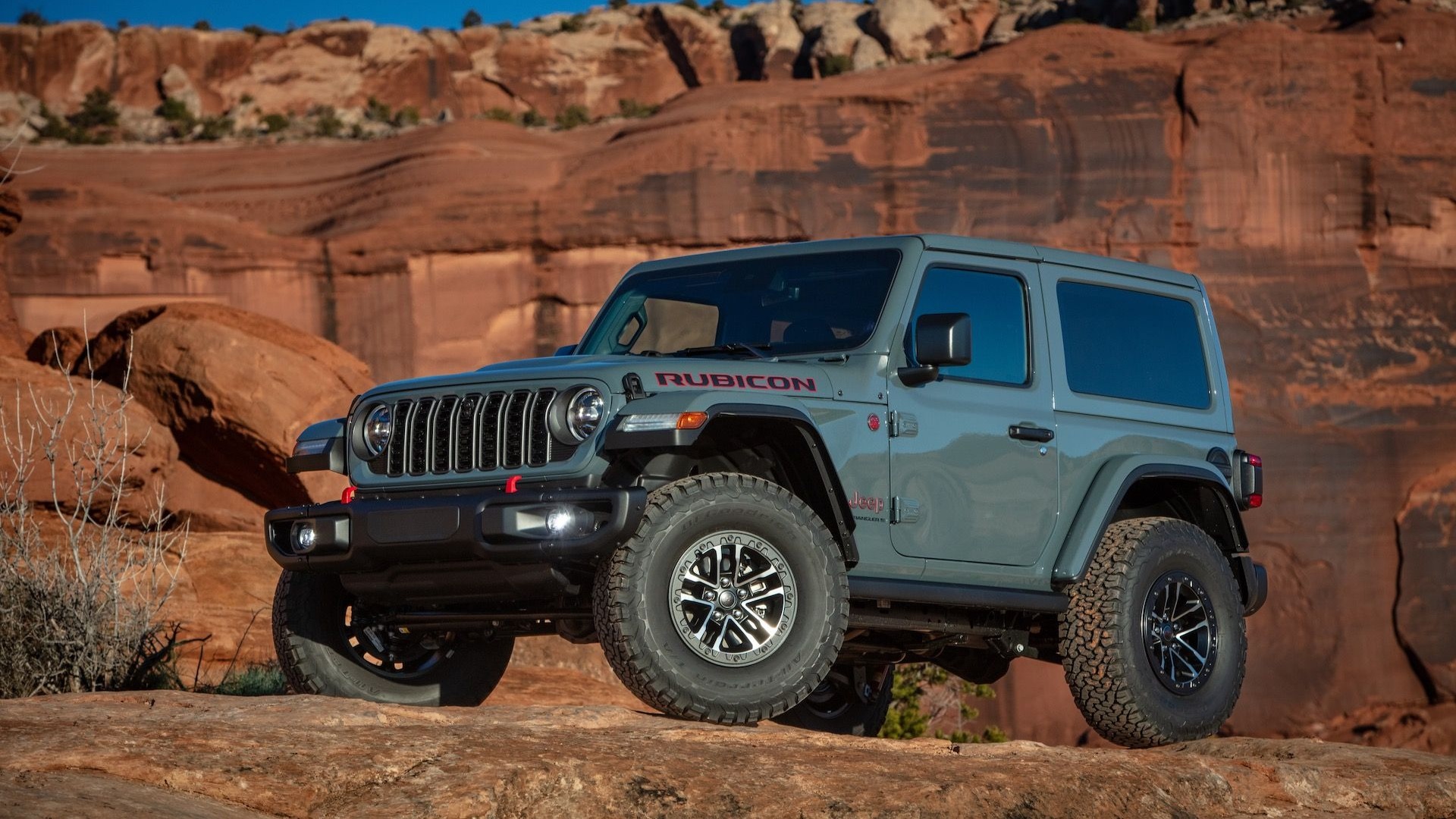
The 2025 Ford F-150 Raptor and Raptor R continue the legacy of extreme off-road performance in a full-size pickup. Starting at $81,000 for the standard Raptor and $112,925 for the supercharged Raptor R, these trucks combine aggressive styling, highly modified suspension, and powerful engines to dominate off-road terrain.
While based on the ubiquitous F-150, the Raptor is a unique machine designed for enthusiasts seeking wide-open adventure and high-speed off-road thrills.
The standard Raptor comes with a twin-turbo V6 producing 450 hp, while the Raptor R boasts a supercharged V8 with 720 hp. On-road acceleration is strong, with the standard Raptor reaching 0-60 mph in 5.8 seconds in Edmunds testing, though large 37-inch tires can limit straight-line performance.
Steering is direct and responsive, providing confidence both in parking lots and on highways. Braking, however, is long, with a 60-mph stop requiring 149 feet, largely due to the massive off-road tires.
Off-road capability is where the Raptor shines. Locking differentials, a widened and long-travel suspension, and optional 37-inch tires make it capable on nearly any terrain. Its Achilles’ heel is narrow trails, where its width limits maneuverability, but in open desert, sand, or rough terrain, it excels.
The Raptor’s cabin is surprisingly comfortable for long trips. Seats are supportive, with wide adjustability, lumbar support, and decent bolstering. Front seats feature heating and ventilation, while rear seats and the steering wheel can also be heated with optional packages.
The rear coil-spring suspension improves ride quality, and the large off-road tires absorb bumps effectively. Tire noise is noticeable, but wind noise is well controlled. The turbocharged V6 offers a raspy exhaust note, while the Raptor R’s supercharged V8 provides a thrilling soundtrack.
The Raptor inherits the intuitive F-150 interior layout, with large knobs and controls usable even with gloves. Crew cab spaciousness ensures ample room for passengers, and large windows enhance visibility. The 360-degree camera system provides full situational awareness.
Tech features include a 12-inch touchscreen, digital gauge cluster, wireless Apple CarPlay and Android Auto, adaptive cruise control, and blind-spot monitoring with trailer coverage. Off-road enthusiasts benefit from the Baja drive mode, which enables unrestricted forward-facing camera usage. Optional Pro Power Onboard provides 2 kW of electricity for camping or tailgating gear.
Towing and payload capacities are respectable but lower than standard F-150 models: 8,200 pounds max towing and 1,400 pounds payload. Cabin storage is extensive, with multiple cubbies and bottle holders. The bed is functional but smaller than some competitors, with a tailgate step and optional power lift adding convenience.
Fuel economy is 15 mpg combined for models with the 37-inch tires, slightly better than the Ram TRX but below many standard full-size pickups.
The Raptor is expensive but offers exceptional off-road capability, comfortable seating, and modern technology. Optional features like larger tires increase price, though 35-inch tires are sufficient for most users. Warranty coverage is standard for the segment, including three years/36,000 miles basic, five years/60,000 miles powertrain, and five years/60,000 miles roadside assistance.
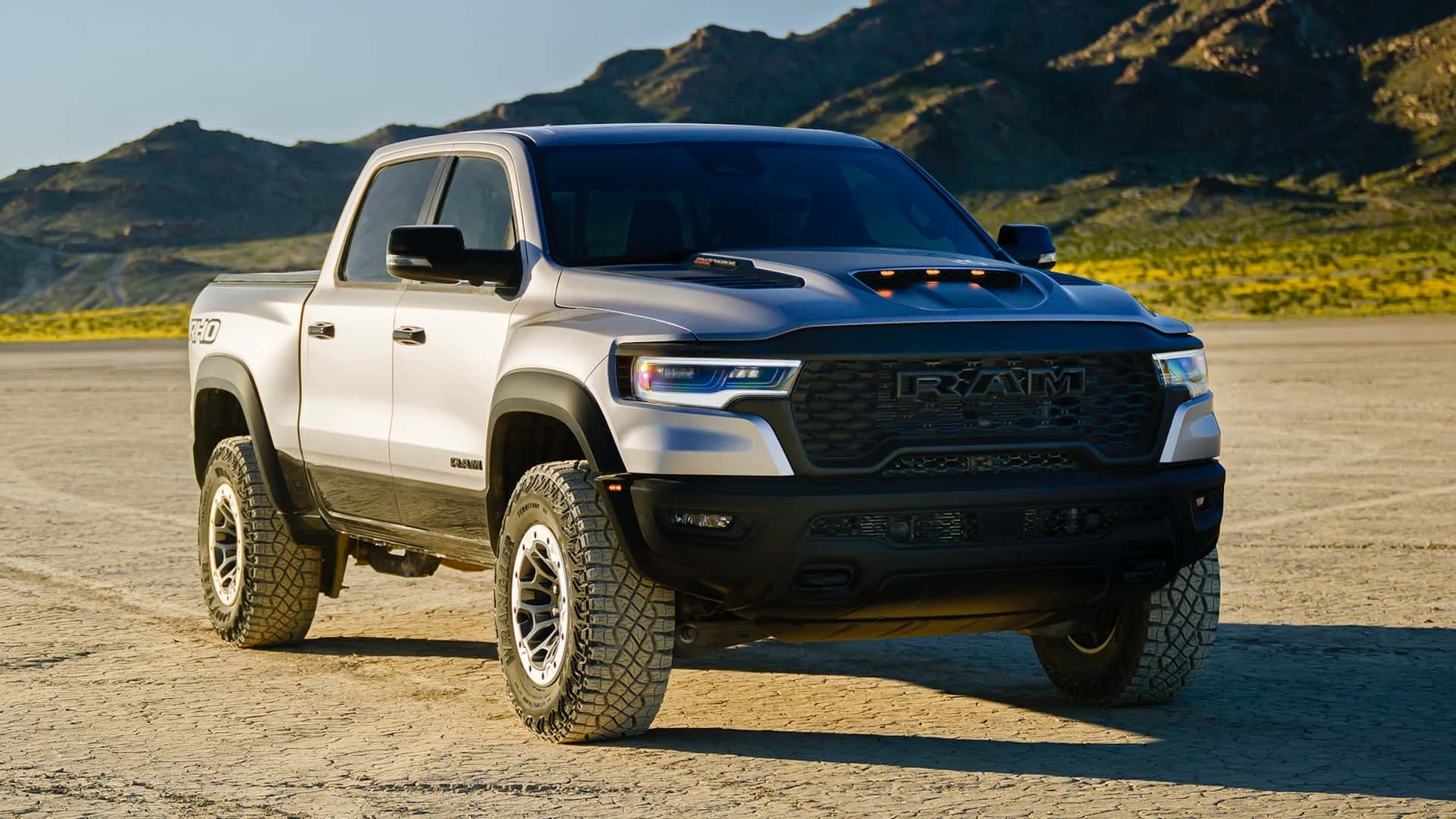
4. 2025 Ram 1500 RHO
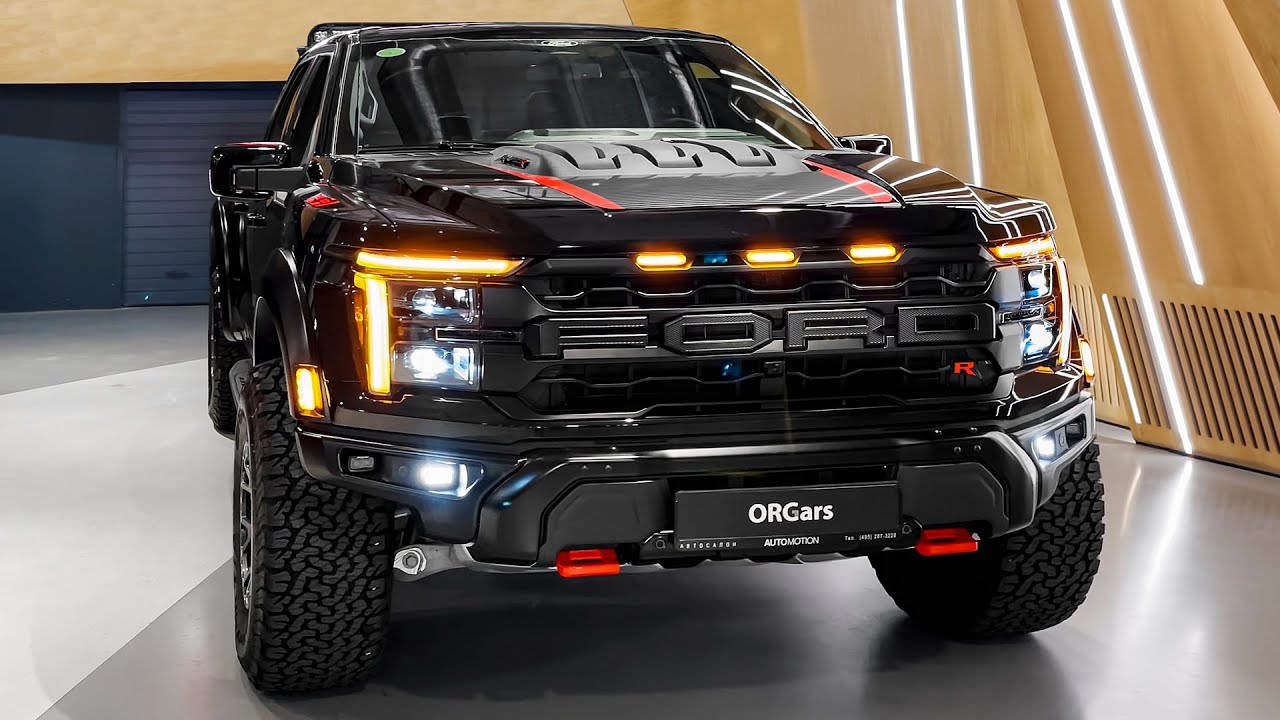
The 2025 Ram 1500 RHO replaces the outgoing TRX and delivers serious off-road capability paired with powerful, efficient engines. Priced at $72,090, it swaps the TRX’s 702-hp supercharged V8 for a twin-turbo inline-six while maintaining many of the rugged modifications that made the TRX so popular.
The RHO blends performance, luxury, and utility, making it a compelling choice for buyers seeking a full-size truck that excels both on and off the road.
The Ram 1500 RHO lineup includes a base V6 with a 48-volt hybrid system producing 305 hp and a twin-turbo inline-six, known as Hurricane, available in 420- or 540-hp versions. Paired with an eight-speed automatic transmission, these engines deliver smooth and responsive performance.
In testing, the 540-hp crew-cab Limited 4×4 reached 0-60 mph in 4.2 seconds, while a 420-hp Rebel variant achieved 4.9 seconds. The Hurricane inline-six is refined and powerful enough for most truck duties, making the RHO a practical yet exhilarating option for everyday driving and off-road adventures.
The truck’s rear coil-spring suspension ensures a comfortable ride across all trims, while optional air suspension allows adjustable ride height, improving off-road performance and fuel efficiency. The Rebel model offers beefier styling and further off-road enhancements.
The 2025 Ram 1500 RHO has a maximum towing capacity of 11,580 pounds and a payload of 2,300 pounds, slightly lower than competitors like the Ford F-150 and Chevrolet Silverado. For those needing extra towing capability, Ram offers the Ramcharger plug-in hybrid or the heavy-duty Ram HD lineup.
Fuel economy for the twin-turbo inline-six starts at 18 mpg city and 25 mpg highway, with four-wheel-drive models dropping slightly. The high-output 540-hp version with four-wheel drive returns 15 mpg city and 21 mpg highway. Base V6 models are more efficient, achieving up to 20 mpg city and 25-26 mpg highway.
The Ram 1500 RHO features a spacious, well-appointed cabin. Crew cabs provide ample room for passengers, and higher trims, including the Tungsten flagship, add luxury touches like 24-way adjustable front seats with massage, premium leather, wood accents, and a 23-speaker Klipsch audio system. Heated and ventilated front seats, panoramic sunroof, and advanced climate control enhance comfort.
Cargo flexibility is strong with both 5’7″ and 6’4″ beds, a split-folding tailgate, and extensive interior storage. The RHO balances utility and refinement, making it suitable for both work and leisure.
Infotainment is a strong point, with either a 12-inch or optional 14.5-inch touchscreen supporting Apple CarPlay and Android Auto. A 10.3-inch passenger display is available for navigation and entertainment. Standard and optional driver-assistance features include automated emergency braking, blind-spot monitoring, rear cross-traffic alert, and adaptive cruise control with a hands-free driving mode.
The RHO’s limited warranty covers three years or 36,000 miles, with a powertrain warranty of five years or 50,000 miles. Unlike some rivals, no complimentary scheduled maintenance is included. The RHO offers a balanced mix of luxury, off-road performance, and strong towing capability, though it comes at a premium price.
5. 2025 Mercedes-Benz G-Class: Iconic Luxury Meets Legendary Off-Road Power
The 2025 Mercedes-Benz G-Class, priced from $141,050, remains one of the most capable and recognizable off-road SUVs in the world. Known for its rugged boxy silhouette and military heritage, the G-Class continues to balance raw performance with modern refinement. Whether in the G550, AMG G63, or the new electric G580 with EQ Technology, this SUV offers versatility, power, and prestige in equal measure.
Under the hood, the G550 now features a turbocharged 3.0-liter inline-six engine producing 443 horsepower and 413 lb-ft of torque, paired with a nine-speed automatic transmission. It also includes a 48-volt mild hybrid system for added efficiency, though it does not provide electric-only driving.
The new powertrain enables a 0 to 60 mph sprint in just 5.0 seconds, slightly quicker than the outgoing V8 model. Despite losing the V8’s distinctive sound, the inline-six improves balance and control, supported by an independent front suspension and a lower center of gravity. The G-Class continues to feature three locking differentials and a low-range gearbox, maintaining its near-unmatched off-road capability.
Towing capacity is another strength, with the G550 rated at 7,716 pounds, which is comparable to the Cadillac Escalade and larger Mercedes GLS580. However, fuel efficiency remains one of its weaknesses, with EPA ratings of 17 miles per gallon in the city and 19 on the highway. Its boxy design, while iconic, contributes to aerodynamic drag and higher fuel consumption.
Inside, the G-Class transforms from a military-grade vehicle into a full luxury cabin. The interior features leather upholstery, a 12.3-inch digital gauge cluster, three-zone climate control, heated front and rear seats, and a power-adjustable steering column.
Optional upgrades include ventilated and massaging front seats, Nappa leather, and a heated steering wheel. The G Manufaktur program allows extensive customization with premium materials and color combinations. Cargo space is generous, accommodating 16 carry-on bags behind the rear seats and 33 with them folded.
Technology inside the G-Class is modern and refined. A 12.3-inch infotainment display with the latest MBUX interface dominates the dashboard, offering navigation, Apple CarPlay, Android Auto, and a premium Burmester sound system. A rear-seat entertainment package can be added, providing additional screens for streaming and browsing.
Safety features are comprehensive, including automated emergency braking with pedestrian detection, lane-keeping assist, blind-spot monitoring, adaptive cruise control, and self-parking assist. An optional lane-centering feature enhances comfort during highway driving.
Mercedes-Benz provides a four-year or 50,000-mile limited and powertrain warranty, similar to other luxury brands, although complimentary maintenance is not included.
The 2025 Mercedes-Benz G-Class remains a rare combination of power, luxury, and genuine off-road capability. Its ability to navigate rugged terrain while delivering first-class comfort makes it unique among SUVs. Whether climbing mountain trails or cruising through city streets, the G-Class stands as a true automotive icon, blending military-grade toughness with timeless sophistication.

Also Read: 5 Cars Whose Paint Resists Oxidation vs 5 That Chalk in Two Summers
5 Cosmetic “Off-Road” Trims
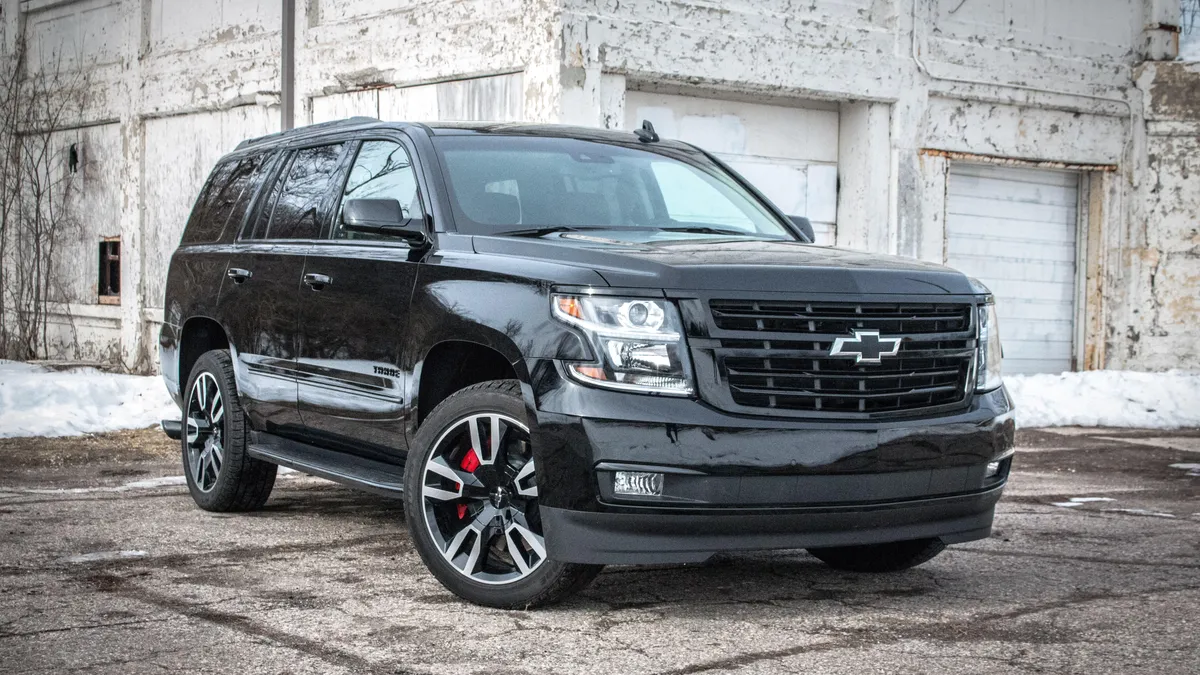
1. 2018 Chevrolet Tahoe: Off-Road Capabilities
The 2018 Chevrolet Tahoe, particularly in Z71 and RST trims, is marketed with off-road features, but its true capabilities are limited by design. The Z71 adds functional enhancements like a four-corner air ride adaptive suspension, front skid plates, and 20-inch all-terrain tires, which provide improved ride height and modest off-road readiness.
However, critical components such as the fuel tank, exhaust, and transmission remain exposed, and the rear departure angle is unchanged, restricting performance on steep terrain.
The RST trim focuses more on aesthetics than functionality. Its sporty exterior, blacked-out accents, 22-inch wheels, and low-profile tires prioritize style over off-road utility. Both trims share the Tahoe’s inherent constraints: its large, heavy body-on-frame construction and independent rear suspension reduce ground clearance for essential components, making it vulnerable on rough trails.
Optional features like Air Ride Adaptive Suspension and Magnetic Ride Control enhance off-road potential but add cost and are not standard. Ultimately, the Tahoe is best suited for family hauling, towing, commuting, and occasional light trails.
While Z71 and RST trims look rugged and offer some capability, the Tahoe does not match the off-road prowess of dedicated SUVs, positioning these trims as more cosmetic than hardcore off-road machines.
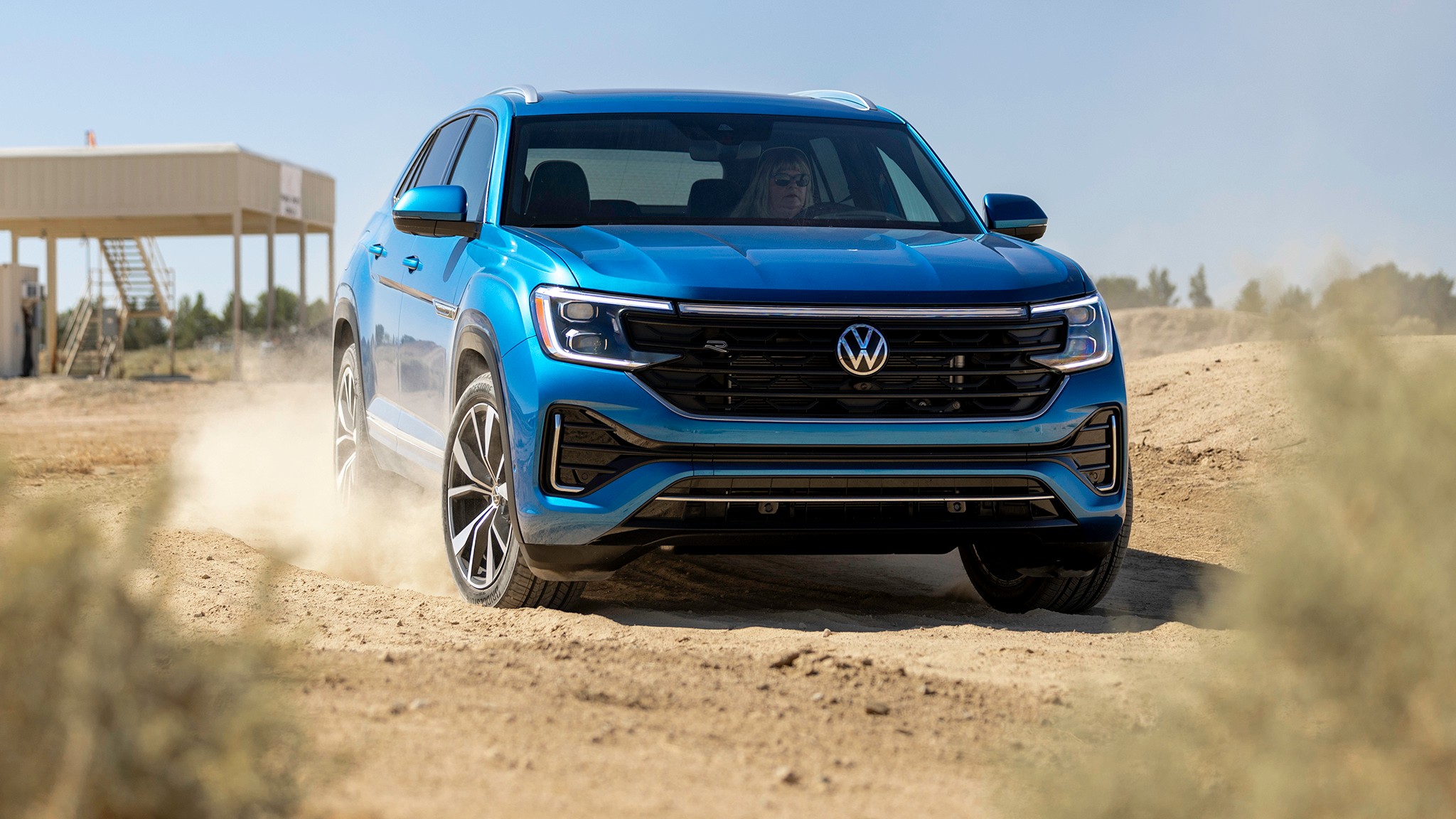
2. Volkswagen Atlas Cross Sport: Rugged Looks, Limited Off-Road
The Volkswagen Atlas Cross Sport offers a comfortable midsize SUV experience with limited off-road capability. Its available 3.6-liter V6 engine delivers 276 horsepower and 266 lb-ft of torque, and certain trims come standard with VW’s 4MOTION all-wheel-drive system, enhancing traction on loose surfaces. Despite these features, the SUV is best suited for light off-roading, such as dirt roads or gravel paths, rather than serious trails.
Volkswagen’s “off-road” trims, including packages like the Peak Edition, are primarily cosmetic, aimed at meeting consumer demand for rugged-looking SUVs.
These trims include aesthetic upgrades such as aggressive front fascias, unique wheels, and all-terrain-style tires, giving the Atlas Cross Sport an adventurous appearance without compromising on-road comfort and handling. Optional off-road drive modes adjust throttle and traction for minor off-road conditions, but do not transform the SUV into a true off-roader.
The Atlas Cross Sport prioritizes on-road performance, smooth ride quality, and cargo space while maintaining the visual appeal of off-road readiness. Its styling and mild capability cater to drivers who value adventurous looks over hardcore off-road functionality. In essence, the Atlas Cross Sport delivers practicality and comfort with a rugged design, but serious off-road enthusiasts should look elsewhere.
3. Ford Explorer: Off-Road Appearance with Some Capability
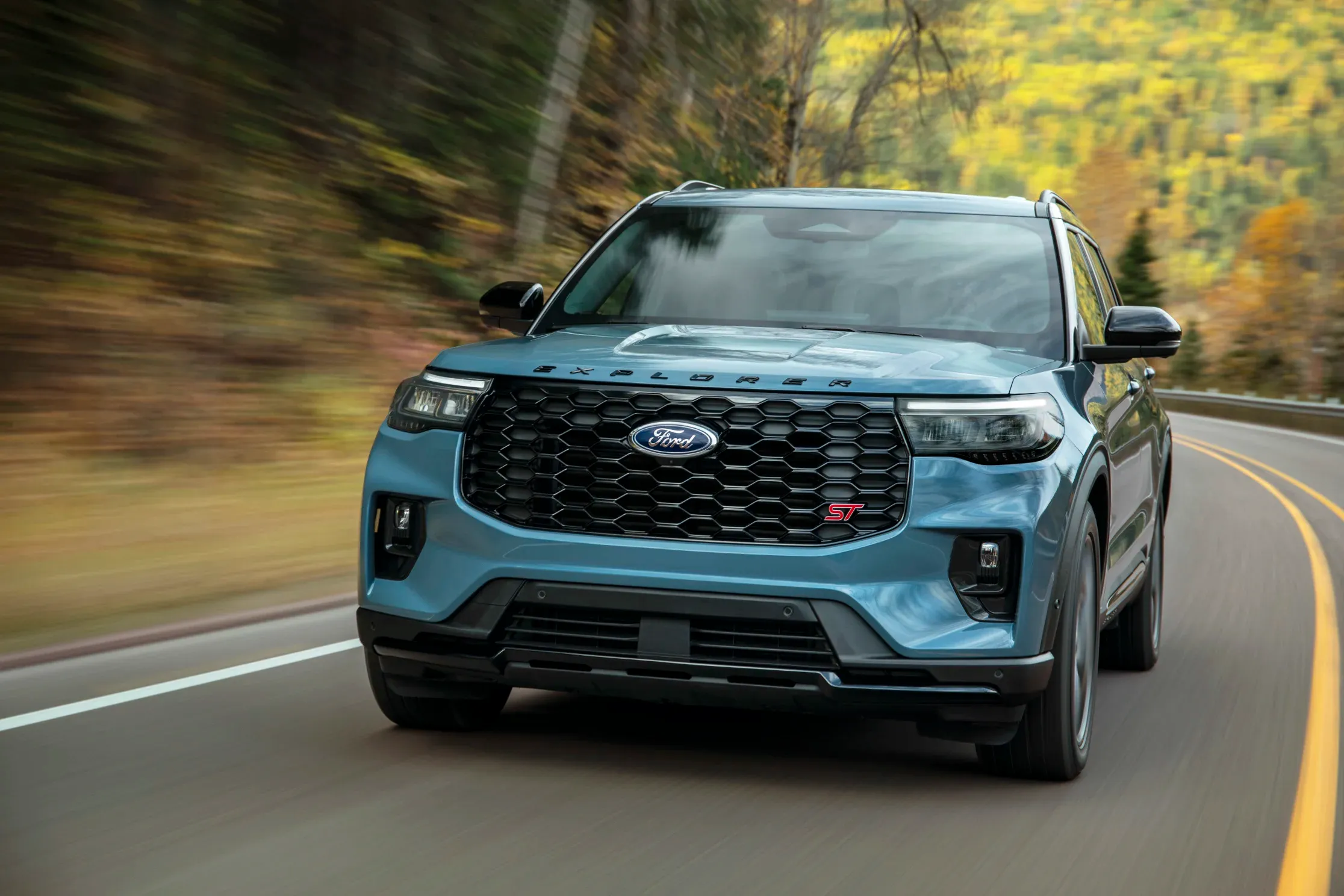
The Ford Explorer is a popular midsize SUV known for its family-friendly design and dependable performance. However, despite its appeal, the Explorer struggles with serious off-road terrain. Motor Trend testing reported that the SUV became stuck on challenging trails, and its ride felt stiff and noisy, limiting its use to light off-roading or everyday driving.
Ford offers “off-road” trims such as the Timberline and Tremor, which provide both functional upgrades and cosmetic enhancements.
Functionally, these trims include a suspension lift for increased ground clearance, steel skid plates for underbody protection, all-terrain tires for improved grip, and a Torsen limited-slip rear differential to enhance traction on loose or slippery surfaces. Standard four-wheel drive further aids off-road performance.
Cosmetic upgrades distinguish these trims from standard Explorers and appeal to customers seeking rugged styling. These include unique exterior graphics and badging, off-road lighting, distinctive wheel designs, and interior accents like contrast stitching and exclusive seat upholstery.
In essence, the Explorer’s Timberline and Tremor trims offer a blend of limited off-road capability and visual toughness. While functional improvements make light trails possible, the SUV remains best suited for commuting and family duties rather than hardcore off-roading, with its aesthetic upgrades adding a rugged flair for style-conscious buyers.
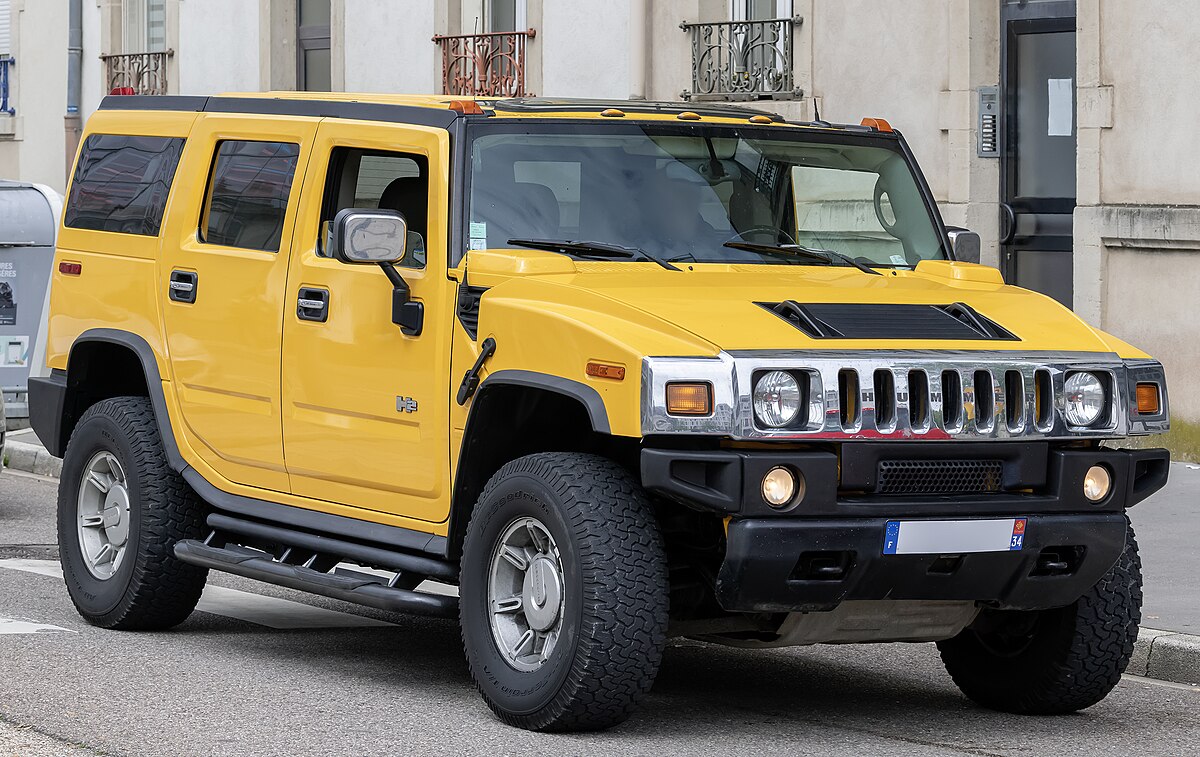
4. Hummer H2: Rugged Looks with Limited Practical Off-Road
The 2005 Hummer H2 is an imposing SUV powered by a V8 engine producing 325 hp and 365 lb-ft of torque. Built on a heavy-duty truck chassis, it was designed with off-road capability in mind, featuring high ground clearance and a 47-degree approach angle. Despite these attributes, the H2 has limitations in practical off-roading due to its size, weight, and design constraints, making it less maneuverable on challenging trails.
Many H2 models feature “cosmetic off-road” enhancements that prioritize style over functionality. These include chrome trim, large wheels, hood vents, and special badging, often added by owners or aftermarket companies.
While these elements enhance the H2’s aggressive, military-inspired appearance, they do not improve off-road performance. Interior upgrades and luxury features further emphasize comfort and style rather than trail readiness.
The H2’s fuel efficiency is poor, reinforcing its role as a statement vehicle rather than a practical off-roader. Its visual impact, customization potential, and rugged stance have made it a popular choice for buyers seeking a bold, luxurious SUV. In essence, while capable in certain off-road scenarios, the Hummer H2 is often more about appearance and presence than hardcore trail performance.
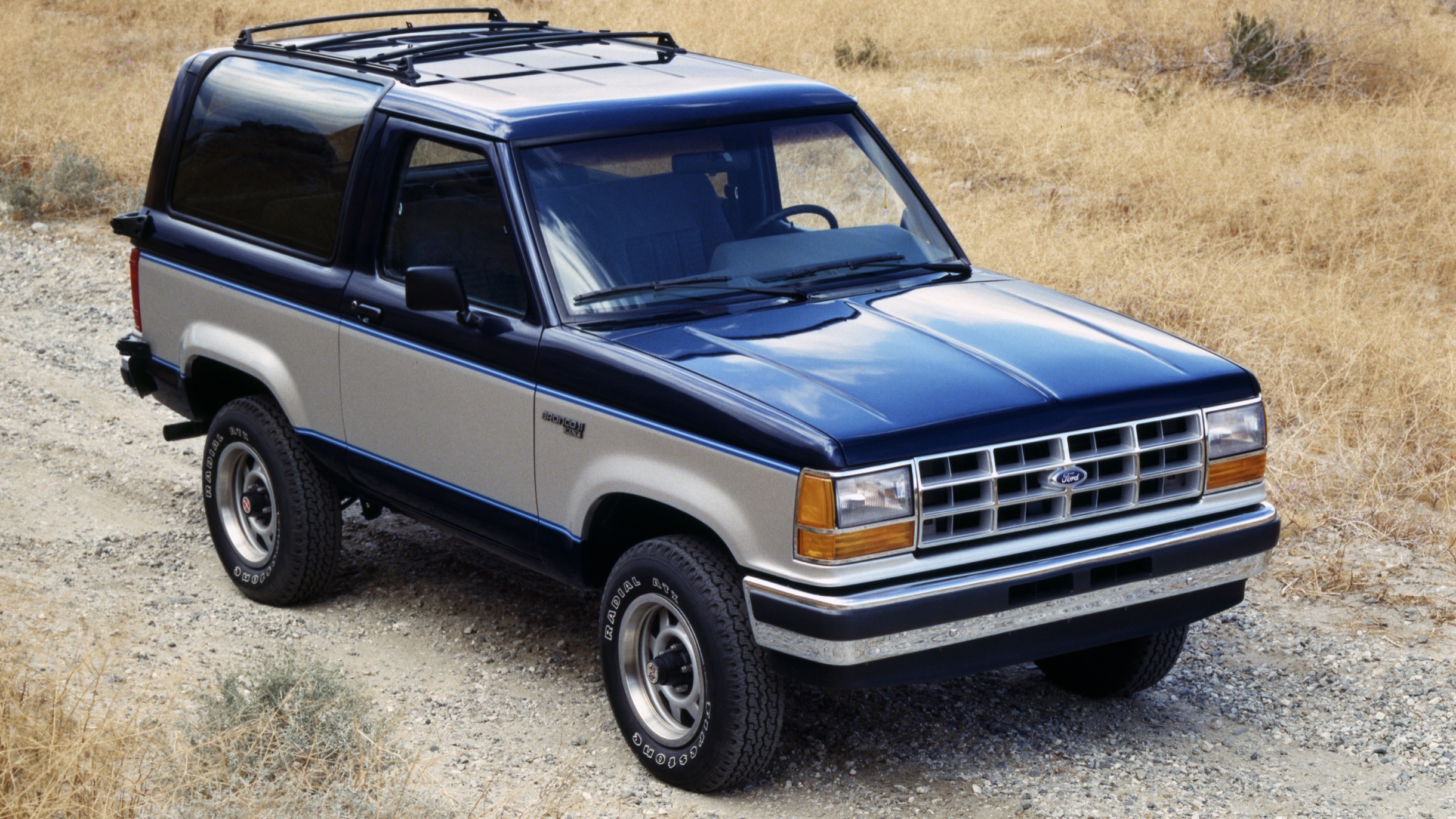
5. Ford Bronco II: Genuine Off-Road Capability
The Ford Bronco II, known for its rugged reputation, was historically prone to stability and rollover issues, which limited its safety in off-road conditions. Despite these concerns, the Bronco II set the foundation for Ford’s modern off-road SUVs, and its higher-end trims remain genuinely capable machines. Unlike some vehicles that focus on cosmetic appeal, the Bronco II’s off-road trims include functional hardware designed to tackle rough terrain.
Higher trims, such as Badlands, Stroppe, and Raptor, feature advanced HOSS suspension systems, electronic locking differentials, and sophisticated 4×4 systems that deliver torque to individual wheels for improved traction.
Skid plates protect the underbody, while the Sasquatch package adds larger tires and increased ground clearance for better stability and grip. Some trims even offer electronic swaybar disconnects to enhance wheel articulation over obstacles.
While cosmetic packages, such as the Free Wheeling or Black Appearance options, are available on trims like Outer Banks, these changes primarily affect aesthetics without enhancing off-road performance.
The Bronco II’s base and higher-end trims, however, provide real off-road capability, combining hardware, suspension tuning, and protection features that make it a functional and capable SUV for rugged environments. This distinguishes the Bronco lineup from competitors that rely primarily on style to simulate off-road prowess.
When it comes to off-roading, hardware is more important than aesthetics. The truly trail-ready vehicles, like the Bronco, Wrangler, Raptor, and Ram RHO, combine capable suspensions, high ground clearance, and advanced traction systems with features that support both rugged terrain and daily driving.
In contrast, many cosmetic off-road trims focus on aggressive styling, upgraded wheels, and visual cues that simulate toughness but fall short on real-world trail performance.
While these vehicles may appeal to buyers seeking a rugged look, they cannot match the confidence, durability, and adaptability of purpose-built off-road machines. For serious off-road enthusiasts, choosing vehicles with genuine trail-ready features ensures that adventures remain safe, exciting, and uninterrupted.
Also Read: 10 Cars People Think Are Reliable (But Aren’t) and 10 That Truly Are
