Sedans are often associated with practicality, efficiency, and daily commuting, yet some models push the boundaries of performance, style, and luxury at the expense of fuel economy.
This collection, titled “5 Thirsty Cruisers,” highlights five sedans that demand more from the pump, blending exhilarating power with premium features for drivers who prioritize performance and refinement over efficiency.
From budget-friendly subcompacts like the Volkswagen Jetta, Nissan Versa, Kia Rio, and Honda Civic, which balance respectable fuel economy with comfort and usability, to ultra-luxury and high-performance machines like the Cadillac CT5-V Blackwing, BMW M5 Competition, BMW M8 Gran Coupe, Mercedes-AMG E63 S, and the Rolls-Royce Ghost, this guide spans the spectrum of sedans that sip or guzzle fuel depending on how they are driven.
Each vehicle demonstrates a trade-off: practical features and fuel savings versus high horsepower, rapid acceleration, and a refined driving experience. Understanding these compromises helps buyers make informed choices based on priorities, whether for daily commuting or spirited cruising.
5 Sedans That Sip Fuel On Highways
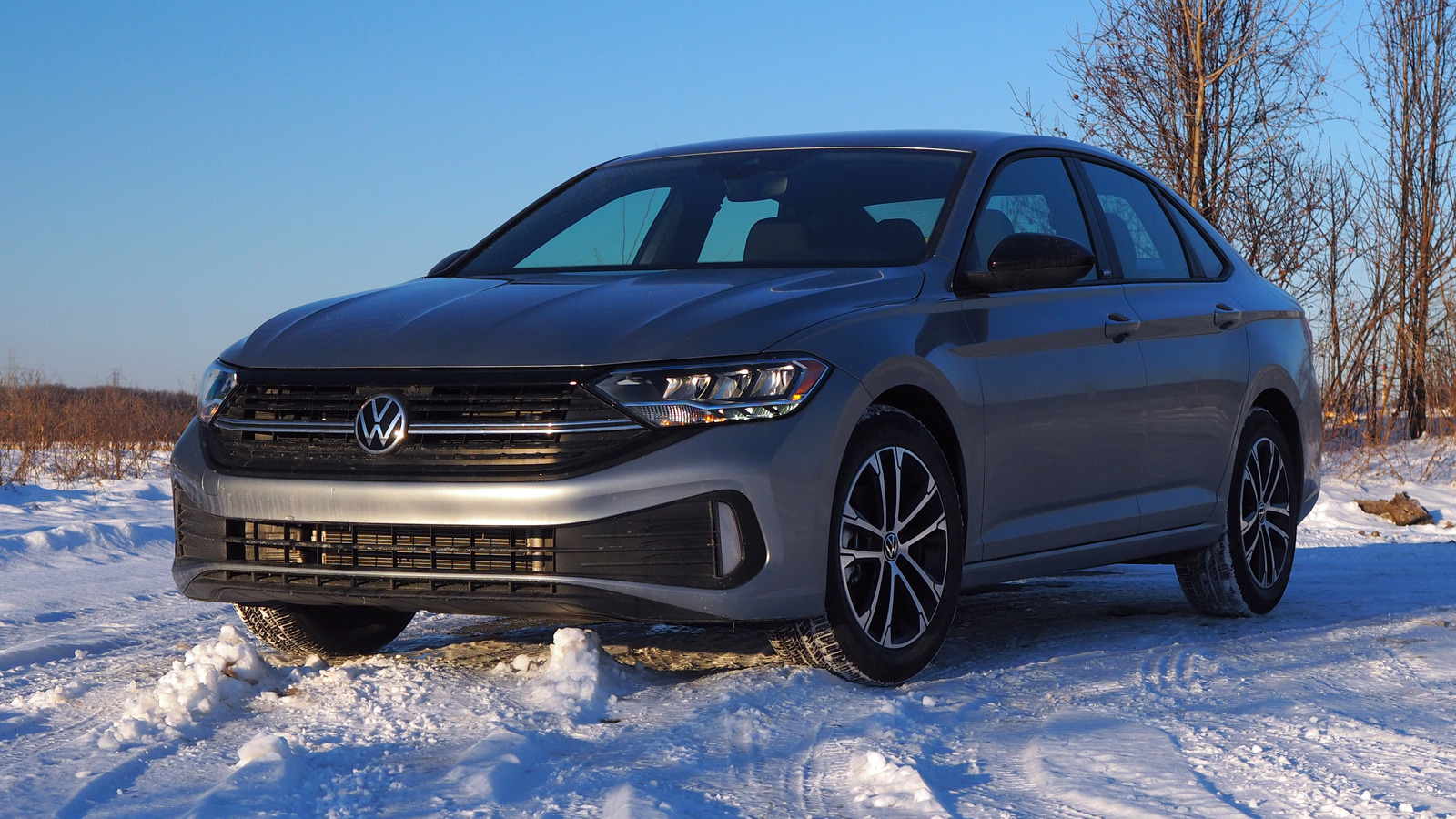
1. 2023 Volkswagen Jetta: A Blend of Efficiency, Comfort, and European Character
The 2023 Volkswagen Jetta continues to represent a balance of practicality, efficiency, and subtle European styling in the compact sedan segment. Priced at $20,655 with a combined fuel economy of 35 mpg, it offers an appealing combination of value and performance.
Although Volkswagen no longer provides the diesel TDI version that once defined the model, the gasoline-powered Jetta remains among the most fuel-efficient sedans in the United States. With a spacious interior, refined ride, and efficient powertrains, the Jetta delivers a dependable driving experience that suits both commuters and casual drivers.
The Jetta features two gasoline engine options that deliver reliable performance, though acceleration is modest. It reaches 60 mph in 8.4 seconds, which is acceptable but not particularly quick for the class.
The 6-speed manual transmission enhances driver engagement, while the 8-speed automatic transmission achieves better fuel efficiency. In everyday driving, the automatic gearbox can feel hesitant, occasionally requiring Sport mode for sharper responses.
Handling is one of the car’s strengths, as the Jetta remains composed through corners and feels stable on winding roads. Its braking performance is smooth and confidence-inspiring. Ride quality is firm when equipped with larger wheels, while base models with smaller wheels provide a softer and more comfortable experience.
Volkswagen includes a commendable set of driver-assistance features, such as adaptive cruise control, lane keeping assist, and automatic emergency braking. These systems perform accurately and remain unobtrusive. The only drawback is the low-resolution rearview camera, which feels outdated compared to modern rivals.
Inside, the Jetta offers a comfortable and well-designed cabin. The front seats are supportive and firm, while the rear seats provide ample legroom. Taller passengers may find headroom limited, but the interior remains spacious for a compact sedan.
The cabin layout is practical, though the extensive use of hard plastics detracts from the premium impression. The infotainment system includes useful features, but the touchscreen interface can be confusing, with some settings hidden in deep menus. Fortunately, physical controls for climate and volume are easy to use.
Noise insulation is decent but not exceptional. The engine stays quiet under acceleration, yet road and wind noise become noticeable at highway speeds. Families will appreciate that the Jetta’s car seat anchors and tethers are easy to locate and access.
Higher trims offer wireless Android Auto and Apple CarPlay, a wireless charging pad, and four USB-C ports. Wireless connectivity is seamless, but the native infotainment graphics appear dated. The Beats audio system delivers strong bass but lacks clarity.
The 14.1-cubic-foot trunk is large for the class and easy to load, though the rear seats do not fold flat, reducing versatility for long cargo. Cabin storage is generous with deep door pockets, a large center console, and an additional storage tray.
The Jetta’s EPA rating of 33 mpg combined is achievable in real-world driving, with a potential range of about 500 miles from its 13-gallon fuel tank.
Volkswagen’s four-year/50,000-mile warranty covers both bumper-to-bumper and powertrain components, matching segment standards. While it lacks all-wheel drive, the Jetta compensates with fuel efficiency, interior space, and composed handling that many drivers will appreciate.
The 2023 Volkswagen Jetta delivers strong fuel economy, comfortable seating, and solid practicality within a refined design. It may not be the sportiest or most luxurious sedan in its class, but its mix of efficiency, space, and understated European style makes it a smart and satisfying choice for compact car buyers.
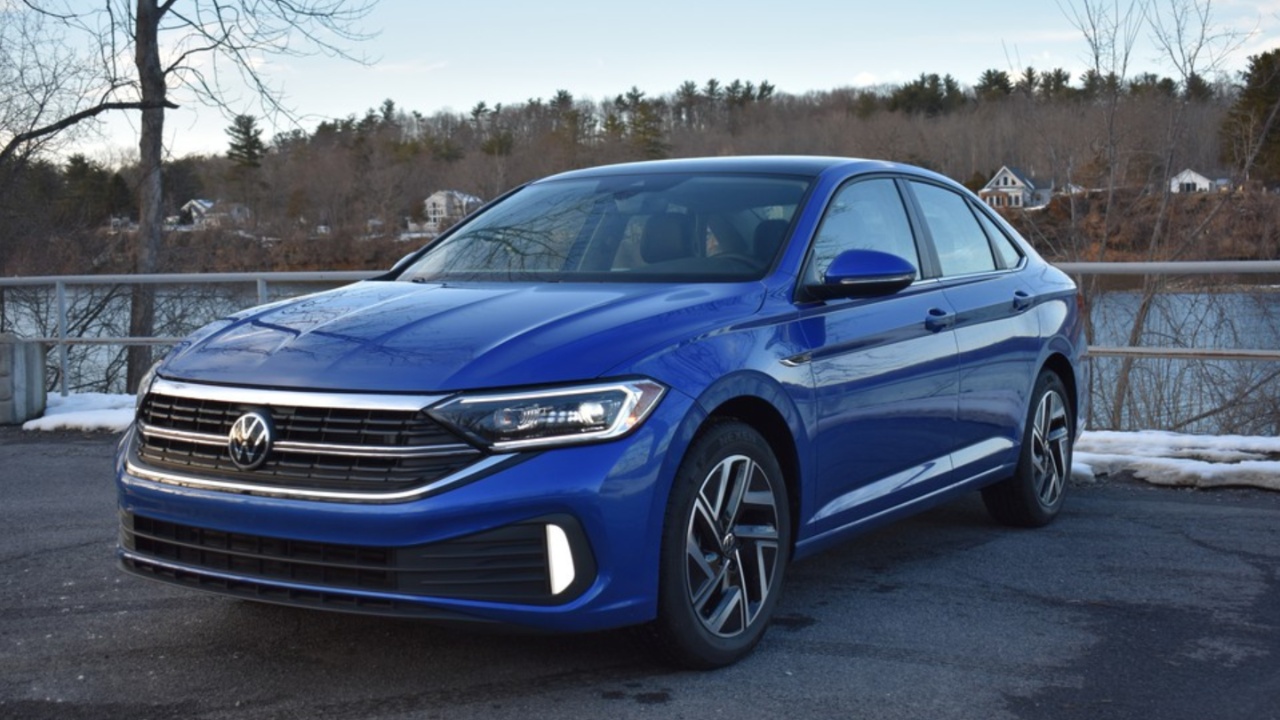
2. 2023 Nissan Versa: Affordable Efficiency with Everyday Comfort
The 2023 Nissan Versa stands out as one of America’s most affordable sedans, starting at $15,730 and offering an excellent combined fuel economy of 35 mpg.
Despite its budget-friendly price, the Versa feels surprisingly refined, combining solid build quality, practical features, and a comfortable ride. It delivers impressive value for drivers who want dependable transportation without sacrificing modern technology or safety features.
The Versa’s 122-horsepower four-cylinder engine is built for efficiency rather than speed. Acceleration is slow, taking 10.4 seconds to reach 60 mph, which makes it one of the less powerful vehicles in its segment.
While it struggles during quick merges or highway passes, the engine performs adequately in city driving. The continuously variable transmission (CVT) contributes to smooth operation and helps achieve strong fuel efficiency.
Handling is composed and predictable. The Versa remains steady through corners and offers good control during turns. Although the steering feels slightly heavy and numb, the car responds accurately to driver input. Braking performance is impressive, with easy modulation and smooth stops. The Versa is not sporty, but it inspires confidence for everyday driving thanks to its well-tuned suspension and stability.
The Versa delivers a comfortable experience for its price range. The SR trim’s cloth seats are firm yet supportive on short and medium drives, though the narrow shoulder area and limited lumbar support can become noticeable on long trips. Rear seats share similar firmness but maintain good comfort for passengers.
Ride quality is generally smooth, though the suspension can feel bouncy on uneven roads. Wind noise and road noise are noticeable inside the cabin, especially at higher speeds. The climate control system is simple to use with physical buttons and clearly marked vents, which are well-positioned for airflow.
Inside, the Versa impresses with thoughtful design and spaciousness. Entry and exit are easy, and the driver’s seat adjusts to a high position that provides excellent visibility. Even at the highest setting, there is ample headroom and legroom for most drivers. Rear passengers enjoy good space for a subcompact sedan, though taller occupants might graze the headliner.
The touchscreen system is intuitive and responsive, and physical buttons on the steering wheel and dashboard make operation convenient. The short hood and large windows provide an excellent outward view, contributing to a sense of openness uncommon in this price range.
The top SR trim includes an 8-inch touchscreen, a six-speaker audio system, and a wireless charging pad. Sound clarity is solid, though higher volume is needed to overcome road noise. While onboard navigation is unavailable, Apple CarPlay and Android Auto integrate seamlessly, providing easy access to smartphone-based directions and apps.
Driver-assistance features are a highlight of the Versa, with forward collision warning, lane departure warning, and automatic emergency braking offered on all trims. These aids function effectively and unobtrusively, though the backup collision mitigation system can be overly sensitive, sometimes activating unnecessarily.
For its size, the Versa delivers strong utility. The 15-cubic-foot trunk is among the largest in the subcompact class, with a low load floor and foldable rear seats for extra versatility. Small-item storage is limited, as the optional center armrest offers minimal space, but door pockets and cupholders provide added practicality. Installing a child seat is simple, with clearly marked anchors and tether points.
With the CVT, the Versa achieves an EPA estimate of 35 mpg combined (32 city/40 highway), and real-world testing often exceeds this figure, reaching over 41 mpg on mixed routes. This efficiency, combined with its low starting price, makes it one of the most economical sedans to own.
Warranty coverage includes three years/36,000 miles for basic protection and five years/60,000 miles for the powertrain. While competitors like Hyundai and Kia offer longer coverage, the Versa’s build quality and feature set make it an excellent value.
The 2023 Nissan Versa delivers impressive refinement for its price. It combines strong fuel efficiency, user-friendly technology, and surprising interior comfort in a compact, affordable package.
Although it lacks speed and has limited small-item storage, its quality materials, standard safety features, and smooth driving character make it a standout choice for budget-conscious drivers seeking dependable everyday transportation.
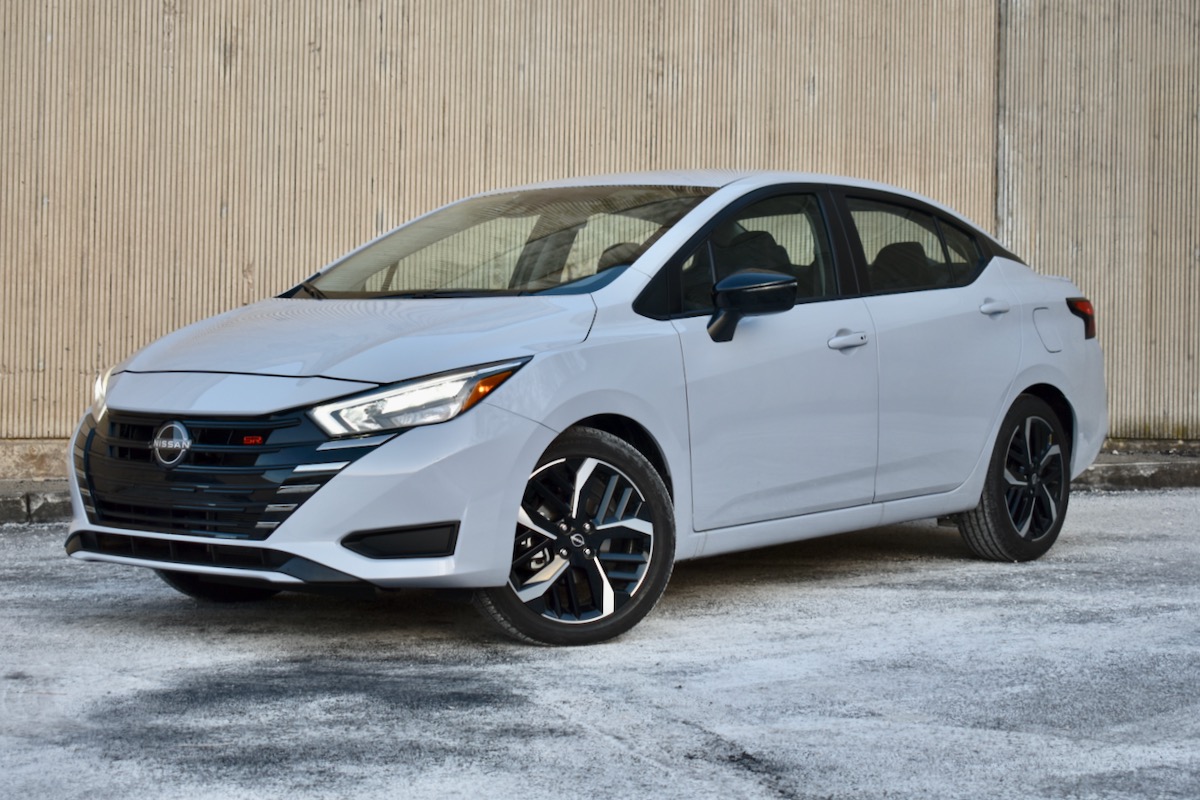
3. 2023 Kia Rio: Affordable, Efficient, and Surprisingly Refined
The 2023 Kia Rio continues to prove that affordable cars can be practical, stylish, and efficient. Starting at $16,550 and offering an excellent combined fuel economy of 36 mpg, the Rio stands out as one of the most economical non-hybrid options on the market.
It delivers dependable performance, user-friendly technology, and a smooth ride that make it a strong choice for budget-conscious buyers. While its power and safety features are limited, the Rio offers more polish than expected for its price range.
The Rio is powered by a 1.6-liter four-cylinder engine producing 120 horsepower. Acceleration is modest, and the car requires patience when merging onto highways or overtaking.
Despite this, the continuously variable automatic transmission (CVT) performs admirably, delivering smooth shifts and making the most of the engine’s limited power. In city driving, the Rio feels composed and capable of keeping up with traffic.
The Rio’s suspension is tuned for comfort rather than agility, and its all-season tires provide minimal grip. Steering feel is light and tends to recenter aggressively, which can make the car feel less precise. The Rio is best suited for relaxed, moderate driving rather than spirited cornering. For most daily commutes, its calm and predictable handling is adequate.
Comfort levels in the Rio are better than expected for a subcompact vehicle. The soft suspension and tall tires absorb bumps well, allowing for a surprisingly smooth ride over rough pavement. The trade-off comes in the form of noticeable wind and road noise inside the cabin, which becomes evident at higher speeds.
The seats provide basic comfort and decent support, though they lack lumbar adjustment and cushioning for long drives. The absence of padded armrests detracts slightly from the sense of comfort. However, for shorter trips, the Rio provides a ride quality that feels refined for its class.
The Rio’s cabin emphasizes simplicity and functionality. Durable plastics dominate the interior, but the design is clean and uncluttered. Physical buttons for climate and audio controls are easy to reach and intuitive to use. Visibility is excellent thanks to large windows and a short hood, giving the driver a clear view in all directions.
Interior space is adequate for a small car, though taller drivers may find the non-telescoping steering wheel restrictive. Both front and rear occupants benefit from reasonable legroom, but headroom can feel limited for taller passengers. Despite its modest materials, the interior feels sturdy and well-assembled, contributing to a sense of reliability.
Technology is one of the Rio’s strengths. The infotainment system is straightforward and responsive, featuring wireless Apple CarPlay and Android Auto as standard. Audio quality is average but serviceable. Higher trims, like the S, add keyless entry, extra USB ports, and driver-assistance features.
However, the Rio lacks some advanced safety systems found in larger Kia models. Features like blind-spot monitoring and a more sophisticated lane-keeping assist are missing, limiting the Rio’s safety tech appeal.
Despite its compact size, the Rio offers generous cargo capacity. The hatchback version provides 17.4 cubic feet of storage with the rear seats up and 32.8 cubic feet when folded down.
The low load floor makes it easy to load heavy items, and the cargo area is well-shaped for versatility. Interior storage options are limited to small cubbies and cupholders, which suit the car’s narrow dimensions. Installing a child seat can be challenging due to restricted rear access and limited space.
Fuel efficiency is one of the Rio’s best traits. The EPA rates it at 36 mpg combined (33 city/41 highway), but real-world testing often exceeds those numbers, with results reaching up to 43 mpg. This makes the Rio one of the most fuel-efficient gas-powered cars available.
At around $20,000 when equipped with options, the Rio remains a standout value. It feels solidly built and durable, even if its interior materials are basic. Kia’s five-year/60,000-mile bumper-to-bumper and 10-year/100,000-mile powertrain warranty provide peace of mind well beyond most competitors.
The 2023 Kia Rio offers a rare mix of affordability, efficiency, and usability in today’s market. While it lacks strong acceleration and advanced safety technology, it excels in ride comfort, intuitive design, and long-term reliability. For drivers seeking a dependable, economical, and well-built small car, the Rio remains one of the smartest choices in the subcompact segment.
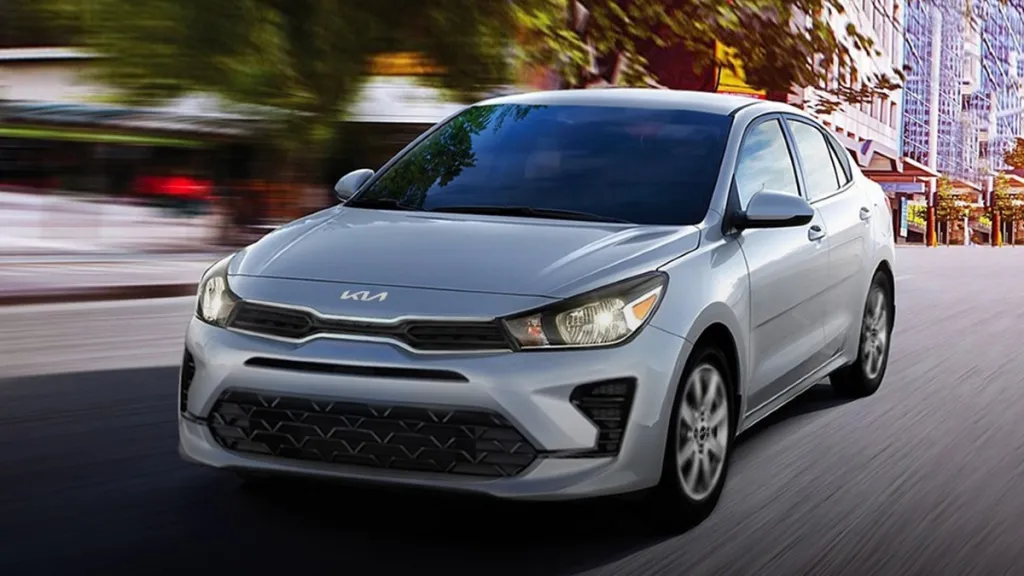
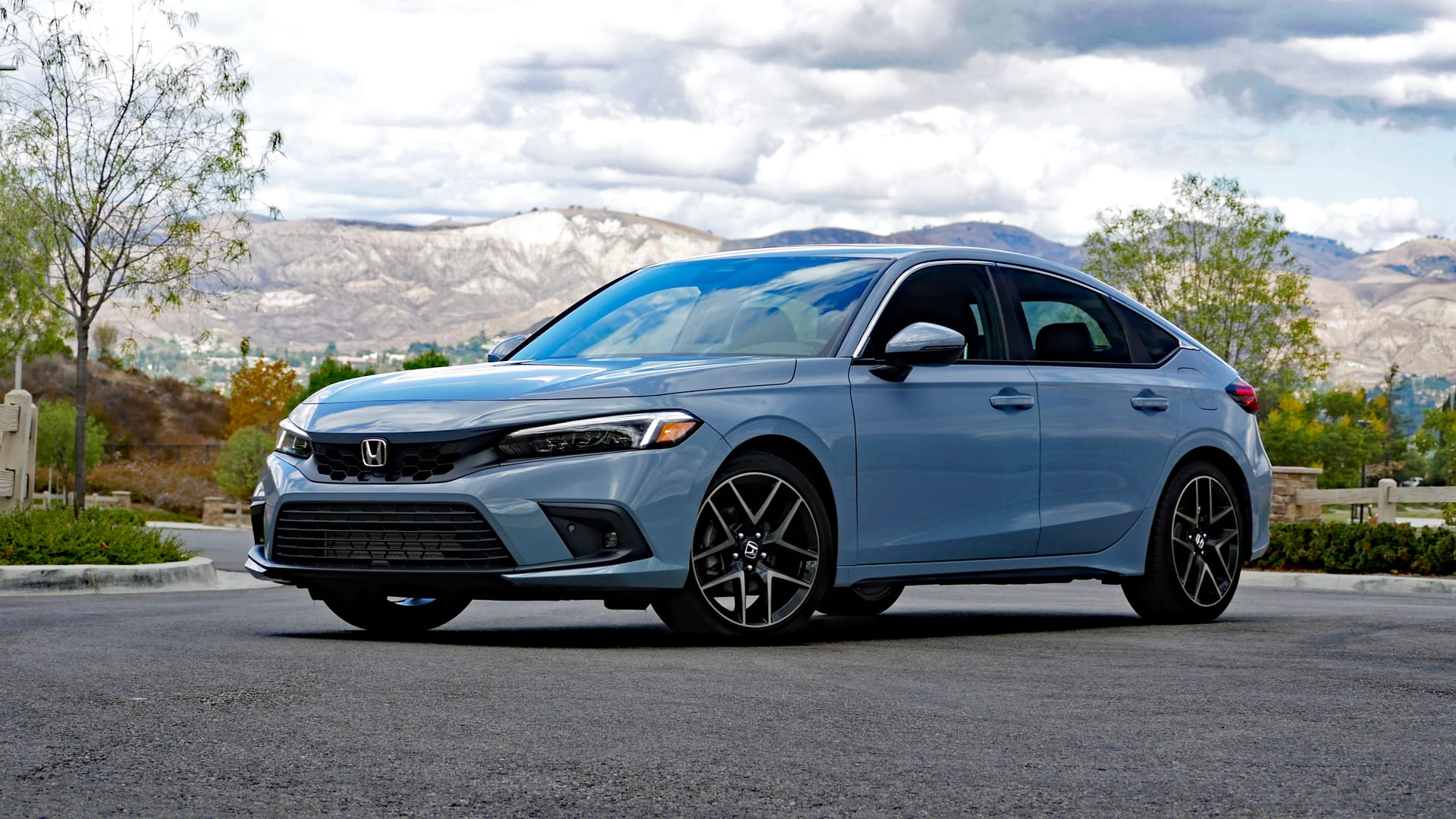
4. 2023 Honda Civic: The Benchmark for Compact Sedans
The 2023 Honda Civic continues to define the compact sedan segment through its blend of fuel efficiency, refined design, and engaging performance.
Starting at $23,750 with a combined fuel economy of 36 mpg, it offers a strong balance between everyday practicality and premium features. With an upscale interior, composed handling, and advanced driver-assistance systems, the Civic remains one of the most desirable compact cars available.
The Civic offers two engine options, but the 180-horsepower turbocharged 1.5-liter engine provides the best mix of power and efficiency. The Civic Touring sedan accelerates from 0 to 60 mph in 7.9 seconds, which is quicker than many of its competitors.
The engine feels slightly slow to respond at first, but it builds power steadily and smoothly. The continuously variable automatic transmission (CVT) operates efficiently, delivering quick and predictable responses during acceleration.
The Civic’s steering is sharp and precise, giving the car a confident and composed feel through corners. Its suspension tuning provides agility while maintaining comfort during city driving or highway cruising. Tire noise is noticeable, but the grip level remains high, helping the car stay stable in turns. Braking performance is strong and consistent, making the Civic easy and pleasant to drive.
The Civic’s suspension absorbs road imperfections effectively, producing a smooth ride for a compact sedan. The front seats are supportive and shaped for comfort during longer drives. The lack of adjustable lumbar support could cause discomfort for some drivers, but the seat cushioning is firm and durable.
The climate control system is simple to operate, with large buttons and clearly labeled functions. Cabin ventilation is effective, distributing air evenly to all passengers. Road noise is somewhat pronounced on rough surfaces, though wind noise is well controlled, and the cabin structure feels solid with minimal vibrations.
The Civic’s cabin combines practicality with modern styling. High-quality materials and clean horizontal lines create an upscale appearance. Controls are logically arranged and easy to reach, which enhances driver convenience.
Visibility is excellent because of narrow front roof pillars and door-mounted mirrors that minimize blind spots. Although the rear window is somewhat small, the multi-angle rearview camera helps with parking and reversing.
Passenger space is generous for a compact sedan. Both front and rear occupants have ample legroom and headroom, while seat comfort remains consistent across trims. The 14.8-cubic-foot trunk is large for the segment and features a wide opening. Rear seats can fold down to extend cargo space, though the opening between the trunk and cabin is somewhat narrow.
The infotainment system is user-friendly, responsive, and positioned high on the dashboard for better visibility. The Touring trim features a 9-inch touchscreen, while lower trims use a 7-inch display. Apple CarPlay and Android Auto are standard, with wireless connectivity on higher trims.
Honda equips the Civic with several advanced safety features, including adaptive cruise control, lane-keeping assist, and collision warning. These systems function accurately most of the time, though occasional false alerts may occur. The adaptive cruise control can brake a little late, but remains useful in traffic conditions.
The Civic Touring achieves an EPA-rated 34 mpg combined, while the EX trim improves this to 36 mpg, placing the Civic ahead of many rivals. Real-world results closely match these estimates, confirming its efficiency.
The Civic costs slightly more than some competitors, but the price is justified by its refined driving experience, premium cabin materials, and strong resale value. Honda’s warranty coverage includes three years or 36,000 miles for basic protection and five years or 60,000 miles for the powertrain, supported by the brand’s reputation for reliability.
The 2023 Honda Civic sets the standard for compact sedans with its combination of performance, comfort, technology, and efficiency. Its well-crafted interior, smooth ride quality, and advanced safety features make it an ideal choice for buyers seeking a small car with a big sense of refinement and reliability.
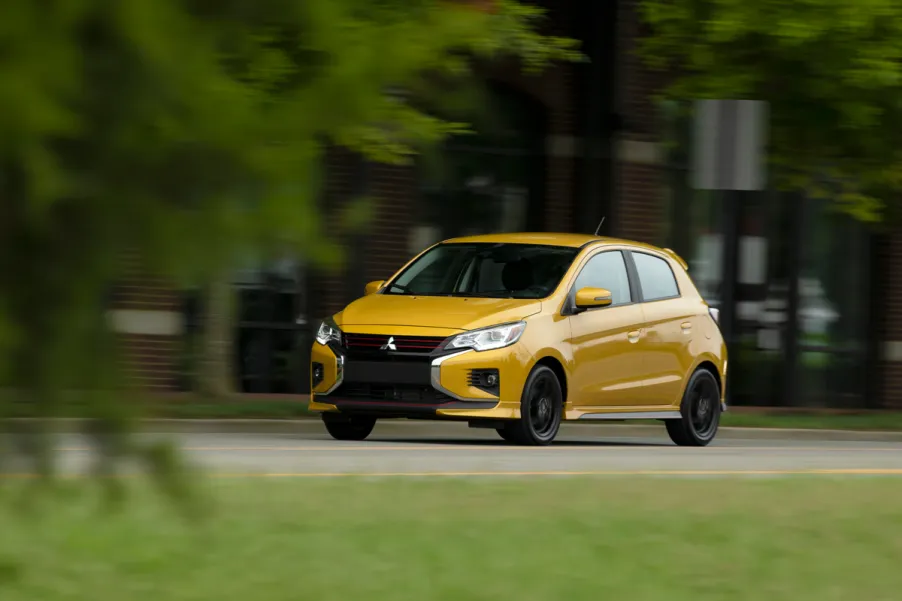
5. 2023 Mitsubishi Mirage: Affordable Efficiency with Major Compromises
The 2023 Mitsubishi Mirage, starting at $16,245, stands out as the most fuel-efficient non-hybrid sedan in the United States, achieving an impressive 37 mpg combined. It also offers one of the lowest starting prices for a new car, appealing to budget-conscious buyers.
However, while it excels in fuel economy and affordability, it falls short in performance, comfort, and refinement, making it less competitive among modern small cars.
Every Mirage comes with a 1.2-liter three-cylinder engine producing just 78 horsepower and 74 pound-feet of torque, paired with a continuously variable automatic transmission (CVT) that powers the front wheels. This makes it the least powerful vehicle in its class, significantly underperforming compared to rivals like the Nissan Versa, which offers 122 horsepower.
Acceleration is slow, and the Mirage struggles to keep up with traffic, especially on highways where merging and overtaking require heavy throttle input. The engine becomes loud and strained during acceleration, contributing to a noisy and unrefined driving experience.
While its compact size makes it easy to maneuver in city traffic, the Mirage lacks the stability and responsiveness found in competitors. Its suspension tuning delivers a firm ride, which can feel harsh on uneven roads.
Where the Mirage truly shines is in its fuel economy. According to EPA estimates, it achieves 36 mpg in the city and 43 mpg on the highway, surpassing most non-hybrid rivals in this segment. These numbers make it an ideal option for commuters seeking maximum mileage with minimal fuel costs. This efficiency gives the Mirage a distinct advantage for drivers prioritizing savings over performance or comfort.
Inside, the Mirage presents a basic and utilitarian cabin. The design is simple and functional, with noticeable use of hard plastics, but the layout is straightforward and user-friendly. The front seats are reasonably comfortable for short drives, though the rear seats offer limited legroom, making them less suitable for taller passengers.
Despite its small footprint, the Mirage offers impressive cargo capacity for a subcompact hatchback. It provides 17 cubic feet of cargo space behind the rear seats and expands to 47 cubic feet when the 60/40 split-folding seats are lowered. This versatility gives it an edge over smaller competitors like the Chevrolet Spark, which offers less storage space.
The Mirage includes a good selection of standard infotainment features for its price. It comes with a 7-inch touchscreen, Bluetooth connectivity, Apple CarPlay, and Android Auto compatibility. The system is intuitive and easy to navigate, and a Rockford Fosgate premium audio system is available for those seeking better sound quality. While the setup is simple, it performs effectively and enhances convenience in daily use.
Standard safety features include automated emergency braking with pedestrian detection, while higher trims add lane-departure warning and automatic high-beam headlights. However, the Mirage lacks advanced driver-assistance technologies available in many rivals, such as adaptive cruise control or blind-spot monitoring.
One major advantage is Mitsubishi’s exceptional warranty coverage, which matches industry leaders like Kia and Hyundai. The Mirage includes a five-year/60,000-mile limited warranty and a 10-year/100,000-mile powertrain warranty, though no complimentary maintenance is offered.
The 2023 Mitsubishi Mirage succeeds in offering excellent fuel economy, affordability, and a strong warranty, making it a cost-effective choice for those focused purely on efficiency and basic transportation.
However, its weak engine, stiff ride, and noisy cabin limit its appeal against better-rounded competitors such as the Nissan Versa and Kia Rio. For budget buyers prioritizing fuel savings above all else, the Mirage is serviceable, but others in its price range deliver far greater comfort and performance.
Also Read: 10 Cars That Still Look Brand-New With a Simple Wash
5 Thirsty Cruisers
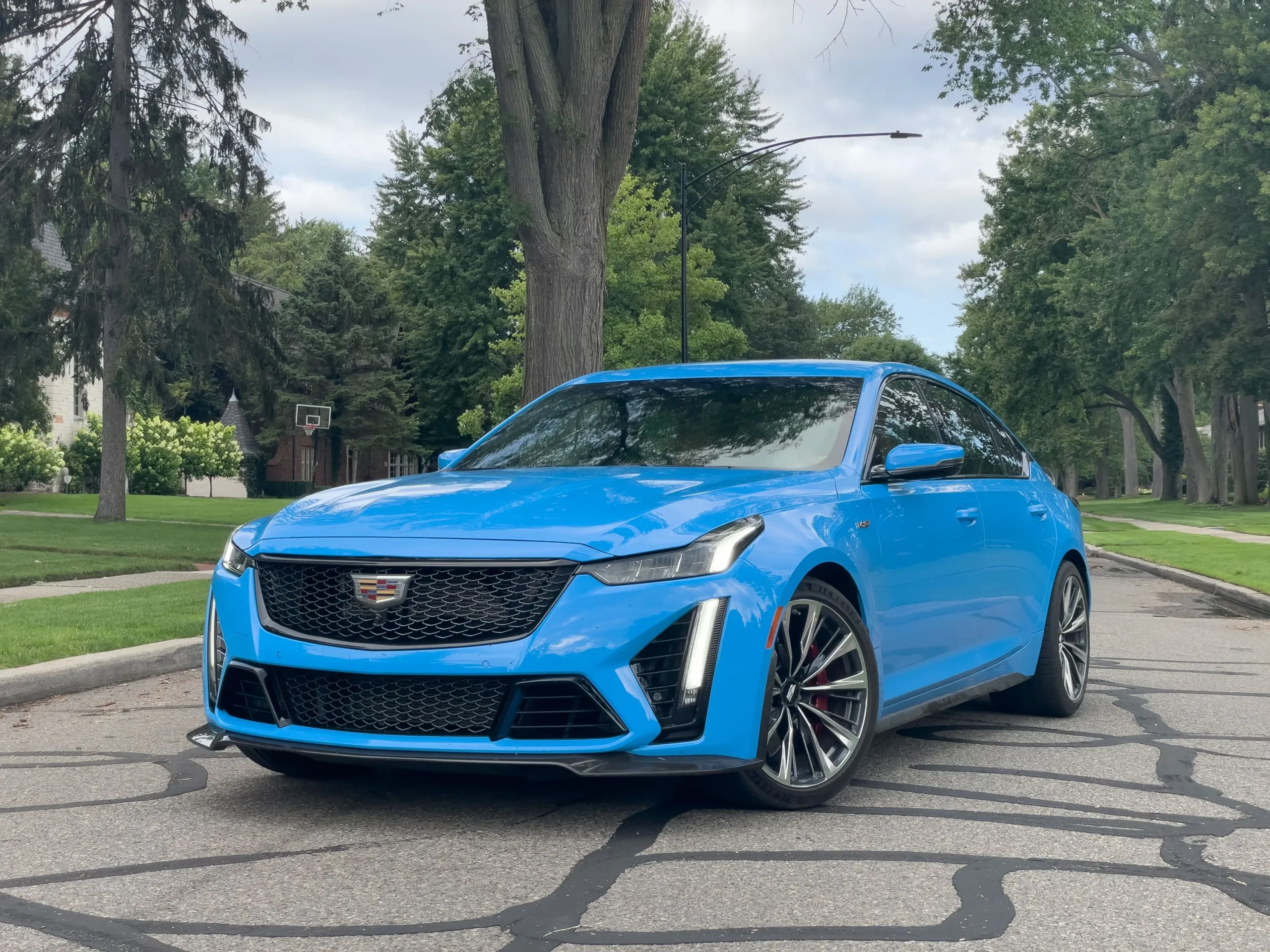
1. 2024 Cadillac CT5-V Blackwing: Power Over Efficiency
The 2024 Cadillac CT5-V Blackwing is one of the last American sedans to offer a manual transmission and rear-wheel drive, showcasing performance-oriented engineering over fuel efficiency. Its hand-built, supercharged 6.2-liter V8 generates an astonishing 668 horsepower, enabling track-capable acceleration and exhilarating driving dynamics.
However, this power comes at a significant cost to fuel economy, with the six-speed manual achieving only 15 mpg combined and the automatic slightly higher at 13 city/21 highway mpg.
The CT5-V Blackwing’s fuel consumption is driven by its high-output engine, which demands substantial fuel to deliver instant power. The vehicle encourages aggressive driving through hard acceleration and spirited cornering, further increasing fuel usage. Its performance tuning emphasizes acceleration and responsiveness rather than efficiency, making it one of the thirstiest sedans on the market.
This Cadillac is designed for enthusiasts who prioritize driving excitement and mechanical engagement over fuel savings. While it offers thrilling speed, sharp handling, and a rare manual experience, prospective buyers should expect high fuel costs and low efficiency as inherent trade-offs for the car’s extreme performance capabilities.
2. 2025 BMW M5 Competition: Performance at the Expense of Fuel Efficiency
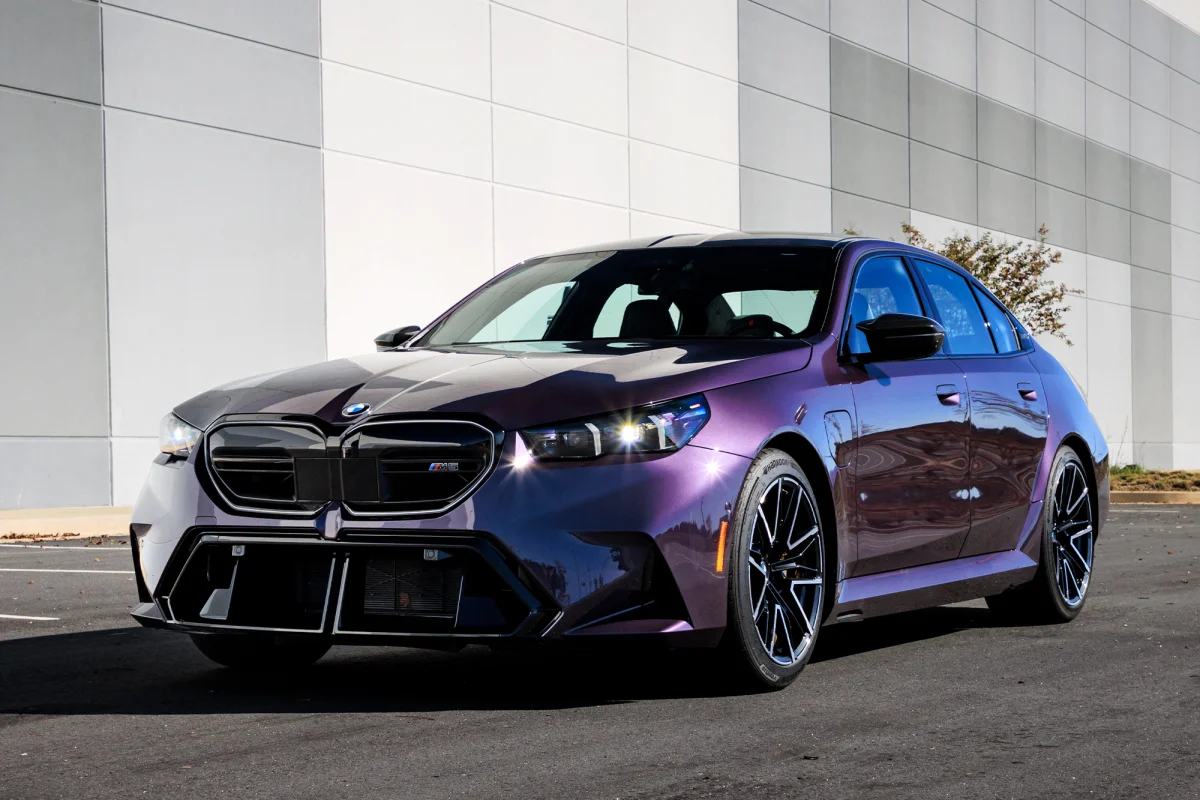
The 2025 BMW M5 Competition is a high-performance sports sedan that prioritizes speed and handling over fuel economy. Powered by a twin-turbo 4.4-liter V8 combined with a hybrid system, it delivers extreme horsepower and torque for rapid acceleration and precise all-wheel-drive performance.
However, this performance comes at a cost, with EPA ratings of 12 mpg city, 17 mpg highway, and 14 mpg combined, making frequent fuel stops inevitable during spirited driving.
The hybrid system enhances performance by adding electric power to the V8, boosting output but increasing fuel consumption. The added weight of the lithium-ion battery and hybrid components further reduces efficiency, requiring more power to maintain high speeds.
The car offers a limited all-electric range of about 25 miles, after which the V8 dominates fuel usage. The M5 Competition is designed for enthusiasts who value performance, acceleration, and driving excitement over fuel savings.
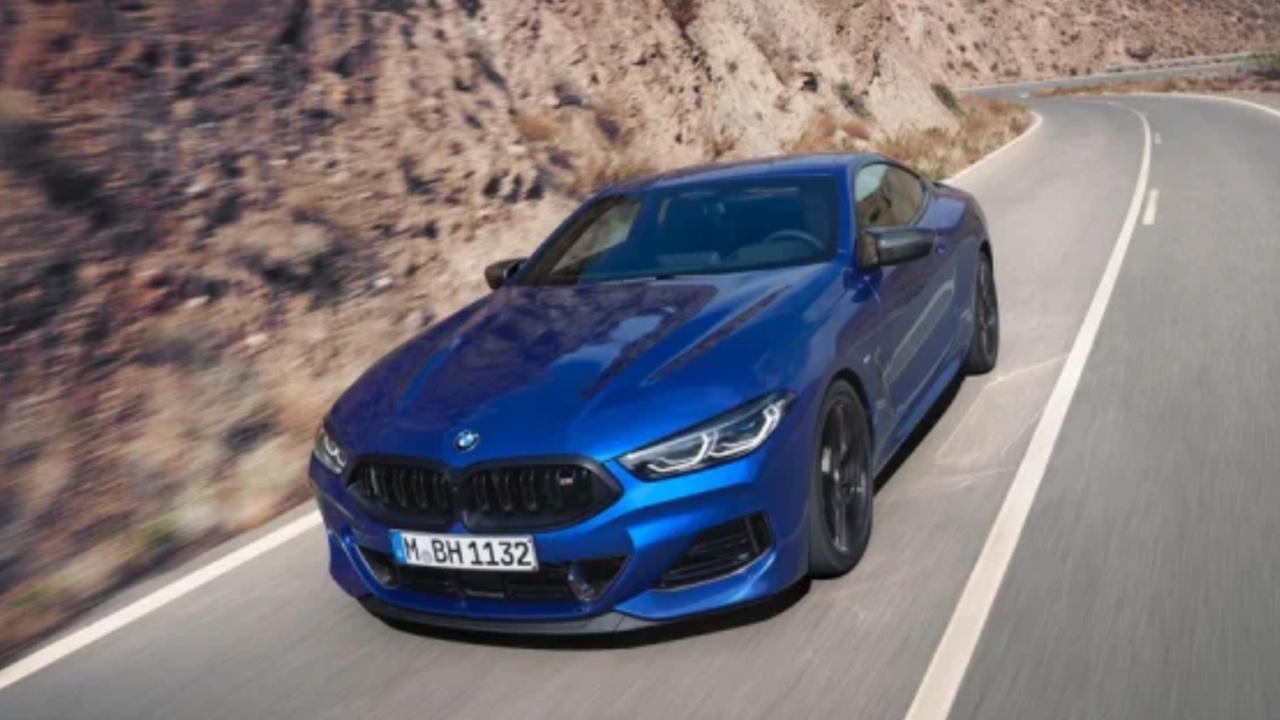
3. 2024 BMW M8 Gran Coupe: Luxury and Performance Over Efficiency
The 2024 BMW M8 Gran Coupe is a high-performance luxury sedan that emphasizes style and speed over practicality. Its “Gran Coupe” design features a low, sloping roofline, giving it a sleek and aggressive appearance, though it sacrifices rear headroom and interior practicality. When equipped with the optional Driver’s Package, the M8 can reach a top speed of 190 mph, highlighting its extreme performance capabilities.
At the heart of the M8 is a twin-turbo V8 engine, engineered to deliver maximum horsepower and acceleration.
This powerful engine consumes significantly more fuel than smaller or less performance-oriented engines, with typical driving averaging around 15 liters per 100 kilometers and aggressive driving easily pushing consumption to 20 liters per 100 kilometers. High-speed driving, frequent hard acceleration, and performance-focused tuning all contribute to rapid fuel usage.
The M8’s design and engineering prioritize driving excitement, handling, and speed rather than efficiency. While it offers exhilarating acceleration, sharp handling, and a refined luxury cabin, fuel economy is a secondary consideration. The M8 is best suited for enthusiasts who value performance, style, and driving thrill, and who are willing to accept high fuel consumption as part of the experience.
4. 2024 Mercedes-AMG E63 S: Extreme Performance Over Fuel Efficiency
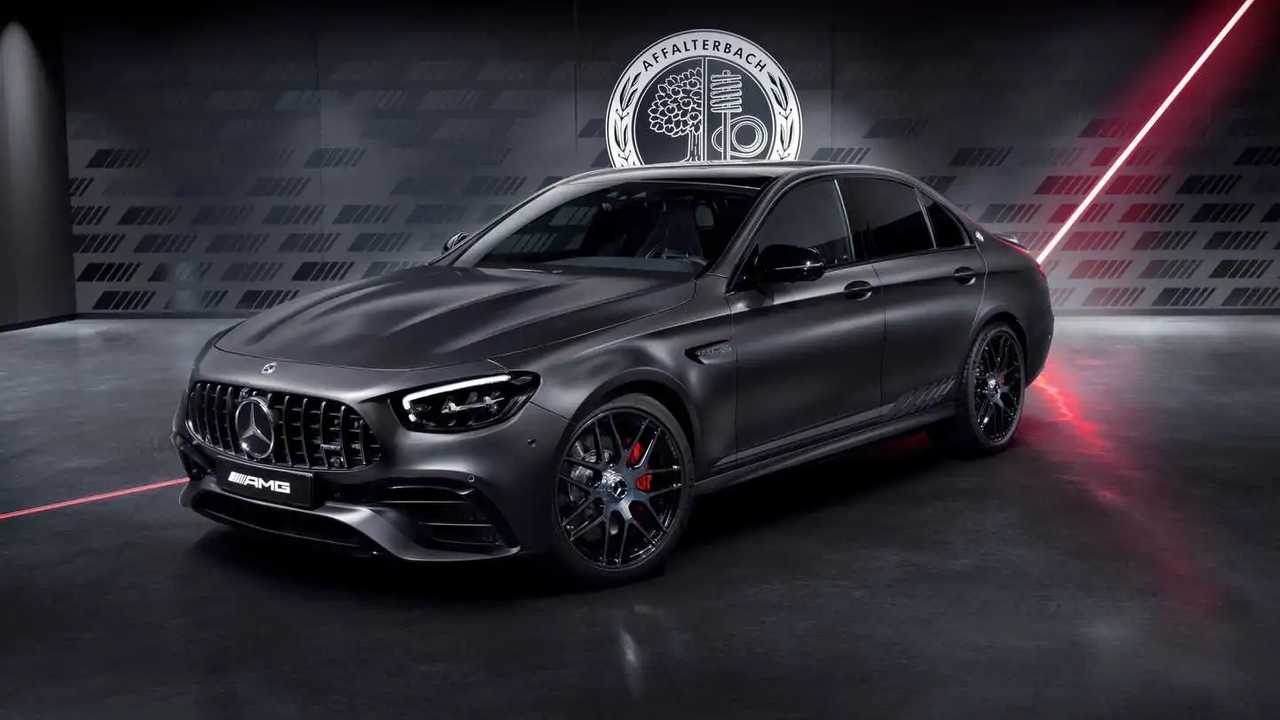
The 2024 Mercedes-AMG E63 S marks the pinnacle of AMG’s gasoline V8 E-Class lineup, combining luxury and blistering performance. Powered by a twin-turbocharged 4.0-liter V8 producing 603 horsepower and 627 lb-ft of torque, the E63 S delivers instant acceleration and track-capable dynamics. However, this focus on performance comes at the cost of fuel efficiency, with EPA ratings of 16 mpg city and 23 mpg highway.
Fuel consumption is high due to the car’s performance-oriented hybrid system, which pairs the V8 with an electric motor designed to provide a torque boost rather than maximize efficiency.
The system also powers electric turbochargers, eliminating lag and delivering immediate power but increasing energy use. Aggressive driving in Sport or Sport+ modes further accelerates fuel consumption, while even the added weight from the hybrid battery contributes to lower efficiency.
Despite its fuel-hungry nature, the E63 S excels in handling, power delivery, and responsiveness, making it a thrilling choice for enthusiasts.
While “Comfort” mode offers a more relaxed drive, the car is engineered for those who value performance, acceleration, and advanced technology over fuel economy. It represents a rare opportunity to experience a high-powered AMG V8 before the era of electrification dominates the lineup.
5. 2024 Rolls-Royce Ghost: Luxury Without Compromise on Fuel
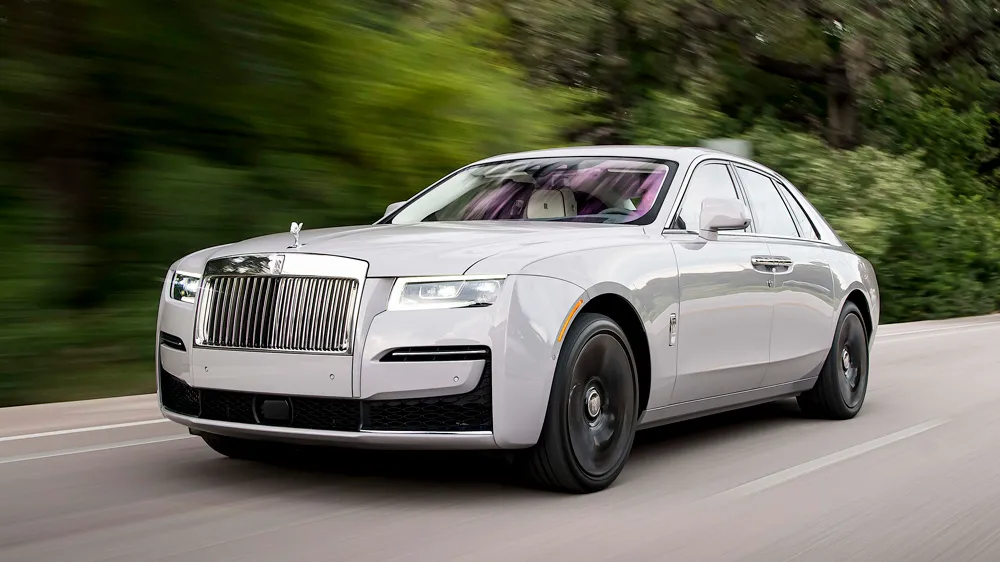
The 2024 Rolls-Royce Ghost epitomizes ultra-luxury, delivering a commanding presence and effortless performance, but it comes with extremely poor fuel efficiency. Powered by a 6.75-liter twin-turbocharged V12, the Ghost produces 563 horsepower yet achieves only 12 mpg city and 19 mpg highway, resulting in a combined fuel economy of 14 mpg.
Fuel consumption is high due to the combination of its massive engine and hefty curb weight of over three tons. Accelerating, cruising, and even idling require significant energy, making it one of the thirstiest vehicles in its class.
Unlike modern hybrids or electric vehicles, the Ghost lacks efficiency technologies such as regenerative braking, which means kinetic energy is not recaptured during deceleration. The engine continues to run while stopped, further increasing fuel use.
The V12 engine is tuned for smooth, silent power delivery rather than fuel economy, providing effortless acceleration and refinement on any road. Its luxurious features, imposing size, and exceptional craftsmanship make it a benchmark for ultra-luxury sedans.
Buyers of the Ghost prioritize comfort, prestige, and performance over efficiency, accepting high fuel consumption as the trade-off for one of the most opulent driving experiences available today.
The sedans featured in this guide prove that exceptional performance and luxury rarely come without higher fuel consumption.
While models like the Jetta, Versa, Rio, and Civic manage efficiency with practicality, the high-powered Cadillac CT5-V Blackwing, BMW M5 Competition, BMW M8 Gran Coupe, Mercedes-AMG E63 S, and Rolls-Royce Ghost prioritize thrilling acceleration, aggressive handling, and opulent design over miles per gallon.
Fuel costs are the inevitable trade-off for drivers seeking speed, advanced engineering, and premium comfort. Understanding each vehicle’s strengths and compromises is key: subcompact and compact sedans deliver daily usability and modest running costs, while performance and luxury sedans offer driving exhilaration and sophistication at the price of fuel economy.
“5 Thirsty Cruisers” showcases how sedans can span efficiency and extravagance, allowing buyers to select a ride that aligns with their priorities, whether practical commuting or enjoying the pure pleasure of the road.
Also Read: 5 Cars With Seats Your Back Will Love vs 5 Back-Pain Specials