Electric vehicles have changed the way we take road trips, offering lower emissions, quieter rides, and instant torque. However, not all EVs are equal when it comes to charging speed. Some models allow you to get back on the road almost as quickly as refueling a gas car, while others require long stops that can test your patience.
In this guide, we compare five EVs that charge quickly on road trips with five that make you wait, examining real-world performance and convenience.
From the luxurious Mercedes-Benz EQS, which can fast-charge in about 30 minutes, to the compact Fiat 500e, which demands more time at charging stations, we highlight the key differences. Whether you prioritize speed, range, or comfort, understanding charging performance is essential for planning efficient and stress-free long-distance trips.
5 EVs That Charge Fast On Road Trips
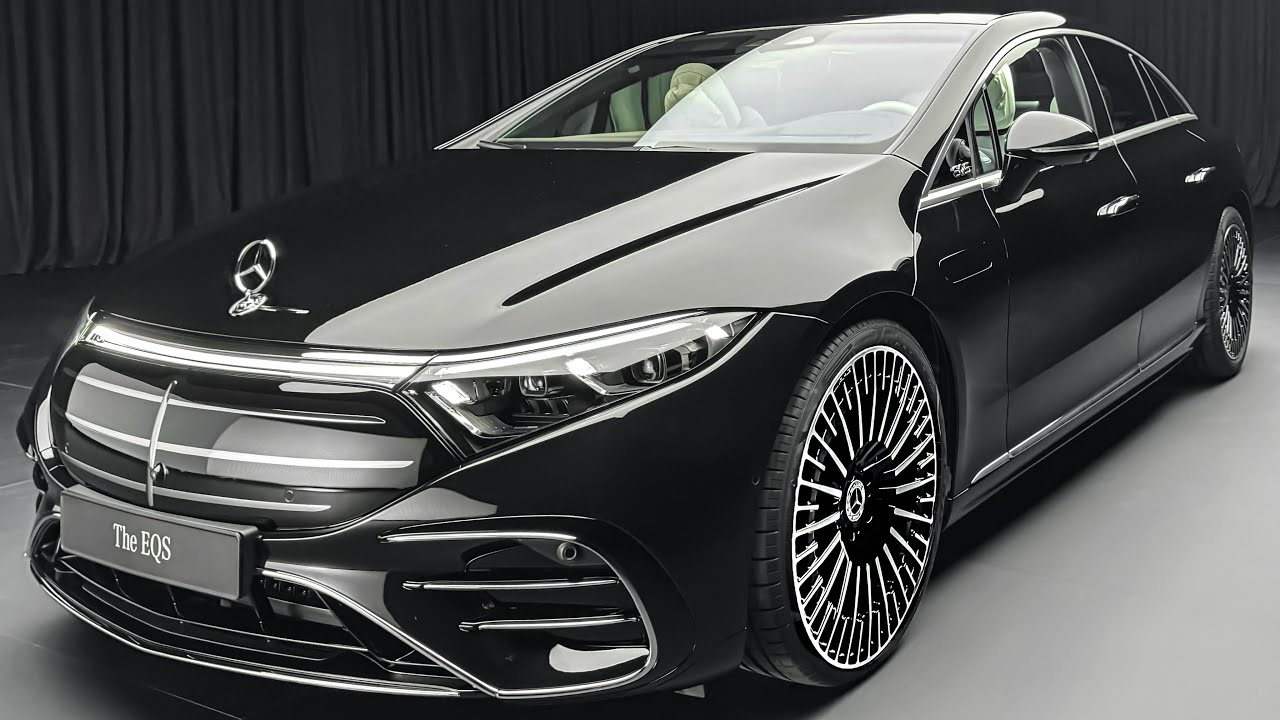
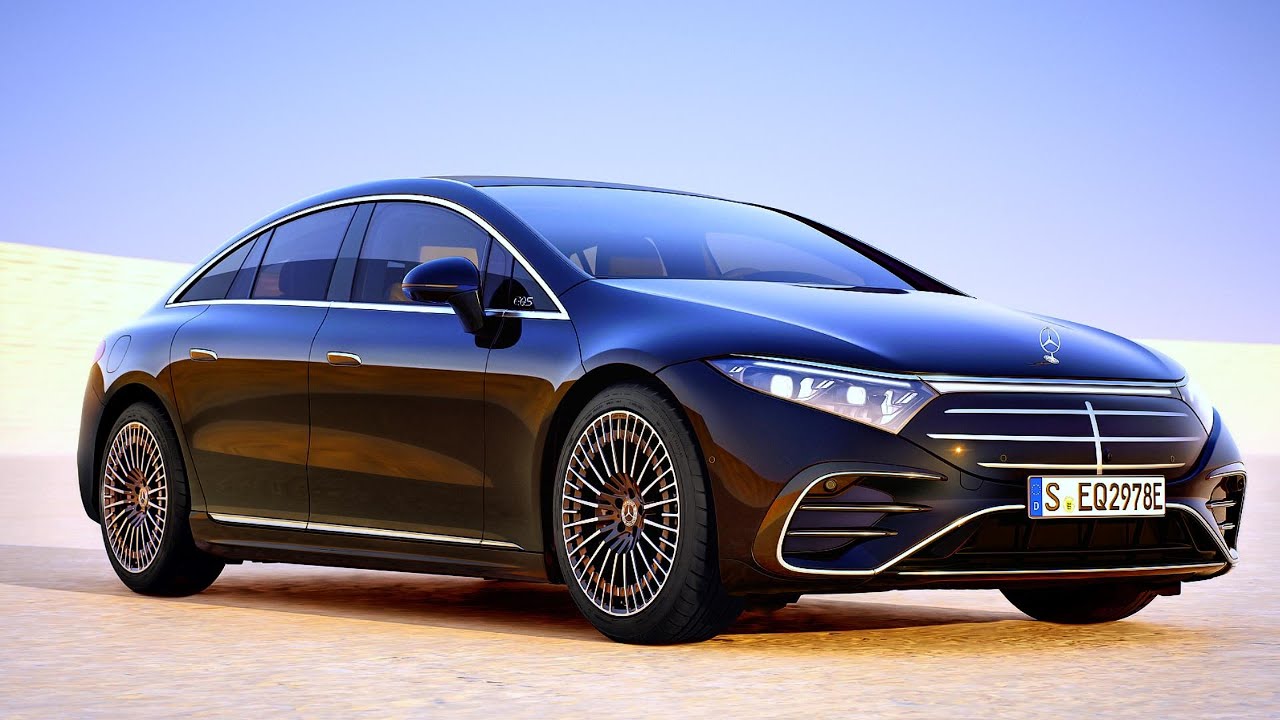
1. 2025 Mercedes-Benz EQS Sedan: The Epitome of Electric Luxury
The 2025 Mercedes-Benz EQS Sedan blends the sophistication of the S-Class with advanced electric performance and technology. Priced from $104,400 and rated 8.5/10 by U.S. News, the EQS stands out for its impressive range, quick charging capability, and exceptional comfort.
It can charge from 10% to 80% in about 30 minutes using a DC fast charger and offers more than 300 miles per charge, with the EQS 450+ reaching an estimated 390-mile range.
Inside, the sedan features the striking 56-inch Hyperscreen, 64-color ambient lighting, and adaptive cruise control. As an all-electric counterpart to the S-Class, it maintains a quiet cabin, uses high-quality materials, and provides generous cargo space.
The EQS delivers a smooth and refined driving experience that closely resembles a traditional luxury sedan. The EQS 450+ accelerates from 0 to 60 mph in 5.7 seconds, offering sufficient performance for daily driving, though competitors are often faster. Those seeking greater acceleration can choose the EQS 580 or AMG EQS models.
Braking requires some adjustment because the regenerative braking system changes pedal travel based on the selected setting. Even with this quirk, the EQS stops efficiently, needing just 111 feet to come to a halt from 60 mph. Steering is light, accurate, and stable, which makes the car ideal for long-distance highway cruising rather than sharp cornering.
Comfort is one of the EQS’s strongest attributes. The front seats provide a wide range of adjustments and a perfect blend of support and softness. The cabin remains exceptionally quiet, and very little exterior noise penetrates the interior. Ride quality is smooth and controlled, though the gasoline-powered S-Class still manages to absorb bumps with slightly greater finesse.
The touchscreen-based climate control system is easy to use and displays real-time air quality information. Heated and ventilated seats, along with the optional massage function, enhance comfort during extended trips. Rear passengers do not have separate seat or climate settings unless the Pinnacle trim is selected.
Inside, the EQS showcases the innovation and craftsmanship Mercedes-Benz is known for. The available MBUX Hyperscreen spans the dashboard with three integrated displays under one glass panel.
Even the standard touchscreen is large, responsive, and easy to navigate. The MBUX voice assistant helps manage functions through spoken commands, while the Burmester sound system delivers excellent clarity. Wireless Apple CarPlay and Android Auto come standard, though there can be minor connection interruptions.
Mercedes includes a suite of driver-assistance systems such as adaptive cruise control, lane-keeping assist, blind-spot monitoring, and a 360-degree camera system. These features enhance both safety and convenience.
Although the EQS lacks a front trunk, it offers a spacious 22-cubic-foot rear cargo area and 40/20/40-split folding seats, providing flexible storage options. The interior also includes multiple compartments for smaller items. Installing child seats is relatively easy, though the slanted rear seat cushion can make securing them slightly more difficult.
The EQS 450+ achieves an EPA-estimated range of 350 miles, yet real-world testing has shown it can reach 422 miles per charge while using only 29.5 kWh per 100 miles. This makes it more efficient than several rivals, including the Audi e-tron GT.
At a starting price above $100,000, the EQS offers remarkable quality, refinement, and technology. While the rear seating could benefit from additional luxury features, the craftsmanship, smooth performance, and advanced systems make it a strong choice in the electric luxury sedan segment.
Mercedes provides a 10-year or 155,000-mile battery warranty and two years or 20,000 miles of free maintenance, reinforcing the EQS Sedan’s status as a refined and efficient flagship electric vehicle.
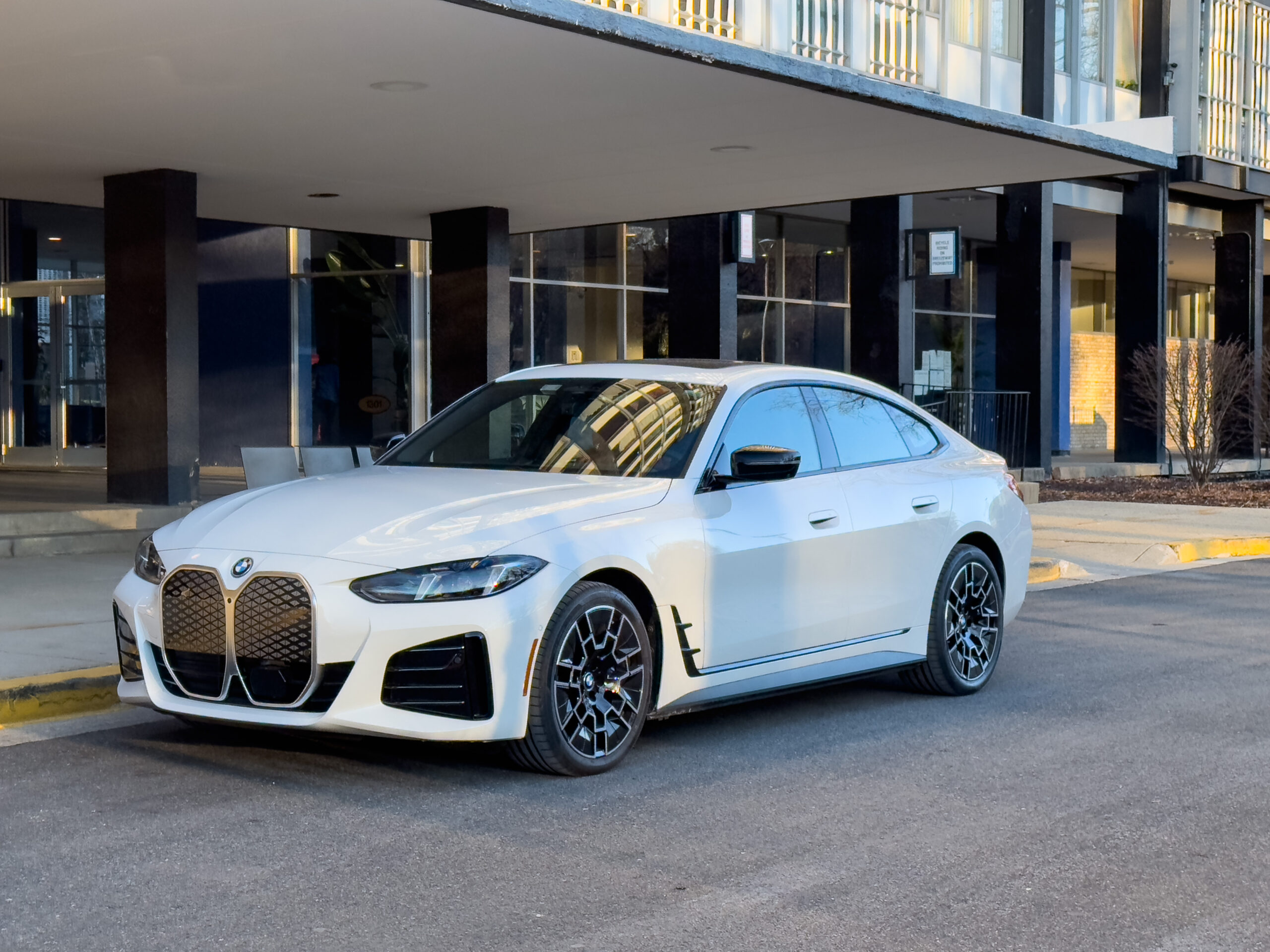
2. 2025 BMW i4: A Stylish Blend of Comfort, Tech, and Everyday Performance
The 2025 BMW i4 stands as an entry point into the luxury electric sedan market, combining refined performance, advanced technology, and premium design. Starting at $52,800 and earning an 8.8/10 rating from U.S. News, the i4 appeals to those seeking an elegant and efficient EV that still feels distinctly like a BMW.
It can charge from 10% to 80% in about 30 minutes at a DC fast charger and offers a driving range of up to 318 miles in the eDrive40 model. For those prioritizing performance over range, the M50 version delivers stronger acceleration and more dynamic handling.
The BMW i4 eDrive40 delivers a refined and confident driving experience that suits daily commutes and long highway drives alike. In testing, it reached 60 mph in 5.3 seconds, which is quick but comparable to other electric sedans in its class.
Around town, it feels lively and responsive, with light steering that makes parking and maneuvering effortless. While the eDrive40 focuses more on comfort than sportiness, the M50 variant caters to drivers looking for a more engaging and athletic ride.
The i4’s suspension system provides a composed and cushioned feel, absorbing road imperfections smoothly. Advanced driver-assist systems, such as BMW’s semi-automated hands-free driving mode for low-speed traffic, enhance convenience and reduce stress during daily commutes.
Comfort in the i4 is generally strong, although there are a few minor drawbacks. The front seats provide firm yet supportive cushioning with extensive adjustability, ensuring comfort on long drives. Rear seats accommodate child safety seats easily thanks to accessible LATCH points, though rear-facing seats reduce front legroom. Entry can be awkward at times because of door handles that do not always extend smoothly.
The climate control system is less impressive, taking extra time to cool the cabin and relying entirely on touchscreen controls, which can make basic adjustments cumbersome. Once inside, however, passengers are treated to a quiet and sophisticated atmosphere enhanced by premium materials and meticulous craftsmanship.
Technology is one of the i4’s strongest assets. The centerpiece of the cabin is a 14.9-inch touchscreen paired with a 12.3-inch digital instrument display, both running BMW’s improved infotainment system.
The interface is sharp, colorful, and intuitive, with the option to use either the touchscreen or rotary dial for control. Wireless Apple CarPlay and Android Auto come standard, and the optional Harman Kardon sound system delivers exceptional audio quality.
Navigation and voice controls are quick and responsive, and BMW’s latest software updates make the system easier to operate than earlier versions. The i4’s advanced technology helps it feel both futuristic and user-friendly.
Despite its sedan silhouette, the i4 features a hatchback design, offering better practicality than expected. The hatch opens wide for easy access, providing about 10 cubic feet of space, which comfortably fits groceries or luggage.
Rear seats fold in a 40/20/40 split, allowing long items to fit alongside passengers. Interior storage is limited, with smaller center console bins and cupholders, but door pockets provide useful extra space.
The eDrive40 achieves up to 318 miles of range, though real-world tests suggest closer to 300 miles, depending on driving conditions. With 200 kW fast-charging capability, it can add about 90 miles of range in just 10 minutes under ideal circumstances.
While the i4 costs more than competitors like the Tesla Model 3 or Hyundai Ioniq 6, it compensates with superior materials, craftsmanship, and driving refinement. Many driver-assistance features are optional rather than standard, but this is typical for premium European brands.
The 2025 BMW i4 delivers a polished, comfortable, and technologically advanced experience for those seeking an upscale electric sedan. The eDrive40 emphasizes balance and efficiency, while the M50 brings more performance excitement. The i4’s blend of luxury and practicality makes it an appealing choice for drivers entering the electric future without compromising BMW’s signature character.
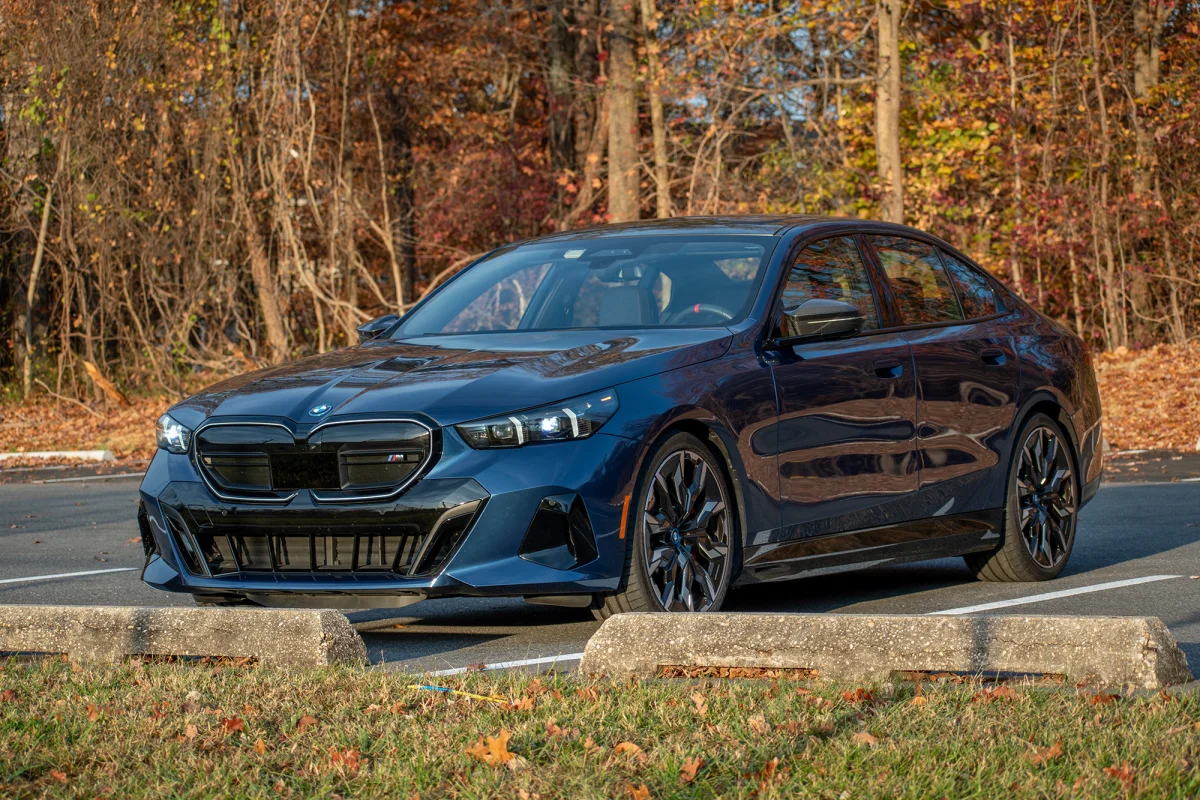
3. 2025 BMW i5: Refined Luxury Meets Electric Performance
The 2025 BMW i5 represents the evolution of BMW’s midsize luxury sedan into the electric era, offering a polished mix of comfort, power, and high-tech sophistication. Starting at $67,100 and earning an 8.4/10 rating from U.S. News, the i5 delivers fast charging, strong performance, and a premium interior that rivals traditional luxury flagships.
It can charge from 10% to 80% in about 30 minutes at a DC fast charger and offers a driving range of up to 295 miles, slightly less than some competitors but still practical for daily use.
BMW now offers three trims: the base eDrive40, the new xDrive40 with dual motors and all-wheel drive, and the high-performance M60 xDrive. Each version blends efficiency with trademark BMW driving dynamics, ensuring the i5 remains true to the brand’s heritage.
The i5 provides a blend of smooth power delivery and confident handling. The eDrive40, with a single rear motor, accelerates from 0 to 60 mph in 5.6 seconds, while the M60 xDrive cuts that time to an impressive 3.6 seconds. The car feels lively in city traffic and confident during highway passes, with regenerative braking that can bring the car to a stop in one-pedal driving mode.
The i5’s steering is well-tuned for balance, offering light effort in tight spaces and added weight at higher speeds for stability. The suspension maintains a comfortable yet composed ride, managing bumps with ease while still feeling precise through turns. The M60 version’s sportier tuning enhances agility without sacrificing ride comfort. Front seats are supportive and comfortable, making long drives enjoyable.
BMW’s full suite of driver-assistance systems adds convenience and safety. Features such as hands-free highway driving, adaptive cruise control, and automatic lane changing operate smoothly. Clear screen prompts make it easy to engage or monitor these systems during use.
The interior of the i5 mirrors that of the standard 5 Series, offering space, sophistication, and top-tier craftsmanship. Both rows provide generous headroom and legroom, and the seating position is comfortable for drivers of all sizes. Rear passengers enjoy ample space, though toe room is somewhat limited. The wide door openings make entry easy, and child seat installation is straightforward thanks to accessible Isofix anchors.
Climate control performance is excellent, quickly heating or cooling the cabin. Most functions are integrated into the touchscreen, which can be distracting while driving, but the system is responsive and allows for customization. Wind and road noise are impressively muted, creating a serene cabin environment suitable for long journeys.
The i5’s technology suite is centered on a 14.9-inch touchscreen paired with a 12.3-inch digital instrument cluster that form a curved display. Navigation is intuitive, and voice commands can adjust functions like climate control, radio, or window shades. The navigation display integrates with the head-up display for clear, real-time directions.
Wireless Apple CarPlay and Android Auto are standard, along with a wireless charging pad and six USB-C ports for both rows. The system occasionally struggles with CarPlay connectivity, but otherwise operates seamlessly. BMW’s interface is easy to use, and the graphics are sharp and modern.
The i5 offers excellent utility for its class, with 17.3 cubic feet of trunk space, more than most midsize electric rivals. The design avoids battery intrusion into the trunk, preserving cargo capacity. Small-item storage is also convenient, with bins for sunglasses and smartphones, plus easily accessible child seat anchors in the rear.
In terms of value, the i5 competes strongly against luxury EVs from Mercedes-Benz and Audi. The cabin quality is exceptional, featuring premium materials and meticulous attention to detail.
Despite its lower price than some rivals, the i5 delivers comparable or better refinement. BMW backs the i5 with four years of unlimited roadside assistance, three years or 36,000 miles of complimentary maintenance, and two years of free fast charging through Electrify America.
The 2025 BMW i5 successfully merges performance, comfort, and cutting-edge technology into a cohesive electric luxury sedan. It maintains BMW’s legacy of driving pleasure while offering modern efficiency and value, making it one of the most compelling electric options in the midsize luxury segment.
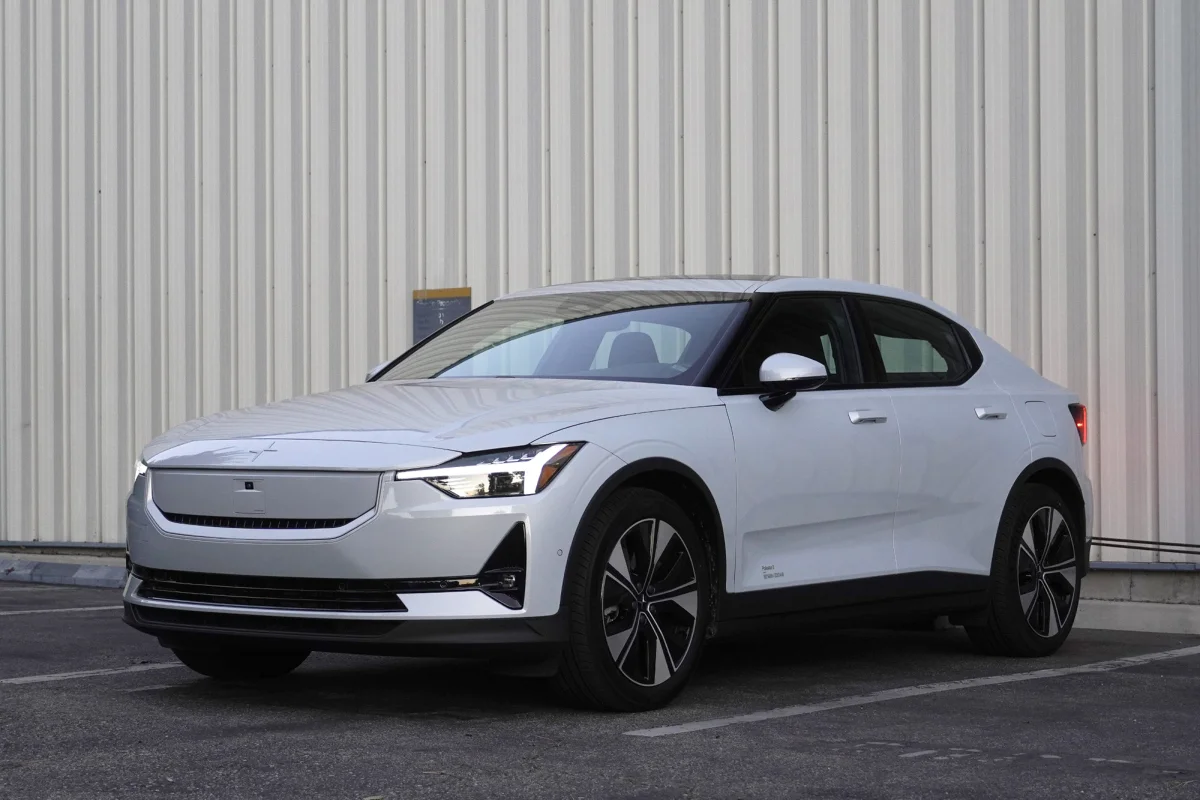
4. 2025 Polestar 2: Scandinavian Design Meets Electric Performance
The 2025 Polestar 2 blends Scandinavian style, modern technology, and strong performance in a refined electric package. Starting at $64,800 with a U.S. News rating of 8.7/10, it delivers quick charging and premium quality.
The Polestar 2 can charge from 10% to 80% in just 28 minutes using a DC fast charger and completes a full charge on a Level 2 charger in about eight hours. Its estimated 254-mile range is modest for its class, but it compensates with power, agility, and a sophisticated driving feel.
For 2025, Polestar simplified the lineup by removing rear-wheel drive and making all models all-wheel drive with increased horsepower. The single trim level includes Pilot Assist driver aids and sustainable materials such as vegan upholstery, enhancing both comfort and environmental responsibility.
The Polestar 2 delivers quick acceleration and confident handling. The dual-motor Performance Pack model reaches 60 mph in 3.8 seconds, putting it among the faster cars in its class. Power delivery is immediate, making highway merging and passing effortless.
The Performance Pack adds Öhlins dampers, Brembo brakes, 20-inch wheels, and gold seat belts. The manually adjustable dampers allow drivers to tailor ride stiffness, and the suspension limits body roll while keeping the car composed over rough roads.
Braking is powerful and consistent, with smooth pedal response and an option for one-pedal driving. Steering feels light, which makes city driving easy but slightly reduces feedback on curvy roads. Despite its performance focus, the Polestar 2 remains stable, predictable, and comfortable for daily use.
Ride comfort is impressive for a compact luxury EV. The suspension provides a balanced mix of firmness and compliance, even with the sport-tuned Performance Pack. The front seats offer good support and cushioning for long trips, although the standard upholstery does not ventilate well compared to the optional leather. The cabin stays quiet at highway speeds, with minimal road and wind noise.
Every Polestar 2 includes dual-zone climate control, heated front and rear seats, and fast cabin temperature adjustment. Leather-equipped models also receive ventilated front seats. The climate system works efficiently, and cabin insulation enhances comfort during longer drives.
The Polestar 2 uses a Google-based infotainment system that is intuitive and responsive. It includes Google Maps for navigation and Google Assistant for voice commands, allowing easy control of navigation, music, and climate settings. Both Apple CarPlay and Android Auto are supported through wired connections. The car also includes a wireless charging pad and four USB-C ports.
Driver-assistance features are extensive. The Pilot Assist package includes adaptive cruise control, lane keeping assist, blind-spot monitoring, and automatic emergency braking. These systems operate smoothly without abrupt movements or false alerts, adding convenience and safety on longer drives.
The Polestar 2’s hatchback design makes it practical despite its compact footprint. The rear cargo area offers 14.2 cubic feet of space, and the wide hatch opening makes it easy to load luggage. Folding the 60/40-split rear seats increases versatility. A small front trunk adds extra space, and the car can tow up to 2,000 pounds, which is useful for light trailers.
Interior storage is adequate, though the center battery tunnel limits space for small items. Cupholders sit beneath the armrest, which means choosing between storage or a resting place for your arm. Door pockets and cubbies are functional but modest. Isofix anchor points are clearly marked, making it easy to install child seats, though a rear-facing seat limits front legroom.
In independent testing, the 2024 model achieved 268 miles on a single charge, exceeding its EPA rating. Energy use averaged 32 kWh per 100 miles, which is consistent with official estimates. The range may not lead the class, but it remains practical for everyday driving.
The Polestar 2’s minimalist interior, high-quality materials, and European craftsmanship create a premium feel. Pricing is slightly lower than some luxury competitors like the BMW i4 M50, while still offering advanced features and strong performance. Polestar’s coverage includes a four-year/50,000-mile basic warranty, eight-year/100,000-mile battery warranty, roadside assistance, and three years of scheduled maintenance.
The 2025 Polestar 2 combines clean Scandinavian design with responsive performance and advanced technology. Its limited range is offset by quick charging, solid build quality, and a driving experience that balances luxury with sportiness.
5. 2025 Audi Q6 e-tron: Fast Charging Meets Everyday Luxury
The 2025 Audi Q6 e-tron, priced from $63,800 and earning a U.S. News rating of 8.7/10, represents Audi’s latest step in expanding its electric lineup. This all-electric SUV combines rapid charging capability, refined performance, and advanced technology in a familiar Audi package.
Equipped with 800-volt architecture, the Q6 e-tron charges from 10% to 80% in just 21 minutes for the all-wheel-drive version, or about 22 minutes for the rear-wheel-drive model. Charging on a Level 2 home unit takes approximately 14 hours from empty to full.
Power comes from a 94.4-kWh battery that delivers up to 321 miles of range in the single-motor model and 307 miles in the dual-motor Quattro. In highway testing at 75 mph, the Q6 e-tron Quattro achieved 250 miles, which is competitive for its class. The EPA rates efficiency at 104 MPGe combined for the single-motor and 99 MPGe combined for the dual-motor version.
The Q6 e-tron’s performance balances power with refinement. The standard single-motor setup produces 322 horsepower and drives the rear wheels, while the dual-motor Quattro model increases output to 456 horsepower and provides all-wheel drive.
In testing, the Quattro reached 60 mph in 4.4 seconds, making it impressively quick for a midsize SUV. For enthusiasts, the SQ6 e-tron raises output to 510 horsepower and adds sport-tuned suspension for sharper handling.
Audi’s predictive regenerative braking system is a highlight. Using radar, cameras, GPS, and road-sign data, it automatically adjusts braking strength to maximize efficiency and comfort.
The result is smooth deceleration that avoids the abrupt feel common in many EVs. With the available air-spring suspension, the Q6 e-tron maintains a calm, composed ride that feels similar to Audi’s gas-powered SUVs but with quieter operation and instant torque response.
The cabin of the Q6 e-tron follows Audi’s signature modern aesthetic. It features leather upholstery, a hands-free power liftgate, and a minimalist dashboard filled with digital displays. Although the interior is well-built, some reviewers note the use of hard plastics that slightly detract from its premium feel. Still, the design remains clean and functional, with sustainable materials integrated throughout.
Despite being close in size to the Audi Q5, the Q6 e-tron has a wheelbase over three inches longer, providing a roomier passenger area. Rear-seat legroom and headroom are generous, though cargo space behind the second row trails some competitors. A small front trunk adds extra storage flexibility.
The dashboard is dominated by a wall of screens. Standard features include an 11.9-inch digital gauge cluster and a 14.5-inch infotainment touchscreen, both integrated into a curved display. An optional 10.9-inch passenger screen allows the front passenger to access infotainment controls or stream video, with the view hidden from the driver while in motion.
The infotainment system runs on a new Android-based interface, which is intuitive and customizable despite lacking physical buttons. Available upgrades include augmented-reality navigation, a head-up display, and an 830-watt Bang & Olufsen sound system that delivers premium audio quality.
Audi equips the Q6 e-tron with a comprehensive suite of safety and driver-assistance systems. Standard features include automated emergency braking with pedestrian detection, lane-departure warning, and a driver-drowsiness monitor. Optional technology such as adaptive cruise control with lane centering further enhances safety and reduces fatigue on long drives.
The Q6 e-tron provides a strong blend of performance, efficiency, and usability for its price. While its cabin materials may not fully match the luxury of higher-end rivals, the SUV’s smooth driving dynamics and excellent charging speed make it appealing for both city and highway use.
Audi’s warranty coverage includes a four-year/50,000-mile limited and powertrain warranty and eight years/100,000 miles of coverage for electric components. Like other models in Audi’s electric lineup, the Q6 e-tron does not include complimentary scheduled maintenance.
The 2025 Audi Q6 e-tron stands out as a well-rounded luxury electric SUV that blends fast-charging technology, precise handling, and sophisticated design, offering an accessible transition into Audi’s electrified future.

Also Read: 5 Cars With Seats Your Back Will Love vs 5 Back-Pain Specials
5 That Make You Wait
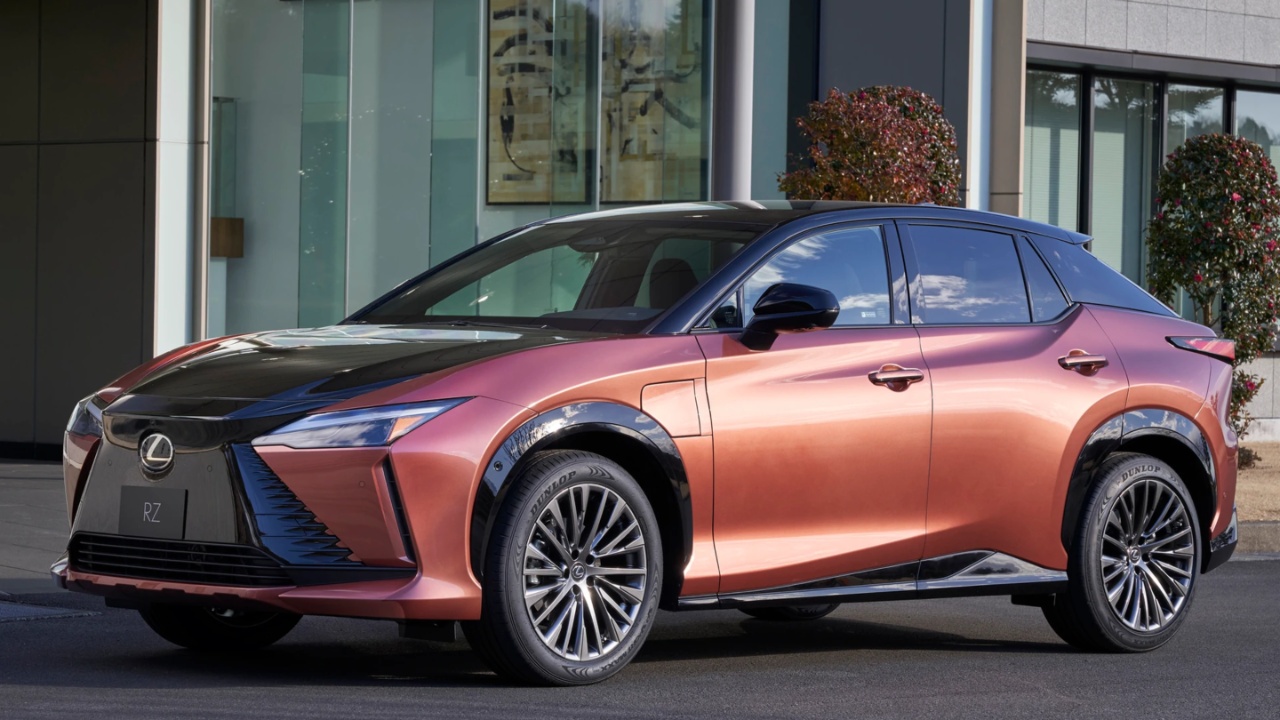
1. 2023 Lexus RZ450e: Stylish but Slow to Charge
The 2023 Lexus RZ450e delivers the brand’s signature luxury and refinement but struggles with one key issue: charging speed. In fast-charging tests, the RZ450e recorded an average charging rate of just 47 kW, despite achieving a 150 kW peak.
Charging from 10% to 90% took 66 minutes, which is significantly slower than most rivals. Even after an hour of charging, the RZ adds less than 150 miles of real-world range, largely due to its limited battery capacity and efficiency.
A major factor behind the slow performance is the 6.6 kW onboard charger, which limits Level 2 charging speeds compared to other EVs that use 11 kW or higher units. Charging also slows dramatically after reaching 80%, a design feature meant to protect the battery from heat and stress.
Environmental and operational factors further affect performance cold weather, a high starting charge level, or using accessories like climate control while plugged in can all reduce charging speed.
While the Lexus RZ450e offers a comfortable, quiet ride and upscale interior, its sluggish charging times and modest range make it less practical for long-distance travel compared to faster-charging electric SUVs in its class.
2. 2021 Nissan Leaf Plus: The Pioneer That’s Fallen Behind
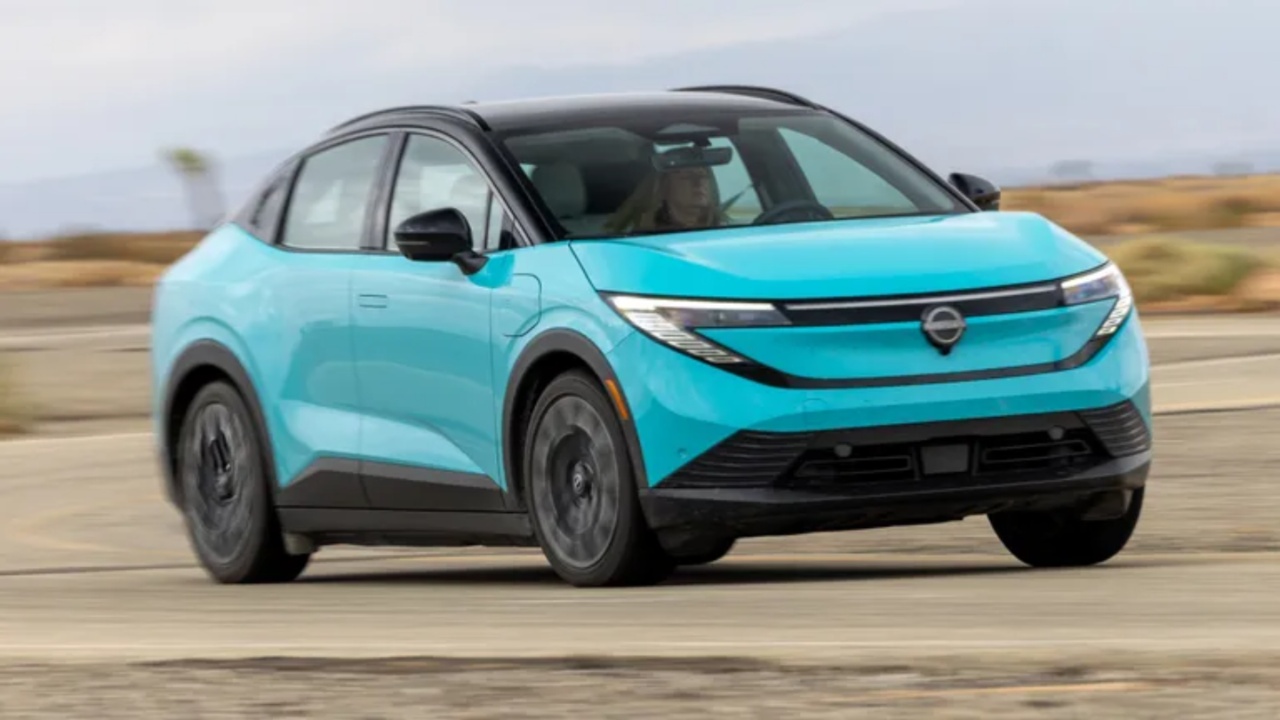
The 2021 Nissan Leaf Plus, once a trailblazer as the first mass-produced electric vehicle in the U.S., now struggles to keep pace with modern EVs. Equipped with a 62-kWh battery, the Leaf Plus suffers from slow charging performance, recording an average charging rate of 44 kW and a peak rate of 52 kW.
Charging from 10% to 90% takes 61 minutes, while adding just 50 miles of range requires 23 minutes, far slower than newer competitors that deliver triple the range in the same time.
The Leaf’s limited thermal management system contributes to its sluggish charging. After a fast charge, the battery can overheat, prompting the system to automatically reduce charging speeds to prevent damage.
Charging also slows significantly beyond 80%, as the car protects the battery from overcharging. External factors such as extreme temperatures, slow Level 1 chargers, and hardware issues can further impact charging efficiency.
To improve performance, drivers are advised to use a Level 2 (240V) charger, avoid consecutive rapid charges, and limit charging sessions to 80%. While the Leaf Plus remains affordable and practical for short commutes, its outdated charging technology limits its competitiveness in today’s fast-evolving EV market.
3. 2022 Chevrolet Bolt EUV: Affordable EV with Slow Charging
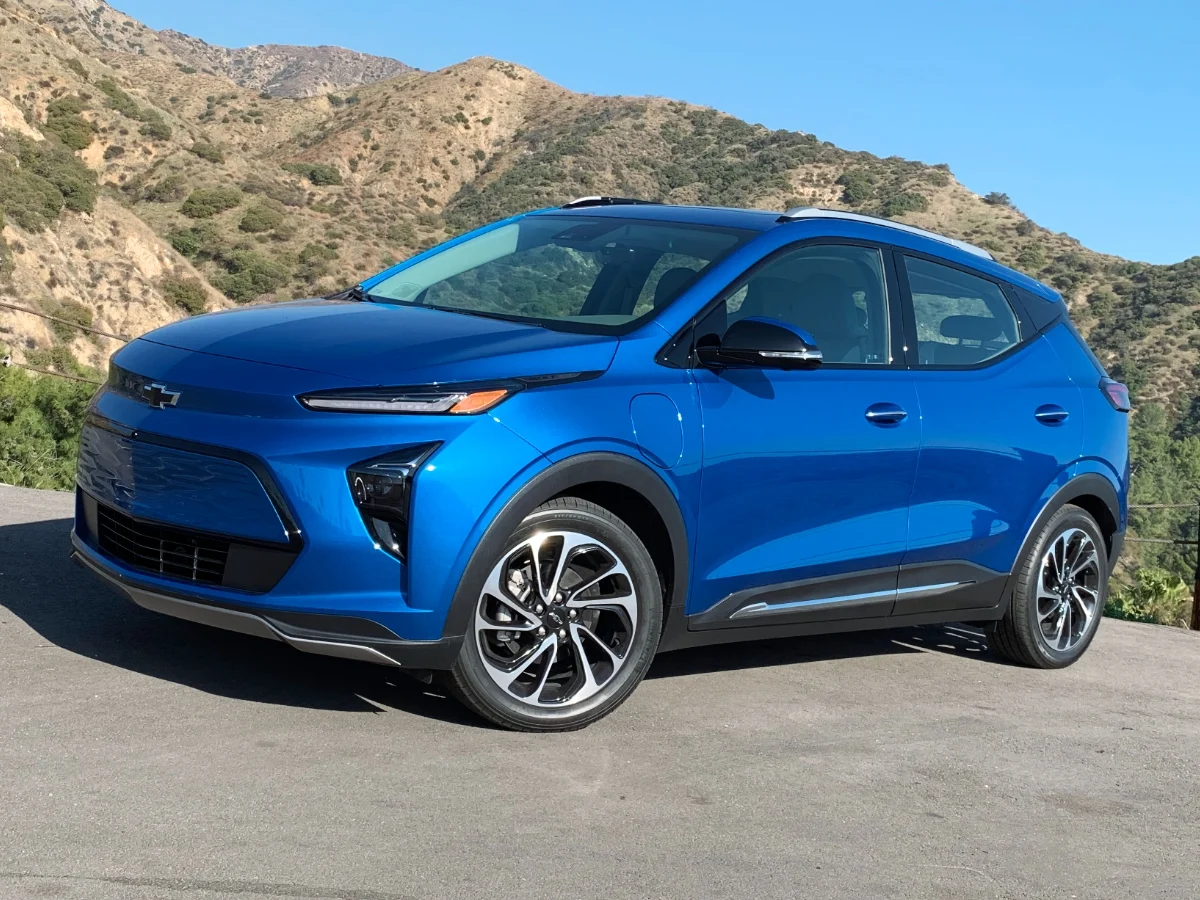
The 2022 Chevrolet Bolt EUV offers practical electric mobility but struggles with charging speed. In testing, the Launch Edition achieved a peak DC fast-charging rate of 57 kW and averaged only 41 kW, resulting in an 83-minute charge from 10% to 90%. Adding 50 miles of range takes 23 minutes, and charging times increase as the battery fills.
The Bolt EUV’s slow performance is primarily due to its limited battery cooling system, which reduces charging speed to prevent overheating, particularly during fast charging. The maximum DC fast-charging rate of 55 kW further limits its ability to benefit from high-power chargers.
Other factors affecting charging include the battery’s state of charge, temperature extremes, and the lack of a battery pre-conditioning mode, which could optimize charging on long trips.
To improve efficiency, drivers are advised to charge when the battery is below 50%, use chargers close to the car’s maximum acceptance rate, and avoid hyper-fast chargers that exceed its capabilities.
While the Bolt EUV provides a comfortable, affordable electric driving experience with a practical range, its slow charging times may make long-distance travel less convenient compared to higher-end EVs with more advanced charging systems.
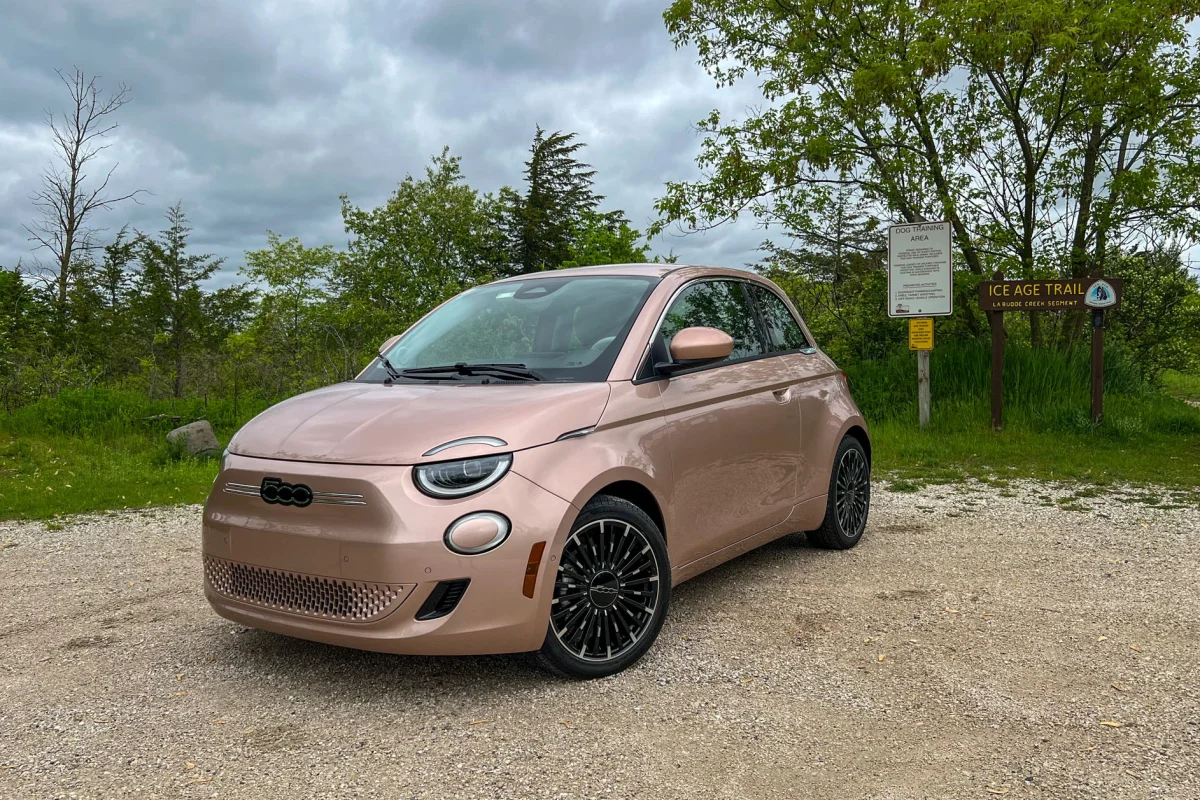
4. 2024 Fiat 500e: Urban EV with Limited Range and Charging Speed
The 2024 Fiat 500e is a compact city-focused electric vehicle, designed for short commutes rather than long-distance travel. Its 42-kWh battery is rated for 141 miles by the EPA, but in real-world highway testing at 75 mph, it managed just 120 miles.
Fast-charging performance is modest, with a peak rate of 84 kW and an average of 38 kW, allowing a 10% to 90% charge in 51 minutes. Adding 50 miles of range takes 18 minutes, while traveling 150 miles on a single charge is not feasible.
Charging speed is limited by the car’s small battery and lower peak charging rate. The charging curve slows significantly as the battery fills, particularly between 35% and 65% state of charge. Environmental factors such as extreme temperatures and the use of energy-consuming accessories like air conditioning or heating further reduce charging efficiency.
The 500e supports Level 1, Level 2, and DC fast charging. Level 1 outlets are suitable only for overnight charging, taking many hours to fully charge, while Level 2 charging improves times to roughly 6.2 hours. DC fast charging is quicker but still constrained by the vehicle’s peak charging limit.
The Fiat 500e excels as a small, maneuverable urban EV but its limited range and slow charging make it impractical for long trips or highway-heavy use.
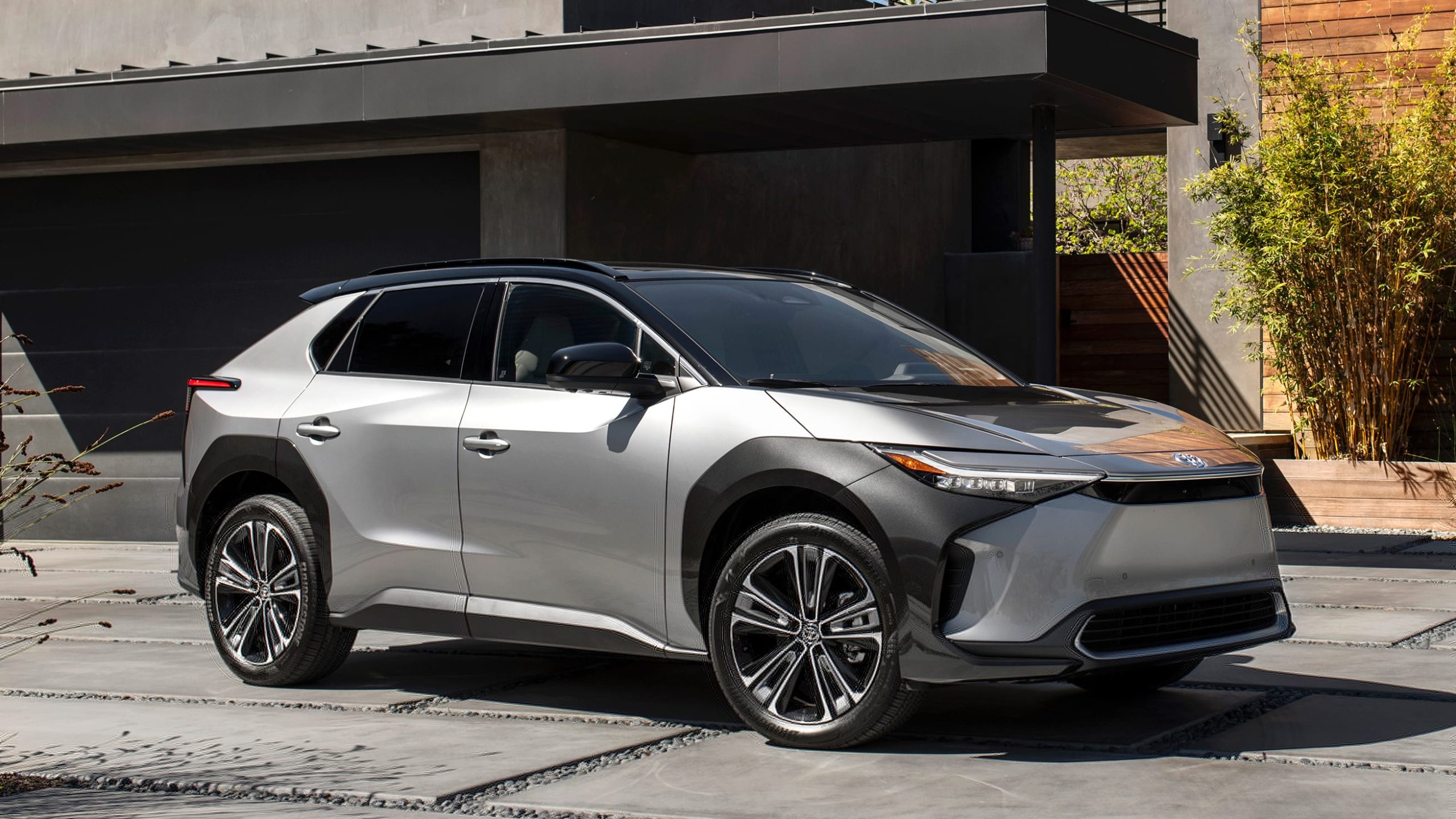
5. 2024 Toyota bZ4X: Slow Charging Limits Practicality
The 2024 Toyota bZ4X struggles with charging speed, recording the lowest average fast-charge rate among tested EVs at just 31 kW, despite a peak of 96 kW. Charging from 10% to 90% took 49 minutes, adding 50 miles in 12 minutes, 100 miles in 25 minutes, and 150 miles in 48 minutes. These slow rates make long-distance travel less convenient compared to faster-charging competitors.
Charging speed is influenced by multiple factors. Using a Level 1 household outlet can take over 50 hours to fully charge, while a Level 2 charger improves home charging times to roughly 9.5 to 11 hours.
DC fast charging is the quickest option, achieving 80% in about 30 minutes under ideal conditions, but performance can be affected by cold weather, which slows battery charging, especially in temperatures below 50°F. Extreme cold can prevent DC fast charging entirely in some cases.
Additional issues include faulty charging stations, software glitches, or internal vehicle malfunctions. Restarting the charge or applying software updates can sometimes resolve these problems, though dealer support may be required for persistent faults.
While the bZ4X provides Toyota’s reliability and standard EV features, its slow charging speeds limit practicality for long trips, making it better suited for short commutes and city driving rather than extended highway travel.
Choosing the right EV for road trips requires more than looking at range or brand prestige. Fast-charging models like the Audi Q6 e-tron, BMW i4, and Polestar 2 show that long journeys can be smooth and practical, letting drivers spend more time on the road and less time waiting.
On the other hand, vehicles such as the Lexus RZ450e, Nissan Leaf Plus, and Toyota bZ4X show how slow charging can turn a simple trip into a challenge. By considering charging speed alongside comfort, technology, and driving experience, drivers can make informed decisions that match their travel needs. Charging efficiency is a crucial factor in ensuring road trips are enjoyable and convenient.
Also Read: 10 Cars Mechanics Secretly Love Owning Over Decades