
When selecting a pickup truck, rust resistance is a key factor that affects long-term reliability, maintenance costs, and safety. Some trucks are designed with corrosion-resistant materials, protective coatings, and clever engineering that minimize exposure to moisture and road salt.
These features help trucks maintain their structural integrity and appearance, even in harsh climates. On the other hand, certain models are more prone to rust due to design flaws, inadequate factory protection, or prolonged exposure to corrosive conditions. Understanding the differences between rust-resistant trucks and rust-prone ones can help buyers make informed decisions and avoid costly repairs over time.
Modern pickups with advanced anti-corrosion treatments, galvanized or aluminum panels, and simplified designs tend to last longer without significant rust issues.
Meanwhile, older or less carefully designed models may develop rust in critical areas such as the frame, wheel wells, or undercarriage. Awareness of these differences allows owners to prioritize durability, choose the right vehicle for their environment, and apply preventative maintenance effectively.
5 Pickups With Rust-Resistant Bodies
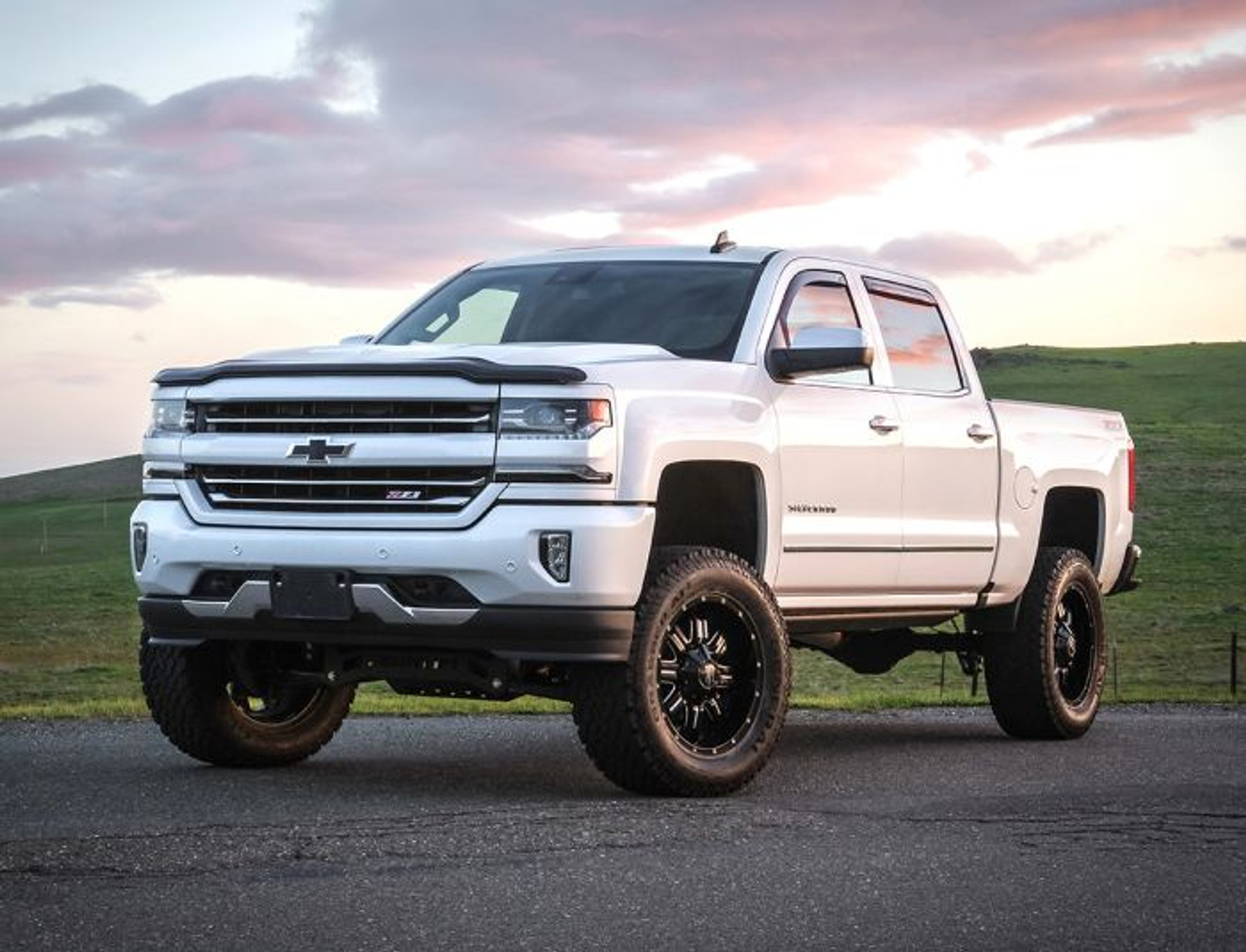
1. Toyota Tacoma (Second and Third Generations): A Study in Durability, Performance, and Value
The Toyota Tacoma has long been known for its dependability and resilience, and the second and third generations strengthened this reputation. Early models, particularly the first generation, faced serious rust problems, especially in the frame.
In response, Toyota took major corrective steps, including a large-scale recall and frame replacements. Learning from these issues, the company redesigned later models with better rust-resistant coatings and galvanized steel to address the needs of owners in regions where road salt causes corrosion.
The second-generation Tacoma, introduced in 2005, represented a significant improvement. Toyota added thorough underbody protection and applied stronger frame coatings to prevent deterioration.
Many parts that were once prone to rust were redesigned with tougher materials, leading to far fewer corrosion issues. Owners often report minimal rust even after years of harsh winter driving, showing how well these trucks age compared with similar domestic models.
By the time the third-generation Tacoma arrived in 2016, Toyota had refined its rustproofing techniques even further. These models featured advanced anti-corrosion treatments and a sturdy frame design that helped them maintain both appearance and performance for hundreds of thousands of miles. For buyers living in areas with harsh winters, the Tacoma remains one of the most reliable and durable trucks available.
The Toyota Tacoma delivers a strong balance of power and everyday drivability. The TRD Sport version, with its 278-horsepower engine, feels lively in city driving and accelerates from 0 to 60 mph in 7.6 seconds.
The TRD Pro with the i-Force Max hybrid powertrain achieves a slightly quicker 7.4-second time, though the extra weight and off-road hardware offset some of the power gains. In both versions, the transmission shifts smoothly and confidently, avoiding unnecessary gear changes on hills.
Braking performance is another highlight. The pedal feels responsive yet easy to control, giving drivers confidence when slowing down or stopping at any speed. Although handling is not a top priority for most truck owners, the Tacoma’s steering is light and accurate, and the truck remains stable and composed on highways.
All Tacomas come standard with driver-assist features such as automatic emergency braking, lane departure alert, and adaptive cruise control, which operate smoothly without being overly sensitive.
Inside the cabin, the Tacoma offers a practical mix of comfort and durability. The front seats are wide and supportive for most body types. Cloth seats feel somewhat coarse compared to the available synthetic leather, but they are built to last.
The rear seats, especially in the Double Cab, are less spacious and sit low to the floor, which can make long trips less comfortable for taller passengers. Ride quality depends on the trim level. Basic models like the SR feel stiffer, while higher trims include upgraded suspension systems that help absorb bumps more effectively.
The controls inside the Tacoma are large, clearly marked, and easy to use, even with gloves on. The available 14-inch touchscreen dominates the dashboard and offers wireless smartphone connectivity, several USB-C charging ports, and optional wireless charging pads. However, the upright position of the charging pads can cause phones to tip over during travel.
The Tacoma’s design emphasizes versatility and functionality. Buyers can choose between two bed sizes, both equipped with useful cargo solutions and an optional 400-watt household-style outlet. Hybrid models upgrade this to 2,400 watts, making them ideal for powering tools or appliances.
Inside, the Tacoma provides plenty of storage space, including large door pockets, a deep center console, and compartments under and behind the seats. The XtraCab configuration offers additional behind-seat storage, while the Double Cab features foldable seatbacks for extra hidden space.
The Tacoma can carry a maximum payload of 1,710 pounds and tow up to 6,500 pounds when properly equipped. Although this is slightly less than some competitors like the Chevrolet Colorado, it is more than enough for most small and midsize trailers. Fuel economy averages around 21 to 22 miles per gallon, and hybrid models offer similar efficiency with higher horsepower and torque.
Toyota offers a wide variety of Tacoma trims to fit different needs and budgets. Lower trims are more basic, with fewer features, while midrange options such as the TRD Sport and TRD Off-Road provide a better balance of comfort, technology, and value.
Warranty coverage includes three years or 36,000 miles of general protection and six years or 60,000 miles for the powertrain, along with two years of free maintenance and roadside assistance.
The Toyota Tacoma remains more than just a dependable midsize pickup. It represents decades of engineering improvements and a strong commitment to quality. From its superior rust resistance and balanced performance to its practical interior and long-term value, the Tacoma continues to be one of the most trusted and capable trucks on the market.
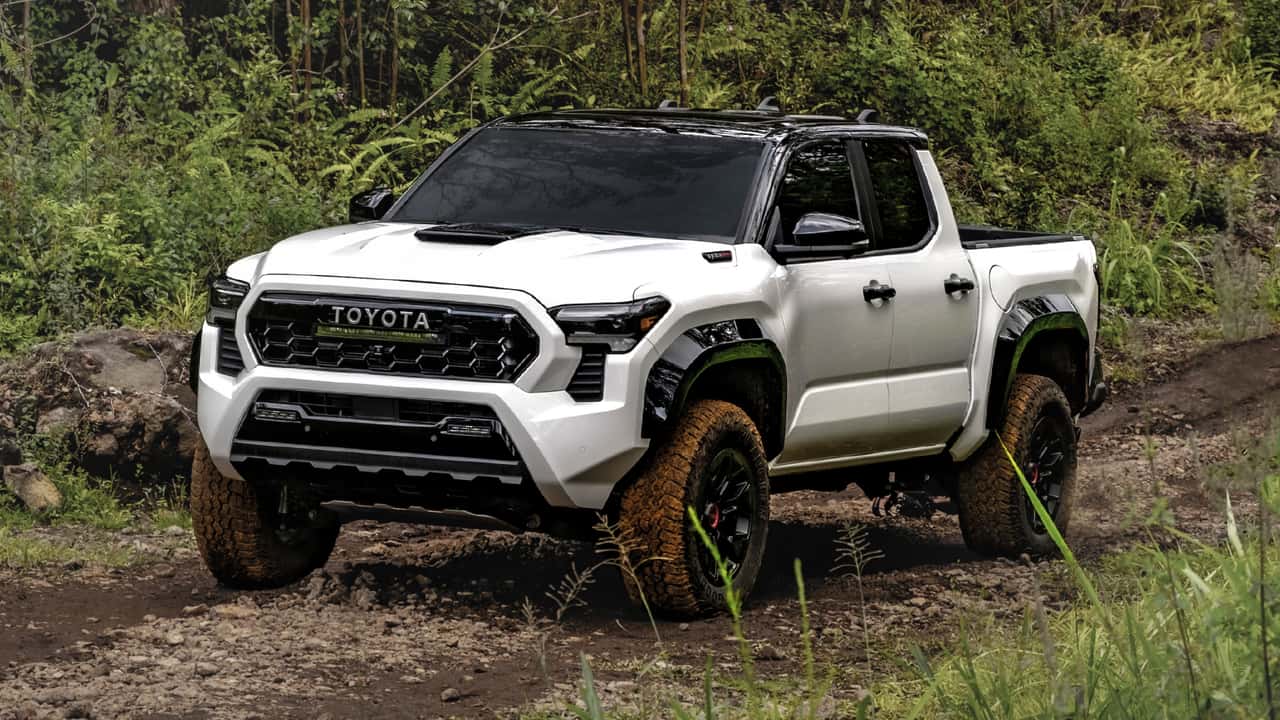
2. Ford Super Duty (2011–2020): Strength, Durability, and Heavy-Duty Reliability
The Ford Super Duty lineup from 2011 to 2020 earned a strong reputation for toughness and long-lasting durability. These trucks were engineered for commercial and industrial use, which required exceptional resistance to rust and wear.
Earlier Ford models had been criticized for rust problems, particularly around wheel wells and rocker panels. The 2011 redesign addressed these concerns with a stronger frame, improved materials, and advanced protective coatings.
The frame used high-strength steel treated with rust-resistant coatings that could withstand exposure to snow, salt, and humidity. Beginning in 2017, Ford introduced aluminum body panels for the doors, beds, and other exterior parts.
While aluminum is more prone to dents, it does not rust, which helps prevent corrosion in common problem areas. Beneath the body, Ford improved coatings on the frame and applied additional protection to brake lines and crossmembers.
Fleet owners and mechanics who service these trucks have consistently reported positive results. Even after five to eight years of heavy use, many Super Duty models show minimal corrosion when basic maintenance and early undercoating are performed.
Surface rust on suspension components may appear, but serious structural rust is rare compared with competing models. These improvements helped extend the truck’s usable lifespan and reduced maintenance costs.
The Ford F-250 Super Duty offers strong and consistent performance, especially when equipped with the optional diesel engine. Acceleration is smooth in most situations, with only slight turbo lag before full power delivery. The 10-speed automatic transmission shifts quickly and efficiently, providing better control and improved responsiveness compared with previous six-speed versions.
Braking capability is adequate for a truck of this size, although the stopping distance of 153 feet from 60 mph is longer than average for the segment. The steering feels somewhat numb but remains steady on open roads.
Despite its size and weight, the F-250 maintains a sense of stability and moderate maneuverability. Drivers familiar with heavy-duty pickups will find its performance predictable and reliable under demanding conditions.
Inside, the F-250 provides a comfortable and spacious cabin designed to handle long workdays or extended travel. Wind and road noise are kept to a minimum, and the climate control system performs well in extreme temperatures.
The ride can feel firm when the truck is unloaded, but this is typical of heavy-duty pickups. Compared with rivals such as the Ram 2500, the ride is slightly stiffer, though still acceptable for daily driving.
The seats are large and adjustable, but the cushions feel flat and lack strong contouring. Entry can be difficult due to the truck’s height, making side steps an essential addition. Once inside, the driver enjoys excellent visibility from large windows and a commanding view of the road. Controls are clearly labeled, easy to reach, and operate intuitively.
The F-250 uses Ford’s Sync 3 infotainment system, which is reliable and straightforward to operate. While the system’s screen size and graphics are not as advanced as some newer competitors, it supports voice commands and smartphone integration through Apple CarPlay and Android Auto.
Safety technology includes lane departure warning, blind-spot monitoring with trailer coverage, and forward collision warning with automatic emergency braking. These features enhance safety during both work and everyday driving.
The Super Duty’s aluminum body reduces weight and increases towing and payload capacity. The F-250 can tow close to the best figures in its class, rivaling the Ram 2500. Bed sides are tall, which can make loading more difficult, but interior storage is excellent. The crew cab offers generous passenger space and storage compartments, making it practical for both work and family use.
Fuel economy testing showed an average of 16.5 miles per gallon over 800 miles, with highway driving achieving around 18.9 mpg. These numbers reflect small but meaningful gains over earlier models, helped by the efficient 10-speed transmission.
The 2011 to 2020 Ford Super Duty delivers durability, strong towing performance, and impressive corrosion resistance. While the interior and braking performance could be improved, the truck’s power, comfort, and reliability make it a popular choice among professionals and private owners.
Warranty coverage is competitive, with standard protection of three years or 36,000 miles and diesel engine coverage extending to 100,000 miles. The Super Duty remains a dependable workhorse that combines strength, endurance, and modern engineering to serve both commercial and personal needs.
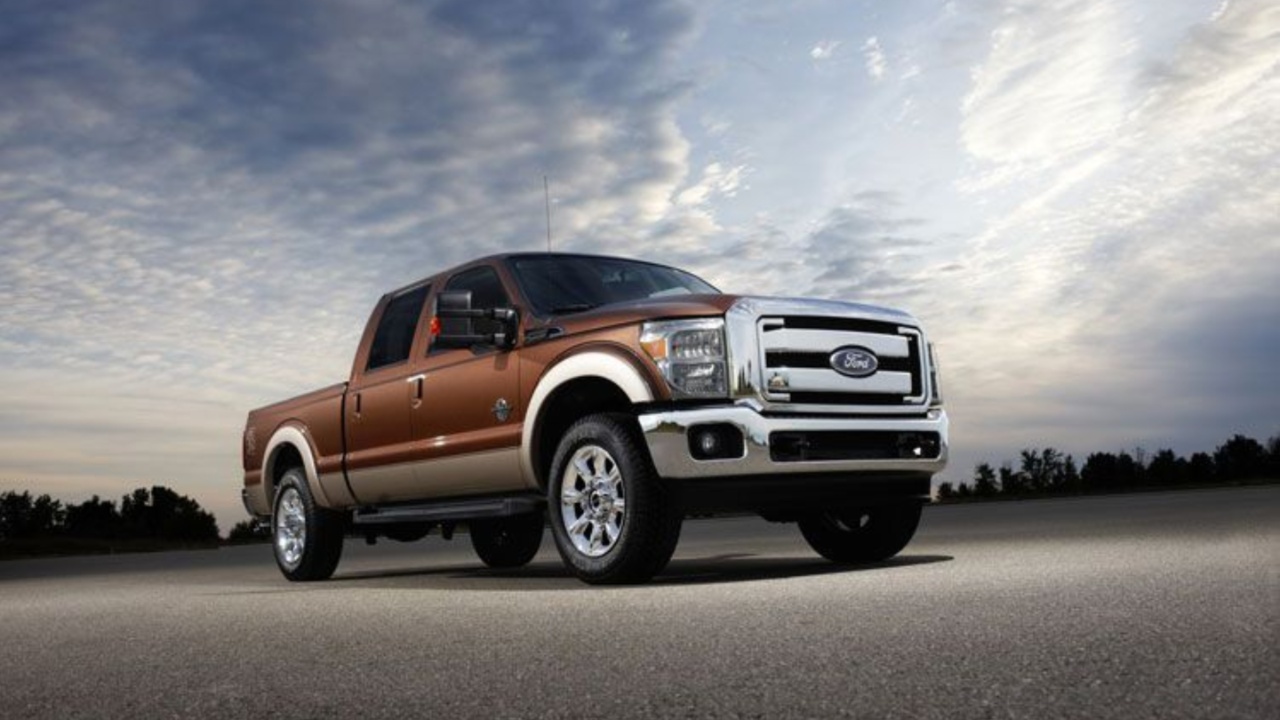
3. Honda Ridgeline (All Generations): A Rust-Resistant and Reliable Midsize Truck
The Honda Ridgeline stands out among midsize pickups for its remarkable resistance to rust. Unlike most traditional body-on-frame trucks, the Ridgeline uses a unibody construction that it shares with the Honda Pilot and Passport.
This design eliminates many of the cavities and joints where moisture, salt, and dirt usually accumulate, making it far less prone to structural corrosion. While some truck purists question whether it should even be called a “real truck,” its durability and longevity are undeniable.
Honda applied high-quality primers and undercoating to most Ridgeline models, particularly those sold in regions with harsh winters. As a result, even Ridgelines that have seen years of snow and road salt often exhibit little more than minor surface rust.
Door sills, wheel wells, and tailgates are well protected and less likely to show bubbling or paint flaking. Even early models from 2006 to 2014 generally display only light rust around bolts or brackets, rather than serious body or frame deterioration.
The combination of a corrosion-resistant design and Honda’s commitment to quality control has made the Ridgeline a smart, low-maintenance choice for drivers who want a vehicle that will stay solid and attractive for many years. It may not be built for rugged off-road punishment, but for everyday use and moderate workloads, it excels in long-term durability.
The Honda Ridgeline drives more like an SUV than a traditional pickup, which is one of its biggest advantages. Its steering is precise and well-balanced, allowing for confident handling even on uneven roads. The suspension absorbs bumps smoothly, providing a comfortable and composed ride that feels more refined than most other midsize trucks.
The TrailSport trim adds a measure of off-road capability, featuring all-terrain tires, underbody protection, and a tuned suspension. However, it lacks low-range gearing and the full articulation found in true four-wheel-drive trucks, limiting it to light off-road use.
Visibility from the driver’s seat is excellent, with large windows and minimal blind spots, though the absence of a surround-view camera system is noticeable. The Ridgeline’s standard multi-view backup camera helps with parking, and driver-assist features are integrated seamlessly without being intrusive.
Inside, the Ridgeline emphasizes comfort and functionality. The front seats are wide, supportive, and suitable for long drives. Noise and vibration are minimal, creating a calm driving environment.
A tri-zone automatic climate control system is standard across all trims, providing precise temperature control for all passengers. While the controls may look somewhat dated, they are practical and easy to use, featuring large knobs and buttons for quick access.
The cabin design prioritizes everyday convenience over rugged aesthetics. It feels more like a family SUV than a work truck, with high-quality materials and excellent build consistency. Passengers in both rows enjoy plenty of legroom, and the wide seats make long trips comfortable for all body types.
The Ridgeline features a 9-inch touchscreen infotainment system that supports both Apple CarPlay and Android Auto, with wireless connectivity included. The interface is straightforward and easy to navigate.
The truck also offers multiple USB ports in both front and rear rows, along with an optional wireless charging pad. The HondaLink app allows drivers to lock and unlock the truck and adjust the interior temperature remotely.
Storage is one of the Ridgeline’s greatest strengths. It offers a large center console, multiple storage bins, and a flat space beneath the rear seats for extra cargo. The rear seats can be folded to accommodate bulkier items, and the cabin is designed with practicality in mind.
The Ridgeline’s bed can fit 4-foot-wide plywood sheets flat, and its lockable in-bed trunk provides additional secure storage. The two-way tailgate opens both downward and sideways, making loading and unloading easier. Payload capacity reaches up to 1,583 pounds, and towing capacity is rated at 5,000 pounds, which is sufficient for light trailers, boats, and recreational equipment.
Fuel economy is competitive, averaging 21 miles per gallon combined in most trims and 20 mpg in the TrailSport model. While not class-leading, its efficiency is impressive given its power and comfort level.
The Honda Ridgeline offers excellent value through its combination of practicality, comfort, and reliability. Even the base Sport trim includes advanced driver assistance features, wireless connectivity, and tri-zone climate control. Warranty coverage includes three years or 36,000 miles of basic protection and five years or 60,000 miles for the powertrain.
The Ridgeline may not be the most rugged pickup, but it remains one of the most versatile and corrosion-resistant trucks available. Its smooth driving dynamics, thoughtful design, and long-lasting quality make it a dependable choice for families and professionals who want a truck that works hard without showing its age.
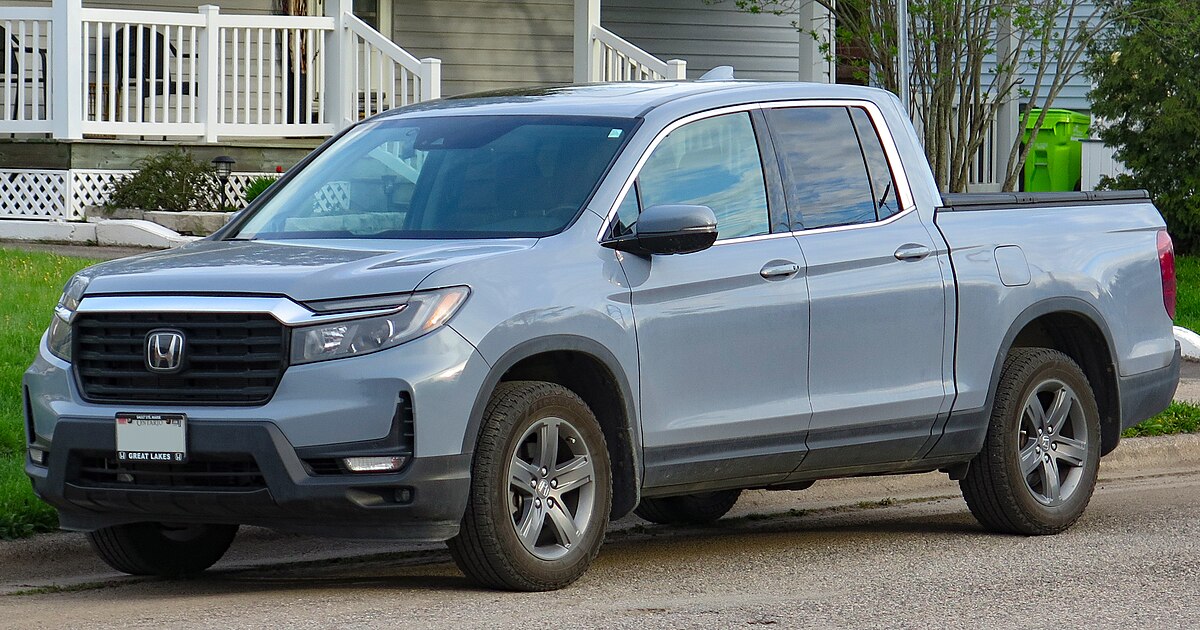
4. Chevrolet Silverado (2014–2018): A Durable and Capable Full-Size Truck
The 2014–2018 Chevrolet Silverado represented a major leap forward in rust protection compared to earlier versions. After facing years of customer complaints about corrosion, General Motors focused on upgrading materials, coatings, and design to extend the truck’s lifespan.
This generation featured more galvanized steel panels across the body and improved drainage systems that helped reduce moisture buildup in vulnerable areas.
A significant advancement came with the boxed frame, which added strength and better resistance against corrosion. GM also introduced corrosion-resistant alloys for the brake lines, addressing a common failure point in previous models, especially in areas where road salt was heavily used.
Owners have reported that Silverados from these years maintain solid performance in snowy or coastal climates when treated with factory or aftermarket undercoating.
While paint durability was not class-leading and some models experienced wear on tailgates or cab corners, structural integrity remained strong. Many trucks from this generation have surpassed 200,000 miles with only light surface rust when given basic maintenance.
Compared with older Silverados that frequently showed frame rust by 100,000 miles, this generation provided a significant improvement in long-term durability.
The Silverado offered several engines, with the 6.2-liter V8 standing out for its strong acceleration and towing power. It could reach 60 mph in 6.4 seconds, demonstrating impressive performance for a full-size pickup.
Throttle response was occasionally delayed, and the eight-speed transmission sometimes shifted roughly, but braking was strong and predictable. The truck stopped from 60 mph in 125 feet, which was among the better results for its class.
Handling was less refined. The Silverado’s steering felt heavy and offered little feedback, while body roll was noticeable during turns. On uneven roads, the truck could feel unsettled, partly due to its weight and mild all-terrain tires. Even with these limitations, the steering wheel had a good grip and returned to center easily.
The four-wheel-drive system and decent ground clearance made the Silverado capable off-road, though its large size limited agility in tight trails. The Z71 package improved traction and control on rough terrain for those seeking more off-road potential.
The Silverado provided a roomy and comfortable cabin that was well-suited for long drives. The High Country trim offered plush seating with a wide range of adjustments, helping drivers of different sizes find a relaxed position.
The seats had soft padding and minimal side bolstering, allowing for easy movement. Ride comfort on highways was strong, but the truck felt stiff on bumpy city streets, especially with the High Desert suspension option.
Wind and road noise were minimal, and the V8 engine produced a satisfying sound during acceleration. The climate control system was slow to cool initially, but worked effectively once engaged. Heated and ventilated seats were standard on upper trims and added convenience for all-weather comfort.
Inside, the Silverado’s controls were logically arranged, with large buttons and knobs that were easy to reach. The MyLink infotainment system featured a central touchscreen that was clear and simple to use, though it could lag or freeze occasionally. Apple CarPlay and Android Auto were standard and typically offered smoother operation than the built-in navigation system.
Storage was one of the Silverado’s strongest qualities. The cabin included a spacious center console, multiple cupholders, and large door pockets. The rear seats folded up easily to create a flat loading surface. In the bed, features like dividers, a tonneau cover, and side-box storage improved practicality, although they reduced usable width for larger items.
The Silverado delivered strong performance in both towing and hauling. Properly equipped with the 6.2-liter V8 and the Max Trailering package, it could tow up to 12,500 pounds. Standard configurations achieved around 9,200 pounds of towing capacity, which was competitive for its class.
Payload capacity reached 1,770 pounds, offering flexibility for both work and recreation. The rear cabin easily accommodated three adults, and child seat installation was made simple through multiple anchors, though lifting seats into place could be challenging due to ride height.
The 2014–2018 Silverado blended strength, comfort, and reliability in a way that appealed to both work and family buyers. Its improved rust protection, capable powertrains, and spacious interior helped rebuild confidence in the model after earlier issues.
While it lagged behind newer rivals in handling refinement and technology, its toughness and corrosion resistance made it one of the most dependable trucks of its era. For drivers seeking a durable pickup that can handle demanding conditions while maintaining comfort and practicality, this generation of the Silverado remains a dependable choice.
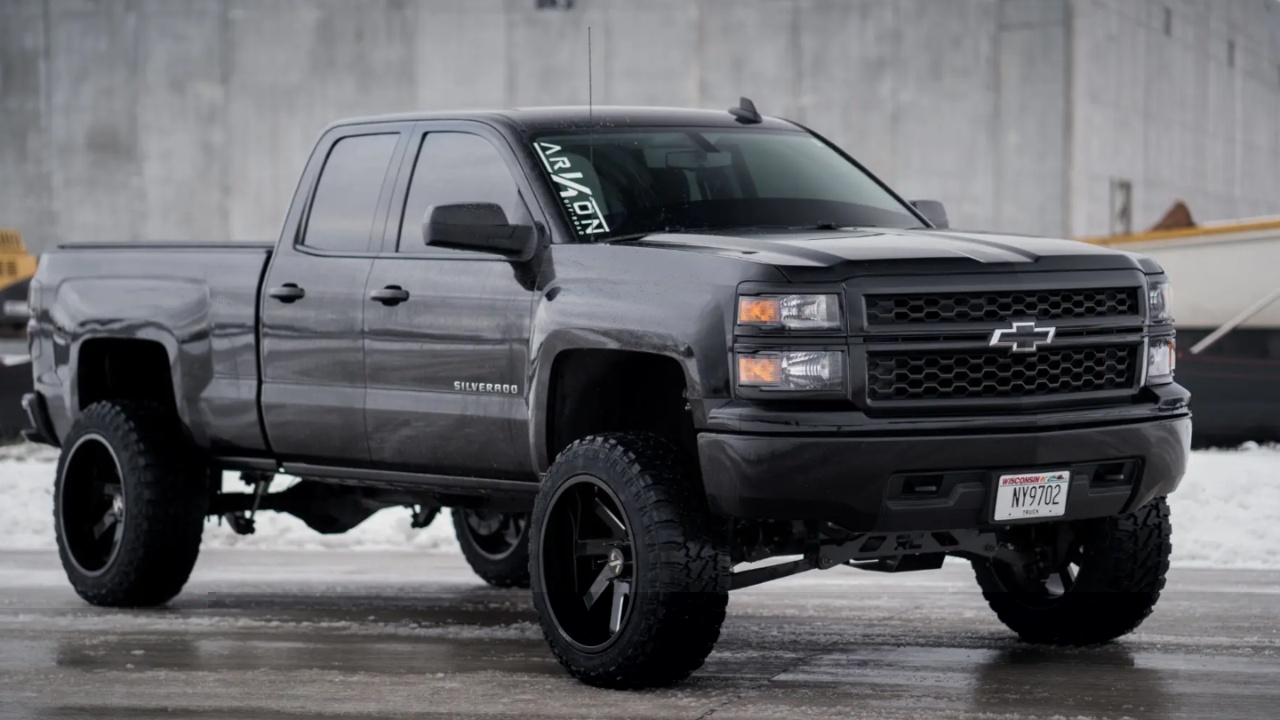
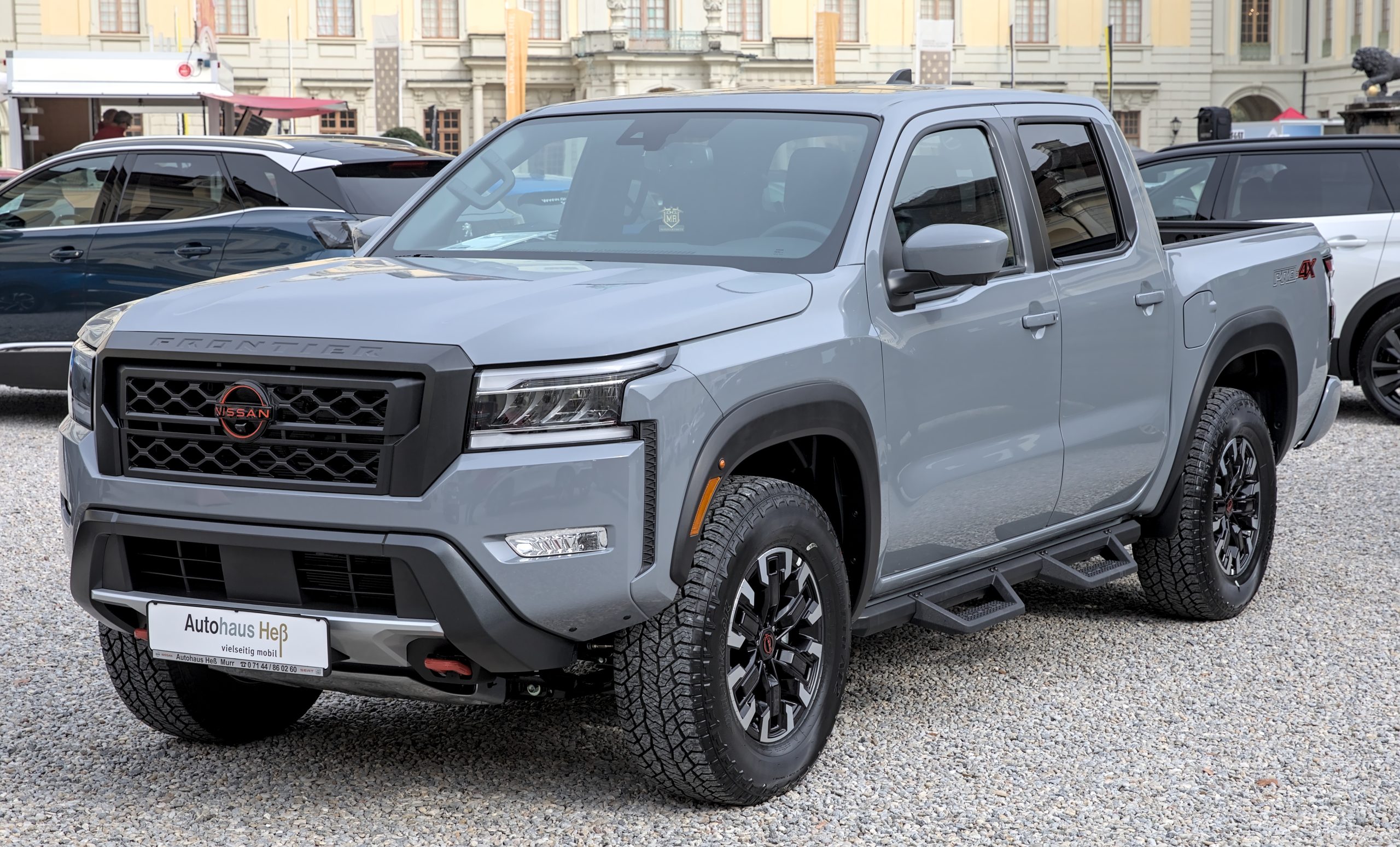
5. Nissan Frontier (2005–2021): A Reliable and Rust-Resistant Workhorse
The second-generation Nissan Frontier, produced from 2005 to 2021, earned a reputation as one of the most durable and rust-resistant midsize trucks in its class. While it rarely drew attention compared to its competitors, the Frontier’s simple and sturdy construction gave it long-lasting appeal.
The truck featured a fully boxed frame that was zinc-coated at the factory, offering strong protection against corrosion caused by moisture and road salt.
Owners from regions with harsh winters, such as Michigan, New York, and Minnesota, have consistently reported minimal frame rust even after years of regular exposure to snow and salt. While some surface corrosion appears on exposed parts like suspension components, it seldom leads to structural issues.
Nissan’s use of quality paint and undercoating materials further helped prevent rust in critical areas such as the wheel wells, rocker panels, and tailgate. Many older Frontiers remain solid in these spots, unlike other midsize trucks from the mid-2000s that often suffered from premature rust.
The truck’s simplicity also plays a key role in its longevity. With fewer complex electronics and fewer design elements that trap water, the Frontier avoids many corrosion problems seen in more modern pickups. Its straightforward design makes it easier to clean and maintain, helping owners keep rust at bay with minimal effort.
The Frontier’s 3.8-liter V6 engine delivers adequate power and reliable performance. Paired with a smooth-shifting nine-speed automatic transmission, it moves confidently in city and highway driving. The Frontier accelerates from 0 to 60 mph in 7.8 seconds, which is typical for a midsize pickup with a V6 engine. Braking performance, however, feels soft, and the long pedal travel may reduce confidence during sudden stops.
Steering lacks precision, and feedback from the front tires is minimal, giving the truck a somewhat disconnected feel. Handling is acceptable for the segment, though midcorner bumps tend to unsettle the rear end more than in rivals. The Pro-4X trim adds off-road equipment such as skid plates and a locking rear differential, which helps the truck perform well on rugged terrain.
Comfort is not the Frontier’s strongest area. The front seats provide limited bolstering and minimal lumbar support, while the rear seats are flat and upright, making long trips less comfortable. Ride quality can feel harsh, as sharp bumps and uneven surfaces easily transfer into the cabin.
Cabin noise is relatively well managed for a truck of this age, with wind noise over the mirrors being the most noticeable sound. The climate control system is simple but effective, cooling the cabin quickly on hot days. Heated seats are available, though they do not get very warm and tend to lose heat after a short period.
Inside, the Frontier offers a functional but dated layout. The cabin provides good visibility, especially through the large windshield and side windows, and the controls are easy to find and operate. While front-seat access is straightforward, rear-seat entry requires more effort due to the smaller doors and low roofline.
Technology is limited. The Pro-4X trim includes a 5.8-inch touchscreen with navigation, but the graphics are outdated and the system is slow to respond. There is only one USB port, and Apple CarPlay and Android Auto are not available. Bluetooth connectivity exists but can be unreliable, with occasional connection drops.
Driver-assistance features such as adaptive cruise control, blind-spot monitoring, and lane departure warnings are absent, making the Frontier feel behind the times in terms of safety technology.
The Frontier is smaller than many of its competitors, which affects its cargo and interior space. The bed includes movable tie-down cleats that help secure loads effectively. The truck’s towing capacity reaches 6,720 pounds when properly equipped, and the payload is rated at 1,460 pounds.
These figures are adequate but not exceptional within the midsize segment. Interior storage is limited, particularly when the optional Rockford Fosgate subwoofer takes up space under the rear seats.
Fuel economy is modest, with an EPA estimate of 19 mpg combined for four-wheel-drive models. In mixed driving, real-world results average around 18 mpg, aligning with most competitors. Pricing varies by trim, and while base models are more affordable, higher trims lose some of the value advantage once equipped with modern conveniences.
Despite its dated design, the Frontier remains a dependable and low-maintenance choice. Build quality is strong, and the lack of advanced electronics contributes to reliability.
The truck includes a three-year/36,000-mile basic warranty and a five-year/60,000-mile powertrain warranty, along with roadside assistance for the same term. For buyers seeking a rust-resistant, sturdy, and straightforward midsize truck, the Frontier stands as one of the most proven options in its class.
Also Read: 10 Cars That Are the Best Kept Secrets in the Market
5 Rust Magnets
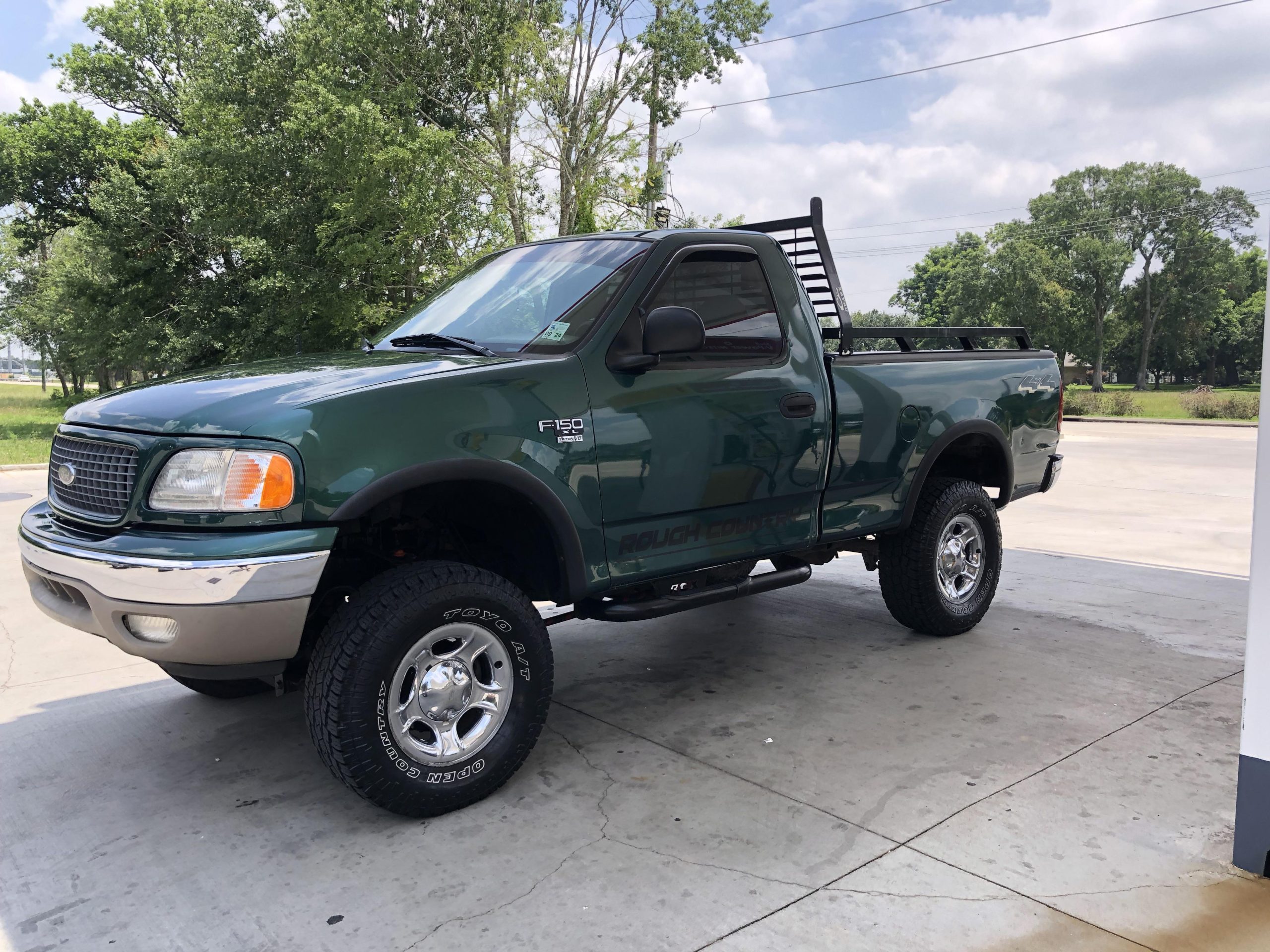
1. Ford F-150 (2000–2003): A Durable Truck with Serious Rust Concerns
The Ford F-150 from 2000 to 2003 remains a popular full-size pickup known for its strong performance and reliability. However, these model years are infamous for significant rust problems, especially on the undercarriage, frame, and body panels. Owners frequently report corrosion forming on the chassis, suspension components, and rocker panels, often appearing much earlier than expected.
The main cause of these rust issues lies in the trucks’ traditional steel construction. Steel naturally reacts with oxygen and moisture to create rust, and without proper protection, the problem worsens with age.
Environmental exposure plays a major role, particularly in regions where road salt is used during winter. Salt accelerates the corrosion process, leading to severe rusting on the undercarriage and frame. Some owners have even experienced rust strong enough to compromise structural integrity.
Over time, the factory-applied coatings on these trucks deteriorate, leaving the bare metal exposed. Regular inspections, rustproofing treatments, and undercarriage washing can help slow the damage.
While the F-150 from these years delivers solid performance and towing capability, potential buyers should carefully examine any used model for signs of frame corrosion before purchasing. Proactive maintenance is essential to preserve its longevity.
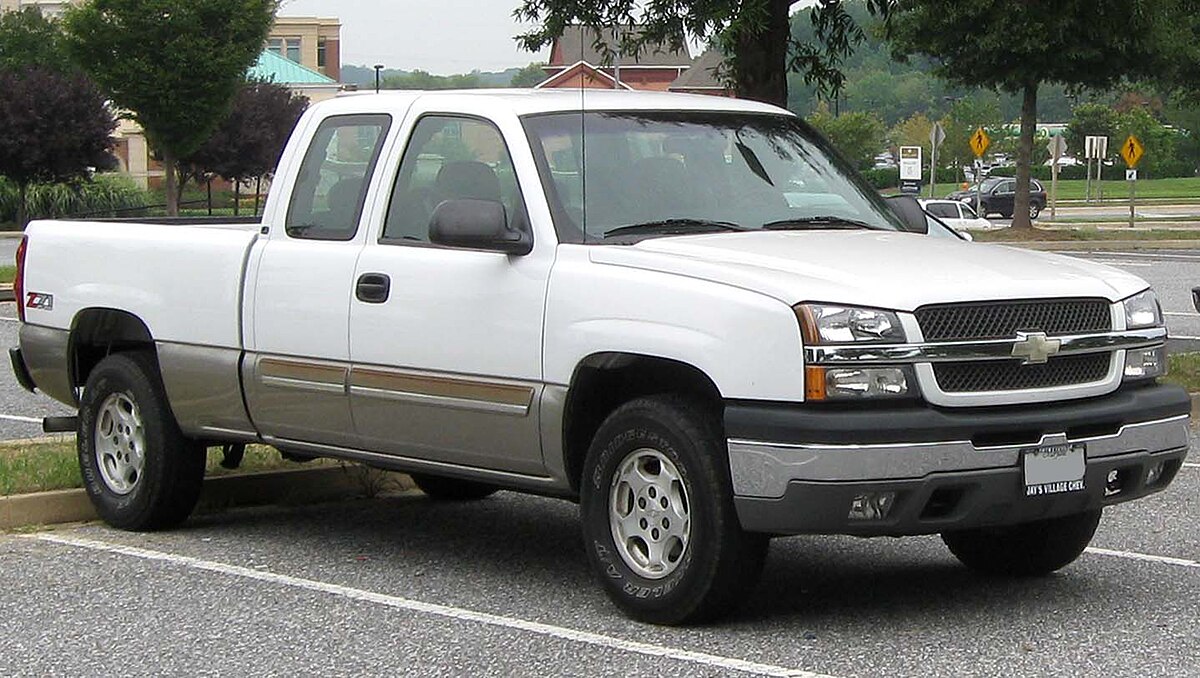
2. Chevrolet Silverado 1500 (1999–2007): Strong Truck, Persistent Rust Problems
The Chevrolet Silverado 1500 models produced between 1999 and 2007 are well-regarded for performance and reliability, yet they suffer from chronic rust issues. The most common problem areas are the rocker panels, cab corners, and rear wheel wells, where corrosion often begins and spreads unnoticed.
These issues are primarily caused by poor drainage design and insufficient factory rustproofing, which allows moisture and debris to accumulate in hidden crevices.
The design of these trucks traps water and dirt behind panels, leading to rust that develops from the inside out. When drainage holes become clogged, moisture has no escape, further accelerating the corrosion process. Trucks operated in regions with heavy road salt use during winter face even faster deterioration, as salt aggressively eats away at unprotected metal surfaces.
Environmental conditions such as humidity and temperature fluctuations worsen the problem, while aging factory coatings provide diminishing protection over time. Many owners choose aftermarket rustproofing or regular undercoating to combat these issues.
Buyers considering a used Silverado from this generation should thoroughly inspect the underbody, cab corners, and wheel wells for corrosion. With consistent maintenance and rust prevention measures, the Silverado 1500 can remain a dependable and long-lasting pickup.
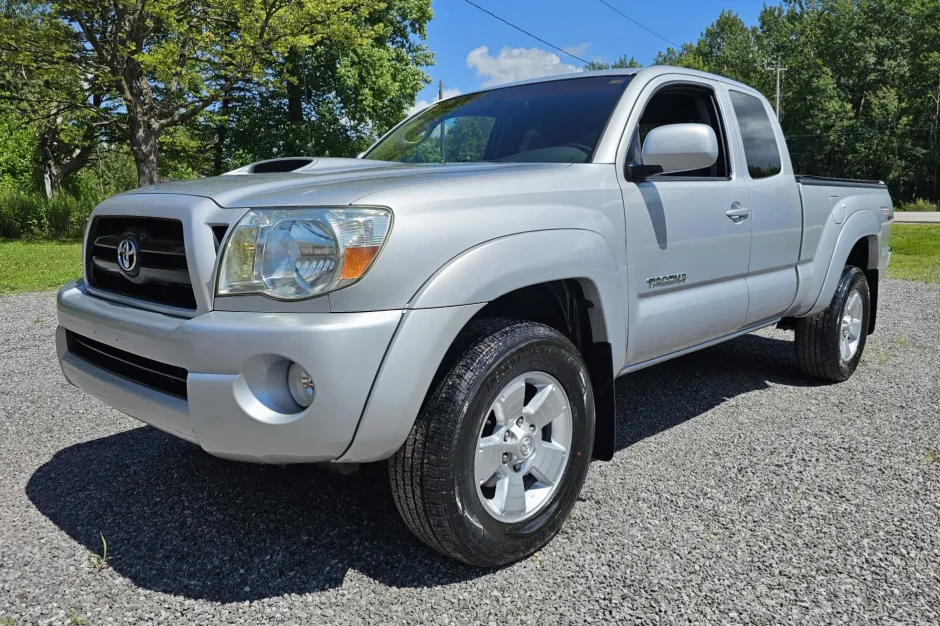
3. Toyota Tacoma (2005–2010): Reliable Truck with Frame Rust Concerns
The Toyota Tacoma from 2005 to 2010 is known for its reliability and longevity, but these model years have notable issues with rust, particularly on the frame. The problem became severe enough that Toyota initiated a limited service campaign to address it. While the company’s response helped mitigate some concerns, prospective buyers and current owners should remain vigilant about corrosion.
Rust issues in these Tacomas are primarily caused by inadequate factory coatings. The frame rails, especially on the inside of stacked steel layers in high-stress areas, were not properly protected, leaving them vulnerable to corrosion from moisture and road salt.
Moisture can easily become trapped in the frame design, accelerating internal rusting. Vehicles driven in northern “rust belt” states or humid coastal regions are particularly susceptible, as exposure to road salt or moisture significantly increases the likelihood of severe rust perforation, which can compromise structural integrity.
Toyota responded by instructing dealerships to inspect frames and either apply a corrosion-resistant compound or replace frames if significant rust was present, often at no cost to the owner. This remedy helped many trucks, but owners still need to monitor their vehicles closely. Areas just ahead of the rear leaf springs are particularly prone to corrosion.
Preventive measures remain essential. Minor rust should be treated promptly with rust-inhibiting coatings, and applying an undercoating in salt-prone regions can provide additional protection. With proper maintenance and vigilance, a 2005–2010 Tacoma can remain a reliable and long-lasting pickup despite its susceptibility to frame rust.
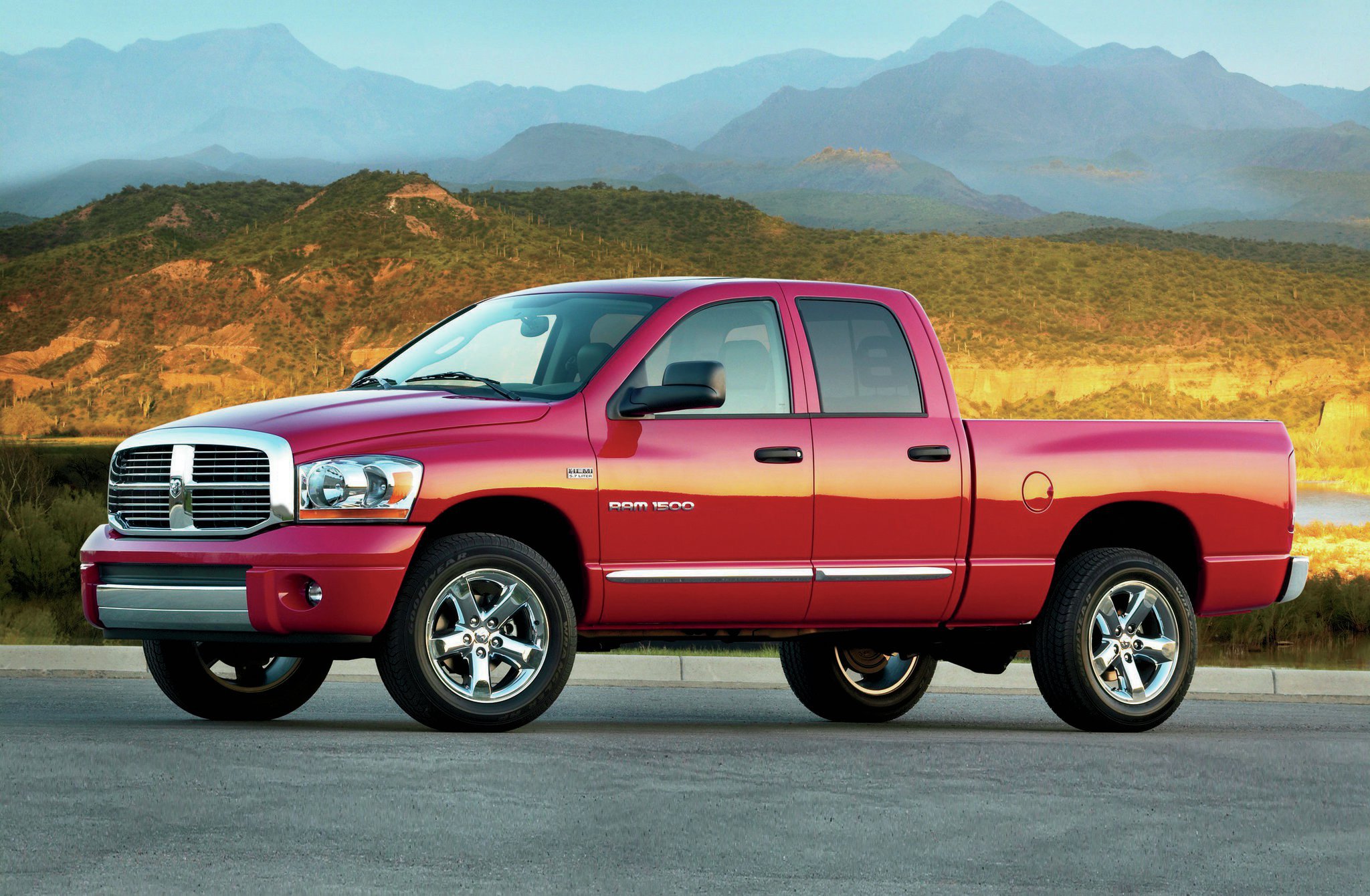
4. Dodge Ram 1500 (2002–2008): Powerful Truck with Rust Vulnerabilities
The Dodge Ram 1500 from 2002 to 2008 is well-regarded for its performance and towing capabilities, but rust is a common issue for these model years. Corrosion frequently develops on the wheel wells, door bottoms, and undercarriage, often caused by exposure to road salt, trapped moisture, and road grime.
Without proper attention, these trucks can develop significant rust that may compromise both appearance and structural integrity.
Key factors contributing to rust include insufficient factory rustproofing, which left the metal vulnerable to harsh environmental conditions.
Road salt, particularly in northern regions, accelerates corrosion on exposed areas of the truck, while mud, tar, and other debris can accumulate in crevices, holding moisture against the metal. The body design also allows water to collect in gaps and hard-to-reach spots, increasing the likelihood of hidden rust.
Preventive care is essential for maintaining a Ram 1500 from this era. Regular washing, especially of the undercarriage, helps remove corrosive substances, while applying anti-corrosion treatments or aftermarket rustproofing can significantly extend the truck’s lifespan.
With proactive maintenance and attention to vulnerable areas, owners can enjoy the power and reliability of the Dodge Ram 1500 while minimizing long-term rust damage.
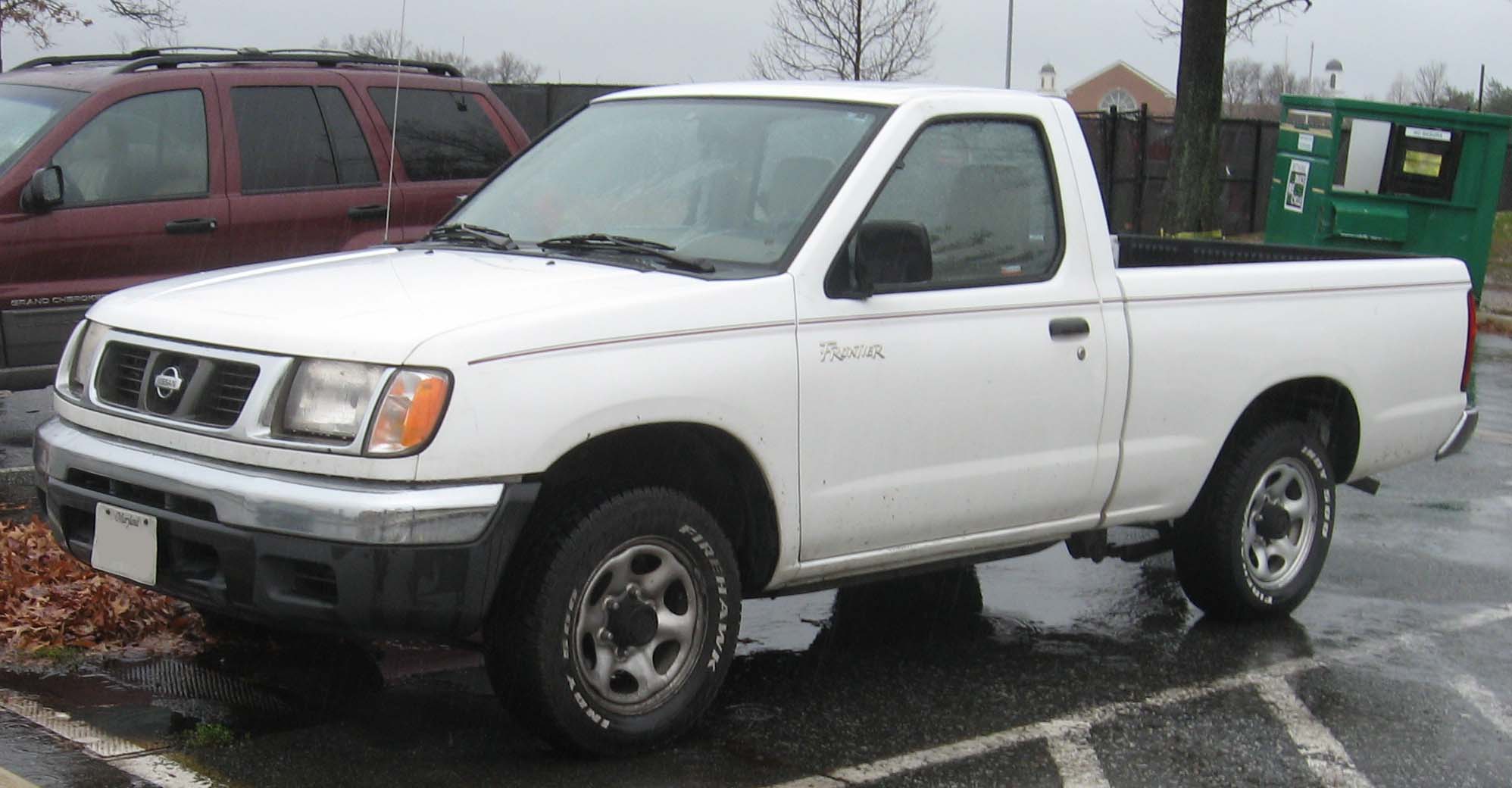
5. Nissan Frontier (1998–2004): Early Rust Concerns
The Nissan Frontier from 1998 to 2004 is known for reliability and practicality, but these early models are prone to rust, especially in northern climates. Owners often report corrosion on the frame and undercarriage, which can lead to serious structural issues if not addressed. Rust can also appear on rocker panels and floorboards, creating safety concerns.
Corrosion in these models is primarily caused by insufficient factory rust protection. The chassis and frame were not adequately treated to resist water, road salt, and debris, leaving them vulnerable to long-term damage. Rust usually starts in critical areas such as the frame rails and can gradually weaken the truck’s structure. Vehicles exposed to heavy road salt are particularly at risk, as salt accelerates the corrosion process.
Preventative maintenance is essential for preserving these trucks. Regular undercarriage cleaning, applying rust inhibitors, and addressing minor rust early can help extend the truck’s lifespan and maintain safety.
Despite the rust issues, the Frontier’s simple and durable design makes it a dependable choice for many drivers. Buyers considering older models should carefully inspect the frame, undercarriage, and rocker panels to avoid significant repairs and ensure the vehicle remains safe for use.
Rust resistance is more than a cosmetic concern; it directly impacts a truck’s durability, safety, and resale value. Trucks built with corrosion-resistant materials, robust coatings, and thoughtful designs require less maintenance and retain their value longer. Preventive care such as undercoating, regular washing, and timely treatment of minor corrosion further extends a truck’s lifespan.
Conversely, rust-prone trucks can develop structural issues that compromise safety and result in expensive repairs. By focusing on corrosion-resistant features and maintaining the vehicle properly, buyers can ensure their pickup remains reliable, safe, and functional for many years. Choosing wisely between rust-resistant and rust-prone models is an investment in durability, performance, and long-term satisfaction.
Also Read: 10 Cars Mechanics Secretly Love Owning Over Decades
