

Buying a used SUV with three rows means you’re probably shuttling kids to school, ferrying relatives around town, or just need that extra cargo space for weekend adventures.
But here’s something most people don’t think about until it’s too late: rear climate control systems can turn into expensive nightmares once these vehicles hit 100,000 miles.
You know that moment when passengers in the back start complaining about freezing air in summer or hot blasts during winter? That’s your blend door actuators giving up, and trust me, fixing them isn’t cheap or easy.
Rear HVAC systems work harder than most people realize. While you’re enjoying perfect temperature up front, those back vents are constantly adjusting to keep everyone comfortable.
All that mechanical movement takes its toll. Blend doors control air temperature by mixing hot and cold air, and when actuators fail, you lose that control completely.
Some SUVs handle this workload beautifully, even after years of service. Others start developing problems right around the 100,000-mile mark, leaving owners with repair bills that make them question every life decision that led to this moment.
What makes this issue particularly annoying is that symptoms often start small. Maybe one rear vent blows slightly warmer than the others.
Perhaps you hear a faint clicking noise when adjusting the temperature. Then suddenly, both rear zones lock at maximum heat or refuse to blow anything but arctic air.
Replacement costs vary wildly depending on where those actuators hide inside your dashboard, with some requiring complete dash removal just to access the broken parts.
That’s why knowing which SUVs hold up and which ones don’t can save you serious money and frustration down the road.
SUVs That Maintain Rear Climate Control Like Champions
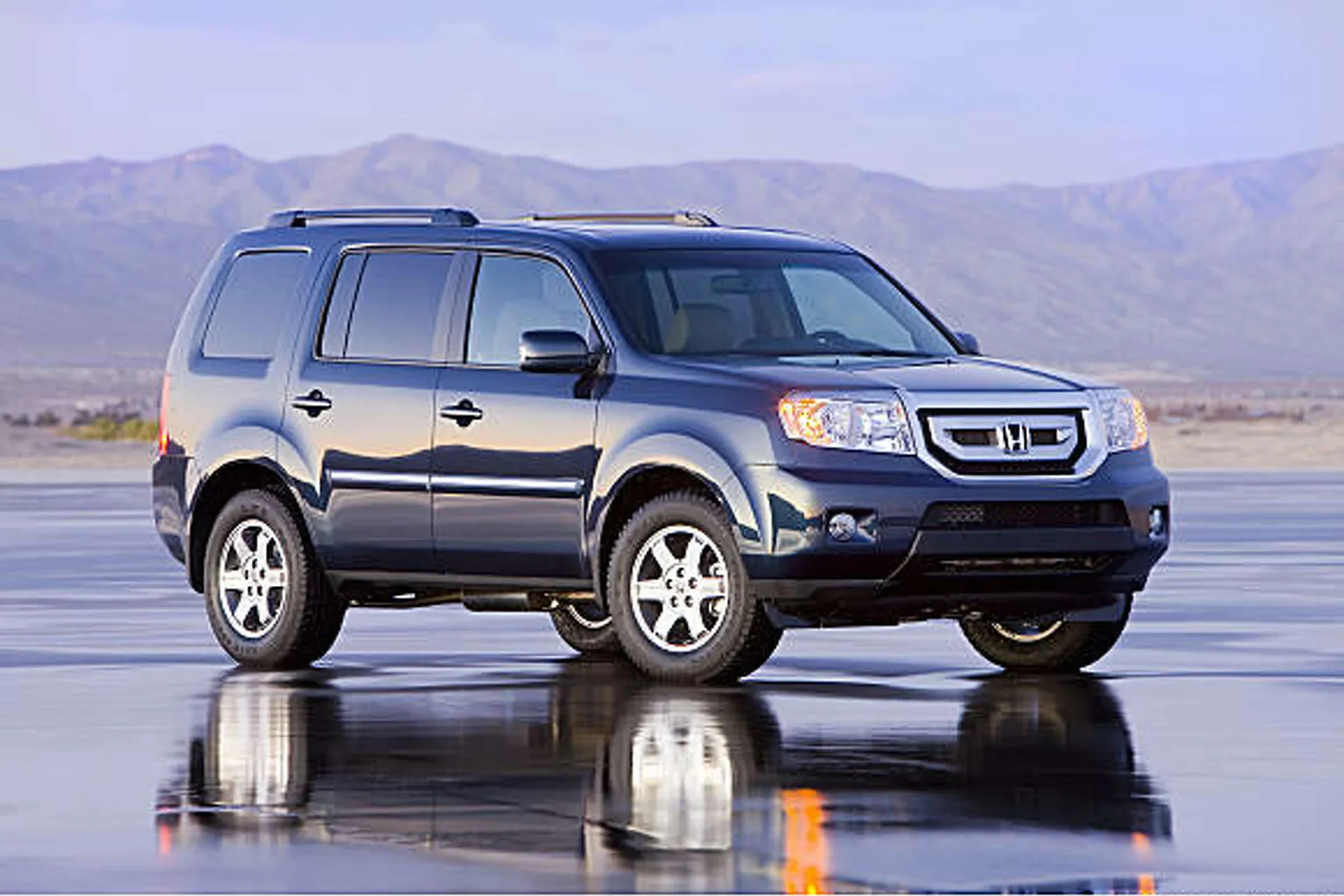
1. Honda Pilot (2009-2015)
Honda built this generation of Pilot with a refreshingly simple approach to rear climate systems. Engineers must have understood that parents don’t have time or money for complicated repairs because they designed these actuators to last.
Owners regularly report pushing past 150,000 miles without any rear HVAC issues, which speaks volumes about component quality and system design.
You get three rows of comfortable seating and air conditioning that actually works for everyone, not just the driver. What sets this Pilot apart is how Honda positioned the blend door actuators in accessible locations.
When maintenance eventually becomes necessary (and it will, just much later than competing vehicles), technicians can reach critical components without dismantling half the interior.
That accessibility translates directly into lower labour costs, meaning repairs don’t bankrupt you even when they become unavoidable.
Replacement actuators are also reasonably priced because Honda used common parts across multiple models, creating healthy aftermarket competition that keeps prices down.
But durability is what really matters here, and this Pilot delivers. Honda used robust gear mechanisms inside their actuators rather than cheap plastic components that strip under normal use.
Metal gears handle repeated movement far better than plastic alternatives, which is why these systems continue to function long after their competitors have failed. Temperature control remains precise even in older vehicles, with rear passengers enjoying the same comfort as front occupants.
Air distribution stays consistent, switching smoothly between floor, mid-level, and defrost positions without hesitation or strange noises.
Many Pilot owners from this generation never experience blend door problems, treating rear climate control as just another reliable Honda feature rather than a potential issue.
When you’re shopping for a used three-row SUV, finding one that doesn’t punish you for using basic features is exactly what you want. This Pilot generation provides that peace of mind, letting you focus on driving instead of budgeting for inevitable repairs.
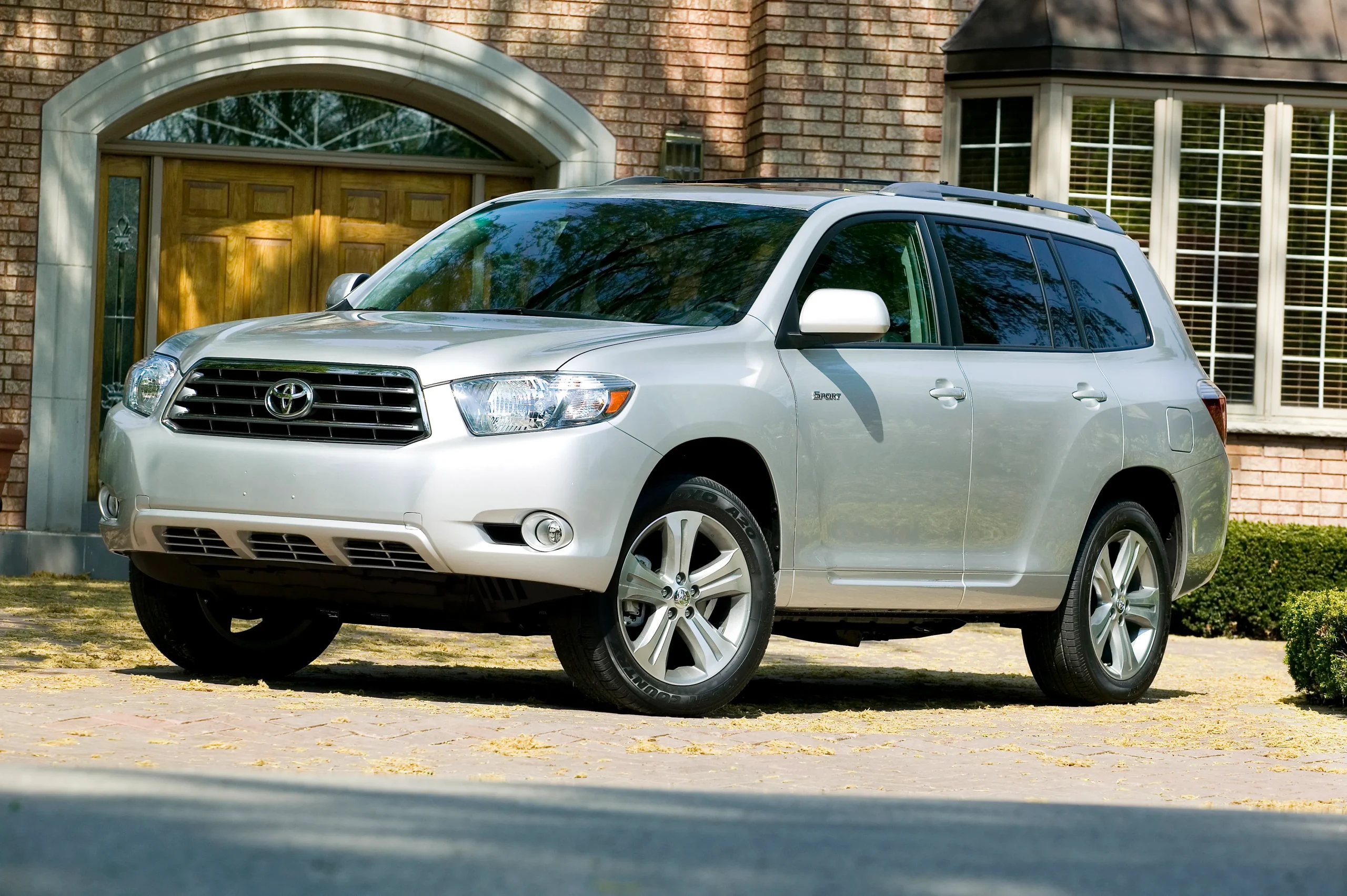
2. Toyota Highlander (2008-2013)
Japanese reliability extends beyond engines and transmissions straight into climate control systems, and this Highlander proves it decisively.
Toyota engineered these SUVs to survive harsh conditions, and rear HVAC systems benefit from that same durability-focused approach. Actuator failures are rare enough that many owners don’t even know what blend doors are because they’ve never had to deal with problems.
Air flows consistently, temperatures adjust predictably, and everything keeps working exactly as it should for years beyond what most vehicles manage.
Installation quality matters tremendously for long-term reliability, and Toyota gets this right. Factory assembly ensures proper alignment, secure mounting, and correct calibration from day one.
When actuators don’t have to fight misalignment or compensate for poor installation, they last dramatically longer. This attention to detail during manufacturing pays dividends years later when similar vehicles from other brands start developing problems.
Highlander owners enjoy working climate control while competitors are scheduling expensive repair appointments. Component selection deserves credit, too. Toyota didn’t source the cheapest actuators available; they chose suppliers with proven track records for durability.
These parts use better materials, tighter manufacturing tolerances, and more reliable gear mechanisms than budget alternatives. You can feel the difference in how smoothly temperatures adjust and how quietly the system operates.
There’s no clicking, grinding, or hesitation, just smooth, consistent performance that continues mile after mile. Rear passengers get genuine temperature control, not just the illusion of it.
Set the back zones to a comfortable level, and that’s exactly what they’ll receive whether you’re on mile 50,000 or approaching 200,000.
This kind of reliability might sound boring compared to flashy features, but when you’re buying a used SUV, boring is exactly what you want from climate control.
Exciting means expensive repairs and frustrated passengers, while boring means everyone stays comfortable without drama or repair bills.
Also Read: 5 SUVs With Smart Cargo Hooks, Rails & Cubies vs 5 Cargo-Area Afterthoughts
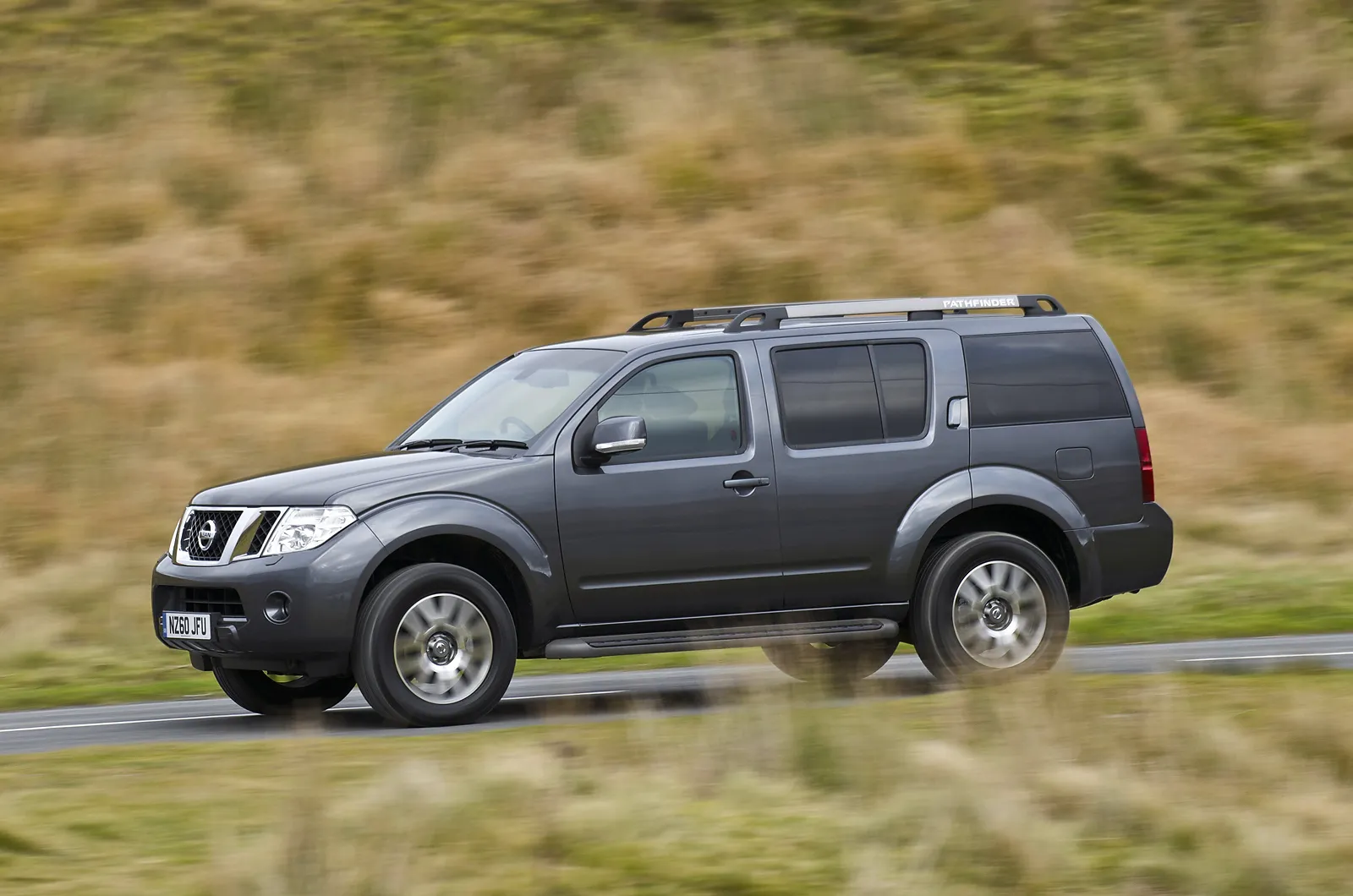
3. Nissan Pathfinder (2013-2019)
Nissan surprised many people with how well this generation of Pathfinder handles rear climate duties. After some earlier models developed reliability concerns, Nissan engineers clearly took feedback seriously and improved their HVAC systems substantially.
These Pathfinders demonstrate that manufacturers can learn from past mistakes and produce vehicles that actually last, particularly when it comes to those troublesome blend door actuators that plague so many three-row SUVs.
Rear climate control on these models operates through a well-designed system that balances performance with durability.
Actuators move through their full range smoothly without binding or sticking, which reduces mechanical stress that causes premature failure.
Temperature adjustments happen quickly, meaning actuators spend less time moving and more time at rest. Less movement equals longer component life, simple as that.
Nissan also improved the electronic controls that manage these actuators, using better sensors and smarter programming that prevents the system from constantly hunting for the perfect temperature. This refined control strategy reduces wear while maintaining passenger comfort.
Access for eventual maintenance is reasonable compared to some competitors. While not as easy as the Honda Pilot, technicians can still reach actuators without destroying the dashboard.
Labour costs stay manageable, and replacement parts are widely available through both Nissan dealers and aftermarket suppliers.
That healthy parts market keeps prices competitive, meaning repairs don’t require taking out a second mortgage. Many Pathfinder owners from this generation report approaching 120,000 miles without any rear HVAC concerns, with systems continuing to function flawlessly.
Passengers in all three rows enjoy consistent temperatures without hot spots, cold zones, or that annoying clicking sound that signals impending actuator failure.
When shopping for used SUVs, finding one that treats rear passengers as well as front occupants shows real engineering consideration rather than just checking boxes on a features list.
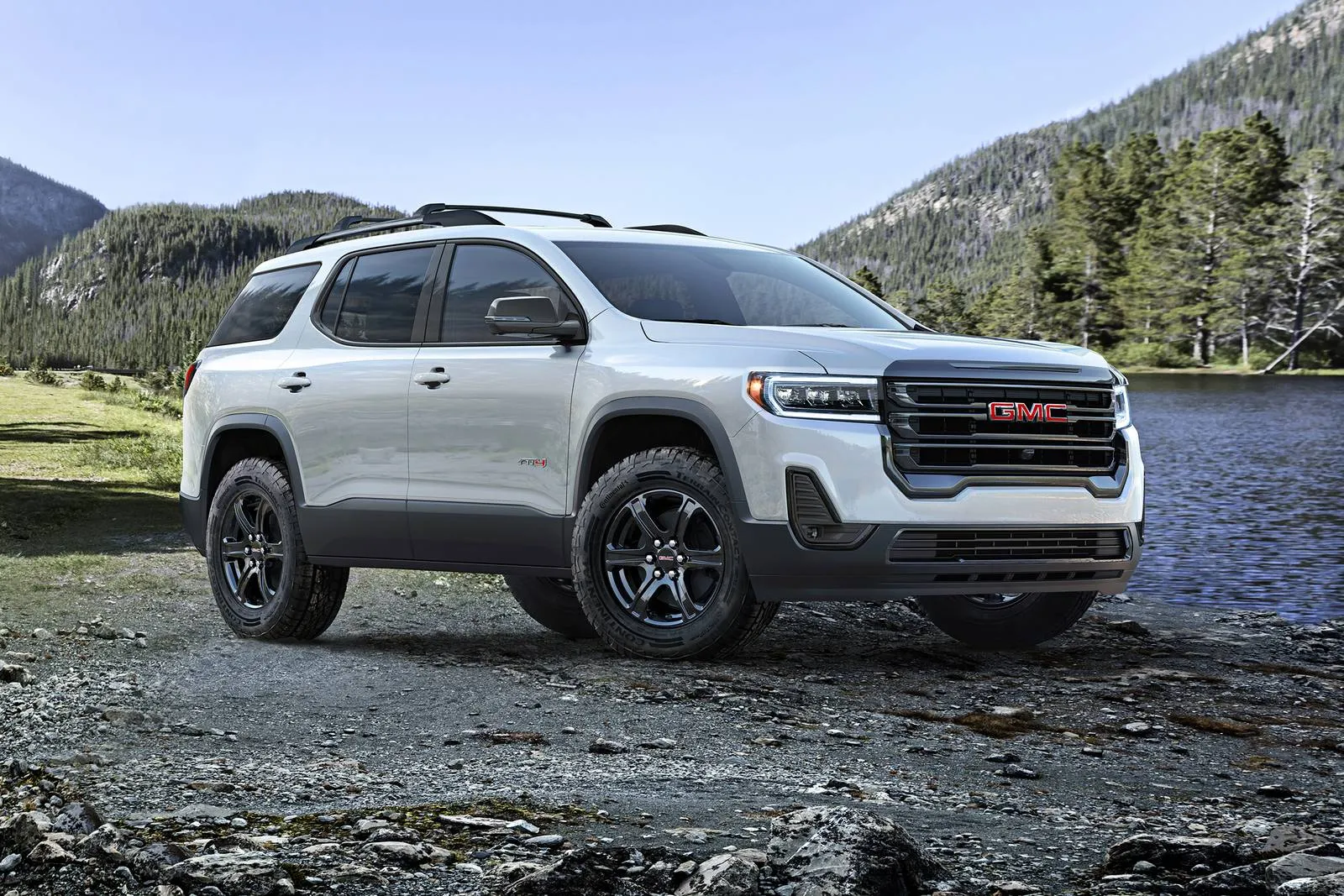
4. GMC Acadia (2017-2022)
General Motors learned some hard lessons from earlier problematic models and applied that knowledge to this generation of Acadia. Rear HVAC systems benefit tremendously from those improvements, with blend door actuators that actually survive beyond warranty periods.
Owners consistently report reliable climate control even as odometers climb past 100,000 miles, suggesting that GM finally got the formula right for durable three-row temperature management.
What changed? GMC upgraded actuator quality substantially, moving away from the cheap components that plagued previous generations. These newer actuators use better materials throughout, from improved gears to more robust motors.
Electrical connections are also more reliable, with connectors that resist corrosion and maintain solid contact even after years of temperature cycling and vibration. This attention to detail might seem minor, but it makes a tremendous difference in real-world reliability.
Systems work consistently because every component does its job properly without premature wear. Calibration is another area where this Acadia excels. GMC programmed the climate control system to avoid constant micro-adjustments that wear out actuators prematurely.
Temperature holds steady once set, rather than bouncing between slightly too cold and slightly too warm in an endless cycle that burns out components.
This intelligent control strategy extends actuator life while improving passenger comfort, creating a win-win situation that benefits everyone.
Rear passengers appreciate precise temperature control that responds accurately to their adjustments. Parents appreciate not having to explain why the back of the vehicle is freezing while the front feels perfect.
Everyone benefits from a reliable operation that doesn’t require expensive repairs, just as the vehicle becomes paid off.
When you compare this Acadia to earlier GM three-row vehicles, the improvement is dramatic and immediately apparent. It’s proof that manufacturers can fix reliability problems when they commit to doing better.
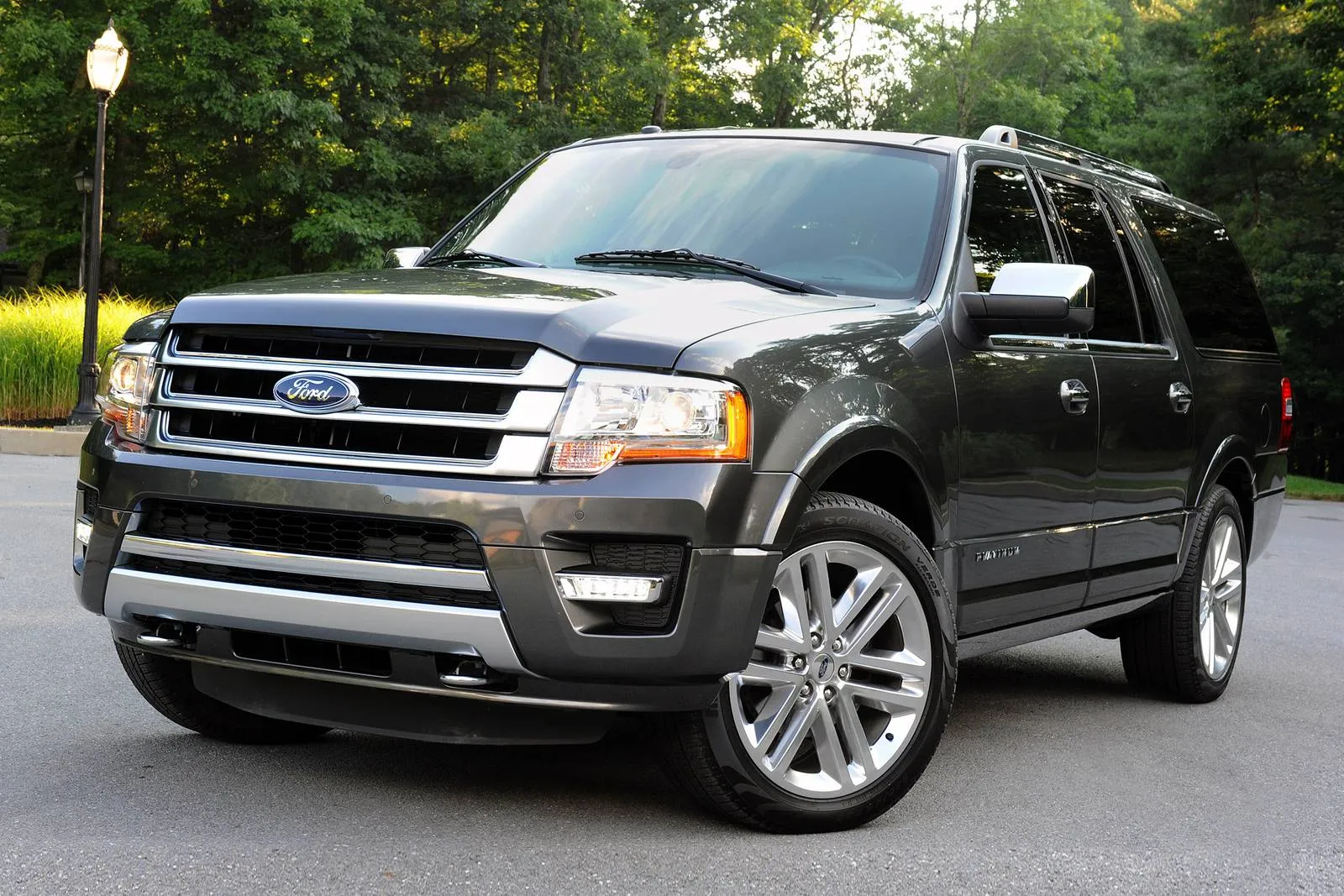
5. Ford Expedition (2015-2017)
Big body-on-frame SUVs like this Expedition generation offer advantages for HVAC reliability that unibody designs sometimes struggle to match. Extra space means blend door actuators don’t need to be crammed into tight spaces where heat buildup accelerates failure.
Larger ducts allow better airflow with less restriction, reducing strain on blower motors and actuators. Ford took advantage of this platform’s size to create a rear climate system that’s both effective and durable, handling family hauling duties without breaking down prematurely.
Actuator placement in these Expeditions is surprisingly accessible. When repairs eventually become necessary, technicians can reach components without extensive disassembly.
Dashboard removal isn’t required, and labour hours stay reasonable compared to vehicles where actuators hide deep inside the HVAC box.
This accessibility makes a huge difference in total repair costs because you’re paying for actual parts and reasonable labour rather than eight hours of interior dismantling just to swap a $50 component. Component quality is solid across the board.
Ford used proven actuator designs rather than experimental new components, prioritizing reliability over novelty.
These actuators feature robust construction that handles daily temperature adjustments without complaint. Many Expedition owners from this generation report completely trouble-free rear climate control even well past 100,000 miles.
Passengers in the far back get genuine heating and cooling rather than weak airflow that barely makes a difference. Temperature control responds accurately to adjustments, and the system maintains set temperatures consistently regardless of outside conditions.
That reliability matters tremendously when you’re hauling family members across the country or just running daily errands around town.
Everyone deserves to be comfortable, and this Expedition actually delivers on that promise without requiring constant maintenance or expensive repairs to keep everything working properly.
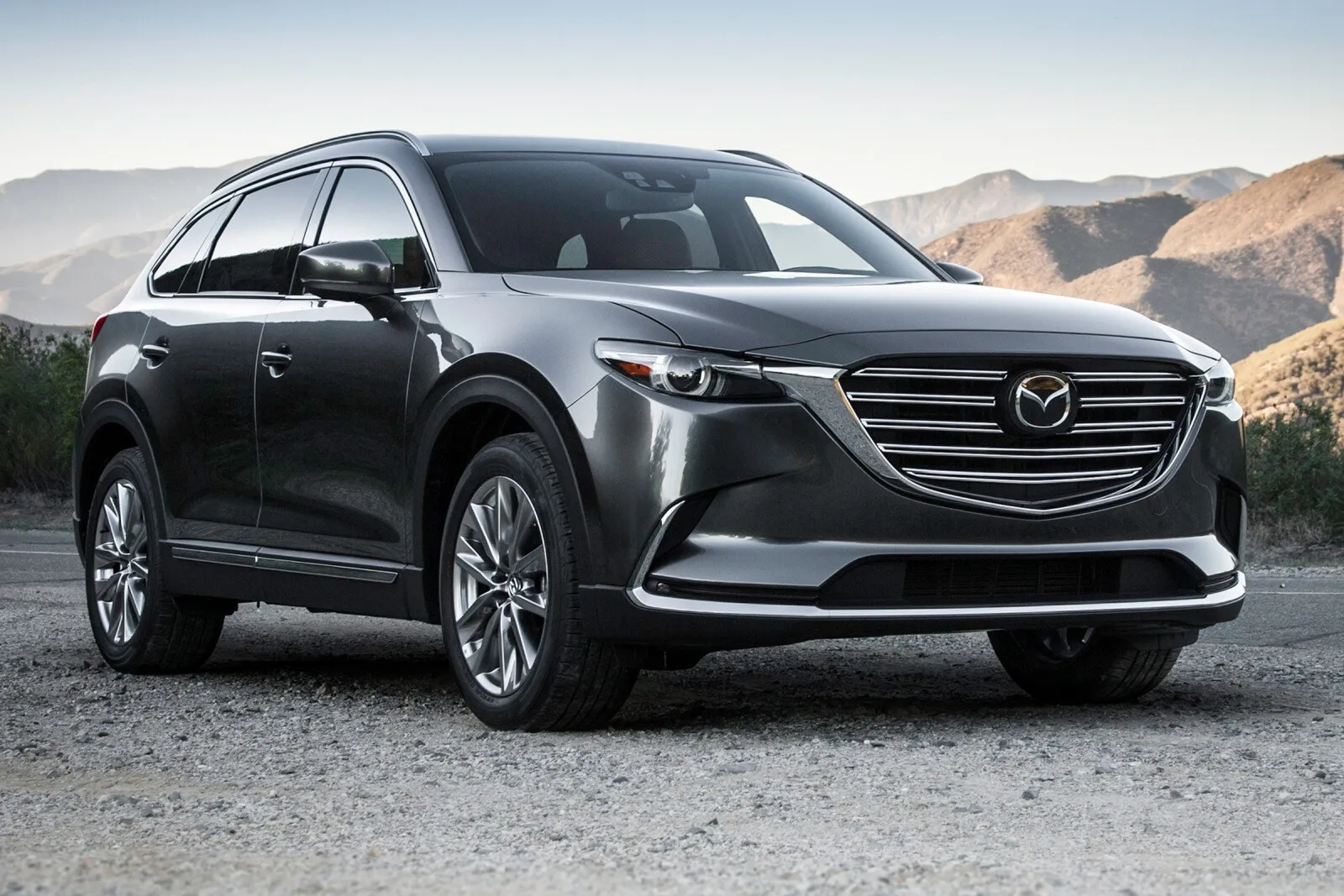
6. Mazda CX-9 (2016-2021)
Mazda applies the same engineering philosophy to climate systems that makes their vehicles fun to drive. This CX-9 generation features rear HVAC components built to last, with blend door actuators that survive well beyond what many competitors manage.
Japanese attention to detail shows in how smoothly these systems operate and how reliably they continue functioning year after year. Owners appreciate never having to worry about whether rear passengers will be comfortable because the climate system just works, every single time.
Quality control during manufacturing ensures these systems start life properly configured. Actuators are correctly aligned, ducts seal properly, and electronic controls are calibrated accurately. This proper initial setup prevents problems that plague vehicles with sloppy assembly.
When everything fits correctly from the beginning, components last dramatically longer because they’re not fighting misalignment or compensating for poor installation.
Mazda’s assembly quality shows in how quietly these climate systems operate. There’s no clicking, buzzing, or grinding, just smooth, silent temperature adjustment that continues working properly for years.
Durability testing before production also helps. Mazda puts these systems through rigorous evaluation, cycling actuators thousands of times to identify weak points before vehicles reach customers.
This thorough validation catches problems during development rather than after owners take delivery, which explains why real-world reliability is so good.
Rear climate control remains precise and responsive even in older vehicles with substantial mileage.
Passengers can set their preferred temperature and actually receive it, not approximately close but exactly right. Air distribution switches between vents smoothly without hesitation, and blower speeds adjust proportionally across their full range.
This kind of refined operation proves that manufacturers can build reliable rear climate systems when they prioritize quality and proper engineering.
Finding a used three-row SUV that keeps everyone comfortable without requiring expensive repairs is entirely possible when you choose models like this CX-9 that were built correctly from the start.
SUVs That Develop Expensive Blend Door Problems
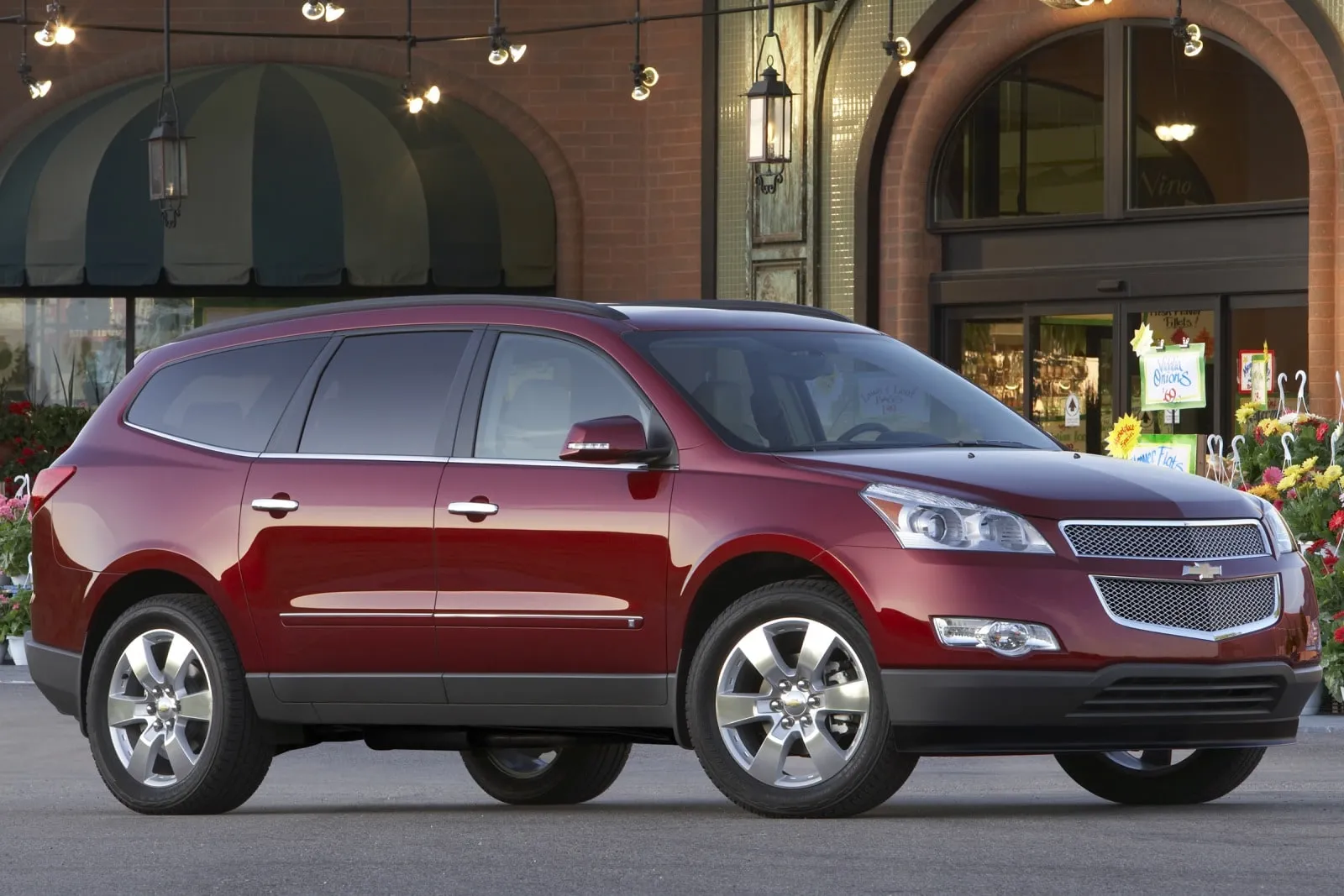
1. Chevrolet Traverse (2009-2017)
Here’s where things get expensive fast. This Traverse generation is infamous among technicians for blend door actuator failures that happen like clockwork around 100,000 miles.
Owners across the country report identical symptoms: clicking noises from behind the dashboard, rear zones that blow only hot or only cold regardless of settings, and repair estimates that make you question whether fixing the vehicle is even worthwhile.
Chevrolet used cheap actuators that simply cannot survive normal use for the vehicle’s expected lifespan. What makes this particularly frustrating is that problems often affect multiple actuators simultaneously.
You might start with one rear zone acting up, schedule repairs, and then discover that two other actuators are on the verge of failure too.
Replacing just the broken one means you’ll be back at the shop within months for the others, so smart owners replace all rear actuators at once despite the painful bill.
Labour costs are astronomical because GM buried these actuators deep inside the dashboard and HVAC housing. Technicians must remove interior components just to access the failed parts, turning what should be a quick swap into an all-day project.
Replacement parts aren’t cheap either. While aftermarket options exist, they often fail just as quickly as the factory components because they’re copying a fundamentally flawed design.
Spending money on quality OEM actuators makes sense for longevity, but those parts command premium prices that make the entire repair package quite expensive.
Many Traverse owners from this generation budget for blend door replacement as a known expense around the 100,000-mile mark, treating it like timing belt service on older vehicles.
That shouldn’t be necessary for climate control components, but with this Chevrolet, it’s practically guaranteed.
If you’re shopping for a used Traverse, either negotiate a lower purchase price to account for upcoming repairs or look for one where the seller has already replaced all actuators recently.
Otherwise, you’re buying someone else’s expensive problem that’ll become yours shortly after taking ownership.
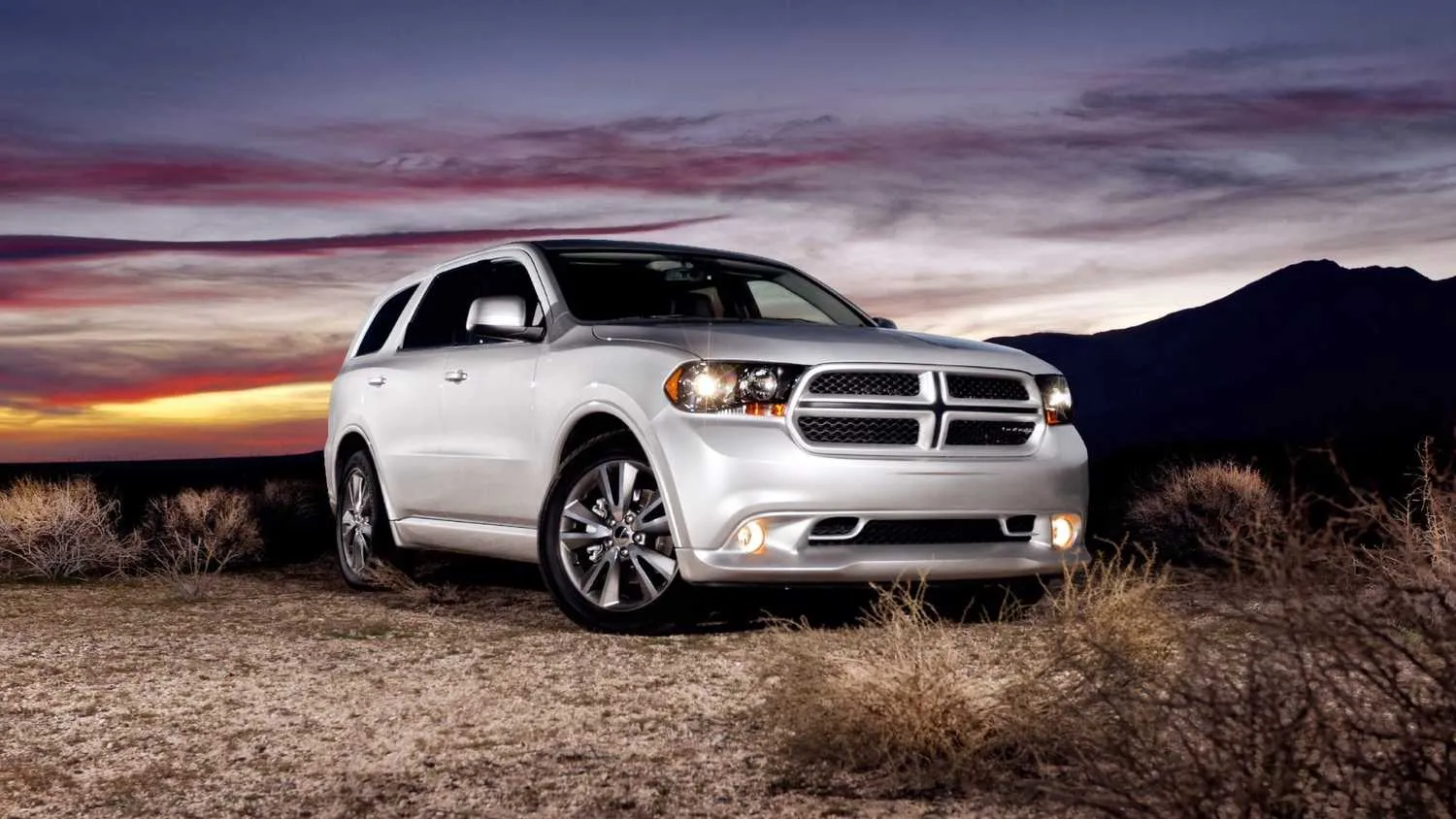
2. Dodge Durango (2011-2019)
Chrysler products from this era struggle with HVAC reliability, and this Durango perfectly demonstrates why. Blend door actuators fail prematurely across both second and third-row climate zones, leaving passengers uncomfortable and owners angry.
Problems typically begin around 80,000 miles and worsen rapidly, with complete system failure common by 100,000 miles.
What starts as occasional temperature inconsistencies becomes total inability to control rear climate, forcing everyone behind the driver to suffer whatever random temperature the broken actuators decide to provide.
Repair problems make this problem even worse. Dodge positioned actuators in locations that require extensive dashboard disassembly to access.
Technicians must remove the entire instrument panel, disconnect countless electrical connectors, and carefully extract HVAC components just to reach failed actuators.
This labour-intensive process takes experienced technicians six to eight hours, sometimes longer if rusted fasteners or brittle plastic clips break during disassembly. You’re paying shop rates for every minute of that work, which adds up frighteningly fast even before considering parts costs.
Component quality is genuinely terrible. Dodge used plastic gears inside these actuators that strip under normal use, rendering the entire unit useless. These aren’t even particularly strong plastics; they’re cheap materials that manufacturers use when cost matters more than reliability.
Once the gears strip, the actuators can no longer move the blend doors to adjust the temperature. They might continue making noise as motors run, but no actual air temperature change happens.
Replacing one actuator solves nothing because others will fail shortly after, forcing owners into multiple expensive repair visits.
Smart buyers avoid this Durango generation entirely unless the seller can provide receipts proving all rear actuators were recently replaced with upgraded components. Even then, you’re gambling on whether those replacement parts are any better than the originals.
This vehicle’s poor rear climate reliability is well-documented across owner forums and technician communities, making it one of the worst offenders for blend door problems at high mileage.
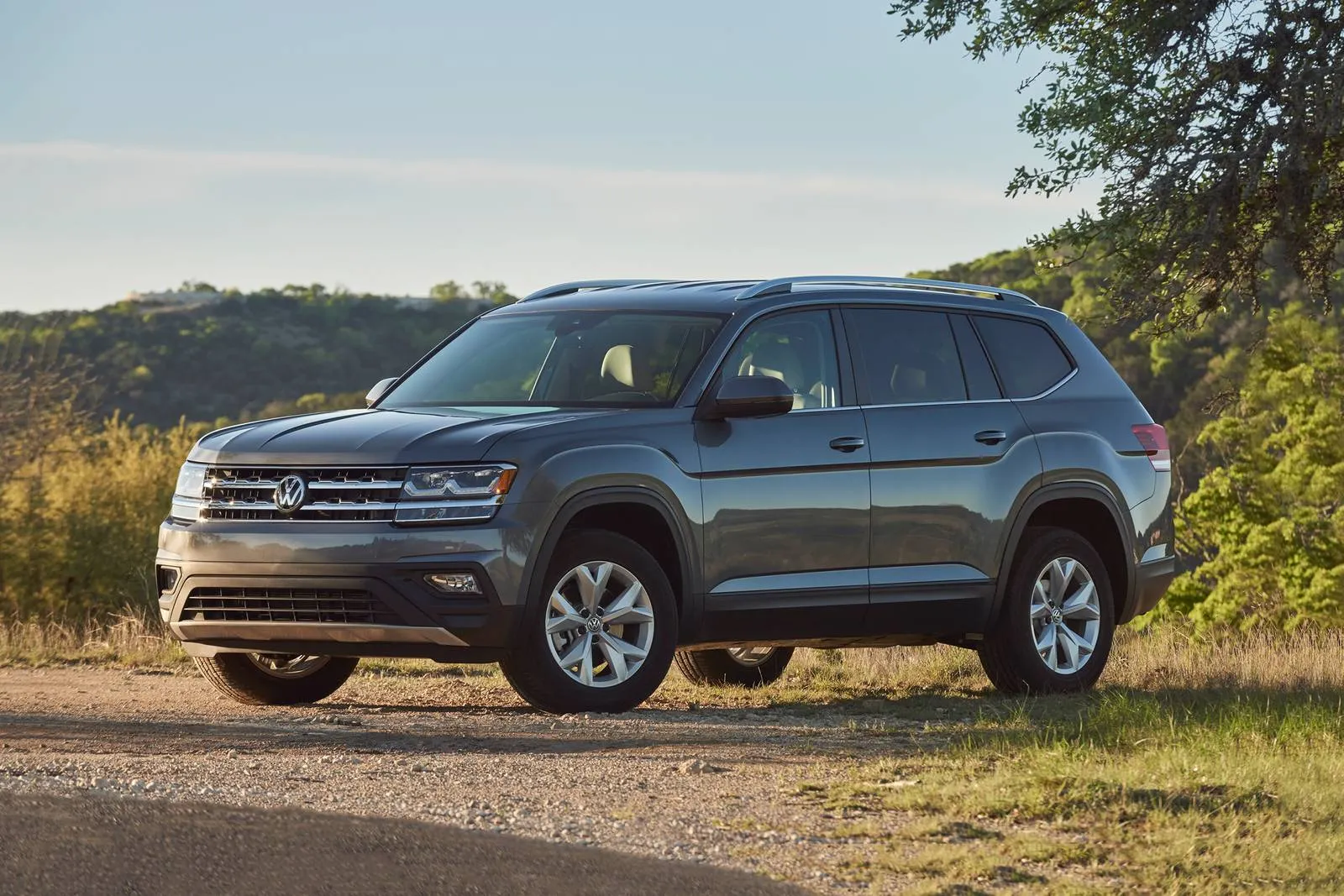
3. Volkswagen Atlas (2018-2021)
German engineering doesn’t guarantee reliability, and this Atlas proves it painfully. VW integrated rear climate control with their complicated electronics systems, creating actuators that fail both mechanically and electronically.
Problems often begin with error messages on the dashboard display before any physical symptoms appear. That’s your first warning that expensive repairs are coming, usually right around the 100,000-mile mark when warranty coverage has expired and you’re stuck paying full price.
Mechanical failures happen first, with actuator gears wearing prematurely despite relatively low mileage for such critical components.
VW used plastic components throughout these actuators, prioritizing cost savings over durability. Those plastic gears simply cannot handle the constant movement required for temperature adjustment, leading to stripped teeth and failed actuators.
Electronic issues follow mechanical problems as the vehicle’s computer network detects that actuators aren’t responding correctly. Warning messages multiply, climate control settings become unresponsive, and the entire system enters a confused state where nothing works properly.
Diagnosis alone costs substantial money because VW requires dealer-level diagnostic equipment to communicate with climate control modules.
Independent shops often can’t properly troubleshoot these systems, forcing owners to visit dealerships where labour rates are highest and parts must be ordered through VW at premium prices.
Replacement costs are shocking, with genuine VW actuators commanding prices several times higher than equivalent components for domestic vehicles.
Labour costs match that premium pricing because technicians need special tools and detailed knowledge of VW’s specific assembly procedures.
Many Atlas owners discover that fixing rear climate control costs more than the repair is worth, leading to vehicles sold with non-functioning rear zones because sellers can’t justify the expense.
Buyers should expect these problems when shopping for used Atlas models from this generation, budgeting accordingly or simply avoiding this vehicle entirely in favour of more reliable alternatives that don’t treat climate control as optional equipment once the warranty expires.
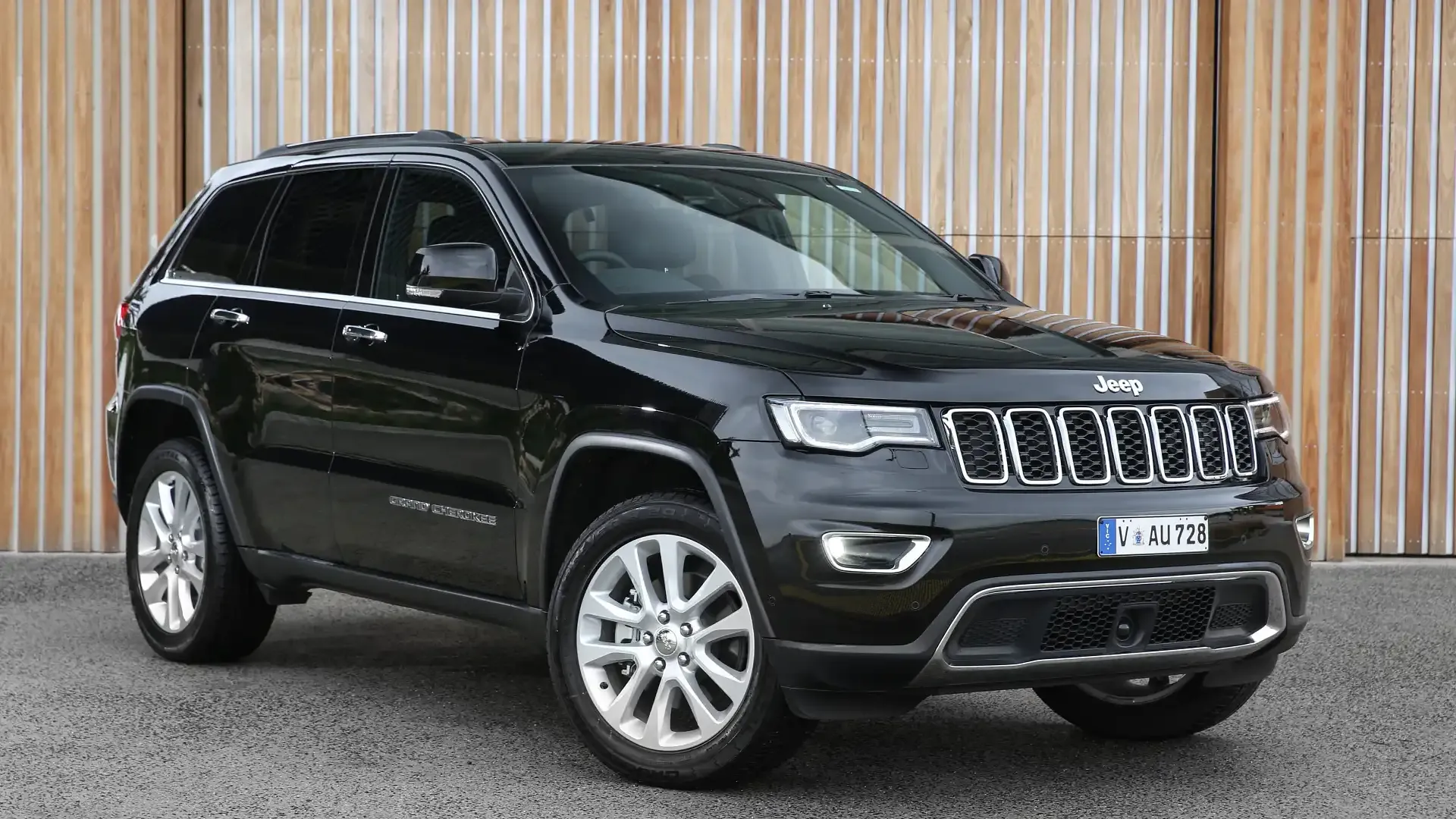
4. Jeep Grand Cherokee (2011-2016)
Chrysler’s luxury SUV shares many components with the Durango, including the same problematic blend door actuators. Grand Cherokee owners experience identical failures around 100,000 miles, with rear climate zones losing temperature control and producing only maximum heat or cold.
That shared DNA means shared problems, though somehow repair costs are even higher for the Grand Cherokee because dealerships charge premium rates for working on what they market as an upscale vehicle.
Actuator quality is just as poor as the Durango’s, using the same cheap plastic gears that strip under normal use. These components were never designed to last the vehicle’s lifetime, seemingly engineered only to survive warranty periods before failing and generating dealership service revenue.
Cynical? Perhaps, but the pattern is too consistent across thousands of vehicles to be accidental. Jeep could have used better actuators, but chose not to, leaving owners to deal with expensive consequences.
Replacement requires the same extensive dashboard disassembly as the Durango, with all the associated labour costs and risks of damaging other components during repair.
Experienced technicians still need most of a workday to complete the job properly, and rushed repairs often lead to rattles, squeaks, or electrical gremlins from hastily reassembled interiors.
Parts availability can be problematic too, with dealers sometimes needing to order actuators rather than stocking them despite how commonly they fail.
That adds waiting time to an already frustrating situation, leaving owners without working rear climate control for days or weeks while parts ship.
Smart buyers either avoid this Grand Cherokee generation completely or only consider examples where sellers provide documentation proving all rear actuators were recently replaced.
Even then, you’re trusting that replacement parts are better quality than originals, which isn’t always the case. Aftermarket suppliers often copy the same flawed design, meaning you’ll experience the same failures again within a few years.
This vehicle’s poor rear climate reliability is so well-known that it affects resale values, with informed buyers discounting purchase prices to account for inevitable repairs.
That depreciation benefits used car shoppers willing to tackle the problem, but punishes original owners who lose value due to Jeep’s poor component choices.
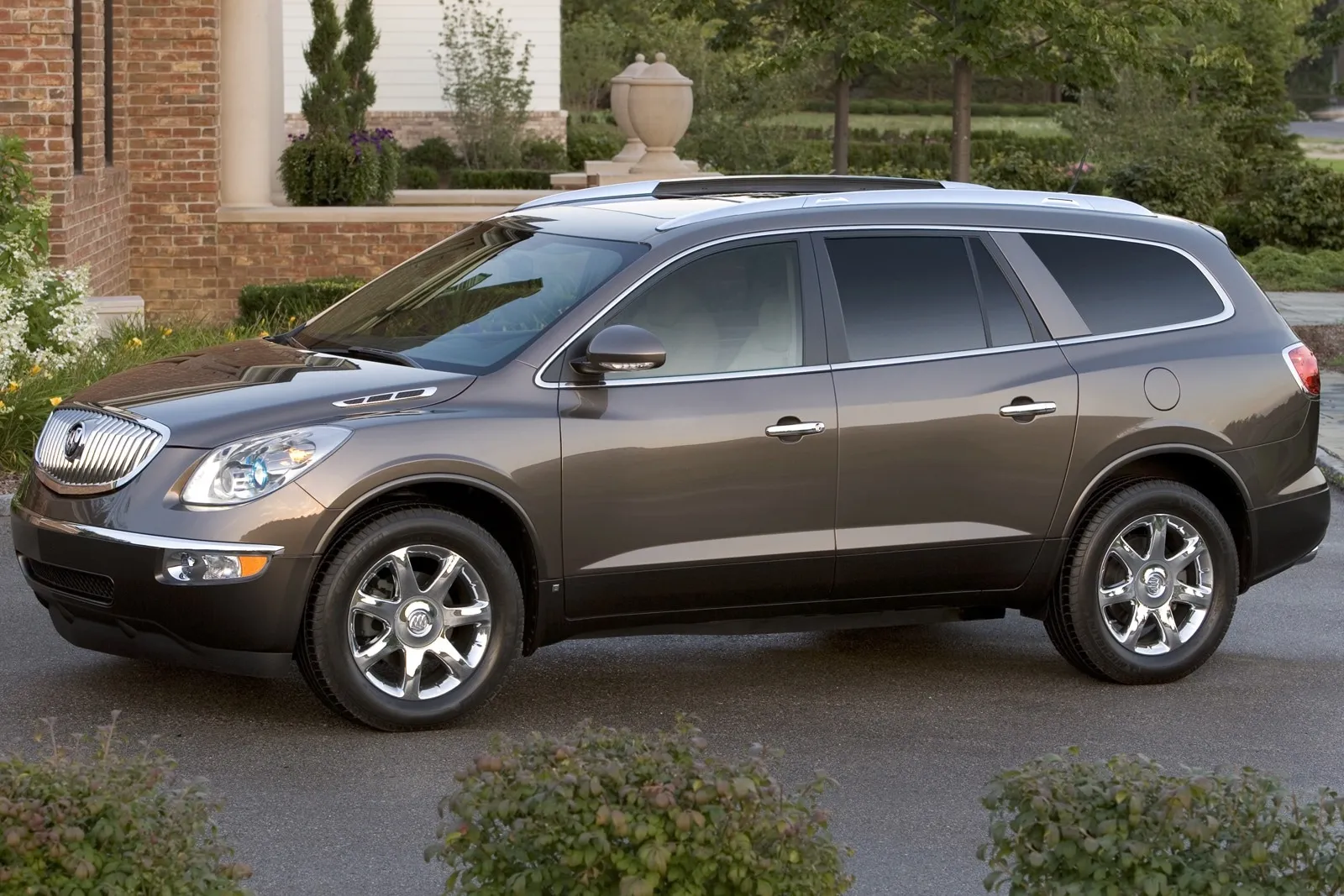
5. Buick Enclave (2008-2017)
GM’s upscale Lambda platform SUV suffers the same blend door problems as its Chevrolet and GMC siblings. This Enclave uses identical actuators with identical failure patterns, typically starting right around 100,000 miles.
Buick customers expect better reliability given the brand’s premium positioning, but they get the same cheap components and expensive repairs as everyone else driving Lambda platform vehicles. That’s frustrating for owners who paid extra, expecting superior quality.
Problems manifest identically across all Lambda platform vehicles: clicking noises from the dashboard, rear zones stuck at extreme temperatures, and complete loss of climate control functionality.
Multiple actuators often fail simultaneously, forcing owners to replace several at once to avoid repeated shop visits.
Buick dealers charge premium labour rates compared to Chevrolet shops, yet the work is identical and the parts are the same. You’re paying extra for the nameplate without receiving better service or improved reliability.
Access to failed actuators requires the same extensive dashboard removal as the Traverse and Acadia models. Technicians must carefully dismantle interior components, disconnect numerous electrical connectors, and extract HVAC housings just to reach the broken parts.
This labour-intensive process takes hours even for experienced technicians familiar with these vehicles. Rushed repairs often lead to secondary problems like rattling trim panels, squeaking dashboard components, or electrical issues from improperly reconnected wiring harnesses.
Finding shops willing to tackle these repairs can be challenging because many independent technicians recognize the job as time-consuming and prone to comebacks, preferring to decline the work rather than risk customer complaints.
Replacement parts carry Buick pricing despite being identical to components used in cheaper GM vehicles. Dealers justify these premiums by claiming superior parts quality or additional testing, but experienced owners know they’re receiving the same actuators with different part numbers stamped on the boxes.
Aftermarket alternatives exist at lower prices, but quality varies wildly between suppliers. Some aftermarket actuators are reasonably reliable, while others fail within months, making it difficult to know which replacement parts are worth buying.
This Enclave generation’s poor rear climate reliability has become so notorious that it affects used vehicle pricing, with smart buyers either avoiding these models entirely or negotiating substantial discounts to account for known repair costs.
Also Read: 5 SUVs Whose AWD Doesn’t Eat Rear Diffs vs 5 That Do
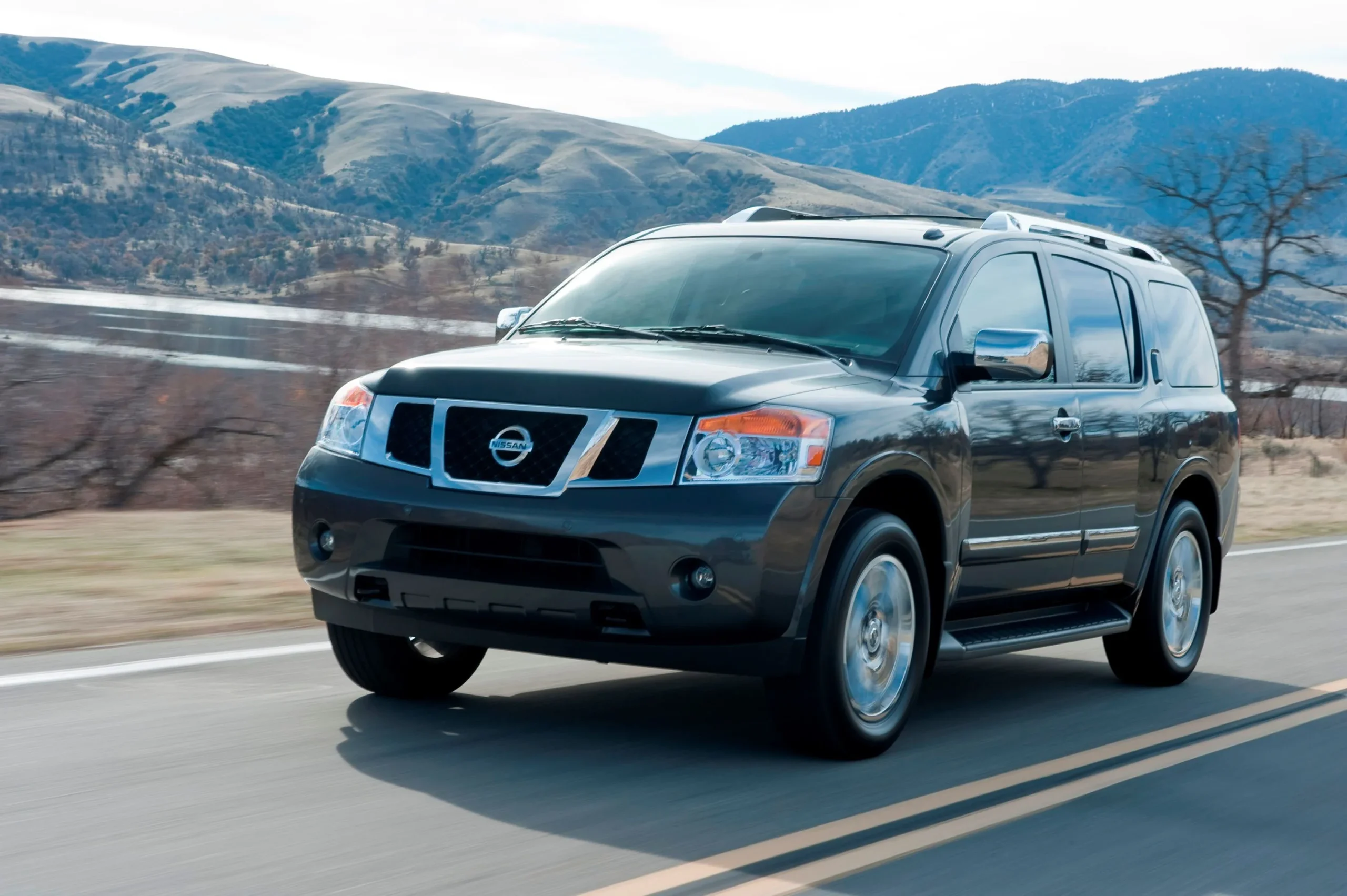
6. Nissan Armada (2008-2015)
Before Nissan fixed their climate control problems in later models, this Armada generation suffered through terrible blend door reliability. Actuators fail prematurely despite the vehicle’s body-on-frame construction providing plenty of space for proper component design.
Nissan simply used poor-quality parts that cannot survive the expected service life, leaving owners with expensive repairs and uncomfortable passengers once problems develop around the 100,000-mile mark.
What makes this particularly annoying is that the vehicle’s size should make repairs easier, but Nissan designed the HVAC system in ways that complicate access to failed components.
Actuators hide behind dashboard sections that require removing steering columns, instrument clusters, and countless interior panels.
Labour costs spiral upward as technicians spend hours disassembling the interior just to replace components that should be easily accessible.
Some technicians report that accessing certain rear actuators actually requires removing the entire dashboard assembly, turning a straightforward repair into a nightmare project that can take two full days to complete properly.
Replacement parts aren’t readily available through aftermarket suppliers, forcing owners to purchase genuine Nissan components at dealership prices.
Those OEM actuators command premium prices despite their poor reliability, meaning you’re paying top dollar for parts that might fail again within 50,000 miles.
This creates a frustrating cycle where owners keep throwing money at the problem without receiving lasting solutions.
Many Armada owners from this generation eventually give up on rear climate control entirely, disconnecting failed actuators and letting rear passengers suffer whatever temperature the front system provides.
That’s not acceptable in a vehicle marketed as a luxury family hauler, but repair costs are so high that some owners simply can’t justify the expense. Buyers shopping for used Armadas from this generation should assume rear climate control will need work and budget accordingly.
Better yet, consider newer Armada models where Nissan improved their actuator quality, or choose different vehicles entirely from manufacturers who got these systems right the first time.
