
When it comes to driving, braking performance is just as important as acceleration or handling. A car with responsive, well-tuned brakes can inspire confidence and enhance safety, while a vehicle with long stopping distances demands extra caution from drivers.
In this comparison, we explore five cars with stellar brakes and five vehicles that struggle with stopping efficiently. The standout performers, including the 2025 Mazda CX-5, Honda Odyssey, Genesis GV70, Acura Integra, and Mazda3, combine strong braking systems with balanced suspension and high-quality tires to deliver consistent, reliable deceleration.
These cars not only offer engaging driving dynamics but also provide drivers with peace of mind in emergency situations. On the other side of the spectrum, heavier pickups and SUVs like the Mercedes-Benz X250d and Haval H9, as well as compact vehicles such as the Nissan Micra and BAIC X25, illustrate how weight, tire grip, and braking system design can significantly increase stopping distances.
Understanding these differences is crucial for choosing a vehicle that meets both performance and safety expectations.
5 Cars With Stellar Brakes
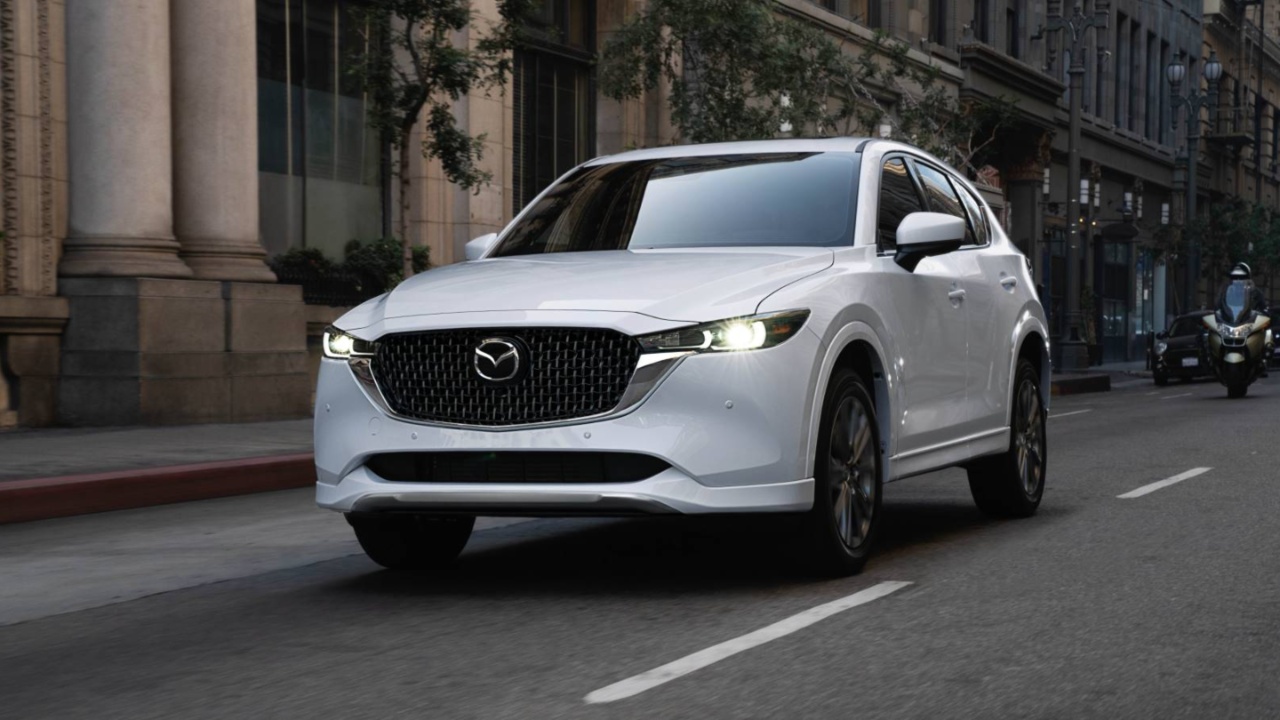
1. 2025 Mazda CX-5: A Fun-to-Drive Compact SUV
The 2025 Mazda CX-5 is one of the most compelling choices in the non-luxury compact SUV segment, earning a score of 9.2 out of 10. It combines engaging driving dynamics, a premium-feeling interior, and strong standard safety features.
While it has some drawbacks, such as limited cargo space and slightly tight rear seating, its blend of performance and refinement makes it appealing for drivers who value an enjoyable ride.
The CX-5 offers two engine options. The base 2.5-liter four-cylinder produces 187 horsepower, while the optional turbocharged engine delivers 256 horsepower. The turbo model accelerates from 0 to 60 mph in 6.6 seconds, which is faster than most competitors. All-wheel drive comes standard on every trim.
The vehicle handles with precision, thanks to responsive steering and a well-controlled suspension. The ride is firm over small bumps, but this firmness enhances driving confidence and sportiness. Visibility is excellent, aided by large windows and available surround-view cameras.
Front seats are well-shaped and highly adjustable, with higher trims offering memory functions. The wide front doors make entry and exit simple. Rear seating feels narrower and less supportive than many competitors, and rear doors are small, which can make access difficult for taller passengers.
Automatic climate control with rear vents contributes to comfort, and the cabin remains quiet at normal speeds. Engine noise becomes noticeable under heavy acceleration.
The CX-5 features a 10.25-inch infotainment screen controlled by a physical knob. Android Auto and Apple CarPlay are standard, but wireless connectivity is only available on mid- and higher trims. Touchscreen functionality is limited to when the car is stopped, requiring the knob for most operations while driving. Some features, such as the poorly positioned wireless charging pad, are inconvenient.
Cargo capacity is 29.1 cubic feet, smaller than many rivals. The higher cargo floor and lower liftgate height reduce loading convenience. Two large suitcases fit without blocking rear visibility. Inside the cabin, storage for smaller items is adequate, including door pockets that can hold large water bottles.
The CX-5 has a U.S. News safety rating of 9.3 out of 10. Forward automatic emergency braking is standard, but reverse AEB is not available. Adaptive cruise control and lane-keeping assistance are included on all trims, although these systems can react more slowly than newer alternatives.
The base engine achieves nearly 29 mpg in combined city and highway driving. The turbocharged engine is less efficient, with an EPA combined rating of 24 mpg, and real-world testing shows slightly lower results.
The CX-5 offers high build quality, standard all-wheel drive, and numerous driver assistance features. Top trims are expensive, but the vehicle delivers strong performance, a refined interior, and driving enjoyment that is rare in this segment.
The 2025 Mazda CX-5 is highly enjoyable to drive. It prioritizes handling and engagement, making it an excellent choice for drivers who value an active and rewarding driving experience.
2. 2025 Honda Odyssey: A Family-Friendly Minivan
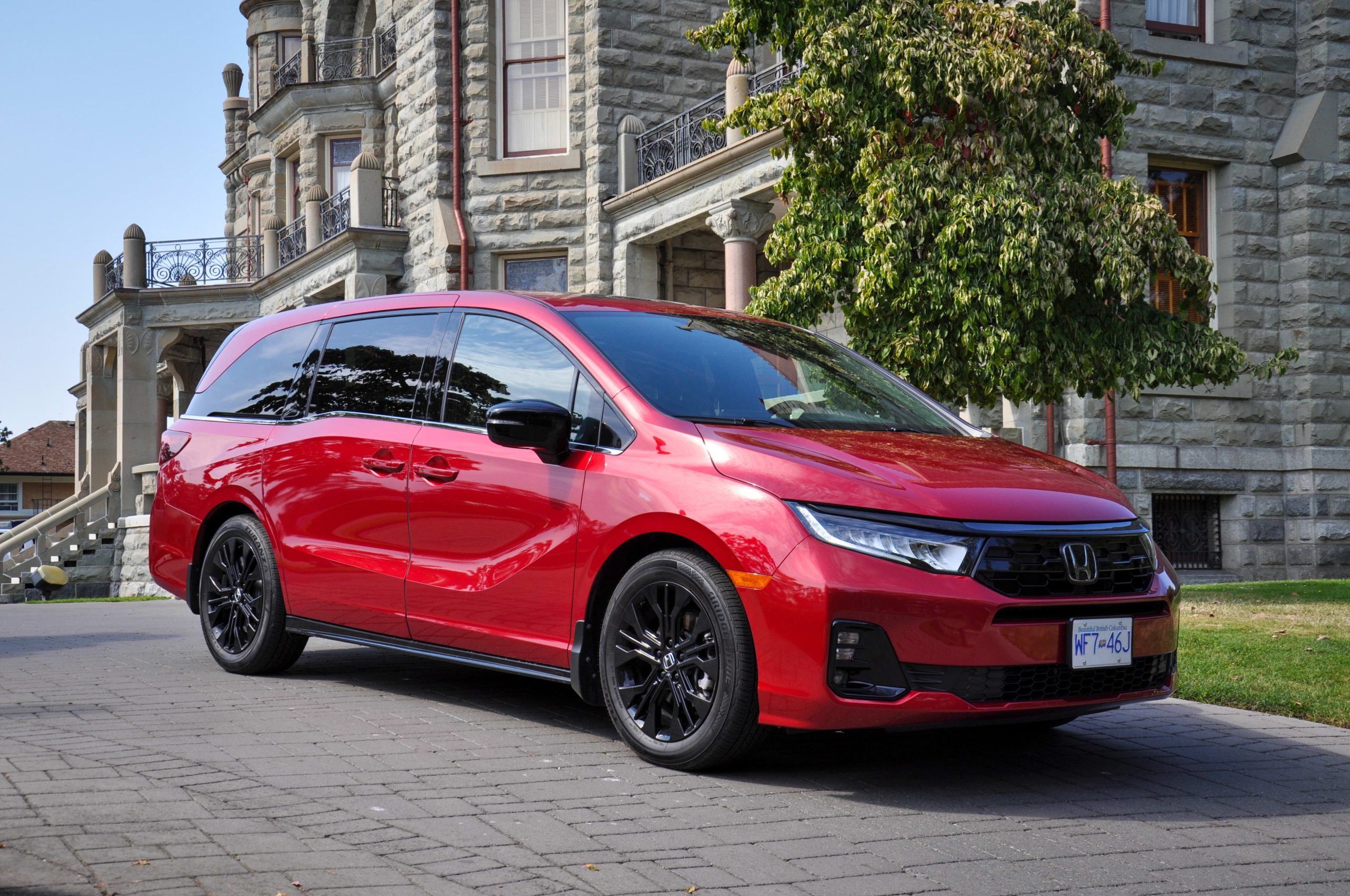
The 2025 Honda Odyssey stands out as one of the best minivans for families, earning a score of 9.3 out of 10. It offers a smooth driving experience, a practical interior layout, and a strong suite of standard safety features. While it does not offer all-wheel drive or a hybrid option, the Odyssey’s refined handling, spacious cabin, and family-oriented amenities make it a top choice in the minivan segment.
The Odyssey is powered by a V6 engine that provides sufficient power for merging, passing, and carrying a full cabin of passengers. In testing, the Odyssey Elite accelerated from 0 to 60 mph in 7.6 seconds, an average time for V6 minivans. Steering is precise, braking is stable, and the minivan maintains confidence on highways and tighter roads.
It is not sporty, but the cohesive driving experience feels controlled and enjoyable. The 10-speed automatic transmission shifts smoothly and can be operated manually using standard steering wheel-mounted paddle shifters. The engine stop-start system saves fuel at stoplights but can feel unrefined.
Front seats are supportive and comfortable for long drives, and second-row seats accommodate both adults and children. Third-row legroom is limited but adequate for short trips with adults. The ride quality is generally smooth, even with larger 19-inch wheels.
Wind and road noise remain low, and features such as the cabin intercom allow drivers to communicate easily with rear passengers. Sliding rear doors improve access, and the second-row seats can recline and slide sideways to improve reachability and access to the third row.
Driver and steering column adjustments are extensive, though long-legged drivers might wish for extra thigh support. Visibility is somewhat limited due to bulky roof pillars and side mirrors, and a surround-view camera is not available.
The Odyssey includes a 9-inch touchscreen that runs on Honda’s older infotainment system. While smaller and more distant than competitors’ screens, it integrates easily with Android Auto and Apple CarPlay.
The instrument cluster offers limited customization. Additional tech includes multiple USB-C charging ports, a rear cabin camera monitor, and the cabin intercom system. Some advanced driver assistance features, such as adaptive cruise control, are prone to slow response or false positives.
Storage is a highlight for the Odyssey. The minivan offers 155.8 cubic feet of maximum cargo space when the second-row seats are removed. The cargo area behind the third row is deep and practical, and the second-row seats slide side-to-side for added flexibility.
Car seat installation is easy, with accessible lower anchors and straightforward belt positioning for booster-age children. Third-row seats lift and lower manually, and the strap handle system is simple to use.
The EPA estimates the Odyssey Elite achieves 22 mpg combined, while real-world testing showed 21 mpg. City mileage is 19 mpg, and highway mileage is 28 mpg, average figures for the class.
The Odyssey Elite is pricey, but the base trim provides smooth power, comfort, and an open cabin at a more reasonable cost. Warranty coverage is standard with three years or 36,000 miles for basic coverage and five years or 60,000 miles for the powertrain. Roadside assistance is included for the duration of the basic warranty.
The 2025 Honda Odyssey is a capable, family-oriented minivan that excels in comfort, storage, and safety. Its driving experience, flexible seating, and practical features make it one of the most versatile minivans on the market.
3. 2025 Genesis GV70: A Luxury SUV with Style and Substance
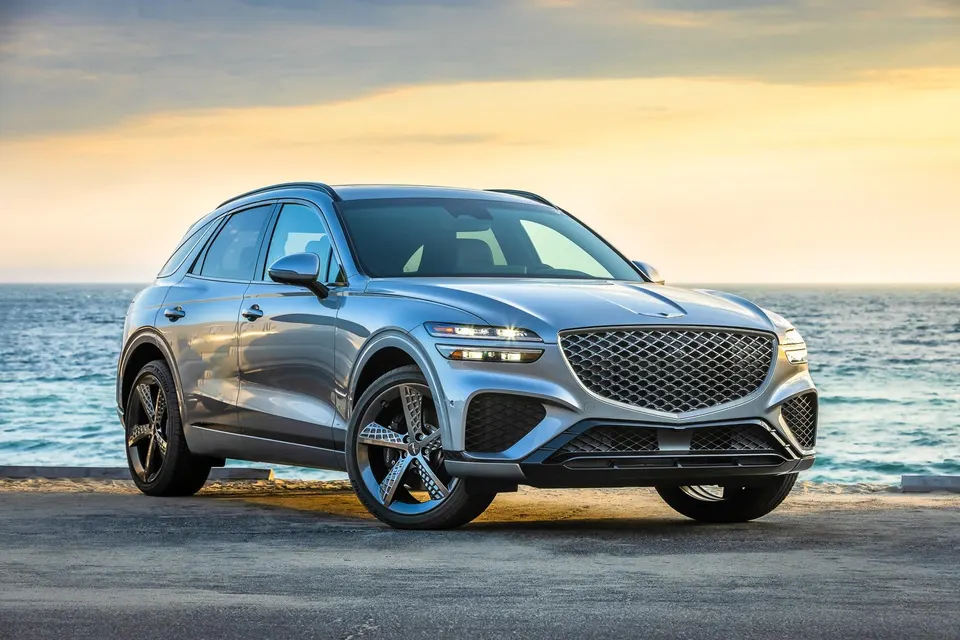
The 2025 Genesis GV70 is a luxury compact SUV that impresses with its high-end interior and exterior design, strong performance, and thoughtful features.
While its fuel economy is only adequate at 22 mpg in the city and 28 mpg on the highway, the GV70 excels in comfort, technology, and driving dynamics, earning a score of 9.3 out of 10. Standard all-wheel drive, synthetic leather upholstery, and a range of safety features contribute to its appeal.
The GV70 delivers an engaging driving experience, especially with the turbocharged V6 engine. This powertrain accelerates from 0 to 60 mph in just 5.3 seconds and offers smooth and responsive power across the rpm range. The automatic transmission shifts seamlessly during normal driving and can deliver sharp, aggressive shifts when desired.
Steering is intuitive, and the SUV handles turns confidently, though it is not as sporty as some competitors like the Porsche Macan. An adaptive suspension, standard on the V6, adjusts to road conditions to provide a balance between comfort and control. Visibility is strong, and the available 360-degree camera enhances maneuvering in tight spaces.
Comfort is a major strength of the GV70. Front seats are highly adjustable and feature heating, ventilation, and massaging functions. Rear seats are spacious, offer generous recline, and accommodate child safety seats easily.
The cabin remains quiet due to dual-pane windows that minimize wind and ambient noise. Climate controls are intuitive, and features such as the heated steering wheel and seat climate controls add to the luxury feel. The adaptive suspension smooths out bumps, and the interior design feels modern and high-quality.
The GV70 offers a 14.5-inch touchscreen with sharp graphics and an optional 15-speaker Lexicon sound system that delivers impressive audio quality. Menus are simple to navigate, and standard Genesis Connected Services allow remote control and monitoring through a smartphone app.
Wireless Apple CarPlay and Android Auto are included. While the instrument cluster and infotainment screens are easy to use, the SUV lacks a phone-as-a-key option, which could be convenient for some buyers.
Cargo space behind the rear seats measures 28.9 cubic feet, slightly less than some competitors. The rear seats fold flat to expand storage capacity, and the smart trunk opens automatically based on proximity. Interior storage is sufficient, with a well-sized center armrest bin, hidden cupholders, and a convenient wireless charging pad. The GV70 has a towing capacity of 3,500 pounds, which is average for the segment.
EPA estimates for the turbocharged V6 indicate 20 mpg combined. In real-world testing, the GV70 returned 20.2 mpg in heavier traffic, which aligns with the official rating. The SUV does not feature a hybrid system, so its efficiency is slightly below some competitors.
The GV70 offers strong value for a luxury SUV, combining high-quality build, a rich feature set, and competitive pricing. Minor drawbacks include touchscreen graphics and some interior trim details, but these do not significantly detract from the experience. Genesis provides an industry-leading warranty of five years or 60,000 miles bumper-to-bumper and ten years or 100,000 miles for the powertrain.
The Genesis GV70 stands out for its striking design and luxurious interior. It combines style with a driving experience that is engaging enough to enjoy on winding roads, making it one of the most compelling choices in the luxury compact SUV segment.
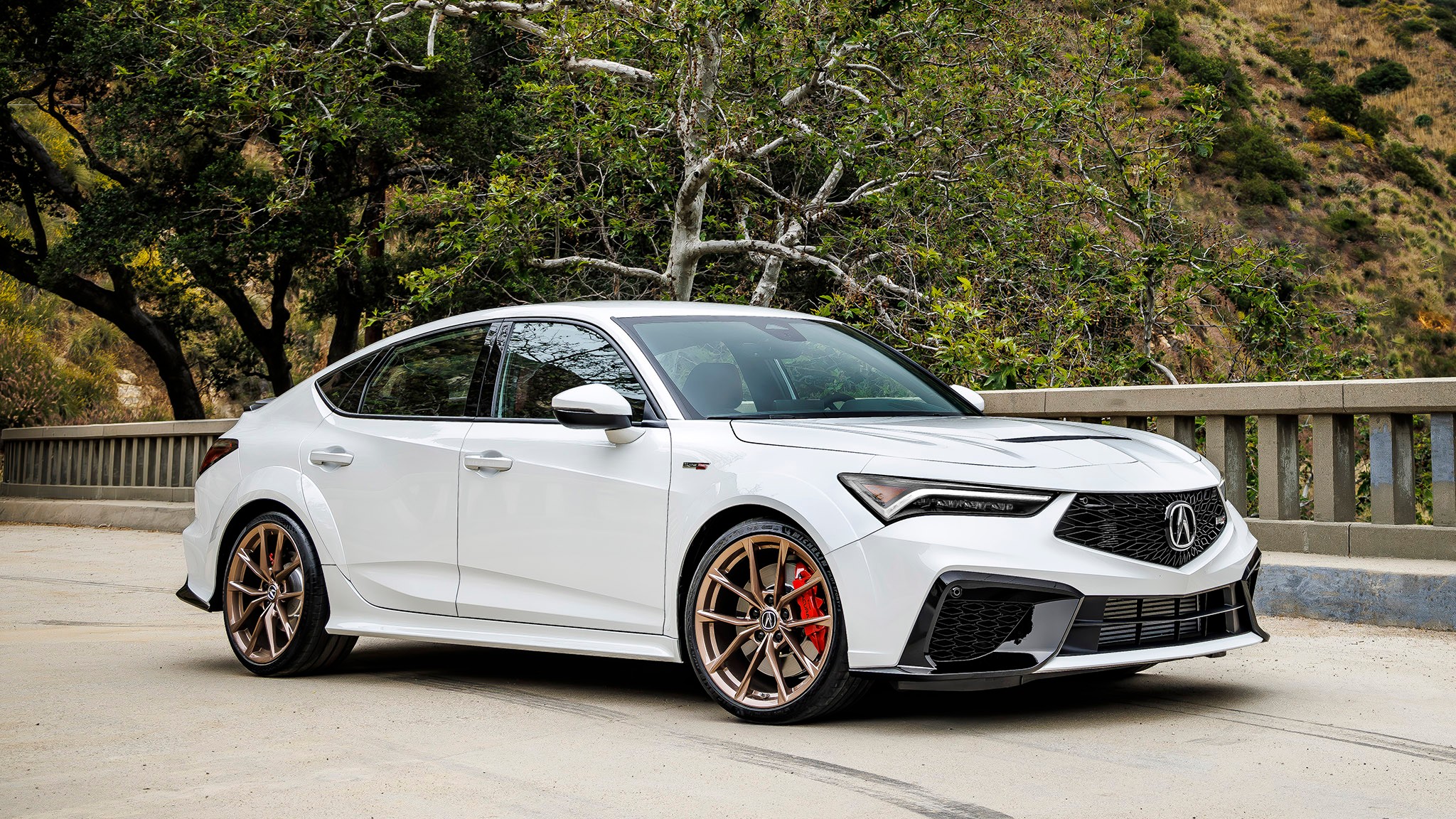
4. 2025 Acura Integra: A Compact Sedan with Efficiency and Practicality
The 2025 Acura Integra is a compact luxury sedan that combines fuel efficiency, safety, and practicality, earning a score of 9.3 out of 10. It offers an attractive and spacious cabin, capable handling, and strong fuel economy with 30 mpg city and 37 mpg highway in base form. Safety features are well-executed, including pedestrian detection and forward collision warning, making it a solid choice for compact luxury buyers.
The Integra’s manual transmission model accelerates from 0 to 60 mph in 7.8 seconds, slightly slower than the Honda Civic Si, which shares a similar powertrain. Stopping distance from 60 mph measures 119 feet, which is average for its class.
Handling is precise, and the chassis performs well in corners, although all-season tires limit traction compared to summer tires. The A-Spec trim with the optional adaptive suspension provides a more compliant ride and absorbs bumps better, but the ride remains firm for a luxury vehicle.
Adaptive cruise control is available, but the manual transmission cannot operate the system fully in stop-and-go traffic. The CVT allows full use of adaptive cruise control and may appeal to buyers prioritizing convenience.
Much of the Integra’s interior is shared with the Honda Civic, providing intuitive and practical controls. Front seats offer a good driving position, though the seat support could be improved, and the passenger seat is either manual or limited to four-way power adjustment.
Rear legroom is generous for adults and child seats, although headroom is slightly lower than in the Civic. The air conditioning system is adequate but lacks rear vents and can take longer than expected to cool the cabin. Road noise is noticeable due to limited insulation.
The Integra’s infotainment system ranges from a 7-inch standard screen to a 9-inch upgrade in higher trims. The system is responsive and simple to use, but it does not feel distinct from the Civic’s technology. Wireless Apple CarPlay and Android Auto are included only in upgraded trims. There is a single USB-C port in higher trims, and a wireless charger is optional, which may limit convenience for tech-focused buyers.
Cargo space is one of the Integra’s strengths, with 24.3 cubic feet behind the rear seats, surpassing many luxury sedans. The hatchback design provides versatility, and interior storage includes compartments under the armrest and around the shifter. Door bottle holders are small, but storage is sufficient for a compact vehicle.
The manual transmission achieves an EPA-estimated 30 mpg combined, with real-world testing confirming 30.2 mpg. The CVT improves efficiency slightly, achieving 32 to 33 mpg combined depending on trim.
The Integra faces the challenge of convincing buyers to pay more than a Civic Si while competing with other luxury sedans. Warranty coverage is solid, with four years or 50,000 miles for comprehensive coverage and six years or 70,000 miles for the powertrain.
The standard Integra is practical and efficient, but does not offer standout performance or luxury. The Type S variant significantly improves power, handling, and style, making it the most desirable version of the lineup.
5. 2025 Mazda3: A Stylish and Refined Compact Car
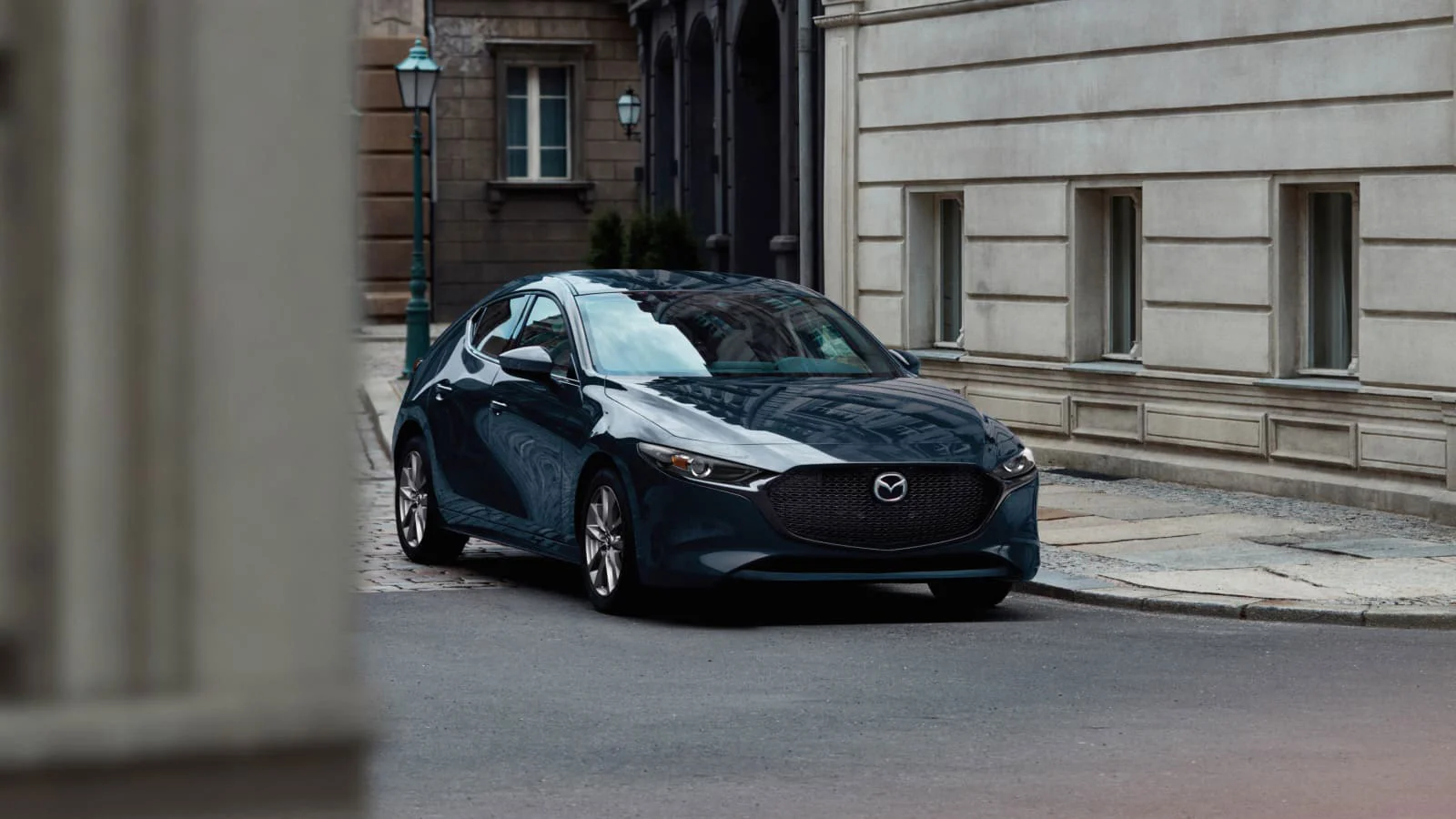
The 2025 Mazda3 ranks among the top compact cars due to its blend of sporty handling, strong engine options, and upscale interior. It is one of the least expensive vehicles in its class, yet it delivers a premium feel that rivals more costly models.
Available in both sedan and hatchback body styles, the Mazda3 appeals to drivers who value driving engagement, safety, and design. Fuel economy is modest at 27 mpg city and 37 mpg highway, and rear-seat space is tight for taller passengers, which may limit its family utility.
The Mazda3 offers a standard 2.5-liter four-cylinder engine and an optional turbocharged engine that significantly increases power. In testing, the turbocharged model reached 60 mph in 6.5 seconds, making it one of the quickest compact cars available.
Both manual and automatic transmissions shift smoothly, and the car maintains a stable and comfortable ride even over uneven roads. Handling is precise, and the car feels planted during spirited driving. Some drawbacks include limited rear visibility due to the hatchback design and large roof pillars, as well as driver-assistance systems, such as lane keeping, that are not as effective as those in competitors.
The interior is one of the Mazda3’s highlights. Seats are supportive and comfortable, even without opting for leather upgrades. The layout of controls is intuitive, and the cabin is relatively quiet, with minimal engine and road noise.
Climate controls use physical buttons that are easy to reach. Rear seats are cramped, making access difficult for adults or larger child seats. Front passengers enjoy a good seating position, though backseat space may not meet the needs of families planning long trips.
The Mazda3 features a small, integrated infotainment screen controlled primarily by a knob behind the shifter. The interface is clean and functional, and pairing a smartphone with Android Auto or Apple CarPlay enables touchscreen functionality.
Optional wireless connectivity is not standard, and the screen is positioned far from the driver, which can make operation inconvenient. Upgraded Bose audio enhances the cabin experience, providing clear sound for all occupants.
The sedan version offers a 13.2-cubic-foot trunk, smaller than rivals like the Honda Civic or Hyundai Elantra. Folding the rear seats allows longer items to fit, but interior storage for small items is limited. Cupholders, door pockets, and the center console do not provide abundant space, which may frustrate buyers who need versatile storage solutions.
The front-wheel-drive Mazda3 delivers an EPA-estimated 31 mpg combined, with all-wheel drive lowering efficiency slightly to 30 mpg. Turbocharged models see fuel economy drop to around 27 mpg combined. The absence of a hybrid option limits efficiency compared with competitors that offer electrified powertrains.
The Mazda3 offers excellent fit and finish, sporty performance, and upscale interior design for its price. Entry-level trims are more expensive than some competitors, and fully loaded models approach $40,000. Warranty coverage includes three years or 36,000 miles for bumper-to-bumper protection and five years or 60,000 miles for the powertrain.
The Mazda3 stands out with its distinctive styling, engaging engine options, and premium cabin. Available all-wheel drive adds versatility, and the refinement in ride and interior quality positions it above many entry-level luxury sedans, making it a compelling choice in the compact car segment.
Also read: 5 Cars That Accept Budget Pads Quietly vs 5 That Squeal Without OEM
5 With Long Stopping Distances
1. Mercedes-Benz X250d 4Matic
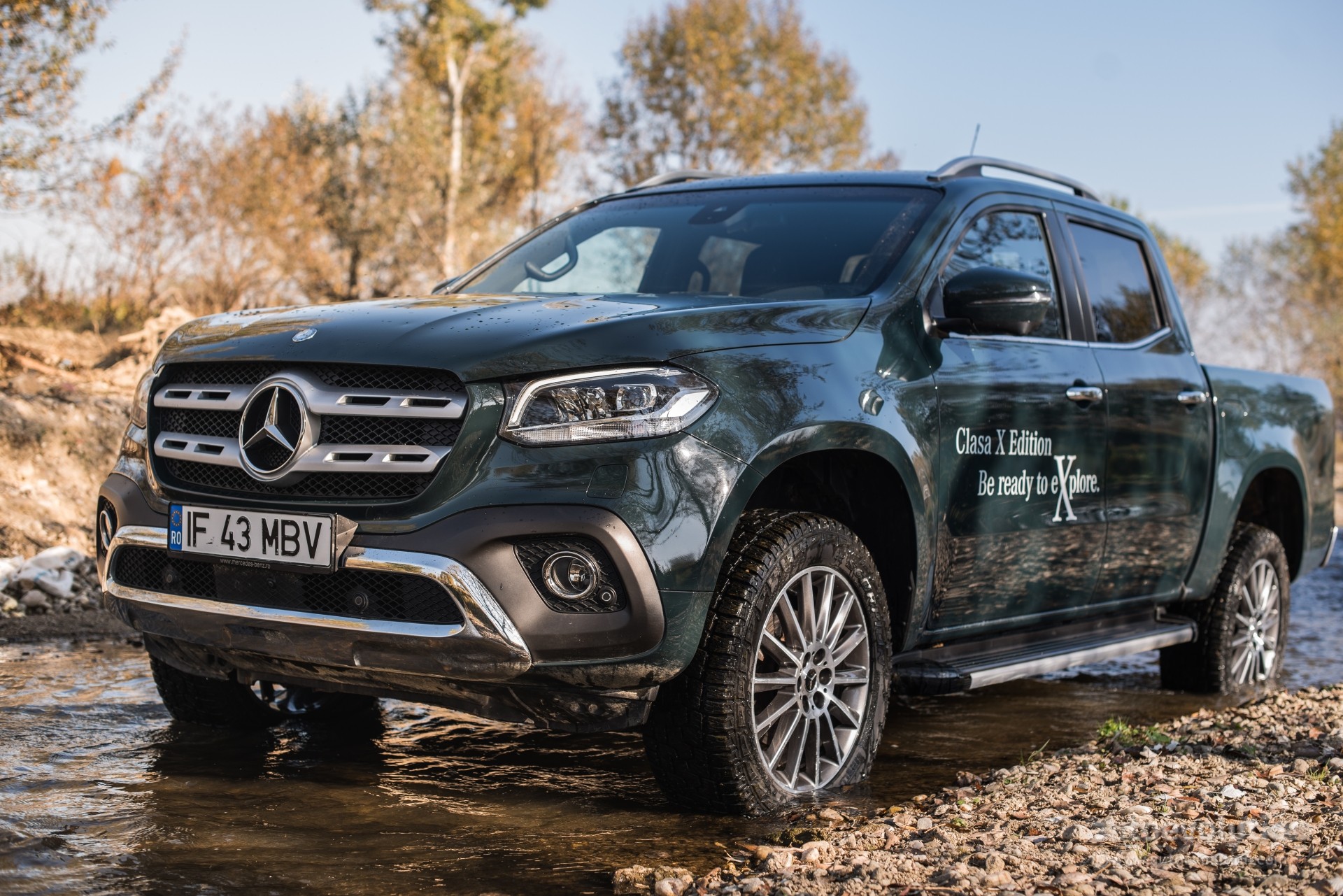
The Mercedes-Benz X250d 4Matic, featured in the May 2018 issue, delivers notable braking performance for a heavy pickup, recording an average stopping time from 100–0 km/h of 3.42 seconds with a best individual stop of 3.04 seconds, placing it fifth on our braking list.
The vehicle comes with 320 mm ventilated front discs, 308 mm rear discs, and 255/60 R18 Continental Cross Contact X2 tires. Its braking system is designed for heavy-duty use rather than achieving the shortest possible stopping distance.
Braking performance is affected by several factors related to the vehicle’s size and purpose. With a kerb weight of about 2,289 kg, the X250d generates greater kinetic energy, which requires more time and heat dissipation to stop. The tires, optimized for all-terrain use, provide less grip on paved surfaces than passenger car tires.
The coil-spring rear suspension and chassis, shared with the Nissan Navara, prioritize load-carrying capacity, off-road capability, and durability over short stopping distances. Weight distribution, especially under load, further influences braking efficiency.
The braking system is capable of handling high temperatures and heavy use, but repeated stress can reduce efficiency temporarily.
Individual vehicles may also experience longer stopping distances due to worn pads or rotors, low or contaminated brake fluid, malfunctioning ABS, or poor suspension performance. The physics of a large, heavy pickup dictate longer braking distances compared with lighter passenger cars.
2. Haval H9 2.0T 4WD Luxury
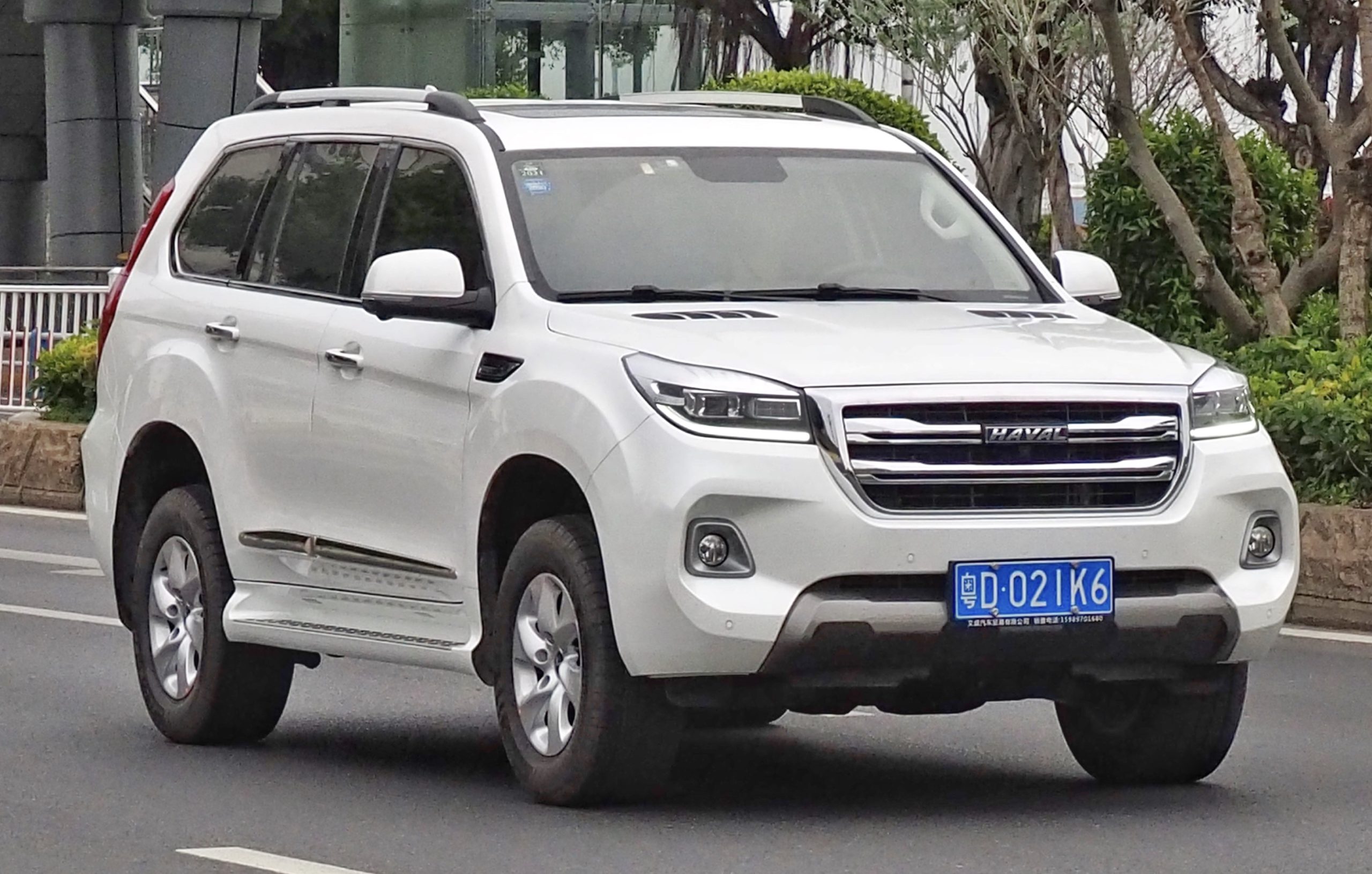
The Haval H9 2.0T 4WD Luxury, the most expensive Chinese vehicle tested, comes with an extensive safety package including ABS, electronic brake assist (EBA), and electronic brake distribution (EBD).
Despite this, its average stopping time from 100–0 km/h is 3.42 seconds, with a best individual stop of 3.23 seconds, placing it just behind the Mercedes-Benz X250d. The vehicle uses 330 mm ventilated discs on all four corners and weighs 2,391 kg, making it a large and heavy SUV.
The H9’s weight is a primary factor in its braking performance, as heavier vehicles naturally require longer distances to stop, especially when carrying passengers or towing cargo. Brake component wear, such as worn pads, rotors, or a weak master cylinder, can further reduce braking efficiency. Driving conditions, including wet or icy roads, can also significantly extend stopping distances.
Proper maintenance is crucial for consistent braking performance. Regular inspection of brake pads, rotors, and the hydraulic system is recommended, along with ensuring brake fluid is fresh and uncontaminated.
Tire condition also affects braking, as worn or underinflated tires reduce grip and increase stopping distance. The Haval H9 demonstrates that even with advanced safety features, the physics of a heavy SUV limit its braking efficiency compared with lighter vehicles.
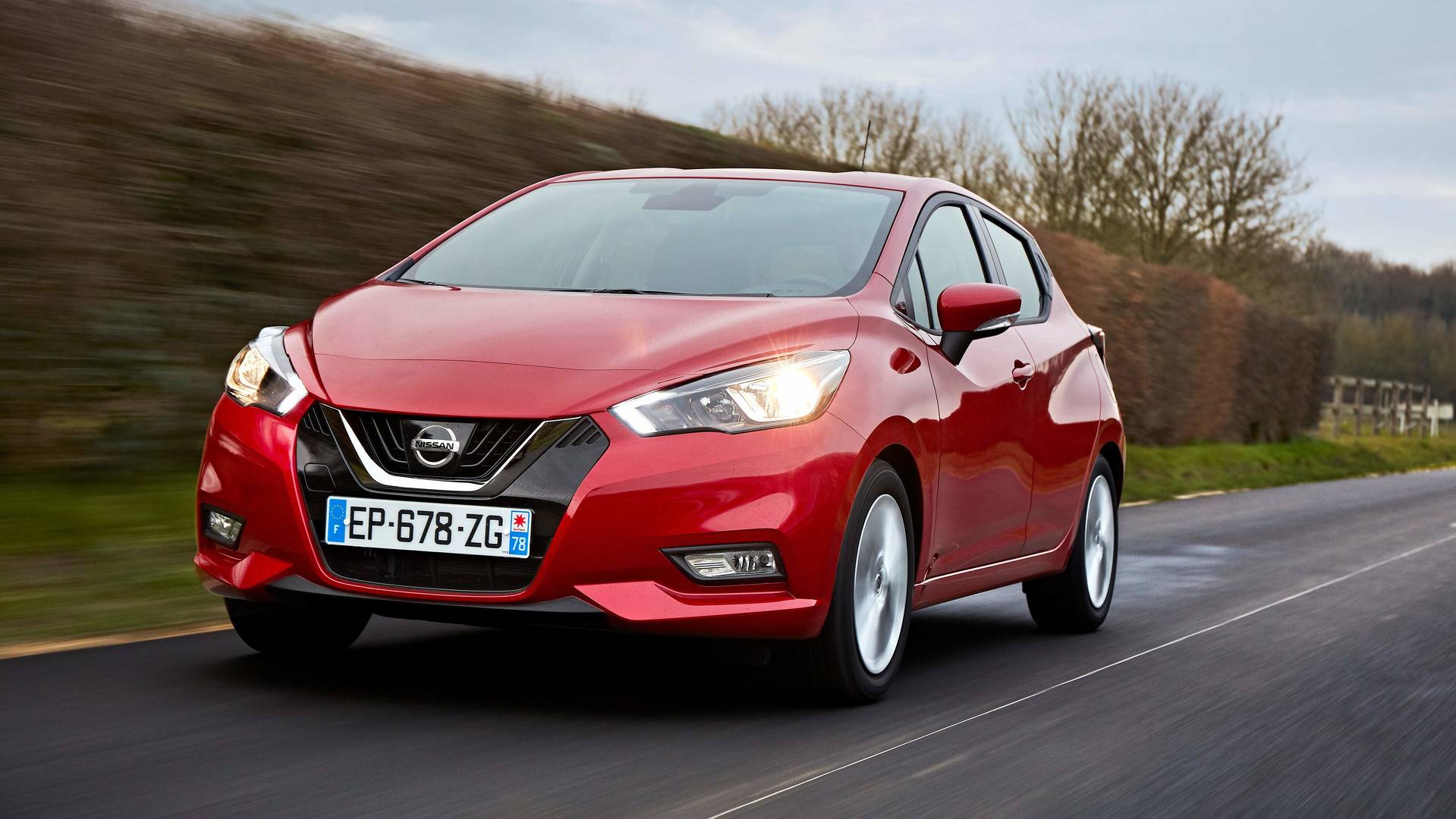
3. Nissan Micra Active 1.2 Visia
The Nissan Micra Active 1.2 Visia, a small and lightweight hatchback, ranks third on the list of slowest-stopping cars. It runs on 14-inch black alloy wheels fitted with Falken Sincera tires and features ventilated front discs with rear drum brakes. Despite its compact size, the Micra recorded an average emergency braking time of 3.44 seconds.
Longer braking distances in the Micra can result from issues with the braking system. Worn brake pads or uneven rotors reduce friction, requiring more distance to stop. Air in the brake lines can cause a soft or spongy pedal, which lowers braking efficiency. Low or contaminated brake fluid decreases hydraulic pressure, extending the stopping distance.
Other potential mechanical problems include a failing brake booster, a faulty master cylinder, leaking brake lines, or a stuck brake caliper. The brake booster amplifies the force applied to the pedal, and if it malfunctions, the driver must press harder to achieve the same braking effect. A stuck caliper can lead to uneven braking, with one side constantly contacting the rotor, which reduces braking efficiency.
Because brakes are critical to vehicle safety, any Micra exhibiting longer stopping distances should be inspected promptly by a professional mechanic. Regular maintenance of pads, rotors, brake fluid, and hydraulic components is essential to ensure reliable braking performance and safe operation on the road.
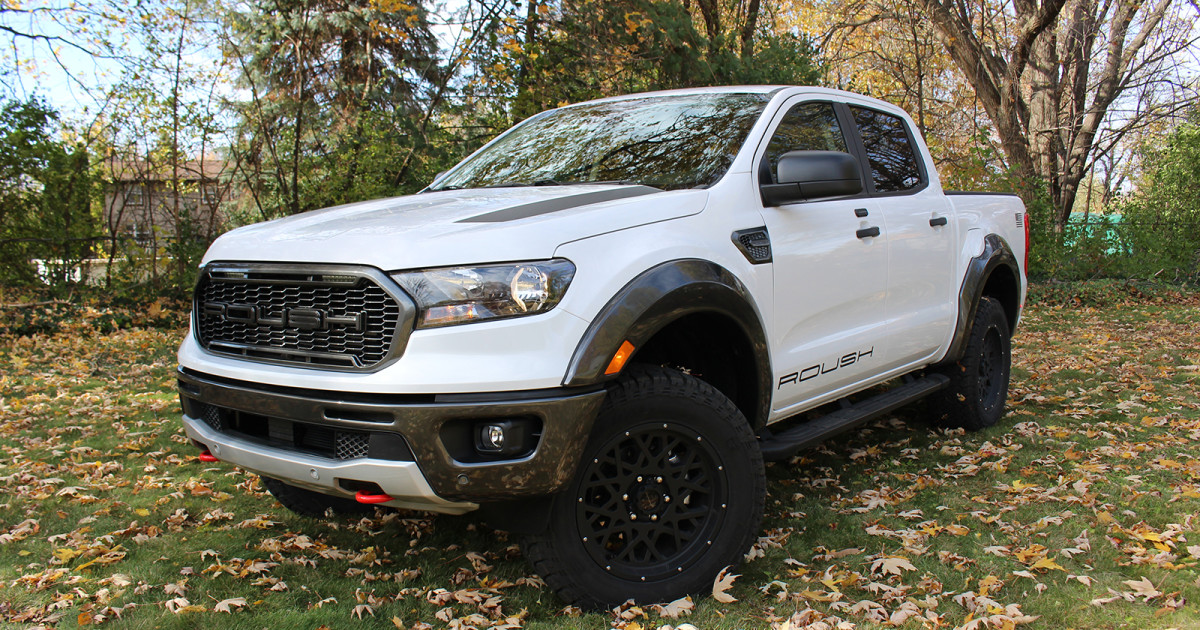
4. Roush Ranger RS3 Double Cab AT
The Roush Ranger RS3 Double Cab AT, an upgraded version of the Ford Ranger, boosts the standard 3.2-litre five-cylinder engine from 147 kW and 470 N·m of torque to 190 kW and 650 N·m.
Despite its performance enhancements, the Roush Ranger records an average braking time of 3.55 seconds, slower than the stock Ranger Wildtrak, which managed 3.20 seconds. It uses the same braking hardware as the Wildtrak: 302 mm ventilated front discs, 295 mm rear drum brakes, and Pirelli Scorpion APR tires.
Longer braking times can result from a combination of vehicle-specific and general brake system issues. For 2024–2025 Ford Rangers, a software fault affecting the brake boost function has led to a recall and may reduce braking efficiency. Newly installed brake pads also require a break-in period of around 500 miles to achieve optimal performance.
Common brake system issues include air in the lines, a malfunctioning brake booster, warped rotors, or faulty calipers. A vacuum leak in the brake assist system can also reduce braking power.
Owners experiencing reduced braking performance should first check if their vehicle is affected by the recall, ensure new brakes are properly bedded in, and consult a qualified mechanic if problems persist. Regular inspection and maintenance of brake components are essential to maintain safe stopping distances and reliable performance.
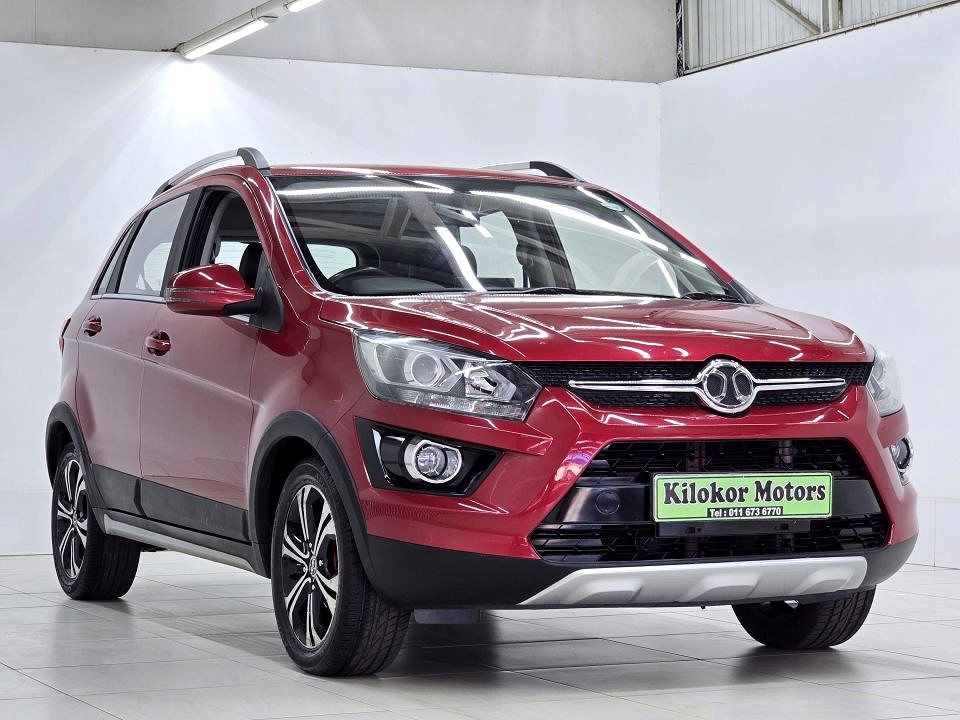
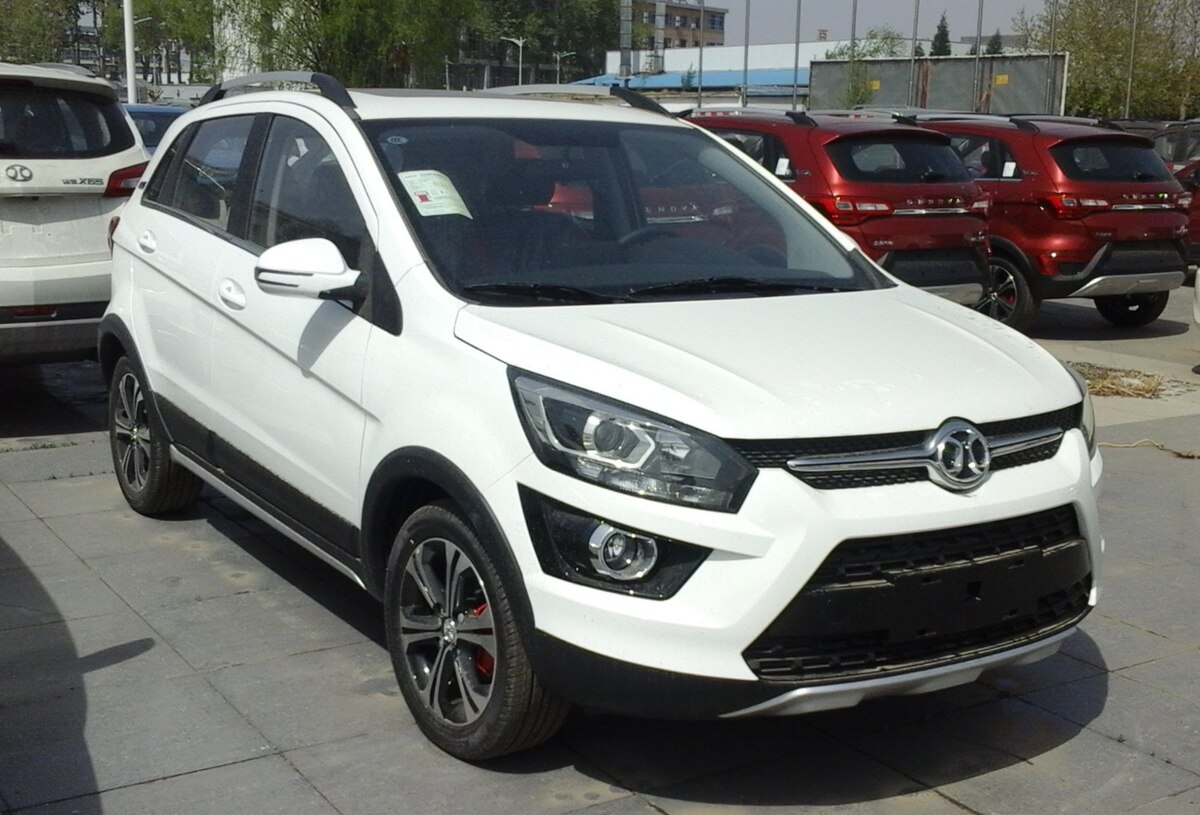
5. BAIC X25 1.5 MT Fashion
The BAIC X25 1.5 MT Fashion, a small crossover, showed promise in features and equipment but struggled with braking performance and high NVH levels.
Despite having safety aids such as ABS and Electronic Brakeforce Distribution (EBD), its braking system, with 256 mm ventilated front discs and 259 mm solid rear discs, was not sufficient for rapid stopping. The X25 recorded an average braking time from 100–0 km/h of 3.81 seconds, making it the slowest-stopping vehicle tested that year.
The longer braking distance results from the balance of the braking system with the vehicle’s weight, tire grip, and suspension setup. Testing showed that ABS and EBD did not consistently deliver enough stopping power, causing the car to feel as though it was coasting during emergency stops. Tire quality and grip also limited performance, as the 16-inch alloy wheels may not provide maximum friction for quick deceleration.
Suspension dynamics, including noticeable body roll during braking and cornering, affected weight distribution and reduced the effective contact of the tires with the road. The braking system is designed to meet basic safety standards rather than provide performance optimized for the vehicle’s mass, which means more distance is required to safely dissipate kinetic energy.
The BAIC X25’s extended braking distance is caused by a combination of braking system design, tire limitations, and suspension behavior rather than a single component failure. Drivers should be aware that this crossover requires longer stopping distances compared with many competitors.
Braking performance is a key factor in vehicle safety and driver confidence. Cars with strong brakes demonstrate how engineering, tire selection, and suspension tuning can provide reliable and predictable stopping power in various conditions.
Drivers benefit from shorter stopping distances, which improve control during emergencies and enhance the driving experience. Vehicles with longer stopping distances highlight the challenges posed by heavy weight, off-road capabilities, or limited brake and tire performance.
Owners of these vehicles need to maintain their brake systems carefully and adjust their driving to account for increased stopping distances. Comparing these extremes shows the importance of considering braking efficiency alongside acceleration, handling, and comfort when choosing a car. Selecting a vehicle with strong brakes can make a tangible difference in everyday driving and enhance safety on the road.
Also Read: 10 Cars Mechanics Secretly Love Owning Over Decades
