
In an era where vehicle theft remains a persistent concern for car owners worldwide, automotive manufacturers have responded by developing increasingly sophisticated security systems that make modern vehicles exponentially harder to break into than their predecessors.
The evolution of car security has transformed dramatically over the past decade, moving far beyond simple mechanical locks and basic alarm systems to incorporate cutting-edge technology that would seem like science fiction just a generation ago.
Today’s vehicles are equipped with multi-layered security architectures that combine advanced encryption protocols, biometric authentication, artificial intelligence, and real-time monitoring systems that work in concert to protect both the vehicle and its contents from unauthorized access.
The automotive industry has invested billions of dollars in research and development to create security systems that can outsmart even the most determined and technologically savvy criminals.
Modern car thieves have evolved their tactics, employing sophisticated relay attacks, signal amplification devices, and computer hacking techniques to bypass traditional security measures.
In response, automakers have been forced to stay several steps ahead, implementing quantum-resistant encryption, motion-sensing alarm systems, immobilizers that communicate with encrypted key fobs, and GPS tracking systems that can locate a vehicle anywhere on the planet within seconds.
The stakes have never been higher, with the FBI reporting that a vehicle is stolen in the United States approximately every 36 seconds, resulting in billions of dollars in losses annually.
However, not all vehicles are created equal when it comes to security. Some manufacturers have made vehicle protection a cornerstone of their brand identity, investing heavily in proprietary security technologies that make their vehicles virtually impenetrable to conventional theft methods.
These companies understand that in today’s market, buyers aren’t just purchasing transportation they’re investing in peace of mind, knowing that their valuable asset is protected by military-grade security systems.
Understanding what makes these vehicles so difficult to break into provides valuable insight into the future of automotive security.
As we examine each vehicle in detail, you’ll discover the specific technologies, design philosophies, and engineering innovations that place these cars at the forefront of vehicle protection, making them the hardest targets for would-be thieves in today’s automotive world.
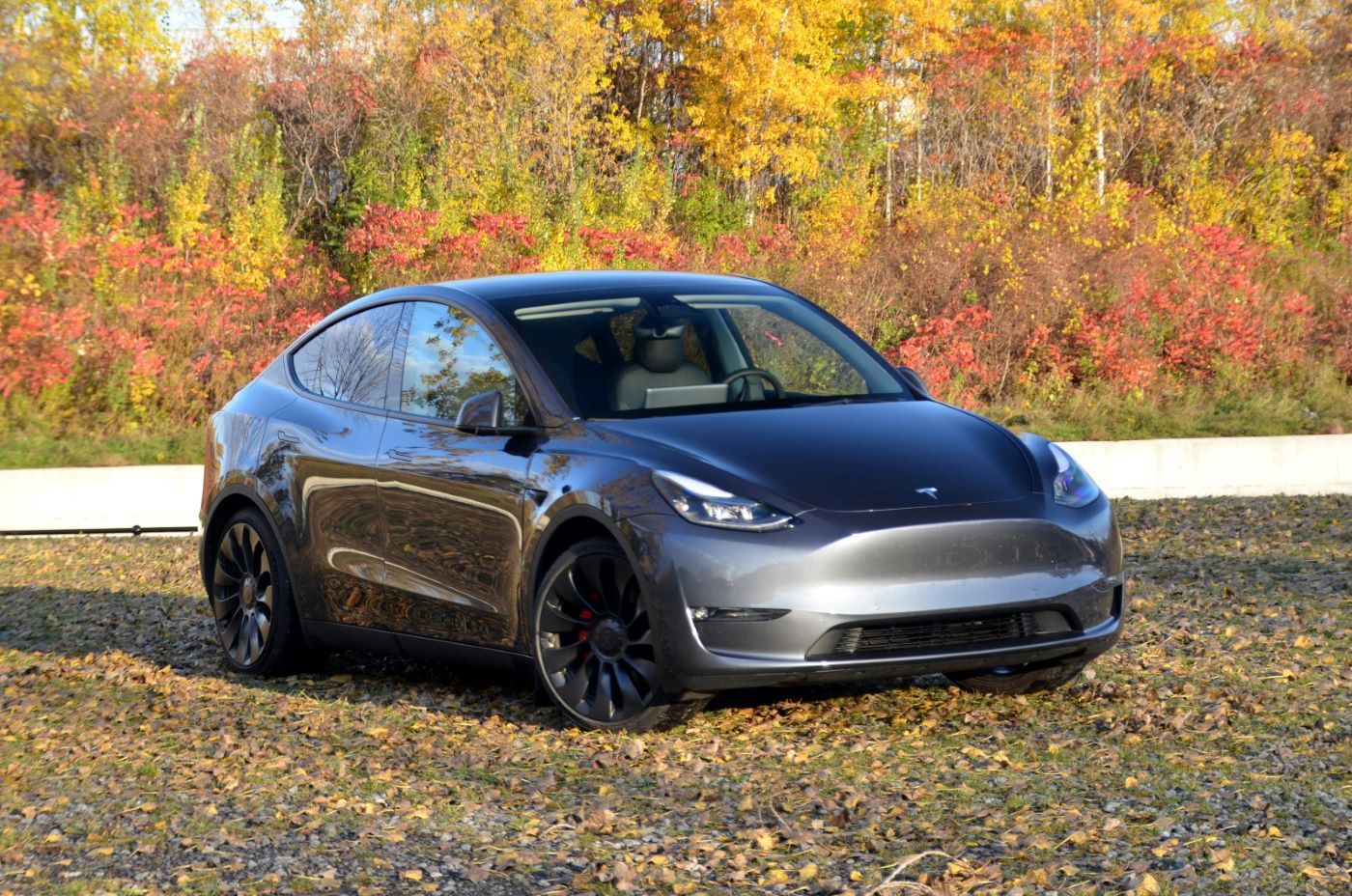
1. Tesla Model Y
The Tesla Model Y stands as a fortress on wheels, representing perhaps the most technologically advanced approach to vehicle security available in today’s automotive market.
Tesla’s philosophy of treating their vehicles as computers on wheels extends deeply into their security architecture, creating multiple layers of protection that would challenge even the most sophisticated car thieves.
The Model Y’s security system is built on a foundation of constant connectivity, artificial intelligence, and over-the-air updates that continuously improve its defenses against emerging threats.
At the heart of the Model Y’s security is its PIN-to-Drive feature, which requires owners to enter a unique four-digit code before the vehicle can be shifted into gear.
This simple yet effective measure means that even if a thief somehow manages to gain access to the interior and possesses a key fob, they cannot drive the vehicle without knowing this personal identification number.
The system is integrated so deeply into the vehicle’s operating system that it cannot be bypassed through traditional hot-wiring techniques that might work on conventional vehicles.
The Model Y’s Sentry Mode represents a revolutionary approach to vehicle monitoring that transforms the car into a 24/7 surveillance system.
Utilizing the vehicle’s eight external cameras, Sentry Mode creates a 360-degree view around the car, detecting and recording any suspicious activity when the vehicle is parked and locked.
If someone approaches too closely or attempts to break in, the system not only records video evidence but also displays a warning message on the touchscreen, illuminates the interior, and sounds the alarm.
This footage is stored on a USB drive and can be reviewed by the owner, providing invaluable evidence for law enforcement if a theft attempt occurs.
Tesla’s mobile app integration adds another crucial layer of security by providing real-time notifications whenever the vehicle’s security is compromised.
Owners receive instant alerts on their smartphones if the alarm is triggered, if someone attempts to tow the vehicle, or if the car is moved without authorization.
The app allows owners to track their vehicle’s location in real-time using GPS, and in some regions, they can even remotely disable the vehicle, rendering it inoperable until properly authenticated.
The keyless entry system employed by the Model Y uses advanced encryption and rolling codes that change with each use, making relay attacks a common method used by modern car thieves extremely difficult to execute successfully.
The vehicle communicates with the key fob or phone key using Bluetooth Low Energy with multiple layers of encryption, and the authentication process happens in milliseconds, giving thieves virtually no time to intercept and replicate the signal.
Tesla’s approach to software security mirrors best practices from the cybersecurity industry. The company regularly releases over-the-air software updates that patch vulnerabilities, improve security protocols, and add new protective features without requiring a visit to a service center.
This means that a Model Y purchased today will actually become more secure over time as Tesla identifies and addresses potential weaknesses in their system. The vehicle’s tow-away detection uses accelerometers and GPS to determine if the car is being moved without authorization.
If the system detects that the vehicle is being towed or lifted, it immediately triggers the alarm and sends notifications to the owner. The glass break detection system monitors for the specific frequency patterns created when automotive glass shatters, triggering an immediate response if a window is broken.
Insurance companies have taken note of Tesla’s security features, with many offering reduced premiums for Model Y owners due to the significantly lower theft rates compared to similar vehicles.
The combination of high-tech security, constant connectivity, and comprehensive monitoring makes the Model Y one of the most challenging vehicles for thieves to successfully steal in today’s market.
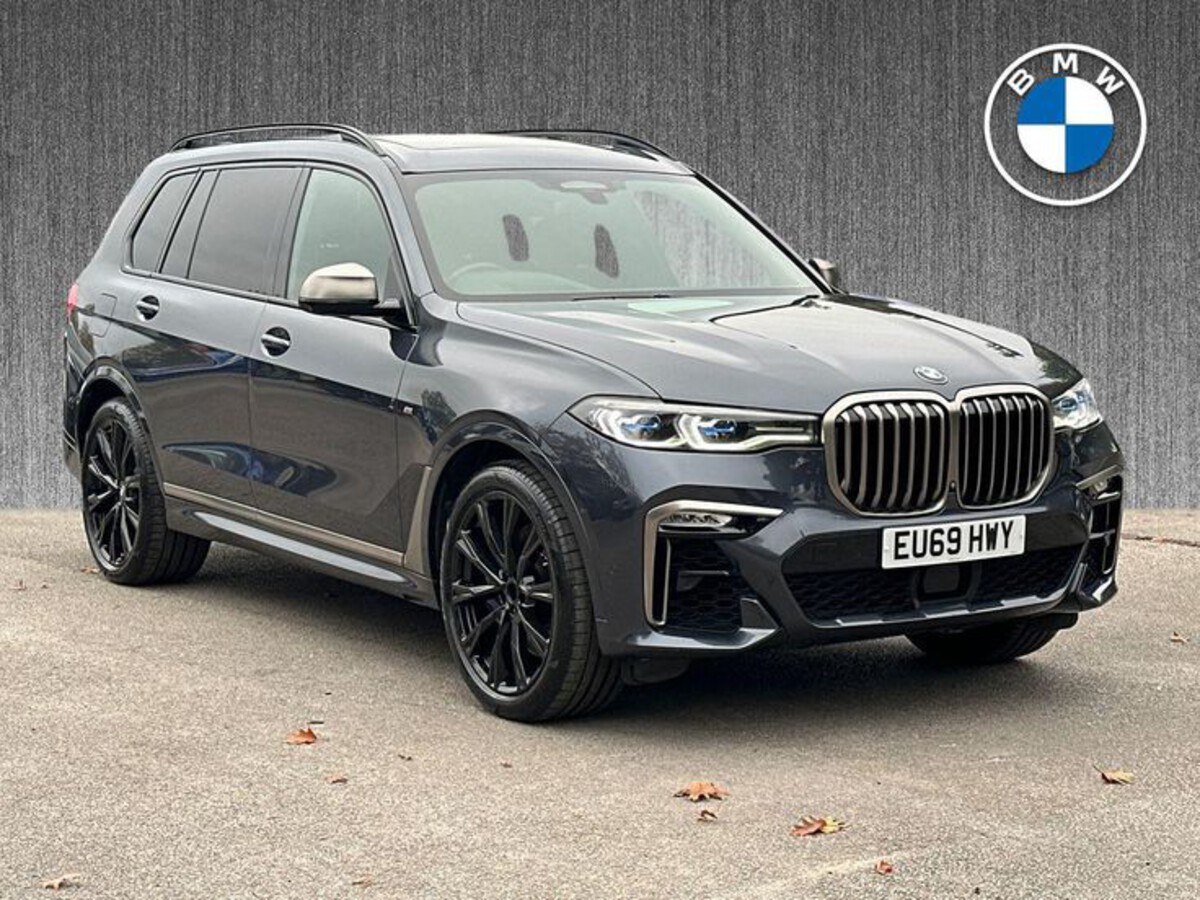
2. BMW X7
The BMW X7 represents the German automaker’s flagship SUV and showcases their comprehensive approach to vehicle security that combines traditional German engineering excellence with cutting-edge digital protection systems.
BMW has long understood that luxury vehicle buyers demand not only performance and comfort but also the assurance that their substantial investment is protected by the most advanced security technology available. The X7 delivers on this expectation with a multi-faceted security system that addresses every potential vulnerability point.
Central to the X7’s security architecture is BMW’s Digital Key Plus technology, which utilizes ultra-wideband (UWB) radio technology to create a secure, precise connection between the owner’s compatible smartphone and the vehicle.
This system is significantly more secure than traditional Bluetooth-based keyless entry because UWB can accurately determine the exact location and distance of the key device, making relay attacks where thieves amplify the signal from a key fob inside a home, virtually impossible to execute successfully.
The Digital Key Plus also features sophisticated encryption that changes dynamically, ensuring that recorded signals cannot be replayed to gain unauthorized access.
The X7 comes equipped with BMW’s Alarm System with interior protection and tow-away protection as standard equipment.
The interior protection uses ultrasonic sensors that create an invisible detection field inside the cabin, triggering the alarm if any movement is detected after the vehicle has been locked.
The tow-away protection monitors the vehicle’s inclination using sensitive accelerometers, immediately activating the alarm if someone attempts to lift or tow the vehicle.
This is particularly important for high-value vehicles like the X7, which are sometimes stolen by simply loading them onto flatbed trucks.
BMW’s approach to key fob security extends beyond the standard remote. The X7 can be equipped with the BMW Display Key, which itself is a technological marvel. This small device features a touchscreen display that shows vehicle information and even allows owners to remotely control certain vehicle functions.
More importantly from a security standpoint, the Display Key includes a rechargeable battery and advanced encryption protocols. When not in use, the key automatically enters a sleep mode that prevents its signal from being intercepted or amplified by thieves using signal relay devices.
The Vehicle Finder function, accessible through the BMW Connected app, uses GPS and cellular connectivity to provide real-time location tracking. If the X7 is stolen, owners can share the vehicle’s precise location with law enforcement, dramatically increasing the chances of recovery.
The system updates the vehicle’s position continuously, even if the thieves are actively driving the vehicle, creating a digital trail that is nearly impossible to erase.
BMW has implemented what they call “crash-optimized head restraints” and reinforced door structures, but these serve a dual purpose not only do they protect occupants in a collision, but they also make forced entry significantly more difficult.
The X7’s doors are designed with multi-point locking mechanisms that engage simultaneously when the vehicle is locked, making it extremely difficult to pry open doors using traditional break-in tools.
The X7’s ignition system features an advanced immobilizer that communicates with the key fob using encrypted signals. Without the correct encrypted key, the engine control unit will not allow the engine to start, rendering hot-wiring attempts futile.
This transponder system is integrated so deeply into the vehicle’s electronic architecture that bypassing it would require specialized equipment and expertise beyond what typical car thieves possess.
BMW’s commitment to security extends to its dealership network and service procedures. Each X7 is registered to its owner with extensive documentation, making it difficult to sell stolen vehicles or parts through legitimate channels.
The VIN is marked on numerous components throughout the vehicle, creating multiple verification points that help law enforcement identify stolen vehicles even if the primary VIN plate has been altered or removed.
The combination of physical security features, advanced electronics, and comprehensive monitoring systems makes the BMW X7 an exceptionally challenging target for vehicle thieves, contributing to its reputation as one of the most secure luxury SUVs available today.
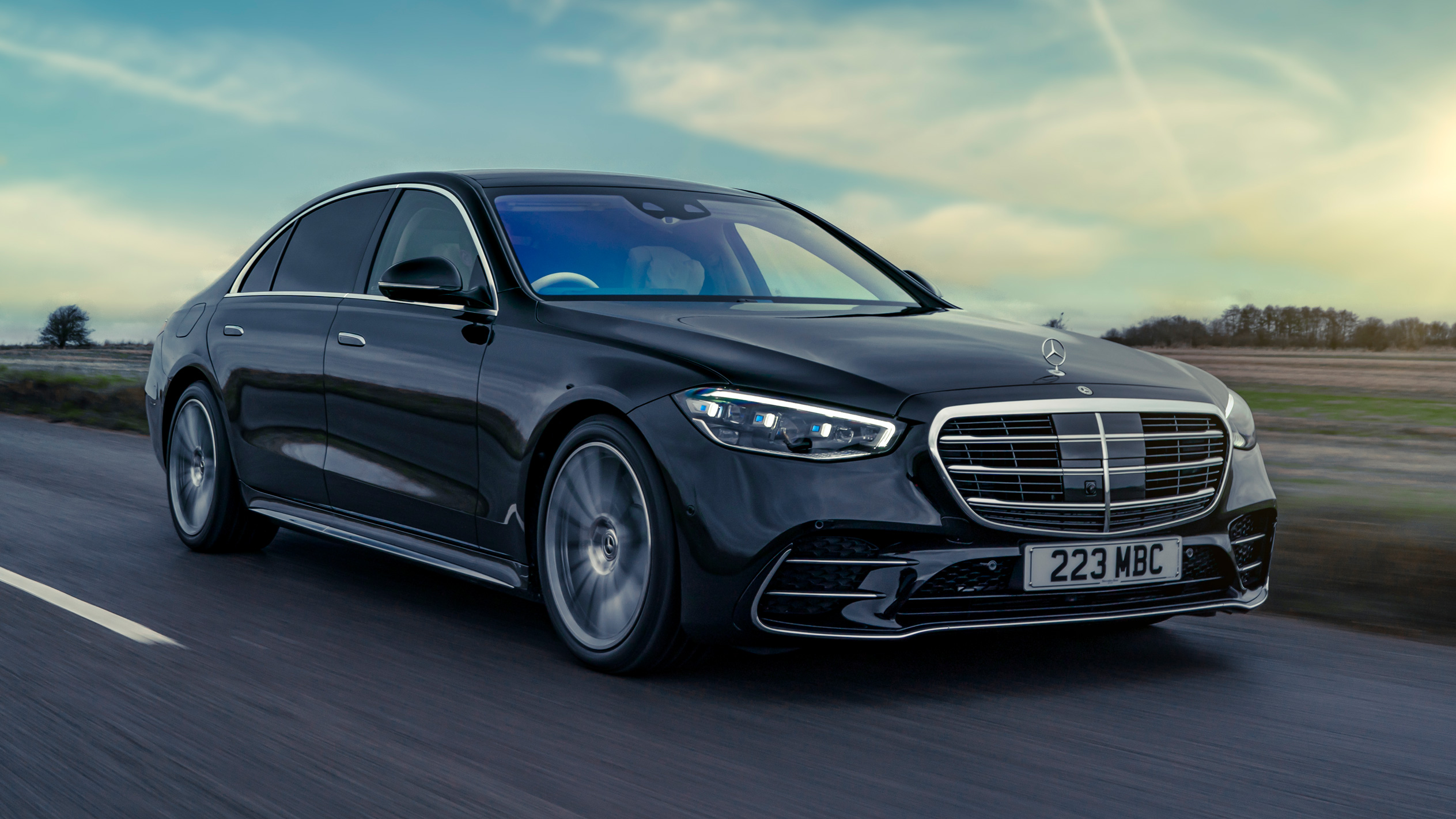
3. Mercedes-Benz S-Class
The Mercedes-Benz S-Class has long been regarded as the pinnacle of luxury automobiles, and Mercedes-Benz ensures that this flagship sedan receives their most advanced security technologies to protect what is often a six-figure investment.
The S-Class security system is designed with the understanding that these vehicles are not just transportation they’re high-value assets that require protection comparable to luxury jewelry or fine art.
Mercedes-Benz has developed a comprehensive security ecosystem that addresses both high-tech digital threats and traditional physical break-in attempts.
At the foundation of the S-Class security architecture is Mercedes-Benz’s GUARD protection system, which on higher trim levels includes ballistic protection and reinforced construction that not only protects occupants but also makes unauthorized entry extraordinarily difficult.
Even on standard S-Class models, the door construction incorporates multiple reinforced layers and sophisticated locking mechanisms that engage at multiple points along the door frame, distributing force and making it nearly impossible to pry open doors without specialized equipment and considerable time.
The S-Class features Mercedes-Benz’s Keyless-Go system with advanced encryption and sophisticated anti-relay attack measures.
Unlike earlier keyless entry systems that were vulnerable to signal amplification attacks, the latest S-Class implementation includes motion sensors within the key fob itself.
When the key fob remains stationary for a period of time such as when sitting on a table overnight it automatically enters a sleep mode that completely stops all radio frequency transmissions.
This simple but effective feature prevents thieves from using relay devices to amplify the key signal and trick the vehicle into unlocking.
Mercedes-Benz has implemented what they call “Pre-Entry Climate Control” and “Vehicle Tracking” through their Mercedes me connect system, but these features serve important security functions beyond convenience.
The smartphone app provides real-time alerts if the vehicle is moved, opened, or if the alarm is triggered.
Owners can immediately verify the vehicle’s location on a map and even remotely lock the doors if they accidentally left them unlocked. In the event of theft, the GPS tracking system works with law enforcement to locate and recover the vehicle quickly.
The anti-theft alarm system on the S-Class includes interior monitoring, tow-away protection, and glass breakage sensors that can differentiate between the specific sound signature of breaking automotive glass and other ambient noises.
The interior monitoring uses ultrasonic sensors to detect any movement inside the locked vehicle, while the inclination sensors trigger the alarm if someone attempts to jack up the car or load it onto a tow truck.
The acoustic glass breakage sensors are calibrated to activate only when the distinctive frequency pattern of shattering glass is detected, reducing false alarms while maintaining vigilance.
Mercedes-Benz has also addressed the vulnerability of the OBD-II diagnostic port, which some thieves exploit to reprogram vehicle computers and bypass security systems.
The S-Class features enhanced security protocols that restrict access to critical vehicle systems through the OBD-II port unless proper authentication is provided. This makes it significantly more difficult for thieves to use plug-in devices to start the vehicle or disable security features.
The S-Class steering wheel incorporates an electronic steering lock that engages automatically when the vehicle is turned off. This system is integrated with the vehicle’s key authentication system, and unlike older mechanical steering locks, it cannot be broken or defeated with physical force.
The steering lock will only disengage when the vehicle’s computer confirms that the authentic key is present and properly authenticated.
One often overlooked security feature of the S-Class is its visible deterrent value. The sophisticated security badge displayed on the windows, the quality of the materials and construction visible from outside, and the vehicle’s presence communicate to potential thieves that this is not an easy target.
Statistics show that thieves often select targets based on perceived ease of theft, and the S-Class’s reputation for sophisticated security systems makes it a less attractive target compared to vehicles with less comprehensive protection.
Mercedes-Benz’s partnership with insurance companies has resulted in reduced premiums for S-Class owners, reflecting the effectiveness of these security measures in real-world theft prevention.
The comprehensive integration of physical security, digital protection, real-time monitoring, and sophisticated encryption makes the Mercedes-Benz S-Class one of the most secure vehicles available in the luxury sedan segment.
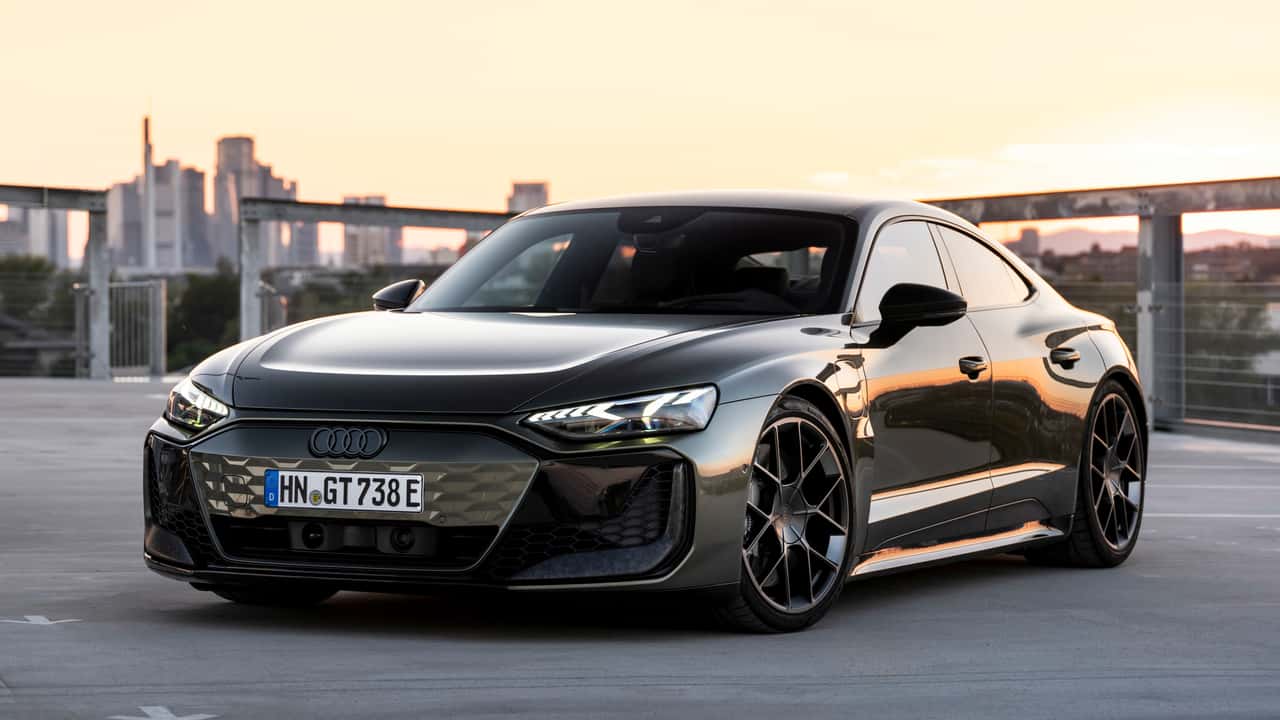
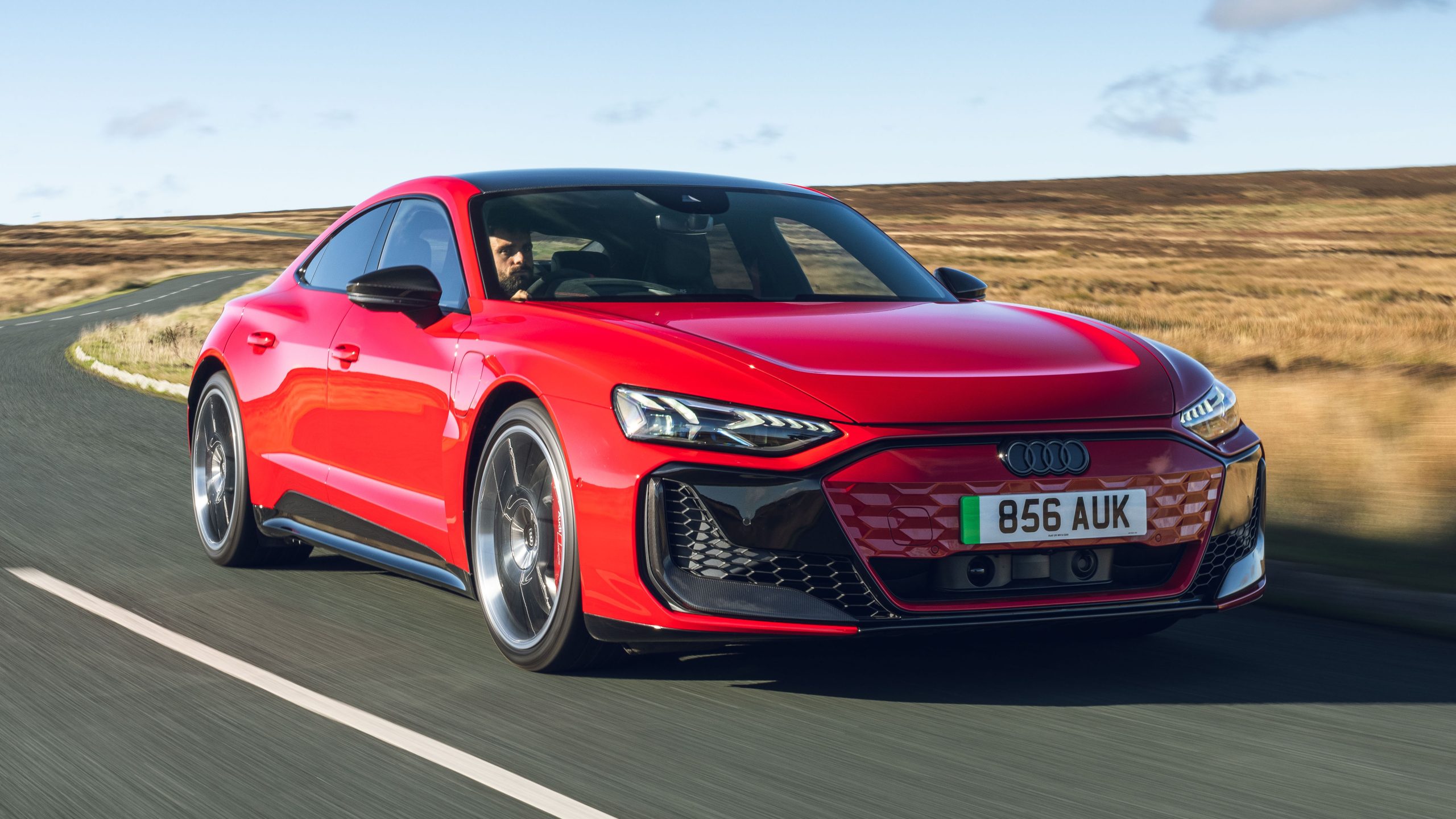
4. Audi e-tron GT
The Audi e-tron GT represents the intersection of high-performance electric vehicle technology and sophisticated security systems that reflect Audi’s expertise in both digital electronics and physical vehicle protection.
As Audi’s flagship electric performance sedan, the e-tron GT receives the company’s most advanced security features, creating a multi-layered defense system that addresses the unique security challenges presented by modern electric vehicles while building upon decades of automotive security innovation.
Audi’s approach to vehicle security begins with their Advanced Key system, which has been refined over multiple generations to address vulnerabilities discovered in earlier keyless entry implementations.
The e-tron GT’s Advanced Key uses frequency-hopping spread spectrum technology combined with rolling code encryption, making it virtually impossible for thieves to capture and replay the authentication signal.
Each time the key and vehicle communicate, they use a different code from a sequence of billions of possible combinations, and the system is designed to become desynchronized if too many incorrect codes are attempted, requiring dealer-level authentication to reset.
One of the most innovative security features of the e-tron GT is Audi’s integration of security functions with the myAudi smartphone app. This connection goes beyond simple remote lock/unlock functionality.
The app provides real-time vehicle status monitoring, geofencing capabilities that alert owners if the vehicle leaves a designated area, and speed alerts that notify owners if the vehicle exceeds preset speed limits.
In the event of theft, the app displays the vehicle’s real-time location with continuous GPS tracking, making recovery significantly more likely. The app connection uses end-to-end encryption and multi-factor authentication to prevent unauthorized access to these powerful vehicle control functions.
The e-tron GT features Audi’s most sophisticated alarm system, which includes multiple sensor types working in coordination.
Ultrasonic interior monitoring detects movement inside the locked vehicle, while sensitive inclination sensors can detect if the vehicle is being jacked up or loaded onto a tow truck.
The system also monitors for unusual battery disconnection attempts, which some thieves use to disable alarm systems. If the battery is disconnected improperly, the alarm has a backup power source that allows it to continue sounding and stores the security event in memory.
Audi has addressed a unique vulnerability in electric vehicles: the charging port. The e-tron GT’s charging port includes an electronic lock that secures the charging cable in place when the vehicle is locked, preventing thieves from simply unplugging a charging vehicle and driving away.
More importantly, the vehicle’s battery management system will not allow charging or discharging unless properly authenticated, making it impossible to use stolen charging equipment to manipulate the vehicle’s systems.
Audi’s partnership with law enforcement agencies in multiple countries has created protocols for rapid response when an e-tron GT is reported stolen.
The vehicle’s constant connectivity allows Audi’s security center to track the vehicle in real-time and coordinate with authorities, significantly reducing the time between theft and recovery.
The comprehensive security system of the e-tron GT makes it one of the most challenging electric vehicles to steal successfully.
Also Read: 5 Hybrids With Affordable Inverter Modules vs 5 With Pricey Electronics
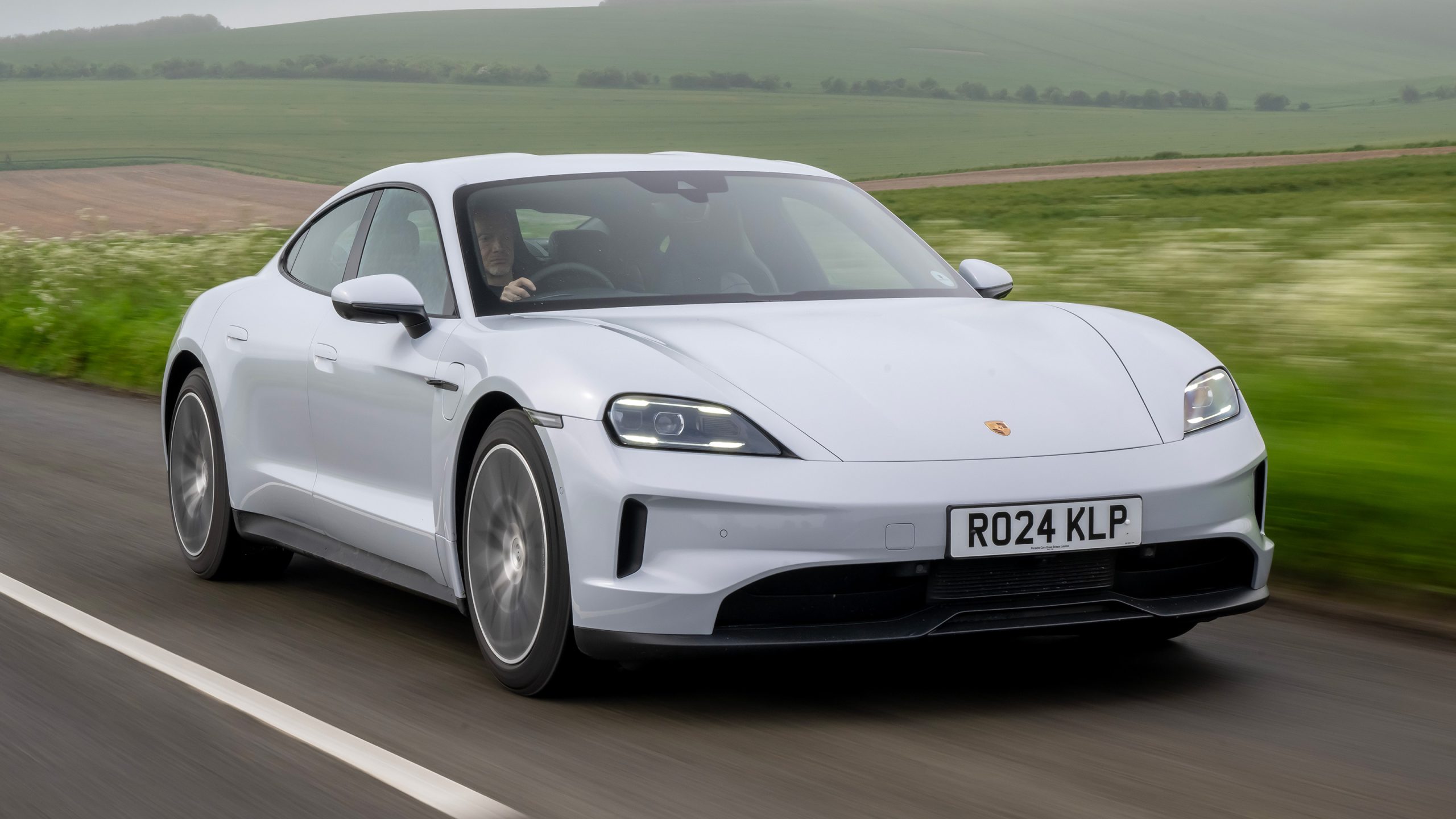
5. Porsche Taycan
The Porsche Taycan represents the legendary sports car manufacturer’s entry into the electric vehicle market, and true to Porsche’s reputation, it comes equipped with security systems that are as sophisticated as its performance capabilities.
Porsche understands that buyers of high-performance vehicles are particularly concerned about theft, and they’ve developed a comprehensive security ecosystem for the Taycan that combines traditional Porsche engineering excellence with cutting-edge digital security technology specifically designed for the connected electric vehicle era.
At the core of the Taycan’s security is Porsche’s entry and drive system with highly encrypted communication between the key and vehicle. Porsche has implemented a dual-frequency authentication system that uses both standard radio frequency for convenience and an additional secure channel for critical security functions.
The system employs Advanced Encryption Standard (AES) with regular key rotation, making it computationally impractical for thieves to crack the encryption even with sophisticated equipment.
The authentication process happens in milliseconds, but it includes multiple verification steps that ensure only genuine Porsche keys can access and start the vehicle.
Porsche Connect, the company’s comprehensive connectivity platform, transforms the Taycan into a continuously monitored asset. Through the Porsche Connect app, owners receive immediate notifications if the vehicle’s alarm is triggered, if the vehicle is opened without the paired smartphone or key nearby, or if the vehicle begins moving unexpectedly.
The app’s real-time GPS tracking updates every few seconds, providing precise location data that can be shared directly with law enforcement through Porsche’s security coordination center.
One of the most innovative features of the Taycan’s security system is the integration of facial recognition for driver profiles, which while primarily designed for convenience, adds an additional layer of security monitoring.
The vehicle’s interior cameras can capture images if a security event occurs, potentially providing photographic evidence of anyone attempting to steal or vandalize the vehicle. This footage is encrypted and stored in multiple locations, making it difficult for thieves to erase evidence even if they gain access to the vehicle’s infotainment system.
The Taycan features Porsche’s Active Aerodynamics system, but an often-overlooked aspect is how these motorized components serve a security function. When the vehicle is locked and armed, the retractable door handles remain flush with the body, and the system monitors for any attempts to forcibly extend them.
Any unusual force or manipulation triggers security alerts and is logged in the vehicle’s event recorder. This attention to securing every access point demonstrates Porsche’s comprehensive approach to vehicle protection.
The Taycan’s acoustic vehicle alerting system, required for electric vehicles to warn pedestrians, doubles as a security feature. When armed, any attempt to move the vehicle triggers a loud external alarm that uses the same speaker system, creating a piercing alert that draws attention and often scares off thieves.
The alarm cannot be easily disabled because the speakers are distributed across the vehicle and powered by backup systems. Porsche’s meticulous approach to component marking and vehicle documentation makes stolen Taycans difficult to part out or resell.
Critical components are laser-etched with vehicle identification information that connects to Porsche’s global database, allowing dealers and repair shops worldwide to verify component authenticity and ownership.
This comprehensive tracking system significantly reduces the black market value of stolen Taycan components, making the vehicle less attractive to professional theft operations.
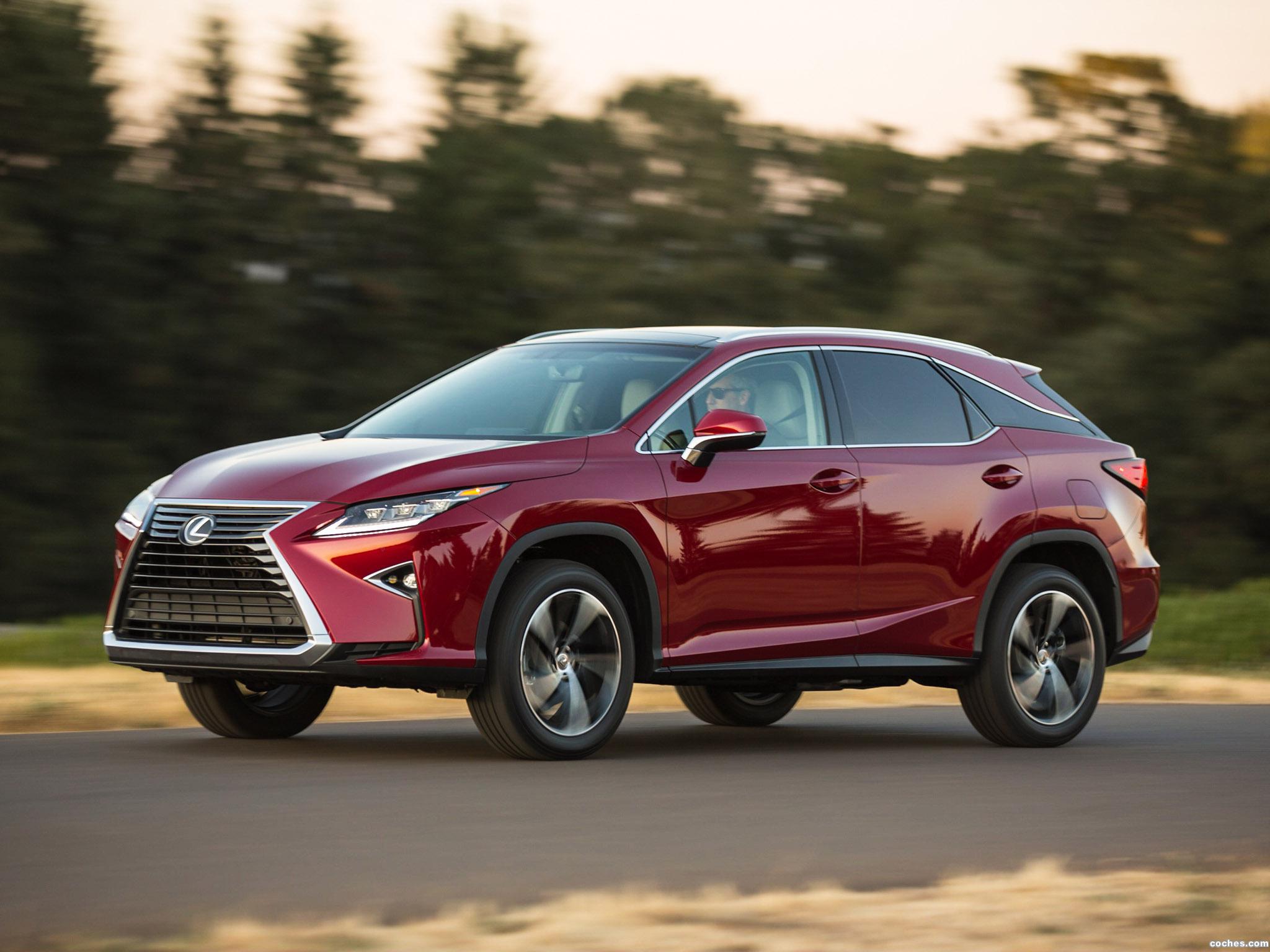
6. Lexus RX
The Lexus RX, as Toyota’s luxury brand flagship SUV, benefits from the reliability and engineering excellence Toyota is known for, combined with sophisticated security features specifically developed for the luxury market.
Lexus understands that their buyers seek not only comfort and dependability but also comprehensive protection for their investment.
The RX’s security system reflects decades of refinement, incorporating lessons learned from millions of vehicles worldwide and representing one of the most thoroughly tested and reliable anti-theft systems in the automotive industry.
The foundation of the RX’s security is the Lexus Enform system, which provides comprehensive vehicle connectivity and monitoring capabilities.
Through the Lexus smartphone app, owners can remotely lock and unlock doors, receive alerts when the alarm is triggered, and track the vehicle’s location in real-time using GPS.
What distinguishes Lexus’s implementation is its reliability the system uses multiple cellular networks and maintains connectivity even in areas with weak signal, ensuring that owners can always reach their vehicle and receive security notifications.
The app also includes an emergency assistance button that directly connects to Lexus’s response center, where trained operators can help coordinate with local emergency services if needed.
The RX features an advanced engine immobilizer system that has proven exceptionally effective in preventing theft. The immobilizer uses a transponder chip embedded in the key that must communicate the correct encrypted code to the vehicle’s engine control unit before the engine will start.
Lexus uses a proprietary encryption algorithm with key codes that are unique to each vehicle, making it virtually impossible for thieves to use generic code-grabbing devices. The system has been refined over multiple generations, with each iteration becoming more secure and harder to defeat.
One of the most impressive aspects of the RX’s security is its integration with the vehicle’s other systems.
The alarm system doesn’t just sound a siren it also flashes the headlights and taillights, honks the horn, and in some markets, even sends emergency signals to nearby vehicles through vehicle-to-vehicle communication systems.
This multi-modal alert system significantly increases the chances that someone will notice and report the attempted theft. The alarm is also intelligent enough to distinguish between different types of disturbances, scaling its response appropriately to avoid false alarms while maintaining vigilance.
Lexus has paid particular attention to physical security measures that complement the electronic systems. The RX’s doors feature multi-point locking mechanisms with hardened steel reinforcements that make forced entry extremely difficult.
The window glass is laminated rather than tempered on certain models, making it much harder to shatter and creating additional noise when broken, both of which deter smash-and-grab thefts.
The door lock cylinders are recessed and protected, making them difficult to access with lock-picking tools or destructive entry methods.
Lexus’s reputation for reliability extends to their security systems, with exceptionally low failure rates compared to industry averages. Owners can trust that the security features will function properly when needed, and the systems are designed to fail safely if there’s a malfunction, the vehicle defaults to a secured state rather than leaving it vulnerable.
This reliability, combined with comprehensive coverage and thoughtful integration with the vehicle’s other systems, makes the Lexus RX one of the most secure vehicles in its class.
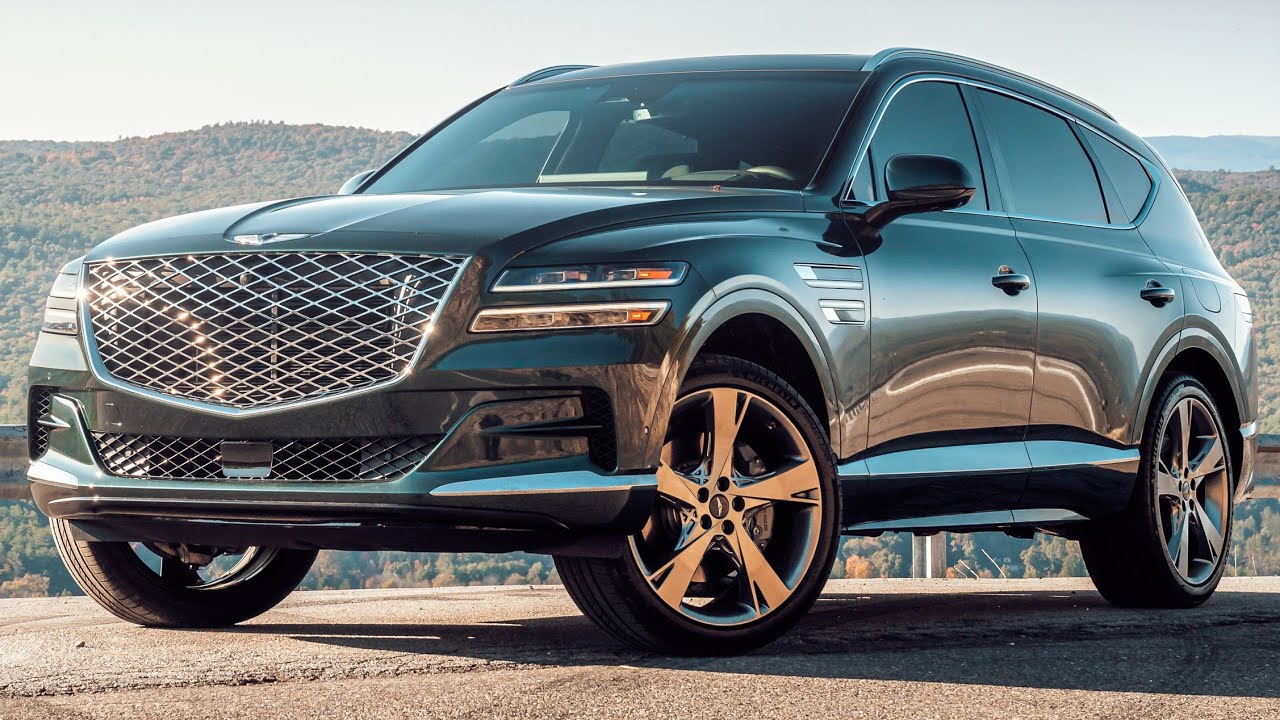
7. Genesis GV80
The Genesis GV80 represents Hyundai’s luxury brand flagship SUV and showcases how the company has leveraged its expertise in automotive technology to create one of the most comprehensively secured vehicles in the luxury segment.
Genesis has taken an innovative approach to vehicle security, implementing features traditionally found only in much more expensive luxury vehicles while adding their own technological innovations.
The GV80’s security system reflects Genesis’s understanding that luxury buyers demand cutting-edge protection for their investment.
Central to the GV80’s security architecture is the Genesis connected services system, which provides industry-leading smartphone integration and remote vehicle monitoring capabilities.
The Genesis app allows owners to remotely start, lock, and unlock the vehicle, but more importantly, from a security standpoint, it provides comprehensive security monitoring with instant notifications.
If the alarm is triggered, if the vehicle is opened without the paired smartphone nearby, or if the vehicle begins moving unexpectedly, owners receive immediate push notifications with details about the security event.
The app includes detailed GPS tracking with map visualization, allowing owners to see exactly where their vehicle is located and how it’s moving in real-time.
The GV80’s engine immobilizer system uses encrypted transponder technology integrated across multiple vehicle control units.
The immobilizer communicates with the key using rolling codes that change with each use, and the system requires proper authentication from the body control module, engine control unit, and transmission control unit before allowing the vehicle to start.
This distributed authentication approach means that defeating a single component is insufficient thieves would need to hack multiple interconnected systems simultaneously, a task that requires specialized knowledge and equipment beyond what typical vehicle thieves possess.
Genesis has paid careful attention to physical security as well. The GV80’s doors feature reinforced structures with multi-point locking systems that engage simultaneously across the door frame.
The door lock cylinders are protected by hardened steel shrouds that prevent drilling or picking attempts. The windows use laminated glass on certain models, which is significantly harder to break than tempered glass and creates more noise when shattered, deterring smash-and-grab crimes.
The GV80 includes remote immobilization capabilities through the Genesis Connected Services platform. In the event of a confirmed theft, Genesis can work with law enforcement to remotely disable the vehicle, preventing it from being restarted once the engine is turned off.
This feature has proven highly effective in vehicle recovery operations, allowing law enforcement to safely disable stolen vehicles without high-speed pursuits that endanger the public.
Genesis’s commitment to security extends to their customer service approach. The company offers 24/7 connected services support, meaning owners can immediately speak with a representative if they experience a security concern.
This human element provides reassurance and practical assistance that purely automated systems cannot match, whether helping verify a security alert or coordinating with law enforcement during a theft incident.
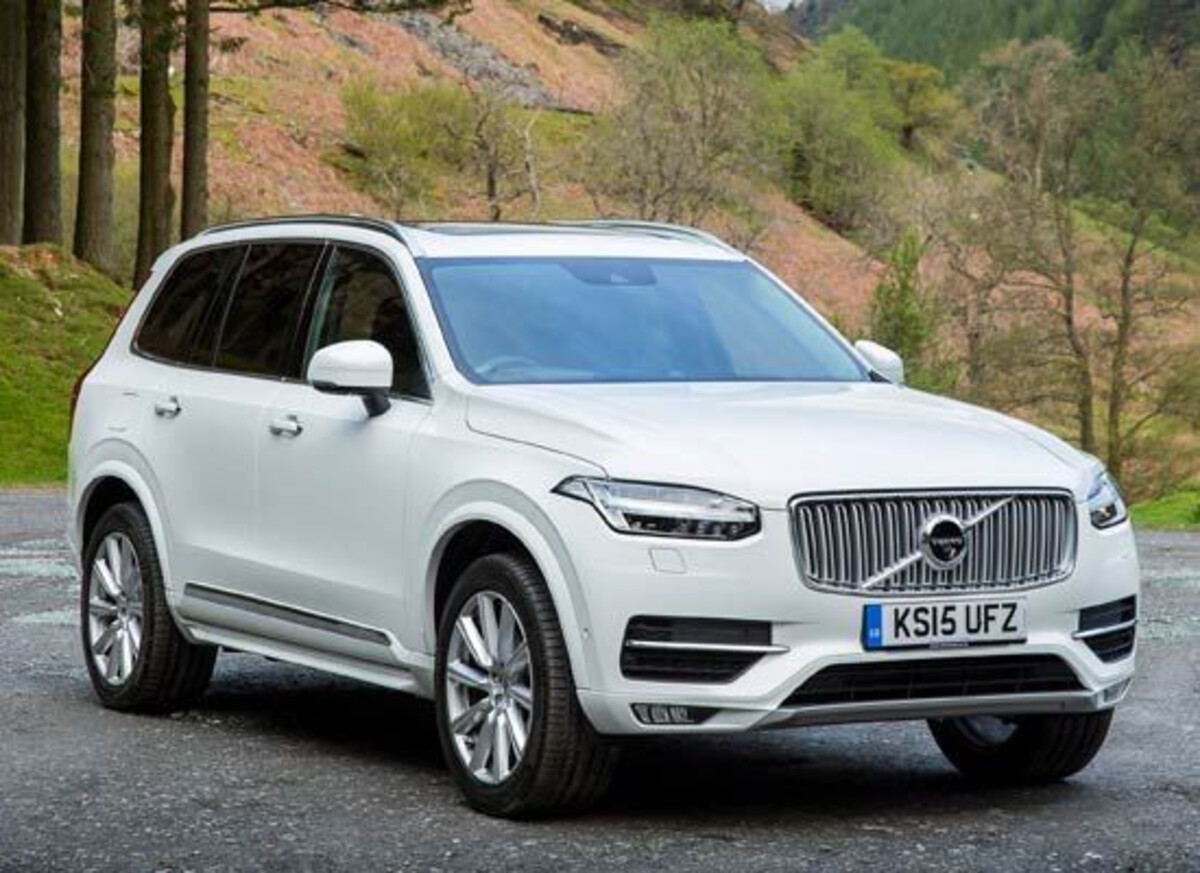
8. Volvo XC90
The Volvo XC90 embodies the Swedish automaker’s legendary commitment to safety and security, treating vehicle protection as an extension of occupant safety.
Volvo’s approach to anti-theft systems is characteristically thorough and thoughtful, implementing multiple layers of protection that work together to create one of the most secure vehicles in the luxury SUV segment.
The XC90’s security system reflects decades of Volvo engineering philosophy: comprehensive protection implemented reliably and integrated seamlessly with the vehicle’s other systems.
One of the most innovative security features of the XC90 is its integration of security monitoring with Volvo’s comprehensive sensor suite.
The vehicle uses the same radar and camera systems that provide advanced driver assistance features to also monitor the vehicle’s surroundings when parked.
If suspicious activity is detected such as someone repeatedly approaching and circling the vehicle the system can activate deterrent measures including illuminating the interior lights and displaying warning messages on the center screen.
This proactive approach to security helps prevent theft attempts before they progress to actual break-in attempts.
Volvo has implemented a comprehensive approach to physical security that reflects their safety-first philosophy.
The XC90’s doors feature reinforced structures with steel beams designed to protect occupants in side-impact collisions, but these same reinforcements make forced entry extremely difficult.
The door locking mechanisms engage at multiple points along the door frame, distributing any prying forces and making it virtually impossible to open locked doors without specialized equipment.
The door lock cylinders are recessed and protected by hardened steel housings that prevent drilling or destructive entry methods. Volvo’s reputation for reliability extends to their security systems, with exceptionally low failure rates and long-term durability.
The systems are designed to function properly in extreme weather conditions, from Arctic cold to desert heat, ensuring that owners can depend on their security protection regardless of environmental conditions.
This reliability, combined with Volvo’s comprehensive dealer network and customer support infrastructure, makes the XC90 one of the most secure and dependable vehicles in its class.
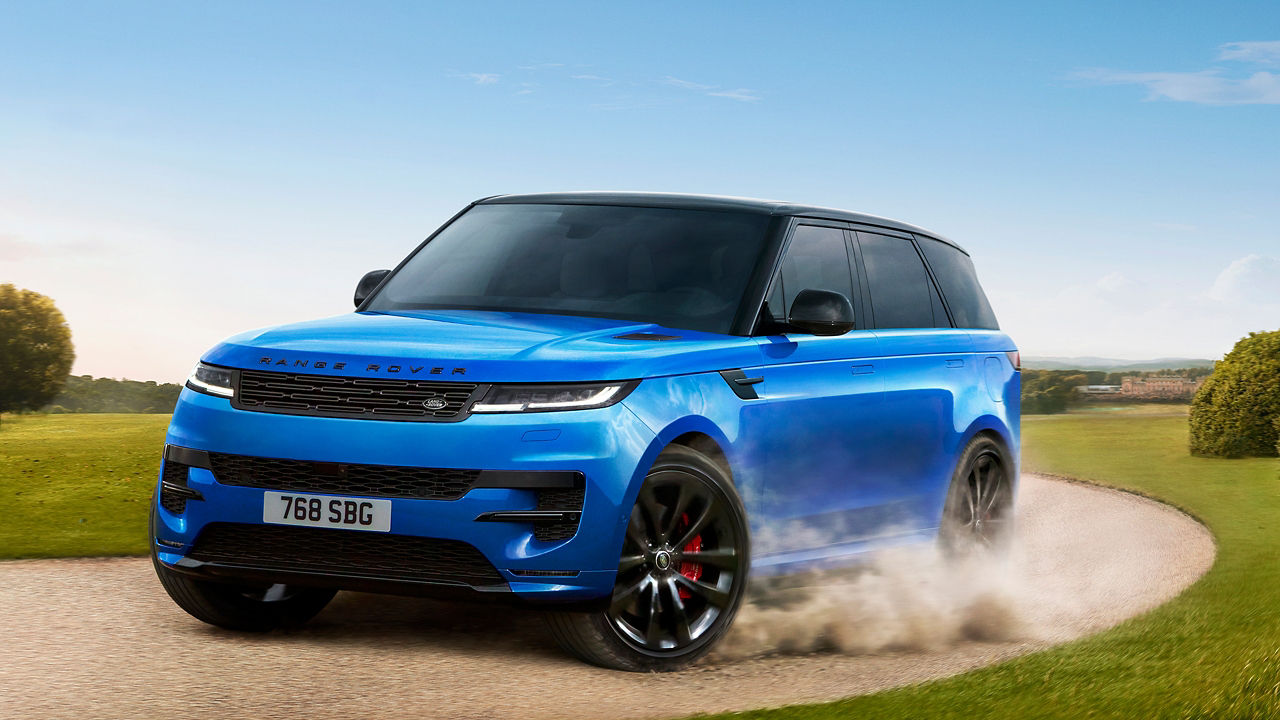
9. Range Rover Sport
The Range Rover Sport represents the pinnacle of Land Rover’s engineering capabilities, combining legendary off-road prowess with sophisticated luxury and cutting-edge security systems.
Land Rover has developed comprehensive anti-theft protection for the Range Rover Sport in response to the unfortunate reality that luxury SUVs, particularly Range Rovers, have historically been targeted by professional theft rings.
The current generation Range Rover Sport features multiple layers of security technology that make it significantly more challenging to steal than previous models, representing Land Rover’s most comprehensive approach to vehicle protection to date.
At the heart of the Range Rover Sport’s security architecture is the sophisticated InControl system, which provides comprehensive connectivity and remote vehicle monitoring capabilities.
Through the InControl Remote smartphone app, owners can monitor their vehicle’s status, receive instant alerts if the alarm is triggered, and track the vehicle’s location in real-time using GPS with continuous updates.
The system uses multiple cellular networks and satellite communication to maintain connectivity even in remote areas, which is particularly important given the Range Rover Sport’s off-road capabilities. The app allows owners to remotely lock doors, flash lights, sound the horn, and even remotely start the vehicle to verify its location.
Land Rover has implemented what they call Secure Tracker, a professionally monitored stolen vehicle tracking system that goes beyond basic GPS tracking. When a Range Rover Sport is reported stolen, the Secure Tracker system activates continuous real-time monitoring with location updates every few seconds.
The system is monitored 24/7 by trained specialists who coordinate directly with law enforcement agencies to facilitate rapid vehicle recovery.
The tracking system uses multiple technologies including GPS, cellular triangulation, and radio frequency identification, making it extremely difficult for thieves to block all tracking signals simultaneously.
Some versions even include motion sensors that can detect if the vehicle is being transported in a container or enclosed truck. The Range Rover Sport’s alarm system is exceptionally sophisticated, featuring multiple sensor types that work together to provide comprehensive protection.
Ultrasonic interior motion sensors create an invisible detection field inside the cabin that triggers if any movement is detected after the vehicle is locked.
Perimeter sensors monitor all doors, the hood, and the tailgate. Glass breakage sensors are calibrated to detect the specific acoustic signature of automotive glass shattering.
Inclination sensors monitor the vehicle’s angle and position, triggering the alarm if someone attempts to jack up the vehicle or load it onto a flatbed. The battery monitoring system detects if power is disconnected improperly, triggering the alarm using backup power sources.
The Range Rover Sport benefits from Land Rover’s partnership with insurance companies and law enforcement agencies worldwide. Many insurers offer reduced premiums for Range Rover Sport models equipped with Secure Tracker and comprehensive security packages, reflecting the proven effectiveness of these systems in preventing theft and facilitating recovery.
Land Rover’s security coordination center maintains relationships with law enforcement in multiple countries, enabling rapid response and coordination when a vehicle is reported stolen.
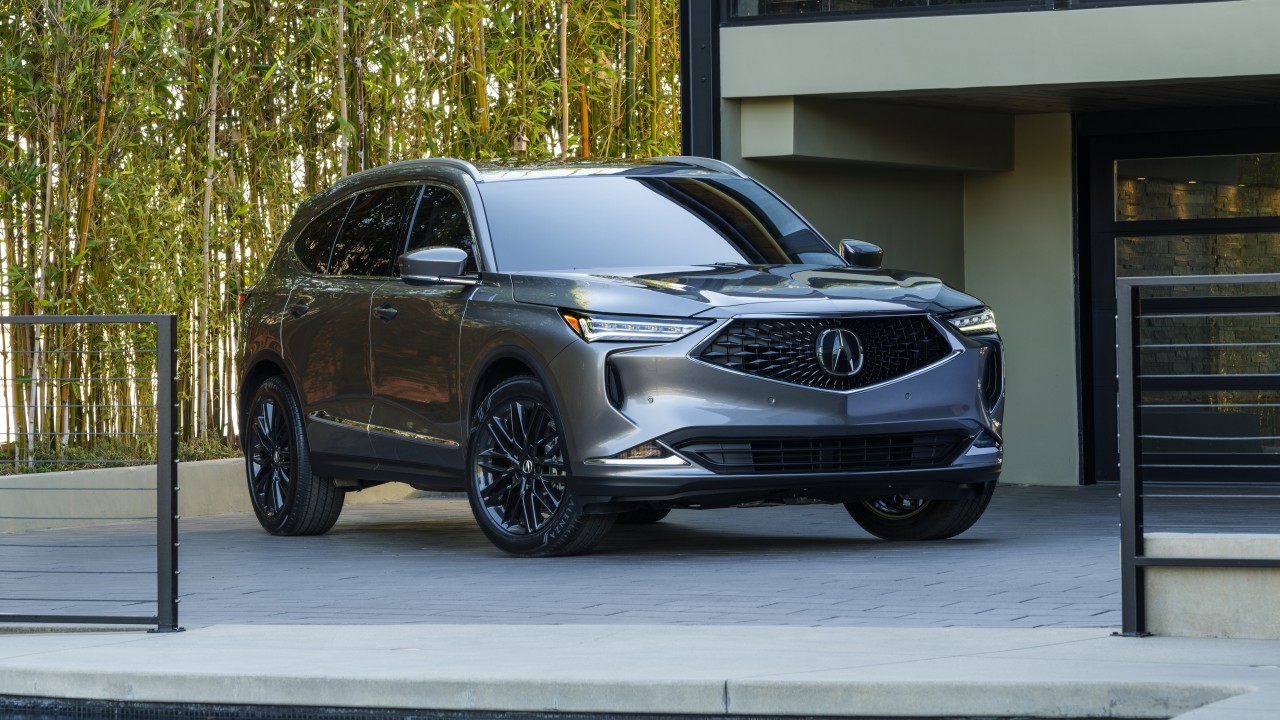
10. Acura MDX
The Acura MDX represents Honda’s luxury brand flagship SUV and benefits from Honda’s decades of experience in developing reliable, effective anti-theft systems combined with luxury-focused security features.
Acura has developed a comprehensive security package for the MDX that addresses both high-tech theft methods and traditional break-in attempts, creating a multi-layered protection system that makes the vehicle one of the most challenging targets in the midsize luxury SUV segment.
The MDX’s security approach reflects Honda’s engineering philosophy of practical, reliable solutions that work effectively in real-world conditions.
The foundation of the MDX’s security is the AcuraLink connected services system, which transforms the vehicle into a monitored asset with comprehensive smartphone connectivity.
Through the AcuraLink app, owners can remotely lock and unlock doors, start the engine, flash lights and honk the horn to locate the vehicle, and most importantly, track the vehicle’s precise location using GPS with continuous updates.
The system sends instant push notifications to the owner’s smartphone if the alarm is triggered, if doors are opened without the paired device nearby, or if the vehicle begins moving unexpectedly.
What distinguishes Acura’s implementation is its reliability and ease of use the app is intuitive, the connection is stable across various cellular networks, and the response time between action and vehicle response is nearly instantaneous.
The MDX features an advanced vehicle security system with motion-sensing technology that has been refined over multiple generations of Honda and Acura vehicles.
The system includes ultrasonic sensors that monitor the interior cabin for any movement after the vehicle is locked, perimeter sensors that detect the opening of any door or the hood and tailgate, and glass breakage sensors calibrated to distinguish between the specific sound frequency of shattering automotive glass and ambient noise.
The MDX’s comprehensive security system is reflected in favorable insurance industry ratings, with many insurers offering reduced premiums for MDX owners due to significantly lower theft rates compared to similar vehicles.
Industry statistics consistently show that vehicles equipped with comprehensive immobilizer systems, like the MDX, have theft rates up to 95% lower than similar vehicles without such protection.
This combination of proven effectiveness, reliable operation, comprehensive protection, and practical design makes the Acura MDX one of the most secure vehicles in the midsize luxury SUV segment.
Also Read: 5 Sedans With True Rust Protection vs 5 That Bubble at the Hems
