
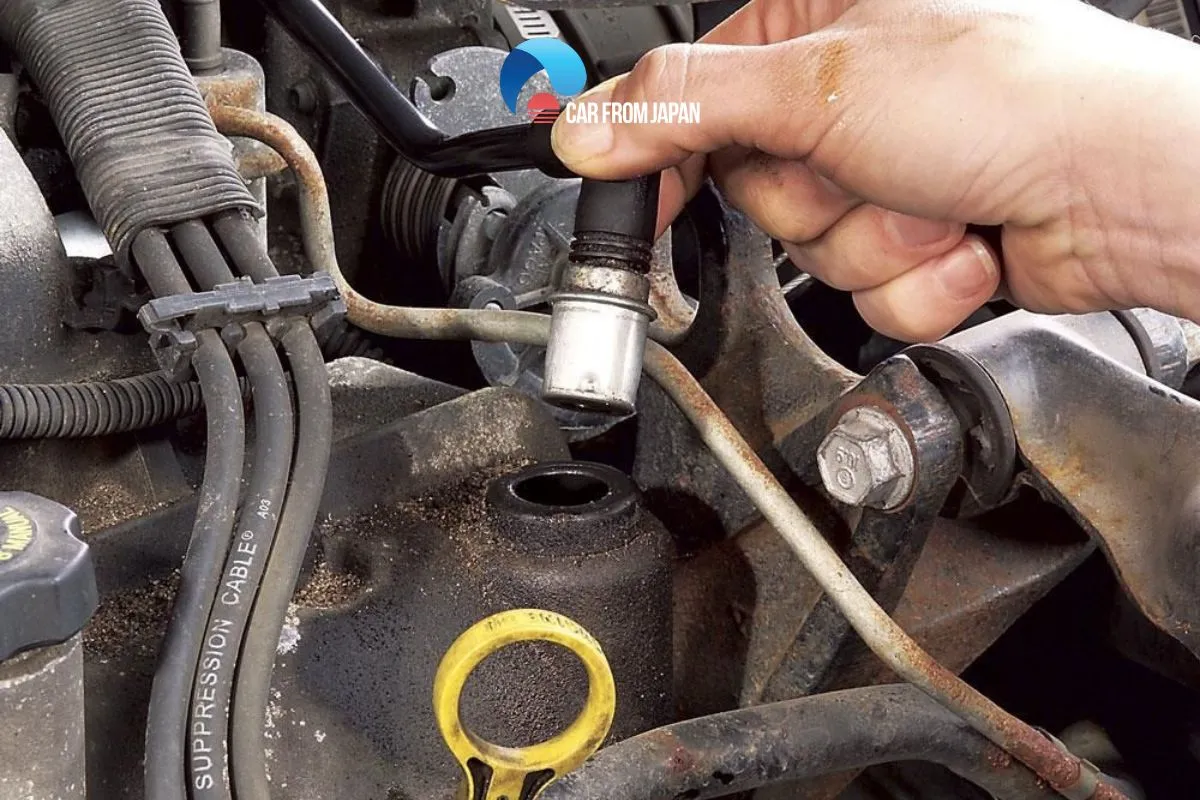
People who love engines always hear one small thing causing big wahala for drivers, and that thing is the PCV system.
You see, many engines can brave heat, long hours, and heavy traffic, yet one stubborn part can stress everything if it is weak. A strong PCV system keeps an engine happy, while a weak one can invite sludge like an unwanted visitor.
Many drivers even blame fuel quality or driving habits, but sometimes the real culprit hides in that tiny valve moving gases in and out. Once that part behaves well, the engine breathes freely like a person relaxing in the shade on a hot afternoon.
Car owners often complain after facing repairs that cost money and disturb daily schedules. Some engines handle short trips well, while others begin forming thick deposits that resemble cooking oil left on a low fire for too long.
Anyone who wants long-lasting performance should know which engines stand strong and which ones need special attention.
From old favourites to modern power plants, the differences become very clear when you look closely. A good PCV system can give confidence to drivers who face endless city stop-and-go traffic, while a poorly designed one can surprise you with sludge before you know it.
Friendly advice saves people headaches, and sharing proper guidance helps drivers choose wisely for their next ride. Whether someone prefers small cars, big engines, fuel savers, or power machines, understanding PCV strength makes life easier.
Now let’s talk about engines known for strong PCV systems, and also expose engines that build sludge from too many short trips. Prepare yourself, because the list will open eyes and guide anyone who wants smoother ownership.
7 Engines With Strong PCV Systems
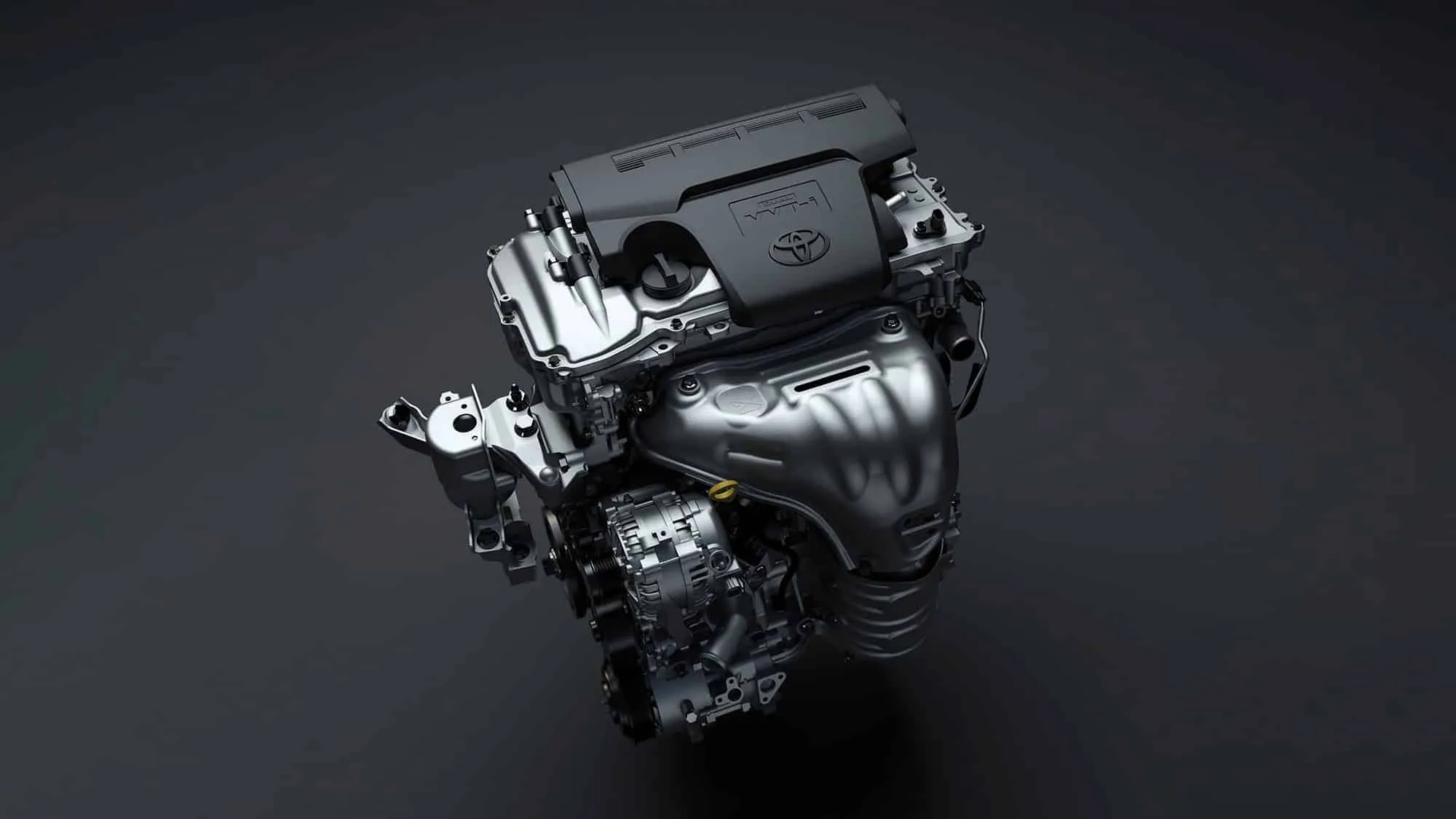
1. Toyota 2AR-FE
Drivers familiar with this four-cylinder engine often speak highly of its breathing ability. Airflow moves smoothly, and the PCV valve rarely gives unnecessary trouble. A relaxed engine like this tends to handle short city trips without building unwanted gunk.
Many owners say it runs clean even after long periods without major service issues. A well-thought-out design keeps oil vapour under control and encourages good combustion. When gases circulate correctly, the engine oil stays fresher and remains cleaner for longer.
Plenty of Toyota models use this engine, such as the Toyota RAV4, Toyota Camry, and Toyota Highlander, which shows how dependable it has been for years. Anyone who drives one notices stable idling and calm running even when weather temperatures keep changing all day.
People praise the engine for feeling free and lively without struggling. Good PCV ventilation supports low emissions and reduces internal grime. City drivers love its calm nature because it does not punish them for taking frequent short journeys.
Another sweet part comes from its simplicity. Nothing overly sensitive sits inside the system, so mechanics find it easy to maintain. Replacement parts are readily available, so ownership does not drain your pocket.
Some engines form heavy deposits when owners forget periodic servicing, but this one shows mercy, especially when the PCV remains healthy.
Smooth power delivery helps fuel economy and reduces the risk of unnecessary oil pressure issues. Those who pick a Toyota with the 2AR-FE enjoy peace of mind knowing the PCV system works like a loyal servant, keeping everything in harmony.
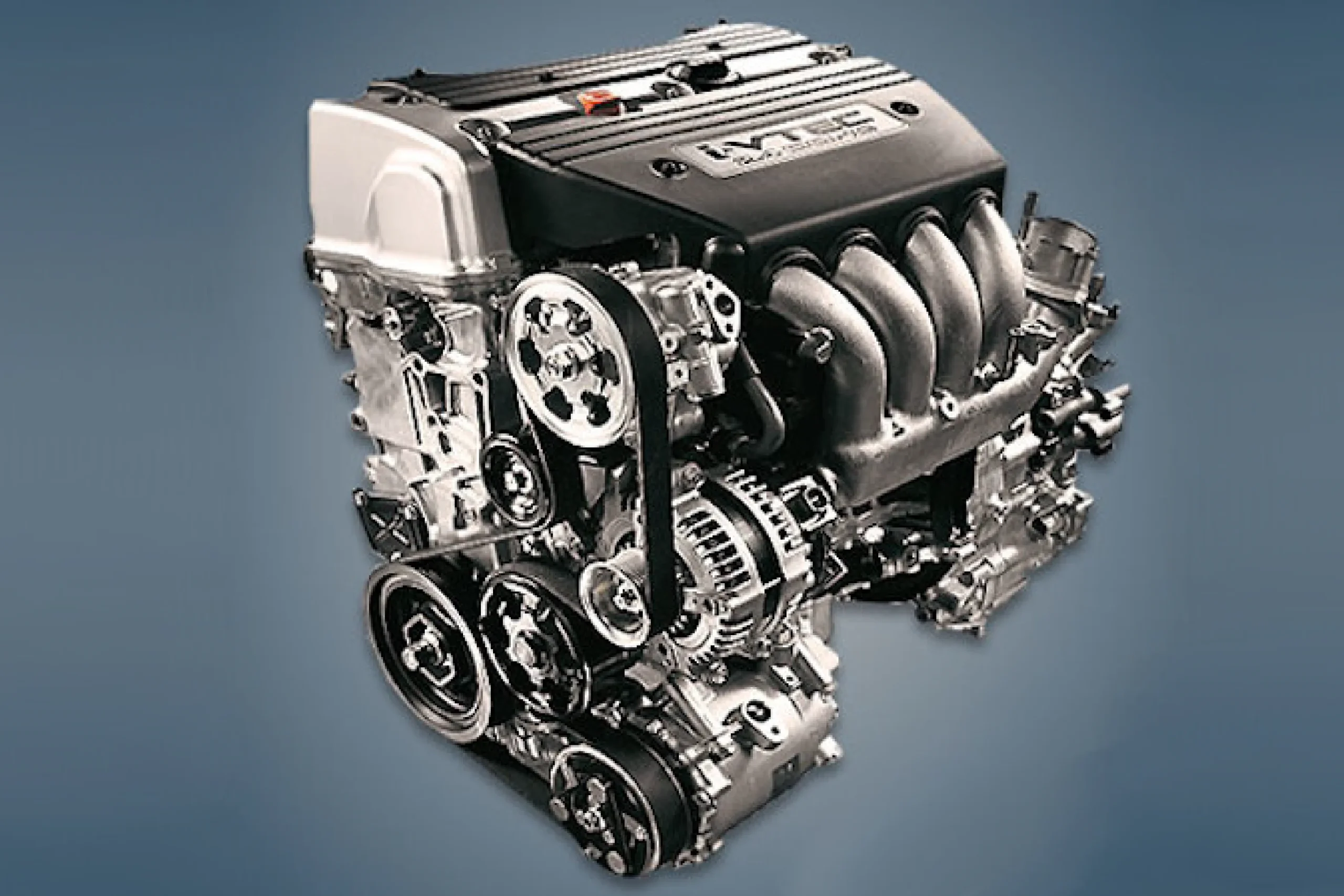
2. Honda K24A
Plenty of Honda lovers call this engine a jewel for a reason. The PCV system on the K24A is famous for being efficient and trustworthy. Oil vapour displacement stays balanced, and gases do not pile up in corners where they can become sticky messes.
From first crank in the morning to heavy use in traffic jams, the setup allows fresh airflow without stressing the engine.
Mechanics often smile when they see this engine because they know it tends to stay clean inside. Honda used the K24A in models like the Honda Accord, Honda CR-V, and Honda Odyssey, giving them reliable movement and long service life.
Drivers always talk about smooth revving, even when the engine has many years under its belt.
Good breathing helps this engine avoid sludge even when someone drives short distances regularly. The design favours consistency without depending on fancy sensors that fail at the wrong time.
Another strong point comes from its longevity. While some engines begin misbehaving once long use pushes them past their limits, the K24A usually keeps its calm nature when well treated.
Mechanics often find minimal sludge during service because the PCV system does a fine job of removing moist gases.
Owners also love the way it remains strong even as mileage increases. Good fuel economy blends with reliable power, making it popular among families and commuters.
People want engines that do not complain often, and this one remains a champion. Choosing a Honda with the K24A gives confidence because the PCV system stands firm against sludge buildup.
Also Read: 5 Engines With Cheap Coil Packs vs 5 With Pricey Ignition Parts
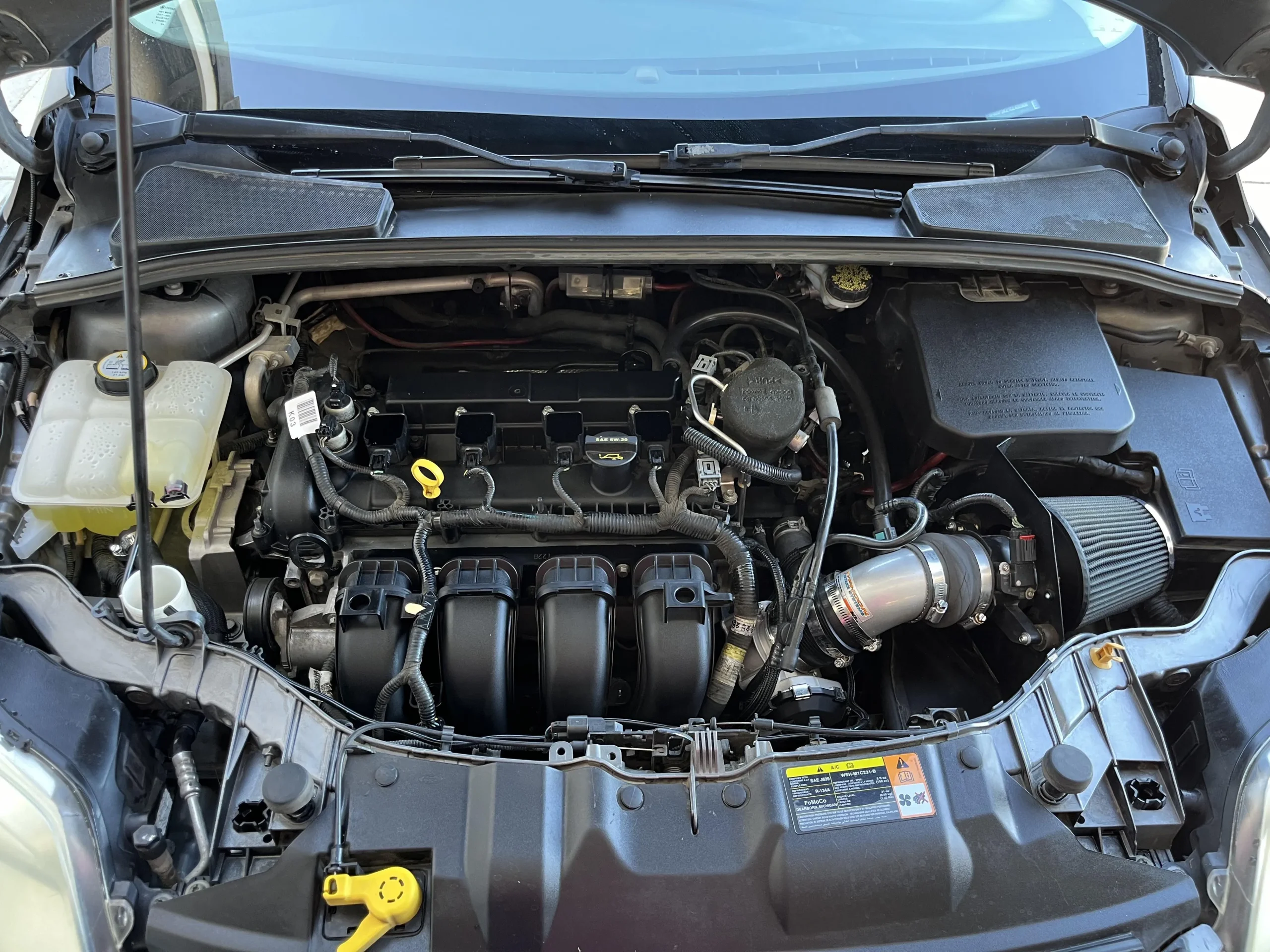
3. Ford Duratec 2.0
Any driver who has used Ford models with the Duratec 2.0 will quickly recognise its stable PCV behaviour. Air moves effectively, so sludge hardly settles inside. This engine stays energetic and consistent even when exposed to many short journeys.
Clean combustion remains steady because oil vapours are correctly routed back for burning. Engineers behind this design created something that performs faithfully in many driving conditions. Ford placed the Duratec 2.0 in cars like the Ford Focus, Ford Fusion, and Ford Escape.
These models gained a good reputation for longevity. Drivers enjoy smooth acceleration and low vibration even after several years of tough use.
The PCV setup prevents excessive buildup of sticky residue during cold starts. Short drives usually bring moisture and unburnt vapour into the engine, but this system clears those easily.
Service experience shows this engine stays fresh inside for longer periods. Mechanics checking the valve train usually find clean surfaces instead of thick deposits.
The PCV valve itself lasts long before showing signs of aging. Replacement is straightforward whenever needed, and the cost is friendly.
Those driving many short city trips find this engine dependable because it does not punish them with a sludge surprise.
Fuel efficiency also remains stable, especially when the engine breathes well. People want stress-free ownership, and this engine offers that easily. When paired with regular oil changes, the Duratec 2.0 continues to show strong resilience through years of daily use.
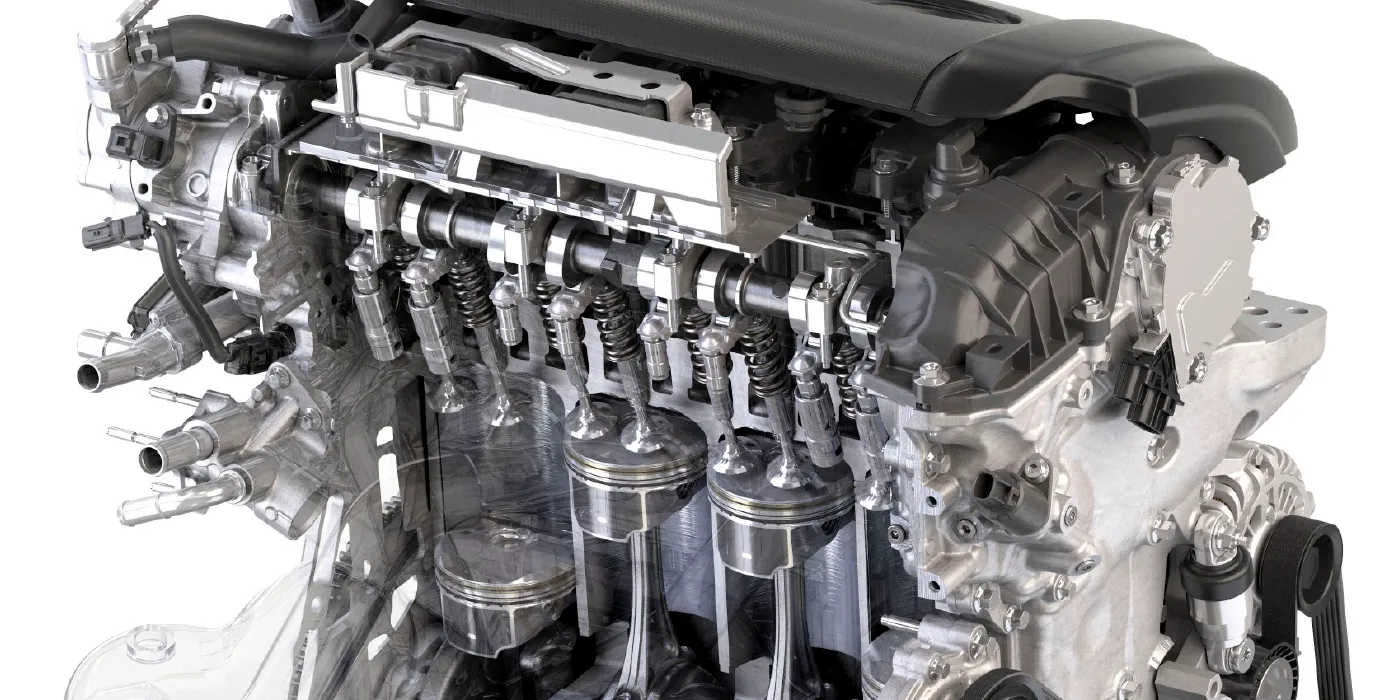
4. Mazda SkyActiv-G 2.5
Plenty of modern Mazda drivers praise the SkyActiv-G 2.5 engine for its healthy ventilation. Good PCV flow helps keep oil fresh even after repeated cold starts and frequent stopping.
Mazda’s clever engineering focuses on thermodynamics, allowing vapours to return efficiently to the combustion chamber. Because of that, sludge formation becomes difficult even when someone drives short distances most of the time.
Mazda CX-5, Mazda6 and Mazda CX-30 carry this engine proudly. A calm idle and smooth power delivery make it enjoyable for urban users.
City drivers usually worry about sludge because short trips rarely heat engines enough to evaporate moisture. Yet this engine deals with that moisture elegantly. The airflow pathway inside ensures vapour does not settle in corners or cause clogging.
Experience from owners reveals long-lasting cleanliness. Service professionals rarely complain about heavy buildup inside the valve cover. When the PCV system works effectively, fuel consumption stays balanced and performance stays sharp.
Drivers appreciate the responsive throttle because a clean engine breathes without effort. Good technology does not mean fragile components, and this engine proves that by staying dependable even under tough conditions.
Owners looking for a machine that handles both daily traffic and occasional long trips find comfort in the SkyActiv-G 2.5.
Good engineering ensures low sludge risk and smooth breathing at all RPM levels. With simple maintenance practices, the engine remains lively and efficient.
Choosing a Mazda with this powerplant guarantees a strong PCV system that helps keep the engine clean and energetic for many years.
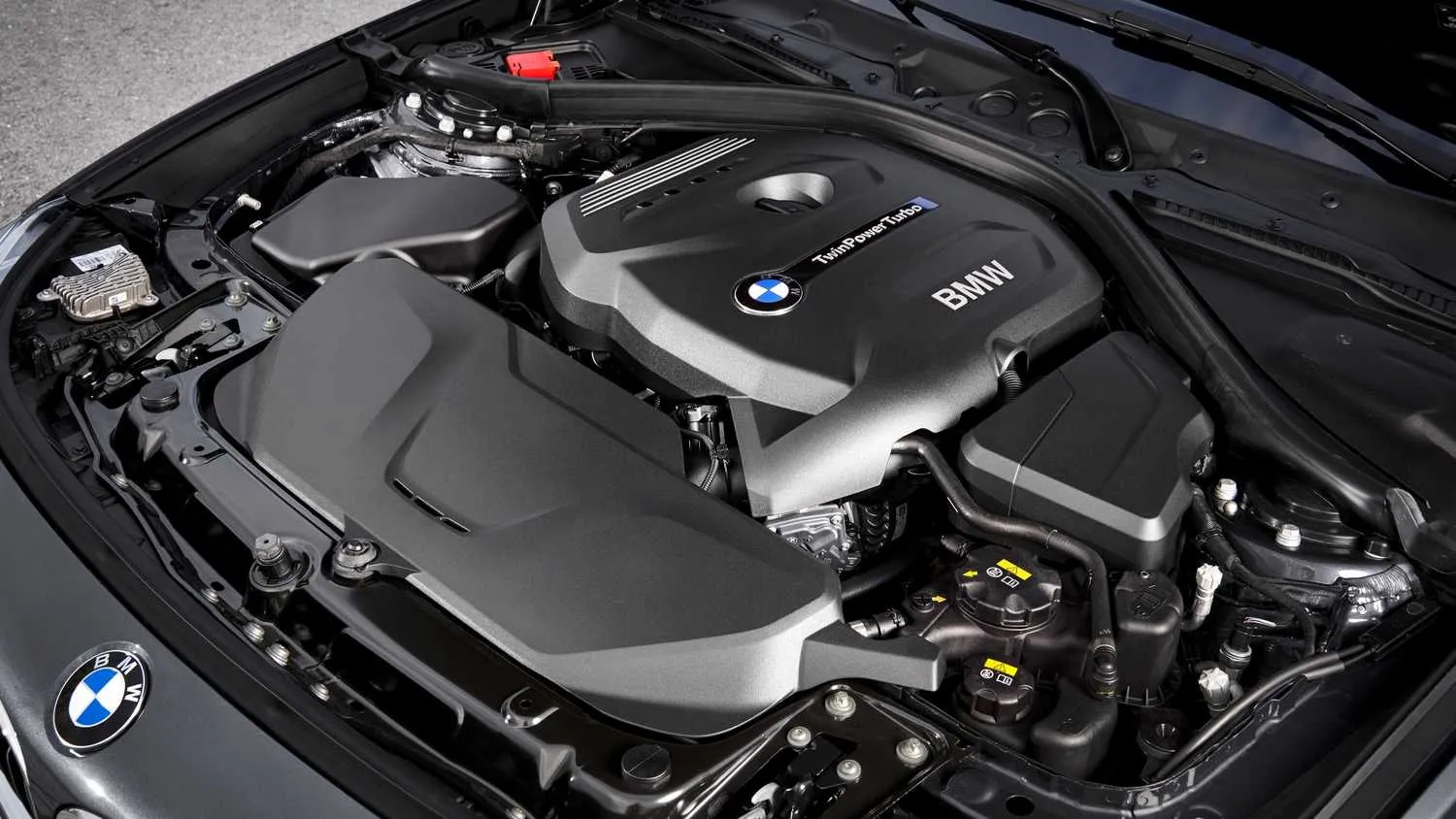
5. BMW B48
Many people admire the BMW B48 engine for its strength, refinement, and well-managed PCV design. Sludge rarely becomes a major threat because BMW engineered this one with strong airflow pathways.
Oil vapour recycling remains clean, reducing sticky residue inside the engine. Even when used for multiple short daily errands, this engine stays tidy thanks to smart engineering choices.
BMW 3 Series, BMW X1, and BMW 5 Series use this B48 powerhouse. Plenty of owners notice quiet running and smooth revving even after several years of use.
Good ventilation matters a lot for turbocharged engines, and this one handles that responsibility well. Moisture removal remains steady, and vapours do not gather where they should not be.
Service experiences often reveal shiny internals rather than blackened sludge pockets. The PCV hardware lasts long and rarely surprises anyone with sudden failure.
Even when replacement becomes necessary, the process is easy for mechanics. Drivers enjoy precise performance and efficient fuel use because airflow remains balanced. Short drives usually challenge most engines, yet this one handles city life gracefully.
Owners who demand reliable power without sludge issues will appreciate the B48. It stays strong, cleans itself efficiently through vapour recycling, and remains enjoyable to drive. BMW drivers often praise its reliability because they feel safe using it daily without worrying about internal grime.
When treated well with structured oil changes, the B48 delivers long-lasting satisfaction. A strong PCV system truly gives this engine an advantage over many competitors.
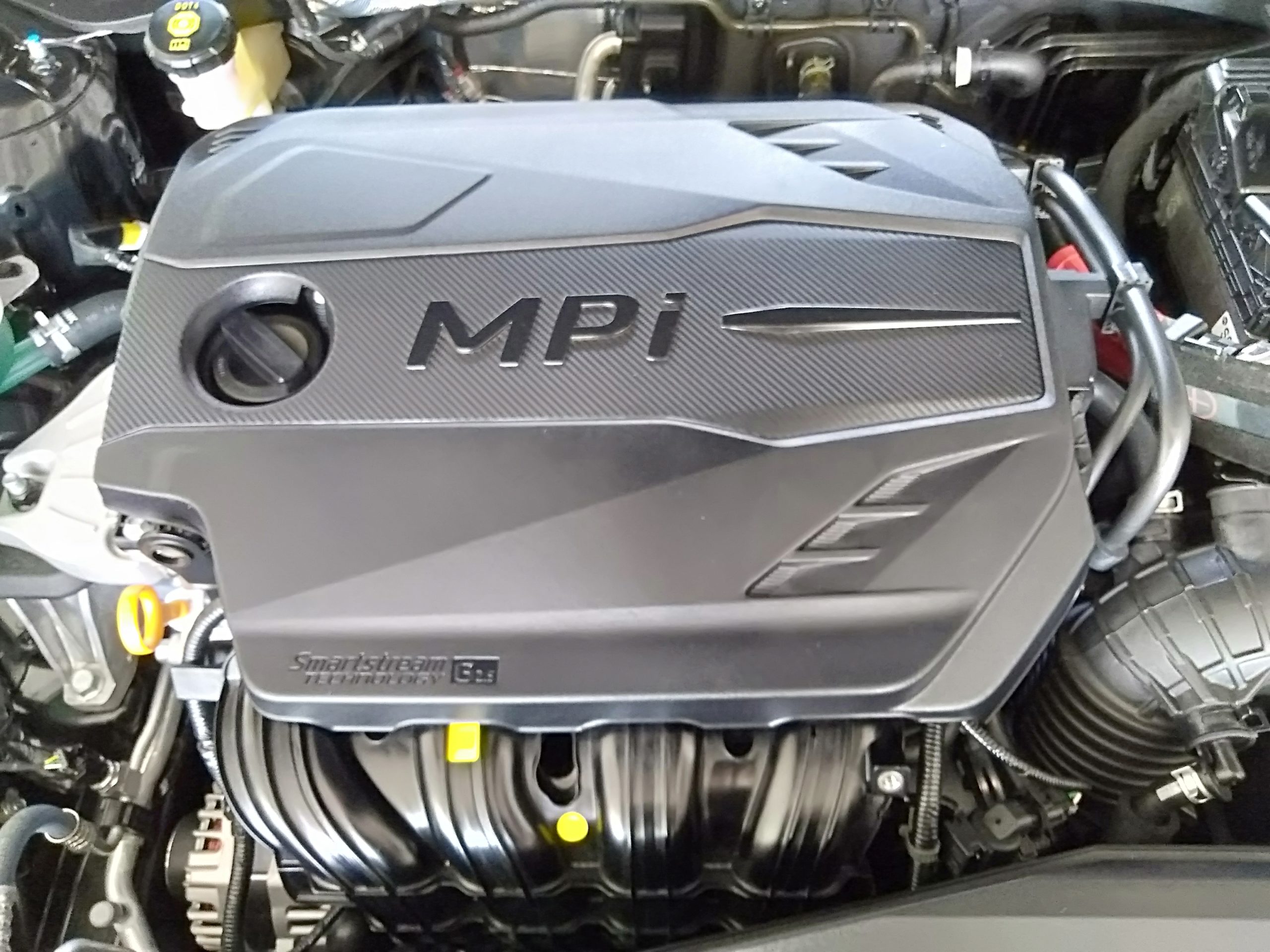
6. Hyundai Smartstream G1.6
Plenty of people admire how the Smartstream G1.6 handles urban driving. Short trips usually threaten engines because moisture and vapours gather when temperatures fluctuate.
Yet this Hyundai engine maintains healthy ventilation and prevents residue buildup. The PCV design moves gases fluidly so sludge cannot settle. Even when driven gently through crowded streets, it continues running clean and calm.
Hyundai Elantra, Hyundai Kona, and Hyundai Tucson use this engine proudly. Users claim it delivers quiet running and stress-free performance.
Good breathing keeps combustion efficient, raising confidence in everyday use. Some engines struggle with vapour retention, but the Smartstream design minimizes such issues. Mechanics report minimal sludge during service intervals because vapour does not stagnate.
Fuel economy stays dependable, and power delivery remains consistent. Drivers who prefer simple ownership without constant worry about hidden residue find peace in this engine.
Daily stops, shortcuts, and school runs rarely disturb the balance within. The PCV valve operates smoothly, allowing vapours to circulate freely.
Another reason people appreciate this engine comes from its durability. Strong materials and reliable components help maintain long-term performance. Even when mileage climbs, sludge does not choke the system easily.
Many drivers enjoy its smoothness, especially during early morning cold starts. Good ventilation spreads freshness inside the engine, supporting longevity and steady operation. For users who face constant traffic or short commutes, this engine remains one of the better options with a strong PCV system.
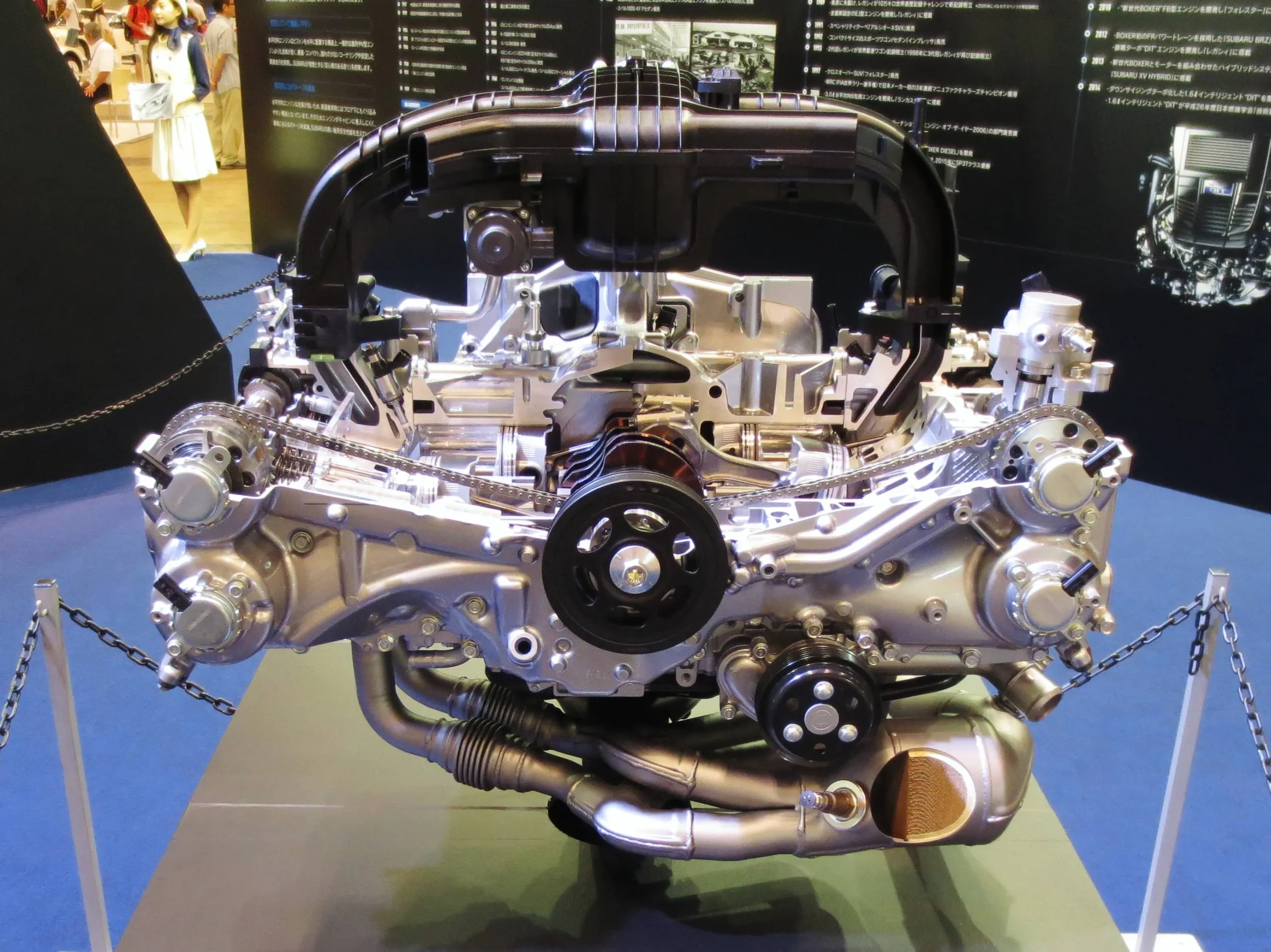
7. Subaru FB20
Plenty of Subaru owners enjoy the FB20 for its simple yet clever breathing process. The horizontally opposed layout encourages good airflow, while the PCV system helps vapours move easily.
Sludge rarely becomes a strong enemy because moisture does not gather excessively. Many drivers appreciate how this engine handles short runs with minimal residue buildup.
Subaru Impreza, Subaru XV Crosstrek, and Subaru Forester rely on the FB20 engine. Smoothness and good handling make these cars pleasant for daily use.
People who drive through city traffic often worry about sludge, yet many Subaru technicians confirm this engine remains clean inside for long periods. Correct vapour routing gives it strong resistance against grime.
Another enjoyable quality lies in its consistent performance. Cold starts remain stable, and warm running stays efficient.
Mechanics find servicing straightforward and rarely complain about gummed-up parts. Even owners who work in crowded cities where trips remain short praise this engine for staying tidy inside.
Fuel economy stays steady due to good breathing. Balanced airflow encourages proper combustion, so oil stays fresher for longer. When an engine breathes cleanly, it avoids many problems linked to overheating or blocked passages.
Daily drivers appreciate its reliability and predictable behaviour. Anyone seeking an engine with strong PCV performance will find comfort in the FB20. It handles urban life, variable weather conditions, and repeated short trips with impressive stability.
7 Engines That Sludge From Short Trips
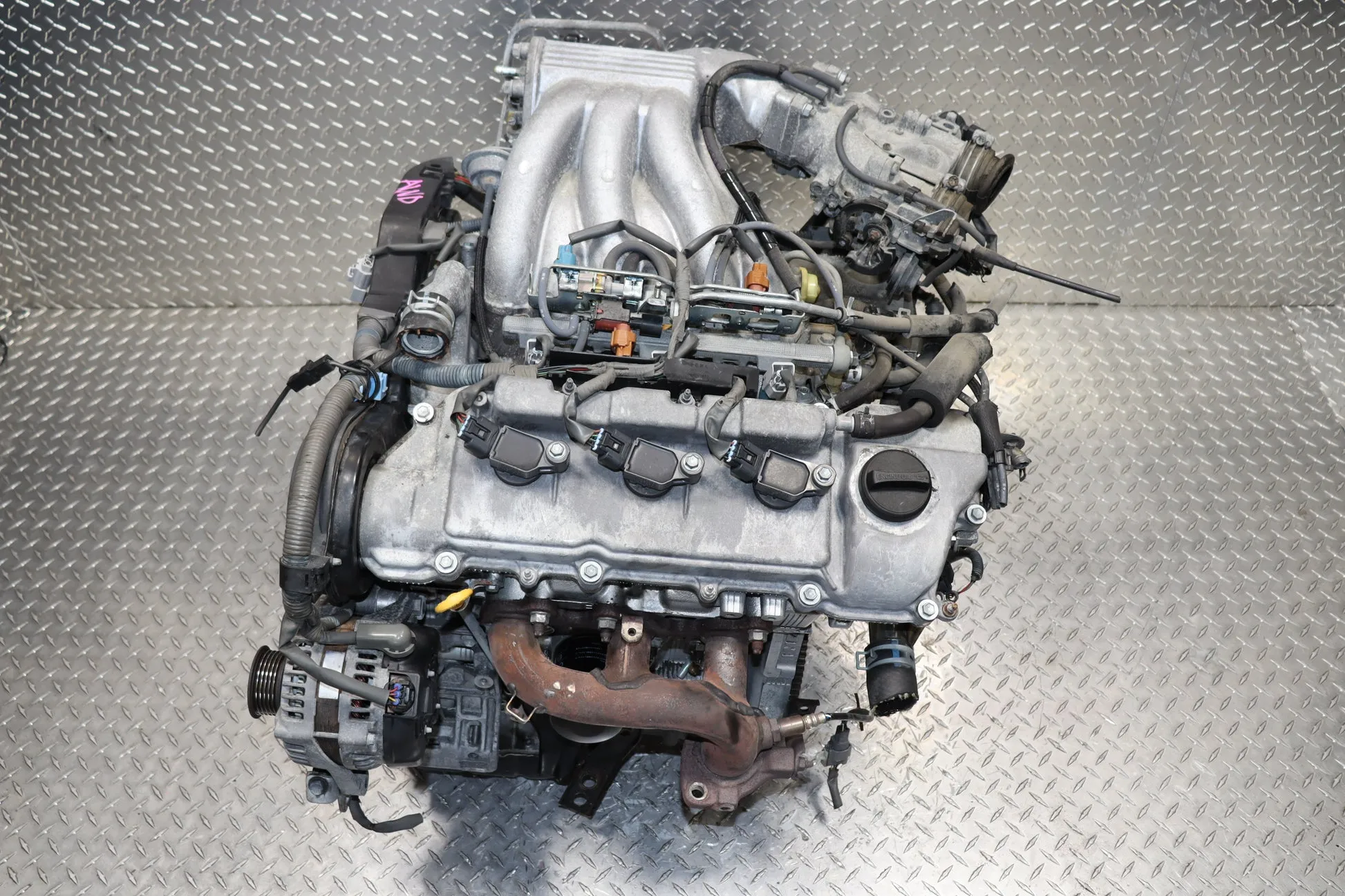
1. Toyota 1MZ-FE
Plenty of mechanics across different places agree that the Toyota 1MZ-FE engine develops sludge when exposed to repeated short trips. Moisture and vapour gather easily inside, especially when the engine does not reach full operating temperature.
PCV flow becomes slow or sticky, and thick residue forms around internal areas. Drivers who use the car only for short errands often face heavy dark deposits during maintenance checks. Toyota Sienna, Toyota Avalon, and Toyota Camry from older generations used this engine.
Reliability remains strong in many ways, but sludge formation has remained a known issue. Poor PCV performance during cold starts encourages grime.
Slow vapour circulation invites sticky residue that stays trapped until the engine reaches proper heat, which rarely happens during short daily movements.
Owners often share stories of blocked oil passages and reduced performance. Hard deposits slow lubrication, causing higher temperatures inside.
When oil cannot move freely, wear increases. Short commutes worsen these problems, especially in climates where cold mornings persist. Mechanics recommend regular cleaning and more frequent oil changes to control sludge.
Another challenge comes from design limitations within early versions of the PCV system. Vapour does not escape smoothly, leaving moisture to mix with oil. After a long period of time, this mixture thickens and becomes harmful.
Drivers need careful attention to keep this engine healthy. Anyone planning to buy an older Toyota with this powerplant should understand how short trips influence sludge formation.
Properly warming the engine helps prevent buildup, but those who frequently make quick movements should stay alert.
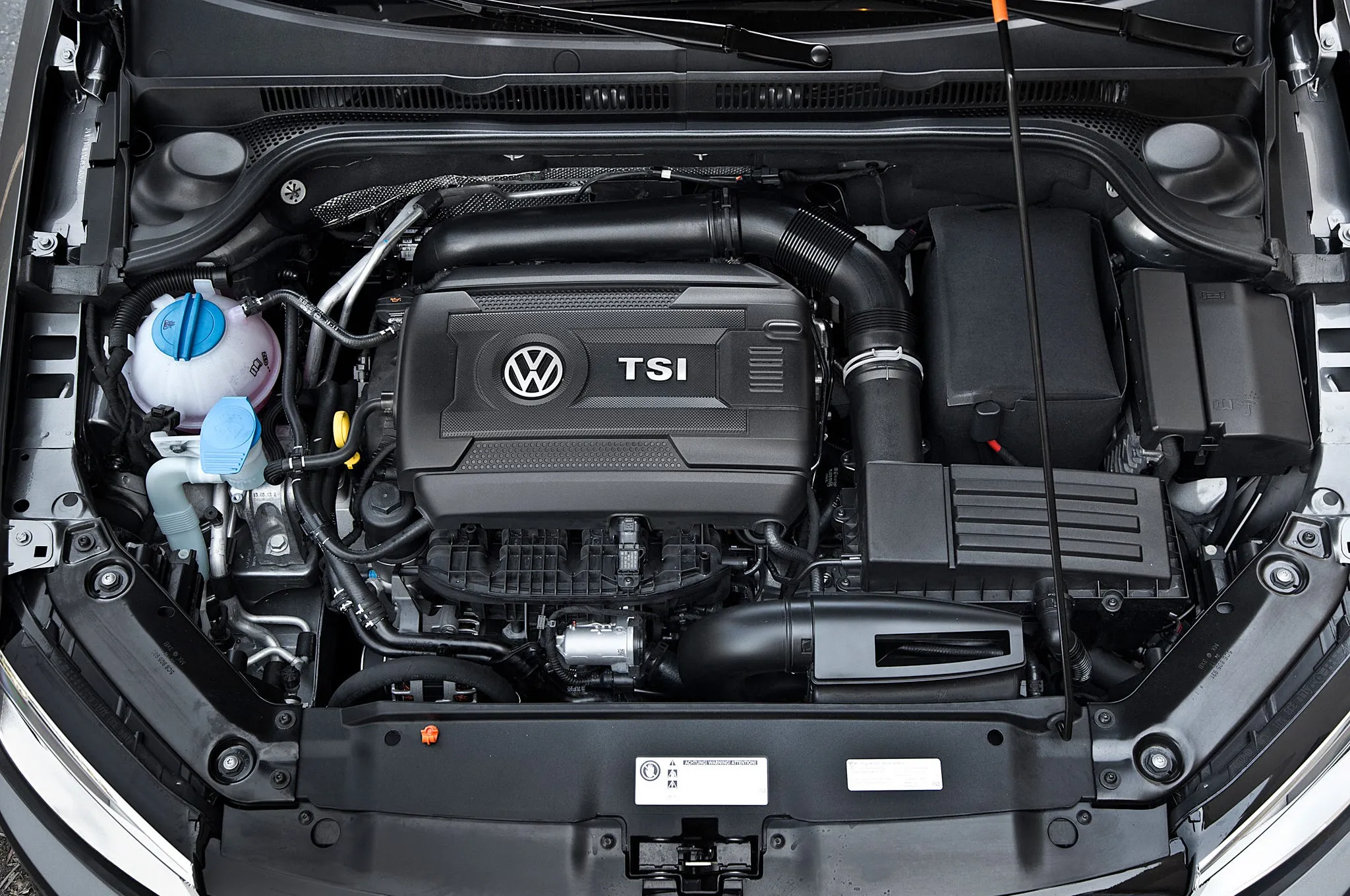
2. Volkswagen 1.8T (Early Generation)
Many drivers love turbocharged fun, yet early versions of the Volkswagen 1.8T often became victims of sludge. Short trips contributed heavily because the moisture did not burn off quickly. PCV routing inside these engines sometimes became clogged from sticky residue.
Vapour movement through the system lacked sufficient warmth to evaporate fully, causing oil thickening.
Once the buildup started, it spread quickly through internal components. Volkswagen Passat, Volkswagen Jetta, and Volkswagen Golf from earlier production years carried this engine.
While performance remained enjoyable, sludge became a major complaint. Some owners found themselves facing expensive repairs because oil passages narrowed from residue. Turbocharged engines depend heavily on good oil flow, and sludge disrupts that balance.
Mechanics consistently found discoloured oil stuck behind baffles and near the PCV valve. In colder areas, the problem worsened.
Drivers who only used the car for short commutes created the exact conditions that encourage sludge formation. Old PCV design struggled to maintain clean circulation under those habits.
Preventive measures involved frequent oil changes using high-quality synthetic options. Without that discipline, the engine suffered severely. Many specialists advised extended warm-up periods to remove moisture. Once sludge hardened, cleaning required heavy labour.
Anyone buying older Volkswagen 1.8T engines should stay aware of this weakness. Performance feels good, but sludge from short trips remains a real danger to long-term health.
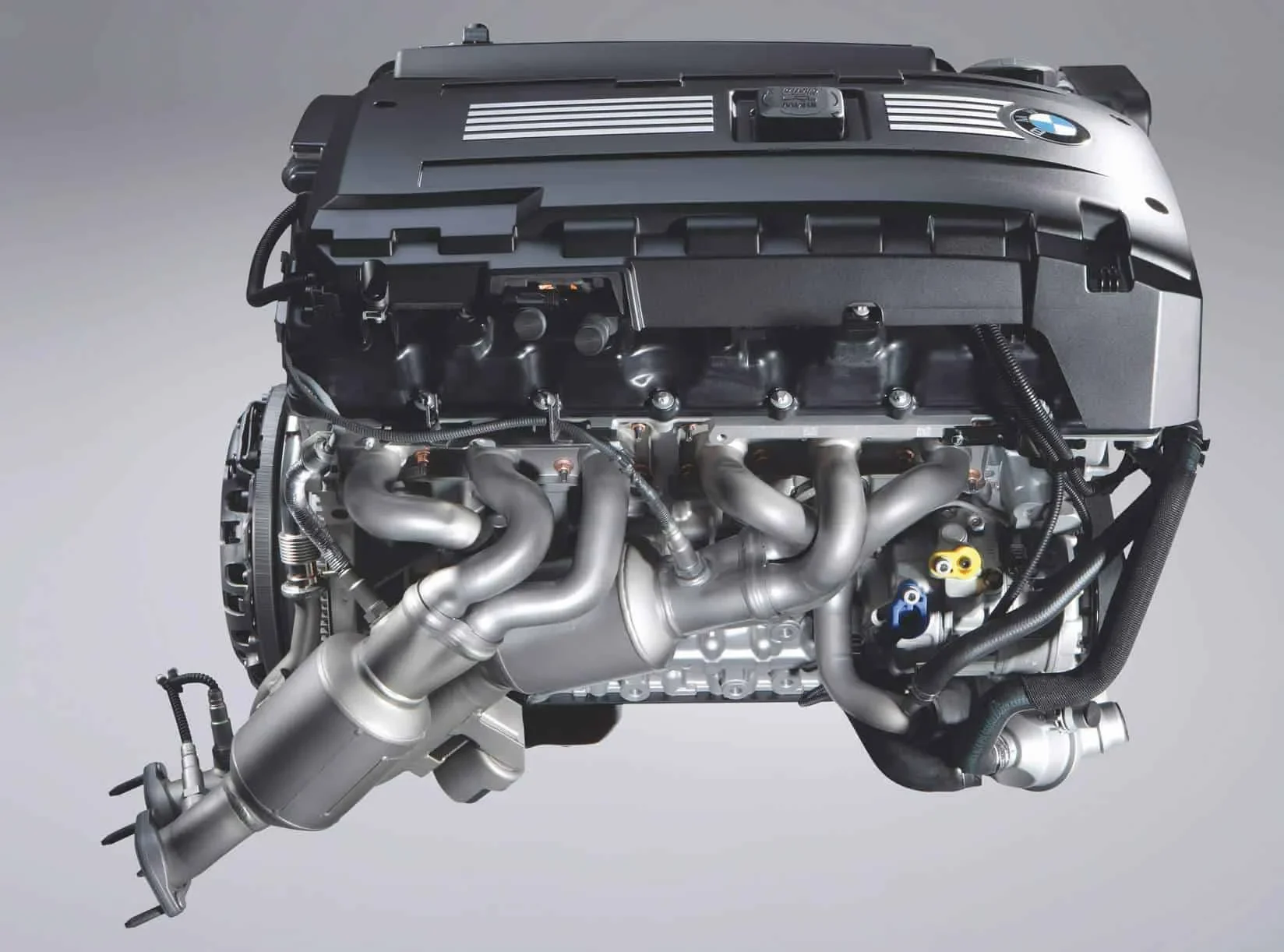
3. BMW N52
Plenty of BMW lovers admired the N52 for its smooth pull and refined behaviour, yet sludge issues appeared when drivers made short trips frequently.
PCV design inside the engine allowed moisture to stay longer than necessary. Gases did not escape efficiently during quick journeys, leaving sticky residue. After a long time, this residue thickened and clung to internal components.
BMW 3 Series and BMW 5 Series models commonly use this engine. Lightweight construction and advanced materials made it popular.
However, cold starts followed by short drives created conditions that brought heavy sludge. Mechanics noticed buildup, particularly near the valve cover and PCV pathways.
When residue formed, airflow inside the engine suffered. Oil consumption increased because thick deposits affected sealing.
Many users did not warm their engines properly, making moisture retention a bigger issue. Residue then blocked essential passages, leading to rough idling and reduced power.
Servicing the N52 demanded careful attention. PCV system components require replacement more often than expected.
Some owners ignored early signs, allowing sludge to spread deeper. Once the problem reached the oil pump pickup or timing components, the repair became expensive. Short trips worsened everything because the engine rarely achieved the heat needed to clean itself.
People who own this engine must remain disciplined with oil changes and long-distance drives occasionally to burn off moisture. Without such habits, sludge becomes a serious concern for the N52.
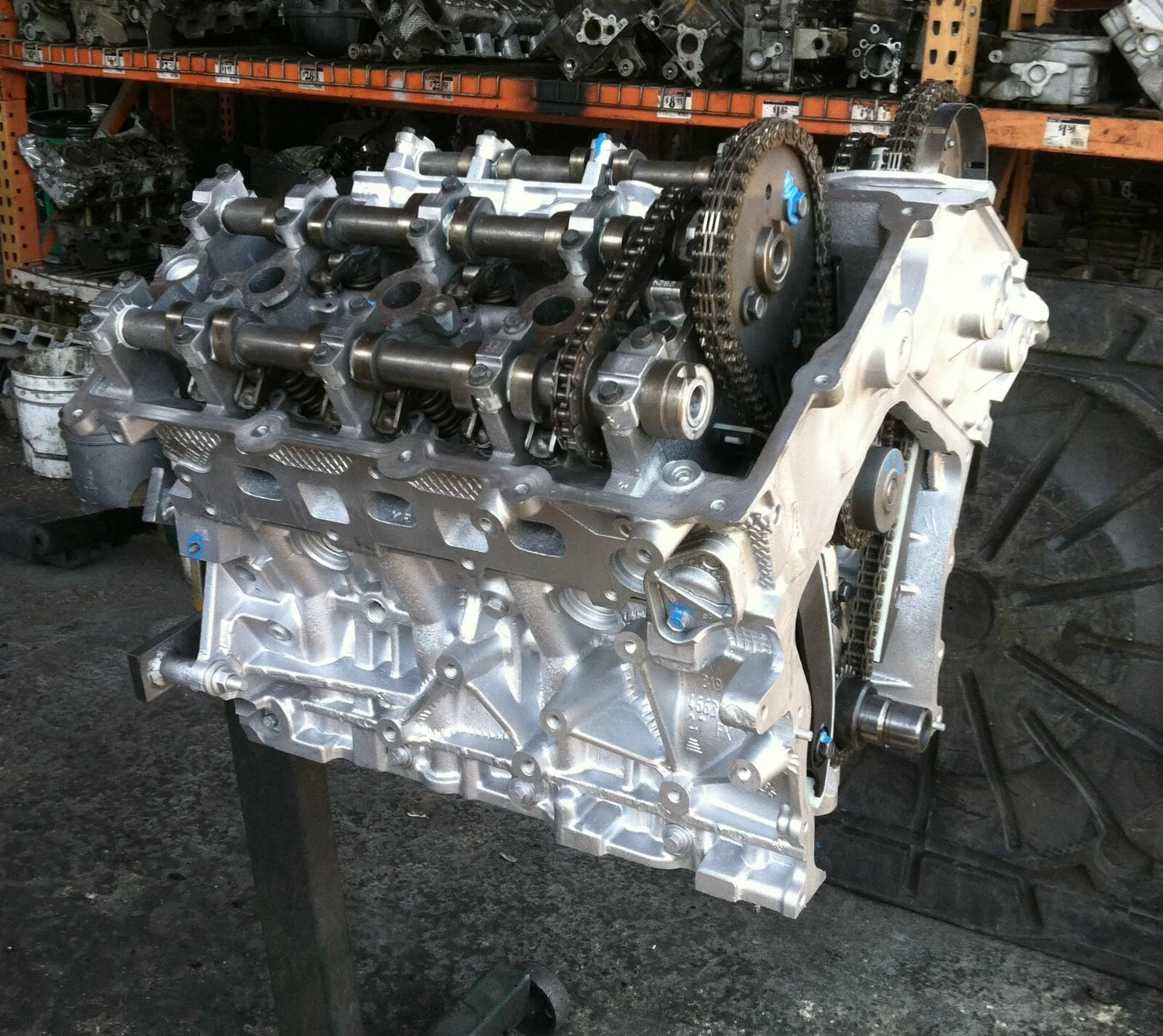
4. Chrysler 2.7L V6
People familiar with Chrysler’s 2.7L V6 engine often describe it as a good performer but highly sensitive to sludge. Short trips accelerated the issue dramatically.
Moisture gathers within the engine when the heat does not stay long enough. The PCV system struggles to remove those vapours effectively. Once oil thickens and starts forming residue, the engine begins to misbehave.
Chrysler Sebring, Chrysler Concorde, and Dodge Intrepid relied on this engine. Many owners shared unfortunate stories about complete engine failure caused by sludge.
Oil passages became narrow from grime buildup. Lubrication suffered, temperatures rose, and essential moving parts wore out quickly. Short journeys made things worse because vapours condensed and mixed with oil repeatedly.
Mechanics often found heavy sludge deposits behind timing covers, inside passage channels, and near the PCV hose. Some engines failed suddenly with little warning.
Once the oil pump pickup became blocked, pressure dropped drastically. This engine needed extremely clean oil to survive, and the PCV system did not offer enough moisture removal for frequent short trips.
Some owners attempted frequent oil changes to manage the situation. Others removed valve covers regularly for inspection. When the sludge forms deeply, rescuing this engine becomes difficult.
People planning to use vehicles with this powerplant must adopt strict maintenance habits and ensure longer drives occasionally. Without such discipline, sludge accumulation appears quickly and causes extensive damage.
Also Read: 5 Engines That Never Misfire in Rain vs 5 That Hate Puddles
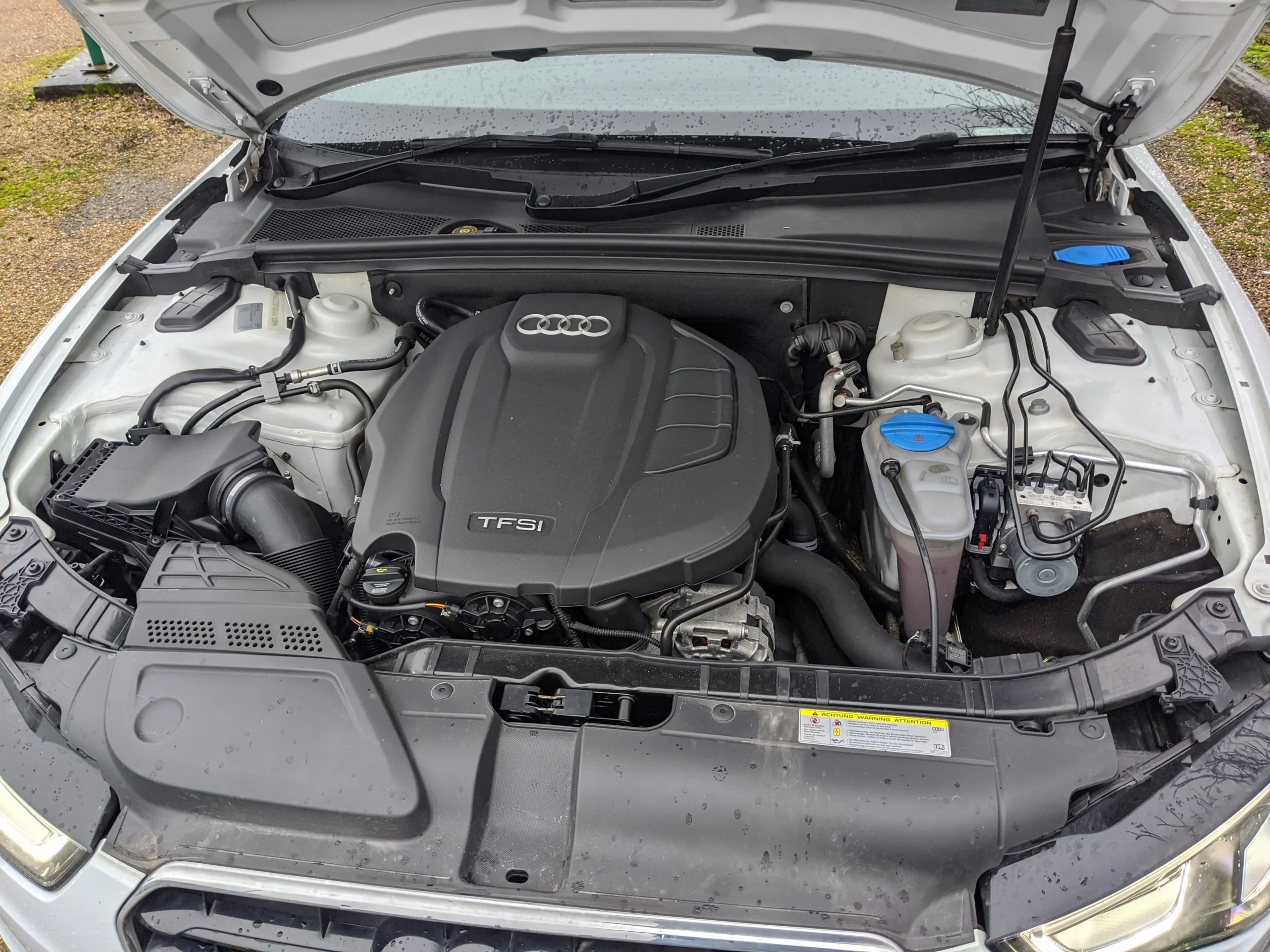
5. Audi 2.0 TFSI (Early Generation)
Drivers appreciated the power and torque of the early Audi 2.0 TFSI, yet sludge became a recurring issue when short trips dominated.
Vapours did not escape efficiently because PCV pathways clogged easily. Turbocharged engines need strong lubrication flow, but once sludge forms, everything begins to deteriorate.
Audi A4, Audi A6, and Audi TT from early TFSI generations experienced this issue. Performance remained strong, but internal cleanliness suffered.
Short drives never gave the engine enough heat to dry the moisture. Oil is then mixed with condensed vapours, turning thick and sticky. Mechanics found this residue near the PCV valve, inside the valve cover area and around the turbo feed lines.
Reduced airflow meant poor combustion and rough idling. Drivers who ignored the issue faced more serious consequences, such as oil starvation.
Turbocharger bearings suffer quickly when the sludge oil thickens. Some engines needed a complete teardown to remove hardened deposits. Short trips repeatedly created ideal conditions for sludge buildup.
Service recommendations encouraged frequent oil changes and PCV inspections. Synthetic oil helped, but did not eliminate the core design problem. Once the sludge blocked the pathways, cleaning required detailed labour.
Anyone interested in early Audi TFSI engines must stay vigilant. Sludge problems appear rapidly if the engine never reaches optimal temperature. Long drives help, but cannot fully undo the accumulated residue caused by careless habits.
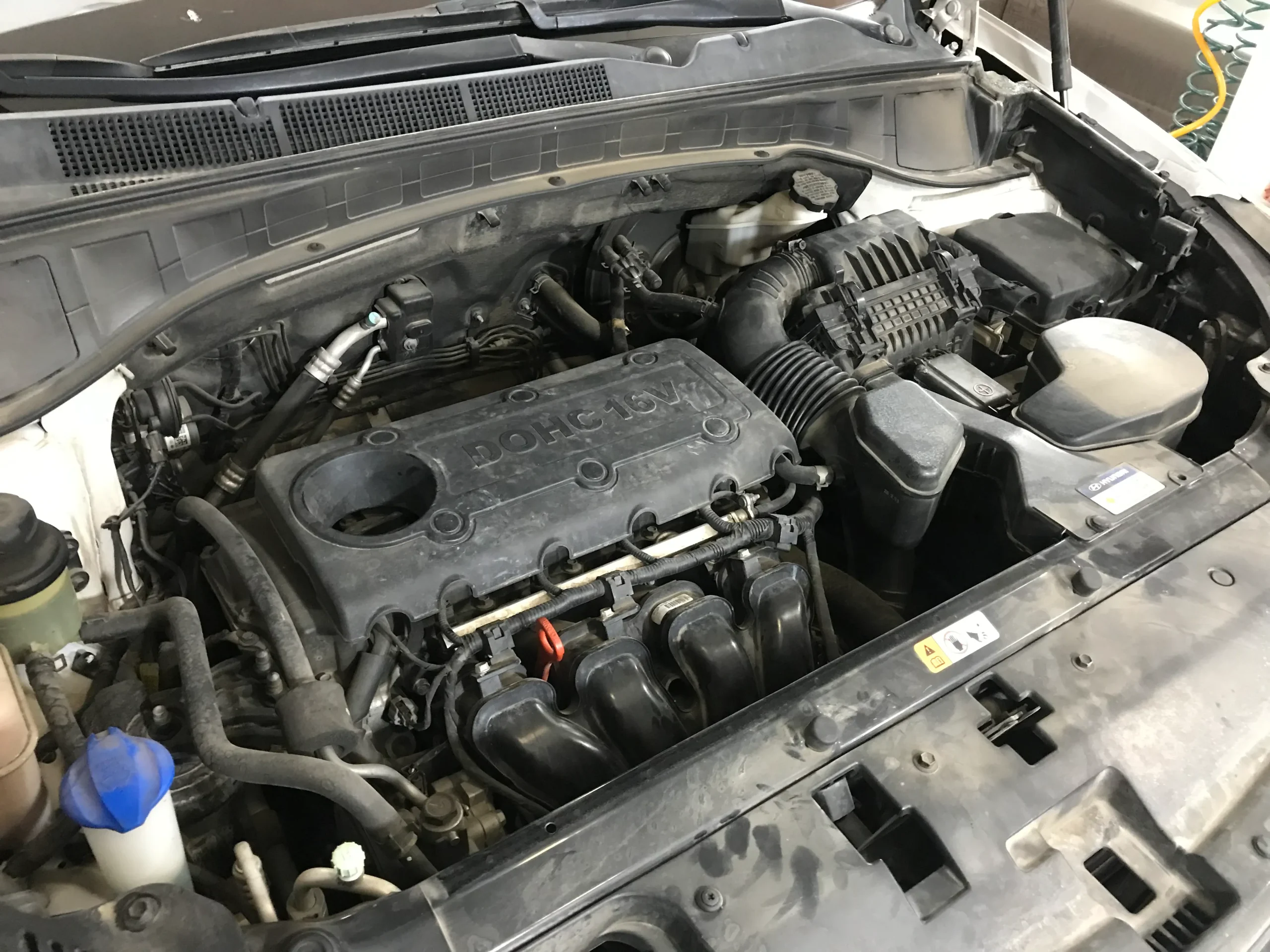
6. Hyundai Theta II 2.4
Plenty of drivers owned cars with the Hyundai Theta II 2.4 engine and discovered sludge tendencies when short trips became normal.
PCV performance struggled during cold starts. Moist vapours lingered inside instead of ventilating properly. Thick residue formed as oil and moisture mixed during repeated quick journeys.
Hyundai Sonata, Hyundai Santa Fe, and Kia Optima used this engine widely. While performance remained lively at first, early sludge signs appeared in engines driven mostly within city limits.
Mechanics frequently found deposits near the PCV valve and deep inside critical channels. These deposits hardened as time went on and disrupted lubrication.
Oil starvation became a risk because the sludge restricted flow. Engine noise increased, and power reduced gradually.
Short trips made the situation worse because combustion did not stay hot enough to dry internal moisture. Drivers unaware of the issue faced increasing oil consumption and rough idling.
Servicing this engine required attention to oil change intervals and PCV hose cleaning. Those who ignored early warnings often faced costly repairs.
Heavy deposits placed strain on bearings, timing components, and the oil pump. Despite its widespread use, sludge problems made this engine demanding when used mostly for short commutes.
Owners seeking reliability must treat it carefully. Proper warm-up, good oil choice,s and regular cleaning can help reduce the risk. Yet drivers who rely heavily on short trips should understand the Theta II 2.4’s vulnerability.
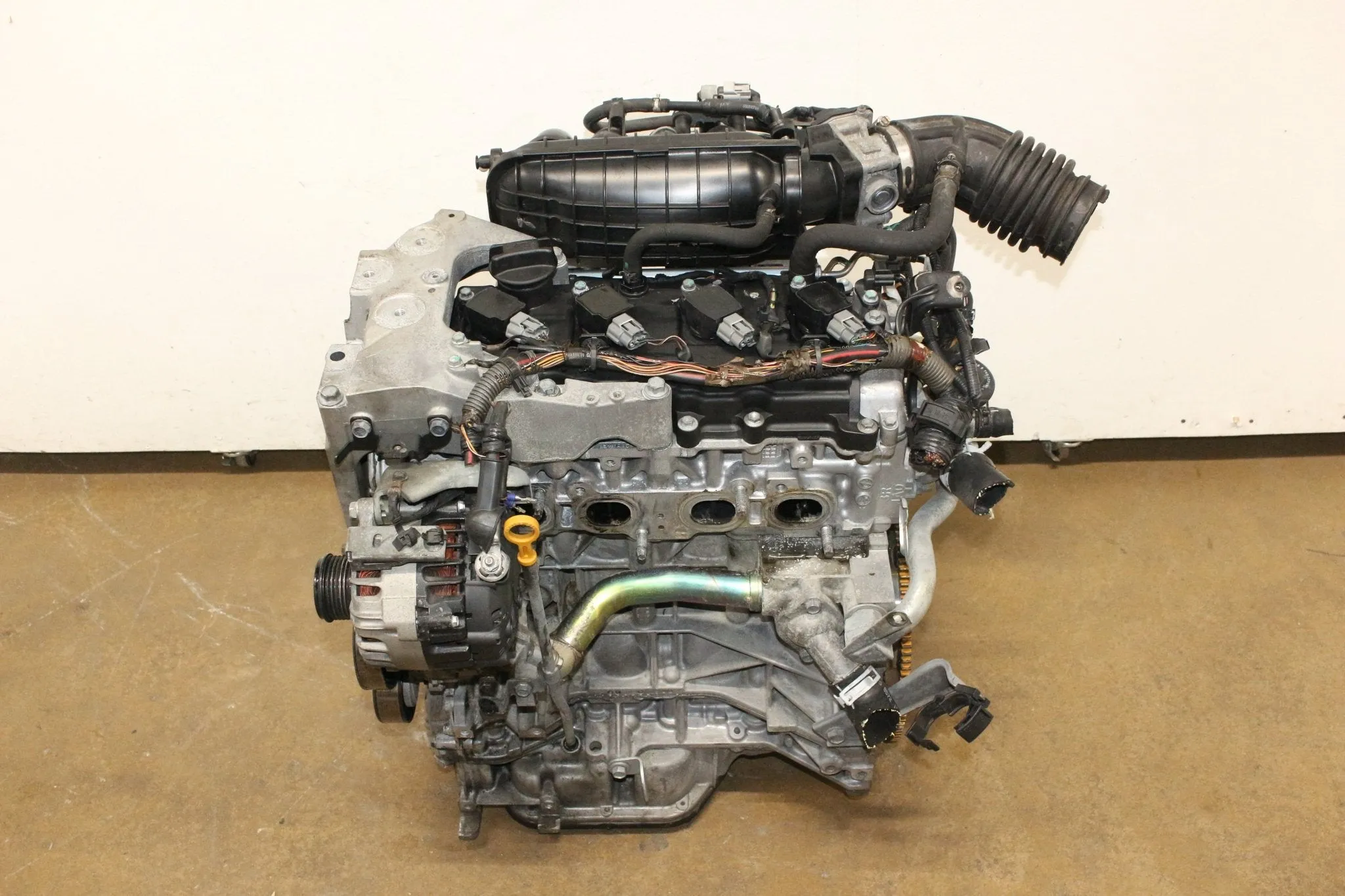
7. Nissan QR25DE
Plenty of Nissan drivers know that the QR25DE engine can develop sludge issues when subjected to too many short trips.
PCV flow becomes restricted easily due to moisture mixing with oil frequently. Sticky residue forms in hidden corners and thickens gradually. Short journeys never allow enough heat to clear those vapours properly.
Nissan Altima, Nissan Sentra, and Nissan Rogue carry this engine. While performance remains good initially, sludge buildup becomes noticeable as mileage increases.
Mechanics often find residue near the PCV valve, valves, and timing components. Sludge affects idle quality and reduces fuel efficiency.
Short trips increase the problem because combustion temperature stays low for most of the drive. Moisture condenses inside and mixes with the oil before escaping.
Once thick deposits form, lubrication struggles. Owners begin hearing strange noises or experience reduced acceleration. Some engines consume more oil once sludge interferes with internal sealing.
Servicing requires careful inspection and periodic cleaning to avoid costly damage. This engine performs best when given longer journeys occasionally to allow full heat cycles.
Drivers relying heavily on short commutes should understand how quickly sludge can develop inside the QR25DE. Good habits and frequent oil changes reduce the risk, but do not fully remove it.
