When it comes to buying a car, the joy of driving often clashes with the reality of maintenance and repair costs. Some vehicles are a delight for do-it-yourself enthusiasts, with affordable parts, straightforward engineering, and strong aftermarket support, making routine upkeep and small repairs manageable for owners.
On the other end of the spectrum are dealer-only nightmares, high-performance or luxury vehicles with complex systems, specialized parts, and labor-intensive repairs that make every visit to the shop a costly endeavor.
In this guide, we explore five models celebrated for cheap parts and DIY ease, from practical city crossovers like the 2025 Kia Soul to engaging sports cars like the Mazda MX-5 Miata and classic muscle icons like the Chevrolet Camaro.
We then contrast them with five dealer-dependent vehicles, including luxury SUVs like the BMW X6 M and heavy-duty pickups like the Ram 2500-5500, whose maintenance demands require specialized tools, trained technicians, and substantial budgets.
Understanding the trade-offs between hands-on ownership and dealer reliance can help buyers make smarter choices that match both their driving style and budget.
5 Models With Cheap Parts & DIY Ease
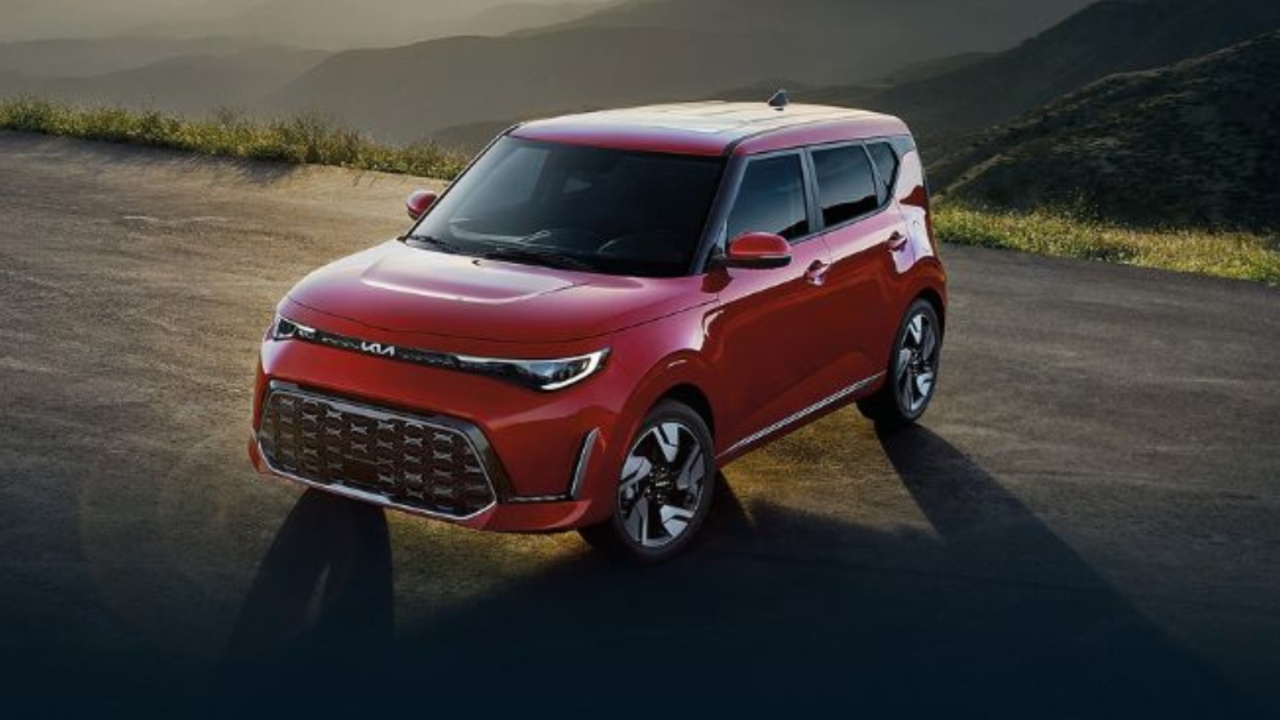
1. 2025 Kia Soul: Practical, Affordable, and Surprisingly Refined
The 2025 Kia Soul continues to rank as U.S. News’ top pick in the subcompact SUV class, recognized for its roomy interior, confident handling, and impressive value. With a starting price of $20,490, it remains one of the most affordable new cars available in the U.S., appealing to budget-conscious drivers and first-time buyers.
While it lacks all-wheel drive and comes with a modest 2.0-liter inline-four engine, these characteristics make it easier and less expensive to maintain. The Soul is not built for speed, yet its fuel efficiency of 29 mpg in the city and 35 mpg on the highway in the EX trim stands out among rivals.
Behind the wheel, the 2025 Kia Soul feels lively and responsive, especially during city driving. Its 2.0-liter engine may not be powerful, but a 0–60 mph time of 8.5 seconds is respectable for a subcompact SUV.
The steering feels natural, and the vehicle handles with a sense of stability that rivals sportier options such as the Mazda CX-30 and Mini Countryman. The firm yet composed suspension provides a smooth ride on rough roads without rattling or discomfort. The brake pedal can feel touchy at low speeds, though it becomes predictable with practice.
Visibility is excellent thanks to tall, narrow windows and an upright driving position. The Soul does not include a surround-view camera, but its driver-assistance features, like lane-keeping and forward collision warning, perform with consistent accuracy and do not issue unnecessary alerts.
Inside, the Kia Soul’s cabin focuses on comfort and functionality. Its simple dashboard layout is easy to use, and the height-adjustable driver’s seat with a wide steering wheel adjustment range allows drivers of many sizes to find a good position. The front seats remain supportive during long trips, and the rear seats, though not adjustable, are reclined at a comfortable angle.
The tall roofline and large door openings make it easy to enter and exit. Despite being compact, the Soul provides ample headroom and legroom for four adults, even on extended journeys. Installing a child seat can be frustrating because of deeply set anchors and limited access to tethers in the base trim.
At highway speeds, wind and tire noise are noticeable but not excessive. The CVT’s simulated gear shifts reduce engine drone and contribute to a more pleasant driving experience than many similar transmissions.
The 2025 Soul offers a strong selection of technology features. Most trims include a 10.25-inch touchscreen with built-in navigation, though the graphics and interface feel slightly outdated. Apple CarPlay and Android Auto are standard, allowing smooth smartphone connectivity. An optional Harman Kardon sound system enhances audio quality, and wireless charging adds convenience for modern drivers.
The Soul’s cargo area is one of its best assets. With 24.2 cubic feet of space, it surpasses many competitors, although a raised section behind the rear seats can make hauling large items more difficult. Storage for smaller belongings is plentiful, with multiple bins and compartments throughout the cabin.
In terms of value, the Kia Soul delivers a great deal for its price. Even fully equipped, it remains under $25,000 and includes thoughtful touches such as synthetic leather armrests, a leather-wrapped steering wheel, and textured trim that enhances visual appeal.
Fuel economy estimates sit at 30–31 mpg combined, which matches most vehicles in its category, though achieving these numbers in real-world driving can be challenging.
The 2025 Kia Soul distinguishes itself with unique styling, generous interior space, and affordability. Its boxy design maximizes passenger and cargo room while maintaining a distinctive look. Though it lacks strong acceleration and all-wheel drive, the Soul’s combination of reliability, comfort, efficiency, and technology proves that a low-cost car can still be stylish, practical, and enjoyable to drive.
2. 2025 Mazda MX-5 Miata: A Pure and Engaging Driver’s Car
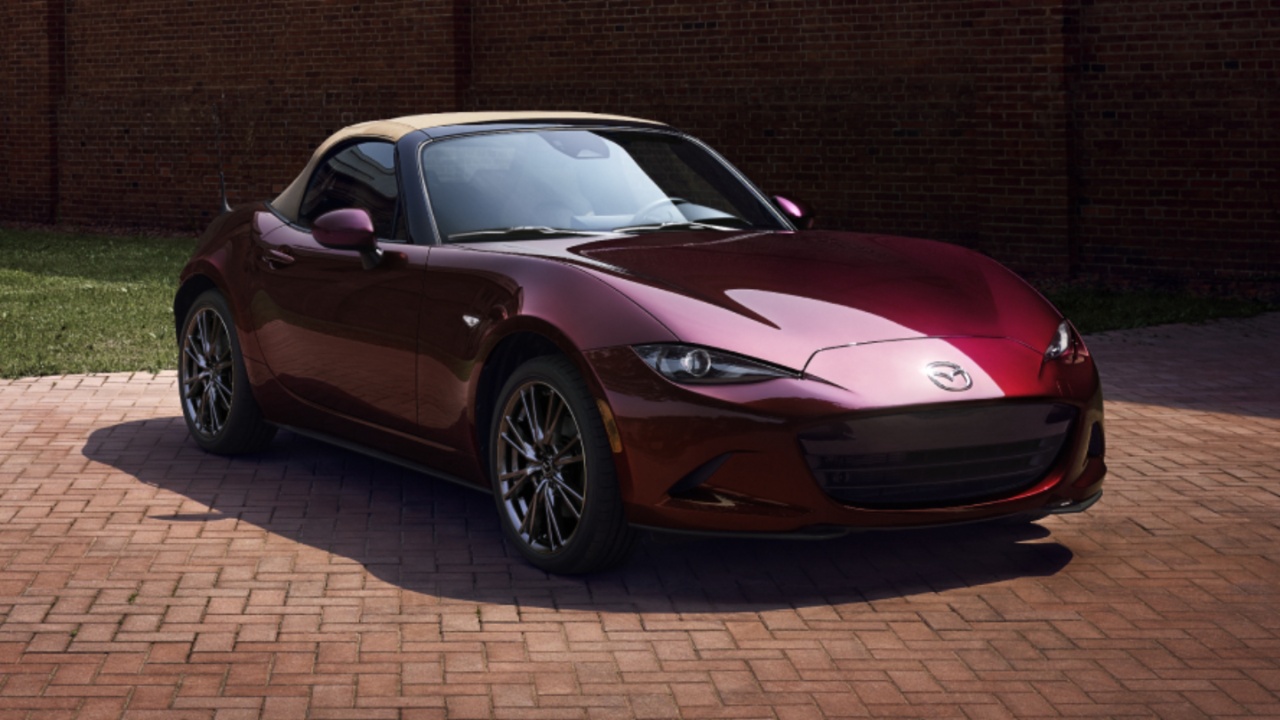
The 2025 Mazda MX-5 Miata remains one of the most beloved sports cars on the road, combining affordability, simplicity, and pure driving enjoyment. Priced from $29,530, it stands out as an accessible entry into true sports car ownership. The Miata’s rear-wheel-drive layout, naturally aspirated inline-four engine, and standard manual transmission make it a dream for at-home mechanics.
Its straightforward design, roomy engine bay, and strong aftermarket community ensure that maintenance and customization are easy and rewarding. Buyers can choose between a manual cloth top and a power-operated targa roof, with the manual option favored for its lighter weight and simplicity.
The 2025 Miata offers an engaging and agile driving experience that prioritizes the connection between driver and machine. Weighing far less than most modern cars, it feels light, sharp, and responsive. In testing, the manual Miata reached 60 mph in 6.4 seconds, a touch slower than the Subaru BRZ’s 6.1 seconds but still brisk enough to deliver excitement. The braking distance of 113 feet from 60 mph is equally impressive.
The car shines on twisty roads, where it communicates every bit of grip and road texture to the driver. Steering is quick and precise, and while body lean is noticeable in hard cornering, it enhances feedback rather than reducing confidence. This makes the Miata easy to control even at its limits, a hallmark of Mazda’s driver-focused philosophy.
Though small sports cars are rarely known for comfort, the Miata’s cabin is more livable than expected. It rides firmly but absorbs small imperfections well. Larger bumps can feel harsh, but the experience is never punishing. The seats are supportive and comfortable, making long drives feasible, though some drivers may find the bolstering slightly awkward.
Wind noise is the Miata’s most significant comfort drawback. With the top up, highway driving can become loud enough to require raised voices, while driving with the top down remains breezy and fun. The seat heaters are effective, making the car surprisingly usable even in cooler weather.
Inside, the Miata offers a driver-centric layout with a simple, elegant design. The compact cabin means all controls are within easy reach, but taller drivers may struggle with limited headroom and legroom. The infotainment system includes a control knob and touchscreen, though the knob’s placement can be awkward.
Standard features include two USB ports, Apple CarPlay, and Android Auto. The available nine-speaker Bose audio system produces clear, powerful sound that competes with road noise effectively. Driver assistance features such as blind-spot monitoring and lane departure warning enhance safety without detracting from the analog driving experience.
Practicality is limited, as expected from a two-seat roadster. The 4.6-cubic-foot trunk fits a small suitcase or grocery bags but leaves little space for larger items. There is no glovebox, only a small bin between the seats for essentials. Storage is minimal, but for those seeking driving enjoyment, practicality is a secondary concern.
Despite its performance focus, the Miata remains efficient. The EPA rates the six-speed manual version at 29 mpg combined, a figure easily achieved in real-world conditions. The build quality is solid, with high-quality materials and tight assembly that give the car an upscale feel.
Mazda’s three-year/36,000-mile warranty and five-year/60,000-mile powertrain coverage are standard for the segment. Even with higher trims and options, the Miata remains an exceptional value, blending craftsmanship, reliability, and excitement in a way few cars can match.
The 2025 Mazda MX-5 Miata captures the essence of driving purity in a compact, well-built package. Its light weight, precise handling, and mechanical simplicity deliver unmatched engagement behind the wheel.
While space and noise levels reflect its minimalist design, the Miata rewards drivers with a sense of connection that few vehicles can replicate. It proves that driving pleasure does not require excessive power or luxury, just thoughtful engineering, balance, and passion.
4. 2025 Nissan Versa: Affordable, Practical, and Surprisingly Refined
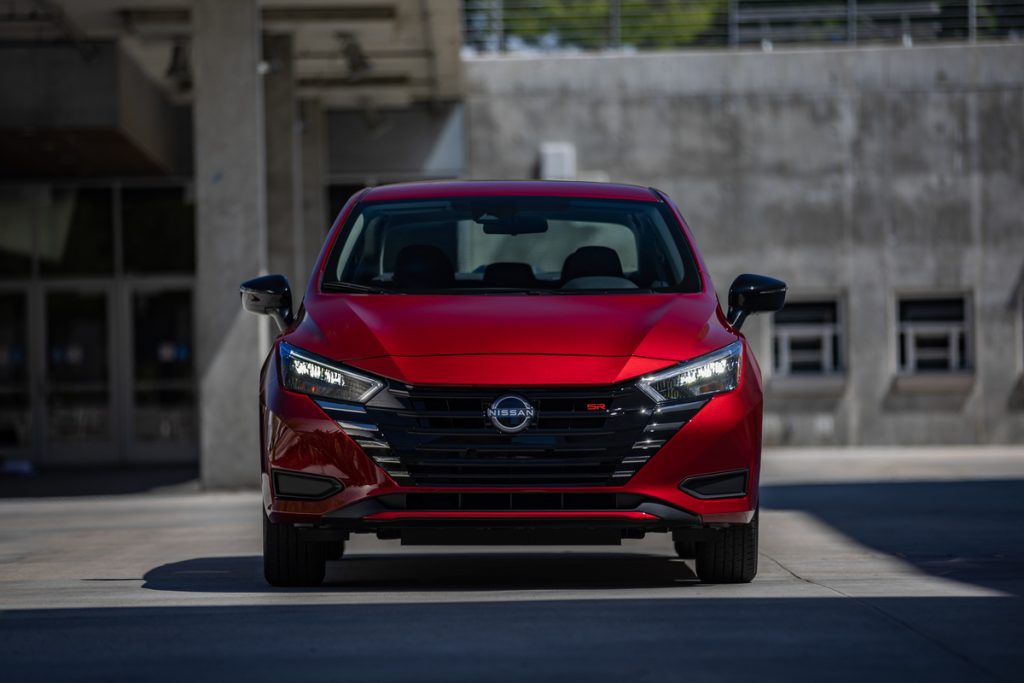
The 2025 Nissan Versa continues the tradition of old-school subcompact sedans while incorporating modern features and a warranty that provides peace of mind. Starting at $17,190, it is the most affordable new car in the United States.
The Versa’s naturally aspirated four-cylinder engine paired with a five-speed manual transmission reinforces its reputation as a low-cost, easy-to-maintain vehicle. While not powerful, with 122 horsepower, it meets the needs of daily driving, particularly for city commutes and routine errands.
The Versa’s performance aligns with its economy-oriented design. Acceleration is leisurely, with a 0–60 mph time of 10.4 seconds, making it one of the slower cars tested in its class. However, it handles surprises with its composure in corners. The steering is slightly heavy and numb, but the sedan responds predictably, and the brakes allow smooth stops during regular and emergency driving.
Comfort is adequate for short- to medium-length drives. The SR trim features firm, supportive cloth seats, though the lack of lumbar support may affect longer journeys. Rear seating provides similar firmness, but taller passengers may feel constrained by the headliner.
Ride quality is smooth over most roads, although bumpy surfaces expose the vehicle’s basic suspension. Wind noise is noticeable, and climate controls are straightforward and easy to operate.
The cabin is spacious for a subcompact car. Large windows and a short hood improve visibility, while the touchscreen is responsive and controls are intuitive.
The SR trim includes an 8-inch touchscreen, a six-speaker audio system, wireless charging, and Apple CarPlay and Android Auto compatibility. Advanced driver aids such as forward collision warning and lane-keeping alerts are effective, though the backup collision mitigation system can be overly sensitive.
Trunk space reaches 15 cubic feet, above average for its class, and rear seats fold for extra cargo flexibility. Small-item storage is limited, but child seat installation is manageable.
Fuel efficiency is a major highlight. The CVT automatic achieves an EPA-estimated 35 mpg combined, with real-world testing averaging 41.1 mpg. The Versa delivers excellent value. It offers more refined materials and technology than typical subcompact sedans while remaining budget-friendly.
Warranty coverage is average for the class, with three years/36,000 miles basic and five years/60,000 miles powertrain protection. The 2025 Nissan Versa is a practical, efficient, and affordable choice for drivers seeking reliable transportation with modern conveniences.
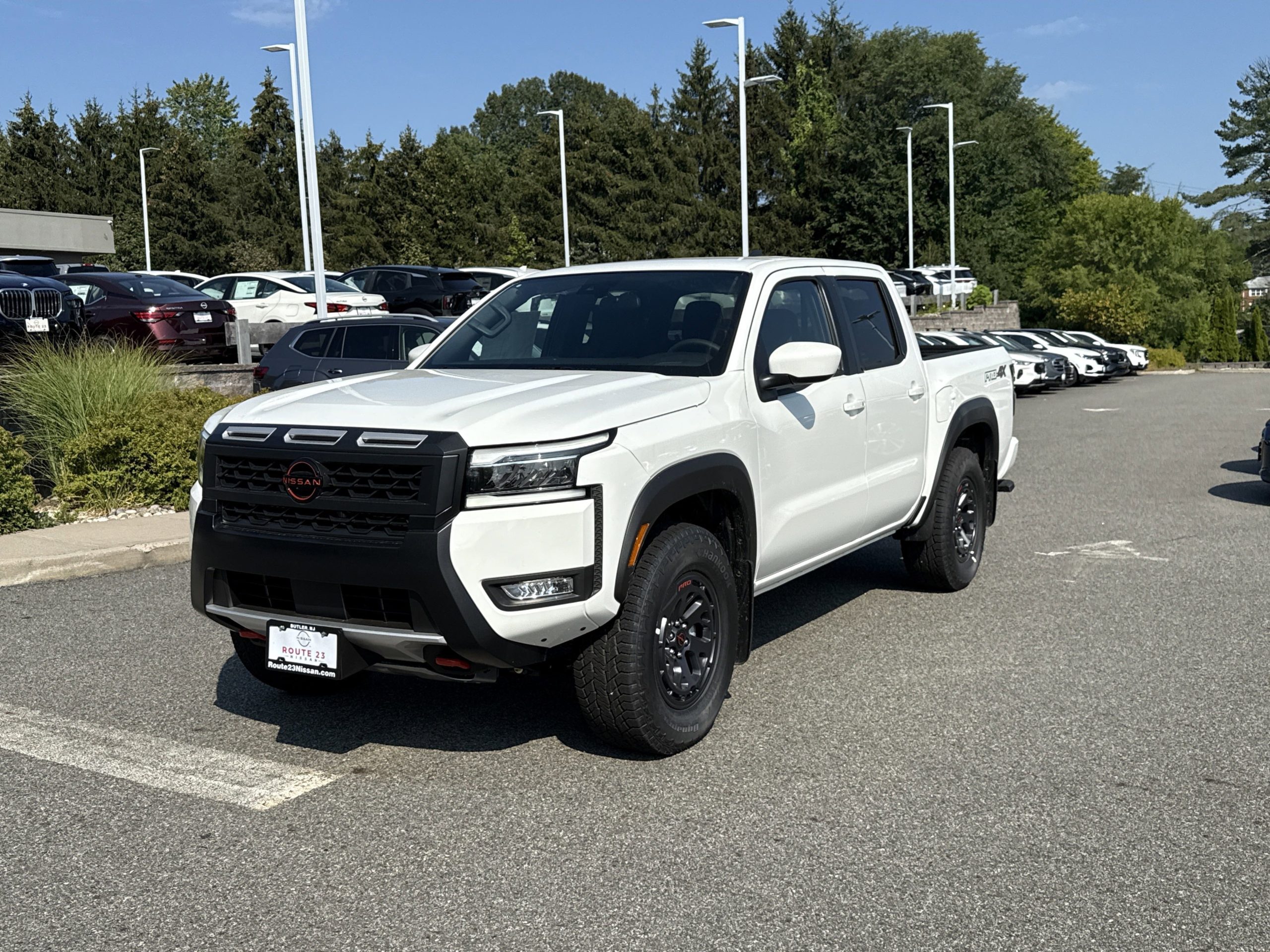
4. 2025 Nissan Frontier: A Rugged Throwback with Modern Touches
The 2025 Nissan Frontier remains one of the few pickup trucks that stay true to a traditional design philosophy. It continues to use a body-on-frame construction, providing durability and toughness for work or off-road use.
Its 310-horsepower 3.8-liter V6 engine delivers strong performance without relying on turbocharging, while its hydraulic power steering system offers a more natural and mechanical steering feel that many modern trucks have lost. Priced competitively against the Toyota Tacoma and Ford Ranger, the Frontier appeals to drivers who want capability, simplicity, and reliability.
On the road, the Frontier combines strength and stability. The Pro-4X model, designed for off-road driving, accelerates from 0 to 60 mph in 7.8 seconds, which is typical for the midsize pickup segment.
The V6 engine provides strong power through the middle of the rev range, and the nine-speed automatic transmission delivers smooth, well-timed shifts. The brakes are easy to modulate in traffic and provide solid stopping power under load.
The steering feels heavy at low speeds, which requires more effort when maneuvering in tight areas, but it helps the truck feel secure at higher speeds. The ride quality is comfortable for a truck of its size, remaining steady and composed even on rough roads.
While it performs well on light trails, it does not match the off-road capabilities of the Toyota Tacoma TRD Pro. Driver-assistance technology is available but limited in scope, lacking features such as lane-keeping assist. The backup and surround-view cameras also have low image resolution.
Inside, the Frontier focuses on practicality rather than luxury. The front seats are supportive but firm, with limited adjustment options that might make it difficult to find the perfect position for long drives. The rear seats are tight for adults, offering limited legroom compared with some competitors.
Despite these shortcomings, the interior design is functional and improved, featuring a large infotainment screen and well-spaced climate controls. Some buttons are awkwardly placed, and the steering wheel-mounted menu controls could be easier to use.
Wind noise becomes noticeable on the highway, while road and tire noise are well managed. The Frontier’s cabin materials are sturdy and built to withstand daily wear.
The 2025 Frontier includes a standard 8-inch touchscreen or an optional 12.3-inch display on higher trims. Both support Apple CarPlay, Android Auto, and available wireless charging.
The optional 10-speaker Fender sound system delivers clear and powerful audio, though its subwoofer reduces available underseat storage. The infotainment system functions well, but looks dated compared with systems in Ford and Toyota trucks.
The Frontier’s interior storage options are practical, with a large tray ahead of the shifter, multiple cupholders, and a roomy center console. The rear seat cushions lift up to reveal extra compartments, although the seatbacks do not fold flat.
When properly equipped, the Frontier can tow up to 7,040 pounds and handle a payload of up to 1,480 pounds. These figures are sufficient for hauling small trailers or heavy loads. Buyers can add features such as tie-down cleats, a spray-in bedliner, under-rail lighting, and a 120-volt outlet for improved versatility.
Fuel economy is respectable for a midsize pickup, with the EPA rating the four-wheel-drive version at 19 mpg combined, a figure that matches real-world results.
The Frontier offers solid value with pricing similar to other midsize trucks but generally undercutting high-end versions of the Tacoma and Ranger. Build quality is excellent, and interior materials feel durable and well-assembled.
Nissan provides a three-year or 36,000-mile basic warranty and a five-year or 60,000-mile powertrain warranty, both average for the class. Roadside assistance lasts for three years, and there is no free maintenance plan.
The 2025 Nissan Frontier is an appealing choice for buyers who want a dependable, simple, and rugged pickup. It may not have the most advanced technology or the smoothest ride, but it delivers honest capability, strong performance, and traditional truck character. For those who appreciate durability and straightforward engineering, the Frontier remains a trustworthy and distinctive option in the midsize truck segment.
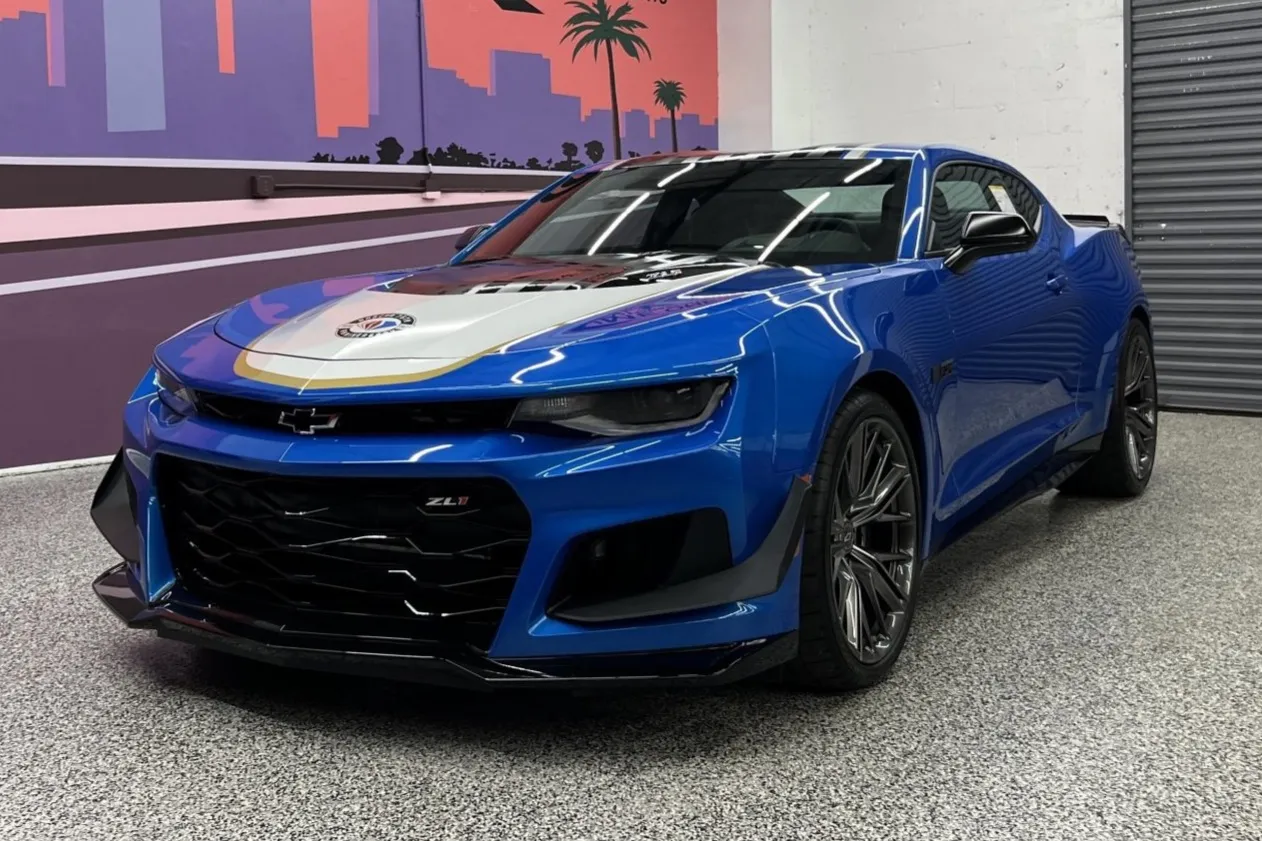
5. 2024 Chevrolet Camaro: The Modern Muscle Icon
The 2024 Chevrolet Camaro represents the final chapter of one of America’s most iconic muscle cars. Blending raw power with modern engineering, it remains a favorite among driving enthusiasts and do-it-yourself mechanics.
With a high J.D. Power reliability score, a rear-wheel-drive layout, and a longitudinally mounted V6 or V8 engine, the Camaro offers easy access for repairs and modifications. Its manual transmission option enhances engagement and simplicity, while the robust aftermarket support keeps it appealing to gearheads.
Whether powered by the energetic V6, the muscular V8, or the monstrous supercharged ZL1 V8, the Camaro delivers a pure, old-school driving experience rooted in performance and style.
The 2024 Camaro continues to uphold its legacy as a true driver’s car. It offers a range of engines that deliver thrilling acceleration and sharp handling.
The 6.2-liter V8, producing over 450 horsepower, delivers the full muscle-car experience, while the V6 and turbocharged four-cylinder engines offer a balance of power and precision. Acceleration times rival or surpass those of the Ford Mustang, and braking performance is equally impressive.
Handling has been refined compared with earlier generations. Lighter engine options provide greater agility, while V8-equipped models achieve higher cornering limits thanks to sticky performance tires. The manual transmission is particularly rewarding, with crisp gear shifts and a rev-matching system that produces smooth downshifts even for inexperienced drivers.
Despite its aggressive nature, the Camaro provides a comfortable ride for a performance coupe. The base suspension offers a compliant balance between sportiness and everyday usability. The optional Magnetic Ride Control system, available on V8 trims, adapts to varying road conditions, maintaining stability and comfort.
The front seats offer solid lateral support without feeling restrictive, though some drivers may find the seat cushions tight. The cabin includes soft-touch armrests and padded surfaces that improve comfort during long drives.
As expected, the rear seat is cramped and best suited for small children or additional cargo. The climate control vents, positioned low in front of the gear shifter, are effective but oddly located, often blowing directly onto the driver’s hand.
The interior design of the Camaro combines function with flair, though visibility remains a major drawback. The high beltline, thick pillars, and narrow windows create large blind spots, making tight parking situations challenging. Forward visibility is also limited, and shorter drivers may struggle to see over the dashboard.
Controls are logically arranged after a brief adjustment period, and the front cabin feels spacious unless equipped with the optional sunroof. The infotainment system is responsive and visually appealing, but the standard touchscreen is small and angled awkwardly toward the driver.
Higher trims add a larger display, navigation, and critical safety features like blind-spot monitoring and rear cross-traffic alert, which help mitigate the car’s visibility issues.
Practicality is not the Camaro’s strong suit. The 9.1-cubic-foot trunk is the smallest in the segment, and the narrow opening and high liftover height make loading bulky items difficult. The door pockets and center console are small, but the rear seat can double as extra storage space for bags or small gear.
Fuel economy is typical for the class, with the V8 automatic achieving 20 mpg combined, the V6 automatic 22 mpg combined, and the four-cylinder 25 mpg combined. These figures are competitive with other performance coupes.
The 2024 Camaro offers remarkable value for the performance it delivers. With a starting price in the mid-$20,000 range, it provides a driving experience that rivals far more expensive sports cars.
The cabin quality is solid, with sturdy construction and minimal rattles, though some hard plastics feel out of place. From the base model to the track-ready ZL1, the Camaro offers strong performance, sharp handling, and timeless style.
As one of the last true American muscle cars, the 2024 Chevrolet Camaro combines nostalgic character with modern precision. It remains an outstanding choice for enthusiasts who value performance, mechanical simplicity, and the thrill of driving a powerful rear-wheel-drive coupe built for pure enjoyment.
Also Read: 10 Cars That Offer Thrills Without Sacrificing Practicality
5 Dealer-Only Nightmares
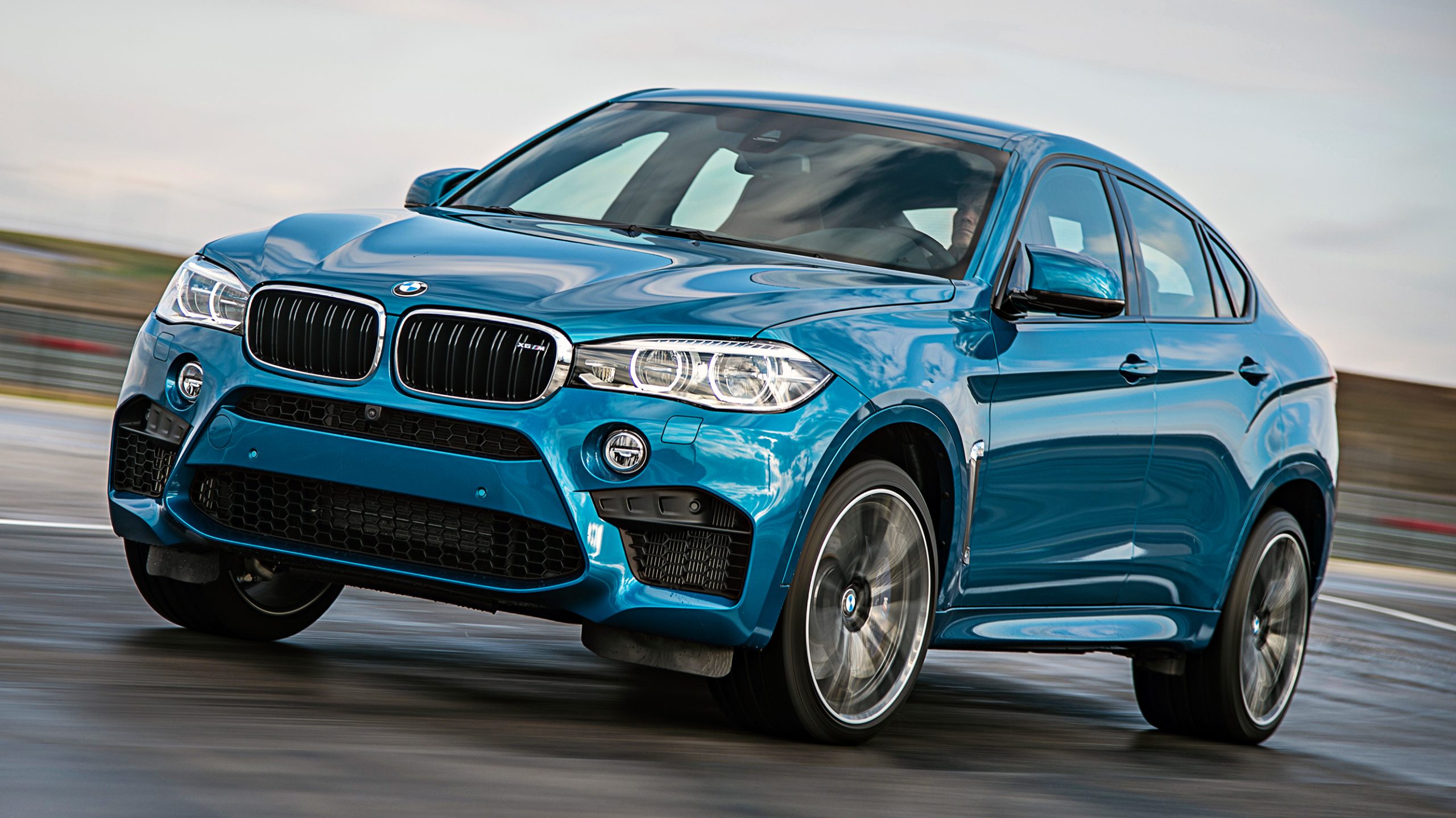
1. BMW X6 M: Power, Precision, and High Repair Costs
The BMW X6 M is the high-performance variant of the X6 lineup, blending the strength of an SUV with the sleek styling of a coupe. Its aggressive design, powerful engine, and advanced technology make it one of the most capable luxury SUVs available, but also one of the most expensive to maintain.
Over ten years, ownership costs average $18,900, with repair expenses rising from $693 in the first year to $3,479 by year ten, and a 54.6% chance of needing a major repair.
The X6 M’s complex engineering and cutting-edge electronics contribute to these high costs. Its intricate systems demand specialized diagnostic tools and technicians trained specifically in BMW performance vehicles. Routine maintenance and seemingly simple repairs often take longer because of the SUV’s tight packaging and intricate design.
Performance parts also play a major role in its expensive upkeep. The X6 M uses premium components such as high-performance tires, suspension parts, and brakes that wear out faster due to the vehicle’s weight and power. Replacement parts are costly, and limited aftermarket availability often forces owners to buy OEM parts directly from BMW.
Labor costs further increase total expenses. Only qualified BMW specialists can handle many of the vehicle’s repairs, and their higher hourly rates add to the financial burden. The result is a luxury SUV that delivers exhilarating performance and prestige but demands significant investment in both parts and expertise to keep it running at its best.
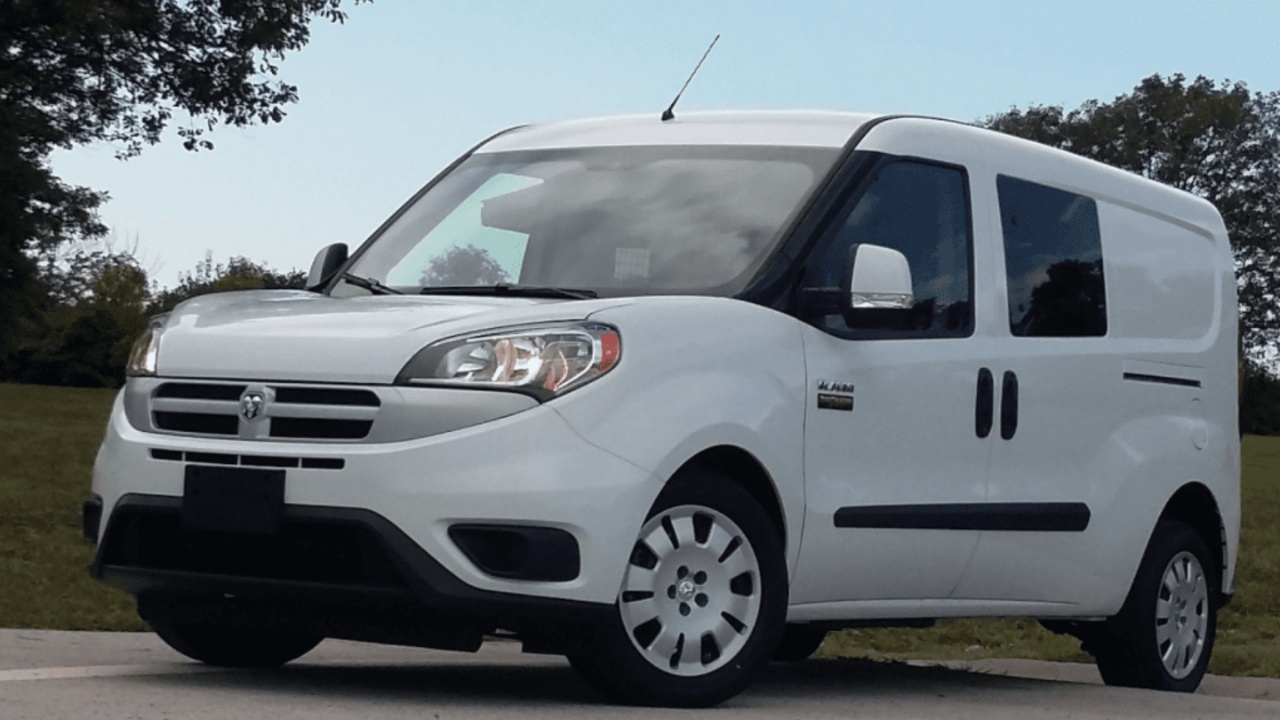
2. Ram ProMaster City/Cargo Van: Practical Utility with High Maintenance Demands
The Ram ProMaster and ProMaster City vans are designed for small business owners who need compact, versatile commercial vehicles for urban use. Despite their practicality, they carry a steep price in upkeep. Over ten years, maintenance costs range from $19,870 to $20,061, starting at $621 in the first year and climbing to $3,845 by year ten, with a 63.2% chance of needing a major repair.
These vans face common repair issues centered on the engine and transmission. Early models, particularly from 2014 to 2016, suffered from transmission problems that sometimes required complete replacements.
Owners also report quirks with the fly-by-wire system, which can cause unexpected engine braking but can often be corrected through software updates or a system reset. The Pentastar V6 engine, though widely used, is known for several faults, including worn valve lifters, leaking oil coolers, and failing thermostats, with individual repair costs ranging from $1,000 to $1,500.
The electrical system can also be troublesome, with issues in window switches, infotainment systems, and expensive-to-replace headlights. The combination of these recurring mechanical and electrical issues contributes significantly to the van’s high long-term costs.
Owners are advised to prioritize proactive maintenance to minimize repair bills. Regularly changing transmission fluid, replacing the stock oil cooler with an aluminum version, and addressing minor issues early can help extend reliability. Checking maintenance records is essential when buying used, as well-cared-for examples fare better against these known weak points.
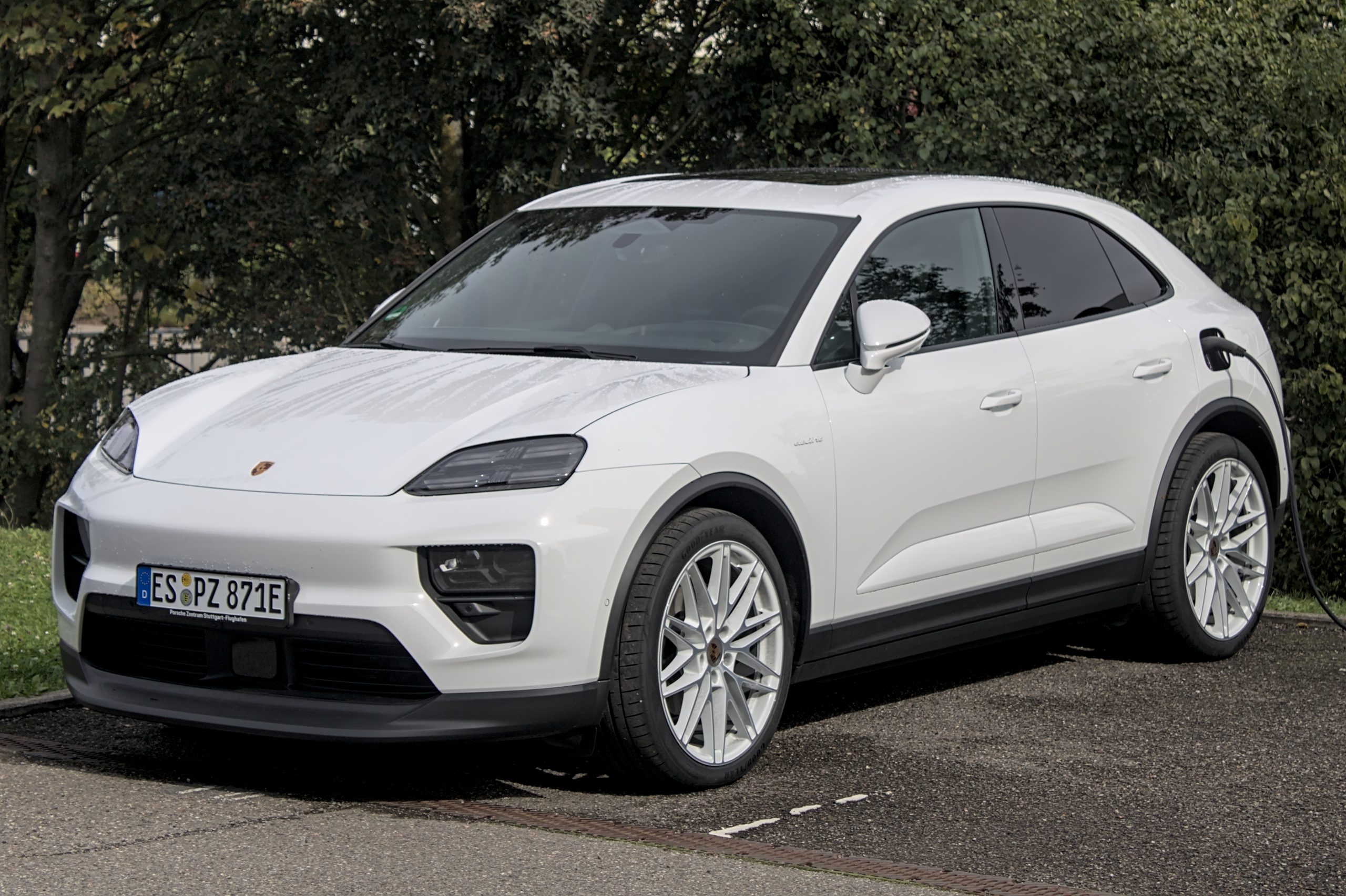
3. Porsche Macan: Luxury Performance with High Repair Demands
The Porsche Macan delivers exceptional performance and refinement, but ownership comes at a high price. With a 10-year maintenance cost of $20,137, expenses start at $679 in the first year and reach $3,786 by year ten, while the chance of a major repair stands at 60.9%. The Macan’s engineering excellence also makes it one of the most complex and costly compact SUVs to maintain.
The main drivers of these costs are specialized parts, intensive labor, and complex systems. Porsche components are built to precise standards and are often available only through the manufacturer. For instance, a used Macan S engine can cost up to $10,000, and rebuilding one may exceed $6,500 in parts alone.
Labor adds significantly to repair bills since many jobs, such as fixing oil leaks or removing head gaskets, require specialized tools and extensive time. Rusted or hard-to-reach parts further increase labor complexity.
Maintenance must also follow a strict schedule. Oil changes are required every 7,500 miles or annually, and PDK transmission fluid must be replaced every four years or 40,000 miles. Neglecting these intervals can lead to serious mechanical issues. The Macan’s advanced air suspension and electronic systems add to its repair challenges, as leaks and electrical faults are both common and costly.
Owners can manage costs by using certified Porsche mechanics, adhering to maintenance schedules, and considering extended warranties. Simple DIY tasks, like oil changes, can reduce expenses, but major repairs should always be handled by trained professionals.
4. Porsche Cayenne: Premium Performance with Premium Repair Costs
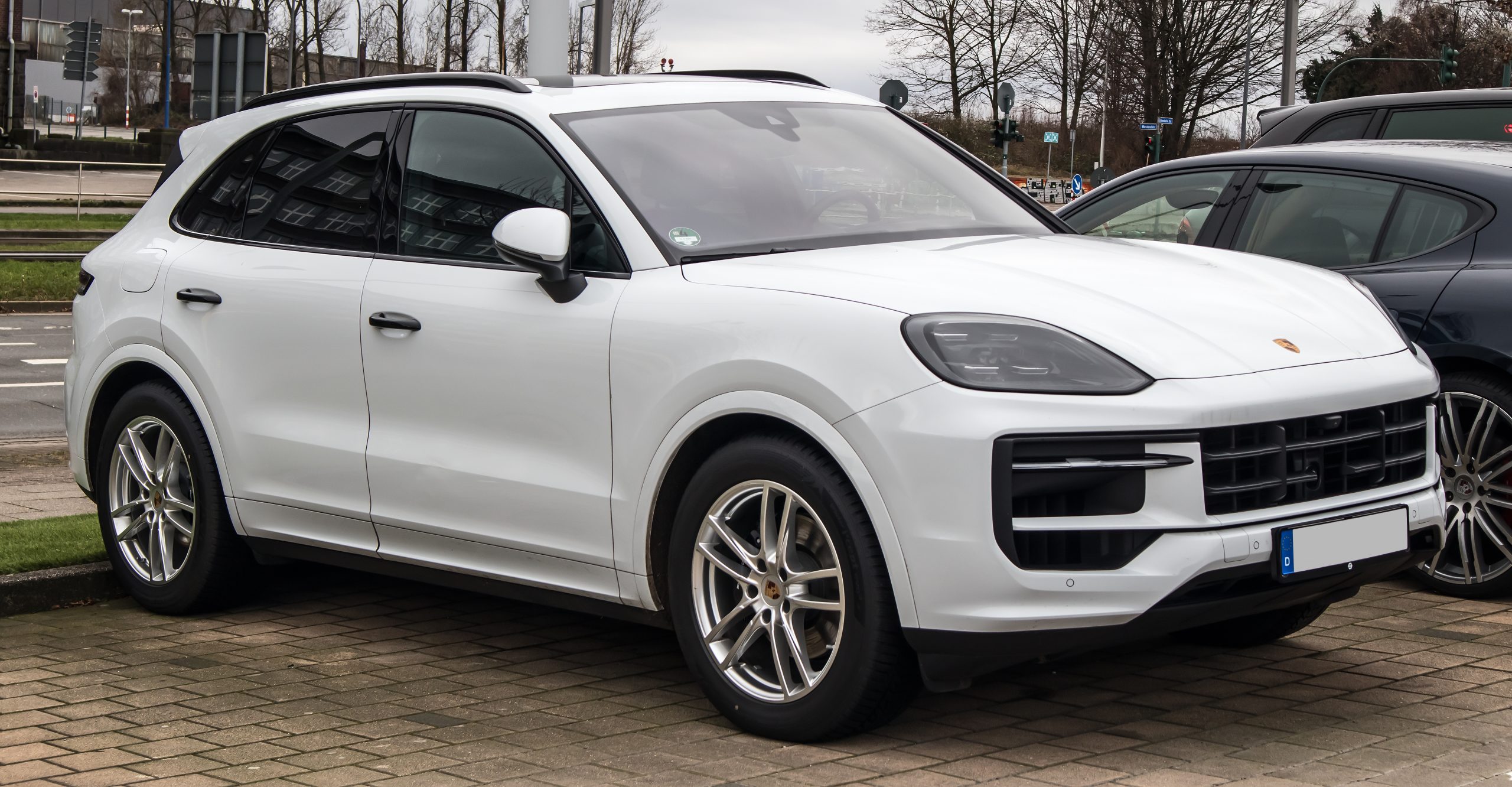
The Porsche Cayenne blends sports car performance with SUV practicality, but its long-term ownership costs are among the highest in its class. With a 10-year maintenance cost of $20,552, expenses start at $721 in year one and rise to $3,827 by year ten, while the chance of a major repair is 60.9%. Its advanced engineering, luxury components, and specialized servicing needs make it both impressive and expensive to maintain.
The Cayenne’s high repair costs stem from its premium parts, specialized labor, and complex systems. Porsche insists on genuine OEM parts, which are costly and often only available through authorized suppliers.
Its high-performance components, such as powerful brakes and wide tires, wear faster due to the SUV’s weight and performance demands. Porsche’s commitment to high-grade materials and precision engineering also adds to repair and replacement costs.
Servicing the Cayenne is particularly challenging because it requires technicians with Porsche-specific expertise. The SUV’s advanced systems, including air suspension and intricate electronics, can fail as the vehicle ages, leading to expensive and labor-intensive repairs. Certain older models are prone to engine, coolant, and oil leak issues, which require extensive work to fix.
Owners can manage expenses by strictly following maintenance schedules, using certified Porsche technicians, and sticking to genuine OEM parts. Maintaining full insurance coverage is also recommended due to the vehicle’s high repair costs. While the Cayenne delivers unmatched luxury and driving performance, these qualities come with equally elevated upkeep demands.
5. Ram 2500-5500: Heavy-Duty Capability with High Ownership Costs
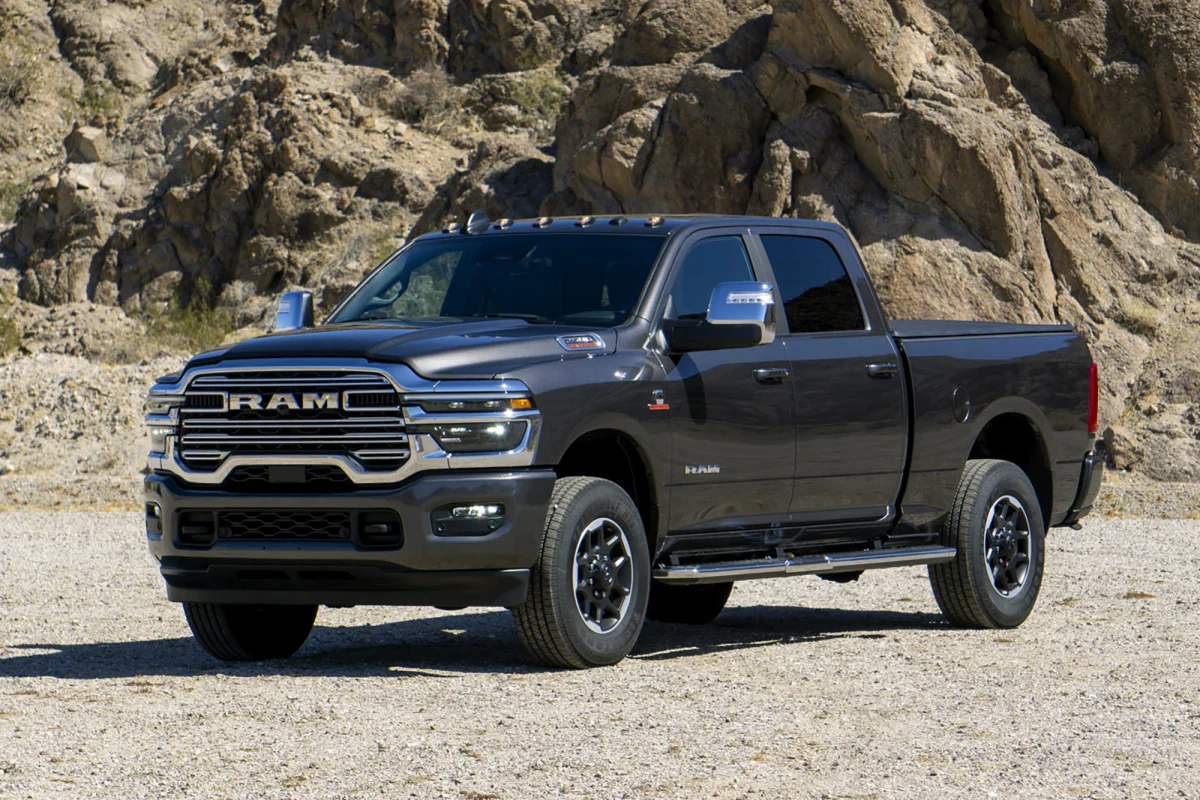
The Ram 2500-5500 series represents the pinnacle of heavy-duty pickups, offering unmatched towing and hauling capabilities. However, this strength comes with a steep cost of ownership.
Over ten years, maintenance and repair costs range from $25,134 to $25,844, starting at $778 in the first year and climbing to $4,889 by year ten. With a 79.2% chance of needing a major repair, these trucks are the most repair-prone among the models evaluated.
High costs are driven by the complexity of heavy-duty components, which require specialized tools and expertise to service. The trucks’ robust construction and heavy-duty drivetrain elements add both labor and parts costs.
Transmission problems are common, particularly under frequent towing or hauling, and repairs can be expensive. Electrical system issues also occur frequently and often require time-intensive diagnostics and repair.
Modern diesel engines, used in many of these trucks, include aftertreatment systems like DOC, DPF, and SCR to meet emissions standards. Failures in these systems are costly to repair, and frequent updates make replacement parts harder to source. Combined with below-average reliability ratings for certain 2500 models, owners face more frequent and expensive maintenance than lighter-duty trucks.
While the Ram 2500-5500 excels in performance and durability for demanding work, its specialized systems, heavy-duty components, and high-stress operation significantly increase repair costs and ownership complexity. These trucks are best suited for buyers who need maximum capability and are prepared for the associated maintenance demands.
Choosing between vehicles with easy DIY maintenance and dealer-only nightmares ultimately comes down to priorities. Cars like the Kia Soul, Mazda MX-5 Miata, Nissan Frontier, and Chevrolet Camaro reward owners with affordability, accessible parts, and simplicity, allowing drivers to perform routine repairs themselves and save money while enjoying reliable performance.
These models show that practicality, driving enjoyment, and cost-effectiveness can coexist. In contrast, high-end, high-performance vehicles such as the BMW X6 M, Porsche Macan, Cayenne, and heavy-duty Ram 2500-5500 deliver extraordinary power, technology, and luxury but come with complex systems and expensive repair requirements that often require certified dealerships.
Buyers drawn to these vehicles must accept the trade-off of higher maintenance costs and limited DIY opportunities. By weighing repair ease against ownership expenses, drivers can select cars that best fit their lifestyle, whether prioritizing hands-on control and savings or pursuing maximum performance and prestige.
Also Read: 5 Cars With Seats Your Back Will Love vs 5 Back-Pain Specials