
Tesla has undeniably revolutionized the electric vehicle industry, transforming what was once a niche market into a mainstream automotive phenomenon.
Since the introduction of the Roadster in 2008 and the subsequent launch of the Model S, Model 3, Model X, and Model Y, Tesla has become synonymous with electric mobility, innovative technology, and sustainable transportation.
However, the automotive world has evolved dramatically in recent years, with traditional manufacturers and new entrants alike investing billions of dollars into electric vehicle development.
This surge in competition has created a rich ecosystem of alternatives that challenge Tesla’s dominance across various segments, from luxury sedans to practical family SUVs.
The reasons for considering alternatives to Tesla are numerous and varied. While Tesla continues to lead in certain aspects like charging infrastructure through its Supercharger network and over-the-air software updates, other manufacturers have made significant strides in areas where Tesla has traditionally lagged.
Build quality, interior materials, ride comfort, and customer service are domains where established luxury brands often excel, drawing upon decades of automotive expertise.
Additionally, some buyers may prefer the design language, brand heritage, or specific features offered by competing manufacturers.
The Tesla ownership experience, while revolutionary for many, isn’t universally appealing some drivers find the minimalist interior too stark, the ride quality too firm, or the reliance on touchscreen controls cumbersome for everyday use.
This comprehensive guide explores ten exceptional alternatives to Tesla vehicles, spanning various price points, vehicle types, and use cases.
Whether you prioritize luxury, performance, practicality, affordability, or cutting-edge technology, these alternatives demonstrate that the electric vehicle revolution extends far beyond a single manufacturer.
Each option brings unique strengths to the table, proving that the future of electric mobility is diverse, competitive, and more exciting than ever before.
1. Porsche Taycan
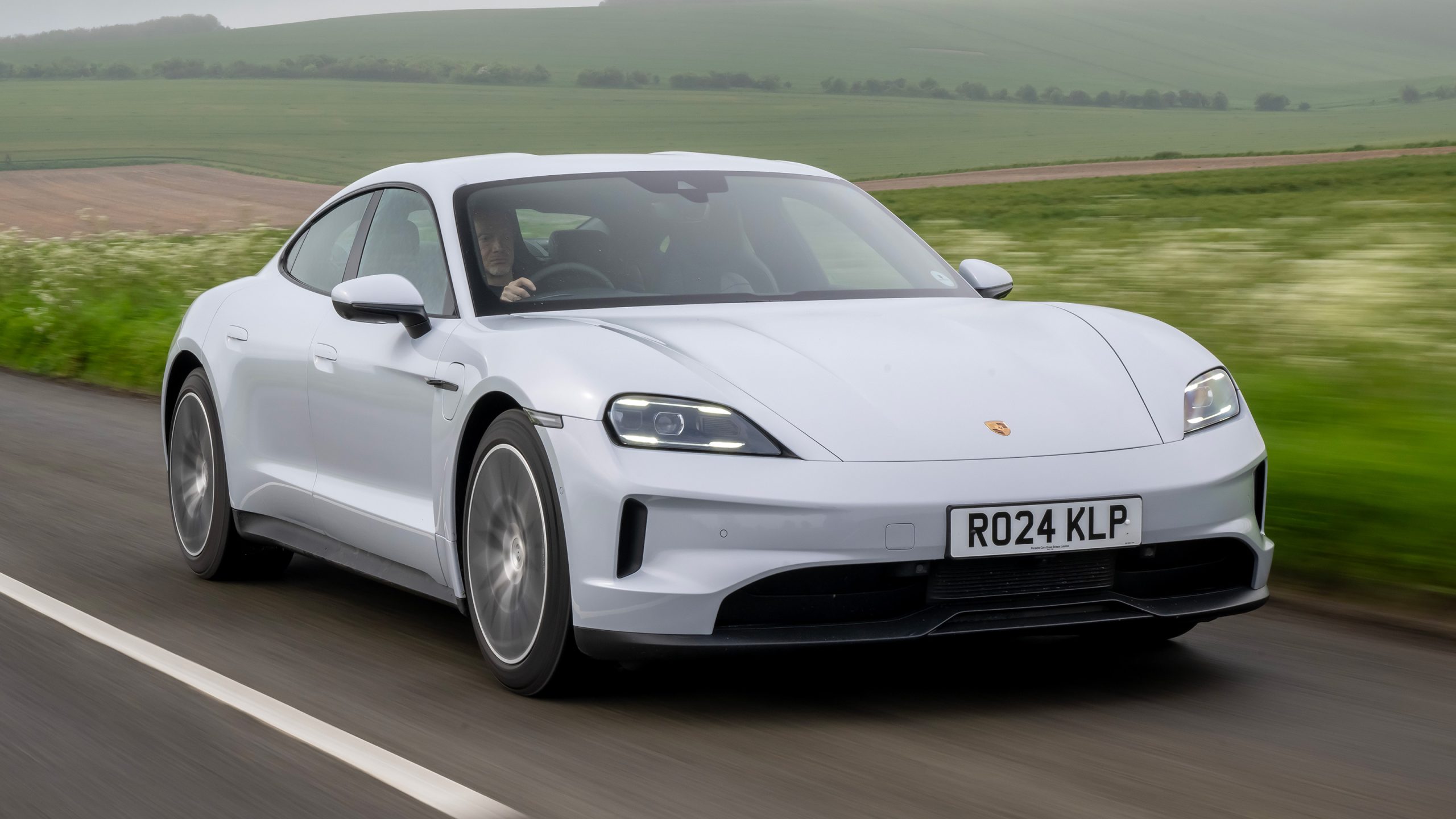
The Porsche Taycan represents the German automaker’s first fully electric vehicle and stands as a formidable competitor to Tesla’s performance-oriented models, particularly the Model S.
Since its introduction in 2019, the Taycan has garnered widespread acclaim for combining Porsche’s legendary driving dynamics with zero-emission electric propulsion.
Available in multiple configurations including the base Taycan, Taycan 4S, Taycan GTS, Taycan Turbo, and Taycan Turbo S, along with the Cross Turismo wagon variants, the lineup offers something for various performance preferences and budgets. However, all remain firmly positioned in the luxury segment.
The Taycan’s performance credentials are exceptional. The range-topping Turbo S produces up to 750 horsepower with Launch Control engaged, rocketing from zero to sixty miles per hour in just 2.6 seconds, making it one of the quickest four-door vehicles ever produced.
However, what truly distinguishes the Taycan from Tesla’s offerings isn’t just straight-line acceleration but the driving experience.
The Taycan features Porsche’s renowned chassis tuning, delivering exceptional body control, minimal body roll in corners, and steering feedback that enthusiasts describe as telepathic.
The low center of gravity, courtesy of the floor-mounted battery pack, contributes to handling characteristics that feel more like a sports car than a large sedan.
The interior of the Taycan showcases Porsche’s commitment to luxury and craftsmanship. Unlike Tesla’s minimalist approach, the Taycan’s cabin features premium materials throughout, including soft leather, real metal trim, and thoughtfully designed physical controls that complement the digital interfaces.
The driver-focused cockpit includes a curved digital instrument cluster, a central touchscreen for infotainment, and an optional passenger display creating a high-tech environment that doesn’t sacrifice tactile satisfaction.
The build quality is exemplary, with tight panel gaps and a solidity that reflects Porsche’s manufacturing expertise. Rear-seat passengers enjoy reasonable space, though the sloping roofline does compromise headroom for taller individuals.
The Taycan is ideal for driving enthusiasts who want electric performance without compromising the engaging characteristics that make sports cars special.
It’s a vehicle that prioritizes the joy of driving while embracing electrification, making it the perfect alternative for those who find Tesla’s approach too focused on technology and acceleration at the expense of dynamic refinement and traditional automotive craftsmanship.
2. Ford Mustang Mach-E
The Ford Mustang Mach-E represents one of the boldest moves in Ford’s storied history extending the Mustang nameplate to an all-electric crossover SUV.
This decision initially sparked controversy among Mustang purists, but the Mach-E has proven itself as a compelling electric vehicle that combines Ford’s mainstream appeal with competitive performance and technology.
Positioned as a direct competitor to the Tesla Model Y, the Mach-E offers a more traditional automotive experience wrapped in a striking design that references the iconic Mustang heritage.
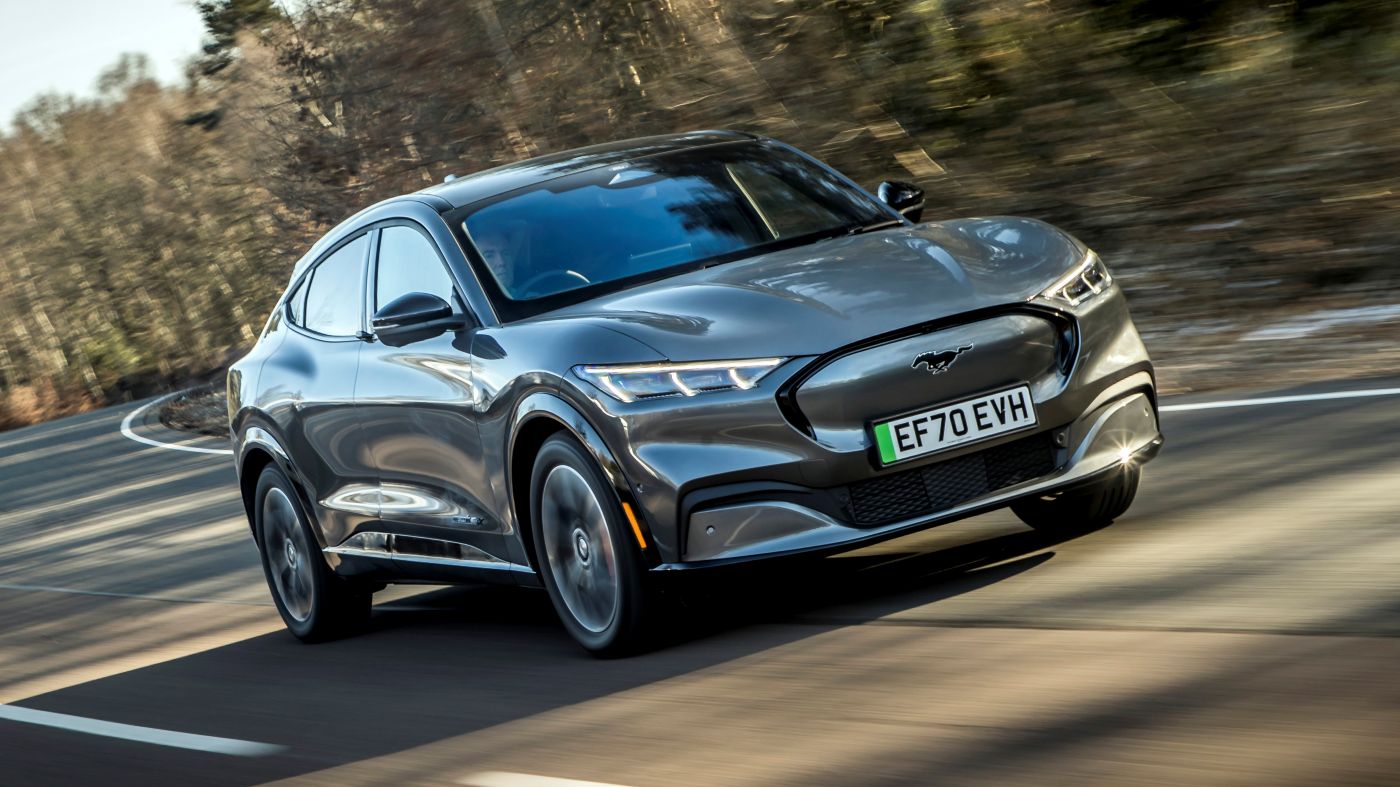
The Mach-E’s styling successfully translates Mustang design cues into a crossover format. The long hood, tri-bar LED lighting, and fastback roofline create an aggressive stance that stands out in parking lots dominated by anonymous crossovers.
The proportions are well-balanced, and the vehicle looks substantially more expensive than its price point suggests.
Available in several configurations, including Select, Premium, California Route 1, and GT variants, along with rear-wheel-drive or all-wheel-drive options, the Mach-E lineup addresses diverse buyer preferences.
The extended-range battery option significantly improves versatility, with the RWD extended-range version achieving up to 312 miles of EPA-estimated range.
Pricing for the Mach-E starts in the mid-$40,000 range for base models, with Premium and GT variants climbing into the $60,000-$70,000 territory when well-equipped. This pricing undercuts comparable Tesla models while offering more traditional luxury amenities and the reassurance of an established automotive brand.
The Mach-E has proven popular enough that Ford has significantly expanded production capacity, and used examples are becoming increasingly available as lease returns enter the market.
For buyers seeking an electric crossover with mainstream brand familiarity, practical space, and engaging styling without the Tesla baggage, the Mustang Mach-E represents an excellent alternative that successfully bridges traditional automotive values with electric innovation.
3. BMW iX
The BMW iX represents the German automaker’s flagship electric SUV and demonstrates BMW’s vision for luxury electric mobility.
Launched as a technological showcase, the iX combines substantial range, cutting-edge technology, luxurious accommodations, and BMW’s driving dynamics in a distinctive package that competes with the Tesla Model X while offering a decidedly different philosophy.
The iX is available primarily in two variants: the iX xDrive50 and the more powerful iX M60, both featuring all-wheel drive and long-range capability that addresses one of electric vehicles’ primary concerns.
The exterior design of the iX is polarizing and intentionally futuristic. The massive kidney grille, which functions as a sensor panel rather than an air intake, dominates the front fascia and has sparked considerable debate in automotive circles.
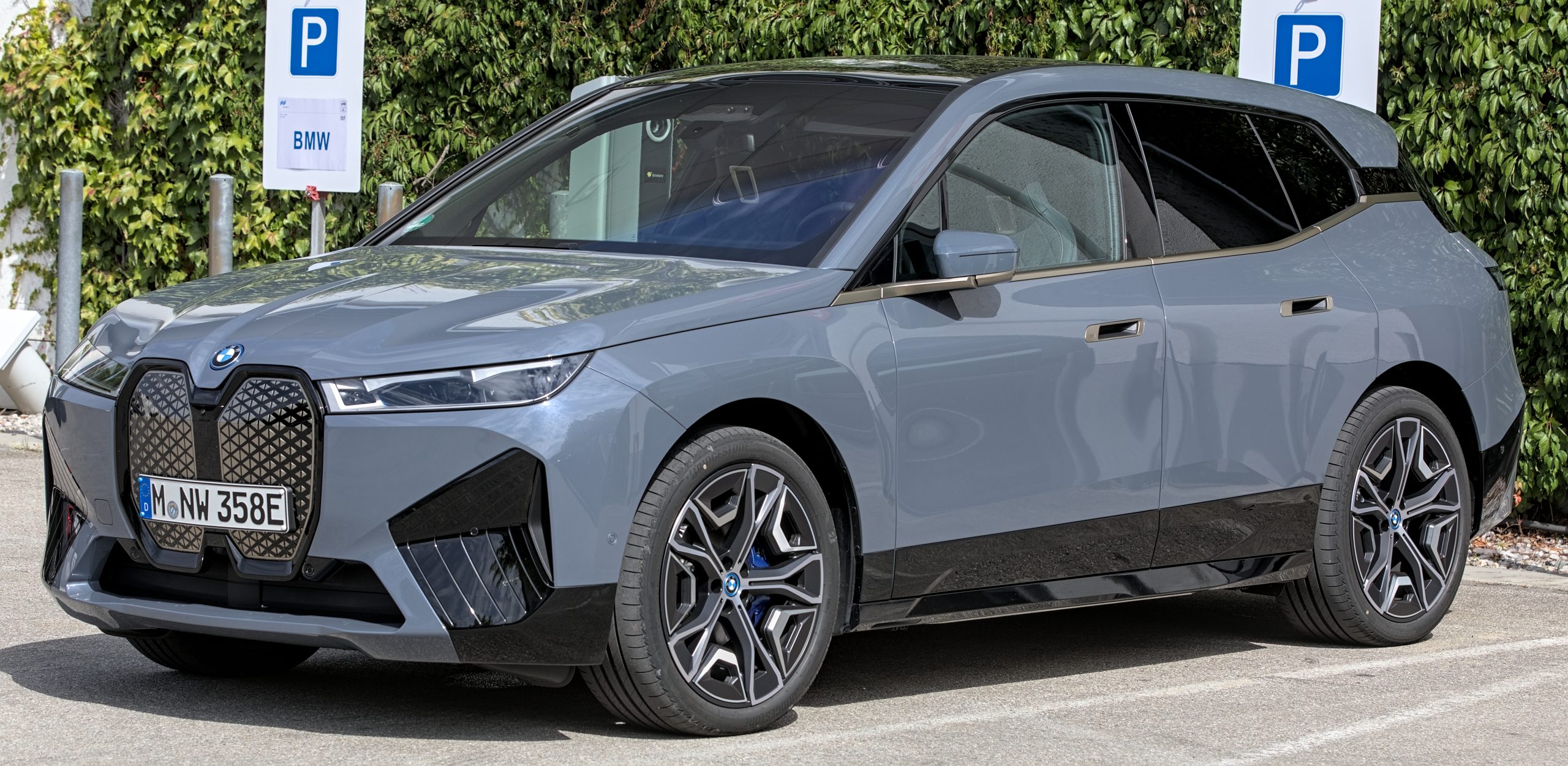
BMW’s designers intentionally created a distinct visual identity for their electric vehicles, and the iX certainly achieves that goal. The flush door handles, streamlined bodywork, and aerodynamic wheel designs contribute to an impressive drag coefficient of just 0.25, which directly benefits efficiency and range.
Available in multiple sophisticated colors and featuring available two-tone paint schemes, the iX makes a statement that’s impossible to ignore.
Pricing positions the iX firmly in the luxury segment, with the xDrive50 starting around $88,000 and the M60 pushing past $110,000. Fully loaded examples with all available options can exceed $130,000, making the iX more expensive than a comparable Tesla Model X but competitive with other luxury electric SUVs.
The ownership experience includes BMW’s extensive dealer network, comprehensive warranty coverage, and white-glove customer service expected at this price point.
For buyers seeking electric luxury with traditional premium brand credentials, sophisticated technology, and engaging driving dynamics, the BMW iX represents a compelling alternative to Tesla that emphasizes refinement and comprehensive luxury over raw performance metrics.
4. Hyundai Ioniq 5
The Hyundai Ioniq 5 has emerged as one of the most compelling value propositions in the electric vehicle market, offering innovative design, impressive technology, and competitive range at a price point significantly below Tesla’s offerings.
Built on Hyundai’s dedicated E-GMP (Electric-Global Modular Platform), the Ioniq 5 represents a serious commitment to electrification from a manufacturer that has rapidly ascended to prominence in the EV space.
The vehicle’s combination of retro-futuristic styling, spacious interior, and advanced features makes it an attractive alternative for buyers who find Tesla’s pricing prohibitive or design language unappealing.
The exterior design of the Ioniq 5 is distinctively retro-modern, drawing inspiration from Hyundai’s 1970s Pony coupe while incorporating futuristic elements.
The pixelated LED lighting signature, clean body panels, and short overhangs create a unique visual identity that stands out in the increasingly homogeneous crossover segment.
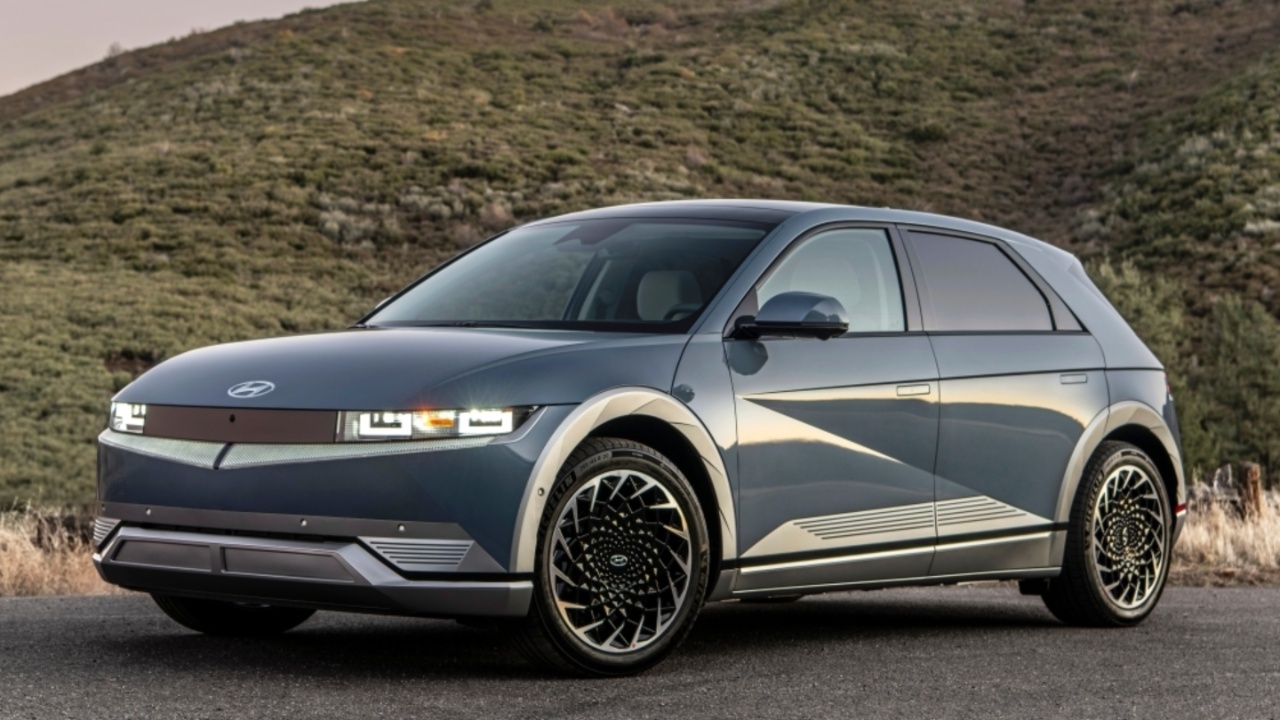
The clamshell hood and smooth surfaces contribute to excellent aerodynamics, while the proportions suggest a larger vehicle than the Ioniq 5 actually is.
Available in multiple vibrant colors and featuring flush door handles that pop out upon approach, the Ioniq 5 demonstrates that affordable electric vehicles need not look boring or derivative.
The 20-inch wheel options look particularly striking, though the base 19-inch wheels provide a more comfortable ride and slightly better range.
For buyers seeking a practical, well-equipped electric vehicle with innovative features and competitive capabilities at an accessible price point, the Hyundai Ioniq 5 represents an outstanding alternative to Tesla.
It demonstrates that compelling electric vehicles need not come from Silicon Valley or carry premium price tags, and it proves that established automakers can innovate successfully when they commit to electrification.
The Ioniq 5 is particularly well-suited for first-time EV buyers who want a familiar ownership experience with dealer support while embracing electric mobility’s benefits.
Also Read: 10 Used Trucks Under $12,000 That Still Tow Big
5. Rivian R1T
The Rivian R1T represents the first all-electric pickup truck to reach customers at scale and embodies a radically different approach to electric vehicles than Tesla’s offerings.
While Tesla has repeatedly promised the Cybertruck, Rivian delivered the R1T to customers starting in 2021, establishing the startup as a serious player in the automotive industry.
Built on Rivian’s skateboard platform with a quad-motor configuration (or dual-motor in later variants), the R1T combines genuine off-road capability, innovative storage solutions, and lifestyle-focused features that appeal to adventure-oriented buyers who need more utility than any Tesla currently provides.
The R1T’s design blends futuristic elements with traditional pickup truck proportions. The distinctive oval headlights and stadium-style LED light bar create an immediately recognizable front fascia, while the clean body panels and short overhangs suggest modernity without abandoning the fundamental pickup truck form factor.
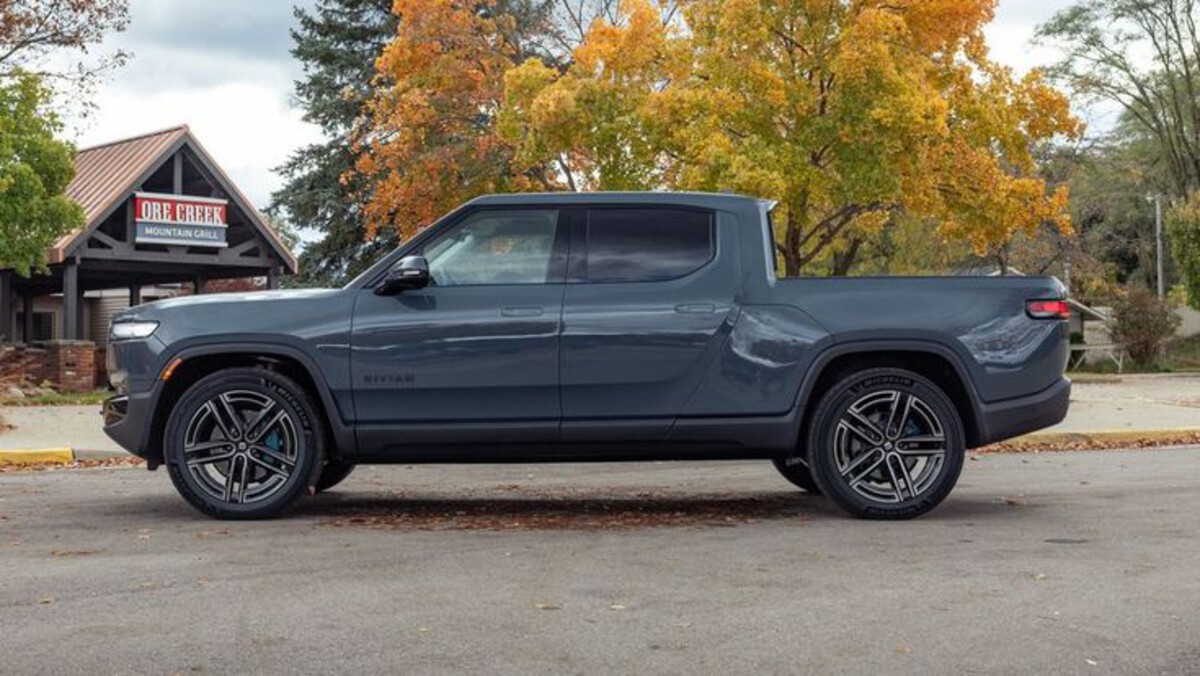
The vehicle sits on available 21-inch or 22-inch wheels, and the ride height can be adjusted using the air suspension to accommodate various driving scenarios from low-range rock crawling to highway cruising.
The bed measures 54 inches long in standard configuration, which is shorter than full-size competitors but adequate for most recreational equipment, and the powered tonneau cover provides weather protection while maintaining clean aerodynamics.
The R1T appeals to buyers who need genuine utility combined with electric efficiency and don’t want to wait for Tesla’s Cybertruck or prefer a more conventional pickup truck aesthetic. It’s ideal for outdoor enthusiasts, adventure seekers, and those who want their vehicle to enhance their lifestyle rather than simply provide transportation.
The R1T proves that electric vehicles can excel in demanding applications while offering innovations that wouldn’t be possible with internal combustion powertrains, making it a compelling alternative to Tesla for anyone whose needs extend beyond urban commuting and highway travel.
6. Mercedes-Benz EQS
The Mercedes-Benz EQS represents the German luxury giant’s flagship electric sedan and embodies the company’s vision for electric luxury mobility.
Positioned as the electric equivalent of the legendary S-Class, the EQS competes directly with the Tesla Model S but approaches the luxury electric sedan segment from a fundamentally different philosophical perspective.
Where Tesla emphasizes technology and minimalism, Mercedes prioritizes traditional luxury, comprehensive refinement, and meticulous attention to every detail of the ownership experience.
The result is a vehicle that appeals to buyers who want cutting-edge electric propulsion wrapped in time-tested luxury values. The EQS’s exterior design follows Mercedes’s EQ design language, featuring a smooth, organic shape optimized for aerodynamic efficiency.
The vehicle achieves a drag coefficient of just 0.20, making it one of the most aerodynamic production vehicles ever created. This efficiency directly benefits range and reduces wind noise, contributing to the serene cabin experience.
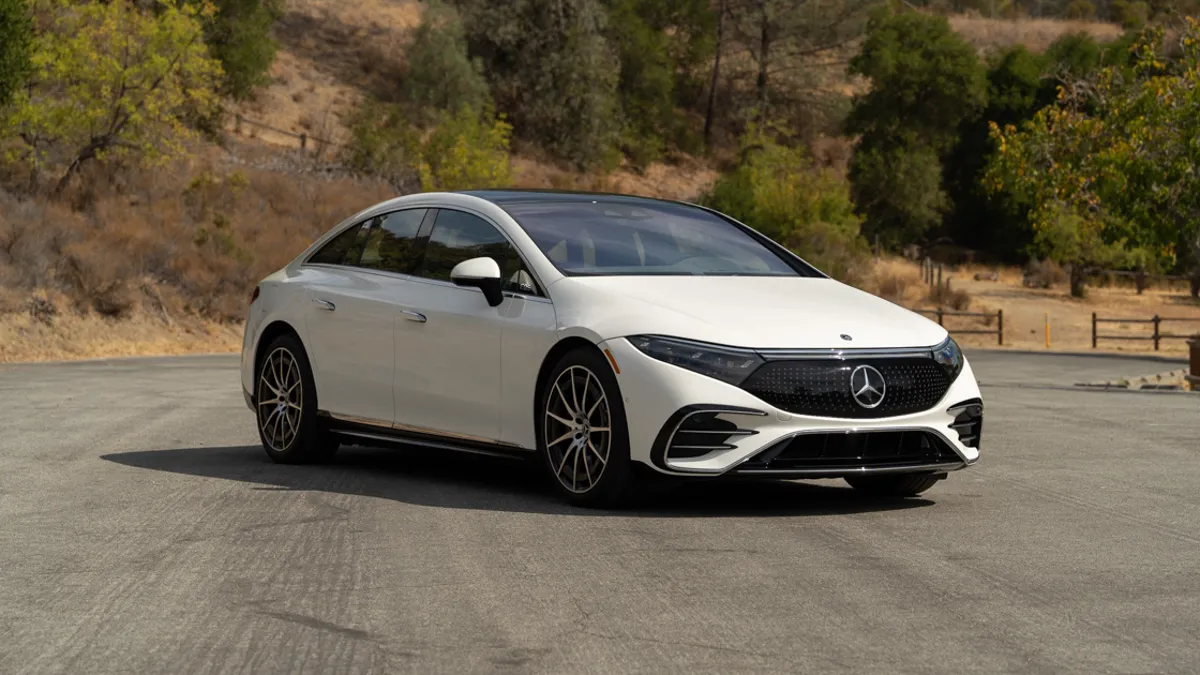
The black panel front grille, LED lighting with animated welcome sequences, and available digital light technology that can project information onto the road ahead demonstrate Mercedes’s commitment to integrating technology thoughtfully.
The proportions are substantial the EQS is a large vehicle that commands presence on the road, and its design polarizes opinion with some finding it elegantly modern while others consider it somewhat blob-like compared to the S-Class’s more formal appearance.
The EQS appeals to traditional luxury sedan buyers who want electric efficiency without compromising the comprehensive refinement, meticulous build quality, and established prestige they expect from premium German manufacturers.
It’s ideal for those who find Tesla’s approach too technology-focused and minimalist, preferring instead the reassuring solidity of traditional luxury combined with cutting-edge electric propulsion.
The EQS proves that electric vehicles can achieve conventional luxury benchmarks while offering innovations unique to electric architectures, making it a compelling alternative for buyers who value comprehensive refinement above all else.
7. Chevrolet Bolt EV/EUV
The Chevrolet Bolt EV and its slightly larger sibling, the Bolt EUV, represent General Motors’ entry in the affordable electric vehicle segment and provide compelling alternatives to Tesla for budget-conscious buyers seeking practical electric transportation.
Originally launched in 2017 and significantly updated for the 2022 model year, the Bolt lineup demonstrates that electric vehicles can be accessible to mainstream buyers without requiring premium pricing or sacrificing essential features.
While GM announced discontinuation of the Bolt to focus on Ultium-based vehicles, the model remains widely available in the used market and represents excellent value for buyers seeking affordable electric mobility without Tesla’s price premium.
The exterior design of the Bolt EV follows a compact hatchback format, while the Bolt EUV extends the wheelbase slightly and adopts a more SUV-like stance with additional ground clearance. Neither vehicle will win design awards the styling is conservative and somewhat anonymous compared to more dramatic competitors.
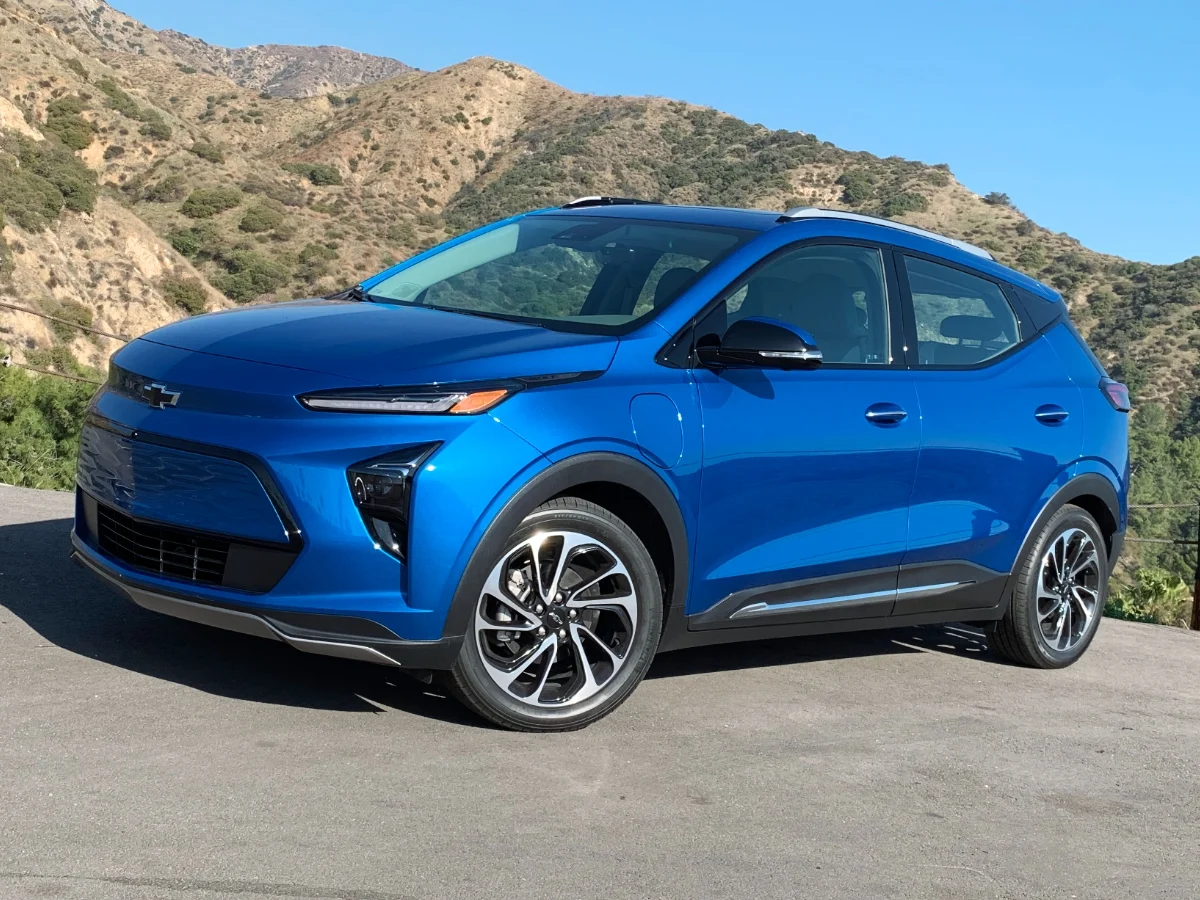
However, this approach has advantages: the Bolt blends into traffic, doesn’t attract unwanted attention, and won’t appear dated in five years. The front fascia features distinctive lighting and a closed grille panel, clearly identifying the vehicle as electric.
Available in multiple colors and featuring reasonably attractive wheel designs, the Bolt presents acceptably if not excitingly. The compact dimensions make it ideal for urban environments where parking spaces are precious and maneuverability matters more than commanding road presence.
The Bolt appeals to practical buyers who prioritize value, efficiency, and usability over performance, luxury, or status. It’s ideal for urban commuters, environmentally conscious individuals seeking affordable electric transportation, families needing a second vehicle for daily errands, or anyone who wants electric efficiency without premium pricing.
The Bolt proves that electric vehicles can be accessible, practical, and unpretentious, directly challenging the notion that EV ownership requires accepting Tesla’s approach or paying luxury prices.
For buyers seeking the most affordable path to electric vehicle ownership while maintaining reasonable capability and features, the Chevrolet Bolt represents an outstanding alternative that democratizes electric mobility in ways Tesla’s current lineup simply doesn’t address.
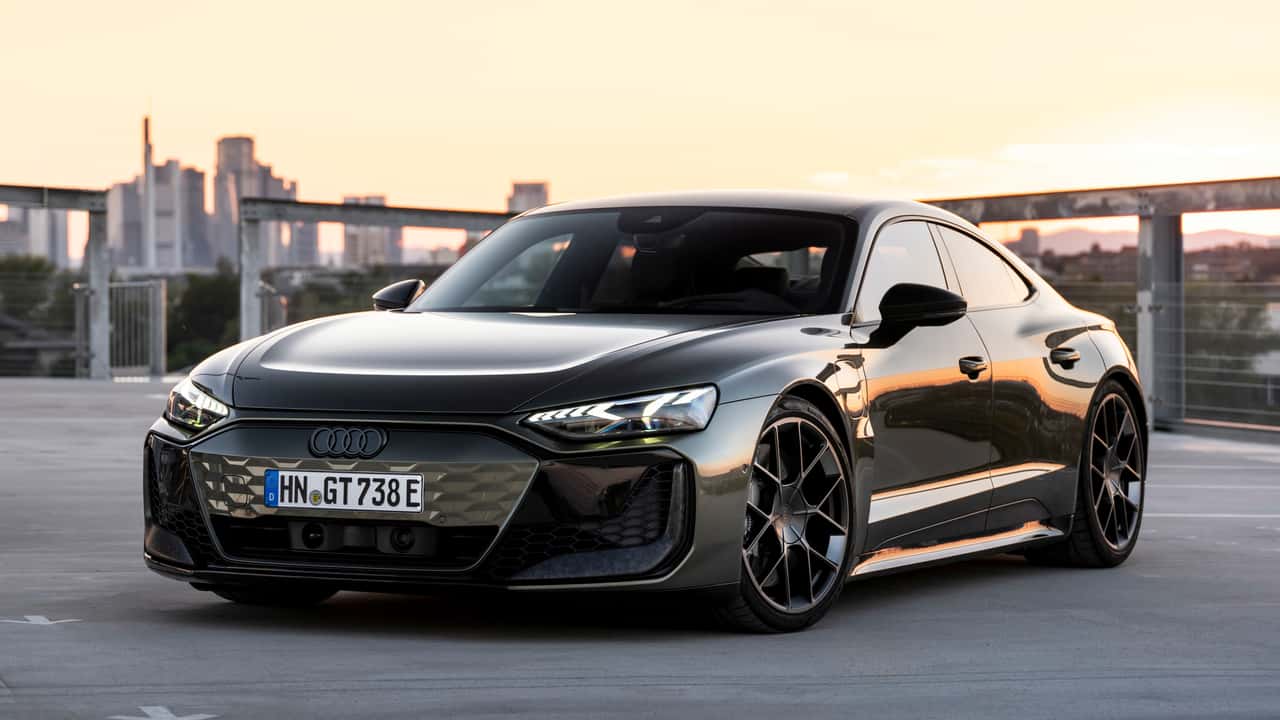
8. Audi e-tron GT
The Audi e-tron GT represents the German luxury brand’s performance-oriented electric sedan and shares its fundamental architecture with the Porsche Taycan while offering a distinctly different character and approach.
Where the Taycan emphasizes pure sports car dynamics, the e-tron GT balances performance with grand touring comfort, creating an electric sedan that excels at consuming miles effortlessly while still delivering thrilling acceleration when desired.
Available in standard e-tron GT and higher-performance RS e-tron GT variants, the lineup competes with Tesla’s Model S while offering Audi’s interpretation of electric luxury performance.
The exterior design of the e-tron GT is stunning, with flowing lines, dramatic proportions, and aggressive stance that recall Audi’s legendary Quattro heritage.
The low roofline, wide track, and muscular fenders create a coupe-like silhouette that looks far more expensive than its price suggests.
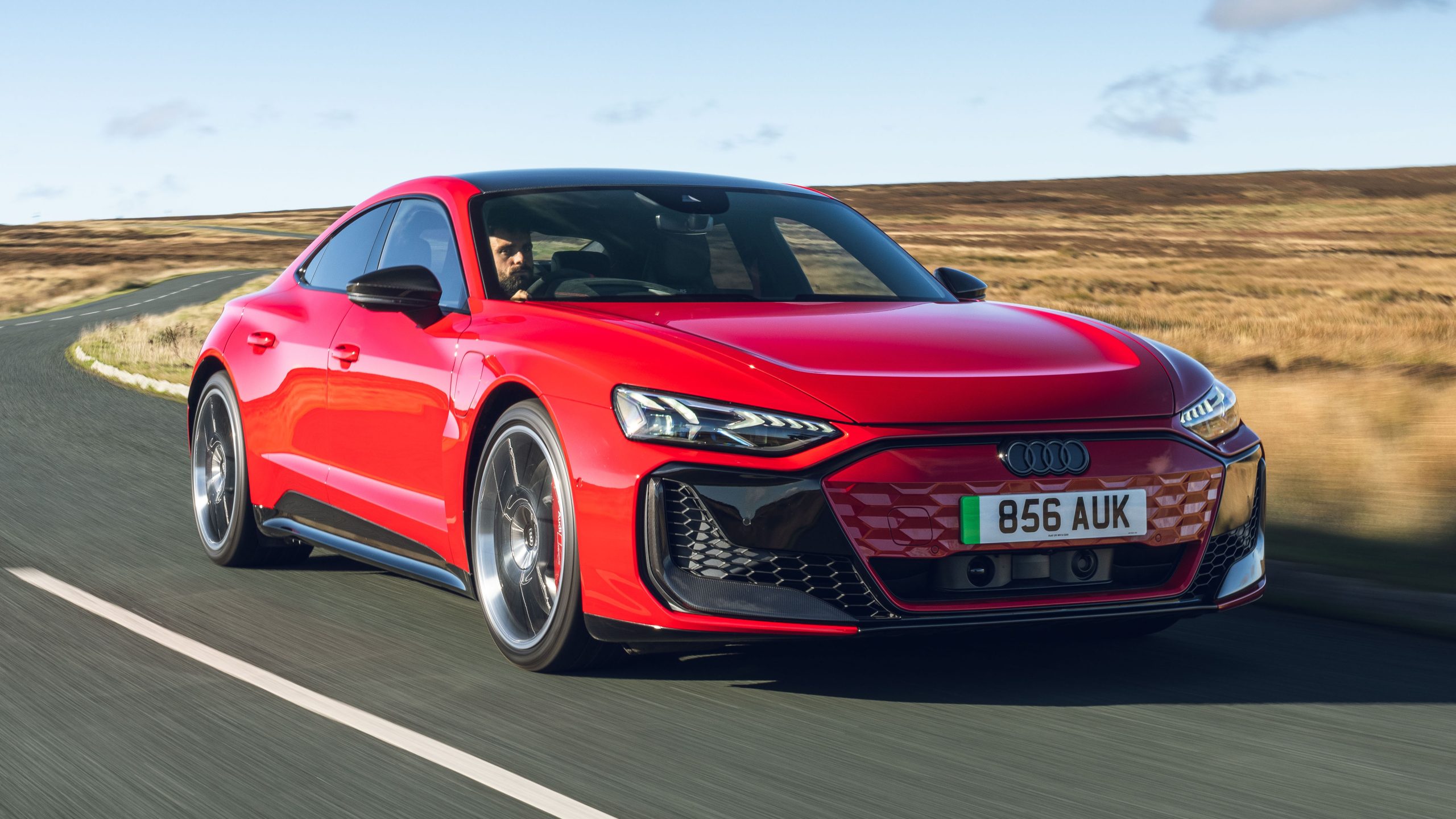
The front fascia features Audi’s signature Singleframe grille rendered as a closed panel with honeycomb texture, flanked by distinctive Matrix LED headlights that provide remarkable illumination while creating animated light signatures.
The rear features a full-width OLED light bar and quad exhaust-style outlets that are purely decorative but successfully reference performance car tradition.
Available in sophisticated colors including exclusive RS-specific finishes, the e-tron GT attracts attention wherever it appears, with design execution that surpasses Tesla’s more polarizing Plaid variants.
The e-tron GT appeals to driving enthusiasts who want electric performance wrapped in sophisticated luxury and elegant design. It’s ideal for buyers who appreciate Audi’s design language, value comprehensive driving dynamics over raw acceleration, and prefer traditional luxury brand prestige to Silicon Valley disruption.
The e-tron GT proves that electric performance sedans can deliver engaging driving experiences while maintaining the refinement and craftsmanship expected from established luxury manufacturers, making it a compelling alternative for those who find Tesla’s approach too technology-focused and insufficiently refined.
9. Nissan Ariya
The Nissan Ariya represents the Japanese automaker’s return to competitive electric vehicle offerings after pioneering the mass-market EV segment with the Leaf.
Built on a dedicated electric platform and featuring contemporary styling, competitive range, and advanced technology, the Ariya targets buyers seeking reliable, practical electric transportation from an established manufacturer with proven electric vehicle experience.
Positioned as a mid-size crossover SUV, the Ariya competes with the Tesla Model Y while offering a more conventional approach to design, interior layout, and user interface that appeals to mainstream buyers hesitant about Tesla’s unconventional approach.
The exterior design of the Ariya follows Nissan’s Timeless Japanese Futurism philosophy, featuring clean lines, smooth surfaces, and distinctive lighting elements.
The front fascia showcases an illuminated shield pattern that references traditional kumiko woodwork while serving as the vehicle’s charging indicator and greeting sequence.
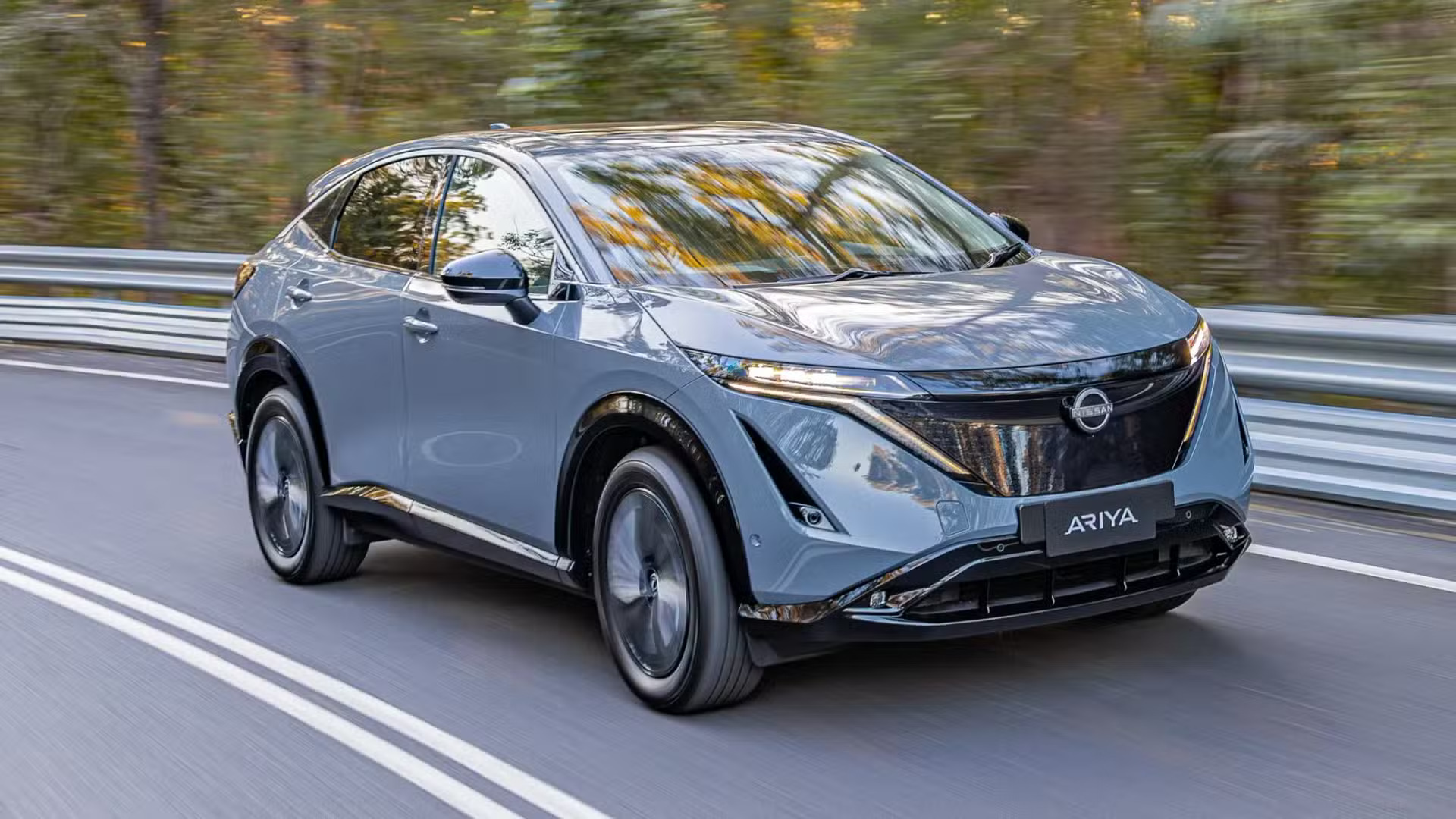
The proportions are balanced and contemporary, with short overhangs enabled by the electric platform and a coupe-like roofline that doesn’t excessively compromise interior space.
Available in multiple attractive colors and featuring flush door handles that pop out upon approach, the Ariya looks modern without being overly dramatic. The wheels range from 19 to 20 inches, depending on trim, and the design should age gracefully without appearing dated quickly.
The Ariya appeals to practical buyers who want modern electric transportation from a manufacturer with proven electric vehicle expertise and a conventional dealer network.
It’s ideal for families seeking a comfortable, practical crossover SUV that happens to be electric, environmentally conscious individuals who prefer established brands to startups, and anyone who finds Tesla’s unconventional approach off-putting.
The Ariya proves that established automakers can produce competitive electric vehicles when they commit to electrification with dedicated platforms and contemporary design, making it a compelling alternative for mainstream buyers seeking reliable electric mobility without Tesla’s polarizing characteristics.
10. Lucid Air
The Lucid Air represents the ultimate luxury electric sedan and embodies the vision of former Tesla engineer Peter Rawlinson for what an electric vehicle can achieve when efficiency, luxury, and performance are prioritized equally.
Positioned above the Tesla Model S in price, capability, and refinement, the Air competes directly with traditional luxury flagships while offering electric propulsion and technology that surpasses virtually every competitor.
Available in multiple variants from the Air Pure to the extraordinary Air Sapphire, the lineup demonstrates that electric vehicles can achieve new benchmarks in efficiency, range, and performance while maintaining comprehensive luxury.
The exterior design of the Air is distinctively elegant, with flowing surfaces, a dramatically low hood, and proportions that emphasize the vehicle’s aerodynamic excellence.
The drag coefficient of just 0.197 makes the Air among the most aerodynamic production vehicles ever created, directly contributing to its remarkable efficiency and range.
The front fascia features distinctive lighting and a subtle grille texture, while the greenhouse features a wraparound design that maximizes interior visibility.
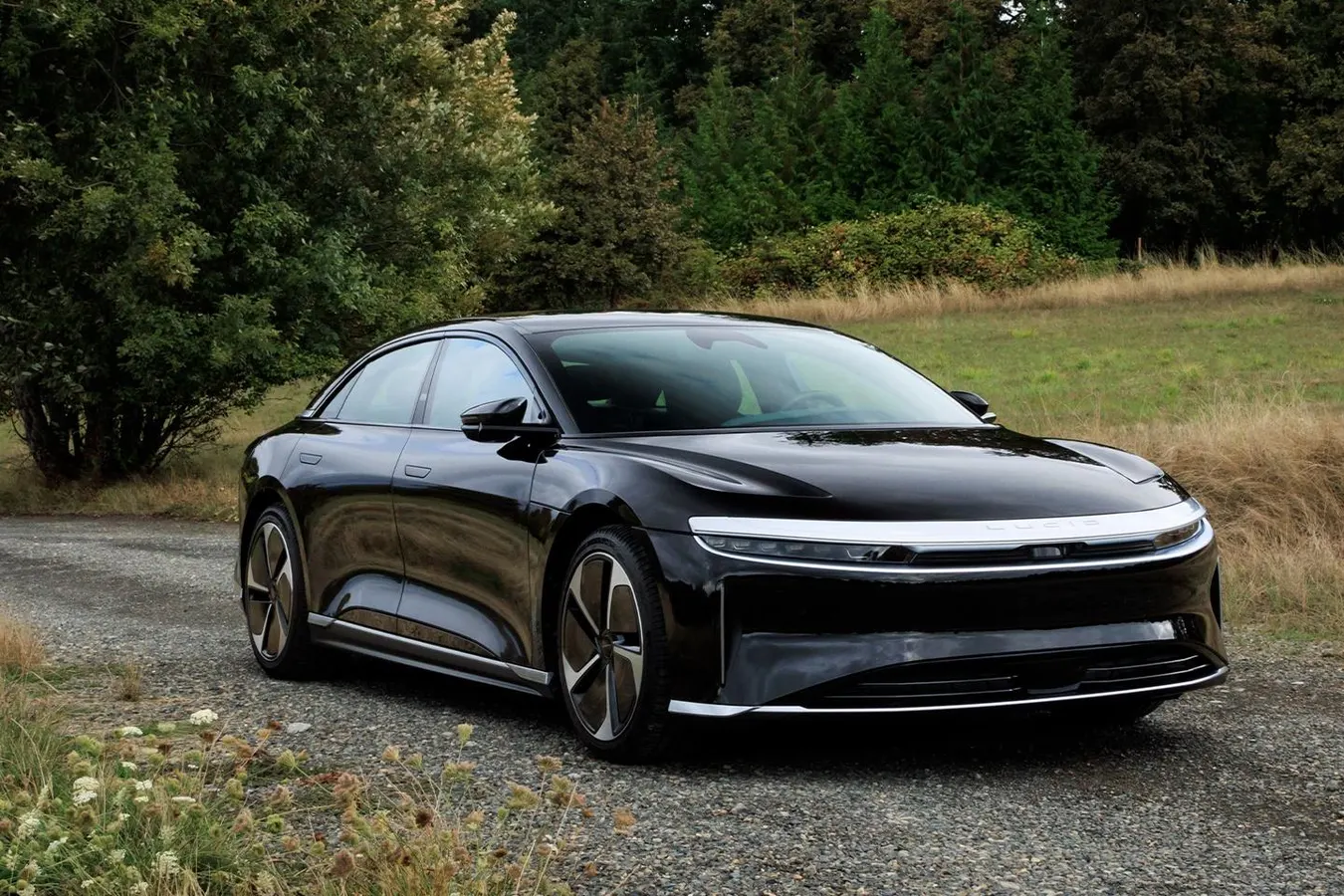
The flush door handles, integrated cameras replacing traditional mirrors (available on certain trims), and attention to aerodynamic detail create a cohesive design that looks purposeful rather than styled purely for aesthetic effect.
Available in multiple sophisticated colors and featuring 19-inch to 21-inch wheel options, the Air presents understated elegance rather than aggressive styling.
The Lucid Air appeals to buyers seeking the absolute pinnacle of electric vehicle capability combined with comprehensive luxury and sophisticated engineering.
It’s ideal for those who want the longest possible range, exceptional performance without compromising efficiency, and cabin luxury that exceeds traditional premium sedans.
The Air proves that electric vehicles can surpass internal combustion alternatives in virtually every meaningful metric while offering innovations impossible with conventional powertrains.
For buyers willing to embrace a relatively new manufacturer and pay premium pricing, the Lucid Air represents perhaps the most compelling alternative to Tesla, demonstrating what’s possible when efficiency, performance, and luxury are pursued without compromise in an electric vehicle platform.
Also Read: 9 Hybrids That Feel Like V8s Off the Line
