
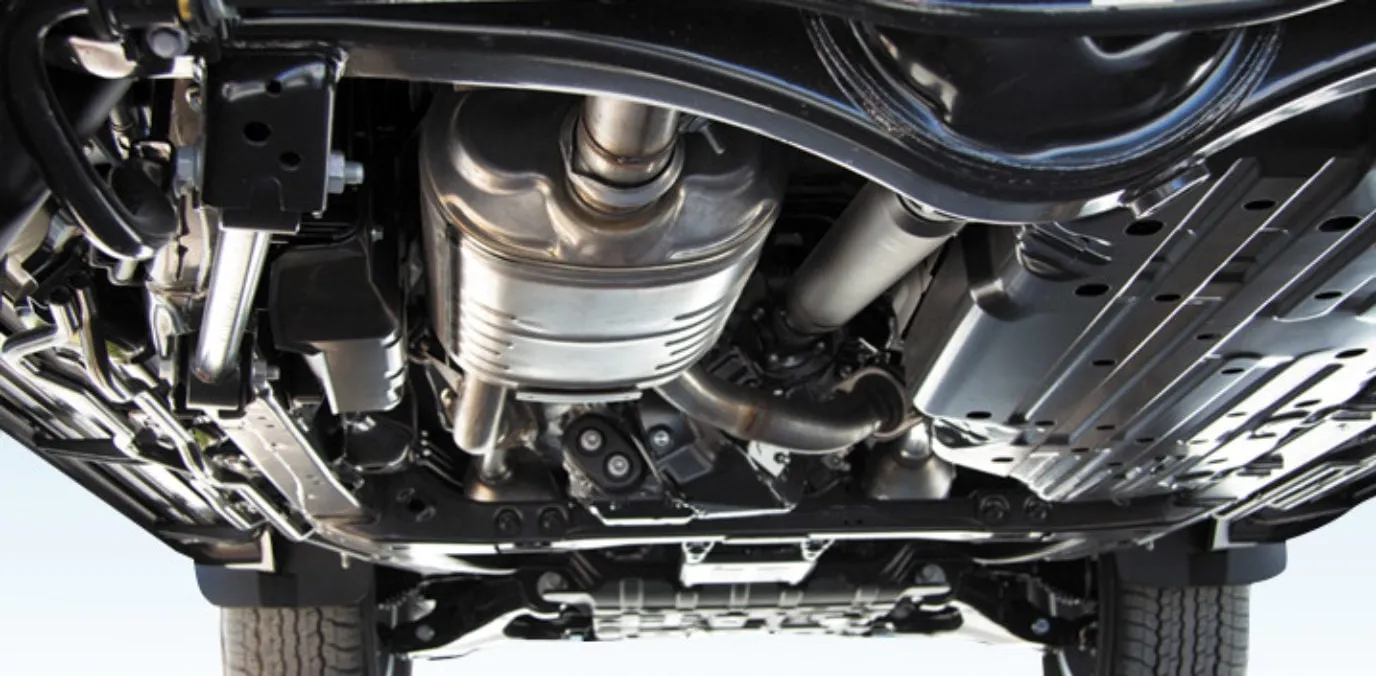
Owning a car goes beyond buying and fueling it. What truly decides how long a car serves you well is how well it can resist damage from daily exposure, especially rust. Rust is that quiet destroyer that creeps in from underneath, around wheel arches, or even inside door frames, turning a fine-looking vehicle into something that feels years older than it is.
For drivers who live in areas where snow, salted roads, or humid air are common, corrosion is not just a small bother; it can become a costly problem. That is why paying attention to rust protection is just as important as checking the engine or brakes.
Manufacturers are now learning that longevity sells, so they are using better materials, improved coatings, and tighter assembly methods. But not every brand gives rustproofing the same attention.
Some vehicles are built to resist corrosion for years without any help, while others depend heavily on added protection underneath to keep from deteriorating. For anyone who plans to keep a car for a long time, this difference matters a lot.
We will look at ten vehicles that represent both sides of that reality. Five models are known for strong factory rustproofing, while another five tend to need undercoating if you want them to age gracefully.
Every car listed here has its own story, design choices, and conditions where it performs best. Whether you live near the sea, in a cold area, or where heavy rainfall is normal, understanding how each model handles corrosion will help you make smarter decisions before buying your next car or preparing your current one for long service life.
5 Models With Great Rustproofing
1. Subaru Outback (2021 Model)
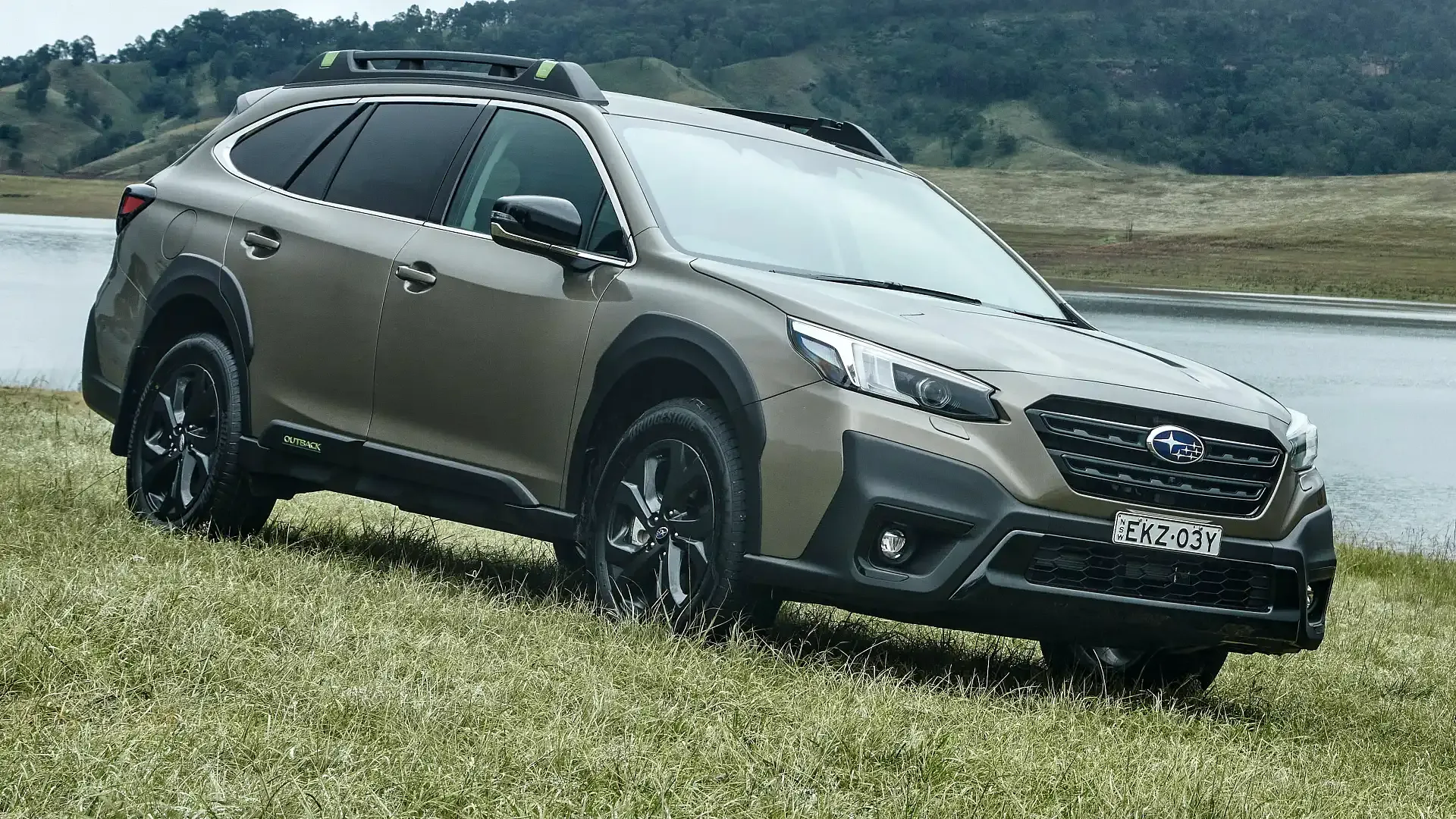
Subaru has built a reputation for making cars that endure harsh weather, and the 2021 Subaru Outback continues that tradition with excellent protection against corrosion. The body structure uses high-strength steel that receives several protective treatments before assembly.
Each panel is carefully sealed, and the underbody coating is thicker than what you’ll find in most cars in its price category. Subaru also designs the Outback with generous clearance between metal parts, allowing air to flow and moisture to escape instead of being trapped.
Drivers in cold regions where road salt is used during winter often find that the Outback holds up longer than many crossovers from competing brands. Even after several winters, the frame, suspension mounts, and floor pan stay in good shape.
Factory wax and protective liners extend to the doors and wheel arches, stopping rust from forming in hidden corners. Subaru also pays attention to drainage points, ensuring water can easily run off instead of pooling under the car.
Maintenance becomes easier because the design leaves enough space underneath for quick cleaning after muddy or salty drives. Owners who regularly wash the undercarriage can expect the Outback to remain rust-free for several years without needing extra coating.
In addition, Subaru uses stainless-steel exhaust components that do not corrode quickly, giving extra confidence that even exposed areas will hold up. This model shows how smart engineering and durable materials can save owners from costly body repairs in the future.
2. Toyota RAV4 (2020 Model)
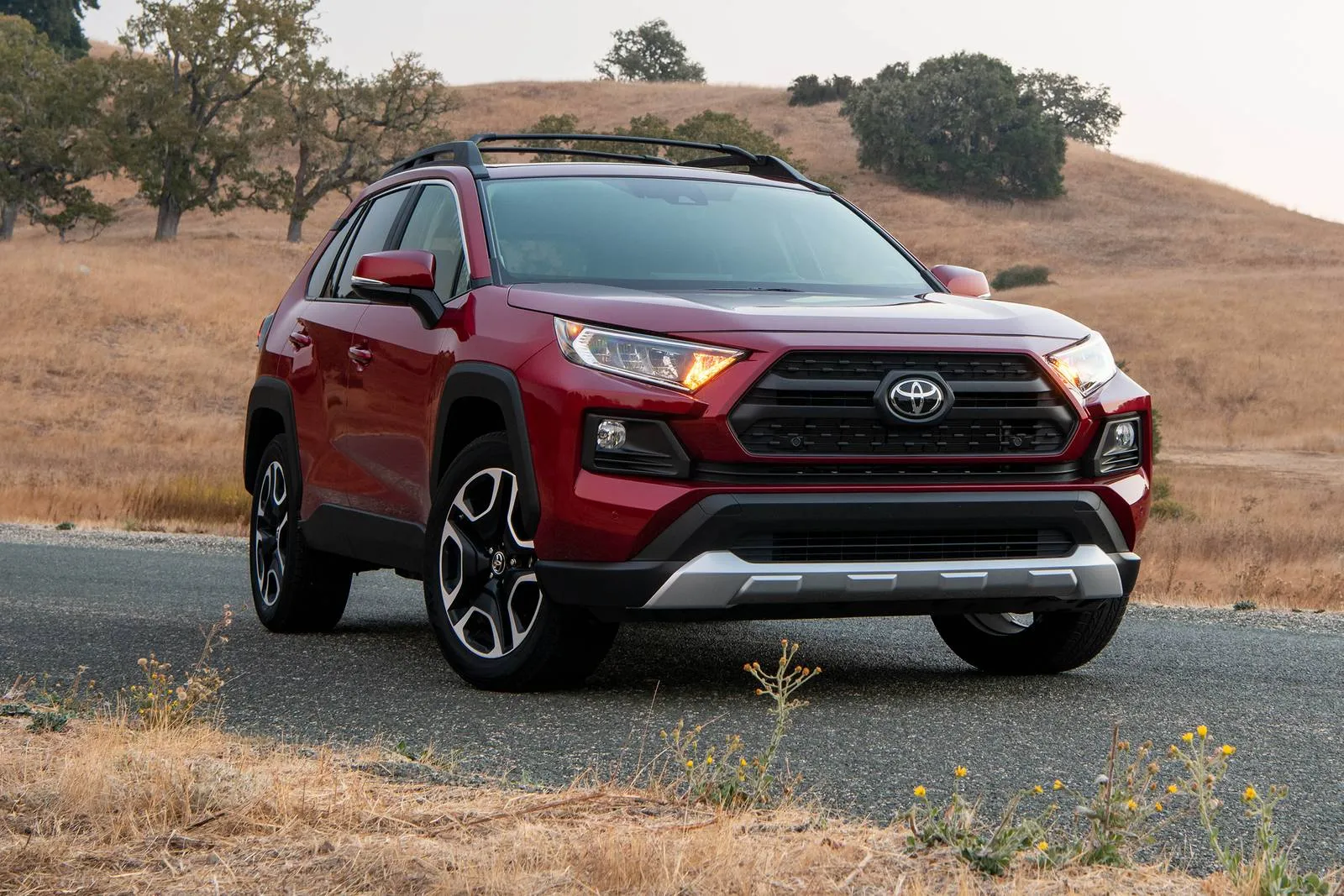
Toyota’s 2020 RAV4 is another example of good protection from corrosion right out of the factory. The body structure benefits from Toyota’s continuous improvement policy, which emphasizes durable finishes and strong galvanization.
Before the car even leaves the production line, its panels undergo electro-deposition coating that tightly seals the metal. This process helps create a smooth, tough layer that stands up against humidity and salt.
Drivers appreciate how the RAV4 maintains its exterior finish even in challenging environments. Many owners who drive along coastal areas or through long rainy seasons report that the paint retains its shine and the frame stays clean underneath.
Toyota also designed plastic liners in key areas like the wheel wells and rocker panels. These liners act as barriers between flying debris and the car’s body, keeping chips and scratches minimal. The RAV4 also uses a well-insulated underbody structure.
Instead of leaving raw metal exposed, Toyota includes an additional anti-rust compound applied around suspension mounts and along seams. This prevents small cracks from forming where rust can start.
The vehicle’s doors and trunk areas also have proper drainage channels, reducing moisture buildup. With routine washing and occasional inspection, a RAV4 can go through several tough seasons without corrosion problems.
It is one of those models that balance reliability, good materials, and smart design, making it dependable even in environments that quickly wear down other vehicles.
Also Read: 5 SUVs With Realistic Maintenance Intervals vs 5 With Constant Service
3. Honda CR-V (2022 Model)
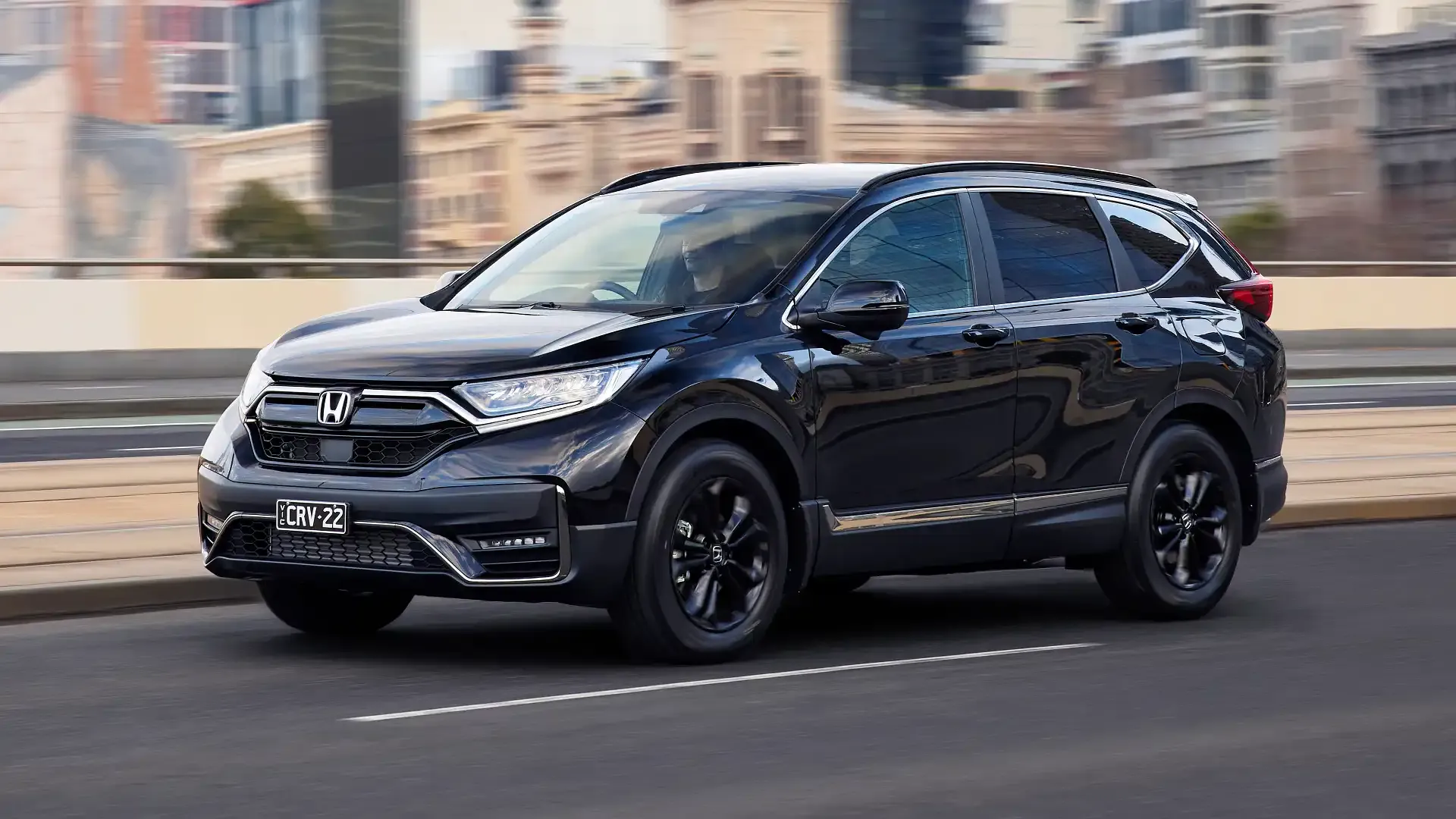
Among compact SUVs, the 2022 Honda CR-V stands out for its clean, well-protected structure. Honda gave attention to how salt and grime affect cars in cold regions. The CR-V’s body is built from a mix of treated steel and corrosion-resistant metals.
Each section, from the wheel wells to the lower frame, gets several protective coats. Before the final paint goes on, the body is submerged in anti-corrosion primer that bonds chemically with the metal surface.
For people who live in humid or coastal environments, the CR-V tends to stay free of rust for long periods. The frame underneath receives an additional layer of sealing compound that helps resist chipping from small stones or gravel. The suspension arms and exhaust brackets are also better protected than in some older models, showing Honda’s commitment to durability.
Owners appreciate how quiet and smooth the car stays because less corrosion means fewer loose parts or rattling panels as years go by. The vehicle’s seams are tight, leaving minimal gaps for moisture to creep in. Even when parked outdoors, the drainage system in the doors and trunk allows water to escape easily.
Regular washing is often all that’s needed to maintain its fresh look. The 2022 CR-V represents how thoughtful construction can extend a car’s lifespan without the need for aftermarket undercoating. It continues Honda’s tradition of blending practicality, reliability, and smart engineering for everyday use.
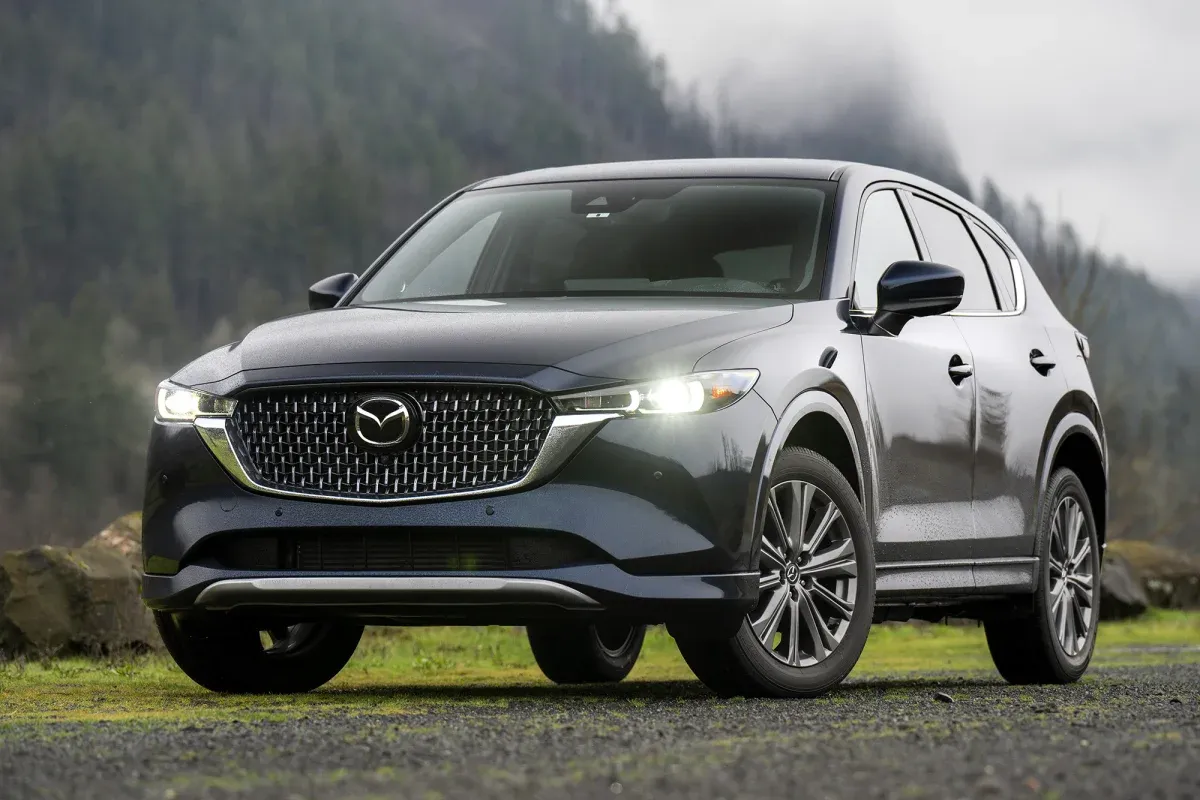
4. Mazda CX-5 (2021 Model)
Mazda made great progress in corrosion protection with the 2021 CX-5. In previous years, some Mazda models had trouble resisting rust, especially in cold climates, but this generation shows remarkable improvement.
The company now uses advanced galvanization and double-layer coatings on the entire body. Even under the car, the CX-5 features thick underbody sealant that holds up against road salt and moisture.
The smooth surface treatment is one reason this SUV stands out. Mazda’s painting process involves multiple layers baked at controlled temperatures, making it hard for moisture to get underneath.
The result is a finish that remains firm even after scratches or small chips. Many owners who regularly face winter driving report that the CX-5’s body panels resist bubbling or staining better than expected.
The undercarriage is also well designed for cleaning, with minimal tight spaces where dirt can accumulate. Protective plastic guards cover the lower areas near the engine and suspension, stopping rust from developing in vulnerable zones. For people living in areas with high rainfall or ocean air, the CX-5 proves dependable.
The only thing owners usually do is maintain regular washing and occasional waxing. This shows how Mazda’s newer approach to body protection has raised the car’s durability standard, offering long-lasting resistance without much maintenance effort.
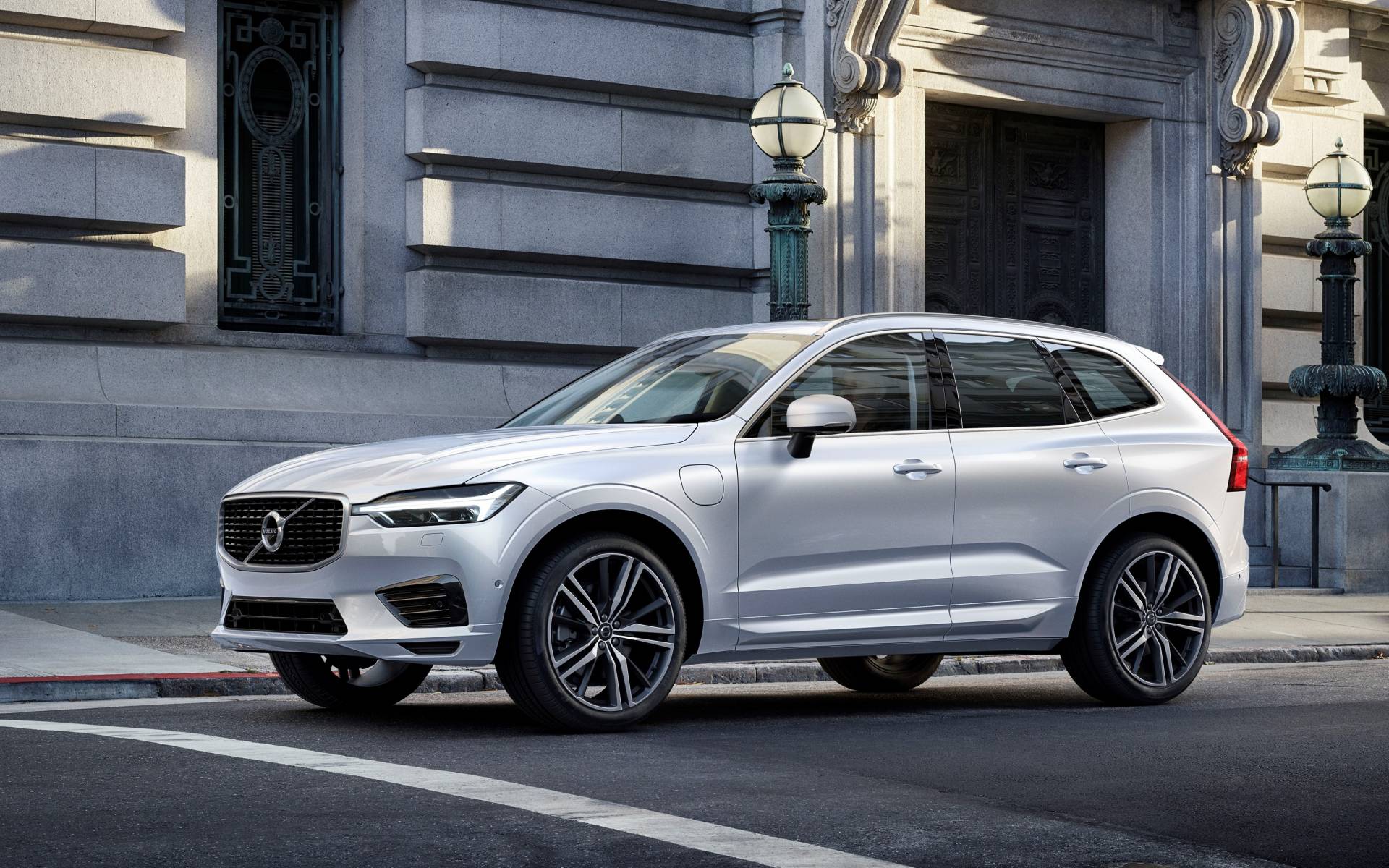
5. Volvo XC60 (2020 Model)
Volvo has long maintained its global reputation for safety and long-lasting engineering, and the 2020 Volvo XC60 is a prime example of that standard extending to its rust protection. This model stands out among midsize luxury SUVs for the depth of care applied to its anti-corrosion process.
The XC60’s body panels are crafted from high-grade galvanized steel, which offers natural resistance against oxidation. In addition, the entire underbody receives multiple layers of polymer and wax-based sealants during production, ensuring that the metal underneath remains shielded from road debris, salt, and moisture that can lead to corrosion.
Volvo’s extensive testing methods also contribute to this vehicle’s durability. Before approval for manufacturing, materials undergo continuous testing in simulated salty environments for thousands of hours to confirm long-term protection.
This controlled corrosion testing, carried out under extreme conditions, mirrors what vehicles might face in coastal or winter climates. The result is an SUV that resists decay even in places known for harsh weather and heavy use of road salt.
Drivers living in regions with snowy or rainy seasons frequently praise how well their XC60 holds up after several years of exposure. Reports often mention that the wheel arches, door seams, and lower body remain intact and free of discoloration or bubbling. Volvo’s attention to smaller parts also plays a big role.
Unlike many automakers that focus solely on the main body, Volvo treats brake lines, suspension bolts, and other small fittings with corrosion-resistant coatings. This means the vehicle’s hidden areas are just as well protected as the visible panels.
The 2020 XC60’s design also ensures water drainage is smooth, preventing moisture from lingering around seals and joints. The sloped surfaces and smart underbody layout help moisture slide off quickly, which reduces the risk of trapped water leading to corrosion.
Regular washing and light waxing by owners keep the body in excellent shape. Because of these features, the XC60 not only maintains a sleek appearance but also retains its resale value after a long period of time.
This SUV shows how thoughtful engineering, superior materials, and rigorous testing can extend a vehicle’s structural life, offering buyers long-term dependability with minimal rust concerns.
5 Models That Need Undercoating
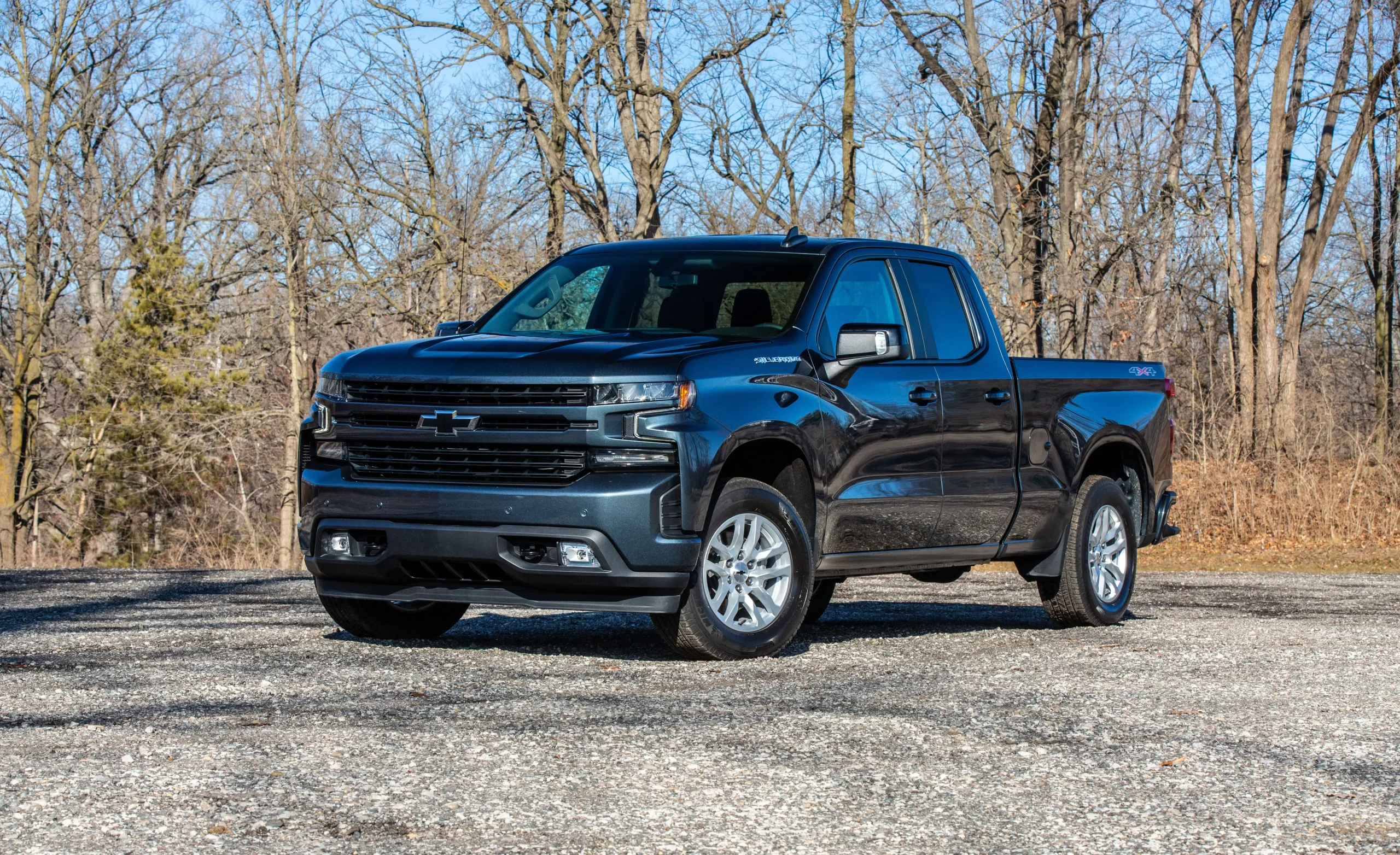
1. Chevrolet Silverado 1500 (2019 Model)
The 2019 Chevrolet Silverado 1500 combines strength, performance, and versatility, yet it falls short when it comes to factory rust protection. This model is a dependable full-size pickup built for tough work, but owners in humid or snowy climates quickly realize that it needs additional undercoating if they plan to keep it in top shape.
Unlike some rivals that come with comprehensive underbody sealing, the Silverado’s factory application is limited, leaving certain frame areas vulnerable to corrosion once exposed to moisture, salt, and dirt.
The frame design of the 2019 Silverado features several open spaces where water and debris can collect. These spots often include the inner frame rails, rocker panels, and tailgate corners, which are prone to trapping salt and mud. Without prompt cleaning or added protection, surface rust starts forming in as little as one or two winters.
Many truck owners who drive in regions with frequent snow or rain have noticed early rust around suspension components and the rear wheel wells. Even though these issues begin as minor discoloration, they can spread quickly once the paint or factory coating chips away.
Chevrolet prioritized performance and towing power with this model, but corrosion prevention wasn’t one of its strongest areas. The underbody lacks thick wax or polymer layers that help repel water.
As a result, an aftermarket undercoating is essential for anyone planning to use this truck regularly in harsh conditions. Professional-grade treatments, particularly oil-based or rubberized coatings, create a lasting barrier that seals off the frame from oxygen and salt exposure.
When properly coated, the Silverado’s resistance to moisture improves drastically. Regular underbody cleaning and coating renewal every few years can prevent long-term decay, ensuring the truck retains both its appearance and value.
The 2019 Silverado 1500 remains a capable and dependable choice for hauling and worksite duties, but without timely rustproofing, it is susceptible to early deterioration underneath.
For drivers in coastal or cold-weather regions, investing in proper undercoating is a practical step that can make the difference between a truck that weakens early and one that stays strong and reliable for decades.
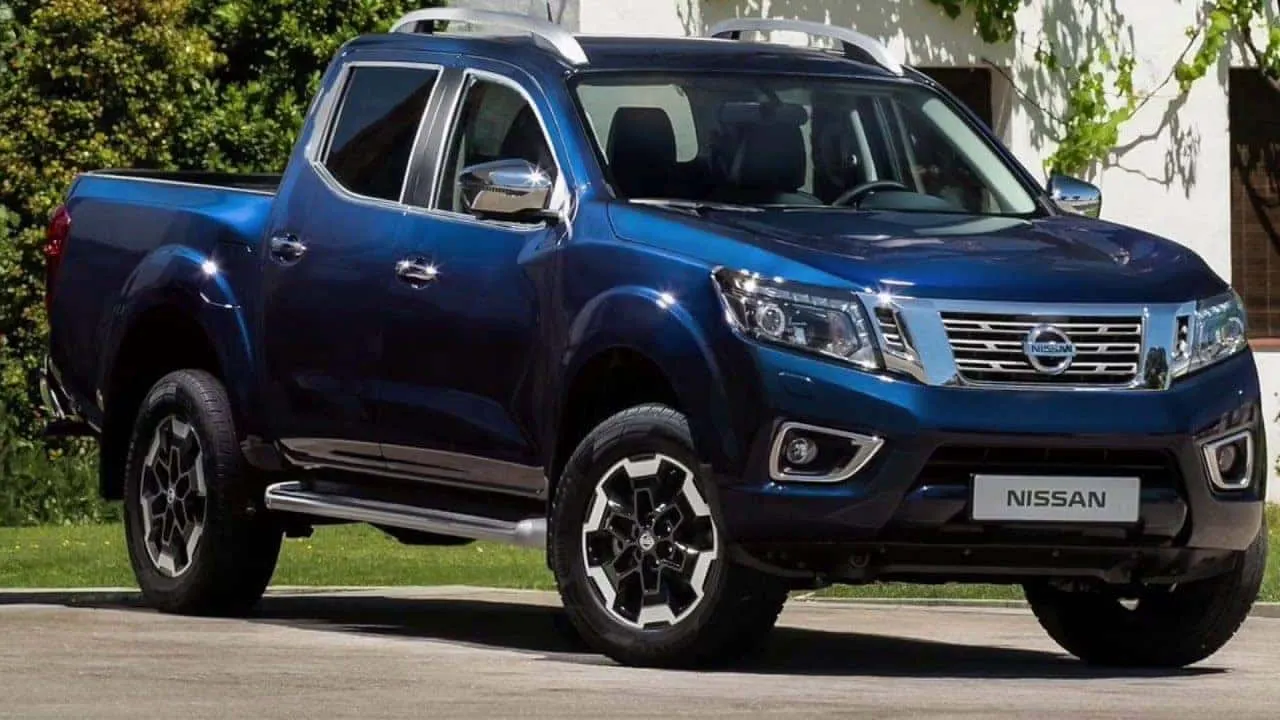
2. Nissan Frontier (2020 Model)
The 2020 Nissan Frontier has earned a good reputation for being a reliable midsize pickup that performs strongly in different driving conditions. Its engine and transmission are solid, and the truck handles heavy-duty use quite well. However, while it delivers good power and endurance, its protection against rust from the factory is less impressive.
Nissan focused on making the Frontier tough, but several owners have found that corrosion tends to start around the frame rails, suspension mounts, and weld seams when no extra coating is applied early. The exterior paintwork holds up nicely, but the underside does not receive complete sealing, leaving bare sections that easily react to moisture and road salt.
People living near coastlines or in regions where snow and salt are common should pay particular attention to the underbody. The truck’s open-frame structure provides plenty of space for water, mud, and sand to hide in small corners. When these materials dry up, they trap moisture, which then starts to rust the metal slowly.
Long-time owners often advise washing the underbody regularly and applying a protective oil-based or rubberized spray that forms a barrier against corrosion. This simple step can make a huge difference in how long the truck remains strong.
The Frontier’s drivetrain and core mechanical components are known to last hundreds of thousands of kilometres without issue, but rust can shorten that lifespan if ignored. Once corrosion reaches the frame welds or support beams, repair becomes expensive and stressful. Applying undercoating as soon as possible protects those critical areas before damage sets in.
This pickup is rugged and capable of performing difficult jobs, but its longevity depends on preventive maintenance. A bit of effort early on keeps the truck sturdy for many years, helping owners enjoy its reliability and power without worrying about rust taking over.
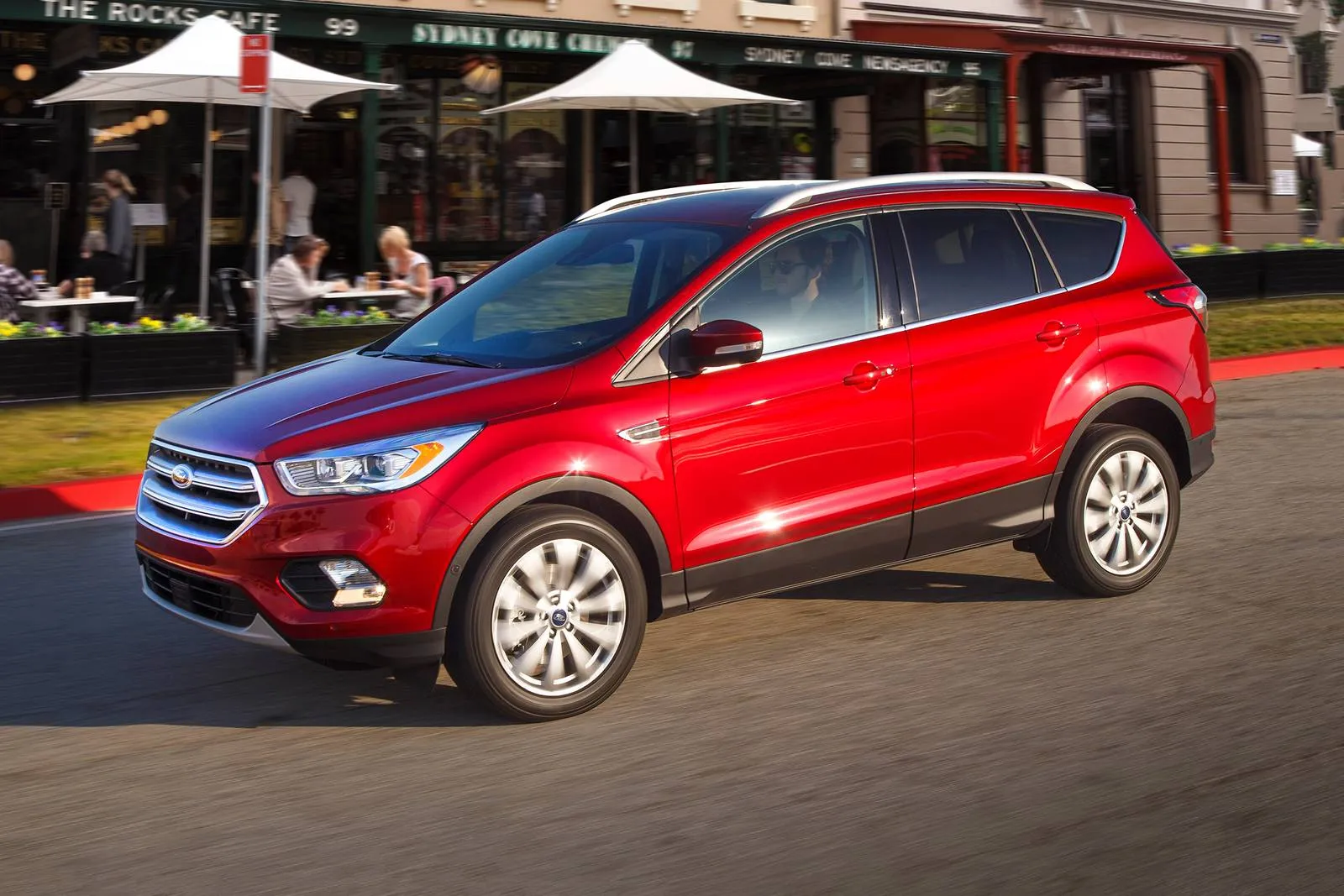
3. Ford Escape (2018 Model)
The 2018 Ford Escape continues to be a popular compact crossover that combines smooth driving comfort with good performance. Its handling and interior layout appeal to many drivers who want a balance between practicality and modern design.
Yet, one weakness that owners often point out is that its factory rustproofing is weaker than that of several competitors. Ford left parts of the underbody with limited sealing, and this creates trouble when the car faces constant exposure to moisture, road salt, or muddy environments.
Areas such as the wheel wells, door sills, and rear subframe are particularly vulnerable. People living in regions that experience heavy rainfall or cold winters soon notice spots of surface rust forming in these locations. Some owners have also seen corrosion near suspension mounts and weld seams where the factory coating is thin.
Once small cracks appear, moisture settles inside, and rust begins spreading gradually. For car owners who plan to keep their Escape for a long time, applying a reliable aftermarket undercoating is a smart decision that prevents the body from deteriorating.
A good sealant treatment shields the underbody and exposed parts effectively, giving the Escape much better resistance against harsh driving conditions. The added coating even helps reduce vibrations and road noise, creating a quieter cabin while extending the life of metal components.
Regular washing underneath the car and inspecting for chipped paint around the lower edges also helps a lot. This model remains a comfortable daily-use crossover, but it truly benefits from additional rust protection.
Spending a little on undercoating early saves a lot of money later, especially since rust damage can be expensive to fix once it spreads. Proper care ensures the Escape stays reliable and attractive through years of service.
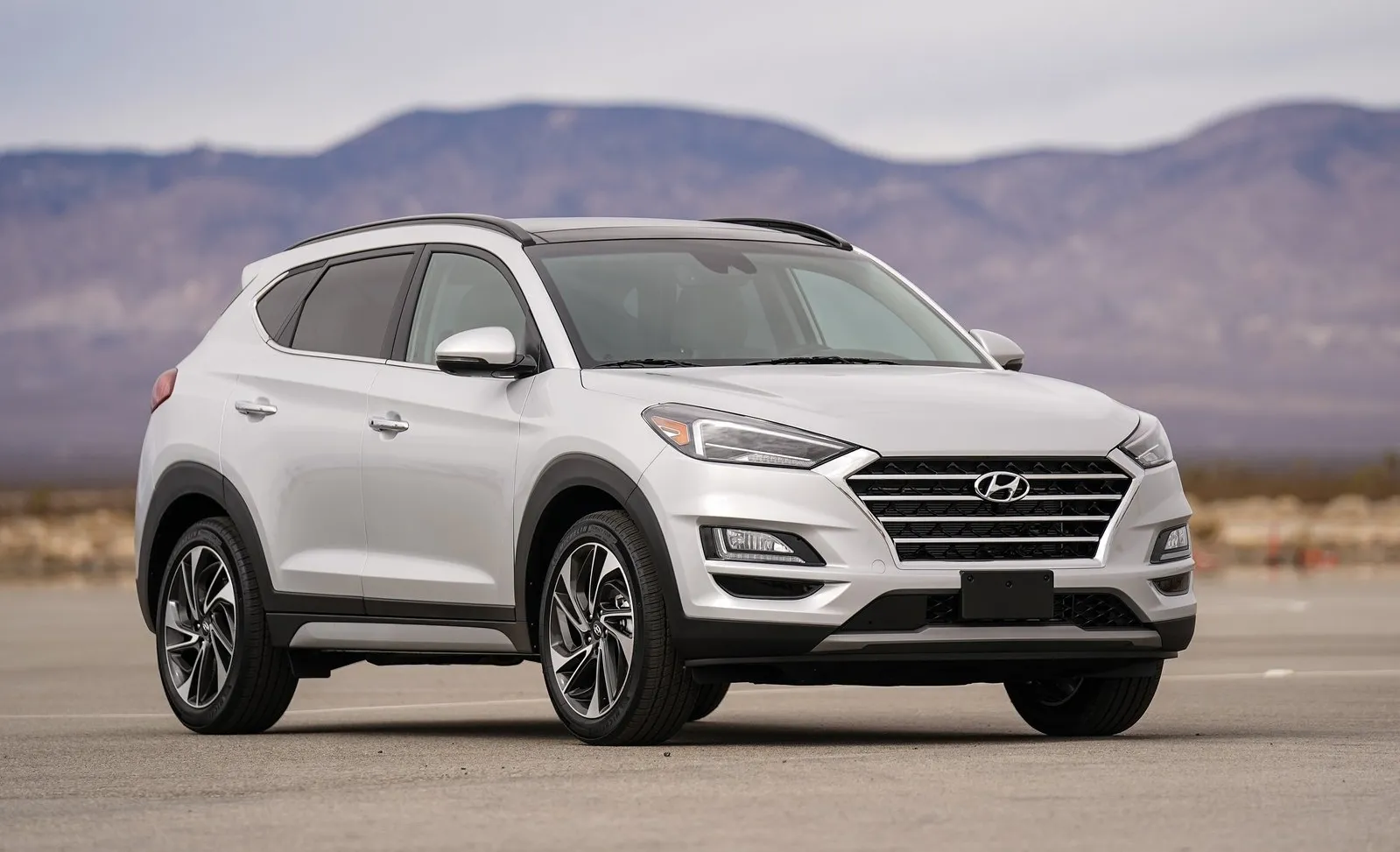
4. Hyundai Tucson (2019 Model)
The 2019 Hyundai Tucson offers great value with its comfortable cabin, fuel efficiency, and solid performance, but its corrosion resistance could use improvement. While Hyundai improved its paint quality and exterior finishing compared to older versions, the underbody still leaves some vulnerable spots exposed. The lower frame area and rear suspension sections often show early signs of oxidation when exposed to moisture or road salt for long periods without extra protection.
For those who live in places where it rains frequently or where snow-melting salt is used on roads, rust can appear sooner than expected. Bolts, seams, and suspension arms can start showing orange discoloration if no undercoating is added.
Owners who took the time to apply a protective coating soon after buying their Tucson have reported much better long-term results. Preventive treatment stops corrosion before it can develop, keeping the car’s structure firm for many years.
Although Hyundai designed the Tucson with reliability and comfort in mind, its rust resistance does not fully match its mechanical quality. Applying a thick professional-grade coating to the underbody, wheel arches, and lower door edges helps seal off those weak points.
It is also a good idea to inspect the undercarriage occasionally for scratches or chips in the paint that could expose raw metal. When maintained properly, this SUV performs well, handles smoothly, and looks neat for a long time.
The Tucson remains dependable and efficient, but it deserves an extra layer of defense to stand up to moisture and road grime. A little preventive attention keeps it in great condition, helping it maintain both strength and resale value as the years go by.
Also Read: 5 SUVs With Smart Cargo Hooks, Rails & Cubies vs 5 Cargo-Area Afterthoughts
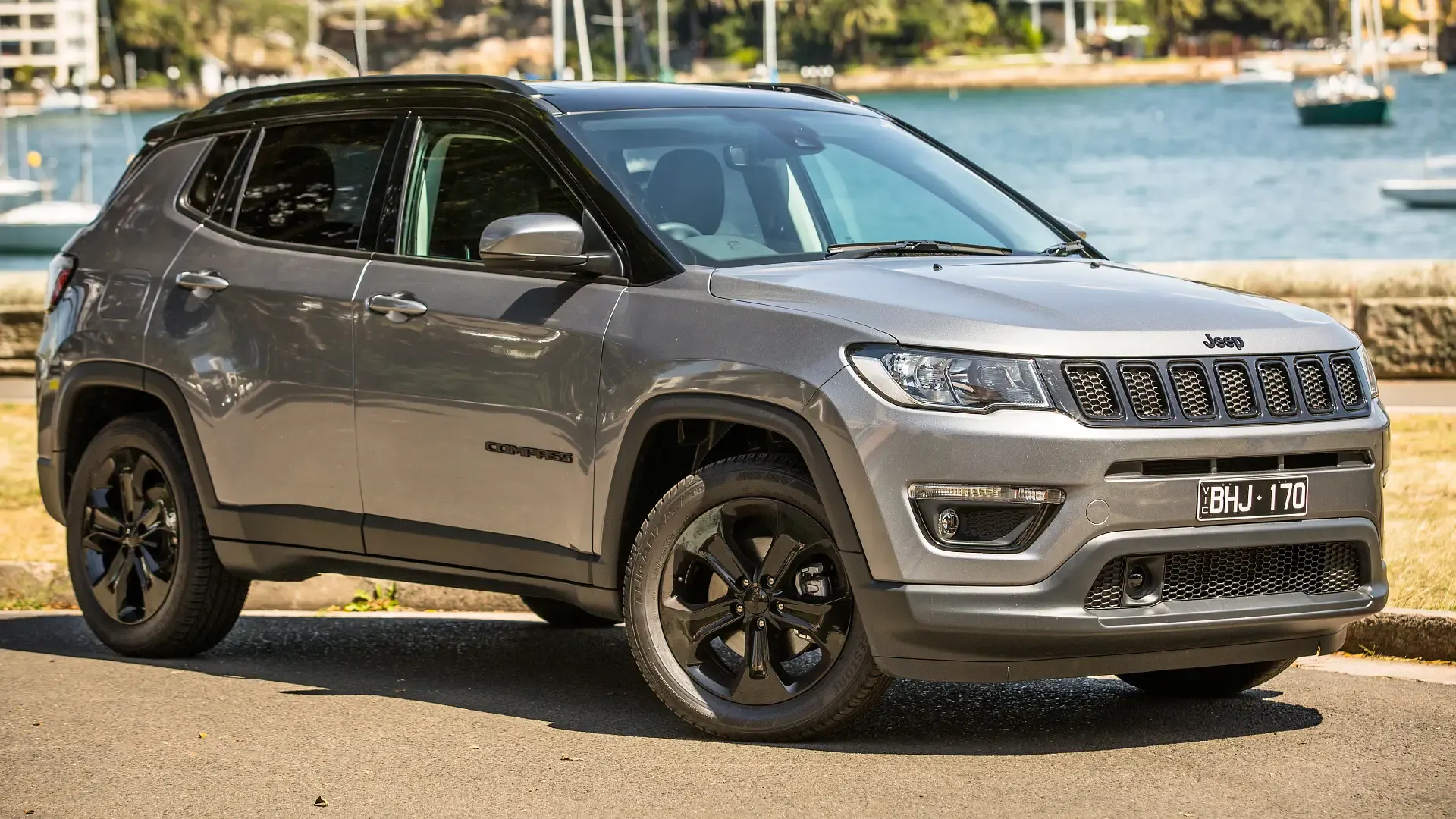
5. Jeep Compass (2020 Model)
The 2020 Jeep Compass blends stylish design with off-road ability, giving drivers a compact SUV that handles different roads with confidence. Its performance on rough roads and its interior comfort make it appealing to many buyers, but when it comes to corrosion resistance, this model leaves room for improvement.
The lower body and undercarriage are only partially coated from the factory, which exposes several areas to rust risks. Drivers who live in cold regions or coastal zones have reported corrosion showing up near door seams, exhaust mounts, and lower panels after just a couple of years.
This problem mostly comes from Jeep’s decision to leave some welded sections uncovered during manufacturing. When salt water or mud reaches these untreated joints, it begins to eat away at the metal surface quickly.
Although the Compass is designed for light off-roading and outdoor adventures, it performs best when extra protection is applied. A good undercoating blocks dirt and moisture from reaching bare metal and prevents rust from forming on hidden parts.
After getting the treatment, owners usually notice immediate benefits. The new coating stops grime from sticking, reduces road noise, and keeps the underbody cleaner for longer. It also adds to the strength and durability of the frame, making it suitable for long-term use in harsh conditions.
Drivers who enjoy outdoor activities or often travel on unpaved roads should see this step as essential. Without undercoating, continuous exposure to rain, puddles, or mud can weaken the metal structure after some time.
The Compass performs well and looks great, but it depends on preventive care to maintain that strength and beauty through years of use.
Every car has its strengths and weak spots. Some, like the Subaru Outback, Toyota RAV4, and Volvo XC60, arrive well prepared for whatever nature throws at them. Others, such as the Chevrolet Silverado 1500 and Jeep Compass, need more help to keep rust from eating into their frames. No matter what you drive, regular cleaning and inspection go a long way.
Applying undercoating where necessary protects your investment, adds peace of mind, and helps maintain resale value. Rust may seem small at first, but when left unchecked, it spreads fast.
Whether you buy new or used, knowing how each model responds to different climates and conditions can save you both stress and money. Proper care will always outlast poor preparation.
