Plug-in hybrid vehicles promise the best of both worlds: electric efficiency for city driving and gasoline backup for longer journeys. Yet, as anyone who has tested multiple models knows, not all plug-in hybrids live up to their EPA-rated range.
Some deliver on efficiency, offering impressive mileage and dependable performance that truly matches their numbers, while others fall short in real-world conditions, leaving drivers disappointed when the electric range underperforms.
In this review, we break down “5 Plug-In Hybrids That Actually Deliver EPA Range vs 5 That Don’t,” examining how these vehicles behave on the road, from luxury coupes like the 2025 Lexus LC 500h to family-focused minivans and capable full-size pickups.
By comparing models that overdeliver versus those that overpromise, we aim to help prospective buyers make informed decisions, whether they prioritize efficiency, luxury, or sheer driving enjoyment.
5 Plug-In Hybrids That Actually Deliver EPA Range
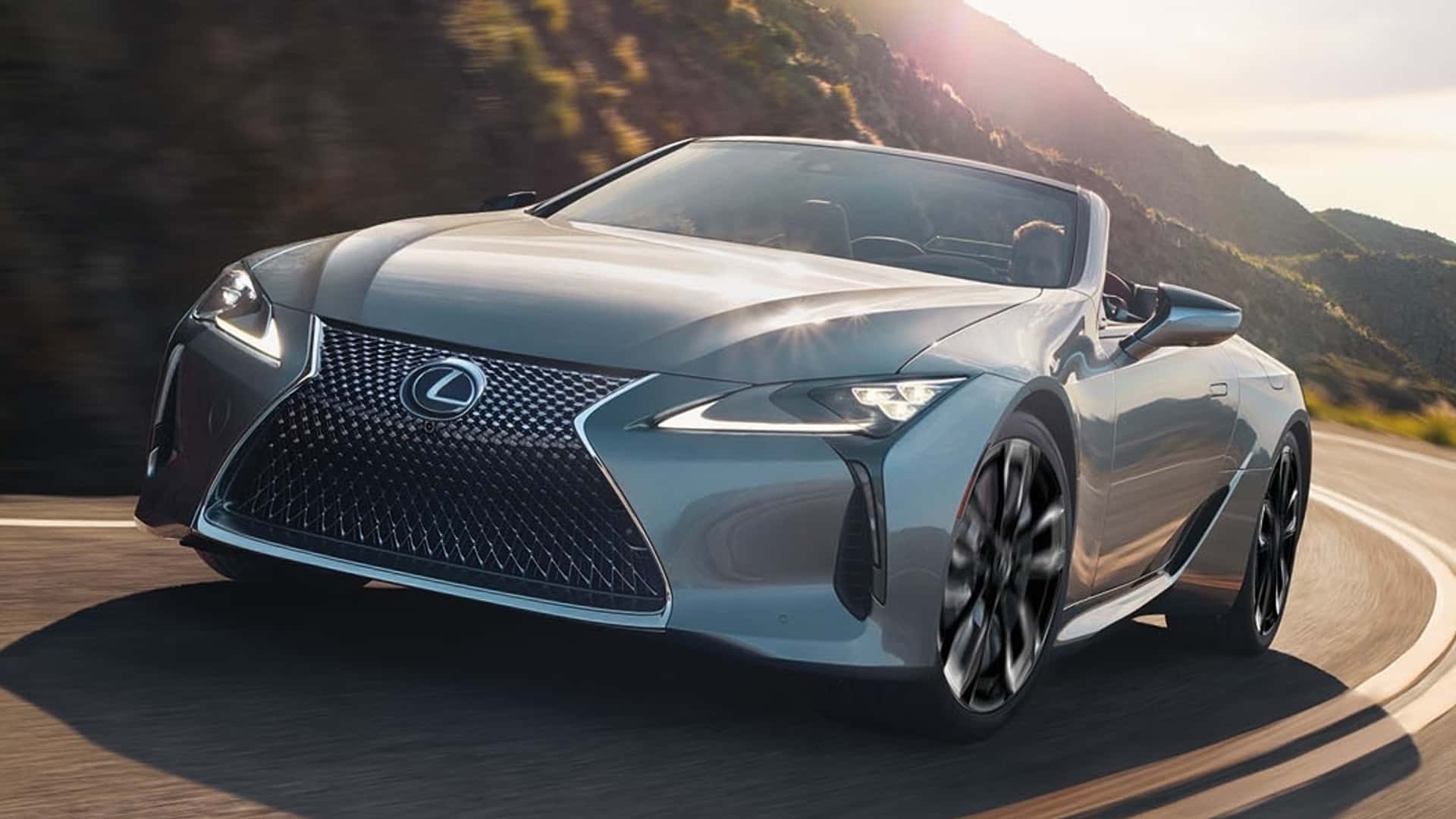
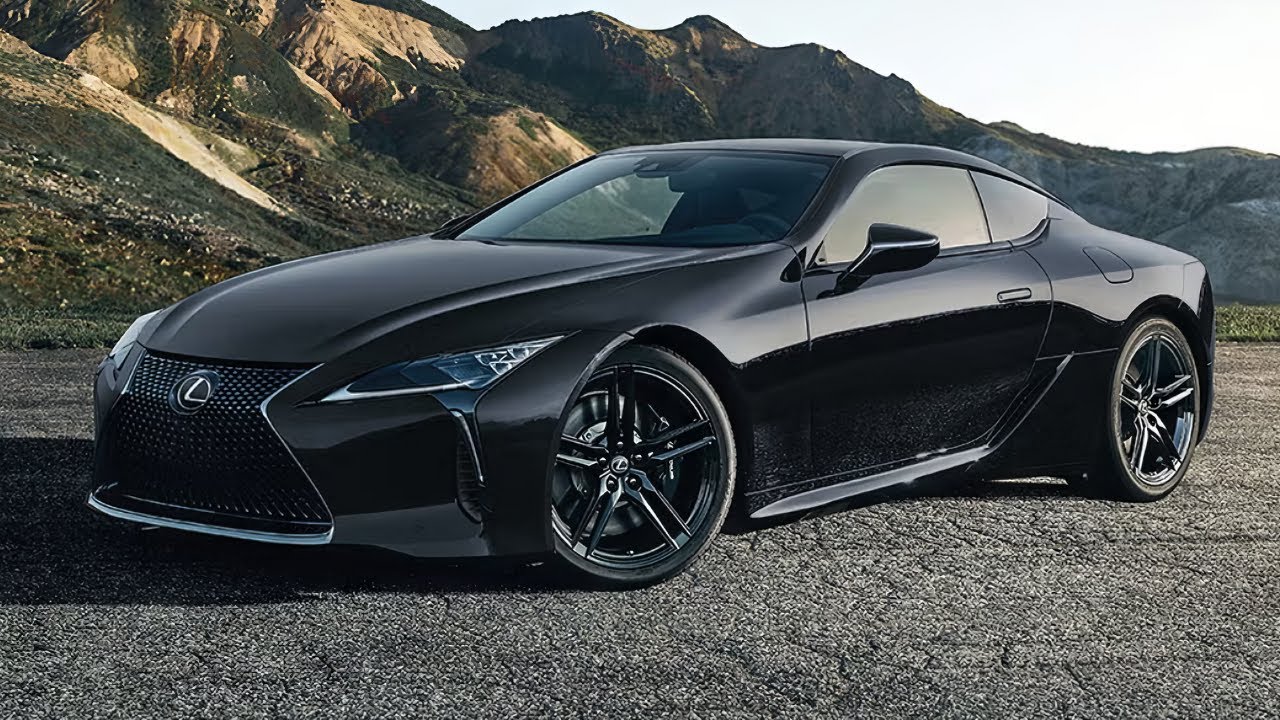
1. 2025 Lexus LC 500h: Luxury Meets Hybrid Performance
The 2025 Lexus LC 500h is a large luxury coupe that blends grand touring comfort with hybrid efficiency. Positioned against models like the BMW 8 Series, Mercedes-Benz SL-Class, and Porsche 911, the LC 500h continues Lexus’ tradition of combining performance, advanced technology, and premium craftsmanship.
With a base price of $102,400, it features a 3.5-liter V6 engine paired with two electric motors, producing a combined 354 horsepower with rear-wheel drive. The hybrid system, called Lexus’ Multi-Stage Hybrid System, combines a four-speed automatic with a continuously variable transmission to simulate a 10-speed gearbox, offering a more engaging driving experience than conventional hybrids.
The LC 500h focuses on driving feel rather than pure acceleration. It reaches 60 mph in just over five seconds, which is respectable but not extreme for its class. The hybrid system delivers smooth power and improves fuel economy by about 33 percent, with an EPA-estimated combined 29 MPG. Steering is quick, direct, and firm, although it lacks tactile feedback.
The suspension provides a balance between comfort and responsiveness, while braking performance is precise, and the transmission functions smoothly with only minor low-speed hiccups. The driving experience is refined, making it enjoyable for long tours and spirited drives.
Ride quality is a strong point for the LC 500h. The suspension absorbs bumps effectively without feeling soft or disconnected. Front seats are supportive and shaped well, featuring ventilation and optional warm-air neck vents in convertible models.
The cabin remains quiet with both the top up and down, allowing occupants to converse easily while enjoying engine sounds. The updated 12.3-inch touchscreen replaces the older touchpad interface, improving usability and responsiveness.
Apple CarPlay, Android Auto, and voice commands are available. The driver-focused cockpit includes a power-adjustable steering wheel and clear visibility, while the rear view is limited due to narrow windows.
Technology in the LC 500h is designed for simplicity and effectiveness. The infotainment system is easy to use and responsive, while standard driver aids include adaptive cruise control, lane-keeping assist, and lane departure warning.
Parking sensors and a backup camera provide support for maneuvering, although a surround-view camera system is not included. The tech suite balances convenience and safety without overwhelming the driver with excessive features.
Storage space in the LC 500h is limited. The trunk is shallow and small, able to hold only a few bags safely. Interior compartments such as door pockets, cupholders, and the center console are minimal. Rear seats are better suited for carrying small items than passengers, reflecting the coupe’s focus on luxury and style rather than utility.
The LC 500h offers strong value through high build quality and generous standard features. Leather surfaces dominate the cabin, and metal switchgear enhances the premium feel.
Lexus provides a four-year/50,000-mile basic warranty and a six-year/70,000-mile powertrain warranty, along with four years of roadside assistance and one year of free maintenance. The combination of luxury, hybrid efficiency, and reliability makes the LC 500h a compelling choice for buyers seeking a grand touring experience with advanced technology.
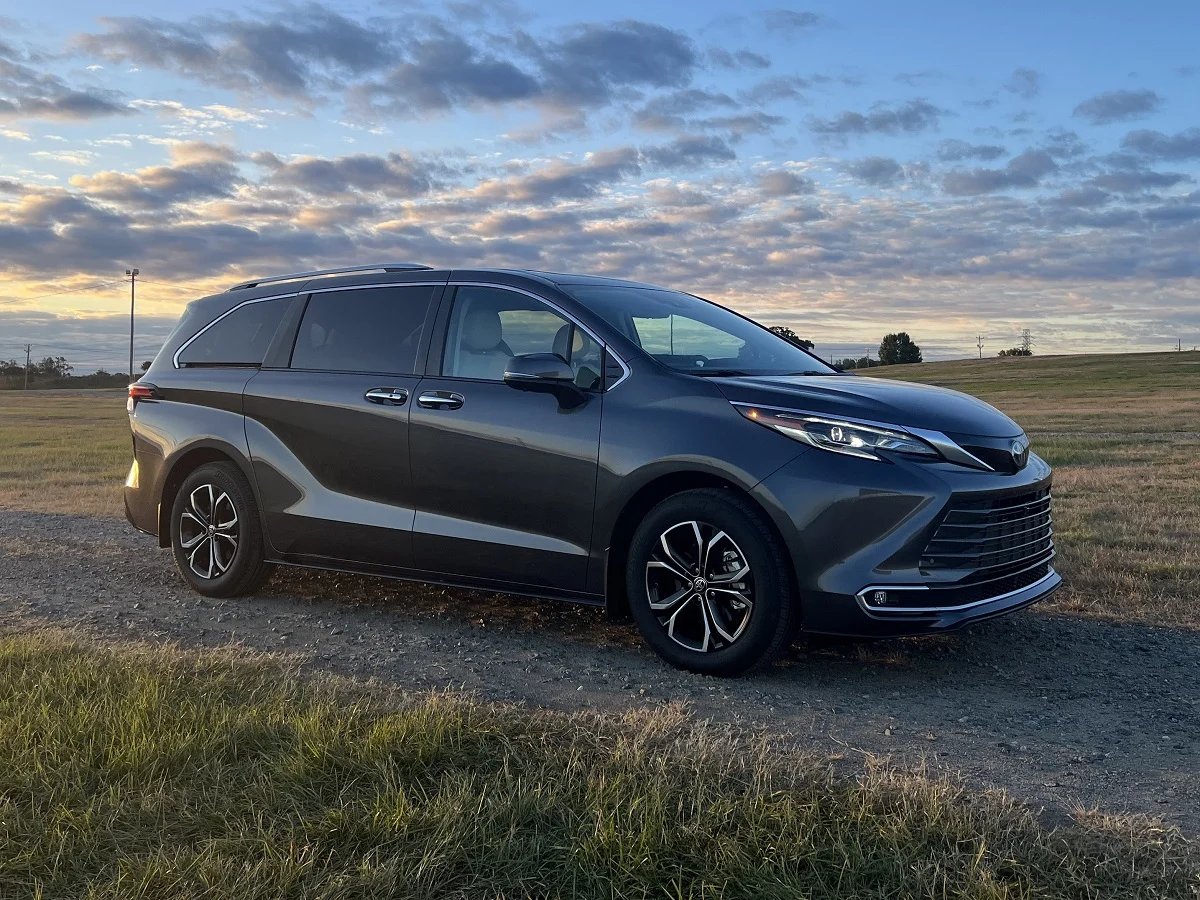
2. 2025 Toyota Sienna: Efficient and Family-Friendly Minivan
The 2025 Toyota Sienna is a class-leading minivan that emphasizes efficiency, practicality, and comfort. Since its 2021 redesign, the Sienna has been exclusively hybrid-powered, setting it apart from competitors such as the Chrysler Pacifica Hybrid, Honda Odyssey, and Kia Carnival.
With a starting price of $39,185, the base model features a 2.5-liter Atkinson-cycle four-cylinder engine paired with two electric motors, producing a combined 245 horsepower. It comes with a continuously variable transmission (CVT) and front-wheel drive, achieving an EPA-estimated 36 mpg combined and a remarkable driving range of 648 miles.
The Sienna delivers smooth acceleration, though it is slightly slower than some rivals, taking a bit longer to reach 60 mph. This difference is most noticeable when merging onto highways or climbing steep inclines.
The minivan drives more like a car than a traditional SUV, with well-weighted steering that provides confidence on long highway stretches and easy control at low speeds. While it is not the most agile vehicle in its class, the Sienna offers a composed and predictable driving experience suitable for family use and extended trips.
Comfort is a strong point for the Sienna. The driver’s seat offers a wide range of adjustments, and second-row seats include sliding options and optional ottoman-style footrests, providing a near business-class experience for passengers.
The cabin is quiet during normal driving, although the engine and CVT become noticeable when maximum power is requested. The Sienna’s elevated driving position makes entering and exiting the vehicle simple, and visibility from the cabin is excellent. Optional features such as a surround-view camera and digital rearview mirror improve situational awareness and ease of use.
The 2025 Sienna comes with a 12.3-inch touchscreen that is responsive and intuitive. Wireless Apple CarPlay and Android Auto are standard, and most controls are logically positioned.
The Sienna’s advanced driver-assistance features, including adaptive cruise control, lane-keeping assistance, and traffic-aware braking, perform reliably in real-world conditions. These systems enhance safety and convenience for family trips, congested traffic, or highway driving.
The Sienna excels in cargo and storage solutions. A deep well behind the third row and fold-flat seats provide flexibility, while the second-row seats slide forward to create additional space. The second-row seats are not removable, which limits maximum cargo capacity compared with some competitors.
Interior storage is abundant, including multi-level door pockets, cupholders, and a central shelf. Car seat installation is straightforward, with easily accessible anchors and buckles.
Fuel efficiency is a major strength, with the Sienna achieving 36 mpg combined for the base front-wheel-drive model and exceeding that in real-world driving tests. The hybrid powertrain contributes to both fuel savings and a long driving range. The interior is well-built with soft-touch surfaces and quality materials.
Base pricing is competitive for the features provided, while higher trims add value with options such as all-wheel drive. Toyota provides a strong warranty for hybrid components, roadside assistance, and two years of complimentary scheduled maintenance.
The 2025 Toyota Sienna combines hybrid efficiency, family-oriented features, and a comfortable, well-equipped interior, making it a practical, reliable, and economical choice for modern families.
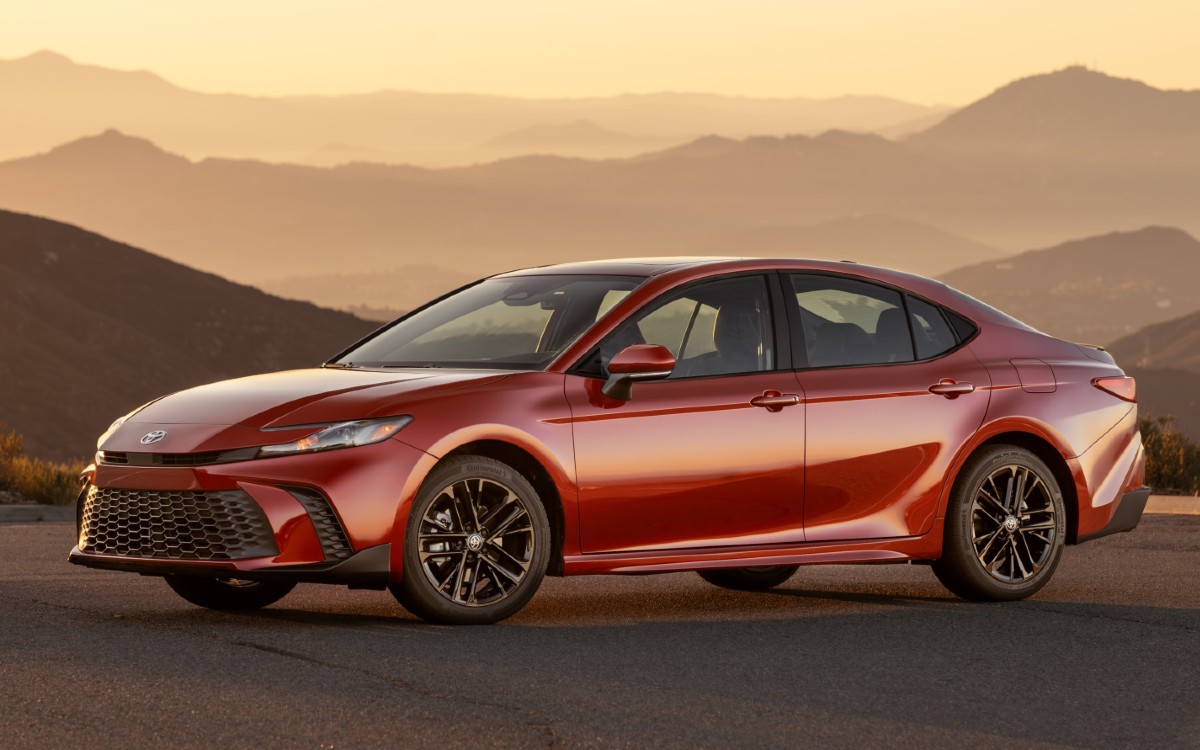
3. 2025 Toyota Camry: Efficient and Refined Hybrid Sedan
The 2025 Toyota Camry is now exclusively offered as a hybrid, continuing its legacy as a leading mid-sized sedan. Known for reliability and practicality, the Camry competes with the Honda Accord and Hyundai Sonata while delivering one of the best fuel-efficient drivetrains in its class.
Starting at $28,700, the base front-wheel-drive model features a 2.5-liter Dynamic Force I4 hybrid engine paired with a continuously variable transmission (CVT), producing 184 horsepower and 163 lb.-ft. of torque. Fuel economy is a standout, with an EPA estimate of 53 mpg city, 50 mpg highway, and 51 mpg combined, providing a driving range of 663 miles on a full tank.
The 2025 Camry delivers smooth acceleration and sufficient power for passing, merging, and daily driving. In testing, the Camry XSE front-wheel-drive model reached 60 mph in 7.8 seconds, slightly faster than its hybrid Accord and Sonata competitors. Braking is strong and precise, and the sport-tuned suspension on higher trims offers responsive handling while maintaining ride comfort.
Even the base trim feels secure through corners, with well-weighted steering and minimal floatiness. The Camry provides a slightly elevated driving position, giving a clear view over the hood and behind the vehicle. Advanced safety systems, including adaptive cruise control, lane-keeping assistance, and optional Traffic Jam Assist, enhance driver confidence in both city and highway conditions.
Comfort is a strong point for the Camry. Front seats offer firm support for long drives, while the rear bench is wide and spacious. Headroom is slightly limited in the back due to the roofline, but passenger space remains ample. Entry and exit are effortless thanks to wide door openings and upright seating.
LATCH anchors for car seats are easily accessible, making the Camry family-friendly. Cabin quietness is excellent at normal speeds, although engine noise becomes noticeable under hard acceleration. Climate control works effectively, with strong fan speeds and convenient automatic settings.
Most trims come with a large 12.3-inch touchscreen, featuring wireless Apple CarPlay and Android Auto integration. Device connectivity is seamless, and the wireless charging pad functions reliably.
Optional upgrades include a nine-speaker JBL audio system that enhances sound quality, though it is slightly behind some competitors’ premium systems. Controls are logically arranged, with a row of switches and knobs beneath the touchscreen for easy access.
The Camry provides a 15.1-cubic-foot trunk, sufficient for several large suitcases or groceries. Interior storage is well thought out, with door pockets, a center bin, and a dedicated area near the wireless charging pad for smaller items like keys and phones. While trunk space is slightly smaller than some competitors, it is practical for most daily needs.
Fuel efficiency is a major strength, with combined city/highway mpg ranging from 44 to 51, depending on trim and drivetrain. Real-world testing of the XSE front-wheel-drive model returned 45.9 mpg.
Offering hybrid options across all trims allows buyers to choose efficiency without sacrificing features. Toyota provides two years/25,000-mile complimentary maintenance and two years of roadside assistance, adding to the Camry’s value proposition.
The 2025 Toyota Camry combines impressive fuel economy, refined comfort, and dependable hybrid performance, making it a practical and efficient choice for commuting and long-distance driving.
4. 2025 Toyota Tundra i-FORCE 2WD: Efficient and Capable Full-Size Pickup
The 2025 Toyota Tundra i-FORCE 2WD combines a robust powertrain with an impressive driving range, making it a standout in the full-size pickup segment. Starting at $40,090, this model features a 3.4-liter twin-turbo V6 engine producing 358 horsepower at 5,200 rpm and 406 lb.-ft. of torque at 2,000 rpm.
It is paired with a 10-speed automatic transmission and four-wheel drive. Fuel economy is rated at 17 mpg city, 23 mpg highway, and 19 mpg combined, delivering an EPA-estimated range of 708 miles, which exceeds most competitors, including the Chevrolet Silverado and Ram 1500.
The Tundra i-FORCE offers strong low-end torque and smooth acceleration, reaching 0-60 mph in 6.6 seconds in testing. Merging and passing on highways is effortless, and braking is responsive even with off-road tires installed.
Steering is light and accurate, although drivers should keep in mind the truck’s size when maneuvering through tight spaces. The TRD Off-Road package adds a locking rear differential and terrain modes, but significant off-road performance improvements require the TRD Pro.
Ride quality is firm but stable, and forward visibility is generally good despite thick windshield pillars. Optional surround-view cameras enhance situational awareness, while advanced driver aids provide competent support, though lane-keeping can struggle to maintain lane position.
The Tundra offers generous cabin space, particularly in the CrewMax configuration. An optional panoramic sunroof and full-width power rear window enhance the airy feel. The 14-inch touchscreen grabs attention, but the interior layout prioritizes usability.
Controls are easy to read and operate, and the driving position provides confidence behind the wheel. Climate control is straightforward and user-friendly, though some button labels can be difficult to see in bright sunlight.
The available 14-inch touchscreen delivers crisp graphics and intuitive menus. Standard Apple CarPlay and Android Auto allow seamless smartphone integration. The optional JBL audio system provides high-quality sound, but the standard audio setup is sufficient for most users. Technology in the Tundra focuses on functionality and ease of use rather than flashy features.
Interior storage is plentiful but less cleverly organized than some competitors. The CrewMax configuration allows for rear under-seat storage and additional space for small items up front. While the storage layout can become cluttered, it accommodates everyday needs effectively.
The Tundra’s towing and hauling capacities are practical for most owners, including weekend projects, trailers, and outdoor gear. The 4WD CrewMax configuration can tow up to 11,120 pounds when properly equipped.
The reinforced composite bed is standard and supports heavy loads. Fuel economy is modest for a full-size truck, with the 4WD Tundra rated at 19 mpg combined, though real-world testing yielded 15.2-16.9 mpg under mixed driving conditions.
The Tundra delivers a high level of build quality, with precise fit and finish throughout the cabin. Pricing is competitive compared with similar trucks, and Toyota includes three years/36,000 miles of bumper-to-bumper coverage, five years/60,000 miles for the powertrain, and two years/25,000 miles of free maintenance.
While it is not the most luxurious or flashy truck, the Tundra offers dependable performance, a functional interior, and impressive range, making it easy to live with and use daily.
The 2025 Toyota Tundra i-FORCE 2WD blends capable performance, extended range, and practical features, providing a reliable and competent choice for full-size pickup buyers seeking efficiency and utility.
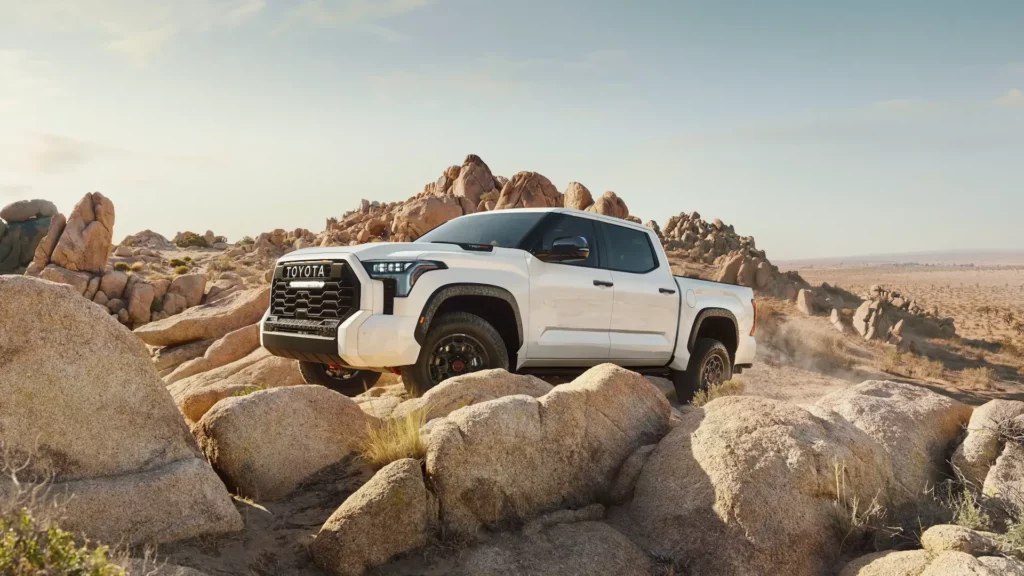
5. 2025 Ford F-150 SuperCrew 4×4 PowerBoost: Efficient and Capable Full-Size Pickup
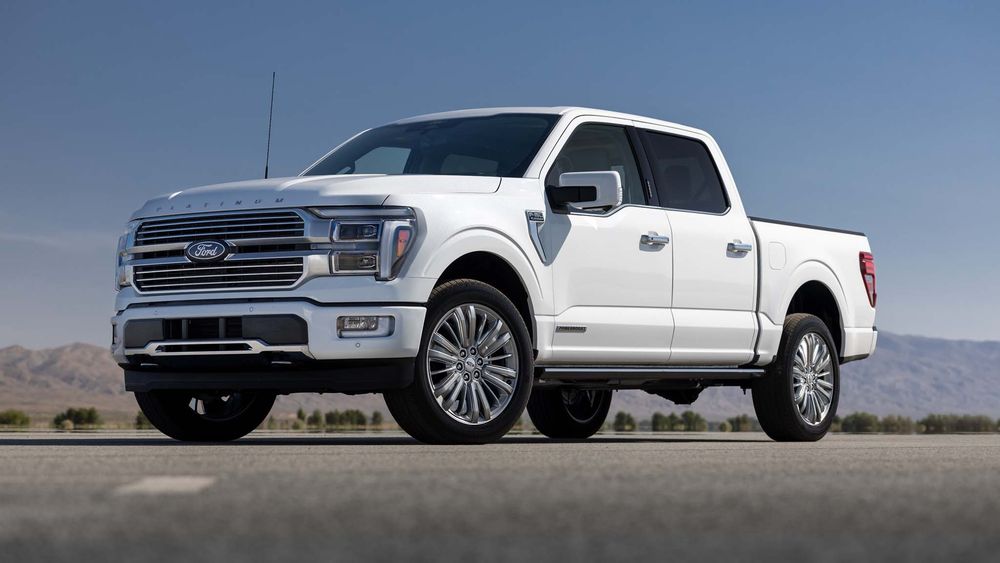
The 2025 Ford F-150 SuperCrew 4×4 PowerBoost stands out as a fuel-efficient full-size pickup, offering an impressive EPA-estimated range of 828 miles. Starting at $38,810, this model is powered by a 2.7-liter EcoBoost V6 hybrid engine producing 325 horsepower at 5,500 rpm and 400 lb.-ft. of torque at 3,500 rpm.
It pairs with a 10-speed automatic transmission and standard rear-wheel drive, with the SuperCrew configuration providing a spacious cabin and versatile storage options. Fuel economy is rated at 20 mpg city, 26 mpg highway, and 22 mpg combined, surpassing most non-hybrid competitors.
The F-150 PowerBoost delivers smooth acceleration and strong performance. Testing showed a 0-60 mph time of 5.8 seconds, which is competitive for a full-size truck. Steering is direct and responsive, giving the truck a smaller, more agile feel in tight areas while remaining stable at highway speeds.
Ride quality is firm but controlled, even with rear leaf springs. Braking performance is strong, instilling confidence when hauling or towing heavy loads. Available driver-assist technologies include BlueCruise hands-free driving assist and Pro Trailer Backup Assist, enhancing ease of use when towing.
Off-road capabilities are further supported in Tremor and FX4 trims with specialized suspension, all-terrain tires, lockable axles, and protective skid plates.
The F-150 offers a comfortable cabin, particularly in the crew-cab configuration. Front seats are supportive and can be equipped with heating, ventilation, and even massaging functions. Climate control is effective and easy to operate with physical knobs and buttons.
The interior layout is intuitive, and the SuperCrew provides ample rear legroom for passengers or car seats. Noise levels are minimal on the road, and most engines operate quietly, though the PowerBoost hybrid can produce a generator-like vibration when charging its battery.
A 12-inch touchscreen comes standard, offering an intuitive interface with modern connectivity features, including multiple USB-A and USB-C ports, wireless Apple CarPlay, Android Auto, and the FordPass app for remote functions.
The Pro Power Onboard system allows the F-150 to function as a mobile generator, with up to 7.2 kW of power available for tools, camping, or tailgating. Optional upgrades include advanced audio systems and features tailored for convenience and utility.
The crew-cab configuration provides practical storage with a center console, under-seat storage, and a 60/40-split rear seat that folds into a full-width box for additional space.
Maximum towing capacity reaches 13,500 pounds, and payload capacity is up to 2,440 pounds, making the F-150 a top choice for work and recreational use. Optional features like a split-opening tailgate, power up-and-down functionality, and a tailgate step improve usability for loading and unloading cargo.
The F-150 combines reliability, versatility, and advanced technology in a full-size truck package. While warranty coverage is similar to competitors, its combination of hybrid efficiency, towing capability, spacious cabin, and innovative features such as Pro Power Onboard makes it a strong contender in the segment. Its design, performance, and practical features ensure it remains a solid, adaptable choice for a wide range of drivers.
The 2025 Ford F-150 SuperCrew 4×4 PowerBoost blends fuel efficiency, capability, and technology, offering a versatile and practical full-size truck with excellent range and modern features.
Also read: 10 Cars With Seats That Save Your Back on Road Trips
5 That Don’t
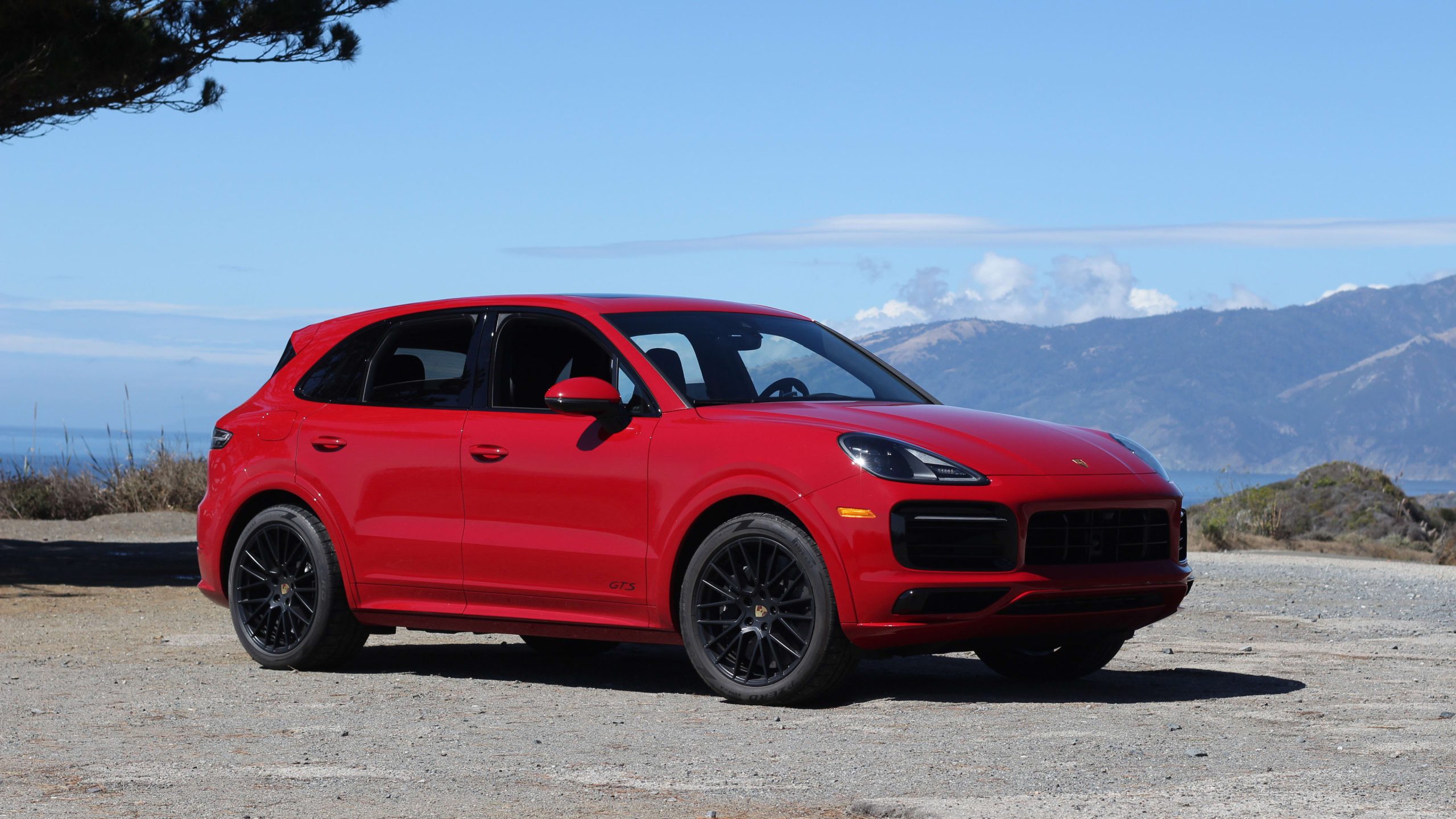
1. 2022 Porsche Cayenne/Coupe E-Hybrid
The 2022 Porsche Cayenne Turbo S E-Hybrid and its Coupe counterpart often fall short of their EPA-rated electric and combined ranges due to several interconnected factors. First, the vehicle’s focus on performance heavily affects efficiency.
The Cayenne Turbo S E-Hybrid is designed to deliver immense power and speed rather than maximize electric driving distance. Its hybrid system works more to enhance performance than to conserve energy, meaning the engine and electric motor often operate together, draining the battery faster than efficiency-focused plug-in hybrids.
Weight also plays a major role in reducing range. The Cayenne is a large, luxury SUV packed with high-end materials, advanced technology, and a powerful hybrid powertrain. This makes it significantly heavier than smaller hybrids, so more energy is needed to move it, especially during acceleration and hill climbs.
Even though Porsche has equipped newer models with a 17.9 kWh battery, earlier versions had smaller packs that offered only around 14.1 kWh of capacity, translating to a limited electric-only range under ideal conditions.
Another major reason for the shortfall lies in real-world driving conditions versus the laboratory settings used for EPA testing. In tests, vehicles are driven under controlled temperatures, at steady speeds, and without heavy use of air conditioning or heating.
On actual roads, however, drivers encounter varying terrain, traffic, and climate conditions. Cold weather in particular reduces battery efficiency, while aggressive driving or frequent use of Sport mode drains energy faster. These real-world variables lead to significantly lower electric range than the EPA numbers suggest.
Driver behavior and charging habits also influence how well the Cayenne meets its EPA estimates. The vehicle performs best when charged frequently and driven on short trips that stay within its electric-only range. Many owners, however, use the Cayenne for longer highway journeys or fail to plug it in regularly, causing the gas engine to engage more frequently and reducing the vehicle’s efficiency.
The 2022 Porsche Cayenne Turbo S E-Hybrid prioritizes performance, comfort, and luxury over efficiency.
While the plug-in hybrid system can deliver respectable electric driving in the right conditions, its heavy build, powerful tuning, and real-world factors prevent it from consistently matching its EPA-rated range. Buyers who value power and refinement will appreciate the Cayenne’s hybrid setup, but those seeking maximum electric efficiency may find it less impressive in everyday driving.
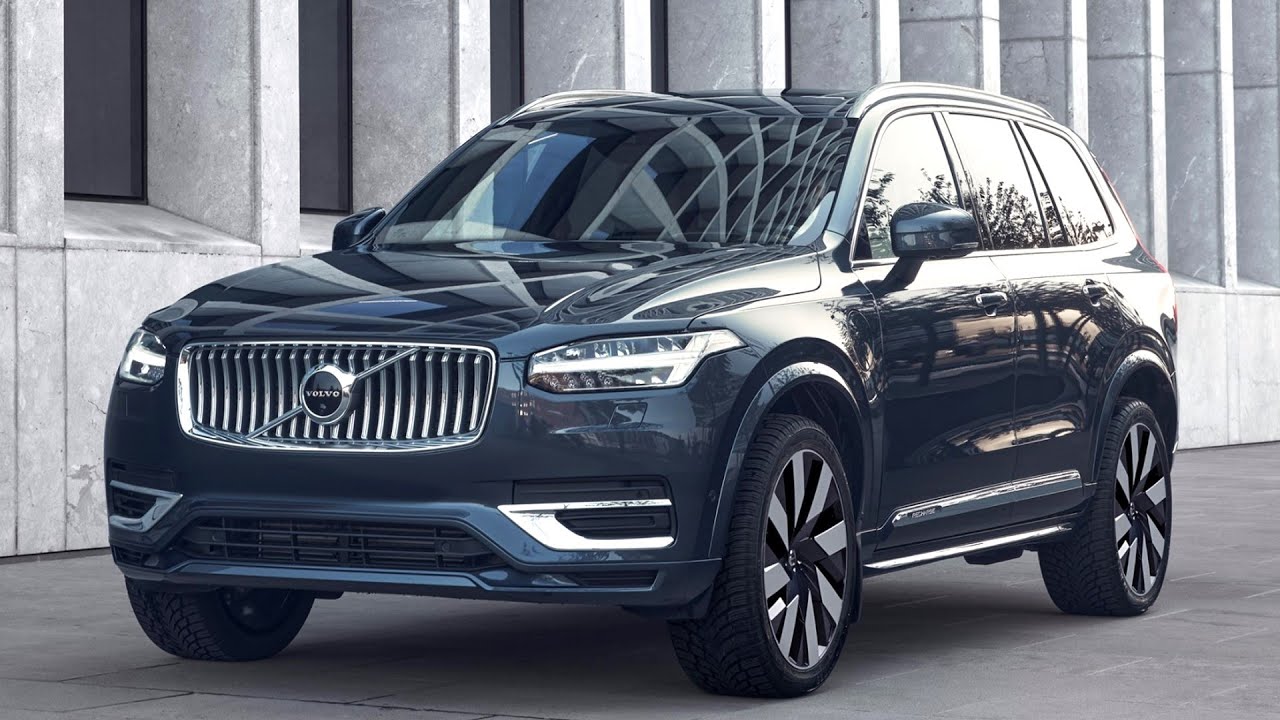
2. 2022 Volvo XC90 T8 AWD Recharge
The 2022 Volvo XC90 T8 AWD Recharge is a plug-in hybrid SUV that balances luxury and utility while showing limitations in electric range and ride comfort. Early 2022 models have an EPA-rated electric range of 17 miles, although real-world performance varies depending on driving style, road conditions, and model updates.
Aggressive acceleration or sustained high-speed driving reduces battery life quickly. Careful, efficient driving, sometimes called hypermiling, can help drivers slightly exceed EPA estimates.
City and highway driving influence efficiency in different ways. Highway speeds above 55 miles per hour often engage hybrid mode, using the gasoline engine and reducing battery-only mileage. Urban driving benefits from the Pure electric mode, while the hybrid mode is best for longer trips or higher speeds.
Wheel size also affects efficiency, with larger wheels on later models lowering electric range. Late 2022 models received a mid-cycle refresh with a larger battery, increasing the EPA-rated electric range to 36 miles. Software updates, such as version 3.1.2, improved the displayed electric range and efficiency, although actual mileage can still vary.
The XC90’s interior stands out for comfort and adjustability. Seats are supportive and highly configurable, making the cabin pleasant for long trips. Some controls can be confusing, and the suspension feels firm over rough roads. The cabin remains quiet and spacious, offering practical seating and cargo arrangements that accommodate families or extended journeys.
The 2022 Volvo XC90 T8 AWD Recharge is suitable for buyers who value a luxurious and comfortable interior in a hybrid SUV. Its efficiency is affected by driving habits and conditions, but the upgraded battery, advanced software, and well-designed cabin create a compelling package for those who want a balance of comfort and plug-in hybrid technology.
3. 2022 Porsche Panamera Turbo S E-Hybrid
The 2022 Porsche Panamera Turbo S E-Hybrid is one of the fastest Panamera models, capable of accelerating from 0 to 60 mph in a remarkable 3.0 seconds. Its hybrid powertrain delivers 690 horsepower by combining a gasoline engine with an electric motor.
While this setup offers exhilarating performance, its electric-only range is limited, with the EPA rating at 17 miles. Real-world driving often achieves less than 15 miles due to the vehicle’s performance-oriented design and driving conditions.
The Panamera Turbo S E-Hybrid prioritizes speed and power over efficiency. The powerful hybrid system aggressively combines the gas and electric motors, consuming more energy during acceleration or high-speed driving.
The vehicle’s substantial weight, exceeding 5,000 pounds because of the large battery and luxury features, further reduces efficiency. Owners often drive in Sport or Sport Plus modes, which rely heavily on the gasoline engine, quickly depleting the battery and shortening the electric range.
Environmental factors and driving conditions also affect range. Highway speeds, cold weather, and use of climate control can cause the car to switch to gasoline power sooner than expected. EPA tests are conducted under controlled conditions, which do not fully reflect real-world scenarios, contributing to the discrepancy between the rated and actual range.
The 2022 Porsche Panamera Turbo S E-Hybrid is a high-performance plug-in hybrid that excels in acceleration, handling, and power delivery. However, its limited electric range highlights that this vehicle is designed for driving excitement rather than maximizing plug-in efficiency.
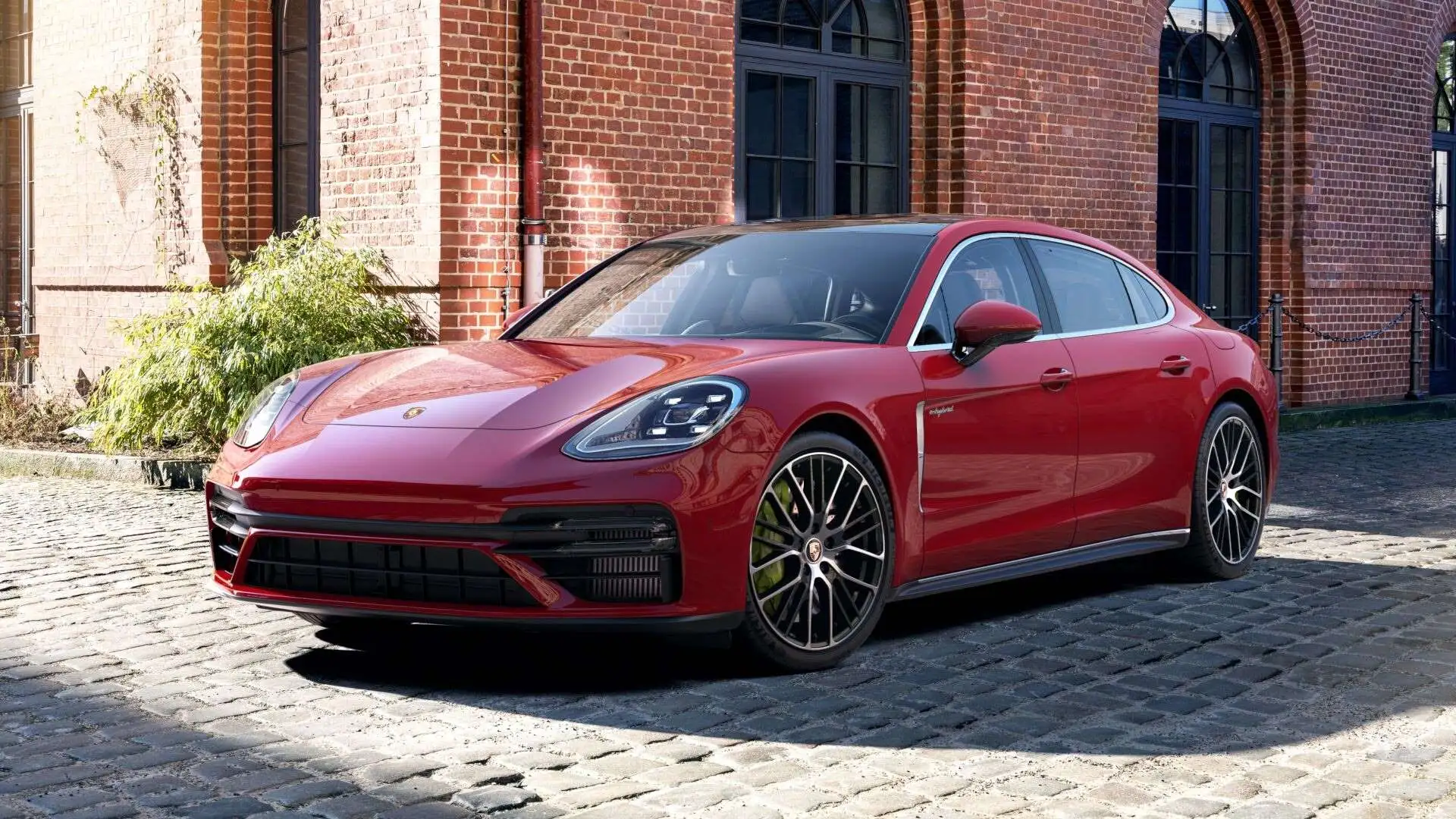
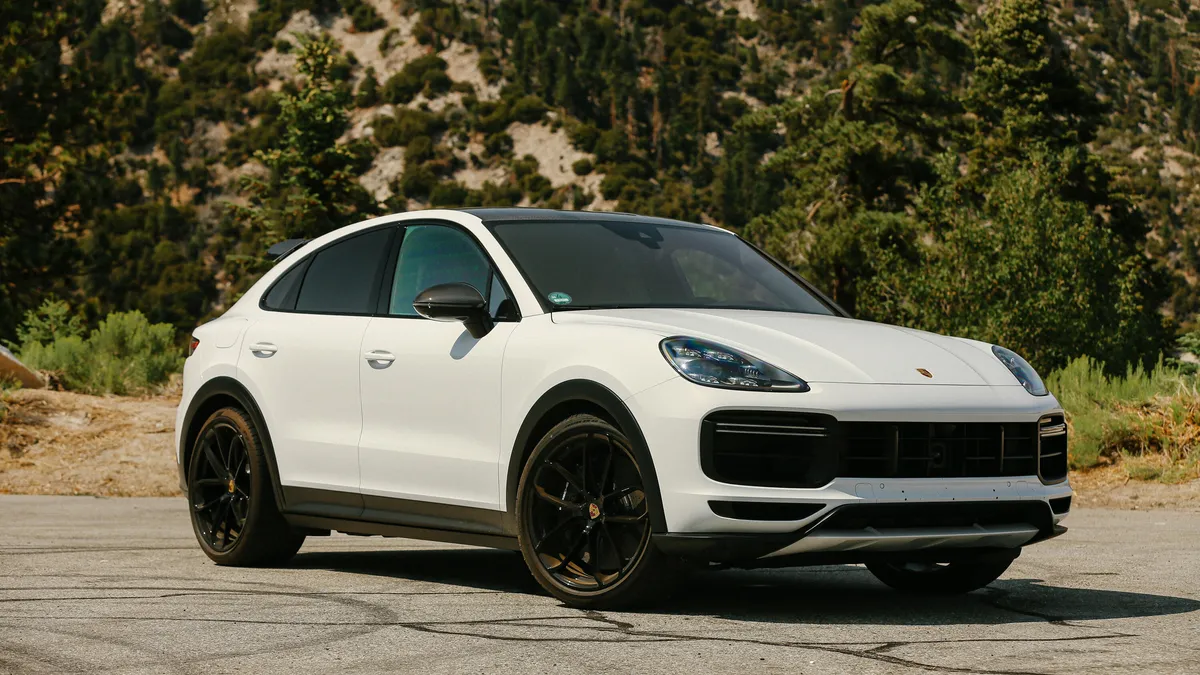
4. 2022 Porsche Cayenne/Coupe E-Hybrid
The 2022 Porsche Cayenne E-Hybrid and its Coupe variant offer a combination of sporty performance, luxury interiors, and plug-in hybrid technology. Both models feature 455 horsepower and an EPA-rated electric range of approximately 17 miles. While the vehicles provide engaging driving dynamics and refined cabins, their electric-only capabilities are constrained by size, weight, and real-world driving conditions.
The Cayenne E-Hybrid is a large SUV with a substantial battery pack and hybrid system, which adds considerable weight. This mass reduces efficiency and electric range, especially during highway driving, steep inclines, or when carrying passengers and cargo.
Although some markets rate the electric range between 17 and 27 miles, reviewers report that typical real-world performance often falls closer to 20–25 miles, depending on conditions.
Driving conditions have a notable impact on range. Highway speeds, cold weather, and use of heating or air-conditioning accelerate battery depletion, while frequent acceleration in Sport or Sport Plus modes engages the gasoline engine more quickly.
Porsche’s hybrid system is engineered with performance in mind rather than maximizing pure electric efficiency. As a result, heavy acceleration and spirited driving shorten the electric-only driving window.
Battery size improvements in newer versions, including capacities above 17.9 kWh, have increased the theoretical range, yet real-world performance remains lower than advertised. Drivers who do not plug in regularly or rely heavily on highway travel will experience fuel economy closer to that of a conventional gasoline SUV.
The Cayenne Coupe’s cargo space is further reduced by the hybrid battery, which is an important consideration for buyers needing storage. Drivers who primarily make short, city-based trips and can recharge frequently will get closer to the advertised electric range. For those with long-distance or highway-focused driving patterns, the EV mode is limited, and the benefits of the plug-in hybrid system are partially diminished.
The 2022 Porsche Cayenne E-Hybrid is a performance-focused SUV with luxurious features, but its size, weight, and hybrid system design limit electric-only driving for many real-world scenarios.
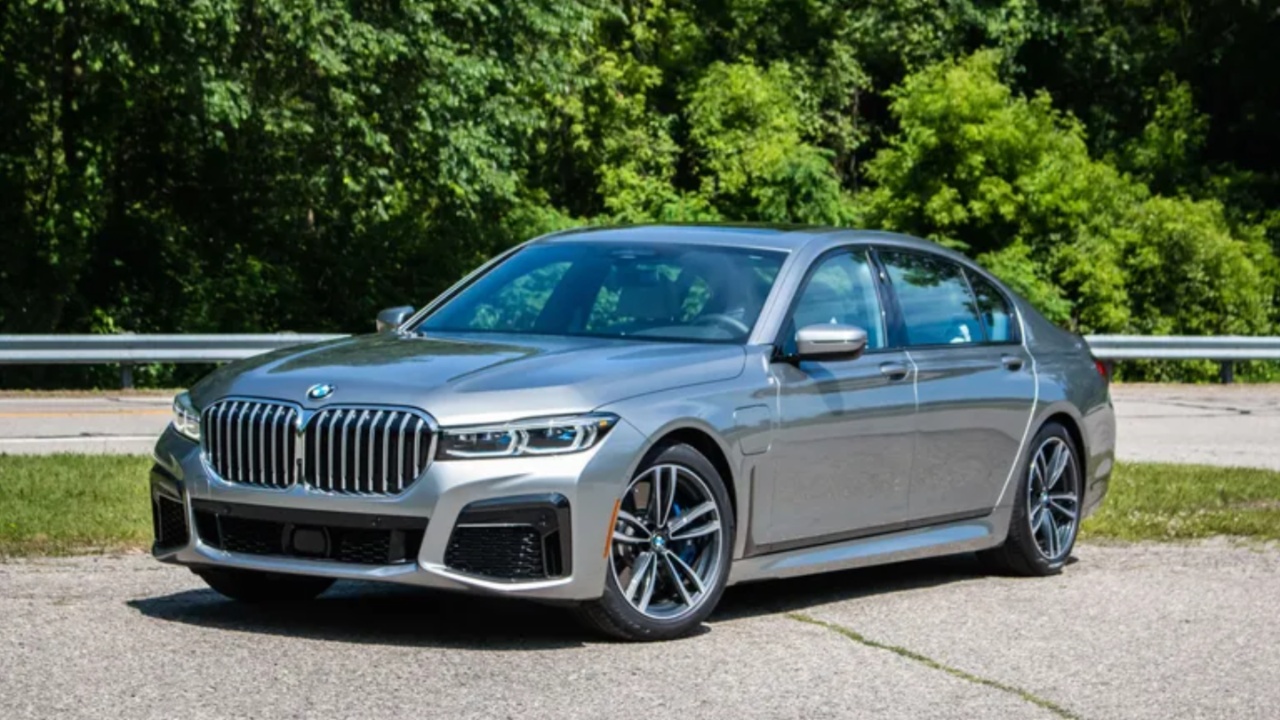
5. 2022 BMW 745e xDrive
The 2022 BMW 745e xDrive is a luxury plug-in hybrid sedan that combines impressive performance with a high-end interior, yet its electric-only range is limited.
The U.S. version achieves approximately 17 miles of EV driving under ideal conditions, but real-world results often fall short due to the car’s size, weight, and driving style. The battery is relatively small at 12 kWh, and the vehicle weighs about 4,848 pounds, reducing how far the electric motor alone can propel it.
This sedan emphasizes performance over efficiency. Its hybrid system pairs a gasoline engine with an electric motor to produce 389 horsepower, providing quick acceleration and a powerful driving experience.
Using Sport mode or aggressive driving accelerates battery depletion, forcing the gasoline engine to engage sooner. Highway speeds, cold weather, heavy loads, and climate control use also reduce the effective electric range. While European test cycles show a range of 30 to 36 miles, U.S. conditions generally yield around 17 miles or less.
The 745e xDrive delivers a quiet and comfortable cabin with luxurious materials and advanced technology, making it suitable for drivers who prioritize refinement and performance. Steering feedback and ride comfort are adequate but not exceptional for a sedan in this class, leaving a slightly less engaging feel than its power suggests.
For buyers, the electric range is most useful for short daily drives if the vehicle can be plugged in frequently. Long highway trips, colder climates, and heavier loads reduce EV performance and fuel savings. The 745e xDrive excels as a luxury and performance hybrid, offering speed, comfort, and advanced features, but its real-world electric range should be considered a best-case scenario rather than a guaranteed figure.
Understanding which plug-in hybrids deliver on their EPA ratings is crucial for both efficiency-minded drivers and enthusiasts seeking a seamless driving experience. Our roundup highlights the models that truly meet expectations, like the 2025 Toyota Sienna, Camry, and Ford F-150 PowerBoost, proving that hybrid technology can combine performance, practicality, and range.
Conversely, vehicles like the Porsche Cayenne and BMW 745e xDrive demonstrate that high-end luxury or performance-focused tuning can compromise electric-only mileage, often leaving real-world drivers with less range than advertised. Choosing a plug-in hybrid, therefore, requires weighing priorities: do you value pure electric efficiency, all-around practicality, or high-performance luxury?
By examining both the overachievers and the underperformers, this comparison provides a roadmap for buyers to make choices that align with their lifestyle and driving habits, ensuring they pick a plug-in hybrid that truly delivers what it promises.
Also Read: 5 Cars With Intuitive Physical Climate Controls vs 5 Buried in Screens